

The DOI matches its Crossref record; 81 of the 81 references it cites were found in a registry or an index.
Scalable production of tissue-like vascularized liver organoids from human PSCs
Open accessAbstract
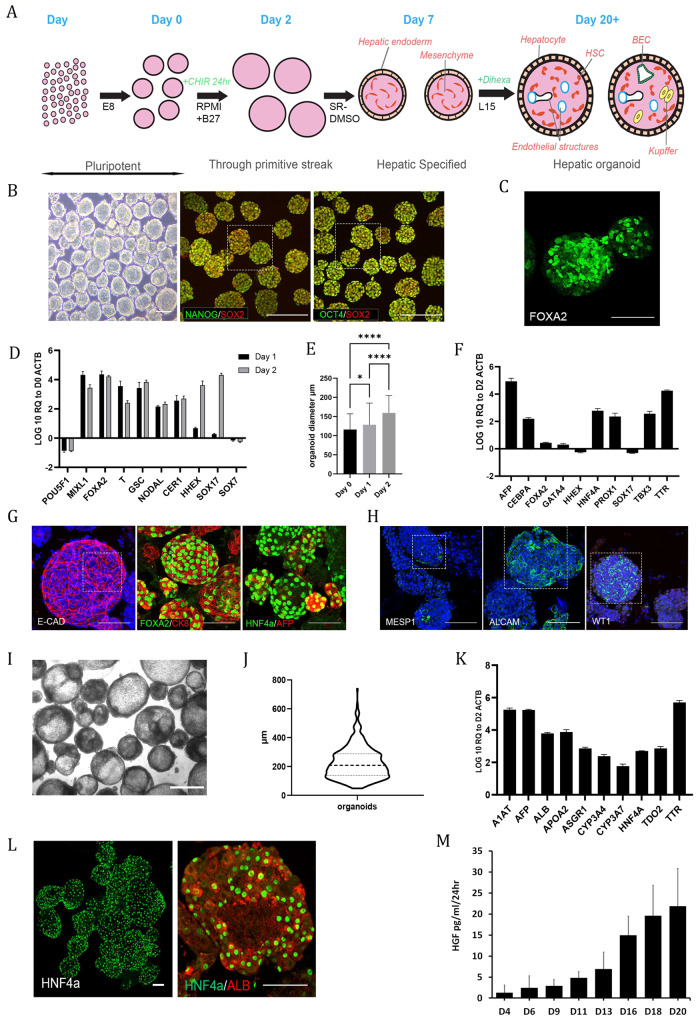
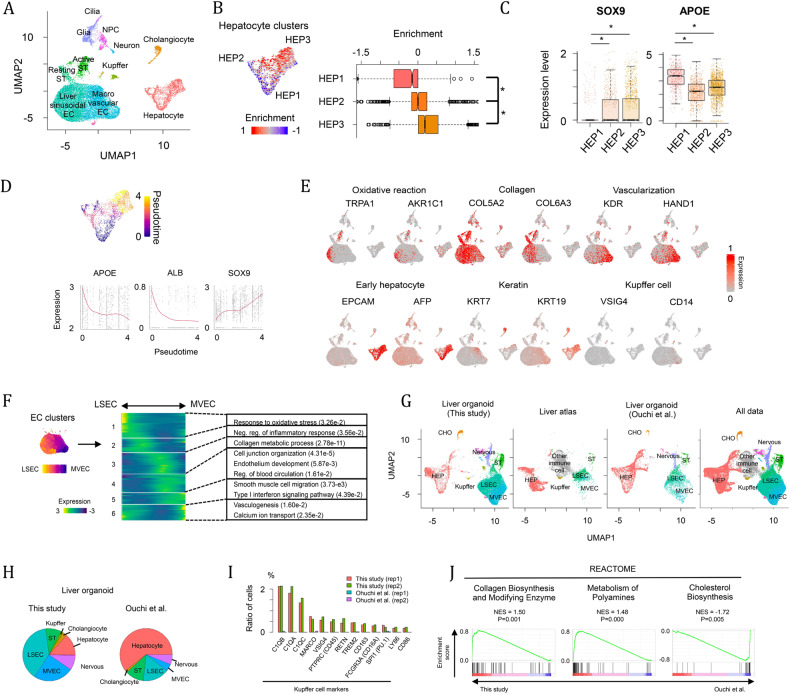
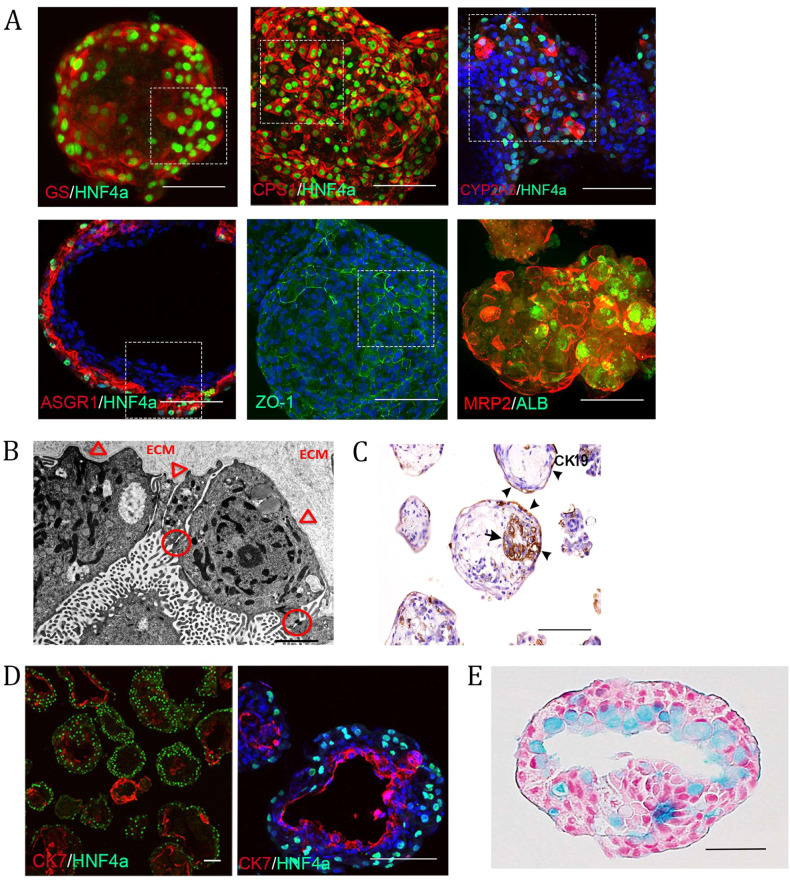
The lack of physiological parity between 2D cell culture and in vivo culture has led to the development of more organotypic models, such as organoids. Organoid models have been developed for a number of tissues, including the liver. Current organoid protocols are characterized by a reliance on extracellular matrices (ECMs), patterning in 2D culture, costly growth factors and a lack of cellular diversity, structure, and organization. Current hepatic organoid models are generally simplistic and composed of hepatocytes or cholangiocytes, rendering them less physiologically relevant compared to native tissue. We have developed an approach that does not require 2D patterning, is ECM independent, and employs small molecules to mimic embryonic liver development that produces large quantities of liver-like organoids. Using single-cell RNA sequencing and immunofluorescence, we demonstrate a liver-like cellular repertoire, a higher order cellular complexity, presenting with vascular luminal structures, and a population of resident macrophages: Kupffer cells. The organoids exhibit key liver functions, including drug metabolism, serum protein production, urea synthesis and coagulation factor production, with preserved post-translational modifications such as N-glycosylation and functionality. The organoids can be transplanted and maintained long term in mice producing human albumin. The organoids exhibit a complex cellular repertoire reflective of the organ and have de novo vascularization and liver-like function. These characteristics are a prerequisite for many applications from cellular therapy, tissue engineering, drug toxicity assessment, and disease modeling to basic developmental biology.
Overview
The claims and statistics of this paper haven’t been checked yet.
Run the check — free, no account needed. It reads the open-access text and checks the sources it cites.
Integrity signals
Registry
Cites
Statistics
Figures
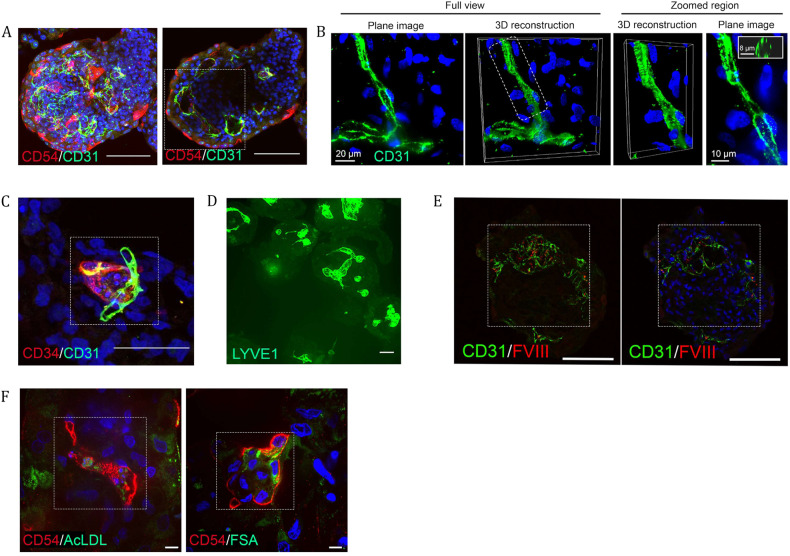
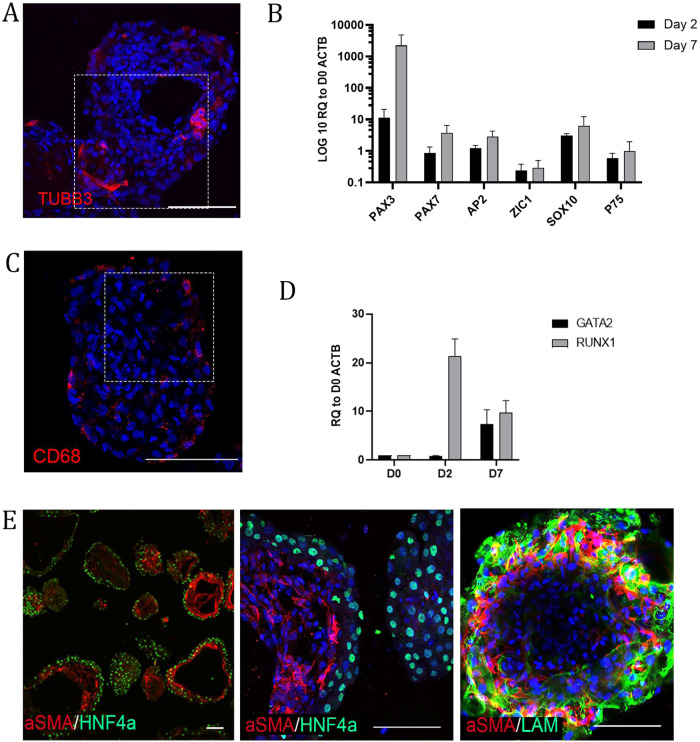
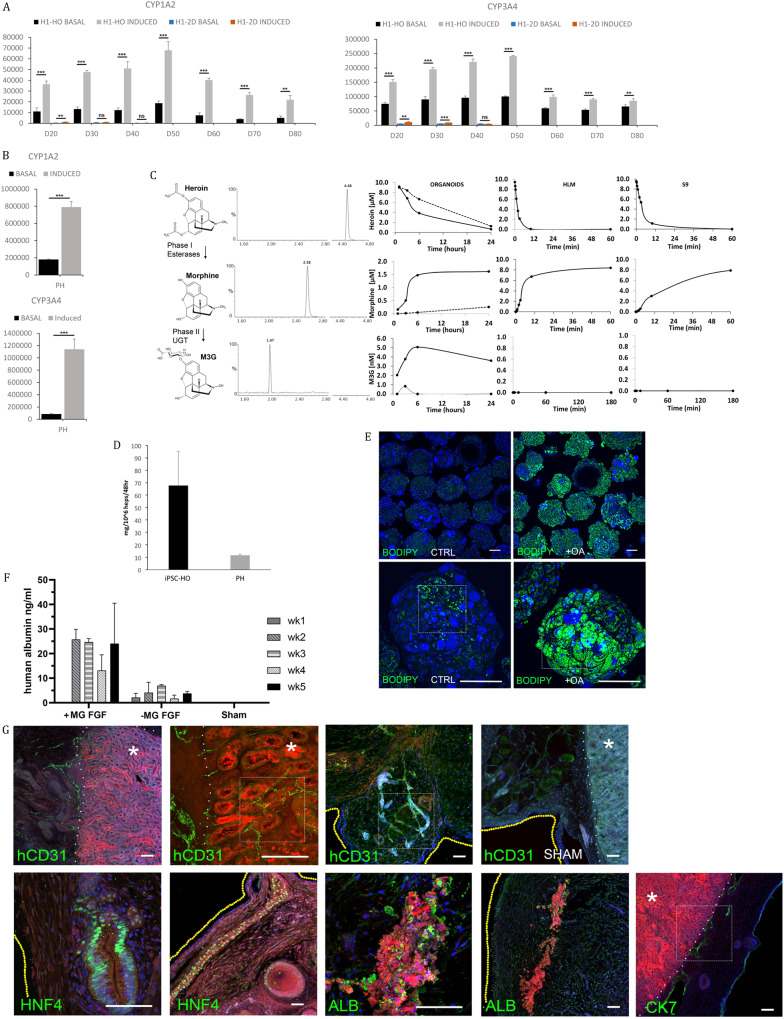
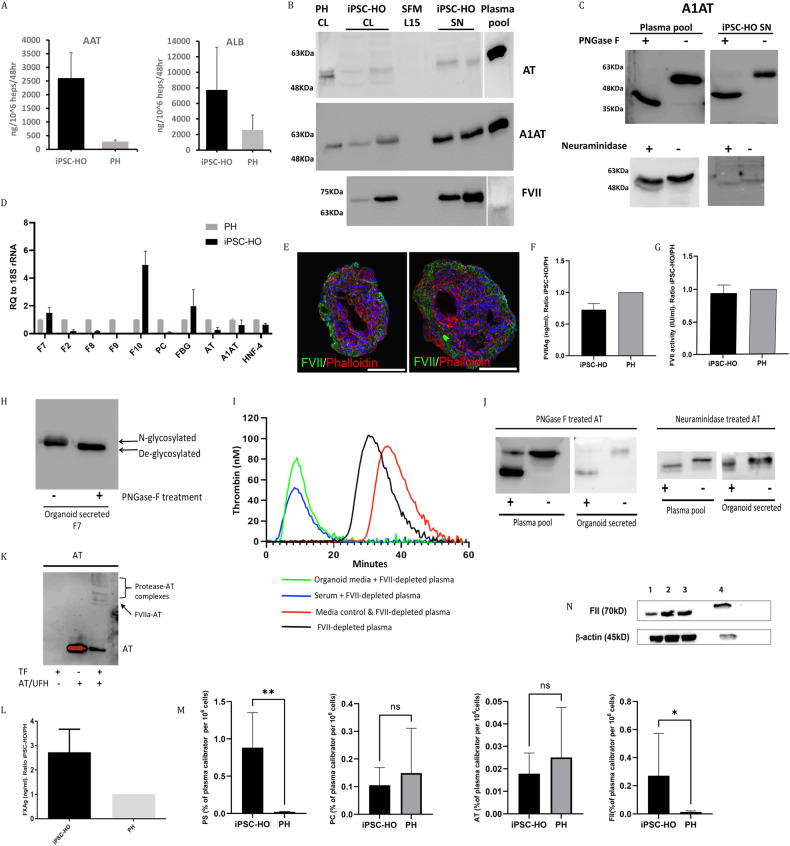
Verification
Claims the paper makes
The claims and statistics of this paper haven’t been checked yet.
Run the check — free, no account needed. It reads the open-access text and checks the sources it cites.
Claims other papers make about this one
Each is checked against this paper’s own text: does it say what the citing paper says it does?
The source backs part of the claim, not all of it — or backs it for a different population, condition or comparison.
In the citing paper
“Studies have confirmed that liver organoids express key enzymes, including members of the cytochrome P450 (CYP450) family and hepatic transporters, though often at lower levels compared to native liver tissue14,15.”
From Temporal proteomic profiling of iPSC-derived human liver organoids reveals optimal maturation for drug metabolism and toxicology (2026) · cites this paper as [15]
Experimental — accuracy not yet measuredThe source backs part of the claim, not all of it — or backs it for a different population, condition or comparison.
In the citing paper
“By profiling protein expression dynamics, proteomics can offer a temporal roadmap of cellular differentiation and functional development in organoids14–17.”
From Temporal proteomic profiling of iPSC-derived human liver organoids reveals optimal maturation for drug metabolism and toxicology (2026) · cites this paper as [15]
Experimental — accuracy not yet measuredThe cited source says what the claim attributes to it.
In the citing paper
“Unlike most prior studies, which typically analyze snapshots of organoid development at single timepoints14,15, this study employs a longitudinal approach to track the dynamic transitions of iHLO populations.”
From Temporal proteomic profiling of iPSC-derived human liver organoids reveals optimal maturation for drug metabolism and toxicology (2026) · cites this paper as [15]
The cited source says what the claim attributes to it.
In the citing paper
“The findings from current study align with previous proteomic studies of liver organoids, which have demonstrated their capacity to recapitulate liver-specific phenotypes.”
From Temporal proteomic profiling of iPSC-derived human liver organoids reveals optimal maturation for drug metabolism and toxicology (2026) · cites this paper as [15]
The cited source says what the claim attributes to it.
In the citing paper
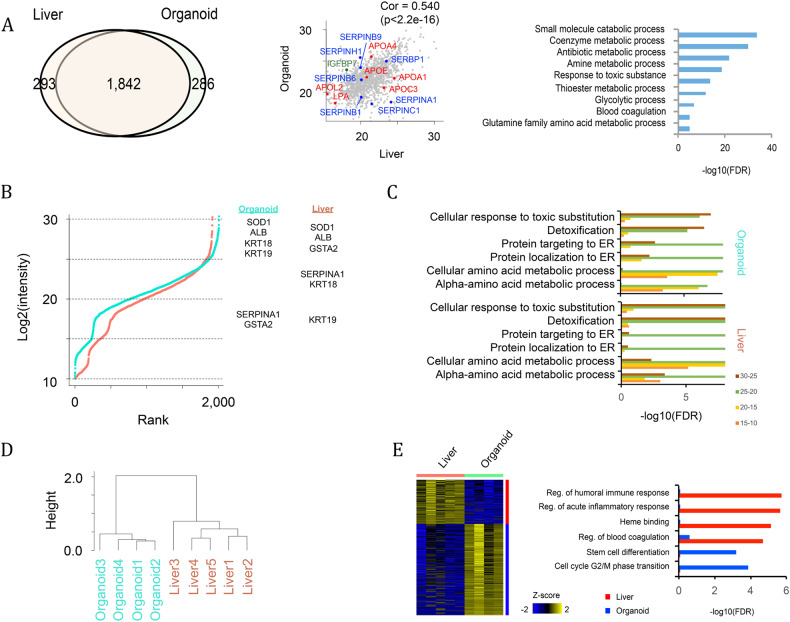
“Similarly, Harrison et al. compare iHLO protein profiles with native liver tissue and highlighted enrichment of detoxification pathways in both systems, emphasizing the relevance of organoids for metabolically intensive applications15.”
From Temporal proteomic profiling of iPSC-derived human liver organoids reveals optimal maturation for drug metabolism and toxicology (2026) · cites this paper as [15]
The cited source says what the claim attributes to it.
In the citing paper
“It is also noteworthy that Day 21, or around this timepoint, has been identified as an important stage for liver organoid functional development in several previous studies13,15,28,29.”
From Temporal proteomic profiling of iPSC-derived human liver organoids reveals optimal maturation for drug metabolism and toxicology (2026) · cites this paper as [15]
Self-check
Percentages, sums and reported differences re-computed from the paper’s own numbers.
The self-check needs the paper’s full text.
Citations
Cites
Subramanian, A., Tamayo, P., Mootha, V. K., Mukherjee, S., Ebert, B. L., Gillette, M. A., Paulovich, A., Pomeroy, S. L., Golub, T. R., Lander, E. S., et al. (2005) · Proceedings of the National Academy of Sciences · doi:10.1073/pnas.0506580102 · Cited by 53,625
HTSeq—a Python framework to work with high-throughput sequencing data
Anders, S., Pyl, P. T., & Huber, W. (2015) · Bioinformatics · doi:10.1093/bioinformatics/btu638 · Cited by 21,464
Integrating single-cell transcriptomic data across different conditions, technologies, and species
Butler, A., Hoffman, P., Smibert, P., Papalexi, E., & Satija, R. (2018) · Nature Biotechnology · doi:10.1038/nbt.4096 · Cited by 13,174
TopHat: discovering splice junctions with RNA-Seq
Trapnell, C., Pachter, L. S., & Salzberg, S. L. (2009) · Bioinformatics · doi:10.1093/bioinformatics/btp120 · Cited by 11,682
Normalization of RNA-seq data using factor analysis of control genes or samples
Risso, D., Ngai, J., Speed, T. P., & Dudoit, S. (2014) · Nature Biotechnology · doi:10.1038/nbt.2931 · Cited by 2,052
Using GOstats to test gene lists for GO term association
Falcon, S., & Gentleman, R. C. (2006) · Bioinformatics · doi:10.1093/bioinformatics/btl567 · Cited by 2,019
Monocytes and macrophages: developmental pathways and tissue homeostasis
Ginhoux, F., & Jung, S. (2014) · Nature Reviews Immunology · doi:10.1038/nri3671 · Cited by 1,840
Single cell RNA sequencing of human liver reveals distinct intrahepatic macrophage populations
MacParland, S. A., Liu, J. C., Ma, X.-Z., Innes, B. T., Bartczak, A. M., Gage, B. K., Manuel, J., Khuu, N., Echeverri, J., Linares, I., et al. (2018) · Nature Communications · doi:10.1038/s41467-018-06318-7 · Cited by 1,552
Icy: an open bioimage informatics platform for extended reproducible research
de Chaumont, F., Dallongeville, S., Chenouard, N., Hervé, N., Pop, S., Provoost, T., Meas‐Yedid, V., Pankajakshan, P., Lecomte, T., Montagner, Y. L., et al. (2012) · Nature Methods · doi:10.1038/nmeth.2075 · Cited by 1,538
Trefts, E., Gannon, M., & Wasserman, D. H. (2017) · Current Biology · doi:10.1016/j.cub.2017.09.019 · Cited by 1,452
Scatter factor/hepatocyte growth factor is essential for liver development
Schmidt, C. S., Bladt, F., Gödecke, S., Brinkmann, V., Zschiesche, W., Sharpe, M. J., Gherardi, E., & Birchmeler, C. (1995) · Nature · doi:10.1038/373699a0 · Cited by 1,395
A human liver cell atlas reveals heterogeneity and epithelial progenitors
Aizarani, N., Saviano, A., Sagar, Mailly, L., Durand, S., Herman, J. S., Pessaux, P., Baumert, T. F., & Grün, D. (2019) · Nature · doi:10.1038/s41586-019-1373-2 · Cited by 1,147
Hoeffel, G., Chen, J., Lavin, Y., Low, D., Almeida, F. F., See, P., Beaudin, A. E., Lum, J., Low, I., Forsberg, E. C., et al. (2015) · Immunity · doi:10.1016/j.immuni.2015.03.011 · Cited by 1,135
Engineering of human brain organoids with a functional vascular-like system
Çakır, B., Xiang, Y., Tanaka, Y., Kural, M. H., Parent, M. J., Kang, Y., Chapeton, K., Patterson, B., Yuan, Y., He, C., et al. (2019) · Nature Methods · doi:10.1038/s41592-019-0586-5 · Cited by 989
Self-citationEASL Clinical Practical Guidelines on the management of acute (fulminant) liver failure
Wendon, J., Cordoba, J., Dhawan, A., Larsen, F. S., Manns, M., Nevens, F., Samuel, D., Simpson, K. J., Yaron, I., & Bernardi, M. (2017) · Journal of Hepatology · doi:10.1016/j.jhep.2016.12.003 · Cited by 917
Liver Organogenesis Promoted by Endothelial Cells Prior to Vascular Function
Matsumoto, K., Yoshitomi, H., Rossant, J., & Zaret, K. S. (2001) · Science · doi:10.1126/science.1063889 · Cited by 890
Engineering Stem Cell Organoids
Yin, X., Mead, B. E., Safaee, H., Langer, R., Karp, J. M., & Levy, O. (2016) · Cell Stem Cell · doi:10.1016/j.stem.2015.12.005 · Cited by 866
Human blood vessel organoids as a model of diabetic vasculopathy
Wimmer, R. A., Leopoldi, A., Aichinger, M., Wick, N., Hantusch, B., Novatchkova, M., Taubenschmid, J., Hämmerle, M., Esk, C., Bagley, J. A., et al. (2019) · Nature · doi:10.1038/s41586-018-0858-8 · Cited by 803
Wilson, N. K., Foster, S. D., Wang, X., Knezevic, K., Schütte, J., Kaimakis, P., Chilarska, P. M., Kinston, S., Ouwehand, W. H., Dzierzak, E., et al. (2010) · Cell stem cell · doi:10.1016/j.stem.2010.07.016 · Cited by 728
Human carboxylesterases: a comprehensive review
Wang, D., Zou, L., Jin, Q., Hou, J., Ge, G., & Yang, L. (2018) · Acta Pharmaceutica Sinica B · doi:10.1016/j.apsb.2018.05.005 · Cited by 552
Modeling Steatohepatitis in Humans with Pluripotent Stem Cell-Derived Organoids
Ouchi, R., Togo, S., Kimura, M., Shinozawa, T., Koido, M., Koike, H., Thompson, W., Karns, R. A., Mayhew, C. N., McGrath, P. S., et al. (2019) · Cell Metabolism · doi:10.1016/j.cmet.2019.05.007 · Cited by 537
hESC-Derived Thalamic Organoids Form Reciprocal Projections When Fused with Cortical Organoids
Xiang, Y., Tanaka, Y., Cakir, B., Patterson, B., Kim, K.-Y., Sun, P., Kang, Y.-J., Zhong, M., Liu, X., Patra, P., et al. (2019) · Cell Stem Cell · doi:10.1016/j.stem.2018.12.015 · Cited by 485
Self-citationSpatial heterogeneity in the mammalian liver
Ben-Moshe, S., & Itzkovitz, S. (2019) · Nature Reviews Gastroenterology & Hepatology · doi:10.1038/s41575-019-0134-x · Cited by 485
Generation of Functional Human Hepatic Endoderm From Human Induced Pluripotent Stem Cells
Sullivan, G. J., Hay, D. C., Park, I.-H., Fletcher, J., Hannoun, Z., Payne, C. M., Dalgetty, D., Black, J. R., Ross, J. A., Samuel, K., et al. (2010) · Hepatology · doi:10.1002/hep.23335 · Cited by 445
Self-citationBissell, D. M., Wang, S. S., Jarnagin, W. R., & Roll, F. J. (1995) · Journal of Clinical Investigation · doi:10.1172/jci118055 · Cited by 419
Massive and Reproducible Production of Liver Buds Entirely from Human Pluripotent Stem Cells
Takebe, T., Sekine, K., Kimura, M., Yoshizawa, E., Ayano, S., Koido, M., Funayama, S., Nakanishi, N., Hisai, T., Kobayashi, T., et al. (2017) · Cell Reports · doi:10.1016/j.celrep.2017.11.005 · Cited by 405
Drug Interactions Due to Cytochrome P450
Ogu, C. C., & Maxa, J. L. (2000) · Baylor University Medical Center Proceedings · doi:10.1080/08998280.2000.11927719 · Cited by 370
Baxter, M. A., Withey, S., Harrison, S. P., Segeritz, C., Zhang, F., Atkinson-Dell, R., Rowe, C., Gerrard, D. T., Sison-Young, R. L. C., Jenkins, R., et al. (2014) · Journal of Hepatology · doi:10.1016/j.jhep.2014.10.016 · Cited by 353
Self-citationGermani, G., Theocharidou, E., Adam, R. A., Karam, V. H., Wendon, J. A., O’Grady, J., Burra, P., Senzolo, M., Mirza, D. F., Castaing, D., et al. (2012) · Journal of Hepatology · doi:10.1016/j.jhep.2012.03.017 · Cited by 313
Liver Sinusoidal Endothelial Cells
Sørensen, K. K., Simón-Santamaría, J., McCuskey, R. S., & Smedsrød, B. H. (2015) · Comprehensive physiology · doi:10.1002/cphy.c140078 · Cited by 307
Asahina, K., Zhou, B., Pu, W. T., & Tsukamoto, H. (2010) · Hepatology · doi:10.1002/hep.24119 · Cited by 305
Human Organ-Specific Endothelial Cell Heterogeneity
Marcu, R., Choi, Y. J., Xue, J., Fortin, C. L., Wang, Y., Nagao, R. J., Xu, J. H., MacDonald, J. W., Bammler, T. K., Murry, C. E., et al. (2018) · iScience · doi:10.1016/j.isci.2018.05.003 · Cited by 265
Li, Y., Wang, J., & Asahina, K. (2013) · Proceedings of the National Academy of Sciences · doi:10.1073/pnas.1214136110 · Cited by 213
Small-Molecule-Driven Hepatocyte Differentiation of Human Pluripotent Stem Cells
Siller, R., Greenhough, S., Naumovska, E., & Sullivan, G. J. (2015) · Stem Cell Reports · doi:10.1016/j.stemcr.2015.04.001 · Cited by 203
Self-citationHepatocyte transplantation for liver‐based metabolic disorders
Dhawan, A. K., Mitry, R. R., & Hughes, R. D. (2006) · Journal of Inherited Metabolic Disease · doi:10.1007/s10545-006-0245-8 · Cited by 195
Bernal, W. E., Cross, T., Auzinger, G. M., Sizer, E., Heneghan, M. A., Bowles, M. J., Muiesan, P., Rela, M., Heaton, N. D., Wendon, J. A., et al. (2008) · Journal of Hepatology · doi:10.1016/j.jhep.2008.09.012 · Cited by 188
Tissue Distribution of Factor VIII Gene Expression In Vivo – A Closer Look
Hollestelle, M. J., Thinnes, T., Crain, K., Stiko, A., Kruijt, J. K., van Berkel, T. J. C., Loskutoff, D. J., & van MOURIK, J. A. (2001) · Thrombosis and Haemostasis · doi:10.1055/s-0037-1616143 · Cited by 178
Hepatic Nervous System and Neurobiology of the Liver
Jensen, K. J., Alpini, G. D., & Glaser, S. S. (2013) · Comprehensive physiology · doi:10.1002/cphy.c120018 · Cited by 168
Ackermann, M., Kempf, H., Hetzel, M., Hesse, C., Hashtchin, A. R., Brinkert, K., Schott, J. W., Haake, K., Kühnel, M. P., Glage, S., et al. (2018) · Nature Communications · doi:10.1038/s41467-018-07570-7 · Cited by 165
Self-citationAn In Vitro Human Liver Model by iPSC-Derived Parenchymal and Non-parenchymal Cells
Koui, Y., Kido, T., Ito, T., Oyama, H., Chen, S.-W., Katou, Y., Shirahige, K., & Miyajima, A. (2017) · Stem Cell Reports · doi:10.1016/j.stemcr.2017.06.010 · Cited by 163
Cerny, M. A. (2016) · Drug Metabolism and Disposition · doi:10.1124/dmd.116.070763 · Cited by 157
Immunofluorescence identifies distinct subsets of endothelial cells in the human liver
Strauss, O., Phillips, A. R. J., Ruggiero, K., Bartlett, A. S., & Dunbar, P. R. (2017) · Scientific Reports · doi:10.1038/srep44356 · Cited by 145
Large‐Scale Production of LGR5‐Positive Bipotential Human Liver Stem Cells
Schneeberger, K., Sánchez‐Romero, N., Ye, S., van Steenbeek, F. G., Oosterhoff, L. A., Pla Palacin, I., Chen, C., van Wolferen, M. E., van Tienderen, G., Lieshout, R., et al. (2020) · Hepatology · doi:10.1002/hep.31037 · Cited by 141
Li, Y., Fanning, A. S., Anderson, J. M., & Lavie, A. (2005) · Journal of Molecular Biology · doi:10.1016/j.jmb.2005.07.017 · Cited by 139
Kempf, H., Olmer, R., Haase, A., Franke, A., Bolesani, E., Schwanke, K., Diaz, D. R., Coffee, M., Göhring, G., Dräger, G., et al. (2016) · Nature Communications · doi:10.1038/ncomms13602 · Cited by 128
Self-citationProminent Receptors of Liver Sinusoidal Endothelial Cells in Liver Homeostasis and Disease
Pandey, E., Nour, A. S., & Harris, E. N. (2020) · Frontiers in Physiology · doi:10.3389/fphys.2020.00873 · Cited by 123
Temporal analyses of postnatal liver development and maturation by single-cell transcriptomics
Liang, Y., Kaneko, K., Xin, B., Lee, J., Sun, X., Zhang, K., & Feng, G.-S. (2022) · Developmental Cell · doi:10.1016/j.devcel.2022.01.004 · Cited by 116
Gage, B. K., Liu, J. C., Innes, B. T., MacParland, S. A., McGilvray, I. D., Bader, G. D., & Keller, G. M. (2020) · Cell stem cell · doi:10.1016/j.stem.2020.06.007 · Cited by 111
Activation of Wnt/β‐catenin pathway during hepatocyte growth factor–induced hepatomegaly in mice†
Apte, U. M., Zeng, G., Stock, P., Tan, X., Micsenyi, A., Cieply, B. W., Dai, C., Liu, Y., Kaestner, K. H., & Monga, S. P. (2006) · Hepatology · doi:10.1002/hep.21317 · Cited by 110
Beljaars, L., Schippers, M., Reker‐Smit, C., Martínez, F. O., Helming, L., Poelstra, K., & Melgert, B. N. (2014) · Frontiers in Immunology · doi:10.3389/fimmu.2014.00430 · Cited by 101
Halloin, C., Schwanke, K., Löbel, W., Franke, A., Szepes, M., Biswanath, S., Wunderlich, S., Merkert, S., Weber, N., Osten, F., et al. (2019) · Stem Cell Reports · doi:10.1016/j.stemcr.2019.06.004 · Cited by 100
Self-citationEpigenomic map of human liver reveals principles of zonated morphogenic and metabolic control
Brosch, M., Kattler, K., Herrmann, A., von Schönfels, W., Nordström, K., Seehofer, D., Damm, G., Becker, T., Zeissig, S., Nehring, S., et al. (2018) · Nature Communications · doi:10.1038/s41467-018-06611-5 · Cited by 98
Localization of ammonia-metabolizing enzymes in human liver: Ontogenesis of heterogeneity
Moorman, A. F. M., Vermeulen, J. L. M., Charles, R., & Lamers, W. H. (1989) · Hepatology · doi:10.1002/hep.1840090305 · Cited by 94
Different Expression of Occludin and ZO-1 in Primary and Metastatic Liver Tumors
Orbán, E., Szabó, E., Lotz, G., Kupcsulik, P., Páska, C., Schaff, Z., & Kiss, A. (2008) · Pathology & Oncology Research · doi:10.1007/s12253-008-9031-2 · Cited by 90
Tigges, U., Hyer, E. G., Scharf, J., & Stallcup, W. B. (2008) · Development · doi:10.1242/dev.002071 · Cited by 88
Model of fibrolamellar hepatocellular carcinomas reveals striking enrichment in cancer stem cells
Oikawa, T., Wauthier, E., Dinh, T. A., Selitsky, S. R., Reyna‐Neyra, A., Carpino, G., Levine, R., Cardinale, V., Klimstra, D. S., Gaudio, E., et al. (2015) · Nature Communications · doi:10.1038/ncomms9070 · Cited by 88
Mucins: the Old, the New and the Promising Factors in Hepatobiliary Carcinogenesis
Kasprzak, A., & Adamek, A. (2019) · International Journal of Molecular Sciences · doi:10.3390/ijms20061288 · Cited by 87
On the origin of stellate cells: mesodermal, endodermal or neuro-ectodermal?
Geerts, A. E. (2003) · Journal of Hepatology · doi:10.1016/j.jhep.2003.12.006 · Cited by 86
Karinen, R., Andersen, J. M., Ripel, Å., Hasvold, I., Hopen, A. B., Mørland, J. G., & Christophersen, A. S. (2009) · Journal of Analytical Toxicology · doi:10.1093/jat/33.7.345 · Cited by 75
Martin-Mateos, R., De Assuncao, T. M., Arab, J. P., Jalan-Sakrikar, N., Yaqoob, U., Greuter, T., Verma, V. K., Mathison, A. J., Cao, S., Lomberk, G., et al. (2019) · Cellular and Molecular Gastroenterology and Hepatology · doi:10.1016/j.jcmgh.2018.09.005 · Cited by 73
Peters, D. T., Henderson, C. A., Warren, C. R., Friesen, M., Xia, F., Becker, C. E., Musunuru, K., & Cowan, C. A. (2016) · Development · doi:10.1242/dev.132209 · Cited by 68
Xie, B., Sun, D. Q., Du, Y., Jia, J., Sun, S., Xu, J., Liu, Y., Xiang, C., Chen, S., Xie, H., et al. (2019) · Cell Research · doi:10.1038/s41422-019-0196-x · Cited by 60
Derivation of 30 human embryonic stem cell lines—improving the quality
Ström, S., Holm, F., Bergström, R., Strömberg, A., & Hovatta, O. (2010) · In vitro Cellular & Developmental Biology-Animal · doi:10.1007/s11626-010-9308-0 · Cited by 53
Cytokeratins for probing cell lineage relationships in developing liver
Desmet, V. J., Eyken, P. V., & Sciot, R. (1990) · Hepatology · doi:10.1002/hep.1840120530 · Cited by 52
Samarasinghe, D., Tapner, M. J., & Farrell, G. C. (2000) · Hepatology · doi:10.1002/hep.510310124 · Cited by 51
Thrombin and factor Xa link the coagulation system with liver fibrosis
Dhar, A., Sadiq, F., Anstee, Q. M., Levene, A., Goldin, R. D., & Thursz, M. R. (2018) · BMC Gastroenterology · doi:10.1186/s12876-018-0789-8 · Cited by 51
Epiblast origin and early migration of neural crest cells in the chick embryo
Rosenquist, G. C. (1981) · Developmental Biology · doi:10.1016/0012-1606(81)90143-3 · Cited by 49
Small‐Molecule‐Directed Hepatocyte‐Like Cell Differentiation of Human Pluripotent Stem Cells
Mathapati, S., Siller, R., Impellizzeri, A. A. R., Lycke, M., Vegheim, K., Almaas, R., & Sullivan, G. J. (2016) · Current Protocols in Stem Cell Biology · doi:10.1002/cpsc.13 · Cited by 47
Self-citationLunová, M., Smolková, B., Uzhytchak, M., Janoušková, K. Ž., Jirsa, M., Egorova, D., Kulikov, A. V., Kubinová, Š., Dejneka, A., & Lunov, O. (2019) · Cellular and Molecular Life Sciences · doi:10.1007/s00018-019-03321-z · Cited by 47
Self-citationSiller, R., Naumovska, E., Mathapati, S., Lycke, M., Greenhough, S., & Sullivan, G. (2016) · Scientific Reports · doi:10.1038/srep37178 · Cited by 43
Self-citationIdentification of the Secreted Proteins Originated from Primary Human Hepatocytes and HepG2 Cells
Frankó, A., Hartwig, S., Kotzka, J., Ruoß, M., Nussler, A. K., Königsrainer, A., Häring, H., Lehr, S., & Peter, A. (2019) · Nutrients · doi:10.3390/nu11081795 · Cited by 38
Subcapsular Transplantation of Tissue in the KidneyPreprint
Shultz, L. D., Goodwin, N. C., Ishikawa, F., Hosur, V., Lyons, B. L., & Greiner, D. L. (2014) · Cold Spring Harbor Protocols · doi:10.1101/pdb.prot078089 · Cited by 38
Halloin, C., Schwanke, K., Löbel, W., Franke, A., Szepes, M., Biswanath, S., Wunderlich, S., Merkert, S., Weber, N., Osten, F., et al. (2019) · Stem Cell Reports · doi:10.1016/j.stemcr.2019.09.001 · Cited by 27
Self-citationLilkova, E., Petkov, P., Ilieva, N., Krachmarova, E., Nacheva, G. A., & Litov, L. (2019) · Journal of Molecular Modeling · doi:10.1007/s00894-019-4013-8 · Cited by 23
Zonation of cholesterol and glycerolipid synthesis in regenerating rat livers
Cheng, H., Yang, C.-M., & Shiao, M. (1993) · Hepatology · doi:10.1002/hep.1840170219 · Cited by 22
Blastula stage specification of avian neural crest
Prasad, M. S., Uribe‐Querol, E., Marquez, J., Vadasz, S., Yardley, N. P., Shelar, P. B., Charney, R. M., & García‐Castro, M. I. (2019) · Developmental Biology · doi:10.1016/j.ydbio.2019.10.007 · Cited by 21
N-Glycosylation as a Tool to Study Antithrombin Secretion, Conformation, and Function
Águila, S., Noto, R., Luengo‐Gil, G., Espín, S., Bohdan, N., de la Morena‐Barrio, M. E., Peñas-Martínez, J., Rodenas, M. C., Vicente, V., Corral, J., et al. (2021) · International Journal of Molecular Sciences · doi:10.3390/ijms22020516 · Cited by 21
Self-citationStelzl, T., Geillinger‐Kästle, K. E., Stolz, J., & Daniel, H. (2017) · American Journal of Physiology-Gastrointestinal and Liver Physiology · doi:10.1152/ajpgi.00343.2016 · Cited by 20
Rapid Screening of the Endodermal Differentiation Potential of Human Pluripotent Stem Cells
Siller, R., & Sullivan, G. J. (2017) · Current Protocols in Stem Cell Biology · doi:10.1002/cpsc.36 · Cited by 17
Self-citationPoyck, P. P. C., Hoekstra, R., Vermeulen, J. L. M., van Wijk, A. C. W. A., Chamuleau, R. A. F. M., Hakvoort, T. B. M., van Gulik, T. M., & Lamers, W. H. (2008) · Cells Tissues Organs · doi:10.1159/000121609 · Cited by 16
A Modified Method for Implantation of Pluripotent Stem Cells Under the Rodent Kidney Capsule
Zhu, F., Sun, B., Wen, Y., Wang, Z., Pera, R. A. R., & Chen, B. H. (2014) · Stem Cells and Development · doi:10.1089/scd.2014.0099 · Cited by 12
Research works printed but not linked: 1
- Lewis, S. L., Dirksen, S. R., Lewis, S. M., Heitkemper, M. M. L. & Bucher, L. Clinical Companion to Medical-Surgical Nursing: Assessment and Management of Clinical Problems. (Elsevier, 2013).
Cited by
Sorted by citations
Liver Organoids: Recent Developments, Limitations and Potential
Harrison, S. P., Baumgarten, S., Verma, R., Lunov, O., Dejneka, A., & Sullivan, G. J. (2021) · Frontiers in Medicine · doi:10.3389/fmed.2021.574047 · Cited by 152
Self-citationRecent advances in lung organoid development and applications in disease modeling
Vazquez‐Armendariz, A. I., & Tata, P. R. (2023) · Journal of Clinical Investigation · doi:10.1172/jci170500 · Cited by 136
Multi-zonal liver organoids from human pluripotent stem cells
Reza, H. A., Santangelo, C., Iwasawa, K., Reza, A. A., Sekiya, S., Glaser, K., Bondoc, A., Merola, J., & Takebe, T. (2025) · Nature · doi:10.1038/s41586-025-08850-1 · Cited by 71
Organoids from pluripotent stem cells and human tissues: When two cultures meet each other
Artegiani, B., & Hendriks, D. F. G. (2025) · Developmental Cell · doi:10.1016/j.devcel.2025.01.005 · Cited by 54
Hu, Y., Zhu, T., Cui, H., & Cui, H. (2024) · Advanced Healthcare Materials · doi:10.1002/adhm.202403762 · Cited by 53
Metadata
- Authors
- Harrison, S. P., Siller, R., Tanaka, Y., Chollet, M. E., de la Morena-Barrio, M. E., Xiang, Y., Patterson, B., Andersen, E., Bravo-Pérez, C., Kempf, H., Åsrud, K. S., Lunov, O., Dejneka, A., Mowinckel, M.-C., Stavik, B., Sandset, P. M., Melum, E., Baumgarten, S., Bonanini, F., Kurek, D., Mathapati, S., Almaas, R., Sharma, K., Wilson, S. R., Skottvoll, F. S., Boger, I. C., Bogen, I. L., Nyman, T. A., Wu, J. J., Bezrouk, A., Cizkova, D., Corral, J., Mokry, J., Zweigerdt, R., Park, I.-H., & Sullivan, G. J.
- Affiliations
- Oslo University Hospital (NO)
- University of Oslo (NO)
- Hôpital Maisonneuve-Rosemont (CA)
- Yale University (US)
- Medizinische Hochschule Hannover (DE)
- Czech Academy of Sciences (CZ)
- Mimetas (Netherlands) (NL)
- Durham University (GB)
- Centro Regional de Hemodonación (ES)
- Corresponding author
- Sullivan, Gareth J.
- ORCID
- Harrison, Sean P.
- Siller, Richard
- Tanaka, Yoshiaki
- Xiang, Yangfei
- Andersen, Elisabeth
- Kempf, Henning
- Lunov, Oleg
- Dejneka, Alexandr
- Stavik, Benedicte
- Sandset, Per Morten
- Melum, Espen
- Bonanini, Flavio
- Kurek, Dorota
- Mathapati, Santosh
- Almaas, Runar
- Sharma, Kulbhushan
- Wilson, Steven R.
- Skottvoll, Frøydis S.
- Bogen, Inger Lise
- Nyman, Tuula A.
- Wu, Jun Jie
- Corral, Javier
- Mokry, Jaroslav
- Zweigerdt, Robert
- Park, In-Hyun
- Sullivan, Gareth J.
- Venue
- Experimental & Molecular Medicine
- Published
- 2023-09-01
- Volume
- 55
- Issue
- 9
- Pages
- 2005-2024
- ISSN
- 1226-3613 (ISSN-L)
- 2092-6413
- PMC
- PMC10545717
- OpenAlex
- W4386318431
- Cited by
- 119
- References
- 81
- Citations by year
- 2026: 41 · 2025: 45 · 2024: 26 · 2023: 3
- FWCI
- 10.25
- Type
- journal article
- Language
- en
- Open access
- gold
- doi.org
- Locations
- Experimental & Molecular Medicine (publishedVersion, cc-by)
- PubMed Central (publishedVersion, cc-by)
- PubMed (publishedVersion)
- St Andrews Research Repository (St Andrews Research Repository) (submittedVersion, cc-by)
- DOAJ (DOAJ: Directory of Open Access Journals) (submittedVersion, cc-by-sa)
- NORA - Norwegian Open Research Archives (submittedVersion, cc-by)
- Funders
- Norges Forskningsråd (262613, 247624)
- Topics
- Life Sciences › Biochemistry, Genetics and Molecular Biology › Molecular Biology › Pluripotent Stem Cells Research
- Physical Sciences › Engineering › Biomedical Engineering › 3D Printing in Biomedical Research
- Health Sciences › Medicine › Surgery › Tissue Engineering and Regenerative Medicine
- Keywords
- liver organoids, vascularized organoids, human pluripotent stem cells, organotypic culture, embryonic liver development, Kupffer cells, drug metabolism, albumin synthesis, transplantation, N-glycosylation, cellular diversity, disease modeling
- MeSH terms
- Animals, Cells, Cultured, Humans, Liver, Organoids, Hepatocytes, Tissue Engineering, Mice
About these checks
Registry, retraction, Cites and statistics results are computed, not judged, with one exception: a printed reference that no index lists is read once by a model before it counts as a citation error. Claims are extracted by a model and kept only when their quote appears verbatim in the text; each cited source is then checked, with a model’s help, for whether it says what the claim relies on. Those verdicts can be wrong — read the claim’s quote and the cited source before relying on one.
Statistics and arithmetic are recomputed, not judged.
Confidence bands are shown only for fields calibrated on our annotated test set. None is calibrated yet, so no band is shown.
What counts as a claim ›How we measure confidence ›How we check this ›
Are you an author, or do you see a problem with this page? Request a review
