

The BET family in immunity and disease
Open accessThe DOI matches its Crossref record; 200 of the 200 references it cites were found in a registry or an index.
Abstract
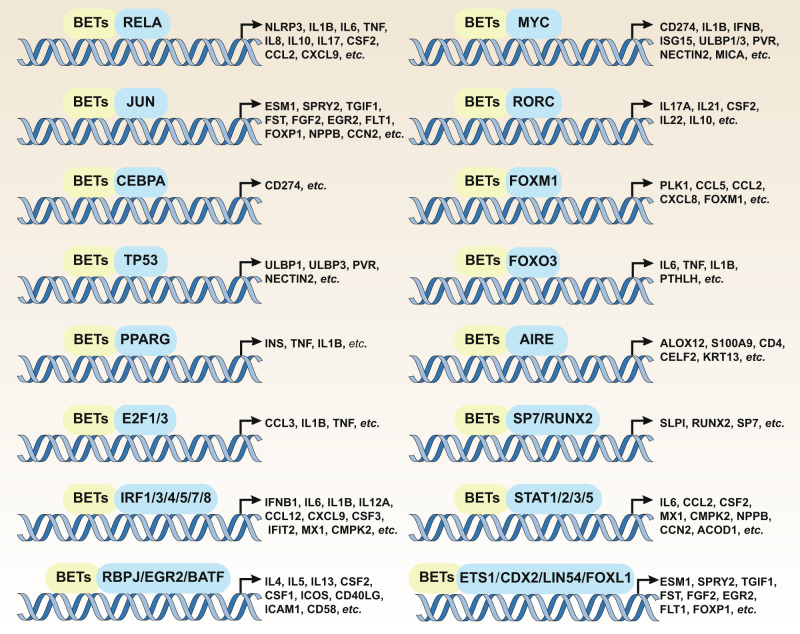
Innate immunity serves as the rapid and first-line defense against invading pathogens, and this process can be regulated at various levels, including epigenetic mechanisms. The bromodomain and extraterminal domain (BET) family of proteins consists of four conserved mammalian members (BRD2, BRD3, BRD4, and BRDT) that regulate the expression of many immunity-associated genes and pathways. In particular, in response to infection and sterile inflammation, abnormally expressed or dysfunctional BETs are involved in the activation of pattern recognition receptor (e.g., TLR, NLR, and CGAS) pathways, thereby linking chromatin machinery to innate immunity under disease or pathological conditions. Mechanistically, the BET family controls the transcription of a wide range of proinflammatory and immunoregulatory genes by recognizing acetylated histones (mainly H3 and H4) and recruiting transcription factors (e.g., RELA) and transcription elongation complex (e.g., P-TEFb) to the chromatin, thereby promoting the phosphorylation of RNA polymerase II and subsequent transcription initiation and elongation. This review covers the accumulating data about the roles of the BET family in innate immunity, and discusses the attractive prospect of manipulating the BET family as a new treatment for disease.
Overview
The claims and statistics of this paper haven’t been checked yet.
Free: it reads the open-access text and checks the first 5 claims that cite a source we can check. Create a free account to check every claim.
Integrity signals
Registry
Cites
Statistics
Figures
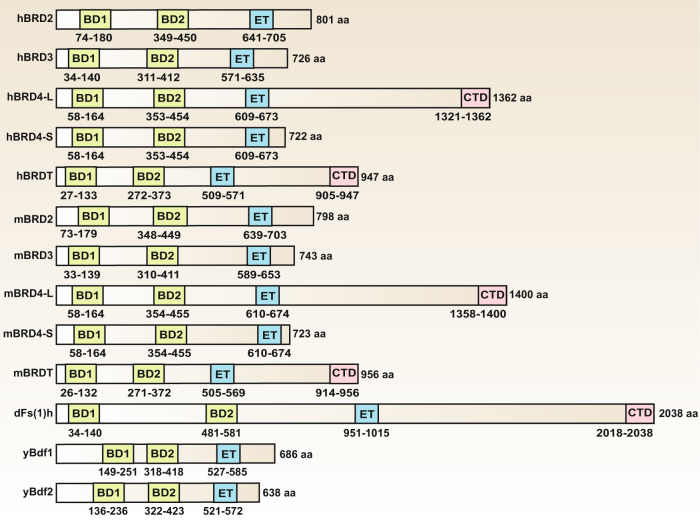
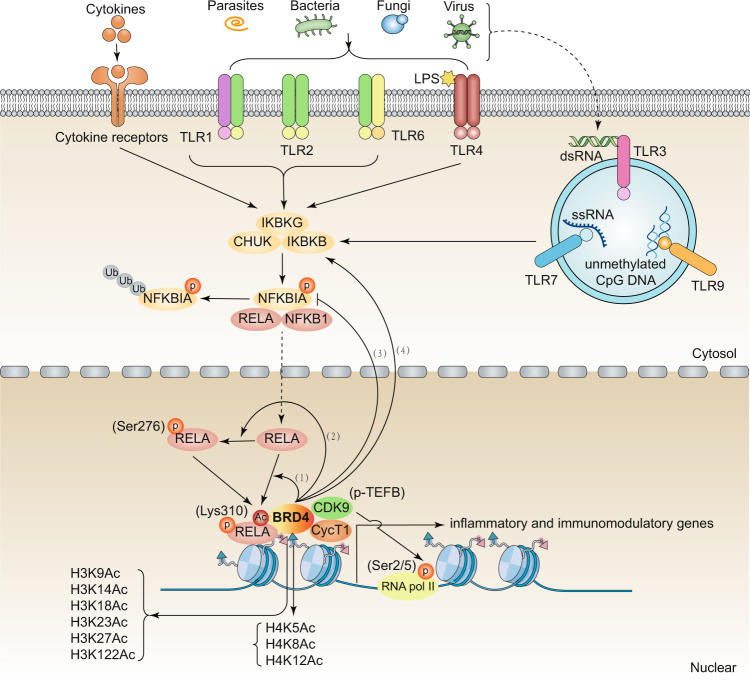
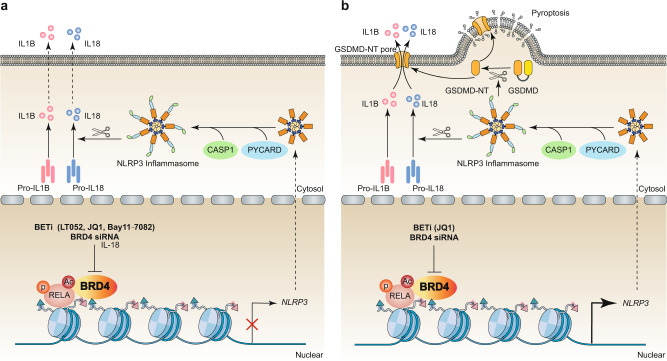
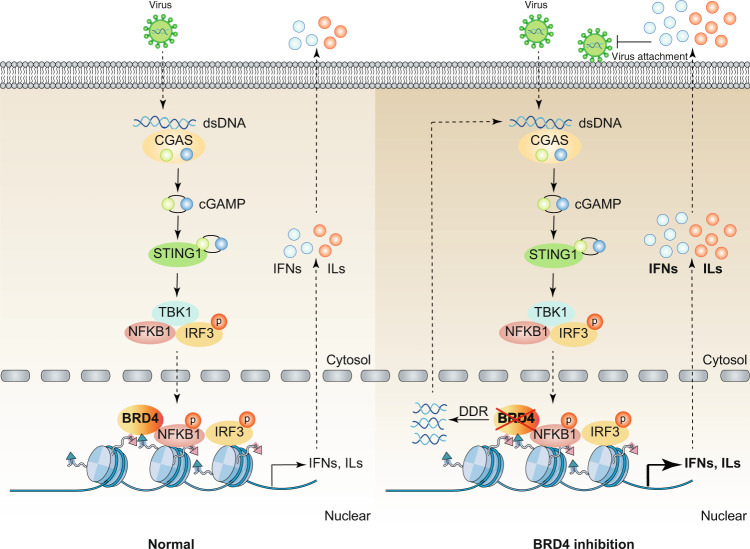
Verification
Claims the paper makes
The claims and statistics of this paper haven’t been checked yet.
Free: it reads the open-access text and checks the first 5 claims that cite a source we can check. Create a free account to check every claim.
Claims other papers make about this one
Each is checked against this paper’s own text: does it say what the citing paper says it does?
The cited source says what the claim attributes to it.
In the citing paper
“We previously demonstrated that pharmacological inhibition of bromodomain and extra-terminal domain (BET) proteins, critical mediators of stress-activated chromatin signaling in various diseases3, modulates a reversible transcriptional switch that governs fibroblast activation in chronic heart failure through the transcription factor (TF) MEOX14.”
From Chromatin remodelling drives immune cell–fibroblast communication in heart failure (2024) · cites this paper as [3]
Self-check
Percentages, sums and reported differences re-computed from the paper’s own numbers.
The self-check needs the paper’s full text.
Citations
Cites
Recognition of double-stranded RNA and activation of NF-κB by Toll-like receptor 3
Alexopoulou, L., Holt, A. C., Medzhitov, R., & Flavell, R. A. (2001) · Nature · doi:10.1038/35099560 · Cited by 6,129
The Nuclear Factor NF- B Pathway in Inflammation
Lawrence, T. (2009) · Cold Spring Harbor Perspectives in Biology · doi:10.1101/cshperspect.a001651 · Cited by 4,898 · cited 1×
“This dynamic modification and expression change of IκBα further promotes the transport of RELA from the cytoplasm to the nucleus, where it can bind to the promoters of various related genes and regulate their transcription.(81) Both acetylation and phosphorylation are essential for the transcriptional activity of RELA.”
BackgroundThe complexity of NF-κB signaling in inflammation and cancer
Hoesel, B., & Schmid, J. A. (2013) · Molecular Cancer · doi:10.1186/1476-4598-12-86 · Cited by 3,165
Pathogen Recognition and Inflammatory Signaling in Innate Immune Defenses
Mogensen, T. H. (2009) · Clinical Microbiology Reviews · doi:10.1128/cmr.00046-08 · Cited by 3,111 · cited 1×
“TLR4 is expressed in almost all innate immune cells, and it specifically recognizes bacterial LPS, several other components of pathogens, and DAMPs derived from tissue damage.(60) TLR4 binds to its ligands, which ultimately leads to the activation of the nuclear factor kappa light-chain enhancer of activated B cells (…”
BackgroundBET Bromodomain Inhibition as a Therapeutic Strategy to Target c-Myc
Delmore, J. E., Issa, G. C., Lemieux, M. E., Rahl, P. B., Shi, J., Jacobs, H. M., Kastritis, E., Gilpatrick, T., Paranal, R. M., Qi, J., et al. (2011) · Cell · doi:10.1016/j.cell.2011.08.017 · Cited by 2,813
Coactivator condensation at super-enhancers links phase separation and gene control
Sabari, B. R., Dall’Agnese, A., Boija, A., Klein, I. A., Coffey, E. L., Shrinivas, K., Abraham, B. J., Hannett, N. M., Zamudio, A. V., Manteiga, J. C., et al. (2018) · Science · doi:10.1126/science.aar3958 · Cited by 2,595 · cited 1×
“The inherent disordered regions of BRD4 and MED1 can form phase-separated droplets, and then separate and concentrate the nuclear extract transcription device and control key cellidentity genes.(184) In addition, LncRNA DIGIT can promote BRD3 to form a phase-separated condensate, which occupies the enhancer of endoder…”
BackgroundRegulation and function of the cGAS–STING pathway of cytosolic DNA sensing
Chen, Q., Sun, L., & Chen, Z. J. (2016) · Nature Immunology · doi:10.1038/ni.3558 · Cited by 2,333 · cited 1×
“The CGAS-STING1 pathway-mediated DNA-sensing signaling pathway is crucial for the production of type I IFNs and host antiviral responses.(78) Interestingly, blocking BRD4 widely inhibits the attachment of various DNA and RNA viruses (e.”
BackgroundPathogen Recognition by the Innate Immune System
Kumar, H., Kawai, T., & Akira, S. (2011) · International Reviews of Immunology · doi:10.3109/08830185.2010.529976 · Cited by 2,257 · cited 1×
“Function of BETs in innate immunity The innate immune response is mainly triggered by the recognition of various extracellular or intracellular danger signals through PRRs expressed in immune and non-immune cells.(52) The surface-expressed PRRs include toll-like receptors (TLRs), C-type lectin receptors (CLRs), and ad…”
BackgroundMedzhitov, R., & Janeway, C. (2000) · New England Journal of Medicine · doi:10.1056/nejm200008033430506 · Cited by 1,825
Structure and ligand of a histone acetyltransferase bromodomain
Dhalluin, C., Carlson, J. E., Zeng, L., He, C., Aggarwal, A. K., Zhou, M.-M., & Zhou, M.-M. (1999) · Nature · doi:10.1038/20974 · Cited by 1,732 · cited 1×
“It is worth noting that BETs can recognize not only residues in histones, but also other acetylated nuclear proteins to control gene transcription.(181) It can be supposed that other acetylationregulated TFs, including cAMP response element binding protein 1 (CREB1), heat shock transcription factor 1 (HSF1), sterol re…”
Background
Cited by
Epigenetic regulation in metabolic diseases: mechanisms and advances in clinical study
Wu, Y.-L., Lin, Z.-J., Li, C.-C., Lin, X., Shan, S.-K., Guo, B., Zheng, M.-H., Li, F., Yuan, L.-Q., & Li, Z.-H. (2023) · Signal Transduction and Targeted Therapy · doi:10.1038/s41392-023-01333-7 · Cited by 476
“Present in different nuclear proteins, such as chromatin remodelling complexes, BrDs were responsible for chromatin remodelling and transcriptional regulation, thus, acting as possible targets for epigenetic drugs.(85,86)”
BackgroundHepatocellular carcinoma: signaling pathways and therapeutic advances
Zheng, J., Wang, S., Xia, L., Sun, Z., Chan, K. M., Bernards, R., Qin, W., Chen, J., Xia, Q., & Jin, H. (2025) · Signal Transduction and Targeted Therapy · doi:10.1038/s41392-024-02075-w · Cited by 341
Aptamer‐PROTAC Conjugates (APCs) for Tumor‐Specific Targeting in Breast Cancer
He, S., Gao, F., Ma, J., Ma, H., Dong, G., & Sheng, C. (2021) · Angewandte Chemie International Edition · doi:10.1002/anie.202107347 · Cited by 299
Lee, L. C.-C., & Lo, K. K.-W. (2024) · Chemical Reviews · doi:10.1021/acs.chemrev.3c00629 · Cited by 238
Bromodomain and extraterminal (BET) proteins: biological functions, diseases and targeted therapy
Wang, Z.-Q., Zhang, Z.-C., Wu, Y.-Y., Pi, Y.-N., Lou, S.-H., Liu, T.-B., Lou, G., & Yang, C. (2023) · Signal Transduction and Targeted Therapy · doi:10.1038/s41392-023-01647-6 · Cited by 216
“59,60 This observation strongly indicates a potential signi fi cance of this molecule in the development of immune disorders.”
BackgroundEnhancers in disease: molecular basis and emerging treatment strategies
Claringbould, A., & Zaugg, J. B. (2021) · Trends in Molecular Medicine · doi:10.1016/j.molmed.2021.07.012 · Cited by 181
Autophagy enhanced by curcumin ameliorates inflammation in atherogenesis via the TFEB–P300–BRD4 axis
Li, X., Zhu, R., Jiang, H., Yin, Q., Gu, J., Chen, J., Ji, X., Wu, X., Fu, H., Wang, H., et al. (2021) · Acta Pharmaceutica Sinica B · doi:10.1016/j.apsb.2021.12.014 · Cited by 152
Chromatin remodelling drives immune cell–fibroblast communication in heart failure
Alexanian, M., Padmanabhan, A., Nishino, T., Travers, J. G., Ye, L., Pelonero, A., Lee, C. Y., Sadagopan, N., Huang, Y., Auclair, K., et al. (2024) · Nature · doi:10.1038/s41586-024-08085-6 · Cited by 140
The Functions of BET Proteins in Gene Transcription of Biology and Diseases
Cheung, K. L., Kim, C., & Zhou, M.-M. (2021) · Frontiers in Molecular Biosciences · doi:10.3389/fmolb.2021.728777 · Cited by 109
Yang, T., Hu, Y., Miao, J., Chen, J., Liu, J., Cheng, Y., & Gao, X. (2022) · Acta Pharmaceutica Sinica B · doi:10.1016/j.apsb.2022.02.009 · Cited by 114
BET Bromodomain Inhibitors: Novel Design Strategies and Therapeutic Applications
To, K. K. W., Xing, E., Larue, R. C., & Li, P. (2023) · Molecules · doi:10.3390/molecules28073043 · Cited by 112
Mechanisms of PARP-Inhibitor-Resistance in BRCA-Mutated Breast Cancer and New Therapeutic Approaches
Dilmaç, S., & Özpolat, B. (2023) · Cancers · doi:10.3390/cancers15143642 · Cited by 111
“The bromodomain and extra-terminal domain (BET) family, one of eight subfamilies of the BRDs, contain proteins responsible for the transcriptional activation (recruitment of positive transcription elongation factor (P-TEFb)) and control of RNA polymerase II [87].”
BackgroundTalukdar, P. D., & Chatterji, U. (2023) · Signal Transduction and Targeted Therapy · doi:10.1038/s41392-023-01651-w · Cited by 111
“136 Epigenetic readers are a group of specialized docking domain containing proteins that identify and bind to various covalent modi fi cations on histones, non-histone proteins and DNA.”
BackgroundRegulation of programmed cell death by Brd4
Hu, J., Pan, D., Guo, L., Chen, K., & Hu, X. (2022) · Cell Death and Disease · doi:10.1038/s41419-022-05505-1 · Cited by 105
“immune disorders, and metabolic diseases [2, 7, 8].”
BET proteins: Biological functions and therapeutic interventions
Guo, J., Zheng, Q., & Peng, Y. (2023) · Pharmacology & Therapeutics · doi:10.1016/j.pharmthera.2023.108354 · Cited by 98
Xu, H., Lin, S., Zhou, Z., Li, D., Zhang, X., Yu, M., Zhao, R., Wang, Y., Qian, J., Li, X., et al. (2023) · Cellular and Molecular Immunology · doi:10.1038/s41423-023-01032-x · Cited by 85
“The epigenetic reader protein bromodomain‐containing protein 4 (BRD4) belongs to the family of bromodomain and extraterminal (BET) chromatin proteins, which are important targets for small molecule compounds [227, 228].”
BackgroundFacioscapulohumeral muscular dystrophy: the road to targeted therapies
Tihaya, M. S., Mul, K., Balog, J., de Greef, J. C., Tapscott, S. J., Tawil, R., Statland, J., & van der Maarel, S. M. (2023) · Nature Reviews Neurology · doi:10.1038/s41582-022-00762-2 · Cited by 82
BRD4 and MYC : power couple in transcription and disease
Kotekar, A., Singh, A. K., & Devaiah, B. N. (2022) · FEBS Journal · doi:10.1111/febs.16580 · Cited by 80
“Accordingly, BRD4 dysfunction has been linked to a multitude of diseases including various types of cancers, heart, kidney, lung and inflammatory diseases, auto immune diseases and neuro-degenerative disorders [1,2].”
BackgroundYin, N., Li, X., Zhang, X., Xue, S., Cao, Y., Niedermann, G., Lu, Y., & Xue, J. (2024) · Signal Transduction and Targeted Therapy · doi:10.1038/s41392-024-01826-z · Cited by 80
Li, X., Chen, X., Zheng, L., Chen, M., Zhang, Y., Zhu, R., Chen, J., Gu, J., Yin, Q., Jiang, H., et al. (2023) · Acta Pharmaceutica Sinica B · doi:10.1016/j.apsb.2023.08.015 · Cited by 80
“BRD4, an important transcriptional regulator, acts as a scaffold for transcription factors via recognizing acetylated histones through bromodomains, to regulate the chromatin landscape and motivate the transactivation of pathologic genes 18 .”
BackgroundBAF155 methylation drives metastasis by hijacking super-enhancers and subverting anti-tumor immunity
Kim, E., Liu, P., Zhang, S., Donahue, K., Wang, Y., Schehr, J. L., Wolfe, S. K., Dickerson, A., Lü, L., Rui, L., et al. (2021) · Nucleic Acids Research · doi:10.1093/nar/gkab1122 · Cited by 77
“BETi has been shown to exhibit anti-inflammatory effects in various systems (46).”
Genetic and Epigenetic Mechanisms of Psoriasis
Arrom, L. M., & Puig, L. (2023) · Genes · doi:10.3390/genes14081619 · Cited by 75
BET bromodomain inhibition rescues PD-1-mediated T-cell exhaustion in acute myeloid leukemia
Zhong, M., Gao, R., Zhao, R., Huang, Y., Chen, C., Li, K., Yu, X., Nie, D., Chen, Z., Liu, X., et al. (2022) · Cell Death and Disease · doi:10.1038/s41419-022-05123-x · Cited by 71
“Many transcription factors (TFs), including Thymocyte selection-associated HMG box protein (TOX) [26, 27], nuclear factor of activated T cells (NFAT) [28], activator protein 1 (AP-1) [29], nuclear factor kappa-B (NF-κB) [30], and signal transducer and activator of transcription (STAT) family members [31, 32], have bee…”
BackgroundBRD4 inhibition sensitizes diffuse large B-cell lymphoma cells to ferroptosis
Schmitt, A. M., Grimm, M., Kreienkamp, N., Junge, H., Labisch, J., Schuhknecht, L., Schönfeld, C., Görsch, E., Tibello, A., Menck, K., et al. (2023) · Blood · doi:10.1182/blood.2022019274 · Cited by 70
Huang, J., Yao, Z., Li, B., & Yuan, P. (2023) · Journal of Controlled Release · doi:10.1016/j.jconrel.2023.07.062 · Cited by 68
Wen, J., Zhang, J., Zhang, H., Zhang, N., Lei, R., Deng, Y., Cheng, Q., Li, H., & Luo, P. (2024) · Journal of Translational Medicine · doi:10.1186/s12967-024-04928-y · Cited by 68
“BRD2 coordinates various extracellular or intracellular danger signals through PRRs expressed in immune and non-immune cells in a variety of diseases and has emerged as a promising therapeutic target [71].”
BackgroundEpigenetic drugs in cancer therapy: mechanisms, immune modulation, and therapeutic applications
Ma, C., Cheng, J., Gu, J. H., & Wang, Q. (2025) · Molecular Biomedicine · doi:10.1186/s43556-025-00373-5 · Cited by 68
Li, Z., Liu, Z., Luo, M.-N., Li, X., Chen, H., Gong, S., Zhang, Y., Zhang, Y., Liu, H., & Li, X. (2022) · Cell Death Discovery · doi:10.1038/s41420-022-01034-0 · Cited by 62
Proteomic characterization of post-translational modifications in drug discovery
Zhai, L., Chen, K., Hao, B., & Tan, M. (2022) · Acta Pharmacologica Sinica · doi:10.1038/s41401-022-01017-y · Cited by 59
“Dysregulation of BET serves as a cancer driver, as in nut midline carcinoma (NMC) [94, 95].”
BackgroundAdvances in the treatment of metastatic prostate cancer
Gebrael, G., Fortuna, G. G., Sayegh, N., Swami, U., & Agarwal, N. (2023) · Trends in cancer · doi:10.1016/j.trecan.2023.06.009 · Cited by 59
Roszkowski, L., & Ciechomska, M. (2021) · Cells · doi:10.3390/cells10081860 · Cited by 58
“BET proteins control the transcription of various pro-inflammatory genes by interacting with acetylated histones (mainly histones H3 and H4) in RA, therefore inhibition of BET proteins results in pro-inflammatory cytokines reduction [57,58].”
BackgroundQuinazoline Based HDAC Dual Inhibitors as Potential Anti-Cancer Agents
Dhuguru, J., & Ghoneim, O. (2022) · Molecules · doi:10.3390/molecules27072294 · Cited by 58
“Quinazoline Based Dual Inhibition of HDAC and BET The bromodomain and extra-terminal domain (BET) family consists of four types of proteins: bromodomain containing protein 2 (BRD2), BRD3, and BRD4 that are found to be ubiquitous while bromodomain testis specific protein (BRDT) is localized to testes and oocytes [53].”
BackgroundEpigenetic Modulators as Therapeutic Agents in Cancer
Patnaik, E., Madu, C. O., & Lü, Y. (2023) · International Journal of Molecular Sciences · doi:10.3390/ijms241914964 · Cited by 56
“The misfunction of BRD3 is also linked to various neurological disorders, inflammatory diseases, and cardiovascular diseases [63,64].”
BackgroundInterplay of condensation and chromatin binding underlies BRD4 targeting
Strom, A. R., Eeftens, J. M., Polyachenko, Y., Weaver, C. J., Watanabe, H.-F., Bracha, D., Orlovsky, N. D., Jumper, C. C., Jacobs, W. M., & Brangwynne, C. P. (2024) · Molecular Biology of the Cell · doi:10.1091/mbc.e24-01-0046 · Cited by 50
“It is also consistent with published data on BRD4 targeting being dependent on its expression level (Maruyama et al. , 2002; Liang et al , 2021; Wang et al. , 2021; Drumond-Bock et al. , 2023) and chromatin acetylation patterns (Alekseyenko et al. , 2017; Donati et al ., 2018; Sudarshan et al. ,…”
BackgroundResultAcetylation of histone H3 in cancer progression and prognosis
Miziak, P., Baran, M., Borkiewicz, L., Trombik, T., & Stepulak, A. (2024) · International Journal of Molecular Sciences · doi:10.3390/ijms252010982 · Cited by 49
“…(BRD-containing) TFs chromatin remodeling complexes (e.g., BAF) to subsequently open chromatin [40 The family of the BRD-containing acetyl-lysine binding proteins also includes the BET (the bromodomain and extra-terminal domain) family of proteins, namely BRD2, BRD3, BRD4 and BRDT [41].”
BackgroundGupta, A., & Purohit, R. (2024) · Journal of Cellular Biochemistry · doi:10.1002/jcb.30532 · Cited by 49
“6 It has been demonstrated that BRD4 ‐ BD1 is critical for BRD4 binding to chromatin and for the transcriptional activation of target genes, whereas BRD4 ‐ BD2 is crucial for the upkeep of gene expression patterns.”
BackgroundPost-Translational Modifications of BRD4: Therapeutic Targets for Tumor
Liu, N., Ling, R., Tang, X., Yu, Y., Zhou, Y., & Chen, D. (2022) · Frontiers in Oncology · doi:10.3389/fonc.2022.847701 · Cited by 48
KSHV episome tethering sites on host chromosomes and regulation of latency-lytic switch by CHD4
Kumar, A., Lyu, Y., Yanagihashi, Y., Chantarasrivong, C., Majerčiak, V., Salemi, M., Wang, K.-H., Inagaki, T., Chuang, F. Y. S., Davis, R. R., et al. (2022) · Cell Reports · doi:10.1016/j.celrep.2022.110788 · Cited by 47
“The chromatin-associated proteins include BRD2 and BRD4, which contain two bromodomains that recognize the acetylated H3 and H4 histones, and a conserved C-terminal extraterminal domain (Wang et al., 2021; You et al., 2006).”
BackgroundFalcinelli, S. D., Peterson, J. J., Turner, A.-M. W., Irlbeck, D., Read, J., Raines, S. L. M., James, K. S., Sutton, C., Sanchez, A., Emery, A., et al. (2022) · Journal of Clinical Investigation · doi:10.1172/jci157281 · Cited by 45
An overview of human proteins and genes involved in SARS-CoV-2 infection
Jahanafrooz, Z., Chen, Z., Bao, J., Li, H., Lipworth, L. P., & Guo, X. (2021) · Gene · doi:10.1016/j.gene.2021.145963 · Cited by 44
The role of protein acetylation in carcinogenesis and targeted drug discovery
Yang, J., Song, C., & Zhan, X. (2022) · Frontiers in Endocrinology · doi:10.3389/fendo.2022.972312 · Cited by 42
Sun, J., Gui, Y., Zhou, S., & Zheng, X. (2023) · Journal of Advanced Research · doi:10.1016/j.jare.2023.11.006 · Cited by 42
“As epigenetic readers for acetyl groups, bromodomain (BD)-containing proteins (BRDs) have been shown to be closely associated with various diseases in the past two decades [12].”
Zhang, K., Gao, L., Wang, J., Chu, X., Zhang, Z., Zhang, Y., Fang, F., Tao, Y., Li, X., Tian, Y., et al. (2022) · Pathology & Oncology Research · doi:10.3389/pore.2022.1610447 · Cited by 40
“The versatile functions of the BET family have been implicated in RNA translation, epigenetic modifications and transcriptional regulation among many other roles in cell proliferation, apoptosis, and immune response [19, 20].”
BackgroundOrthodontic Compression Enhances Macrophage M2 Polarization via Histone H3 Hyperacetylation
Wang, Y., Groeger, S. E., Yong, J., & Ruf, S. (2023) · International Journal of Molecular Sciences · doi:10.3390/ijms24043117 · Cited by 39
“Furthermore, the bromodomain and extraterminal domain (BET) protein is a wellknown H3ac reader that binds to relaxed regions of the chromatin marked by acetylated histones and act as scaffolds on euchromatin, facilitating binding by transcription elongation factors, transcriptional factors, and other coactivators [45].”
BackgroundA novel ROR1-targeting antibody-PROTAC conjugate promotes BRD4 degradation for solid tumor treatment
Wang, L., Ke, Y., He, Q., Paerhati, P., Zhuang, W., Yue, Y., Liu, J., Zhang, J., Huang, L., Yin, Q., et al. (2024) · Theranostics · doi:10.7150/thno.102531 · Cited by 39
Anichini, A., Molla, A., Nicolini, G., Perotti, V., Sgambelluri, F., Covre, A., Fazio, C., Lofiego, M. F., Giacomo, A. M. D., Coral, S., et al. (2022) · Journal of Experimental & Clinical Cancer Research · doi:10.1186/s13046-022-02529-5 · Cited by 39
“but also molecules belonging to the TLR and NF‐kb pathways regulated by the BET proteins [21].”
BackgroundKamaraj, R., Ghosh, S., Das, S., Sen, S., Kumar, P. R., Majumdar, M., Dasgupta, R., Mukherjee, S., Das, S., Ghose, I., et al. (2024) · Bioconjugate Chemistry · doi:10.1021/acs.bioconjchem.4c00253 · Cited by 40
Novel Pathophysiological Mechanisms of Thrombosis in Myeloproliferative Neoplasms
Reeves, B., & Beckman, J. D. (2021) · Current Hematologic Malignancy Reports · doi:10.1007/s11899-021-00630-8 · Cited by 36
Selectively targeting individual bromodomain: Drug discovery and molecular mechanisms
Wang, Q., Shao, X., Leung, E. L., Chen, Y., & Yao, X. (2021) · Pharmacological Research · doi:10.1016/j.phrs.2021.105804 · Cited by 36
Balzarini, M., Tong, J., Gui, W., Jayalath, I. M., Schell, B.-B., & Kodadek, T. J. (2024) · ACS Chemical Biology · doi:10.1021/acschembio.4c00422 · Cited by 35
Khalilzad, M. A., Mohammadi, J., Amirsaadat, S., Najafi, S., Zare, S., Nilforoushzadeh, M. A., Khalilzad, M., Amirkhani, M. A., Peyrovan, A., Khalili, S. F. S., et al. (2025) · Journal of Nanobiotechnology · doi:10.1186/s12951-025-03278-1 · Cited by 36
“BRD4, a bromodomain-containing protein, acts as an epigenetic regulator of many genes involved in inflammation via super-enhancers and NF-κB signaling [84].”
Chen, L., Qi, Q., Jiang, X., Wu, J., Li, Y., Liu, Z., Cai, Y., Ran, H., Zhang, S., Zhang, C., et al. (2024) · Cancer Discovery · doi:10.1158/2159-8290.cd-23-1348 · Cited by 34
BRD4: an effective target for organ fibrosis
Wei, Q., Gan, C., Sun, M., Xie, Y., Liu, H., Xue, T., Deng, C., Mo, C., & Ye, T. (2024) · Biomarker Research · doi:10.1186/s40364-024-00641-6 · Cited by 34
“The acetylated lysine residues are recognized primarily by asparagine residues in the central hydrophobic pocket [77, 78].”
BackgroundChen, J., Ma, F., Zhang, Y., Xu, M., Xu, L., Liu, Y., Ma, R., & Shi, L. (2024) · Advanced Functional Materials · doi:10.1002/adfm.202314203 · Cited by 33
STING1 in sepsis: Mechanisms, functions, and implications
Zhang, R., Kang, R., & Tang, D. (2021) · Chinese Journal of Traumatology · doi:10.1016/j.cjtee.2021.07.009 · Cited by 33
Self-citationAptamer‐PROTAC Conjugates (APCs) for Tumor‐Specific Targeting in Breast Cancer
He, S., Gao, F., Ma, J., Ma, H., Dong, G., & Sheng, C. (2021) · Angewandte Chemie · doi:10.1002/ange.202107347 · Cited by 33
Xiao, X., Wang, Y., Zou, Z., Yang, Y., Wang, X., Xin, X., Tu, S., & Li, Y. (2022) · Frontiers in Immunology · doi:10.3389/fimmu.2022.954235 · Cited by 33
“Moreover, the bromodomain and extraterminal domain (BET) family member BRD4 contributes to upregulating the expression of the transcription factor BATF and promoting Tem differentiation (137).”
BackgroundSmall-Molecule PROTACs for Cancer Immunotherapy
Liu, Z., Zhang, Y., Xiang, Y., & Kang, X. (2022) · Molecules · doi:10.3390/molecules27175439 · Cited by 31
Phosphorylation by JNK switches BRD4 functions
Devaiah, B. N., Singh, A. K., Mu, J., Chen, Q., Meerzaman, D. M., & Singer, D. S. (2024) · Molecular Cell · doi:10.1016/j.molcel.2024.09.030 · Cited by 30
Metabolic regulation of T cell development
Zhang, M., Lin, X., Zhou, Y., Li, X., Zhou, Z., Love, P. E., Huang, J., & Zhao, B. (2022) · Frontiers in Immunology · doi:10.3389/fimmu.2022.946119 · Cited by 30
Counteracting Immunosenescence—Which Therapeutic Strategies Are Promising?
Hieber, C., Grabbe, S., & Bros, M. (2023) · Biomolecules · doi:10.3390/biom13071085 · Cited by 30
Dhulkifle, H., Diab, M., Algonaiah, M. A., Korashy, H. M., & Maayah, Z. H. (2024) · ACS Pharmacology & Translational Science · doi:10.1021/acsptsci.3c00219 · Cited by 29
Veerasubramanian, P. K., Shao, H., Meli, V. S., Phan, T. A. Q., Luu, T. U., Liu, W. F., & Downing, T. L. (2021) · Biomaterials · doi:10.1016/j.biomaterials.2021.121236 · Cited by 28
BET in hematologic tumors: Immunity, pathogenesis, clinical trials and drug combinations
Ma, T., Chen, Y., Yi, Z., Li, Y., Bai, J. Y., Li, L., & Zhang, L. (2022) · Genes & Diseases · doi:10.1016/j.gendis.2022.03.004 · Cited by 28
“transcriptional coactivator and the short isoform of BRD4 (BRD4S) corresponds to an alternative splice variant lacking exons 12e20.(4) BRD4 functions as a scaffold for transcription factors at promoters and super-enhancers, and plays an essential role in mediating the expression of genes involved in cancer and non-can…”
BackgroundMa, Z., Bolinger, A. A., Zhou, J., & Tian, B. (2023) · Expert Opinion on Therapeutic Targets · doi:10.1080/14728222.2023.2175317 · Cited by 28
“Novel BRD4 inhibitors with high potency and specificity, such as ZL0454, ZL0590, and ZL0516, reduce the inflammatory response but do not affect the anti-apoptotic response, suggesting that they are much safer and better tolerated than generic NFκB inhibitors.”
BackgroundInfluentialThe pharmacoepigenetic paradigm in cancer treatment
Ocaña-Paredes, B., Rivera-Orellana, S., Ramírez-Sánchez, D., Montalvo-Guerrero, J., Freire, M. P., Espinoza-Ferrao, S., Altamirano-Colina, A., Echeverría-Espinoza, P., Ramos-Medina, M. J., Echeverría‐Garcés, G., et al. (2024) · Frontiers in Pharmacology · doi:10.3389/fphar.2024.1381168 · Cited by 29
“…compounds like I-BET can inhibit the expression of in fl ammatory cytokines by disrupting the interaction between BET proteins and acetylated histones, thereby suppressing the immune response to lipopolysaccharides in macrophages (Nicodeme et al., 2010; Guo et al., 2019; Wang et al., 2021).”
BackgroundXu, C. Q., Zhang, J., Zhang, J., Li, D., Yan, X., Gu, Y., Zhong, M., Gao, H., Zhao, Q., Qu, X., et al. (2024) · Advanced Healthcare Materials · doi:10.1002/adhm.202402297 · Cited by 28
Pharmacological Modulation of BET Family in Sepsis
Wang, N., Wu, R., Comish, P. B., Kang, R., & Tang, D. (2021) · Frontiers in Pharmacology · doi:10.3389/fphar.2021.642294 · Cited by 27
“Because of their transcriptional control of immune and inflammatory genes, BETs have become druggable targets for the treatment of diseases, including sepsis (Wang et al., 2021).”
BackgroundSelf-citationShi, X., Wang, Y., Zhang, L., Zhao, W., Dai, X., Yang, Y., & Zhang, X. (2022) · Frontiers in Cell and Developmental Biology · doi:10.3389/fcell.2022.1021820 · Cited by 26
“In addition, the ET domain of BRD4 is responsible for additional proteinprotein interactions, making BETs become the function core to promote the formation of polymerized structure composed of recruited TFs and coactivators (Wang et al., 2021).”
BackgroundAkce, M., El‐Rayes, B. F., & Wajapeyee, N. (2023) · Oncogene · doi:10.1038/s41388-023-02646-1 · Cited by 26
BET inhibitors drive Natural Killer activation in non-small cell lung cancer via BRD4 and SMAD3
Reggiani, F., Talarico, G., Gobbi, G., Sauta, E., Torricelli, F., Manicardi, V., Zanetti, E., Orecchioni, S., Falvo, P., Piana, S., et al. (2024) · Nature Communications · doi:10.1038/s41467-024-46778-8 · Cited by 26
Yang, Y., Hua, Y., Chen, W., Zheng, H., Wu, H., Qin, S., & Huang, S. (2022) · Frontiers in Pharmacology · doi:10.3389/fphar.2022.1037856 · Cited by 25
“In addition, phosphorylation and acetylation of RELA contribute to the transcriptional activation of various inflammatory and catabolic genes (Kleppe et al., 2018; Wang et al., 2021).”
BackgroundRational Design of CDK12/13 and BRD4 Molecular Glue Degraders
Zhuang, Z., Byun, W. S., Kozicka, Z., Donovan, K. A., Dwyer, B. G., Thornhill, A. M., Jones, H. M., Jiang, Z., Zhu, X., Fischer, E. S., et al. (2025) · Angewandte Chemie International Edition · doi:10.1002/anie.202508427 · Cited by 23
Bromodomain (BrD) Family Members as Regulators of Cancer Stemness—A Comprehensive Review
Czerwińska, P., & Mackiewicz, A. A. (2023) · International Journal of Molecular Sciences · doi:10.3390/ijms24020995 · Cited by 24
“The V group of bromodomain proteins comprises BRD2, BRD3, BRD4, and BRDT proteins, which all possess two tandem bromodomains and an extra terminal (ET) and are known as the BET family [43].”
BackgroundZheng, S., Li, M., Xu, W., Zhang, J., Li, G., Xiao, H., Liu, X., Shi, J., Xia, F., Tian, C., et al. (2024) · Journal of Controlled Release · doi:10.1016/j.jconrel.2024.06.012 · Cited by 23
Donczew, R., & Hahn, S. (2021) · eLife · doi:10.7554/elife.69619 · Cited by 23
“BD containing factors are usually involved in gene transcription and their 36 deregulation has been implicated in a spectrum of cancers and immunoinflammatory and neurological 37 conditions (Fujisawa and Filippakopoulos, 2017; Wang et al., 2021).”
Yuan, S., Nisar, A., Chen, C., Dong, X., Pan, Y., Zi, M., Wang, Q., Khan, S., Guo, Y., Zhang, X., et al. (2025) · Theranostics · doi:10.7150/thno.113852 · Cited by 22
“BRD4 facilitates the assembly of transcriptional complexes on acetylated histones, thereby promoting the expression of pro-fibrotic and pro-inflammatory genes [28-30].”
Castellan, M., Zamperin, G., Franzoni, G., Foiani, G., Zorzan, M., Drzewnioková, P., Mancin, M., Brian, I., Bortolami, A., Pagliari, M., et al. (2023) · Viruses · doi:10.3390/v15020428 · Cited by 24
When Just One Phosphate Is One Too Many: The Multifaceted Interplay between Myc and Kinases
Boi, D., Rubini, E., Breccia, S., Guarguaglini, G., & Paiardini, A. (2023) · International Journal of Molecular Sciences · doi:10.3390/ijms24054746 · Cited by 22
“BRD4 dysfunctions are associated with multiple diseases such as cancers, neuro-degenerative disorders, autoimmune diseases, and heart, kidney, lung, and inflammatory diseases [188,189].”
BackgroundDephosphorylation of T517 on Hemocyanin Is Required for Antibacterial Activity in Penaeus vannamei
Feng, Q., Aweya, J. J., Huang, Y., Zhang, P., Wang, F., Yao, D., Zheng, Z., Li, E., & Zhang, Y. (2023) · The Journal of Immunology · doi:10.4049/jimmunol.2200598 · Cited by 22
Sun, J., Wang, X., Song, F., Li, D., Gao, S., Zhang, L., Wu, J., Liu, D.-Q., Wang, L., Zhou, Y., et al. (2023) · British Journal of Pharmacology · doi:10.1111/bph.16195 · Cited by 22
“…approaches show that BET proteins are essential in orchestrating and coordinating the inflammatory process (Cochran et al., 2019; Hargreaves et al., 2009), different BET subtypes may also regulate the expression of distinct transcriptional genes and exert different functions (N. Wang et al., 2021).”
BackgroundTao, S., Tao, S., Guo, F., Zhang, L., Zhao, L., Fu, P., & Ma, L. (2022) · European Journal of Medicinal Chemistry · doi:10.1016/j.ejmech.2022.114153 · Cited by 22
The epigenetic landscape of rheumatoid arthritis: Pathogenesis and drug therapeutic potentials
Huang, C., Liang, Y., Li, Y., Quan, W., Ouyang, L., & Zhang, J. (2025) · Acta Pharmaceutica Sinica B · doi:10.1016/j.apsb.2025.08.022 · Cited by 21
“…inhibition of BET proteins has been shown to affect the functionality of multiple RA-relevant cell types, including T cell differentiation into distinct subsets, polarization of macrophages, and activation of pathogenic phenotypes in B cells, synovial fibroblasts, and osteoclasts 128 — 130 .”
Repurposing clinically available drugs and therapies for pathogenic targets to combat SARS‐CoV‐2
Xue, Y., Mei, H., Chen, Y., Griffin, J. D., Liu, Q., Weisberg, E., & Yang, J. C. (2023) · MedComm · doi:10.1002/mco2.254 · Cited by 21
Identification of photocrosslinking peptide ligands by mRNA display
Wu, Y., Bertran, M. T., Joshi, D., Maslen, S., Hurd, C. A., & Walport, L. J. (2023) · Communications Chemistry · doi:10.1038/s42004-023-00898-2 · Cited by 21
“We aimed to identify photocrosslinking peptide ligands for the second bromodomain (BD2) of BRD3 from the bromodomain and extraterminal domain (BET) family of transcriptional coregulators 31 – 33 , against which we have recently identi fi ed a series of potent non-covalent cyclic peptides 30 .”
Cardio-oncology: Shared Genetic, Metabolic, and Pharmacologic Mechanism
Zhao, Y., Jia, H., Hua, X., An, T., & Song, J. (2023) · Current Cardiology Reports · doi:10.1007/s11886-023-01906-6 · Cited by 21
BRD4 promotes gouty arthritis through MDM2-mediated PPARγ degradation and pyroptosis
Xu, X., & Qiu, H. (2024) · Molecular Medicine · doi:10.1186/s10020-024-00831-w · Cited by 21
“BRD4 has been acknowledged as an epigenetic reader, recognizing acetylated histones and facilitating the recruitment of the RNA polymerase II complex and other transcriptional machinery to specific genomic locations (Gong et al. 2022; Dey et al. 2019; Wang et al. 2021).”
BackgroundHu, J., Guo, L., He, X., Gao, X., Pan, D., Dong, X., Huang, W., Qiu, F., Chen, L., & Hu, X. (2024) · Communications Biology · doi:10.1038/s42003-024-07437-2 · Cited by 20
Advancements in PROTAC-based therapies for neurodegenerative diseases
Kong, D., Meng, L., Lin, P., & Wu, G. (2025) · Future Medicinal Chemistry · doi:10.1080/17568919.2025.2463310 · Cited by 19
Ravindran, V., Wagoner, J., Athanasiadis, P., den Hartigh, A. B., Sidorova, J. M., Ianevski, A., Fink, S. L., Frigessi, A., White, J. M., Polyak, S. J., et al. (2022) · Briefings in Bioinformatics · doi:10.1093/bib/bbac456 · Cited by 18
“In transcription, BRD4 is involved in activation of multiple genes, including those central to proinflammatory and host immune responses (31-33).”
Hit me with your best shot: Integrated hit discovery for the next generation of drug targets
Ashraf, S. N., Blackwell, J. H., Holdgate, G. A., Lucas, S. C. C., Solovyeva, A., Storer, R. I., & Whitehurst, B. C. (2024) · Drug Discovery Today · doi:10.1016/j.drudis.2024.104143 · Cited by 19
Nord, J. A., Wynia‐Smith, S. L., Gehant, A. L., Jones, R. A., Naatz, A., Rioja, I., Prinjha, R. K., Corbett, J. A., & Smith, B. C. (2022) · Frontiers in Endocrinology · doi:10.3389/fendo.2022.923925 · Cited by 18
“02 proteins (BRD2, BRD3, BRD4, and BRDT) have emerged as promising drug targets in a wide variety of inflammatory contexts [reviewed in (28)].”
BackgroundViral Hijacking of BET Proteins
Chen, I. P., & Ott, M. (2022) · Viruses · doi:10.3390/v14102274 · Cited by 18
Treatment of myocardial interstitial fibrosis in pathological myocardial hypertrophy
Zhu, F., Li, P., & Sheng, Y. (2022) · Frontiers in Pharmacology · doi:10.3389/fphar.2022.1004181 · Cited by 17
“Histone acetylation regulated gene transcription relies on “epigenetic readers”, that is, acetyl-binding proteins that recognize acetylated lysine in histones and recruit transcription regulatory complexes to chromatin (Wang et al., 2021).”
BackgroundWu, M., Guan, G., Yin, H., & Niu, Q. (2024) · Viruses · doi:10.3390/v16071096 · Cited by 17
“…studied member of the BET family, BRD4’s ability to bind to both histones and non-histone proteins makes it a critical regulator of gene expression across diverse biological contexts, from cell cycle regulation to tumorigenesis, and its involvement in immune responses to viral infections [8,9].”
BackgroundAre BET Inhibitors yet Promising Latency-Reversing Agents for HIV-1 Reactivation in AIDS Therapy?
Salahong, T., Schwartz, C., & Sungthong, R. (2021) · Viruses · doi:10.3390/v13061026 · Cited by 17
“Activation of these pathways promotes inflammation and pyroptosis (Figure 4a) [89].”
BackgroundRijlaarsdam, J., Cosín‐Tomás, M., Schellhas, L., Abrishamcar, S., Malmberg, A., Neumann, A., Felix, J. F., Sunyer, J., Gützkow, K. B., Gražulevičienė, R., et al. (2022) · Molecular Psychiatry · doi:10.1038/s41380-022-01871-6 · Cited by 17
“Cg11945228 is located within the BRD2 gene, a BET (bromodomains and extra terminal domain) family chromatin adaptor that controls the transcription of a wide range of pro-inflammatory genes [53] and is involved in neural tube closure [54], neurogenesis [55], and neuroinflammation [56].”
BackgroundEpigenetic Control of Alveolar Macrophages: Impact on Lung Health and Disease
Parajuli, N., Subedi, K., Solone, X. K., Jiang, A., Zhou, L., & Mi, Q. (2025) · Cells · doi:10.3390/cells14090640 · Cited by 16
“Among various key epigenetic chromatin remodelers in regulating AMs function, particularly in the context of various lung diseases, bromodomain and extra-terminal (BET) proteins, including BRD2, BRD3, and BRD4, are critical for regulating the transcription of inflammatory genes [211,212].”
Pachéco, Y., Valeyre, D., Jammal, T. E., Vallée, M., Chevalier, F. P., Lamartine, J., Sigaudo‐Roussel, D., Verrier, B., Israël‐Biet, D., Freymond, N., et al. (2021) · Cells · doi:10.3390/cells10081995 · Cited by 16
Sun, H., Du, S., Li, Y.-Y., Deng, G., & Zeng, F. (2022) · World Journal of Gastrointestinal Oncology · doi:10.4251/wjgo.v14.i1.75 · Cited by 16
Metadata
- Authors
- Wang, N., Wu, R., Tang, D., & Kang, R.
- Affiliations
- The University of Texas Southwestern Medical Center (US)
- Corresponding author
- Tang, Daolin
- Kang, Rui
- Venue
- Signal Transduction and Targeted Therapy
- Published
- 2021-01-19
- Volume
- 6
- Issue
- 1
- Pages
- 23-23
- ISSN
- 2059-3635 (ISSN-L)
- PMC
- PMC7813845
- OpenAlex
- W3121466164
- Cited by
- 295
- References
- 200
- Citations by year
- 2026: 33 · 2025: 67 · 2024: 60 · 2023: 57 · 2022: 50 · 2021: 28
- FWCI
- 5.20
- Type
- journal article
- Language
- en
- Open access
- gold
- doi.org
- Licence
- cc-by
- creativecommons.org/licenses/by/4.0 (tdm)
- creativecommons.org/licenses/by/4.0 (vor)
- Locations
- Signal Transduction and Targeted Therapy (publishedVersion, cc-by)
- PubMed Central (publishedVersion, cc-by)
- PubMed (publishedVersion)
- DOAJ (DOAJ: Directory of Open Access Journals) (submittedVersion, cc-by-sa)
- Funders
- University of Texas Southwestern Medical Center
- National Institutes of Health
- National Cancer Institute (R01CA211070)
- National Institute of General Medical Sciences (R01GM127791)
- Topics
- Life Sciences › Biochemistry, Genetics and Molecular Biology › Molecular Biology › Protein Degradation and Inhibitors
- Life Sciences › Biochemistry, Genetics and Molecular Biology › Molecular Biology › Genomics and Chromatin Dynamics
- Life Sciences › Immunology and Microbiology › Immunology › Immune Response and Inflammation
- Keywords
- BET proteins, BRD2, BRD3, BRD4, BRDT, innate immunity, epigenetic regulation, histone acetylation, pattern recognition receptors, Toll-like receptors, sterile inflammation, P-TEFb, RNA polymerase II elongation, RelA, chromatin regulation, BET inhibitors, immunotherapy
- MeSH terms
- Animals, Chromatin, Humans, Immunity, Innate, Transcription Factors, Transcription, Genetic, Epigenesis, Genetic
About these checks
Registry, retraction, Cites and statistics results are computed, not judged, with one exception: a printed reference that no index lists is read once by a model before it counts as a citation error. Claims are extracted by a model and kept only when their quote appears verbatim in the text; each cited source is then checked, with a model’s help, for whether it says what the claim relies on. Those verdicts can be wrong — read the claim’s quote and the cited source before relying on one.
Statistics and arithmetic are recomputed, not judged.
Confidence bands are shown only for fields calibrated on our annotated test set. None is calibrated yet, so no band is shown.
What counts as a claim ›How we measure confidence ›How we check this ›
Are you an author, or do you see a problem with this page? Request a review
Data sources
Bibliographic data: Semantic Scholar, OpenAlex, Crossref.
Contains information from the Semantic Scholar Academic Graph Datasets, made available under the ODC Attribution License (ODC-BY 1.0).
Semantic Scholar’s data is described in: Kinney, R., et al. (2023). The Semantic Scholar Open Data Platform. arXiv:2301.10140.
