

The BET family in immunity and disease
Open accessThe DOI matches its Crossref record; 200 of the 200 references it cites were found in a registry or an index.
Abstract
Innate immunity serves as the rapid and first-line defense against invading pathogens, and this process can be regulated at various levels, including epigenetic mechanisms. The bromodomain and extraterminal domain (BET) family of proteins consists of four conserved mammalian members (BRD2, BRD3, BRD4, and BRDT) that regulate the expression of many immunity-associated genes and pathways. In particular, in response to infection and sterile inflammation, abnormally expressed or dysfunctional BETs are involved in the activation of pattern recognition receptor (e.g., TLR, NLR, and CGAS) pathways, thereby linking chromatin machinery to innate immunity under disease or pathological conditions. Mechanistically, the BET family controls the transcription of a wide range of proinflammatory and immunoregulatory genes by recognizing acetylated histones (mainly H3 and H4) and recruiting transcription factors (e.g., RELA) and transcription elongation complex (e.g., P-TEFb) to the chromatin, thereby promoting the phosphorylation of RNA polymerase II and subsequent transcription initiation and elongation. This review covers the accumulating data about the roles of the BET family in innate immunity, and discusses the attractive prospect of manipulating the BET family as a new treatment for disease.
Overview
The claims and statistics of this paper haven’t been checked yet.
Free: it reads the open-access text and checks the first 5 claims that cite a source we can check. Create a free account to check every claim.
Integrity signals
Registry
Cites
Statistics
Figures
Verification
Claims the paper makes
The claims and statistics of this paper haven’t been checked yet.
Free: it reads the open-access text and checks the first 5 claims that cite a source we can check. Create a free account to check every claim.
Claims other papers make about this one
Each is checked against this paper’s own text: does it say what the citing paper says it does?
The cited source says what the claim attributes to it.
In the citing paper
“We previously demonstrated that pharmacological inhibition of bromodomain and extra-terminal domain (BET) proteins, critical mediators of stress-activated chromatin signaling in various diseases3, modulates a reversible transcriptional switch that governs fibroblast activation in chronic heart failure through the transcription factor (TF) MEOX14.”
From Chromatin remodelling drives immune cell–fibroblast communication in heart failure (2024) · cites this paper as [3]
Self-check
Percentages, sums and reported differences re-computed from the paper’s own numbers.
The self-check needs the paper’s full text.
Citations
Cites
Recognition of double-stranded RNA and activation of NF-κB by Toll-like receptor 3
Alexopoulou, L., Holt, A. C., Medzhitov, R., & Flavell, R. A. (2001) · Nature · doi:10.1038/35099560 · Cited by 6,129
The Nuclear Factor NF- B Pathway in Inflammation
Lawrence, T. (2009) · Cold Spring Harbor Perspectives in Biology · doi:10.1101/cshperspect.a001651 · Cited by 4,898 · cited 1×
“This dynamic modification and expression change of IκBα further promotes the transport of RELA from the cytoplasm to the nucleus, where it can bind to the promoters of various related genes and regulate their transcription.(81) Both acetylation and phosphorylation are essential for the transcriptional activity of RELA.”
BackgroundThe complexity of NF-κB signaling in inflammation and cancer
Hoesel, B., & Schmid, J. A. (2013) · Molecular Cancer · doi:10.1186/1476-4598-12-86 · Cited by 3,165
Pathogen Recognition and Inflammatory Signaling in Innate Immune Defenses
Mogensen, T. H. (2009) · Clinical Microbiology Reviews · doi:10.1128/cmr.00046-08 · Cited by 3,111 · cited 1×
“TLR4 is expressed in almost all innate immune cells, and it specifically recognizes bacterial LPS, several other components of pathogens, and DAMPs derived from tissue damage.(60) TLR4 binds to its ligands, which ultimately leads to the activation of the nuclear factor kappa light-chain enhancer of activated B cells (…”
BackgroundBET Bromodomain Inhibition as a Therapeutic Strategy to Target c-Myc
Delmore, J. E., Issa, G. C., Lemieux, M. E., Rahl, P. B., Shi, J., Jacobs, H. M., Kastritis, E., Gilpatrick, T., Paranal, R. M., Qi, J., et al. (2011) · Cell · doi:10.1016/j.cell.2011.08.017 · Cited by 2,813
Coactivator condensation at super-enhancers links phase separation and gene control
Sabari, B. R., Dall’Agnese, A., Boija, A., Klein, I. A., Coffey, E. L., Shrinivas, K., Abraham, B. J., Hannett, N. M., Zamudio, A. V., Manteiga, J. C., et al. (2018) · Science · doi:10.1126/science.aar3958 · Cited by 2,595 · cited 1×
“The inherent disordered regions of BRD4 and MED1 can form phase-separated droplets, and then separate and concentrate the nuclear extract transcription device and control key cellidentity genes.(184) In addition, LncRNA DIGIT can promote BRD3 to form a phase-separated condensate, which occupies the enhancer of endoder…”
BackgroundRegulation and function of the cGAS–STING pathway of cytosolic DNA sensing
Chen, Q., Sun, L., & Chen, Z. J. (2016) · Nature Immunology · doi:10.1038/ni.3558 · Cited by 2,333 · cited 1×
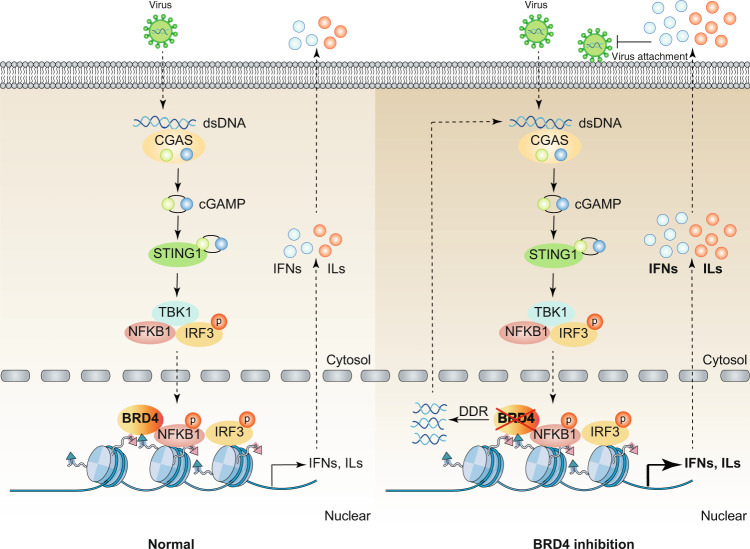
“The CGAS-STING1 pathway-mediated DNA-sensing signaling pathway is crucial for the production of type I IFNs and host antiviral responses.(78) Interestingly, blocking BRD4 widely inhibits the attachment of various DNA and RNA viruses (e.”
BackgroundPathogen Recognition by the Innate Immune System
Kumar, H., Kawai, T., & Akira, S. (2011) · International Reviews of Immunology · doi:10.3109/08830185.2010.529976 · Cited by 2,257 · cited 1×
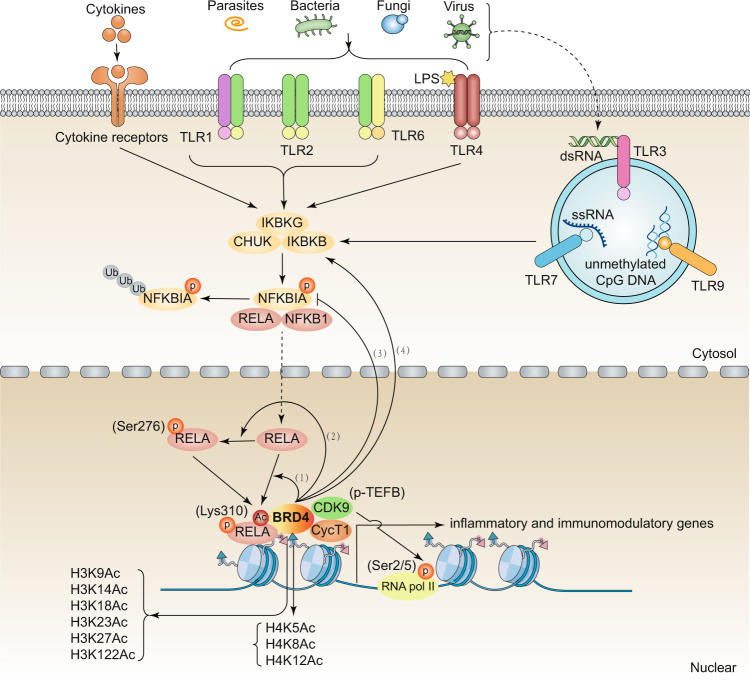
“Function of BETs in innate immunity The innate immune response is mainly triggered by the recognition of various extracellular or intracellular danger signals through PRRs expressed in immune and non-immune cells.(52) The surface-expressed PRRs include toll-like receptors (TLRs), C-type lectin receptors (CLRs), and ad…”
BackgroundMedzhitov, R., & Janeway, C. (2000) · New England Journal of Medicine · doi:10.1056/nejm200008033430506 · Cited by 1,825
Structure and ligand of a histone acetyltransferase bromodomain
Dhalluin, C., Carlson, J. E., Zeng, L., He, C., Aggarwal, A. K., Zhou, M.-M., & Zhou, M.-M. (1999) · Nature · doi:10.1038/20974 · Cited by 1,732 · cited 1×
“It is worth noting that BETs can recognize not only residues in histones, but also other acetylated nuclear proteins to control gene transcription.(181) It can be supposed that other acetylationregulated TFs, including cAMP response element binding protein 1 (CREB1), heat shock transcription factor 1 (HSF1), sterol re…”
BackgroundHistone Recognition and Large-Scale Structural Analysis of the Human Bromodomain Family
Filippakopoulos, P., Picaud, S., Mangos, M., Keates, T., Lambert, J.-P., Barsyte-Lovejoy, D., Felletar, I., Volkmer, R., Müller, S., Pawson, T., et al. (2012) · Cell · doi:10.1016/j.cell.2012.02.013 · Cited by 1,694 · cited 4×
“, bromodomain and extraterminal domain [BET] subfamilies) based on the similarity of protein sequences.(11) The BET family contains four related proteins (namely BRD2, BRD3, BRD4, and BRDT) that act as epigenetic readers with broad specificity on transcriptional activation (including the recruitment of positive transc…”
BackgroundInfluentialDAMP-sensing receptors in sterile inflammation and inflammatory diseases
Gong, T., Liu, L., Jiang, W., & Zhou, R. (2020) · Nature Reviews Immunology · doi:10.1038/s41577-019-0215-7 · Cited by 1,672 · cited 1×
“In addition to mediating infection, DAMPs can also initiate sterile inflammation, which is not only essential for tissue repair and regeneration, but also results in the development of numerous inflammation-related diseases, such as cancer, cardiovascular diseases, and metabolic disorders.(142) As with PAMPs, accumula…”
BackgroundSuppression of inflammation by a synthetic histone mimic
Nicodeme, E., Jeffrey, K. L., Schaefer, U., Beinke, S., Dewell, S., Chung, C.-W., Chandwani, R., Marazzi, I., Wilson, P., Coste, H., et al. (2010) · Nature · doi:10.1038/nature09589 · Cited by 1,563 · cited 3×
“3 folds, but the precise mechanism and pathological role of this downregulation has not been investigated.(69) It is unclear whether the genetic depletion of BET protein has a similar effect to that of BETis in the regulation of TLR2 and TLR6 expression as well as their activation-mediated innate immune responses.”
BackgroundInfluentialStine, Z. E., Walton, Z. E., Altman, B. J., Hsieh, A. L., & Dang, C. V. (2015) · Cancer Discovery · doi:10.1158/2159-8290.cd-15-0507 · Cited by 1,375 · cited 2×
“The MYC family of proteins, a group of basic helix-loophelix leucine zipper TFs that mainly coordinates cellular proliferation and metabolism, consists of four members: c-Myc (MYC, also known as c-MYC), L-Myc (MYCL), N-Myc (MYCN), and S-Myc.114 MYC (a BHLH transcription factor) is frequently altered in human cancers a…”
BackgroundCutting Edge: Role of Toll-Like Receptor 1 in Mediating Immune Response to Microbial Lipoproteins
Takeuchi, O., Sato, S., Horiuchi, T., Hoshino, K., Takeda, K., Dong, Z., Modlin, R. L., & Akira, S. (2002) · The Journal of Immunology · doi:10.4049/jimmunol.169.1.10 · Cited by 1,329 · cited 1×
“, di- and triacylated lipoproteins and lipoteichoic acid) from Grampositive or -negative bacteria.(68) Although the effect of BETs on these TLRs has not been fully explored, JQ1 may reduce the expression of TLR2, which is proposed to be implicated in the production of inflammatory cytokines in diseased gingival tissue…”
BackgroundTargeting bromodomains: epigenetic readers of lysine acetylation
Filippakopoulos, P., & Knapp, S. (2014) · Nature Reviews Drug Discovery · doi:10.1038/nrd4286 · Cited by 1,243 · cited 1×
“The interaction of BDs with acetylated chromatin either at gene promoters or in long range cis regulatory elements (namely “enhancers”) allows subsequent initiation of gene transcription.(21) The C-terminal ET domain is responsible for additional protein-protein interactions, thus enabling BETs as scaffolds for the re…”
BackgroundDuration of Nuclear NF-κB Action Regulated by Reversible Acetylation
Chen, L.-F., Fischle, W., Verdin, E., & Greene, W. C. (2001) · Science · doi:10.1126/science.1062374 · Cited by 1,222
Lysosome-targeting chimaeras for degradation of extracellular proteins
Banik, S. M., Pedram, K., Wisnovsky, S., Ahn, G., Riley, N. M., & Bertozzi, C. R. (2020) · Nature · doi:10.1038/s41586-020-2545-9 · Cited by 1,199 · cited 1×
“These recently investigated chimeras use conjugates that bind both a cell surface lysosome-shuttling receptor and the extracellular domain of a target protein.(134) In addition, phaseseparated condensates that compartmentalize and concentrate anti-neoplastic drugs may facilitate LYTACs binding to BRD4 and have selecti…”
BackgroundRegulation of the Inflammatory Response in Cardiac Repair
Frangogiannis, N. G. (2012) · Circulation Research · doi:10.1161/circresaha.111.243162 · Cited by 1,194 · cited 1×
“Nevertheless, persistent inflammatory response contributes greatly to myocardial remodeling and ultimately heart failure.(157) BET-mediated transcription of proinflammatory and pro-fibrogenic genes are involved in various cardiovascular diseases, such as cardiac hypertrophy,(158) pulmonary arterial hypertension,(62,15…”
BackgroundOrganization of Chromatin by Intrinsic and Regulated Phase Separation
Gibson, B. A., Doolittle, L. K., Schneider, M. W. G., Jensen, L. E., Gamarra, N., Henry, L., Gerlich, D. W., Redding, S., & Rosen, M. K. (2019) · Cell · doi:10.1016/j.cell.2019.08.037 · Cited by 1,072 · cited 1×
“The addition of BRD4 to acetylated chromatin can induce its liquid-liquid phase separation, so that different chromatin compartments can be established and maintained, thereby regulating gene transcription.(183) The inherent disordered regions of BRD4 and MED1 can form phase-separated droplets, and then separate and c…”
BackgroundEberharter, A., & Becker, P. B. (2002) · EMBO reports · doi:10.1093/embo-reports/kvf053 · Cited by 948
NALPs: a novel protein family involved in inflammation
Tschopp, J., Martinon, F., & Burns, K. (2003) · Nature Reviews Molecular Cell Biology · doi:10.1038/nrm1019 · Cited by 723 · cited 1×
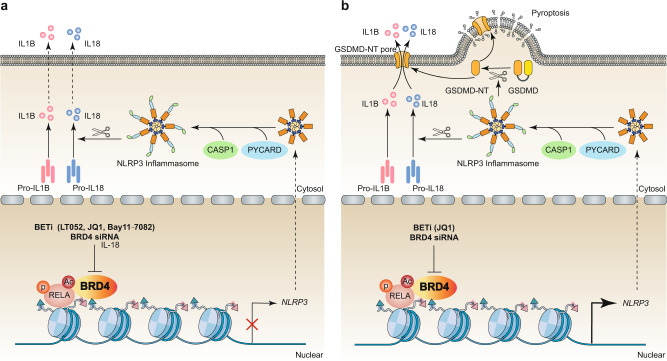
“The NLRP subfamily contains NLRP1 through NLRP14, which are involved in the formation of inflammasomes, multiprotein oligomers of the innate immune system that are responsible for the activation of inflammatory responses.(73) Among the NLRPs, NLRP3 is the most studied and best characterized inflammasome, which is trig…”
BackgroundThe E2F transcriptional network: old acquaintances with new faces
Dimova, D. K., & Dyson, N. J. (2005) · Oncogene · doi:10.1038/sj.onc.1208612 · Cited by 715 · cited 1×
“It regulates the cell cycle by repression or transactivation of genes that encode cyclins, cyclin-dependent kinases, checkpoint regulators, and replication proteins.(111) In addition to the cell cycle, E2F is also involved in the inflammatory response, which is regulated by BETs.”
BackgroundBET domain co-regulators in obesity, inflammation and cancer
Belkina, A. C., & Denis, G. V. (2012) · Nature Reviews Cancer · doi:10.1038/nrc3256 · Cited by 711 · cited 2×
“Moreover, BRD4-driven expression and secretion of IL6, CXCL8, and IL17A contribute to the development of idiopathic pulmonary fibrosis, chronic obstructive pulmonary disease, cystic fibrosis, and neutrophilic lung diseases.(26,27,101,140) After growth factor stimulation, both BRD2 and BRD4 are involved in the regulati…”
BackgroundMechanisms of NF-κB p65 and strategies for therapeutic manipulation
Giridharan, S., & Srinivasan, M. (2018) · Journal of Inflammation Research · doi:10.2147/jir.s140188 · Cited by 686 · cited 1×
“RELA acetylation is regulated by the acetyltransferase activity of CREB binding protein (CREBP)/E1A binding protein P300 (EP300) and lysine acetyltransferase 2B (KAT2B), and it occurs at multiple sites, including lysine (Lys)122, −123, −218, −221, and −310.(83,84) Among these, the acetylation of Lys310 is required for…”
BackgroundEpigenetic control of T-helper-cell differentiation
Wilson, C. B., Rowell, E., & Sekimata, M. (2009) · Nature Reviews Immunology · doi:10.1038/nri2487 · Cited by 682 · cited 2×
“, BRD2 and BRD4) may be involved in the differentiation of Th17 cells that can protect mucosa from bacterial and fungal infection through producing interleukin-17A (IL17A) and IL-17F.(104,139) IBET151 also inhibits the functions of human monocytes, lymphocytes, and granulocytes as well as the production of proinflamma…”
BackgroundThe Double Bromodomain-containing Chromatin Adaptor Brd4 and Transcriptional Regulation
Wu, S.-Y., & Chiang, C.-M. (2007) · Journal of Biological Chemistry · doi:10.1074/jbc.r700001200 · Cited by 679 · cited 2×
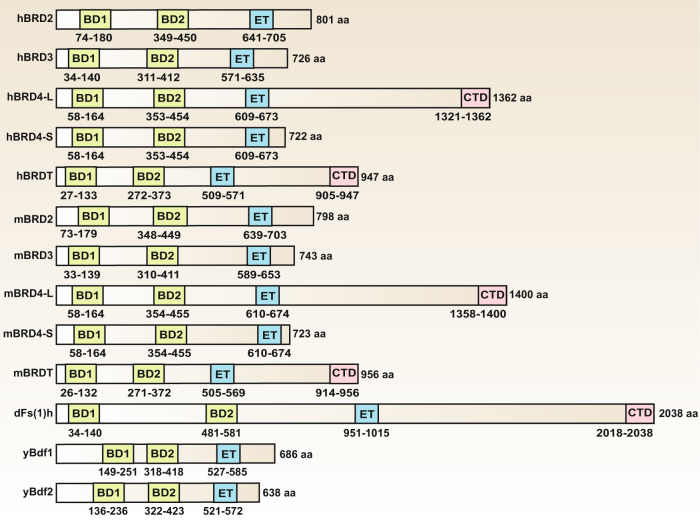
“Both human and mouse BRD4 have long and short isoforms, and the relative abundance of these two forms of BRD4 vary among different cell types.(15,16) The long isoform of BRD4 (BRD4L) is a well-characterized coactivator of transcription (corresponding to the ordinary full-length transcript), whereas the short isoform o…”
BackgroundTargeting MYCN in Neuroblastoma by BET Bromodomain Inhibition
Puissant, A., Frumm, S. M., Alexe, G., Bassil, C. F., Qi, J., Chanthery, Y. H., Nekritz, E. A., Zeid, R., Gustafson, W. C., Greninger, P., et al. (2013) · Cancer Discovery · doi:10.1158/2159-8290.cd-12-0418 · Cited by 637
NF-κB Directs Dynamic Super Enhancer Formation in Inflammation and Atherogenesis
Brown, J. D., Lin, C. Y., Duan, Q., Griffin, G., Federation, A. J., Paranal, R. M., Bair, S., Newton, G., Lichtman, A. H., Kung, A. L., et al. (2014) · Molecular Cell · doi:10.1016/j.molcel.2014.08.024 · Cited by 614 · cited 2×
“Moreover, the binding of BRD4 to the SEs and promoters of proinflammatory or adhesion molecule genes in monocytes and endothelial cells promotes atherogenesis and the incidence of major adverse cardiac events.(63,132) BRD4 may also promote the senescence and lipid accumulation in LPS-induced senescent macrophages by i…”
BackgroundSTAT proteins: From normal control of cellular events to tumorigenesis
Calò, V., Migliavacca, M., Bazan, V., Macaluso, M., Buscemi, M., Gebbia, N., & Russo, A. (2003) · Journal of Cellular Physiology · doi:10.1002/jcp.10364 · Cited by 610 · cited 1×
“The STAT family consists of seven members (STAT1, STAT2, STAT3, STAT4, STAT5A, STAT5B, and STAT6), which act as intracellular TFs in response to selective extracellular stimuli, such as cytokines (mainly IFNs and interleukins), growth factors, and PAMPs, by the membrane receptor-associated Janus kinase (JAK).(99) The…”
BackgroundProtein Lysine Acetylation by p300/CBP
Dancy, B. M., & Cole, P. A. (2015) · Chemical Reviews · doi:10.1021/cr500452k · Cited by 609 · cited 1×
“RELA acetylation is regulated by the acetyltransferase activity of CREB binding protein (CREBP)/E1A binding protein P300 (EP300) and lysine acetyltransferase 2B (KAT2B), and it occurs at multiple sites, including lysine (Lys)122, −123, −218, −221, and −310.(83,84) Among these, the acetylation of Lys310 is required for…”
BackgroundBrd4 Coactivates Transcriptional Activation of NF-κB via Specific Binding to Acetylated RelA
Huang, B., Yang, X.-D., Zhou, M.-M., Ozato, K., & Chen, L.-F. (2009) · Molecular and Cellular Biology · doi:10.1128/mcb.01365-08 · Cited by 579
Functions of bromodomain-containing proteins and their roles in homeostasis and cancer
Fujisawa, T., & Filippakopoulos, P. (2017) · Nature Reviews Molecular Cell Biology · doi:10.1038/nrm.2016.143 · Cited by 573 · cited 1×
“Bromodomain-containing proteins (BRDs) serve as epigenetic readers of histone acetylation, which can recruit transcriptional regulator complexes to chromatin and bind to acetylated histones.(10) In 2012, 61 bromodomain modules were identified among 46 different proteins in the human genome, and these BRDs were divided…”
BackgroundInnate Immune Recognition of Cancer
Woo, S.-R., Corrales, L., & Gajewski, T. F. (2015) · Annual Review of Immunology · doi:10.1146/annurev-immunol-032414-112043 · Cited by 571
Partitioning of cancer therapeutics in nuclear condensates
Klein, I. A., Boija, A., Afeyan, L. K., Hawken, S. W., Fan, M., Dall'Agnese, A., Oksuz, O., Henninger, J. E., Shrinivas, K., Sabari, B. R., et al. (2020) · Science · doi:10.1126/science.aaz4427 · Cited by 499
Cooperative binding of two acetylation marks on a histone tail by a single bromodomain
Morinière, J., Rousseaux, S., Steuerwald, U., Soler-López, M., Curtet, S., Vitte, A.-L., Govin, J., Gaucher, J., Sadoul, K., Hart, D. J., et al. (2009) · Nature · doi:10.1038/nature08397 · Cited by 469 · cited 2×
“Of note, BETs prefer to bind to di-acetylated lysine residues closely located in the protein sequence, which is distinguished from other BRDs.11,18 Although the amino acid residues critical for binding acetyl-lysine in BD1 and BD2 are highly conserved, low homology is found between these two domains; thus they indepen…”
BackgroundHost innate immune responses to sepsis
Wiersinga, W. J., Leopold, S. J., Cranendonk, D. R., & van der Poll, T. (2014) · Virulence · doi:10.4161/viru.25436 · Cited by 460 · cited 1×
“Defects in or the excessive activation of the innate immune system may lead to inflammation, which is implicated in various diseases and pathological conditions, such as cancer(3) diabetes,(4) and sepsis.(5) This process is strictly regulated at the epigenetic, transcriptional, posttranscriptional, and posttranslation…”
BackgroundThe emerging role of epigenetic therapeutics in immuno-oncology
Topper, M. J., Vaz, M., Marrone, K. A., Brahmer, J. R., & Baylin, S. B. (2020) · Nature Reviews Clinical Oncology · doi:10.1038/s41571-019-0266-5 · Cited by 433 · cited 1×
“, acetylation, methylation, phosphorylation, ubiquitylation, and SUMOylation), nucleosome positioning, and changes in microRNA (miRNA) expression.(7) Among them, histone acetylation is a reversible chromatin modification mediated by histone acetyltransferases (HATs, also called “writers”) and histone deacetylases (HDA…”
BackgroundSelective targeting of BD1 and BD2 of the BET proteins in cancer and immunoinflammation
Gilan, O., Rioja, I., Knezevic, K., Bell, M. J., Yeung, M. M., Harker, N. R., Lam, E. Y. N., Chung, C.-W., Bamborough, P., Petretich, M., et al. (2020) · Science · doi:10.1126/science.aaz8455 · Cited by 422 · cited 1×
“As such, selective BD1 inhibitors phenocopy the effects of pan-BETi in cancer whereas selective BD2 inhibitors are dominantly effective in inflammatory and autoimmune disease.(130) However, the long-term adverse reactions of these BETis are not clear.”
BackgroundBelkina, A. C., Nikolajczyk, B. S., & Denis, G. V. (2013) · The Journal of Immunology · doi:10.4049/jimmunol.1202838 · Cited by 418
BRD4 Connects Enhancer Remodeling to Senescence Immune Surveillance
Tasdemir, N., Banito, A., Roe, J.-S., Alonso-Curbelo, D., Camiolo, M., Tschaharganeh, D. F., Huang, C.-H., Aksoy, O., Bolden, J. E., Chen, C.-C., et al. (2016) · Cancer Discovery · doi:10.1158/2159-8290.cd-16-0217 · Cited by 415 · cited 1×
“BRD4 is recruited to newly activated SEs adjacent to key SASP-related genes and mediates downstream paracrine signaling, thereby contributing to tumor-suppressive immune surveillance.(150) Therefore, changes in the BRD4 pathway allow tumors to evade immune surveillance and to excessively proliferate, leading to their…”
BackgroundThe role of human bromodomains in chromatin biology and gene transcription.
Sánchez, R., & Zhou, M. (2009) · PubMed · Cited by 398
Mazur, P. K., Herner, A., Mello, S. S., Wirth, M., Hausmann, S., Sánchez-Rivera, F. J., Lofgren, S. M., Kuschma, T., Hahn, S. A., Vangala, D., et al. (2015) · Nature Medicine · doi:10.1038/nm.3952 · Cited by 397 · cited 2×
“Like JQ1, the knockdown of BRD4 inhibits IL6-induced STAT3 activation and subsequent inflammatory gene production, thereby inhibiting the growth of pancreatic cancer.(35) These findings further support the idea that BRD4-mediated STAT3 activation promotes tumor formation.”
BackgroundA cancer vaccine-mediated postoperative immunotherapy for recurrent and metastatic tumors
Wang, T., Wang, D., Yu, H., Feng, B., Zhou, F., Zhang, H., Zhou, L., Jiao, S., & Li, Y. (2018) · Nature Communications · doi:10.1038/s41467-018-03915-4 · Cited by 391 · cited 2×
“This vaccine suppresses tumor relapse via promoting the maturation of DCs and eliciting of tumor infiltration of CTLs.151 JQ1 also has the ability to restore an immune-active environment by increasing intratumor DCs and CD8C T lymphocytes, and decreasing myeloid-derived suppressor cells.34 In addition, BETi enhances t…”
BackgroundDevaiah, B. N., Lewis, B. A., Cherman, N., Hewitt, M. C., Albrecht, B. K., Robey, P. G., Ozato, K., Sims, R. J., & Singer, D. S. (2012) · Proceedings of the National Academy of Sciences · doi:10.1073/pnas.1120422109 · Cited by 378 · cited 2×
“BETs also regulate gene transcription through their intrinsic kinase activities because the regions they possess are weakly reminiscent of kinase motifs.(22,23) However, these kinase motifs lack homology with other known kinase domains, and the biochemical mechanisms of the kinase activities remain elusive.”
BackgroundEpigenetic regulation of the innate immune response to infection
Zhang, Q., & Cao, X. (2019) · Nature Reviews Immunology · doi:10.1038/s41577-019-0151-6 · Cited by 366 · cited 1×
“, cytokines and chemokines) and the infiltration, polarization, or re-population of immune cells.(6) The epigenetic mechanisms have many forms, such as DNA modification (e.”
BackgroundBRD4 is a histone acetyltransferase that evicts nucleosomes from chromatin
Devaiah, B. N., Case-Borden, C., Gegonne, A., Hsu, C. H., Chen, Q., Meerzaman, D., Dey, A., Ozato, K., & Singer, D. S. (2016) · Nature Structural & Molecular Biology · doi:10.1038/nsmb.3228 · Cited by 361 · cited 10×
“In addition to transcriptional regulatory activities, BETs also possess intrinsic kinase and lysine acetyltransferase (KAT) activities that have not been extensively studied.(15,22) Hence, future research can also be extended to include the diverse transcriptional regulatory mechanisms of BETs and the roles of their k…”
BackgroundInfluentialPhysical and Functional HAT/HDAC Interplay Regulates Protein Acetylation Balance
Peserico, A., & Simone, C. (2011) · BioMed Research International · doi:10.1155/2011/371832 · Cited by 357 · cited 1×
“Furthermore, acetyl-binding proteins (namely “readers”) mainly recognize acetylated histones.(8) Abnormal changes in epigenetic readers modify gene expression and disrupt the cellular machinery, thereby changing the function of immune cells.”
BackgroundHistone structure and nucleosome stability
Mariño-Ramírez, L., Kann, M. G., Shoemaker, B. A., & Landsman, D. (2005) · Expert Review of Proteomics · doi:10.1586/14789450.2.5.719 · Cited by 356 · cited 2×
“The core histones (H2A, H2B, H3, and H4) form the center of nucleosomes, which are linked by histone H1.(122) BETs specifically recognize acetylated lysine residues in histone H3 and H4.”
BackgroundTaniguchi, Y. (2016) · International Journal of Molecular Sciences · doi:10.3390/ijms17111849 · Cited by 336
Kleppe, M., Koche, R., Zou, L., van Galen, P., Hill, C. E., Dong, L., De Groote, S., Papalexi, E., Hanasoge Somasundara, A. V., Cordner, K., et al. (2018) · Cancer Cell · doi:10.1016/j.ccell.2017.11.009 · Cited by 279
NOD-Like Receptors: Master Regulators of Inflammation and Cancer
Saxena, M., & Yeretssian, G. (2014) · Frontiers in Immunology · doi:10.3389/fimmu.2014.00327 · Cited by 274 · cited 2×
“According to the structure of the N-terminal domain, NLRs can be divided into four subfamilies, namely NLRA, NLRB, NLRC, and NLRP.72 The NLRP subfamily contains NLRP1 through NLRP14, which are involved in the formation of inflammasomes, multiprotein oligomers of the innate immune system that are responsible for the ac…”
BackgroundDuan, Q., McMahon, S., Anand, P., Shah, H., Thomas, S., Salunga, H. T., Huang, Y., Zhang, R., Sahadevan, A., Lemieux, M. E., et al. (2017) · Science Translational Medicine · doi:10.1126/scitranslmed.aah5084 · Cited by 262 · cited 3×
“Moreover, BRD4-driven expression and secretion of IL6, CXCL8, and IL17A contribute to the development of idiopathic pulmonary fibrosis, chronic obstructive pulmonary disease, cystic fibrosis, and neutrophilic lung diseases.(26,27,101,140) After growth factor stimulation, both BRD2 and BRD4 are involved in the regulati…”
BackgroundBrd4 maintains constitutively active NF-κB in cancer cells by binding to acetylated RelA
Zou, Z., Huang, B., Wu, X., Zhang, H., Qi, J., Bradner, J., Nair, S., & Chen, L.-F. (2014) · Oncogene · doi:10.1038/onc.2013.179 · Cited by 259
Abe, T., Hemmi, H., Miyamoto, H., Moriishi, K., Tamura, S., Takaku, H., Akira, S., & Matsuura, Y. (2005) · Journal of Virology · doi:10.1128/jvi.79.5.2847-2858.2005 · Cited by 226 · cited 2×
“TLR9 mainly recognizes unmethylated CpG motifs, which are abundant in bacterial or viral DNA.70 Unlike TLR9, TLR7 is an endosomal innate immune sensor used to detect single-stranded ribonucleic acid.71 Both TLR7 and TLR9 stimulation facilitate the production of type I IFNs and other inflammatory cytokines, which great…”
BackgroundZhang, G., Liu, R., Zhong, Y., Plotnikov, A. N., Zhang, W., Zeng, L., Rusinova, E., Gerona-Nevarro, G., Moshkina, N., Joshua, J., et al. (2012) · Journal of Biological Chemistry · doi:10.1074/jbc.m112.359505 · Cited by 201 · cited 1×
“, IL6, CCL2, and CCL5) and the activation of the Th17 immune response have considerable roles in acute renal damage caused by unilateral ureteral obstruction, lupus nephritis, and HIV-associated kidney disease.(95,167,168) In addition, BET-mediated gene expression of profibrotic factors promotes renal fibrosis and exa…”
BackgroundTMEM173 Drives Lethal Coagulation in Sepsis
Zhang, H., Zeng, L., Xie, M., Liu, J., Zhou, B., Wu, R., Cao, L., Kroemer, G., Wang, H., Billiar, T. R., et al. (2020) · Cell Host & Microbe · doi:10.1016/j.chom.2020.02.004 · Cited by 199 · cited 1×
“Excessive activation of the CGAS-STING1 pathway by bacterial cyclic dinucleotides causes cytokine storms and systemic coagulation, leading to sepsis and septic shock.(79) During bacterial infections and DAMP-mediated sterile inflammation, it remains to be seen whether BRD4 and other BETs play a similar role in regulat…”
BackgroundSelf-citationBrd2 disruption in mice causes severe obesity without Type 2 diabetes
Wang, F., Liu, H., Blanton, W. P., Belkina, A., Lebrasseur, N. K., & Denis, G. V. (2010) · Biochemical Journal · doi:10.1042/bj20090928 · Cited by 185 · cited 3×
“Early studies showed that BRD2 is highly expressed in pancreatic β cells, thereby inhibiting mitosis and insulin transcription.(24) Recent studies indicate that α-synuclein induces BRD2 expression, thus initiating the neuroinflammation in Parkinson’s disease.”
BackgroundAntiviral responses induced by the TLR3 pathway
Matsumoto, M., Oshiumi, H., & Seya, T. (2011) · Reviews in Medical Virology · doi:10.1002/rmv.680 · Cited by 182 · cited 1×
“The specificity of TLR3 for dsRNA allows its recognition of various RNA viruses, such as respiratory syncytial virus (RSV), influenza A virus, West Nile virus, and rhinovirus.(54) Thus, the long-term activation of TLR3 is implicated in various respiratory diseases.”
BackgroundRING3 kinase transactivates promoters of cell cycle regulatory genes through E2F.
Denis, G. V., Vaziri, C., Guo, N., & Faller, D. V. (2000) · PubMed · Cited by 182
Emerging strategies to deplete the HIV reservoir
Archin, N. M., & Margolis, D. M. (2014) · Current Opinion in Infectious Diseases · doi:10.1097/qco.0000000000000026 · Cited by 180 · cited 1×
“The inhibition of BETs leads to HIV promoter activation through separate modes of action, which may be beneficial for a combined anti-retroviral therapy.(137) These findings generally suggest that increased BRD4 may be detrimental to antiviral immunity.”
BackgroundYou bet-cha a novel family of transcriptional regulators
Florence, B. (2001) · Frontiers in Bioscience · doi:10.2741/a663 · Cited by 176
Liu, M., Zhou, J., Liu, X., Feng, Y., Yang, W., Wu, F., Cheung, O. K.-W., Sun, H., Zeng, X., Tang, W., et al. (2020) · Gut · doi:10.1136/gutjnl-2018-317257 · Cited by 176 · cited 1×
“reducing the proportion of CD14+ HLA-DR/low myeloid-derived suppressor cells.(156) In addition to BRD4, the gene status of BRD3 is also related to CD274 expression in cancer cells.”
BackgroundThe cGAS-STING Pathway for DNA Sensing
Xiao, T. S., & Fitzgerald, K. A. (2013) · Molecular Cell · doi:10.1016/j.molcel.2013.07.004 · Cited by 174 · cited 1×
“CGAS is a cytosolic DNA sensor that catalyzes the synthesis of cyclic dinucleotide cGMP-AMP (ultimately 2’3’-cGAMP) after activation.(76) As a second messenger, 2’3’cGAMP binds and activates an endoplasmic reticulum membrane adaptor protein, namely, stimulator of interferon response CGAMP The BET family in immunity an…”
BackgroundThe Toll for Trafficking: Toll-Like Receptor 7 Delivery to the Endosome
Petes, C., Odoardi, N., & Gee, K. (2017) · Frontiers in Immunology · doi:10.3389/fimmu.2017.01075 · Cited by 173 · cited 1×
“Unlike TLR9, TLR7 is an endosomal innate immune sensor used to detect single-stranded ribonucleic acid.(71) Both TLR7 and TLR9 stimulation facilitate the production of type I IFNs and other inflammatory cytokines, which greatly contribute to the antiviral immune responses.”
BackgroundKlein, K., Kabala, P. A., Grabiec, A. M., Gay, R. E., Kolling, C., Lin, L.-L., Gay, S., Tak, P. P., Prinjha, R. K., Ospelt, C., et al. (2016) · Annals of the Rheumatic Diseases · doi:10.1136/annrheumdis-2014-205809 · Cited by 167 · cited 1×
“I-BET151 (a pan-BETi) suppresses the expression of cytokines (IL6 and IL8) and MMP3 in rheumatoid arthritis synovial fibroblasts in response to poly(I:C).(51) In addition, I-BET151 inhibits the association of BRD4 with interferon beta 1 (IFNB1) promoter, thereby reducing IFNB1-mediated gene transcription in macrophage…”
Backgroundvan der Feen, D. E., Kurakula, K., Tremblay, È., Boucherat, O., Bossers, G. P. L., Szulcek, R., Bourgeois, A., Lampron, M.-C., Habbout, K., Martineau, S., et al. (2019) · American Journal of Respiratory and Critical Care Medicine · doi:10.1164/rccm.201812-2275oc · Cited by 162
lncRNA DIGIT and BRD3 protein form phase-separated condensates to regulate endoderm differentiation
Daneshvar, K., Ardehali, M. B., Klein, I. A., Hsieh, F.-K., Kratkiewicz, A. J., Mahpour, A., Cancelliere, S. O. L., Zhou, C., Cook, B. M., Li, W., et al. (2020) · Nature Cell Biology · doi:10.1038/s41556-020-0572-2 · Cited by 162 · cited 1×
“In addition, LncRNA DIGIT can promote BRD3 to form a phase-separated condensate, which occupies the enhancer of endoderm transcription factor and drives the transcription of genes related to endoderm differentiation.(185) These findings enhance the understanding of the pathological role of BETs in diseases and may ide…”
BackgroundDouble bromodomain‐containing gene Brd2 is essential for embryonic development in mouse
Shang, E., Wang, X., Wen, D., Greenberg, D. A., & Wolgemuth, D. J. (2009) · Developmental Dynamics · doi:10.1002/dvdy.21911 · Cited by 156 · cited 1×
“cerebral cortex, liver, spleen, lungs, and kidney.(24,25) BRD3 is commonly expressed in testis, ovaries, placenta, uterus, endocrine tissue, adipose tissue, lungs, kidney, muscle, and skin.”
RNA Polymerase II Carboxy-Terminal Domain Kinases: Emerging Clues to Their Function
Prelich, G. (2002) · Eukaryotic Cell · doi:10.1128/ec.1.2.153-162.2002 · Cited by 152 · cited 1×
“Mechanistically, the BETs recruit CDK9 and cyclin T1 to the RNA Pol II,(20,118) then activate it through phosphorylation of the C-terminal domains Ser2 and Ser5 for transcriptional extension.(119,120) BRD4 can bridge autoimmune regulator (AIRE) and P-TEFb, thus promoting AIRE-mediated gene transcription in medullary e…”
BackgroundTan, Y.-F., Wang, M., Chen, Z., Wang, L., & Liu, X. (2020) · Cell Death and Disease · doi:10.1038/s41419-020-2431-2 · Cited by 151 · cited 1×
“For instance, in renal cell carcinoma tissues and cells, the inhibition of BRD4 through genetic knockdown or JQ1 prevents proliferation and epithelial mesenchymal transition (EMT) by increasing RELAmediated NLRP3 expression and subsequent pyroptosis.(33) Collectively, the role of BETs in NLRP3 inflammasomes is cell ty…”
BackgroundBRD4 Regulates Breast Cancer Dissemination through Jagged1/Notch1 Signaling
Andrieu, G. P., Tran, A. H., Strissel, K. J., & Denis, G. V. (2016) · Cancer Research · doi:10.1158/0008-5472.can-16-0559 · Cited by 145 · cited 2×
“BRD4, but not BRD2 or BRD3, promotes TME inflammation in triple-negative breast cancer through upregulating multiple genes involved in extracellular matrix regulation, such as COL1A2, COL3A1, COL5A2, and KRT19.(147) Chronic inflammation can induce DNA damage and accelerate gene mutations, which contribute to the devel…”
BackgroundBromodomain inhibitors, JQ1 and I-BET 762, as potential therapies for pancreatic cancer
Leal, A. S., Williams, C. R., Royce, D. B., Pioli, P. A., Sporn, M. B., & Liby, K. T. (2017) · Cancer Letters · doi:10.1016/j.canlet.2017.02.021 · Cited by 142 · cited 1×
“, IL6, CCL2, and CSF2) in both immune and pancreatic cancer cells.(102) I-BET 762 also decreases the phosphorylation of STAT3 in the mammary gland of MMTV-PyMT breast cancer mice, leading to the production of antitumor T-cell populations in mammary glands and spleen.”
BackgroundBET Inhibitor JQ1 Blocks Inflammation and Bone Destruction
Meng, S., Zhang, L., Tang, Y., Tu, Q., Zheng, L., Yu, L., Murray, D., Cheng, J., Kim, S. H., Zhou, X., et al. (2014) · Journal of Dental Research · doi:10.1177/0022034514534261 · Cited by 139 · cited 2×
“Although the effect of BETs on these TLRs has not been fully explored, JQ1 may reduce the expression of TLR2, which is proposed to be implicated in the production of inflammatory cytokines in diseased gingival tissues.(67) In addition, in LPS-induced bone marrow-derived macrophages, the BETi (e.”
BackgroundCheung, K., Lu, G., Sharma, R., Vincek, A. S., Zhang, R., Plotnikov, A. N., Zhang, F., Zhang, Q., Ju, Y., Hu, Y., et al. (2017) · Proceedings of the National Academy of Sciences · doi:10.1073/pnas.1615601114 · Cited by 139 · cited 2×
“Given the role of BETs in the regulation of proinflammatory and pro-fibrotic gene expression, they are also involved in a diverse range of digestive diseases, such as nonalcoholic steatohepatitis and liver fibrosis,(100) inflammatory bowel disease,(169) acute pancreatitis,(170) and colitis.(20) Gut microbiota plays a…”
BackgroundCheung, K. L., Zhang, F., Jaganathan, A., Sharma, R., Zhang, Q., Konuma, T., Shen, T., Lee, J.-Y., Ren, C., Chen, C.-H., et al. (2017) · Molecular Cell · doi:10.1016/j.molcel.2016.12.022 · Cited by 137 · cited 3×
“More importantly, the BD2 domain of BRD2 recruits STAT3 to the chromatin through interaction with STAT3-K87Ac, thereby facilitating the recruitment of STAT3 to active enhancers occupied with interferon regulatory factor 4 (IRF4) and basic leucine zipper ATF-like transcription factor (BATF) and subsequent T helper (Th)…”
BackgroundEpigenetic remodelling shapes inflammatory renal cancer and neutrophil-dependent metastasis
Nishida, J., Momoi, Y., Miyakuni, K., Tamura, Y., Takahashi, K., Koinuma, D., Miyazono, K., & Ehata, S. (2020) · Nature Cell Biology · doi:10.1038/s41556-020-0491-2 · Cited by 135 · cited 1×
“For example, BRD4 inhibition decreases CXC chemokine expression in clear cell renal cell carcinoma cells, resulting in a weakened inflammatory response and a reduced metastatic cascade.(148) BRD4-mediated expression of IL6, RORC, COX2, MYC, CCND1, and CD47 also promotes the development of various solid cancers, such a…”
BackgroundNadeem, A., Al-Harbi, N. O., Al-Harbi, M. M., El‐Sherbeeny, A. M., Ahmad, S. F., Siddiqui, N. M., Ansari, M. A., Zoheir, K. M. A., Attia, S. M., Alhosaini, K. A., et al. (2015) · Pharmacological Research · doi:10.1016/j.phrs.2015.06.001 · Cited by 130
Tang, X., Peng, R., Phillips, J. E., Deguzman, J., Ren, Y., Apparsundaram, S., Luo, Q., Bauer, C. M. T., Fuentes, M. E., DeMartino, J. A., et al. (2013) · American Journal Of Pathology · doi:10.1016/j.ajpath.2013.04.020 · Cited by 130 · cited 1×
“Moreover, the accumulation of H4K5Ac and BRD4 on the IL6 gene promoter is found in lung fibroblasts from idiopathic pulmonary fibrosis donors, leading to increased IL6 production and secretion.(124) In airway smooth muscle cells isolated from asthmatic individuals, histone H3 acetylation (especially H3K18Ac) increases…”
BackgroundKleppe, M., Koche, R. P., Zou, L., van Galen, P., Hill, C. E., Dong, L., Groote, S. D., Papalexi, E., Somasundara, A. V. H., Cordner, K. B., et al. (2018) · Cancer Cell · doi:10.1016/j.ccell.2018.03.024 · Cited by 127 · cited 2×
“Acetylated RELA is essential for recruiting BRD4 proteins to the promoters of target genes, which initiates inflammation, leading to cardiac fibrosis, myeloproliferative neoplasms, and airway inflammation.(61) Increasing the binding between RELA and BRD4 can modify the chromatin environment and further promote the ace…”
BackgroundTsujikawa, L. M., Fu, L., Das, S., Halliday, C., Rakai, B. D., Stotz, S. C., Sarsons, C. D., Gilham, D., Daze, E., Wasiak, S., et al. (2019) · Clinical Epigenetics · doi:10.1186/s13148-019-0696-z · Cited by 126 · cited 2×
“Moreover, the binding of BRD4 to the SEs and promoters of proinflammatory or adhesion molecule genes in monocytes and endothelial cells promotes atherogenesis and the incidence of major adverse cardiac events.(63,132) BRD4 may also promote the senescence and lipid accumulation in LPS-induced senescent macrophages by i…”
BackgroundEpigenetics in Cardiac Fibrosis
Felisbino, M. B., & McKinsey, T. A. (2018) · JACC: Basic to Translational Science · doi:10.1016/j.jacbts.2018.05.003 · Cited by 119
Crystal Structure of the Human BRD2 Bromodomain
Nakamura, Y., Umehara, T., Nakano, K., Jang, M. K., Shirouzu, M., Morita, S., Uda-Tochio, H., Hamana, H., Terada, T., Adachi, N., et al. (2007) · Journal of Biological Chemistry · doi:10.1074/jbc.m605971200 · Cited by 116
Tian, B., Zhao, Y., Sun, H., Zhang, Y., Yang, J., & Brasier, A. R. (2016) · American Journal of Physiology-Lung Cellular and Molecular Physiology · doi:10.1152/ajplung.00224.2016 · Cited by 114
Zhou, S., Zhang, S., Wang, L., Huang, S., Yuan, Y., Yang, J., Wang, H., Li, X., Wang, P., Zhou, L., et al. (2020) · Oncogenesis · doi:10.1038/s41389-020-0218-z · Cited by 114
Das, S., Senapati, P., Chen, Z., Reddy, M. A., Ganguly, R., Lanting, L. L., Mandi, V., Bansal, A., Leung, A., Zhang, S., et al. (2017) · Nature Communications · doi:10.1038/s41467-017-01629-7 · Cited by 112
Tian, B., Yang, J., Zhao, Y., Ivanciuc, T., Sun, H., Garofalo, R. P., & Brasier, A. R. (2017) · Journal of Virology · doi:10.1128/jvi.00007-17 · Cited by 109 · cited 3×
“, RSV, poly(I:C), and allergen)-induced acetylation of histone H3 on Lys 122, thereby promoting airway remodeling driven by inflammation.(55,58,110) The functional interaction between BRD4 and classical HATs needs further clarification.”
BackgroundBowman, E. A., & Kelly, W. G. (2014) · Nucleus · doi:10.4161/nucl.29347 · Cited by 107
Brd4 Is Essential for IL-1β-Induced Inflammation in Human Airway Epithelial Cells
Khan, Y. M., Kirkham, P., Barnes, P. J., & Adcock, I. M. (2014) · PLoS ONE · doi:10.1371/journal.pone.0095051 · Cited by 104 · cited 1×
“In addition, in human airway epithelial cells, hydrogen peroxide enhances the expression of IL6 and CXCL8 induced by IL1B through promoting the acetylation of RELA and the binding of BRD4 to the promoters of IL6 and CXCL8, while BRD2 has no effect on this process.(90) Together, these findings indicate that there is a…”
BackgroundBao, Y., Wu, X., Chen, J., Hu, X., Zeng, F., Cheng, J., Jin, H., Lin, X., & Chen, L. (2017) · Proceedings of the National Academy of Sciences · doi:10.1073/pnas.1700109114 · Cited by 101
Epigenetic targeting of bromodomain protein BRD4 counteracts cancer cachexia and prolongs survival
Segatto, M., Fittipaldi, R., Pin, F., Sartori, R., Dae Ko, K., Zare, H., Fenizia, C., Zanchettin, G., Pierobon, E. S., Hatakeyama, S., et al. (2017) · Nature Communications · doi:10.1038/s41467-017-01645-7 · Cited by 101 · cited 1×
“In addition, both BRD2 and BRD4 play key roles in the onset of cancer cachexia by increasing the transcription of catabolic genes regulated by the IL6-AMPK-FOXO3 pathway.(174) However, little is known about how BETs cause the interaction between immune and metabolic dysfunction in the TME, and how they link the metabo…”
BackgroundBrasier, A. R., Tian, B., Jamaluddin, M. F., Kalita, M. K., Garofalo, R. P., & Lu, M. (2011) · Journal of Virology · doi:10.1128/jvi.05360-11 · Cited by 100 · cited 1×
“The formation of the CDK9-BRD4 complex is required for RELA phosphorylation at Ser276-mediated RELA acetylation at Lys310, which leads to downstream inflammatory gene expression during RSV infection.(92) Phospho-ser276 RELA is also required for the recruitment of the CDK9-BRD4 complex to core EMT transcriptional regul…”
BackgroundFan, P., Zhao, J., Meng, Z., Wu, H., Wang, B., Wu, H., & Jin, X. (2019) · Journal of Experimental & Clinical Cancer Research · doi:10.1186/s13046-019-1044-z · Cited by 99 · cited 1×
“The CD274 checkpoint is transcriptionally regulated by histone acetyltransferase 1 in pancreatic cancer, and BRD4 is required for this process.(153) Alternatively, BRD4 directly bind to CD274 promoter and regulates its transcription in pancreatic stellate cells.”
BackgroundMeloche, J., Lampron, M.-C., Nadeau, V., Maltais, M., Potus, F., Lambert, C., Tremblay, È., Vitry, G., Breuils‐Bonnet, S., Boucherat, O., et al. (2017) · Arteriosclerosis Thrombosis and Vascular Biology · doi:10.1161/atvbaha.117.309156 · Cited by 98 · cited 1×
“BRD4-mediated IL6 expression is increased in the coronary arteries, thereby promoting coronary artery remodeling during pulmonary arterial hypertension.(160) Moreover, the binding of BRD4 to the SEs and promoters of proinflammatory or adhesion molecule genes in monocytes and endothelial cells promotes atherogenesis an…”
BackgroundZhu, W., Wu, R., Lv, Y., Liu, Y., Huang, H., & Xu, J. (2019) · Biomedicine & Pharmacotherapy · doi:10.1016/j.biopha.2019.109368 · Cited by 95 · cited 1×
“The upregulation of BRD4 in cardiomyocytes may induce cardiac hypertrophy by increasing the expression of pro-fibrotic genes and activating RELA-driven inflammation.(158) BRD4-mediated IL6 expression is increased in the coronary arteries, thereby promoting coronary artery remodeling during pulmonary arterial hypertens…”
BackgroundSelf-citationLiu, Z., Chen, H., Wang, P., Li, Y., Wold, E. A., Leonard, P. G., Joseph, S., Brasier, A. R., Tian, B., & Zhou, J. (2020) · Journal of Medicinal Chemistry · doi:10.1021/acs.jmedchem.0c00035 · Cited by 95
Abruzzese, M. P., Bilotta, M. T., Fionda, C., Zingoni, A., Soriani, A., Vulpis, E., Borrelli, C., Zitti, B., Petrucci, M. T., Ricciardi, M. R., et al. (2016) · Journal of Hematology & Oncology · doi:10.1186/s13045-016-0362-2 · Cited by 94 · cited 8×
“133 MZ-1 redesigned based on JQ1 structure prevents TNF-induced expression of adhesion molecules and inflammatory mediators in the monocytes and endothelial cells by selectively degrading BRD4.”
BackgroundInfluentialBRD4 inhibition exerts anti-viral activity through DNA damage-dependent innate immune responses
Wang, J., Li, G., Ming, S., Wang, C., Shi, L., Su, B.-Q., Wu, H.-T., Zeng, L., Han, Y.-Q., Liu, Z., et al. (2020) · PLoS Pathogens · doi:10.1371/journal.ppat.1008429 · Cited by 94 · cited 2×
“As mentioned earlier, BRD4 inhibition enhances innate immune response, resulting in the inhibition of the attachment of DNA and RNA viruses through the CGAS-STING1 pathway.(39) RSV replication increases the expression and binding of BRD4 to RELA, thereby triggering the inflammatory response in the lower respiratory tr…”
BackgroundWang, H., Fu, H., Zhu, R., Wu, X., Ji, X., Li, X., Jiang, H., Lin, Z., Tang, X., Sun, S., et al. (2020) · Aging · doi:10.18632/aging.103200 · Cited by 94 · cited 1×
“BRD4 may also promote the senescence and lipid accumulation in LPS-induced senescent macrophages by increasing the expression of SASP in autocrine and paracrine senescence, thereby promoting the progress of atherosclerosis.(161) Accordingly, JQ1 exhibits therapeutic effects on heart failure caused by prolonged pressur…”
BackgroundMolecular Signatures of Neuroinflammation Induced by αSynuclein Aggregates in Microglial Cells
Sarkar, S., Dammer, E. B., Malovic, E., Olsen, A. L., Raza, S. A., Gao, T., Xiao, H., Oliver, D. L., Duong, D., Joers, V., et al. (2020) · Frontiers in Immunology · doi:10.3389/fimmu.2020.00033 · Cited by 93 · cited 1×
“Recent studies indicate that α-synuclein induces BRD2 expression, thus initiating the neuroinflammation in Parkinson’s disease.(44) The expression of BRD2 (but not BRD3 and T ab le 1.”
BackgroundXiao, Y., Liang, L., Huang, M., Qiu, Q., Zeng, S., Shi, M., Zou, Y., Ye, Y., Yang, X., & Xu, H. (2016) · Rheumatology · doi:10.1093/rheumatology/kev312 · Cited by 92 · cited 7×
“Consequently, mice with myeloid lineage-specific deletion of the Brd4 gene are resistant to LPS-induced septic shock and tissue injury.97 In contrast, in rheumatoid fibroblast-like synoviocytes stimulated by TNF, the knockdown of BRD4 or BRD2 reduces the phosphorylation and degradation of NFKBIA, resulting in the inac…”
BackgroundInfluentialDeeney, J. T., Belkina, A. C., Shirihai, O. S., Corkey, B. E., & Denis, G. V. (2016) · PLoS ONE · doi:10.1371/journal.pone.0151329 · Cited by 92 · cited 1×
“Although BRD2 and BRD4 have the same activity to inhibit INS transcription, only BRD2 can inhibit fatty acid oxidation in β cells.(172) Intriguingly, in Drosophila melanogaster, the BET protein Fs(1)h is required in fat body cells for a normal lifespan as well as metabolic and immune homeostasis.”
BackgroundShi, H., Wu, J., Chen, Z. J., & Chen, C. (2015) · Proceedings of the National Academy of Sciences · doi:10.1073/pnas.1507317112 · Cited by 91 · cited 1×
“interactor 1 (STING1, also known as STING or TMEM173) by inducing its conformational changes.(77) The CGAS-STING1 pathway-mediated DNA-sensing signaling pathway is crucial for the production of type I IFNs and host antiviral responses.”
BackgroundTian, Y., Wang, X., Zhao, S., Liao, X., Younis, M. R., Wang, S., Zhang, C., & Lu, G. (2019) · ACS Applied Materials & Interfaces · doi:10.1021/acsami.9b18730 · Cited by 89
Magistri, M., Velmeshev, D., Makhmutova, M., Patel, P., C. Sartor, G., Volmar, C.-H., Wahlestedt, C., & Ali Faghihi, M. (2016) · Current Alzheimer Research · doi:10.2174/1567205013666160427101832 · Cited by 86
Zhou, Y., Gu, Y., & Liu, J. (2019) · Biochemical and Biophysical Research Communications · doi:10.1016/j.bbrc.2019.07.097 · Cited by 86 · cited 2×
“Moreover, the activation of BET pathway, especially BRD2-mediated inflammatory response and pyroptosis, aggravates cerebral ischemia-induced brain injury and acute spinal cord injury.(47,75,166) Thus it can be concluded that BET-mediated activation of inflammatory pathways is an important pathological event leading to…”
BackgroundRORα is crucial for attenuated inflammatory response to maintain intestinal homeostasis
Oh, S. K., Kim, D., Kim, K., Boo, K., Yu, Y. S., Kim, I. S., Jeon, Y., Im, S.-K., Lee, S.-H., Lee, J. M., et al. (2019) · Proceedings of the National Academy of Sciences · doi:10.1073/pnas.1907595116 · Cited by 85
Epigenetic modulation of type-1 diabetes via a dual effect on pancreatic macrophages and β cells
Fu, W., Farache, J., Clardy, S. M., Hattori, K., Mander, P., Lee, K., Rioja, I., Weissleder, R., Prinjha, R. K., Benoist, C., et al. (2014) · eLife · doi:10.7554/elife.04631 · Cited by 83 · cited 1×
“against pancreatic β cells, but also enhances their proliferation and function, thereby increasing insulin secretion and inhibiting the development of type 1 diabetes.(171) Although BRD2 and BRD4 have the same activity to inhibit INS transcription, only BRD2 can inhibit fatty acid oxidation in β cells.”
BackgroundTang, X., Peng, R., Ren, Y., Apparsundaram, S., Deguzman, J., Bauer, C. M. T., Hoffman, A. F., Hamilton, S. M., Liang, Z., Zeng, H., et al. (2012) · Molecular Pharmacology · doi:10.1124/mol.112.081661 · Cited by 83 · cited 1×
“After growth factor stimulation, both BRD2 and BRD4 are involved in the regulation of filamentous ACTA2 expression in lung fibroblasts and drive pulmonary fibrosis.(164) It remains to be seen whether BET-mediated production of proinflammatory cytokines affects immune cell infiltration and differentiation in infection-…”
BackgroundJiang, F., Hu, Q., Zhang, Z., Li, H., Li, H., Zhang, D., Li, H., Ma, Y., Xu, J., Chen, H., et al. (2019) · Journal of Medicinal Chemistry · doi:10.1021/acs.jmedchem.9b01010 · Cited by 83
Gallagher, S. J., Mijatov, B., Gunatilake, D., Gowrishankar, K., Tiffen, J., James, W., Jin, L., Pupo, G., Cullinane, C., McArthur, G. A., et al. (2014) · Pigment Cell & Melanoma Research · doi:10.1111/pcmr.12282 · Cited by 81
Cho, J., Chang, Y. H., Heo, Y. J., Kim, S., Kim, N. K. D., Park, J. O., Kang, W. K., Lee, J., & Kim, K. (2018) · ESMO Open · doi:10.1136/esmoopen-2018-000326 · Cited by 81 · cited 2×
“In microsatellite high instability gastric cancer, the number of frameshift mutations in BRD3 is negatively correlated with CD274 expression.(48) Apart from CD274, BETs also directly promote the expression of IDO1, an immune checkpoint that mediates metabolic immune escape in cancer through the production of L-kynuren…”
BackgroundJiang, Y., Zhu, L., Zhang, T., Lu, H., Wang, C., Xue, B., Xu, X., Liu, Y., Cai, Z., Sang, W., et al. (2017) · Biochimica et Biophysica Acta (BBA) - Molecular Basis of Disease · doi:10.1016/j.bbadis.2017.08.009 · Cited by 80
Yoshida, H., Bansal, K., Schaefer, U., Chapman, T. D., Rioja, I., Proekt, I., Anderson, M. S., Prinjha, R. K., Tarakhovsky, A., Benoist, C. O., et al. (2015) · Proceedings of the National Academy of Sciences · doi:10.1073/pnas.1512081112 · Cited by 78 · cited 1×
“BRD4 can bridge autoimmune regulator (AIRE) and P-TEFb, thus promoting AIRE-mediated gene transcription in medullary epithelial cells and inducing effective immunologic tolerance.(121) However, the molecular mechanism of transcriptional co-repressors and the way the protein can be converted from a coactivator to a co-…”
BackgroundCXCL8 histone H3 acetylation is dysfunctional in airway smooth muscle in asthma: regulation by BET
Clifford, R. L., Patel, J. K., John, A. E., Tatler, A. L., Mazengarb, L., Brightling, C. E., & Knox, A. J. (2015) · American Journal of Physiology-Lung Cellular and Molecular Physiology · doi:10.1152/ajplung.00021.2015 · Cited by 77 · cited 1×
“In airway smooth muscle cells isolated from asthmatic individuals, histone H3 acetylation (especially H3K18Ac) increases, which helps BRD3 and BRD4 bind to the promoter of CXCL8 and promotes its expression, thereby driving steroid-resistant neutrophilic airway inflammation.(125) Although BRD2, BRD3, and BRD4 are prefe…”
BackgroundWang, J., Chen, J., Jin, H., Lin, D., Chen, Y., Chen, X., Wang, B., Hu, S., Wu, Y., Wu, Y., et al. (2019) · Journal of Cellular and Molecular Medicine · doi:10.1111/jcmm.14196 · Cited by 76
Role of transcription factor acetylation in the regulation of metabolic homeostasis
Park, J.-M., JO, S., Kim, M., Kim, T.-H., & Ahn, Y. (2015) · Protein & Cell · doi:10.1007/s13238-015-0204-y · Cited by 75 · cited 1×
“It can be supposed that other acetylationregulated TFs, including cAMP response element binding protein 1 (CREB1), heat shock transcription factor 1 (HSF1), sterol regulatory element binding proteins (SREBPs), and carbohydrate response element binding protein (ChREBP), may also contribute to BET-orchestrated innate im…”
BackgroundCitrullination-acetylation interplay guides E2F-1 activity during the inflammatory response
Ghari, F., Quirke, A., Munro, S., Kawalkowska, J. Z., Picaud, S., McGouran, J. F., Subramanian, V., Muth, A., Williams, R. O., Kessler, B. M., et al. (2016) · Science Advances · doi:10.1126/sciadv.1501257 · Cited by 75 · cited 2×
“Z variant histone 1 (H2AZ1)-interacting protein, which promotes the transcription of cell cycle-related genes.(112) In addition, after JQ1 treatment, E2F3 shows enhanced motif activity, which may be related to the transcriptional regulation of BRD2.”
BackgroundHuang, M., Zeng, S., Zou, Y., Shi, M., Qiu, Q., Xiao, Y., Chen, G., Yang, X., Liang, L., & Xu, H. (2016) · British Journal of Pharmacology · doi:10.1111/bph.13657 · Cited by 73 · cited 2×
“A dysfunctional BET family member is involved in many physiological and pathological processes and has become an important therapeutic target for diseases, including immune and inflammatory diseases.(13) In this review, we summarize the emerging role of the BET family in innate immunity and highlight its functions in…”
BackgroundSuárez-Álvarez, B., Morgado‐Pascual, J. L., Rayego‐Mateos, S., Rodríguez, R. M. A., Rodrigues-Díez, R. R., Cannata‐Ortiz, P., Sanz, A. B., Egido, J., Tharaux, P., Ortíz, A., et al. (2016) · Journal of the American Society of Nephrology · doi:10.1681/asn.2015080910 · Cited by 72 · cited 3×
“, IL6, CCL2, and CCL5) and the activation of the Th17 immune response have considerable roles in acute renal damage caused by unilateral ureteral obstruction, lupus nephritis, and HIV-associated kidney disease.(95,167,168) In addition, BET-mediated gene expression of profibrotic factors promotes renal fibrosis and exa…”
BackgroundImmunogenicity of prostate cancer is augmented by BET bromodomain inhibition
Mao, W., Ghasemzadeh, A., Freeman, Z. T., Obradović, A., Chaimowitz, M. G., Nirschl, T. R., Emily, M., Yegnasubramanian, S., & Drake, C. G. (2019) · Journal for ImmunoTherapy of Cancer · doi:10.1186/s40425-019-0758-y · Cited by 72 · cited 2×
“JQ1 greatly inhibits the expression of CD274, thereby overcoming the immunosuppressive effects in prostate cancer, lung cancer, and triple-negative breast cancer during cancer therapy.(115,152,155) In addition, for cancers with relatively low responsiveness to immune checkpoint blockade therapy, I-BET762 enhances the…”
BackgroundAlsarraj, J., Faraji, F., Geiger, T. R., Mattaini, K. R., Williams, M. F., Wu, J. J., Ha, N., Merlino, T., Walker, R. C., Bosley, A. D., et al. (2013) · PLoS ONE · doi:10.1371/journal.pone.0080746 · Cited by 71 · cited 1×
“Although BRD4L and BRD4S have the same N-terminal conserved tandem bromodomains and extraterminal domain, they are not functionally redundant because the opposite roles of these two isoforms have been found in different contexts.(17) Mammalian BETs are highly conserved and have homologs in other species, such as Fs(1)…”
BackgroundWang, J., Hu, J., Chen, X., Huang, C., Lin, J., Shao, Z., Gu, M., Wu, Y., Tian, N., Gao, W., et al. (2019) · The FASEB Journal · doi:10.1096/fj.201900703r · Cited by 69
Mumby, S. E., Gambaryan, N., Meng, C., Perros, F., Humbert, M. J. C., Wort, S. J., & Adcock, I. M. (2016) · Respirology · doi:10.1111/resp.12872 · Cited by 67 · cited 1×
“JQ1-mediated inhibition of RELA phosphorylation-dependent cytokine production not only abrogates experimental renal inflammation in murine models,(95) but also exhibits anti-inflammatory and antiremodeling effects on human pulmonary microvascular endothelial cells.(62) BRD4 and other BET members may play overlapping o…”
BackgroundWienerroither, S., Rauch, I., Rosebrock, F., Jamieson, A. M., Bradner, J., Muhar, M., Zuber, J., Müller, M., & Decker, T. (2014) · Molecular and Cellular Biology · doi:10.1128/mcb.01353-13 · Cited by 66 · cited 3×
“In macrophages infected with monocytogenes of the intracellular bacterial pathogen Listeria, two inhibitor of NF-κB kinase subunit beta, namely BI605906 and BETi JQ1, exhibit the same effect on the recruitment of BRD4 to NOS2 promoter and its expression, indicating that RELA activation is required for BRD4 binding to…”
BackgroundInfluentialDeMars, K. M., Yang, C., Castro-Rivera, C. I., & Candelario-Jalil, E. (2018) · Biochemical and Biophysical Research Communications · doi:10.1016/j.bbrc.2018.02.096 · Cited by 66
Tian, B., Yang, J., Zhao, Y., Ivanciuc, T., Sun, H., Wakamiya, M., Garofalo, R. P., & Brasier, A. R. (2018) · Journal of Virology · doi:10.1128/jvi.00441-18 · Cited by 66 · cited 10×
“RSV replication increases the expression and binding of BRD4 to RELA, thereby triggering the inflammatory response in the lower respiratory tract and promoting airway remodeling.(58,110) Moreover, treatment with pan-BETi also dominantly induces the resistance to influenza A virus (H1N1 subtype; strain WSN/33) by The B…”
BackgroundInfluentialTang, K., Zhao, J., Xie, J., & Wang, J. (2019) · American Journal of Physiology-Lung Cellular and Molecular Physiology · doi:10.1152/ajplung.00436.2018 · Cited by 65 · cited 1×
“For example, miR-218-5p, miR-29a, miR-29b, and miRNA-302e inhibit BRD4 expression in activated human pulmonary microvascular endothelial cells, primary hepatic stellate cells, human bronchial epithelial cells, and A549 cells, respectively.(30,42,43) We still need to clarify the TFs responsible for BRD4 expression in i…”
Backgroundvan der Kroef, M., Castellucci, M., Mokrý, M., Cossu, M., Garonzi, M., Bossini‐Castillo, L., Chouri, E., Wichers, C. G. K., Beretta, L., Trombetta, E., et al. (2019) · Annals of the Rheumatic Diseases · doi:10.1136/annrheumdis-2018-214295 · Cited by 65 · cited 2×
“In IFNA1-induced monocytes, STAT1 and STAT2 are enriched on the promoter of IFN-responsive genes MX1 and CMPK2, and this process is inhibited by JQ1.(109) Overall, these findings demonstrate that BETs mediate the activation of STAT pathways in various immune cells, which is highly related to infection, immunity, and t…”
BackgroundSUN, Y., Huang, J., & Song, K. (2015) · Experimental and Therapeutic Medicine · doi:10.3892/etm.2015.2789 · Cited by 64 · cited 3×
“JQ1 (a pan-BETi) significantly reduces the protein expression of TLR4, TRAF6, and NF-κB in the heart of rats with acute myocardial infarction.(66) Moreover, JQ1 reduces the expression of TLR4 and the production of inflammatory cytokines (e.”
BackgroundMucosal bromodomain-containing protein 4 mediates aeroallergen-induced inflammation and remodeling
Tian, B., Hosoki, K., Liu, Z., Yang, J., Zhao, Y., Sun, H., Zhou, J., Rytting, E., Kaphalia, L., Calhoun, W. J., et al. (2018) · Journal of Allergy and Clinical Immunology · doi:10.1016/j.jaci.2018.09.029 · Cited by 64 · cited 1×
“BRD4-mediated activation of the NF-κB pathway promotes lung inflammation, leading to airway remodeling in allergic airway disease.(163) Moreover, BRD4-driven expression and secretion of IL6, CXCL8, and IL17A contribute to the development of idiopathic pulmonary fibrosis, chronic obstructive pulmonary disease, cystic f…”
BackgroundSánchez-Ventura, J., Amo‐Aparicio, J., Navarro, X., & Penas, C. (2019) · Journal of Neuroinflammation · doi:10.1186/s12974-019-1511-7 · Cited by 62 · cited 1×
“Moreover, the activation of BET pathway, especially BRD2-mediated inflammatory response and pyroptosis, aggravates cerebral ischemia-induced brain injury and acute spinal cord injury.(47,75,166) Thus it can be concluded that BET-mediated activation of inflammatory pathways is an important pathological event leading to…”
BackgroundInhibiting STAT5 by the BET Bromodomain Inhibitor JQ1 Disrupts Human Dendritic Cell Maturation
Toniolo, P. A., Liu, S., Yeh, J., Moraes‐Vieira, P. M., Walker, S. R., Vafaizadeh, V., Barbuto, J. A. M., & Frank, D. A. (2015) · The Journal of Immunology · doi:10.4049/jimmunol.1401635 · Cited by 61 · cited 2×
“JQ1 can inhibit LPS-stimulated phosphorylation and nuclear accumulation of STAT5 in human monocyte-derived DCs, thereby decreasing STAT5’s transcriptional activity and impairing the maturation of monocyte-derived DCs.107 BRD2 is present at the transcriptionally active Cis locus and is required for the proper recruitme…”
BackgroundRay, K. K., Nicholls, S. J., Ginsberg, H. N., Johansson, J. O., Kalantar‐Zadeh, K., Kulikowski, E., Toth, P. P., Wong, N. C. W., Cummings, J. L., Sweeney, M., et al. (2019) · American Heart Journal · doi:10.1016/j.ahj.2019.08.001 · Cited by 60
Targeting bromodomain-containing protein 4 (BRD4) benefits rheumatoid arthritis
Zhang, Q., Qian, J., & Zhu, Y. (2015) · Immunology Letters · doi:10.1016/j.imlet.2015.05.016 · Cited by 58
Jahagirdar, R., Attwell, S., Marusic, S., Bendele, A., Shenoy, N., McLure, K. G., Gilham, D., Norek, K., Hansen, H. C., Yu, R., et al. (2017) · Molecular Pharmacology · doi:10.1124/mol.117.110379 · Cited by 58
Tian, B., Liu, Z., Litvinov, J., Maroto, R., Jamaluddin, M., Rytting, E., Patrikeev, I., Ochoa, L., Vargas, G., Motamedi, M., et al. (2019) · American Journal of Respiratory Cell and Molecular Biology · doi:10.1165/rcmb.2017-0445oc · Cited by 56 · cited 3×
“BRD4 mediates poly(I:C)-induced airway inflammation by promoting the transcription of CIG5, IL6, KC, CCL2, ORM2, CXCL2, IFNB, ISG54, and CCL5 in airway epithelial cells or lung tissues and further increases the secretion of inflammatory cytokines in bronchoalveolar lavage fluid.(55) Selective BRD4 inhibitor targeting…”
BackgroundRay, S., Zhao, Y., Jamaluddin, M., Edeh, C. B., Lee, C., & Brasier, A. R. (2014) · Cellular Signalling · doi:10.1016/j.cellsig.2014.03.007 · Cited by 54 · cited 1×
“In mouse embryonic fibroblasts, BRD4 is recruited to the STAT3-dependent suppressor of cytokine signaling 3 gene (SOCS3) and promotes its transcription.(106) Like JQ1, the knockdown of BRD4 inhibits IL6-induced STAT3 activation and subsequent inflammatory gene production, thereby inhibiting the growth of pancreatic ca…”
BackgroundPerry, M. M., Durham, A. L., Austin, P. J., Adcock, I. M., & Chung, K. F. (2015) · Journal of Biological Chemistry · doi:10.1074/jbc.m114.612671 · Cited by 54
Joshi, S., Singh, A. R., Liu, K. X., Pham, T. V., Zulcic, M., Skola, D., Chun, H. B., Glass, C. K., Morales, G. A., Garlich, J. R., et al. (2019) · Molecular Cancer Therapeutics · doi:10.1158/1535-7163.mct-18-1206 · Cited by 54 · cited 5×
“This process is coordinated by various cells and proteins in the TME.”
BackgroundInfluentialRiganti, C., Lingua, M. F., Salaroglio, I. C., Falcomatà, C., Righi, L., Morena, D., Picca, F., Oddo, D., Kopecka, J., Pradotto, M., et al. (2018) · OncoImmunology · doi:10.1080/2162402x.2017.1398874 · Cited by 53 · cited 1×
“JQ1 also has the ability to restore an immune-active environment by increasing intratumor DCs and CD8C T lymphocytes, and decreasing myeloid-derived suppressor cells.(34) In addition, BETi enhances the immunogenicity of prostate cancer cells and the susceptibility to CD8 T-cell targeting by increasing MHC I expression.”
BackgroundTian, B., Liu, Z., Yang, J., Sun, H., Zhao, Y., Wakamiya, M., Chen, H., Rytting, E., Zhou, J., & Brasier, A. R. (2018) · Cell Reports · doi:10.1016/j.celrep.2018.03.106 · Cited by 53 · cited 1×
“Selective BRD4 inhibitor targeting of BD1 obviously alleviates inflammatory response by reversing cytokine expression.(56,57) RSV also induces neutrophilic inflammation and the production of chemokines (CSF2, CXCL2, IL8, CCL2, and CCL5) and mucosal IFN in the nonciliated SCGB1A1expressing epithelium through the bindin…”
BackgroundBromodomain inhibitor JQ1 reversibly blocks IFN-γ production
Gibbons, H. R., Mi, D. J., Farley, V. M., Esmond, T., Kaood, M. B., & Aune, T. M. (2019) · Scientific Reports · doi:10.1038/s41598-019-46516-x · Cited by 53
Immunopathogenesis: Role of Innate and Adaptive Immune Responses
Visvanathan, K., & Lewin, S. R. (2006) · Seminars in Liver Disease · doi:10.1055/s-2006-939755 · Cited by 52 · cited 1×
“, wounds and trauma) by activating innate and adaptive immune responses.(1) Unlike adaptive immunity, in which immune cells (e.”
BackgroundThe role of innate immune pathways in type 1 diabetes pathogenesis
Pino, S. C., Kruger, A. J., & Bortell, R. (2010) · Current Opinion in Endocrinology Diabetes and Obesity · doi:10.1097/med.0b013e3283372819 · Cited by 52
Selective BET bromodomain inhibition as an antifungal therapeutic strategy
Mietton, F., Ferri, E., Champleboux, M., Zala, N., Maubon, D., Zhou, Y., Harbut, M., Spittler, D., Garnaud, C., Courçon, M., et al. (2017) · Nature Communications · doi:10.1038/ncomms15482 · Cited by 52 · cited 1×
“Hence, BDF1 is proposed as a drug target for antifungal therapy.(138) Although the exact mechanism between fungal infection, BETs, and host immune response has not yet been established, emerging evidence suggests that BETs (e.”
BackgroundHistone Modifications, Modifiers and Readers in Melanoma Resistance to Targeted and Immune Therapy
Gallagher, S. J., Tiffen, J. C., & Hersey, P. (2015) · Cancers · doi:10.3390/cancers7040870 · Cited by 51
Chen, J., Wang, Z., Hu, X., Chen, R., Romero-Gallo, J., Peek, R. M., & Chen, L.-F. (2016) · The Journal of Immunology · doi:10.4049/jimmunol.1502261 · Cited by 51 · cited 1×
“For example, the knockdown of BRD2, BRD3, and BRD4 all reduce Helicobacter pylori-induced IL1B expression, but only the depletion of BRD4 significantly impairs Helicobacter pylori-induced IL1A expression.(96)”
BackgroundSong, J., Wang, Q., & Zong, L. (2020) · Bioscience Reports · doi:10.1042/bsr20192567 · Cited by 51
BET Inhibition Improves NASH and Liver Fibrosis
Middleton, S. A., Rajpal, N., Cutler, L., Mander, P. K., Rioja, I., Prinjha, R. K., Rajpal, D. K., Agarwal, P., & Kumar, V. (2018) · Scientific Reports · doi:10.1038/s41598-018-35653-4 · Cited by 50 · cited 1×
“example, in a non-alcoholic steatohepatitis mouse model, IBET151 treatment significantly reduced the expression of STAT1dependent interferon gamma (IFNG) in liver tissue.(100) Similarly, JQ1 suppresses genes enriched for a network of innate immune signaling nodes with a strong convergence on RELA-, JUN-, and STAT1-med…”
BackgroundLiu, M., Li, Y., Gao, S., Yan, S., Zhang, Q., Liu, G., & Ji, B. (2019) · Journal of Thoracic and Cardiovascular Surgery · doi:10.1016/j.jtcvs.2019.06.115 · Cited by 50
P-TEFb: Finding its ways to release promoter-proximally paused RNA polymerase II
Li, Y., Liu, M., Chen, L., & Chen, R. (2017) · Transcription · doi:10.1080/21541264.2017.1281864 · Cited by 48 · cited 1×
“, cyclin T1), which release the paused RNA Pol II at the proximal promoter to allow transcription.(117) Mechanistically, the BETs recruit CDK9 and cyclin T1 to the RNA Pol II,(20,118) then activate it through phosphorylation of the C-terminal domains Ser2 and Ser5 for transcriptional extension.”
BackgroundHong, J., Li, S., Markova, D., Liang, A., Kepler, C. K., Huang, Y., Zhou, J., Yan, J., Chen, W., Huang, D., et al. (2020) · Journal of Cellular Physiology · doi:10.1002/jcp.29508 · Cited by 43
Handoko, L., Kaczkowski, B., Hon, C.-C., Lizio, M., Wakamori, M., Matsuda, T., Ito, T., Jeyamohan, P., Sato, Y., Sakamoto, K., et al. (2018) · Epigenetics · doi:10.1080/15592294.2018.1469891 · Cited by 41 · cited 2×
“Z variant histone 1 (H2AZ1)-interacting protein, which promotes the transcription of cell cycle-related genes.112 In addition, after JQ1 treatment, E2F3 shows enhanced motif activity, which may be related to the transcriptional regulation of BRD2.”
BackgroundRudman, M. D., Choi, J. S., Lee, H. E., Tan, S. K., Ayad, N. G., & Lee, J. K. (2018) · Experimental Neurology · doi:10.1016/j.expneurol.2018.08.005 · Cited by 41 · cited 1×
“Notably, BRD2 and BRD3 can exert roles with no detectable change in their expressions.(41) Therefore, both the expression and structure of BETs occupy essential roles in the regulation of gene expression and immune response.”
BackgroundEbine, K., Kumar, K., Pham, T. N., Shields, M. A., Collier, K. A., Shang, M., DeCant, B. T., Urrutia, R., Hwang, R. F., Grimaldo, S., et al. (2018) · Scientific Reports · doi:10.1038/s41598-018-31658-1 · Cited by 41 · cited 1×
“Alternatively, BRD4 directly bind to CD274 promoter and regulates its transcription in pancreatic stellate cells.(154) JQ1 greatly inhibits the expression of CD274, thereby overcoming the immunosuppressive effects in prostate cancer, lung cancer, and triple-negative breast cancer during cancer therapy.”
BackgroundZhao, Y., Tian, B., Sun, H., Zhang, J., Zhang, Y., Ivannikov, M. V., Motamedi, M., Liu, Z., Zhou, J., Kaphalia, L., et al. (2019) · Journal of Proteomics · doi:10.1016/j.jprot.2019.103415 · Cited by 41 · cited 1×
“Selective BRD4 inhibitor targeting of BD1 obviously alleviates inflammatory response by reversing cytokine expression.(56,57) RSV also induces neutrophilic inflammation and the production of chemokines (CSF2, CXCL2, IL8, CCL2, and CCL5) and mucosal IFN in the nonciliated SCGB1A1expressing epithelium through the bindin…”
BackgroundZhao, L., Li, J., Fu, Y., Zhang, M., Wang, B., Ouellette, J. N., Shahi, P. K., Pattnaik, B. R., Watters, J. J., Wong, W. T., et al. (2017) · Journal of Neuroinflammation · doi:10.1186/s12974-016-0775-4 · Cited by 39 · cited 9×
“133 MZ-1 redesigned based on JQ1 structure prevents TNF-induced expression of adhesion molecules and inflammatory mediators in the monocytes and endothelial cells by selectively degrading BRD4.”
BackgroundResultInfluentialPinz, S., Unser, S., Buob, D., Fischer, P., Jobst, B., & Rascle, A. (2015) · Nucleic Acids Research · doi:10.1093/nar/gkv188 · Cited by 37 · cited 2×
“BRD2 is present at the transcriptionally active Cis locus and is required for the proper recruitment of STAT5-dependent transcriptional machinery for Cis.(108) In IFNA1-induced monocytes, STAT1 and STAT2 are enriched on the promoter of IFN-responsive genes MX1 and CMPK2, and this process is inhibited by JQ1.”
BackgroundSchilderink, R., Bell, M. J., Reginato, E., Patten, C., Rioja, I., Hilbers, F. W., Kabala, P. A., Reedquist, K. A., Tough, D. F., Tak, P. P., et al. (2016) · Molecular Immunology · doi:10.1016/j.molimm.2016.09.010 · Cited by 37
Zhang, C., Su, Z., Wang, L., Shu, L., Yang, Y., Guo, Y., Pung, D., Bountra, C., & Kong, A. T. (2016) · Biochemical Pharmacology · doi:10.1016/j.bcp.2016.08.009 · Cited by 36 · cited 3×
“In the BET family, BRD4 acts as an atypical HAT, which can acetylate histone H3 and H4 in a different mode than other HATs.128 Because BRD4 can induce the acetylation of histone H3 on Lys residue 122 (H3K122Ac), which is a posttranslational modification that destabilizes nucleosome structure, the nuclear abundance of…”
BackgroundOncolytic Reactivation of KSHV as a Therapeutic Approach for Primary Effusion Lymphoma
Zhou, F., Shimoda, M., Olney, L. P., Lyu, Y., Tran, K. A., Jiang, G., Nakano, K., Davis, R. R., Tepper, C. G., Maverakis, E., et al. (2017) · Molecular Cancer Therapeutics · doi:10.1158/1535-7163.mct-17-0041 · Cited by 35
Bromodomain inhibitor I‐BET151 suppresses immune responses during fungal–immune interaction
Domínguez‐Andrés, J., Ferreira, A. V., Jansen, T., Smithers, N. N., Prinjha, R. K., Furze, R. C., & Netea, M. G. (2019) · European Journal of Immunology · doi:10.1002/eji.201848081 · Cited by 35
Ren, W., Wang, C., Wang, Q., Zhao, D., Zhao, K., Sun, D., Liu, X., Han, C., Hou, J., Li, X., et al. (2017) · Scientific Reports · doi:10.1038/srep39986 · Cited by 30 · cited 7×
“In most species, histone H3 is usually acetylated at lysine 9, 14, 18, 23, and 27, while histone H4 is mainly acetylated at lysine 5, 8, 12, and 16.123 IL1B or TNF induce the acetylation of H4K5Ac, H4K8Ac, and H4K12Ac, then recruits BRD3 and BRD4 to the promoter of the matrix degrading enzyme genes (MMP1, MMP3, MMP13,…”
BackgroundInfluentialB7-H3 is regulated by BRD4 and promotes TLR4 expression in pancreatic ductal adenocarcinoma
Zhao, J., Meng, Z., Xie, C. L., Yang, C., Liu, Z., Wu, S., Wang, B., Fan, P., Jin, X., & Wu, H. (2019) · The International Journal of Biochemistry & Cell Biology · doi:10.1016/j.biocel.2019.01.011 · Cited by 30 · cited 1×
“For example, in pancreatic cancer cell lines (PANC-1 and BxPC-3), BRD4 promotes the expression of TLR4 through the transcriptional activation of CD276 (also known as B7-H3), which supports the role of the BRD4-TLR4 pathway in the regulation of immunotherapy and chemotherapy in pancreatic cancer.(65) JQ1 (a pan-BETi) s…”
BackgroundInhibition of BET bromodomains alleviates inflammation in human RPE cells
Hytti, M., Tokarz, P., Määttä, E., Piippo, N., Korhonen, E., Suuronen, T., Honkakoski, P., Kaarniranta, K., Lahtela-Kakkonen, M. K., & Kauppinen, A. (2016) · Biochemical Pharmacology · doi:10.1016/j.bcp.2016.04.009 · Cited by 29
Chemoprevention of Preclinical Breast and Lung Cancer with the Bromodomain Inhibitor I-BET 762
Zhang, D., Leal, A. S., Carapellucci, S., Zydeck, K., Sporn, M. B., & Liby, K. T. (2017) · Cancer Prevention Research · doi:10.1158/1940-6207.capr-17-0264 · Cited by 29 · cited 2×
“I-BET 762 also decreases the phosphorylation of STAT3 in the mammary gland of MMTV-PyMT breast cancer mice, leading to the production of antitumor T-cell populations in mammary glands and spleen.(103) These findings indicate the role of BETs in regulating the STAT3dependent inflammatory tumor microenvironment and anti…”
BackgroundEskandarpour, M., Alexander, R., Adamson, P., & Calder, V. L. (2017) · The Journal of Immunology · doi:10.4049/jimmunol.1600735 · Cited by 28
Lin, Y.-C., Wang, F., Yang, Y., Chuang, Y.-T., & Huang, Y. (2018) · Biochemical and Biophysical Research Communications · doi:10.1016/j.bbrc.2018.01.132 · Cited by 28 · cited 1×
“For example, miR-218-5p, miR-29a, miR-29b, and miRNA-302e inhibit BRD4 expression in activated human pulmonary microvascular endothelial cells, primary hepatic stellate cells, human bronchial epithelial cells, and A549 cells, respectively.(30,42,43) We still need to clarify the TFs responsible for BRD4 expression in i…”
BackgroundTian, C., Chen, L., Chen, H., Huan, X., Hu, J., Shen, J., Xiong, B., Wang, Y.-Q., & Miao, Z. (2019) · Cell Death and Disease · doi:10.1038/s41419-019-1793-9 · Cited by 28 · cited 3×
“In microsatellite high instability gastric cancer, the number of frameshift mutations in BRD3 is negatively correlated with CD274 expression.48 Apart from CD274, BETs also directly promote the expression of IDO1, an immune checkpoint that mediates metabolic immune escape in cancer through the production of L-kynurenin…”
BackgroundInfluentialTherapeutic targeting of BET protein BRD4 delays murine lupus
Wei, S., Sun, Y., & Sha, H. (2015) · International Immunopharmacology · doi:10.1016/j.intimp.2015.10.036 · Cited by 26 · cited 1×
“, IL6, CCL2, and CCL5) and the activation of the Th17 immune response have considerable roles in acute renal damage caused by unilateral ureteral obstruction, lupus nephritis, and HIV-associated kidney disease.(95,167,168) In addition, BET-mediated gene expression of profibrotic factors promotes renal fibrosis and exa…”
BackgroundChen, K., Campfield, B. T., Wenzel, S. E., McAleer, J. P., Kreindler, J. L., Kurland, G., Gopal, R., Wang, T., Chen, W., Eddens, T. J., et al. (2016) · JCI Insight · doi:10.1172/jci.insight.87168 · Cited by 26
Dai, J. M., Zhou, S., Ge, Q., Qin, J., Li, J., Ju, H., Cao, Y., Zheng, M., Li, C., Gao, X., et al. (2019) · Journal of Orthopaedic Surgery and Research · doi:10.1186/s13018-019-1091-3 · Cited by 26 · cited 1×
“IL1B or TNF induce the acetylation of H4K5Ac, H4K8Ac, and H4K12Ac, then recruits BRD3 and BRD4 to the promoter of the matrix degrading enzyme genes (MMP1, MMP3, MMP13, and ADAMTS4), thereby increasing their expression in human chondrosarcoma cell lines (SW1353).(118) The BET family in immunity and disease Wang et al.”
BackgroundSlivka, P. F., Hsieh, C.-L., Lipovsky, A. I., Pratt, S. D., Locklear, J., Namovic, M. T., McDonald, H. A., Wetter, J. B., Edelmayer, R. M., Hu, M., et al. (2019) · ACS Chemical Biology · doi:10.1021/acschembio.8b00260 · Cited by 26
Identifying gene expression profile of spinal cord injury in rat by bioinformatics strategy
Jin, L., Wu, Z., Xu, W., Hu, X., Zhang, J., Xue, Z., & Cheng, L. (2014) · Molecular Biology Reports · doi:10.1007/s11033-014-3176-8 · Cited by 25 · cited 2×
“Moreover, the upregulation of BRD2 may be the main driver of LPS- or spinal cord injury-induced gene expression in macrophages or neuronal cells.(40,47) Although the mechanism of BRD2 upregulation is unclear, it seems that BRD2 acts as a stress-sensitive metabolism-related protein after inflammatory stimulation.”
BackgroundNadeem, A., Ahmad, S. F., Al-Harbi, N. O., Siddiqui, N. M., Ibrahim, K. E., & Attia, S. M. (2018) · Biochemical Pharmacology · doi:10.1016/j.bcp.2018.05.011 · Cited by 24
Qiao, H., Chen, X., Wang, Q., Zhang, J., Huang, D., Chen, E., Qian, H., Zhong, Y., Tang, Q., & Chen, W. (2020) · Biomaterials Science · doi:10.1039/d0bm00172d · Cited by 24 · cited 1×
“JQ1 greatly inhibits the expression of CD274, thereby overcoming the immunosuppressive effects in prostate cancer, lung cancer, and triple-negative breast cancer during cancer therapy.(115,152,155) In addition, for cancers with relatively low responsiveness to immune checkpoint blockade therapy, I-BET762 enhances the…”
BackgroundQian, Z., Shuying, W., & Ranran, D. (2020) · Biomedicine & Pharmacotherapy · doi:10.1016/j.biopha.2020.109818 · Cited by 23 · cited 1×
“Apart from LPS, listeriolysin-O, a hemolysin produced by the bacterium Listeria monocytogenes, increases BRD4 expression in Kupffer cells, which may induce liver injury by promoting necroptosis, inflammation, and mitochondrial dysfunction.(136) Whether the functional impairment of BETs is the main cause and prognostic…”
BackgroundBromodomain protein BRD4 is increased in human placentas from women with early-onset preeclampsia
Liong, S., Barker, G., & Lappas, M. (2018) · Reproduction · doi:10.1530/rep-17-0744 · Cited by 21
Epigenetic drugs as new therapy for tumor necrosis factor-α-compromised bone healing
Chen, T.-H., Weber, F. E., Malina-Altzinger, J., & Ghayor, C. (2019) · Bone · doi:10.1016/j.bone.2019.05.035 · Cited by 21
Ren, Y., Zhang, Y., Wang, Z., Wang, C., Zhang, H., Wang, Y., & Zhao, Z. (2019) · Canadian Journal of Physiology and Pharmacology · doi:10.1139/cjpp-2019-0142 · Cited by 20
Wang, X., Yang, Y., Ren, D., Xia, Y., He, W., Wu, Q., Zhang, J., Liu, M., Du, Y., Ren, C., et al. (2020) · British Journal of Pharmacology · doi:10.1111/bph.15023 · Cited by 20 · cited 1×
“In the mouse model of schistosomiasis, BET inhibition displays a protective effect on liver fibrosis by attenuating EP300-mediated RAR-related orphan receptor C (RORC) acetylation, thus decreasing the expression of RORC target genes.(141) These findings indicate that BET, especially BRD2, predominant orchestrates inna…”
BackgroundAltered regulation and expression of genes by BET family of proteins in COPD patients
Malhotra, R., Kurian, N., Zhou, X.-H., Jiang, F., Monkley, S. J., DeMicco, A., Clausen, I. G., Delgren, G., Edenro, G., Ahdesmaki, M. J., et al. (2017) · PLoS ONE · doi:10.1371/journal.pone.0173115 · Cited by 19 · cited 2×
“BRD2 also drives LPS-stimulated neuroinflammation and alveolar inflammation.(40,46) Apart from LPS, listeriolysin-O, a hemolysin produced by the bacterium Listeria monocytogenes, increases BRD4 expression in Kupffer cells, which may induce liver injury by promoting necroptosis, inflammation, and mitochondrial dysfunct…”
BackgroundLee, M., Tayyari, F., Pinnaduwage, D., Bayani, J., Bartlett, J. M. S., Mulligan, A. M., Bull, S. B., & Andrulis, I. L. (2018) · BMC Cancer · doi:10.1186/s12885-018-4653-6 · Cited by 19 · cited 1×
“For example, BRD4 expression is substantially upregulated in lymph node-negative breast cancer with a high expression of T-box transcription factor 21 (TBX21), which finally attenuates immune surveillance by upregulating jagged canonical notch ligand 1 (JAG1) expression.(149) Oncogeneinduced senescence is regarded as…”
BackgroundLi, S., Cui, W., Song, Q., Zhou, Y., & Li, J. (2019) · International Journal of Molecular Medicine · doi:10.3892/ijmm.2019.4194 · Cited by 19 · cited 1×
“For example, miR-218-5p, miR-29a, miR-29b, and miRNA-302e inhibit BRD4 expression in activated human pulmonary microvascular endothelial cells, primary hepatic stellate cells, human bronchial epithelial cells, and A549 cells, respectively.(30,42,43) We still need to clarify the TFs responsible for BRD4 expression in i…”
BackgroundHost Responses to Plasmodium yoelii Hepatic Stages: A Paradigm in Host-Parasite Interaction
Lau, A. O. T., Sacci, J. B., & Azad, A. F. (2001) · The Journal of Immunology · doi:10.4049/jimmunol.166.3.1945 · Cited by 18
Sun, R., Wu, Y., Hou, W., Sun, Z., Wang, Y.-X., Wei, H., Mo, W., & Yu, M. (2016) · Cellular Signalling · doi:10.1016/j.cellsig.2016.11.011 · Cited by 18 · cited 1×
“For example, the overexpression of BRD2 (but not BRD3 or BRD4) initiates chronic inflammation in adipocytes by activating RELA, thereby resulting in insulin resistance.(89) These findings provide evidence that the upregulation of BRD2 may increase the susceptibility to type 2 diabetes.”
BackgroundHuang, W., Haynes, A. C., Mukherjee, R., Wen, L., Latawiec, D., Tepikin, A. V., Criddle, D. N., Prinjha, R. K., Smithers, N. N., & Sutton, R. (2017) · Pancreatology · doi:10.1016/j.pan.2017.06.005 · Cited by 18
Manni, M. L., Mandalapu, S., Salmerón, A., Lora, J. M., Kolls, J. K., & Alcorn, J. F. (2017) · Scientific Reports · doi:10.1038/srep43139 · Cited by 17
Veneziani, I., Fruci, D., Compagnone, M., Pistoia, V., Rossi, P., & Cifaldi, L. (2019) · Oncotarget · doi:10.18632/oncotarget.26736 · Cited by 17 · cited 1×
“In neuroblastoma, JQ1 impairs the expression of ULBP1–3 ligands for NKG2D activating receptor by inhibiting the transcriptional regulation of MYC and tumor protein P53 (TP53), thereby rendering NB cell lines more resistant to NK cell-mediated killing.(116) These studies demonstrate the dual role of BETs in antitumor i…”
BackgroundChoi, C. S., Hong, S. H., Sim, S., Cho, K. S., Kim, J., Yang, S. M., Jeon, S. J., You, J. S., & Shin, C. Y. (2015) · Neurochemical Research · doi:10.1007/s11064-015-1710-2 · Cited by 15 · cited 10×
“133 MZ-1 redesigned based on JQ1 structure prevents TNF-induced expression of adhesion molecules and inflammatory mediators in the monocytes and endothelial cells by selectively degrading BRD4.”
BackgroundResultInfluentialMalik, N., Vollmer, S., Nanda, S. K., López‐Peláez, M., Prescott, A. R., Gray, N. S., & Cohen, P. (2015) · Biochemical Journal · doi:10.1042/bj20141523 · Cited by 14 · cited 2×
“In addition, I-BET151 inhibits the association of BRD4 with interferon beta 1 (IFNB1) promoter, thereby reducing IFNB1-mediated gene transcription in macrophages following poly(I:C) or LPS stimulation.(59) These findings suggest that BRD4 is essential for TLR3-stimulated activation of the IFNB1 pathway and its antitum…”
BackgroundInterfering with bromodomain epigenome readers as therapeutic option in mucoepidermoid carcinoma
Markman, R. L., Webber, L. P., Filho, C., dos Reis, L. A., Vargas, P. A., Lopes, M. A., Zanella, V. G., Martins, M. D., SQUARIZE, C. H., & CASTILHO, R. M. (2018) · Cellular Oncology · doi:10.1007/s13402-018-0416-2 · Cited by 13
Targeting bromodomain-containing proteins to prevent spontaneous preterm birth
Lim, R., Nguyen‐Ngo, C., & Lappas, M. (2019) · Clinical Science · doi:10.1042/cs20190919 · Cited by 13
Differentially Expressed Genes in Endothelial Differentiation
Ishii, H., Mimori, K., Mori, M., & Vecchione, A. M. (2005) · DNA and Cell Biology · doi:10.1089/dna.2005.24.432 · Cited by 11 · cited 1×
“In contrast, BRD3 expression is upregulated in activated lymphocytes, indicating a potential role of BRD3 in adaptive immunity.(49) BRD3 is also detected in the macrophages in synovial tissues derived from rheumatoid arthritis patients and osteoarthritis patients, which is similar to BRD2 and BRD4 expression,(51) sugg…”
Resultfs(1)h controls metabolic and immune function and enhances survival via AKT and FOXO in Drosophila
Sharrock, J., Estacio‐Gómez, A., Jacobson, J., Kierdorf, K., Southall, T. D., & Dionne, M. (2019) · Disease Models & Mechanisms · doi:10.1242/dmm.037259 · Cited by 11 · cited 1×
“Flies lacking fat body fs(1)h exhibits a shorter lifespan, enhanced expression of immunotarget genes, disability to metabolize triglyceride, and systemic defects in insulin signaling.(173) As mentioned above, the activation of the BRD4–NF-κB pathway contributes to the development of gouty arthritis, diabetic intervert…”
Background深部低体温循環停止後のミクログリア炎症とニューロン損傷を減少させる新規標的【JST・京大機械翻訳】
Liu, M., Yongnan, L., Gao, S., Shujie, Y., Zhang, Q., Gang, L., & Ji, B. (2020) · Journal of Thoracic and Cardiovascular Surgery · Cited by 9
Bachtel, N. D., Beckerle, G. A., Mota, T. M., Rougvie, M. D. M., Raposo, R. A. S., Jones, R. B., Nixon, D. F., & Apps, R. (2018) · AIDS Research and Human Retroviruses · doi:10.1089/aid.2018.0162 · Cited by 5 · cited 1×
“, in memory CD4+ T cells in HIV-1–infected individuals), BRD4 expression is downregulated, which may be a consequence of increased immune activation because of the opposing effect on expression induced by interferon (IFN) in viremic HIV-1 infection.(38) It is also worthy to note that BRD4 function is not completedly d…”
BackgroundLee, D. J., Hwang, J. H., Ha, J., Yu, G. E., Kwon, S., Park, D. H., Kang, D. G., Kim, T. W., Park, H. C., An, S. M., et al. (2018) · PubMed Central · doi:10.5851/kosfa.2018.e7 · Cited by 3 · cited 2×
“Moreover, BRD4-driven expression and secretion of IL6, CXCL8, and IL17A contribute to the development of idiopathic pulmonary fibrosis, chronic obstructive pulmonary disease, cystic fibrosis, and neutrophilic lung diseases.(26,27,101,140) After growth factor stimulation, both BRD2 and BRD4 are involved in the regulati…”
BackgroundFei, X., Wang, A., Meng, X. Z., & Wang, Z. (2018) · General Physiology and Biophysics · doi:10.4149/gpb_2017063 · Cited by 1 · cited 1×
“More importantly, the BD2 domain of BRD2 recruits STAT3 to the chromatin through interaction with STAT3-K87Ac, thereby facilitating the recruitment of STAT3 to active enhancers occupied with interferon regulatory factor 4 (IRF4) and basic leucine zipper ATF-like transcription factor (BATF) and subsequent T helper (Th)…”
Background
Cited by
Epigenetic regulation in metabolic diseases: mechanisms and advances in clinical study
Wu, Y.-L., Lin, Z.-J., Li, C.-C., Lin, X., Shan, S.-K., Guo, B., Zheng, M.-H., Li, F., Yuan, L.-Q., & Li, Z.-H. (2023) · Signal Transduction and Targeted Therapy · doi:10.1038/s41392-023-01333-7 · Cited by 476
“Present in different nuclear proteins, such as chromatin remodelling complexes, BrDs were responsible for chromatin remodelling and transcriptional regulation, thus, acting as possible targets for epigenetic drugs.(85,86)”
BackgroundHepatocellular carcinoma: signaling pathways and therapeutic advances
Zheng, J., Wang, S., Xia, L., Sun, Z., Chan, K. M., Bernards, R., Qin, W., Chen, J., Xia, Q., & Jin, H. (2025) · Signal Transduction and Targeted Therapy · doi:10.1038/s41392-024-02075-w · Cited by 341
Aptamer‐PROTAC Conjugates (APCs) for Tumor‐Specific Targeting in Breast Cancer
He, S., Gao, F., Ma, J., Ma, H., Dong, G., & Sheng, C. (2021) · Angewandte Chemie International Edition · doi:10.1002/anie.202107347 · Cited by 299
Lee, L. C.-C., & Lo, K. K.-W. (2024) · Chemical Reviews · doi:10.1021/acs.chemrev.3c00629 · Cited by 238
Bromodomain and extraterminal (BET) proteins: biological functions, diseases and targeted therapy
Wang, Z.-Q., Zhang, Z.-C., Wu, Y.-Y., Pi, Y.-N., Lou, S.-H., Liu, T.-B., Lou, G., & Yang, C. (2023) · Signal Transduction and Targeted Therapy · doi:10.1038/s41392-023-01647-6 · Cited by 216
“59,60 This observation strongly indicates a potential signi fi cance of this molecule in the development of immune disorders.”
Background
Metadata
- Authors
- Wang, N., Wu, R., Tang, D., & Kang, R.
- Affiliations
- The University of Texas Southwestern Medical Center (US)
- Corresponding author
- Tang, Daolin
- Kang, Rui
- Venue
- Signal Transduction and Targeted Therapy
- Published
- 2021-01-19
- Volume
- 6
- Issue
- 1
- Pages
- 23-23
- ISSN
- 2059-3635 (ISSN-L)
- PMC
- PMC7813845
- OpenAlex
- W3121466164
- Cited by
- 295
- References
- 200
- Citations by year
- 2026: 33 · 2025: 67 · 2024: 60 · 2023: 57 · 2022: 50 · 2021: 28
- FWCI
- 5.20
- Type
- journal article
- Language
- en
- Open access
- gold
- doi.org
- Licence
- cc-by
- creativecommons.org/licenses/by/4.0 (tdm)
- creativecommons.org/licenses/by/4.0 (vor)
- Locations
- Signal Transduction and Targeted Therapy (publishedVersion, cc-by)
- PubMed Central (publishedVersion, cc-by)
- PubMed (publishedVersion)
- DOAJ (DOAJ: Directory of Open Access Journals) (submittedVersion, cc-by-sa)
- Funders
- University of Texas Southwestern Medical Center
- National Institutes of Health
- National Cancer Institute (R01CA211070)
- National Institute of General Medical Sciences (R01GM127791)
- Topics
- Life Sciences › Biochemistry, Genetics and Molecular Biology › Molecular Biology › Protein Degradation and Inhibitors
- Life Sciences › Biochemistry, Genetics and Molecular Biology › Molecular Biology › Genomics and Chromatin Dynamics
- Life Sciences › Immunology and Microbiology › Immunology › Immune Response and Inflammation
- Keywords
- BET proteins, BRD2, BRD3, BRD4, BRDT, innate immunity, epigenetic regulation, histone acetylation, pattern recognition receptors, Toll-like receptors, sterile inflammation, P-TEFb, RNA polymerase II elongation, RelA, chromatin regulation, BET inhibitors, immunotherapy
- MeSH terms
- Animals, Chromatin, Humans, Immunity, Innate, Transcription Factors, Transcription, Genetic, Epigenesis, Genetic
About these checks
Registry, retraction, Cites and statistics results are computed, not judged, with one exception: a printed reference that no index lists is read once by a model before it counts as a citation error. Claims are extracted by a model and kept only when their quote appears verbatim in the text; each cited source is then checked, with a model’s help, for whether it says what the claim relies on. Those verdicts can be wrong — read the claim’s quote and the cited source before relying on one.
Statistics and arithmetic are recomputed, not judged.
Confidence bands are shown only for fields calibrated on our annotated test set. None is calibrated yet, so no band is shown.
What counts as a claim ›How we measure confidence ›How we check this ›
Are you an author, or do you see a problem with this page? Request a review
Data sources
Bibliographic data: Semantic Scholar, OpenAlex, Crossref.
Contains information from the Semantic Scholar Academic Graph Datasets, made available under the ODC Attribution License (ODC-BY 1.0).
Semantic Scholar’s data is described in: Kinney, R., et al. (2023). The Semantic Scholar Open Data Platform. arXiv:2301.10140.
