

The blood–brain barrier: Structure, regulation and drug delivery
Open accessThe DOI matches its Crossref record; 407 of the 409 references it cites were found in a registry or an index; 56 of the 148 sources its claims cite were checked for support.
Abstract
Blood-brain barrier (BBB) is a natural protective membrane that prevents central nervous system (CNS) from toxins and pathogens in blood. However, the presence of BBB complicates the pharmacotherapy for CNS disorders as the most chemical drugs and biopharmaceuticals have been impeded to enter the brain.
Overview
CoChat Summary
TL;DR
This is a review of the blood–brain barrier (BBB) that explains its structure, physiology, and the main strategies used to cross or modulate it for brain-targeted drug delivery. It surveys organic, inorganic, and biomimetic delivery systems and argues that better BBB models, safer materials, and more precise targeting are needed for translation.
Key findings
- The BBB is described as a semi-permeable barrier formed mainly by endothelial cells, astrocytes, pericytes, tight junctions, and adherens junctions; it protects the CNS but also excludes “more than 98% of small-molecule drugs and all macromolecular therapeutics” from brain access.
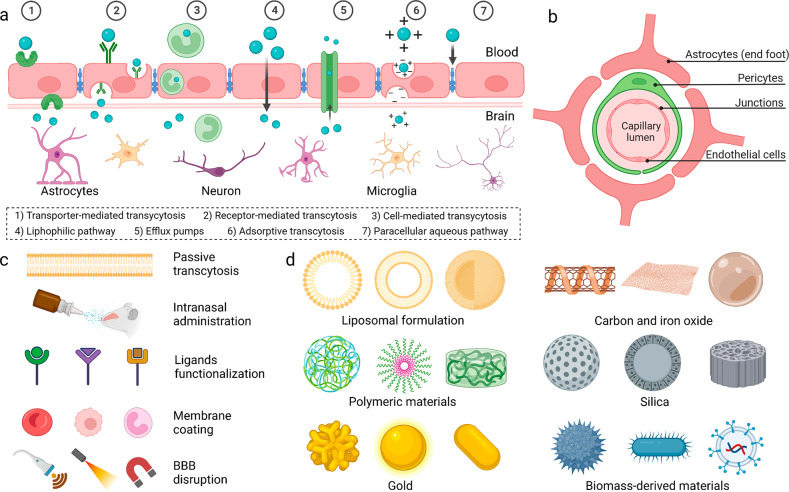
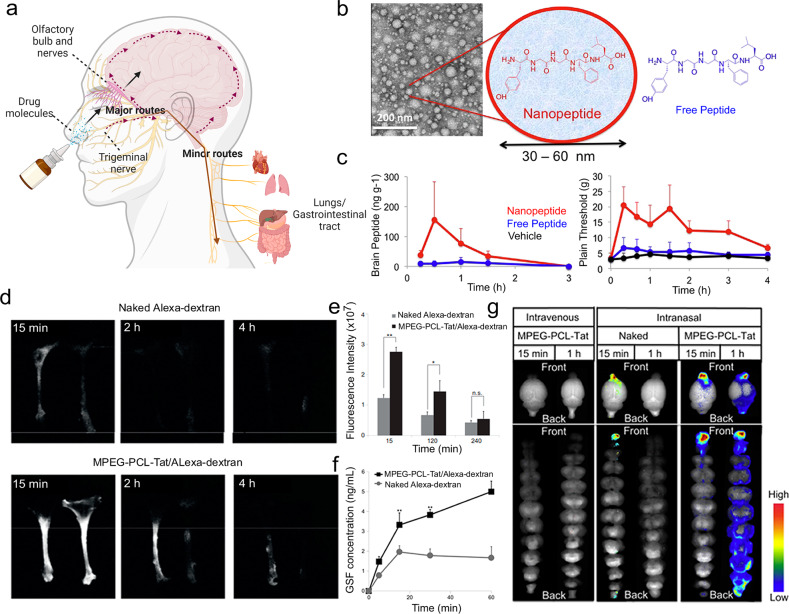
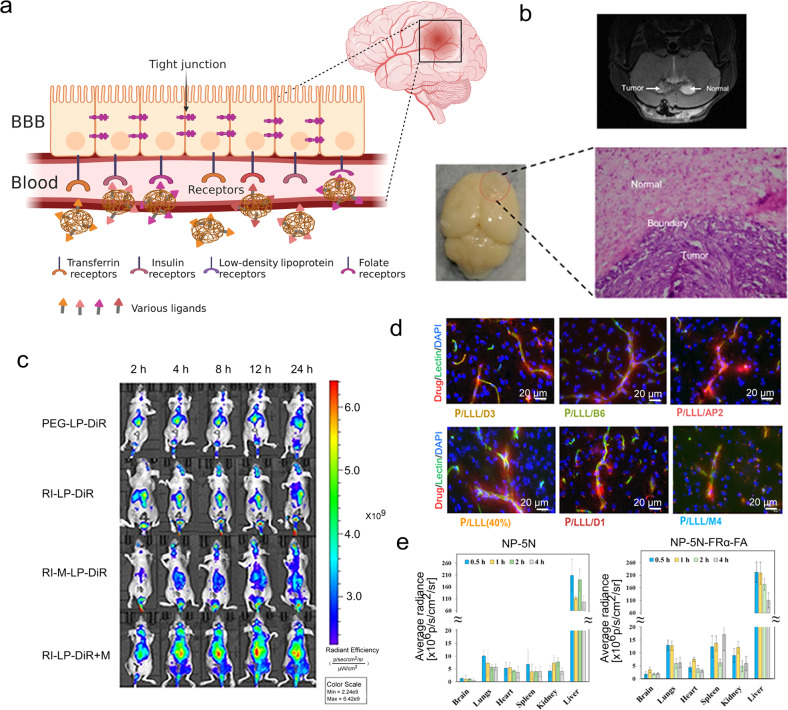
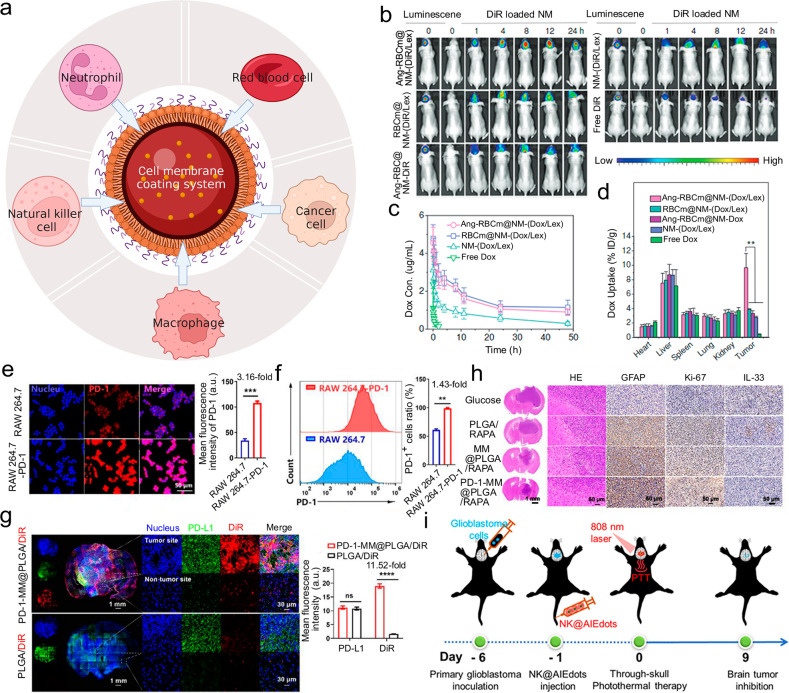
- The review groups BBB-crossing approaches into passive transcytosis, intranasal administration, ligand conjugation, membrane coating, external stimuli-mediated BBB disruption, and other non-invasive strategies.
- It reports several quantitative examples from the literature, including:
- passive transcytosis routes are limited to “hydrophilic compounds” under 150 Da and highly hydrophobic compounds under 400–600 Da;
- one liposomal system showed brain accumulation peaking at 3 h and 48 h after injection;
- cRGD-modified mesoporous silica nanoparticles (MSNs) of 20, 40, and 80 nm had transport capabilities of 44.0%, 59.2%, and 38.6%, respectively, versus 32.8% for free drugs;
- a PLGA micelle system extended a drug’s therapeutic window from 20 min to at least 4 h.
- The review highlights that many engineered systems can improve delivery, but clinical translation remains limited by safety, reproducibility, and the need for better targeting and evaluation models.
Methods
- This is a narrative review, not an original experimental study.
- It synthesizes prior studies on BBB structure/physiology and on brain-targeted delivery platforms, including liposomes, polymers, gold nanomaterials, carbon materials, iron oxide nanoparticles, silica nanomaterials, and biomimetic systems.
- The main analysis is qualitative: it organizes strategies by BBB transport route/mechanism and compares reported examples from the literature, including preclinical and some clinical-trial-oriented work.
Limitations
- The authors explicitly state that “a timely and comprehensive review is lacking,” indicating the field is broad and rapidly evolving.
- They also say that “there is still a long way to go from clinical popularization and translational application,” and list unresolved issues including better BBB models, region-specific delivery, safety, interactions among components, scalability, and reproducibility.
- Evident from the text: this paper is a review of published examples rather than a primary study, so it does not present a single unified dataset or direct experimental validation of the strategies discussed.
Model-written summary. Check it against the paper before relying on it.
Integrity signals
Registry
Cites
Statistics
Figures
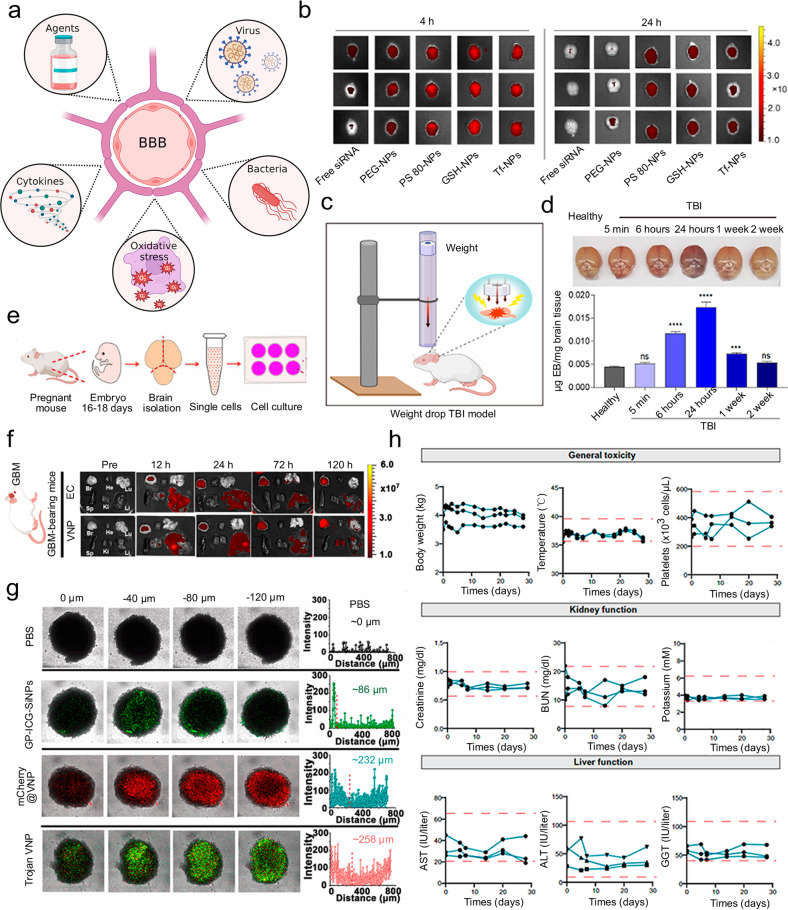
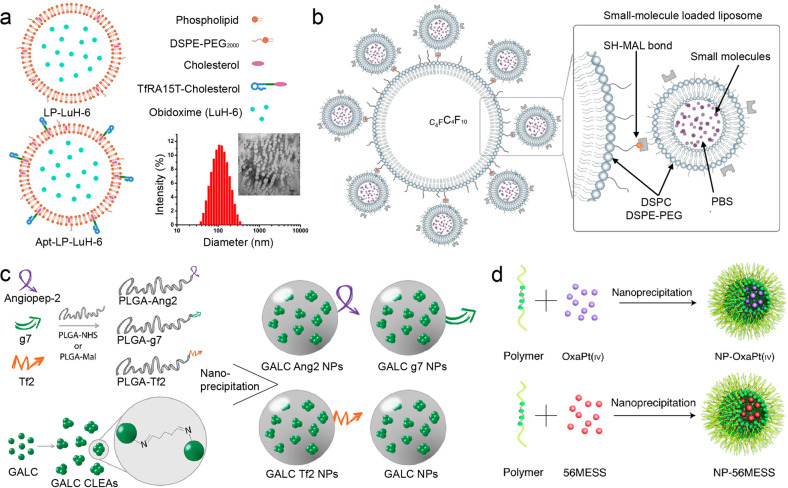
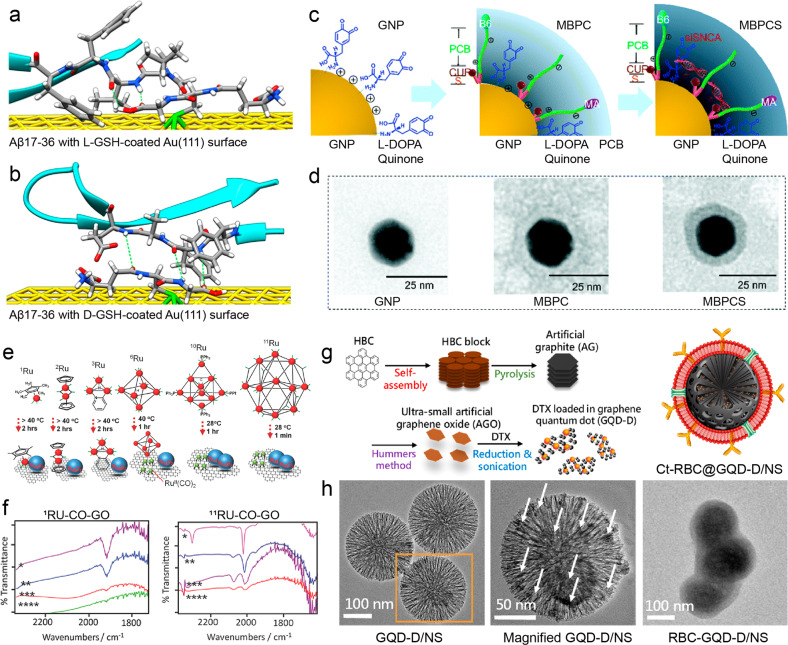
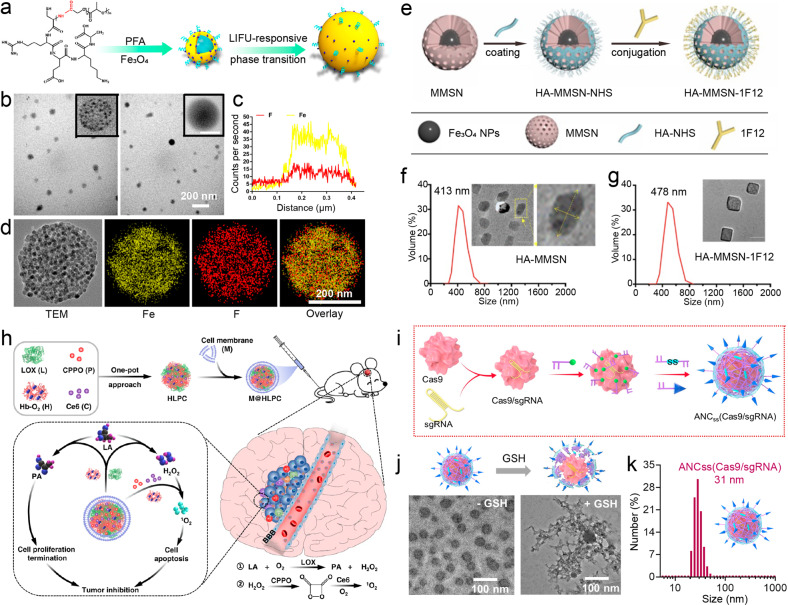
Verification
Claims the paper makes
49 Valid · 1 Not valid · 72 Not checked · 14 Own results and interpretations
At least one cited source doesn’t support this claim or points to a different paper, and none confirmed it — see the verdicts below.
In the paper
“Their method through the oscillating of microbubbles under the ultrasound field could implement the transport of the gene product beyond the blood vessels without breaking the tight junctions and disrupting the BBB.”
§ The blood–brain barrier: Structure, regulation and drug delivery > Strategies for BBB regulation and crossing Brain tumors, cerebrovascular diseases, and neurodegenerative diseases, including Parkinson’s disease, Alzheimer’s disease, and multiple sclerosis, are serious CNS diseases.132 However, therapies for these challenging diseases are limited, because of the lack of effective methods, to enable drugs surpass natural protective hindrances to maintain homeostasis within the brain for preventing the entry of drug molecules to the CNS.133 A number of drugs are routinely administrated by invasive strategies for the management of these diseases and symptom control. For instance, intrathecal drug administration is a typical method for drug delivery into the entire ventricular system without passing through the BBB.134,135 It has been approved to deliver anti-sense oligonucleotides for the treatment of spinal muscular atrophy.136 Other invasive strategies including convection-enhanced delivery,137,138 intracranial implantation,139,140 and deep-brain stimulation were developed for brain drug delivery.141,142 Recent development of microneedle and polymeric wafers with minimal invasiveness provides sustained drug release for CNS disease management which circumvent the BBB.143–146 But the potential risks from brain exposure and damage of these invasive strategies limited their applications for long-term use. In order to efficiently deliver drugs into the brain with safety and precision, various non-invasive strategies to overcome BBB have been exploited. These strategies include BBB penetration via passive transcytosis, intranasal administration, ligands conjugation, membrane coating, and the BBB disruption using light, focused ultrasound, biochemical reagents, and radiation. > External stimuli-mediated BBB disruption
What the sources say
- Disputedcites [225] Gorick, C. M. et al. Sonoselective transfection of cerebral vasculature without blood-brain barrier disruption. Proc. Natl Acad. Sci. USA 117, 5644–5654 (2020). 32123081 PMC7084076 sourceExperimental — accuracy not yet measured
The Abstract says the method uses low-pressure ultrasound and oscillating microbubbles to transfect cerebral endothelial cells without opening the BBB. Contrary to the claim of transport beyond blood vessels, the Discussion section “In Vivo Endothelial Cell Sonoporation without Tight Junction Disruption or Transcellular Transport” says transfection is nearly all confined to the endothelium and does not promote additional transcellular transport. (LLM, conf=0.90)
Checked by a reasoning model — may be wrong.
hedgedstates a cause- Asserted: passes — The authors put it forward as true.
- Checkable: passes — It can be checked against evidence.
- Load-bearing: passes — The paper’s conclusions depend on it.
- Based: passes — The paper gives a reason why it holds.
- Disputed
Every source the paper cites for this claim was checked and supports it.
In the paper
“BBB is a spacious, multicellular, and dynamic semi-permeable membrane that isolates the foreign substances in the blood from the CNS.27”
§ The blood–brain barrier: Structure, regulation and drug delivery > BBB structure and physiology > Anatomical structure of the BBB
What the sources say
- Supportedcites [27] Upton, D. H. et al. Challenges and opportunities to penetrate the blood-brain barrier for brain cancer therapy. Theranostics 12, 4734–4752 (2022). 35832071 PMC9254248 source
The Introduction (§ The Blood-Brain barrier; page not provided) calls the BBB a semi-permeable membrane and says it prevents potentially harmful exogenous substances from passing from the bloodstream into the brain. It also describes the endothelial cells, pericytes, and astrocytes that form the barrier. (LLM, conf=0.93)
plainstates a cause- Asserted: passes — The authors put it forward as true.
- Checkable: passes — It can be checked against evidence.
- Load-bearing: passes — The paper’s conclusions depend on it.
- Based: passes — The paper gives a reason why it holds.
- Supported
Every source the paper cites for this claim was checked and supports it.
In the paper
“However, therapies for these challenging diseases are limited, because of the lack of effective methods, to enable drugs surpass natural protective hindrances to maintain homeostasis within the brain for preventing the entry of drug molecules to the CNS.133”
§ The blood–brain barrier: Structure, regulation and drug delivery > Strategies for BBB regulation and crossing Brain tumors, cerebrovascular diseases, and neurodegenerative diseases, including Parkinson’s disease, Alzheimer’s disease, and multiple sclerosis, are serious CNS diseases.132 However, therapies for these challenging diseases are limited, because of the lack of effective methods, to enable drugs surpass natural protective hindrances to maintain homeostasis within the brain for preventing the entry of drug molecules to the CNS.133 A number of drugs are routinely administrated by invasive strategies for the management of these diseases and symptom control. For instance, intrathecal drug administration is a typical method for drug delivery into the entire ventricular system without passing through the BBB.134,135 It has been approved to deliver anti-sense oligonucleotides for the treatment of spinal muscular atrophy.136 Other invasive strategies including convection-enhanced delivery,137,138 intracranial implantation,139,140 and deep-brain stimulation were developed for brain drug delivery.141,142 Recent development of microneedle and polymeric wafers with minimal invasiveness provides sustained drug release for CNS disease management which circumvent the BBB.143–146 But the potential risks from brain exposure and damage of these invasive strategies limited their applications for long-term use. In order to efficiently deliver drugs into the brain with safety and precision, various non-invasive strategies to overcome BBB have been exploited. These strategies include BBB penetration via passive transcytosis, intranasal administration, ligands conjugation, membrane coating, and the BBB disruption using light, focused ultrasound, biochemical reagents, and radiation.
What the sources say
- Supportedcites [133] Yang, J., Luly, K. M. & Green, J. J. Nonviral nanoparticle gene delivery into the CNS for neurological disorders and brain cancer applications. Wiley Interdiscip. Rev. Nanomed. Nanobiotechnol. 15, e1853 (2022). 36193561 PMC10023321 source
The “Barriers of entry into the central nervous system” section says protective barriers maintain brain homeostasis and impede delivery of drug therapeutics. The “Systemic delivery” section calls crossing the blood–brain barrier the most prominent hurdle to CNS delivery, while the disease-profile section discusses brain tumors, stroke, and dementias. Page numbers are not available in our copy. (LLM, conf=0.88)
plainstates a cause- Asserted: passes — The authors put it forward as true.
- Checkable: passes — It can be checked against evidence.
- Load-bearing: passes — The paper’s conclusions depend on it.
- Based: passes — The paper gives a reason why it holds.
- Supported
The cited sources support only part of this claim — read each source’s verdict below.
In the paper
“In the BBB, tight junctions are the main functional components in sustaining the permeability barrier and controlling tissue homeostasis.88–91”
§ The blood–brain barrier: Structure, regulation and drug delivery > BBB structure and physiology > Anatomical structure of the BBB
What the sources say
- Supportedcites [88] Luissint, A. C., Artus, C., Glacial, F., Ganeshamoorthy, K. & Couraud, P. O. Tight junctions at the blood brain barrier: physiological architecture and disease-associated dysregulation. Fluids Barriers CNS 9, 23 (2012). 23140302 PMC3542074 source
The Abstract says BBB barrier properties notably depend on tight junctions and that the BBB is mandatory for cerebral homeostasis. The Background identifies tight junctions as a barrier to paracellular diffusion. Page numbers are not provided in our copy. (LLM, conf=0.88)
- Partly supportedcites [89] Anderson, J. M. & Van Itallie, C. M. Physiology and function of the tight junction. CSH Perspect. Biol. 1, a002584 (2009). PMC2742087 20066090 sourceExperimental — accuracy not yet measured
The Abstract (page unavailable) describes tight junctions as barriers that separate tissue spaces and regulate solute movement. The Size section (page unavailable) reports that deleting claudin-5 increases tight-junction permeability in blood vessels. These passages support a permeability-barrier role, but do not establish that tight junctions are the main functional components of the blood-brain barrier or that they control its tissue homeostasis. (LLM, conf=0.84)
- Partly supportedcites [90] Dong, X. Current strategies for brain drug delivery. Theranostics 8, 1481–1493 (2018). 29556336 PMC5858162 sourceExperimental — accuracy not yet measured
In “Blood-brain barrier in healthy brain,” the paper says tight junctions play a vital role in sustaining the permeability barrier and controlling tissue homeostasis. It does not identify tight junctions alone as the main functional components: it says interendothelial junctions collectively mainly control BBB permeability and adherens junctions primarily regulate endothelial-barrier permeability. (LLM, conf=0.86)
- Partly supportedcites [91] Ahlawat, J. et al. Nanocarriers as potential drug delivery candidates for overcoming the blood-brain barrier: challenges and possibilities. ACS Omega 5, 12583–12595 (2020). 32548442 PMC7288355 sourceExperimental — accuracy not yet measured
The Introduction’s “Blood–Brain Barrier (BBB)” section says tight junctions are the BBB’s main junctional component and restrict passage between endothelial cells, supporting their role in its permeability barrier. It attributes maintenance of homeostasis to the BBB as a whole, however, rather than specifically saying tight junctions control tissue homeostasis. No page number is available in our copy. (LLM, conf=0.83)
plainstates a cause- Asserted: passes — The authors put it forward as true.
- Checkable: passes — It can be checked against evidence.
- Load-bearing: unclear — It is unclear whether the paper’s conclusions depend on it.
- Based: passes — The paper gives a reason why it holds.
- Supported
Every source the paper cites for this claim was checked and supports it.
In the paper
“The paracellular pathway is the principal route blocked by the tight junctions of cell gaps, restricting ions, polar solutes, and most macromolecules.148”
§ The blood–brain barrier: Structure, regulation and drug delivery > Strategies for BBB regulation and crossing Brain tumors, cerebrovascular diseases, and neurodegenerative diseases, including Parkinson’s disease, Alzheimer’s disease, and multiple sclerosis, are serious CNS diseases.132 However, therapies for these challenging diseases are limited, because of the lack of effective methods, to enable drugs surpass natural protective hindrances to maintain homeostasis within the brain for preventing the entry of drug molecules to the CNS.133 A number of drugs are routinely administrated by invasive strategies for the management of these diseases and symptom control. For instance, intrathecal drug administration is a typical method for drug delivery into the entire ventricular system without passing through the BBB.134,135 It has been approved to deliver anti-sense oligonucleotides for the treatment of spinal muscular atrophy.136 Other invasive strategies including convection-enhanced delivery,137,138 intracranial implantation,139,140 and deep-brain stimulation were developed for brain drug delivery.141,142 Recent development of microneedle and polymeric wafers with minimal invasiveness provides sustained drug release for CNS disease management which circumvent the BBB.143–146 But the potential risks from brain exposure and damage of these invasive strategies limited their applications for long-term use. In order to efficiently deliver drugs into the brain with safety and precision, various non-invasive strategies to overcome BBB have been exploited. These strategies include BBB penetration via passive transcytosis, intranasal administration, ligands conjugation, membrane coating, and the BBB disruption using light, focused ultrasound, biochemical reagents, and radiation. > Passive transcytosis
What the sources say
- Supportedcites [148] Hersh, A. M., Alomari, S. & Tyler, B. M. Crossing the blood-brain barrier: advances in nanoparticle technology for drug delivery in neuro-oncology. Int. J. Mol. Sci. 23, 4153 (2022). 35456971 PMC9032478 source
The Introduction states that tight junctions connect BBB endothelial cells and, together with adherens junctions, restrict paracellular transport of ions, polar solutes, and most macromolecules. This supports the claim's description of the blocked pathway. (LLM, conf=0.90)
plainstates a cause- Asserted: passes — The authors put it forward as true.
- Checkable: passes — It can be checked against evidence.
- Load-bearing: unclear — It is unclear whether the paper’s conclusions depend on it.
- Based: passes — The paper gives a reason why it holds.
- Supported
74 more claims · 26 with their cited sources checked
Create a free account to see all 136 claims and to verify the 8 references still open.
- It may state two separate claims as one. 49
- The quote only partly states this claim. 3
- Probably not a substantial claim. 7
Claims other papers make about this one
Each is checked against this paper’s own text: does it say what the citing paper says it does?
The source backs part of the claim, not all of it — or backs it for a different population, condition or comparison.
In the citing paper
“Unfortunately, at present, systemic administration of siRNA-based therapeutics do not reach the CNS in meaningful concentrations due to the blood-brain barrier (BBB).3”
From Lipid-siRNA conjugate accesses a perivascular transport mechanism and achieves widespread and durable knockdown in the central nervous system (2024) · cites this paper as [3]
Experimental — accuracy not yet measuredThe cited source says what the claim attributes to it.
In the citing paper
“This protective barrier limits the entry of foreign substances, including drugs, into the central nervous system.”
The cited source says what the claim attributes to it.
In the citing paper
“ECs are the core anatomical structure of the BBB responsible for the link between the blood vessels and the CNS. Their membrane is negatively charged and allows the passage of small lipophilic molecules and specific substances via transporters present in their surface [6].”
The cited source says what the claim attributes to it.
In the citing paper
“This barrier is responsible for the regulation of molecule influx and efflux into and out of the brain.”
The cited source says what the claim attributes to it.
In the citing paper
“Also, despite the TJs that seal the ECs, some small and soluble molecules are also able to cross this gap between cells without mediation (paracellular pathway) [6].”
3 more claims about this paper
Create a free account to see every claim other papers make about this one.
Self-check
Percentages, sums and reported differences re-computed from the paper’s own numbers.
Self-check results appear here once an independent check has confirmed them.
Cited works that were retracted
Works this paper cites that were later retracted, from the retraction notices publishers deposit. Major when the notice came out before this paper was published.
A note, not an issue: for example, a cited work that was retracted only after this paper was published, which its authors could not have known.
In the paper
“375 More recently, variants of the AAV have been investigated for its potential use for BBB penetration.”
Cited work 10.1007/s12035-017-0746-5 · retracted 2026-05-14 · notice 10.1007/s12035-026-05921-w · this paper published 2023-05-25
Citations
Cites
1 retracted
Feng, L., Sharma, A., Niu, F., Huang, Y., Lafuente, J. V., Muresanu, D. F., Ozkızılcık, A., Tian, Z. R., & Sharma, H. S. (2017) · Molecular Neurobiology · doi:10.1007/s12035-017-0746-5 · Cited by 31 · cited 1×
“375 More recently, variants of the AAV have been investigated for its potential use for BBB penetration.”
BackgroundRetractedProspective identification of tumorigenic breast cancer cells
Al-Hajj, M., Wicha, M. S., Benito-Hernandez, A., Morrison, S. J., & Clarke, M. F. (2003) · Proceedings of the National Academy of Sciences · doi:10.1073/pnas.0530291100 · Cited by 10,370 · cited 1×
“Hyaluronic acid can specially target cell surface receptor CD44, which is highly expressed in breast cancer.(153) With the help of the CD44 target and MS boost, M@HNPs could penetrate blood–brain tumor barrier (BTB), internalizing into brain metastatic tumor cells (BMTCs), blunting drug efflux at BMTCs, and producing…”
BackgroundEngineering precision nanoparticles for drug delivery
Mitchell, M. J., Billingsley, M. M., Haley, R. M., Wechsler, M. E., Peppas, N. A., & Langer, R. (2021) · Nature Reviews Drug Discovery · doi:10.1038/s41573-020-0090-8 · Cited by 7,933
Astrocyte-endothelial interactions at the blood-brain barrier
Abbott, N. J., Rönnbäck, L., & Hansson, E. (2006) · Nature Reviews Neuroscience · doi:10.1038/nrn1824 · Cited by 5,595
Astrocytes: Biology and pathology
Sofroniew, M. V., & Vinters, H. V. (2010) · Acta Neuropathologica · doi:10.1007/s00401-009-0619-8 · Cited by 5,196
Structure and function of the blood–brain barrier
Abbott, N. J., Patabendige, A. A. K., Dolman, D. E. M., Yusof, S. R., & Begley, D. J. (2010) · Neurobiology of Disease · doi:10.1016/j.nbd.2009.07.030 · Cited by 5,185 · cited 1×
“2 In the meantime, catenins, p120, plakoprotein are responsible for supporting physics and regulating junctions by forming a bridge that interacts with zonula occludens-1 (tight junctions proteins) and the actin fi la-ments.”
BackgroundDelivery of siRNA to the mouse brain by systemic injection of targeted exosomes
Alvarez-Erviti, L., Seow, Y., Yin, H., Betts, C., Lakhal, S., & Wood, M. J. A. (2011) · Nature Biotechnology · doi:10.1038/nbt.1807 · Cited by 4,930
Liposomal drug delivery systems: From concept to clinical applications
Allen, T. M., & Cullis, P. R. (2013) · Advanced Drug Delivery Reviews · doi:10.1016/j.addr.2012.09.037 · Cited by 4,839 · cited 1×
“Liposomal formulations Liposomes are the first generation of drug delivery systems and have been widely used since their discovery in 1965.(248) They are composed of one or more lipid bilayers and hollow aqueous compartment, which endow them with loading versatility for both hydrophobic and hydrophilic therapeutic age…”
BackgroundDesigning hydrogels for controlled drug delivery
Li, J., & Mooney, D. J. (2016) · Nature Reviews Materials · doi:10.1038/natrevmats.2016.71 · Cited by 4,832
Doxil® — The first FDA-approved nano-drug: Lessons learned
Barenholz, Y. (. (2012) · Journal of Controlled Release · doi:10.1016/j.jconrel.2012.03.020 · Cited by 4,792
Research works printed but not linked: 1
- Oshra, B., Malka, S., Menachem, M. & Rachela, P. In Proc. SPIE, Nanoscale Imaging, Sensing, and Actuation for Biomedical Applications XVI. 108911H (2019).
Cited by
Items 1,401–1,500 of 1,850
Utilizing chitosan nanoparticles for the delivery of biologics to the brain via intranasal route
Gabold, B., Gialdini, I., Khalin, I., Greco, A., Kromer, A., Wang, X., Barlang, L.-A., Popp, A., Ried, C. L., Merdan, T., et al. (2026) · Materials Today Advances · doi:10.1016/j.mtadv.2026.100882
Zhou, F., Wang, H., Zhu, X., Huang, R., Jiang, X., Duan, H., Ma, Y., & Ai, S. (2025) · Frontiers in Medicine · doi:10.3389/fmed.2025.1654429 · Cited by 1
Koolen, J. J., Snoek, B., Waalders, N. J. B., & Pickkers, P. (2025) · Elsevier eBooks · doi:10.1016/b978-0-443-33074-2.00002-0
Frazier, S. E. D., Pedersen, S. K., Vøls, K. K., Lie, M., Quintana, C., Nielsen, F., Wrona, A., Jaberi, E., Willenbrock, H., Chen, Q., et al. (2025) · bioRxiv (Cold Spring Harbor Laboratory) · doi:10.64898/2025.11.30.691418
Self-citationMicroRNAs in chemotherapy-induced peripheral neuropathy: mechanisms and therapies
Javankiani, S., Dehghani, F., Yarahmadi, F., Jahandideh, A., Asadi, F., Ghasemi, M., Akhondi, D., Nasiri, Z., Zarrintan, V., Moradian, M., et al. (2025) · Cell Cycle · doi:10.1080/15384101.2025.2600440
Water Surface-Based Fabrication of PDMS Porous Membranes for Physiological Barrier Simulation
Gan, Y., Zhang, Y., Lu, X., Wang, Y., Zhang, Y., Liu, N., & Yue, T. (2025) · IEEE International Conference on Cyborg and Bionic Systems (CBS) · doi:10.1109/cbs65871.2025.11267568
“…the skin, lungs, intestines, and blood-brain barrier, effectively protect against the invasion of pathogenic microorganisms and harmful substances through their unique physical structures and biochemical properties, thereby maintaining a stable and healthy internal microenvironment [1][2][3][4].”
Self-citationChukwu, C., Yuan, J., & Chen, H. (2025) · Gene Therapy · doi:10.1038/s41434-025-00585-y · Cited by 1
“The brain presents unique barriers that hinder gene delivery, most notably the blood-brain barrier (BBB) [11].”
Andrade, F., Castro, V. I. B., Amorim, S., Araújo, A. R., Martinho, O., Alves, N. M., Reis, R. L., & Pires, R. A. (2025) · ACS Biomaterials Science & Engineering · doi:10.1021/acsbiomaterials.5c01740 · Cited by 1
Abioye, A. O. (2025) · Elsevier eBooks · doi:10.1016/b978-0-443-30008-0.00005-3
Lin, G.-B., Liu, H.-H., Kuo, Y.-Y., Chen, Y.-M., Hsu, F.-T., Wang, Y.-W., Kung, Y., Ching, C., & Chao, C. (2025) · bioRxiv (Cold Spring Harbor Laboratory) · doi:10.64898/2025.12.10.693347
Self-citationPark, J., Kim, B.-G., Ha, M., Park, M., Ryu, H., Yu, H., Park, S. S., Roh, Y., Lim, K., Hong, J. T., et al. (2025) · Advanced Science · doi:10.1002/advs.202503725 · Cited by 5
Shin, Y. J., Wei, L., Hong, S., Ren, C., Jeffrey, M. Z., Cardenas, J., Higgins, H., Ho, N., Evitts, K. M., Smith, J. D., et al. (2025) · bioRxiv (Cold Spring Harbor Laboratory) · doi:10.64898/2025.12.11.692686
Shafie, A. S. M., Affandi, M. M. R. M. M., Siran, R., & Kamarudin, S. N. (2025) · Asia-Pacific Journal of Molecular Biology and Biotechnology · doi:10.35118/apjmbb.2025.033.4.19
Ligocki, A. P., Sorets, A. G., Abdulrahman, A. M., Francini, N., Park, J. C., Lee, J. H., Ford, W. T., Lyons, S. M., Fritsch, E. L., Lamantia, Z. E., et al. (2026) · Molecular Therapy · doi:10.1016/j.ymthe.2026.06.028
“17,41,42 Recent work revealed conserved delivery of transferrin-receptor-mediated transport of biologics across aging, despite reductions in aged mice.”
Wang, Y., Hao, Y., Pan, H., Zhang, G., Xu, J., He, B., Yang, J., & Li, Z. (2025) · Science and Technology Nexus · doi:10.25259/stn_16_2025
Self-citationPadhy, A., Das, A., Mondal, K., Mondal, B., Datta, R., & Gupta, S. S. (2025) · Materials Advances · doi:10.1039/d5ma00526d
Tomar, M., Dwivedi, S., & Darwhekar, G. (2025) · Premier Journal of Biomedical Science · doi:10.70389/pjs.100185
Harnessing neuroinflammation for neuroregeneration
Amalakanti, S., Avula, V. C. R., & Jillella, J. P. (2025) · Karnataka Medical Journal · doi:10.25259/kmj_3_2024
Wang, Y., Duan, Z., Zhang, H., et al. (2025) · Chinese Chemical Letters · doi:10.1016/j.cclet.2025.112336
Self-citationSiddig, O., Al-Nour, M. Y., Elhafiz, M., Ismail, M., Hang, T., Ahmedani, E. I., Bahafi, A. A., & Yousef, B. A. (2025) · Oriental Journal Of Chemistry · doi:10.13005/ojc/410620
Chitosan-Based Light-Activated Drug Delivery System
Najafi, H., Rahimian, S., Doroudian, M., & Farjadian, F. (2025) · AAPS introductions in the pharmaceutical sciences · doi:10.1007/978-3-032-08347-0_9 · Cited by 2
Woo, H., Seo, J. H., & Kim, J. (2025) · Journal of Korea Technical Association of The Pulp and Paper Industry · doi:10.7584/jktappi.2025.12.57.6.25
Spatiotemporal video of blood-brain barrier disruption in neuroinflammatory disorders
Xu, Y., Zhang, Z., & Feng, K. (2026) · Frontiers in Physiology · doi:10.3389/fphys.2025.1633126
Ham, H. J., Park, S. S., Lee, Y. S., Kim, T. H., Son, D. J., Kim, J.-H., Lim, K., Park, H., Lee, H. J., Yun, J., et al. (2026) · Frontiers in Molecular Neuroscience · doi:10.3389/fnmol.2025.1728279
“Future studies should systematically evaluate immune responses following repeated administration, assess long-term toxicity profiles, and develop more efficient delivery approaches to enhance CNS penetration while minimizing peripheral accumulation.”
InfluentialGan, X., Zheng, Q., Wang, P., Zhang, Z., Zhang, B., Li, J. L., Wang, L., & Zhao, Z. (2026) · Journal of Functional Foods · doi:10.1016/j.jff.2025.107143
Oh, D. H., Kang, J. H., Lee, O. H., & Ko, Y. T. (2026) · Drug Delivery · doi:10.1080/10717544.2025.2608235
“While essential for neuroprotection, the BBB severely limits CNS drug delivery, blocking ~98% of small molecules and virtually all biologics (Pandit et al. 2020; Sweeney et al. 2019; Wu et al. 2023).”
CRISPR-Cas9 Technology for Epigenome Editing in Precision Medicine: Opportunities and Challenges
Nidhilangelo, M. M., & Kumavath, R. (2026) · IGI Global eBooks · doi:10.4018/979-8-3373-4857-5.ch009
Rasouli, R., Hartl, B., & Konecky, S. (2026) · bioRxiv (Cold Spring Harbor Laboratory) · doi:10.64898/2026.01.07.698213
“These micro-vortices create localized shear stresses and convective transport that enhance mass transfer, disrupt structural barriers, and increase penetration of therapeutic agents into targets such as thrombi or tissue 5,7,8 .”
Citrus Flavanones as Neuroprotective Agents: Mechanisms and Dietary Relevance in Ischemic Stroke
Xu, H., Huang, J., Guan, H., Wang, D., & Yang, S. (2026) · Journal of Agricultural and Food Chemistry · doi:10.1021/acs.jafc.5c14131 · Cited by 2
PTX-loaded, polysorbate 80-functionalized brain-targeting pullulan nanoparticles for drug delivery
Yuan, H., Han, L., Deng, H., Tan, Y., Yang, Y., Yi, L. I. U., Ying, J., Fang, M., Wei, H., & Tao, Z. (2026) · Frontiers in Pharmacology · doi:10.3389/fphar.2025.1666997
Bashir, U., & Shahid, M. (2026) · IGI Global eBooks · doi:10.4018/979-8-3373-1365-8.ch014
ADVANCES IN NOVEL DRUG DELIVERY SYSTEMS FOR NEUROPSYCHIATRIC DISORDERS: A COMPREHENSIVE REVIEW
Madduluri, S. K., Chigurupati, V. S. S., Dronavalli, S. A., Godavarthi, L. S., Jadi, R. K., Kuchukuntla, M., & Boggula, N. (2025) · INDIAN DRUGS · doi:10.53879/id.62.12.15779
An AIEgen-Based Carrier Enables Efficient Cytosolic Delivery of Bioactive Proteins
Yang, Y. C., Jia, H., Yang, L., He, B., Zhang, K., & Liu, H. (2026) · International Journal of Nanomedicine · doi:10.2147/ijn.s557672
T., N., DHARA, S., MANNA, P., & Kayal, P. (2026) · International Journal of Applied Pharmaceutics · doi:10.22159/ijap.2026v18i1.56603 · Cited by 4
Stem cells and vascular organoids
Wang, K., Wang, X., Hong, Y., & Wang, W. (2026) · Elsevier eBooks · doi:10.1016/b978-0-443-40423-8.00011-7
Özbay, B., Jülke, E., List, M., Nowicki, M., Els‐Heindl, S., Immig, K., Mörl, K., Bechmann, I., & Beck‐Sickinger, A. G. (2026) · Brain Communications · doi:10.1093/braincomms/fcaf450
“24 This method has gained considerable interest due to its capacity to bypass the BBB. 23,25 Moreover, intranasal administration allows for direct delivery to the brain by avoiding liver metabolism, renal filtration, gastrointestinal degradation and serum breakdown.”
Badal, R., Kaur, B., Singh, H., Sharma, P., Yadav, P., Mahapatra, A., Ghildiyal, S., Patel, A. K., Kumar, L., Sharma, B., et al. (2026) · Brain Research Bulletin · doi:10.1016/j.brainresbull.2026.111742
Chen, X., Sun, H., Zhao, Z., Che, J., Bi, Y., Zhao, Y., & Wang, J. (2026) · Nano Research · doi:10.26599/nr.2026.94908479
Self-citationBanzato, M., Colognesi, M., Lucatello, L., Comai, S., Pasut, G., Capolongo, F., Orian, L., Biasutto, L., Signor, A., Gabbia, D., et al. (2026) · Journal of Medicinal Chemistry · doi:10.1021/acs.jmedchem.5c01797 · Cited by 2
Zhou, S., Hassan, H., Guo, J., Xu, Y., Zhang, P., Linhong, Y., Zhou, T., & Chen, R. (2026) · Nutritional Neuroscience · doi:10.1080/1028415x.2026.2617363 · Cited by 1
Mignanelli, M., Siano, G., Iannone, V., Scarlatti, A., Orsini, E., Maggi, L., Rizzo, M., Caiazza, M. C., Wade‐Martins, R., Salvetti, A., et al. (2026) · Journal of Nanobiotechnology · doi:10.1186/s12951-026-04034-9
“For systemic administration, SNaP will likely need surface modifications that promote blood-brain barrier crossing [34, 57], whereas local CNS delivery could exploit intracerebral or intrathecal routes.”
Recent Advances in Nanomaterials for Inhibition of Protein Fibrillation: A Review
Gopinath, A., & Satish, L. (2026) · Journal of Inorganic and Organometallic Polymers and Materials · doi:10.1007/s10904-026-04185-0 · Cited by 1
“Despite these advances, conventional therapeutic approaches face limitations such as poor bioavailability, low BBB permeability [ 28 ], and limited efficacy in disag-gregating mature fibrils.”
Drug Repurposing to Treat Glioblastoma
Kim, G.-J., Kim, S.-H., & Cho, S.-G. (2024) · Journal of Biotechnology and Bioindustry · doi:10.37503/jbb.2024.12.1
Benchmarks of the Quantum Inner Product as the BLAS Solver in the Multiple Quantum-Related Scenarios
Pan, K., Liang, W., Xu, F., He, L., & Ma, Y. (2026) · Communications in computer and information science · doi:10.1007/978-981-95-4791-3_9
Emran, T. A., Abdullah, A., Tareq, M. M. I., Rafi, M. A., Zaman, N., & Hasan, M. N. (2025) · International Conference on Electrical Information and Communication Technology (EICT) · doi:10.1109/eict68394.2025.11355537
“3 readily cross the BBB [14].”
Sphingolipid-neutralizing molecular therapy reduces psychosine cytotoxicity in Krabbe disease
Begum, S., Hsueh, S.-C., Cheria, E. M. Y., Espejo, J., Zhang, P., Collin, A., Kappauf, E., Mardenli, M., Gelb, M. H., Ling, C., et al. (2026) · iScience · doi:10.1016/j.isci.2026.114808
Graham, F., Hutchinson, D. W., Moon, T. J., Wang, J., Flores-Jimenez, H., Druschel, L. N., Ogunnaike, L., Gao, Y., Smith, T., DeTillio, S., et al. (2026) · Acta Biomaterialia · doi:10.1016/j.actbio.2026.01.055 · Cited by 1
The impact of hypercaloric diet on inflammation and blood–brain barrier function
Baptista, F. I., Gaspar, J. M., Leiria, C. M., Garcia, A. R., Brito, M. A., & Silva, A. M. L. (2026) · Elsevier eBooks · doi:10.1016/b978-0-443-33841-0.00024-5
Enhancing Anti-CTLA-4 Antibody Delivery to the Brain Using Focused Ultrasound and Microbubbles
Pereira, M. A., Drevenakova, V., Liu, Q., et al. (2026) · ImmunoTargets and Therapy · doi:10.2147/itt.s569804
“7,25 This antibody would, therefore, be too large to cross the BBB in areas where its permeability was not increased with FUS.”
Wang, K., Li, J., He, M., Wang, L., Guo, X., & Zhou, S. (2026) · Bioactive Materials · doi:10.1016/j.bioactmat.2026.01.047 · Cited by 2
“On the other hand, exosome surface proteins (e.g., transferrin receptor) bind to endothelial receptors, triggering vesicular uptake and transcytosis [39].”
Vijukumar, A., Singh, G., Aggarwal, M., Sharma, A., & Sandhu, N. K. (2026) · Springer eBooks · doi:10.1007/978-3-032-11752-6_17
Yang, Y., Fei, Z., & Li, Q. (2026) · Results in Chemistry · doi:10.1016/j.rechem.2026.103128
Sayed, U., Yaseen, B. M., Malathi, H., Ray, S., Thyagarajan, R., Shankhyan, A., Eshmetov, R., Ataullaev, Z., & Kumar-Mishra, M. (2026) · Molecular Biology Reports · doi:10.1007/s11033-026-11549-9 · Cited by 1
Wang, J., Song, C., Wei, Z., Shi, J., Zhang, P., Yu, T., Huang, W., Hou, L., Zhang, R., Gao, X., et al. (2026) · Colloids and Surfaces B Biointerfaces · doi:10.1016/j.colsurfb.2026.115536 · Cited by 2
Nelson, K. M., Donzanti, M. J., Mhatre, O., & Gleghorn, J. P. (2026) · Annual Review of Biomedical Engineering · doi:10.1146/annurev-bioeng-102723-021307 · Cited by 3
Pereira, R. A., Oliveira, C., Tumelero, M., Fernandes, H., & Lenz, G. (2026) · Oncology Research and Treatment · doi:10.1159/000550885
“P-gp utilizes ATP hydrolysis to actively transport a wide array of structurally diverse endogenous and exogenous compounds out of the CNS and into the systemic circulation, thereby maintaining CNS homeostasis and providing neuro-protection [17].”
Cui, J., Lin, C., & Shen, M. (2026) · Current Proteomics · doi:10.1016/j.curpro.2026.100068
Hydroxyapatite nanoparticles as a vehicle for drug delivery approach in Alzheimer’s disease
Rizvi, S. M. O., Thakur, A., Sharma, S., Kaur, H., Kaur, S., & Dan, P. (2026) · 3 Biotech · doi:10.1007/s13205-026-04699-x
“Despite research endeavours by scientists over the last several decades, most of the currently available therapeutic interventions remain largely palliative in nature and provide symptomatic relief only and fail to halt disease progression (Wu et al. 2023).”
InfluentialMahumane, G. D., & Choonara, Y. E. (2026) · Discover Nano · doi:10.1186/s11671-026-04469-x · Cited by 3
Domocos, M., Евгеньевич, Б. Д., Shanbhag, N. C., Schlotterose, L., & Salman, M. M. (2026) · bioRxiv (Cold Spring Harbor Laboratory) · doi:10.64898/2026.02.15.706027
Zhang, J., Niu, J., Zhao, J., Wang, L., Wang, T., & Shi, S. (2026) · Frontiers in Neuroscience · doi:10.3389/fnins.2026.1740084 · Cited by 4
“…and single-cell transcriptomics studies reveal extensive remodeling of NVU-related signaling pathways: dynamic alterations in VEGF, Notch, Angiopoietin/Tie2, and ECM-receptor interactions simultaneously promote angiogenesis while potentially inducing vascular instability (Wu et al., 2023).”
Damodaran, A., Goswami, S., Kumar, N., & Verma, S. (2026) · Molecular Neurobiology · doi:10.1007/s12035-026-05740-z · Cited by 1
Brain shuttle peptides derived from natural proteins
Nikolić, A., & Todorovski, T. (2026) · Advances in pharmacology · doi:10.1016/bs.apha.2026.01.002
Zhou, J., Dong, X., Feng, J., Wei, Y., Zhang, T., Wang, Y., Song, W., & Chen, X. (2026) · Nanomedicine Nanotechnology Biology and Medicine · doi:10.1016/j.nano.2026.102912
Self-citationLv, X., Lin, Y., Hou, Y., Xie, M.-X., & Chen, L. (2026) · Frontiers in Cardiovascular Medicine · doi:10.3389/fcvm.2026.1636861 · Cited by 1
Ishaque, A., Qazi, R., Salim, A., Malick, T. S., & Asif, Z. (2026) · Stem Cell Reviews and Reports · doi:10.1007/s12015-026-11071-2 · Cited by 1
Yang, H., Cao, Y., Zhao, W., Wen, Y.-F., Wu, Y. L., Wang, T., Zhu, L., Zou, Y., Xi, B.-M., & Zheng, D. (2026) · Acta Pharmacologica Sinica · doi:10.1038/s41401-025-01744-y
“The presence of drug transporters at the BBB restricts the entry of drugs into the central nervous system and prevents ef fi cient drug delivery to the brain [29].”
Butkovich, N., Xu, Y., Song, Y., Wang, L., Ramirez, A., Li, E., Siao, N. T. C., Velazquez-Rivera, E., Xiang, L., Xu, X., et al. (2026) · ACS Biomaterials Science & Engineering · doi:10.1021/acsbiomaterials.5c01483
Chen, L., Sun, H., Fang, M.-J., Cheng, N., & Xu, Y. (2026) · International Journal of Surgery · doi:10.1097/js9.0000000000005020
“The integrity of the BBB is maintained by various connections, including adherence junctions which involve molecules such as endothelial NECTIN [ 59 ] .”
Śledzikowska, Z., Kubicka, D., Makaruk, N., & Waszkiewicz, N. (2026) · Health Nanotechnology · doi:10.1186/s44301-026-00024-w
Blood–brain barrier: structure and therapeutic approaches to crossing
Izmailov, A., Markosyan, V., Boychuk, N. V., & Islamov, R. R. (2026) · Kazan medical journal · doi:10.17816/kmj696803
Xiao, J., Wu, M., Peng, W., Song, Y., Zhao, D., Lai, L., Yang, Z., & Hou, X. (2026) · Advanced Functional Materials · doi:10.1002/adfm.202527898
“In addition, the TPP moiety, a positively charged lipophilic cation widely used for mitochondrial targeting, exhibits membrane potential-dependent cellular uptake properties that may enhance intracellular internalization of nanocarriers [36].”
Indoor aerosols induced blood-brain barrier leakiness and β-amyloid1-42 aggregation
Wang, J., Wang, B., Zhu, K., Zhang, J., Zhang, G., Liu, S., Vimukthi, W. P. D., Zhang, Y., Cao, F., Yang, C., et al. (2026) · Journal of Advanced Research · doi:10.1016/j.jare.2026.03.015
Co-Extracellular Vesicles Delivery System Enhances Immunochemotherapy for Glioblastoma
Niu, W., Guan, R., Sun, L., Wang, M., Wang, X., Zhang, B., Hao, X., Wu, Q., Cheng, Z., Wei, J., et al. (2026) · Research · doi:10.34133/research.1219 · Cited by 1
“First, the blood–brain barrier/blood–brain tumor barrier (BBB/BBTB) severely restrict the drug delivery to brain tissues [ 2 – 6 ].”
Self-citationBakshi, V., Pathak, B., Majie, A., Ghosh, A., Gupta, A., Jain, N., Pandey, M., Nair, A. B., Jacob, S., Mazumder, P. M., et al. (2026) · Drug Delivery and Translational Research · doi:10.1007/s13346-026-02082-0
“Hence, QDs possess diverse therapeutic avenues, act as non-carriers for delivering chemical substances across the BBB, and also enhance the diagnostic imaging for early detection of ALS and other neurological complications [62, 66, 67].”
Dong, T., Ye, J., Zhang, J., Song, W., Xia, S., Li, X., Liu, M., Pan, D., Wu, Z. F., & Tu, M. (2026) · Foods · doi:10.3390/foods15060997 · Cited by 2
“The blood–brain barrier (BBB) naturally shields the CNS by blocking harmful substances, but this protective function also limits drug delivery and reduces treatment effectiveness for CNS disorders [82].”
Passos, L. S., von Wyl, M., Janssen, E. M. ‐., López-Rodríguez, D., Pinto, E., & Berg, C. V. (2026) · Environmental Science & Technology · doi:10.1021/acs.est.5c16673
Kumar, R., Dhiman, P., & Singh, D. (2026) · Current Drug Metabolism · doi:10.2174/0113892002418502251128110509
Recent advances of nanoparticles for ischemic stroke therapy
Yun, T., Hu, Y., Deng, Y., Zhao, P., & You, Y. (2026) · Nanomedicine · doi:10.1080/17435889.2026.2644387
Extracellular vesicles: Revolutionizing targeted therapy for ischemic stroke
Bai, J., Yang, J., Liu, W., Han, B., Jiang, S., Sun, J., & Qi, H. (2026) · Acta Pharmaceutica Sinica B · doi:10.1016/j.apsb.2026.03.025 · Cited by 7
Tomar, S., Kumar, P., Narayanan, A., Ronzier, E., Choudhary, S., & Walia, P. (2026) · Elsevier eBooks · doi:10.1016/b978-0-443-36518-8.00017-5
Pandya, K., Sanjaykumar, G. S., & Malviya, R. (2026) · Nano Trends · doi:10.1016/j.nwnano.2026.100204
Pérez‐Osorio, I. N., Sánchez, D. A. M., Ramírez, A. C., Juárez-García, B., Monroy-Romero, A. X., Adalid-Peralta, L. V., Torres-Ramos, M., Fragoso, G., Fiordelisio, T., & Sciutto, E. (2026) · Next research. · doi:10.1016/j.nexres.2026.101601
ADME investigations of novel therapeutic modalities: challenges and opportunities 2025
Yu, H., Dambra, R., Chan, G., Ishida, E., Khalilimeybodi, A., Krebs, N., Pilvankar, M., & Seeland, S. (2026) · Expert Opinion on Drug Metabolism & Toxicology · doi:10.1080/17425255.2026.2650189
“The physiological role of the BBB, a layer of multiple cell types, is to restrict access to the central nervous system (CNS) [91].”
Leal, C. E. Y., D’Amelio, N., & Bouvier, B. (2026) · Biochimica et Biophysica Acta (BBA) - Biomembranes · doi:10.1016/j.bbamem.2026.184525
Curci, D., Franzin, M., Pobega, E., Braidotti, S., Flamigni, A., Paternuosto, G., Schillani, G., Addobbati, R., Norbedo, S., & Maximova, N. (2026) · Frontiers in Toxicology · doi:10.3389/ftox.2026.1766904
“In fact, in the capillaries of the CNS microvasculature, the wedged endothelial cells line the interior vessels, forming extensive tight junctions (Wu D. et al., 2023).”
Korram, P., Sahu, P., & Satapathy, T. (2026) · Journal of Drug Delivery Science and Technology · doi:10.1016/j.jddst.2026.108270 · Cited by 1
Chen, C., Du, X., Yang, J., Zeng, Y., Xie, H., Wang, D., Qi, P., & Zeng, Y. (2026) · Frontiers in Pharmacology · doi:10.3389/fphar.2026.1796070 · Cited by 4
“…multi-scale interactions between chemical groups on the surface of nanoparticles and receptors on the surface of endothelial cells of the blood-brain barrier, and accurately predict their transcellular transport efficiency and intracellular release kinetics (Wu et al., 2023; Wang DD. et al., 2024).”
Zhang, H., Zhang, Y., Wang, G., Zhao, Y., Zhao, F., Cui, Y., Mei, L., & Wang, Q. (2026) · Advanced Functional Materials · doi:10.1002/adfm.202516887 · Cited by 1
“The BBB is a critical defense mechanism that protects the central nervous system from external dangers in the blood, while it is also a huge obstacle that severely impedes drug delivery under pathological condition [26, 27].”
Adipose tissue-derived extracellular vesicles as drivers of endothelial dysfunction in obesity
Lintsen, D., Schuetz, L. T., Lins, P. M. P., Bronckaers, A., Verboven, K., Wouters, K., & Broux, B. (2026) · Trends in Endocrinology and Metabolism · doi:10.1016/j.tem.2026.01.006
Exosomes as vectors across the blood–brain barrier in neurological research
Singh, Y., Shukla, R., Vishaka, K., Banerjee, A., Patel, D., Ojha, A., & Singh, R. K. (2026) · Elsevier eBooks · doi:10.1016/b978-0-443-36390-0.00017-8
Goswami, S., Verma, Y., Исаев, Н. К., Ranjan, R., Salmina, A. B., Rana, S. V. S., Kratasyuk, V. A., & Illarioshkin, S. N. (2026) · Biochimie · doi:10.1016/j.biochi.2026.03.015
Zhang, Y., Chen, Z., Wu, B., Shi, J., & Wu, X. (2026) · Journal of Agricultural and Food Chemistry · doi:10.1021/acs.jafc.6c01400 · Cited by 1
Self-citationUgwu, O. P.-C., Nnaemeka, U. M., Ogenyi Fabian, C., Eze, V. H. U., Basajja, M., Ugwu, J. N., Okon, M. B., Ugwu, C. N., Bulhan, S., Echegu, D. A., et al. (2026) · Phytomedicine Plus · doi:10.1016/j.phyplu.2026.100984 · Cited by 2
Li, W.-Y., Chen, J., Taneja, I., Edwards, W., Jian, W., & Geist, B. (2026) · Bioanalysis · doi:10.1080/17576180.2026.2653856
Polymer Drug Conjugate: A Revolution in Drug Delivery
Singh, C. K., & Deb, P. K. (2026) · AAPS PharmSciTech · doi:10.1208/s12249-026-03411-9 · Cited by 1
“PEG-curcumin, PLGA-resveratrol, and chitosan-dopamine conjugates have been investigated as means to deliver more neuroprotective agents into CNS areas, with improved bio-availability [180, 181].”
7-ketocholesterol as a theranostic target: Potential applications and future perspectives
Lizard, G., Sassi, K., Mackrill, J. J., Ghzaiel, I., Meziane, S., Hassen, E., Abdelkarim, M., Masmoudi‐Kouki, O., Ghrairi, T., Brahmi, F., et al. (2026) · Chemistry and Physics of Lipids · doi:10.1016/j.chemphyslip.2026.105588
Salunkhe, D. S., Nangare, S., Jadhav, N. R., Tade, R. S., Desai, A., & Vihal, S. (2026) · International Journal of Biological Macromolecules · doi:10.1016/j.ijbiomac.2026.151872 · Cited by 2
Song, M., Han, J., Han, S., Kim, Y., Jo, E., Kim, H., & Lim, K. S. (2026) · KSBB Journal · doi:10.7841/ksbbj.2026.41.1.1
ROS-responsive glucosylated nanodisc prodrug for efficient targeted epilepsy therapy
He, Y.-Q., Guo, P., Hao, Q.-L., Wu, Z., & Han, H. (2026) · Chemical Engineering Journal · doi:10.1016/j.cej.2026.175927 · Cited by 1
Metadata
- Authors
- Wu, D., Chen, Q., Chen, X., Han, F., Chen, Z., & Wang, Y.
- Affiliations
- Zhejiang Chinese Medical University (CN)
- Nanjing Medical University (CN)
- Corresponding author
- Wu, Di
- Chen, Zhong
- Wang, Yi
- Venue
- Signal Transduction and Targeted Therapy
- Published
- 2023-05-25
- Volume
- 8
- Issue
- 1
- Pages
- 217-217
- ISSN
- 2059-3635 (ISSN-L)
- PMC
- PMC10212980
- OpenAlex
- W4378217890
- Semantic Scholar
- 1dd602f298d3e4fadff86dba309fb1ae7028e8f1
- Cited by
- 1,906
- References
- 409
- Citations by year
- 2026: 723 · 2025: 785 · 2024: 351 · 2023: 46
- FWCI
- 49.60
- Type
- journal article
- Language
- en
- Open access
- gold
- doi.org
- Licence
- cc-by
- creativecommons.org/licenses/by/4.0 (tdm)
- creativecommons.org/licenses/by/4.0 (vor)
- Locations
- Signal Transduction and Targeted Therapy (publishedVersion, cc-by)
- PubMed Central (publishedVersion, cc-by)
- PubMed (publishedVersion)
- DOAJ (DOAJ: Directory of Open Access Journals) (submittedVersion, cc-by-sa)
- Funders
- Natural Science Foundation of Zhejiang Province (LD22H310003)
- National Natural Science Foundation of China (82003666)
- National Foundation of Zhejiang Province
- Topics
- Life Sciences › Neuroscience › Neurology › Barrier Structure and Function Studies
- Health Sciences › Medicine › Oncology › Drug Transport and Resistance Mechanisms
- Physical Sciences › Materials Science › Biomaterials › Nanoparticle-Based Drug Delivery
- Keywords
- blood-brain barrier, brain drug delivery, intranasal drug delivery, ligand conjugation, nanomaterials
- MeSH terms
- Biological Products, Biological Transport, Blood-Brain Barrier, Brain, Pharmaceutical Preparations, Drug Delivery Systems
About these checks
Registry, retraction, Cites and statistics results are computed, not judged, with one exception: a printed reference that no index lists is read once by a model before it counts as a citation error. Claims are extracted by a model and kept only when their quote appears verbatim in the text; each cited source is then checked, with a model’s help, for whether it says what the claim relies on. Those verdicts can be wrong — read the claim’s quote and the cited source before relying on one.
The claim verdicts this report counts are experimental: their accuracy is not yet measured.
A language model drew the claims from the paper on 2026-10-10, under version 3 of the claim definition (model deepseek-v4.1-flash, prompt extract-v3).
A second model labelled each claim on 2026-10-10 (model jev-1.13-20260917, definition revision gold-guideline-v0.2).
Cited sources are checked with a language model’s help (gpt-6-sol).
Statistics and arithmetic are recomputed, not judged.
Confidence bands are shown only for fields calibrated on our annotated test set. None is calibrated yet, so no band is shown.
What counts as a claim ›How we measure confidence ›How we check this ›
Are you an author, or do you see a problem with this page? Request a review
Data sources
Bibliographic data: Semantic Scholar, OpenAlex, Crossref.
Contains information from the Semantic Scholar Academic Graph Datasets, made available under the ODC Attribution License (ODC-BY 1.0).
Semantic Scholar’s data is described in: Kinney, R., et al. (2023). The Semantic Scholar Open Data Platform. arXiv:2301.10140.
