

The blood–brain barrier: Structure, regulation and drug delivery
Open accessThe DOI matches its Crossref record; 407 of the 409 references it cites were found in a registry or an index; 56 of the 148 sources its claims cite were checked for support.
Abstract
Blood-brain barrier (BBB) is a natural protective membrane that prevents central nervous system (CNS) from toxins and pathogens in blood. However, the presence of BBB complicates the pharmacotherapy for CNS disorders as the most chemical drugs and biopharmaceuticals have been impeded to enter the brain.
Overview
CoChat Summary
TL;DR
This is a review of the blood–brain barrier (BBB) that explains its structure, physiology, and the main strategies used to cross or modulate it for brain-targeted drug delivery. It surveys organic, inorganic, and biomimetic delivery systems and argues that better BBB models, safer materials, and more precise targeting are needed for translation.
Key findings
- The BBB is described as a semi-permeable barrier formed mainly by endothelial cells, astrocytes, pericytes, tight junctions, and adherens junctions; it protects the CNS but also excludes “more than 98% of small-molecule drugs and all macromolecular therapeutics” from brain access.
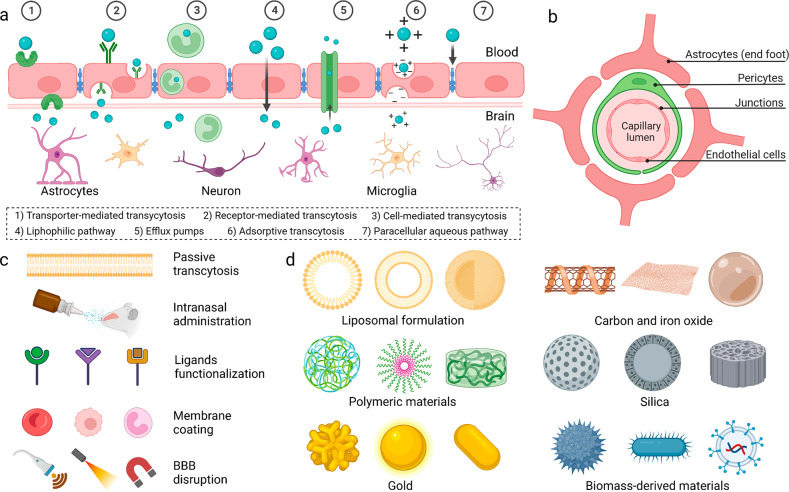
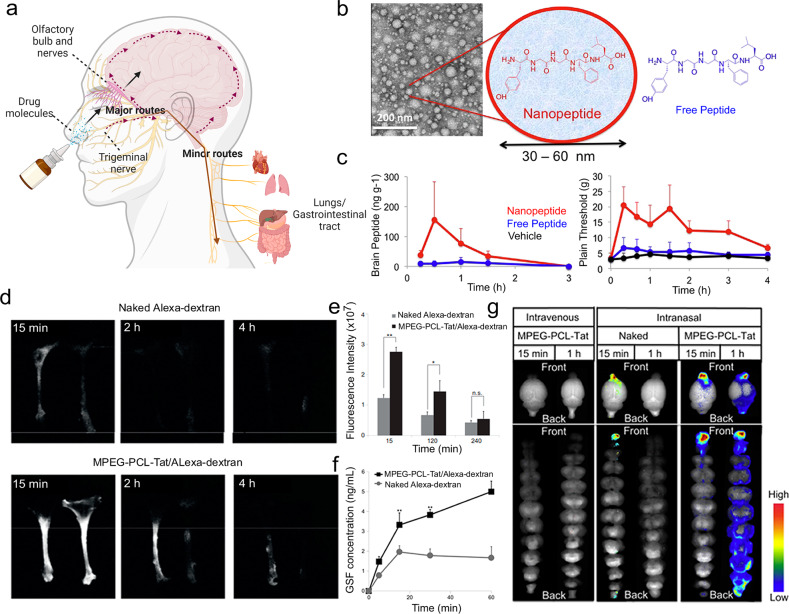
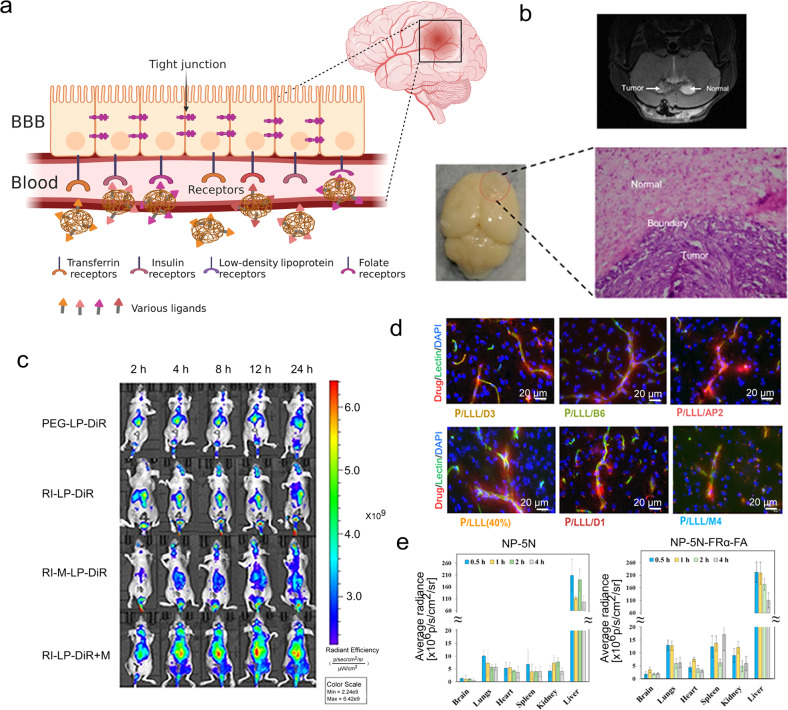
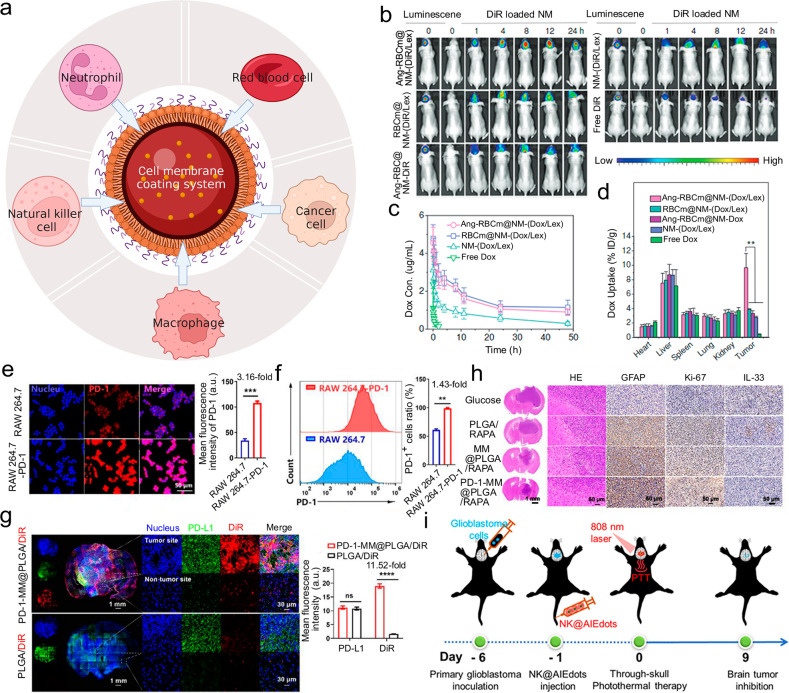
- The review groups BBB-crossing approaches into passive transcytosis, intranasal administration, ligand conjugation, membrane coating, external stimuli-mediated BBB disruption, and other non-invasive strategies.
- It reports several quantitative examples from the literature, including:
- passive transcytosis routes are limited to “hydrophilic compounds” under 150 Da and highly hydrophobic compounds under 400–600 Da;
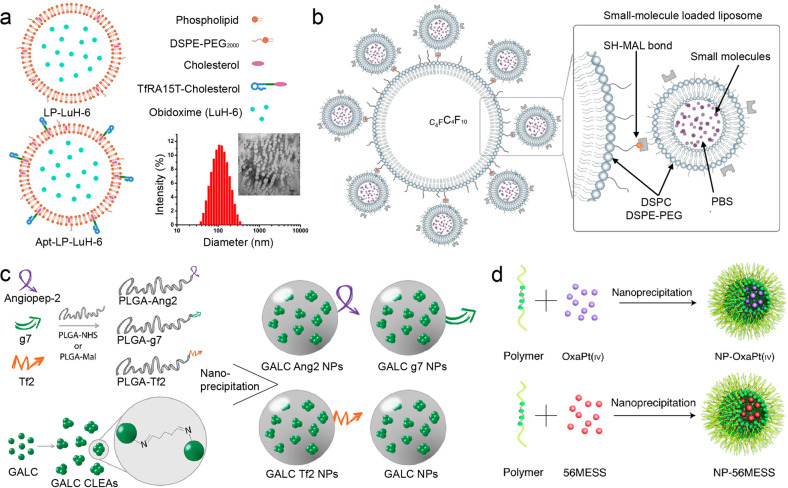
- one liposomal system showed brain accumulation peaking at 3 h and 48 h after injection;
- cRGD-modified mesoporous silica nanoparticles (MSNs) of 20, 40, and 80 nm had transport capabilities of 44.0%, 59.2%, and 38.6%, respectively, versus 32.8% for free drugs;
- a PLGA micelle system extended a drug’s therapeutic window from 20 min to at least 4 h.
- The review highlights that many engineered systems can improve delivery, but clinical translation remains limited by safety, reproducibility, and the need for better targeting and evaluation models.
Methods
- This is a narrative review, not an original experimental study.
- It synthesizes prior studies on BBB structure/physiology and on brain-targeted delivery platforms, including liposomes, polymers, gold nanomaterials, carbon materials, iron oxide nanoparticles, silica nanomaterials, and biomimetic systems.
- The main analysis is qualitative: it organizes strategies by BBB transport route/mechanism and compares reported examples from the literature, including preclinical and some clinical-trial-oriented work.
Limitations
- The authors explicitly state that “a timely and comprehensive review is lacking,” indicating the field is broad and rapidly evolving.
- They also say that “there is still a long way to go from clinical popularization and translational application,” and list unresolved issues including better BBB models, region-specific delivery, safety, interactions among components, scalability, and reproducibility.
- Evident from the text: this paper is a review of published examples rather than a primary study, so it does not present a single unified dataset or direct experimental validation of the strategies discussed.
Model-written summary. Check it against the paper before relying on it.
Integrity signals
Registry
Cites
Statistics
Figures
Verification
Claims the paper makes
49 Valid · 1 Not valid · 72 Not checked · 14 Own results and interpretations
At least one cited source doesn’t support this claim or points to a different paper, and none confirmed it — see the verdicts below.
In the paper
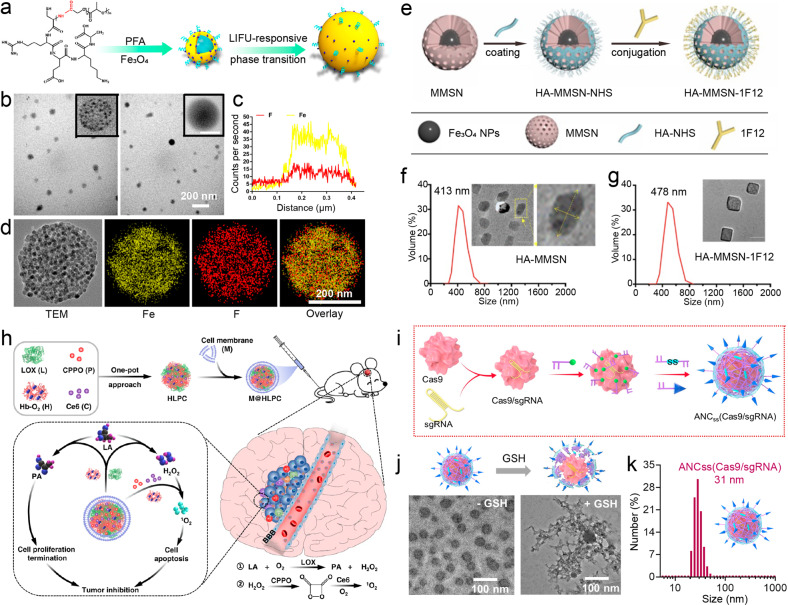
“Their method through the oscillating of microbubbles under the ultrasound field could implement the transport of the gene product beyond the blood vessels without breaking the tight junctions and disrupting the BBB.”
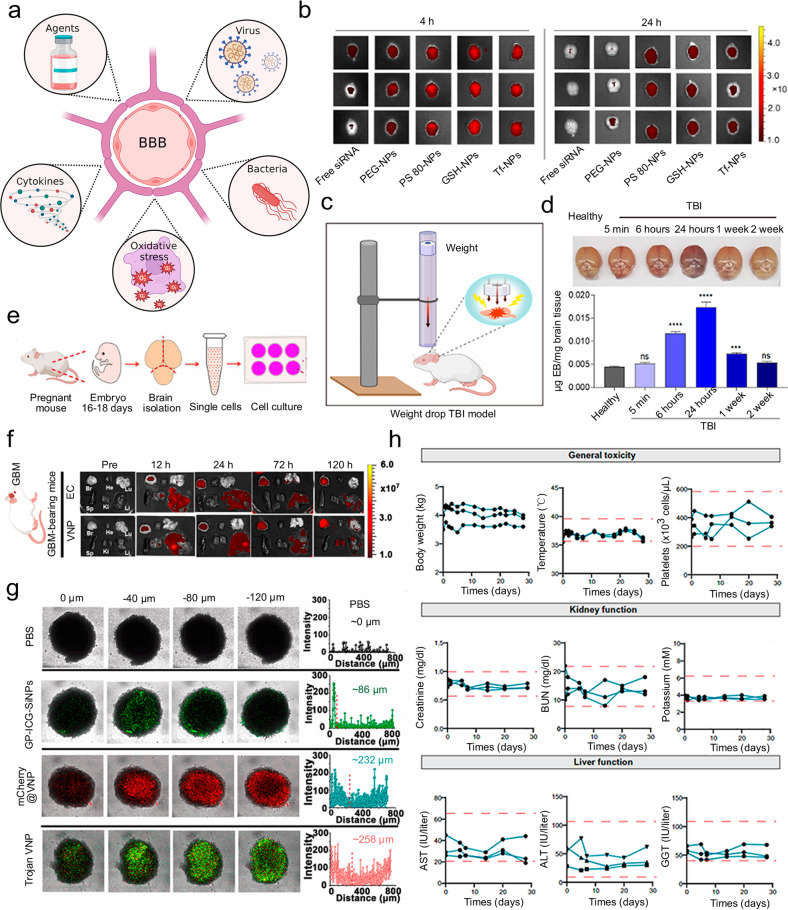
§ The blood–brain barrier: Structure, regulation and drug delivery > Strategies for BBB regulation and crossing Brain tumors, cerebrovascular diseases, and neurodegenerative diseases, including Parkinson’s disease, Alzheimer’s disease, and multiple sclerosis, are serious CNS diseases.132 However, therapies for these challenging diseases are limited, because of the lack of effective methods, to enable drugs surpass natural protective hindrances to maintain homeostasis within the brain for preventing the entry of drug molecules to the CNS.133 A number of drugs are routinely administrated by invasive strategies for the management of these diseases and symptom control. For instance, intrathecal drug administration is a typical method for drug delivery into the entire ventricular system without passing through the BBB.134,135 It has been approved to deliver anti-sense oligonucleotides for the treatment of spinal muscular atrophy.136 Other invasive strategies including convection-enhanced delivery,137,138 intracranial implantation,139,140 and deep-brain stimulation were developed for brain drug delivery.141,142 Recent development of microneedle and polymeric wafers with minimal invasiveness provides sustained drug release for CNS disease management which circumvent the BBB.143–146 But the potential risks from brain exposure and damage of these invasive strategies limited their applications for long-term use. In order to efficiently deliver drugs into the brain with safety and precision, various non-invasive strategies to overcome BBB have been exploited. These strategies include BBB penetration via passive transcytosis, intranasal administration, ligands conjugation, membrane coating, and the BBB disruption using light, focused ultrasound, biochemical reagents, and radiation. > External stimuli-mediated BBB disruption
What the sources say
- Disputedcites [225] Gorick, C. M. et al. Sonoselective transfection of cerebral vasculature without blood-brain barrier disruption. Proc. Natl Acad. Sci. USA 117, 5644–5654 (2020). 32123081 PMC7084076 sourceExperimental — accuracy not yet measured
The Abstract says the method uses low-pressure ultrasound and oscillating microbubbles to transfect cerebral endothelial cells without opening the BBB. Contrary to the claim of transport beyond blood vessels, the Discussion section “In Vivo Endothelial Cell Sonoporation without Tight Junction Disruption or Transcellular Transport” says transfection is nearly all confined to the endothelium and does not promote additional transcellular transport. (LLM, conf=0.90)
Checked by a reasoning model — may be wrong.
hedgedstates a cause- Asserted: passes — The authors put it forward as true.
- Checkable: passes — It can be checked against evidence.
- Load-bearing: passes — The paper’s conclusions depend on it.
- Based: passes — The paper gives a reason why it holds.
- Disputed
Every source the paper cites for this claim was checked and supports it.
In the paper
“BBB is a spacious, multicellular, and dynamic semi-permeable membrane that isolates the foreign substances in the blood from the CNS.27”
§ The blood–brain barrier: Structure, regulation and drug delivery > BBB structure and physiology > Anatomical structure of the BBB
What the sources say
- Supportedcites [27] Upton, D. H. et al. Challenges and opportunities to penetrate the blood-brain barrier for brain cancer therapy. Theranostics 12, 4734–4752 (2022). 35832071 PMC9254248 source
The Introduction (§ The Blood-Brain barrier; page not provided) calls the BBB a semi-permeable membrane and says it prevents potentially harmful exogenous substances from passing from the bloodstream into the brain. It also describes the endothelial cells, pericytes, and astrocytes that form the barrier. (LLM, conf=0.93)
plainstates a cause- Asserted: passes — The authors put it forward as true.
- Checkable: passes — It can be checked against evidence.
- Load-bearing: passes — The paper’s conclusions depend on it.
- Based: passes — The paper gives a reason why it holds.
- Supported
Every source the paper cites for this claim was checked and supports it.
In the paper
“However, therapies for these challenging diseases are limited, because of the lack of effective methods, to enable drugs surpass natural protective hindrances to maintain homeostasis within the brain for preventing the entry of drug molecules to the CNS.133”
§ The blood–brain barrier: Structure, regulation and drug delivery > Strategies for BBB regulation and crossing Brain tumors, cerebrovascular diseases, and neurodegenerative diseases, including Parkinson’s disease, Alzheimer’s disease, and multiple sclerosis, are serious CNS diseases.132 However, therapies for these challenging diseases are limited, because of the lack of effective methods, to enable drugs surpass natural protective hindrances to maintain homeostasis within the brain for preventing the entry of drug molecules to the CNS.133 A number of drugs are routinely administrated by invasive strategies for the management of these diseases and symptom control. For instance, intrathecal drug administration is a typical method for drug delivery into the entire ventricular system without passing through the BBB.134,135 It has been approved to deliver anti-sense oligonucleotides for the treatment of spinal muscular atrophy.136 Other invasive strategies including convection-enhanced delivery,137,138 intracranial implantation,139,140 and deep-brain stimulation were developed for brain drug delivery.141,142 Recent development of microneedle and polymeric wafers with minimal invasiveness provides sustained drug release for CNS disease management which circumvent the BBB.143–146 But the potential risks from brain exposure and damage of these invasive strategies limited their applications for long-term use. In order to efficiently deliver drugs into the brain with safety and precision, various non-invasive strategies to overcome BBB have been exploited. These strategies include BBB penetration via passive transcytosis, intranasal administration, ligands conjugation, membrane coating, and the BBB disruption using light, focused ultrasound, biochemical reagents, and radiation.
What the sources say
- Supportedcites [133] Yang, J., Luly, K. M. & Green, J. J. Nonviral nanoparticle gene delivery into the CNS for neurological disorders and brain cancer applications. Wiley Interdiscip. Rev. Nanomed. Nanobiotechnol. 15, e1853 (2022). 36193561 PMC10023321 source
The “Barriers of entry into the central nervous system” section says protective barriers maintain brain homeostasis and impede delivery of drug therapeutics. The “Systemic delivery” section calls crossing the blood–brain barrier the most prominent hurdle to CNS delivery, while the disease-profile section discusses brain tumors, stroke, and dementias. Page numbers are not available in our copy. (LLM, conf=0.88)
plainstates a cause- Asserted: passes — The authors put it forward as true.
- Checkable: passes — It can be checked against evidence.
- Load-bearing: passes — The paper’s conclusions depend on it.
- Based: passes — The paper gives a reason why it holds.
- Supported
The cited sources support only part of this claim — read each source’s verdict below.
In the paper
“In the BBB, tight junctions are the main functional components in sustaining the permeability barrier and controlling tissue homeostasis.88–91”
§ The blood–brain barrier: Structure, regulation and drug delivery > BBB structure and physiology > Anatomical structure of the BBB
What the sources say
- Supportedcites [88] Luissint, A. C., Artus, C., Glacial, F., Ganeshamoorthy, K. & Couraud, P. O. Tight junctions at the blood brain barrier: physiological architecture and disease-associated dysregulation. Fluids Barriers CNS 9, 23 (2012). 23140302 PMC3542074 source
The Abstract says BBB barrier properties notably depend on tight junctions and that the BBB is mandatory for cerebral homeostasis. The Background identifies tight junctions as a barrier to paracellular diffusion. Page numbers are not provided in our copy. (LLM, conf=0.88)
- Partly supportedcites [89] Anderson, J. M. & Van Itallie, C. M. Physiology and function of the tight junction. CSH Perspect. Biol. 1, a002584 (2009). PMC2742087 20066090 sourceExperimental — accuracy not yet measured
The Abstract (page unavailable) describes tight junctions as barriers that separate tissue spaces and regulate solute movement. The Size section (page unavailable) reports that deleting claudin-5 increases tight-junction permeability in blood vessels. These passages support a permeability-barrier role, but do not establish that tight junctions are the main functional components of the blood-brain barrier or that they control its tissue homeostasis. (LLM, conf=0.84)
- Partly supportedcites [90] Dong, X. Current strategies for brain drug delivery. Theranostics 8, 1481–1493 (2018). 29556336 PMC5858162 sourceExperimental — accuracy not yet measured
In “Blood-brain barrier in healthy brain,” the paper says tight junctions play a vital role in sustaining the permeability barrier and controlling tissue homeostasis. It does not identify tight junctions alone as the main functional components: it says interendothelial junctions collectively mainly control BBB permeability and adherens junctions primarily regulate endothelial-barrier permeability. (LLM, conf=0.86)
- Partly supportedcites [91] Ahlawat, J. et al. Nanocarriers as potential drug delivery candidates for overcoming the blood-brain barrier: challenges and possibilities. ACS Omega 5, 12583–12595 (2020). 32548442 PMC7288355 sourceExperimental — accuracy not yet measured
The Introduction’s “Blood–Brain Barrier (BBB)” section says tight junctions are the BBB’s main junctional component and restrict passage between endothelial cells, supporting their role in its permeability barrier. It attributes maintenance of homeostasis to the BBB as a whole, however, rather than specifically saying tight junctions control tissue homeostasis. No page number is available in our copy. (LLM, conf=0.83)
plainstates a cause- Asserted: passes — The authors put it forward as true.
- Checkable: passes — It can be checked against evidence.
- Load-bearing: unclear — It is unclear whether the paper’s conclusions depend on it.
- Based: passes — The paper gives a reason why it holds.
- Supported
Every source the paper cites for this claim was checked and supports it.
In the paper
“The paracellular pathway is the principal route blocked by the tight junctions of cell gaps, restricting ions, polar solutes, and most macromolecules.148”
§ The blood–brain barrier: Structure, regulation and drug delivery > Strategies for BBB regulation and crossing Brain tumors, cerebrovascular diseases, and neurodegenerative diseases, including Parkinson’s disease, Alzheimer’s disease, and multiple sclerosis, are serious CNS diseases.132 However, therapies for these challenging diseases are limited, because of the lack of effective methods, to enable drugs surpass natural protective hindrances to maintain homeostasis within the brain for preventing the entry of drug molecules to the CNS.133 A number of drugs are routinely administrated by invasive strategies for the management of these diseases and symptom control. For instance, intrathecal drug administration is a typical method for drug delivery into the entire ventricular system without passing through the BBB.134,135 It has been approved to deliver anti-sense oligonucleotides for the treatment of spinal muscular atrophy.136 Other invasive strategies including convection-enhanced delivery,137,138 intracranial implantation,139,140 and deep-brain stimulation were developed for brain drug delivery.141,142 Recent development of microneedle and polymeric wafers with minimal invasiveness provides sustained drug release for CNS disease management which circumvent the BBB.143–146 But the potential risks from brain exposure and damage of these invasive strategies limited their applications for long-term use. In order to efficiently deliver drugs into the brain with safety and precision, various non-invasive strategies to overcome BBB have been exploited. These strategies include BBB penetration via passive transcytosis, intranasal administration, ligands conjugation, membrane coating, and the BBB disruption using light, focused ultrasound, biochemical reagents, and radiation. > Passive transcytosis
What the sources say
- Supportedcites [148] Hersh, A. M., Alomari, S. & Tyler, B. M. Crossing the blood-brain barrier: advances in nanoparticle technology for drug delivery in neuro-oncology. Int. J. Mol. Sci. 23, 4153 (2022). 35456971 PMC9032478 source
The Introduction states that tight junctions connect BBB endothelial cells and, together with adherens junctions, restrict paracellular transport of ions, polar solutes, and most macromolecules. This supports the claim's description of the blocked pathway. (LLM, conf=0.90)
plainstates a cause- Asserted: passes — The authors put it forward as true.
- Checkable: passes — It can be checked against evidence.
- Load-bearing: unclear — It is unclear whether the paper’s conclusions depend on it.
- Based: passes — The paper gives a reason why it holds.
- Supported
74 more claims · 26 with their cited sources checked
Create a free account to see all 136 claims and to verify the 8 references still open.
- It may state two separate claims as one. 49
- The quote only partly states this claim. 3
- Probably not a substantial claim. 7
Claims other papers make about this one
Each is checked against this paper’s own text: does it say what the citing paper says it does?
The source backs part of the claim, not all of it — or backs it for a different population, condition or comparison.
In the citing paper
“Unfortunately, at present, systemic administration of siRNA-based therapeutics do not reach the CNS in meaningful concentrations due to the blood-brain barrier (BBB).3”
From Lipid-siRNA conjugate accesses a perivascular transport mechanism and achieves widespread and durable knockdown in the central nervous system (2024) · cites this paper as [3]
Experimental — accuracy not yet measuredThe cited source says what the claim attributes to it.
In the citing paper
“This protective barrier limits the entry of foreign substances, including drugs, into the central nervous system.”
The cited source says what the claim attributes to it.
In the citing paper
“ECs are the core anatomical structure of the BBB responsible for the link between the blood vessels and the CNS. Their membrane is negatively charged and allows the passage of small lipophilic molecules and specific substances via transporters present in their surface [6].”
The cited source says what the claim attributes to it.
In the citing paper
“This barrier is responsible for the regulation of molecule influx and efflux into and out of the brain.”
The cited source says what the claim attributes to it.
In the citing paper
“Also, despite the TJs that seal the ECs, some small and soluble molecules are also able to cross this gap between cells without mediation (paracellular pathway) [6].”
3 more claims about this paper
Create a free account to see every claim other papers make about this one.
Self-check
Percentages, sums and reported differences re-computed from the paper’s own numbers.
Self-check results appear here once an independent check has confirmed them.
Cited works that were retracted
Works this paper cites that were later retracted, from the retraction notices publishers deposit. Major when the notice came out before this paper was published.
A note, not an issue: for example, a cited work that was retracted only after this paper was published, which its authors could not have known.
In the paper
“375 More recently, variants of the AAV have been investigated for its potential use for BBB penetration.”
Cited work 10.1007/s12035-017-0746-5 · retracted 2026-05-14 · notice 10.1007/s12035-026-05921-w · this paper published 2023-05-25
Citations
Cites
1 retracted
Feng, L., Sharma, A., Niu, F., Huang, Y., Lafuente, J. V., Muresanu, D. F., Ozkızılcık, A., Tian, Z. R., & Sharma, H. S. (2017) · Molecular Neurobiology · doi:10.1007/s12035-017-0746-5 · Cited by 31 · cited 1×
“375 More recently, variants of the AAV have been investigated for its potential use for BBB penetration.”
BackgroundRetractedProspective identification of tumorigenic breast cancer cells
Al-Hajj, M., Wicha, M. S., Benito-Hernandez, A., Morrison, S. J., & Clarke, M. F. (2003) · Proceedings of the National Academy of Sciences · doi:10.1073/pnas.0530291100 · Cited by 10,370 · cited 1×
“Hyaluronic acid can specially target cell surface receptor CD44, which is highly expressed in breast cancer.(153) With the help of the CD44 target and MS boost, M@HNPs could penetrate blood–brain tumor barrier (BTB), internalizing into brain metastatic tumor cells (BMTCs), blunting drug efflux at BMTCs, and producing…”
BackgroundEngineering precision nanoparticles for drug delivery
Mitchell, M. J., Billingsley, M. M., Haley, R. M., Wechsler, M. E., Peppas, N. A., & Langer, R. (2021) · Nature Reviews Drug Discovery · doi:10.1038/s41573-020-0090-8 · Cited by 7,933
Astrocyte-endothelial interactions at the blood-brain barrier
Abbott, N. J., Rönnbäck, L., & Hansson, E. (2006) · Nature Reviews Neuroscience · doi:10.1038/nrn1824 · Cited by 5,595
Astrocytes: Biology and pathology
Sofroniew, M. V., & Vinters, H. V. (2010) · Acta Neuropathologica · doi:10.1007/s00401-009-0619-8 · Cited by 5,196
Structure and function of the blood–brain barrier
Abbott, N. J., Patabendige, A. A. K., Dolman, D. E. M., Yusof, S. R., & Begley, D. J. (2010) · Neurobiology of Disease · doi:10.1016/j.nbd.2009.07.030 · Cited by 5,185 · cited 1×
“2 In the meantime, catenins, p120, plakoprotein are responsible for supporting physics and regulating junctions by forming a bridge that interacts with zonula occludens-1 (tight junctions proteins) and the actin fi la-ments.”
BackgroundDelivery of siRNA to the mouse brain by systemic injection of targeted exosomes
Alvarez-Erviti, L., Seow, Y., Yin, H., Betts, C., Lakhal, S., & Wood, M. J. A. (2011) · Nature Biotechnology · doi:10.1038/nbt.1807 · Cited by 4,930
Liposomal drug delivery systems: From concept to clinical applications
Allen, T. M., & Cullis, P. R. (2013) · Advanced Drug Delivery Reviews · doi:10.1016/j.addr.2012.09.037 · Cited by 4,839 · cited 1×
“Liposomal formulations Liposomes are the first generation of drug delivery systems and have been widely used since their discovery in 1965.(248) They are composed of one or more lipid bilayers and hollow aqueous compartment, which endow them with loading versatility for both hydrophobic and hydrophilic therapeutic age…”
BackgroundDesigning hydrogels for controlled drug delivery
Li, J., & Mooney, D. J. (2016) · Nature Reviews Materials · doi:10.1038/natrevmats.2016.71 · Cited by 4,832
Doxil® — The first FDA-approved nano-drug: Lessons learned
Barenholz, Y. (. (2012) · Journal of Controlled Release · doi:10.1016/j.jconrel.2012.03.020 · Cited by 4,792
Research works printed but not linked: 1
- Oshra, B., Malka, S., Menachem, M. & Rachela, P. In Proc. SPIE, Nanoscale Imaging, Sensing, and Actuation for Biomedical Applications XVI. 108911H (2019).
Cited by
Items 1,701–1,800 of 1,850
Engineered Extracellular Vesicles As a New Delivery Platform for Migraine
Subramony, A., Patel, V. K., Kumar, S. S., & Nair, S. C. (2026) · ACS Applied Bio Materials · doi:10.1021/acsabm.6c00833
Progranulin haploinsufficiency remodels the cerebral microvasculature and neurovascular unitPreprint
Chakraborty, S., Weick, M., Franciosa, S. A., Tabrizi, Z., Swinehart, C., Moore, G. R., Lee, D., Bhatt, N. N., Cano, A., Poorva, P., et al. (2026) · bioRxiv (Cold Spring Harbor Laboratory) · doi:10.64898/2026.07.20.738719
“The BBB is essential for separating circulating blood components from the brain parenchyma 23-25 .”
Chen, Y., Wu, H., Zhou, Y., et al. (2026) · Burns · doi:10.1016/j.burns.2026.108161
Wu, S.-D., Wang, X., Yan-meng, Z., Hu, B., Wang, K., Yan, C.-J., Zhu, H.-Y., Li, H., Wang, X.-C., Wang, H., et al. (2026) · Metabolism · doi:10.1016/j.metabol.2026.156712 · Cited by 1
Song, K., Gu, X., Sun, N., Xie, R., Chen, Z., Wang, Z., Li, Y., & Meng, L. (2026) · Biology · doi:10.3390/biology15151235
“However, such distribution should not be equated with active transport across an intact BBB under physiological conditions [102,166,167].”
Self-citationBao, Y., Guo, J., Li, H., Zhou, J., & Chen, J. (2026) · Nanoscale · doi:10.1039/d6nr01560c
Passalacqua, E., Barberi, G., Amico, P., Martino, S. D., & Rosa, M. D. (2026) · RSC Medicinal Chemistry · doi:10.1039/d6md00420b
Zhou, X. Y., Zhang, Y., Kong, Q., Wang, Z., Luo, Y., Huang, H., Qu, W., Yu, Z., & Luo, X. (2026) · Pharmaceutics · doi:10.3390/pharmaceutics18080916 · Cited by 2
“Beyond evaluating potential harm to the nasal passages and the central nervous system, it is important to investigate the systemic impacts of medications that enter the bloodstream and affect other organs (Figure 6c) [256].”
Crossing the Blood–Brain Barrier: Challenges, Strategies and Emerging Technologies
Jadhav, S., Ahire, S. M., Chitte, N. R., Pawar, P. S., -, I. S., & Shewale, V. V. (2026) · Asian Journal of Research in Pharmaceutical Sciences · doi:10.52711/2231-5659.2026.00035
Zheng, Y., He, G., Song, M., Kang, J., Wu, J., Zhu, Y., Wu, R., Liu, P., & Deng, X. (2026) · Bioorganic Chemistry · doi:10.1016/j.bioorg.2026.110309
Mishra, D., Calderón, M., Beloqui, A., & Sosnik, A. (2026) · JCIS Open · doi:10.1016/j.jciso.2026.100201
Wantuch, S., Tuske, S. J., Benedetti, S., Mehta, N., Brudvig, J. J., Do, H., Gotschall, R. R., Feng, J., Gaspar, A. B., Recchi, C., et al. (2026) · Molecular Therapy Advances · doi:10.1016/j.omta.2026.201824
“48 Restoration of GAA activity in the brain is, however, an important therapeutic goal for IOPD, where disease progression is clinically characterized by cognitive decline.”
Synthesis, In Vitro, and In Silico Anti-Inflammatory Screening of Orthocetamol Azo Derivatives
Zikri, N. A. S., Leong, S. H. J., Ferry, F. F. G., Zamakshshari, N. H., Halim, A. N. A., Hui, M. S., Jun, J. Y. Z., Yunis, H. I. M. Y., Aggie, N., Wei, Y. K., et al. (2026) · Russian Journal of General Chemistry · doi:10.1134/s1070363226601444
Schwarz, P., Dieringer, J., Jadhav, K. B., Lucana, M. C., Ginosyan, A., Oller‐Salvia, B., Gruber, C. W., Loryan, I., & Hellinger, R. (2026) · Biomedicine & Pharmacotherapy · doi:10.1016/j.biopha.2026.119756 · Cited by 1
Nirala, N., Kuwar, O. K., Rana, D., & Dhingra, M. S. (2026) · Acta Diabetologica · doi:10.1007/s00592-026-02749-7 · Cited by 1
Cancer Neuroscience of Kinase Inhibitors: On-Target Effects on the Nervous System
Thái, T. L., & Han, S. (2026) · Journal of Integrative Neuroscience · doi:10.31083/jin51974
Silverman, R. B., Xue, F., & Juncosa, J. I. (2026) · Elsevier eBooks · doi:10.1016/b978-0-443-15862-9.00003-5
Liu, H., Wang, Y.-R., Wang, M., Yu, T., Liu, D., Wang, J., Gao, Y., Hu, Y., Ma, H., Gao, F., et al. (2026) · Pharmaceutics · doi:10.3390/pharmaceutics18080951
“In past decades, many methods have been developed for delivering drugs through the BBB [30,31].”
Self-citationAbouali, O., Mokabber, A., Naderpour, S., Vojoudi, E., Sefat, F., Saeinasab, M., Rahimzadegan, M., & Nosrati, R. (2026) · International Journal of Pharmaceutics · doi:10.1016/j.ijpharm.2026.127259
Lorenzo, A. D., Mohamed, A. F., Isella, B., Behme, D., Loewen, A., Vekemans, M., Schwab, R., Schmitz, T. C., Jockenhoevel, S., & Kopp, A. (2026) · Bioactive Materials · doi:10.1016/j.bioactmat.2026.07.045
“The BBB is a highly selective barrier, restricting most molecules and particles and posing a considerable challenge even for nanoparticles engineered to deliver drugs to the brain [119].”
Neurons Die Not by One Hit, but by Signaling Convergence
Chauhan, D., Goel, F., & Rajput, M. S. (2026) · Molecular Neurobiology · doi:10.1007/s12035-026-06093-3
Hu, H., & Wang, Y. (2026) · Journal of Functional Biomaterials · doi:10.3390/jfb17080377
“For instance, DNCs can be “hitchhiked” on immune cells (such as monocytes or neutrophils) that naturally transmigrate across the BBB, allowing drugs to be effectively ferried into the brain via cell-mediated transcytosis [88].”
Self-citationKumar, V., Arulsamy, S., Sharma, S., Kumar, S., & Kakoty, V. (2026) · Drug Discovery Today · doi:10.1016/j.drudis.2026.104758
Ju, J., Kim, Y., Seo, S. J., Jin, Y., Ahn, J.-Y., & Shin, M. (2026) · ACS Nano · doi:10.1021/acsnano.6c05982
Shen, L., Chen, Z., Huan, W., Huang, Y., Wu, P., Guo, H., Zhang, C., & Zhuang, S. (2026) · Environmental Science & Technology · doi:10.1021/acs.est.6c06459
Self-citationSonoselective Transfection of Glioma Endothelium
Debski, A. C., Gorick, C. M., Breza, V. R., Tirrell, J., Perumal, K., Nowak, K. M., Song, J., Sheybani, N., & Price, R. J. (2026) · Advanced Science · doi:10.1002/advs.76997
“A major challenge to treating GBM is the blood-brain barrier (BBB), which restricts passage of approximately 98% of small molecules into the brain, reducing efficacy and necessitating high doses that increase toxicity [ 5, 6 ].”
Zhu, P., Zeng, X., Yuan, X., Li, Z., Ji, W., Li, D., Sun, T., Yang, H., Chen, S., Long, J., et al. (2026) · PLoS Pathogens · doi:10.1371/journal.ppat.1014487 · Cited by 1
“BBB dysfunction has been implicated in a broad spectrum of neurological disorders, ranging from acute conditions such as viral encephalitis to chronic disorders like Alzheimer’s disease [11].”
Bis(styryl)benzene Probes for Targeting Early-Stage Amyloid-β Aggregates in Alzheimer’s Disease
GUTIERREZ, C. G., Mina, M., An, J., Bhowmik, S., Xu, K., Salaiza, J. A., Chen, K., Sayed, T. E., & Mirica, L. M. (2026) · ACS Chemical Neuroscience · doi:10.1021/acschemneuro.6c00429 · Cited by 1
Wang, X., Sun, X., Li, H., Zhang, J., Yi, Q., & Wu, Y. (2026) · Bioactive Materials · doi:10.1016/j.bioactmat.2026.08.003
“The blood – brain barrier (BBB) severely restricts systemic antibiotic penetration, often necessitating high dose regimens or invasive intrathecal administration; however, suboptimal drug exposure none-theless promotes bacterial persistence and recurrent infection [4 – 7].”
Yang, F., Tang, Q., Wang, X., Chen, J., Li, Y., Liu, W., Ma, B., & Shi, W. (2026) · Frontiers in Immunology · doi:10.3389/fimmu.2026.1883650
Li, Y., Zeng, Y., Liu, B., Song, C., Yan, J., Zhang, F., Sui, G., Yang, X., & Liu, S. (2026) · Environmental Science & Technology · doi:10.1021/acs.est.6c01030
Chen, T., Gao, X., Chang, Y., Wang, B., Shi, Z., Xu, H., Yuan, Y., Li, F., & Li, P. (2026) · Frontiers in Cellular Neuroscience · doi:10.3389/fncel.2026.1913984 · Cited by 1
Moreno-Borrallo, A., Maher, R., Gómez-González, E., Alex, T. S., Kearns, O., Jain, A., Harkin, A., Mai, B. T., & Ruiz‐Hernández, E. (2026) · Materials Today Advances · doi:10.1016/j.mtadv.2026.100885
Zhang, Y.-Y., Long, X.-Y., Wang, K.-J., Tian, J., Xu, J., & Luo, X. (2026) · Acta Pharmacologica Sinica · doi:10.1038/s41401-026-01904-8
Farias, G., Chahinian, H., Hauchard, N., Brunet, D., Fantini, J., Yahi, N., Fantini, D., & Aulas, A. (2026) · Pharmaceutics · doi:10.3390/pharmaceutics18080987
“This mechanism involves two major cranial nerves: the olfactory nerve and the trigeminal nerve [58].”
Al‐allaq, A. A., Hassan, H. A., Hidayet, H. M., Abdulhakeem, A. A., & Ahmad, Z. A.-A. Q. (2026) · Micro · doi:10.3390/micro6030065 · Cited by 1
“This pathway is largely limited to sufficiently lipophilic compounds with low molecular weight, typically below 400–600 Da, whereas most large, hydrophilic, or macromolecular therapeutics are strongly restricted by the BBB structure [14].”
Romano, G., Morgera, V., Pezone, A., et al. (2026) · Molecular Therapy Oncology · doi:10.1016/j.omton.2026.201320
Mieres, N. G., Oliveira, K., Marques, N. C. B., Azorza, N. M. C., Borba, H. H. L., Pontarolo, R., Sari, M. H. M., Bonini, J. S., Reolon, J. B., Lazo, R. E. L., et al. (2026) · Diseases · doi:10.3390/diseases14080291
“Third, tissue distribution, blood–brain barrier permeability, and metabolic pathways may influence therapeutic activity, particularly in metastatic melanoma or central nervous system involvement [63].”
Bioactive Compounds of Sungkai (Peronema canescens Jack) as Natural Antiallergen: In Silico Study
Hasibuan, M. M. A., Purba, F. I. W., Maulidyani, L. R., & Raihani, S. Z. (2026) · Biointerface Research in Applied Chemistry · doi:10.33263/briac164.118 · Cited by 2
“The blood-brain barrier (BBB) is a selectively permeable membrane composed of endothelial cells that protects the central nervous system (CNS) from potentially harmful blood-borne substances while allowing essential nutrients and molecules to pass through [33].”
Heifetz, A., Pillai, G. G., Taimoory, S. M. D., Birch, L., & Smith, C. S. (2026) · Methods in molecular biology · doi:10.1007/978-1-0716-5420-0_6
Liu, C., Geng, F., Liu, Y., Zhu, H., Shi, X., Lu, W., & Wei, G. (2026) · Biomaterials · doi:10.1016/j.biomaterials.2026.124559 · Cited by 1
Zhou, L., Godse, S., Vardikar, A., Namireddy, R., Patel, R., Sinha, N., Singh, U. P., Singla, B., & Kumar, S. (2026) · NeuroImmune Pharmacology and Therapeutics · doi:10.1515/nipt-2026-0010 · Cited by 1
Chemical design of diagnostic and therapeutic nanoplatforms for cerebrovascular diseases
Nan, J., Chen, Y., Xia, C., Jiang, W., Cui, Z., Zhang, J., Li, Y., Xia, L., Chen, Y., & Zhang, J. (2026) · Coordination Chemistry Reviews · doi:10.1016/j.ccr.2026.218425
Honsa, E. S. (2026) · Frontiers in Cellular Neuroscience · doi:10.3389/fncel.2026.1899622
“The BBB, an endothelial layer with extremely tight cell-to-cell connections, is a physical barrier that protects the CNS from toxic substances (Wu et al., 2023).”
Basole, U. M., Fitzpatric, M. M., Donohoe, J., Obulasetti, S., Snider, W., Haugen, E., García‐Cehic, D., González-Manteiga, A., Sertorio, M. G., & Oria, M. (2026) · Frontiers in Molecular Neuroscience · doi:10.3389/fnmol.2026.1857885
“Many novel approaches to circumvent the BBB have been developed to bypass or transiently disrupt the BBB, including nanoparticles, focused ultrasound, intranasal administration, deep brain stimulation, device implants, and direct intracerebral injection (Terstappen et al., 2021; Wu et al., 2023).”
Roslei, A. S. M., Huri, H. Z., Pratama, D. A. O. A., Azemi, A. K., Kari, Z. A., Yasin, I. S. M., Hashim, N. M., Ghazali, M. F., Norpi, A. S. M., Jalil, M. F. A., et al. (2026) · Journal of the Egyptian National Cancer Institute · doi:10.1186/s43046-026-00394-3 · Cited by 1
“By employing passive and/or active strategies to regulate BBB crossing in a controlled, non-invasive manner, NPs have been engineered to deliver a wide range of therapeutics, including small molecules, proteins, genes, and other bio-pharmaceuticals [110].”
Adak, R., Kumar, P., Yadav, S. S., Chaudhary, S., & Datusalia, A. K. (2026) · Advances in pharmacology · doi:10.1016/bs.apha.2026.07.006
Yoo, H.-S., Yu, P., Zhou, C., Hosseini, A., Granville, D. J., & Matsubara, J. A. (2026) · Acta Neuropathologica · doi:10.1007/s00401-026-03061-y · Cited by 1
Intracerebroventricular Administration of Gangliosides for In Vivo Functional Studies in Mice
Monyror, J., Horkey, M., Zaidi, A. K., & Sipione, S. (2026) · Methods in molecular biology · doi:10.1007/978-1-0716-5288-6_31
Davies, B., Seedat, F., Bergman, L., et al. (2026) · Biomolecules · doi:10.3390/biom16081211
“Endothelial cells form the structural core of the BBB [42], and there is extensive evidence of preeclamptic psEVs inducing endothelial dysfunction and inhibiting endothelial cell proliferation [15–17].”
Exploring the landscape of targetable alterations in patients with glioblastoma
Aquilanti, E., Touat, M., French, P. J., Iavarone, A., Capper, D., Geurts, M., Rahman, R. M., Verhaak, R. G. W., Preusser, M., van den Bent, M. J., et al. (2026) · Nature Reviews Clinical Oncology · doi:10.1038/s41571-026-01190-7 · Cited by 2
Cataldi, V., Tailor, D., Montaño, A. R., Rizvi, S. Z. H., Chakraborty, S., Saldivar, J. C., Malhotra, S. V., Wang, L. G., Gibbs, S. L., & Alani, A. W. G. (2026) · Cancers · doi:10.3390/cancers18162684
“Similar uptake behavior has been reported for other lipophilic cationic fluorophores used in tumor imaging applications [15,17,19–21, 23– 25”
Exosomal innovations in neurodegenerative disorders: Emerging insights and intranasal route
Hirlekar, R. S., Agnihotri, S., Sathe, S., & Nagarsenkar, M. (2026) · Biochemical and Biophysical Research Communications · doi:10.1016/j.bbrc.2026.154474
Nistor, S., Beregoi, M., Evanghelidis, A., Enculescu, M., Aldea, A., Nedelcu, L., Maraloiu, V., Busuioc, C., Dragnea, B. G., & Enache, T. A. (2026) · Materials & Design · doi:10.1016/j.matdes.2026.116818
Hashemi, E.-O.-S., Kangarshahi, B. M., Takdehghan, G., Naghib, S. M., Sharifianjazi, F., & Roozbahani, M. H. (2026) · Discover Neuroscience · doi:10.1186/s13064-026-00316-y
“Their distinct benefits encompass the capacity to cross the BBB, elude immune detection and target cells within the brain [339].”
Park, M., Shin, H., & Choi, Y. (2026) · Pharmaceuticals · doi:10.3390/ph19091340
“Its relatively low molecular weight and sufficient lipophilicity facilitate penetration into the central nervous system [26].”
Pathogen‐Mimetic Liposomes Customizing Protein Corona for Precision Glioblastoma Therapy
Chen, X., Wang, Y., Cai, X., Zhao, J., Ke, Y., Li, S., Zhang, Y., Huang, F., Liu, Y., Sun, S., et al. (2026) · Advanced Materials · doi:10.1002/adma.74780
Self-citationSun, H., 董娴, Cao, Y., Huang, B., He, D., Chao, D., Guo, W., & Fu, S. (2026) · Chemical Engineering Journal · doi:10.1016/j.cej.2026.181193
Prabhakar, S., Jayagopal, P., & Blessy, J. J. (2026) · Computational Biology and Chemistry · doi:10.1016/j.compbiolchem.2026.109356
Amudha, S., Ramasamy, S., & Enoch, I. V. M. V. (2026) · Neuroscience · doi:10.1016/j.neuroscience.2026.08.042
Mu, K., Liao, R.-Q., Xie, J.-L., Xie, P.-X., Shao, C.-L., Ju, Z.-G., Zhong, K., Zhang, L., Liu, B.-N., & Pang, Y.-X. (2026) · International Journal of Biological Macromolecules · doi:10.1016/j.ijbiomac.2026.154191
Jadhav, A. B., Gadhave, D. G., Ugale, A. R., & Kokare, C. (2026) · Journal of Drug Delivery Science and Technology · doi:10.1016/j.jddst.2026.108846
Central nervous system safety risks and evaluation strategies for mucosal vaccines: A review
Li, Q., & Bai, G. (2026) · Vaccine · doi:10.1016/j.vaccine.2026.129084 · Cited by 2
Cai, S. S., Slater, C. L., Farag, V., Gonzalez, G., Yang, V., Patel, M., Qi, A., Huerta, V., Cheng, L., Zhu, Y., et al. (2026) · Cell Reports Physical Science · doi:10.1016/j.xcrp.2026.103514
Bridging the Gap: Harnessing Phytochemical-Loaded Nanocarriers for Enhanced Epilepsy Treatment
Kazemi, M., Arab, F., Nasiri, A., Besharatiyan, F., & Jahani, R. (2026) · Molecular Neurobiology · doi:10.1007/s12035-026-06147-6
Brain-Tropic Metastasis: Mechanistic Checkpoints Governing Cerebral Colonization
Freeman, H., Rawson, C., Baloi, D., Karsy, M. J., & Pahlevani, M. (2026) · Oncology · doi:10.1159/ocl/aebag007
Construction and Applicability Scenarios of 3D Neurovascular Unit Models In Vitro
Yu, B., Shao, Z., Ni, Z., Gao, Y., Ding, Z., Jiang, W., Li, L., & Chu, L. (2026) · Biomolecules · doi:10.3390/biom16091250 · Cited by 1
“Beyond the physical barrier, current studies emphasize that BMECs act as active signaling hubs, they regulate BBB integrity by suppressing transcytosis and communicating with PCs via angiocrine factors [18].”
The Retina as a Window to Metal-Induced Neurotoxicity
Habib, E., Ali, M. K., AlDhib, R., & Serhan, H. A. A. (2026) · IGI Global eBooks · doi:10.4018/979-8-2600-1403-5.ch004
Sharma, V., Singh, P., Sharma, G. K., Singh, G. P., Raghav, A., Singh, M. K., Verma, S. K., Kumar, A., Singh, S., & Verma, N. (2026) · IGI Global eBooks · doi:10.4018/979-8-2600-1403-5.ch002
Gao, H., Zhang, M., Liang, X., Liu, W., Li, Z., Liu, J., Hao, Q., & Hong, X. (2026) · Environment International · doi:10.1016/j.envint.2026.110490
Sun, Y., Li, Y., Ren, M., Jin, Y., Zhang, M., & Wu, T. (2026) · Journal of Agricultural and Food Chemistry · doi:10.1021/acs.jafc.6c03771
Nanopharmaceutical Applications in Clinical Practice
Dighe, P., Kunkolienker, K. R. S., & Deshpande, M. (2026) · Reference series in phytochemistry · doi:10.1007/978-3-031-69044-0_17-1
Hong, X., Wang, X., Wang, W., Ren, W., Ding, W., Yin, D., Wang, C., Sun, C., Chen, J., Piao, J., et al. (2026) · Materials Today Bio · doi:10.1016/j.mtbio.2026.103628
“This suboptimal intracranial efficacy is primarily hindered by poor blood-brain barrier (BBB) penetration of systemic antibodies [10,11], the immunosuppressive tumor microenvironment [12,13] and adaptive immune resistance driven by PD-L1 endosomal recycling [14,15].”
Comorbidity in Alzheimer’s disease
Ajagbe͓, A. O., Mobolaji, A. A., Fakorede, S., Oyeleye, B. S., Ajenikoko, M. K., & Abijo, A. Z. (2026) · International review of neurobiology · doi:10.1016/bs.irn.2026.08.021
Precision nanomedicine for pulmonary diseases: from molecular targeting to clinical translation
Deng, Z., Gao, W., Do, J., Aragam, S., Dawd, O., Belthur, M., Shi, D., Kalin, T. V., & Kalinichenko, V. V. (2026) · Signal Transduction and Targeted Therapy · doi:10.1038/s41392-026-02982-0 · Cited by 2
“86 Because of the hydrophobic nature of the bilayer, hydrophilic drugs struggle to pass through because of their polarity.”
Pérez-Martín, E., Rodríguez-Cañón, M., Roces-Llorián, C., Álvarez, G., Prado, C., & Tomás‐Zapico, C. (2026) · Neuromethods · doi:10.1007/978-1-0716-5241-1_17
Clinical translation of permeation enhancers
Janjua, T. I., Choi, J.-W., Ross, B. P., Gleeson, J. P., Mitragotri, S., & Popat, A. (2026) · Nature Reviews Materials · doi:10.1038/s41578-026-00954-y · Cited by 1
Hassan, M. N., Hussain, M. S., Nabi, F., Singh, D., Yasmeen, S., Zafar, M. S., Rizvi, I., Zakariya, S. M., Siddiqui, W. A., Uversky, V. N., et al. (2026) · Biochemistry · doi:10.1021/acs.biochem.6c00571
Lactobacillus acidophilus LA3 Suppresses Neuroinflammation via the Gut-Brain Axis
Chen, Y., Li, M., Wang, J., Ji, L., Xu, Y., Wang, X., Zhou, N., Darong, H., Shi, B., Yang, Z., et al. (2026) · Journal of Agricultural and Food Chemistry · doi:10.1021/acs.jafc.6c04375
Rationally Designed Peptides and Peptoids as Inhibitors of Amyloid-β (Aβ) Aggregation
Huang, X., Ma, S., Li, X., & Pan, J. (2026) · Bioconjugate Chemistry · doi:10.1021/acs.bioconjchem.6c00145
Muñoz-Reyes, D., Fieseler, K. K., Winokan, M., et al. (2026) · Chemical Science · doi:10.1039/d6sc02031c
DualNeuro: A dual-model framework for selectivity between neurotoxic insecticides and CNS drugs
Tan, Q., Jin, B., Wang, Z., Chai, Z., Dai, L., Duan, Y., & Zhang, L. (2026) · Advanced Agrochem · doi:10.1016/j.aac.2026.08.015
Neurotoxicity of microplastics: From cellular targets to systemic consequences
Sharma, A., Shekhawat, D., Kaur, M., & Sharma, K. (2026) · Advances in neurotoxicology · doi:10.1016/bs.ant.2026.03.004
Costa, A., Davidson, S., Rakhamimova, E., Bartula, B., Geralemou, S., Wang, W., & Bergese, S. D. (2026) · Frontiers in Bioscience-Landmark · doi:10.31083/fbl48402
VINE-seq and MultiVINE-seq for single-nucleus and multiome profiling of the brain vasculature
Oberhauser, J., Ding, B., Reid, M. M., Xie, W. H., & Yang, A. C. (2026) · Nature Protocols · doi:10.1038/s41596-026-01434-x
Understanding the immunological components of brain disorders
Ali, S., Acharya, S., & Ghosh, A. (2026) · Elsevier eBooks · doi:10.1016/b978-0-443-44631-3.00005-6
Modulating brain immunity with recombinant proteins
Pathikonda, S., & Arava, C. (2026) · Elsevier eBooks · doi:10.1016/b978-0-443-44631-3.00009-3
AGC kinase homology requires and enables co-targeting for CNS regenerationPreprint
Al‐Ali, H., Badillo-Martinez, A., Awada, B., Silver, B., Elwardany, O. S., Buckle, R., Johnson, G., Sun, S., Lendof, R. R., Guha, N., et al. (2026) · bioRxiv (Cold Spring Harbor Laboratory) · doi:10.64898/2026.08.28.746753
Sun, C., Guo, X., Xiao, L., Wang, W., Shi, G., Liu, C., Chen, S., & Tang, Z. (2026) · Frontiers in Immunology · doi:10.3389/fimmu.2026.1904824 · Cited by 1
“After CNS dissemination, BBB restriction becomes a delivery problem, requiring brain-accessible antibodies, receptor-mediated transport, or other CNS-directed delivery strategies capable of achieving therapeutic concentrations within infected neural tissue (54, 62, 63).”
InfluentialBalasundari, S., Sudha, P., Muthuvel, I., Devika, K., Balu, K., Arumugam, T., & Thirunarayanan, G. (2026) · Journal of Molecular Structure · doi:10.1016/j.molstruc.2026.147538
Hsieh, T.-T., Lee, Y.-H., Hsieh, B., & Liu, H.-L. (2026) · Ultrasonics · doi:10.1016/j.ultras.2026.108284
Zhang, Q., 张柏民, Wang, Y., Wu, Y., Liu, Y., Feng, S., Zhang, C., Cheng, F., Li, C., Wang, Q., et al. (2026) · Journal of Translational Medicine · doi:10.1186/s12967-026-08896-3
“Small molecules and biologic modalities, including antibodies, cytokine-based agents, and EVs, differ substantially in systemic stability, BBB penetration, tissue distribution, and brain exposure [166].”
Self-citationOncolytic bacteria therapy for malignant glioma
Li, F., Zhao, J., Ji, A., Zhao, J., & Li, S. (2026) · Frontiers in Immunology · doi:10.3389/fimmu.2026.1951763
“Even though tumor growth increases the permeability of the blood-tumor barrier, it still cannot meet the required effective therapeutic drug concentration (5).”
Feng, Q., Mei, Y., Zhang, J., Sun, L., Si, B., Zhou, H., 方, 晓., Liu, R., Zhang, J., & Wang, L. (2026) · Exploration · doi:10.1002/exp2.70221
Zhang, M., Chen, B., Li, T., Li, X., Sun, J., Li, Q., Jin, M., Gao, Z., Chen, L., & Huang, W. (2026) · Pharmaceutics · doi:10.3390/pharmaceutics18091140
“Liposomes, polymeric nanoparticles, lipid nanoparticles, ferritin-based carriers, extracellular vesicles, and cell membrane-biomimetic platforms can additionally protect unstable payloads and combine BBB-crossing ligands with lesion, cell, or organelle-targeting modules [10,12,15,16,80,138].”
Singaravelu, S., Balu, R., Senthilkumar, C., & Jayaprakash, J. (2026) · Frontiers in Biomaterials Science · doi:10.3389/fbiom.2026.1912922
Xia, Z., Yuan, Y., Xiaoxin, N., Zhu, S., Yang, J., Lu, R., Wang, Z., Lu, C., Yushan, X., Feng, Y., et al. (2026) · Biochemical Pharmacology · doi:10.1016/j.bcp.2026.118457
Ionic-network dysregulation in the brain: Mechanisms, diseases, and therapeutic strategies
Han, S., Feng, E., & Xiong, L. (2026) · The Innovation Neurology · doi:10.59717/j.xinn-tine.2026.100015
El-Gridly, D. M., Ezzat, A. R., Mohammed, H. S., & Morsy, G. M. (2026) · Toxicology and Industrial Health · doi:10.1177/07482337261486662
Extracellular Vesicle-Derived microRNAs as Diagnostic Biomarkers Across Neurodegenerative Diseases
Tevlek, A. (2026) · IntechOpen eBooks · doi:10.5772/intechopen.1017741
Metadata
- Authors
- Wu, D., Chen, Q., Chen, X., Han, F., Chen, Z., & Wang, Y.
- Affiliations
- Zhejiang Chinese Medical University (CN)
- Nanjing Medical University (CN)
- Corresponding author
- Wu, Di
- Chen, Zhong
- Wang, Yi
- Venue
- Signal Transduction and Targeted Therapy
- Published
- 2023-05-25
- Volume
- 8
- Issue
- 1
- Pages
- 217-217
- ISSN
- 2059-3635 (ISSN-L)
- PMC
- PMC10212980
- OpenAlex
- W4378217890
- Semantic Scholar
- 1dd602f298d3e4fadff86dba309fb1ae7028e8f1
- Cited by
- 1,906
- References
- 409
- Citations by year
- 2026: 723 · 2025: 785 · 2024: 351 · 2023: 46
- FWCI
- 49.60
- Type
- journal article
- Language
- en
- Open access
- gold
- doi.org
- Licence
- cc-by
- creativecommons.org/licenses/by/4.0 (tdm)
- creativecommons.org/licenses/by/4.0 (vor)
- Locations
- Signal Transduction and Targeted Therapy (publishedVersion, cc-by)
- PubMed Central (publishedVersion, cc-by)
- PubMed (publishedVersion)
- DOAJ (DOAJ: Directory of Open Access Journals) (submittedVersion, cc-by-sa)
- Funders
- Natural Science Foundation of Zhejiang Province (LD22H310003)
- National Natural Science Foundation of China (82003666)
- National Foundation of Zhejiang Province
- Topics
- Life Sciences › Neuroscience › Neurology › Barrier Structure and Function Studies
- Health Sciences › Medicine › Oncology › Drug Transport and Resistance Mechanisms
- Physical Sciences › Materials Science › Biomaterials › Nanoparticle-Based Drug Delivery
- Keywords
- blood-brain barrier, brain drug delivery, intranasal drug delivery, ligand conjugation, nanomaterials
- MeSH terms
- Biological Products, Biological Transport, Blood-Brain Barrier, Brain, Pharmaceutical Preparations, Drug Delivery Systems
About these checks
Registry, retraction, Cites and statistics results are computed, not judged, with one exception: a printed reference that no index lists is read once by a model before it counts as a citation error. Claims are extracted by a model and kept only when their quote appears verbatim in the text; each cited source is then checked, with a model’s help, for whether it says what the claim relies on. Those verdicts can be wrong — read the claim’s quote and the cited source before relying on one.
The claim verdicts this report counts are experimental: their accuracy is not yet measured.
A language model drew the claims from the paper on 2026-10-10, under version 3 of the claim definition (model deepseek-v4.1-flash, prompt extract-v3).
A second model labelled each claim on 2026-10-10 (model jev-1.13-20260917, definition revision gold-guideline-v0.2).
Cited sources are checked with a language model’s help (gpt-6-sol).
Statistics and arithmetic are recomputed, not judged.
Confidence bands are shown only for fields calibrated on our annotated test set. None is calibrated yet, so no band is shown.
What counts as a claim ›How we measure confidence ›How we check this ›
Are you an author, or do you see a problem with this page? Request a review
Data sources
Bibliographic data: Semantic Scholar, OpenAlex, Crossref.
Contains information from the Semantic Scholar Academic Graph Datasets, made available under the ODC Attribution License (ODC-BY 1.0).
Semantic Scholar’s data is described in: Kinney, R., et al. (2023). The Semantic Scholar Open Data Platform. arXiv:2301.10140.
