

The blood–brain barrier: Structure, regulation and drug delivery
Open accessThe DOI matches its Crossref record; 407 of the 409 references it cites were found in a registry or an index; 56 of the 148 sources its claims cite were checked for support.
Abstract
Blood-brain barrier (BBB) is a natural protective membrane that prevents central nervous system (CNS) from toxins and pathogens in blood. However, the presence of BBB complicates the pharmacotherapy for CNS disorders as the most chemical drugs and biopharmaceuticals have been impeded to enter the brain.
Overview
CoChat Summary
TL;DR
This is a review of the blood–brain barrier (BBB) that explains its structure, physiology, and the main strategies used to cross or modulate it for brain-targeted drug delivery. It surveys organic, inorganic, and biomimetic delivery systems and argues that better BBB models, safer materials, and more precise targeting are needed for translation.
Key findings
- The BBB is described as a semi-permeable barrier formed mainly by endothelial cells, astrocytes, pericytes, tight junctions, and adherens junctions; it protects the CNS but also excludes “more than 98% of small-molecule drugs and all macromolecular therapeutics” from brain access.
- The review groups BBB-crossing approaches into passive transcytosis, intranasal administration, ligand conjugation, membrane coating, external stimuli-mediated BBB disruption, and other non-invasive strategies.
- It reports several quantitative examples from the literature, including:
- passive transcytosis routes are limited to “hydrophilic compounds” under 150 Da and highly hydrophobic compounds under 400–600 Da;
- one liposomal system showed brain accumulation peaking at 3 h and 48 h after injection;
- cRGD-modified mesoporous silica nanoparticles (MSNs) of 20, 40, and 80 nm had transport capabilities of 44.0%, 59.2%, and 38.6%, respectively, versus 32.8% for free drugs;
- a PLGA micelle system extended a drug’s therapeutic window from 20 min to at least 4 h.
- The review highlights that many engineered systems can improve delivery, but clinical translation remains limited by safety, reproducibility, and the need for better targeting and evaluation models.
Methods
- This is a narrative review, not an original experimental study.
- It synthesizes prior studies on BBB structure/physiology and on brain-targeted delivery platforms, including liposomes, polymers, gold nanomaterials, carbon materials, iron oxide nanoparticles, silica nanomaterials, and biomimetic systems.
- The main analysis is qualitative: it organizes strategies by BBB transport route/mechanism and compares reported examples from the literature, including preclinical and some clinical-trial-oriented work.
Limitations
- The authors explicitly state that “a timely and comprehensive review is lacking,” indicating the field is broad and rapidly evolving.
- They also say that “there is still a long way to go from clinical popularization and translational application,” and list unresolved issues including better BBB models, region-specific delivery, safety, interactions among components, scalability, and reproducibility.
- Evident from the text: this paper is a review of published examples rather than a primary study, so it does not present a single unified dataset or direct experimental validation of the strategies discussed.
Model-written summary. Check it against the paper before relying on it.
Integrity signals
Registry
Cites
Statistics
Figures
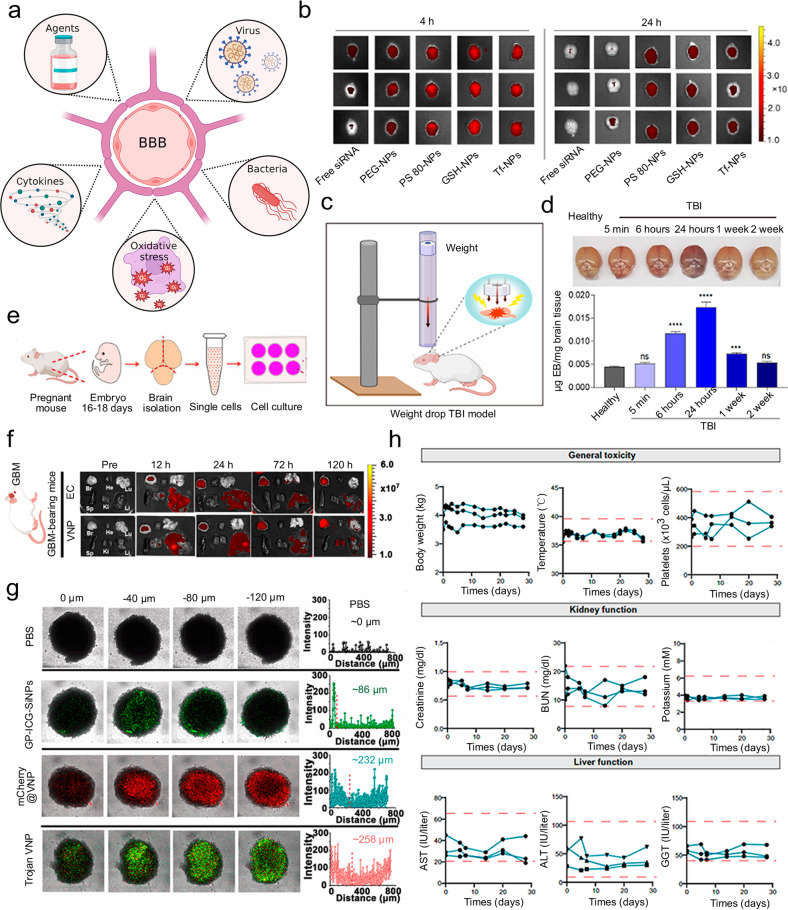
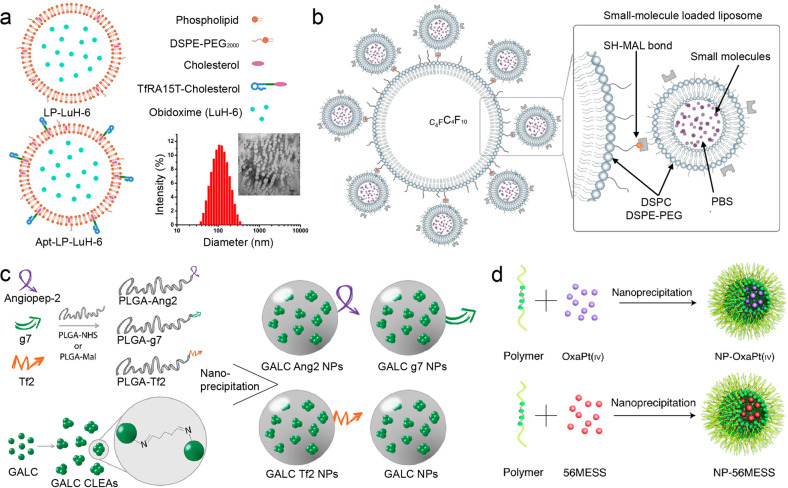
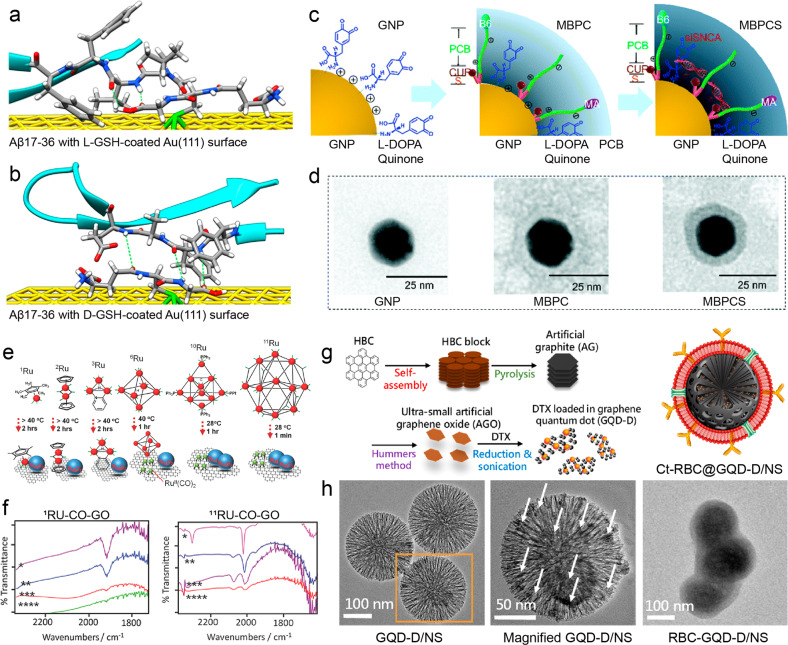
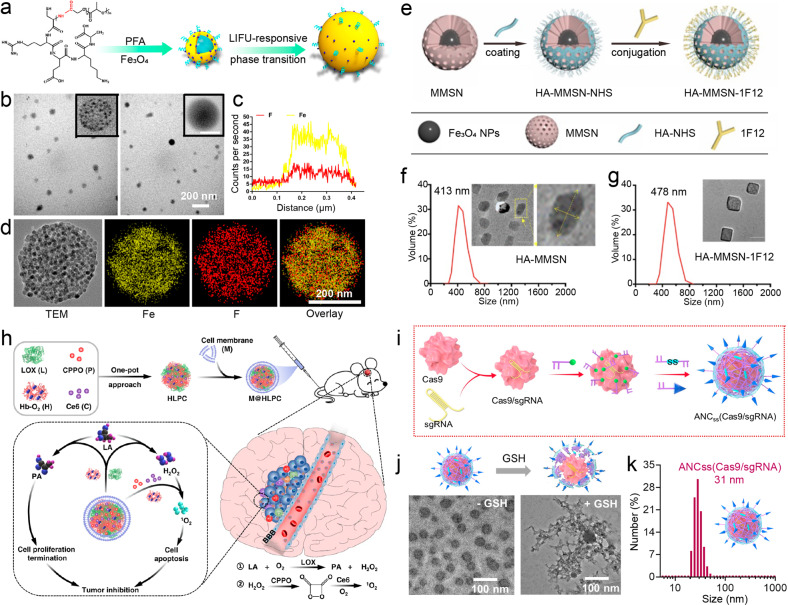
Verification
Claims the paper makes
49 Valid · 1 Not valid · 72 Not checked · 14 Own results and interpretations
At least one cited source doesn’t support this claim or points to a different paper, and none confirmed it — see the verdicts below.
In the paper
“Their method through the oscillating of microbubbles under the ultrasound field could implement the transport of the gene product beyond the blood vessels without breaking the tight junctions and disrupting the BBB.”
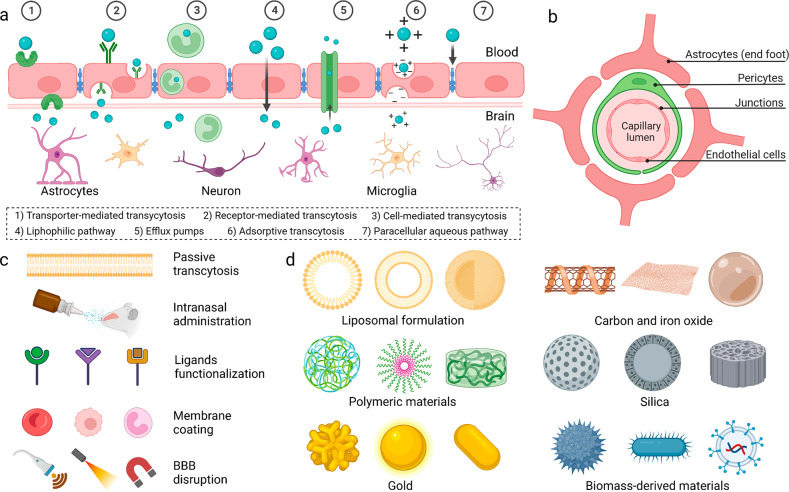
§ The blood–brain barrier: Structure, regulation and drug delivery > Strategies for BBB regulation and crossing Brain tumors, cerebrovascular diseases, and neurodegenerative diseases, including Parkinson’s disease, Alzheimer’s disease, and multiple sclerosis, are serious CNS diseases.132 However, therapies for these challenging diseases are limited, because of the lack of effective methods, to enable drugs surpass natural protective hindrances to maintain homeostasis within the brain for preventing the entry of drug molecules to the CNS.133 A number of drugs are routinely administrated by invasive strategies for the management of these diseases and symptom control. For instance, intrathecal drug administration is a typical method for drug delivery into the entire ventricular system without passing through the BBB.134,135 It has been approved to deliver anti-sense oligonucleotides for the treatment of spinal muscular atrophy.136 Other invasive strategies including convection-enhanced delivery,137,138 intracranial implantation,139,140 and deep-brain stimulation were developed for brain drug delivery.141,142 Recent development of microneedle and polymeric wafers with minimal invasiveness provides sustained drug release for CNS disease management which circumvent the BBB.143–146 But the potential risks from brain exposure and damage of these invasive strategies limited their applications for long-term use. In order to efficiently deliver drugs into the brain with safety and precision, various non-invasive strategies to overcome BBB have been exploited. These strategies include BBB penetration via passive transcytosis, intranasal administration, ligands conjugation, membrane coating, and the BBB disruption using light, focused ultrasound, biochemical reagents, and radiation. > External stimuli-mediated BBB disruption
What the sources say
- Disputedcites [225] Gorick, C. M. et al. Sonoselective transfection of cerebral vasculature without blood-brain barrier disruption. Proc. Natl Acad. Sci. USA 117, 5644–5654 (2020). 32123081 PMC7084076 sourceExperimental — accuracy not yet measured
The Abstract says the method uses low-pressure ultrasound and oscillating microbubbles to transfect cerebral endothelial cells without opening the BBB. Contrary to the claim of transport beyond blood vessels, the Discussion section “In Vivo Endothelial Cell Sonoporation without Tight Junction Disruption or Transcellular Transport” says transfection is nearly all confined to the endothelium and does not promote additional transcellular transport. (LLM, conf=0.90)
Checked by a reasoning model — may be wrong.
hedgedstates a cause- Asserted: passes — The authors put it forward as true.
- Checkable: passes — It can be checked against evidence.
- Load-bearing: passes — The paper’s conclusions depend on it.
- Based: passes — The paper gives a reason why it holds.
- Disputed
Every source the paper cites for this claim was checked and supports it.
In the paper
“BBB is a spacious, multicellular, and dynamic semi-permeable membrane that isolates the foreign substances in the blood from the CNS.27”
§ The blood–brain barrier: Structure, regulation and drug delivery > BBB structure and physiology > Anatomical structure of the BBB
What the sources say
- Supportedcites [27] Upton, D. H. et al. Challenges and opportunities to penetrate the blood-brain barrier for brain cancer therapy. Theranostics 12, 4734–4752 (2022). 35832071 PMC9254248 source
The Introduction (§ The Blood-Brain barrier; page not provided) calls the BBB a semi-permeable membrane and says it prevents potentially harmful exogenous substances from passing from the bloodstream into the brain. It also describes the endothelial cells, pericytes, and astrocytes that form the barrier. (LLM, conf=0.93)
plainstates a cause- Asserted: passes — The authors put it forward as true.
- Checkable: passes — It can be checked against evidence.
- Load-bearing: passes — The paper’s conclusions depend on it.
- Based: passes — The paper gives a reason why it holds.
- Supported
Every source the paper cites for this claim was checked and supports it.
In the paper
“However, therapies for these challenging diseases are limited, because of the lack of effective methods, to enable drugs surpass natural protective hindrances to maintain homeostasis within the brain for preventing the entry of drug molecules to the CNS.133”
§ The blood–brain barrier: Structure, regulation and drug delivery > Strategies for BBB regulation and crossing Brain tumors, cerebrovascular diseases, and neurodegenerative diseases, including Parkinson’s disease, Alzheimer’s disease, and multiple sclerosis, are serious CNS diseases.132 However, therapies for these challenging diseases are limited, because of the lack of effective methods, to enable drugs surpass natural protective hindrances to maintain homeostasis within the brain for preventing the entry of drug molecules to the CNS.133 A number of drugs are routinely administrated by invasive strategies for the management of these diseases and symptom control. For instance, intrathecal drug administration is a typical method for drug delivery into the entire ventricular system without passing through the BBB.134,135 It has been approved to deliver anti-sense oligonucleotides for the treatment of spinal muscular atrophy.136 Other invasive strategies including convection-enhanced delivery,137,138 intracranial implantation,139,140 and deep-brain stimulation were developed for brain drug delivery.141,142 Recent development of microneedle and polymeric wafers with minimal invasiveness provides sustained drug release for CNS disease management which circumvent the BBB.143–146 But the potential risks from brain exposure and damage of these invasive strategies limited their applications for long-term use. In order to efficiently deliver drugs into the brain with safety and precision, various non-invasive strategies to overcome BBB have been exploited. These strategies include BBB penetration via passive transcytosis, intranasal administration, ligands conjugation, membrane coating, and the BBB disruption using light, focused ultrasound, biochemical reagents, and radiation.
What the sources say
- Supportedcites [133] Yang, J., Luly, K. M. & Green, J. J. Nonviral nanoparticle gene delivery into the CNS for neurological disorders and brain cancer applications. Wiley Interdiscip. Rev. Nanomed. Nanobiotechnol. 15, e1853 (2022). 36193561 PMC10023321 source
The “Barriers of entry into the central nervous system” section says protective barriers maintain brain homeostasis and impede delivery of drug therapeutics. The “Systemic delivery” section calls crossing the blood–brain barrier the most prominent hurdle to CNS delivery, while the disease-profile section discusses brain tumors, stroke, and dementias. Page numbers are not available in our copy. (LLM, conf=0.88)
plainstates a cause- Asserted: passes — The authors put it forward as true.
- Checkable: passes — It can be checked against evidence.
- Load-bearing: passes — The paper’s conclusions depend on it.
- Based: passes — The paper gives a reason why it holds.
- Supported
The cited sources support only part of this claim — read each source’s verdict below.
In the paper
“In the BBB, tight junctions are the main functional components in sustaining the permeability barrier and controlling tissue homeostasis.88–91”
§ The blood–brain barrier: Structure, regulation and drug delivery > BBB structure and physiology > Anatomical structure of the BBB
What the sources say
- Supportedcites [88] Luissint, A. C., Artus, C., Glacial, F., Ganeshamoorthy, K. & Couraud, P. O. Tight junctions at the blood brain barrier: physiological architecture and disease-associated dysregulation. Fluids Barriers CNS 9, 23 (2012). 23140302 PMC3542074 source
The Abstract says BBB barrier properties notably depend on tight junctions and that the BBB is mandatory for cerebral homeostasis. The Background identifies tight junctions as a barrier to paracellular diffusion. Page numbers are not provided in our copy. (LLM, conf=0.88)
- Partly supportedcites [89] Anderson, J. M. & Van Itallie, C. M. Physiology and function of the tight junction. CSH Perspect. Biol. 1, a002584 (2009). PMC2742087 20066090 sourceExperimental — accuracy not yet measured
The Abstract (page unavailable) describes tight junctions as barriers that separate tissue spaces and regulate solute movement. The Size section (page unavailable) reports that deleting claudin-5 increases tight-junction permeability in blood vessels. These passages support a permeability-barrier role, but do not establish that tight junctions are the main functional components of the blood-brain barrier or that they control its tissue homeostasis. (LLM, conf=0.84)
- Partly supportedcites [90] Dong, X. Current strategies for brain drug delivery. Theranostics 8, 1481–1493 (2018). 29556336 PMC5858162 sourceExperimental — accuracy not yet measured
In “Blood-brain barrier in healthy brain,” the paper says tight junctions play a vital role in sustaining the permeability barrier and controlling tissue homeostasis. It does not identify tight junctions alone as the main functional components: it says interendothelial junctions collectively mainly control BBB permeability and adherens junctions primarily regulate endothelial-barrier permeability. (LLM, conf=0.86)
- Partly supportedcites [91] Ahlawat, J. et al. Nanocarriers as potential drug delivery candidates for overcoming the blood-brain barrier: challenges and possibilities. ACS Omega 5, 12583–12595 (2020). 32548442 PMC7288355 sourceExperimental — accuracy not yet measured
The Introduction’s “Blood–Brain Barrier (BBB)” section says tight junctions are the BBB’s main junctional component and restrict passage between endothelial cells, supporting their role in its permeability barrier. It attributes maintenance of homeostasis to the BBB as a whole, however, rather than specifically saying tight junctions control tissue homeostasis. No page number is available in our copy. (LLM, conf=0.83)
plainstates a cause- Asserted: passes — The authors put it forward as true.
- Checkable: passes — It can be checked against evidence.
- Load-bearing: unclear — It is unclear whether the paper’s conclusions depend on it.
- Based: passes — The paper gives a reason why it holds.
- Supported
Every source the paper cites for this claim was checked and supports it.
In the paper
“The paracellular pathway is the principal route blocked by the tight junctions of cell gaps, restricting ions, polar solutes, and most macromolecules.148”
§ The blood–brain barrier: Structure, regulation and drug delivery > Strategies for BBB regulation and crossing Brain tumors, cerebrovascular diseases, and neurodegenerative diseases, including Parkinson’s disease, Alzheimer’s disease, and multiple sclerosis, are serious CNS diseases.132 However, therapies for these challenging diseases are limited, because of the lack of effective methods, to enable drugs surpass natural protective hindrances to maintain homeostasis within the brain for preventing the entry of drug molecules to the CNS.133 A number of drugs are routinely administrated by invasive strategies for the management of these diseases and symptom control. For instance, intrathecal drug administration is a typical method for drug delivery into the entire ventricular system without passing through the BBB.134,135 It has been approved to deliver anti-sense oligonucleotides for the treatment of spinal muscular atrophy.136 Other invasive strategies including convection-enhanced delivery,137,138 intracranial implantation,139,140 and deep-brain stimulation were developed for brain drug delivery.141,142 Recent development of microneedle and polymeric wafers with minimal invasiveness provides sustained drug release for CNS disease management which circumvent the BBB.143–146 But the potential risks from brain exposure and damage of these invasive strategies limited their applications for long-term use. In order to efficiently deliver drugs into the brain with safety and precision, various non-invasive strategies to overcome BBB have been exploited. These strategies include BBB penetration via passive transcytosis, intranasal administration, ligands conjugation, membrane coating, and the BBB disruption using light, focused ultrasound, biochemical reagents, and radiation. > Passive transcytosis
What the sources say
- Supportedcites [148] Hersh, A. M., Alomari, S. & Tyler, B. M. Crossing the blood-brain barrier: advances in nanoparticle technology for drug delivery in neuro-oncology. Int. J. Mol. Sci. 23, 4153 (2022). 35456971 PMC9032478 source
The Introduction states that tight junctions connect BBB endothelial cells and, together with adherens junctions, restrict paracellular transport of ions, polar solutes, and most macromolecules. This supports the claim's description of the blocked pathway. (LLM, conf=0.90)
plainstates a cause- Asserted: passes — The authors put it forward as true.
- Checkable: passes — It can be checked against evidence.
- Load-bearing: unclear — It is unclear whether the paper’s conclusions depend on it.
- Based: passes — The paper gives a reason why it holds.
- Supported
74 more claims · 26 with their cited sources checked
Create a free account to see all 136 claims and to verify the 8 references still open.
- It may state two separate claims as one. 49
- The quote only partly states this claim. 3
- Probably not a substantial claim. 7
Claims other papers make about this one
Each is checked against this paper’s own text: does it say what the citing paper says it does?
The source backs part of the claim, not all of it — or backs it for a different population, condition or comparison.
In the citing paper
“Unfortunately, at present, systemic administration of siRNA-based therapeutics do not reach the CNS in meaningful concentrations due to the blood-brain barrier (BBB).3”
From Lipid-siRNA conjugate accesses a perivascular transport mechanism and achieves widespread and durable knockdown in the central nervous system (2024) · cites this paper as [3]
Experimental — accuracy not yet measuredThe cited source says what the claim attributes to it.
In the citing paper
“This protective barrier limits the entry of foreign substances, including drugs, into the central nervous system.”
The cited source says what the claim attributes to it.
In the citing paper
“ECs are the core anatomical structure of the BBB responsible for the link between the blood vessels and the CNS. Their membrane is negatively charged and allows the passage of small lipophilic molecules and specific substances via transporters present in their surface [6].”
The cited source says what the claim attributes to it.
In the citing paper
“This barrier is responsible for the regulation of molecule influx and efflux into and out of the brain.”
The cited source says what the claim attributes to it.
In the citing paper
“Also, despite the TJs that seal the ECs, some small and soluble molecules are also able to cross this gap between cells without mediation (paracellular pathway) [6].”
3 more claims about this paper
Create a free account to see every claim other papers make about this one.
Self-check
Percentages, sums and reported differences re-computed from the paper’s own numbers.
Self-check results appear here once an independent check has confirmed them.
Cited works that were retracted
Works this paper cites that were later retracted, from the retraction notices publishers deposit. Major when the notice came out before this paper was published.
A note, not an issue: for example, a cited work that was retracted only after this paper was published, which its authors could not have known.
In the paper
“375 More recently, variants of the AAV have been investigated for its potential use for BBB penetration.”
Cited work 10.1007/s12035-017-0746-5 · retracted 2026-05-14 · notice 10.1007/s12035-026-05921-w · this paper published 2023-05-25
Citations
Cites
1 retracted
Feng, L., Sharma, A., Niu, F., Huang, Y., Lafuente, J. V., Muresanu, D. F., Ozkızılcık, A., Tian, Z. R., & Sharma, H. S. (2017) · Molecular Neurobiology · doi:10.1007/s12035-017-0746-5 · Cited by 31 · cited 1×
“375 More recently, variants of the AAV have been investigated for its potential use for BBB penetration.”
BackgroundRetractedProspective identification of tumorigenic breast cancer cells
Al-Hajj, M., Wicha, M. S., Benito-Hernandez, A., Morrison, S. J., & Clarke, M. F. (2003) · Proceedings of the National Academy of Sciences · doi:10.1073/pnas.0530291100 · Cited by 10,370 · cited 1×
“Hyaluronic acid can specially target cell surface receptor CD44, which is highly expressed in breast cancer.(153) With the help of the CD44 target and MS boost, M@HNPs could penetrate blood–brain tumor barrier (BTB), internalizing into brain metastatic tumor cells (BMTCs), blunting drug efflux at BMTCs, and producing…”
BackgroundEngineering precision nanoparticles for drug delivery
Mitchell, M. J., Billingsley, M. M., Haley, R. M., Wechsler, M. E., Peppas, N. A., & Langer, R. (2021) · Nature Reviews Drug Discovery · doi:10.1038/s41573-020-0090-8 · Cited by 7,933
Astrocyte-endothelial interactions at the blood-brain barrier
Abbott, N. J., Rönnbäck, L., & Hansson, E. (2006) · Nature Reviews Neuroscience · doi:10.1038/nrn1824 · Cited by 5,595
Astrocytes: Biology and pathology
Sofroniew, M. V., & Vinters, H. V. (2010) · Acta Neuropathologica · doi:10.1007/s00401-009-0619-8 · Cited by 5,196
Structure and function of the blood–brain barrier
Abbott, N. J., Patabendige, A. A. K., Dolman, D. E. M., Yusof, S. R., & Begley, D. J. (2010) · Neurobiology of Disease · doi:10.1016/j.nbd.2009.07.030 · Cited by 5,185 · cited 1×
“2 In the meantime, catenins, p120, plakoprotein are responsible for supporting physics and regulating junctions by forming a bridge that interacts with zonula occludens-1 (tight junctions proteins) and the actin fi la-ments.”
BackgroundDelivery of siRNA to the mouse brain by systemic injection of targeted exosomes
Alvarez-Erviti, L., Seow, Y., Yin, H., Betts, C., Lakhal, S., & Wood, M. J. A. (2011) · Nature Biotechnology · doi:10.1038/nbt.1807 · Cited by 4,930
Liposomal drug delivery systems: From concept to clinical applications
Allen, T. M., & Cullis, P. R. (2013) · Advanced Drug Delivery Reviews · doi:10.1016/j.addr.2012.09.037 · Cited by 4,839 · cited 1×
“Liposomal formulations Liposomes are the first generation of drug delivery systems and have been widely used since their discovery in 1965.(248) They are composed of one or more lipid bilayers and hollow aqueous compartment, which endow them with loading versatility for both hydrophobic and hydrophilic therapeutic age…”
BackgroundDesigning hydrogels for controlled drug delivery
Li, J., & Mooney, D. J. (2016) · Nature Reviews Materials · doi:10.1038/natrevmats.2016.71 · Cited by 4,832
Doxil® — The first FDA-approved nano-drug: Lessons learned
Barenholz, Y. (. (2012) · Journal of Controlled Release · doi:10.1016/j.jconrel.2012.03.020 · Cited by 4,792
Research works printed but not linked: 1
- Oshra, B., Malka, S., Menachem, M. & Rachela, P. In Proc. SPIE, Nanoscale Imaging, Sensing, and Actuation for Biomedical Applications XVI. 108911H (2019).
Cited by
Items 1,601–1,700 of 1,850
Yuan, S., Li, Q., Kang, X., et al. (2026) · Research · doi:10.34133/research.1342
“However, systemic delivery of CAR-engineered cells to intracranial glioma can be constrained by inefficient trafficking across the blood–brain barrier (BBB), a protective structure formed by endothelial cells lining brain blood vessels [ 37 – 39 ].”
Sharma, K., Singh, B., Mastana, S. S., Singh, M., & Singh, P. (2026) · Neurology International · doi:10.3390/neurolint18060114
“It is primarily formed by brain microvascular endothelial cells, which are structurally and functionally distinct from peripheral endothelial cells due to the presence of continuous tight junctions, minimal transcytosis and highly selective transport systems [28,30].”
Rearming mesenchymal stem cells with engineering strategies to combat cancer
Yu, T., Jin, S., Xu, R., Zhang, Y., & Wang, X. (2026) · Frontiers in Immunology · doi:10.3389/fimmu.2026.1845224 · Cited by 1
“…brain metastases, where the blood-brain and blood-tumor barriers restrict exposure, as well as in peritoneal dissemination and immunologically cold tumors, where compartmentalized fl uid environments, stromal shielding, and de fi cient immune activation further limit therapeutic responsiveness (228).”
Motion for Medicine: Enzyme-Driven Active Systems for Drug Delivery
Shah, N., Nividha, Modi, U., Bhatia, D. D., & Dey, K. K. (2026) · ACS Nano Medicine · doi:10.1021/acsnanomed.5c00193
Ali, M. S., zhao, W., Li, H.-M., et al. (2026) · International Journal of Biological Macromolecules · doi:10.1016/j.ijbiomac.2026.152972
A longitudinal study of CLDN5 DNA methylation and PTSD
Grillo, A. R., Wallander, S., McCormick, B. M., Zhao, X., Logue, M. W., Miller, M. W., & Wolf, E. J. (2026) · Journal of Behavioral Medicine · doi:10.1007/s10865-026-00681-3 · Cited by 2
Nagatomo, T., Irino, H., Kanbara, Y., et al. (2026) · European Journal of Pharmaceutics and Biopharmaceutics · doi:10.1016/j.ejpb.2026.115148
Avanesyan, H., Parsadanyan, M. A., Shahinyan, M. A., Багдасарович, Л. А., Mikaelyan, M. S., Grigoryan, S. V., & Vardevanyan, P. O. (2025) · Neurophysiology · doi:10.1007/s11062-026-10001-9 · Cited by 1
“In the literature, there exist data, indicating that some specific brain disorders, including neurodegenerative diseases, result from blood-brain barrier permeability alteration [8, 10–14].”
Multitarget Actions of Pentacyclic Triterpenic Acids in Alzheimer’s Disease: Mechanistic Insights
Sharma, N., & An, S. S. A. (2026) · Molecules · doi:10.3390/molecules31122018
Atashgahi, M., Madani, F., & Webster, T. J. (2026) · International Journal of Nanomedicine · doi:10.2147/ijn.s599496
“74,75 Alterations in solute carrier (SLC) inflow mechanisms, ATP-binding cassette (ABC) efflux transporters, including P-glycoprotein (P-gp/ABCB1), and inflammation-responsive vesicular pathways, such as caveolae-and clathrin-mediated transcytosis, also modify the transendothelial transport of…”
Saylor, E. M., Kouba, A. J., Boudreau, M. R., Songsasen, N., & Kouba, C. K. (2026) · Comparative Biochemistry and Physiology Part A Molecular & Integrative Physiology · doi:10.1016/j.cbpa.2026.112034
(368913), F. X., Xin, Q., Fan, G., Gao, Y., Wang, D., & Feng, L. (2026) · Neurochemical Journal · doi:10.1134/s1819712426700236
Chen, Z., Jiang, Y., Yin, X., Li, Y., Sai, H., Song, Y., Shen, Z., & Chen, Q. (2026) · Frontiers in Pharmacology · doi:10.3389/fphar.2026.1835883 · Cited by 1
“…mannitol, focused ultrasound, increasing drug lipophilicity or increasing the dosage; however, these strategies are often accompanied by risks such as neurotoxicity, cerebral oedema, non-targeted distribution and systemic toxicity (Han, 2021; Wu et al., 2023; Nájera-Maldonado et al., 2025).”
Self-citationYusuf, A., Harati, R., Greish, K., & Haider, M. A. (2026) · Journal of Drug Delivery Science and Technology · doi:10.1016/j.jddst.2026.108594
Marcel, P. O. P. A., BURLUI, V., & Tincu, C.-E. (2025) · Annals of the Academy of Romanian Scientists Series on Physics and Chemistry · doi:10.56082/annalsarsciphyschem.2025.2.82
Wu, Y., Liu, L., You, D., Mao, T., Zheng, X., Dai, X., Xu, X., Wu, X., & Zhou, H. (2026) · Frontiers in Immunology · doi:10.3389/fimmu.2026.1840574
Nema, S., Sharma, A., Werneburg, S., Singh, A., & Singh, Y. (2026) · Elsevier eBooks · doi:10.1016/b978-0-443-33623-2.00014-3
Zeng, Y., Song, T., Liu, S., Liao, X., Hu, M., Yang, H., He, S., & Song, X. (2026) · Chinese Medical Journal BioMed · doi:10.65457/cmjbm-2026-0005 · Cited by 2
Nanocarriers focusing on synuclein misfolding as a therapeutic target
Parmar, K., Patel, J., & Jethva, A. (2026) · Elsevier eBooks · doi:10.1016/b978-0-443-33623-2.00020-9
Belkare, C. K., & Daware, O. V. (2026) · DARU Journal of Pharmaceutical Sciences · doi:10.1007/s40199-026-00617-x · Cited by 3
A mechanistic framework linking the oral microbiome to Alzheimer's disease through neuroinflammation
Evers, M. J. A. P., Krom, B. P., & de Jongh, C. A. (2026) · Journal of Alzheimer s Disease · doi:10.1177/13872877261456324
Khan, N. H., Bushra, M. A., Selina, F. A., & Arbab, A. S. (2026) · Cancers · doi:10.3390/cancers18121923 · Cited by 3
Bhore, A. K., Maiti, A., & Nasker, N. (2026) · Smart innovation, systems and technologies · doi:10.1007/978-3-032-21164-4_33
Yang, Q., Li, Z. T., Tan, Z., Wang, X., Hao, S., He, Y., Zhong, X., Li, J., Xue, Y., Yu, T., et al. (2026) · ACS Applied Materials & Interfaces · doi:10.1021/acsami.6c03017
Liu, M., Hong, H., Zhang, X., Ren, J., & Tang, C. (2026) · The American Journal of Chinese Medicine · doi:10.1142/s0192415x26500400
Targeting Neurotrophin Regulation by Polyphenols: Mechanistic Basis for Cognitive Resilience
Barciela, P., Perez-Vazquez, A., Carpena, M., & Prieto, M. A. (2026) · doi:10.3390/msf2026046003
“BBB permeability is heterogeneous and is subject to stereochemistry, lipophilicity, transporter interactions, and extensive phase II and colonic metabolism [39].”
25+ Years of TRPV4: From Discovery to Translational HorizonsPreprint
Liedtke, W. (2026) · Research Square · doi:10.21203/rs.3.rs-10022857/v1
Design and Synthesis of Odorranalectin-Derived Peptides for RNA Binding
Damjanović, T., & Čudić, P. (2026) · International Journal of Peptide Research and Therapeutics · doi:10.1007/s10989-026-10841-3
Neurobehavioural Effects of the Methylimidazolium Ionic Liquid M8OI in Rats
Abdelghany, T. M., Budastour, A. A., Kamel, A. S. E. D., Ibrahim, S. M., Charlton, A., Wilkinson, S., Arden, C., Abdelkader, N. F., & Wright, M. C. (2026) · Journal of Xenobiotics · doi:10.3390/jox16030113
“In this respect, it is also known that M8OI is a substrate for transporters (p-glycoprotein and BCRP) in the rat [43], and this likely explains, at least in part, the lower levels of M8OI in the brain.”
Gao, Y., Duan, C., Zheng, X., & Qu, L. (2026) · NeuroToxicology · doi:10.1016/j.neuro.2026.103494
Chen, H., Lin, Y. Y., Kang, D., & Zhao, T. (2026) · Journal of Alzheimer s Disease Reports · doi:10.1177/25424823261462546 · Cited by 1
TFPI2 promotes NK cell–mediated glioblastoma killing through adhesion and checkpoint control
Zheng, D., Li, F., Zhang, Z. H., Dong, Y., Zhang, X., Li, X., Yang, J., Peng, S., Chen, B., Sun, S., et al. (2026) · Proceedings of the National Academy of Sciences · doi:10.1073/pnas.2529973123
Hermosillo‐Abundis, C., Arias-Carrión, Ó., Contreras‐Ibáñez, C. C., & Mendéz-Rojas, M. A. (2026) · ACS Omega · doi:10.1021/acsomega.5c12354
Biomaterials for Treatments of Neurodegenerative Disorders
Yu, Y. P., & Ding, J. (2026) · Engineering · doi:10.1016/j.eng.2026.06.006 · Cited by 1
Jin, L., Yang, W., Liu, G., & 程春松 (2026) · Letters in Drug Design & Discovery · doi:10.1016/j.lddd.2026.100440 · Cited by 1
Podder, A., Kosara, S., Yadav, S. K., Verma, D., Mishra, D. T. P., Solanki, R., Bhatia, D. D., & Yadav, A. K. (2026) · Analytical Chemistry · doi:10.1021/acs.analchem.5c08199 · Cited by 1
Korram, P., & Satapathy, T. (2026) · Letters in Drug Design & Discovery · doi:10.1016/j.lddd.2026.100403
Rewiring Intercellular Communication with Self-Assembling Nanofibers
Aloisio, L., Vurro, V., Scaccabarozzi, A. D., et al. (2026) · ACS Nano · doi:10.1021/acsnano.6c07710
“21 DTTO is a small conjugated molecule previously shown to efficiently enter living cells and reproducibly self-assemble into ordered supramolecular nanofibers.”
Cawthray, J. (2026) · Journal of Inorganic Biochemistry · doi:10.1016/j.jinorgbio.2026.113397
Tahamtan, A., Nissapatorn, V., Saravanabhavan, S. S., Taherkhani, S., & Aghcheli, B. (2026) · Current Microbiology · doi:10.1007/s00284-026-05018-6 · Cited by 1
Lu, K.-J., Hsu, C.-Y., Jayakumar, T., Hsieh, C., & Teng, R.-D. (2026) · Biomedicines · doi:10.3390/biomedicines14071442
“The BBB is a highly specialized structure composed primarily of endothelial cells, pericytes, and astrocytic end-feet, which collectively regulate the exchange of molecules between the bloodstream and the central nervous system [11].”
Yu, X., Lü, Y., Tan, Z., Gao, S., Ye, L., Luo, X. H., Xie, J., Miao, Y., Wang, B., Liang, C., et al. (2026) · Journal of Nanobiotechnology · doi:10.1186/s12951-026-04734-2 · Cited by 1
“A key limitation of current therapies is their poor ability to cross the blood-brain barrier (BBB) and effectively reach the central nervous system (CNS), thereby restricting their capacity to restore neuronal and glial function [8].”
Apolipoprotein E in drug delivery systems—targeted pharmacotherapeutics
Pandey, J., & Jain, S. (2026) · Elsevier eBooks · doi:10.1016/b978-0-443-40563-1.00009-0
Fatima, Z., Abbasi, M. A., Rehman, A.-U., Siddiqui, S. Z., Raza, H., Shah, S. A. A., Shahid, M., & Kim, S. J. (2026) · Journal of Molecular Structure · doi:10.1016/j.molstruc.2026.146917
Immunotherapy and drug delivery: New frontiers
Dwivedi, A., Shidhaye, S., Trivedi, R., Priyanka, S., Yusufi, R., & Vinchurkar, K. (2026) · Elsevier eBooks · doi:10.1016/b978-0-443-40620-1.00014-5
Biological barriers and their overcoming in drug delivery
Ranpara, R., Garala, K., Ughreja, R., & Vinchurkar, K. (2026) · Elsevier eBooks · doi:10.1016/b978-0-443-40620-1.00013-3
Wu, N., Zhang, X., Du, J., Li, Y., Zhang, J., & Cui, M. (2026) · Journal of Medicinal Chemistry · doi:10.1021/acs.jmedchem.6c00942 · Cited by 1
Liu, X., Liu, S., Sun, K., et al. (2026) · Chemical Engineering Journal · doi:10.1016/j.cej.2026.178890
Polymeric micelles as versatile shuttles: Strategic approaches for glioblastoma-targeted delivery
Verma, M., Kumar, A., Kanaujiya, S., Subhashchandra, G. K., Mittal, K., & Rajinikanth, P. S. (2026) · Journal of Drug Delivery Science and Technology · doi:10.1016/j.jddst.2026.108622
Bernardo-Cervantes, A. G., & Castañeda‐Cabral, J. L. (2026) · Neurophysiology · doi:10.1007/s11062-026-10026-0 · Cited by 1
Castillo, J. A., Uppuluri, J., Le, M., Tran, T., Pivetti, C. D., Huang, K., Vatoofy, S., Ratcliff, A., Dangan, A., Bannerman, S., et al. (2026) · The Journal of Trauma: Injury, Infection, and Critical Care · doi:10.1097/ta.0000000000005054
Lv, Z., Yu, J., Bian, D., Yao, S., Zhang, J., & 郭登洲 (2026) · Journal of Ethnopharmacology · doi:10.1016/j.jep.2026.122138
Zhang, Y., Pu, J., Shen, Z., Zhang, Y., Liu, J., Zhang, D., Deng, K., & Yao, Y. (2026) · World Neurosurgery · doi:10.1016/j.wneu.2026.125172 · Cited by 1
Khamis, W. M., Hussein, H. H., & Al‐Hilaly, Y. K. (2026) · The Scientific World JOURNAL · doi:10.1155/tswj/7213377
Lewy, T., Sierra, M. A., Pourshadi, N., Hoffmann, H.-H., Dinnon, K. H., Gola, A., Wang, W., Chen, H.-A., Quirk, C., Zhang, H., et al. (2026) · Immunity · doi:10.1016/j.immuni.2026.06.009
FGF17 synergistically targets neuronal survival and oligodendrogenesis to restore stroke deficits
Li, Y., Jiang, X., Chen, Q. W., Li, W., Li, Y., Xu, K., & Li, L. (2026) · Neurotherapeutics · doi:10.1016/j.neurot.2026.e00954 · Cited by 1
“Although intracranial injection can bypass the BBB, its invasive nature limits its suitability for repeated administration [35,36].”
Self-citationZaccarelli‐Magalhães, J., Udo, M. S. B., Smith, D. J., Langman, J., Matuguma, L. H., Gomes, G. N., Rodriguez, P., Husan, A., Zhang, Q., Kevil, C. G., et al. (2026) · British Journal of Pharmacology · doi:10.1111/bph.70535
Doroudian, M., Rahimian, S., Abbasgholinejad, E., & Najafi, H. (2026) · Elsevier eBooks · doi:10.1016/b978-0-443-33639-3.00003-9
Kumar, S., & Ghosh, M. K. (2026) · Nanomedicine Nanotechnology Biology and Medicine · doi:10.1016/j.nano.2026.102990
Neuroinflammation: molecular mechanisms, triggers, and biomarkers for clinical stratification
Khyzhnyak, M. V., Vasylieva, I. G., & Gafiychuk, Y. (2026) · Ukrainian Neurosurgical Journal · doi:10.25305/unj.350308
“This reduces the effectiveness of systemic therapy and increases the risk of inflammatory chronicization [39, 40].”
Brain barriers as checkpoints in endocrine regulation of body homeostasis
Kang, D. Y., Lee, M. J., Kim, S. C., Park, S., An, J. H., Pyo, C. H., Kim, Y., Jeong, J., Park, Y., Yeo, M., et al. (2026) · Journal of Cerebral Blood Flow & Metabolism · doi:10.1177/0271678x261444202
Prospects of DNA nanotechnology in stroke repair and regeneration
Kansara, K., Jantrania, K., Chokshi, S., Bhatia, D. D., & Kumar, A. (2026) · Communications Biology · doi:10.1038/s42003-026-10617-x
“In 2018, with the release of ICD-11, it rightly classi fi ed stroke as a neurological disorder, prompting increased research into the fi eld 4 .”
Benlarbi, M., Andalibi, M. S. S., Bélanger, É., Tauzin, A., Dionne, K., Chandravanshi, M., Medjahed, H., Bourassa, C., Tolbert, W. D., Pazgier, M., et al. (2026) · AIDS · doi:10.1097/qad.0000000000004578
HPV16E7-specific affitoxin induces GSDME-mediated pyroptosis via a caspase-3-independent pathway
Li, Y., Jing, X., Liu, J., Feng, S., Wan, K., Xie, Z., Zhang, L., Du, W., & Li, W. (2026) · International Journal of Antimicrobial Agents · doi:10.1016/j.ijantimicag.2026.107911
Ifham, A. (2026) · Biomedical Letters · doi:10.47262/bl/12.1.20260304
Mehrabi, Z., Gharavi, A. T., Mehrabi, S. M. R., Irian, S., & Shokrgozar, M. A. (2026) · Research Square · doi:10.21203/rs.3.rs-10218836/v1
Xu, B., Yang, H., Chen, K. X., Wang, L., Fan, J., 杜垬, Guo, W., Ruan, R. R., Yan, X., Yin, Y., et al. (2026) · Biotechnology Advances · doi:10.1016/j.biotechadv.2026.108979
The neuroimmune-glutamate hypothesis of addiction
Gipson, C. D., White, A. M., Richie, D. L., McNealy, K. R., Stoops, W. W., & Ornelas, L. C. (2026) · Neuroscience & Biobehavioral Reviews · doi:10.1016/j.neubiorev.2026.106859
Yang, P., Hua, S., An, W., Wang, Z., He, T., Zhang, S., Yan, J., Qian, K., Ding, Q., Hou, Y., et al. (2026) · Chemical Engineering Journal · doi:10.1016/j.cej.2026.179265
Chen, F., Wang, L., Liu, H., Khan, Q., Tang, B., & Bao, N. (2026) · Journal of Nanobiotechnology · doi:10.1186/s12951-026-04551-7
“These challenges have been addressed by various approaches that modify the drug-loaded nanocarriers to enable easy BBB crossing [185].”
Intranasal dopamine: Anatomical pathways, biological mechanisms and neuromodulatory potential
Chao, O. Y.-H., Nikolaus, S., Mattern, C., Chiou, L., & Huston, J. P. (2026) · Neuroscience & Biobehavioral Reviews · doi:10.1016/j.neubiorev.2026.106866 · Cited by 1
Karmakar, P., Majhi, S., Chaudhary, N., Karmakar, P., & Mishra, M. (2026) · Neuroscience · doi:10.1016/j.neuroscience.2026.07.017
Singh, D. (2026) · Discover Neuroscience · doi:10.1186/s13064-026-00298-x
“While conditions such as Alzheimer’s disease, Parkinson’s disease, and ischemic stroke are frequently associated with BBB dysfunction, this disruption is spatially heterogeneous, temporally dynamic, and often counterbalanced by compensatory mechanisms that preserve barrier selectivity [12].”
Cross-scale mechanistic insights into ultrasound pulse-length dependent BBB opening
Shen, Y., Qiao, C., Cai, Y., Liu, Z., Xu, Y., Hu, M., Zhang, J., Ma, L., & Li, F. (2026) · Journal of Controlled Release · doi:10.1016/j.jconrel.2026.115165 · Cited by 1
Zheng, S., Li, G., Wei, P., Ding, C., Yang, F., Li, S., Li, H., Liu, X., Niu, X., Hu, Y. T., et al. (2026) · Chinese Chemical Letters · doi:10.1016/j.cclet.2026.113208
The nano-intervention in Huntington’s disease: A theragnostic approach
Kumar, A., Dewangan, J. P., Kumar, S., Parveen, S., Sahebkar, A., Kesharwani, P., & Shukla, R. (2026) · Neuroscience · doi:10.1016/j.neuroscience.2026.07.022 · Cited by 1
Xenobiotics: Sources, Fate, and Transport in the Human Body
Reddy, U., Joy, L., Padmanabhan, U., & Jain, A. (2026) · Springer eBooks · doi:10.1007/978-3-032-28619-2_2
Bhattacharjee, S. (2026) · Advanced Materials Interfaces · doi:10.1002/admi.70595
van de Langerijt, K. A., Kibria, M. G., Villa, G. R., & Mineo, M. (2026) · Cells · doi:10.3390/cells15141251
“The BBB is a highly specialized neurovascular structure composed of brain endothelial cells, astrocytes, pericytes, and junctional complexes, including tight and adherens junctions [65].”
Shang, X., Luo, D., & Dahlgren, R. A. (2026) · Environmental Science & Technology · doi:10.1021/acs.est.6c08892
Nanotechnology Interventions in Neuroscience: Current Perspectives and Strategies
Arora, S., Bhatia, N., & Singh, R. (2026) · Reference series in phytochemistry · doi:10.1007/978-3-031-69044-0_11-1
Cheng, T., Hao, W., Li, M., Yang, Y., Rao, Z., & Yang, W. (2026) · Phytomedicine · doi:10.1016/j.phymed.2026.158590 · Cited by 1
Tau-mediated Mechanisms in Alzheimerʼs Disease Pathogenesis
Narayanappa, T. S., Ananthanarayana, V., & Chinnathambi, S. (2026) · Molecular Neurobiology · doi:10.1007/s12035-026-06057-7
“The BBB is composed of endothelial cells, astrocytes, pericytes, and smooth muscle cells that protect the central compartment through selective regulation of movement of neurotoxins and serum factors via specialized tight junctions and transporters [144, 145, 147].”
Wen, J., Liu, F., Zhang, L., Lu, L., Liang, S., & Du, S. (2026) · Frontiers in Pharmacology · doi:10.3389/fphar.2026.1836187
“However, their large molecular size limits their ability to cross the blood–brain barrier, thereby restricting their utility in central nervous system disorders (Gautam et al., 2023; Wu et al., 2023).”
Ahn, H., Gourrierec, T. L., Jung, Y., Kim, S., Hwang, S.-H., Park, J., Lee, D. Y., Sohn, C. H., & Park, S. (2026) · NeuroImage · doi:10.1016/j.neuroimage.2026.122132
Li, H., Zhao, J., Wang, H., Yuan, X., Zhang, L., Bian, C., Zhang, X., Chen, H., Xie, X., & Wang, F. (2026) · Genes & Diseases · doi:10.1016/j.gendis.2026.102370
Jia, Q., Zhang, P., Liu, Q., Sang, E., Chen, Z., Shao, J., Ding, Y., Bai, F., & Huang, Q. (2026) · Frontiers in Molecular Biosciences · doi:10.3389/fmolb.2026.1844734
Self-citationRajasekaran, N. K., Ashok, C., Jeyabalan, S., Veeraraghavan, G., Subramaniyan, V., Devaraja Dravida Pandiyan, S., Wong, L. S., Sekar, M., & Jaganathan, R. (2026) · Discover Public Health · doi:10.1186/s12982-026-02436-6 · Cited by 1
Chemotherapy-Induced Brain Damage: Mechanisms and Insights from Rodent Models
Veljković, M., Džopalić, T., Randjelović, P. J., Dragonjić, L. P., Milenković, J., & Ilić, I. (2026) · Brain Sciences · doi:10.3390/brainsci16070750 · Cited by 1
“…the exchange of substances between the blood and the brain, allowing passive diffusion of small lipophilic molecules ( 400–500 Da) and selective transport via specialized carriers, while preventing the entry of most macro-molecules and over 98% of drugs into the central nervous system [138,141].”
Awuni, E. (2026) · Journal of Chemical Research · doi:10.1177/17475198261469655
Microneedle-mediated drug delivery systems for brain diseases
Li, J., Wang, Y., Ma, X., Bi, X., Wu, T., Zhang, N., Wang, F., Liu, T., & Geng, F. (2026) · Nanomedicine Nanotechnology Biology and Medicine · doi:10.1016/j.nano.2026.102996 · Cited by 1
Self-citationFilippidis, P., Lu, C., Orlinick, B. L., Pang, A. P. S., Nelson, A., Spudich, S., Roman, F. M., Zigáčková, D., Singareddy, N., Mehta, S. S., et al. (2026) · Science Advances · doi:10.1126/sciadv.aee1278 · Cited by 1
“This discrepancy arises because unlike soluble IgM, a large pentameric molecule restricted by blood-brain barrier size exclusion limits ( 54 , 55 ), B cells expressing surface IgM are not subject to these hydrodynamic constraints.”
Wang, Y., Wang, Y., Wang, Y., & Wang, J. (2026) · Journal of Biomedical Informatics · doi:10.1016/j.jbi.2026.105079
Self-citationTsai, H.-P., Lee, T., Lin, H.-L., Lin, T.-W., Chang, W.-C., & Lin, C. (2026) · Journal of Enzyme Inhibition and Medicinal Chemistry · doi:10.1080/14756366.2026.2694181
Sun, Y., Fu, Q., Deng, K., Zhang, H., Zuo, Z., He, Z. Y., & Yang, Z. (2026) · International Journal of Molecular Sciences · doi:10.3390/ijms27146388
Pattnaik, P. P., Prusty, S. K., Pati, S., Jew, K. A., Bora, A. K., Sahoo, J., & Sahu, P. K. (2026) · Gene · doi:10.1016/j.gene.2026.150318 · Cited by 1
Multi-Objective Active Learning Overcomes Liver Tropism in LNP- Mediated mRNA Delivery to the BrainPreprint
Maretha, D. E., Ichsan, C., Wijaya, F. K., Soleha, S., Rohmatullaili, R., & Sukmawati, D. (2026) · Research Square · doi:10.21203/rs.3.rs-10380055/v1
Targeting mitochondria for the treatment of neurodegenerative diseases
Li, Q., & You, M. (2026) · Frontiers in Neuroscience · doi:10.3389/fnins.2026.1835506
“Achieving this objective, however, requires therapeutic cargos to traverse multiple biological barriers, including the blood–brain barrier (BBB), cellular membranes and the double-membrane architecture of mitochondria (Achar et al., 2021; Wu et al., 2023; Zha et al., 2024).”
Zhao, P.-X., Tian, Y., Yuan, W., Bai, Y., Zhu, Y., Wang, L., Wu, R., Han, F., & Fan, T. (2026) · Pharmaceutics · doi:10.3390/pharmaceutics18070901
“Furthermore, the presence of the blood–brain barrier (BBB) prevents most of the drugs from entering the brain [4].”
Self-citationGao, Z., DEOLIVEIRA, L., Khatun, A., Li, Y., Li, Z., Dave, D. R., Qiu, R., Metlushko, A., Ahmed, Y., Palmer, L. C., et al. (2026) · ACS Nano · doi:10.1021/acsnano.6c01585
Metadata
- Authors
- Wu, D., Chen, Q., Chen, X., Han, F., Chen, Z., & Wang, Y.
- Affiliations
- Zhejiang Chinese Medical University (CN)
- Nanjing Medical University (CN)
- Corresponding author
- Wu, Di
- Chen, Zhong
- Wang, Yi
- Venue
- Signal Transduction and Targeted Therapy
- Published
- 2023-05-25
- Volume
- 8
- Issue
- 1
- Pages
- 217-217
- ISSN
- 2059-3635 (ISSN-L)
- PMC
- PMC10212980
- OpenAlex
- W4378217890
- Semantic Scholar
- 1dd602f298d3e4fadff86dba309fb1ae7028e8f1
- Cited by
- 1,906
- References
- 409
- Citations by year
- 2026: 723 · 2025: 785 · 2024: 351 · 2023: 46
- FWCI
- 49.60
- Type
- journal article
- Language
- en
- Open access
- gold
- doi.org
- Licence
- cc-by
- creativecommons.org/licenses/by/4.0 (tdm)
- creativecommons.org/licenses/by/4.0 (vor)
- Locations
- Signal Transduction and Targeted Therapy (publishedVersion, cc-by)
- PubMed Central (publishedVersion, cc-by)
- PubMed (publishedVersion)
- DOAJ (DOAJ: Directory of Open Access Journals) (submittedVersion, cc-by-sa)
- Funders
- Natural Science Foundation of Zhejiang Province (LD22H310003)
- National Natural Science Foundation of China (82003666)
- National Foundation of Zhejiang Province
- Topics
- Life Sciences › Neuroscience › Neurology › Barrier Structure and Function Studies
- Health Sciences › Medicine › Oncology › Drug Transport and Resistance Mechanisms
- Physical Sciences › Materials Science › Biomaterials › Nanoparticle-Based Drug Delivery
- Keywords
- blood-brain barrier, brain drug delivery, intranasal drug delivery, ligand conjugation, nanomaterials
- MeSH terms
- Biological Products, Biological Transport, Blood-Brain Barrier, Brain, Pharmaceutical Preparations, Drug Delivery Systems
About these checks
Registry, retraction, Cites and statistics results are computed, not judged, with one exception: a printed reference that no index lists is read once by a model before it counts as a citation error. Claims are extracted by a model and kept only when their quote appears verbatim in the text; each cited source is then checked, with a model’s help, for whether it says what the claim relies on. Those verdicts can be wrong — read the claim’s quote and the cited source before relying on one.
The claim verdicts this report counts are experimental: their accuracy is not yet measured.
A language model drew the claims from the paper on 2026-10-10, under version 3 of the claim definition (model deepseek-v4.1-flash, prompt extract-v3).
A second model labelled each claim on 2026-10-10 (model jev-1.13-20260917, definition revision gold-guideline-v0.2).
Cited sources are checked with a language model’s help (gpt-6-sol).
Statistics and arithmetic are recomputed, not judged.
Confidence bands are shown only for fields calibrated on our annotated test set. None is calibrated yet, so no band is shown.
What counts as a claim ›How we measure confidence ›How we check this ›
Are you an author, or do you see a problem with this page? Request a review
Data sources
Bibliographic data: Semantic Scholar, OpenAlex, Crossref.
Contains information from the Semantic Scholar Academic Graph Datasets, made available under the ODC Attribution License (ODC-BY 1.0).
Semantic Scholar’s data is described in: Kinney, R., et al. (2023). The Semantic Scholar Open Data Platform. arXiv:2301.10140.
