

Defining the role of the tumor vasculature in antitumor immunity and immunotherapy
Open accessThe DOI matches its Crossref record; 111 of the 112 references it cites were found in a registry or an index.
Abstract
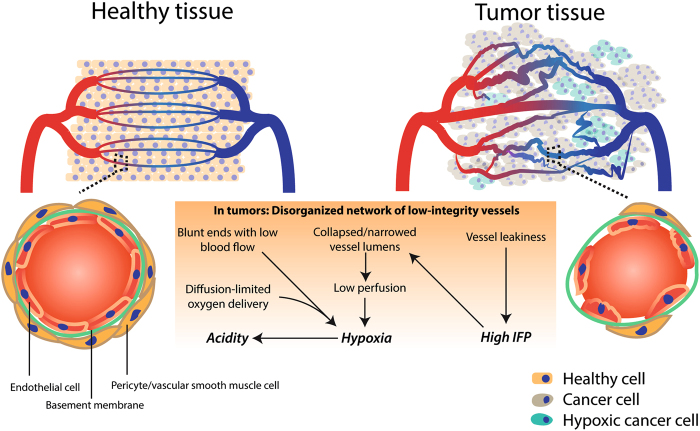
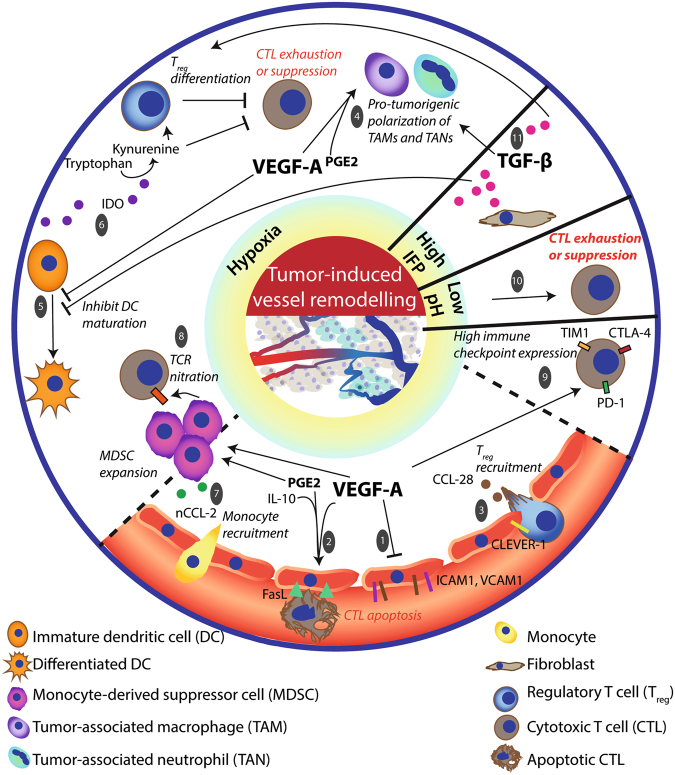
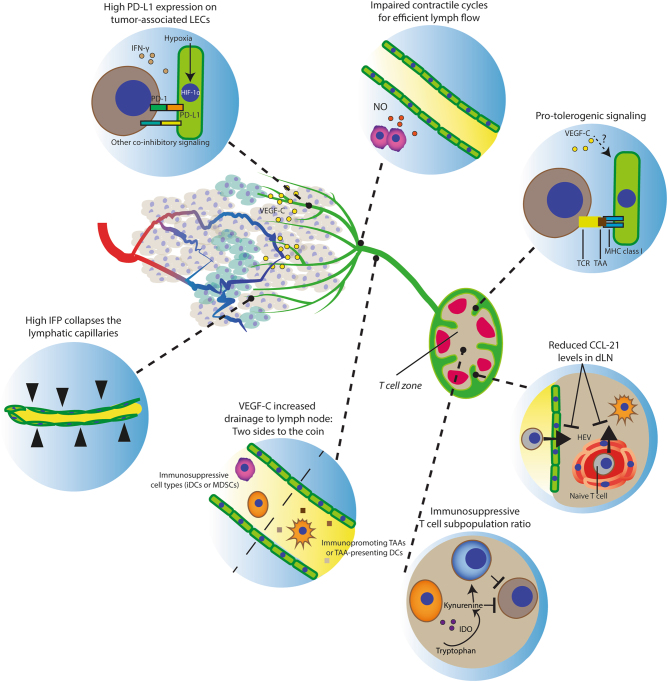
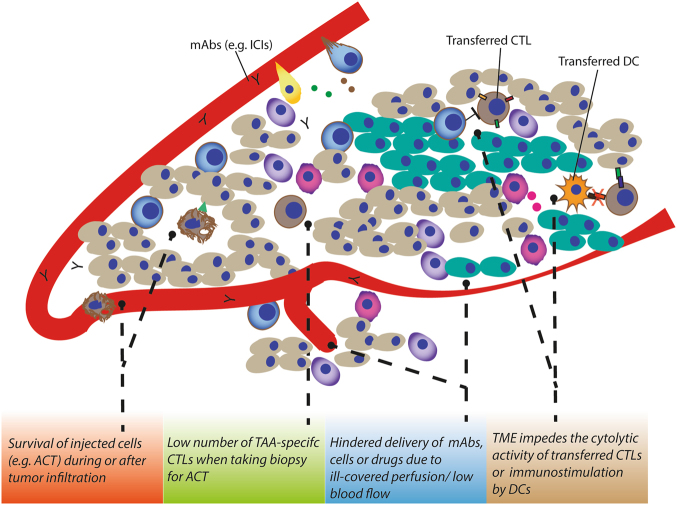
It is now well established that cancer cells co-exist within a complex environment with stromal cells and depend for their growth and dissemination on tight and plastic interactions with components of the tumor microenvironment (TME). Cancer cells incite the formation of new blood and lymphatic vessels from preexisting vessels to cope with their high nutrient/oxygen demand and favor tumor outgrowth. Research over the past decades has highlighted the crucial role played by tumor-associated blood and lymphatic vasculature in supporting immunoevasion and in subverting T-cell-mediated immunosurveillance, which are the main hallmarks of cancers. The structurally and functionally aberrant tumor vasculature contributes to the protumorigenic and immunosuppressive TME by maintaining a cancer cell's permissive environment characterized by hypoxia, acidosis, and high interstitial pressure, while simultaneously generating a physical barrier to T cells' infiltration. Recent research moreover has shown that blood endothelial cells forming the tumor vessels can actively suppress the recruitment, adhesion, and activity of T cells. Likewise, during tumorigenesis the lymphatic vasculature undergoes dramatic remodeling that facilitates metastatic spreading of cancer cells and immunosuppression. Beyond carcinogenesis, the erratic tumor vasculature has been recently implicated in mechanisms of therapy resistance, including those limiting the efficacy of clinically approved immunotherapies, such as immune checkpoint blockers and adoptive T-cell transfer. In this review, we discuss emerging evidence highlighting the major role played by tumor-associated blood and lymphatic vasculature in thwarting immunosurveillance mechanisms and antitumor immunity. Moreover, we also discuss novel therapeutic approaches targeting the tumor vasculature and their potential to help overcoming immunotherapy resistance.
Overview
The claims and statistics of this paper haven’t been checked yet.
Free: it reads the open-access text and checks the first 5 claims that cite a source we can check. Create a free account to check every claim.
Integrity signals
Registry
Cites
Statistics
Figures
Verification
Claims the paper makes
The claims and statistics of this paper haven’t been checked yet.
Free: it reads the open-access text and checks the first 5 claims that cite a source we can check. Create a free account to check every claim.
Claims other papers make about this one
Each is checked against this paper’s own text: does it say what the citing paper says it does?
The source backs part of the claim, not all of it — or backs it for a different population, condition or comparison.
In the citing paper
“‘cold’ tumors often suffer from impaired blood perfusion, restricting the effective delivery of therapeutics and cytotoxic immune cells, leading to hypoxia—a hallmark of the abnormal TME inducing immunosuppression (Schaaf et al., 2018).”
From Microphysiological systems as models for immunologically ‘cold’ tumors (2024) · cites this paper as Schaaf et al., 2018
Experimental — accuracy not yet measured
Self-check
Percentages, sums and reported differences re-computed from the paper’s own numbers.
The self-check needs the paper’s full text.
Citations
Cites
Angiogenesis in cancer and other diseases
Carmeliet, P., & Jain, R. K. (2000) · Nature · doi:10.1038/35025220 · Cited by 9,070 · cited 1×
“[6] MDSCs are a source of reactive nitrogen species that nitrate CCL-2 and tyrosines of the T-cell receptor that recruits more monocytes [7] and impedes CTL antigen recognition, [8] respectively.”
Accessories to the Crime: Functions of Cells Recruited to the Tumor Microenvironment
Hanahan, D., & Coussens, L. M. (2012) · Cancer Cell · doi:10.1016/j.ccr.2012.02.022 · Cited by 4,632
Polarization of Tumor-Associated Neutrophil Phenotype by TGF-β: “N1” versus “N2” TAN
Fridlender, Z. G., Sun, J., Kim, S., Kapoor, V., Cheng, G., Ling, L., Worthen, G. S., & Albelda, S. M. (2009) · Cancer Cell · doi:10.1016/j.ccr.2009.06.017 · Cited by 3,371
Immunogenic Cell Death in Cancer Therapy
Kroemer, G., Galluzzi, L., Kepp, O., & Zitvogel, L. (2013) · Annual Review of Immunology · doi:10.1146/annurev-immunol-032712-100008 · Cited by 3,303
Macrophage activation and polarization
Martinez, F. O. (2008) · Frontiers in Bioscience · doi:10.2741/2692 · Cited by 3,160
The Immunobiology of Cancer Immunosurveillance and Immunoediting
Dunn, G. P., Old, L. J., & Schreiber, R. D. (2004) · Immunity · doi:10.1016/j.immuni.2004.07.017 · Cited by 3,032
Noman, M. Z., Desantis, G., Janji, B., Hasmim, M., Karray, S., Dessen, P., Bronte, V., & Chouaib, S. (2014) · Journal of Experimental Medicine · doi:10.1084/jem.20131916 · Cited by 2,166
Natural Innate and Adaptive Immunity to Cancer
Vesely, M. D., Kershaw, M. H., Schreiber, R. D., & Smyth, M. J. (2011) · Annual Review of Immunology · doi:10.1146/annurev-immunol-031210-101324 · Cited by 2,101
Cancer immunotherapy via dendritic cells
Palucka, K., & Banchereau, J. (2012) · Nature Reviews Cancer · doi:10.1038/nrc3258 · Cited by 2,049
Gabrilovich, D. I., Chen, H. L., Girgis, K. R., Cunningham, H. T., Meny, G. M., Nadaf, S., Kavanaugh, D., & Carbone, D. P. (1996) · Nature Medicine · doi:10.1038/nm1096-1096 · Cited by 1,977
Tumor angiogenesis: molecular pathways and therapeutic targets
Weis, S. M., & Cheresh, D. A. (2011) · Nature Medicine · doi:10.1038/nm.2537 · Cited by 1,736
Immune evasion in cancer: mechanistic basis and therapeutic strategies
Vinay, D. S., Ryan, E. P., Pawelec, G., Talib, W. H., Stagg, J., Elkord, E., Lichtor, T., Decker, W. K., Whelan, R. L., Kumara, H. M. C. S., et al. (2015) · Seminars in Cancer Biology · doi:10.1016/j.semcancer.2015.03.004 · Cited by 1,625
Normalization of the Vasculature for Treatment of Cancer and Other Diseases
Goel, S., Duda, D. G., Xu, L., Munn, L. L., Boucher, Y., Fukumura, D., & Jain, R. K. (2011) · Physiological Reviews · doi:10.1152/physrev.00038.2010 · Cited by 1,605
Role of PFKFB3-Driven Glycolysis in Vessel Sprouting
De Bock, K., Georgiadou, M., Schoors, S., Kuchnio, A., Wong, B. W., Cantelmo, A. R., Quaegebeur, A., Ghesquière, B., Cauwenberghs, S., Eelen, G., et al. (2013) · Cell · doi:10.1016/j.cell.2013.06.037 · Cited by 1,551
Regulation of Immune Responses by Prostaglandin E2
Kalinski, P. (2012) · The Journal of Immunology · doi:10.4049/jimmunol.1101029 · Cited by 1,474
Lymphangiogenesis: Molecular Mechanisms and Future Promise
Tammela, T., & Alitalo, K. (2010) · Cell · doi:10.1016/j.cell.2010.01.045 · Cited by 1,441
Tumour hypoxia promotes tolerance and angiogenesis via CCL28 and Treg cells
Facciabene, A., Peng, X., Hagemann, I. S., Balint, K., Barchetti, A., Wang, L.-P., Gimotty, P. A., Gilks, C. B., Lal, P., Zhang, L., et al. (2011) · Nature · doi:10.1038/nature10169 · Cited by 1,376
Blockade of B7-H1 improves myeloid dendritic cell-mediated antitumor immunity
Curiel, T. J., Wei, S., Dong, H., Alvarez, X., Cheng, P., Mottram, P., Krzysiek, R., Knutson, K. L., Daniel, B., Zimmermann, M. C., et al. (2003) · Nature Medicine · doi:10.1038/nm863 · Cited by 1,314
Cancer immunotherapy: the beginning of the end of cancer?
Farkona, S., Diamandis, E. P., & Blasutig, I. M. (2016) · BMC Medicine · doi:10.1186/s12916-016-0623-5 · Cited by 1,184
VEGF-A modulates expression of inhibitory checkpoints on CD8+ T cells in tumors
Voron, T., Colussi, O., Marcheteau, E., Pernot, S., Nizard, M., Pointet, A.-L., Latreche, S., Bergaya, S., Benhamouda, N., Tanchot, C., et al. (2015) · Journal of Experimental Medicine · doi:10.1084/jem.20140559 · Cited by 1,179
Altered recognition of antigen is a mechanism of CD8+ T cell tolerance in cancer
Nagaraj, S., Gupta, K., Pisarev, V., Kinarsky, L., Sherman, S., Kang, L., Herber, D. L., Schneck, J., & Gabrilovich, D. I. (2007) · Nature Medicine · doi:10.1038/nm1609 · Cited by 1,174
Kinetics of vascular normalization by VEGFR2 blockade governs brain tumor response to radiation
Winkler, F., Kozin, S. V., Tong, R. T., Chae, S.-S., Booth, M. F., Garkavtsev, I., Xu, L., Hicklin, D. J., Fukumura, D., di Tomaso, E., et al. (2004) · Cancer Cell · doi:10.1016/j.ccr.2004.10.011 · Cited by 1,170
Chauhan, V. P., Stylianopoulos, T., Martin, J. D., Popović, Z., Chen, O., Kamoun, W. S., Bawendi, M. G., Fukumura, D., & Jain, R. K. (2012) · Nature Nanotechnology · doi:10.1038/nnano.2012.45 · Cited by 1,101
Huang, Y., Yuan, J., Righi, E., Kamoun, W. S., Ancukiewicz, M., Nezivar, J., Santosuosso, M., Martin, J. D., Martin, M. R., Vianello, F., et al. (2012) · Proceedings of the National Academy of Sciences · doi:10.1073/pnas.1215397109 · Cited by 1,099
Cancer cell–autonomous contribution of type I interferon signaling to the efficacy of chemotherapy
Sistigu, A., Yamazaki, T., Vacchelli, E., Chaba, K., Enot, D. P., Adam, J., Vitale, I., Goubar, A., Baracco, E. E., Remédios, C., et al. (2014) · Nature Medicine · doi:10.1038/nm.3708 · Cited by 1,042
Tumor endothelium FasL establishes a selective immune barrier promoting tolerance in tumors
Motz, G. T., Santoro, S. P., Wang, L.-P., Garrabrant, T., Lastra, R. R., Hagemann, I. S., Lal, P., Feldman, M. D., Benencia, F., & Coukos, G. (2014) · Nature Medicine · doi:10.1038/nm.3541 · Cited by 1,035
Immunogenic Chemotherapy Sensitizes Tumors to Checkpoint Blockade Therapy
Pfirschke, C., Engblom, C., Rickelt, S., Cortez-Retamozo, V., Garris, C., Pucci, F., Yamazaki, T., Poirier-Colame, V., Newton, A., Redouane, Y., et al. (2016) · Immunity · doi:10.1016/j.immuni.2015.11.024 · Cited by 952
Yang, L., Huang, J., Ren, X., Gorska, A. E., Chytil, A., Aakre, M., Carbone, D. P., Matrisian, L. M., Richmond, A., Lin, P. C., et al. (2008) · Cancer Cell · doi:10.1016/j.ccr.2007.12.004 · Cited by 918
Fasanaro, P., D'Alessandra, Y., Di Stefano, V., Melchionna, R., Romani, S., Pompilio, G., Capogrossi, M. C., & Martelli, F. (2008) · Journal of Biological Chemistry · doi:10.1074/jbc.m800731200 · Cited by 912
Cancer cells compress intratumour vessels
Padera, T. P., Stoll, B. R., Tooredman, J. B., Capen, D., Tomaso, E. D., & Jain, R. K. (2004) · Nature · doi:10.1038/427695a · Cited by 857
Mutual regulation of tumour vessel normalization and immunostimulatory reprogramming
Tian, L., Goldstein, A., Wang, H., Ching Lo, H., Sun Kim, I., Welte, T., Sheng, K., Dobrolecki, L. E., Zhang, X., Putluri, N., et al. (2017) · Nature · doi:10.1038/nature21724 · Cited by 841
Combined antiangiogenic and anti–PD-L1 therapy stimulates tumor immunity through HEV formation
Allen, E., Jabouille, A., Rivera, L. B., Lodewijckx, I., Missiaen, R., Steri, V., Feyen, K., Tawney, J., Hanahan, D., Michael, I. P., et al. (2017) · Science Translational Medicine · doi:10.1126/scitranslmed.aak9679 · Cited by 820
Sphingosine-1-Phosphate and Lymphocyte Egress from Lymphoid Organs
Cyster, J. G., & Schwab, S. R. (2012) · Annual Review of Immunology · doi:10.1146/annurev-immunol-020711-075011 · Cited by 815
Cancer classification using the Immunoscore: a worldwide task force
Galon, J., Pagès, F., Marincola, F. M., Angell, H. K., Thurin, M., Lugli, A., Zlobec, I., Berger, A., Bifulco, C., Botti, G., et al. (2012) · Journal of Translational Medicine · doi:10.1186/1479-5876-10-205 · Cited by 791
Ghiringhelli, F., Puig, P. E., Roux, S., Parcellier, A., Schmitt, E., Solary, E., Kroemer, G., Martin, F., Chauffert, B., & Zitvogel, L. (2005) · The Journal of Experimental Medicine · doi:10.1084/jem.20050463 · Cited by 776
Shrimali, R. K., Yu, Z., Theoret, M. R., Chinnasamy, D., Restifo, N. P., & Rosenberg, S. A. (2010) · Cancer Research · doi:10.1158/0008-5472.can-10-0153 · Cited by 677
Cantelmo, A. R., Conradi, L.-C., Brajic, A., Goveia, J., Kalucka, J., Pircher, A., Chaturvedi, P., Hol, J., Thienpont, B., Teuwen, L.-A., et al. (2016) · Cancer Cell · doi:10.1016/j.ccell.2016.10.006 · Cited by 659
Chemokine nitration prevents intratumoral infiltration of antigen-specific T cells
Molon, B., Ugel, S., Del Pozzo, F., Soldani, C., Zilio, S., Avella, D., De Palma, A., Mauri, P., Monegal, A., Rescigno, M., et al. (2011) · Journal of Experimental Medicine · doi:10.1084/jem.20101956 · Cited by 650
Holmgaard, R. B., Zamarin, D., Munn, D. H., Wolchok, J. D., & Allison, J. P. (2013) · Journal of Experimental Medicine · doi:10.1084/jem.20130066 · Cited by 634
Casazza, A., Laoui, D., Wenes, M., Rizzolio, S., Bassani, N., Mambretti, M., Deschoemaeker, S., Van Ginderachter, J. A., Tamagnone, L., & Mazzone, M. (2013) · Cancer Cell · doi:10.1016/j.ccr.2013.11.007 · Cited by 629
The angiogenic switch in carcinogenesis
Baeriswyl, V., & Christofori, G. (2009) · Seminars in Cancer Biology · doi:10.1016/j.semcancer.2009.05.003 · Cited by 625
Immunological mechanisms of the antitumor effects of supplemental oxygenation
Hatfield, S. M., Kjaergaard, J., Lukashev, D., Schreiber, T. H., Belikoff, B., Abbott, R., Sethumadhavan, S., Philbrook, P., Ko, K., Cannici, R., et al. (2015) · Science Translational Medicine · doi:10.1126/scitranslmed.aaa1260 · Cited by 600
Recent molecular discoveries in angiogenesis and antiangiogenic therapies in cancer
Welti, J., Loges, S., Dimmeler, S., & Carmeliet, P. (2013) · Journal of Clinical Investigation · doi:10.1172/jci70212 · Cited by 591
Buckanovich, R. J., Facciabene, A., Kim, S., Benencia, F., Sasaroli, D., Balint, K., Katsaros, D., O'Brien-Jenkins, A., Gimotty, P. A., & Coukos, G. (2008) · Nature Medicine · doi:10.1038/nm1699 · Cited by 546
Lymphatic and interstitial flow in the tumour microenvironment: linking mechanobiology with immunity
Swartz, M. A., & Lund, A. W. (2012) · Nature Reviews Cancer · doi:10.1038/nrc3186 · Cited by 544
Kouo, T., Huang, L., Pucsek, A. B., Cao, M., Solt, S., Armstrong, T., & Jaffee, E. (2015) · Cancer Immunology Research · doi:10.1158/2326-6066.cir-14-0150 · Cited by 531
Combining two strategies to improve perfusion and drug delivery in solid tumors
Stylianopoulos, T., & Jain, R. K. (2013) · Proceedings of the National Academy of Sciences · doi:10.1073/pnas.1318415110 · Cited by 508
Hiraoka, K., Miyamoto, M., Cho, Y., Suzuoki, M., Oshikiri, T., Nakakubo, Y., Itoh, T., Ohbuchi, T., Kondo, S., & Katoh, H. (2006) · British Journal of Cancer · doi:10.1038/sj.bjc.6602934 · Cited by 481
Acquired resistance to immunotherapy and future challenges
Restifo, N. P., Smyth, M. J., & Snyder, A. (2016) · Nature Reviews Cancer · doi:10.1038/nrc.2016.2 · Cited by 467
The determinants of tumour immunogenicity
Blankenstein, T., Coulie, P. G., Gilboa, E., & Jaffee, E. M. (2012) · Nature Reviews Cancer · doi:10.1038/nrc3246 · Cited by 441
Dickson, P. V., Hamner, J. B., Sims, T. L., Fraga, C. H., Ng, C. Y. C., Rajasekeran, S., Hagedorn, N. L., McCarville, M. B., Stewart, C. F., & Davidoff, A. M. (2007) · Clinical Cancer Research · doi:10.1158/1078-0432.ccr-07-0278 · Cited by 441
Tumor Vessel Normalization by Chloroquine Independent of Autophagy
Maes, H., Kuchnio, A., Peric, A., Moens, S., Nys, K., De Bock, K., Quaegebeur, A., Schoors, S., Georgiadou, M., Wouters, J., et al. (2014) · Cancer Cell · doi:10.1016/j.ccr.2014.06.025 · Cited by 410
Self-citationMolecular and Translational Classifications of DAMPs in Immunogenic Cell Death
Garg, A. D., Galluzzi, L., Apetoh, L., Baert, T., Birge, R. B., Bravo-San Pedro, J. M., Breckpot, K., Brough, D., Chaurio, R., Cirone, M., et al. (2015) · Frontiers in Immunology · doi:10.3389/fimmu.2015.00588 · Cited by 410
Self-citationInteraction of tumor cells and lymphatic vessels in cancer progression
Alitalo, A., & Detmar, M. (2012) · Oncogene · doi:10.1038/onc.2011.602 · Cited by 383
VEGF as a Mediator of Tumor-Associated Immunodeficiency
Ohm, J. E., & Carbone, D. P. (2001) · Immunologic Research · doi:10.1385/ir:23:2-3:263 · Cited by 371
Hypoxic stress: obstacles and opportunities for innovative immunotherapy of cancer
Chouaib, S., Noman, M. Z., Kosmatopoulos, K., & Curran, M. A. (2017) · Oncogene · doi:10.1038/onc.2016.225 · Cited by 365
The Link Between Angiogenesis and Endothelial Metabolism
Potente, M., & Carmeliet, P. (2017) · Annual Review of Physiology · doi:10.1146/annurev-physiol-021115-105134 · Cited by 354
c-FLIP, a master anti-apoptotic regulator.
Safa, A. R. (2012) · PubMed · Cited by 346
Lund, A. W., Duraes, F. V., Hirosue, S., Raghavan, V. R., Nembrini, C., Thomas, S. N., Issa, A., Hugues, S., & Swartz, M. A. (2012) · Cell Reports · doi:10.1016/j.celrep.2012.01.005 · Cited by 341
Targeting the tumor vasculature to enhance T cell activity
Lanitis, E., Irving, M., & Coukos, G. (2015) · Current Opinion in Immunology · doi:10.1016/j.coi.2015.01.011 · Cited by 338
Galectin-3 is an important mediator of VEGF- and bFGF-mediated angiogenic response
Markowska, A. I., Liu, F.-T., & Panjwani, N. (2010) · Journal of Experimental Medicine · doi:10.1084/jem.20090121 · Cited by 330
Park, J.-S., Kim, I.-K., Han, S., Park, I., Kim, C., Bae, J., Oh, S. J., Lee, S., Kim, J. H., Woo, D.-C., et al. (2016) · Cancer Cell · doi:10.1016/j.ccell.2016.10.018 · Cited by 327
The effect of anti-VEGF therapy on immature myeloid cell and dendritic cells in cancer patients
Osada, T., Chong, G., Tansik, R., Hong, T., Spector, N., Kumar, R., Hurwitz, H. I., Dev, I., Nixon, A. B., Lyerly, H. K., et al. (2008) · Cancer Immunology Immunotherapy · doi:10.1007/s00262-007-0441-x · Cited by 311
Impaired lymphatic contraction associated with immunosuppression
Liao, S., Cheng, G., Conner, D. A., Huang, Y., Kucherlapati, R. S., Munn, L. L., Ruddle, N. H., Jain, R. K., Fukumura, D., & Padera, T. P. (2011) · Proceedings of the National Academy of Sciences · doi:10.1073/pnas.1116152108 · Cited by 296
Kusmartsev, S., Eruslanov, E., Kübler, H., Tseng, T., Sakai, Y., Su, Z., Kaliberov, S., Heiser, A., Rosser, C., Dahm, P., et al. (2008) · The Journal of Immunology · doi:10.4049/jimmunol.181.1.346 · Cited by 276
Garg, A. D., Vandenberk, L., Koks, C., Verschuere, T., Boon, L., Van Gool, S. W., & Agostinis, P. (2016) · Science Translational Medicine · doi:10.1126/scitranslmed.aae0105 · Cited by 270
Self-citationAdoptive T Cell Immunotherapy For Cancer
Perica, K., Varela, J. C., Oelke, M., & Schneck, J. (2015) · Rambam Maimonides Medical Journal · doi:10.5041/rmmj.10179 · Cited by 224
Mao, Y., Qu, Q., Zhang, Y., Liu, J., Chen, X., & Shen, K. (2014) · PLoS ONE · doi:10.1371/journal.pone.0115103 · Cited by 218
Lymphatic vessels regulate immune microenvironments in human and murine melanoma
Lund, A. W., Wagner, M., Fankhauser, M., Steinskog, E. S., Broggi, M. A., Spranger, S., Gajewski, T. F., Alitalo, K., Eikesdal, H. P., Wiig, H., et al. (2016) · Journal of Clinical Investigation · doi:10.1172/jci79434 · Cited by 207
Bouzin, C., Brouet, A., De Vriese, J., DeWever, J., & Feron, O. (2007) · The Journal of Immunology · doi:10.4049/jimmunol.178.3.1505 · Cited by 200
In situ vaccination by radiotherapy to improve responses to anti-CTLA-4 treatment
Vanpouille-Box, C., Pilones, K. A., Wennerberg, E., Formenti, S. C., & Demaria, S. (2015) · Vaccine · doi:10.1016/j.vaccine.2015.05.105 · Cited by 177
Shetty, S., Weston, C. J., Oo, Y. H., Westerlund, N., Stamataki, Z., Youster, J., Hubscher, S. G., Salmi, M., Jalkanen, S., Lalor, P. F., et al. (2011) · The Journal of Immunology · doi:10.4049/jimmunol.1002961 · Cited by 173
Tumor-derived microRNA-494 promotes angiogenesis in non-small cell lung cancer
Mao, G., Liu, Y., Fang, X., Liu, Y., Fang, L., Lin, L., Liu, X., & Wang, N. (2015) · Angiogenesis · doi:10.1007/s10456-015-9474-5 · Cited by 171
Morris, Z. S., Guy, E. I., Francis, D. M., Gressett, M. M., Werner, L. R., Carmichael, L. L., Yang, R. K., Armstrong, E. A., Huang, S., Navid, F., et al. (2016) · Cancer Research · doi:10.1158/0008-5472.can-15-2644 · Cited by 160
Inhibiting Systemic Autophagy during Interleukin 2 Immunotherapy Promotes Long-term Tumor Regression
Liang, X., De Vera, M. E., Buchser, W. J., de Vivar Chavez, A. R., Loughran, P., Stolz, D. B., Basse, P., Wang, T., Van Houten, B., Zeh, H. J., et al. (2012) · Cancer Research · doi:10.1158/0008-5472.can-12-0320 · Cited by 159
Garg, A. D., Romano, E., Rufo, N., & Agostinis, P. (2016) · Cell Death and Differentiation · doi:10.1038/cdd.2016.5 · Cited by 155
Self-citationTGF-β-induced IRAK-M expression in tumor-associated macrophages regulates lung tumor growth
Standiford, T. J., Kuick, R., Bhan, U., Chen, J., Newstead, M., & Keshamouni, V. G. (2011) · Oncogene · doi:10.1038/onc.2010.619 · Cited by 151
Nakagawa, Y., Negishi, Y., Shimizu, M., Takahashi, M., Ichikawa, M., & Takahashi, H. (2015) · Immunology Letters · doi:10.1016/j.imlet.2015.07.003 · Cited by 149
Intratumoral Myeloid Cells Regulate Responsiveness and Resistance to Antiangiogenic Therapy
Rivera, L. B., Meyronet, D., Hervieu, V., Frederick, M. J., Bergsland, E., & Bergers, G. (2015) · Cell Reports · doi:10.1016/j.celrep.2015.03.055 · Cited by 147
Eigentler, T. K., Weide, B., de Braud, F., Spitaleri, G., Romanini, A., Pflugfelder, A., González-Iglesias, R., Tasciotti, A., Giovannoni, L., Schwager, K., et al. (2011) · Clinical Cancer Research · doi:10.1158/1078-0432.ccr-11-1203 · Cited by 145
The New Era of the Lymphatic System: No Longer Secondary to the Blood Vascular System
Choi, I., Lee, S., & Hong, Y.-K. (2012) · Cold Spring Harbor Perspectives in Medicine · doi:10.1101/cshperspect.a006445 · Cited by 144
Tumor-Associated Lymphatic Vessels Upregulate PDL1 to Inhibit T-Cell Activation
Dieterich, L. C., Ikenberg, K., Cetintas, T., Kapaklikaya, K., Hutmacher, C., & Detmar, M. (2017) · Frontiers in Immunology · doi:10.3389/fimmu.2017.00066 · Cited by 143
Notch signaling in developmental and tumor angiogenesis
Kofler, N. M., Shawber, C. J., Kangsamaksin, T., Reed, H. O., Galatioto, J., & Kitajewski, J. (2011) · Genes & Cancer · doi:10.1177/1947601911423030 · Cited by 142
Calcinotto, A., Grioni, M., Jachetti, E., Curnis, F., Mondino, A., Parmiani, G., Corti, A., & Bellone, M. (2012) · The Journal of Immunology · doi:10.4049/jimmunol.1101877 · Cited by 140
Breslin, J. W., Gaudreault, N., Watson, K. D., Reynoso, R., Yuan, S. Y., & Wu, M. H. (2007) · American Journal of Physiology-Heart and Circulatory Physiology · doi:10.1152/ajpheart.00102.2007 · Cited by 129
Garg, A. D., Vandenberk, L., Fang, S., Fasche, T., Van Eygen, S., Maes, J., Van Woensel, M., Koks, C., Vanthillo, N., Graf, N., et al. (2017) · Cell Death & Differentiation · doi:10.1038/cdd.2017.15 · Cited by 120
Self-citationPressing the right buttons: signaling in lymphangiogenesis
Coso, S., Bovay, E., & Petrova, T. V. (2014) · Blood · doi:10.1182/blood-2013-12-297317 · Cited by 115
Angiogenesis revisited – role and therapeutic potential of targeting endothelial metabolism
Stapor, P. C., Wang, X., Goveia, J., Moens, S., & Carmeliet, P. (2014) · Journal of Cell Science · doi:10.1242/jcs.153908 · Cited by 106
Radiotherapy Combined with the Immunocytokine L19-IL2 Provides Long-lasting Antitumor Effects
Zegers, C. M. L., Rekers, N. H., Quaden, D. H. F., Lieuwes, N. G., Yaromina, A., Germeraad, W. T. V., Wieten, L., Biessen, E. A. L., Boon, L., Neri, D., et al. (2015) · Clinical Cancer Research · doi:10.1158/1078-0432.ccr-14-2676 · Cited by 100
Local Expression of Indoleamine 2,3-Dioxygenase Protects Engraftment of Xenogeneic Skin Substitute
Li, Y., Tredget, E. E., Ghaffari, A., Lin, X., Kilani, R. T., & Ghahary, A. (2005) · Journal of Investigative Dermatology · doi:10.1038/sj.jid.5700022 · Cited by 94
Immunologic heterogeneity of tumor-infiltrating lymphocyte composition in primary melanoma
Weiss, S. A., Han, S. W., Lui, K. P., Tchack, J., Shapiro, R. L., Berman, R. S., Zhong, J., Krogsgaard, M., Osman, I., & Darvishian, F. (2016) · Human Pathology · doi:10.1016/j.humpath.2016.07.008 · Cited by 83
The VEGF IRESes are differentially susceptible to translation inhibition by miR-16
Karaa, Z. S., Iacovoni, J. S., Bastide, A., Lacazette, É., Touriol, C., & Prats, H. (2009) · RNA · doi:10.1261/rna.1301109 · Cited by 79
Anoxia and glucose supplementation preserve neutrophil viability and function
Monceaux, V., Chiche-Lapierre, C., Chaput, C., Witko-Sarsat, V., Prevost, M.-C., Taylor, C. T., Ungeheuer, M.-N., Sansonetti, P. J., & Marteyn, B. S. (2016) · Blood · doi:10.1182/blood-2015-11-680918 · Cited by 77
Starobinets, H., Ye, J., Broz, M., Barry, K., Goldsmith, J., Marsh, T., Rostker, F., Krummel, M., & Debnath, J. (2016) · Journal of Clinical Investigation · doi:10.1172/jci85705 · Cited by 74
Garg, A. D., Vandenberk, L., Van Woensel, M., Belmans, J., Schaaf, M., Boon, L., De Vleeschouwer, S., & Agostinis, P. (2017) · OncoImmunology · doi:10.1080/2162402x.2017.1295903 · Cited by 71
Self-citationCarrière, V., Colisson, R., Jiguet-Jiglaire, C., Bellard, E., Bouche, G., Al Saati, T., Amalric, F., Girard, J.-P., & M'Rini, C. (2005) · Cancer Research · doi:10.1158/0008-5472.can-05-1190 · Cited by 66
Alwan, L. M., Grossmann, K. F., Sageser, D. S., Atta, J. V., Agarwal, N., & Gilreath, J. A. (2013) · Targeted Oncology · doi:10.1007/s11523-013-0276-7 · Cited by 60
Cytokine Profiles of Sentinel Lymph Nodes Draining the Primary Melanoma
Leong, S. P. L., Peng, M., Yuan-ming, Z., Vaquerano, J. E., & Chang, J. W. C. (2002) · Annals of Surgical Oncology · doi:10.1245/aso.2002.9.1.82 · Cited by 56
Regulation of T-cell Tolerance by Lymphatic Endothelial Cells
Rouhani, S. J., Eccles, J. D., Tewalt, E. F., & Engelhard, V. H. (2014) · Journal of Clinical & Cellular Immunology · doi:10.4172/2155-9899.1000242 · Cited by 50
Extralymphatic Tumors Prepare Draining Lymph Nodes to Invasion via a T-Cell Cross-Tolerance Process
Preynat-Seauve, O., Contassot, E., Schuler, P., Piguet, V., French, L. E., & Huard, B. (2007) · Cancer Research · doi:10.1158/0008-5472.can-06-4494 · Cited by 45
Lu, L., Li, Z. J., Li, L. F., Wu, W. K. K., Shen, J., Zhang, L., Chan, R. L. Y., Yu, L., Liu, Y. W., Ren, S. X., et al. (2015) · Journal of Controlled Release · doi:10.1016/j.jconrel.2015.05.282 · Cited by 39
PD-1 inhibition and treatment of advanced melanoma-role of pembrolizumab.
Jazirehi, A. R., Lim, A., & Dinh, T. (2016) · PubMed Central · Cited by 37
Rekers, N. H., Zegers, C. M. L., Yaromina, A., Lieuwes, N. G., Biemans, R., Senden-Gijsbers, B. L. M. G., Losen, M. H., Limbergen, E. J. V., Germeraad, W. T. V., Neri, D., et al. (2015) · Radiotherapy and Oncology · doi:10.1016/j.radonc.2015.06.019 · Cited by 36
Immune checkpoint inhibitors: the new frontier in non–small cell lung cancer treatment
El-Osta, H. E., Shahid, K., Mills, G. M., & Peddi, P. (2016) · OncoTargets and Therapy · doi:10.2147/ott.s111209 · Cited by 36
Raju, B., Haug, S. R., Ibrahim, S. O., & Heyeraas, K. J. (2008) · Journal of Oral Pathology & Medicine · doi:10.1111/j.1600-0714.2007.00602.x · Cited by 33
Maes, H., Olmeda, D., Soengas, M. S., & Agostinis, P. (2015) · FEBS Journal · doi:10.1111/febs.13545 · Cited by 33
Self-citationIafolla, M. A. J., & Juergens, R. A. (2017) · Frontiers in Oncology · doi:10.3389/fonc.2017.00067 · Cited by 32
MicroRNAs and Tumor Vasculature Normalization: Impact on Anti-Tumor Immune Response
Matejuk, A., Collet, G., Nadim, M., Grillon, C., & Kieda, C. (2013) · Archivum Immunologiae et Therapiae Experimentalis · doi:10.1007/s00005-013-0231-4 · Cited by 30
Vascular-targeted TNFα and IFNγ inhibits orthotopic colorectal tumor growth
Shen, J., Li, Z. J., Li, L. F., Lu, L., Xiao, Z. G., Wu, W. K. K., Zhang, L., Li, M. X., Hu, W., Chan, K. M., et al. (2016) · Journal of Translational Medicine · doi:10.1186/s12967-016-0944-3 · Cited by 21
The Pleiotropic Effects of miRNAs on Tumor Angiogenesis
Yin, R., Guo, L., Zhang, W., & Zheng, J. (2013) · Journal of Cellular Biochemistry · doi:10.1002/jcb.24679 · Cited by 8
Update on the use of angiogenesis inhibitors in adult patients with brain tumors.
Reardon, D. A. (2014) · PubMed · Cited by 6
Cited by
Therapeutic Targeting of the Tumor Microenvironment
Bejarano, L., Jordāo, M. J. C., & Joyce, J. A. (2021) · Cancer Discovery · doi:10.1158/2159-8290.cd-20-1808 · Cited by 1,653
Conserved pan-cancer microenvironment subtypes predict response to immunotherapy
Bagaev, A., Kotlov, N., Nomie, K., Svekolkin, V., Gafurov, A., Isaeva, O., Osokin, N., Kozlov, I., Frenkel, F., Gancharova, O., et al. (2021) · Cancer Cell · doi:10.1016/j.ccell.2021.04.014 · Cited by 1,302
Extracellular Matrix in the Tumor Microenvironment and Its Impact on Cancer Therapy
Henke, E., Nandigama, R., & Ergün, S. (2020) · Frontiers in Molecular Biosciences · doi:10.3389/fmolb.2019.00160 · Cited by 1,142
Consensus guidelines for the definition, detection and interpretation of immunogenic cell death
Galluzzi, L., Vitale, I., Warren, S., Adjemian, S., Agostinis, P., Martinez, A. B., Chan, T. A., Coukos, G., Demaria, S., Deutsch, E., et al. (2020) · Journal for ImmunoTherapy of Cancer · doi:10.1136/jitc-2019-000337 · Cited by 1,119
Self-citationToward personalized treatment approaches for non-small-cell lung cancer
Wang, M., Herbst, R. S., & Boshoff, C. (2021) · Nature Medicine · doi:10.1038/s41591-021-01450-2 · Cited by 1,093
Metadata
- Authors
- Schaaf, M. B., Garg, A. D., & Agostinis, P.
- Affiliations
- KU Leuven (BE)
- Corresponding author
- Agostinis, Patrizia
- Venue
- Cell Death & Disease
- Published
- 2018-01-25
- Volume
- 9
- Issue
- 2
- Pages
- 115-115
- ISSN
- 2041-4889 (ISSN-L)
- PMC
- PMC5833710
- OpenAlex
- W2786753426
- Cited by
- 629
- References
- 112
- Citations by year
- 2026: 52 · 2025: 76 · 2024: 97 · 2023: 86 · 2022: 90 · 2021: 101 · 2020: 81 · 2019: 32 · 2018: 14
- FWCI
- 5.57
- Type
- journal article
- Language
- en
- Open access
- gold
- doi.org
- Licence
- cc-by
- creativecommons.org/licenses/by/4.0 (tdm)
- creativecommons.org/licenses/by/4.0 (vor)
- Locations
- Cell Death and Disease (publishedVersion, cc-by)
- PubMed Central (publishedVersion, cc-by)
- PubMed (publishedVersion)
- Lirias (KU Leuven) (submittedVersion, other-oa)
- Funders
- Fonds Wetenschappelijk Onderzoek (G060713N, G076617N, G070115N)
- KU Leuven ((C16/15/073))
- Vlaamse regering (G076617N, C16/15/073, G070115N)
- Topics
- Life Sciences › Biochemistry, Genetics and Molecular Biology › Molecular Biology › Angiogenesis and VEGF in Cancer
- Health Sciences › Medicine › Oncology › Cancer Immunotherapy and Biomarkers
- Health Sciences › Medicine › Oncology › Lymphatic System and Diseases
- Keywords
- tumor vasculature, tumor microenvironment, antitumor immunity, immune surveillance, immunotherapy resistance, tumor-associated lymphatic vessels, tumor-associated blood vessels, endothelial cells, immunosuppression, hypoxia, T cell infiltration, metastasis, immune checkpoint inhibitors, adoptive T cell therapy, anti-angiogenic therapy, treatment resistance
- MeSH terms
- Animals, Humans, Immunity, Immunosuppression Therapy, Immunotherapy, Neoplasms, Neovascularization, Pathologic, Tumor Microenvironment
About these checks
Registry, retraction, Cites and statistics results are computed, not judged, with one exception: a printed reference that no index lists is read once by a model before it counts as a citation error. Claims are extracted by a model and kept only when their quote appears verbatim in the text; each cited source is then checked, with a model’s help, for whether it says what the claim relies on. Those verdicts can be wrong — read the claim’s quote and the cited source before relying on one.
Statistics and arithmetic are recomputed, not judged.
Confidence bands are shown only for fields calibrated on our annotated test set. None is calibrated yet, so no band is shown.
What counts as a claim ›How we measure confidence ›How we check this ›
Are you an author, or do you see a problem with this page? Request a review
Data sources
Bibliographic data: Semantic Scholar, OpenAlex, Crossref.
Contains information from the Semantic Scholar Academic Graph Datasets, made available under the ODC Attribution License (ODC-BY 1.0).
Semantic Scholar’s data is described in: Kinney, R., et al. (2023). The Semantic Scholar Open Data Platform. arXiv:2301.10140.
