

Microbiota derived short chain fatty acids promote histone crotonylation in the colon through histone deacetylases
Open accessThe DOI matches its Crossref record; 51 of the 51 references it cites were found in a registry or an index.
Abstract
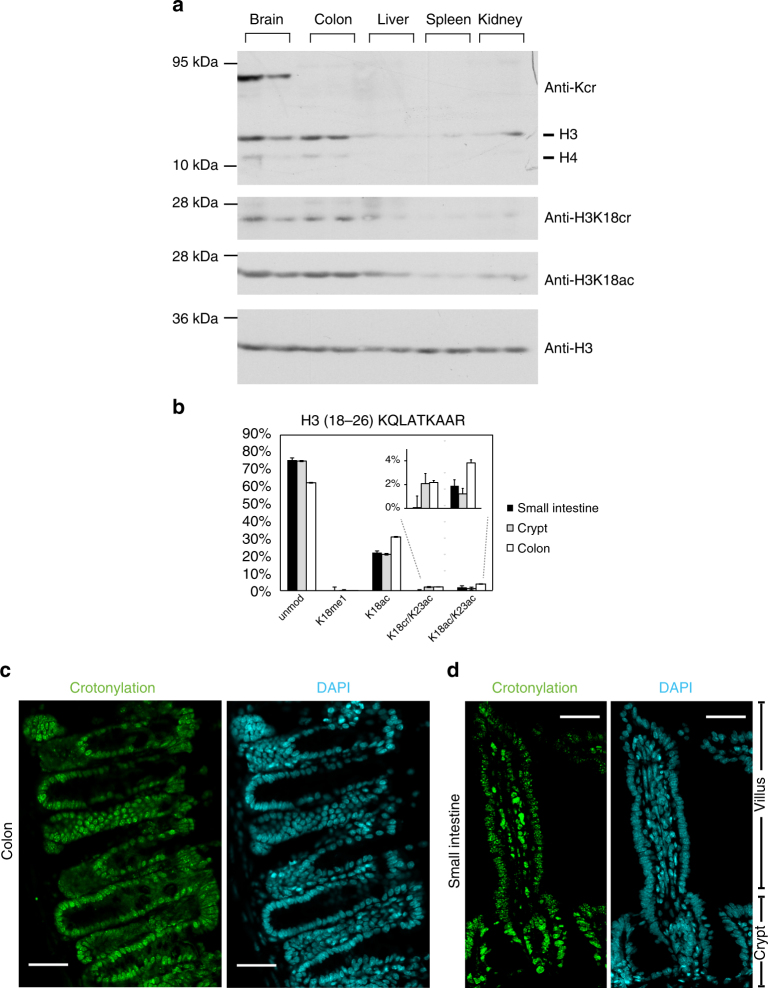
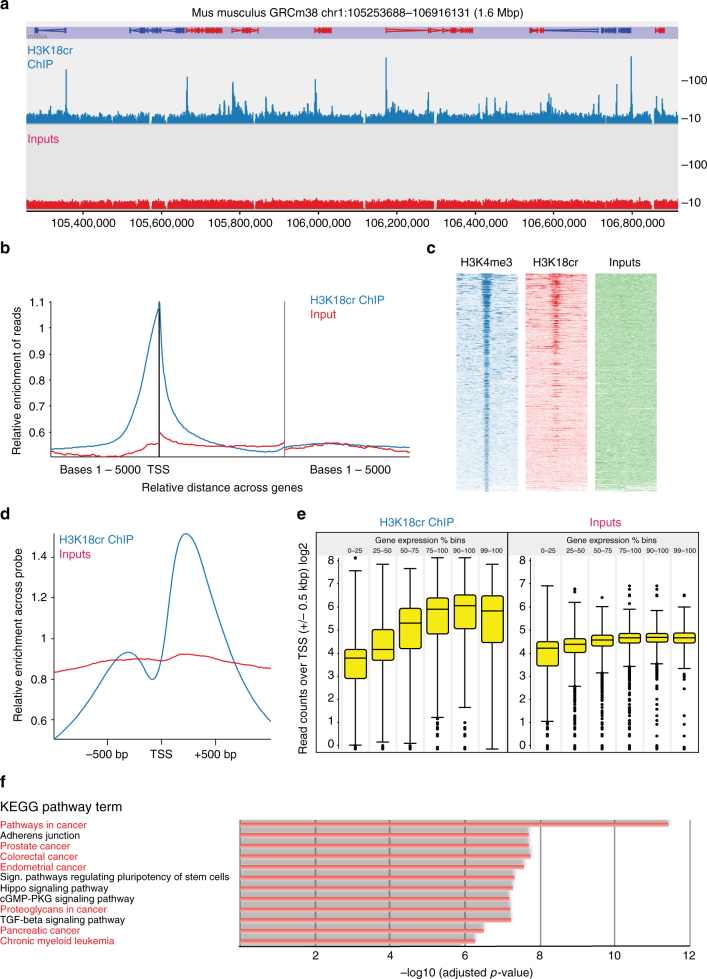
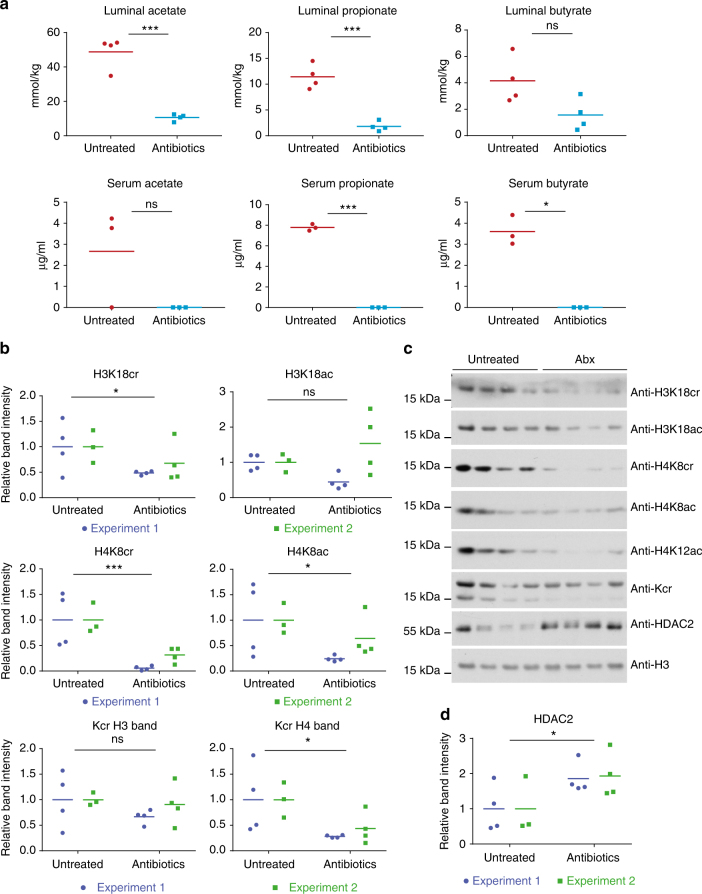
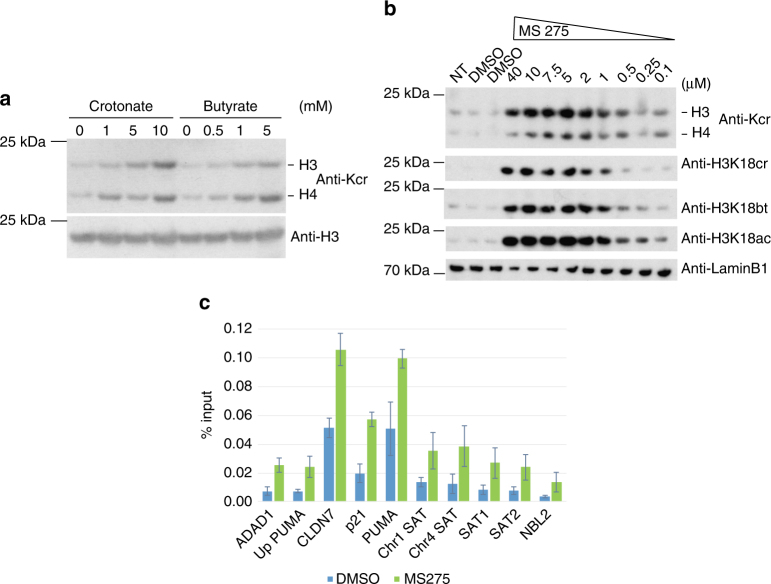
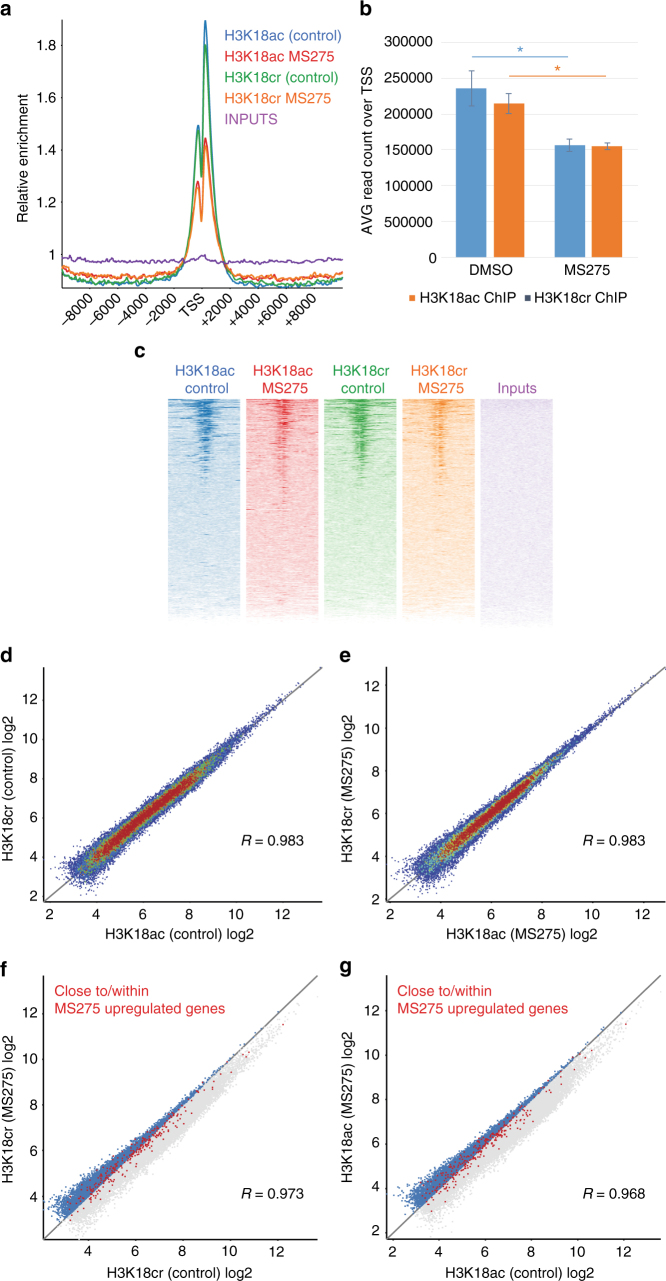
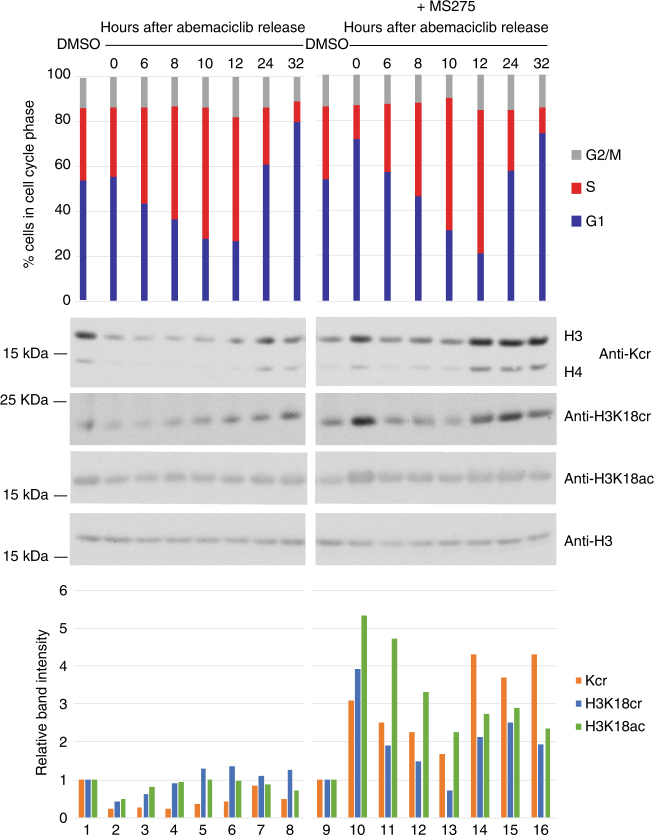
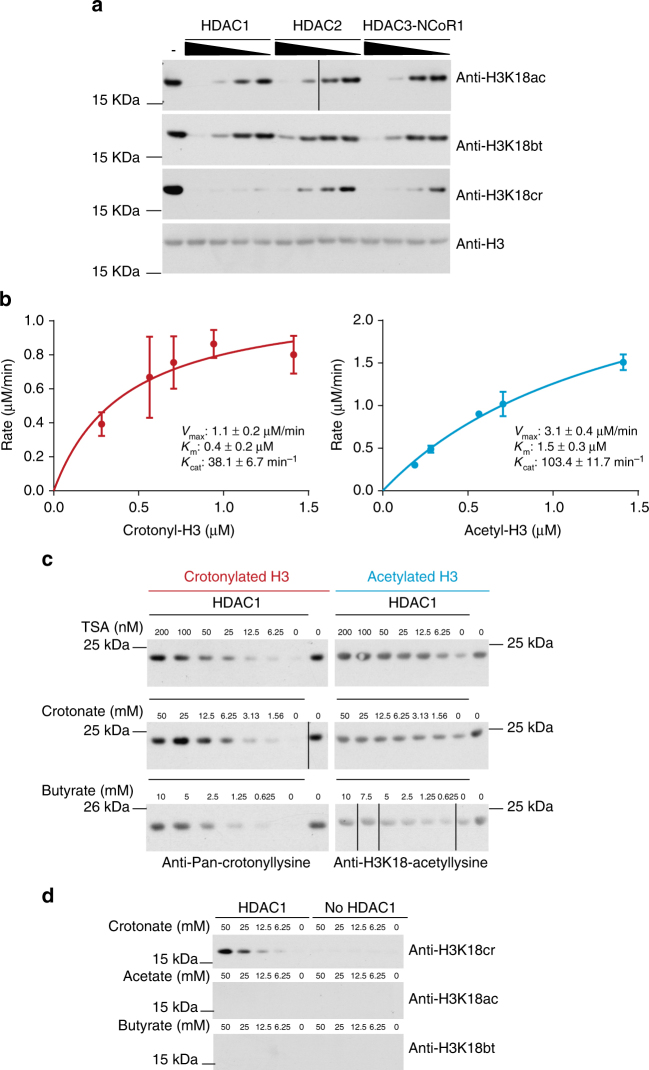
The recently discovered histone post-translational modification crotonylation connects cellular metabolism to gene regulation. Its regulation and tissue-specific functions are poorly understood. We characterize histone crotonylation in intestinal epithelia and find that histone H3 crotonylation at lysine 18 is a surprisingly abundant modification in the small intestine crypt and colon, and is linked to gene regulation. We show that this modification is highly dynamic and regulated during the cell cycle. We identify class I histone deacetylases, HDAC1, HDAC2, and HDAC3, as major executors of histone decrotonylation. We show that known HDAC inhibitors, including the gut microbiota-derived butyrate, affect histone decrotonylation. Consistent with this, we find that depletion of the gut microbiota leads to a global change in histone crotonylation in the colon. Our results suggest that histone crotonylation connects chromatin to the gut microbiota, at least in part, via short-chain fatty acids and HDACs.
Overview
The claims and statistics of this paper haven’t been checked yet.
Free: it reads the open-access text and checks the first 5 claims that cite a source we can check. Create a free account to check every claim.
Integrity signals
Registry
Cites
Statistics
Figures
Verification
Claims the paper makes
The claims and statistics of this paper haven’t been checked yet.
Free: it reads the open-access text and checks the first 5 claims that cite a source we can check. Create a free account to check every claim.
Claims other papers make about this one
Each is checked against this paper’s own text: does it say what the citing paper says it does?
The source backs part of the claim, not all of it — or backs it for a different population, condition or comparison.
In the citing paper
“Recently, HDAC1/2 have been implicated in the regulation of histone crotonylation levels in cells21,22.”
From Histone deacetylase (HDAC) 1 and 2 complexes regulate both histone acetylation and crotonylation in vivo (2018) · cites this paper as [22]
Experimental — accuracy not yet measuredThe source backs part of the claim, not all of it — or backs it for a different population, condition or comparison.
In the citing paper
“To date, decrotonylase activity has been described for HDAC1-3 and Sirtuins 1-316–18,21,22.”
From Histone deacetylase (HDAC) 1 and 2 complexes regulate both histone acetylation and crotonylation in vivo (2018) · cites this paper as [22]
Experimental — accuracy not yet measuredThe source backs part of the claim, not all of it — or backs it for a different population, condition or comparison.
In the citing paper
“histone crotonylation is catalyzed by HATs, which add a crotonyl group from crotonyl-coenzyme A (CoA) to amino acid residues of histones,111 while HDACs 1/2/3 and sirtuin 1/2/3, act as decrotonylases.180–182”
From Epigenetic regulation in major depression and other stress-related disorders: molecular mechanisms, clinical relevance and therapeutic potential (2023) · cites this paper as [180]
Experimental — accuracy not yet measuredThe cited source says what the claim attributes to it.
In the citing paper
“SCFAs have recently been implicated in histone crotonylation”
From The Microbiota-Gut-Brain Axis (2019) · cites this paper as Fellows et al., 2018
In the citing paper
“the gut microbiota and its related metabolites can disrupt the host's normal cell cycle, leading to changes in cell and protein expression that control cell division, DNA repair, and apoptosis (8,9).”
From The Role of Gut Microbiota in Lung Cancer: From Carcinogenesis to Immunotherapy (2021) · doi:10.3389/fonc.2021.720842 · cites this paper as [9]
7 more claims about this paper
Create a free account to see every claim other papers make about this one.
Self-check
Percentages, sums and reported differences re-computed from the paper’s own numbers.
The self-check needs the paper’s full text.
Citations
Cites
The Perseus computational platform for comprehensive analysis of (prote)omics data
Tyanova, S., Temu, T., Sinitcyn, P., Carlson, A., Hein, M. Y., Geiger, T., Mann, M., & Cox, J. (2016) · Nature Methods · doi:10.1038/nmeth.3901 · Cited by 8,803
From Dietary Fiber to Host Physiology: Short-Chain Fatty Acids as Key Bacterial Metabolites
Koh, A., De Vadder, F., Kovatcheva-Datchary, P., & Bäckhed, F. (2016) · Cell · doi:10.1016/j.cell.2016.05.041 · Cited by 7,070
The MaxQuant computational platform for mass spectrometry-based shotgun proteomics
Tyanova, S., Temu, T., & Cox, J. (2016) · Nature Protocols · doi:10.1038/nprot.2016.136 · Cited by 4,797
Rappsilber, J., Ishihama, Y., & Mann, M. (2003) · Analytical Chemistry · doi:10.1021/ac026117i · Cited by 2,644
The microbiome and butyrate regulate energy metabolism and autophagy in the mammalian colon
Donohoe, D. R., Garge, N., Zhang, X., Sun, W., O'Connell, T. M., Bunger, M. K., & Bultman, S. J. (2011) · Cell Metabolism · doi:10.1016/j.cmet.2011.02.018 · Cited by 2,003
Tan, M., Luo, H., Lee, S., Jin, F., Yang, J. S., Montellier, E., Buchou, T., Cheng, Z., Rousseaux, S., Rajagopal, N., et al. (2011) · Cell · doi:10.1016/j.cell.2011.08.008 · Cited by 1,902
HDACs and HDAC Inhibitors in Cancer Development and Therapy
Li, Y., & Seto, E. (2016) · Cold Spring Harbor Perspectives in Medicine · doi:10.1101/cshperspect.a026831 · Cited by 1,284
Growing Self-Organizing Mini-Guts from a Single Intestinal Stem Cell: Mechanism and Applications
Sato, T., & Clevers, H. (2013) · Science · doi:10.1126/science.1234852 · Cited by 1,170
Metabolic regulation of gene expression through histone acylations
Sabari, B. R., Zhang, D., Allis, C. D., & Zhao, Y. (2017) · Nature Reviews Molecular Cell Biology · doi:10.1038/nrm.2016.140 · Cited by 1,130
Sodium butyrate inhibits histone deacetylation in cultured cells
Candido, E. (1978) · Cell · doi:10.1016/0092-8674(78)90305-7 · Cited by 1,036
Cited by
Items 201–300 of 605
Traditional Fermented Foods: Challenges, Sources, and Health Benefits of Fatty Acids
Xing, Y., Huang, M., Olovo, C. V., Mgbechidinma, C. L., Yu, Y., Liu, J., Li, B., Zhu, M., Yu, K., Zhu, H., et al. (2023) · Fermentation · doi:10.3390/fermentation9020110 · Cited by 32
Guo, L., Du, Y., Li, H., He, T., Yao, L., Yang, G., & Yang, X. (2025) · Metabolism · doi:10.1016/j.metabol.2025.156144 · Cited by 35
Reversible histone deacetylase activity catalyzes lysine acylation
Tsusaka, T., Najar, M. A., Schwarz, B. H., Bohrnsen, E., Osés-Prieto, J. A., Neudorf, H., Lee, C., Little, J. P., Burlingame, A. L., Bosio, C. M., et al. (2025) · Nature Chemical Biology · doi:10.1038/s41589-025-01869-5 · Cited by 31
The microbiome in graft-versus-host disease: a tale of two ecosystems
Samarkhazan, H. S., Nouri, S., Maleknia, M., & Aghaei, M. (2025) · Journal of Translational Medicine · doi:10.1186/s12967-025-06797-5 · Cited by 31
“Moreover, additional epigenetic modifications, such as propionylation, butyrylation, and crotonylation mediated by butyrate, can alter transcription factor binding to chromatin [80, 81].”
Muenzner, P., & Hauck, C. R. (2020) · Cell Host & Microbe · doi:10.1016/j.chom.2020.03.010 · Cited by 33
Reduction of H3K27cr Modification During DNA Damage in Colon Cancer
Liao, M., Chu, W., Sun, X., Zheng, W., Gao, S., Li, D., & Pei, D. (2022) · Frontiers in Oncology · doi:10.3389/fonc.2022.924061 · Cited by 35
“To further study the connection between histone crotonylation and DNA damage in colon cancer patients, GSEA was applied to compare the value of DNAdamageabstractof coloncancerpatients to7genesets related to histone crotonylation in previous studies (26, 28, 29).”
MethodTang, R., Liu, R., Zha, H., Cheng, Y., Ling, Z., & Li, L. (2023) · Engineering in Life Sciences · doi:10.1002/elsc.202300016 · Cited by 32
“Furthermore, gut microbiota-induced HDAC inhibition by SCFAs can influence histone crotonylation, a recently discovered histone modification linked to gene expression activation, which may play a role in the context of NAFLD [64].”
BackgroundCrosstalk between gut microbiota and osteoarthritis: A critical view
Korotkyi, O., Kyriachenko, Y., Kobyliak, N. M., Falalyeyeva, T. M., & Остапченко, Л. І. (2020) · Journal of Functional Foods · doi:10.1016/j.jff.2020.103904 · Cited by 31
Wang, Q., Verma, J., Vidan, N., Wang, Y., Tucey, T. M., Lo, T. L., Harrison, P. F., See, M., Swaminathan, A., Kuchler, K., et al. (2020) · Cell Reports · doi:10.1016/j.celrep.2020.107528 · Cited by 31
“It has been proposed, and there is now evidence, that the acylation status of chromatin is determined by the relative intracellular levels of the acyl-CoA donors (Fellows et al., 2018; Sabari et al., 2015; Simithy et al., 2017).”
BackgroundVai, A., Noberini, R., Ghirardi, C., de Paula, D. R., Carminati, M., Pallavi, R., Araújo, N. V. P., Varga‐Weisz, P., & Bonaldi, T. (2024) · Molecular & Cellular Proteomics · doi:10.1016/j.mcpro.2024.100799 · Cited by 30
“For what concerns acylation removal, class III NAD(+)-dependent deacetylases (sirtuins) have been proven to have broad-range deacylation activities (12) and class I histone deacetylases are also ef fi cient debutyrylase and decrotonylases (13, 14).”
InfluentialSelf-citationPolysaccharides to postbiotics: Nurturing bone health via modulating “gut-immune axis”
Yadav, S., Sapra, L., & Srivastava, R. K. (2024) · International Journal of Biological Macromolecules · doi:10.1016/j.ijbiomac.2024.134655 · Cited by 37
Han, Z., Sun, J., Jiang, B., Chen, K., Ge, L., Sun, Z., & Wang, A. (2024) · Communications Biology · doi:10.1038/s42003-024-06727-z · Cited by 30
“Faecalibacterium primarily ferments complex carbohydrates and amino acids to produce short-chain fatty acids, especially butyrate and is involved in bile acid metabolism 61 .”
BackgroundWang, C., Yu, X., Yu, X., Xiao, H., Song, Y., Wang, X., Zheng, H., Chen, K., An, Y., Zhou, Z., et al. (2025) · Redox Biology · doi:10.1016/j.redox.2025.103623 · Cited by 32
“…PCA, Principal component analysis; PTM, Protein translational modification; RI, airway resistance; SUCNR1, Succinate receptor 1. the microbiota and chromatin may involve histone acylation, particularly through gut microbiota-derived short-chain fatty acids like buty-rate [7] and tributyrin [8].”
Roy, S., Bahmani, A. H. A., Davids, M., Herrema, H., & Nieuwdorp, M. (2025) · Microorganisms · doi:10.3390/microorganisms13061356 · Cited by 29
“…eubiosis, probiotics may help sustain SCFA output, which in turn supports gut barrier integrity by acting as an energy substrate [91] and immune modulation by activation of G-protein-coupled receptors (GPCRs) like FGAR2 and FFAR3 [92], and inhibition of histone deacetylases (HDACs) [88,89,93,94].”
Han, S., Gao, H., Song, R., Zhang, W., Li, Y., & Zhang, J. (2021) · Journal of Agricultural and Food Chemistry · doi:10.1021/acs.jafc.1c06130 · Cited by 31
Chemical Biology Tools for Protein Lysine Acylation
Xie, Y., Du, S., Liu, Z., Liu, M., Xu, Z., Wang, X., Kee, J. X., Yi, F., Sun, H., & Yao, S. Q. (2022) · Angewandte Chemie International Edition · doi:10.1002/anie.202200303 · Cited by 29
Strongyloides stercoralis infection induces gut dysbiosis in chronic kidney disease patients
Hai, N. T., Hongsrichan, N., Intuyod, K., Pinlaor, P., Yingklang, M., Chaidee, A., Pongking, T., Anutrakulchai, S., Cha’on, U., & Pinlaor, S. (2022) · PLoS neglected tropical diseases · doi:10.1371/journal.pntd.0010302 · Cited by 29
Chin, N., Narayan, N., Méndez‐Lagares, G., Ardeshir, A., Chang, W. L. W., Deere, J. D., Fontaine, J. H., Chen, C., Kieu, H. T., Lu, W., et al. (2022) · Microbiome · doi:10.1186/s40168-022-01355-3 · Cited by 30
Huang, S., Gao, Y., Wang, Z., Yang, X. Y., Wang, J., & Zheng, N. (2022) · Food Science & Nutrition · doi:10.1002/fsn3.2682 · Cited by 30
A bacteriocyte symbiont determines whitefly sex ratio by regulating mitochondrial function
Yao, Y. T., Ma, X., Wang, T., Yan, J.-Y., Chen, N., Hong, J., Liu, B., Xu, Z.-Q., Zhang, N., Lv, C., et al. (2023) · Cell Reports · doi:10.1016/j.celrep.2023.112102 · Cited by 29
Regulatory Mechanism of Protein Crotonylation and Its Relationship with Cancer
Yang, S., Fan, X., & Yu, W. (2024) · Cells · doi:10.3390/cells13211812 · Cited by 29
“Recent studies have shown that the class I enzymes HDAC1, HDAC2, and HDAC3 can effectively remove crotonyl moieties from modified histones in vitro and may play a role in the formation of complexes in cells, including HDAC1/2, HDAC3/Ncor1, and HDAC1/CoR-EST1/LSD1 [71,72].”
BackgroundZhou, X., Song, N., Li, D., Li, X., & Liu, W. (2021) · mSystems · doi:10.1128/msystems.01316-20 · Cited by 31
“fatty acids (SCFAs) that are generated by intestinal microbiota (18).”
BackgroundGonzález‐Bosch, C., Zunszain, P. A., & Mann, G. E. (2023) · Pathogens · doi:10.3390/pathogens12030486 · Cited by 29
Hepatic conversion of acetyl-CoA to acetate plays crucial roles in energy stress
Wang, J., Wen, Y., Zhao, W., Zhang, Y. T., Lin, F., Ouyang, C., Wang, H., Yao, L., Ma, H., Zhuo, Y., et al. (2023) · eLife · doi:10.7554/elife.87419 · Cited by 28
Methyl Donor Nutrients in Chronic Kidney Disease: Impact on the Epigenetic Landscape
Mafra, D., Esgalhado, M., Borges, N. A., Cardozo, L. F. M. F., Stockler-Pinto, M. B., Craven, H., Buchanan, S. J., Lindholm, B., Stenvinkel, P., & Shiels, P. G. (2019) · The Journal of Nutrition · doi:10.1093/jn/nxy289 · Cited by 26
Hakozaki, T., Tanaka, K., Shiraishi, Y., Sekino, Y., Mitome, N., Okuma, Y., Aiba, T., Utsumi, T., Tanizaki, J., Azuma, K., et al. (2025) · Journal of Thoracic Oncology · doi:10.1016/j.jtho.2025.02.026 · Cited by 26
Dumitru, I. G., Todor, S. B., Ichim, C., Helgiu, C., & Helgiu, A. (2025) · Journal of Clinical Medicine · doi:10.3390/jcm14092982 · Cited by 27
“Moreover, these microorganisms generate metabolites, such as short-chain fatty acids (SCFAs), including acetate, propionate and butyrate, which may possess anti-carcinogenic properties by being involved in modulating histone deacetylases [3–5].”
Wang, Q., Guo, Y., Zhang, K., Zhang, L., Geng, S., Shan, C., Liu, P., Zhu, M., Jin, Q.-Y., Zhong-ying, L., et al. (2021) · Frontiers in Cellular and Infection Microbiology · doi:10.3389/fcimb.2021.771088 · Cited by 29
“and Lachnospiraceae_NK4A136_group) associated with the production of SCFAs, which could in turn inhibit histone deacetylases of macrophage and dendritic cells to reduce the expression of proinflammatory factors (Glauben et al., 2006; Fellows et al., 2018; Yuille et al., 2018).”
BackgroundPotential Therapeutic Effects of Short-Chain Fatty Acids on Chronic Pain
Tang, Y., Du, J., Wu, H., Wang, M., Liu, S., & Tao, F. (2022) · Current Neuropharmacology · doi:10.2174/1570159x20666220927092016 · Cited by 28
Marin, G.-E., Neag, M. A., Burlacu, C.-C., & Buzoianu, A. D. (2022) · Microorganisms · doi:10.3390/microorganisms10102053 · Cited by 31
New Histone Lysine Acylation Biomarkers and Their Roles in Epigenetic Regulation
Fu, Q., Cat, A., & Zheng, Y. G. (2023) · Current Protocols · doi:10.1002/cpz1.746 · Cited by 27
“One relevant example is that gut microbiota-derived butyrate was reported to affect histone decrotonylation (Fellows et al., 2018).”
BackgroundHDAC1 inhibits beige adipocyte-mediated thermogenesis through histone crotonylation of Pgc1a/Ucp1
Tian, D., Zeng, X., Gong, Y., Yin, Z., Zhang, J., & Wu, Z. (2023) · Cellular Signalling · doi:10.1016/j.cellsig.2023.110875 · Cited by 26
Fang, S., Qin, T., Yu, T. C., & Zhang, G. (2022) · Processes · doi:10.3390/pr10030604 · Cited by 25
Elechi, J. O. G., Sirianni, R., Conforti, F. L., Cione, E., & PELLEGRINO, M. A. (2023) · Foods · doi:10.3390/foods12122286 · Cited by 34
Nohesara, S., Abdolmaleky, H. M., Zhou, J., & Thiagalingam, S. (2023) · Genes · doi:10.3390/genes14122217 · Cited by 26
“More specifically, gut microbiota-derived SCFAs influence histone H3 crotonylation at lysine 18 and brain histone acetylation by controlling the activity of histone deacetylases [105–107].”
BackgroundMetformin: Targeting the Metabolo-Epigenetic Link in Cancer Biology
Cuyàs, E., Verdura, S., Martín-Castillo, B., & Menéndez, J. A. (2021) · Frontiers in Oncology · doi:10.3389/fonc.2020.620641 · Cited by 28
Gut instincts: Unveiling the connection between gut microbiota and Alzheimer's disease
Peddinti, V., Avaghade, M. M., Suthar, S. U., Rout, B., Gomte, S. S., Agnihotri, T. G., & Jain, A. (2024) · Clinical Nutrition ESPEN · doi:10.1016/j.clnesp.2024.02.019 · Cited by 25
Organismal Fructose Metabolism in Health and Non-Alcoholic Fatty Liver Disease
Skenderian, S., Park, G. S. H., & Jang, C. (2020) · Biology · doi:10.3390/biology9110405 · Cited by 27
Epigenome–metabolism nexus in the retina: implications for aging and disease
Mondal, A. K., Gaur, M., Advani, J., & Swaroop, A. (2024) · Trends in Genetics · doi:10.1016/j.tig.2024.04.012 · Cited by 24
“In addition, gut microbiome-derived short-chain fatty acids can regulate histone acylation marks through butyrylation and crotonylation [107].”
Yuan, M., Chen, S., Lin, Z.-S., Yu, R., Chao, K., Ye, S., Li, Q., Ke, H., Zhang, C., Huang, J., et al. (2025) · Advanced Science · doi:10.1002/advs.202500461 · Cited by 26
Olaniyi, K. S., Owolabi, M. N., Atuma, C. L., Agunbiade, T. B., & Alabi, B. Y. (2021) · Scientific Reports · doi:10.1038/s41598-021-98605-5 · Cited by 23
Protein modification by short-chain fatty acid metabolites in sepsis: a comprehensive review
Zhang, L., Shi, X., Qiu, H., Liu, S., Yang, T., Li, X., & Liu, X. (2023) · Frontiers in Immunology · doi:10.3389/fimmu.2023.1171834 · Cited by 25
“This fi nding further underscores the connection between SCFAs and chromatin signaling (129).”
BackgroundGuimarães, J. B., Rodrigues, V. F., Pereira, Í. S., Manso, G. M. D. C., Elias‐Oliveira, J., Leite, J. A., Miranda, M. C. G., de Oliveira, S., Gomes, A. B. D. S. P., Faria, A. M. C., et al. (2023) · Journal of Leukocyte Biology · doi:10.1093/jleuko/qiad132 · Cited by 25
Self-citationBukavina, L., Ginwala, R., Sindhani, M., Prunty, M. C., Geynisman, D. M., Ghatalia, P., Valentine, H., Calaway, A. C., Brown, J. R., Correa, A. F., et al. (2024) · Cancer Research Communications · doi:10.1158/2767-9764.crc-23-0479 · Cited by 23
Modeling epigenetic modifications in renal development and disease with organoids and genome editing
del Pozo, C. H., Garreta, E., Belmonte, J. C. I., & Montserrat, N. (2018) · Disease Models & Mechanisms · doi:10.1242/dmm.035048 · Cited by 22
Barreto, S. G., & Pandol, S. J. (2021) · Frontiers in Oncology · doi:10.3389/fonc.2021.653289 · Cited by 29
Bhattacharya, A., Chatterjee, S., Bhaduri, U., Singh, A. K., Vasudevan, M., Sashidhara, K. V., Guha, R., Nazir, A., Rath, S. K., Natesh, N., et al. (2022) · Journal of Medicinal Chemistry · doi:10.1021/acs.jmedchem.2c00943 · Cited by 23
Xu, K., Motiwala, Z. Y., Corona‐Avila, I., Makhanasa, D., Alkahalifeh, L., & Khan, M. W. (2025) · Technology in Cancer Research & Treatment · doi:10.1177/15330338251331960 · Cited by 25
“73 76 Studies on overexpressed HDAC in the intestinal epithelium have revealed decreased production of antimicrobial peptides, which alters the gut micro-biome pro fi le, 77 disrupting the symbiosis between the gut microbiome and the host, potentially leading to cancer.”
Lysine Crotonylation: An Emerging Player in DNA Damage Response
Zhao, Y., Hao, S., Wu, W., Li, Y., Hou, K., Liu, Y., Cui, W., Xu, X., & Wang, H. (2022) · Biomolecules · doi:10.3390/biom12101428 · Cited by 22
Hridayanka, K. S. N., Duttaroy, A. K., & Basak, S. (2024) · Nutrients · doi:10.3390/nu16213587 · Cited by 24
“Histone deacetylases modulated by butyrate and certain commensal bacteria are involved in histone crotonylation and maintain intestinal homeostasis [253,254].”
BackgroundYacoub, R., Nadkarni, G. N., McSkimming, D. I., Chaves, L. D., Abyad, S., Bryniarski, M. A., Honan, A. M., Thomas, S. A., Gowda, M., He, C., et al. (2018) · Experimental Biology and Medicine · doi:10.1177/1535370218818175 · Cited by 23
Kazakevych, J., Denizot, J., Liebert, A., Portovedo, M., Mosavie, M., Jain, P., Stellato, C., Fraser, C. M., Corrêa, R. O., Célestine, M., et al. (2020) · Genome biology · doi:10.1186/s13059-020-01976-7 · Cited by 24
“as described in [87] with the following antibodies: primary anti-Smarcad1 (Sigma-Aldrich HPA016737, 1.”
Self-citationEffect of Short Chain Fatty Acids on Age-Related Disorders
Fernandes, M. F., de Oliveira, S., Portovedo, M., Rodrigues, P. B., & Vinolo, M. A. R. (2020) · Advances in experimental medicine and biology · doi:10.1007/978-3-030-42667-5_4 · Cited by 26
Self-citationMicrobiota Signals during the Neonatal Period Forge Life-Long Immune Responses
Phillips-Farfán, B. V., Gómez‐Chávez, F., Medina-Torres, E. A., Vargas-Villavicencio, J. A., Carvajal, K., & Camacho, L. (2021) · International Journal of Molecular Sciences · doi:10.3390/ijms22158162 · Cited by 23
Sorafenib Attenuates Fibrotic Hepatic Injury Through Mediating Lysine Crotonylation
Chen, X., & Ji, S. (2022) · Drug Design Development and Therapy · doi:10.2147/dddt.s368306 · Cited by 22
“deacetylases (HDACs) including HDAC1 and HDAC3 are major histone decrotonylases to diminish protein crotonylation.(13,14) Besides, chromodomain Y-like protein (CDYL) serves as crotonyl-CoA hydratase to regulate the levels of crotonyl-CoA, the direct donor of protein crotonylation, to negatively modulate protein croton…”
BackgroundMicrobiome and Behçet's disease: a systematic review
Joubert, M., André, M. F. J., Barnich, N., & Billard, E. (2022) · Clinical and Experimental Rheumatology · doi:10.55563/clinexprheumatol/zbt4gx · Cited by 23
Protein lysine crotonylation in cellular processions and disease associations
Zhao, H., Han, Y., Zhou, P., Guan, H., & Gao, S. (2023) · Genes & Diseases · doi:10.1016/j.gendis.2023.06.029 · Cited by 27
“48 HDAC2 is up-regulated in the context of colon cancer and other forms of tumor development and possesses decrotonylase activity resulting in histone Kcr reductions that may suppress tumorigenesis.”
BackgroundChen, L., Huang, L., Gu, Y., Li, C., Sun, P., & Xiang, Y. (2024) · International Journal of Biological Macromolecules · doi:10.1016/j.ijbiomac.2024.133883 · Cited by 24
Tian, Y., He, Y., Xiong, H., & Sun, Y. (2024) · Journal of Agricultural and Food Chemistry · doi:10.1021/acs.jafc.4c02671 · Cited by 22
The human microbiome: redefining cancer pathogenesis and therapy
Adlakha, Y. K., & Chhabra, R. (2025) · Cancer Cell International · doi:10.1186/s12935-025-03787-x · Cited by 25
Wah, D. T. O., Kavaliers, M., Bishnoi, I. R., & Ossenkopp, K. (2018) · Behavioural Brain Research · doi:10.1016/j.bbr.2018.12.003 · Cited by 24
“SCFAs, including propionate, act epigenetically by inhibiting histone deacetylase (HDAC) and impairing histone decrotonylation [37].”
Zhang, Z., Kang, W., Mi, Y., Zhong, X., & He, Y. (2025) · Pathogens · doi:10.3390/pathogens14111145 · Cited by 27
Leveraging beneficial microbiome-immune interactions via probiotic use in cancer immunotherapy
Jani, C., Edwards, K., Bhanushali, C. D., Zheng, X. X., Salazar, A. S., Lopes, G. D. L., Jr., & Watson, D. C. (2025) · Frontiers in Immunology · doi:10.3389/fimmu.2025.1713382 · Cited by 21
Sharma, N., Navik, U., & Tikoo, K. (2020) · The Journal of Nutritional Biochemistry · doi:10.1016/j.jnutbio.2020.108442 · Cited by 20
Ni, H., Zhang, Y., Yang, Y., Li, Y., Li, Y., Sun, X., Xie, H., Zheng, J., Dong, L., Diao, J., et al. (2022) · Animals · doi:10.3390/ani12141815 · Cited by 22
McCrory, C., Verma, J., Tucey, T. M., Turner, R., Weerasinghe, H., Beilharz, T. H., & Traven, A. (2023) · mBio · doi:10.1128/mbio.02605-23 · Cited by 21
“…environment: carbon source availability might drive the intracellular metabolic pathways that create crotonyl-coA, or SCFAs in the gut might be metabolized to crotonyl-coA or act on chromatin directly via their HDAC activity to increase histone crotonylation, as has been shown for butyrate (18).”
BackgroundTanelian, A., Nankova, B. B., Miari, M., & Sabban, E. L. (2024) · Biology of Sex Differences · doi:10.1186/s13293-024-00590-7 · Cited by 21
“Although, the translation of these bacterial pathways to host outcomes might not be direct; however, the depletion of gut bacteria has an evident impact on global histone crotonyla-tion levels within the gut [125].”
BackgroundChemical interplay between gut microbiota and epigenetics: Implications in circadian biology
Sharma, S. A., Oladejo, S. O., & Kuang, Z. (2024) · Cell chemical biology · doi:10.1016/j.chembiol.2024.04.016 · Cited by 21
Tang, C. C., Du, Y., Liang, Q. Y., Cheng, Z., & Tian, J. (2019) · Journal of Materials Chemistry B · doi:10.1039/c9tb00383e · Cited by 21
Revealing eukaryotic histone-modifying mechanisms through bacterial infection
Dong, W., & Hamon, M. A. (2020) · Seminars in Immunopathology · doi:10.1007/s00281-019-00778-9 · Cited by 26
Reconstruction and Dynamics of the Human Intestinal Microbiome Observed In Situ
Liu, X., Dai, M., Ma, Y., Zhao, N., Wang, Z., Yu, Y., Xu, Y., Zhang, H., Xiang, L., Tian, H., et al. (2021) · Engineering · doi:10.1016/j.eng.2021.03.015 · Cited by 22
Celorrio, M., Shumilov, K., Ni, A., Ayerra, L., Self, W. K., de Francisca, N. L. V., Rodgers, R., Schriefer, L. A., Garcia, B., Aymerich, M. S., et al. (2025) · Experimental Neurology · doi:10.1016/j.expneurol.2025.115349 · Cited by 20
“SCFAs impact cellular functions and modulate immune responses by affecting gene expression and the epigenome through histone deacetylase (HDAC) inhibition (Fellows et al., 2018), resulting in increased histone H3 acetylation (Furusawa et al., 2013).”
Xu, B., Qin, W., Chen, Y., Yan, Z., Tang, Y., Zhou, S., Huang, J., Ma, L., & Yan, X. (2025) · Microbiome · doi:10.1186/s40168-025-02174-y · Cited by 22
Rispal, J., Escaffit, F., & Trouche, D. (2020) · Stem Cell Reviews and Reports · doi:10.1007/s12015-020-10055-0 · Cited by 21
Does chromatin function as a metabolite reservoir?
Nirello, V. D., de Paula, D. R., Araújo, N. V. P., & Varga‐Weisz, P. (2022) · Trends in Biochemical Sciences · doi:10.1016/j.tibs.2022.03.016 · Cited by 21
Self-citationCheng, J., & Zhou, J. (2024) · Frontiers in Nutrition · doi:10.3389/fnut.2024.1285169 · Cited by 19
Chen, H., Cao, T., Zhang, B., & Cai, H. (2023) · Frontiers in Pharmacology · doi:10.3389/fphar.2023.1097284 · Cited by 18
“In addition, SCFAs are signaling molecules that regulate host-related functions mainly through two signaling pathways: the HDAC and G protein-coupled receptor signaling pathways.”
BackgroundInfluentialThe association between dietary fiber intake and severe headaches or migraine in US adults
Huang, H., & He, K. (2023) · Frontiers in Nutrition · doi:10.3389/fnut.2022.1044066 · Cited by 21
Acetyl-CoA synthetase (ACSS2) does not generate butyryl- and crotonyl-CoA
Zeaiter, N., Belot, L., Cunin, V., Nahed, R. A., Tokarska-Schlattner, M., Gouëllec, A. L., Petosa, C., Khochbin, S., & Schlattner, U. (2024) · Molecular Metabolism · doi:10.1016/j.molmet.2024.101903 · Cited by 18
“At the physiological level, it has been shown that the intestinal microbiota contribute to increased histone crotonylation in the cryptic fraction of the intestinal epithelium of the small intestine and colon [37].”
BackgroundHyperacetylated histone H4 is a source of carbon contributing to lipid synthesis
Charidemou, E., Noberini, R., Ghirardi, C., Georgiou, P., Marcou, P., Theophanous, A., Strati, K., Keun, H. C., Behrends, V., Bonaldi, T., et al. (2024) · The EMBO Journal · doi:10.1038/s44318-024-00053-0 · Cited by 18
“Consequently, epigenetic modi fi cations are sensitive to metabolic fl uctuations that can arise from environmental or intracellular changes in nutrient availability (Tang et al, 2017; Fellows et al, 2018; Reina-Campos et al, 2019).”
BackgroundSelf-citationNayak, S. P. R. R., Das, A., Choi, K. C., Arasu, M. V., Namasivayam, S. K. R., Guru, A., & Arockiaraj, J. (2025) · Medicine in Microecology · doi:10.1016/j.medmic.2025.100133 · Cited by 19
Dynamic post‐translational modifications in obesity
Yang, H., Yang, K., Gu, H., & Sun, C. (2019) · Journal of Cellular and Molecular Medicine · doi:10.1111/jcmm.14889 · Cited by 20
Xie, J., Lou, Q., Zeng, Y., Liang, Y., Xie, S., Xu, Q., Yuan, L., Wang, J., Jiang, L., Mou, L., et al. (2021) · Frontiers in Cell and Developmental Biology · doi:10.3389/fcell.2021.653308 · Cited by 21
The intratumoral microbiota in breast cancer: from basic research to clinical translation
Xu, Y., & Wang, M. (2025) · Gut Microbes · doi:10.1080/19490976.2025.2560695 · Cited by 22
“79 82 Patients with a large amount of tissue Fusobacterium DNA and miR21 have a higher risk of poor prognosis.”
Microbial metabolites in tumor epigenetic regulation
Zhang, W., Zhang, H., Liao, Y., Jiang, S., Zhang, H., Huang, C., Song, Z., Zhao, R., Lü, P., Kang, X., et al. (2026) · iMeta · doi:10.1002/imt2.70115 · Cited by 22
Fan, S., Kong, C., Zhou, R., Zheng, X., Ren, D., & Yin, Z. (2024) · Journal of Agricultural and Food Chemistry · doi:10.1021/acs.jafc.3c08332 · Cited by 18
Batitucci, G., de Almeida, O. G. G., Martinis, E. C. P. D., Solar, I., Cintra, D. E., & de Freitas, E. C. (2024) · American Journal of Physiology-Endocrinology and Metabolism · doi:10.1152/ajpendo.00310.2023 · Cited by 19
Kazakevych, J., Stoyanova, E., Liebert, A., & Varga‐Weisz, P. (2019) · Scientific Reports · doi:10.1038/s41598-019-46966-3 · Cited by 18
Self-citationGao, Y., Ma, L., & Su, J. (2022) · Microbiological Research · doi:10.1016/j.micres.2022.127113 · Cited by 17
Gao, H., Zhao, X., Guo, Y., Li, Z., & Zhou, Z. (2024) · Journal of the Science of Food and Agriculture · doi:10.1002/jsfa.13288 · Cited by 16
“9 In addition, butyrate induced acetylation of mucin 2 (MUC2) promoter histones in intestinal epithelial GCs by inhibiting the action of histone deacetylase, which enhanced mucin secretion and protected epithelial cells.”
Liu, Y., Liu, Z., Ren, Z., Han, Q., Chen, X., Han, J., Qiu, G., & Sun, C. (2024) · The International Journal of Biochemistry & Cell Biology · doi:10.1016/j.biocel.2024.106583 · Cited by 17
Bhattacharya, S., & Tu, B. P. (2024) · Journal of Cell Science · doi:10.1242/jcs.261250 · Cited by 20
Shan, S., Zhang, Z., Nie, J., Wen, Y., Wu, W., Liu, Y., & Zhao, C. C. (2024) · Pharmacological Research · doi:10.1016/j.phrs.2024.107257 · Cited by 16
Acupuncture and moxibustion intervention in functional dyspepsia: Gastric and duodenal regulation
Chen, H., He, M., Cao, J., Zhang, Y., Zhou, Y., Yu, Q., Wang, A., Xuan, J., & Li, T. (2024) · Heliyon · doi:10.1016/j.heliyon.2024.e35696 · Cited by 17
“SCFAs have been shown to not only cross the blood – brain barrier [142] and maintain the integrity of the blood – brain barrier by promoting TJs [143], but they also modulate the immune response and inflammation of the intestinal epithelium and protect the intestinal mucosa [144].”
BackgroundCrotonylation modification and its role in diseases
Guo, Y., Li, J., & Zhang, K. (2024) · Frontiers in Molecular Biosciences · doi:10.3389/fmolb.2024.1492212 · Cited by 18
Pharmacogenomic and Pharmacomicrobiomic Aspects of Drugs of Abuse
Borrego-Ruiz, A., & Borrego, J. J. (2025) · Genes · doi:10.3390/genes16040403 · Cited by 17
The impact of ageing on lipid-mediated regulation of adult stem cell behavior and tissue homeostasis
Demarco, R. S., Clémot, M., & Jones, D. L. (2020) · Mechanisms of Ageing and Development · doi:10.1016/j.mad.2020.111278 · Cited by 18
“Of note, short-chain FAs derived from the microbiota have been shown to contribute to histone modifications in mouse intestinal epithelial cells (Fellows et al., 2018), opening up the possibility that ISCs could also be regulated by this mechanism.”
BackgroundXu, B., Qin, W., Yan, Y., Tang, Y., Zhou, S., Huang, J., Xie, C., Ma, L., & Yan, X. (2021) · Journal of Animal Science and Biotechnology/Journal of animal science and biotechnology · doi:10.1186/s40104-021-00578-y · Cited by 16
“SCFAs measurements were performed following a recently published protocol [30].”
MethodChemoproteomic Analysis of Microbiota Metabolite–Protein Targets and Mechanisms
Zhao, X., Yang, X., & Hang, H. C. (2022) · Biochemistry · doi:10.1021/acs.biochem.1c00758 · Cited by 16
Can probiotics mitigate age-related neuroinflammation leading to improved cognitive outcomes?
Anderson, R. C. (2022) · Frontiers in Nutrition · doi:10.3389/fnut.2022.1012076 · Cited by 16
Metadata
- Authors
- Fellows, R., Denizot, J., Stellato, C., Cuomo, A., Jain, P., Stoyanova, E., Balázsi, S., Hajnády, Z., Liebert, A., Kazakevych, J., Blackburn, H., Corrêa, R. O., Fachi, J. L., Sato, F. T., Ribeiro, W. R., Ferreira, C. M., Perée, H., Spagnuolo, M., Mattiuz, R., Matolcsi, C., Guedes, J., Clark, J., Veldhoen, M., Bonaldi, T., Vinolo, M. A. R., & Varga-Weisz, P.
- Affiliations
- Babraham Institute (GB)
- European Institute of Oncology (IT)
- Universidade Estadual de Campinas (UNICAMP) (BR)
- Universidade Federal de São Paulo (BR)
- Corresponding author
- Bonaldi, Tiziana
- Vinolo, Marco Aurélio Ramirez
- ORCID
- Denizot, Jérémy
- Stellato, Claudia
- Cuomo, Alessandro
- Liebert, Anke
- Kazakevych, Juri
- Corrêa, Renan Oliveira
- Fachi, José Luís
- Ribeiro, Willian R.
- Ferreira, Caroline Marcantonio
- Perée, Hélène
- Spagnuolo, Mariangela
- Mattiuz, Raphaël
- Guedes, Joana
- Clark, Jonathan
- Veldhoen, Marc
- Bonaldi, Tiziana
- Vinolo, Marco Aurélio Ramirez
- Venue
- Nature Communications
- Published
- 2018-01-09
- Volume
- 9
- Issue
- 1
- Pages
- 105-105
- ISSN
- 2041-1723 (ISSN-L)
- PMC
- PMC5760624
- OpenAlex
- W2782311151
- Semantic Scholar
- f14a6f1c69fc5f24020adf5cead4266af5e5ef87
- Cited by
- 568
- References
- 51
- Citations by year
- 2026: 76 · 2025: 92 · 2024: 75 · 2023: 64 · 2022: 60 · 2021: 70 · 2020: 55 · 2019: 47 · 2018: 29
- FWCI
- 17.88
- Type
- journal article
- Language
- en
- Open access
- gold
- doi.org
- Licence
- cc-by
- creativecommons.org/licenses/by/4.0 (tdm)
- creativecommons.org/licenses/by/4.0 (vor)
- Locations
- Nature Communications (publishedVersion, cc-by)
- Europe PMC (PubMed Central) (publishedVersion, cc-by)
- PubMed Central (publishedVersion, cc-by)
- PubMed (publishedVersion)
- Open Access at Essex (University of Essex) (acceptedVersion)
- HAL (submittedVersion, cc-by)
- RePEc: Research Papers in Economics (submittedVersion)
- Archivio Istituzionale della Ricerca (Universita Degli Studi Di Milano) (submittedVersion, other-oa)
- DOAJ (DOAJ: Directory of Open Access Journals) (submittedVersion)
- DOAJ (DOAJ: Directory of Open Access Journals) (submittedVersion, cc-by-sa)
- ORBi (University of Liège) (submittedVersion, other-oa)
- LA Referencia (Red Federada de Repositorios Institucionales de Publicaciones Científicas) (submittedVersion, other-oa)
- Funders
- National Centre for the Replacement, Refinement and Reduction of Animals in Research (NC/L001217/1)
- Fundação de Amparo à Pesquisa do Estado de São Paulo (12/10653-9, 2015/, 15/50379-1)
- Ministero della Salute (GR2011)
- Associazione Italiana per la Ricerca sul Cancro
- Tokyo Medical and Dental University
- Directorate for Biological Sciences
- Medical Research Council (MR/N009398/1)
- Biotechnology and Biological Sciences Research Council (BB/L026988/1, BBS/E/B/0000C338, BBS/E/B/000C0404, BBS/E/B/000C0409, BB/E021638/1, BB/F020236/1, BB/N013565/1, BBS/E/B/000C0427)
- Erasmus+
- Topics
- Life Sciences › Biochemistry, Genetics and Molecular Biology › Molecular Biology › Histone Deacetylase Inhibitors Research
- Life Sciences › Biochemistry, Genetics and Molecular Biology › Molecular Biology › Genomics and Chromatin Dynamics
- Life Sciences › Biochemistry, Genetics and Molecular Biology › Molecular Biology › Epigenetics and DNA Methylation
- Keywords
- histone crotonylation, histone deacetylase, class I HDACs, HDAC1, HDAC2, HDAC3, gut microbiota, short-chain fatty acids, butyrate, intestinal epithelium, colon, small intestine crypts, cell cycle, chromatin regulation, gene expression regulation, gut microbiota depletion
- MeSH terms
- Gastrointestinal Microbiome, Acylation, Animals, Cell Cycle, Colon, Crotonates, Fatty Acids, Volatile, Histone Deacetylases, Histones, Humans, Intestinal Mucosa, Male, Mice, Inbred C57BL, Protein Processing, Post-Translational, HCT116 Cells, Histone Deacetylase Inhibitors
About these checks
Registry, retraction, Cites and statistics results are computed, not judged, with one exception: a printed reference that no index lists is read once by a model before it counts as a citation error. Claims are extracted by a model and kept only when their quote appears verbatim in the text; each cited source is then checked, with a model’s help, for whether it says what the claim relies on. Those verdicts can be wrong — read the claim’s quote and the cited source before relying on one.
Statistics and arithmetic are recomputed, not judged.
Confidence bands are shown only for fields calibrated on our annotated test set. None is calibrated yet, so no band is shown.
What counts as a claim ›How we measure confidence ›How we check this ›
Are you an author, or do you see a problem with this page? Request a review
Data sources
Bibliographic data: Semantic Scholar, OpenAlex, Crossref.
Contains information from the Semantic Scholar Academic Graph Datasets, made available under the ODC Attribution License (ODC-BY 1.0).
Semantic Scholar’s data is described in: Kinney, R., et al. (2023). The Semantic Scholar Open Data Platform. arXiv:2301.10140.
