

Microbiota derived short chain fatty acids promote histone crotonylation in the colon through histone deacetylases
Open accessThe DOI matches its Crossref record; 51 of the 51 references it cites were found in a registry or an index.
Abstract
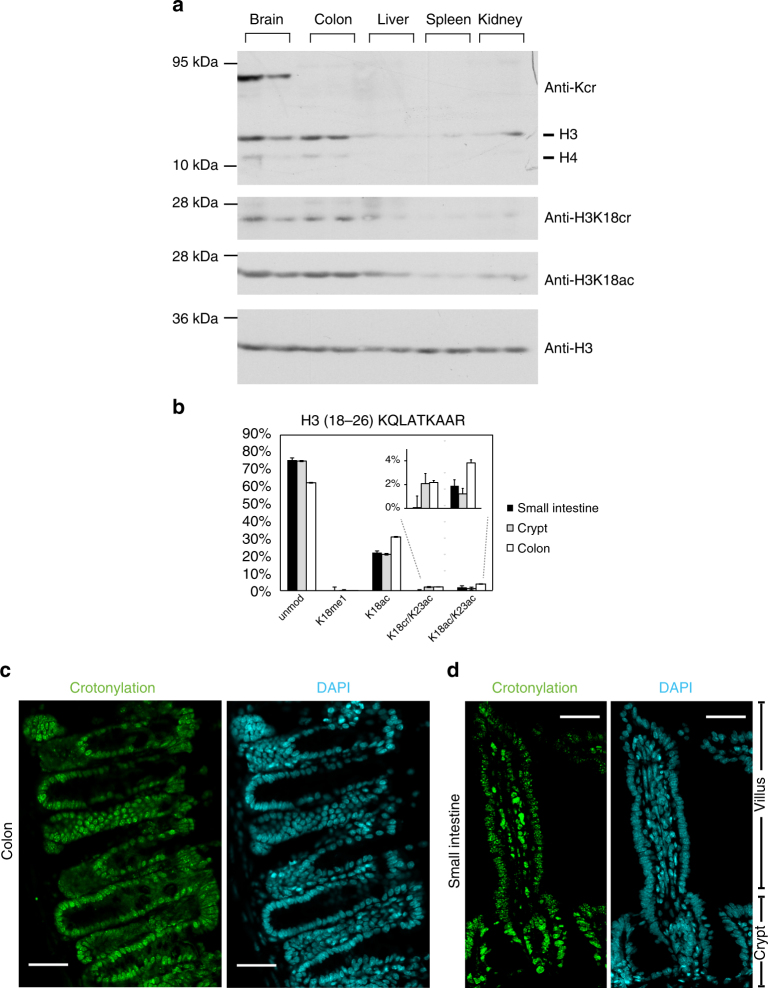
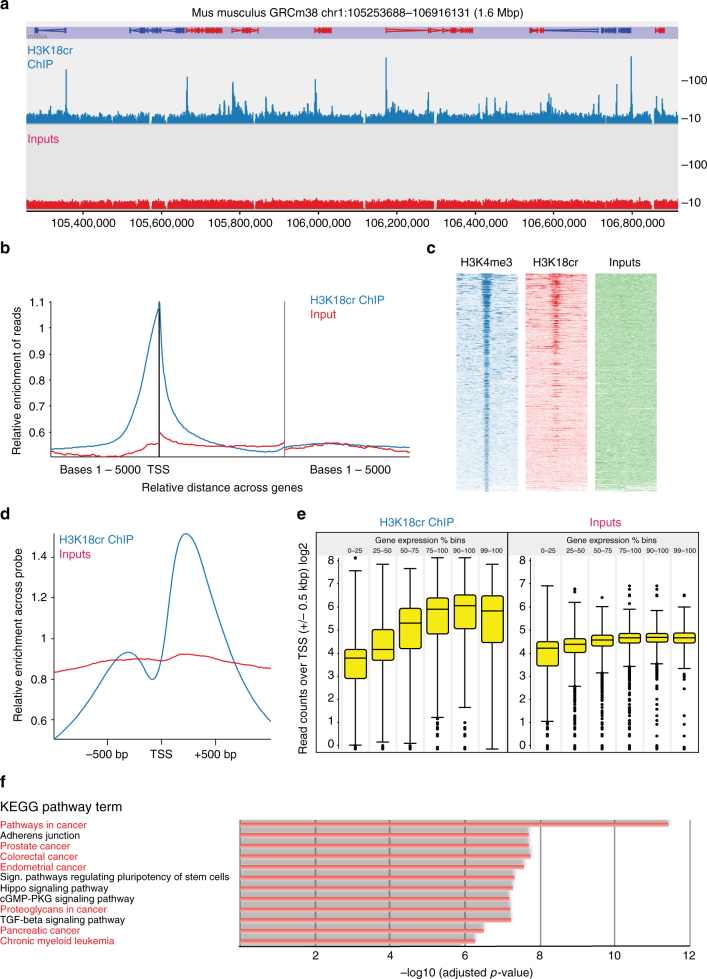
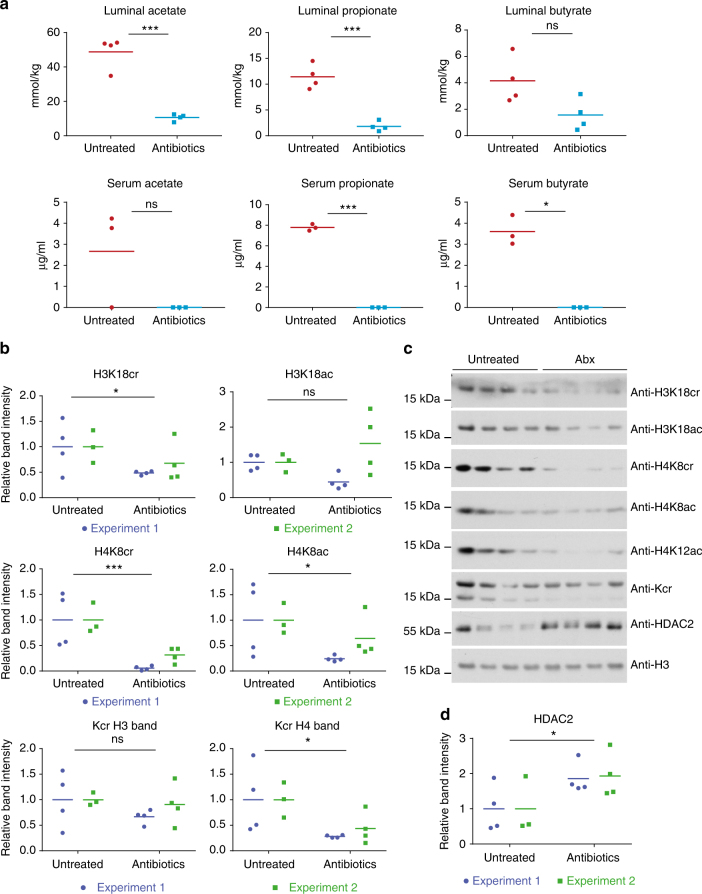
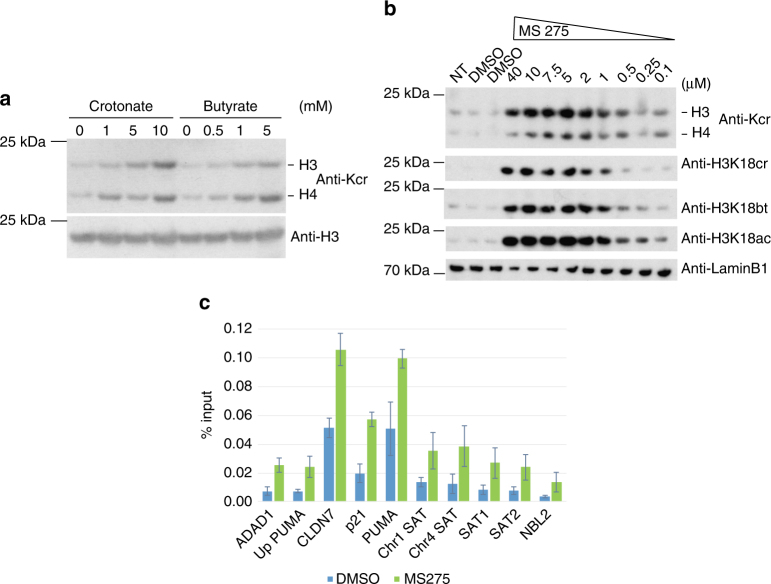
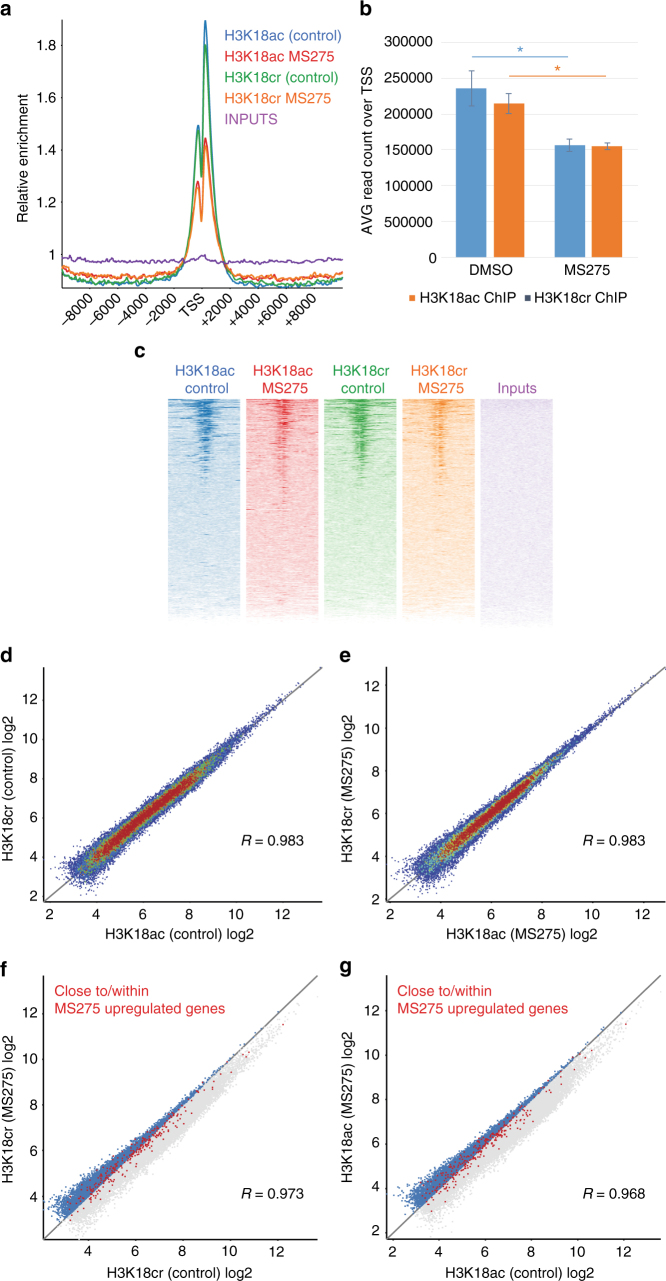
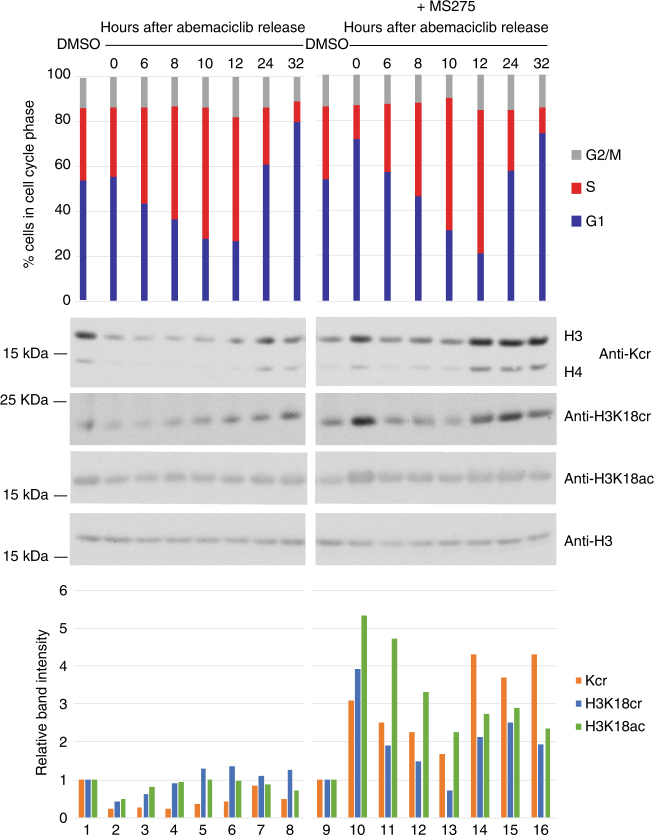
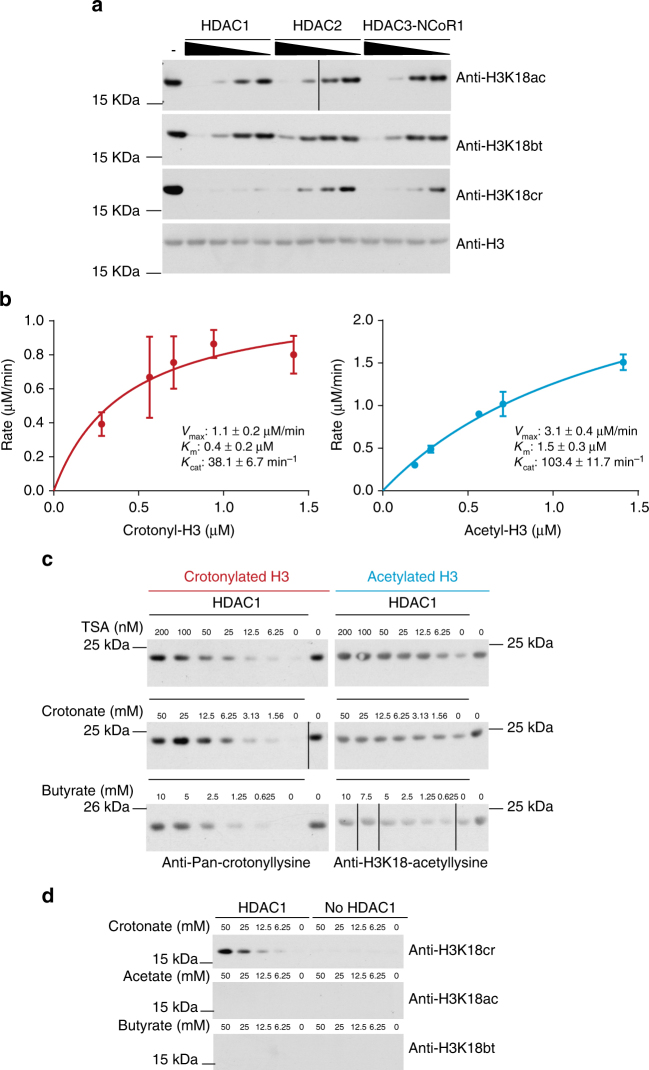
The recently discovered histone post-translational modification crotonylation connects cellular metabolism to gene regulation. Its regulation and tissue-specific functions are poorly understood. We characterize histone crotonylation in intestinal epithelia and find that histone H3 crotonylation at lysine 18 is a surprisingly abundant modification in the small intestine crypt and colon, and is linked to gene regulation. We show that this modification is highly dynamic and regulated during the cell cycle. We identify class I histone deacetylases, HDAC1, HDAC2, and HDAC3, as major executors of histone decrotonylation. We show that known HDAC inhibitors, including the gut microbiota-derived butyrate, affect histone decrotonylation. Consistent with this, we find that depletion of the gut microbiota leads to a global change in histone crotonylation in the colon. Our results suggest that histone crotonylation connects chromatin to the gut microbiota, at least in part, via short-chain fatty acids and HDACs.
Overview
The claims and statistics of this paper haven’t been checked yet.
Free: it reads the open-access text and checks the first 5 claims that cite a source we can check. Create a free account to check every claim.
Integrity signals
Registry
Cites
Statistics
Figures
Verification
Claims the paper makes
The claims and statistics of this paper haven’t been checked yet.
Free: it reads the open-access text and checks the first 5 claims that cite a source we can check. Create a free account to check every claim.
Claims other papers make about this one
Each is checked against this paper’s own text: does it say what the citing paper says it does?
The source backs part of the claim, not all of it — or backs it for a different population, condition or comparison.
In the citing paper
“Recently, HDAC1/2 have been implicated in the regulation of histone crotonylation levels in cells21,22.”
From Histone deacetylase (HDAC) 1 and 2 complexes regulate both histone acetylation and crotonylation in vivo (2018) · cites this paper as [22]
Experimental — accuracy not yet measuredThe source backs part of the claim, not all of it — or backs it for a different population, condition or comparison.
In the citing paper
“To date, decrotonylase activity has been described for HDAC1-3 and Sirtuins 1-316–18,21,22.”
From Histone deacetylase (HDAC) 1 and 2 complexes regulate both histone acetylation and crotonylation in vivo (2018) · cites this paper as [22]
Experimental — accuracy not yet measuredThe source backs part of the claim, not all of it — or backs it for a different population, condition or comparison.
In the citing paper
“histone crotonylation is catalyzed by HATs, which add a crotonyl group from crotonyl-coenzyme A (CoA) to amino acid residues of histones,111 while HDACs 1/2/3 and sirtuin 1/2/3, act as decrotonylases.180–182”
From Epigenetic regulation in major depression and other stress-related disorders: molecular mechanisms, clinical relevance and therapeutic potential (2023) · cites this paper as [180]
Experimental — accuracy not yet measuredThe cited source says what the claim attributes to it.
In the citing paper
“SCFAs have recently been implicated in histone crotonylation”
From The Microbiota-Gut-Brain Axis (2019) · cites this paper as Fellows et al., 2018
In the citing paper
“the gut microbiota and its related metabolites can disrupt the host's normal cell cycle, leading to changes in cell and protein expression that control cell division, DNA repair, and apoptosis (8,9).”
From The Role of Gut Microbiota in Lung Cancer: From Carcinogenesis to Immunotherapy (2021) · doi:10.3389/fonc.2021.720842 · cites this paper as [9]
7 more claims about this paper
Create a free account to see every claim other papers make about this one.
Self-check
Percentages, sums and reported differences re-computed from the paper’s own numbers.
The self-check needs the paper’s full text.
Citations
Cites
The Perseus computational platform for comprehensive analysis of (prote)omics data
Tyanova, S., Temu, T., Sinitcyn, P., Carlson, A., Hein, M. Y., Geiger, T., Mann, M., & Cox, J. (2016) · Nature Methods · doi:10.1038/nmeth.3901 · Cited by 8,803
From Dietary Fiber to Host Physiology: Short-Chain Fatty Acids as Key Bacterial Metabolites
Koh, A., De Vadder, F., Kovatcheva-Datchary, P., & Bäckhed, F. (2016) · Cell · doi:10.1016/j.cell.2016.05.041 · Cited by 7,070
The MaxQuant computational platform for mass spectrometry-based shotgun proteomics
Tyanova, S., Temu, T., & Cox, J. (2016) · Nature Protocols · doi:10.1038/nprot.2016.136 · Cited by 4,797
Rappsilber, J., Ishihama, Y., & Mann, M. (2003) · Analytical Chemistry · doi:10.1021/ac026117i · Cited by 2,644
The microbiome and butyrate regulate energy metabolism and autophagy in the mammalian colon
Donohoe, D. R., Garge, N., Zhang, X., Sun, W., O'Connell, T. M., Bunger, M. K., & Bultman, S. J. (2011) · Cell Metabolism · doi:10.1016/j.cmet.2011.02.018 · Cited by 2,003
Tan, M., Luo, H., Lee, S., Jin, F., Yang, J. S., Montellier, E., Buchou, T., Cheng, Z., Rousseaux, S., Rajagopal, N., et al. (2011) · Cell · doi:10.1016/j.cell.2011.08.008 · Cited by 1,902
HDACs and HDAC Inhibitors in Cancer Development and Therapy
Li, Y., & Seto, E. (2016) · Cold Spring Harbor Perspectives in Medicine · doi:10.1101/cshperspect.a026831 · Cited by 1,284
Growing Self-Organizing Mini-Guts from a Single Intestinal Stem Cell: Mechanism and Applications
Sato, T., & Clevers, H. (2013) · Science · doi:10.1126/science.1234852 · Cited by 1,170
Metabolic regulation of gene expression through histone acylations
Sabari, B. R., Zhang, D., Allis, C. D., & Zhao, Y. (2017) · Nature Reviews Molecular Cell Biology · doi:10.1038/nrm.2016.140 · Cited by 1,130
Sodium butyrate inhibits histone deacetylation in cultured cells
Candido, E. (1978) · Cell · doi:10.1016/0092-8674(78)90305-7 · Cited by 1,036
Cited by
Cryan, J. F., O'Riordan, K. J., Cowan, C. S. M., Sandhu, K. V., Bastiaanssen, T. F. S., Boehme, M., Codagnone, M. G., Cussotto, S., Fulling, C., Golubeva, A. V., et al. (2019) · Physiological Reviews · doi:10.1152/physrev.00018.2018 · Cited by 5,286
The role of short-chain fatty acids in microbiota–gut–brain communication
Dalile, B., Van Oudenhove, L., Vervliet, B., & Verbeke, K. (2019) · Nature Reviews Gastroenterology & Hepatology · doi:10.1038/s41575-019-0157-3 · Cited by 3,357
Short-chain fatty acids: Linking diet, the microbiome and immunity
Mann, E. R., Lam, Y. K., & Uhlig, H. H. (2024) · Nature reviews. Immunology · doi:10.1038/s41577-024-01014-8 · Cited by 1,595
“57), as well as through its conversion into butyryl-CoA and crotonyl-CoA, which functions as a precursor for histone crotonylation by p300–CBP 58 .”
SCFA: mechanisms and functional importance in the gut
Martin-Gallausiaux, C., Marinelli, L., Blottière, H. M., Larraufie, P., & Lapaque, N. (2021) · Proceedings of the Nutrition Society · doi:10.1017/s0029665120006916 · Cited by 1,480
Class I histone deacetylases (HDAC1–3) are histone lysine delactylases
Moreno-Yruela, C., Zhang, D., Wei, W., Bæk, M., Liu, W., Gao, J., Danková, D., Nielsen, A. L., Bolding, J. E., Yang, L., et al. (2022) · Science Advances · doi:10.1126/sciadv.abi6696 · Cited by 841
Short chain fatty acids: Microbial metabolites for gut-brain axis signalling
O'Riordan, K. J., Collins, M. K., Moloney, G. M., Knox, E. G., Aburto, M. R., Fülling, C., Morley, S. J., Clarke, G., Schellekens, H., & Cryan, J. F. (2022) · Molecular and Cellular Endocrinology · doi:10.1016/j.mce.2022.111572 · Cited by 713
Immunomodulatory potential of gut microbiome-derived short-chain fatty acids (SCFAs)
Ratajczak, W., Rył, A., Mizerski, A., Walczakiewicz, K., Sipak, O., & Laszczyńska, M. (2019) · Acta Biochimica Polonica · doi:10.18388/abp.2018_2648 · Cited by 514
Gut microbiota-derived short-chain fatty acids and their role in human health and disease
Mukhopadhya, I., & Louis, P. (2025) · Nature Reviews Microbiology · doi:10.1038/s41579-025-01183-w · Cited by 501
“Other novel post-translational protein modifications, propionylation, butyryla-tion and lysine crotonylation, are alternate pathways for the action of SCFAs 50,51 .”
The evolving metabolic landscape of chromatin biology and epigenetics
Dai, Z., Ramesh, V., & Locasale, J. W. (2020) · Nature Reviews Genetics · doi:10.1038/s41576-020-0270-8 · Cited by 494
The gut-bone axis: How bacterial metabolites bridge the distance
Zaiss, M. M., Jones, R. M., Schett, G., & Pacifici, R. (2019) · Journal of Clinical Investigation · doi:10.1172/jci128521 · Cited by 403
“The role of SCFAs in the immune system has been extensively reviewed elsewhere (53, 71, 84); some of the main discoveries are outlined herein.”
BackgroundInfluentialThe interaction among gut microbes, the intestinal barrier and short chain fatty acids
Ma, J., Piao, X., Mahfuz, S., Long, S., & Wang, J. (2022) · Animal Nutrition · doi:10.1016/j.aninu.2021.09.012 · Cited by 398
Nomura, M., Nagatomo, R., Doi, K., Shimizu, J., Baba, K., Saito, T., Matsumoto, S., Inoue, K., & Muto, M. (2020) · JAMA Network Open · doi:10.1001/jamanetworkopen.2020.2895 · Cited by 396
Antunes, K. H., Fachi, J. L., de Paula, R., da Silva, E. F., Pral, L. P., dos Santos, A. Á., Dias, G. B. M., Vargas, J. E., Puga, R., Mayer, F. Q., et al. (2019) · Nature Communications · doi:10.1038/s41467-019-11152-6 · Cited by 385
Self-citationThe Influence of the Gut Microbiome on Host Metabolism Through the Regulation of Gut Hormone Release
Martin, A. M., Sun, E. W., Rogers, G. B., & Keating, D. J. (2019) · Frontiers in Physiology · doi:10.3389/fphys.2019.00428 · Cited by 384
“A broad number of EE cell subpopulations have been defined, based largely on their hormone expression profile (Fothergill et al., 2017).”
BackgroundSuganya, K., & Koo, B.-S. (2020) · International Journal of Molecular Sciences · doi:10.3390/ijms21207551 · Cited by 368
Fachi, J. L., Felipe, J. D. S., Pral, L. P., da Silva, B. K., Corrêa, R. O., de Andrade, M. C. P., da Fonseca, D. M., Basso, P. J., Câmara, N. O. S., de Sales e Souza, É. L., et al. (2019) · Cell Reports · doi:10.1016/j.celrep.2019.03.054 · Cited by 364
“Measurement of short-chain fatty acids Fecal samples or colonic luminal content samples were harvested from mice as described (Fellows et al., 2018) for measurement of SCFAs.”
MethodSelf-citationNagpal, R., Wang, S., Ahmadi, S., Hayes, J., Gagliano, J., Subashchandrabose, S., Kitzman, D. W., Becton, T., Read, R., & Yadav, H. (2018) · Scientific Reports · doi:10.1038/s41598-018-30114-4 · Cited by 347
Epigenetic regulation by gut microbiota
Woo, V., & Alenghat, T. (2022) · Gut Microbes · doi:10.1080/19490976.2021.2022407 · Cited by 319
“Consistent with this finding, Histone H3 and H4 crotonylation levels (H3K18Cr, H3K8Cr, and H4K8Cr) were significantly decreased in the colon of mice treated with antibiotics and administering the HDAC inhibitor butyrate promoted histone crotonylation.(42) Taken together, these studies demonstrate that the microbiota s…”
BackgroundResultCompartmentalised acyl-CoA metabolism and roles in chromatin regulation
Trefely, S., Lovell, C. D., Snyder, N. W., & Wellen, K. E. (2020) · Molecular Metabolism · doi:10.1016/j.molmet.2020.01.005 · Cited by 272
“Inhibition of HDAC function by the SCFA butyrate derived from microbiota inhibits de-crotonylation in gut epithelial cells, illustrating an interesting interaction of Kcr marks with SCFA metabolism [129].”
BackgroundInfluentialChriett, S., Dąbek, A., Wojtala, M., Vidal, H., Balcerczyk, A., & Pirola, L. (2019) · Scientific Reports · doi:10.1038/s41598-018-36941-9 · Cited by 263
Yuille, S., Reichardt, N., Panda, S., Dunbar, H., & Mulder, I. E. (2018) · PLOS ONE · doi:10.1371/journal.pone.0201073 · Cited by 257
Barnes, C. E., English, D. M., & Cowley, S. M. (2019) · Essays in Biochemistry · doi:10.1042/ebc20180061 · Cited by 230
Yuan, M., Yang, B., Rothschild, G., Mann, J. J., Sanford, L. D., Tang, X., Huang, C., Wang, C., & Zhang, W. (2023) · Signal Transduction and Targeted Therapy · doi:10.1038/s41392-023-01519-z · Cited by 246
Acetate coordinates neutrophil and ILC3 responses against C. difficile through FFAR2
Fachi, J. L., Sécca, C., Rodrigues, P. B., Mato, F. C. P. D., Di Luccia, B., Felipe, J. D. S., Pral, L. P., Rungue, M., Rocha, V. D. M., Sato, F. T., et al. (2020) · Journal of Experimental Medicine · doi:10.1084/jem.20190489 · Cited by 220
Self-citationMalmuthuge, N., Liang, G., & Guan, L. L. (2019) · Genome Biology · doi:10.1186/s13059-019-1786-0 · Cited by 219
The microbiota programs DNA methylation to control intestinal homeostasis and inflammation
Ansari, I., Raddatz, G., Gutekunst, J., Ridnik, M., Cohen, D., Abu-Remaileh, M., Tuganbaev, T., Shapiro, H., Pikarsky, E., Elinav, E., et al. (2020) · Nature Microbiology · doi:10.1038/s41564-019-0659-3 · Cited by 202
Allen, J., & Sears, C. L. (2019) · Genome Medicine · doi:10.1186/s13073-019-0621-2 · Cited by 204
“These SCFAs promote H3K18 crotonylation by inhibiting HDACs [96] Antibiotic-treated murine gut microbiome Mice, mouse small intestinal enteroids, human CRC cell lines (HCT116) Pathways related to endometrial cancer, prostate cancer, pancreatic cancer, CRC, TGF-β signaling and stem cell pluripotency ChIP-seq Allen and…”
BackgroundInfluentialInflammation and Oxidative Stress in Chronic Kidney Disease and Dialysis Patients
Ebert, T., Neytchev, O., Witasp, A., Kublickiene, K., Stenvinkel, P., & Shiels, P. G. (2021) · Antioxidants & Redox Signaling · doi:10.1089/ars.2020.8184 · Cited by 177
Short‐chain fatty acids: Bacterial messengers modulating the immunometabolism of T cells
Luu, M., & Visekruna, A. (2019) · European Journal of Immunology · doi:10.1002/eji.201848009 · Cited by 186
Diet-gut microbiota-epigenetics in metabolic diseases: From mechanisms to therapeutics
Li, D., Li, Y., Yang, S., Lu, J., Jin, X., & Wu, M. (2022) · Biomedicine & Pharmacotherapy · doi:10.1016/j.biopha.2022.113290 · Cited by 182
Short-chain fatty acid, acylation and cardiovascular diseases
Chen, X.-F., Chen, X., & Tang, X. (2020) · Clinical Science · doi:10.1042/cs20200128 · Cited by 183
Histone acylations and chromatin dynamics: concepts, challenges, and links to metabolism
Nitsch, S., Zorro Shahidian, L., & Schneider, R. (2021) · EMBO reports · doi:10.15252/embr.202152774 · Cited by 173
“These findings suggest that Kcr levels in the colon could reflect short-chain fatty acid generation by the microbiota and provide an example of how changes in metabolism can influence the epigenome (Fellows et al , 2018).”
The Role of the Gut Microbiome in Diabetes and Obesity-Related Kidney Disease
Zaky, A., Glastras, S. J., Wong, M. Y. W., Pollock, C. A., & Saad, S. (2021) · International Journal of Molecular Sciences · doi:10.3390/ijms22179641 · Cited by 172
Martin-Gallausiaux, C., Larraufie, P., Jarry, A., Béguet-Crespel, F., Marinelli, L., Ledue, F., Reimann, F., Blottière, H. M., & Lapaque, N. (2018) · Frontiers in Immunology · doi:10.3389/fimmu.2018.02838 · Cited by 167
Understanding the Function of Mammalian Sirtuins and Protein Lysine Acylation
Wang, M., & Lin, H. (2021) · Annual Review of Biochemistry · doi:10.1146/annurev-biochem-082520-125411 · Cited by 161
Varner, E. L., Trefely, S., Bartee, D., von Krusenstiern, E., Izzo, L., Bekeova, C., O'Connor, R. S., Seifert, E. L., Wellen, K. E., Meier, J. L., et al. (2020) · Open Biology · doi:10.1098/rsob.200187 · Cited by 152
Visekruna, A., & Luu, M. (2021) · Frontiers in Cell and Developmental Biology · doi:10.3389/fcell.2021.703218 · Cited by 174
Histone crotonylation promotes mesoendodermal commitment of human embryonic stem cells
Fang, Y., Xu, X., Ding, J., Yang, L., Doan, M. T., Karmaus, P. W. F., Snyder, N. W., Zhao, Y., Li, J., & Li, X. (2021) · Cell stem cell · doi:10.1016/j.stem.2020.12.009 · Cited by 173
“, 2015), or depletion of short-chain fatty acid-producing gut microbiota in mice (Fellows et al., 2018), notably change levels of histone crotonylation in nuclear extracts, in cells, and in vivo.”
BackgroundEpigenetic Remodeling in Innate Immunity and Inflammation
Zhang, Q., & Cao, X. (2021) · Annual Review of Immunology · doi:10.1146/annurev-immunol-093019-123619 · Cited by 156
Kopczyńska, J., & Kowalczyk, M. (2024) · Frontiers in Immunology · doi:10.3389/fimmu.2024.1380476 · Cited by 164
Yu, H., Bu, C., Liu, Y., Gong, T., Liu, X., Liu, S., Peng, X., Zhang, W., Peng, Y., Yang, J., et al. (2020) · Science Advances · doi:10.1126/sciadv.aay4697 · Cited by 168
Structural diversity, functional aspects and future therapeutic applications of human gut microbiome
Ghosh, S., & Pramanik, S. (2021) · Archives of Microbiology · doi:10.1007/s00203-021-02516-y · Cited by 175
Khan, S., & Chousalkar, K. K. (2020) · Journal of Animal Science and Biotechnology/Journal of animal science and biotechnology · doi:10.1186/s40104-020-0433-7 · Cited by 167
“SCFAs activate G protein-coupled receptors (GPCRs) including free fatty-acid receptors 2 and 3 (FFAR2 and FFAR3) [14], inhibit histone deacetylases [15] and provide energy to enterocytes [16].”
BackgroundLinking Lipid Metabolism to Chromatin Regulation in Aging
Papsdorf, K., & Brunet, A. (2019) · Trends in Cell Biology · doi:10.1016/j.tcb.2018.09.004 · Cited by 147
“In addition, short-chain fatty acids derived from the microbiota promote crotonylation at lysine 18 on histone H3 (H3K18) in mouse intestinal epithelial cells [118] (Figure 4A).”
Dai, S., Liu, P.-P., Li, X., Jiao, L., Teng, Z., & Liu, C. (2022) · Development · doi:10.1242/dev.200049 · Cited by 162
Histone deacetylase function in CD4+ T cells
Ellmeier, W., & Seiser, C. (2018) · Nature reviews. Immunology · doi:10.1038/s41577-018-0037-z · Cited by 157
Stress, epigenetics, and aging: Unraveling the intricate crosstalk
Wu, Z., Qu, J., Zhang, W., & Liu, G.-H. (2024) · Molecular Cell · doi:10.1016/j.molcel.2023.10.006 · Cited by 134
Protein lysine crotonylation: past, present, perspective
Jiang, G., Li, C., Lü, M. K., Lu, K., & Li, H. (2021) · Cell Death and Disease · doi:10.1038/s41419-021-03987-z · Cited by 150
“Carcinogenesis Histone H3K18cr was the most abundant histone Kcr in intestine, especially in the TSS of colon epithelial crypts [14].”
BackgroundInfluentialShort chain fatty acids: the messengers from down below
Mansuy‐Aubert, V., & Ravussin, Y. (2023) · Frontiers in Neuroscience · doi:10.3389/fnins.2023.1197759 · Cited by 149
“SCFAs interact with histone deacetylases (HDACs; Fellows et al., 2018), enzymes that play a role in the epigenetic regulation of gene expression.”
BackgroundKelly, R. D. W., Chandru, A., Watson, P. J., Song, Y., Blades, M., Robertson, N. S., Jamieson, A. G., Schwabe, J. W. R., & Cowley, S. M. (2018) · Scientific Reports · doi:10.1038/s41598-018-32927-9 · Cited by 138
The Role of Gut Microbiota in Lung Cancer: From Carcinogenesis to Immunotherapy
(2021) · doi:10.3389/fonc.2021.720842 · Cited by 136
“health homeostasis in many ways, and the gut microbiota and its related metabolites can disrupt the host’s normal cell cycle, leading to changes in cell and protein expression that control cell division, DNA repair, and apoptosis (8, 9).”
BackgroundDietary nutrients shape gut microbes and intestinal mucosa via epigenetic modifications
Wu, J., Zhao, Y., Wang, X., Kong, L., Johnston, L. J., Lü, L., & Ma, X. (2020) · Critical Reviews in Food Science and Nutrition · doi:10.1080/10408398.2020.1828813 · Cited by 140
Microbial Metabolites, Postbiotics, and Intestinal Epithelial Function
Mayorgas, A., Dotti, I., & Salas, A. (2020) · Molecular Nutrition & Food Research · doi:10.1002/mnfr.202000188 · Cited by 139
Recognition of Histone Crotonylation by Taf14 Links Metabolic State to Gene Expression
Gowans, G. J., Bridgers, J. B., Zhang, J., Dronamraju, R., Burnetti, A., King, D. A., Thiengmany, A., Shinsky, S. A., Bhanu, N. V., Garcia, B. A., et al. (2019) · Molecular Cell · doi:10.1016/j.molcel.2019.09.029 · Cited by 133
“, 2016), including histone crotonylation in the colon that is dynamically regulated by the cell cycle (Fellows et al., 2018).”
Chan, J. C., & Maze, I. S. (2020) · Trends in Biochemical Sciences · doi:10.1016/j.tibs.2020.05.009 · Cited by 129
Unraveling host regulation of gut microbiota through the epigenome–microbiome axis
Pepke, M. L., Hansen, S. B., & Limborg, M. T. (2024) · Trends in Microbiology · doi:10.1016/j.tim.2024.05.006 · Cited by 123
Mechanisms controlling hormone secretion in human gut and its relevance to metabolism
Martin, A. M., Sun, E. W., & Keating, D. J. (2020) · Journal of Endocrinology · doi:10.1530/joe-19-0399 · Cited by 109
Interplay Among Metabolism, Epigenetic Modifications, and Gene Expression in Cancer
Huo, M., Zhang, J., Huang, W., & Wang, Y. (2021) · Frontiers in Cell and Developmental Biology · doi:10.3389/fcell.2021.793428 · Cited by 127
The Regulation and Function of Histone Crotonylation
Ntorla, A., & Burgoyne, J. R. (2021) · Frontiers in Cell and Developmental Biology · doi:10.3389/fcell.2021.624914 · Cited by 115
Antibiotic-induced acceleration of type 1 diabetes alters maturation of innate intestinal immunity
Zhang, X.-S., Li, J., Krautkramer, K. A., Badri, M., Battaglia, T., Borbet, T. C., Koh, H., Ng, S., Sibley, R. A., Li, Y., et al. (2018) · eLife · doi:10.7554/elife.37816 · Cited by 110
“By inhibiting histone-modifying genes in intestinal cells, SCFAs including butyrate, affect epigenetic status and thus gene expression (Fellows et al., 2018; Schilderink et al., 2013); the transcriptional analyses we performed provide direct evidence of such dysregulation.”
Disentangling host–microbiota complexity through hologenomics
Alberdi, A., Andersen, S. B., Limborg, M. T., Dunn, R. R., & Gilbert, M. T. P. (2021) · Nature Reviews Genetics · doi:10.1038/s41576-021-00421-0 · Cited by 120
Shetty, S. A., Boeren, S. A., Bui, T. P. N., Smidt, H., & de Vos, W. M. (2020) · Environmental Microbiology · doi:10.1111/1462-2920.15269 · Cited by 121
“Butyrate is also suggested to play a role in gene expression as it is a known inhibitor of histone deacetylases, and recently it was demonstrated that butyrate promotes histone crotonylation in vitro (Davie, 2003; Fellows et al ., 2018).”
Gut Microbiome in Colorectal Cancer: Clinical Diagnosis and Treatment
Liu, Y., Lau, H. C.-H., Cheng, W. Y., & Yu, J. Q. (2022) · Genomics Proteomics & Bioinformatics · doi:10.1016/j.gpb.2022.07.002 · Cited by 120
“This, in turn, leads to down-regulation of pro-inflammatory factors, inhibition of cell proliferation, and selective induction of apoptosis in CRC cells [46].”
BackgroundUnlocking gut-liver-brain axis communication metabolites: energy metabolism, immunity and barriers
Sun, X., Shukla, M., Wang, W., & Li, S. (2024) · npj Biofilms and Microbiomes · doi:10.1038/s41522-024-00610-9 · Cited by 118
“2) 46 .”
Liu, Y., Li, M., Fan, M., Song, Y., Yu, H., Zhi, X., Xiao, K., Lai, S., Zhang, J., Jin, X., et al. (2019) · Biological Psychiatry · doi:10.1016/j.biopsych.2018.11.025 · Cited by 106
The interplay between diet, gut microbes, and host epigenetics in health and disease
Shock, T., Badang, L., Ferguson, B. S., & Martinez, K. (2021) · The Journal of Nutritional Biochemistry · doi:10.1016/j.jnutbio.2021.108631 · Cited by 110
Intestinal microbiota, chronic inflammation, and colorectal cancer
Park, C. H., Eun, C. S., & Han, D. S. (2018) · Intestinal Research · doi:10.5217/ir.2018.16.3.338 · Cited by 109
“Changes in histone deacetylation can alter cell cycle regulation.(68) SCFAs also have anti-inflammatory and antineoplastic activities in mice, which are mediated by downregulation of Wnt signaling and induction of apoptosis.”
BackgroundForte, N., Fernández-Rilo, A. C., Palomba, L., Di Marzo, V., & Cristino, L. (2020) · International Journal of Molecular Sciences · doi:10.3390/ijms21051554 · Cited by 103
“SCFAs can also bypass the cell and nuclear membrane and then block histone deacetylase (HDAC) with consequent epigenetic attenuation of microglial activation and reduction of neuroinflammatory mediators [73].”
BackgroundFu, Y., Yu, J., Li, F., & Ge, S. (2022) · Journal of Experimental & Clinical Cancer Research · doi:10.1186/s13046-022-02338-w · Cited by 110
“Histone Kcr is also abundant in gut cells, especially H3K18cr, which is associated with increased expression of genes involved in cancer and regulation of cell cycle progression [90].”
BackgroundCai, L., Zhu, H., Mou, Q., Wong, P. Y., Lan, L., Ng, C. W. K., Pu, L., Cheung, M. K., Wang, D., Wong, E. W. Y., et al. (2024) · npj Biofilms and Microbiomes · doi:10.1038/s41522-024-00511-x · Cited by 109
“Epigenetic mechanisms have also been recognized as a critical player at the interface between the human microbiome and the intestinal epithelial cell 37,38 .”
Gut Microbiota Metabolites Sensed by Host GPR41/43 Protect Against Hypertension
Muralitharan, R. R., Zheng, T., Dinakis, E., Xie, L., Barbaro-Wahl, A., Jama, H. A., Nakai, M. E., Patterson, M., Leung, K. C., McArdle, Z. M., et al. (2025) · Circulation Research · doi:10.1161/circresaha.124.325770 · Cited by 112
“44 In addition, we have recently demonstrated that SCFA production lowers colonic pH and activates the proton sensor GPR65, which also has partial cardiovascular protection driven by immune-driven mechanisms (CD8 + T cells).”
Dürholz, K., Hofmann, J., Iljazovic, A., Häger, J., Lucas, S., Sarter, K., Strowig, T., Bang, H., Rech, J., Schett, G., et al. (2020) · Nutrients · doi:10.3390/nu12103207 · Cited by 94
An Insight Into the Intestinal Web of Mucosal Immunity, Microbiota, and Diet in Inflammation
Yap, Y. A., & Mariño, E. (2018) · Frontiers in Immunology · doi:10.3389/fimmu.2018.02617 · Cited by 108
“As previously mentioned, the SCFAs can exert their antiinflammatory properties through HDAC inhibition (97, 100, 101).”
BackgroundDamiani, F., Cornuti, S., & Tognini, P. (2023) · Neuropharmacology · doi:10.1016/j.neuropharm.2023.109491 · Cited by 100
“The exceptional abundance of this PTM in the brain (Fellows et al., 2018) and the evidence showing its importance in neuronal differentiation (Dai et al., 2022), neurodevelopment (M. Wang et al., 2019), and stress-induced depression (Liu et al., 2019; M. Wang et al., 2019) make crotonylation one of…”
Qiao, Y., Zhu, X., & Gong, H. (2021) · Bioinformatics · doi:10.1093/bioinformatics/btab712 · Cited by 100
Unger, A. L., Torres-Gonzalez, M., & Kraft, J. (2019) · Nutrients · doi:10.3390/nu11092200 · Cited by 89
Woo, V., Eshleman, E. M., Hashimoto‐Hill, S., Whitt, J., Wu, S.-E., Engleman, L., Rice, T., Karns, R. A., Qualls, J. E., Haslam, D. B., et al. (2021) · Cell Host & Microbe · doi:10.1016/j.chom.2021.09.010 · Cited by 99
Abnormalities in microbiota/butyrate/FFAR3 signaling in aging gut impair brain function
Mishra, S. P., Jain, S., Wang, B., Wang, S., Miller, B. C., Lee, J.-Y., Borlongan, C. V., Jiang, L., Pollak, J., Taraphder, S., et al. (2024) · JCI Insight · doi:10.1172/jci.insight.168443 · Cited by 98
Dietary compounds in modulation of gut microbiota-derived metabolites
Feng, W., Liu, J., Cheng, H., Zhang, D., Tan, Y., & Peng, C. Y. (2022) · Frontiers in Nutrition · doi:10.3389/fnut.2022.939571 · Cited by 108
Zheng, N., Gao, Y., Zhu, W., Meng, D., & Walker, W. A. (2020) · PLoS ONE · doi:10.1371/journal.pone.0229283 · Cited by 93
“We also have begun to determine whether SCFAs receptors and HDACs are involved in the anti-inflammatory enterocyte cellular mechanism for this response in immature enterocytes compared to that reported for mature enterocytes [17,19].”
Histone acylation marks respond to metabolic perturbations and enable cellular adaptation
Jo, C., Park, S., Oh, S., Choi, J., Kim, E. K., Youn, H., & Cho, E. (2020) · Experimental & Molecular Medicine · doi:10.1038/s12276-020-00539-x · Cited by 93
The functional roles of short chain fatty acids as postbiotics in human gut: future perspectives
Ragavan, M. L., & Hemalatha, S. (2023) · Food Science and Biotechnology · doi:10.1007/s10068-023-01414-x · Cited by 90
The impact of gut microbial short-chain fatty acids on colorectal cancer development and prevention
Thulasinathan, B., Suvilesh, K. N., Maram, S., Grossmann, E. M., Ghouri, Y. A., Teixeiro, E., Chan, J., Kaifi, J. T., & Rachagani, S. (2025) · Gut Microbes · doi:10.1080/19490976.2025.2483780 · Cited by 93
“101 This modification is commonly observed in the epithelial cells of the small and large intestines and in the brain.”
Epigenetic effects of short-chain fatty acids from the large intestine on host cells
Stein, R. A., & Riber, L. (2023) · microLife · doi:10.1093/femsml/uqad032 · Cited by 97
“HATs have histone crotonylr ansfer ase (HCT) activities, and HD AC1, HD AC2, and HD AC3 are he major histone decr oton ylases (Sabari et al. 2015 , Wei et al. 017 , Fellows et al. 2018 ), but no cr oton yl-specific writers hav e yet een identified (Jiang et al .”
BackgroundFunction and Mechanism of Novel Histone Posttranslational Modifications in Health and Disease
Xu, H., Wu, M., Ma, X., Huang, W. G., & Xu, Y. (2021) · BioMed Research International · doi:10.1155/2021/6635225 · Cited by 96
“[58] noticed that Kcr is hugely abundant in intestinal epithelial cells, especially in the crypt of the small intestine and colon.”
BackgroundGut Microbiome Alterations During HIV/SIV Infection: Implications for HIV Cure
Crakes, K. R., & Jiang, G. (2019) · Frontiers in Microbiology · doi:10.3389/fmicb.2019.01104 · Cited by 91
Münte, E., & Hartmann, P. (2025) · Biomolecules · doi:10.3390/biom15040469 · Cited by 89
“Additionally, SCFAs, particularly butyrate, inhibit histone deacetylases, leading to enhanced histone acetylation and modulation of gene expression [5,95–100].”
Role of histone deacetylases and their inhibitors in neurological diseases
Zhang, L.-Y., Zhang, S.-Y., Wen, R., Zhang, T.-N., & Yang, N. (2024) · Pharmacological Research · doi:10.1016/j.phrs.2024.107410 · Cited by 84
The health benefits of dietary short-chain fatty acids in metabolic diseases
Tao, Z., & Wang, Y. (2024) · Critical Reviews in Food Science and Nutrition · doi:10.1080/10408398.2023.2297811 · Cited by 88
“Crotonate is the precursor of crotonyl-CoA and affects global crotonylation modifications (Fellows et al. 2018).”
Gut Microbiota and its Metabolites: Bridge of Dietary Nutrients and Alzheimer’s Disease
Zhu, G., Zhao, J., Zhang, H., Wang, G., & Chen, W. (2023) · Advances in Nutrition · doi:10.1016/j.advnut.2023.04.005 · Cited by 85
Chromatin dynamics and histone modifications in intestinal microbiota-host crosstalk
Fellows, R., & Varga‐Weisz, P. (2019) · Molecular Metabolism · doi:10.1016/j.molmet.2019.12.005 · Cited by 82
“We showed that butyrate acted as a histone decrotonylase inhibitor and found, consistent with several other studies published around that time [58,59], that class I HDACs are potent histone decrotonylases [57].”
MethodResultSelf-citationGuo, Z., Zhang, Y., Wang, H., Liao, L., Ma, L., Zhao, Y., Yang, R., Li, X., Niu, J., Chu, Q., et al. (2024) · Nature Communications · doi:10.1038/s41467-024-51232-w · Cited by 81
“Crotonate and acetate could be converted to the cognate acyl-CoAs 30 .”
Implications of gut microbiota-mediated epigenetic modifications in intestinal diseases
Zhang, Q., Liu, Y., Li, Y., Bai, G., Pang, J., Wu, M., Li, J., Zhao, X., & Xia, Y. (2025) · Gut Microbes · doi:10.1080/19490976.2025.2508426 · Cited by 81
“68 SCFAs are not only HDAC inhibitors but also serve as metabolic precursors of crotonyl-CoA, directly participating in histone crotonylation, such as crotonate.”
Muhammad, A., Habineza, P., Ji, T., Hou, Y., & Shi, Z. (2019) · Frontiers in Physiology · doi:10.3389/fphys.2019.01303 · Cited by 81
Tea polyphenols regulate gut microbiota dysbiosis induced by antibiotic in mice
Li, J., Chen, C., Yang, H., & Yang, X. (2021) · Food Research International · doi:10.1016/j.foodres.2021.110153 · Cited by 87
Gates, L. A., Reis, B. S., Lund, P. J., Paul, M. R., Leboeuf, M., Djomo, A. M., Nadeem, Z., Lopes, M. D. C., Vitorino, F. N. D. L., Ünlü, G., et al. (2024) · Nature Metabolism · doi:10.1038/s42255-024-00992-2 · Cited by 79
Reconceptualizing anorexia nervosa
Bulik, C. M., Flatt, R. E., Abbaspour, A., & Carroll, I. M. (2019) · Psychiatry and Clinical Neurosciences · doi:10.1111/pcn.12857 · Cited by 88
“One of the identified SCFA mechanisms of action, which connects cellular metabolism to gene expression, is inhibition of histone deacetylases.(93) Post-translational histone modifications are known to be important regulators of gene expression.”
BackgroundMcCrory, C., Lenardon, M. D., & Traven, A. (2024) · Trends in Microbiology · doi:10.1016/j.tim.2024.04.004 · Cited by 77
Role of gut microbiota in epigenetic regulation of colorectal Cancer
Zhao, Y., Wang, C., & Goel, A. (2020) · Biochimica et Biophysica Acta (BBA) - Reviews on Cancer · doi:10.1016/j.bbcan.2020.188490 · Cited by 77
Ratajczak, W., Mizerski, A., Rył, A., Słojewski, M., Sipak‐Szmigiel, O., Piasecka, M., & Laszczyńska, M. (2021) · Aging · doi:10.18632/aging.202968 · Cited by 71
“It has been also confirmed that SCFAs inhibit the activity of histone deacetylase (HDAC) – an enzyme involved in post-translational modifications [9], namely the process of deacetylation and, what is new, the process of histone crotonylation [34].”
Background
Metadata
- Authors
- Fellows, R., Denizot, J., Stellato, C., Cuomo, A., Jain, P., Stoyanova, E., Balázsi, S., Hajnády, Z., Liebert, A., Kazakevych, J., Blackburn, H., Corrêa, R. O., Fachi, J. L., Sato, F. T., Ribeiro, W. R., Ferreira, C. M., Perée, H., Spagnuolo, M., Mattiuz, R., Matolcsi, C., Guedes, J., Clark, J., Veldhoen, M., Bonaldi, T., Vinolo, M. A. R., & Varga-Weisz, P.
- Affiliations
- Babraham Institute (GB)
- European Institute of Oncology (IT)
- Universidade Estadual de Campinas (UNICAMP) (BR)
- Universidade Federal de São Paulo (BR)
- Corresponding author
- Bonaldi, Tiziana
- Vinolo, Marco Aurélio Ramirez
- ORCID
- Denizot, Jérémy
- Stellato, Claudia
- Cuomo, Alessandro
- Liebert, Anke
- Kazakevych, Juri
- Corrêa, Renan Oliveira
- Fachi, José Luís
- Ribeiro, Willian R.
- Ferreira, Caroline Marcantonio
- Perée, Hélène
- Spagnuolo, Mariangela
- Mattiuz, Raphaël
- Guedes, Joana
- Clark, Jonathan
- Veldhoen, Marc
- Bonaldi, Tiziana
- Vinolo, Marco Aurélio Ramirez
- Venue
- Nature Communications
- Published
- 2018-01-09
- Volume
- 9
- Issue
- 1
- Pages
- 105-105
- ISSN
- 2041-1723 (ISSN-L)
- PMC
- PMC5760624
- OpenAlex
- W2782311151
- Semantic Scholar
- f14a6f1c69fc5f24020adf5cead4266af5e5ef87
- Cited by
- 568
- References
- 51
- Citations by year
- 2026: 76 · 2025: 92 · 2024: 75 · 2023: 64 · 2022: 60 · 2021: 70 · 2020: 55 · 2019: 47 · 2018: 29
- FWCI
- 17.88
- Type
- journal article
- Language
- en
- Open access
- gold
- doi.org
- Licence
- cc-by
- creativecommons.org/licenses/by/4.0 (tdm)
- creativecommons.org/licenses/by/4.0 (vor)
- Locations
- Nature Communications (publishedVersion, cc-by)
- Europe PMC (PubMed Central) (publishedVersion, cc-by)
- PubMed Central (publishedVersion, cc-by)
- PubMed (publishedVersion)
- Open Access at Essex (University of Essex) (acceptedVersion)
- HAL (submittedVersion, cc-by)
- RePEc: Research Papers in Economics (submittedVersion)
- Archivio Istituzionale della Ricerca (Universita Degli Studi Di Milano) (submittedVersion, other-oa)
- DOAJ (DOAJ: Directory of Open Access Journals) (submittedVersion)
- DOAJ (DOAJ: Directory of Open Access Journals) (submittedVersion, cc-by-sa)
- ORBi (University of Liège) (submittedVersion, other-oa)
- LA Referencia (Red Federada de Repositorios Institucionales de Publicaciones Científicas) (submittedVersion, other-oa)
- Funders
- National Centre for the Replacement, Refinement and Reduction of Animals in Research (NC/L001217/1)
- Fundação de Amparo à Pesquisa do Estado de São Paulo (12/10653-9, 2015/, 15/50379-1)
- Ministero della Salute (GR2011)
- Associazione Italiana per la Ricerca sul Cancro
- Tokyo Medical and Dental University
- Directorate for Biological Sciences
- Medical Research Council (MR/N009398/1)
- Biotechnology and Biological Sciences Research Council (BB/L026988/1, BBS/E/B/0000C338, BBS/E/B/000C0404, BBS/E/B/000C0409, BB/E021638/1, BB/F020236/1, BB/N013565/1, BBS/E/B/000C0427)
- Erasmus+
- Topics
- Life Sciences › Biochemistry, Genetics and Molecular Biology › Molecular Biology › Histone Deacetylase Inhibitors Research
- Life Sciences › Biochemistry, Genetics and Molecular Biology › Molecular Biology › Genomics and Chromatin Dynamics
- Life Sciences › Biochemistry, Genetics and Molecular Biology › Molecular Biology › Epigenetics and DNA Methylation
- Keywords
- histone crotonylation, histone deacetylase, class I HDACs, HDAC1, HDAC2, HDAC3, gut microbiota, short-chain fatty acids, butyrate, intestinal epithelium, colon, small intestine crypts, cell cycle, chromatin regulation, gene expression regulation, gut microbiota depletion
- MeSH terms
- Gastrointestinal Microbiome, Acylation, Animals, Cell Cycle, Colon, Crotonates, Fatty Acids, Volatile, Histone Deacetylases, Histones, Humans, Intestinal Mucosa, Male, Mice, Inbred C57BL, Protein Processing, Post-Translational, HCT116 Cells, Histone Deacetylase Inhibitors
About these checks
Registry, retraction, Cites and statistics results are computed, not judged, with one exception: a printed reference that no index lists is read once by a model before it counts as a citation error. Claims are extracted by a model and kept only when their quote appears verbatim in the text; each cited source is then checked, with a model’s help, for whether it says what the claim relies on. Those verdicts can be wrong — read the claim’s quote and the cited source before relying on one.
Statistics and arithmetic are recomputed, not judged.
Confidence bands are shown only for fields calibrated on our annotated test set. None is calibrated yet, so no band is shown.
What counts as a claim ›How we measure confidence ›How we check this ›
Are you an author, or do you see a problem with this page? Request a review
Data sources
Bibliographic data: Semantic Scholar, OpenAlex, Crossref.
Contains information from the Semantic Scholar Academic Graph Datasets, made available under the ODC Attribution License (ODC-BY 1.0).
Semantic Scholar’s data is described in: Kinney, R., et al. (2023). The Semantic Scholar Open Data Platform. arXiv:2301.10140.
