

Microbiota derived short chain fatty acids promote histone crotonylation in the colon through histone deacetylases
Open accessThe DOI matches its Crossref record; 51 of the 51 references it cites were found in a registry or an index.
Abstract
The recently discovered histone post-translational modification crotonylation connects cellular metabolism to gene regulation. Its regulation and tissue-specific functions are poorly understood. We characterize histone crotonylation in intestinal epithelia and find that histone H3 crotonylation at lysine 18 is a surprisingly abundant modification in the small intestine crypt and colon, and is linked to gene regulation. We show that this modification is highly dynamic and regulated during the cell cycle. We identify class I histone deacetylases, HDAC1, HDAC2, and HDAC3, as major executors of histone decrotonylation. We show that known HDAC inhibitors, including the gut microbiota-derived butyrate, affect histone decrotonylation. Consistent with this, we find that depletion of the gut microbiota leads to a global change in histone crotonylation in the colon. Our results suggest that histone crotonylation connects chromatin to the gut microbiota, at least in part, via short-chain fatty acids and HDACs.
Overview
The claims and statistics of this paper haven’t been checked yet.
Free: it reads the open-access text and checks the first 5 claims that cite a source we can check. Create a free account to check every claim.
Integrity signals
Registry
Cites
Statistics
Figures
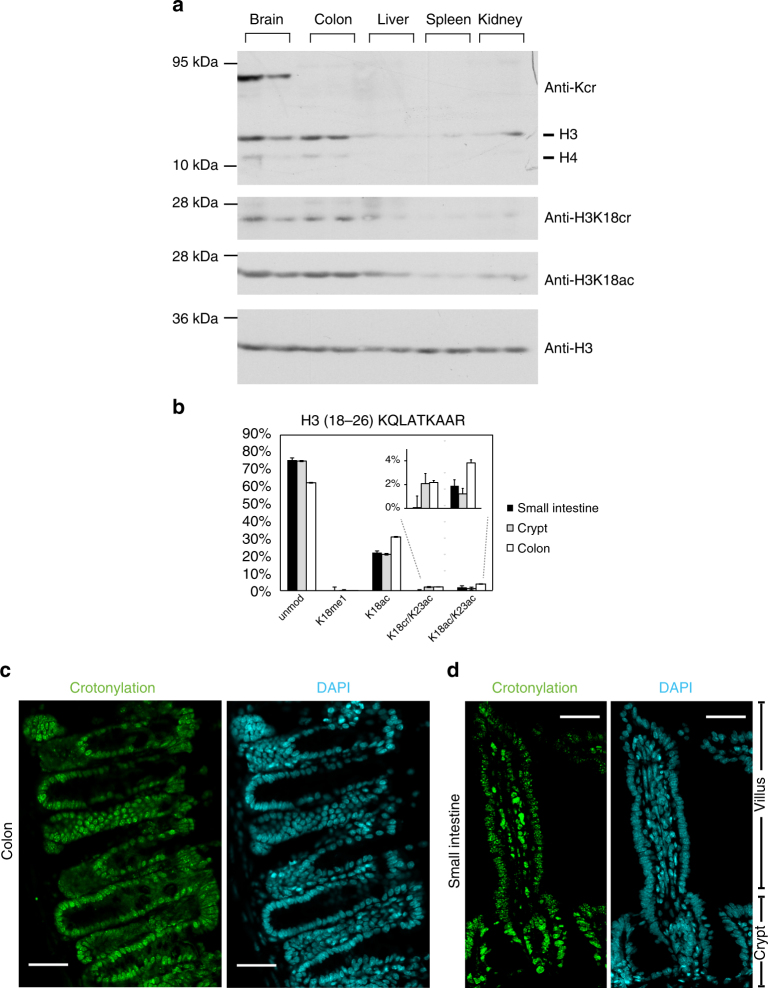
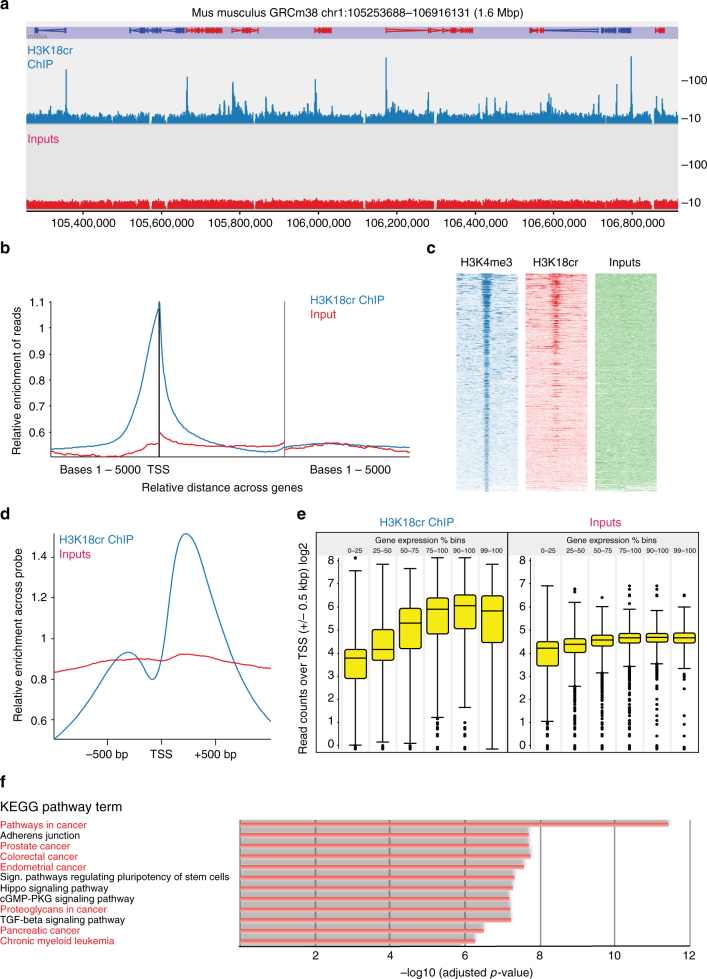
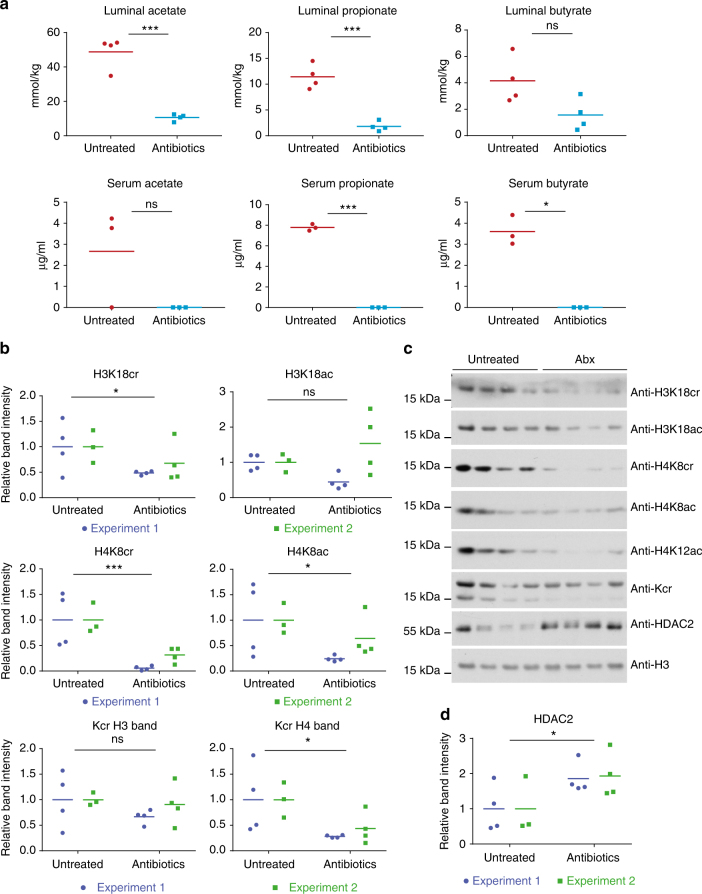
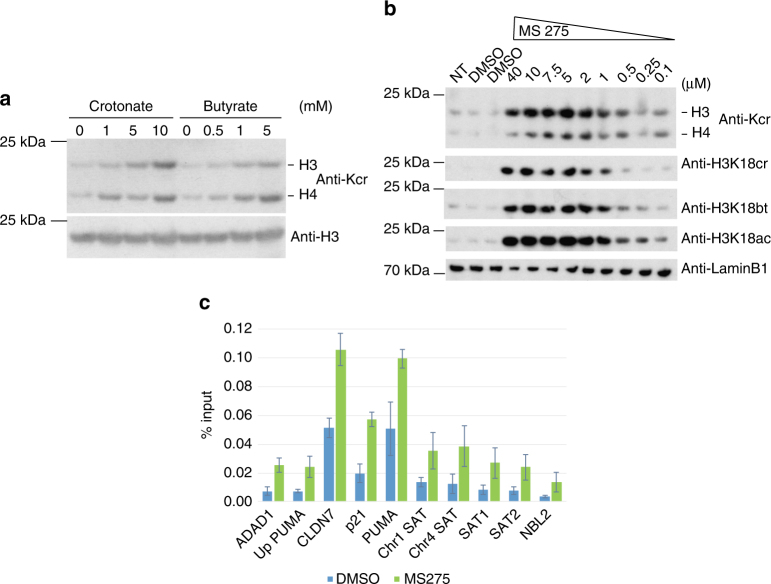
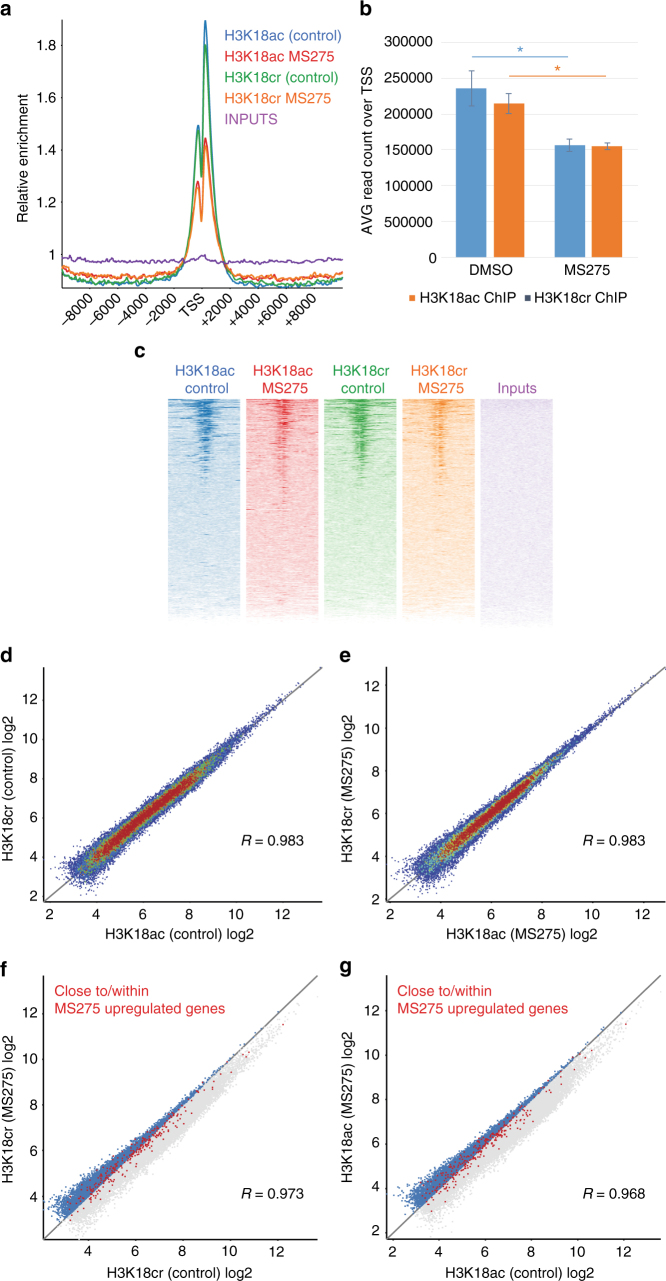
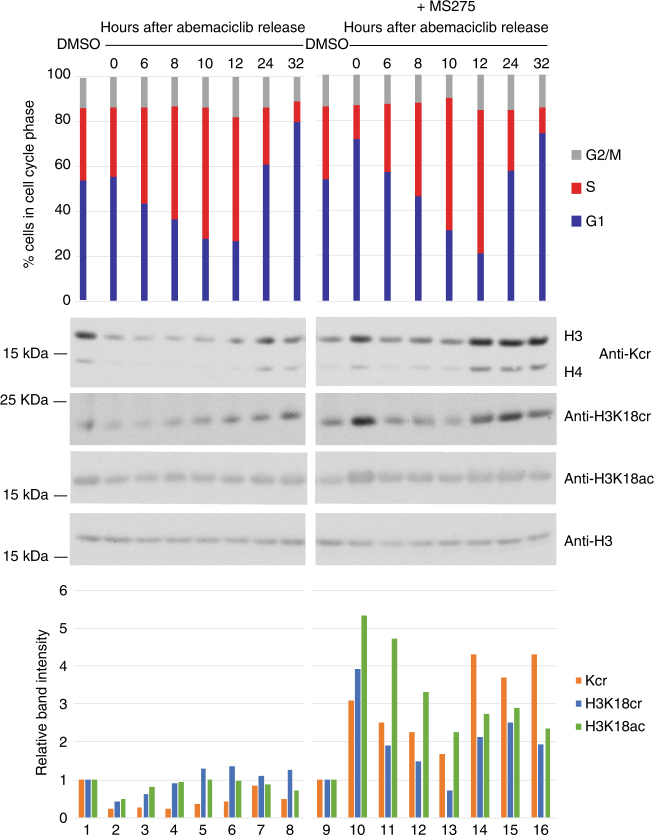
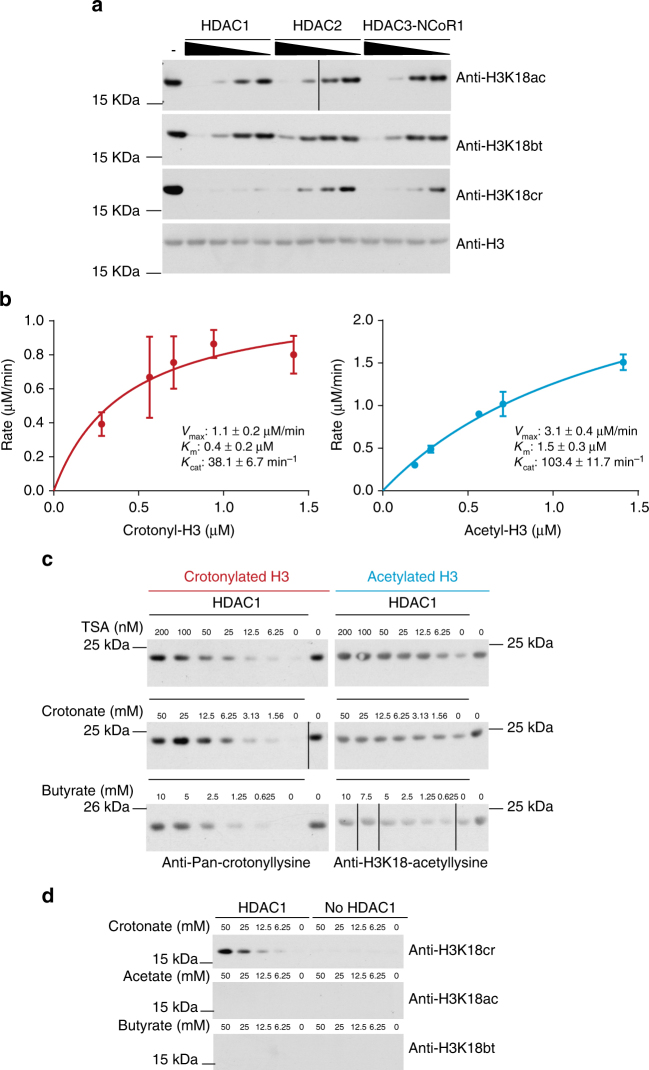
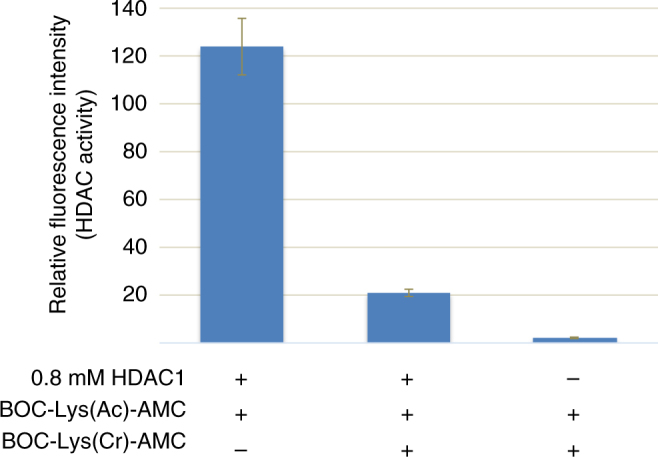
Verification
Claims the paper makes
The claims and statistics of this paper haven’t been checked yet.
Free: it reads the open-access text and checks the first 5 claims that cite a source we can check. Create a free account to check every claim.
Claims other papers make about this one
Each is checked against this paper’s own text: does it say what the citing paper says it does?
The source backs part of the claim, not all of it — or backs it for a different population, condition or comparison.
In the citing paper
“Recently, HDAC1/2 have been implicated in the regulation of histone crotonylation levels in cells21,22.”
From Histone deacetylase (HDAC) 1 and 2 complexes regulate both histone acetylation and crotonylation in vivo (2018) · cites this paper as [22]
Experimental — accuracy not yet measuredThe source backs part of the claim, not all of it — or backs it for a different population, condition or comparison.
In the citing paper
“To date, decrotonylase activity has been described for HDAC1-3 and Sirtuins 1-316–18,21,22.”
From Histone deacetylase (HDAC) 1 and 2 complexes regulate both histone acetylation and crotonylation in vivo (2018) · cites this paper as [22]
Experimental — accuracy not yet measuredThe source backs part of the claim, not all of it — or backs it for a different population, condition or comparison.
In the citing paper
“histone crotonylation is catalyzed by HATs, which add a crotonyl group from crotonyl-coenzyme A (CoA) to amino acid residues of histones,111 while HDACs 1/2/3 and sirtuin 1/2/3, act as decrotonylases.180–182”
From Epigenetic regulation in major depression and other stress-related disorders: molecular mechanisms, clinical relevance and therapeutic potential (2023) · cites this paper as [180]
Experimental — accuracy not yet measuredThe cited source says what the claim attributes to it.
In the citing paper
“SCFAs have recently been implicated in histone crotonylation”
From The Microbiota-Gut-Brain Axis (2019) · cites this paper as Fellows et al., 2018
In the citing paper
“the gut microbiota and its related metabolites can disrupt the host's normal cell cycle, leading to changes in cell and protein expression that control cell division, DNA repair, and apoptosis (8,9).”
From The Role of Gut Microbiota in Lung Cancer: From Carcinogenesis to Immunotherapy (2021) · doi:10.3389/fonc.2021.720842 · cites this paper as [9]
7 more claims about this paper
Create a free account to see every claim other papers make about this one.
Self-check
Percentages, sums and reported differences re-computed from the paper’s own numbers.
The self-check needs the paper’s full text.
Citations
Cites
The Perseus computational platform for comprehensive analysis of (prote)omics data
Tyanova, S., Temu, T., Sinitcyn, P., Carlson, A., Hein, M. Y., Geiger, T., Mann, M., & Cox, J. (2016) · Nature Methods · doi:10.1038/nmeth.3901 · Cited by 8,803
From Dietary Fiber to Host Physiology: Short-Chain Fatty Acids as Key Bacterial Metabolites
Koh, A., De Vadder, F., Kovatcheva-Datchary, P., & Bäckhed, F. (2016) · Cell · doi:10.1016/j.cell.2016.05.041 · Cited by 7,070
The MaxQuant computational platform for mass spectrometry-based shotgun proteomics
Tyanova, S., Temu, T., & Cox, J. (2016) · Nature Protocols · doi:10.1038/nprot.2016.136 · Cited by 4,797
Rappsilber, J., Ishihama, Y., & Mann, M. (2003) · Analytical Chemistry · doi:10.1021/ac026117i · Cited by 2,644
The microbiome and butyrate regulate energy metabolism and autophagy in the mammalian colon
Donohoe, D. R., Garge, N., Zhang, X., Sun, W., O'Connell, T. M., Bunger, M. K., & Bultman, S. J. (2011) · Cell Metabolism · doi:10.1016/j.cmet.2011.02.018 · Cited by 2,003
Tan, M., Luo, H., Lee, S., Jin, F., Yang, J. S., Montellier, E., Buchou, T., Cheng, Z., Rousseaux, S., Rajagopal, N., et al. (2011) · Cell · doi:10.1016/j.cell.2011.08.008 · Cited by 1,902
HDACs and HDAC Inhibitors in Cancer Development and Therapy
Li, Y., & Seto, E. (2016) · Cold Spring Harbor Perspectives in Medicine · doi:10.1101/cshperspect.a026831 · Cited by 1,284
Growing Self-Organizing Mini-Guts from a Single Intestinal Stem Cell: Mechanism and Applications
Sato, T., & Clevers, H. (2013) · Science · doi:10.1126/science.1234852 · Cited by 1,170
Metabolic regulation of gene expression through histone acylations
Sabari, B. R., Zhang, D., Allis, C. D., & Zhao, Y. (2017) · Nature Reviews Molecular Cell Biology · doi:10.1038/nrm.2016.140 · Cited by 1,130
Sodium butyrate inhibits histone deacetylation in cultured cells
Candido, E. (1978) · Cell · doi:10.1016/0092-8674(78)90305-7 · Cited by 1,036
Cited by
Items 301–400 of 605
Therapeutics Targeting the Gut Microbiome: Rigorous Pipelines for Drug Development
Markey, K. A., van den Brink, M. R. M., & Peled, J. U. (2020) · Cell Host & Microbe · doi:10.1016/j.chom.2020.01.022 · Cited by 16
Yang, H., Yang, Y., Cui, G., Xu, Y., Zhao, R., Le, G., Xie, Y., & Li, P. (2025) · Food & Function · doi:10.1039/d5fo00841g · Cited by 16
Gut microbiota–host post-translational modification axis in immunometabolic diseases
Li, S., Guo, Y., An, S., Ge, L., You, J., & Ren, W. (2025) · Trends in Immunology · doi:10.1016/j.it.2025.06.006 · Cited by 15
An overview of basic pathophysiological interactions between gut bacteria and their host
Simonson, M., Simonson, T., & Nobécourt, E. (2025) · Frontiers in Nutrition · doi:10.3389/fnut.2025.1565609 · Cited by 15
Pandey, M., & Bhattacharyya, J. (2024) · Epigenomics · doi:10.2217/epi-2023-0382 · Cited by 15
Chao, Y., Tain, Y., Lee, W., Wu, K. L. H., Yu, H., & Chan, J. Y. H. (2022) · Nutrients · doi:10.3390/nu14204306 · Cited by 18
Wang, R., Liu, M., Ren, G. R., Luo, G., Wang, Z., Ge, Z., Pu, Q., Ren, W., & Yang, S. (2022) · Frontiers in Pharmacology · doi:10.3389/fphar.2022.1052110 · Cited by 16
“Histone H3 crotonylation at lysine 18 is a surprisingly abundant modification in the small intestinal crypts and colon, and microbiota-derived short-chain fatty acids promote histone crotonylation in the colon via histone deacetylases (Fellows et al., 2018).”
BackgroundContributions of the early-life microbiome to childhood atopy and asthma development
Steininger, H. M., Anderson, J. M., & Lynch, S. V. (2023) · Seminars in Immunology · doi:10.1016/j.smim.2023.101795 · Cited by 15
Crotonylation of IDH1 alleviates MASLD progression by enhancing the TCA cycle
Liu, S., Ji, Y., Wei, L., Zhang, Y., Zeng, L., Min, Y., Yin, D., Liu, K., Guan, C., Liu, S., et al. (2025) · Nature Communications · doi:10.1038/s41467-025-62731-9 · Cited by 15
Liao, M., Zheng, W., Wang, Y., Li, M., Sun, X., Liu, N., Yao, J., Dong, F., Wang, Q., Yu, M., et al. (2024) · Cell Death and Disease · doi:10.1038/s41419-024-07091-w · Cited by 14
Zheng, J., Wang, Q., Xu, K., Ma, M., Wang, Z., Sun, Z., Yang, S. C., Wang, X., Yan, N., & Duan, X. (2024) · Ecotoxicology and Environmental Safety · doi:10.1016/j.ecoenv.2024.117385 · Cited by 15
Garavaglia, B., Vallino, L., Ferraresi, A., Visciglia, A., Amoruso, A., Pane, M., Munteanu, C., & Isidoro, C. (2025) · Biomedicines · doi:10.3390/biomedicines13071554 · Cited by 16
“…process is characterized by the sequestration of the cargo within autophagosomes (double-membrane organelles) that subsequently fuse with endosomes and lysosomes, forming the autolysosomes in which the cargo is fully degraded, and the substrates are exported in the cytosol for reutilization [40].”
Xie, Y., Yang, L., Chen, Q., Zhang, J., Feng, L., Chen, J. L., Hao, Q., Zhang, L. N., & Sun, H. (2020) · European Journal of Medicinal Chemistry · doi:10.1016/j.ejmech.2020.113120 · Cited by 14
Wang, S., Zeng, Y., He, X., Liu, F., Pei, P., & Zhang, T. (2023) · Frontiers in Molecular Neuroscience · doi:10.3389/fnmol.2022.1064509 · Cited by 14
“Recently, a study showed that short-chain fatty acid metabolites and their corresponding CoAs produced by gut microbes promote histone Kcr and affect gene transcription in the host colon (Fellows et al., 2018).”
BackgroundXin, M., Xie, Q., Ma, L., An, G., Xiao, J., Li, J., Liu, X., Gao, P., Liang, J., & Li, Y. (2019) · Anti-Cancer Drugs · doi:10.1097/cad.0000000000000817 · Cited by 14
The possible role of gut microbiota dysbiosis in the pathophysiology of delirium in older persons
Ticinesi, A., Parise, A., Nouvenne, A., Cerundolo, N., Prati, B., & Meschi, T. (2023) · Microbiome Research Reports · doi:10.20517/mrr.2023.15 · Cited by 15
Luan, J., Zhang, F., Suo, L., Zhang, W., Li, Y., Xiaofeng, Y., Liu, B., & Cao, H. (2024) · BMC Pulmonary Medicine · doi:10.1186/s12890-023-02825-6 · Cited by 13
“The gut microbiota and metabolites can enter the blood through the intestinal barrier, leading to a chronic inflammatory state in the organism [3].”
BackgroundFunction and mechanism of lysine crotonylation in health and disease
Hou, L., Chen, Y. J., Zhong, Q., Pei, J., Liu, L., Pi, H., Xie, M., & Zhao, G. (2024) · QJM · doi:10.1093/qjmed/hcae034 · Cited by 14
Chen, Z., Cao, S., Ren, Z., Zhang, T., Jiang, H., Hu, Z., & Dong, L. (2025) · Journal of the American Heart Association · doi:10.1161/jaha.124.036377 · Cited by 17
“15 Histone cro-tonylation is also highly sensitive to fatty-acid oxidation pathway status.”
Histone crotonylation in tumors (Review)
Wang, X., Qu, Y., Li, Z., & Xia, Q. (2025) · Molecular and Clinical Oncology · doi:10.3892/mco.2025.2834 · Cited by 14
“Fellows et al (13) reported that proteins weighing ~70 kDa in brain extracts are recognized by antibodies against crotonyl lysine, which indicates the presence of crotonyl‑ ated non‑histone proteins in the brain (13).”
InfluentialThe role of probiotics in promoting systemic immune tolerance in systemic lupus erythematosus
Mohamed, A. H., Shafie, A., Al-Samawi, R. I., Jamali, M. C., Ashour, A. A., Felemban, M. F., Alqarni, A., Ahmad, I., Mansuri, N., Ahmad, F., et al. (2025) · Gut Pathogens · doi:10.1186/s13099-025-00702-7 · Cited by 13
“SCFAs overwhelm histone deacetylases, simplify the accumulation of Tregs, and affect gut balance and motility [110].”
Integration and Intersection of Cancer Metabolism with Epigenetic Pathways in Gliomas
Natarajan, S. K., Pun, M. J., Haggerty-Skeans, J., & Venneti, S. (2025) · Annual Review of Pathology Mechanisms of Disease · doi:10.1146/annurev-pathmechdis-111523-023424 · Cited by 13
The emerging role of histone deacetylase 1 in allergic diseases
Wang, Y., & Wang, H. (2022) · Frontiers in Immunology · doi:10.3389/fimmu.2022.1027403 · Cited by 14
“It can efficiently decrotonylate this relatively less abundant histone modification (7).”
BackgroundSolar, I., Ribeiro, F. B., Barbosa, M. G., Freitas, R. G. B. D. O. N., Hanada, A. S., Ramos, C. D. O., Sant’Ana, M. R., Candreva, T., de Almeida-Pititto, B., Tura, A., et al. (2023) · Endocrine · doi:10.1007/s12020-023-03356-0 · Cited by 13
Microbiome, Epigenetics and Fish Health Interactions in Aquaculture
Consuegra, S., Webster, T. M. U., & Anka, I. Z. (2023) · Wiley eBooks · doi:10.1002/9781119821946.ch11 · Cited by 15
Epigenetic meets metabolism: novel vulnerabilities to fight cancer
Scumaci, D., & Zheng, Q. (2023) · Cell Communication and Signaling · doi:10.1186/s12964-023-01253-7 · Cited by 13
Regulation of Immune Cell Function by Short Chain Fatty Acids and Their Impact on Arthritis
Vieira, A. T., & Vinolo, M. A. R. (2019) · Elsevier eBooks · doi:10.1016/b978-0-12-813820-5.00009-x · Cited by 18
Self-citationKollenstart, L., van der Horst, S. C., Vreeken, K., Janssen, G. M. C., Martino, F., Vlaming, H., van Veelen, P. A., van Leeuwen, F., & van Attikum, H. (2021) · Scientific Reports · doi:10.1038/s41598-021-91359-0 · Cited by 13
Fasting-Mimicking Diet Prevents Pancreatic Carcinogenesis via Gut Microbiota and Metabolites
Li, H., Li, C., Ren, M., Zhang, F., Cao, L., Ren, K., & Ren, H. (2024) · Journal of Agricultural and Food Chemistry · doi:10.1021/acs.jafc.4c06475 · Cited by 12
Chen, S., Zhong, M., Wang, X., Su, Y., Zhao, Y., Wang, S., Liu, S., Zhao, Y., Zhang, Y., Fan, X., et al. (2025) · Proceedings of the National Academy of Sciences · doi:10.1073/pnas.2509255122 · Cited by 13
“In addition, given the role of ACSS2 in synthesizing acyl - CoAs from SCFAs, we assessed changes in several acyl - CoA levels (14, 15).”
Crotonate enhances intestinal regeneration after injury via HBO1-mediated H3K14 crotonylation
Xiao, Y., Yu, S., Zhang, M., Zhong, N., Hua, S., Fang, Z. H., Zhang, Z., Liu, H., Tan, R., Liu, Y., et al. (2025) · Nature Communications · doi:10.1038/s41467-025-63869-2 · Cited by 12
Protein acylation in inflammatory diseases: from mechanisms to therapeutic strategies
Ding, J., Wang, H., Yang, Z., Wang, X., & Cao, Z. (2025) · Cell Communication and Signaling · doi:10.1186/s12964-025-02484-6 · Cited by 13
Zhang, G., & Souëf, P. N. L. (2024) · World Allergy Organization Journal · doi:10.1016/j.waojou.2023.100857 · Cited by 12
“This colour transition signi fi es potential alterations in the epigenome and microbiome due to new environmental exposures encountered after immigration. bacteria have been shown to in fl uence histone modi fi cations 40 and DNA methylation patterns, 41 thereby modulating gene expression in the host.”
BackgroundCustomizing Host Chromatin: a Bacterial Tale
Connor, M. G., Arbibe, L., & Hamon, M. A. (2019) · Microbiology Spectrum · doi:10.1128/microbiolspec.bai-0015-2019 · Cited by 12
Gut microbiota and metabolic syndrome
Grinevich, V. B., & Радченко, В. Г. (2020) · Экспериментальная и клиническая гастроэнтерология · doi:10.31146/1682-8658-ecg-183-11-11-19 · Cited by 13
“КЦЖК влияют на различные звенья липидного обмена посредством синтеза сигнальных молекул – активация ацетатом и пропионатом GRP43 на адипоцитах приводит к ингибированию липолиза [71, 72], являются важным энергетическим субстратом для многих представителей нормальной микробиоты кишки, обеспечивая разнообразные ферментат…”
Using epigenomics to understand cellular responses to environmental influences in diseases
Wattacheril, J. J., Raj, S. M., Knowles, D. A., & Greally, J. M. (2023) · PLoS Genetics · doi:10.1371/journal.pgen.1010567 · Cited by 14
“, produced by gut fermentation of dietary fibre) Inhibition of histone deacetylases (HDACs) Increased histone crotonylation Histone crotonylation is enriched at gene promoters [28]”
BackgroundChen, A., Jiang, Z., Cai, L., & Tang, D. (2023) · Carcinogenesis · doi:10.1093/carcin/bgad058 · Cited by 11
Pang, P., Sun, H., Yu, P.-X., Yang, W., Zheng, Y., Li, X., & Zheng, C. (2023) · Vascular Pharmacology · doi:10.1016/j.vph.2023.107251 · Cited by 11
Synergism of Diet, Genetics, and Microbiome on Health
Das, P., Banka, R., Ghosh, J., Singh, K., Choudhury, S. R., & Koner, S. (2024) · Advances in medical diagnosis, treatment, and care (AMDTC) book series · doi:10.4018/979-8-3693-5528-2.ch006 · Cited by 11
Sodium butyrate attenuates liver fibrogenesis via promoting H4K8 crotonylation
Tang, R., Zha, H., Liu, R., Lv, J., Cao, D., & Li, J. (2025) · Molecular and Cellular Biochemistry · doi:10.1007/s11010-025-05274-3 · Cited by 11
“Similarly, HDAC inhibitors TSA and NaB have been shown to reduce HDAC1-mediated decrotonylation in vitro [22].”
InfluentialLiu, X., Cui, J., Tan, X., Yu, Y., Niu, J., & Wang, Q. (2025) · Molecular Neurobiology · doi:10.1007/s12035-025-04964-9 · Cited by 13
“Overall, our observations suggested SCFAs treatment that was consistent with previous studies could accelerate histone acetylation and increase BDNF [24, 54].”
Ye, Q., Hu, Y., Jiang, H., Luo, T., Han, L., Chen, Y., Chen, J., Ma, L., He, Z., & Yan, X. (2025) · Microbiome · doi:10.1186/s40168-025-02141-7 · Cited by 12
“The supernatant was diluted (5:1, v/v) with 25% met-aphosphoric acid at 4 °C overnight and then centrifuged at 12,000 g for 10 min at 4 °C. Finally, the supernatant was subjected for SCFAs analysis with a gas chromatography following a previously published protocol [45].”
YEATS4 reads histone crotonylation to promote fatty acid metabolism and cancer cell stemness
Peng, Z., Yu, H., Wang, Y., Zhao, D. Y., Fa, H., Qin, L., Ma, Y., Geng, M., Wu, Y., Wu, G., et al. (2025) · Cell Reports · doi:10.1016/j.celrep.2025.116400 · Cited by 11
Dong, J., Li, Y., Zheng, F., Chen, W., Huang, S., Zhou, X., Wang, K., Cai, W., Liu, H., Yin, L., et al. (2021) · ACS Omega · doi:10.1021/acsomega.1c01161 · Cited by 12
Nguyen, H. T., Hongsrichan, N., Intuyod, K., Pinlaor, P., Yingklang, M., Chaidee, A., Sengthong, C., Pongking, T., DANGTAKOT, R., Banjong, D., et al. (2022) · Bioscience of Microbiota Food and Health · doi:10.12938/bmfh.2021-054 · Cited by 12
“Short-chain fatty acids were investigated following methods reported previously [25], with slight modification in that we used GC-MS.”
MethodGut microbiome and colorectal cancer: From pathogenesis to treatment
Lahouty, M., Fadaee, M., Aghaei, R., Alizadeh, F., Jafari, A., & Sharifi, Y. (2025) · Pathology - Research and Practice · doi:10.1016/j.prp.2025.156034 · Cited by 11
Han, L., Zhang, H., Ma, P., Peng, J., Li, Y., Wu, J., Li, Y., Yu, J., Li, W., Zhang, M., et al. (2022) · Annals of Hematology · doi:10.1007/s00277-022-04817-8 · Cited by 11
“With regard to the mechanism of the association between the four bacteria and survival, studies have demonstrated that Lachnospiraceae, Ruminococcaceae, and Erysipelotrichaceae can maintain intestinal homeostasis, induce tolerance via their metabolites, and then decrease the occurrence of infection and serious aGVHD […”
BackgroundRole of gene regulation and inter species interaction as a key factor in gut microbiota adaptation
Gao, S., Khan, M. I., Kalsoom, F., Liu, Z., Chen, Y., & Chen, Z. (2022) · Archives of Microbiology · doi:10.1007/s00203-022-02935-5 · Cited by 11
The Mechanism of Important Components in Canine Fecal Microbiota Transplantation
Li, K., Yang, J., Zhou, X., Wang, H., Ren, Y., Huang, Y., Liu, H., Zhong, Z., Peng, G., Zheng, C., et al. (2022) · Veterinary Sciences · doi:10.3390/vetsci9120695 · Cited by 12
Shetty, S. A. (2019) · doi:10.18174/468013 · Cited by 13
Goell, J., Li, J., Mahata, B., Ma, A. J., Kim, S., Shah, S. T., Shah, S., Contreras, M., Misra, S., Reed, D., et al. (2024) · bioRxiv (Cold Spring Harbor Laboratory) · doi:10.1101/2024.09.22.611000 · Cited by 11
“…proteins have in enhancer activity coupled with the inability of the bromodomain family to bind crotonylated residues, we hypothesize that histone crotonylation may drive weaker enhancer-mediated transcriptional regulation in tissues where crotonylation is more prevalent 19,21 .”
Histone Crotonylation Makes Its Mark in Depression Research
Chan, J. C., & Maze, I. (2019) · Biological Psychiatry · doi:10.1016/j.biopsych.2019.01.025 · Cited by 10
“While the full catalog of histone Kcr writers, erasers, and readers is not known, especially with respect to those that may be specific to the recognition of crotonyl groups, enzymes associated with other histone PTMs have been shown to regulate histone crotonylation, including class I histone deacetylases (5), sirtui…”
BackgroundApplication of crotonylation modification in pan-vascular diseases
Yan, W., Zhang, Y., Dai, Y., & Ge, J. (2024) · Journal of drug targeting · doi:10.1080/1061186x.2024.2372316 · Cited by 10
“…for decrotonylation of H3K23cr, and HDAc2 and HDAc3 also have poor activity for decrotonylation of H3K4cr and H4K12cr [20]. in addition, Fellows et al. found that histone crotonylation in intestinal epithelial cells is regulated by class i HDAcs, and H3K18cr is easily detected in this tissue [35].”
Xu, B., Qin, W., Chen, Y., Huang, J., Ma, L., & Yan, X. (2025) · Journal of Nutrition · doi:10.1016/j.tjnut.2025.02.012 · Cited by 11
Obesity‐Induced Metabolic Priming Exacerbates SARS ‐ CoV ‐2 Inflammation
Davanzo, G. G., Castelucci, B. G., de Souza, G. F., Muraro, S. P., dos Reis, L. M., de Oliveira, I. B., Fachi, J. L., Virgílio-da-Silva, J. V., Berçot, M. R., Fernandes, M. F., et al. (2025) · Immunology · doi:10.1111/imm.13934 · Cited by 12
“…were cross-linked with PBS-1% formaldehyde for 10 min at room temperature in gentle shaking, quenched with glycine (0.125 M final concentration), washed with ice-cold PBS and frozen at − 80°C until the moment of chromatin immunoprecipitation (ChIP), adapted from the conventional protocol [23].”
InfluentialSelf-citationOu, Y., Chen, K., Guo, J. Q., Ye, C., Zhou, X., Chen, D., Bian-sheng, L., Liu, C., & Liu, J. (2025) · International Journal of Biological Macromolecules · doi:10.1016/j.ijbiomac.2025.145679 · Cited by 12
Fecal microbiota transplantation in pigs: current status and future perspective
Rahman, R., Marcolla, C. S., & Willing, B. P. (2025) · Animal Microbiome · doi:10.1186/s42523-025-00440-w · Cited by 10
“The underlying mechanism of SCFAs to rees-tablish host physiological processes might be through preventing the histone deacetylases, triggering the activation of free fatty-acid receptors 2 (FFAR2/GPR43) and 3 (FFAR3/GPR41), and sourcing itself as an energy substrate [174, 181–183].”
Li, S., Zhu, X., Qin, B.-C., & Chen, M. (2025) · Frontiers in Pharmacology · doi:10.3389/fphar.2025.1667731 · Cited by 14
Protein lysine four‐carbon acylations in health and disease
Fang, Y., & Li, X. (2023) · Journal of Cellular Physiology · doi:10.1002/jcp.30981 · Cited by 10
“These observations suggest that gut microbiota could be critical in cancer development by regulating histone Kcr levels on oncogenic genes (Fellows et al., 2018).”
BackgroundKolli, U., & Roy, S. (2023) · Frontiers in Microbiology · doi:10.3389/fmicb.2023.1233194 · Cited by 11
Unveiling the role of GAS41 in cancer progression
Ji, K., Li, L., Liu, H., Shen, Y., Jiang, J. D., Zhang, M., Teng, H., Yan, X., Zhang, Y., Cai, Y., et al. (2023) · Cancer Cell International · doi:10.1186/s12935-023-03098-z · Cited by 11
“The investigation of the regulatory mechanisms of GAS41 in NSCLC and the identification of small molecule inhibitors could offer a promising framework for the treatment of NSCLC.”
BackgroundInfluentialHistone acylations as a mechanism for regulation of intestinal epithelial cells
Fernandes, M. F., & Vinolo, M. A. R. (2024) · Digestive Medicine Research · doi:10.21037/dmr-23-3 · Cited by 11
“…SCFAs (54) in the intestine, where they exert important effects, even in hPTMs. Histone crotonylation and butyrylation, for example, are influenced by the gut microbiota at least in part via these metabolites, since they act as direct precursor for the generation of intracellular acyl-CoAs (10,32).”
BackgroundInfluentialSelf-citationHuang, Y., Kang, Z., He, Y., Qiu, Y., Song, Y., & Liu, W. (2024) · Frontiers in Microbiology · doi:10.3389/fmicb.2024.1343564 · Cited by 11
Chen, L.-J., Tu, Z.-Y., Wang, Y., He, Y., Wang, X., Tao, S.-Z., Xu, Y., Li, C., Wang, R., Yang, Z., et al. (2022) · Research · doi:10.34133/2022/9834963 · Cited by 11
“However, several recent studies 4 have shown that HDAC2 also has decrotonylation activity involved in diverse 5 cellular processes (49, 50).”
BackgroundFrom gut to gamete: how the microbiome influences fertility and preconception health
Munyoki, S. K., Vukmer, N. A., Rios, J. M., Kallen, A. N., & Jašarević, E. (2025) · Microbiome · doi:10.1186/s40168-025-02230-7 · Cited by 11
Hintzen, J. C. J., Beckley, K. D., Goldberg, E. L., & Burslem, G. M. (2026) · Chemical Science · doi:10.1039/d5sc08759g · Cited by 10
Kabil, A., Cait, A., Reynolds, L. A., Chopra, S., Bilenky, M., Moksa, M., Li, Y., Cait, J., Hernaez, D. C., Scott, R. W., et al. (2026) · Cell Reports · doi:10.1016/j.celrep.2025.116871 · Cited by 9
Gu, Y., Wang, M., & Mao, Y. (2026) · Frontiers in Neuroendocrinology · doi:10.1016/j.yfrne.2026.101247 · Cited by 9
Chen, L., He, J., Zhang, Y., Li, Y., Zhang, T., Wang, R., Bai, L., Zhao, S., Liu, E., & Wang, W. (2023) · Annals of Translational Medicine · doi:10.21037/atm-22-4371 · Cited by 9
“Histone crotonylation was initially found in the intestine, and HDAC inhibitors, including the gut microbiota-derived butyrate, affect histone decrotonylation (26).”
Zhao, Q., Su, X., Xue, J., Liu, Y., Zhu, J., Cai, X., & Qin, S. (2024) · Cancer Immunology Immunotherapy · doi:10.1007/s00262-024-03769-4 · Cited by 9
Doenyas, C. (2021) · Cellular and Molecular Neurobiology · doi:10.1007/s10571-021-01167-3 · Cited by 9
“Butyrate along with other gut microbiota-derived SCFAs regulates gene expression in the colon by promoting histone crotonylation (Fellows et al. 2018) and also in the blood–brain barrier via epigenetic regulation of tight junction protein expression (Bhattarai 2018).”
BackgroundTargeting the Gut in Obesity: Signals from the Inner Surface
Petersen, N., Greiner, T. U., Torz, L., Bookout, A. L., Gerstenberg, M. K., Castorena, C. M., & Kuhre, R. E. (2022) · Metabolites · doi:10.3390/metabo12010039 · Cited by 11
Zhu, A., Ye, T., Tan, M., & Xu, J. (2025) · International Journal of Biological Macromolecules · doi:10.1016/j.ijbiomac.2025.147964 · Cited by 8
The Science behind Probiotics: Exploring their Mechanisms and Therapeutic Potential
Entezami, A., & Zarrini, G. (2025) · Probiotics and Antimicrobial Proteins · doi:10.1007/s12602-025-10820-y · Cited by 9
“In summary, the clinical application of probiotics necessitates rigorous strain identifica - tion, accurate dosing protocols, and comprehensive safety suppressor genes and helps prevent cancer [ 164–166].”
Weng, Y., He, T., Li, M., Zhou, Q., Xie, J., Wei, L., Wang, X., Wang, J.-Z., Zhong, M., & Li, S. (2026) · Frontiers in Immunology · doi:10.3389/fimmu.2026.1744375 · Cited by 8
“Among these, H3K18cr exhibits tissue speci fi city and is highly expressed in the colon and brain of wild-type mice (17).”
Pavlović, D., Papic, D., Janjic, V. S., Mitrović, M. M., Stojanovic, M. D., & Gazdic, M. (2026) · Genes · doi:10.3390/genes17020151 · Cited by 10
The gut as a central hub for multi-organ crosstalk in aging
Zhang, X., Li, R., Gao, Y., Zhang, W., Ni, T., & Liu, Y. (2026) · Cellular and Molecular Life Sciences · doi:10.1007/s00018-026-06129-w · Cited by 9
Naggar, Y. A., Ghramh, H. A., Elfarnawany, A., & Mohamed, A. A. (2026) · Insects · doi:10.3390/insects17030336 · Cited by 8
“…metabolite butyrate functions as a histone deacetylase inhibitor in diverse biological systems; reductions in butyrate during microbiome disruption may therefore influence host transcriptional regulation, although this mechanism remains to be experimentally validated in bees [89].”
Bansal, M., Garg, M., & Agrawal, A. (2021) · Advances in genetics · doi:10.1016/bs.adgen.2020.11.001 · Cited by 10
Salgaço, M. K., de Oliveira, F. L., Sartoratto, A., Mesa, V., Mayer, M. P. A., & Sivieri, K. (2023) · Fermentation · doi:10.3390/fermentation9080740 · Cited by 9
Cracking Lysine Crotonylation (Kcr): Enlightening a Promising Post‐Translational Modification
Westerveld, M., Besermenji, K., Aidukas, D., Ostrovitsa, N., & Petracca, R. (2024) · ChemBioChem · doi:10.1002/cbic.202400639 · Cited by 8
Sun, W., Chen, H., Hou, H., Xue, H., Yang, Q., & He, G. (2025) · Redox Biology · doi:10.1016/j.redox.2025.103608 · Cited by 8
“In general, Kcro could be catalyzed by universal lysine acetyltransferases, such as the CREB-binding protein (CBP)/p300 [22,25], and removed by specific histone deacetylases (HDACs), including HDAC1/2/3 and sirtuin1/2/3 [17,26,27].”
MVNN-HNHC:A multi-view neural network for identification of human non-histone crotonylation sites
Gao, J., Zhao, Y., Chen, C., & Qiao, N. (2023) · Analytical Biochemistry · doi:10.1016/j.ab.2023.115426 · Cited by 8
The invisible influence: can endocrine disruptors reshape behaviors across generations?
Damiano, A., Caioni, G., D’Addario, C., Merola, C., Francioso, A., & Amorena, M. (2025) · Stresses · doi:10.3390/stresses5030046 · Cited by 7
“Importantly, there is growing but still emerging evidence that microbiota-derived metabolites can act as epigenetic regulators, such as short-chain fatty acids (SCFAs), which can influence histone acetylation and DNA methylation, altering chromatin accessibility [161–163].”
Westerveld, M., & Petracca, R. (2024) · Nature Chemistry · doi:10.1038/s41557-024-01678-8 · Cited by 7
Poyraz, T., Çilengiroğlu, Ö. V., & Oy, N. B. (2025) · BMC Geriatrics · doi:10.1186/s12877-025-06372-z · Cited by 8
Gut as a Target of Ochratoxin A: Toxicological Insights and the Role of Microbiota
Więckowska, M., Szelenberger, R., Popławski, T., Bijak, M., Gorniak, L., Stela, M., & Cichoń, N. (2025) · International Journal of Molecular Sciences · doi:10.3390/ijms26199438 · Cited by 7
“Microbiota-derived metabolites, such as short-chain fatty acids, modulate crotonylation, and depletion of gut microbiota alters global crotonylation patterns, linking microbial composition to host chromatin regulation [108].”
Targeting microbiome-driven epigenetic modifications: a new frontier in breast cancer treatment
Bai, Y., Kong, X., & Wang, J. (2026) · Clinical Epigenetics · doi:10.1186/s13148-025-02046-0 · Cited by 7
“Beneficial commensals (butyrate producers, probiotics) supply metabolites that inhibit HDACs and support methyl-donor availability, thereby maintaining an open chromatin state at growth-inhibitory genes [56].”
Yu, J., Li, W., Xu, Y. M., & Tang, J. (2026) · Clinical Microbiology Reviews · doi:10.1128/cmr.00368-25 · Cited by 10
“Mean while, butyrate and crotonic acid can inhibit class I histone deacetylases (HDAC 1-3) with decrotonylase activity, thus maintaining stable histone crotonylation levels (56).”
Impact of gut microbiota on cardiac aging
Yin, Z., Fu, L., Wang, Y., & Tai, S. (2024) · Archives of Gerontology and Geriatrics · doi:10.1016/j.archger.2024.105639 · Cited by 7
Gut microbiome, a potential modulator of neuroepigenome
Yang, R., Xu, Y., Zhu, F., Ma, X., Fan, T., & Wang, H.-L. (2025) · The Journal of Nutritional Biochemistry · doi:10.1016/j.jnutbio.2025.109961 · Cited by 8
Du, D., Yuan, Y., Guan, X., Xie, Q., Sun, X., & Dong, Z. (2025) · Annals of Medicine · doi:10.1080/07853890.2025.2561222 · Cited by 8
“Microbiota-derived SCFAs has been shown to inhibit HDACs, thereby promoting histone modifications, including acetylation and crotonylation [117,118].”
Liu, J., Zhong, L., & Guo, R. (2021) · Oxidative Medicine and Cellular Longevity · doi:10.1155/2021/6635836 · Cited by 9
RetractedHistone Acyl Code in Precision Oncology: Mechanistic Insights from Dietary and Metabolic Factors
Neja, S. A., Dashwood, W. M., Dashwood, R. H., & Rajendran, P. (2024) · Nutrients · doi:10.3390/nu16030396 · Cited by 7
“In vivo, gut microbiota-derived butyrate inhibited class I HDACs, thereby affecting histone decrotonylation in mice colons [21].”
BackgroundSinger, J., Li, Y. J., Ying, T., Aouad, L. J., Gracey, D. M., Wyburn, K., Macia, L., Wu, H., & Chadban, S. J. (2021) · BMJ Open · doi:10.1136/bmjopen-2021-049184 · Cited by 7
Xu, X., Hu, X., Dong, J., Xue, Y., Liu, T., & Jin, Q. (2022) · Frontiers in Genetics · doi:10.3389/fgene.2022.832668 · Cited by 9
Mohammad, S. I., Hammood, Y. M., Vasudevan, A., Uthirapathy, S., Ballal, S., Sabarivani, A., Mishra, S., Nathiya, D., Al‐qaim, Z. H., & KADHIM, A. J. (2025) · Molecular Neurobiology · doi:10.1007/s12035-025-05447-7 · Cited by 7
“Concurrently, microbial metabolites—especially SCFAs like acetate, propionate, and butyrate—play a dual role by enhancing BBB integrity through upregulation of TJ proteins and by modulating immune responses via GPCR and histone deacetylase inhibition [114].”
Protachevicz, A. P., Boldt, A. B. W., & Pileggi, M. (2026) · Biogerontology · doi:10.1007/s10522-025-10373-1 · Cited by 6
“SCFAs have been shown to enhance crotonylation, whereas a reduction in the intestinal microbiota induced by antibiotic treatment is correlated with a decrease in this modification (Fellows et al. 2018).”
Zhou, X., Cao, J., Feng, G., Li, Y., Liu, D., & Liu, G. X. (2026) · Animals · doi:10.3390/ani16030371 · Cited by 6
“Under normal conditions, HDACs remove acetyl groups from histones, leading to chromatin compaction and suppression of gene transcription [83].”
Association of the gut microbiome with cancer immunotherapy
Nomura, M. (2022) · International Journal of Clinical Oncology · doi:10.1007/s10147-022-02180-2 · Cited by 6
Metadata
- Authors
- Fellows, R., Denizot, J., Stellato, C., Cuomo, A., Jain, P., Stoyanova, E., Balázsi, S., Hajnády, Z., Liebert, A., Kazakevych, J., Blackburn, H., Corrêa, R. O., Fachi, J. L., Sato, F. T., Ribeiro, W. R., Ferreira, C. M., Perée, H., Spagnuolo, M., Mattiuz, R., Matolcsi, C., Guedes, J., Clark, J., Veldhoen, M., Bonaldi, T., Vinolo, M. A. R., & Varga-Weisz, P.
- Affiliations
- Babraham Institute (GB)
- European Institute of Oncology (IT)
- Universidade Estadual de Campinas (UNICAMP) (BR)
- Universidade Federal de São Paulo (BR)
- Corresponding author
- Bonaldi, Tiziana
- Vinolo, Marco Aurélio Ramirez
- ORCID
- Denizot, Jérémy
- Stellato, Claudia
- Cuomo, Alessandro
- Liebert, Anke
- Kazakevych, Juri
- Corrêa, Renan Oliveira
- Fachi, José Luís
- Ribeiro, Willian R.
- Ferreira, Caroline Marcantonio
- Perée, Hélène
- Spagnuolo, Mariangela
- Mattiuz, Raphaël
- Guedes, Joana
- Clark, Jonathan
- Veldhoen, Marc
- Bonaldi, Tiziana
- Vinolo, Marco Aurélio Ramirez
- Venue
- Nature Communications
- Published
- 2018-01-09
- Volume
- 9
- Issue
- 1
- Pages
- 105-105
- ISSN
- 2041-1723 (ISSN-L)
- PMC
- PMC5760624
- OpenAlex
- W2782311151
- Semantic Scholar
- f14a6f1c69fc5f24020adf5cead4266af5e5ef87
- Cited by
- 568
- References
- 51
- Citations by year
- 2026: 76 · 2025: 92 · 2024: 75 · 2023: 64 · 2022: 60 · 2021: 70 · 2020: 55 · 2019: 47 · 2018: 29
- FWCI
- 17.88
- Type
- journal article
- Language
- en
- Open access
- gold
- doi.org
- Licence
- cc-by
- creativecommons.org/licenses/by/4.0 (tdm)
- creativecommons.org/licenses/by/4.0 (vor)
- Locations
- Nature Communications (publishedVersion, cc-by)
- Europe PMC (PubMed Central) (publishedVersion, cc-by)
- PubMed Central (publishedVersion, cc-by)
- PubMed (publishedVersion)
- Open Access at Essex (University of Essex) (acceptedVersion)
- HAL (submittedVersion, cc-by)
- RePEc: Research Papers in Economics (submittedVersion)
- Archivio Istituzionale della Ricerca (Universita Degli Studi Di Milano) (submittedVersion, other-oa)
- DOAJ (DOAJ: Directory of Open Access Journals) (submittedVersion)
- DOAJ (DOAJ: Directory of Open Access Journals) (submittedVersion, cc-by-sa)
- ORBi (University of Liège) (submittedVersion, other-oa)
- LA Referencia (Red Federada de Repositorios Institucionales de Publicaciones Científicas) (submittedVersion, other-oa)
- Funders
- National Centre for the Replacement, Refinement and Reduction of Animals in Research (NC/L001217/1)
- Fundação de Amparo à Pesquisa do Estado de São Paulo (12/10653-9, 2015/, 15/50379-1)
- Ministero della Salute (GR2011)
- Associazione Italiana per la Ricerca sul Cancro
- Tokyo Medical and Dental University
- Directorate for Biological Sciences
- Medical Research Council (MR/N009398/1)
- Biotechnology and Biological Sciences Research Council (BB/L026988/1, BBS/E/B/0000C338, BBS/E/B/000C0404, BBS/E/B/000C0409, BB/E021638/1, BB/F020236/1, BB/N013565/1, BBS/E/B/000C0427)
- Erasmus+
- Topics
- Life Sciences › Biochemistry, Genetics and Molecular Biology › Molecular Biology › Histone Deacetylase Inhibitors Research
- Life Sciences › Biochemistry, Genetics and Molecular Biology › Molecular Biology › Genomics and Chromatin Dynamics
- Life Sciences › Biochemistry, Genetics and Molecular Biology › Molecular Biology › Epigenetics and DNA Methylation
- Keywords
- histone crotonylation, histone deacetylase, class I HDACs, HDAC1, HDAC2, HDAC3, gut microbiota, short-chain fatty acids, butyrate, intestinal epithelium, colon, small intestine crypts, cell cycle, chromatin regulation, gene expression regulation, gut microbiota depletion
- MeSH terms
- Gastrointestinal Microbiome, Acylation, Animals, Cell Cycle, Colon, Crotonates, Fatty Acids, Volatile, Histone Deacetylases, Histones, Humans, Intestinal Mucosa, Male, Mice, Inbred C57BL, Protein Processing, Post-Translational, HCT116 Cells, Histone Deacetylase Inhibitors
About these checks
Registry, retraction, Cites and statistics results are computed, not judged, with one exception: a printed reference that no index lists is read once by a model before it counts as a citation error. Claims are extracted by a model and kept only when their quote appears verbatim in the text; each cited source is then checked, with a model’s help, for whether it says what the claim relies on. Those verdicts can be wrong — read the claim’s quote and the cited source before relying on one.
Statistics and arithmetic are recomputed, not judged.
Confidence bands are shown only for fields calibrated on our annotated test set. None is calibrated yet, so no band is shown.
What counts as a claim ›How we measure confidence ›How we check this ›
Are you an author, or do you see a problem with this page? Request a review
Data sources
Bibliographic data: Semantic Scholar, OpenAlex, Crossref.
Contains information from the Semantic Scholar Academic Graph Datasets, made available under the ODC Attribution License (ODC-BY 1.0).
Semantic Scholar’s data is described in: Kinney, R., et al. (2023). The Semantic Scholar Open Data Platform. arXiv:2301.10140.
