

Mechanically tunable conductive interpenetrating network hydrogels that mimic the elastic moduli of biological tissue
Open accessThe DOI matches its Crossref record; 47 of the 48 references it cites were found in a registry or an index.
Abstract
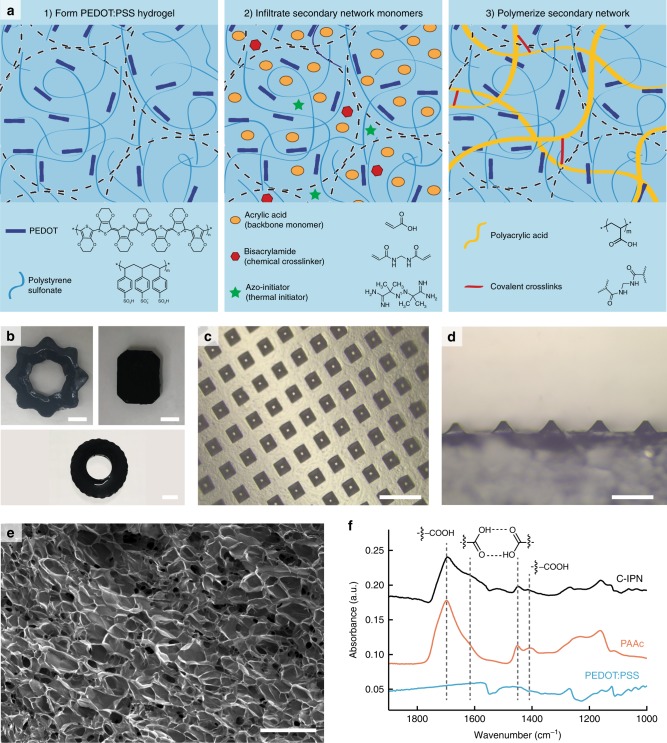
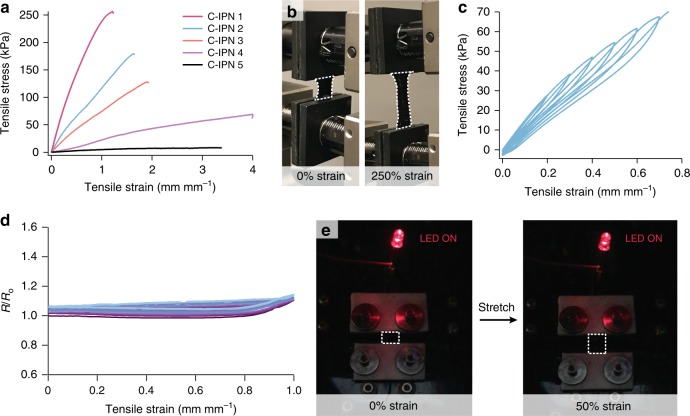
Conductive and stretchable materials that match the elastic moduli of biological tissue (0.5–500 kPa) are desired for enhanced interfacial and mechanical stability. Compared with inorganic and dry polymeric conductors, hydrogels made with conducting polymers are promising soft electrode materials due to their high water content. Nevertheless, most conducting polymer-based hydrogels sacrifice electronic performance to obtain useful mechanical properties. Here we report a method that overcomes this limitation using two interpenetrating hydrogel networks, one of which is formed by the gelation of the conducting polymer PEDOT:PSS. Due to the connectivity of the PEDOT:PSS network, conductivities up to 23 S m −1 are achieved, a record for stretchable PEDOT:PSS-based hydrogels. Meanwhile, the low concentration of PEDOT:PSS enables orthogonal control over the composite mechanical properties using a secondary polymer network. We demonstrate tunability of the elastic modulus over three biologically relevant orders of magnitude without compromising stretchability ( > 100%) or conductivity ( > 10 S m − 1 ).
Overview
The claims and statistics of this paper haven’t been checked yet.
Free: it reads the open-access text and checks the first 5 claims that cite a source we can check. Create a free account to check every claim.
Integrity signals
Registry
Cites
Statistics
Figures
Verification
Claims the paper makes
The claims and statistics of this paper haven’t been checked yet.
Free: it reads the open-access text and checks the first 5 claims that cite a source we can check. Create a free account to check every claim.
Claims other papers make about this one
Each is checked against this paper’s own text: does it say what the citing paper says it does?
The source backs part of the claim, not all of it — or backs it for a different population, condition or comparison.
In the citing paper
“In addition, the combination of hydrogels and conductive polymers is a hot area of research since the former has mechanical properties similar to those of nerves and can provide a hydrophilic interface that reduces the adhesion of non-specific proteins.[58,539–542]”
From Flexible Electronics and Devices as Human–Machine Interfaces for Medical Robotics (2022) · cites this paper as [540]
Experimental — accuracy not yet measured
Self-check
Percentages, sums and reported differences re-computed from the paper’s own numbers.
The self-check needs the paper’s full text.
Citations
Cites
Tissue Cells Feel and Respond to the Stiffness of Their Substrate
Discher, D. E., Janmey, P., & Wang, Y.-L. (2005) · Science · doi:10.1126/science.1116995 · Cited by 6,382
Highly stretchable and tough hydrogels
Sun, J.-Y., Zhao, X., Illeperuma, W. R. K., Chaudhuri, O., Oh, K. H., Mooney, D. J., Vlassak, J. J., & Suo, Z. (2012) · Nature · doi:10.1038/nature11409 · Cited by 5,481
A general relationship between disorder, aggregation and charge transport in conjugated polymers
Noriega, R., Rivnay, J., Vandewal, K., Koch, F. P. V., Stingelin, N., Smith, P., Toney, M. F., & Salleo, A. (2013) · Nature Materials · doi:10.1038/nmat3722 · Cited by 2,206
A highly stretchable, transparent, and conductive polymer
Wang, Y., Zhu, C., Pfattner, R., Yan, H., Jin, L., Chen, S., Molina-Lopez, F., Lissel, F., Liu, J., Rabiah, N. I., et al. (2017) · Science Advances · doi:10.1126/sciadv.1602076 · Cited by 1,442
Self-citationMulti-scale multi-mechanism design of tough hydrogels: building dissipation into stretchy networks
Zhao, X. (2014) · Soft Matter · doi:10.1039/c3sm52272e · Cited by 1,252
The role of matrix stiffness in regulating cell behavior†
Wells, R. G. (2008) · Hepatology · doi:10.1002/hep.22193 · Cited by 1,059
Yang, T., Gregori, G., Pellet, N., Grätzel, M., & Maier, J. (2015) · Angewandte Chemie International Edition · doi:10.1002/anie.201500014 · Cited by 553
Deep-Brain Stimulation for Parkinson's Disease
Okun, M. S. (2012) · New England Journal of Medicine · doi:10.1056/nejmct1208070 · Cited by 541
Chen, Q.-Z., Bismarck, A., Hansen, U., Junaid, S., Tran, M. Q., Harding, S. E., Ali, N. N., & Boccaccini, A. R. (2008) · Biomaterials · doi:10.1016/j.biomaterials.2007.09.010 · Cited by 530
Biomechanical Properties of In Vivo Human Skin From Dynamic Optical Coherence Elastography
Liang, X., & Boppart, S. A. (2010) · IEEE Transactions on Biomedical Engineering · doi:10.1109/tbme.2009.2033464 · Cited by 470
Research works printed but not linked: 1
- Grill, W. M. in Indwelling Neural Implants: Strategies for Contending with the In Vivo Environment (ed. WM, R.) (CRC Press/Taylor & Francis, 2008). 21204399
Cited by
Items 201–300 of 643
Liquid Metal–Polymer Conductor-Based Conformal Cyborg Devices
Qi, J., Yang, S., Jiang, Y., Cheng, J., Wang, S., Rao, Q., & Jiang, X. (2024) · Chemical Reviews · doi:10.1021/acs.chemrev.3c00317 · Cited by 68
Multiresponsive Ionic Conductive Alginate/Gelatin Organohydrogels with Tunable Functions
Tordi, P., Tamayo, A., Jeong, Y., Bonini, M., & Samorí, P. (2024) · Advanced Functional Materials · doi:10.1002/adfm.202410663 · Cited by 68
Enabling Free-Standing 3D Hydrogel Microstructures with Microreactive Inkjet Printing
Teo, M. Y., Kee, S., RaviChandran, N., Stuart, L., Aw, K. C., & Stringer, J. (2019) · ACS Applied Materials & Interfaces · doi:10.1021/acsami.9b17192 · Cited by 67
Soft conductive nanocomposites for recording biosignals on skin
Nam, S., Park, C., Sunwoo, S., Kim, M., Lee, H., Lee, M., & Kim, D. (2023) · Soft Science · doi:10.20517/ss.2023.19 · Cited by 68
Self-citationCheng, T., Liu, Z., Qu, J., Meng, C., He, L., Li, L., Yang, X., Cao, Y., Han, K., Zhang, Y., et al. (2024) · Advanced Science · doi:10.1002/advs.202403358 · Cited by 66
Alginate fiber toughened gels similar to skin intelligence as ionic sensors
Chen, H., Gao, Y., Ren, X., & Gao, G. (2020) · Carbohydrate Polymers · doi:10.1016/j.carbpol.2020.116018 · Cited by 64
Huang, X., Wang, J., Wang, H., Ma, R., Ling, Z., Chen, K., Xu, Z., Ren, J., Wu, X., Zhang, Q., et al. (2025) · ACS Nano · doi:10.1021/acsnano.5c04690 · Cited by 64
Chen, Y., Wang, W., Wu, D., Zeng, H., Hall, D. G., & Narain, R. (2019) · ACS Applied Materials & Interfaces · doi:10.1021/acsami.9b16139 · Cited by 63
Self-Adherent Biodegradable Gelatin-Based Hydrogel Electrodes for Electrocardiography Monitoring
Lee, Y., Yim, S., Lee, G. W., Kim, S., Kim, H. S., Hwang, D. Y., An, B., Lee, J. H., Seo, S., & Yang, S. Y. (2020) · Sensors · doi:10.3390/s20205737 · Cited by 62
“These dispersed PEDOT:PSS particles offer a pathway for charge conduction within the hydrogel network [33,34].”
BackgroundTailoring of conducting polymers via copolymerization – A review
Jadoun, S., Rathore, D. S., Riaz, U., & Chauhan, N. P. S. (2021) · European Polymer Journal · doi:10.1016/j.eurpolymj.2021.110561 · Cited by 62
High-stability conducting polymer-based conformal electrodes for bio-/iono-electronics
Yao, B., de Vasconcelos, L. S., Cui, Q., Cardenas, A., Yan, Y., Du, Y., Wu, D., Wu, S., Hsiai, T. K., Lu, N., et al. (2022) · Materials Today · doi:10.1016/j.mattod.2021.12.002 · Cited by 62
Wei, H., Zhang, B., Lei, M., Lu, Z., Liu, J., Guo, B., & Yu, Y. (2022) · ACS Nano · doi:10.1021/acsnano.1c11589 · Cited by 62
Tian, F., Yu, J., Wang, W., Zhao, D., Cao, J., Zhao, Q., Wang, F., Yang, H., Wu, Z., Xu, J., et al. (2023) · Journal of Colloid and Interface Science · doi:10.1016/j.jcis.2023.01.146 · Cited by 62
Zhang, W., Zhang, H., Kim, H., Lee, P. S., Zhang, Y., & Jeong, C. K. (2025) · Materials Science and Engineering R Reports · doi:10.1016/j.mser.2024.100923 · Cited by 62
Bioinspired Quasi-Solid Ionic Conductors: Materials, Processing, and Applications
Lei, Z., & Wu, P. (2021) · Accounts of Materials Research · doi:10.1021/accountsmr.1c00165 · Cited by 64
Food gels: principles, interaction mechanisms and its microstructure
Siddiqui, S. A., Alvi, T., Biswas, A. K., Shityakov, S., Gusinskaia, T., Lavrentev, F. V., Dutta, K., Khan, M. K. I., Stephen, J., & Radhakrishnan, M. (2022) · Critical Reviews in Food Science and Nutrition · doi:10.1080/10408398.2022.2103087 · Cited by 61
“Moreover, where more mechanical strength is required more than two networks of hydrogels are employed which is known as interpenetrating polymer hydrogels (Feig et al. 2018).”
BackgroundBai, Y., Zheng, X., Zhong, X., Cui, Q., Shuan, Z., Wen, X., Heng, B. C., He, S., Shen, Y., Zhang, J., et al. (2023) · Advanced Materials · doi:10.1002/adma.202209769 · Cited by 61
Yang, B., Yao, F., Ye, L., Hao, T., Zhang, Y., Zhang, L., Dong, D., Fang, W., Wang, Y., Zhang, X., et al. (2020) · Biomaterials Science · doi:10.1039/c9bm02012h · Cited by 61
Zhang, X., Wei, J., Lu, S., Xiao, H., Miao, Q., Zhang, M., Liu, K., Chen, L., Huang, L., & Wu, H. (2021) · ACS Applied Polymer Materials · doi:10.1021/acsapm.1c01026 · Cited by 60
High-Sensitivity Wearable Sensor Based On a MXene Nanochannel Self-Adhesive Hydrogel
Gong, T., Li, Z. N., Liang, H., Li, Y., Tang, X., Chen, F., Hu, Q., & Wang, H. (2023) · ACS Applied Materials & Interfaces · doi:10.1021/acsami.3c01748 · Cited by 61
Huang, Y., Peng, C., Li, Y., Yang, J., & Feng, W. (2023) · Aggregate · doi:10.1002/agt2.319 · Cited by 59
Recent Advances and Developments in Injectable Conductive Polymer Gels for Bioelectronics
Peñas‐Núñez, S. J., Mecerreyes, D., & Criado‐Gonzalez, M. (2024) · ACS Applied Bio Materials · doi:10.1021/acsabm.3c01224 · Cited by 60
Wang, Y., Li, Y., Zhang, Y., You, L.-X., Song, Y., Li, T., Fang, Z., Gui, A., Li, Y., Liao, L., et al. (2025) · Advanced Functional Materials · doi:10.1002/adfm.202425014 · Cited by 62
Zhang, M., Yang, Q., Hu, T., Tang, L., Ni, Y., Chen, L., Wu, H., Huang, L., & Ding, C.-C. (2022) · ACS Applied Materials & Interfaces · doi:10.1021/acsami.1c21200 · Cited by 60
Biomimetic Strain‐Stiffening Hydrogel with Crimped Structure
Luo, J., Li, S., Xu, J., Chai, M., Gao, L., Yang, C., & Shi, X. (2021) · Advanced Functional Materials · doi:10.1002/adfm.202104139 · Cited by 59
Recent Progresses in Liquid‐Free Soft Ionic Conductive Elastomers †
Luo, C., Huang, Z., Guo, Z., & Yue, K. (2023) · Chinese Journal of Chemistry · doi:10.1002/cjoc.202200631 · Cited by 57
Electrophysiology Read-Out Tools for Brain-on-Chip Biotechnology
Forró, C., Caron, D., Angotzi, G. N., Gallo, V., Berdondini, L., Santoro, F., Palazzolo, G., & Panuccio, G. (2021) · Micromachines · doi:10.3390/mi12020124 · Cited by 57
Mandal, S., Kumari, S., Kumar, M., & Ojha, U. (2021) · Advanced Functional Materials · doi:10.1002/adfm.202100251 · Cited by 57
Chen, R., He, H. H., Hong, X. Z., Le, Q., Sun, K., & Ouyang, J. (2022) · Macromolecules · doi:10.1021/acs.macromol.2c00592 · Cited by 56
Salt-induced ductilization and strain-insensitive resistance of an intrinsically conducting polymer
He, H. H., Chen, R., Yue, S., Yu, S., Wei, J., & Ouyang, J. (2022) · Science Advances · doi:10.1126/sciadv.abq8160 · Cited by 57
Conducting polymers in biosensing: A review
BHATTACHARYYA, A. S. (2024) · Chemical Physics Impact · doi:10.1016/j.chphi.2024.100642 · Cited by 56
Recent advances on synthesis and biomaterials applications of hyperbranched polymers
Cuneo, T., & Gao, H. (2020) · Wiley Interdisciplinary Reviews Nanomedicine and Nanobiotechnology · doi:10.1002/wnan.1640 · Cited by 56
Sun, X., Liu, T., Zhou, J., Yao, L., Liang, S., Zhao, M., Liu, C., & Xue, N. (2021) · IEEE Sensors Journal · doi:10.1109/jsen.2021.3061677 · Cited by 56
“In the process of simulating the tactile mechanism of organisms [6], the high sensitivity and high spatial resolution of sensor units are two key factors”
BackgroundFacile Approach to Conductive Polymer Microelectrodes for Flexible Electronics
Wang, Z., Cui, H., Li, S., Feng, X., Aghassi‐Hagmann, J., Azizian, S., & Levkin, P. A. (2021) · ACS Applied Materials & Interfaces · doi:10.1021/acsami.0c22519 · Cited by 58
Zhou, J. W., Liu, Y., Zhuo, F., Chen, H., Cao, H., Fu, Y., Xie, J., & Duan, H. (2023) · Chemical Engineering Journal · doi:10.1016/j.cej.2023.147790 · Cited by 55
Du, P., Wang, J., Hsu, Y., & Uyama, H. (2024) · Chemistry of Materials · doi:10.1021/acs.chemmater.3c02454 · Cited by 57
Increasing the dimensionality of transistors with hydrogels
Liu, D., Bai, J., Tian, X., Wang, Y., Cui, B., Dai, S., Lin, W., Shen, Z., Lai, C. K., Malliaras, G. G., et al. (2025) · Science · doi:10.1126/science.adx4514 · Cited by 57
Chen, T., Wei, P., Chen, G., Liu, H., Innocent, M. T., Hou, K., & Zhu, M. (2021) · Journal of Materials Chemistry A · doi:10.1039/d1ta02422a · Cited by 54
Wang, Q., Xiong, Y., Xu, J. K., Dong, F., & Xiong, Y. (2022) · Separation and Purification Technology · doi:10.1016/j.seppur.2022.120506 · Cited by 55
A Stretchable Polymer Conductor Through the Mutual Plasticization Effect
Bai, Y., Li, W., Tie, Y., Kou, Y., Wang, Y., & Hu, W. (2023) · Advanced Materials · doi:10.1002/adma.202303245 · Cited by 54
Nie, H. F., Schauser, N. S., Self, J. L., Tabassum, T., Oh, S., Geng, Z., Jones, S. D., Zayas, M. S., Reynolds, V. G., Chabinyc, M. L., et al. (2021) · Journal of the American Chemical Society · doi:10.1021/jacs.0c11894 · Cited by 54
Rational design in functional hydrogels towards biotherapeutics
Yang, Y., Ren, Y., Song, W. D., Yu, B., & Liu, H. (2022) · Materials & Design · doi:10.1016/j.matdes.2022.111086 · Cited by 54
Chen, K., Liu, B., Hu, N., Fan, Q., Zhan, F., Zhang, Z., Ni, Z., Li, X., & Hu, T. (2024) · Journal of Materials Chemistry A · doi:10.1039/d3ta05537j · Cited by 53
Recent progress in the biomedical application of PEDOT:PSS hydrogels
Zhao, B., Li, Z., Zheng, L., Ye, Z., Yuan, Y., Zhang, S., Liang, B., & Li, T. (2024) · Chinese Chemical Letters · doi:10.1016/j.cclet.2024.109810 · Cited by 53
Soft Printable Electrode Coating for Neural Interfaces
Michael, S., Fallegger, F., Pirondini, E., Roux, A., Bichat, A., Barraud, Q., Courtine, G., & Lacour, S. P. (2020) · ACS Applied Bio Materials · doi:10.1021/acsabm.0c00401 · Cited by 54
Mussel-inspired hydrogels as tough, self-adhesive and conductive bioelectronics: a review
Yu, Q., Zheng, Z., Dong, X., Cao, R., Zhang, S., Wu, X., & Zhang, X. (2021) · Soft Matter · doi:10.1039/d1sm00997d · Cited by 53
Conducting polymer-based sensors for food and drug analysis
Lin, C., Lin, J., Chen, C., Ito, Y., & Luo, S. (2021) · Journal of Food and Drug Analysis · doi:10.38212/2224-6614.3374 · Cited by 52
“penetrating network using PEDOT:PSS gel which has presented both stretchability and conductivity [28].”
MethodXu, L., Liu, S., Zhu, L., Liu, Y., Li, N., Shi, X., Jiao, T., & Qin, Z. (2023) · International Journal of Biological Macromolecules · doi:10.1016/j.ijbiomac.2023.123956 · Cited by 53
Liu, X., Tian, S., Xu, S., Lu, W., Zhong, C. M., Long, Y., Ma, Y., Yang, K. C., Zhang, L., & Yang, J. (2022) · Biosensors and Bioelectronics · doi:10.1016/j.bios.2022.114528 · Cited by 52
Cui, Q., Le, T.-H., Lin, Y., Miao, Y., Sung, I.-T., Tsai, W., Chan, H.-Y., Lin, Z., & Sung, H. (2019) · Nano Energy · doi:10.1016/j.nanoen.2019.104120 · Cited by 51
Zhang, M., Chen, S., Sheng, N., Wang, B., Wu, Z., Liang, Q., Han, Z., & Wang, H. (2021) · Journal of Materials Chemistry A · doi:10.1039/d1ta01606g · Cited by 52
Martinez, S. R., Floch, P. L., Liu, J., & Howe, R. D. (2023) · Advanced Healthcare Materials · doi:10.1002/adhm.202202661 · Cited by 50
Lv, T., Zhang, W., Yang, Y., Zhang, J., Yin, M., Yin, Z., Yong, K., & An, Q. (2023) · Small · doi:10.1002/smll.202301071 · Cited by 50
Liu, Y., Xie, W., Tang, Z., Tan, Z., He, Y., Luo, J., & Wang, X. (2024) · Science Advances · doi:10.1126/sciadv.adj0604 · Cited by 51
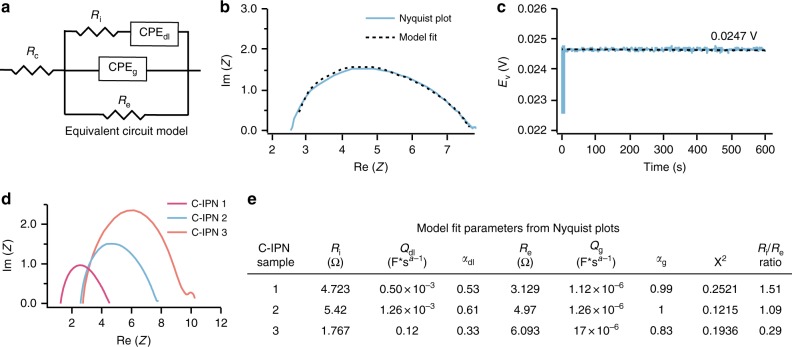
“The equivalent circuit model ( R c = 173.7 ohm, , n dl = 0.8734, and R i = 541.2 ohm) confirm the comparatively low ionic and electronic impedance and high interfacial capacitance ( 33 , 34 ).”
BackgroundInfluentialHan, Q., Gao, X., Zhang, C., Tian, Y., Liang, S., Li, X., Jing, Y., Zhang, M., Wang, A., & Bai, S. (2024) · Advanced Materials · doi:10.1002/adma.202415445 · Cited by 50
Yao, S., Zhang, C., Bai, L., Wang, S., Liu, Y., Li, L., Li, X., He, J., Wang, L., & Li, D. (2025) · Advanced Functional Materials · doi:10.1002/adfm.202418554 · Cited by 53
Hydrogel facilitated bioelectronic integration
Vo, R., Hsu, L. H. H., & Jiang, X. (2021) · Biomaterials Science · doi:10.1039/d0bm01373k · Cited by 50
Flexible and Stretchable Strategies for Electronic Skins: Materials, Structure, and Integration
Yuan, Z., Han, S., Gao, W., & Pan, C. (2021) · ACS Applied Electronic Materials · doi:10.1021/acsaelm.1c00025 · Cited by 51
Recent Progress in Bionic Skin Based on Conductive Polymer Gels
Li, H., Gao, G., Xu, Z., Tang, D., & Chen, T. (2021) · Macromolecular Rapid Communications · doi:10.1002/marc.202100480 · Cited by 49
Recent advances in materials and applications for bioelectronic and biorobotic systems
Phillips, J. W., Promiński, A., & Tian, B. (2022) · View · doi:10.1002/viw.20200157 · Cited by 49
E-Skin and Its Advanced Applications in Ubiquitous Health Monitoring
Sun, X., Guo, X., Gao, J., Wu, J., Huang, F., Zhang, J., Huang, F., Lu, X. J., Shi, Y., & Pan, L. (2024) · Biomedicines · doi:10.3390/biomedicines12102307 · Cited by 49
Jain, K., Wang, Z., Garma, L. D., Engel, E. R., Çınar, G., Fager, C., Larsson, P. A., & Wågberg, L. (2022) · Applied Materials Today · doi:10.1016/j.apmt.2022.101703 · Cited by 48
Triple‐network‐based conductive polymer hydrogel for soft and elastic bioelectronic interfaces
Chen, Y., Chen, L., Geng, B., Chen, F., Yuan, Y., Li, D., Wang, Y., Jia, W., & Hu, W. (2023) · SmartMat · doi:10.1002/smm2.1229 · Cited by 47
Recent advances in 3D printable conductive hydrogel inks for neural engineering
Kim, S., Kim, K., & Shin, M. (2023) · Nano Convergence · doi:10.1186/s40580-023-00389-z · Cited by 47
Ren, A., Jia, L., Wang, P., Xiang, T., & Zhou, S. (2024) · Chemical Engineering Journal · doi:10.1016/j.cej.2024.157822 · Cited by 47
Bai, R., Liu, J., Zhang, J., Shi, J., Jin, Z., Li, Y., Ding, X., Zhu, X., Yuan, C., Xiu, B., et al. (2021) · Journal of Nanobiotechnology · doi:10.1186/s12951-021-00993-3 · Cited by 46
Recent advances in soft electronic materials for intrinsically stretchable optoelectronic systems
Koo, J. H., Yun, H., Lee, W., Sunwoo, S., Shim, H. J., & Kim, D. (2022) · Opto-Electronic Advances · doi:10.29026/oea.2022.210131 · Cited by 46
Nguyen, T. T. P., & Khine, M. (2020) · Polymers · doi:10.3390/polym12071454 · Cited by 46
Conducting Polymer‐Based Granular Hydrogels for Injectable 3D Cell Scaffolds
Feig, V. R., Santhanam, S., McConnell, K. W., Liu, K., Azadian, M. M., Brunel, L. G., Huang, Z., Tran, H., George, P. M., & Bao, Z. (2021) · Advanced Materials Technologies · doi:10.1002/admt.202100162 · Cited by 45
Self-citationWater‐Saturated Ion Gel for Humidity‐Independent High Precision Epidermal Ionic Temperature Sensor
Kim, H. W., Kim, E., Oh, J., Lee, H., & Jeong, U. (2022) · Advanced Science · doi:10.1002/advs.202200687 · Cited by 45
Highly conductive and tough double‐network hydrogels for smart electronics
Zhang, D., Tang, Y., Gong, X., Chang, Y., & Zheng, J. (2023) · SmartMat · doi:10.1002/smm2.1160 · Cited by 45
“As a result, nanofiller ‐ based conducting hydrogels usually suffer from poor mechanical robustness and stretchability (tensile strength of 0.02 – 1.3 MPa, tensile strains of 80% – 2000%, fracture energy of 500 – 4500 J/ m 2 ) and low electrical conductivity of 3 S/cm. 8 Alternatively, conductive polymers can be incor…”
BackgroundInfluentialFully Implantable Wireless Cardiac Pacing and Sensing System Integrated with Hydrogel Electrodes
Chang, Z., Wang, B., Ren, Q., Nie, J., Guo, B., Lu, Y., Lu, X., Zhang, Y., Ji, D., Lv, Y., et al. (2024) · Advanced Science · doi:10.1002/advs.202401982 · Cited by 46
Cellulose Gel Mechanoreceptors – Principles, Applications and Prospects
Shen, X., Zhao, D., Xie, Y., Wang, Q., Shamshina, J. L., Rogers, R. D., & Sun, Q. (2023) · Advanced Functional Materials · doi:10.1002/adfm.202214317 · Cited by 44
Cheng, M., Tian, K., Tian, Q., Li, Q., Deng, H., & Fu, Q. (2024) · SusMat · doi:10.1002/sus2.204 · Cited by 44
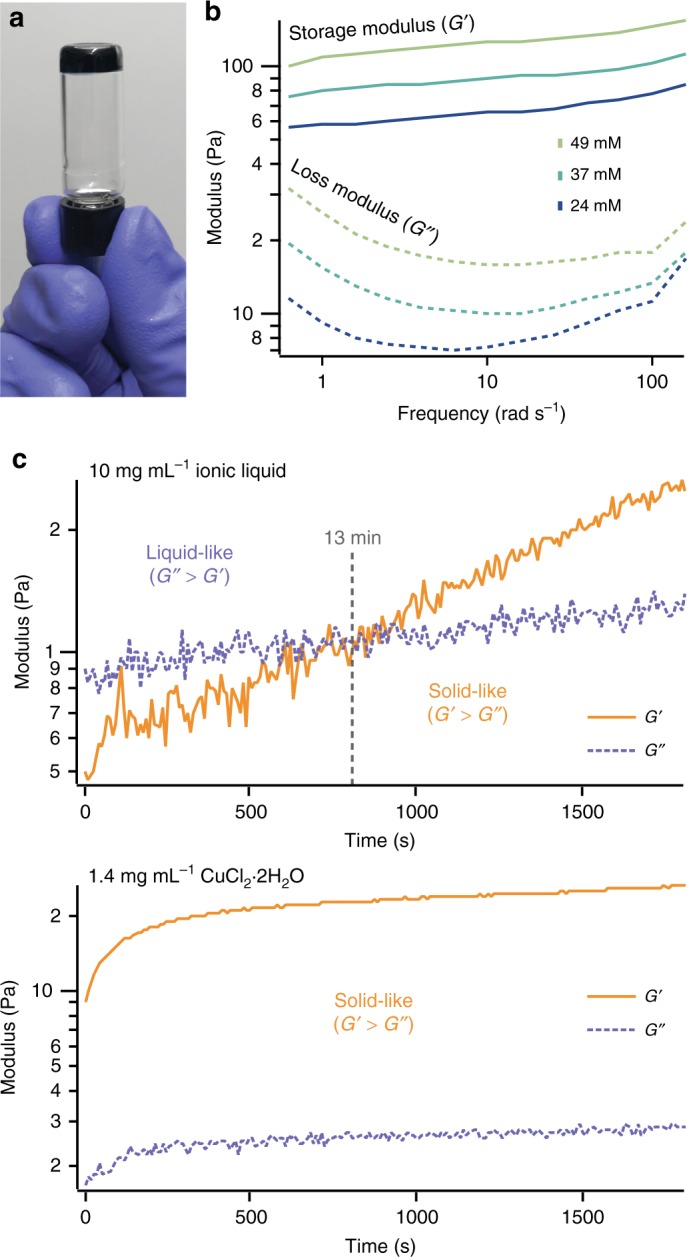
“61 The controlled gelation of PEDOT:PSS at low solids content (1.1 wt”
InfluentialRecent Development of Fibrous Hydrogels: Properties, Applications and Perspectives
Luo, W., Ren, L., Hu, B., Zhang, H., Yang, Z., Jin, L., & Zhang, D. (2024) · Advanced Science · doi:10.1002/advs.202408657 · Cited by 44
PEDOT:PSS—A Key Material for Bioelectronics
Ramirez, A., van der Laan, D. P., Shah, M. B., Wang, L., Zeglio, E., & Savva, A. (2025) · Advanced Science · doi:10.1002/advs.202513480 · Cited by 46
Zhu, F., Zheng, S. Y., Lin, J., Wu, Z. L., Yin, J., Qian, J. W., Qu, S., & Zheng, Q. (2020) · Journal of Materials Chemistry C · doi:10.1039/d0tc01011a · Cited by 43
Rijns, L., Rutten, M. G. T. A., Vrehen, A. F., Aldana, A. A., Baker, M. B., & Dankers, P. Y. W. (2024) · Nanoscale · doi:10.1039/d4nr02088j · Cited by 43
Hydrogel-based cardiac patches for myocardial infarction therapy: Recent advances and challenges
Liu, Z., Zheng, Z., Xie, J., Wei, H., & Yu, C. (2024) · Materials Today Bio · doi:10.1016/j.mtbio.2024.101331 · Cited by 45
Zhang, M., Chen, S., Sheng, N., Wang, B., Wu, Z., Liang, Q., & Wang, H. (2021) · Nanoscale · doi:10.1039/d1nr00867f · Cited by 42
Song, K., Zhou, J., Chen, W., Ponnuchamy, A., Bappy, M. O., Liao, Y., Jiang, Q., Du, Y., Evans, C. J., Wyatt, B. C., et al. (2025) · Advanced Materials · doi:10.1002/adma.202414203 · Cited by 42
Sun, H., Wang, S., Wang, P., Bai, L., Tan, M., Yang, F., Wang, R., & He, X. (2025) · Advanced Science · doi:10.1002/advs.202513487 · Cited by 42
Completely foldable electronics based on homojunction polymer transistors and logics
Kim, M. J., Ryu, H. S., Choi, Y. Y., Ho, D. H., Lee, Y., Tripathi, A., Son, J. H., Lee, Y., Kim, S., Kang, M. S., et al. (2021) · Science Advances · doi:10.1126/sciadv.abg8169 · Cited by 42
Hu, X., Wang, J., Song, S., Gan, W., Li, W., Qi, H., & Zhang, Y. (2023) · International Journal of Biological Macromolecules · doi:10.1016/j.ijbiomac.2023.129038 · Cited by 40
Zhang, M., Fu, Q., & Deng, H. (2024) · Chemical Engineering Journal · doi:10.1016/j.cej.2024.150307 · Cited by 39
Granelli, R., Kovacs-Vajna, Z. M., & Torricelli, F. (2025) · Small · doi:10.1002/smll.202410499 · Cited by 39
Ji, Q., Li, Y., Wang, Z., Tan, X., Sun, L., Li, S., Wang, C., Chen, R., 褚夫祥, Nan, J., et al. (2025) · Small · doi:10.1002/smll.202504643 · Cited by 39
Wei, 李. L., Li, Y., Shen, Y., Zhang, Y., Jin, T., Chen, J., Zhang, X., & Tang, J. (2019) · Advanced Optical Materials · doi:10.1002/adom.201900985 · Cited by 39
Stretchable and Soft Organic–Ionic Devices for Body‐Integrated Electronic Systems
Jo, Y. J., Ok, J., Kim, S. Y., & Kim, T. (2021) · Advanced Materials Technologies · doi:10.1002/admt.202001273 · Cited by 39
3D printed architected conducting polymer hydrogels
Jordan, R. S., Frye, J., Hernández, V., Prado, I., Giglio, A., Abbasizadeh, N., Flores-Martinez, M., Shirzad, K., Xu, B., Hill, I. M., et al. (2021) · Journal of Materials Chemistry B · doi:10.1039/d1tb00877c · Cited by 39
Zhu, B., Liu, D., Wu, J., Meng, C., Yang, X., Wang, Y., Jia, X., Jiang, P., & Wang, X. (2024) · Advanced Functional Materials · doi:10.1002/adfm.202309795 · Cited by 38
Engineering the Thermoelectrical Properties of PEDOT:PSS by Alkali Metal Ion Effect
Dong, J., Liu, J., Qiu, X., Chiechi, R. C., Koster, L. J. A., & Portale, G. (2021) · Engineering · doi:10.1016/j.eng.2021.02.011 · Cited by 38
Flexible dopamine-sensing fiber based on potentiometric method for long-term detection in vivo
Wang, L., Chen, J., Wang, J., Li, H., Chen, C., Feng, J., Guo, Y., Yu, H., Sun, X., & Peng, H. (2021) · Science China Chemistry · doi:10.1007/s11426-021-1039-7 · Cited by 38
Li, Q., Zhou, Q., Xu, W., Wen, L., Li, J., Deng, B., Zhang, J., Xu, H., & Liu, W. (2022) · ACS Applied Materials & Interfaces · doi:10.1021/acsami.2c05591 · Cited by 38
Recent Development of Self-Powered Tactile Sensors Based on Ionic Hydrogels
Zhao, Z., Hu, Y.-P., Liu, K., Yu, W., Li, G., Meng, C., & Guo, S. (2023) · Gels · doi:10.3390/gels9030257 · Cited by 39
“Electronic conductive hydrogels have been prepared by embedding different electronic conductive materials (such as conductive polymers [3], metal nanoparticles/nanowires [4], liquid metals [5], MXenes [6,7], and carbon-based materials [8]) into the hydrogel matrix.”
Hydrogel Bioelectronics for Health Monitoring
Lyu, X., Hu, Y., Shi, S., Wang, S., Li, H., Wang, Y., & Zhou, K. (2023) · Biosensors · doi:10.3390/bios13080815 · Cited by 37
“However, traditional electrical scaffolds are unsatisfied with the leveraged electrical functionalities due to the mismatch between the electronic materials and soft tissues [109,110].”
BackgroundBai, Y., Shi, Y., Li, X., Zhang, Y., & Wang, Y. (2024) · Small · doi:10.1002/smll.202406902 · Cited by 37
Pan, C., Ohm, Y., Wang, J., Ford, M. J., Kumar, K., Kumar, S., & Majidi, C. (2019) · ACS Applied Materials & Interfaces · doi:10.1021/acsami.9b13266 · Cited by 37
Strong Reduction of the Chain Rigidity of Hyaluronan by Selective Binding of Ca2+ Ions
Giubertoni, G., Ortíz, A. P. D. A., Bano, F., Zhang, X., Linhardt, R. J., Green, D. E., DeAngelis, P. L., Koenderink, G. H., Richter, R. P., Ensing, B., et al. (2021) · Macromolecules · doi:10.1021/acs.macromol.0c02242 · Cited by 37
Guo, X., Sun, Y., Sun, X., Li, J., Wu, J., Shi, Y., & Pan, L. (2023) · Macromolecular Rapid Communications · doi:10.1002/marc.202300246 · Cited by 38
Metadata
- Authors
- Feig, V. R., Tran, H., Lee, M., & Bao, Z.
- Affiliations
- Stanford University (US)
- Corresponding author
- Bao, Zhenan
- Venue
- Nature Communications
- Published
- 2018-07-16
- Volume
- 9
- Issue
- 1
- Pages
- 2740-2740
- ISSN
- 2041-1723 (ISSN-L)
- PMC
- PMC6048132
- OpenAlex
- W2816607594
- Semantic Scholar
- a51e52d8a500521cf9b9f2960a9749fdb5fa0dfd
- Cited by
- 585
- References
- 48
- Citations by year
- 2026: 35 · 2025: 98 · 2024: 102 · 2023: 85 · 2022: 86 · 2021: 78 · 2020: 55 · 2019: 41 · 2018: 5
- FWCI
- 22.34
- Type
- journal article
- Language
- en
- Update notices
- correction (2018-11-23)
- Open access
- gold
- doi.org
- Licence
- cc-by
- creativecommons.org/licenses/by/4.0 (tdm)
- creativecommons.org/licenses/by/4.0 (vor)
- Locations
- Nature Communications (publishedVersion, cc-by)
- Europe PMC (PubMed Central) (publishedVersion, other-oa)
- PubMed Central (publishedVersion, cc-by)
- PubMed (publishedVersion)
- RePEc: Research Papers in Economics (submittedVersion)
- DOAJ (DOAJ: Directory of Open Access Journals) (submittedVersion)
- DOAJ (DOAJ: Directory of Open Access Journals) (submittedVersion, cc-by-sa)
- OSTI OAI (U.S. Department of Energy Office of Scientific and Technical Information) (submittedVersion)
- Funders
- National Science Foundation (1542152)
- U.S. Department of Defense
- U.S. Department of Energy (ECCS-1542152)
- Office of the Director of National Intelligence
- National Research Foundation
- Schweizerischer Nationalfonds zur Förderung der Wissenschaftlichen Forschung (ECCS-1542152)
- National Research Foundation of Korea (NRF-2017R1A6A3A03007053)
- Oak Ridge Institute for Science and Education
- Stanford Precourt Institute for Energy
- Intelligence Community Postdoctoral Research Fellowship Program
- National Defense Science and Engineering Graduate
- NIH Office of the Director
- Division of Electrical, Communications and Cyber Systems (ECCS-1542152, 1542152)
- Topics
- Physical Sciences › Materials Science › Polymers and Plastics › Conducting polymers and applications
- Physical Sciences › Materials Science › Biomaterials › Hydrogels: synthesis, properties, applications
- Physical Sciences › Materials Science › Electronic, Optical and Magnetic Materials › Dielectric materials and actuators
- Keywords
- interpenetrating polymer network hydrogels, conductive hydrogels, PEDOT:PSS, stretchable conductors, soft electrodes, electrical conductivity, stretchability
- MeSH terms
- Electric Conductivity, Electrodes, Electrons, Humans, Materials Testing, Polystyrenes, Thiophenes, Hydrogels, Biomimetic Materials, Elastic Modulus
About these checks
Registry, retraction, Cites and statistics results are computed, not judged, with one exception: a printed reference that no index lists is read once by a model before it counts as a citation error. Claims are extracted by a model and kept only when their quote appears verbatim in the text; each cited source is then checked, with a model’s help, for whether it says what the claim relies on. Those verdicts can be wrong — read the claim’s quote and the cited source before relying on one.
Statistics and arithmetic are recomputed, not judged.
Confidence bands are shown only for fields calibrated on our annotated test set. None is calibrated yet, so no band is shown.
What counts as a claim ›How we measure confidence ›How we check this ›
Are you an author, or do you see a problem with this page? Request a review
Data sources
Bibliographic data: Semantic Scholar, OpenAlex, Crossref.
Contains information from the Semantic Scholar Academic Graph Datasets, made available under the ODC Attribution License (ODC-BY 1.0).
Semantic Scholar’s data is described in: Kinney, R., et al. (2023). The Semantic Scholar Open Data Platform. arXiv:2301.10140.
