

Mitochondrial TCA cycle metabolites control physiology and disease
Open accessThe DOI matches its Crossref record; 99 of the 99 references it cites were found in a registry or an index.
Abstract
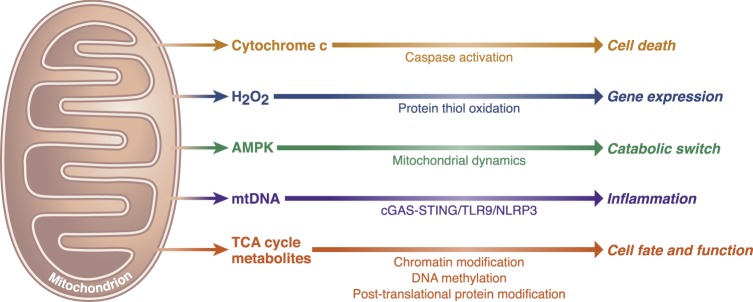
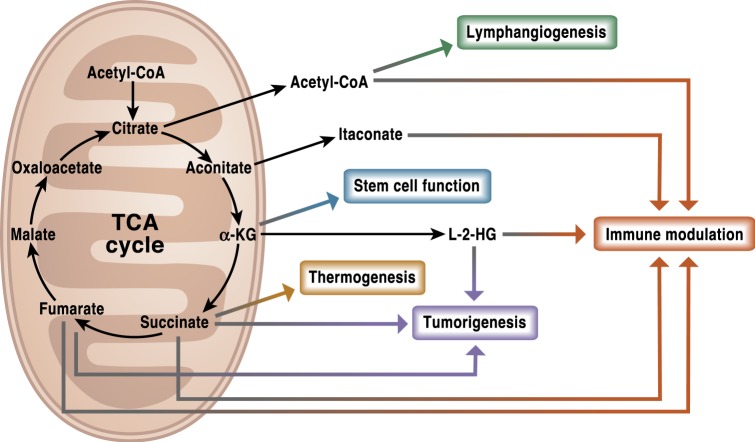
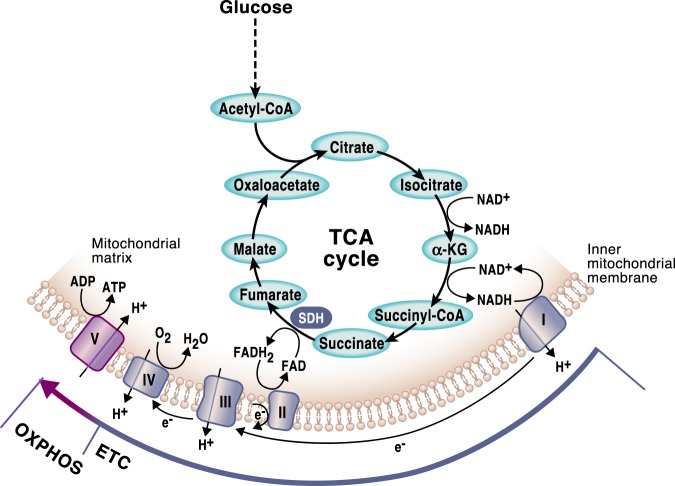
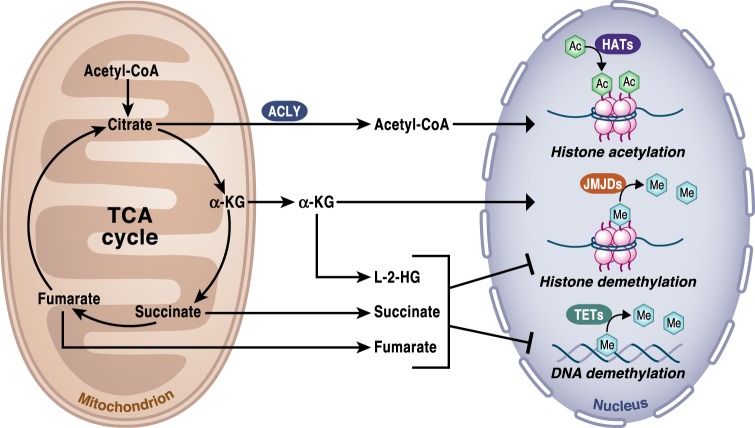
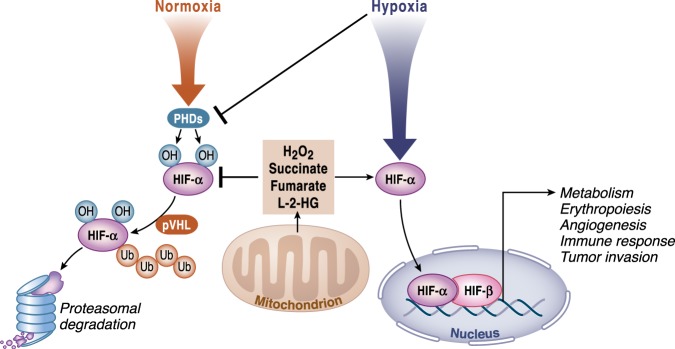
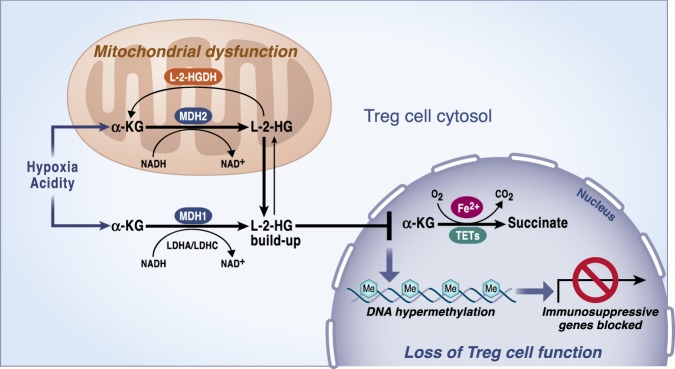
Mitochondria are signaling organelles that regulate a wide variety of cellular functions and can dictate cell fate. Multiple mechanisms contribute to communicate mitochondrial fitness to the rest of the cell. Recent evidence confers a new role for TCA cycle intermediates, generally thought to be important for biosynthetic purposes, as signaling molecules with functions controlling chromatin modifications, DNA methylation, the hypoxic response, and immunity. This review summarizes the mechanisms by which the abundance of different TCA cycle metabolites controls cellular function and fate in different contexts. We will focus on how these metabolites mediated signaling can affect physiology and disease.
Overview
The claims and statistics of this paper haven’t been checked yet.
Free: it reads the open-access text and checks the first 5 claims that cite a source we can check. Create a free account to check every claim.
Integrity signals
Registry
Cites
Statistics
Figures
Verification
Claims the paper makes
The claims and statistics of this paper haven’t been checked yet.
Free: it reads the open-access text and checks the first 5 claims that cite a source we can check. Create a free account to check every claim.
Claims other papers make about this one
Each is checked against this paper’s own text: does it say what the citing paper says it does?
The source backs part of the claim, not all of it — or backs it for a different population, condition or comparison.
In the citing paper
“In addition to serving as a major route for energy production, the TCA cycle also supplies key intermediates for conversion into glucose, lipids and non-essential amino acids [56].”
From The HIF Axes in Cancer - Angiogenesis, Metabolism and Immune-Modulation (2025) · cites this paper as [56]
Experimental — accuracy not yet measuredThe cited source says what the claim attributes to it.
In the citing paper
“Although additional studies are needed, ample experimental data support the recognition of R-2-HG, succinate, and fumarate as oncometabolites.”
From Glutamine reliance in cell metabolism (2020) · cites this paper as [112]
In the citing paper
“OGDH undergoes substrate inhibition by succinyl-CoA, which also serves as an allosteric inhibitor of CS (134, 136).”
From Regulation and function of the mammalian tricarboxylic acid cycle (2023) · cites this paper as [134]
Self-check
Percentages, sums and reported differences re-computed from the paper’s own numbers.
The self-check needs the paper’s full text.
Citations
Cites
Induction of Apoptotic Program in Cell-Free Extracts: Requirement for dATP and Cytochrome c
Liu, X., Kim, C. N., Yang, J., Jemmerson, R., & Wang, X. (1996) · Cell · doi:10.1016/s0092-8674(00)80085-9 · Cited by 5,167
Succinate is an inflammatory signal that induces IL-1β through HIF-1α
Tannahill, G. M., Curtis, A. M., Adamik, J., Palsson-McDermott, E. M., McGettrick, A. F., Goel, G., Frezza, C., Bernard, N. J., Kelly, B., Foley, N. H., et al. (2013) · Nature · doi:10.1038/nature11986 · Cited by 4,176
Cancer-associated IDH1 mutations produce 2-hydroxyglutarate
Dang, L., White, D. W., Gross, S., Bennett, B. D., Bittinger, M. A., Driggers, E. M., Fantin, V. R., Jang, H. G., Jin, S., Keenan, M. C., et al. (2009) · Nature · doi:10.1038/nature08617 · Cited by 4,154
AMPK: guardian of metabolism and mitochondrial homeostasis
Herzig, S., & Shaw, R. J. (2018) · Nature Reviews Molecular Cell Biology · doi:10.1038/nrm.2017.95 · Cited by 4,061
Hypoxia-inducible factors in physiology and medicine
Semenza, G. L. (2012) · Cell · doi:10.1016/j.cell.2012.01.021 · Cited by 3,645
A guide to immunometabolism for immunologists
O'Neill, L. A. J., Kishton, R. J., & Rathmell, J. (2016) · Nature Reviews Immunology · doi:10.1038/nri.2016.70 · Cited by 3,315
Oxygen sensing by metazoans: the central role of the HIF hydroxylase pathway.
Kaelin, W. G., & Ratcliffe, P. J. (2008) · Molecular Cell · doi:10.1016/j.molcel.2008.04.009 · Cited by 3,251
Fundamentals of Cancer Metabolism
DeBerardinis, R. J., & Chandel, N. S. (2016) · Science Advances · doi:10.1126/sciadv.1600200 · Cited by 3,013
Self-citationIschaemic accumulation of succinate controls reperfusion injury through mitochondrial ROS
Chouchani, E. T., Pell, V. R., Gaude, E., Aksentijević, D., Sundier, S. Y., Robb, E. L., Logan, A., Nadtochiy, S. M., Ord, E. N. J., Smith, A. C., et al. (2014) · Nature · doi:10.1038/nature13909 · Cited by 2,907
Xu, W., Yang, H., Liu, Y., Yang, Y., Wang, P., Kim, S.-H., Ito, S., Yang, C., Wang, P., Xiao, M.-T., et al. (2011) · Cancer Cell · doi:10.1016/j.ccr.2010.12.014 · Cited by 2,875
Cited by
Items 901–1,000 of 1,006
Genome assembly, annotation, and comparative analysis of the cattail Typha latifolia
Widanagama, S. D., Freeland, J. R., Xu, X., & Shafer, A. B. A. (2021) · G3 Genes Genomes Genetics · doi:10.1093/g3journal/jkab401 · Cited by 20
Read, C. C., Edwards, J. L., Schrick, F. N., Rhinehart, J., Payton, R. R., Campagna, S. R., Castro, H. F., Klabnik, J. L., & Moorey, S. E. (2022) · Journal of Animal Science · doi:10.1093/jas/skac136 · Cited by 20
Mitochondria: intracellular sentinels of infections
Brokatzky, D., & Häcker, G. A. (2022) · Medical Microbiology and Immunology · doi:10.1007/s00430-022-00742-9 · Cited by 20
“The essential NADH for reactions is generated during the chemical reaction cycle called the Krebs cycle [9].”
BackgroundFaqiang, Z., Niu, M., Guo, K.-K., Ma, Y., Fu, Q., Liu, Y., Feng, Z., Mi, W., & Wang, L. (2022) · Journal of Neuroinflammation · doi:10.1186/s12974-022-02537-4 · Cited by 20
“To systematically identify metabolic factors that induce the activation and differentiation of CD8+ T lymphocytes, we performed untargeted metabolomics on sorted splenic CD8+ T lymphocytes from the stroke models and demonstrated that the differential metabolites in perioperative stroke mice were mainly enriched in ear…”
MethodStroud, J. E., Gale, M. S., Zwart, S. R., Heer, M. A., Smith, S. M., Montina, T., & Metz, G. A. S. (2022) · Cellular and Molecular Life Sciences · doi:10.1007/s00018-022-04566-x · Cited by 20
“Lastly, the TCA cycle, arginine and proline metabolism, and cysteine and methionine metabolism are involved in epigenetic modification of DNA resulting in the epigenetic modification of DNA regulation [85, 92, 99].”
BackgroundIRG1/Itaconate induces metabolic reprogramming to suppress ER-positive breast cancer cell growth.
Wang, H., Chang, W., Lee, D., Li, X., & Hung, M. (2023) · PubMed Central · Cited by 20
A histone deacetylase 3 and mitochondrial complex I axis regulates toxic formaldehyde production
Wit, N., Gogola, E., West, J. A., Vornbäumen, T., Seear, R., Bailey, P. S. J., Burgos-Barragan, G., Wang, M., Krawczyk, P. A., Huberts, D. H. E. W., et al. (2023) · Science Advances · doi:10.1126/sciadv.adg2235 · Cited by 20
“This promoter drives the expression of a polycistronic transcript containing coding sequences for histone H2B-miRFP670, P2A, mCherryhCdt1(1/100)Cy(−), T2A, and EGFP-hGEM(1-110).”
BackgroundThe Effects of Bilirubin and Lumirubin on Metabolic and Oxidative Stress Markers
Dvořák, A., Pospíšilová, K., Žížalová, K., Capková, N., Muchová, L., Vecka, M., Vrzáčková, N., Křížová, J., Zelenka, J., & Vítek, L. (2021) · Frontiers in Pharmacology · doi:10.3389/fphar.2021.567001 · Cited by 21
“In fact, BR in contrast to LR exhibited profound inhibitory effects toward TCA cycle metabolites, being tightly linked to oxidative phosphorylation (Martinez-Reyes and Chandel, 2020).”
BackgroundBalnis, J., Drake, L. A., Vincent, C. E., Korponay, T. C., Singer, D. V., Lacomis, D., Lee, C. G., Elias, J. A., Jourd’heuil, D., Singer, H. A., et al. (2021) · American Journal of Respiratory Cell and Molecular Biology · doi:10.1165/rcmb.2020-0551oc · Cited by 19
Polystyrene Nanoplastics Compromise the Nutritional Value of Radish ( Raphanus sativus L.)
Li, C., Ma, C., Shang, H., White, J. C., Cai, Z., Hao, Y., Xu, X., Liang, A., Jia, W., Cao, Y., et al. (2025) · Environmental Science & Technology · doi:10.1021/acs.est.4c13894 · Cited by 19
Liu, Y., Xin, L., Wang, S., Tan, J., Zhu, X., Chen, X., Song, J., Chen, T., & Zhai, Q. (2025) · Biomaterials · doi:10.1016/j.biomaterials.2025.123468 · Cited by 19
Polystyrene microplastics exacerbate mitophagy through mitochondrial dysfunction in the duck lung
Gu, T., Kong, M., Duan, M., Chen, L., Tian, Y., Xu, W., Zeng, T., & Lu, L. (2025) · Journal of Nanobiotechnology · doi:10.1186/s12951-025-03503-x · Cited by 19
“In the mitochondrion, the TCA cycle serves as a pivotal metabolic pathway that plays a critical role in regulating mitochondrial function and managing oxidative stress in eukaryotic cells [19].”
Complex II assembly drives metabolic adaptation to OXPHOS dysfunction
Kugapreethan, R., Doomun, S. N. E., Sacharz, J., Frazier, A. E., Sharma, T., Low, Y. C., Nie, S., Leeming, M. G., Muellner-Wong, L., Last, K., et al. (2025) · Science Advances · doi:10.1126/sciadv.adr6012 · Cited by 19
“Instead, we propose that flux of electrons into oxygen at the CII active site, facilitated by an ability to dynamically increase CII assembly and thus activity, facilitates a ROS-mediated metabolic shift toward glycolysis ( 50 , 51 ).”
Staňková, P., Kučera, O., Peterová, E., Elkalaf, M., Rychtrmoc, D., Melek, J., Podhola, M., Zubáňová, V., & Červinková, Z. (2021) · International Journal of Molecular Sciences · doi:10.3390/ijms22136908 · Cited by 19
Immunometabolism at the service of traditional Chinese medicine
Cui, H., Zhang, J., Cheng, X.-H., Zheng, J., Zhang, Q., Zheng, R., You, L., Han, D., & Shang, H. (2022) · Pharmacological Research · doi:10.1016/j.phrs.2022.106081 · Cited by 19
Dissecting Flux Balances to Measure Energetic Costs in Cell Biology: Techniques and Challenges
Arunachalam, E., Ireland, W. T., Yang, X., & Needleman, D. J. (2022) · Annual Review of Condensed Matter Physics · doi:10.1146/annurev-conmatphys-031620-105251 · Cited by 19
“Pyruvate produced by glycolysis is not necessarily the only input to the Krebs cycle, and therefore it is not the only source of reducing equivalents for the electron transport chain in many systems [22, 23].”
BackgroundD’Haese, S., Verboven, M., Evens, L., Deluyker, D., Lambrichts, I., Eijnde, B. O., Hansen, D., & Bito, V. (2023) · Nutrients · doi:10.3390/nu15183950 · Cited by 19
“Citrate synthase is the initial enzyme of the Krebs cycle and is important in the production of energy via mitochondrial respiration (i.e., oxidative phosphorylation) [121].”
BackgroundBrown Fat and Nutrition: Implications for Nutritional Interventions
Noriega, L., Yang, C., & Wang, C. (2023) · Nutrients · doi:10.3390/nu15184072 · Cited by 19
“Succinate is an intermediate molecule involved in cellular energy metabolism and the tricarboxylic acid cycle, also known as the Krebs cycle or citric acid cycle [109].”
Role of succinate in airway epithelial cell regulation following traumatic lung injury
Suresh, M. V., Aktay, S. L., Yalamanchili, G., Solanki, S. A., Sathyarajan, D. T., Arnipalli, M. S., Pennathur, S., & Raghavendran, K. (2023) · JCI Insight · doi:10.1172/jci.insight.166860 · Cited by 19
“The only TCA intermediate known to stabilize HIF-1α, fumarate, has profound antiinflammatory effects (17).”
BackgroundInfluentialJasra, I. T., Cuesta‐Gomez, N., Verhoeff, K. K., Marfil‐Garza, B. A., Dadheech, N., & Shapiro, A. M. J. (2023) · Frontiers in Endocrinology · doi:10.3389/fendo.2023.1236472 · Cited by 20
Isobe, T., Kuciński, I., Barile, M., Wang, X., Hannah, R., Bastos, H. P., Chabra, S., Vijayabaskar, M. S., Sturgess, K., Williams, M., et al. (2023) · Cell Genomics · doi:10.1016/j.xgen.2023.100426 · Cited by 19
Engineering metabolism to modulate immunity
Kapnick, S. M., Martin, C. A., & Jewell, C. M. (2023) · Advanced Drug Delivery Reviews · doi:10.1016/j.addr.2023.115122 · Cited by 19
Lan, Z., He, Q., Zhang, M., Liu, H., Fang, L., & Nie, J. (2023) · Chemosensors · doi:10.3390/chemosensors11110558 · Cited by 19
Liu, T., You, Z., Shen, F., Yang, P., Chen, J., Meng, S., Wang, C., Xiong, D., You, C., Wang, Z., et al. (2024) · ACS Applied Materials & Interfaces · doi:10.1021/acsami.3c15473 · Cited by 19
Quiescence enables unrestricted cell fate in naive embryonic stem cells
Khoa, L. T. P., Yang, W., Shan, M., Zhang, L., Mao, F., Zhou, B. O., Li, Q., Malcore, R. M., Harris, C. E., Zhao, L., et al. (2024) · Nature Communications · doi:10.1038/s41467-024-46121-1 · Cited by 19
“The MMP is a direct indicator of mitochondrial function and integrity 16,17 .”
The central role of mitochondrial metabolism in hepatic steatosis
Win, S., Than, T. A., Kaplowitz, N., Wong, N., Arya, A., Win, Z. T., Win, S. H., Phyu, E., Kuemerle, C., Suh, J., et al. (2024) · Exploration of Digestive Diseases · doi:10.37349/edd.2024.00039 · Cited by 19
Fu, K., Zhao, J., Zhong, L., Xu, H., Yu, X., Bi, X., & Huang, C. (2024) · Biomedicine & Pharmacotherapy · doi:10.1016/j.biopha.2024.116967 · Cited by 19
Zuo, B., Xiu, F., Xu, D., Zhao, L., Zhang, B., & Li, X. (2024) · International Immunopharmacology · doi:10.1016/j.intimp.2024.112697 · Cited by 19
Xing, Z., Chen, Y., Chen, J., Peng, C. Y., Peng, F., & Li, D. (2024) · Food Chemistry · doi:10.1016/j.foodchem.2024.140614 · Cited by 19
Huang, B., Shu-Ru, L., Le-xin, C., Liang-Liang, B., Li, C., Xu, C., Ming-Jun, L., Jia-Xin, Z., En-Xin, Z., & Zhang, X. (2024) · Phytomedicine · doi:10.1016/j.phymed.2024.156043 · Cited by 23
Metabolic control of luteinizing hormone-responsive ovarian steroidogenesis
Przygrodzka, E., Bhinderwala, F., Powers, R., McFee, R. M., Cupp, A. S., Wood, J. R., & Davis, J. S. (2024) · Journal of Biological Chemistry · doi:10.1016/j.jbc.2024.108042 · Cited by 19
“As elevations in alanine and threonine were observed in response to LH, we speculate these amino acids are not the primary substrates to fuel the TCA cycle in luteal cells but may be instead used for anabolic processes (39, 61).”
InfluentialLaranjinha, J. A. N., Nunes, C., Ledo, A., Lourenço, C. F., Rocha, B. S., & Barbosa, R. M. (2020) · Neurochemical Research · doi:10.1007/s11064-020-03015-0 · Cited by 19
How should we talk about metabolism?
Murphy, M. P., & O'Neill, L. A. J. (2020) · Nature Immunology · doi:10.1038/s41590-020-0691-8 · Cited by 19
Reclaiming Warburg: using developmental biology to gain insight into human metabolic diseases
Drummond‐Barbosa, D., & Tennessen, J. M. (2020) · Development · doi:10.1242/dev.189340 · Cited by 19
Devi, S., Karsauliya, K., Srivastava, T., Raj, R., Kumar, D., & Priya, S. (2020) · Chemosphere · doi:10.1016/j.chemosphere.2020.128074 · Cited by 19
Targeting the Metabolic Adaptation of Metastatic Cancer
Tarragó‐Celada, J., & Cascante, M. (2021) · Cancers · doi:10.3390/cancers13071641 · Cited by 19
Li, H., Uittenbogaard, M. N., Hao, L., & Chiaramello, A. (2021) · Metabolites · doi:10.3390/metabo11040233 · Cited by 20
Mitochondrial Dysfunction in Mitochondrial Medicine: Current Limitations, Pitfalls, and Tomorrow
Guéguen, N., Lenaers, G., Reynier, P., Weissig, V., & Edeas, M. A. (2021) · Methods in molecular biology · doi:10.1007/978-1-0716-1266-8_1 · Cited by 19
p107 mediated mitochondrial function controls muscle stem cell proliferative fates
Bhattacharya, D., Shah, V., Oresajo, O., & Scimè, A. (2021) · Nature Communications · doi:10.1038/s41467-021-26176-0 · Cited by 19
Bakhtina, A. A., Pharaoh, G. A., Campbell, M. D., Keller, A., Stuppard, R. S., Marcinek, D. J., & Bruce, J. E. (2023) · Nature Aging · doi:10.1038/s43587-023-00366-5 · Cited by 20
Girel, S., Guillarme, D., Fekete, S., Rudaz, S. L., & González‐Ruiz, V. (2023) · Journal of Chromatography A · doi:10.1016/j.chroma.2023.463994 · Cited by 19
Garimella, S. V., Gampa, S. C., & Chaturvedi, P. (2023) · Stem Cells and Cloning Advances and Applications · doi:10.2147/sccaa.s417842 · Cited by 19
“Inhibition of JAK/STAT3 blocked the self-renewal of breast CSCs.”
BackgroundInfluentialMetformin Overcomes the Consequences of NKX3.1 Loss to Suppress Prostate Cancer Progression
Papachristodoulou, A., Heidegger, I., Virk, R. K., Di Bernardo, M., Kim, J. Y., Laplaca, C., Picech, F., Schäfer, G., De Castro, G. J., Hibshoosh, H., et al. (2024) · European Urology · doi:10.1016/j.eururo.2023.07.016 · Cited by 18
Olkowicz, M., Karaś, A., Berkowicz, P., Kaczara, P., Jasztal, A., Kuryłowicz, Z., Fedak, F. A., Rosales-Solano, H., Roy, K. S., Kij, A., et al. (2024) · Pharmacological Research · doi:10.1016/j.phrs.2024.107478 · Cited by 18
Yegambaram, M., Sun, X., Lü, Q., Flores, A. G., Zemskova, M., Soto, J. E., Rauckhorst, A. J., Maltepe, E., Wang, T., Fineman, J. R., et al. (2025) · Redox Biology · doi:10.1016/j.redox.2025.103765 · Cited by 19
“An impaired TCA cycle can directly affect the ETC by limiting the supply of electron carriers, which reduces ATP production and triggers feedback mechanisms that further impact both pathways [105].”
Engineering Macrophage via Biomaterial-Mediated Mitochondrial Regulation: Mechanisms and Strategies
Li, J., He, M., Wan, S., Wang, S., Liu, N., Xin, L., & Chen, T. (2025) · Research · doi:10.34133/research.0883 · Cited by 19
Prideaux, M., Palmier, M., Kitase, Y., Sone, Y., Bonewald, L. F., & O’Connell, T. M. (2025) · Bone · doi:10.1016/j.bone.2025.117694 · Cited by 18
“Furthermore, the levels of the TCA cycle intermediates succinate, citrate and fumarate are higher in the culture media from early differentiated cells, which would suggest greater TCA cycle activity and oxidative metabolism [55].”
Sharma, A., Raut, S. S., Shukla, A. K., Singh, A. K., & Mishra, A. (2026) · Translational research · doi:10.1016/j.trsl.2026.03.004 · Cited by 18
Singiri, J. R., Swetha, B., Sikron-Persi, N., & Grafi, G. (2021) · International Journal of Molecular Sciences · doi:10.3390/ijms22137076 · Cited by 19
“Furthermore, Arabidopsis and Populus plants subjected to heat stress showed significant reduction in TCA cycle intermediates [78,79].”
BackgroundFrancini, F., Gobbi, L., Ravarotto, V., Toniazzo, S. R. F., Nalesso, F., Spinella, P., & Calò, L. A. (2021) · Nutrients · doi:10.3390/nu13092960 · Cited by 18
Luo, S., Zou, K., Zhu, H., Cheng, Y., Yan, Y., Sheng, J., Huang, H., & Ding, G. (2022) · Frontiers in Cell and Developmental Biology · doi:10.3389/fcell.2022.748862 · Cited by 18
Ganly, I., Liu, E. M., Kuo, F., Makarov, V., Dong, Y., Park, J., Gong, Y., Gorelick, A. N., Knauf, J. A., Benedetti, E., et al. (2022) · Science Advances · doi:10.1126/sciadv.abn9699 · Cited by 18
“A tenuous analogy can be drawn to renal cell carcinomas, which similarly acquire high burdens of truncating mutations to complex I and biallelic alterations to the TCA cycle enzymes SDHB and FH (31).”
BackgroundZhang, Y., Lai, W., Chen, Q., Fang, W. Y., Cui, K., He, Y., Li, X., Mai, K., & Ai, Q. (2022) · Aquaculture · doi:10.1016/j.aquaculture.2022.738778 · Cited by 18
Mitochondrial succinate dehydrogenase function is essential for sperm motility and male fertility
Woodhouse, R. M., Frolows, N., Wang, G., Hawdon, A., Wong, E. H. K., Dansereau, L. C., Su, Y., Adair, L. D., New, E. J., Philp, A. M., et al. (2022) · iScience · doi:10.1016/j.isci.2022.105573 · Cited by 18
“These metabolites have diverse downstream applications, including in signaling, epigenetic regulation, and as intermediates in the synthesis of pyrimidine, purine, amino acids, and fatty acids.(11) The link between TCA cycle activity and metabolite homeostasis in sperm function is unclear.”
BackgroundMechanisms Underlying Cognitive Impairment Induced by Prenatal Alcohol Exposure
Alhowail, A. H. (2022) · Brain Sciences · doi:10.3390/brainsci12121667 · Cited by 18
Effects of UBE3A on Cell and Liver Metabolism through the Ubiquitination of PDHA1 and ACAT1
Peng, K., Wang, S., Liu, R., Zhou, L., Jeong, G. H., Jeong, I. H., Liu, X., Kiyokawa, H., Xue, B., Zhao, B., et al. (2023) · Biochemistry · doi:10.1021/acs.biochem.2c00624 · Cited by 18
Li, S., Wang, Y., Zhang, X., Xiong, X., Zhou, F., Li, X., Fan, J., Liang, X., Li, G., Peng, Y., et al. (2023) · Metabolomics · doi:10.1007/s11306-023-02023-9 · Cited by 18
SIRT4 protects against intestinal fibrosis by facilitating GLS1 degradation
Xue, X., Zeng, X., Wu, X., Mu, K., Dai, Y., & Wei, Z. (2023) · Matrix Biology · doi:10.1016/j.matbio.2023.08.001 · Cited by 18
Chen, X., & Ding, J. (2023) · Current Opinion in Structural Biology · doi:10.1016/j.sbi.2023.102672 · Cited by 18
Acetyl-CoA is a key molecule for nephron progenitor cell pool maintenance
Diniz, F., Ngo, N. Y. N., Colón-Leyva, M., Edgington-Giordano, F., Hilliard, S. A., Zwezdaryk, K. J., Liu, J., El-Dahr, S. S., & Tortelote, G. G. (2023) · Nature Communications · doi:10.1038/s41467-023-43513-7 · Cited by 19
Cheng, Y., Huang, P., Zou, Q., Tian, H., Cheng, Q., & Ding, H. (2024) · Journal of Neurochemistry · doi:10.1111/jnc.16041 · Cited by 18
Nivetha, S., Thimmarayan, S., Sathya, P. M., Mohan, H., Natesan, K., Kathirvel, M., & Ramalingam, V. (2024) · Colloids and Surfaces B Biointerfaces · doi:10.1016/j.colsurfb.2024.113763 · Cited by 17
Li, X., Li, Y., Du, M., Petrov, Y. V., Баулин, В. Е., Wang, Y., Yuan, H., Zhou, Y., & Li, B. (2024) · ACS Applied Materials & Interfaces · doi:10.1021/acsami.4c01382 · Cited by 18
Ding, H., wang, H., Wu, D., Zhou, F.-C., Zhu, J., Tong, J., Gao, Y., & Li, Z. (2024) · Molecular Medicine Reports · doi:10.3892/mmr.2024.13261 · Cited by 18
“The Tca cycle serves a central role in cellular metabolism, regulating bioen‑ ergetics, biosynthesis and redox balance (31,32). a previous study detected higher resting energy expenditure in patients with coPd compared with that in healthy individuals (33).”
Hong, X., Tian, G., Dai, B., Zhou, X., Gao, Y., Zhu, L., Liu, H., Zhu, Q., Zhang, L., Zhu, Y., et al. (2024) · Advanced Science · doi:10.1002/advs.202401527 · Cited by 19
Pesticide-induced metabolic disruptions in crops: A global perspective at the molecular level
Liu, N., Huang, J., Liu, X., Jianjian, W., & Huang, M. (2024) · The Science of The Total Environment · doi:10.1016/j.scitotenv.2024.177665 · Cited by 18
Zhang, X., Li, J., Fu, M., Geng, X., Hu, J., Tang, K., Chen, P., Zou, J., Liu, X., & Zeng, B. (2025) · Respiratory Research · doi:10.1186/s12931-025-03099-8 · Cited by 21
“…takes play in mitochondria, plays a pivotal role in regulating cellular physiology and maintaining homeostasis, and the metabolites generated during the citric acid cycle exert significant control over various cellular processes, influencing both physiology function and disease development [57].”
Kgoadi, K., Bajpai, P., Ibegbu, C., Dkhar, H. K., Enriquez, A. B., Dawa, S., Cribbs, S. K., & Rengarajan, J. (2025) · Nature Communications · doi:10.1038/s41467-025-57668-y · Cited by 19
Cao, T., Xu, B., Li, S., Qiu, Y., Chen, J., Wu, H., & Cai, H. (2025) · Translational Psychiatry · doi:10.1038/s41398-025-03367-7 · Cited by 19
“The TCA cycle involves a series of enzymatic reactions that convert acetyl-CoA into ATP, generating several key metabolites such as citric acid, α -ketoglutarate ( α -KG) and succinic acid [9].”
Exploring the evolutionary roots and physiological function of itaconate
Cordes, T., & Metallo, C. M. (2020) · Current Opinion in Biotechnology · doi:10.1016/j.copbio.2020.11.005 · Cited by 18
Lessons from Cancer Metabolism for Pulmonary Arterial Hypertension and Fibrosis
Han, S., & Chandel, N. S. (2021) · American Journal of Respiratory Cell and Molecular Biology · doi:10.1165/rcmb.2020-0550tr · Cited by 18
“when the NADH/NAD(1) ratio is elevated, such as during hypoxia or ETC dysfunction (19), as well in conditions with low levels of L-2HGDH (L-2HG dehydrogenase), an enzyme that converts L-2HG back to a-KG.”
BackgroundSelf-citationMetabolic Vulnerabilities in Multiple Myeloma
Lim, J. S. L., Chong, P. S. Y., & Chng, W. J. (2022) · Cancers · doi:10.3390/cancers14081905 · Cited by 18
“Indeed, TCA cycle metabolites have been shown to regulate transcription factors and epigenetic modifications [34].”
BackgroundDuan, Z., Chen, Y., Ye, M., Xiao, L., Chen, Y., Cao, Y., Peng, Y., Zhang, J., Zhang, Y., Yang, T., et al. (2022) · The FASEB Journal · doi:10.1096/fj.202200487r · Cited by 18
Targeted plasma metabolomics in resuscitated comatose out-of-hospital cardiac arrest patients
Beske, R. P., Henriksen, H., Obling, L. E. R., Kjærgaard, J., Bro‐Jeppesen, J., Nielsen, N., Johansson, P. I., & Hassager, C. (2022) · Resuscitation · doi:10.1016/j.resuscitation.2022.06.010 · Cited by 19
Huang, C.-H., Chang, M., Lai, Y., Lin, C., Hsu, C., Tseng, B., Hsiao, C. K., Lu, T., Yu, S., Hsieh, S., et al. (2022) · Clinical Epigenetics · doi:10.1186/s13148-022-01300-z · Cited by 18
“One possibility for the correlation is due to the cycle theory that involves mitochondrial activity, mitochondrial DNA methylation, and alpha-ketoglutarate [33, 34].”
BackgroundMateska, I., & Alexaki, V. I. (2022) · Signal Transduction and Targeted Therapy · doi:10.1038/s41392-022-01060-5 · Cited by 18
“It is often regarded as a catabolic pathway combusting carbohydrates and lipids to ultimately produce energy in the form of ATP through its coupling to oxidative phosphorylation.(2) It consists of a loop of reactions known to take place in mitochondria and fueled by acetyl-CoA, which is generated from pyruvate or fatt…”
BackgroundTravaglini, S., Gurnari, C., Antonelli, S., Silvestrini, G., Noguera, N. I., Ottone, T., & Voso, M. T. (2022) · Frontiers in Cell and Developmental Biology · doi:10.3389/fcell.2022.930205 · Cited by 19
Lkhagva, B., Lee, T., Lin, Y., Chen, Y., Chung, C., Higa, S., & Chen, Y. (2022) · Cells · doi:10.3390/cells11182915 · Cited by 18
Liao, F., Yao, C., Chen, S., Wu, T., & Lin, S. (2022) · Molecular Pharmaceutics · doi:10.1021/acs.molpharmaceut.2c00628 · Cited by 18
He, L., & Maheshwari, A. (2022) · Current Pediatric Reviews · doi:10.2174/1573396319666221221110728 · Cited by 18
Creation of Mitochondrial Disease Models Using Mitochondrial DNA Editing
Khotina, V. A., Vinokurov, A. Y., Ekta, M. B., Sukhorukov, V. N., & Orekhov, A. N. (2023) · Biomedicines · doi:10.3390/biomedicines11020532 · Cited by 18
Systems biology approaches to inform precision nutrition
Mitchelson, K. A. J., Chathail, M. B. N., & Roche, H. M. (2023) · Proceedings of The Nutrition Society · doi:10.1017/s0029665123002732 · Cited by 18
Mitochondria-targeted metallo-drugs against cancer: A current mechanistic perspective
Pal, C. (2023) · Results in Chemistry · doi:10.1016/j.rechem.2023.101149 · Cited by 18
Gut Microbiota and Mitochondria: Health and Pathophysiological Aspects of Long COVID
Ailioaie, L. M., Ailioaie, C., & Litscher, G. (2023) · International Journal of Molecular Sciences · doi:10.3390/ijms242417198 · Cited by 18
“The TCA cycle is a signaling hub, and the TCA cycle and OXPHOS are tightly coordinated [131].”
BackgroundWu, L., Niu, Z., Hu, X., Liu, H., Li, S., Chen, L., Zheng, D., Liu, Z., Liu, T., Xu, F., et al. (2020) · The FASEB Journal · doi:10.1096/fj.202000447r · Cited by 18
Acute Myeloid Leukaemia Drives Metabolic Changes in the Bone Marrow Niche
Maynard, R. S., Hellmich, C., Bowles, K. M., & Rushworth, S. A. (2022) · Frontiers in Oncology · doi:10.3389/fonc.2022.924567 · Cited by 17
“They play a role in the interconnected metabolic pathways utilised by HSC, especially in response to stress and can directly enter the TCA cycle by generating acetyl-CoA (48).”
BackgroundDalga, D., Rinaldi, A. M., Fu, X., Chanvillard, L., Huber, A., Faivre, A., Jaques, D. A., Berchtold, L., Boccard, J., Arnoux, G., et al. (2025) · Kidney International · doi:10.1016/j.kint.2025.06.018 · Cited by 17
Shen, T., Lyu, D., Zhang, M., Shang, H. F., & Lu, Q. (2022) · Frontiers in Cardiovascular Medicine · doi:10.3389/fcvm.2022.783426 · Cited by 17
“The Kreb’s cycle is a series of complex chemical reaction, which is occurred in organisms to generate energy (23).”
BackgroundMetabolism-epigenetic interactions on in vitro produced embryos
Milazzotto, M. P., Ispada, J., & de Lima, C. B. (2022) · Reproduction Fertility and Development · doi:10.1071/rd22203 · Cited by 17
Kistner, S., Mack, C. I., Rist, M. J., Krüger, R., Egert, B., Biniaminov, N., Engelbert, A. K., Seifert, S., Dörr, C., Ferrario, P. G., et al. (2023) · Frontiers in Physiology · doi:10.3389/fphys.2023.1028643 · Cited by 17
“, by promoting post-translational protein modifications (Martínez-Reyes and Chandel, 2020; Maurer et al., 2021).”
BackgroundAMP deaminase: A crucial regulator in nitrogen stress and lipid metabolism in Mucor circinelloides
Li, S., Yang, J., Mohamed, H., Wang, X., Shi, W., Xue, F., López‐García, S., Liu, Q., & Song, Y. (2023) · Biochimica et Biophysica Acta (BBA) - Molecular and Cell Biology of Lipids · doi:10.1016/j.bbalip.2023.159434 · Cited by 17
A metabolic perspective on nitric oxide function in melanoma
Jimenez, J., Dubey, P., Carter, B., Koomen, J. M., & Markowitz, J. (2023) · Biochimica et Biophysica Acta (BBA) - Reviews on Cancer · doi:10.1016/j.bbcan.2023.189038 · Cited by 17
Hernández-Baixauli, J., Chomiciute, G., Tracey, H., Mora, I., Cortés-Espinar, A. J., Ávila‐Román, J., Abasolo-Zabalo, N., Palacios-Jordan, H., Foguet‐Romero, E., Suñol, D., et al. (2024) · Antioxidants · doi:10.3390/antiox13010067 · Cited by 17
Nguyen, T. T. T., Tokuhiro, K., Shimada, K., Wang, H., Mashiko, D., Tonai, S., Kiyozumi, D., & Ikawa, M. (2024) · Frontiers in Cell and Developmental Biology · doi:10.3389/fcell.2024.1411162 · Cited by 17
The influence of metabolic disorders on adaptive immunity
Collins, T. J. C., Morgan, P. K., Man, K., Lancaster, G. I., & Murphy, A. J. (2024) · Cellular and Molecular Immunology · doi:10.1038/s41423-024-01206-1 · Cited by 17
“The other major metabolite is glucose, which can be metabolised through the citric acid cycle to generate several intermediates important for cellular processes such as gene regulation and ATP production through the electron transport chain [31].”
Bhavsar, V., Sahu, A., & Taware, R. (2024) · Molecular and Cellular Biochemistry · doi:10.1007/s11010-024-05121-x · Cited by 17
“Additionally, in some cancer cells, glutamine undergoes reductive carboxylation to generate citrate, enabling the synthesis of lipids and other metabolic precursors necessary for cell growth even with limited oxygen [69, 70].”
Ying, J., Deng, X., Du, R., Ding, Q., Tian, H. M., Lin, Y., Zhou, B., & Gao, W. (2024) · Scientific Reports · doi:10.1038/s41598-024-75548-1 · Cited by 17
Aziz, A., Nathan, K. G., Kamarul, T., Mobasheri, A., & Sharifi, A. M. (2024) · Therapeutic Advances in Musculoskeletal Disease · doi:10.1177/1759720x241299535 · Cited by 17
Mitochondria and its epigenetic dynamics: Insight into synaptic regulation and synaptopathies
Gupta, S., Kishore, A., Rishi, V., & Aggarwal, A. (2025) · Functional & Integrative Genomics · doi:10.1007/s10142-025-01530-3 · Cited by 17
mGWAS-Explorer: Linking SNPs, Genes, Metabolites, and Diseases for Functional Insights
Chang, L., Zhou, G., Ou, H., & Xia, J. (2022) · Metabolites · doi:10.3390/metabo12060526 · Cited by 15
“TCA cycle metabolites play key roles in signaling regulations of the innate and adaptive immune systems [75], which may be involved in COVID-19 pathogenesis.”
Background
Metadata
- Authors
- Martínez-Reyes, I., & Chandel, N. S.
- Affiliations
- Northwestern University (US)
- Corresponding author
- Chandel, Navdeep S.
- Venue
- Nature Communications
- Published
- 2020-01-03
- Volume
- 11
- Issue
- 1
- Pages
- 102-102
- ISSN
- 2041-1723 (ISSN-L)
- PMC
- PMC6941980
- OpenAlex
- W2997046468
- Semantic Scholar
- 8c3b7c2ed33880607083f58b0582ef7a49588008
- Cited by
- 2,813
- References
- 99
- Citations by year
- 2026: 510 · 2025: 594 · 2024: 522 · 2023: 425 · 2022: 407 · 2021: 259 · 2020: 96
- FWCI
- 28.43
- Type
- journal article
- Language
- en
- Open access
- gold
- doi.org
- Licence
- cc-by
- creativecommons.org/licenses/by/4.0 (tdm)
- creativecommons.org/licenses/by/4.0 (vor)
- Locations
- Nature Communications (publishedVersion, cc-by)
- Europe PMC (PubMed Central) (publishedVersion, cc-by)
- PubMed Central (publishedVersion, cc-by)
- PubMed (publishedVersion)
- RePEc: Research Papers in Economics (submittedVersion)
- DOAJ (DOAJ: Directory of Open Access Journals) (submittedVersion)
- DOAJ (DOAJ: Directory of Open Access Journals) (submittedVersion, cc-by-sa)
- Funders
- U.S. Department of Health & Human Services | National Institutes of Health (5P01AG049665-04, 5P01HL071643-14)
- Topics
- Life Sciences › Biochemistry, Genetics and Molecular Biology › Molecular Biology › Mitochondrial Function and Pathology
- Life Sciences › Biochemistry, Genetics and Molecular Biology › Cancer Research › Cancer, Hypoxia, and Metabolism
- Life Sciences › Biochemistry, Genetics and Molecular Biology › Molecular Biology › Metabolism, Diabetes, and Cancer
- Keywords
- mitochondrial TCA cycle, TCA cycle intermediates, chromatin modification, DNA methylation, hypoxia response, immunity, cell fate, mitochondrial fitness, disease
- MeSH terms
- Animals, Citric Acid Cycle, Humans, Mitochondria, Signal Transduction, DNA Methylation
About these checks
Registry, retraction, Cites and statistics results are computed, not judged, with one exception: a printed reference that no index lists is read once by a model before it counts as a citation error. Claims are extracted by a model and kept only when their quote appears verbatim in the text; each cited source is then checked, with a model’s help, for whether it says what the claim relies on. Those verdicts can be wrong — read the claim’s quote and the cited source before relying on one.
Statistics and arithmetic are recomputed, not judged.
Confidence bands are shown only for fields calibrated on our annotated test set. None is calibrated yet, so no band is shown.
What counts as a claim ›How we measure confidence ›How we check this ›
Are you an author, or do you see a problem with this page? Request a review
Data sources
Bibliographic data: Semantic Scholar, OpenAlex, Crossref.
Contains information from the Semantic Scholar Academic Graph Datasets, made available under the ODC Attribution License (ODC-BY 1.0).
Semantic Scholar’s data is described in: Kinney, R., et al. (2023). The Semantic Scholar Open Data Platform. arXiv:2301.10140.
