

Mitochondrial TCA cycle metabolites control physiology and disease
Open accessThe DOI matches its Crossref record; 99 of the 99 references it cites were found in a registry or an index.
Abstract
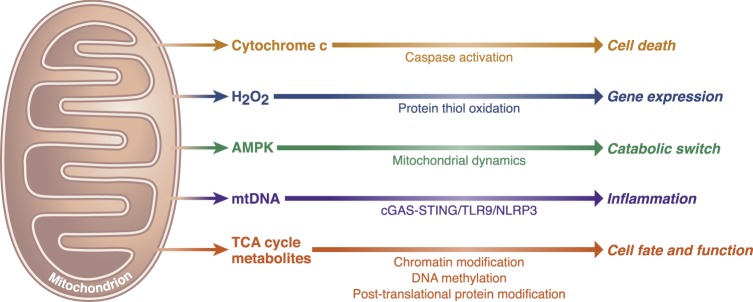
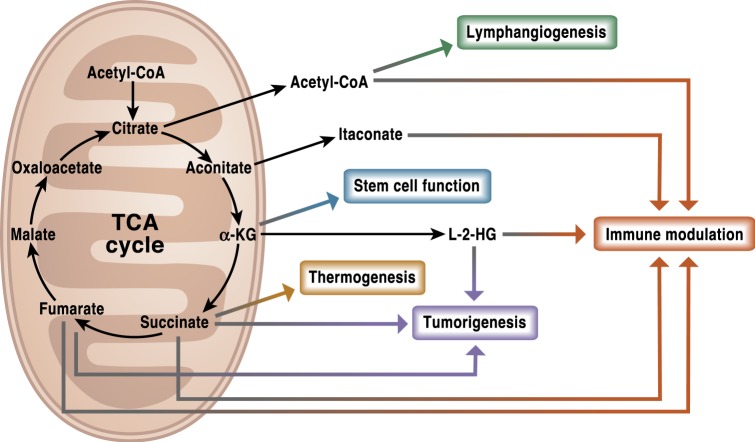
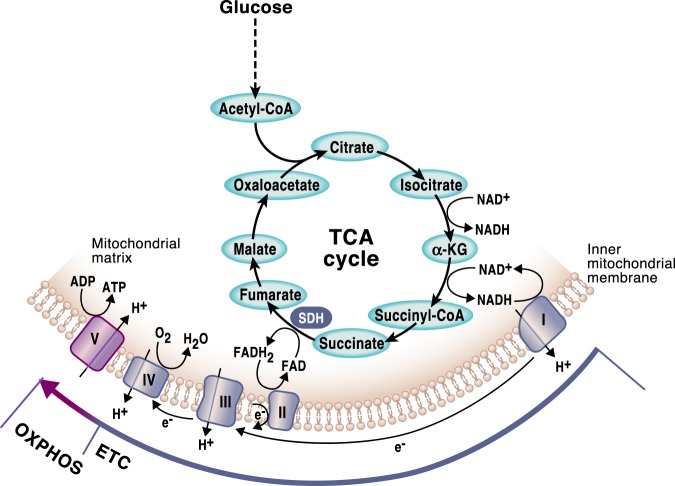
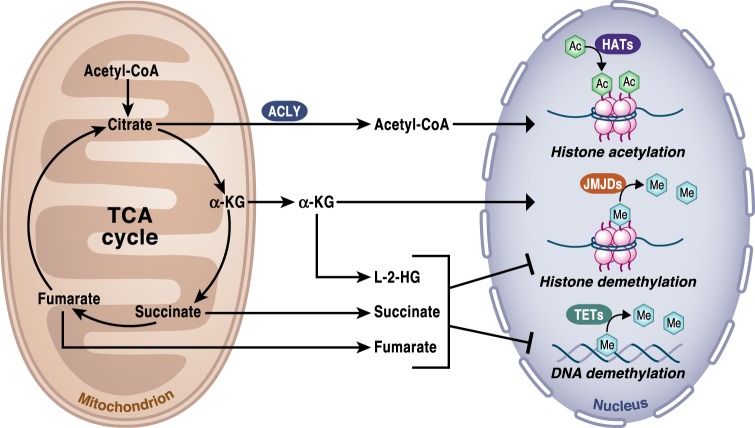
Mitochondria are signaling organelles that regulate a wide variety of cellular functions and can dictate cell fate. Multiple mechanisms contribute to communicate mitochondrial fitness to the rest of the cell. Recent evidence confers a new role for TCA cycle intermediates, generally thought to be important for biosynthetic purposes, as signaling molecules with functions controlling chromatin modifications, DNA methylation, the hypoxic response, and immunity. This review summarizes the mechanisms by which the abundance of different TCA cycle metabolites controls cellular function and fate in different contexts. We will focus on how these metabolites mediated signaling can affect physiology and disease.
Overview
The claims and statistics of this paper haven’t been checked yet.
Free: it reads the open-access text and checks the first 5 claims that cite a source we can check. Create a free account to check every claim.
Integrity signals
Registry
Cites
Statistics
Figures
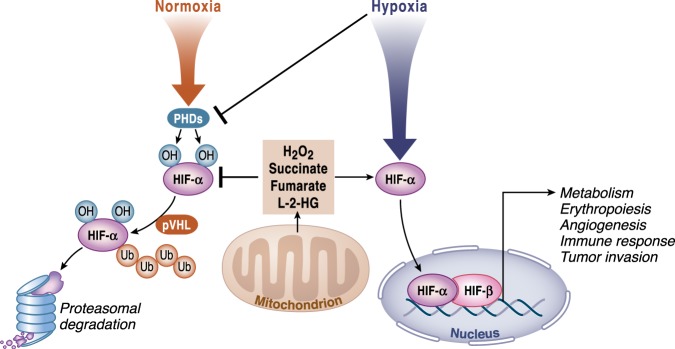
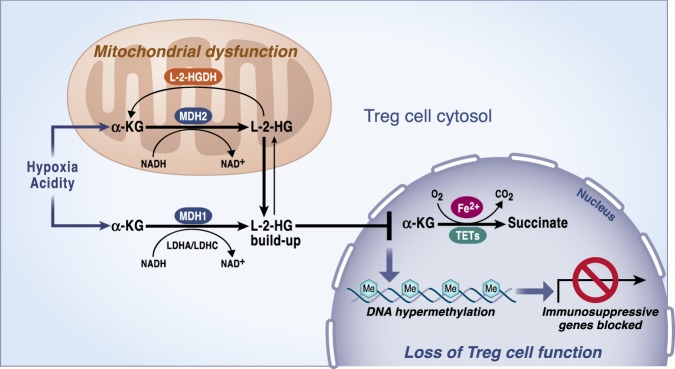
Verification
Claims the paper makes
The claims and statistics of this paper haven’t been checked yet.
Free: it reads the open-access text and checks the first 5 claims that cite a source we can check. Create a free account to check every claim.
Claims other papers make about this one
Each is checked against this paper’s own text: does it say what the citing paper says it does?
The source backs part of the claim, not all of it — or backs it for a different population, condition or comparison.
In the citing paper
“In addition to serving as a major route for energy production, the TCA cycle also supplies key intermediates for conversion into glucose, lipids and non-essential amino acids [56].”
From The HIF Axes in Cancer - Angiogenesis, Metabolism and Immune-Modulation (2025) · cites this paper as [56]
Experimental — accuracy not yet measuredThe cited source says what the claim attributes to it.
In the citing paper
“Although additional studies are needed, ample experimental data support the recognition of R-2-HG, succinate, and fumarate as oncometabolites.”
From Glutamine reliance in cell metabolism (2020) · cites this paper as [112]
In the citing paper
“OGDH undergoes substrate inhibition by succinyl-CoA, which also serves as an allosteric inhibitor of CS (134, 136).”
From Regulation and function of the mammalian tricarboxylic acid cycle (2023) · cites this paper as [134]
Self-check
Percentages, sums and reported differences re-computed from the paper’s own numbers.
The self-check needs the paper’s full text.
Citations
Cites
Induction of Apoptotic Program in Cell-Free Extracts: Requirement for dATP and Cytochrome c
Liu, X., Kim, C. N., Yang, J., Jemmerson, R., & Wang, X. (1996) · Cell · doi:10.1016/s0092-8674(00)80085-9 · Cited by 5,167
Succinate is an inflammatory signal that induces IL-1β through HIF-1α
Tannahill, G. M., Curtis, A. M., Adamik, J., Palsson-McDermott, E. M., McGettrick, A. F., Goel, G., Frezza, C., Bernard, N. J., Kelly, B., Foley, N. H., et al. (2013) · Nature · doi:10.1038/nature11986 · Cited by 4,176
Cancer-associated IDH1 mutations produce 2-hydroxyglutarate
Dang, L., White, D. W., Gross, S., Bennett, B. D., Bittinger, M. A., Driggers, E. M., Fantin, V. R., Jang, H. G., Jin, S., Keenan, M. C., et al. (2009) · Nature · doi:10.1038/nature08617 · Cited by 4,154
AMPK: guardian of metabolism and mitochondrial homeostasis
Herzig, S., & Shaw, R. J. (2018) · Nature Reviews Molecular Cell Biology · doi:10.1038/nrm.2017.95 · Cited by 4,061
Hypoxia-inducible factors in physiology and medicine
Semenza, G. L. (2012) · Cell · doi:10.1016/j.cell.2012.01.021 · Cited by 3,645
A guide to immunometabolism for immunologists
O'Neill, L. A. J., Kishton, R. J., & Rathmell, J. (2016) · Nature Reviews Immunology · doi:10.1038/nri.2016.70 · Cited by 3,315
Oxygen sensing by metazoans: the central role of the HIF hydroxylase pathway.
Kaelin, W. G., & Ratcliffe, P. J. (2008) · Molecular Cell · doi:10.1016/j.molcel.2008.04.009 · Cited by 3,251
Fundamentals of Cancer Metabolism
DeBerardinis, R. J., & Chandel, N. S. (2016) · Science Advances · doi:10.1126/sciadv.1600200 · Cited by 3,013
Self-citationIschaemic accumulation of succinate controls reperfusion injury through mitochondrial ROS
Chouchani, E. T., Pell, V. R., Gaude, E., Aksentijević, D., Sundier, S. Y., Robb, E. L., Logan, A., Nadtochiy, S. M., Ord, E. N. J., Smith, A. C., et al. (2014) · Nature · doi:10.1038/nature13909 · Cited by 2,907
Xu, W., Yang, H., Liu, Y., Yang, Y., Wang, P., Kim, S.-H., Ito, S., Yang, C., Wang, P., Xiao, M.-T., et al. (2011) · Cancer Cell · doi:10.1016/j.ccr.2010.12.014 · Cited by 2,875
Cited by
Items 701–800 of 1,006
Zhang, L., Qiu, J. Y., Li, Y., He, L., Mao, M., Wang, T., Pan, Y., Li, Z., Mu, X., & Qian, Y. (2023) · Ecotoxicology and Environmental Safety · doi:10.1016/j.ecoenv.2023.114597 · Cited by 26
From diabetic hyperglycemia to cerebrovascular Damage: A narrative review
Machado, R. S., Mathias, K., Joaquim, L. D. S., de Quadros, R. W., Petronilho, F. C., & Rezin, G. T. (2023) · Brain Research · doi:10.1016/j.brainres.2023.148611 · Cited by 26
Bae, H. R., Shin, S., Han, Y., Yoo, J.-H., Kim, S. T., Young, H. A., & Kwon, E. (2023) · Nutrients · doi:10.3390/nu15194218 · Cited by 27
“Based on the literature, these pathways play a role in the generation of NADH, the reduced form of nicotinamide adenine dinucleotide (NAD), and the level of NADH regulates the activity of these pathways [39].”
BackgroundZhu, L., Feng, S., Li, Y., Sun, X., Sui, Q., Chen, B., Qu, K., & Xia, B. (2023) · The Science of The Total Environment · doi:10.1016/j.scitotenv.2023.169174 · Cited by 27
The involvement of the mitochondrial membrane in drug delivery
Huang, Y., Ji, W., Zhang, J., Huang, Z. H., Ding, A., Bai, H., Peng, B., Huang, K., Du, W., Zhao, T., et al. (2024) · Acta Biomaterialia · doi:10.1016/j.actbio.2024.01.027 · Cited by 27
Ohanele, C., Peoples, J. N., Karlstaedt, A., Geiger, J. T., Gayle, A., Ghazal, N., Sohani, F., Brown, M. E., Davis, M. E., Porter, G. A., et al. (2024) · Communications Biology · doi:10.1038/s42003-024-07110-8 · Cited by 26
“As part of the TCA cycle, mitochondrial citrate is formed from condensation of acetyl-CoA and oxaloacetate and is further oxidized to enable oxidative energy production 52 .”
ANK Deficiency-Mediated Cytosolic Citrate Accumulation Promotes Aortic Aneurysm
Wu, H., Li, Z., Yang, L., He, L., Liu, H., Yang, S., Xu, Q., Li, Y., Li, W., Li, Y., et al. (2024) · Circulation Research · doi:10.1161/circresaha.124.325152 · Cited by 26
“12 After synthesis in mitochondria by citrate synthase across mammalian cell states, citrate is catalyzed by ACO (aconitase) in the TCA cycle or exported into the cytosol via the mitochondrial citrate carrier (SLC25A1 [solute carrier family 25 member 1]), after which it undergoes ACLY (ATP citrate…”
Targeting mitochondrial metabolism with CPI-613 in chemoresistant ovarian tumors
Udumula, M. P., Rashid, F., Singh, H., Pardee, T., Luther, S., Bhardwaj, T., Anjaly, K., Piloni, S., Hijaz, M., Gogoi, R. P., et al. (2024) · Journal of Ovarian Research · doi:10.1186/s13048-024-01546-6 · Cited by 26
Sisalli, M. J., Ianniello, G., Savoia, C., Cuomo, O., Annunziato, L., & Scorziello, A. (2020) · Cell Communication and Signaling · doi:10.1186/s12964-020-0529-x · Cited by 26
Circulating citric acid cycle metabolites and risk of cardiovascular disease in the PREDIMED study
Santos, J. L., Ruiz‐Canela, M., Razquín, C., Clish, C. B., Guasch‐Ferré, M., Babió, N., Corella, D., Gómez‐Gracia, E., Fiol, M., Estruch, R., et al. (2023) · Nutrition Metabolism and Cardiovascular Diseases · doi:10.1016/j.numecd.2023.01.002 · Cited by 26
Amo-Aparicio, J., Dinarello, C. A., & Lopez-Vales, R. (2024) · Neural Regeneration Research · doi:10.4103/1673-5374.391330 · Cited by 25
“In the case of TCA, intermediates perform important roles in cell signaling, including the activation of the NLP3 inflammasome (Martinez-Reyes and Chandel, 2020).”
BackgroundLanfranchi, M., Yandiev, S., Meyer-Dilhet, G., Ellouze, S., Kerkhofs, M., Dos Reis, R., Garcia, A., Blondet, C., Amar, A., Kneppers, A., et al. (2024) · Nature Communications · doi:10.1038/s41467-024-46146-6 · Cited by 25
“Indeed, the metabolic functions of mitochondria are not restricted to ATP production but contribute to most metabolic pathways in the cell including the metabolism of lipids, amino acids, nucleic acids or neurotransmitters 56 .”
Budny, V., Ruminot, I., Wybitul, M., Treyer, V., Barros, L. F., & Tackenberg, C. (2025) · Translational Psychiatry · doi:10.1038/s41398-025-03550-w · Cited by 25
“Mitochondria are essential for energy metabolism but also crucial for producing reactive oxygen species (ROS) to activate transcription factors and the release of cytochrome c to induce cell death [109].”
Wang, J., Meng, S., Chen, Y., Wang, H., Hu, W., Liu, S., Huang, L., Xu, J., Li, Q., Wu, X., et al. (2025) · Redox Report · doi:10.1080/13510002.2025.2474897 · Cited by 25
“Moreover, citrate, an essential component of the TCA cycle, is not only a critical intermediate in energy metabolism but also a vital precursor for fatty acid synthesis [47].”
Zhang, H.-Y., Shu, Y., Li, Y., Hu, Y., Wu, Z., Li, Z.-P., Deng, Y., Zheng, Z., Zhang, X., Gong, L.-F., et al. (2024) · Cell Reports · doi:10.1016/j.celrep.2024.114915 · Cited by 26
Liang, J., Vitale, T., Zhang, X., Jackson, T. D., Yu, D., Jedrychowski, M. P., Gygi, S. P., Widlund, H. R., Wucherpfennig, K. W., & Puigserver, P. (2025) · Nature Cancer · doi:10.1038/s43018-024-00895-x · Cited by 25
“…such as acetyl-CoA, NADH/NAD + , succinate and fumarate have previously been implicated in retrograde signaling from the mitochondria to the nucleus 33–35 , we performed metabolomics on crude mitochondrial fractions from sgNT, sg Ndufs3 , sg Ndufs4 , sg Ndufs6 melanoma cells to compare the…”
Sadeesh, E. M., & Lahamge, M. S. (2025) · Amino Acids · doi:10.1007/s00726-025-03447-4 · Cited by 25
“Mitochondria are constantly exchanging signals with the cell and adapting to the structural and functional metabolic changes (Mishra and Chan 2016; Esteban-Mar-tínez et al. 2017; Martínez-Reyes and Chandel 2020).”
NMR Based Methods for Metabolites Analysis
He, L., Jiang, B., Peng, Y. F., Zhang, X., & Liu, M. (2025) · Analytical Chemistry · doi:10.1021/acs.analchem.4c06477 · Cited by 25
Subcellular organelle targeted tumor phototherapy
Lu, M., Huang, M., Chen, J., Xu, X., Liu, S., Wang, W., Si, W., Huang, X., & Dong, X. (2025) · Coordination Chemistry Reviews · doi:10.1016/j.ccr.2025.216635 · Cited by 26
Metabolic adaptations driving innate immune memory: mechanisms and therapeutic implications
Hao, D., McBride, M. A., Bohannon, J. K., Hernandez, A., Klein, B., Williams, D. L., & Sherwood, E. R. (2025) · Journal of Leukocyte Biology · doi:10.1093/jleuko/qiaf037 · Cited by 25
“58 Beyond its role in energy production, the TCA cycle integrates multiple anabolic and catabolic pathways, generating key metabolic intermediates that support cellular functions.”
Lai, Y., Wang, S., Ren, T., Shi, J. J., Qian, Y., Wang, S., Zhou, M., Watanabe, R., Li, M., Ruan, X., et al. (2025) · Nature Communications · doi:10.1038/s41467-025-59786-z · Cited by 25
“ATP-citrate lyase (ACLY) is responsible for cleaving citrate into acetyl-CoA in the cytosol 34 (Fig.”
Unraveling mitochondrial pyruvate dysfunction to mitigate hyperlactatemia and lethality in sepsis
Nuyttens, L., Heyerick, M., Heremans, G., Moens, E., Roes, M., Dender, C. V., Bus, L. D., Decruyenaere, J. M. A., Waele, J. J. D., Vandewalle, J., et al. (2025) · Cell Reports · doi:10.1016/j.celrep.2025.116032 · Cited by 25
Ren, Y., Li, Z., Chen, K., Zhang, H., Liang, Q., Li, Y., Liu, B., & Wang, L. (2025) · Environmental Science & Technology · doi:10.1021/acs.est.5c03589 · Cited by 26
Mitochondria as Regulators of Nonapoptotic Cell Death in Cancer
Malla, S., Neupane, R., Sood, S., Hussein, N. A., Abou-Dahech, M. S., Terrero, D., Ashby, C. R., Babu, R. J., & Tiwari, A. K. (2025) · MedComm · doi:10.1002/mco2.70244 · Cited by 25
Gao, H., Jensen, K. N., Nesbitt, J. J., Ostroot, M., Cary, G. A., Wiley, J. C., Trushin, S., Watzlawik, J. O., Springer, W., Galkin, A. S., et al. (2025) · Alzheimer s & Dementia · doi:10.1002/alz.70519 · Cited by 25
“67 The metabolites of the TCA cycle are essential for mediating chromatin remodeling, DNA methylation, and posttranslational protein modifications, where alterations in the TCA cycleaffectinflammation,stemcellfunction,andotherimportantphys-iological processes.”
Zhang, X., Zhang, Y., Lu, H., Zhen, H., Zhang, Y., Wang, Q., Wang, R., Liu, M., & Xing, M. (2025) · The Journal of Nutritional Biochemistry · doi:10.1016/j.jnutbio.2025.110086 · Cited by 25
Wang, Y., Gao, Y., Yang, Y., Zhang, J., Wan, Y., Li, X., Li, N., Fu, G., Yang, Y., Li, Z., et al. (2025) · Science Advances · doi:10.1126/sciadv.adx4850 · Cited by 25
Mehrjardi, N. Z., Hänggi, D., & Kahlert, U. D. (2020) · Cell Death and Disease · doi:10.1038/s41419-020-03196-0 · Cited by 25
Every, H. A. V., & Schmidt, C. J. (2021) · BMC Genomics · doi:10.1186/s12864-021-07724-w · Cited by 25
Reinsalu, L., Puurand, M., Chekulayev, V. A., Miller, S., Shevchuk, I. N., Tepp, K., Rebane-Klemm, E., Timohhina, N., Terasmaa, A., & Käämbre, T. (2021) · Frontiers in Oncology · doi:10.3389/fonc.2021.698951 · Cited by 25
“It was shown that hypoxia via HIF-1a can induce the expression of TUBB3 (105).”
BackgroundInfluentialPeoples, J. N., Ghazal, N., Duong, D. M., Hardin, K. R., Manning, J. R., Seyfried, N. T., Faúndez, V., & Kwong, J. Q. (2021) · American Journal of Physiology-Cell Physiology · doi:10.1152/ajpcell.00156.2021 · Cited by 25
Yuan, H., Suzuki, S., Hirata‐Tsuchiya, S., Satô, A., Nemoto, E., Saito, M., Shiba, H., & Yamada, S. (2021) · International Journal of Molecular Sciences · doi:10.3390/ijms22168646 · Cited by 25
“Acetyl-CoA and α-ketoglutarate levels have been shown to reflect metabolic activities [49].”
BackgroundBonanomi, M., Salmistraro, N., Fiscon, G., Conte, F., Paci, P., Bravatà, V., Forte, G. I., Volpari, T., Scorza, M., Mastroianni, F., et al. (2021) · Cancers · doi:10.3390/cancers13205058 · Cited by 25
Potenza, F., Cufaro, M. C., Biase, L. D., Panella, V., Campli, A. D., Ruggieri, A. G., Dufrusine, B., Restelli, E., Pietrangelo, L., Protasi, F., et al. (2021) · International Journal of Molecular Sciences · doi:10.3390/ijms222212449 · Cited by 25
“On the other hand, metabolites of the TCA cycle control multiple physio-pathological cellular functions, including gene expression via histone methylation and acetylation [31].”
BackgroundEmtenani, S., Martin, E. T., Gyoergy, A., Bicher, J., Genger, J., Köcher, T., Akhmanova, M., Guarda, M., Roblek, M., Bergthaler, A., et al. (2022) · The EMBO Journal · doi:10.15252/embj.2021109049 · Cited by 25
Yi, R., Xie, L., Wang, X., Shen, C., Chen, X., & Qiao, L. (2022) · Frontiers in Oncology · doi:10.3389/fonc.2022.861142 · Cited by 25
“It should be noted that the six pathways are connected with the metabolites in the TCA cycle, which is an energy-relating anabolic process that can promote cancer growth (42, 44, 45).”
BackgroundSriskanthadevan-Pirahas, S., Turingan, M. J., Chahal, J. S., Thorson, E., Khan, S., Tinwala, A. Q., & Grewal, S. (2022) · Cell Reports · doi:10.1016/j.celrep.2022.110802 · Cited by 25
Wang, H., Xiao, Y., Xu, C., Cao, Y., Jing, P., Wu, S., Liu, J., & Bao, W. (2022) · Journal of Agricultural and Food Chemistry · doi:10.1021/acs.jafc.2c01107 · Cited by 25
Calderón-DuPont, D., Torre-Villalvazo, I., & Díaz‐Villaseñor, A. (2022) · Biochimie · doi:10.1016/j.biochi.2022.08.021 · Cited by 25
Lisuzzo, A., Laghi, L., Fiore, F., Harvatine, K. J., Mazzotta, E., Faillace, V., Spissu, N., Zhu, C., Moscati, L., & Fiore, E. (2022) · Scientific Reports · doi:10.1038/s41598-022-20371-9 · Cited by 26
Keller, S. A., & Luciani, A. (2022) · Cells · doi:10.3390/cells11193179 · Cited by 25
“These organelles also regulate intracellular calcium and redox balance [2,3] and seem to act as cardinal platforms, toggling the balance between survival and cell death pathways in response to changes in microenvironmental cues, ultimately controlling a wide variety of cellular functions and dictating cell fate decisi…”
BackgroundOmics-based approaches for the systematic profiling of mitochondrial biology
Schäfer, J. A., Sutandy, F. X. R., & Münch, C. (2023) · Molecular Cell · doi:10.1016/j.molcel.2023.02.015 · Cited by 25
Grayson, C., & Mailloux, R. J. (2023) · Free Radical Biology and Medicine · doi:10.1016/j.freeradbiomed.2023.08.015 · Cited by 25
Bidirectional interplay between metabolism and epigenetics in hematopoietic stem cells and leukemia
Zhang, Y. W., Schönberger, K., & Cabezas‐Wallscheid, N. (2023) · The EMBO Journal · doi:10.15252/embj.2022112348 · Cited by 27
Oliveira, T. P. D., Morais, A. L. B., dos Reis, P. L. B., Palotás, A., & Vieira, L. B. (2023) · Metabolites · doi:10.3390/metabo14010025 · Cited by 25
“…of Acetyl-CoA that is introduced into the TCA cycle for the formation of ATP that is used as an energy source in cases of glucose deprivation [87] (Figure 1). to the formation of Acetyl-CoA that is introduced into the TCA cycle for the formation of ATP that is used as an energy source in…”
BackgroundChen, K., Tan, Z., Liu, L., Liu, B., Zhan, L., Zhu, J., Li, X., Lin, K., Liu, J., Liu, Y., et al. (2024) · JCI Insight · doi:10.1172/jci.insight.170340 · Cited by 25
“Mitochondrial metabolism is primarily dependent on mitochondrial DNA expression, biogenesis, and respiratory chain complex functions (48, 49).”
BackgroundImmunometabolic Regulation of Bacterial Infection, Biofilms, and Antibiotic Susceptibility
Chen, Y.-T., Lohia, G. K., Chen, S., & Riquelme, S. A. (2024) · Journal of Innate Immunity · doi:10.1159/000536649 · Cited by 27
“This process is known as forward electron transport (FET) [2, 19, 20].”
BackgroundHKDC1 promotes liver cancer stemness under hypoxia through stabilizing β-catenin
Fan, L., Tian, C. L., Yang, W., Liu, X., Dhungana, Y., Yang, W., Tan, H., Glazer, E. S., Yu, J., Peng, J., et al. (2024) · Hepatology · doi:10.1097/hep.0000000000001085 · Cited by 25
“[63] In addition, since mitochondria play an important role in metastasis by modulating metabolic and genetic responses to dynamic TME cues, [64] it supports our observation that HKDC1 responds to hypoxia and needs assistance from CAFs to promote HCC metastasis.”
Huai, M., Pei, M., Chen, J., Duan, X., Zhu, Y., Yang, F., & Ge, W. (2024) · Journal of Nanobiotechnology · doi:10.1186/s12951-024-03007-0 · Cited by 26
“Thus, to deeply understand the direction of mitochondrial function and energy metabolism, the activity of key enzymes such as citrate synthase (CS), isocitrate dehydrogenase (ICDH), and α-ketoglutarate dehydrogenase (α-KGDH) in TCA [30, 31] were detected.”
Mitochondrial Carriers and Substrates Transport Network: A Lesson from Saccharomyces cerevisiae
Ferramosca, A., & Zara, V. (2021) · International Journal of Molecular Sciences · doi:10.3390/ijms22168496 · Cited by 25
Bagheri‐Mohammadi, S., Farjami, M., suha, A. J., Zarch, S. M. A., Najafi, S., & Esmaeili, A. (2023) · Journal of Cellular Biochemistry · doi:10.1002/jcb.30414 · Cited by 25
“Succinate dehydrogenase oxidizes the succinate into fumarate and the electrons derived are moved to coenzyme Q (ubiquinone) and after that transported to complex III.17 Accumulating evidence emphasized the importance of mitochondrial Ca2+ ([Ca2+]m) in normal cell physiology and metabolism through the regulation of mit…”
BackgroundXu, H., Tan, X., Gerhard, E. M., Zhang, H., Ray, R., Wang, Y., Kothapalli, S., Rizk, E., Armstrong, A. D., Yan, S., et al. (2025) · Science Advances · doi:10.1126/sciadv.ady2862 · Cited by 24
Randhawa, J., & Pålsson‐McDermott, E. M. (2025) · Journal of Inflammation · doi:10.1186/s12950-025-00461-x · Cited by 25
“…which allows for accumulation of H3K36me2; a key signal for DNA DSB repair is covalently wrapped around histones and gene transcription is regulated by either “opening” or “closing” the DNA-histone complex, allowing it to become available or unavailable to transcription factors respectively [13].”
InfluentialMolecular Chaperones: Molecular Assembly Line Brings Metabolism and Immunity in Shape
Zhao, H., Raines, L. N., & Huang, S. C. (2020) · Metabolites · doi:10.3390/metabo10100394 · Cited by 24
“Increasing evidence has suggested that nutrient uptake and metabolic flux can affect epigenetic modifications instructing the function of immune cells [11,36,37].”
Danoy, M., Tauran, Y., Poulain, S., Jellali, R., Bruce, J., Leduc, M., Gall, M. L., Gilard, F., Kido, T., Arakawa, H., et al. (2021) · Biotechnology and Bioengineering · doi:10.1002/bit.27667 · Cited by 24
Mitofusin 2 Deficiency Causes Pro-Inflammatory Effects in Human Primary Macrophages
Khodzhaeva, V., Schreiber, Y., Geißlinger, G., Brandes, R. P., Brüne, B., & Namgaladze, D. (2021) · Frontiers in Immunology · doi:10.3389/fimmu.2021.723683 · Cited by 24
“Mitochondria are intracellular organelles involved, in addition to their classic role in production of ATP and biosynthetic intermediates (1, 2) in diverse cellular functions such as apoptosis (3), calcium homeostasis (4), heme biosynthesis (5), as well as antiviral immunity (6, 7).”
BackgroundSabbir, M. G., Taylor, C. G., & Zahradka, P. C. (2021) · Cell Communication and Signaling · doi:10.1186/s12964-021-00778-z · Cited by 24
“Succinate is considered pro-inflammatory [99, 100] and fumarate as an anti-inflammatory metabolite [98].”
BackgroundLiu, X., Chen, Y., Zhao, L., Tian, Q., de Avila, J. M., Zhu, M. J., & Du, . (2021) · The Journal of Nutritional Biochemistry · doi:10.1016/j.jnutbio.2021.108908 · Cited by 24
Renal mitochondrial injury in the pathogenesis of CKD: mtDNA and mitomiRs
Irazabal, M. V., Chade, A., & Eirin, A. (2022) · Clinical Science · doi:10.1042/cs20210512 · Cited by 24
Ma, N., Shangguan, F., Zhou, H., Huang, H., Lei, J., An, J., Jin, G., Zhuang, W., Zhou, S., Wu, S., et al. (2022) · Phytomedicine · doi:10.1016/j.phymed.2022.154164 · Cited by 24
SKN-1 regulates stress resistance downstream of amino catabolism pathways
Frankino, P. A., Siddiqi, T. F., Bolas, T., Bar‐Ziv, R., Gildea, H. K., Zhang, H., Higuchi‐Sanabria, R., & Dillin, A. G. (2022) · iScience · doi:10.1016/j.isci.2022.104571 · Cited by 24
“Outside of their role in creating cellular energy, many of these catabolites have been identified as signaling molecules that affect both normal cell function and disease (Martı́nez-Reyes and Chandel, 2020).”
BackgroundHow cytoskeletal proteins regulate mitochondrial energetics in cell physiology and diseases
Solomon, T., Rajendran, M., Rostovtseva, T. K., & Hool, L. C. (2022) · Philosophical Transactions of the Royal Society B Biological Sciences · doi:10.1098/rstb.2021.0324 · Cited by 24
“75%) of ATP is generated via oxidative phosphorylation (OXPHOS) in mitochondria, some is produced via aerobic glycolysis in the cytosol [9].”
BackgroundYan, X., Li, S., Tu, T., Li, Y., Niu, M., Tong, Y., Yang, Y., Xu, T., Zhao, J., Shen, C., et al. (2023) · Journal of Food Science · doi:10.1111/1750-3841.16452 · Cited by 24
Adar, O., Hollander, A., & Ilan, Y. (2023) · Advances in respiratory medicine · doi:10.3390/arm91050028 · Cited by 24
Mitochondrial GTP metabolism controls reproductive aging in C. elegans
Lee, Y.-T., Savini, M., Chen, T., Yang, J., Zhao, Q., Ding, L., Gao, S. M., Şentürk, M., Sowa, J. N., Wang, J. D., et al. (2023) · Developmental Cell · doi:10.1016/j.devcel.2023.08.019 · Cited by 24
Li, Y., Yang, H., Ma, Y., Cao, Y., Xu, D. Q., Liu, X., & Xu, G. (2023) · Journal of Agricultural and Food Chemistry · doi:10.1021/acs.jafc.3c04869 · Cited by 24
Yegambaram, M., Sun, X., Lü, Q., Jin, Y., Ornatowski, W., Soto, J. E., Aggarwal, S., Wang, T., Tieu, K., Gu, H., et al. (2023) · Free Radical Biology and Medicine · doi:10.1016/j.freeradbiomed.2023.11.008 · Cited by 25
Chen, H., Wang, J., Chen, S., Chen, X., Liu, J., Tang, H., Zhou, J., Tian, Y., Wang, X., Cao, X., et al. (2024) · Psychiatry Research · doi:10.1016/j.psychres.2024.115795 · Cited by 24
Targeting reprogrammed metabolism as a therapeutic approach for respiratory diseases
Gan, P. X. L., Zhang, S., & Wong, W. S. F. (2024) · Biochemical Pharmacology · doi:10.1016/j.bcp.2024.116187 · Cited by 24
Gu, L., Du, Y., Chen, J., Hasan, M. N., Clayton, Y. D., Matye, D. J., Friedman, J. E., & Li, T. (2024) · Proceedings of the National Academy of Sciences · doi:10.1073/pnas.2320934121 · Cited by 24
Voltarelli, V. A., Amano, M. T., Tobias, G. C., Borges, G. S., da Paixão, A. O., Pereira, M. G., Câmara, N. O. S., Caldeira, W., Ribeiro, A. F., Le, O., et al. (2024) · iScience · doi:10.1016/j.isci.2024.110121 · Cited by 26
“44 In fact, mitochondrial metabolism has been shown to play a key role in the differentiation and in fate of T cells.”
Yang, B., Cao, L., Ge, K., Lv, C., Zhao, Z., Zheng, T., Gao, S., Zhang, J., Wang, T., Jiang, J., et al. (2024) · Small · doi:10.1002/smll.202401110 · Cited by 24
Cao, Y., Lu, C., Beeraka, N. M., Efetov, S. K., Enikeev, M. E., Fu, Y., Yang, X., Basappa, B., He, M., & Li, Z. (2024) · Frontiers in Immunology · doi:10.3389/fimmu.2024.1428920 · Cited by 24
“Within this pathway, ROS generation leads to ferroptosis through lipid peroxidation (94, 95) (Figure 2).”
BackgroundSanna, P. P., Fu, Y., Masliah, E., Lefèbvre, C., & Repunte‐Canonigo, V. (2021) · Scientific Reports · doi:10.1038/s41598-021-88052-7 · Cited by 24
Golubiani, G., Lagani, V., Solomonia, R. O., & Müller, M. (2021) · Cells · doi:10.3390/cells10092494 · Cited by 24
“It is well known that high demands for ATP increase the ADP/ATP ratio and AMP levels, thereby stimulating the regulatory enzymes of the TCA cycle (reviewed in [51]).”
BackgroundMetabolic Pathways Regulating Colorectal Cancer: A Potential Therapeutic Approach
Zafari, N., Velayati, M., Damavandi, S., Pourali, G., Ghayour‐Mobarhan, M., Nassiri, M., Hassanian, S. M., Khazaei, M., Ferns, G. A., & Avan, A. (2022) · Current Pharmaceutical Design · doi:10.2174/1381612828666220922111342 · Cited by 24
Osteoclasts control endochondral ossification via regulating acetyl-CoA availability
Deng, D., Liu, X., Huang, W., Yuan, S., Liu, G., Ai, S., Fu, Y., Xu, H., Zhang, X., Li, S., et al. (2024) · Bone Research · doi:10.1038/s41413-024-00360-6 · Cited by 25
Key glycometabolism during oocyte maturation and early embryonic development
Zhang, Y., Li, T., Wang, Y., & Yu, Y. (2025) · Reproduction · doi:10.1530/rep-24-0275 · Cited by 24
“Acetyl-CoA generated from pyruvate can serve as a cofactor for histone acetyltransferases (HATs) (Martínez-Reyes & Chandel 2020).”
Structure of human mitochondrial pyruvate carrier MPC1 and MPC2 complex
Sun, Y., Wang, Y., Zheng, X., Li, D., Wang, R., Chen, B., Zhou, N., Ayala, A., Tu, B. P., & Qi, X. (2025) · Nature Communications · doi:10.1038/s41467-025-61939-z · Cited by 23
“Inside the mitochondrial matrix, pyruvate dehydrogenase (PDH) decarboxylates pyruvate to form acetyl-CoA, which then enters the tricarboxylic acid (TCA) cycle for oxidation and ATP production via oxidative phosphorylation (OXPHOS) 2 .”
Nengroo, M. A., Klein, A. T., Carr, H. S., Vidal-Cruchez, O., Sahu, U., McGrail, D. J., Sahni, N., Thompson, N. B., Faull, P. A., Gao, P., et al. (2025) · Molecular Cell · doi:10.1016/j.molcel.2025.10.002 · Cited by 25
Yao, Y., & Lawrence, D. A. (2020) · Journal of Biochemical and Molecular Toxicology · doi:10.1002/jbt.22626 · Cited by 23
Kim, H., Shin, J. Y., Kim, D. Y., Lee, J. E., & Lee, P. H. (2021) · Journal of Tissue Engineering · doi:10.1177/20417314211004816 · Cited by 23
The Impact of COVID-19 Infection on Oxygen Homeostasis: A Molecular Perspective
Alayash, A. I. (2021) · Frontiers in Physiology · doi:10.3389/fphys.2021.711976 · Cited by 23
Niu, Z., Fu, M., Li, Y., Ren, H., Zhang, X., & Li, Y. (2021) · Phytomedicine · doi:10.1016/j.phymed.2021.153840 · Cited by 24
Rodríguez, R. M., Cortés-Espinar, A. J., Soliz‐Rueda, J. R., Feillet‐Coudray, C., Casas, F., Colom‐Pellicer, M., Aragonès, G., Ávila‐Román, J., Muguerza, B., Mulero, M., et al. (2022) · Nutrients · doi:10.3390/nu14040774 · Cited by 23
Włodarczyk, M., Nowicka, G., Ciebiera, M., Ali, M. K., Yang, Q., & Al-Hendy, A. A. (2022) · International Journal of Molecular Sciences · doi:10.3390/ijms23052720 · Cited by 23
Tõkés, A., Vári-Kakas, S., Kulka, J., & Törőcsik, B. (2022) · Frontiers in Oncology · doi:10.3389/fonc.2022.850401 · Cited by 25
Water-Extracted Prunella vulgaris Alleviates Endometriosis by Reducing Aerobic Glycolysis
Cho, M. K., Jin, L., Han, J. H., Jin, J.-S., Cheon, S.-Y., Shin, S. K., Bae, S., Park, M.-J., & Ha, K. (2022) · Frontiers in Pharmacology · doi:10.3389/fphar.2022.872810 · Cited by 23
Drury, J., Young, L. E. A., Scott, T. L., Kelson, C. O., He, D., Liu, J., Wu, Y., Wang, C., Weiss, H. L., Fan, T. W. ‐., et al. (2022) · International Journal of Molecular Sciences · doi:10.3390/ijms23126510 · Cited by 23
“The TCA cycle constitutes the epicenter of cell metabolism because it oxidizes multiple substrates while providing precursors for the synthesis of lipids, nucleotides, and proteins [31].”
BackgroundPaventi, G., Iorio, M. D., Rusco, G., Sobolev, A. P., Cerolini, S., Antenucci, E., Spano, M., Mannina, L., & Iaffaldano, N. (2022) · Biology · doi:10.3390/biology11050642 · Cited by 23
“This low AMP content could also partially explain the observed increase in citrate levels, since the Krebs cycle rate is extremely sensitive to AMP concentration [90].”
BackgroundChâtre, L., Ducat, A., Spradley, F. T., Palei, A. C., Chéreau, C., Couderc, B., Thomas, K. C., Wilson, A. R., Amaral, L. M., Gaillard, I., et al. (2022) · Redox Biology · doi:10.1016/j.redox.2022.102406 · Cited by 23
Lai, H.-T., Naumova, N., Marchais, A., Gaspar, N., Geoerger, B., & Brenner, C. (2022) · Frontiers in Cell and Developmental Biology · doi:10.3389/fcell.2022.948097 · Cited by 24
Han, T.-H., Lee, J., Seo, B.-C., Jeon, W.-H., Yang, H.-A., Kim, S., Haam, K., Park, M. K., Park, J., Han, T., et al. (2022) · Ecotoxicology and Environmental Safety · doi:10.1016/j.ecoenv.2022.114334 · Cited by 23
Crosstalk between Fatty Acid Metabolism and Tumour-Associated Macrophages in Cancer Progression
Zaidi, N. E., Shazali, N. A. H., Leow, T. C., Osman, M. A., Ibrahim, K., & Rahman, N. M. A. N. A. (2022) · Biomedicine · doi:10.37796/2211-8039.1381 · Cited by 23
“The FA synthesis begins with the conversion of citrate to acetyl-Coenzyme A (acetyl-CoA), which is then expanded into malonyl-CoA [26].”
BackgroundSalicylanilides and Their Anticancer Properties
Kauerová, T., Pérez‐Pérez, M., & Kollár, P. (2023) · International Journal of Molecular Sciences · doi:10.3390/ijms24021728 · Cited by 24
Li, Z., Zhang, G., Pan, K., Niu, X., Shu‐Chien, A. C., Chen, T., Zhang, X., & Wu, X. (2023) · Comparative Biochemistry and Physiology Part A Molecular & Integrative Physiology · doi:10.1016/j.cbpa.2023.111474 · Cited by 23
Unveiling the potential of mitochondrial dynamics as a therapeutic strategy for acute kidney injury
Hao, Y., Zhao, L., Zhao, J. Y., Han, X., & Zhou, X. (2023) · Frontiers in Cell and Developmental Biology · doi:10.3389/fcell.2023.1244313 · Cited by 23
Hirose, M., Sekar, P., Eladham, M. W., Albataineh, M. T., Rahmani, M., & Ibrahim, S. M. (2023) · Journal of Molecular Medicine · doi:10.1007/s00109-023-02381-w · Cited by 25
“In the mitochondrial matrix, there are enzymes that are involved in the tricarboxylic acid (TCA) cycle, fatty acid oxidation (FAO), amino acid oxidation, heme synthesis, and iron sulfur cluster formation [63].”
BackgroundStochastic biological system-of-systems modelling for iPSC culture
Hua, Z., Harcum, S. W., Pei, J., & Xie, W. (2024) · Communications Biology · doi:10.1038/s42003-023-05653-w · Cited by 23
“This observation supports the widely accepted understanding that the TCA cycle is a fundamental housekeeping metabolic pathway (i.e., the fl ux rate maintains relatively stable in different conditions) 39 and that it is tightly regulated 40 .”
Jiang, S., Yuan, T., Rosenberger, F. A., Mourier, A., Dragano, N. R. V., Kremer, L. S., Rubalcava-Gracia, D., Hansen, F. M., Borg, M. L., Mennuni, M., et al. (2024) · Nature Metabolism · doi:10.1038/s42255-024-01038-3 · Cited by 24
“Rewiring of mitochondrial metabolism is intricately linked to metabolic diseases and promotes tumour growth 3–5 .”
Metadata
- Authors
- Martínez-Reyes, I., & Chandel, N. S.
- Affiliations
- Northwestern University (US)
- Corresponding author
- Chandel, Navdeep S.
- Venue
- Nature Communications
- Published
- 2020-01-03
- Volume
- 11
- Issue
- 1
- Pages
- 102-102
- ISSN
- 2041-1723 (ISSN-L)
- PMC
- PMC6941980
- OpenAlex
- W2997046468
- Semantic Scholar
- 8c3b7c2ed33880607083f58b0582ef7a49588008
- Cited by
- 2,813
- References
- 99
- Citations by year
- 2026: 510 · 2025: 594 · 2024: 522 · 2023: 425 · 2022: 407 · 2021: 259 · 2020: 96
- FWCI
- 28.43
- Type
- journal article
- Language
- en
- Open access
- gold
- doi.org
- Licence
- cc-by
- creativecommons.org/licenses/by/4.0 (tdm)
- creativecommons.org/licenses/by/4.0 (vor)
- Locations
- Nature Communications (publishedVersion, cc-by)
- Europe PMC (PubMed Central) (publishedVersion, cc-by)
- PubMed Central (publishedVersion, cc-by)
- PubMed (publishedVersion)
- RePEc: Research Papers in Economics (submittedVersion)
- DOAJ (DOAJ: Directory of Open Access Journals) (submittedVersion)
- DOAJ (DOAJ: Directory of Open Access Journals) (submittedVersion, cc-by-sa)
- Funders
- U.S. Department of Health & Human Services | National Institutes of Health (5P01AG049665-04, 5P01HL071643-14)
- Topics
- Life Sciences › Biochemistry, Genetics and Molecular Biology › Molecular Biology › Mitochondrial Function and Pathology
- Life Sciences › Biochemistry, Genetics and Molecular Biology › Cancer Research › Cancer, Hypoxia, and Metabolism
- Life Sciences › Biochemistry, Genetics and Molecular Biology › Molecular Biology › Metabolism, Diabetes, and Cancer
- Keywords
- mitochondrial TCA cycle, TCA cycle intermediates, chromatin modification, DNA methylation, hypoxia response, immunity, cell fate, mitochondrial fitness, disease
- MeSH terms
- Animals, Citric Acid Cycle, Humans, Mitochondria, Signal Transduction, DNA Methylation
About these checks
Registry, retraction, Cites and statistics results are computed, not judged, with one exception: a printed reference that no index lists is read once by a model before it counts as a citation error. Claims are extracted by a model and kept only when their quote appears verbatim in the text; each cited source is then checked, with a model’s help, for whether it says what the claim relies on. Those verdicts can be wrong — read the claim’s quote and the cited source before relying on one.
Statistics and arithmetic are recomputed, not judged.
Confidence bands are shown only for fields calibrated on our annotated test set. None is calibrated yet, so no band is shown.
What counts as a claim ›How we measure confidence ›How we check this ›
Are you an author, or do you see a problem with this page? Request a review
Data sources
Bibliographic data: Semantic Scholar, OpenAlex, Crossref.
Contains information from the Semantic Scholar Academic Graph Datasets, made available under the ODC Attribution License (ODC-BY 1.0).
Semantic Scholar’s data is described in: Kinney, R., et al. (2023). The Semantic Scholar Open Data Platform. arXiv:2301.10140.
