

Mitochondrial TCA cycle metabolites control physiology and disease
Open accessThe DOI matches its Crossref record; 99 of the 99 references it cites were found in a registry or an index.
Abstract
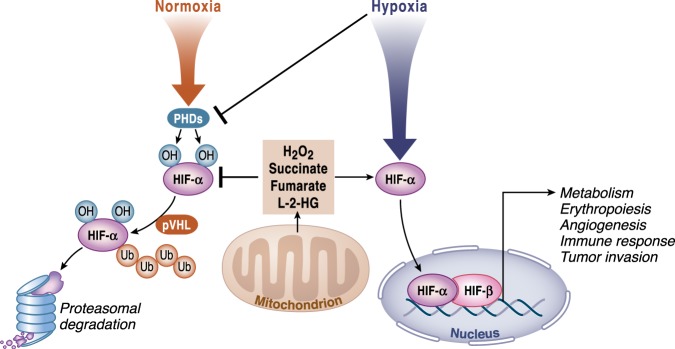
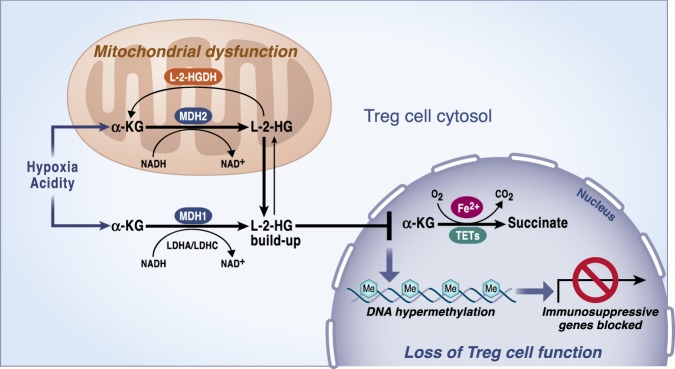
Mitochondria are signaling organelles that regulate a wide variety of cellular functions and can dictate cell fate. Multiple mechanisms contribute to communicate mitochondrial fitness to the rest of the cell. Recent evidence confers a new role for TCA cycle intermediates, generally thought to be important for biosynthetic purposes, as signaling molecules with functions controlling chromatin modifications, DNA methylation, the hypoxic response, and immunity. This review summarizes the mechanisms by which the abundance of different TCA cycle metabolites controls cellular function and fate in different contexts. We will focus on how these metabolites mediated signaling can affect physiology and disease.
Overview
The claims and statistics of this paper haven’t been checked yet.
Free: it reads the open-access text and checks the first 5 claims that cite a source we can check. Create a free account to check every claim.
Integrity signals
Registry
Cites
Statistics
Figures
Verification
Claims the paper makes
The claims and statistics of this paper haven’t been checked yet.
Free: it reads the open-access text and checks the first 5 claims that cite a source we can check. Create a free account to check every claim.
Claims other papers make about this one
Each is checked against this paper’s own text: does it say what the citing paper says it does?
The source backs part of the claim, not all of it — or backs it for a different population, condition or comparison.
In the citing paper
“In addition to serving as a major route for energy production, the TCA cycle also supplies key intermediates for conversion into glucose, lipids and non-essential amino acids [56].”
From The HIF Axes in Cancer - Angiogenesis, Metabolism and Immune-Modulation (2025) · cites this paper as [56]
Experimental — accuracy not yet measuredThe cited source says what the claim attributes to it.
In the citing paper
“Although additional studies are needed, ample experimental data support the recognition of R-2-HG, succinate, and fumarate as oncometabolites.”
From Glutamine reliance in cell metabolism (2020) · cites this paper as [112]
In the citing paper
“OGDH undergoes substrate inhibition by succinyl-CoA, which also serves as an allosteric inhibitor of CS (134, 136).”
From Regulation and function of the mammalian tricarboxylic acid cycle (2023) · cites this paper as [134]
Self-check
Percentages, sums and reported differences re-computed from the paper’s own numbers.
The self-check needs the paper’s full text.
Citations
Cites
Induction of Apoptotic Program in Cell-Free Extracts: Requirement for dATP and Cytochrome c
Liu, X., Kim, C. N., Yang, J., Jemmerson, R., & Wang, X. (1996) · Cell · doi:10.1016/s0092-8674(00)80085-9 · Cited by 5,167
Succinate is an inflammatory signal that induces IL-1β through HIF-1α
Tannahill, G. M., Curtis, A. M., Adamik, J., Palsson-McDermott, E. M., McGettrick, A. F., Goel, G., Frezza, C., Bernard, N. J., Kelly, B., Foley, N. H., et al. (2013) · Nature · doi:10.1038/nature11986 · Cited by 4,176
Cancer-associated IDH1 mutations produce 2-hydroxyglutarate
Dang, L., White, D. W., Gross, S., Bennett, B. D., Bittinger, M. A., Driggers, E. M., Fantin, V. R., Jang, H. G., Jin, S., Keenan, M. C., et al. (2009) · Nature · doi:10.1038/nature08617 · Cited by 4,154
AMPK: guardian of metabolism and mitochondrial homeostasis
Herzig, S., & Shaw, R. J. (2018) · Nature Reviews Molecular Cell Biology · doi:10.1038/nrm.2017.95 · Cited by 4,061
Hypoxia-inducible factors in physiology and medicine
Semenza, G. L. (2012) · Cell · doi:10.1016/j.cell.2012.01.021 · Cited by 3,645
A guide to immunometabolism for immunologists
O'Neill, L. A. J., Kishton, R. J., & Rathmell, J. (2016) · Nature Reviews Immunology · doi:10.1038/nri.2016.70 · Cited by 3,315
Oxygen sensing by metazoans: the central role of the HIF hydroxylase pathway.
Kaelin, W. G., & Ratcliffe, P. J. (2008) · Molecular Cell · doi:10.1016/j.molcel.2008.04.009 · Cited by 3,251
Fundamentals of Cancer Metabolism
DeBerardinis, R. J., & Chandel, N. S. (2016) · Science Advances · doi:10.1126/sciadv.1600200 · Cited by 3,013
Self-citationIschaemic accumulation of succinate controls reperfusion injury through mitochondrial ROS
Chouchani, E. T., Pell, V. R., Gaude, E., Aksentijević, D., Sundier, S. Y., Robb, E. L., Logan, A., Nadtochiy, S. M., Ord, E. N. J., Smith, A. C., et al. (2014) · Nature · doi:10.1038/nature13909 · Cited by 2,907
Xu, W., Yang, H., Liu, Y., Yang, Y., Wang, P., Kim, S.-H., Ito, S., Yang, C., Wang, P., Xiao, M.-T., et al. (2011) · Cancer Cell · doi:10.1016/j.ccr.2010.12.014 · Cited by 2,875
Cited by
Items 501–600 of 1,006
Mitochondrial Ca2+ efflux controls neuronal metabolism and long-term memory across species
Vishwanath, A. A., Comyn, T., Mira, R. G., Brossier, C., Pascual-Caro, C., Faour, M., Boumendil, K., Chintaluri, C., Ramon‐Duaso, C., Fan, R., et al. (2026) · Nature Metabolism · doi:10.1038/s42255-026-01451-w · Cited by 37
“Indeed, increases in mitochondrial metabolism should influence a myriad of neuronal and metabolic pathways, including reactive oxygen species signalling 125,126 , neuronal excitability 13,127 , metabolite levels 128 , protein synthesis and/or gene expression 128 .”
Metabolomic-based clinical studies and murine models for acute pancreatitis disease: A review
Peng, Y., Hong, J., Raftery, D., Xia, Q., & Du, D. (2021) · Biochimica et Biophysica Acta (BBA) - Molecular Basis of Disease · doi:10.1016/j.bbadis.2021.166123 · Cited by 37
Metabolic Reprogramming: A Friend or Foe to Cancer Therapy?
McCann, C. K., & Kerr, E. M. (2021) · Cancers · doi:10.3390/cancers13133351 · Cited by 37
“The Kreb cycle (also known as the Citric Acid (TCA) cycle) [19], takes place within the mitochondrial matrix and is critical for the production of building blocks for biosynthesis to support proliferation, and the cofactors NADH and FADH2.”
BackgroundMicroRNAs as Regulators of Cancer Cell Energy Metabolism
Natarajaseenivasan, S. M., Velusamy, P., Mercy, C. S. A., Langford, D., Natarajaseenivasan, K., & Shanmughapriya, S. (2022) · Journal of Personalized Medicine · doi:10.3390/jpm12081329 · Cited by 37
“The role of the TCA cycle and its regulation has been overlooked until recently [49,169] (Figure 4).”
BackgroundDiscovery of Targets for Immune–Metabolic Antitumor Drugs Identifies Estrogen-Related Receptor Alpha
Sahu, A. D., Wang, X., Munson, P. B., Klomp, J. P. G., Wang, X., Gu, S. S., Qian, G., Nicol, P., Zeng, Z., Wang, C., et al. (2023) · Cancer Discovery · doi:10.1158/2159-8290.cd-22-0244 · Cited by 37
Zhou, Q., Wang, Y., Lu, Z., Wang, B., Li, L., You, M., Wang, L., Cao, T., Zhao, Y., Li, Q., et al. (2023) · Obesity · doi:10.1002/oby.23707 · Cited by 37
“Growing evidence has shown that direct manipulation of the α-KG/succinate ratio is sufficient to modulate histone methylation [30, 40].”
BackgroundKukułowicz, J., Pietrzak-Lichwa, K. J., Klimończyk, K., Idlin, N., & Bajda, M. (2023) · Pharmacological Reviews · doi:10.1124/pharmrev.123.000886 · Cited by 37
Metabolic changes with the occurrence of atherosclerotic plaques and the effects of statins
Zhao, L., Ma, D., Wang, L., Su, X., Feng, L., Zhu, L., Chen, Y., Hao, Y., Wang, X., & Feng, J. (2023) · Frontiers in Immunology · doi:10.3389/fimmu.2023.1301051 · Cited by 37
Hypoxic adaptation of mitochondria and its impact on tumor cell function
Benej, M., Papandreou, I., & Denko, N. C. (2024) · Seminars in Cancer Biology · doi:10.1016/j.semcancer.2024.03.004 · Cited by 38
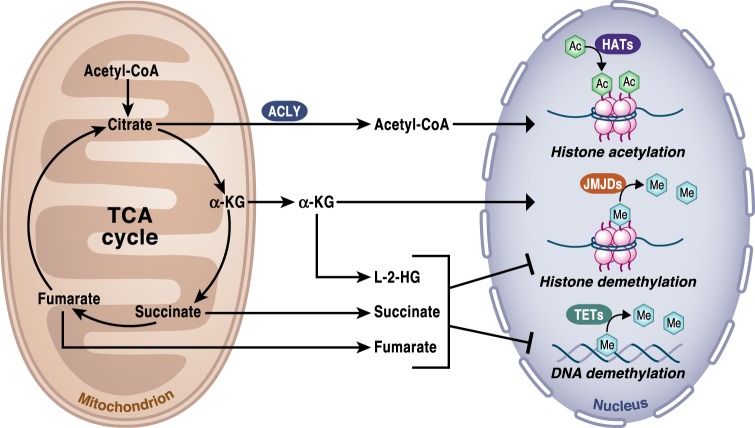
“In addition to its role in the TCA cycle, α KG is an obligatory substrate for cellular dioxygenases such as HIF prolyl hydroxylases (PHDs), Jumonji C domain (JmjC)- containing Lysine Demethylases KDM 2–7 that are major histone demethylases; and Ten-Eleven Translocation Hydroxylases (TET1–3) [91].”
BackgroundFan, X., Zhang, D., Hou, T., Zhang, Q., Tao, L., Bian, C., & Wang, Z. (2024) · Environmental Science & Technology · doi:10.1021/acs.est.3c10175 · Cited by 36
Copper metabolism and its role in diabetic complications: A review
Jia, D., Liu, L., Liu, W., Li, J., Jiang, X. M., & Xin, Y. (2024) · Pharmacological Research · doi:10.1016/j.phrs.2024.107264 · Cited by 36
Peng, X., Yuan, J., Wang, Z., Mo, B., Wang, Y., Wang, Y., & Wang, Q. (2024) · EBioMedicine · doi:10.1016/j.ebiom.2024.105268 · Cited by 36
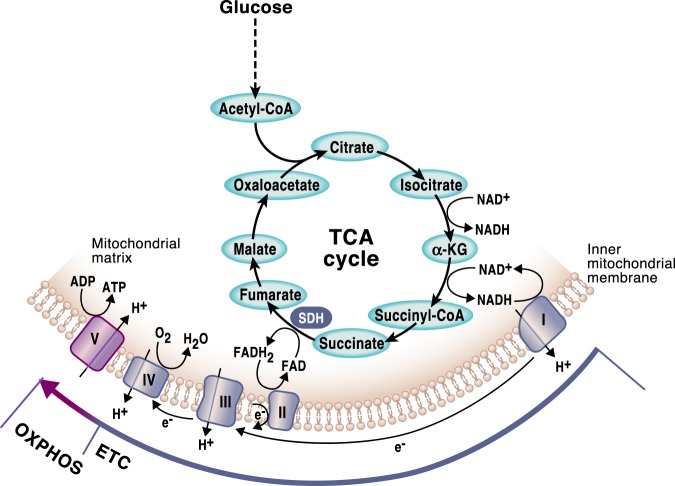
“Mitochondrial ATP production relies on the coordinated action of both the TCA cycle and oxidative phosphorylation acting through the ETC. 56 Key enzymes in the TCA cycle, including Pdha1, Pcb, Aco2, Cs, Idh3a, Ogdh, Sdha, and Mdh2, play crucial roles in this process.”
BackgroundWang, H., Wang, X., Wang, H., Shao, S.-J., & Zhu, J. (2024) · International Journal of Molecular Sciences · doi:10.3390/ijms252011245 · Cited by 37
The flux of energy in critical illness and the obesity paradox
Jaitovich, A., & Hall, J. B. (2025) · Physiological Reviews · doi:10.1152/physrev.00029.2024 · Cited by 37
Li, H., Kelley, J., Ye, Y., Ye, Z., Townsend, D. M., Zhang, J., & Wu, Y. R. (2025) · Cells · doi:10.3390/cells14080613 · Cited by 37
“…membrane, the TCA cycle and ETC interact to produce energy for the H 2 O 2 promotes NP cell apoptosis via the ATF4/CHOP pathway [177,178], while peroxy ‐ nitrite, a strong oxidant, leads to tyrosine nitrosylation, a marker of excessive ROS. cell through oxidative phosphorylation [183,184].”
Huang, Q., Zhang, H., Chen, S., Wang, Y., & Zhou, J. (2025) · Frontiers in Cellular Neuroscience · doi:10.3389/fncel.2025.1593963 · Cited by 36
Targeting mitochondrial transporters and metabolic reprogramming for disease treatment
Anselme, M., He, H., Lai, C., Luo, W., & Zhong, S. (2025) · Journal of Translational Medicine · doi:10.1186/s12967-025-06976-4 · Cited by 37
Endothelial metabolism in pulmonary vascular homeostasis and acute respiratory distress syndrome
Stevens, R. P., Paudel, S. S., Johnson, S., Stevens, T., & Lee, J. (2021) · American Journal of Physiology-Lung Cellular and Molecular Physiology · doi:10.1152/ajplung.00131.2021 · Cited by 36
Active mitochondrial respiration in cancer: a target for the drug
Bedi, M., Ray, M., & Ghosh, A. (2021) · Molecular and Cellular Biochemistry · doi:10.1007/s11010-021-04281-4 · Cited by 36
Yeast metabolic engineering for carbon dioxide fixation and its application
Kim, S. R., Kim, S., Kim, S., Seo, S., Park, S., Shin, J., Kim, J., Park, B.-R., Jin, Y., Chang, P., et al. (2021) · Bioresource Technology · doi:10.1016/j.biortech.2021.126349 · Cited by 36
A “Weird” Mitochondrial Fatty Acid Oxidation as a Metabolic “Secret” of Cancer
Zhelev, Z., Aoki, I., Lazarova, D., Vlaykova, T. I., Higashi, T., & Bakalova, R. (2022) · Oxidative Medicine and Cellular Longevity · doi:10.1155/2022/2339584 · Cited by 36
“High amount of NADH inhibits the PDH and Krebs cycle dehydrogenases and decreases combustion of pyruvate and glucose [87].”
BackgroundRoles of GFPT2 Expression Levels on the Prognosis and Tumor Microenvironment of Colon Cancer
Ding, X., Liu, H., Yuan, Y., Zhong, Q., & Zhong, X. (2022) · Frontiers in Oncology · doi:10.3389/fonc.2022.811559 · Cited by 36
Deane, C. S., Phillips, B. E., Willis, C. R. G., Wilkinson, D. J., Smith, K., Higashitani, N., Williams, J. P., Szewczyk, N. J., Atherton, P. J., Higashitani, A., et al. (2022) · GeroScience · doi:10.1007/s11357-022-00658-5 · Cited by 36
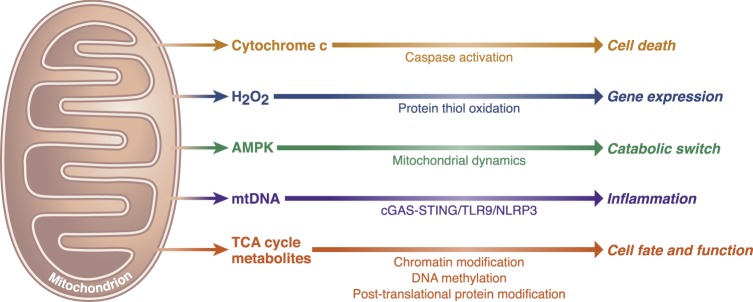
“CYCS transfers electrons between complexes III and IV and is released to the cytosol to signal caspase-mediated cell death [40].”
Katsiougiannis, S., Στεργιόπουλος, Α., Moustaka, K., Havaki, S., Samiotaki, M. K., Stamatakis, G. M., Τέντα, Ρ., & Skopouli, F. N. (2023) · Journal of Autoimmunity · doi:10.1016/j.jaut.2023.103014 · Cited by 36
Tran, T. L. C., Callahan, D. L., Islam, M. T., Wang, Y., Arioli, T., & Cahill, D. M. (2023) · Frontiers in Plant Science · doi:10.3389/fpls.2023.1114172 · Cited by 36
“The TCA cycle is a series of reactions that generate energy by the oxidation of acetyl-CoA derived from carbohydrates, amino acids and fatty acids (Martinez-Reyes and Chandel, 2020).”
BackgroundTodorova, V., Stauffacher, M. F., Ravotto, L., Nötzli, S., Karademir, D., Ebner, L. J. A., Imsand, C., Merolla, L., Hauck, S. M., Samardzija, M., et al. (2023) · Molecular Neurodegeneration · doi:10.1186/s13024-023-00602-x · Cited by 35
“In addition, feedback mechanisms and allosteric regulation of TCA cycle enzymes [55, 56] may also have affected function of mitochondrial metabolic pathways and thus contributed to the effect.”
BackgroundHan, X., Qu, L., Yu, M., Ye, L., Shi, L., Ye, G., Yang, J., Wang, Y., Fan, H., Wang, Y., et al. (2024) · Signal Transduction and Targeted Therapy · doi:10.1038/s41392-024-01791-7 · Cited by 35
“36 In this study, TCA cycle-related expression decreased in the microgravity , indicating a slowdown in metabolic fl ux.”
BackgroundGilglioni, E. H., Li, A., St‐Pierre‐Wijckmans, W., Shen, T.-K., Pérez-Chávez, I., Hovhannisyan, G., Lisjak, M., Negueruela, J., Vandenbempt, V., Bauzá‐Martinez, J., et al. (2024) · Nature Communications · doi:10.1038/s41467-024-53733-0 · Cited by 35
“…gyration values of the phosphorylated protein are smaller (between 0.5 and 1 Å) than for the non-phosphorylated protein, i.e. phosphorylation increases the compaction and binding stability of the PTPRK-D2:FBP1 dimer complex, and both properties should be lost after the catalytic action of PTPRK-D1.”
InfluentialStructure of mitochondrial pyruvate carrier and its inhibition mechanism
Zheng, H., Zhang, J., Xu, Y., Fine, E. J., Suomivuori, C., Dror, R. O., & Feng, L. (2025) · Nature · doi:10.1038/s41586-025-08667-y · Cited by 36
“At the heart of these processes is the import of pyruvate—the end product of glycolysis in cytosol and the main substrate for the tricarboxylic acid cycle in mitochondria— from the cytosol into the mitochondrial matrix 7 .”
Alipanah, N., Neyton, L. P. A., Sinha, P., Leroux, C., Bardillon, K., Carrillo, S. A., Chak, S., Chao, O., Hariharan, T., Hendrickson, C. M., et al. (2025) · Journal of Clinical Investigation · doi:10.1172/jci196290 · Cited by 38
Mitophagy in cardiovascular homeostasis
Zhang, R., Krigman, J., Luo, H., Ozgen, S., Yang, M., & Sun, N. (2020) · Mechanisms of Ageing and Development · doi:10.1016/j.mad.2020.111245 · Cited by 36
“For example, α-ketoglutarate, a Krebs cycle intermediate, is an important cofactor for the ten-eleven translocation (Tet)-dependent DNA demethylases, linking metabolism to cytosine demethylation reactions (Martinez-Reyes and Chandel, 2020; Wu and Zhang, 2014).”
BackgroundInfluentialFluorofenidone Inhibits UUO/IRI‐Induced Renal Fibrosis by Reducing Mitochondrial Damage
Liao, X., Lv, X., Zhang, Y., Han, Y., Li, J., Zeng, J., Tang, D., Meng, J., Yuan, X., Peng, Z., et al. (2022) · Oxidative Medicine and Cellular Longevity · doi:10.1155/2022/2453617 · Cited by 35
“In the TCA cycle, pyruvate from glycolysis is converted into acetyl-CoA by PDH, and then, acetyl-CoA is metabolized to carbon dioxide by enzymes such as CS and AKGDH [31].”
Rajendran, A., Soory, A., Khandelwal, N., Ratnaparkhi, G. S., & Kamat, S. S. (2022) · Journal of Biological Chemistry · doi:10.1016/j.jbc.2022.102128 · Cited by 36
Contribution of fatty acid oxidation to the pathogenesis of pulmonary hypertension
Lee, M. H., Sanders, L., Kumar, R., Hernández-Saavedra, D., Yun, X., Ford, J. A., Perez, M. J., Mickael, C. S., Gandjeva, A., Koyanagi, D. E., et al. (2022) · American Journal of Physiology-Lung Cellular and Molecular Physiology · doi:10.1152/ajplung.00039.2022 · Cited by 35
Isocitrate dehydrogenase 3b is required for spermiogenesis but dispensable for retinal viability
Zhu, S., Huang, J., Xu, R., Wang, Y., Wan, Y., McNeel, R., Parker, E. D., Kolson, D. R., Yam, M., Webb, B. A., et al. (2022) · Journal of Biological Chemistry · doi:10.1016/j.jbc.2022.102387 · Cited by 35
“The mitochondrial tricarboxylic acid (TCA) cycle is a central metabolic pathway for energy production, macromolecule synthesis, cellular redox balance, and cell signaling (1).”
BackgroundInfluentialLin, Y., Ding, Y., Wu, Y., Yang, Y., Liu, Z., Xiang, L. F., & Zhang, C. (2023) · Experimental Dermatology · doi:10.1111/exd.14856 · Cited by 37
“26,27 | 3 of”
BackgroundSun, X., Wang, X., Booth, A. M., Zhu, L., Sui, Q., Chen, B., Qu, K., & Xia, B. (2023) · The Science of The Total Environment · doi:10.1016/j.scitotenv.2023.166560 · Cited by 35
Li, Y., Rasheed, M., Liu, J., Chen, Z., & Deng, Y. (2024) · Cells · doi:10.3390/cells13100863 · Cited by 34
Sun, Y., Guo, S., Kwok, L. Y., Sun, Z., Wang, J., & Zhang, H. (2024) · Journal of Dairy Science · doi:10.3168/jds.2024-24863 · Cited by 35
Mitochondrial Aconitase and Its Contribution to the Pathogenesis of Neurodegenerative Diseases
Padalko, V., Posnik, F., & Adamczyk, M. (2024) · International Journal of Molecular Sciences · doi:10.3390/ijms25189950 · Cited by 34
“The NADH and FADH 2 generated in the TCA cycle are further used in the oxidative phosphorylation process to produce ATP [14,15].”
BackgroundShi, J., Hu, M., Xia, Z., Zhang, J., Wang, Z., Li, L., & Zhao, Y. (2024) · Ecotoxicology and Environmental Safety · doi:10.1016/j.ecoenv.2024.117048 · Cited by 35
Reprogramming immunity with itaconate: metabolic mechanisms and therapeutic perspectives
Gao, H., Ding, M., Liu, Y., Wang, Y., Zhao, S., Chen, J., Chen, Z., & Wang, G. (2025) · Inflammation Research · doi:10.1007/s00011-025-02087-4 · Cited by 38
“This phenomenon is recognized as an aspect of metabolic reprogramming [ 1, 3 – 8].”
InfluentialMoonlighting Metabolic Enzymes in Cancer: New Perspectives on the Redox Code
Jiang, J., Peng, L., Wang, K., & Huang, C. (2021) · Antioxidants and Redox Signaling · doi:10.1089/ars.2020.8123 · Cited by 34
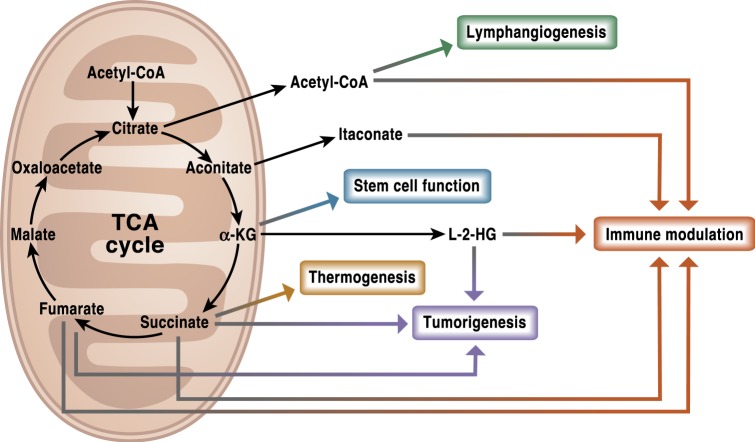
“These important roles of TCA intermediates in controlling chromatin modifications, hypoxic response, and DNA methylation highlight the significance of TCA cycle and the involved key molecules in tumorigenesis and tumor development (113).”
Hong, H., Xu, J., He, H., Wang, X., Yang, L., Deng, P., Yang, L., Tan, M., Zhang, J., Xu, Y., et al. (2022) · Environment International · doi:10.1016/j.envint.2022.107139 · Cited by 34
Zha, S., Tang, Y., Shi, W. M., Liu, H., Sun, C., Bao, Y., & Liu, G. (2022) · Chemosphere · doi:10.1016/j.chemosphere.2022.134079 · Cited by 34
Role of Cellular Metabolism in the Formation of Neutrophil Extracellular Traps in Airway Diseases
Morán, G., Uberti, B., & Quiroga, J. (2022) · Frontiers in Immunology · doi:10.3389/fimmu.2022.850416 · Cited by 35
Altered Bioenergetics and Metabolic Homeostasis in Amyotrophic Lateral Sclerosis
Nelson, A. T., & Trotti, D. (2022) · Neurotherapeutics · doi:10.1007/s13311-022-01262-3 · Cited by 34
“, the transmembrane proton gradient — which can be reflected as a decrease in mitochondrial membrane potential (MMP) and a decrease in ATP production [42].”
BackgroundInfluentialPiezo1 stimulates mitochondrial function via cAMP signaling
Li, X., Kordsmeier, J., Nookaew, I., Kim, H., & Xiong, J. (2022) · The FASEB Journal · doi:10.1096/fj.202200300r · Cited by 34
Yang, R., Zhang, X., Liu, J., Li, X., Zhou, D., & Luan, S. (2022) · International Journal of Biological Macromolecules · doi:10.1016/j.ijbiomac.2022.09.039 · Cited by 36
Critical roles and clinical perspectives of RNA methylation in cancer
Li, G., Yao, Q., Liu, P., Zhang, H., Liu, Y., Li, S., Shi, Y., Li, Z., & Zhu, W. (2024) · MedComm · doi:10.1002/mco2.559 · Cited by 34
Shteinfer‐Kuzmine, A., Verma, A., Arif, T., Aizenberg, O., Paul, A., & Shoshan‐Barmatz, V. (2020) · IUBMB Life · doi:10.1002/iub.2407 · Cited by 34
“They, therefore, require a means of bidirectional signaling between the mitochondria and the nucleus, with the mitochondrial metabolism positioned at the crossroads of all aspects of cell function from cell growth, proliferation, and death to epigenetics and immunity, and metabolic dysfunction.(4) Evidence for the cro…”
BackgroundThe mechanisms and factors that induce trained immunity in arthropods and mollusks
Zhao, M., Lin, Z., Zheng, Z., Yao, D., Yang, S., Zhao, Y., Chen, X., Aweya, J. J., & Zhang, Y. (2023) · Frontiers in Immunology · doi:10.3389/fimmu.2023.1241934 · Cited by 33
Chen, L., Zhu, Y., Guo, C., Guo, Y., Zhao, L., Miao, Y., Du, H., & Liu, D. (2024) · Chinese Journal of Natural Medicines · doi:10.1016/s1875-5364(24)60561-3 · Cited by 33
Kim, H., Jo, J.-H., Lee, H., Park, W., Lee, H., Park, J., & Shin, D. (2024) · PLoS ONE · doi:10.1371/journal.pone.0300719 · Cited by 34
“Metabolites can also play the role of transcription factors and modulate gene expression through binding to the metabolite-sensing mRNA [30–32].”
BackgroundSabadell‐Basallote, J., Astiarraga, B., Castaño, C., Ejarque, M., Repollés-de-Dalmau, M., Quesada, I., Blanco, J., Núñez‐Roa, C., Rodríguez‐Peña, M., Martínez, L., et al. (2024) · Journal of Clinical Investigation · doi:10.1172/jci173214 · Cited by 34
“Within this framework, energy metabolites are increasingly recognized as signaling molecules (9).”
BackgroundDecoding mitochondria's role in immunity and cancer therapy
Zhang, Y., YAN, H. H., Wei, Y., & Wei, X. (2024) · Biochimica et Biophysica Acta (BBA) - Reviews on Cancer · doi:10.1016/j.bbcan.2024.189107 · Cited by 33
Immune cells crosstalk Pathways, and metabolic alterations in Idiopathic pulmonary fibrosis
Tiwari, P., Verma, S., Washimkar, K. R., & Mugale, M. N. (2024) · International Immunopharmacology · doi:10.1016/j.intimp.2024.112269 · Cited by 33
Neurodegenerative disorders, metabolic icebergs, and mitohormesis
Phillips, M. C. L., & Picard, M. A. (2024) · Translational Neurodegeneration · doi:10.1186/s40035-024-00435-8 · Cited by 33
Martinez, C. S., Zheng, A., & Xiao, Q. (2024) · Antioxidants · doi:10.3390/antiox13111330 · Cited by 34
Qi, R.-Q., Chen, Y., Cheng, J., Song, J.-W., Chen, Y.-H., Wang, S., Liu, Y., Yan, K., Liu, X.-Y., Li, J., et al. (2024) · Molecular Medicine · doi:10.1186/s10020-024-00997-3 · Cited by 37
Redox imbalance and hypoxia‐inducible factors: a multifaceted crosstalk
Ravi, R., & Singh, J. (2025) · FEBS Journal · doi:10.1111/febs.70013 · Cited by 33
Succinate receptor 1 inhibits mitochondrial respiration in cancer cells addicted to glutamine
Rabe, P., Liebing, A., Krumbholz, P., Kraft, R., & Stäubert, C. (2021) · Cancer Letters · doi:10.1016/j.canlet.2021.11.024 · Cited by 33
Thim-uam, A., Makjaroen, J., Issara-Amphorn, J., Saisorn, W., Wannigama, D. L., Chancharoenthana, W., & Leelahavanichkul, A. (2022) · International Journal of Molecular Sciences · doi:10.3390/ijms23031676 · Cited by 33
“Because of the reduced mitochondrial activity by LPS tolerance (extracellular flux analysis), several mitochondrial enzymes (pyruvate kinases) were upregulated, possibly to maximize mitochondrial activity [70].”
BackgroundMitochondrial Dysfunction in Pulmonary Hypertension
Ryanto, G. R. T., Suraya, R., & Nagano, T. (2023) · Antioxidants · doi:10.3390/antiox12020372 · Cited by 33
“On the other hand, the regular aerobic pathway of ATP production continues after the initial glycolysis pathway, where the produced pyruvate is decarboxylated into acetyl-CoA and enters the Krebs cycle [15].”
BackgroundA two-step mitochondrial import pathway couples the disulfide relay with matrix complex I biogenesis
Peker, E., Weiss, K., Song, J., Zarges, C., Gerlich, S., Boehm, V., Trifunović, A., Langer, T., Gehring, N. H., Becker, T., et al. (2023) · The Journal of Cell Biology · doi:10.1083/jcb.202210019 · Cited by 30
Systems immunology-based drug repurposing framework to target inflammation in atherosclerosis
Amadori, L., Calcagno, C., Fernandez, D. M., Koplev, S., Fernandez, N., Kaur, R., Mury, P., Khan, N. S., Sajja, S., Shamailova, R., et al. (2023) · Nature Cardiovascular Research · doi:10.1038/s44161-023-00278-y · Cited by 33
“…Crat , encoding carnitine acetyltransferase, which catalyzes the revers ible transfer of acyl groups and regulates the ratio of acylCoA:CoA; and Acsl1 , encoding acylCoA synthetase long chain family member 1, which converts free longchain fatty acids into fatty acylCoA esters 40 .”
The role of Ca2+-signaling in the regulation of epigenetic mechanisms
Hernández‐Oliveras, A., & Zarain‐Herzberg, Á. (2023) · Cell Calcium · doi:10.1016/j.ceca.2023.102836 · Cited by 33
Liu, X., Wang, W., Zhang, X., Liang, J., Dingqing, F., Li, Y., Xue, M., & Ling, B. (2024) · Molecular Therapy — Nucleic Acids · doi:10.1016/j.omtn.2024.102155 · Cited by 35
Testa, U., Pelosi, E., & Castelli, G. (2020) · Medicines · doi:10.3390/medicines7080044 · Cited by 33
Ren, X., Yan, J., Zhao, Q., Bao, X., Han, X., Chen, Z., Zhou, Y., Chen, L., Wang, B., Yang, L., et al. (2023) · Cell Discovery · doi:10.1038/s41421-023-00558-8 · Cited by 32
“Tricarboxylic acid (TCA) cycle intermediates, such as citrate, malate, and oxaloacetate, are building blocks for lipid and nucleotide syntheses 6 .”
Cardiac fibrogenesis: an immuno-metabolic perspective
Hoque, M. M., Gbadegoye, J. O., Hassan, F. O., Raafat, A., & Lebeche, D. (2024) · Frontiers in Physiology · doi:10.3389/fphys.2024.1336551 · Cited by 34
Mailloux, R. J. (2024) · Redox Biology · doi:10.1016/j.redox.2024.103155 · Cited by 32
“The citrate then travels from mitochondria into the cytoplasm and/or nucleus through dicarboxylate antiporter solute carrier 25A1 (SLC25A1) where it is cleaved by ATP-citrate lyase (ACLY) to reform acetyl-CoA [178].”
BackgroundMetabolic pathways and antimicrobial peptide resistance in bacteria
Elbediwi, M., & Rolff, J. (2024) · Journal of Antimicrobial Chemotherapy · doi:10.1093/jac/dkae128 · Cited by 33
Cömert, C., Kjær-Sørensen, K., Hansen, J., Carlsen, J., Just, J., Meaney, B. F., Østergaard, E., Luo, Y., Oxvig, C., Laursen, L. S., et al. (2024) · Molecular Metabolism · doi:10.1016/j.molmet.2024.102009 · Cited by 33
“…acids due to reduced levels of fatty acid oxidation, together with impaired mitochondrial amino acid and pyruvate metabolism due to reduced levels of subunits of these will also lead to a shortage of acetyl-CoA, a key node in metabolism and an essential metabolite for epigenetic regulation [38,39].”
BackgroundCai, L., Hammond, N. G., Tasdogan, A., Alsamraae, M., Yang, C., Cameron, R. B., Quan, P., Solmonson, A., Gu, W., Pachnis, P., et al. (2025) · Cancer Discovery · doi:10.1158/2159-8290.cd-23-1319 · Cited by 34
“Mitochondria are central hubs for generating energy and biosynthetic intermediates (5).”
SDH defective cancers: molecular mechanisms and treatment strategies
Wang, J., Yuan, T., Yang, B. W., He, Q., & Zhu, H. (2025) · Cell Biology and Toxicology · doi:10.1007/s10565-025-10022-w · Cited by 34
Role of Mitochondrial Dysfunction in the Pathology of Amyloid-β
Huang, Z., Yan, Q., Wang, Y., Zou, Q., Li, J., Liu, Z., & Cai, Z. (2020) · Journal of Alzheimer s Disease · doi:10.3233/jad-200519 · Cited by 32
“Next, fumaric acid is converted into malic acid, which is converted into oxaloacetate by the action of malate dehydrogenase, and the TCA cycle is continued [18].”
The versatile biochemistry of iron in macrophage effector functions
Behmoaras, J. V. (2021) · FEBS Journal · doi:10.1111/febs.15682 · Cited by 33
Mitofusin-2 modulates the epithelial to mesenchymal transition in thyroid cancer progression
You, M., Jeon, M. J., Kim, S. R., Lee, W. K., Cheng, S.-Y., Jang, G., Kim, T. Y., Kim, W. B., Shong, Y. K., & Kim, W. G. (2021) · Scientific Reports · doi:10.1038/s41598-021-81469-0 · Cited by 33
Targeting Glioblastoma via Selective Alteration of Mitochondrial Redox State
Sumiyoshi, A., Shibata, S., Zhelev, Z., Miller, T., Lazarova, D., Aoki, I., Obata, T., Higashi, T., & Bakalova, R. (2022) · Cancers · doi:10.3390/cancers14030485 · Cited by 31
“Recent studies showed that succinate is also involved in the regulation of innate immunity, the spread of inflammation, and carcinogenesis [119,120].”
BackgroundTargeting mitochondria in dermatological therapy: beyond oxidative damage and skin aging
Wikramanayake, T. C., Chéret, J., Sevilla, A., Birch‐Machin, M. A., & Paus, R. (2022) · Expert Opinion on Therapeutic Targets · doi:10.1080/14728222.2022.2049756 · Cited by 32
“inflammasome activation and pro-inflammatory responses, and 5) release of tricarboxylic acid (TCA) cycle metabolites to control chromatin modifications and DNA methylation, as well as post-translational protein modifications, cell fate and function [222].”
BackgroundNing, X., Peng, Y., Tang, P., Zhang, Y., Wang, L., Zhang, W., Zhang, K., Ji, J., & Yin, S. (2022) · International Journal of Molecular Sciences · doi:10.3390/ijms231710121 · Cited by 32
Mitochondrial metabolic determinants of multiple myeloma growth, survival, and therapy efficacy
Nair, R., Gupta, P., & Shanmugam, M. (2022) · Frontiers in Oncology · doi:10.3389/fonc.2022.1000106 · Cited by 33
Ferroptosis: a potential therapeutic target for Alzheimer’s disease
Yang, L., & Nao, J. (2022) · Reviews in the Neurosciences · doi:10.1515/revneuro-2022-0121 · Cited by 32
Yan, H., Meng, Y., Li, X., Xiang, R., Hou, S., Wang, L., Wang, L., Yu, X., Xu, M., Chi, Y., et al. (2022) · Metabolism · doi:10.1016/j.metabol.2022.155372 · Cited by 32
Ispada, J., da Fonseca, A. M., de Lima, C. B., dos Santos, É. C., Fontes, P. K., Nogueira, M. F. G., da Silva, V. L., Almeida, F. N., Leite, S. C., Chitwood, J. L., et al. (2020) · International Journal of Molecular Sciences · doi:10.3390/ijms21186868 · Cited by 32
Hertig, D., Maddah, S., Memedovski, R., Kurth, S., Moreno, A., Pennestri, M., Felser, A., Nuoffer, J., & Vermathen, P. (2021) · The Analyst · doi:10.1039/d1an00041a · Cited by 32
Li, M., Wu, X., Jing, W.-Q., Hou, W.-K., Hu, S. C., & Yan, W. (2023) · Cell Death and Disease · doi:10.1038/s41419-023-06017-2 · Cited by 31
Sangineto, M., Ciarnelli, M., Colangelo, T., Moola, A., Bukke, V. N., Duda, L., Villani, R., Romano, A. D., Giandomenico, S., Kanwal, H., et al. (2024) · Cell Reports Medicine · doi:10.1016/j.xcrm.2024.101564 · Cited by 33
“13,14 However, the potential role of immunometabolism in chronic diseases is potently emerging, 15 although it is very little explored in hepatic diseases.”
Yang, J., Chuang, Y.-C., Tseng, J., Liu, Y., Lai, C.-Y., Lee, A. Y., Huang, C. F., Hong, Y., & Chuang, T. (2024) · Journal of Experimental & Clinical Cancer Research · doi:10.1186/s13046-024-03094-9 · Cited by 31
“Mutation in genes encoding enzymes in TCA cycle, particularly those located at the points where the TCA cycle and respiratory chain coupled, have been demonstrated to result in the accumulation of oncometabolites in cancer cells [6, 39–41].”
BackgroundLee, H.-T., Lin, C.-S., Liu, C., Chen, P., Tsai, C., & Wei, Y. (2024) · International Journal of Molecular Sciences · doi:10.3390/ijms25179458 · Cited by 31
Metabolic plasticity in pancreatic cancer: The mitochondrial connection
Noemi, G., Abbo, D., Anastasia, B., Costamagna, A., Porporato, P. E., & Martini, M. (2024) · Molecular Metabolism · doi:10.1016/j.molmet.2024.102089 · Cited by 32
“Dysregulation of mitochondrial function, particularly within the context of the electron transport chain (ETC) and the tricarboxylic acid (TCA) cycle, emerges as a crucial determinant of tumor progression and therapeutic response [13].”
Arginine Metabolism Reprogramming in Perfluorooctanoic Acid (PFOA)-Induced Liver Injury
Gao, J., Li, T., Guo, W., Yan, M., Liu, J., Yao, X., Lv, M., Ding, Y., Qin, H., Wang, M., et al. (2025) · Environmental Science & Technology · doi:10.1021/acs.est.4c07971 · Cited by 32
Rhodoquinone carries electrons in the mammalian electron transport chain
Valeros, J., Jerome, M., Tseyang, T., Vo, P., Do, T., Palomino, D. F., Grotehans, N., Kunala, M., Jerrett, A. E., Hathiramani, N. R., et al. (2025) · Cell · doi:10.1016/j.cell.2024.12.007 · Cited by 31
Wang, X., & Xiong, X. (2025) · International Journal of Nanomedicine · doi:10.2147/ijn.s510972 · Cited by 32
“…cancer (OVCA) revealed a novel p53 mutation, the TP53I3 p.S252X variant (rs145078765, MAF = 0.0016), which may decrease ROS production and dampen mitophagy in apoptosis, thus affecting the efficacy of several cytotoxic agents that target mROS production to induce apoptosis of tumor cells (33).”
InfluentialMitochondrial immunometabolism in sepsis: orchestrating macrophage polarization and dysfunction
Yang, K., Zhao, Q., Sun, Y., Li, L., & Han, X. (2025) · European journal of medical research · doi:10.1186/s40001-025-03590-4 · Cited by 33
“Metabolites such as succinate and citrate, as well as regulatory enzymes including 6-phosphofructo-2-ki-nase/fructose-2,6-bisphosphatase 3 (PFKFB3) and pyruvate dehydrogenase kinase (PDK), contribute to shaping the inflammatory landscape [12, 13].”
Shetty, S., Anushree, U., Kumar, R., & Bharati, S. (2021) · Mitochondrion · doi:10.1016/j.mito.2021.03.001 · Cited by 31
Reduced expression of mitochondrial complex I subunit Ndufs2 does not impact healthspan in mice
McElroy, G. S., Chakrabarty, R. P., D’Alessandro, K. B., Hu, Y., Vasan, K., Tan, J., Stoolman, J. S., Weinberg, S. E., Steinert, E. M., Reyfman, P. A., et al. (2022) · Scientific Reports · doi:10.1038/s41598-022-09074-3 · Cited by 31
Self-citationAdipocyte HIF2α functions as a thermostat via PKA Cα regulation in beige adipocytes
Han, J. S., Jeon, Y. G., Oh, M., Lee, G., Nahmgoong, H., Han, S. M., Choi, J., Kim, Y. Y., Shin, K. C., Kim, J., et al. (2022) · Nature Communications · doi:10.1038/s41467-022-30925-0 · Cited by 31
Targeting mitochondria in the regulation of neurodegenerative diseases: A comprehensive review
Maurya, S. K., Gupta, S., Bakshi, A., Kaur, H., Jain, A., Senapati, S., & Baghel, M. S. (2022) · Journal of Neuroscience Research · doi:10.1002/jnr.25110 · Cited by 31
Metadata
- Authors
- Martínez-Reyes, I., & Chandel, N. S.
- Affiliations
- Northwestern University (US)
- Corresponding author
- Chandel, Navdeep S.
- Venue
- Nature Communications
- Published
- 2020-01-03
- Volume
- 11
- Issue
- 1
- Pages
- 102-102
- ISSN
- 2041-1723 (ISSN-L)
- PMC
- PMC6941980
- OpenAlex
- W2997046468
- Semantic Scholar
- 8c3b7c2ed33880607083f58b0582ef7a49588008
- Cited by
- 2,813
- References
- 99
- Citations by year
- 2026: 510 · 2025: 594 · 2024: 522 · 2023: 425 · 2022: 407 · 2021: 259 · 2020: 96
- FWCI
- 28.43
- Type
- journal article
- Language
- en
- Open access
- gold
- doi.org
- Licence
- cc-by
- creativecommons.org/licenses/by/4.0 (tdm)
- creativecommons.org/licenses/by/4.0 (vor)
- Locations
- Nature Communications (publishedVersion, cc-by)
- Europe PMC (PubMed Central) (publishedVersion, cc-by)
- PubMed Central (publishedVersion, cc-by)
- PubMed (publishedVersion)
- RePEc: Research Papers in Economics (submittedVersion)
- DOAJ (DOAJ: Directory of Open Access Journals) (submittedVersion)
- DOAJ (DOAJ: Directory of Open Access Journals) (submittedVersion, cc-by-sa)
- Funders
- U.S. Department of Health & Human Services | National Institutes of Health (5P01AG049665-04, 5P01HL071643-14)
- Topics
- Life Sciences › Biochemistry, Genetics and Molecular Biology › Molecular Biology › Mitochondrial Function and Pathology
- Life Sciences › Biochemistry, Genetics and Molecular Biology › Cancer Research › Cancer, Hypoxia, and Metabolism
- Life Sciences › Biochemistry, Genetics and Molecular Biology › Molecular Biology › Metabolism, Diabetes, and Cancer
- Keywords
- mitochondrial TCA cycle, TCA cycle intermediates, chromatin modification, DNA methylation, hypoxia response, immunity, cell fate, mitochondrial fitness, disease
- MeSH terms
- Animals, Citric Acid Cycle, Humans, Mitochondria, Signal Transduction, DNA Methylation
About these checks
Registry, retraction, Cites and statistics results are computed, not judged, with one exception: a printed reference that no index lists is read once by a model before it counts as a citation error. Claims are extracted by a model and kept only when their quote appears verbatim in the text; each cited source is then checked, with a model’s help, for whether it says what the claim relies on. Those verdicts can be wrong — read the claim’s quote and the cited source before relying on one.
Statistics and arithmetic are recomputed, not judged.
Confidence bands are shown only for fields calibrated on our annotated test set. None is calibrated yet, so no band is shown.
What counts as a claim ›How we measure confidence ›How we check this ›
Are you an author, or do you see a problem with this page? Request a review
Data sources
Bibliographic data: Semantic Scholar, OpenAlex, Crossref.
Contains information from the Semantic Scholar Academic Graph Datasets, made available under the ODC Attribution License (ODC-BY 1.0).
Semantic Scholar’s data is described in: Kinney, R., et al. (2023). The Semantic Scholar Open Data Platform. arXiv:2301.10140.
