

Mitochondrial TCA cycle metabolites control physiology and disease
Open accessThe DOI matches its Crossref record; 99 of the 99 references it cites were found in a registry or an index.
Abstract
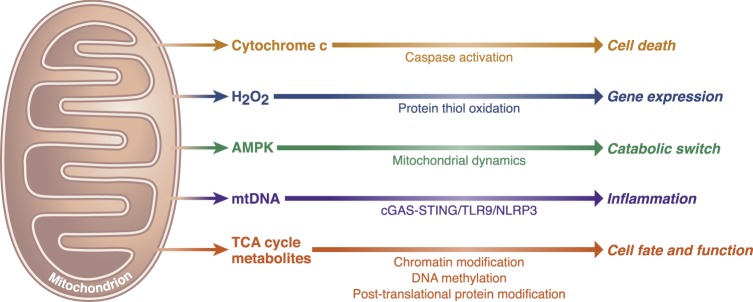
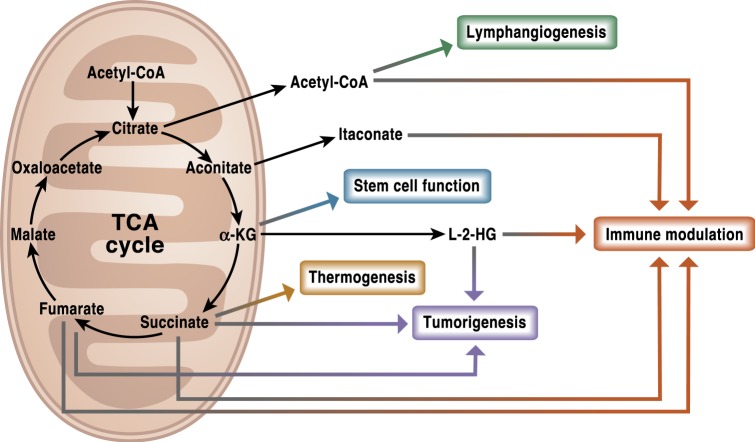
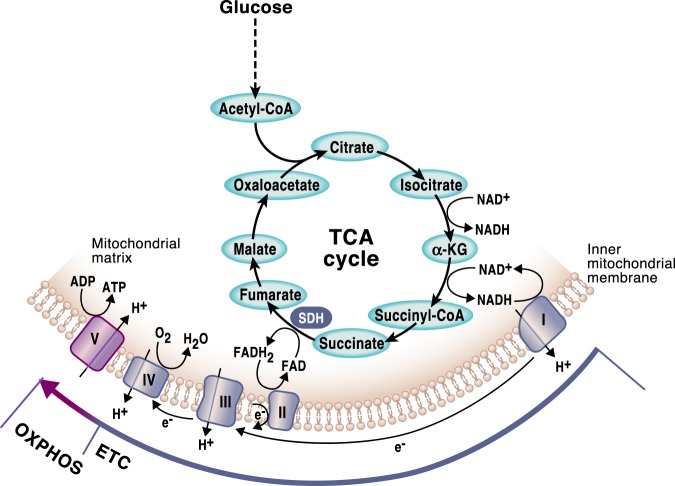
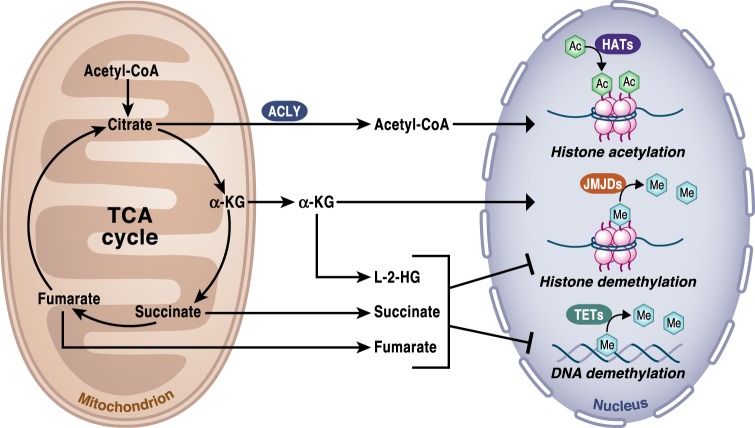
Mitochondria are signaling organelles that regulate a wide variety of cellular functions and can dictate cell fate. Multiple mechanisms contribute to communicate mitochondrial fitness to the rest of the cell. Recent evidence confers a new role for TCA cycle intermediates, generally thought to be important for biosynthetic purposes, as signaling molecules with functions controlling chromatin modifications, DNA methylation, the hypoxic response, and immunity. This review summarizes the mechanisms by which the abundance of different TCA cycle metabolites controls cellular function and fate in different contexts. We will focus on how these metabolites mediated signaling can affect physiology and disease.
Overview
The claims and statistics of this paper haven’t been checked yet.
Free: it reads the open-access text and checks the first 5 claims that cite a source we can check. Create a free account to check every claim.
Integrity signals
Registry
Cites
Statistics
Figures
Verification
Claims the paper makes
The claims and statistics of this paper haven’t been checked yet.
Free: it reads the open-access text and checks the first 5 claims that cite a source we can check. Create a free account to check every claim.
Claims other papers make about this one
Each is checked against this paper’s own text: does it say what the citing paper says it does?
The source backs part of the claim, not all of it — or backs it for a different population, condition or comparison.
In the citing paper
“In addition to serving as a major route for energy production, the TCA cycle also supplies key intermediates for conversion into glucose, lipids and non-essential amino acids [56].”
From The HIF Axes in Cancer - Angiogenesis, Metabolism and Immune-Modulation (2025) · cites this paper as [56]
Experimental — accuracy not yet measuredThe cited source says what the claim attributes to it.
In the citing paper
“Although additional studies are needed, ample experimental data support the recognition of R-2-HG, succinate, and fumarate as oncometabolites.”
From Glutamine reliance in cell metabolism (2020) · cites this paper as [112]
In the citing paper
“OGDH undergoes substrate inhibition by succinyl-CoA, which also serves as an allosteric inhibitor of CS (134, 136).”
From Regulation and function of the mammalian tricarboxylic acid cycle (2023) · cites this paper as [134]
Self-check
Percentages, sums and reported differences re-computed from the paper’s own numbers.
The self-check needs the paper’s full text.
Citations
Cites
Induction of Apoptotic Program in Cell-Free Extracts: Requirement for dATP and Cytochrome c
Liu, X., Kim, C. N., Yang, J., Jemmerson, R., & Wang, X. (1996) · Cell · doi:10.1016/s0092-8674(00)80085-9 · Cited by 5,167
Succinate is an inflammatory signal that induces IL-1β through HIF-1α
Tannahill, G. M., Curtis, A. M., Adamik, J., Palsson-McDermott, E. M., McGettrick, A. F., Goel, G., Frezza, C., Bernard, N. J., Kelly, B., Foley, N. H., et al. (2013) · Nature · doi:10.1038/nature11986 · Cited by 4,176
Cancer-associated IDH1 mutations produce 2-hydroxyglutarate
Dang, L., White, D. W., Gross, S., Bennett, B. D., Bittinger, M. A., Driggers, E. M., Fantin, V. R., Jang, H. G., Jin, S., Keenan, M. C., et al. (2009) · Nature · doi:10.1038/nature08617 · Cited by 4,154
AMPK: guardian of metabolism and mitochondrial homeostasis
Herzig, S., & Shaw, R. J. (2018) · Nature Reviews Molecular Cell Biology · doi:10.1038/nrm.2017.95 · Cited by 4,061
Hypoxia-inducible factors in physiology and medicine
Semenza, G. L. (2012) · Cell · doi:10.1016/j.cell.2012.01.021 · Cited by 3,645
A guide to immunometabolism for immunologists
O'Neill, L. A. J., Kishton, R. J., & Rathmell, J. (2016) · Nature Reviews Immunology · doi:10.1038/nri.2016.70 · Cited by 3,315
Oxygen sensing by metazoans: the central role of the HIF hydroxylase pathway.
Kaelin, W. G., & Ratcliffe, P. J. (2008) · Molecular Cell · doi:10.1016/j.molcel.2008.04.009 · Cited by 3,251
Fundamentals of Cancer Metabolism
DeBerardinis, R. J., & Chandel, N. S. (2016) · Science Advances · doi:10.1126/sciadv.1600200 · Cited by 3,013
Self-citationIschaemic accumulation of succinate controls reperfusion injury through mitochondrial ROS
Chouchani, E. T., Pell, V. R., Gaude, E., Aksentijević, D., Sundier, S. Y., Robb, E. L., Logan, A., Nadtochiy, S. M., Ord, E. N. J., Smith, A. C., et al. (2014) · Nature · doi:10.1038/nature13909 · Cited by 2,907
Xu, W., Yang, H., Liu, Y., Yang, Y., Wang, P., Kim, S.-H., Ito, S., Yang, C., Wang, P., Xiao, M.-T., et al. (2011) · Cancer Cell · doi:10.1016/j.ccr.2010.12.014 · Cited by 2,875
Cited by
Items 301–400 of 1,006
Sen, K., Pati, R., Jha, A., Mishra, G. P., Prusty, S., Chaudhary, S., Swetalika, S., Podder, S., Sen, A., Swain, M., et al. (2022) · Redox Biology · doi:10.1016/j.redox.2022.102575 · Cited by 61
“We focussed on the three important routes generating reducing powers to facilitate TCA cycle and thereby OXPHOS [73,74].”
BackgroundBorkum, J. M. (2023) · Advanced Biology · doi:10.1002/adbi.202300095 · Cited by 62
Mitochondria as intracellular signalling organelles. An update
Popov, L. (2023) · Cellular Signalling · doi:10.1016/j.cellsig.2023.110794 · Cited by 61
Poljšak, B., Jamnik, P., & Milisav, I. (2025) · Antioxidants · doi:10.3390/antiox14091083 · Cited by 63
“For example, models of mitochondrial metabolism have predicted how changes in membrane potential affect ROS production and redox balance [39,40].”
Application of Metabolomics in Pediatric Asthma: Prediction, Diagnosis and Personalized Treatment
Papamichael, M. M., Katsardis, C. V., Sarandi, E., Georgaki, S., Frima, E. S., Varvarigou, A. A., & Tsoukalas, D. (2021) · Metabolites · doi:10.3390/metabo11040251 · Cited by 60
“Therefore, elevated malate might indicate mitochondrial dysfunction due to hypoxia, increased reactive oxygen species in airways, and energy depletion attributed to the increased work of breathing [45].”
BackgroundThe Importance of Metabolism for Immune Homeostasis in Allergic Diseases
Rodríguez‐Coira, J., Villaseñor, A., Izquierdo, E., Huang, M., Barker‐Tejeda, T. C., Radzikowska, U., Sokołowska, M., & Barber, D. (2021) · Frontiers in Immunology · doi:10.3389/fimmu.2021.692004 · Cited by 62
Che, X., Brydges, C. R., Yu, Y., Price, A., Joshi, S., Roy, A., Lee, B., Barupal, D. K., Cheng, A., Palmer, D. M., et al. (2022) · International Journal of Molecular Sciences · doi:10.3390/ijms23147906 · Cited by 59
“The TCA cycle is a conserved pathway in aerobic organisms through which the acetyl-CoA from carbohydrates, fats and proteins is converted into ATP [60].”
BackgroundInfluentialTim-3 adapter protein Bat3 acts as an endogenous regulator of tolerogenic dendritic cell function
Tang, R., Acharya, N., Subramanian, A., Purohit, V., Tabaka, M., Hou, Y., He, D., Dixon, K. O., Lambden, C., Xia, J., et al. (2022) · Science Immunology · doi:10.1126/sciimmunol.abm0631 · Cited by 59
“Aconitase (Aco1) and isocitrate dehydrogenase (Idh) mediate conversion of mitochondrial citrate to isocitrate and -ketoglutarate, respectively, and their inhibition redirects citrate to cytoplasmic lipid and sterol synthesis (52).”
BackgroundPCK2 opposes mitochondrial respiration and maintains the redox balance in starved lung cancer cells
Bluemel, G., Planque, M., Madreiter‐Sokolowski, C. T., Haitzmann, T., Hrzenjak, A., Graier, W. F., Fendt, S., Olschewski, H., & Leithner, K. (2021) · Free Radical Biology and Medicine · doi:10.1016/j.freeradbiomed.2021.09.007 · Cited by 59
Lin, C., Yang, Q., Guo, D., Xie, J., Yang, Y.-S., Chaugule, S. R., DeSouza, N. H., Oh, W., Li, R., Chen, Z., et al. (2022) · Nature Communications · doi:10.1038/s41467-022-34694-8 · Cited by 59
“…progenitors also potentially results in a broader set of cellular abnormalities than just decreased ATP synthesis, as many TCA cycle metabolites, such as acetyl-CoA and α -ketoglutaric acid, have direct rolesinlipidsynthesis,proteinacetylation,histonedemethylation,and other processes 29,61,62 .”
Indurkar, A. R., Choudhary, R., Rubenis, K., Nimbalkar, M. S., Šarakovskis, A., Boccaccini, A. R., & Ločs, J. (2023) · ACS Omega · doi:10.1021/acsomega.3c00796 · Cited by 58
Desai, V. M., Choudhary, M., Chowdhury, R., & Singhvi, G. (2024) · Molecular Pharmaceutics · doi:10.1021/acs.molpharmaceut.3c01185 · Cited by 58
Shi, Y., Tian, M., Zhao, X., Tang, L., Wang, F., Wu, H., Liao, Q., Ren, H., Fu, W., Zheng, S., et al. (2024) · Nature Cardiovascular Research · doi:10.1038/s44161-024-00531-y · Cited by 58
“As the key step of cellular metabolism, mitochondrial TCA metabolites are required for sustaining biosynthesis in proliferating cells 18 .”
Multifaceted Roles of Mitochondrial Components and Metabolites in Metabolic Diseases and Cancer
Nakhle, J., Rodriguez, A., & Vignais, M. (2020) · International Journal of Molecular Sciences · doi:10.3390/ijms21124405 · Cited by 59
Impaired phosphocreatine metabolism in white adipocytes promotes inflammation
Maqdasy, S., Lecoutre, S., Renzi, G., Frendo‐Cumbo, S., Rizo‐Roca, D., Möritz, T., Juvany, M., Hodek, O., Gao, H., Couchet, M., et al. (2022) · Nature Metabolism · doi:10.1038/s42255-022-00525-9 · Cited by 59
Recent advances in metabolism and toxicity of tyrosine kinase inhibitors
Zhao, Q., Wu, Z. E., Li, B., & Li, F. (2022) · Pharmacology & Therapeutics · doi:10.1016/j.pharmthera.2022.108256 · Cited by 57
The role of NURR1 in metabolic abnormalities of Parkinson’s disease
Al‐Nusaif, M., Yang, Y., Li, S., Cheng, C., & Le, W. (2022) · Molecular Neurodegeneration · doi:10.1186/s13024-022-00544-w · Cited by 57
“Mitochondrial respiration abnormalities may inhibit complex I nicotinamide adenine dinucleotide (NADH)ubiquinone reductase of the electron transport chain (ETC), which might play a role in the pathogenesis of PD [146].”
BackgroundInfluentialMitochondrial Genetic and Epigenetic Regulations in Cancer: Therapeutic Potential
Wagner, A., Kosnacova, H., Chovanec, M., & Jurkovičová, D. (2022) · International Journal of Molecular Sciences · doi:10.3390/ijms23147897 · Cited by 57
Molecular and biochemical regulation of skeletal muscle metabolism
Zumbaugh, M. D., Johnson, S., Shi, T. H., & Gerrard, D. E. (2022) · Journal of Animal Science · doi:10.1093/jas/skac035 · Cited by 58
MOTS-c: A promising mitochondrial-derived peptide for therapeutic exploitation
Zheng, Y., Wei, Z., & Wang, T. (2023) · Frontiers in Endocrinology · doi:10.3389/fendo.2023.1120533 · Cited by 59
“Whether in the form of mitochondrial-derived peptide itself or in terms of sORF, mitochondrial-derived peptide is suitable for research as a therapeutic agent (1).”
BackgroundInfluentialZou, B., Jia, F., Ji, L., Li, X., & Dai, R. (2023) · Critical Reviews in Food Science and Nutrition · doi:10.1080/10408398.2023.2235435 · Cited by 59
“The TCA cycle is the core process of mitochondrial energy production and is the common pathway for the complete breakdown of sugars, proteins and fats (Martínez-Reyes and Chandel 2020).”
The multifaceted roles of mitochondria at the crossroads of cell life and death in cancer
Fontana, F., & Limonta, P. (2021) · Free Radical Biology and Medicine · doi:10.1016/j.freeradbiomed.2021.09.024 · Cited by 57
“TCA cycle metabolites are now known to be also involved in DNA methylation, chromatin remodelling and protein post-translational chemical modifications [1].”
BackgroundFranchina, D. G., Kurniawan, H., Grusdat, M., Binsfeld, C., Guerra, L., Bonetti, L., Soriano‐Baguet, L., Ewen, A., Kobayashi, T., Farinelle, S., et al. (2022) · Nature Communications · doi:10.1038/s41467-022-29426-x · Cited by 57
Common methods in mitochondrial research (Review)
Yin, Y., & Shen, H. (2022) · International Journal of Molecular Medicine · doi:10.3892/ijmm.2022.5182 · Cited by 56
Research Progress on Mitochondrial Dysfunction in Diabetic Retinopathy
Wu, Y., & Zou, H. (2022) · Antioxidants · doi:10.3390/antiox11112250 · Cited by 57
Zheng, S., Tang, B. Z., & Wang, W. (2023) · Journal of Hazardous Materials · doi:10.1016/j.jhazmat.2023.133181 · Cited by 56
Mitochondrial bioenergetics, metabolism, and beyond in pancreatic β-cells and diabetes
Nieves, A. M. R., Wauford, B. M., & Fu, A. (2024) · Frontiers in Molecular Biosciences · doi:10.3389/fmolb.2024.1354199 · Cited by 57
A new paradigm in intracellular immunology: Mitochondria emerging as leading immune organelles
Xu, K., Saaoud, F., Shao, Y., Lu, Y., Yang, Q., Jiang, X., Wang, H., & Yang, X. (2024) · Redox Biology · doi:10.1016/j.redox.2024.103331 · Cited by 56
“Mitochondria serve as critical hubs for metabolic waste management, with certain metabolites synthesized or stored within these organelles acting as sources of mtDAMPs and regulators of the immune response [41,108,109].”
Sinha, J. K., Jorwal, K., Singh, K. K., Han, S. S., Bhaskar, R., & Ghosh, S. (2024) · Molecular Neurobiology · doi:10.1007/s12035-024-04474-0 · Cited by 56
“Metabolic substrates such as pyruvate, fatty acids, and glutamine, which are converted into acetyl-CoA and alpha-ketoglutarate (α-kG) to fuel the tricarboxylic acid (TCA) cycle, are also less effectively utilized [33, 34].”
Immune Memory in Aging: a Wide Perspective Covering Microbiota, Brain, Metabolism, and Epigenetics
Bulut, O. P., Kılıç, G., & Domínguez‐Andrés, J. (2021) · Clinical Reviews in Allergy & Immunology · doi:10.1007/s12016-021-08905-x · Cited by 57
“For instance, acetyl-CoA acts as the key cofactor for histone acetylation [125].”
BackgroundDecoding the Rosetta stone of mitonuclear communication
English, J., Son, J. M., Cardamone, M. D., Lee, C., & Perissi, V. (2020) · Pharmacological Research · doi:10.1016/j.phrs.2020.105161 · Cited by 55
Mitochondria in Aging and Alzheimer’s Disease: Focus on Mitophagy
Pradeepkiran, J. A., Baig, J., Seman, A., & Reddy, P. H. (2023) · The Neuroscientist · doi:10.1177/10738584221139761 · Cited by 55
Oxidative stress and metabolism meet epigenetic modulation in physical exercise
García‐Giménez, J. L., Cánovas‐Cervera, I., & Pallardó, F. V. (2024) · Free Radical Biology and Medicine · doi:10.1016/j.freeradbiomed.2024.01.008 · Cited by 55
Liu, R., Li, F., Hao, S., Hou, D., Zeng, X., Huang, H., Sethi, G., Guo, J., & Duan, C. (2024) · Pharmacological Research · doi:10.1016/j.phrs.2023.107056 · Cited by 55
Li, Z., Yang, B., Yang, Z., Xie, X. N., Guo, Z., Zhao, J., Wang, R., Fu, H., Zhao, P., Zhao, X., et al. (2024) · Advanced Materials · doi:10.1002/adma.202307176 · Cited by 56
Andonian, B. J., Johannemann, A. S., Hubal, M. J., POBER, D. M., Koss, A., Kraus, W. E., Bartlett, D. B., & Huffman, K. M. (2021) · Arthritis Research & Therapy · doi:10.1186/s13075-021-02570-3 · Cited by 55
Nanda, P., & Ghosh, A. (2021) · PLoS Computational Biology · doi:10.1371/journal.pcbi.1008860 · Cited by 57
Daniel, Y., Lelou, E., Aninat, C., Corlu, A., & Cabillic, F. (2021) · Cancers · doi:10.3390/cancers13081973 · Cited by 56
“In addition, yet long regarded as a dead-end waste product, lactate can be selectively up-taken by CSC and stimulate stem cell growth [80].”
BackgroundNutraceuticals and Dietary Supplements for Older Adults with Long COVID-19
Tosato, M., Ciciarello, F., Zazzara, M. B., Pais, C., Savera, G., Picca, A., Galluzzo, V., Coelho‐Júnior, H. J., Calvani, R., Marzetti, E., et al. (2022) · Clinics in Geriatric Medicine · doi:10.1016/j.cger.2022.04.004 · Cited by 54
Mahmud, S., Ullah, C., Kortz, A., Bhattacharyya, S., Yu, P., Gershenzon, J., & Vothknecht, U. C. (2022) · Plant Cell & Environment · doi:10.1111/pce.14402 · Cited by 55
Gao, Y., Zimmer, J. T., Vasic, R., Liu, C., Gbyli, R., Zheng, S.-J., Patel, A. J., Liu, W., Qi, Z., Li, Y., et al. (2023) · Cell Reports · doi:10.1016/j.celrep.2023.113163 · Cited by 55
“28 Energy metabolism switches from glycolysis in long-term HSCs (LT-HSCs) to mitochondrial respiration in short-term HSCs (ST-HSCs) and committed progenitor cells.”
BackgroundLi, W., Cai, Z., Schindler, F., Afjehi-Sadat, L., Montsch, B., Heffeter, P., Heiß, E. H., & Weckwerth, W. (2024) · Journal of Agricultural and Food Chemistry · doi:10.1021/acs.jafc.3c09132 · Cited by 54
Ahuja, S., & Zaheer, S. (2025) · Immunology · doi:10.1111/imm.70045 · Cited by 55
“NADPH is essential for maintaining cellular redox balance and supporting cell growth and proliferation [42].”
Metabolomics as a Promising Resource Identifying Potential Biomarkers for Inflammatory Bowel Disease
Bauset, C., Gisbert-Ferrándiz, L., & Cosín‐Roger, J. (2021) · Journal of Clinical Medicine · doi:10.3390/jcm10040622 · Cited by 54
“This metabolic pathway involves different specific metabolites such as citrate, isocitrate, α-ketoglutarate (α-KG), succinyl-CoA, succinate, fumarate, malate and oxaloacetate [7].”
BackgroundFueling Cell Invasion through Extracellular Matrix
Garde, A., & Sherwood, D. R. (2021) · Trends in Cell Biology · doi:10.1016/j.tcb.2021.01.006 · Cited by 54
“Another challenge in experimentally understanding the role of glycolysis and OXPHOS in cell invasion is that, in addition to generating ATP, glycolysis and the TCA cycle generate metabolites that make amino acids, lipids, and nucleotides [29,37], which may also be needed for invasive ability.”
BackgroundThe remodel of the “central dogma”: a metabolomics interaction perspective
dos Santos, G. C., Renovato‐Martins, M., & de Brito, N. M. (2021) · Metabolomics · doi:10.1007/s11306-021-01800-8 · Cited by 55
“…(TCA) increase DNA demethylase, while succinate and fumarate function as antagonists to inhibit such demethylases, thus demonstrating the pivotal role of TCA in epigenetic reprogramming (Xiao et al., 2012) and tumorigenesis (Kaelin & McKnight, 2013; Martínez-Reyes & Chandel, 2020; Soga, 2013).”
BackgroundSalminen, T. S., & Vale, P. F. (2020) · Frontiers in Immunology · doi:10.3389/fimmu.2020.00521 · Cited by 54
“example to induce cell death by releasing cytochrome c, or by controlling mitochondrial fusion and fission by AMP-activated protein kinase (57).”
BackgroundYang, Z., Zhao, X., Shang, W., Liu, Y., Ji, J., Liu, J., & Tong, C. (2020) · Cell Death and Differentiation · doi:10.1038/s41418-020-0601-5 · Cited by 53
Metabolomics-Based Identification of Metabolic Dysfunction in Frailty
Westbrook, R., Zhang, C., Yang, H., Tian, J., Guo, S., Xue, Q., Walston, J. D., Le, A., & Abadir, P. M. (2021) · The Journals of Gerontology Series A · doi:10.1093/gerona/glab315 · Cited by 53
Reynolds, M. B., Hong, H. S., Michmerhuizen, B. C., Lawrence, A.-L. E., Zhang, L., Knight, J. S., Lyssiotis, C. A., Abuaita, B. H., & O’Riordan, M. X. (2023) · Science Advances · doi:10.1126/sciadv.ade8701 · Cited by 55
“LPS-induced TCA cycle remodeling alters inflammatory signaling through posttranslational modifications of signaling molecules and epigenetic decoration of histones by TCA intermediates ( 50 ).”
Emerging roles of mitochondrial functions and epigenetic changes in the modulation of stem cell fate
Zhang, C., Meng, Y., & Han, J. (2024) · Cellular and Molecular Life Sciences · doi:10.1007/s00018-023-05070-6 · Cited by 54
“Furthermore, different metabolites of the TCA cycle are utilized as substrates by chromatin-modifying enzymes, which control gene expression by altering chromatin modification [30].”
Tripathi, K. K., & Ben‐Shachar, D. (2024) · Cells · doi:10.3390/cells13050410 · Cited by 55
Jin, W., Zhang, Y., Zhao, Z., & Gao, M. (2024) · Theranostics · doi:10.7150/thno.93962 · Cited by 55
Mitochondrial genetics, signalling and stress responses
Liu, Y. J., Sulc, J., & Auwerx, J. H. (2025) · Nature Cell Biology · doi:10.1038/s41556-025-01625-w · Cited by 54
“…A is an acetyl donor for post-translational modifications such as histone acetylation, which affects chromatin structure and gene expression 77 . α-ketoglutarate (α-KG), serves as a cofactor for dioxygenase enzymes, such as histone demethyl-ases, TET (ten-eleven translocation) DNA…”
Hao, Y., Wang, X., Yuan, S., Wang, Y., Liao, X., Zhong, M., He, Q., Shen, H., Liao, W., & Shen, J. (2020) · International Journal of Biological Macromolecules · doi:10.1016/j.ijbiomac.2020.11.085 · Cited by 53
NF-κB mediated regulation of tumor cell proliferation in hypoxic microenvironment
Rastogi, S., Aldosary, S., Saeedan, A. S., Ansari, M. N., Singh, M., & Kaithwas, G. (2023) · Frontiers in Pharmacology · doi:10.3389/fphar.2023.1108915 · Cited by 52
Mayor, E. (2023) · Frontiers in Aging · doi:10.3389/fragi.2023.1161814 · Cited by 52
Functional implications of fumarate-induced cysteine succination
Guberović, I., & Frezza, C. (2024) · Trends in Biochemical Sciences · doi:10.1016/j.tibs.2024.05.003 · Cited by 52
Role of Mitofusins and Mitophagy in Life or Death Decisions
Joaquim, M., & Escobar‐Henriques, M. (2020) · Frontiers in Cell and Developmental Biology · doi:10.3389/fcell.2020.572182 · Cited by 53
Liu, S., Fang, S., Xiang, Z., Chen, X., Song, Y., Chen, C., & Ouyang, G. (2020) · Journal of Hazardous Materials · doi:10.1016/j.jhazmat.2020.124849 · Cited by 52
Metabolic Regulation of Epigenetic Modifications and Cell Differentiation in Cancer
Saggese, P., Sellitto, A., Martinez, C. A., Giurato, G., Nassa, G., Rizzo, F. M., Tarallo, R., & Scafoglio, C. (2020) · Cancers · doi:10.3390/cancers12123788 · Cited by 51
Duarte, I. F., Caio, J. M., Moedas, M. F., Rodrigues, L., Leandro, P., Rivera, I. A., & Silva, M. F. B. (2021) · Cellular and Molecular Life Sciences · doi:10.1007/s00018-021-03996-3 · Cited by 52
“2 and 3) has a dual role as the acetyl-donor for protein acetylation (histones and non-histones) and as a central regulatory metabolite connecting acetylation, metabolism and epigenetics [140, 141].”
BackgroundHurrell, B. P., Helou, D. G., Howard, E. D., Painter, J. D., Shafiei-Jahani, P., Sharpe, A. H., & Akbari, O. (2022) · Nature Communications · doi:10.1038/s41467-022-32899-5 · Cited by 52
Extracellular Succinate: A Physiological Messenger and a Pathological Trigger
Wu, K. K. (2023) · International Journal of Molecular Sciences · doi:10.3390/ijms241311165 · Cited by 52
Rappe, A., Vihinen, H., Suomi, F., Hassinen, A., Ehsan, H., Jokitalo, E., & McWilliams, T. G. (2024) · The EMBO Journal · doi:10.1038/s44318-024-00241-y · Cited by 51
“Mitochondria are pleiotropic organelles required for diverse processes, supplying ATP for energetics and metabolites critical for epigenetic modi fi cations (Martínez-Reyes and Chandel, 2020).”
Ko, J., Olona, A., Papathanassiu, A. E., Buang, N. B., Park, K.-S., Costa, A. S. H., Mauro, C., Frezza, C., & Behmoaras, J. V. (2020) · Journal of Cell Science · doi:10.1242/jcs.247957 · Cited by 51
Prediction of Autoimmune Diseases by Targeted Metabolomic Assay of Urinary Organic Acids
Tsoukalas, D., Fragoulakis, V., Papakonstantinou, E., Antonaki, M., Vozikis, A., Tsatsakis, A. M., Bugă, A. M., Mitroi, M. R., & Călina, D. C. (2020) · Metabolites · doi:10.3390/metabo10120502 · Cited by 51
“Organic acids (OAs) are intermediate metabolites of critical cellular metabolic pathways, including but not limited to the energy production pathway in the mitochondria via citric acid or tricarboxylate (TCA) cycle, metabolism of carbohydrates and proteins, ketone bodies’ metabolism and other related pathways [14].”
BackgroundWang, W.-L., Shih, Y.-T., Wei, S.-Y., & Chiu, J.-J. (2025) · Journal of Biomedical Science · doi:10.1186/s12929-025-01177-z · Cited by 50
“The TCA cycle serves as a metabolic hub that integrates substrates such as FAs, aas, and pyruvate to generate NADH and flavin adenine dinucleotide (FADH 2 ), which then provide energy for the electron transport chain to produce ATP [157].”
Cell-specific transcriptional control of mitochondrial metabolism by TIF1γ drives erythropoiesis
Rossmann, M. P., Hoi, K. K., Chan, V., Abraham, B. J., Yang, S. P., Mullahoo, J., Papanastasiou, M., Wang, Y., Elia, I., Perlin, J. R., et al. (2021) · Science · doi:10.1126/science.aaz2740 · Cited by 50
Xu, J., Yang, Y., Li, X., Ding, S., Zheng, L., Xiong, C., & Yang, Y. (2023) · iMeta · doi:10.1002/imt2.124 · Cited by 51
“A growing body of evidence has demonstrated that succinate levels are significantly increased in the context of hyperlipidemia, and excessive succinate plays a critical role in several pathological processes associated with atherosclerosis [70].”
BackgroundMitochondria: the hidden engines of traumatic brain injury-driven neurodegeneration
Olatona, O. A., Sterben, S. P., Kansakar, S. B. S., Symes, A. J., & Liaudanskaya, V. (2025) · Frontiers in Cellular Neuroscience · doi:10.3389/fncel.2025.1570596 · Cited by 51
Heat stress and the chicken gastrointestinal microbiota: a systematic review
Ncho, C. M. (2025) · Journal of Animal Science and Biotechnology/Journal of animal science and biotechnology · doi:10.1186/s40104-025-01225-6 · Cited by 51
“The primary function of the TCA cycle is to oxidize acetyl-CoA to produce reducing equivalents that fuel the electron transport chain for ATP production [106].”
Mitochondrial Dysfunction-Associated Mechanisms in the Development of Chronic Liver Diseases
Arumugam, M. K., Gopal, T., Kandy, R. R. K., Boopathy, L. K., Perumal, S. K., Ganesan, M., Rasineni, K., Donohue, T. M., Osna, N. A., & Kharbanda, K. K. (2023) · Biology · doi:10.3390/biology12101311 · Cited by 51
“ATP generation is dependent on acetyl-CoA, which enters the TCA cycle or is used to generate ketone bodies via ketogenesis [90].”
BackgroundLarrea, D., Tamucci, K. A., Kabra, K., VELASCO, K. R., Yun, T. D., Pera, M., Montesinos, J., Agrawal, R. R., Paradas, C., Smerdon, J. W., et al. (2025) · Nature Communications · doi:10.1038/s41467-024-51578-1 · Cited by 47
“Respiration was also measured using succinate as the substrate (in the presence of rotenone to inhibit CI activity), as succinate oxidation produces higher levels of FADH 2 compared to the oxidation of pyruvate 38 , and thus activates FADH 2 -CII-driven oxygen consumption (FADH 2 -OCR) 39 (Fig.”
Immunomodulatory effects of 4-hydroxynonenal
Ioannidis, M., Tjepkema, J., Uitbeijerse, M. R. P., & van den Bogaart, G. (2025) · Redox Biology · doi:10.1016/j.redox.2025.103719 · Cited by 50
“Physiological production of ROS is essential to maintain cellular processes like cell signaling, differentiation, proliferation, apoptosis, and cytoskeleton regulation [7].”
Bian, J., Liao, Y., Liu, R., An, X., Hu, C., Liu, H., & Qu, J. (2022) · Water Research · doi:10.1016/j.watres.2022.118465 · Cited by 49
Morphological and Molecular Bases of Male Infertility: A Closer Look at Sperm Flagellum
Pereira, R., & Sousa, M. (2023) · Genes · doi:10.3390/genes14020383 · Cited by 50
Acylated Ghrelin as a Multi-Targeted Therapy for Alzheimer's and Parkinson's Disease
Reich, N., & Hölscher, C. (2020) · Frontiers in Neuroscience · doi:10.3389/fnins.2020.614828 · Cited by 48
“To recharge NAD and FAD and to resume ATP generation, the brain relies on glucose as major energy substrate as well as its metabolization in the tricarboxylic acid cycle (TCA) as main bioenergetic pathway (Penicaud et al., 2002; Arun et al., 2016; Martinez-Reyes and Chandel, 2020).”
BackgroundAmorim, R., Simões, I. C. M., Teixeira, J., Cagide, F., Potes, Y., Soares, P., Carvalho, A., Tavares, L. C., Benfeito, S., Pereira, S. P., et al. (2022) · Redox Biology · doi:10.1016/j.redox.2022.102400 · Cited by 48
“Interestingly, mitochondrial complex II/ IV activity ratio, an indicator of TCA cycle truncation [18], is only significantly increased in Vehicle + WD compared to Vehicle +SD mice (Fig.”
BackgroundGlutamine metabolism modulates chondrocyte inflammatory response
Arra, M., Swarnkar, G., Adapala, N. S., Naqvi, S. K., Cai, L., Rai, M. F., Singamaneni, S., Mbalaviele, G., Brophy, R. H., & Abu‐Amer, Y. (2022) · eLife · doi:10.7554/elife.80725 · Cited by 48
“During these conditions, there is decreased reliance upon glucose as a source of TCA cycle substrates, though other energy substrates such as glutamine can still fuel TCA activity to drive anabolic reactions (Martinez-Reyes & Chandel, 2020; Meiser et al., 2016).”
BackgroundMetabolic reprogramming heterogeneity in chronic kidney disease
Miguel, V., & Kramann, R. (2023) · FEBS Open Bio · doi:10.1002/2211-5463.13568 · Cited by 48
Azeem, Z., & Mandal, P. K. (2023) · Advanced Synthesis & Catalysis · doi:10.1002/adsc.202300425 · Cited by 48
Molecularly generated light and its biomedical applications
Ran, C., & Pu, K. (2023) · Angewandte Chemie International Edition · doi:10.1002/anie.202314468 · Cited by 48
Acevedo, O. A., Berríos-Rojas, R. V., Rodríguez‐Guilarte, L., Lillo-Dapremont, B., & Kalergis, A. M. (2021) · Frontiers in Immunology · doi:10.3389/fimmu.2021.745332 · Cited by 48
“In this case, trained monocytes accumulate the metabolite fumarate produced during the tricarboxylic acid cycle (TCA) (31).”
BackgroundFu, Y., Wang, B., Tseng, J., Huang, S., Lin, C., Kuo, Y., Hour, T., & Chuu, C. (2022) · Journal of Biomedical Science · doi:10.1186/s12929-022-00797-z · Cited by 48
“Isocitrate dehydrogenases 2 (IDH2) catalyzes the oxidative decarboxylation of isocitrate into α-ketoglutarate in TCA cycle [41].”
BackgroundInflammation driven metabolic regulation and adaptation in macrophages
Gupta, S., & Sarangi, P. P. (2022) · Clinical Immunology · doi:10.1016/j.clim.2022.109216 · Cited by 48
She, W., Li, H., Wang, Z., Liu, T., Zhao, D., Guo, Z., Liu, Y., & Liu, Y. (2024) · Journal of Controlled Release · doi:10.1016/j.jconrel.2023.12.022 · Cited by 47
The Warburg effect: The hacked mitochondrial-nuclear communication in cancer
Jiang, H., & Ye, J. (2025) · Seminars in Cancer Biology · doi:10.1016/j.semcancer.2025.03.006 · Cited by 47
Kim, D., Kesavan, R., Ryu, K., Dey, T., Marckx, A. T., Menezes, C. J., Praharaj, P. P., Morley, S. A., Ko, B., Soflaee, M. H., et al. (2025) · Nature Cell Biology · doi:10.1038/s41556-025-01655-4 · Cited by 48
“Other mitochondrial NADP(H)-utilizing enzymes, including glutamate dehydrogenase 1 (GLUD1) and isocitrate dehydrogenase 2 (IDH2), fuel the tricarboxylic acid (TCA) cycle and support energy production 24,25 .”
The Underlying Mechanisms and Emerging Strategies to Overcome Resistance in Breast Cancer
Kannan, K., Srinivasan, A., Kannan, A., & Ali, N. (2025) · Cancers · doi:10.3390/cancers17172938 · Cited by 47
“Even within a single tumor, diverse mitochondrial phenotypes coexist, allowing subpopulations of cells to escape metabolic or drug-induced stress [209,212].”
Zhu, X., Boulet, A., Buckley, K. M., Phillips, C. B., Gammon, M. G., Oldfather, L. E., Moore, S. A., Leary, S. C., & Cobine, P. A. (2021) · eLife · doi:10.7554/elife.64690 · Cited by 47
Raajendiran, A., Krisp, C., Souza, D. P. D., Ooi, G., Burton, P. R., Taylor, R. A., Molloy, M. P., & Watt, M. J. (2021) · American Journal of Physiology-Endocrinology and Metabolism · doi:10.1152/ajpendo.00473.2020 · Cited by 47
“Accumulation of TCA cycle intermediates such as succinate promotes thermogenesis in brown adipocytes (75), and yet the accumulation of these substrates can also inhibit the activity of other TCA cycle enzymes (76).”
BackgroundReversing Post-Infectious Epigenetic-Mediated Immune Suppression
Abhimanyu, A., Ontiveros, C. O., Guerra-Resendez, R. S., Nishiguchi, T., Ladki, M., Hilton, I. B., Schlesinger, L. S., & DiNardo, A. R. (2021) · Frontiers in Immunology · doi:10.3389/fimmu.2021.688132 · Cited by 47
“The importance of TCA metabolites in epigenetic regulation was first described in cancer where mutations in IDH, succinate dehydrogenase (SDH) or fumarate hydratase were found to induce global epigenetic disturbances (121, 122).”
BackgroundSpontaneous hydrolysis and spurious metabolic properties of α-ketoglutarate esters
Parker, S. J., Encarnación-Rosado, J., Hollinshead, K. E. R., Hollinshead, D. M., Ash, L. J., Rossi, J. A. K., Lin, E. Y., Sohn, A. S. W., Philips, M. R., Jones, D. R., et al. (2021) · Nature Communications · doi:10.1038/s41467-021-25228-9 · Cited by 49
Mitoribosomal defects aggravate liver cancer via aberrant glycolytic flux and T cell exhaustion
Song, B.-S., Moon, J. S., Tian, J., Lee, H. Y., Sim, B. C., Kim, S., Kang, S., Kim, J. T., Nga, H. T., Benfeitas, R., et al. (2022) · Journal for ImmunoTherapy of Cancer · doi:10.1136/jitc-2021-004337 · Cited by 47
Liu, Y., Wang, Y., Lin, Z., Kang, R., Tang, D., & Liu, J. (2023) · Antioxidants and Redox Signaling · doi:10.1089/ars.2022.0203 · Cited by 47
“Our findings also reinforced the notion that mitochondria are the hub integrating multiple metabolic pathways to control cell survival and death (Martinez-Reyes and Chandel, 2020).”
BackgroundTong, X., Lao, C., Li, D., Du, J., Chen, J., Xu, W., Li, L., Ye, H., Guo, X., & Li, J. (2022) · Carbohydrate Polymers · doi:10.1016/j.carbpol.2022.119464 · Cited by 46
Beyond Genetics: The Role of Metabolism in Photoreceptor Survival, Development and Repair
Hanna, J., David, L. A., Touahri, Y., Fleming, T., Screaton, R. A., & Schuurmans, C. (2022) · Frontiers in Cell and Developmental Biology · doi:10.3389/fcell.2022.887764 · Cited by 44
“As these bioactive metabolites can control cell fate, state and/or function, mitochondria also act as signaling organelles (Martínez-Reyes and Chandel, 2020).”
BackgroundInfluentialThe Emerging Roles of the Metabolic Regulator G6PD in Human Cancers
Ahamed, A., Hosea, R., Wu, S., & Kasim, V. (2023) · International Journal of Molecular Sciences · doi:10.3390/ijms242417238 · Cited by 46
“The first step, glycolysis, occurs in the cytoplasm and breaks down one glucose molecule into two pyruvates, yielding a net gain of two ATP and two nicotinamide adenine dinucleotide (NADH) molecules [5].”
BackgroundSeton, K. A., Espejo, J., Giménez-Orenga, K., Haagmans, R., Ramadan, D. J., & Mehlsen, J. (2024) · Journal of Clinical Medicine · doi:10.3390/jcm13020325 · Cited by 46
“The tricarboxylic acid (TCA) cycle metabolises carbohydrates, amino acids, and fatty acids, regenerating cofactor NADH and providing substrates for ATP synthesis during oxidative phosphorylation (OXPHOS) [83].”
Background
Metadata
- Authors
- Martínez-Reyes, I., & Chandel, N. S.
- Affiliations
- Northwestern University (US)
- Corresponding author
- Chandel, Navdeep S.
- Venue
- Nature Communications
- Published
- 2020-01-03
- Volume
- 11
- Issue
- 1
- Pages
- 102-102
- ISSN
- 2041-1723 (ISSN-L)
- PMC
- PMC6941980
- OpenAlex
- W2997046468
- Semantic Scholar
- 8c3b7c2ed33880607083f58b0582ef7a49588008
- Cited by
- 2,813
- References
- 99
- Citations by year
- 2026: 510 · 2025: 594 · 2024: 522 · 2023: 425 · 2022: 407 · 2021: 259 · 2020: 96
- FWCI
- 28.43
- Type
- journal article
- Language
- en
- Open access
- gold
- doi.org
- Licence
- cc-by
- creativecommons.org/licenses/by/4.0 (tdm)
- creativecommons.org/licenses/by/4.0 (vor)
- Locations
- Nature Communications (publishedVersion, cc-by)
- Europe PMC (PubMed Central) (publishedVersion, cc-by)
- PubMed Central (publishedVersion, cc-by)
- PubMed (publishedVersion)
- RePEc: Research Papers in Economics (submittedVersion)
- DOAJ (DOAJ: Directory of Open Access Journals) (submittedVersion)
- DOAJ (DOAJ: Directory of Open Access Journals) (submittedVersion, cc-by-sa)
- Funders
- U.S. Department of Health & Human Services | National Institutes of Health (5P01AG049665-04, 5P01HL071643-14)
- Topics
- Life Sciences › Biochemistry, Genetics and Molecular Biology › Molecular Biology › Mitochondrial Function and Pathology
- Life Sciences › Biochemistry, Genetics and Molecular Biology › Cancer Research › Cancer, Hypoxia, and Metabolism
- Life Sciences › Biochemistry, Genetics and Molecular Biology › Molecular Biology › Metabolism, Diabetes, and Cancer
- Keywords
- mitochondrial TCA cycle, TCA cycle intermediates, chromatin modification, DNA methylation, hypoxia response, immunity, cell fate, mitochondrial fitness, disease
- MeSH terms
- Animals, Citric Acid Cycle, Humans, Mitochondria, Signal Transduction, DNA Methylation
About these checks
Registry, retraction, Cites and statistics results are computed, not judged, with one exception: a printed reference that no index lists is read once by a model before it counts as a citation error. Claims are extracted by a model and kept only when their quote appears verbatim in the text; each cited source is then checked, with a model’s help, for whether it says what the claim relies on. Those verdicts can be wrong — read the claim’s quote and the cited source before relying on one.
Statistics and arithmetic are recomputed, not judged.
Confidence bands are shown only for fields calibrated on our annotated test set. None is calibrated yet, so no band is shown.
What counts as a claim ›How we measure confidence ›How we check this ›
Are you an author, or do you see a problem with this page? Request a review
Data sources
Bibliographic data: Semantic Scholar, OpenAlex, Crossref.
Contains information from the Semantic Scholar Academic Graph Datasets, made available under the ODC Attribution License (ODC-BY 1.0).
Semantic Scholar’s data is described in: Kinney, R., et al. (2023). The Semantic Scholar Open Data Platform. arXiv:2301.10140.
