

Mitochondrial TCA cycle metabolites control physiology and disease
Open accessThe DOI matches its Crossref record; 99 of the 99 references it cites were found in a registry or an index.
Abstract
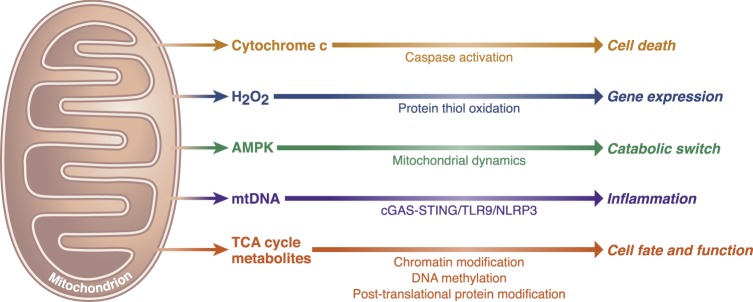
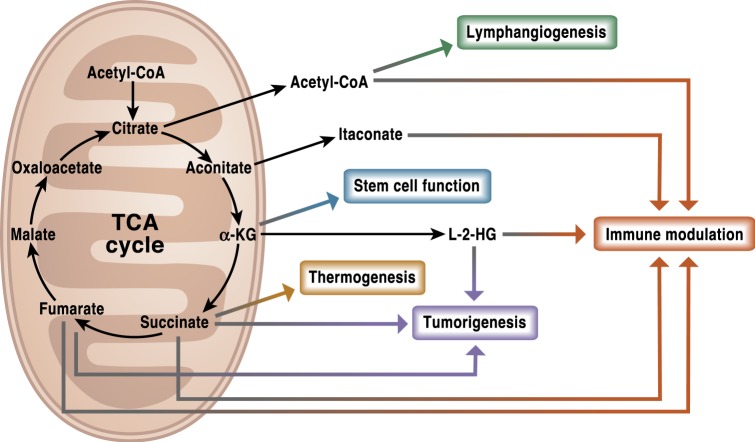
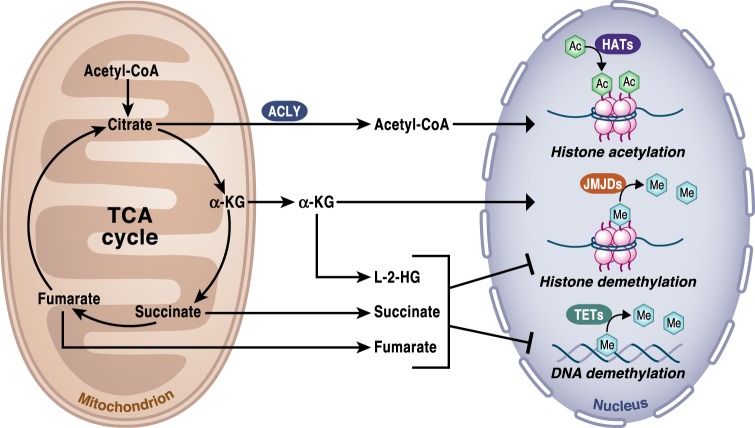
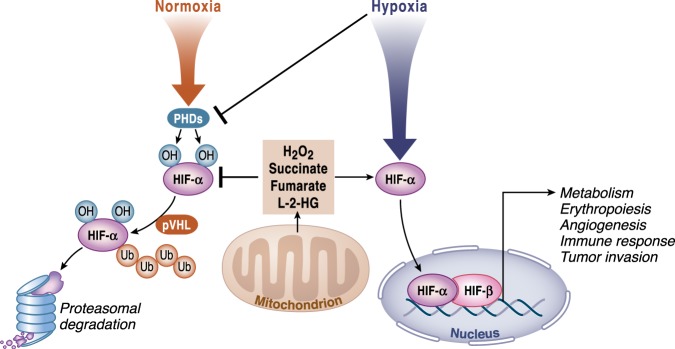
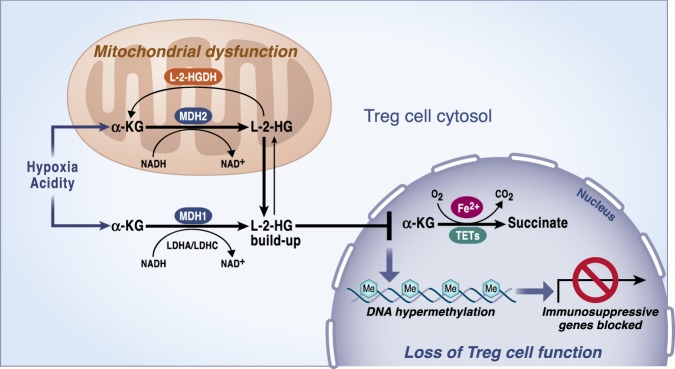
Mitochondria are signaling organelles that regulate a wide variety of cellular functions and can dictate cell fate. Multiple mechanisms contribute to communicate mitochondrial fitness to the rest of the cell. Recent evidence confers a new role for TCA cycle intermediates, generally thought to be important for biosynthetic purposes, as signaling molecules with functions controlling chromatin modifications, DNA methylation, the hypoxic response, and immunity. This review summarizes the mechanisms by which the abundance of different TCA cycle metabolites controls cellular function and fate in different contexts. We will focus on how these metabolites mediated signaling can affect physiology and disease.
Overview
The claims and statistics of this paper haven’t been checked yet.
Free: it reads the open-access text and checks the first 5 claims that cite a source we can check. Create a free account to check every claim.
Integrity signals
Registry
Cites
Statistics
Figures
Verification
Claims the paper makes
The claims and statistics of this paper haven’t been checked yet.
Free: it reads the open-access text and checks the first 5 claims that cite a source we can check. Create a free account to check every claim.
Claims other papers make about this one
Each is checked against this paper’s own text: does it say what the citing paper says it does?
The source backs part of the claim, not all of it — or backs it for a different population, condition or comparison.
In the citing paper
“In addition to serving as a major route for energy production, the TCA cycle also supplies key intermediates for conversion into glucose, lipids and non-essential amino acids [56].”
From The HIF Axes in Cancer - Angiogenesis, Metabolism and Immune-Modulation (2025) · cites this paper as [56]
Experimental — accuracy not yet measuredThe cited source says what the claim attributes to it.
In the citing paper
“Although additional studies are needed, ample experimental data support the recognition of R-2-HG, succinate, and fumarate as oncometabolites.”
From Glutamine reliance in cell metabolism (2020) · cites this paper as [112]
In the citing paper
“OGDH undergoes substrate inhibition by succinyl-CoA, which also serves as an allosteric inhibitor of CS (134, 136).”
From Regulation and function of the mammalian tricarboxylic acid cycle (2023) · cites this paper as [134]
Self-check
Percentages, sums and reported differences re-computed from the paper’s own numbers.
The self-check needs the paper’s full text.
Citations
Cites
Induction of Apoptotic Program in Cell-Free Extracts: Requirement for dATP and Cytochrome c
Liu, X., Kim, C. N., Yang, J., Jemmerson, R., & Wang, X. (1996) · Cell · doi:10.1016/s0092-8674(00)80085-9 · Cited by 5,167
Succinate is an inflammatory signal that induces IL-1β through HIF-1α
Tannahill, G. M., Curtis, A. M., Adamik, J., Palsson-McDermott, E. M., McGettrick, A. F., Goel, G., Frezza, C., Bernard, N. J., Kelly, B., Foley, N. H., et al. (2013) · Nature · doi:10.1038/nature11986 · Cited by 4,176
Cancer-associated IDH1 mutations produce 2-hydroxyglutarate
Dang, L., White, D. W., Gross, S., Bennett, B. D., Bittinger, M. A., Driggers, E. M., Fantin, V. R., Jang, H. G., Jin, S., Keenan, M. C., et al. (2009) · Nature · doi:10.1038/nature08617 · Cited by 4,154
AMPK: guardian of metabolism and mitochondrial homeostasis
Herzig, S., & Shaw, R. J. (2018) · Nature Reviews Molecular Cell Biology · doi:10.1038/nrm.2017.95 · Cited by 4,061
Hypoxia-inducible factors in physiology and medicine
Semenza, G. L. (2012) · Cell · doi:10.1016/j.cell.2012.01.021 · Cited by 3,645
A guide to immunometabolism for immunologists
O'Neill, L. A. J., Kishton, R. J., & Rathmell, J. (2016) · Nature Reviews Immunology · doi:10.1038/nri.2016.70 · Cited by 3,315
Oxygen sensing by metazoans: the central role of the HIF hydroxylase pathway.
Kaelin, W. G., & Ratcliffe, P. J. (2008) · Molecular Cell · doi:10.1016/j.molcel.2008.04.009 · Cited by 3,251
Fundamentals of Cancer Metabolism
DeBerardinis, R. J., & Chandel, N. S. (2016) · Science Advances · doi:10.1126/sciadv.1600200 · Cited by 3,013
Self-citationIschaemic accumulation of succinate controls reperfusion injury through mitochondrial ROS
Chouchani, E. T., Pell, V. R., Gaude, E., Aksentijević, D., Sundier, S. Y., Robb, E. L., Logan, A., Nadtochiy, S. M., Ord, E. N. J., Smith, A. C., et al. (2014) · Nature · doi:10.1038/nature13909 · Cited by 2,907
Xu, W., Yang, H., Liu, Y., Yang, Y., Wang, P., Kim, S.-H., Ito, S., Yang, C., Wang, P., Xiao, M.-T., et al. (2011) · Cancer Cell · doi:10.1016/j.ccr.2010.12.014 · Cited by 2,875
Cited by
Items 801–900 of 1,006
Tian, L., Wang, A., Zhang, Y., Chen, W., Guo, Y., Yuan, X., Liu, Y., & Geng, Y. (2024) · Journal of the American Chemical Society · doi:10.1021/jacs.4c01335 · Cited by 23
Mandić, M., Paunović, V., Vucicevic, L. M., Kosić, M., Mijatović, S., Trajković, V., & Harhaji-Trajkovic, L. M. (2024) · Journal of Cellular Physiology · doi:10.1002/jcp.31366 · Cited by 25
“The TCA cycle and OXPHOS can also use acetyl ‐ CoA produced by oxidation of long ‐ chain fatty acids or by oxidative degradation of certain amino acids (Martínez ‐ Reyes & Chandel, 2020) (Figure 2).”
Marcinek, D. J., & Ferrucci, L. (2024) · The Journal of Physiology · doi:10.1113/jp285040 · Cited by 23
“For example, the tricarboxylic acid (TCA) cycle intermediates NAD + , acetyl CoA and alpha-ketoglutarate play key roles regulating gene expression and cell signalling through stress response and epigenetic mechanisms (Martinez-Reyes & Chandel, 2020; Martinez-Reyes et al., 2016).”
Mitochondrial DNA copy number variation in asthma risk, severity, and exacerbations
Xu, W., Hong, Y. S., Hu, B., COMHAIR, S. A. A., Janocha, A. J., Zein, J., Chen, R., Meyers, D. A., Mauger, D. T., Ortega, V. E., et al. (2024) · Journal of Allergy and Clinical Immunology · doi:10.1016/j.jaci.2024.08.022 · Cited by 23
El‐Gendy, Z. A., Ammar, N. M., Kassem, A. M., Attia, M. S., Afifi, S. M., Ibrahim, A. H., Emam, S. E., Korany, R. M. S., El‐Gendy, A. E. G., & Elshamy, A. I. (2024) · International Journal of Pharmaceutics · doi:10.1016/j.ijpharm.2024.124775 · Cited by 23
Quasmi, M. N., Kumar, D., & Jangra, A. (2024) · Toxicology Reports · doi:10.1016/j.toxrep.2024.101859 · Cited by 23
MTCH2 controls energy demand and expenditure to fuel anabolism during adipogenesis
Chourasia, S., Petucci, C. J., Shoffler, C. A., Abbasian, D., Wang, H., Han, X., Sivan, E., Brandis, A. S., Mehlman, T., Malitsky, S., et al. (2025) · The EMBO Journal · doi:10.1038/s44318-024-00335-7 · Cited by 24
“Acetyl-CoA ’ s primary role is to deliver the acetyl group to the TCA cycle for oxidation and energy production (Owen et al, 2002; Martínez-Reyes and Chandel, 2020).”
Conte, R., Valentino, A., Sepe, F., Gianfreda, F., Condò, R., Cerroni, L., Calarco, A., & Peluso, G. (2025) · Biomedicines · doi:10.3390/biomedicines13051059 · Cited by 23
Torres, M., Elvin, M., Betts, Z., Place, S., Gaffney, C. E., & Dickson, A. J. (2020) · Biotechnology Progress · doi:10.1002/btpr.3099 · Cited by 23
“This mechanism allows cells to replenish TCA intermediaries and generate building blocks for biomass.(38) Here, CHO”
BackgroundZembroski, A. S., Buhman, K. K., & Aryal, U. K. (2020) · Journal of Proteomics · doi:10.1016/j.jprot.2020.104072 · Cited by 23
Epigenomic and Metabolomic Integration Reveals Dynamic Metabolic Regulation in Bladder Cancer
Loras, A., Segovia, C., & Ruiz-Cerdá, J. L. (2021) · Cancers · doi:10.3390/cancers13112719 · Cited by 23
Peña, F. J., O’Flaherty, C., Ortiz-Rodriguez, J. M., Martín‐Cano, F. E., Gaitskell‐Phillips, G., Gil, M. C., & Ortega‐Ferrusola, C. (2022) · Antioxidants and Redox Signaling · doi:10.1089/ars.2021.0092 · Cited by 23
“A recent study using bovine spermatozoa as a model provides evidence of the use of saturated fatty acids to produce ATP via mitochondrial b -oxidation (75) to sustain linear motility.”
InfluentialCarbon Dioxide and the Carbamate Post-Translational Modification
Blake, L. I., & Cann, M. J. (2022) · Frontiers in Molecular Biosciences · doi:10.3389/fmolb.2022.825706 · Cited by 23
“Oxidative phosphorylation coordinates with the tricarboxylic acid (TCA) cycle to form adenosine triphosphate (ATP) and the metabolites required by the organism for survival, producing CO2 as a waste product (Martínez-Reyes and Chandel, 2020).”
BackgroundHege-Hurrish, K., Qiao, X., Li, X., Su, Y., Carter, J. L., Ma, J., Kalpage, H. A., Hüttemann, M., Edwards, H. J., Wang, G., et al. (2022) · SSRN Electronic Journal · doi:10.2139/ssrn.4182539 · Cited by 23
Zhu, Q., Du, J., Li, Y., Qin, X. Y., He, R., Ma, H., & Liang, X. (2024) · Gene · doi:10.1016/j.gene.2024.148979 · Cited by 22
Zhang, M., Wei, J., He, C., Sui, L., Jiao, C., Zhu, X., & Pan, X. (2024) · Cellular & Molecular Biology Letters · doi:10.1186/s11658-024-00669-4 · Cited by 23
Mao, Z., Liú, W., Zou, R., Sun, L., Huang, S., Wu, L., Chen, L., Wu, J., Lu, S., Song, Z., et al. (2025) · Signal Transduction and Targeted Therapy · doi:10.1038/s41392-025-02157-3 · Cited by 22
“14,15 Metabolic process provides substrates and cofactors for epigenetic modi fi cations, which constitutes the metabolic-epigenetic circuitry.”
Dudzińska, E., Mądro, A., Sauer, A. K., Grabrucker, A. M., & Strachecka, A. (2025) · Journal of Inflammation Research · doi:10.2147/jir.s487349 · Cited by 22
Nam, H., Park, H., Son, M. K., Kang, I., Choi, Y., Lee, S., Kim, S., Kim, S. R., Kim, H., Chang, J., et al. (2025) · Journal of Controlled Release · doi:10.1016/j.jconrel.2025.113775 · Cited by 22
The Essentiality of Amino Acids in Healthiness and Disease State: Type II Diabetes as a Case Study
Fayomi, S. I., Erukainure, O. L., & Msomi, N. Z. (2025) · Food Science & Nutrition · doi:10.1002/fsn3.70346 · Cited by 24
“Considerable numbers of the metabolite from the tricarboxylic acid (TCA) cycle perform a significant role in cellular signaling and in the biosynthesis of macromolecules (Martínez-Reyes and Chandel 2020) (Li and Hoppe 2023).”
Gao, R., Khatib, M., & Bao, Z. (2026) · npj Biosensing · doi:10.1038/s44328-025-00065-8 · Cited by 24
“…metabolic intermediates within the cycle, contributing to the cell ’ s energy supply, serving as precursors for bio-synthesis, tumorigenesis, stem cell function, and physiological function, demonstrating how defects in amino acid processing can ultimately lead to pathologicalconditions(Table1) 30 .”
InfluentialMitochondrial metabolism and epigenetic crosstalk drive SASP
Martini, H., Birch, J., Marques, F. M., Victorelli, S. G., Lagnado, A. B., Pirius, N., Franco, A. C., Lee, G., Han, Y., Rowsey, J. L., et al. (2026) · Nature · doi:10.1038/s41586-026-10791-2 · Cited by 24
Mitochondria govern histone acetylation in colorectal cancer
Ohshima, K., Oi, R., Nojima, S., & Morii, E. (2021) · The Journal of Pathology · doi:10.1002/path.5818 · Cited by 22
Reyes-García, J., Carbajal-García, A., Mise, A. D., Zheng, Y., Wang, X., & Wang, Y.-X. (2022) · Antioxidants · doi:10.3390/antiox11030473 · Cited by 22
“In addition to the generation of ATP and ROS, mitochondria are also involved in amino acid metabolism, release of tricarboxylic acid (TCA) cycle metabolites, fatty acid oxidation (FAO) and ketone bodies synthesis [24,25].”
BackgroundPoole, J., Jasbi, P., Pascual, A. S., North, S., Kwatra, N., Weissig, V., Gu, H., Bottiglieri, T., & Jadavji, N. M. (2022) · Nutrients · doi:10.3390/nu14142960 · Cited by 22
“The TCA cycle has been implicated in the response to hypoxia (Martínez-Reyes and Chandel, 2020).”
BackgroundXiang, H., Sun, S., Huang, H., Hao, S., Li, L., Yang, X., Chen, S., Wei, Y., Cen, J., & Pan, C. (2022) · Food Chemistry · doi:10.1016/j.foodchem.2022.134061 · Cited by 22
LRRK2 protects immune cells against erastin-induced ferroptosis
Oun, A., Soliman, A., Trombetta-Lima, M., Tzepapadaki, A., Tsagkari, D., Kortholt, A., & Dolga, A. M. (2022) · Neurobiology of Disease · doi:10.1016/j.nbd.2022.105917 · Cited by 22
“Mitochondria adjust cellular processes in different ways, including the release of cytochrome C, ROS production, the release of mitochondrial DNA, activation of AMPK, and release of TCA cycle metabolites [51].”
Nuclear translocation of mitochondrial dehydrogenases as an adaptive cardioprotective mechanism
Srivastava, S., Gajwani, P., Jousma, J., Miyamoto, H., Kwon, Y., Jana, A., Tóth, P. T., Yan, G., Ong, S., & Rehman, J. (2023) · Nature Communications · doi:10.1038/s41467-023-40084-5 · Cited by 22
“We analyzed the localization of the following mitochondrial TCA cycle enzymes: pyruvate dehydrogenase subunit 1 (PDH-E1), malate dehydrogenase 2 (MDH-2), isocitrate dehydrogenase 2 (IDH-2), and citrate synthase (CS), all of which generate epigenetic cofactor metabolites 25,26 .”
Exercise Improves Heart Function after Myocardial Infarction: The Merits of AMPK
Zhang, X., Zhao, Y., Guo, D., Luo, M., Zhang, Q., Zhang, L., & Zhang, D. (2024) · Cardiovascular Drugs and Therapy · doi:10.1007/s10557-024-07564-2 · Cited by 22
“The master transcriptional regulator PGC-1α, which plays a key bridging role, was identified [78].”
Zhang, Q., Wang, H., Zhang, S., Chen, M., Gao, Z., Sun, J., Wang, J., & Fu, L. (2024) · Journal of Allergy and Clinical Immunology · doi:10.1016/j.jaci.2024.02.023 · Cited by 22
Prabakaran, A. D., McFarland, K., Miz, K., Durumutla, H. B., Piczer, K., Abdellaoui-Soussi, F. E., Latimer, H., Werbrich, C., Chung, H.-J., Blair, N. S., et al. (2024) · Journal of Clinical Investigation · doi:10.1172/jci177427 · Cited by 22
“The role of the mitochondrial TCA cycle in providing the building blocks for many anabolic pathways is well known (45), yet its role in aging muscle still needs further elucidation.”
Dietary succinate reduces fat deposition through gut microbiota and lipid metabolism in broilers
Wang, F., Feng, J., Yao, M., Dou, L., Nan, S., Pang, X., & Nie, C. (2024) · Poultry Science · doi:10.1016/j.psj.2024.103954 · Cited by 22
Baumgardt, S. L., Fang, J., Fu, X., Liu, Y., Xia, Z., Zhao, M., Chen, L., Mishra, R., Gunasekaran, M., Saha, P., et al. (2024) · Cardiovascular Research · doi:10.1093/cvr/cvae144 · Cited by 22
Kang, S., Antoniewicz, M. R., & Hay, N. (2024) · Nature Communications · doi:10.1038/s41467-024-51117-y · Cited by 22
“In addition to ATP production, the TCA cycle generates essential metabolites for macromolecule synthesis 45 , with amino acid metabo-lismparticularlyreliantonmitochondrialenzymes 46 .”
p53 Orchestrates Cancer Metabolism: Unveiling Strategies to Reverse the Warburg Effect
Abukwaik, R., Vera-Sigüenza, E., Tennant, D. A., & Spill, F. (2024) · Bulletin of Mathematical Biology · doi:10.1007/s11538-024-01346-5 · Cited by 23
“Acetyl-CoA subsequently enters the TCA cycle, undergoing a series of chemical reactions that generate one energy molecule, three NADH, and one reduced flavin adenine dinucleotide (FADH2) molecule (Martínez-Reyes and Chandel, 2020).”
BackgroundLi, H., Sun, X., Liu, R., Ye, L., Sun, X., Hao, R., & Guo, X. (2024) · Journal of Cleaner Production · doi:10.1016/j.jclepro.2024.143590 · Cited by 22
Dong, Y., Newman, M., Pederson, S., Barthelson, K., Hin, N., & Lardelli, M. T. (2021) · BMC Genomics · doi:10.1186/s12864-021-07509-1 · Cited by 22
Lan, M., Weng, M., Lin, Z., Wang, J., Zhao, F., & Qiu, B. (2021) · Carbohydrate Research · doi:10.1016/j.carres.2021.108299 · Cited by 22
Aye, I. L. M. H., Gong, S., Avellino, G., Barbagallo, R., Gaccioli, F., Jenkins, B., Koulman, A., Murray, A. J., Jones, D. S., & Smith, G. C. S. (2022) · Communications Biology · doi:10.1038/s42003-022-03530-6 · Cited by 22
Mallet, D., Goutaudier, R., Barbier, E., Carnicella, S., Colca, J. R., Fauvelle, F., & Boulet, S. (2022) · Molecular Neurobiology · doi:10.1007/s12035-022-02962-9 · Cited by 23
Camus, M. F., Rodríguez, E., Kotiadis, V. N., Carter, H. F., & Lane, N. J. (2023) · Experimental Gerontology · doi:10.1016/j.exger.2023.112158 · Cited by 22
“, 2009), repair (Zhong and Mostoslavsky, 2011), signaling (Martinez-Reyes and Chandel, 2020), gene expression and phenotype (Salminen et al.”
Luo, Y., Jiang, L., Liao, Z., Wang, Y.-Y., Wang, Y., & Xiao, X. (2024) · Immunology · doi:10.1111/imm.13875 · Cited by 21
Li, S., Yuan, H., Yang, X., Xu, X., Yu, W., Wu, Y., Yao, S., Xie, J., He, W., Guo, Z., et al. (2025) · ACS Central Science · doi:10.1021/acscentsci.4c02156 · Cited by 21
“11,12 However, most of the current studies only focused on the cytotoxicity of mitochondria-targeting antitumor drugs against cancer cells.”
Xu, B., Zhu, Z., Shu, H., Wang, H., Lu, X., & Zhu, X. (2025) · International Immunopharmacology · doi:10.1016/j.intimp.2025.115105 · Cited by 21
Wang, C., Lin, J., Deng, J., Li, X., Zhai, J., Yang, Y., & Luan, T. (2025) · Journal of Hazardous Materials · doi:10.1016/j.jhazmat.2025.139088 · Cited by 21
Liu, Y., Jiang, X., Zhuang, S., Zhu, L., Zhu, B., Rui, K., & Tian, J. (2025) · Autoimmunity Reviews · doi:10.1016/j.autrev.2025.103885 · Cited by 22
Zhang, Z., Zhao, X., Zhang, X., Wan, S., An, P., Zhu, Y., Luo, Y., & Luo, J. (2025) · Journal of Advanced Research · doi:10.1016/j.jare.2025.07.021 · Cited by 21
“Mitochondria, functioning as the metabolic center of the cell, regulate cellular homeostasis by generating ATP through aerobic respiration and producing metabolites such as ROS and tricarboxylic acid (TCA) intermediates [116,117].”
Sun, X., Saha, D., Wang, X., Mörman, C., Sternke‐Hoffmann, R., Gerez, J., Herranz-Trillo, F., Riek, R., Zheng, W., & Luo, J. (2025) · Nature Communications · doi:10.1038/s41467-025-65426-3 · Cited by 21
“A summary figure or table (perhaps in the supplement) that aligns the findings across these techniques (e.g., Rg, FRAP mobility, contact maps, worm lifespan) would help readers see the full multiscale integration and reinforce the consistency of conclusions.”
Mitochondrial DNA Depletion Syndrome and Its Associated Cardiac Disease
Wang, H., Han, Y., Li, S., Chen, Y., Chen, Y., Wang, J., Zhang, Y., Zhang, Y., Wang, J., Xia, Y., et al. (2022) · Frontiers in Cardiovascular Medicine · doi:10.3389/fcvm.2021.808115 · Cited by 22
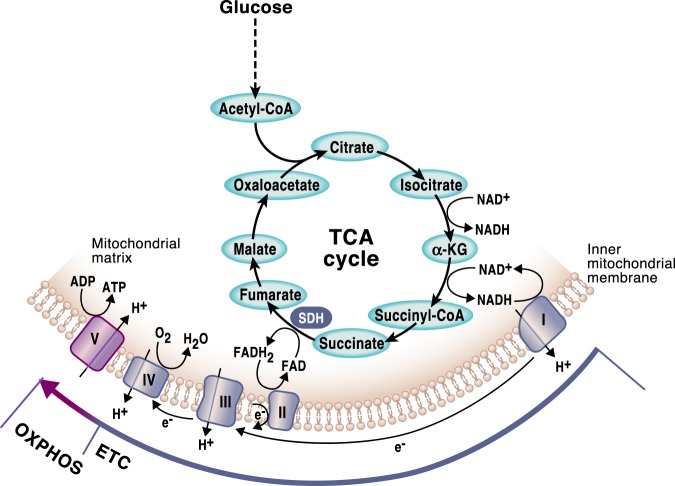
“Mitochondria pass through complexes I (CI or NADH: ubiquinone oxidoreductase or NADH dehydrogenase), II (CII, succinic acid: ubiquinone oxidoreductase), III (CIII, ubiquinone: Ferric cytochrome C reductase) and IV (CIV, cytochrome C oxidoreductase), transfer electrons to O2, and release energy which couples with compl…”
BackgroundInfluentialYao, D., Su, R., Zhang, Y., Wang, B., Hou, Y., Luo, Y., Sun, L., Guo, Y., & Jin, Y. (2022) · Journal of Food Biochemistry · doi:10.1111/jfbc.14207 · Cited by 21
Mondal, A., Jia, D., Bhatt, V. D., Akel, M., Roberge, J. Y., Guo, J. Y., & Langenfeld, J. E. (2022) · Scientific Reports · doi:10.1038/s41598-022-17446-y · Cited by 21
NRF2/Itaconate Axis Regulates Metabolism and Inflammatory Properties of T Cells in Children with JIA
Rajendiran, A., Subramanyam, S. H., Klemm, P., Jankowski, V., van Loosdregt, J., Vastert, S. J., Vollbach, K., Wagner, N., Tenbrock, K., & Ohl, K. (2022) · Antioxidants · doi:10.3390/antiox11122426 · Cited by 22
Bellerba, F., Chatziioannou, A. C., Jasbi, P., Robinot, N. R., Keski‐Rahkonen, P., Trolat, A., Vozar, B., Hartman, S. J., Scalbert, A., Bonanni, B., et al. (2022) · Journal of Translational Medicine · doi:10.1186/s12967-022-03809-6 · Cited by 21
“Possible mechanisms underlying our observation include known effects of metformin to decrease the overall activity of mitochondrial BCAA catabolic and oxidative phosphorylation pathways [24], enhance gene expression of sirtuin-1 (SIRT 1), and precipitate AMP-activated protein kinase (AMPK) signaling [23].”
BackgroundEffects of Cadmium on Liver Function and its Metabolomics Profile in the Guizhou Black Goat
Li, Y., & Shen, X. (2023) · Metabolites · doi:10.3390/metabo13020268 · Cited by 21
MRPS36 provides a structural link in the eukaryotic 2-oxoglutarate dehydrogenase complex
Hevler, J. F., Albanese, P., Cabrera‐Orefice, A., Potter, A., Jankevics, A., Misic, J., Scheltema, R. A., Brandt, U., Arnold, S., & Heck, A. J. R. (2023) · Open Biology · doi:10.1098/rsob.220363 · Cited by 21
Bruhns, T., Timm, S., Feußner, N., Engelhaupt, S., Labrenz, M., Wegner, K. M., & Sokolova, I. M. (2023) · Marine Environmental Research · doi:10.1016/j.marenvres.2023.106231 · Cited by 21
Dankel, S. N., Kalleklev, T., Tungland, S. L., Stafsnes, M. H., Bruheim, P., Aloysius, T. A., Lindquist, C., Skorve, J., Nygard, O. K., Madsen, L., et al. (2023) · International Journal of Molecular Sciences · doi:10.3390/ijms242115536 · Cited by 21
“Recent studies have implicated the release of TCA intermediates as a component of cellular signaling [7], and the "non-metabolic" functions of succinate, 2-hydroxyglutarate, fumarate, and acetyl-CoA have been found to modulate immunity and/or tumorigenesis, driving alterations of specific genes and…”
BackgroundQian, Q.-H., Song, Y., Zhang, Y., Xue, H., Zhang, W., Han, Y., Wāng, Y., & Xu, D. (2024) · Environment International · doi:10.1016/j.envint.2024.108488 · Cited by 21
Multiomics Evaluation of Human iPSCs and iPSC-Derived Neurons
Lee, G. B., Mazli, W. N. A. B., & Hao, L. (2024) · Journal of Proteome Research · doi:10.1021/acs.jproteome.3c00790 · Cited by 22
Zhang, X., Han, C., Wang, Y., Liu, T., Liang, Y., & Cao, Y. (2024) · BMC Plant Biology · doi:10.1186/s12870-024-05286-z · Cited by 21
“In a drought environment, excess citric acid may rapidly restart the TCA cycle and energy metabolism without the input of glycolysis products [49].”
BackgroundDubey, S., Azeem, Z., & Mandal, P. K. (2024) · Advanced Synthesis & Catalysis · doi:10.1002/adsc.202400695 · Cited by 21
Wu, X., Zhang, S., Feng, M., Sun, H., Lan, X., Liang, W., Liu, C., & Li, Y. (2024) · Advanced Healthcare Materials · doi:10.1002/adhm.202403380 · Cited by 21
Selenoprotein O Promotes Melanoma Metastasis and Regulates Mitochondrial Complex II Activity
Melo, L. M. N., Sabatier, M., Ramesh, V., Szylo, K. J., Fraser, C. S., Pon, A., Mitchell, E. C., Servage, K. A., Allies, G., Westedt, I. V., et al. (2024) · Cancer Research · doi:10.1158/0008-5472.can-23-2194 · Cited by 22
“Aco2 and SdhA are key metabolic enzymes within the TCA and ETC. SdhA, one of the four subunits of mitochondrial complex II, is a vital component that links the TCA cycle to the ETC through the transfer of electrons from succinate (32).”
Cytokines from parasites: manipulating host responses by molecular mimicry
Maizels, R. M., McSorley, H. J., Smits, H. H., ten Dijke, P., & Hinck, A. P. (2025) · Biochemical Journal · doi:10.1042/bcj20253061 · Cited by 22
A Metabolomics Analysis of Circulating Carotenoids and Breast Cancer Risk
Peng, C., Zeleznik, O. A., Shutta, K. H., ROSNER, B. A., Kraft, P. L., Clish, C. B., Stampfer, M. J., Willett, W. C., Tamimi, R. M., & Eliassen, A. H. (2022) · Cancer Epidemiology Biomarkers & Prevention · doi:10.1158/1055-9965.epi-21-0837 · Cited by 21
“Other nonlipid free radical scavengers, such as arginine, glutamine, ornithine, and derivatives, which play key roles in cellular redox balance (NADPH/NADPþ) (48), were also associated with carotenoids.”
BackgroundFerro, F., Spelat, R., Valente, C., & Contessotto, P. (2022) · Biomolecules · doi:10.3390/biom12070969 · Cited by 21
“The TCA cycle has a central role in metabolism consisting of different substrates and enzymes that work in a loop to produce ATP and reducing equivalents from the acetylCoA derived from glucose, FA, KBs, and AA [132].”
BackgroundGu, C., Hu, X., Shan, B., Wu, X., & Chen, J. (2023) · Journal of Pharmaceutical and Biomedical Analysis · doi:10.1016/j.jpba.2023.115246 · Cited by 21
Ehlers, G., Tödtmann, A. M., Holsten, L., Willers, M., Heckmann, J., Schöning, J., Richter, M., Heinemann, A. S., Pirr, S. M., Heinz, A., et al. (2025) · Nature Communications · doi:10.1038/s41467-025-57357-w · Cited by 20
“3f-i (see our answer to point 8-b).”
Zeng, Y., Wu, R., He, Y., Zhang, Q., Wang, Z., Qin, P., Yang, F., Han, Y., Hao, M., Zheng, Y., et al. (2025) · Cell Host & Microbe · doi:10.1016/j.chom.2025.04.011 · Cited by 23
Mitochondrial dysfunction: the hidden catalyst in chronic kidney disease progression
Chen, J., Zhou, Q., Su, L., & Ni, L. (2025) · Renal Failure · doi:10.1080/0886022x.2025.2506812 · Cited by 20
“…phosphorylation (oXPhoS). the four-carbon molecule, succinate, can be converted back to oxaloacetate and participate in a new cycle of the tCa [60]. in the state of CKD, the energy output of the tCa cycle can be influenced by multiple factors. first, kidney dysfunction may lead to the…”
Novak, J. S. S., Polak, L., Baksh, S. C., Barrows, D., Schernthanner, M., Jackson, B. T., Thompson, E. A. N., Gola, A., Abdusselamoglu, M. D., Bonny, A. R., et al. (2025) · Cell Metabolism · doi:10.1016/j.cmet.2025.05.010 · Cited by 21
mGem: Revisiting bacterial overflow metabolism
Chowdhury, N. B., Schroeder, W. L., Monteiro, L. M. O., & Burnum-Johnson, K. (2025) · mBio · doi:10.1128/mbio.01193-25 · Cited by 20
Loss of Acot12 contributes to NAFLD independent of lipolysis of adipose tissue
Park, S., Song, J., Baek, I., Jang, K. Y., Han, C. Y., Jun, D. W., Kim, P. K., Raught, B., & Jin, E. (2021) · Experimental & Molecular Medicine · doi:10.1038/s12276-021-00648-1 · Cited by 20
Mitochondria MicroRNA Spatial Imaging via pH-Responsive Exonuclease-Assisted AIE Nanoreporter
Du, J., Qiao, Y., Meng, X., Wei, W., Dai, W., Yang, L., Yang, C., & Dong, H. (2022) · Analytical Chemistry · doi:10.1021/acs.analchem.2c00941 · Cited by 20
Maternal Fructose Intake, Programmed Mitochondrial Function and Predisposition to Adult Disease
Smith, E. V. L., Dyson, R. M., Weth, F. R., Berry, M. J., & Gray, C. (2022) · International Journal of Molecular Sciences · doi:10.3390/ijms232012215 · Cited by 20
Zhang, H., Li, B., Huang, Q., López‐Giráldez, F., Tanaka, Y., Lin, Q., Mehta, S. S., Wang, G., Graham, M. M., Liu, X., et al. (2022) · Nature Communications · doi:10.1038/s41467-022-35262-w · Cited by 20
“Therefore, mitochondria may regulate tip cell sprouting via basal ROS production and respiration metabolite-mediated signaling and gene expression 46 .”
Changes of energy metabolism in failing heart and its regulation by SIRT3
Wang, X. Q., Huang, Y., Zhang, K., Chen, F., Nie, T., Zhao, Y., He, F., & Ni, J. (2023) · Heart Failure Reviews · doi:10.1007/s10741-023-10295-5 · Cited by 20
Loss of respiratory complex I subunit NDUFB10 affects complex I assembly and supercomplex formation
Arroum, T., Borowski, M., Marx, N., Schmelter, F., Scholz, M., Psathaki, O. E., Hippler, M., Enríquez, J. A., & Busch, K. B. (2023) · Biological Chemistry · doi:10.1515/hsz-2022-0309 · Cited by 20
Guscelli, E., Chabot, D., Vermandele, F., Madeira, D., & Calosi, P. (2023) · Frontiers in Marine Science · doi:10.3389/fmars.2023.1170451 · Cited by 20
Sánchez-Giménez, R., Peiró, Ó. M., Bonet, G., Carrasquer, A., Fragkiadakis, G. A., Bulló, M., Papandreou, C., & Bardají, A. (2023) · Frontiers in Cardiovascular Medicine · doi:10.3389/fcvm.2023.1157325 · Cited by 20
“Since metabolic perturbations are frequent in ACS (4), tricarboxylic acid cycle (TCA) disturbances could be related to mitochondrial dysfunction, causing oxidative stress and introducing a pro-inflammatory state (5).”
BackgroundZhang, Q., Song, Q., Liu, S., Xu, Y., Gao, D., Lu, P., Liu, Y.-T., Zhao, G., Wu, L., Zhao, C., et al. (2023) · Frontiers in Immunology · doi:10.3389/fimmu.2023.1230772 · Cited by 20
“They share the initial glycolytic pathway, but aerobic metabolism continues with the TCA cycle and OXPHOS, which occurs in the mitochondria of eukaryotic cells (55).”
BackgroundDong, F., Sun, Y., Qian, Y.-X., Chen, Q., He, J.-L., Wang, J., Han, T., Zhang, X., & Deng, Y. (2023) · Fish & Shellfish Immunology · doi:10.1016/j.fsi.2023.109322 · Cited by 20
Wang, Z., Liu, N., Yang, Y., & Tu, Z. (2024) · Frontiers in Immunology · doi:10.3389/fimmu.2024.1349867 · Cited by 21
“Under aerobic conditions, pyruvate generated from glycolysis enters the tricarboxylic acid (TCA) cycle in the mitochondria to produce acetyl-CoA [31], and the levels of acetyl-CoA are highly dependent on glucose availability and mitochondrial respiratory function (170).”
BackgroundPhysiology of malate dehydrogenase and how dysregulation leads to disease
Parente, A., Bolland, D. E., Huisinga, K. L., & Provost, J. J. (2024) · Essays in Biochemistry · doi:10.1042/ebc20230085 · Cited by 21
Metabolic profiling of single cells by exploiting NADH and FAD fluorescence via flow cytometry
Abir, A. H., Weckwerth, L., Wilhelm, A., Thomas, J., Reichardt, C. M., Munoz, L. E., Völkl, S., Appelt, U., Mroz, M., Niesner, R. A., et al. (2024) · Molecular Metabolism · doi:10.1016/j.molmet.2024.101981 · Cited by 20
“Cellular metabolism controls cell fate decisions and immune cell effector functions and vice versa, cell-intrinsic programs control metabolism [2,3].”
Fu, Z., Deng, M., Zhou, Q., Li, S., Liu, W., Cao, S. “., Zhang, L., Deng, Y. H., & Xi, S. (2024) · The Science of The Total Environment · doi:10.1016/j.scitotenv.2024.174538 · Cited by 20
The role of reactive oxygen species in gastric cancer
Wang, Y., Xu, J., Fu, Z., Zhang, R., Zhu, W., Zhao, Q., Wang, P., Hu, C., & Cheng, X. (2024) · Cancer Biology and Medicine · doi:10.20892/j.issn.2095-3941.2024.0182 · Cited by 20
Pu, X., Fu, Y., Xu, C., Li, X., Wang, W. J., De, K., Wei, X., & Yao, X. (2024) · BMC Plant Biology · doi:10.1186/s12870-024-05136-y · Cited by 20
“Aconitate hydratase is also a key enzyme in the TCA cycle that catalyzes the synthesis of α-ketoglutarate. α-Ketoglutarate, through a series of reactions, is eventually converted to fumaric acid and FADH2 by succinate dehydrogenase (SDH) [48].”
BackgroundThe NR4A2/VGF pathway fuels inflammation-induced neurodegeneration via promoting neuronal glycolysis
Woo, M. S., Bal, L. C., Winschel, I., Manca, E., Walkenhorst, M., Sevgili, B., Sonner, J. K., Liberto, G. D., Mayer, C., Binkle-Ladisch, L., et al. (2024) · Journal of Clinical Investigation · doi:10.1172/jci177692 · Cited by 20
Metabolomic studies reveal an organ-protective hibernation state in donor lungs preserved at 10 °C
Wang, A., Ali, A., Baciu, C., Bellissimo, C. A., Siebiger, G., Yamanashi, K., Montagne, J. A., Garza, G., Goligher, E. C., Keshavjee, S. H., et al. (2024) · Journal of Thoracic and Cardiovascular Surgery · doi:10.1016/j.jtcvs.2024.08.015 · Cited by 20
Meng, R., Du, X., Fu, Y., Wang, F., Yang, Y., Guo, F., Wang, X., Ge, K., Yang, J., Liang, X., et al. (2024) · Environmental Science & Technology · doi:10.1021/acs.est.4c05895 · Cited by 20
Li, J.-B., Zhou, L., Zhao, J.-H., Zhang, W., Pan, B.-C., & Hua, M. (2025) · Bioresource Technology · doi:10.1016/j.biortech.2025.132243 · Cited by 18
Chiang, J., Shang, Z., Rosales, T. I., Cai, L., Chen, W., Cai, F., Vu, H. S., Minna, J. D., Ni, M., Davis, A. J., et al. (2025) · Science Advances · doi:10.1126/sciadv.adt1241 · Cited by 20
Elebo, N., Fru, P., Omoshoro–Jones, J., Candy, G. P., & Nweke, E. E. (2020) · Molecular Medicine Reports · doi:10.3892/mmr.2020.11622 · Cited by 20
The basics of mitochondrial cAMP signalling: Where, when, why
Benedetto, G. D., Lefkimmiatis, K., & Pozzan, T. (2020) · Cell Calcium · doi:10.1016/j.ceca.2020.102320 · Cited by 21
Long, N. P., Heo, D., Kim, H. Y., Kim, T. H., Shin, J., Lee, A., & Kim, D.-H. (2021) · Journal of Pharmaceutical and Biomedical Analysis · doi:10.1016/j.jpba.2021.114134 · Cited by 20
Detecting the footprint of selection on the genomes of Murciano‐Granadina goats
Guan, D., Martínez, A. M., Luigi‐Sierra, M. G., Delgado, J. V., Landi, V., Castelló, A., Álvarez, J. F., Such, X., Jordana, J., & Amills, M. (2021) · Animal Genetics · doi:10.1111/age.13113 · Cited by 20
Tsopmejio, I. S. N., Ding, M., Wei, J., Zhao, C., Jiang, Y., Li, Y., & Song, H. (2021) · Food Bioscience · doi:10.1016/j.fbio.2021.101426 · Cited by 21
Hernández-Baixauli, J., Abasolo-Zabalo, N., Palacios-Jordan, H., Foguet‐Romero, E., Suñol, D., Galofré, M., Caimari, A., Baselga‐Escudero, L., Bas-Prior, J. M. D., & Mulero, M. (2022) · International Journal of Molecular Sciences · doi:10.3390/ijms23052563 · Cited by 20
Li, Y., Tsopmejio, I. S. N., Diao, Z., Xiao, H., Wang, X., Jin, Z., & Song, H. (2022) · Journal of Ethnopharmacology · doi:10.1016/j.jep.2022.115190 · Cited by 20
Metadata
- Authors
- Martínez-Reyes, I., & Chandel, N. S.
- Affiliations
- Northwestern University (US)
- Corresponding author
- Chandel, Navdeep S.
- Venue
- Nature Communications
- Published
- 2020-01-03
- Volume
- 11
- Issue
- 1
- Pages
- 102-102
- ISSN
- 2041-1723 (ISSN-L)
- PMC
- PMC6941980
- OpenAlex
- W2997046468
- Semantic Scholar
- 8c3b7c2ed33880607083f58b0582ef7a49588008
- Cited by
- 2,813
- References
- 99
- Citations by year
- 2026: 510 · 2025: 594 · 2024: 522 · 2023: 425 · 2022: 407 · 2021: 259 · 2020: 96
- FWCI
- 28.43
- Type
- journal article
- Language
- en
- Open access
- gold
- doi.org
- Licence
- cc-by
- creativecommons.org/licenses/by/4.0 (tdm)
- creativecommons.org/licenses/by/4.0 (vor)
- Locations
- Nature Communications (publishedVersion, cc-by)
- Europe PMC (PubMed Central) (publishedVersion, cc-by)
- PubMed Central (publishedVersion, cc-by)
- PubMed (publishedVersion)
- RePEc: Research Papers in Economics (submittedVersion)
- DOAJ (DOAJ: Directory of Open Access Journals) (submittedVersion)
- DOAJ (DOAJ: Directory of Open Access Journals) (submittedVersion, cc-by-sa)
- Funders
- U.S. Department of Health & Human Services | National Institutes of Health (5P01AG049665-04, 5P01HL071643-14)
- Topics
- Life Sciences › Biochemistry, Genetics and Molecular Biology › Molecular Biology › Mitochondrial Function and Pathology
- Life Sciences › Biochemistry, Genetics and Molecular Biology › Cancer Research › Cancer, Hypoxia, and Metabolism
- Life Sciences › Biochemistry, Genetics and Molecular Biology › Molecular Biology › Metabolism, Diabetes, and Cancer
- Keywords
- mitochondrial TCA cycle, TCA cycle intermediates, chromatin modification, DNA methylation, hypoxia response, immunity, cell fate, mitochondrial fitness, disease
- MeSH terms
- Animals, Citric Acid Cycle, Humans, Mitochondria, Signal Transduction, DNA Methylation
About these checks
Registry, retraction, Cites and statistics results are computed, not judged, with one exception: a printed reference that no index lists is read once by a model before it counts as a citation error. Claims are extracted by a model and kept only when their quote appears verbatim in the text; each cited source is then checked, with a model’s help, for whether it says what the claim relies on. Those verdicts can be wrong — read the claim’s quote and the cited source before relying on one.
Statistics and arithmetic are recomputed, not judged.
Confidence bands are shown only for fields calibrated on our annotated test set. None is calibrated yet, so no band is shown.
What counts as a claim ›How we measure confidence ›How we check this ›
Are you an author, or do you see a problem with this page? Request a review
Data sources
Bibliographic data: Semantic Scholar, OpenAlex, Crossref.
Contains information from the Semantic Scholar Academic Graph Datasets, made available under the ODC Attribution License (ODC-BY 1.0).
Semantic Scholar’s data is described in: Kinney, R., et al. (2023). The Semantic Scholar Open Data Platform. arXiv:2301.10140.
