

Mitochondrial TCA cycle metabolites control physiology and disease
Open accessThe DOI matches its Crossref record; 99 of the 99 references it cites were found in a registry or an index.
Abstract
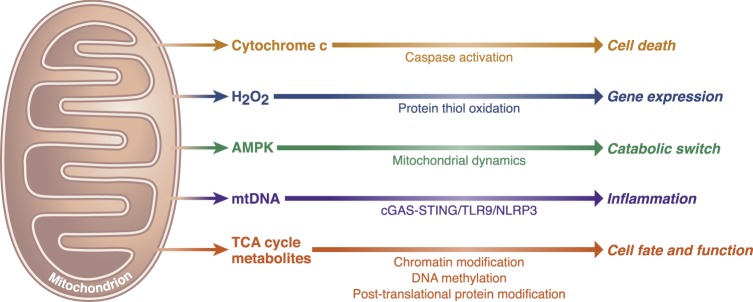
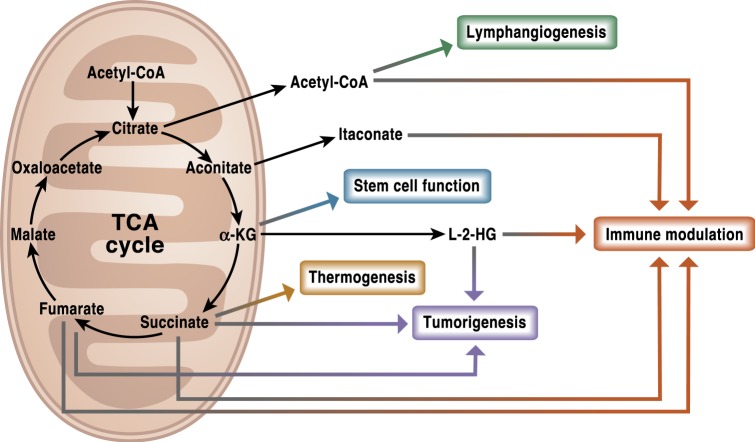
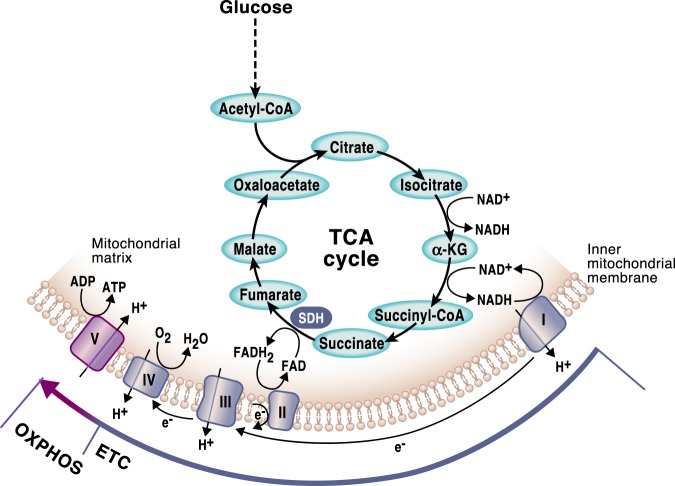
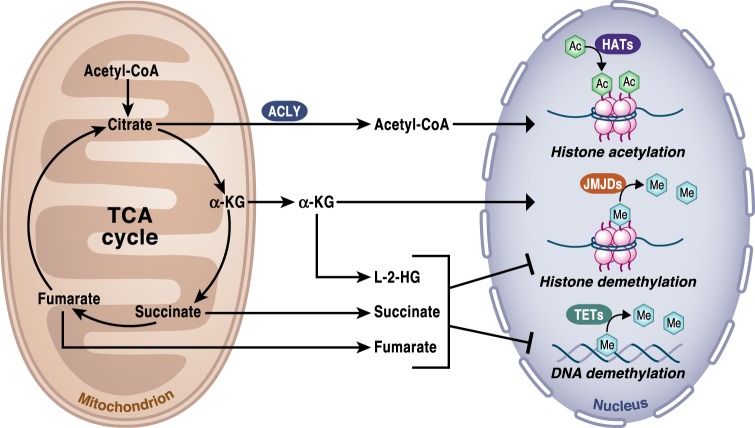
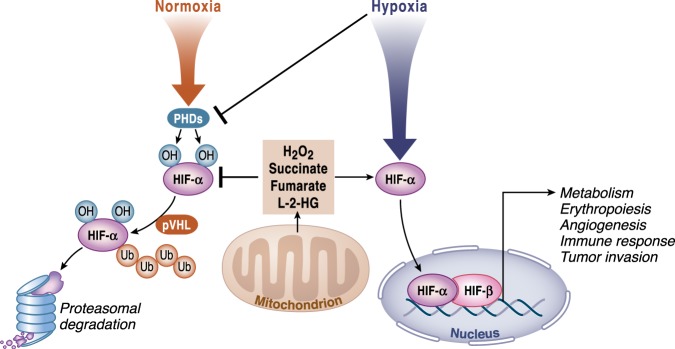
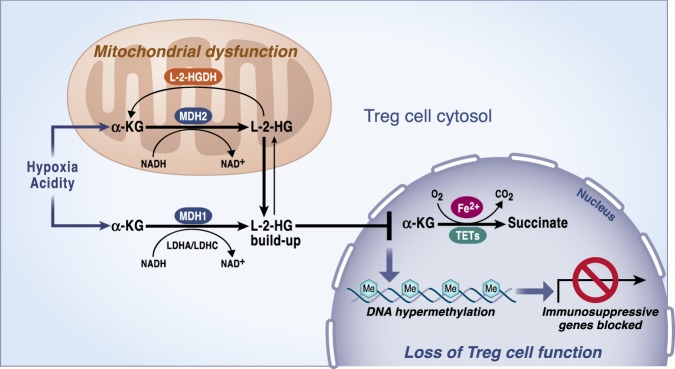
Mitochondria are signaling organelles that regulate a wide variety of cellular functions and can dictate cell fate. Multiple mechanisms contribute to communicate mitochondrial fitness to the rest of the cell. Recent evidence confers a new role for TCA cycle intermediates, generally thought to be important for biosynthetic purposes, as signaling molecules with functions controlling chromatin modifications, DNA methylation, the hypoxic response, and immunity. This review summarizes the mechanisms by which the abundance of different TCA cycle metabolites controls cellular function and fate in different contexts. We will focus on how these metabolites mediated signaling can affect physiology and disease.
Overview
The claims and statistics of this paper haven’t been checked yet.
Free: it reads the open-access text and checks the first 5 claims that cite a source we can check. Create a free account to check every claim.
Integrity signals
Registry
Cites
Statistics
Figures
Verification
Claims the paper makes
The claims and statistics of this paper haven’t been checked yet.
Free: it reads the open-access text and checks the first 5 claims that cite a source we can check. Create a free account to check every claim.
Claims other papers make about this one
Each is checked against this paper’s own text: does it say what the citing paper says it does?
The source backs part of the claim, not all of it — or backs it for a different population, condition or comparison.
In the citing paper
“In addition to serving as a major route for energy production, the TCA cycle also supplies key intermediates for conversion into glucose, lipids and non-essential amino acids [56].”
From The HIF Axes in Cancer - Angiogenesis, Metabolism and Immune-Modulation (2025) · cites this paper as [56]
Experimental — accuracy not yet measuredThe cited source says what the claim attributes to it.
In the citing paper
“Although additional studies are needed, ample experimental data support the recognition of R-2-HG, succinate, and fumarate as oncometabolites.”
From Glutamine reliance in cell metabolism (2020) · cites this paper as [112]
In the citing paper
“OGDH undergoes substrate inhibition by succinyl-CoA, which also serves as an allosteric inhibitor of CS (134, 136).”
From Regulation and function of the mammalian tricarboxylic acid cycle (2023) · cites this paper as [134]
Self-check
Percentages, sums and reported differences re-computed from the paper’s own numbers.
The self-check needs the paper’s full text.
Citations
Cites
Induction of Apoptotic Program in Cell-Free Extracts: Requirement for dATP and Cytochrome c
Liu, X., Kim, C. N., Yang, J., Jemmerson, R., & Wang, X. (1996) · Cell · doi:10.1016/s0092-8674(00)80085-9 · Cited by 5,167
Succinate is an inflammatory signal that induces IL-1β through HIF-1α
Tannahill, G. M., Curtis, A. M., Adamik, J., Palsson-McDermott, E. M., McGettrick, A. F., Goel, G., Frezza, C., Bernard, N. J., Kelly, B., Foley, N. H., et al. (2013) · Nature · doi:10.1038/nature11986 · Cited by 4,176
Cancer-associated IDH1 mutations produce 2-hydroxyglutarate
Dang, L., White, D. W., Gross, S., Bennett, B. D., Bittinger, M. A., Driggers, E. M., Fantin, V. R., Jang, H. G., Jin, S., Keenan, M. C., et al. (2009) · Nature · doi:10.1038/nature08617 · Cited by 4,154
AMPK: guardian of metabolism and mitochondrial homeostasis
Herzig, S., & Shaw, R. J. (2018) · Nature Reviews Molecular Cell Biology · doi:10.1038/nrm.2017.95 · Cited by 4,061
Hypoxia-inducible factors in physiology and medicine
Semenza, G. L. (2012) · Cell · doi:10.1016/j.cell.2012.01.021 · Cited by 3,645
A guide to immunometabolism for immunologists
O'Neill, L. A. J., Kishton, R. J., & Rathmell, J. (2016) · Nature Reviews Immunology · doi:10.1038/nri.2016.70 · Cited by 3,315
Oxygen sensing by metazoans: the central role of the HIF hydroxylase pathway.
Kaelin, W. G., & Ratcliffe, P. J. (2008) · Molecular Cell · doi:10.1016/j.molcel.2008.04.009 · Cited by 3,251
Fundamentals of Cancer Metabolism
DeBerardinis, R. J., & Chandel, N. S. (2016) · Science Advances · doi:10.1126/sciadv.1600200 · Cited by 3,013
Self-citationIschaemic accumulation of succinate controls reperfusion injury through mitochondrial ROS
Chouchani, E. T., Pell, V. R., Gaude, E., Aksentijević, D., Sundier, S. Y., Robb, E. L., Logan, A., Nadtochiy, S. M., Ord, E. N. J., Smith, A. C., et al. (2014) · Nature · doi:10.1038/nature13909 · Cited by 2,907
Xu, W., Yang, H., Liu, Y., Yang, Y., Wang, P., Kim, S.-H., Ito, S., Yang, C., Wang, P., Xiao, M.-T., et al. (2011) · Cancer Cell · doi:10.1016/j.ccr.2010.12.014 · Cited by 2,875
Cited by
Items 201–300 of 1,006
Metabolic determinants of tumour initiation
Brunner, J. S., & Finley, L. W. S. (2022) · Nature Reviews Endocrinology · doi:10.1038/s41574-022-00773-5 · Cited by 87
Dissecting the Crosstalk between NRF2 Signaling and Metabolic Processes in Cancer
DeBlasi, J. M., & DeNicola, G. M. (2020) · Cancers · doi:10.3390/cancers12103023 · Cited by 87
“The metabolite itaconate is made from decarboxylation of the TCA cycle intermediate cis-aconitate [115] and promotes NRF2 stabilization in macrophages via itaconate-mediated alkylation of cysteine residues on KEAP1, which allows for NRF2 activation of antioxidant and anti-inflammatory target genes [116].”
BackgroundMetabolic regulation of somatic stem cells in vivo
Meacham, C. E., DeVilbiss, A. W., & Morrison, S. J. (2022) · Nature Reviews Molecular Cell Biology · doi:10.1038/s41580-022-00462-1 · Cited by 85
Evolution of glutamatergic signaling and synapses
Moroz, L. L., Nikitin, M. A., Poličar, P. G., Kohn, A. B., & Romanova, D. Y. (2021) · Neuropharmacology · doi:10.1016/j.neuropharm.2021.108740 · Cited by 86
Chen, Y., Yu, Y., Wen, Y., Chen, J., Lin, J., Sheng, Z., Zhou, W., Sun, H., An, C., Chen, J., et al. (2022) · Bone Research · doi:10.1038/s41413-022-00209-w · Cited by 84
“This paradox may be resolved considering that the TCA cycle is an essential source of intermediary metabolites and energy supply for supporting cell survival and tissue repair.(81) In this pathological model, P2 cells exhibited an increased number of mitochondria but did not show damaged structures, as detected in P4…”
BackgroundOptogenetic rejuvenation of mitochondrial membrane potential extends C. elegans lifespan
Berry, B. J., Vodičková, A., Müller-Eigner, A., Meng, C., Ludwig, C., Kaeberlein, M., Peleg, S., & Wojtovich, A. P. (2022) · Nature Aging · doi:10.1038/s43587-022-00340-7 · Cited by 78
Zhao, T., Hu, Y., & Cheng, L. (2020) · Briefings in Bioinformatics · doi:10.1093/bib/bbaa212 · Cited by 83
Mitochondria and Viral Infection: Advances and Emerging Battlefronts
Sorouri, M., Chang, T., & Hancks, D. C. (2022) · mBio · doi:10.1128/mbio.02096-21 · Cited by 83
“tochondrial metabolism like the TCA cycle are ripe for discovery (152).”
BackgroundMicroglia undergo sex-dimorphic transcriptional and metabolic rewiring during aging
Kang, S., Ko, E. Y., Andrews, A. E., Shin, J. E., Nance, K. J., Barman, P. K., Heeger, P. S., Freeman, W. M., Benayoun, B. A., & Goodridge, H. S. (2024) · Journal of Neuroinflammation · doi:10.1186/s12974-024-03130-7 · Cited by 84
“Interestingly, the downregulated genes are mostly involved in converting isocitric acid to α-ketoglutaric acid, and α-ketoglutaric acid to succinyl CoA; these steps are responsible for generating the electron carrier NADH, which transports electrons to the electron transport chain [27].”
BackgroundKodam, P., Sai Swaroop, R., Pradhan, S. S., Sivaramakrishnan, V., & Vadrevu, R. (2023) · Scientific Reports · doi:10.1038/s41598-023-30892-6 · Cited by 82
Calcium regulation of T cell metabolism
Wang, Y., Tao, A. Y., Vaeth, M., & Feske, S. (2020) · Current Opinion in Physiology · doi:10.1016/j.cophys.2020.07.016 · Cited by 82
“Besides controlling the energetic demands of immune cells, metabolic pathways ‒ through the metabolites they produce ‒ are emerging as important regulators of gene expression through epigenetic modulation of transcription [7,8].”
BackgroundNon-invasive plasma glycomic and metabolic biomarkers of post-treatment control of HIV
Giron, L. B., Palmer, C. S., Liu, Q., Yin, X., Papasavvas, E., Sharaf, R., Etemad, B., Damra, M., Goldman, A. R., Tang, H., et al. (2021) · Nature Communications · doi:10.1038/s41467-021-24077-w · Cited by 82
Cancer depends on fatty acids for ATP production: A possible link between cancer and obesity
Lee, H., Woo, S. M., Jang, H., Kang, M., & Kim, S. (2022) · Seminars in Cancer Biology · doi:10.1016/j.semcancer.2022.07.005 · Cited by 82
Autophagy promotes cell survival by maintaining NAD levels
Kataura, T., Sedlackova, L., Otten, E. G., Kumari, R., Shapira, D., Scialò, F., Stefanatos, R. K. A., Ishikawa, K., Kelly, G., Seranova, E., et al. (2022) · Developmental Cell · doi:10.1016/j.devcel.2022.10.008 · Cited by 83
Understanding Long COVID; Mitochondrial Health and Adaptation—Old Pathways, New Problems
Nunn, A. V. W., Guy, G. W., Brysch, W., & Bell, J. D. (2022) · Biomedicines · doi:10.3390/biomedicines10123113 · Cited by 83
Citric Acid: A Nexus Between Cellular Mechanisms and Biomaterial Innovations
Xu, H. F., Yan, S., Gerhard, E. M., Xie, D., Liu, X., Zhang, B., Shi, D., Ameer, G. A., & Yang, J. Y. (2024) · Advanced Materials · doi:10.1002/adma.202402871 · Cited by 84
Cuproptosis in cancer: biological implications and therapeutic opportunities
Li, L., Zhou, H., & Zhang, C. (2024) · Cellular & Molecular Biology Letters · doi:10.1186/s11658-024-00608-3 · Cited by 86
“This cycle generates ATP and produces various amino acids, lipids, and nucleotides [165].”
BackgroundMitochondrial fatty acid oxidation drives senescence
Yamauchi, S., Sugiura, Y., Yamaguchi, J., Zhou, X., Takenaka, S., Odawara, T., Fukaya, S., Fujisawa, T., Naguro, I., Uchiyama, Y., et al. (2024) · Science Advances · doi:10.1126/sciadv.ado5887 · Cited by 85
Stifel, U., Wolfschmitt, E.-M., Vogt, J. A., Wachter, U. A., Vettorazzi, S., Tews, D., Hogg, M., Zink, F., Koll, N., Winning, S., et al. (2021) · Molecular Metabolism · doi:10.1016/j.molmet.2021.101424 · Cited by 81
“However, the enrichment of the TCA cycle pathway in the integrative analysis was of interest due to the knowledge that TCA cycle intermediates can play important roles in macrophage action [28].”
Targeting immune cell metabolism in kidney diseases
Basso, P. J., Andrade‐Oliveira, V., & Câmara, N. O. S. (2021) · Nature Reviews Nephrology · doi:10.1038/s41581-021-00413-7 · Cited by 80
Functional Role of Mitochondrial DNA in Cancer Progression
Lin, Y.-H., Lim, S.-N., Chen, C.-Y., Chi, H.-C., Yeh, C.-T., & Lin, W.-R. (2022) · International Journal of Molecular Sciences · doi:10.3390/ijms23031659 · Cited by 70
“Mitochondria function as modulators for regulating cellular metabolism, including the tricarboxylic acid (TCA) cycle, oxidative phosphorylation (OXPHOS), fatty acid metabolism, amino acid metabolism and nucleotide metabolism [3,4].”
BackgroundChan, L., Liu, Y., Chen, M., Su, Y., Guo, J., Zhu, L., Zhan, M., Chen, T., & Lu, L. (2023) · Advanced Functional Materials · doi:10.1002/adfm.202302054 · Cited by 81
Chen, D., Liang, Z., Su, Z., Huang, J., Pi, Y., Ouyang, Y., Luo, T., & Guo, L. (2023) · ACS Applied Materials & Interfaces · doi:10.1021/acsami.3c03446 · Cited by 83
Calcium, Bioenergetics, and Parkinson’s Disease
Zampese, E., & Surmeier, D. J. (2020) · Cells · doi:10.3390/cells9092045 · Cited by 79
The interface of central metabolism with hormone signaling in plants
Fàbregas, N., & Fernie, A. R. (2021) · Current Biology · doi:10.1016/j.cub.2021.09.070 · Cited by 79
Sakamoto, Y., Kawamura, A., Suzuki, T., Segami, S., Maeshima, M., Polyn, S., Veylder, L. D., & Sugimoto, K. (2022) · The Plant Cell · doi:10.1093/plcell/koac218 · Cited by 79
Bhatti, G. K., Gupta, A., Pahwa, P., Khullar, N., Singh, S., Navik, U., Kumar, S., Mastana, S. S., Reddy, A. P., Reddy, P. H., et al. (2022) · Biomedical Journal · doi:10.1016/j.bj.2022.05.002 · Cited by 78
“electrons into the respiratory chain [6].”
Liao, J., He, W., Li, L., Wang, J., Gong, L., Zhang, Q., & Lin, Z. (2025) · Cell Biomaterials · doi:10.1016/j.celbio.2025.100016 · Cited by 77
The Emerging Application of Itaconate: Promising Molecular Targets and Therapeutic Opportunities
Lin, J., Ren, J., Gao, D. S., Dai, Y., & Yu, L. (2021) · Frontiers in Chemistry · doi:10.3389/fchem.2021.669308 · Cited by 77
“OF ITACONATE TCA cycle is a complex biological process involving a series of enzyme-catalyzed reactions for Adenosine triphosphate (ATP) production in the mitochondrial matrix (Martínez-Reyes and Chandel, 2020).”
BackgroundInfluentialUrbanczyk, S., Baris, O. R., Hofmann, J., Taudte, R. V., Guegen, N., Golombek, F., Castiglione, K., Meng, X., Bözec, A., Thomas, J., et al. (2022) · Cell Reports · doi:10.1016/j.celrep.2022.110912 · Cited by 79
Mitochondrial-derived peptides in aging and age-related diseases
Kim, S., Miller, B., Kumagai, H., Silverstein, A. R., Flores, M., & Yen, K. (2020) · GeroScience · doi:10.1007/s11357-020-00262-5 · Cited by 75
Intertwined Relationship of Mitochondrial Metabolism, Gut Microbiome and Exercise Potential
Imdad, S., Lim, W., Kim, J., & Kang, C. (2022) · International Journal of Molecular Sciences · doi:10.3390/ijms23052679 · Cited by 76
TFAM loss induces nuclear actin assembly upon mDia2 malonylation to promote liver cancer metastasis
Huang, Q., Wu, D., Zhao, J., Yan, Z., Chen, L., Guo, S., Wang, D., Yuan, C. G., Wang, Y., Liu, X., et al. (2022) · The EMBO Journal · doi:10.15252/embj.2021110324 · Cited by 75
Metabolic dependencies and targets in ovarian cancer
Zhang, Y., Wang, Y., Zhao, G., Oršulić, S., & Matei, D. E. (2023) · Pharmacology & Therapeutics · doi:10.1016/j.pharmthera.2023.108413 · Cited by 75
Liu, W., Majumdar, S., Li, W., Keller, A. A., & Slaveykova, V. I. (2020) · Scientific Reports · doi:10.1038/s41598-020-77521-0 · Cited by 75
Chaudhary, V., Kioon, M. D. A., Hwang, S., Mishra, B., Lakin, K. S., Kirou, K. A., Zhang-Sun, J., Wiseman, R. L., Spiera, R., Crow, M. K., et al. (2022) · The Journal of Experimental Medicine · doi:10.1084/jem.20221085 · Cited by 75
“It is well known that pyruvate enters the mitochondria to fuel the TCA cycle, where it is converted to acetyl-CoA and other TCA cycle substrates such as α-ketoglutarate (α-KG), to ultimately produce ATP by the electron transport chain (Martinez-Reyes and Chandel, 2020; Pearce and Everts, 2015).”
BackgroundMetabolic Rewiring of Bacterial Pathogens in Response to Antibiotic Pressure—A Molecular Perspective
Acierno, C., Barletta, F., Nevola, R., Rinaldi, L., Sasso, F. C., Adinolfi, L. E., & Caturano, A. (2025) · International Journal of Molecular Sciences · doi:10.3390/ijms26125574 · Cited by 76
“The tricarboxylic acid (TCA) cycle serves as a central hub for energy generation and biosynthetic precursors [76].”
Neitzel, C., Demuth, P., Wittmann, S., & Fahrer, J. (2020) · Cancers · doi:10.3390/cancers12071731 · Cited by 77
Glutamine addiction promotes glucose oxidation in triple-negative breast cancer
Quek, L., van Geldermalsen, M., Guan, Y. F., Wahi, K., Mayoh, C., Balaban, S., Pang, A., Wang, Q., Cowley, M. J., Brown, K., et al. (2022) · Oncogene · doi:10.1038/s41388-022-02408-5 · Cited by 75
“However, the full complement of amino acids are rarely accessible to cancer cells, forcing cells to leverage available substrates to re-balance the amino acid supply-and-demand network [1], with the tricarboxylic acid (TCA) cycle being the central interconversion hub [2].”
BackgroundZhao, S., Feng, P., Hu, X., Cao, W., Liu, P., Han, H., Jin, W., & Li, X. (2022) · iScience · doi:10.1016/j.isci.2022.105198 · Cited by 73
“These metabolic pathways weremainly linked to glucose degradation, the primary energy consumption, inflammation related to lipid-oxidation and oxidative stress, and UA biosynthesis in response to hyperuricemia (Martı́nez-Reyes and Chandel, 2020).”
Succinyl-CoA-based energy metabolism dysfunction in chronic heart failure
Takada, S., Maekawa, S., Furihata, T., Kakutani, N., Setoyama, D., Ueda, K., Nambu, H., Hagiwara, H., Handa, H., Fumoto, Y., et al. (2022) · Proceedings of the National Academy of Sciences · doi:10.1073/pnas.2203628119 · Cited by 74
Polyphenols Mediate Neuroprotection in Cerebral Ischemic Stroke—An Update
Abdelsalam, S. A., Renu, K., Zahra, H. A., Abdallah, B. M., Ali, E. M., Veeraraghavan, V. P., Sivalingam, K., Ronsard, L., Ammar, R. B., Seshadri, V. D., et al. (2023) · Nutrients · doi:10.3390/nu15051107 · Cited by 74
Molecular mechanisms of cellular metabolic homeostasis in stem cells
Li, X., Jiang, O., & Wang, S. (2023) · International Journal of Oral Science · doi:10.1038/s41368-023-00262-z · Cited by 73
Inflammageing, a targetable pathway for preventing cardiovascular diseases
Aranda, J. F., Ramírez, C. M., & Mittelbrunn, M. (2024) · Cardiovascular Research · doi:10.1093/cvr/cvae240 · Cited by 73
“36 In addition to mtDNA, mtRNA, formyl peptides, and ROS, mitochondrial dysfunction releases tricarboxylic acid cycle (TCA) intermediate metabolites into the cytosol with inflammatory effects 37 such as fumarate or succinate.”
Beyazay, T., Belthle, K. S., Farès, C., Preiner, M., Moran, J., Martin, W. F., & Tüysüz, H. (2023) · Nature Communications · doi:10.1038/s41467-023-36088-w · Cited by 72
Hu, Z., Feng, J., Song, H., Zhou, C., Yang, M., Shi, P., Yu, Z., Guo, Y., Li, Y., & Zhang, T. (2021) · The Science of The Total Environment · doi:10.1016/j.scitotenv.2021.151172 · Cited by 75
Zhang, T., Noll, S. E., Peng, J. T., Klair, A., Tripka, A., Stutzman, N., Cheng, C., Zare, R. N., & Dickinson, A. J. (2023) · Nature Communications · doi:10.1038/s41467-023-38150-z · Cited by 72
“TCA metabolites are increasingly being studied for their roles in signaling in a range of different organisms 41 – 44 .”
Farahzadi, R., Valipour, B., Fathi, E., Pirmoradi, S., Molavi, O., Montazersaheb, S., & Sanaat, Z. (2023) · Stem Cell Research & Therapy · doi:10.1186/s13287-023-03571-6 · Cited by 72
“The TCA cycle provides carbon and nitrogen sources for synthesizing fatty acids, amino acids, nucleotides, and all intermediates necessary for GSH synthesis [48].”
BackgroundLacombe, A., & Scorrano, L. (2024) · Seminars in Cell and Developmental Biology · doi:10.1016/j.semcdb.2024.02.001 · Cited by 73
Circulating Branched Chain Amino Acids and Cardiometabolic Disease
Fine, K. S., Wilkins, J. T., & Sawicki, K. T. (2024) · Journal of the American Heart Association · doi:10.1161/jaha.123.031617 · Cited by 73
“48 For example, GDH promotes isoprenaline-induced cardiac hypertrophy by activating mTOR signaling via elevation of α KG. Additional research is needed to determine if leucine-activated GDH can also exacerbate cardiac hypertrophy through these effects.”
BackgroundMetabolic switches during development and regeneration
Mahmoud, A. I. (2023) · Development · doi:10.1242/dev.202008 · Cited by 71
Hepatic glucagon action: beyond glucose mobilization
Kajani, S., Laker, R. C., Ratkova, E. L., Will, S., & Rhodes, C. J. (2024) · Physiological Reviews · doi:10.1152/physrev.00028.2023 · Cited by 72
Levoux, J., Prola, A., Lafuste, P., Gervais, M., Chevallier, N., Koumaiha, Z., Kefi, K., Braud, L., Schmitt, A., Yacia, A., et al. (2021) · Cell Metabolism · doi:10.1016/j.cmet.2021.02.003 · Cited by 73
Critical role of glutamine metabolism in cardiomyocytes under oxidative stress
Watanabe, K., Nagao, M., Toh, R., Irino, Y., Shinohara, M., Iino, T., Yoshikawa, S., Tanaka, H., Satomi‐Kobayashi, S., Ishida, T., et al. (2020) · Biochemical and Biophysical Research Communications · doi:10.1016/j.bbrc.2020.11.018 · Cited by 71
Lee, M.-C., Achuthan, A. A., Souza, D. P. D., Lupancu, T. J., Binger, K. J., Lee, M. K. S., Xu, Y., McConville, M. J., de Weerd, N. A., Dragoljevic, D., et al. (2022) · Cell Reports · doi:10.1016/j.celrep.2022.110719 · Cited by 70
Proteogenomic characterization of cholangiocarcinoma
Deng, M., Ran, P., Chen, L., Wang, Y., Yu, Z., Cai, K., Feng, J., Qin, Z., Yin, Y., Tan, S., et al. (2023) · Hepatology · doi:10.1002/hep.32624 · Cited by 60
“Consistent with the reports that the TCA cycle promotes ROS accumulation in cells, which induces DNA damage,[21] we found that BAP1‐mutant CCAs had significantly higher ROS accumulation than the BAP1‐WT (Figure S8F,G).”
BackgroundEngineering Climate-Resilient Rice Using a Nanobiostimulant-Based “Stress Training” Strategy
Chen, S., Pan, Z., Zhao, W., Zhou, Y., Rui, Y., Jiang, C., Wang, Y., White, J. C., & Zhao, L. (2023) · ACS Nano · doi:10.1021/acsnano.3c02215 · Cited by 70
Tai, Y.-H., Engels, D., Locatelli, G., Emmanouilidis, I., Fecher, C., Theodorou, D., Müller, S. A., Licht‐Mayer, S., Kreutzfeldt, M., Wagner, I., et al. (2023) · Nature Metabolism · doi:10.1038/s42255-023-00838-3 · Cited by 71
Cardiac macrophages and emerging roles for their metabolism after myocardial infarction
Thorp, E. B. (2023) · Journal of Clinical Investigation · doi:10.1172/jci171953 · Cited by 72
“2-HG can also rewire the epigenetic landscape by inhibition of histone and DNA demethylases (106).”
BackgroundTricarboxylic acid cycle related-metabolites and risk of atrial fibrillation and heart failure
Bulló, M., Papandreou, C., García-Gavilán, J. F., Ruiz‐Canela, M., Li, J., Guasch‐Ferré, M., Toledo, E., Clish, C. B., Corella, D., Estruch, R., et al. (2021) · Metabolism · doi:10.1016/j.metabol.2021.154915 · Cited by 69
The role of the metabolite cargo of extracellular vesicles in tumor progression
Harmati, M., Bukva, M., Böröczky, T., Buzás, K., & Gyukity-Sebestyén, E. (2021) · Cancer and Metastasis Reviews · doi:10.1007/s10555-021-10014-2 · Cited by 72
“Through inhibition of histone and DNA demethylases, 2-HG and fumarate can also alter the epigenetic landscape of cells [107].”
BackgroundCellular Senescence in Aging Lungs and Diseases
Aghali, A., Ngassie, M. L. K., Pabelick, C. M., & Prakash, Y. S. (2022) · Cells · doi:10.3390/cells11111781 · Cited by 69
Epigenetics in susceptibility, progression, and diagnosis of periodontitis
Suzuki, S., & Yamada, S. (2022) · Japanese Dental Science Review · doi:10.1016/j.jdsr.2022.06.001 · Cited by 69
“rate levels have been shown to reflect metabolic activities [81].”
BackgroundThe Metabolic Landscape in Osteoarthritis
Wu, X., Fan, X., Crawford, R., Xiao, Y., & Prasadam, I. (2022) · Aging and Disease · doi:10.14336/ad.2021.1228 · Cited by 69
“The catabolism of glucose, amino acids, and fatty acids shares the same pathway with the TCA cycle and OXPHOS through acetyl-CoA, while amino acids can also be broken down into substrates in the TCA cycle, such as oxaloacetate, fumarate, succinyl-CoA, and αketoglutarate [46, 47].”
BackgroundThe Role of Mitophagy in Skeletal Muscle Damage and Regeneration
Chatzinikita, E., Maridaki, M. D., Palikaras, K., Koutsilieris, M., & Philippou, Α. (2023) · Cells · doi:10.3390/cells12050716 · Cited by 69
Ramalho, T. R. D. O., de Assis, P. A., Ojelabi, O., Tan, L., Carvalho, B., Gardinassi, L. G., Campos, O., Lorenzi, P. L., Fitzgerald, K. A., Haynes, C. M., et al. (2024) · Cell Metabolism · doi:10.1016/j.cmet.2024.01.008 · Cited by 70
Pan, C., Ji, Z., Wang, Q., Zhang, Z., Wang, Z., Li, C., Lu, S., & Ge, P. (2024) · CNS Neuroscience & Therapeutics · doi:10.1111/cns.70039 · Cited by 70
Flint, L., Hamm, G. R., Ready, J. D., Ling, S., Duckett, C. J., Cross, N. A., Cole, L. M., Smith, D. P., Goodwin, R. J. A., & Clench, M. R. (2020) · Analytical Chemistry · doi:10.1021/acs.analchem.0c02389 · Cited by 68
Li, B., Zu, M., Jiang, A., Cao, Y., Wu, J., Shahbazi, M.-A., Shi, X., Reis, R. L., Kundu, S. C., & Xiao, B. (2024) · Biomaterials · doi:10.1016/j.biomaterials.2024.122530 · Cited by 67
Carbohydrate and Amino Acid Metabolism as Hallmarks for Innate Immune Cell Activation and Function
Zhao, H., Raines, L. N., & Huang, S. C. (2020) · Cells · doi:10.3390/cells9030562 · Cited by 67
Berkmann, J. C., Herrera, A., Ellinghaus, A., Schlundt, C., Schell, H., Lippens, E., Duda, G. N., Tsitsilonis, S., & Schmidt‐Bleek, K. (2020) · International Journal of Molecular Sciences · doi:10.3390/ijms21072513 · Cited by 69
“This enzyme participates in both the TCA cycle and the electron transport chain/OXPHOS and thereby couples both processes [39,40].”
BackgroundChakraborty, P., Parikh, R. Y., Choi, S., Tran, D. T., Gooz, M. B., Hedley, Z. T., Kim, D., Pytel, D., Kang, I., Nadig, S. N., et al. (2022) · Cancer Research · doi:10.1158/0008-5472.can-21-3155 · Cited by 67
Joshi, D. C., Chavan, M. B., Gurow, K., Gupta, M., Dhaliwal, J. S., & Ming, L. C. (2025) · Biomedicine & Pharmacotherapy · doi:10.1016/j.biopha.2025.117827 · Cited by 68
Knol, J. C., Lyu, M., Böttger, F., Monteiro, M. N., Pham, T. V., Rolfs, F., Vallés‐Martí, A., Schelfhorst, T., Haas, R. R. D. G., Bijnsdorp, I. V., et al. (2025) · Cancer Cell · doi:10.1016/j.ccell.2025.05.003 · Cited by 69
Tauc, M., Cougnon, M., Carcy, R., Mélis, N., Hauet, T., Pellerin, L., Blondeau, N., & Pisani, D. F. (2021) · Cell & Bioscience · doi:10.1186/s13578-021-00733-y · Cited by 66
“Naturally, inhibition of eIF5A modifies the metabolic status by down-regulating mitochondria with a direct impact on the abundance of various metabolites originating from the tricarboxylic acid cycle, metabolites that have been shown to be involved in the control of cellular function and fate in different contexts [90…”
BackgroundKetone Body β ‐Hydroxybutyrate Prevents Myocardial Oxidative Stress in Septic Cardiomyopathy
Ji, L., He, Q., Liu, Y., Deng, Y., Xie, M., Luo, K., Cai, X., Zuo, Y., Wu, W., Li, Q., et al. (2022) · Oxidative Medicine and Cellular Longevity · doi:10.1155/2022/2513837 · Cited by 66
“The heart is an organ with high energy requirements and depends chie fl y on mitochondrial oxidative phosphorylation (OXPHOS) [11, 12].”
A genetically encoded tool to increase cellular NADH/NAD+ ratio in living cells
Pan, X., Heacock, M. L., Abdulaziz, E. N., Violante, S., Zuckerman, A. L., Shrestha, N., Yao, C., Goodman, R. P., Cross, J. R., & Cracan, V. (2024) · Nature Chemical Biology · doi:10.1038/s41589-023-01460-w · Cited by 60
“This result is expected as elevated NADH levels are known to downregulate TCA cycle enzymes via inhibition of pyruvate dehydrogenase complex activity 21,30 .”
Metabolic Reprogramming in Cancer: Implications for Immunosuppressive Microenvironment
Aden, D., Sureka, N., Zaheer, S., Chaurasia, J. K., & Zaheer, S. (2024) · Immunology · doi:10.1111/imm.13871 · Cited by 69
“It is central to cellular metabolism, providing energy in the form of ATP and generating key intermediates necessary for the biosynthesis of macromolecules [48, 123].”
InfluentialQiu, X., Wang, A., Wang, J., Zhang, Z., & Tao, L. (2025) · Cell Death Discovery · doi:10.1038/s41420-025-02670-y · Cited by 66
“Emerging evidence indicates marked differences between primary and metastatic lesions in terms of metabolite composition, mitochondrial activity, ROS levels, and the architecture of the tumor microenvironment [17 – 20].”
Sirt3 deficiency accelerates ovarian senescence without affecting spermatogenesis in aging mice
Zhu, J., Yang, Q., Li, H., Wang, Y., Jiang, Y., Wang, H., Cong, L., Xu, J., Shen, Z., Chen, W., et al. (2022) · Free Radical Biology and Medicine · doi:10.1016/j.freeradbiomed.2022.10.324 · Cited by 64
The HIF Axes in Cancer - Angiogenesis, Metabolism and Immune-Modulation
Acuña-Pilarte, K., & Koh, M. Y. (2025) · Trends in Biochemical Sciences · doi:10.1016/j.tibs.2025.06.005 · Cited by 64
Devi, S., Chaturvedi, M., Fatima, S., & Priya, S. (2021) · Toxicology · doi:10.1016/j.tox.2021.153049 · Cited by 65
Mitochondrial impairment and repair in the pathogenesis of systemic lupus erythematosus
Zhao, L., Hu, X., Xiao, F., Zhang, X., Zhao, L., & Wang, M. (2022) · Frontiers in Immunology · doi:10.3389/fimmu.2022.929520 · Cited by 65
“The tricarboxylic acid (TCA) cycle occurs in the mitochondria is essential for ATP energy supplement and participates in multiple mitochondria metabolic pathways (13, 14).”
BackgroundRethinking glutamine metabolism and the regulation of glutamine addiction by oncogenes in cancer
Ni, R., Li, Z., Li, L., Peng, D., Ming, Y., Li, L., & Liu, Y. (2023) · Frontiers in Oncology · doi:10.3389/fonc.2023.1143798 · Cited by 67
Luo, J., Guo, M., Huang, M., Liu, Y., Qian, Y., Liu, Q., & Cao, X. (2025) · Signal Transduction and Targeted Therapy · doi:10.1038/s41392-025-02158-2 · Cited by 64
“Mitochondria are vital organelles that are involved in energy metabolism through tricarboxylic acid (TCA) cycle and oxidative phosphorylation (OXPHOS), 19,20 and the metabolic resilience of NK cells, which is closely tied to their effector functions, can be modulated by cytokine signaling.”
Tsilingiris, D., Tzeravini, E., Koliaki, C. C., Dalamaga, Μ., & Kokkinos, A. D. (2021) · Current Obesity Reports · doi:10.1007/s13679-021-00434-0 · Cited by 64
“In the setting of acutely increased energetic demands causing a depletion in intracellular energy intermediates, an increased proton flux through ATP synthase is expected to occur in an effort to replete the acutely diminished ATP stores; the resultant rise of AMP/ATP and NAH/ NADH ratios leads to increased activity o…”
BackgroundImmunometabolism in biofilm infection: lessons from cancer
Mirzaei, R., Sabokroo, N., Ahmadyousefi, Y., Motamedi, H., & Karampoor, S. (2022) · Molecular Medicine · doi:10.1186/s10020-022-00435-2 · Cited by 62
“Glucose is glycolytic metabolism’s favored carbon energy source to provide acetyl-CoA for oxidation by the mitochondrial tricarboxylic acid (TCA) cycle (Martínez-Reyes and Chandel 2020).”
BackgroundHuang, Y., Liu, Y., Huang, Q., Sun, S., Ji, Z., Huang, L., Li, Z., Huang, X., Deng, W., & LI, T. W. (2022) · Frontiers in Immunology · doi:10.3389/fimmu.2022.800902 · Cited by 63
“Recent evidence confers a new role of TCA cycle in immunity (28).”
BackgroundLactate metabolism and acute kidney injury
Li, H., Ren, Q., Shi, M., Ma, L., & Fu, P. (2024) · Chinese Medical Journal · doi:10.1097/cm9.0000000000003142 · Cited by 64
“[8] It should be underlined that the absence of oxygen consumption during lactate production does not mean that glycolytic flux directs lactate production only during hypoxia.”
Pan, L., Hang, N. L. T., Colley, M. M. S., Chang, J., Hsiao, Y., Lu, L., Li, B.-S., Chang, C.-J., & Yang, T. (2022) · Cells · doi:10.3390/cells11060972 · Cited by 62
Erdem, A., Marín, S., Pereira‐Martins, D. A., Geugien, M., Cunningham, A., Pruis, M. G. M., Weinhäuser, I., Gerding, A., Bakker, B. M., Wierenga, A. T. J., et al. (2022) · Nature Communications · doi:10.1038/s41467-022-29639-0 · Cited by 63
Comprehensive proteogenomic characterization of rare kidney tumors
Li, G. X., Chen, L., Hsiao, Y., Mannan, R., Zhang, Y., Luo, J., Petralia, F., Cho, H., Hosseini, N., Leprevost, F. D. V., et al. (2024) · Cell Reports Medicine · doi:10.1016/j.xcrm.2024.101547 · Cited by 62
“21,88,89 Finally, we compared the metabolomic profile of 4 high-wGII versus 10 low-wGII non-ccRCC samples and identified 6 compounds significantly upregulated and 5 downregulated in the high-wGII group (Figures 5E and 5F ) .”
Li, S., Ding, Q., Zhang, L., Shi, F., Liu, C., Li, T., Shi, Y., Qi, M., Wang, L., Dong, B., et al. (2024) · Journal of Controlled Release · doi:10.1016/j.jconrel.2024.05.016 · Cited by 62
Urbauer, E., Rath, E., & Haller, D. (2021) · Frontiers in Cell and Developmental Biology · doi:10.3389/fcell.2020.602814 · Cited by 62
“In turn, the TCA cycle produces substrates for OXPHOS and metabolites serving as biosynthetic precursors and signaling molecules, controlling chromatin modifications and DNA methylation, responses to hypoxia, and immune functions (Martinez-Reyes and Chandel, 2020).”
BackgroundInvolvement of Tricarboxylic Acid Cycle Metabolites in Kidney Diseases
Jiménez‐Uribe, A. P., Cruz, E. Y. H., Ramírez-Magaña, K. J., & Pedraza‐Chaverrí, J. (2021) · Biomolecules · doi:10.3390/biom11091259 · Cited by 64
Regulation of Oxygen Homeostasis at the Intestinal Epithelial Barrier Site
Konjar, Š., Pavšič, M., & Veldhoen, M. (2021) · International Journal of Molecular Sciences · doi:10.3390/ijms22179170 · Cited by 64
“This signalling in mitochondria can be through ROS or through the release of tricarboxylic acid cycle (TCA) metabolites [7,44].”
BackgroundDrug discovery inspired by bioactive small molecules from nature
Kim, S., Lim, S.-W., & Choi, J. (2022) · Animal Cells and Systems · doi:10.1080/19768354.2022.2157480 · Cited by 61
“…biological activities (Figure 1) (Fang et al. 2001; Schreiber 2005; Keller et al. 2012; Shimazu et al. 2013; Lee et al. 2015; Mills et al. 2018; Bae et al. 2020; Gomes et al. 2020; Harayama and Shimizu 2020; Lee et al. 2020c; Martínez-Reyes and Chandel 2020; Shyer et al. 2020; Lee et al. 2021).”
BackgroundComplex II ambiguities—FADH2 in the electron transfer system
Gnaiger, E. (2023) · Journal of Biological Chemistry · doi:10.1016/j.jbc.2023.105470 · Cited by 62
The immunometabolic ecosystem in cancer
Bantug, G. R., & Hess, C. (2023) · Nature Immunology · doi:10.1038/s41590-023-01675-y · Cited by 62
“TCA cycle metabolites are also involved in cell signaling and in regulation of protein and DNA modifications 23 .”
BackgroundCharacterization of serial hyperpolarized 13C metabolic imaging in patients with glioma
Autry, A. W., Gordon, J. W., Chen, H.-Y., Lafontaine, M., Bok, R., Criekinge, M. V., Slater, J. B., Carvajal, L. E., Villanueva-Meyer, J. E., Chang, S. M., et al. (2020) · NeuroImage Clinical · doi:10.1016/j.nicl.2020.102323 · Cited by 62
“This comparatively lower signal in the T2L at a voxel-wise level provided evidence of less conversion from [1-(13)C]pyruvate and reduced TCA cycle metabolism (Martinez-Reyes and Chandel, 2020), which is itself an important observation concerning the influence of edema and tissue environment.”
Method
Metadata
- Authors
- Martínez-Reyes, I., & Chandel, N. S.
- Affiliations
- Northwestern University (US)
- Corresponding author
- Chandel, Navdeep S.
- Venue
- Nature Communications
- Published
- 2020-01-03
- Volume
- 11
- Issue
- 1
- Pages
- 102-102
- ISSN
- 2041-1723 (ISSN-L)
- PMC
- PMC6941980
- OpenAlex
- W2997046468
- Semantic Scholar
- 8c3b7c2ed33880607083f58b0582ef7a49588008
- Cited by
- 2,813
- References
- 99
- Citations by year
- 2026: 510 · 2025: 594 · 2024: 522 · 2023: 425 · 2022: 407 · 2021: 259 · 2020: 96
- FWCI
- 28.43
- Type
- journal article
- Language
- en
- Open access
- gold
- doi.org
- Licence
- cc-by
- creativecommons.org/licenses/by/4.0 (tdm)
- creativecommons.org/licenses/by/4.0 (vor)
- Locations
- Nature Communications (publishedVersion, cc-by)
- Europe PMC (PubMed Central) (publishedVersion, cc-by)
- PubMed Central (publishedVersion, cc-by)
- PubMed (publishedVersion)
- RePEc: Research Papers in Economics (submittedVersion)
- DOAJ (DOAJ: Directory of Open Access Journals) (submittedVersion)
- DOAJ (DOAJ: Directory of Open Access Journals) (submittedVersion, cc-by-sa)
- Funders
- U.S. Department of Health & Human Services | National Institutes of Health (5P01AG049665-04, 5P01HL071643-14)
- Topics
- Life Sciences › Biochemistry, Genetics and Molecular Biology › Molecular Biology › Mitochondrial Function and Pathology
- Life Sciences › Biochemistry, Genetics and Molecular Biology › Cancer Research › Cancer, Hypoxia, and Metabolism
- Life Sciences › Biochemistry, Genetics and Molecular Biology › Molecular Biology › Metabolism, Diabetes, and Cancer
- Keywords
- mitochondrial TCA cycle, TCA cycle intermediates, chromatin modification, DNA methylation, hypoxia response, immunity, cell fate, mitochondrial fitness, disease
- MeSH terms
- Animals, Citric Acid Cycle, Humans, Mitochondria, Signal Transduction, DNA Methylation
About these checks
Registry, retraction, Cites and statistics results are computed, not judged, with one exception: a printed reference that no index lists is read once by a model before it counts as a citation error. Claims are extracted by a model and kept only when their quote appears verbatim in the text; each cited source is then checked, with a model’s help, for whether it says what the claim relies on. Those verdicts can be wrong — read the claim’s quote and the cited source before relying on one.
Statistics and arithmetic are recomputed, not judged.
Confidence bands are shown only for fields calibrated on our annotated test set. None is calibrated yet, so no band is shown.
What counts as a claim ›How we measure confidence ›How we check this ›
Are you an author, or do you see a problem with this page? Request a review
Data sources
Bibliographic data: Semantic Scholar, OpenAlex, Crossref.
Contains information from the Semantic Scholar Academic Graph Datasets, made available under the ODC Attribution License (ODC-BY 1.0).
Semantic Scholar’s data is described in: Kinney, R., et al. (2023). The Semantic Scholar Open Data Platform. arXiv:2301.10140.
