

Comprehensive characterization of PTEN mutational profile in a series of 34,129 colorectal cancers
Open accessThe DOI matches its Crossref record; 97 of the 98 references it cites were found in a registry or an index.
Abstract
Loss of expression or activity of the tumor suppressor PTEN acts similarly to an activating mutation in the oncogene PIK3CA in elevating intracellular levels of phosphatidylinositol (3,4,5)-trisphosphate (PIP3), inducing signaling by AKT and other pro-tumorigenic signaling proteins. Here, we analyze sequence data for 34,129 colorectal cancer (CRC) patients, capturing 3,434 PTEN mutations. We identify specific patterns of PTEN mutation associated with microsatellite stability/instability (MSS/MSI), tumor mutational burden (TMB), patient age, and tumor location. Within groups separated by MSS/MSI status, this identifies distinct profiles of nucleotide hotspots, and suggests differing profiles of protein-damaging effects of mutations. Moreover, discrete categories of PTEN mutations display non-identical patterns of co-occurrence with mutations in other genes important in CRC pathogenesis, including KRAS, APC, TP53, and PIK3CA. These data provide context for clinical targeting of proteins upstream and downstream of PTEN in distinct CRC cohorts.
Overview
The claims and statistics of this paper haven’t been checked yet.
Free: it reads the open-access text and checks the first 5 claims that cite a source we can check. Create a free account to check every claim.
Integrity signals
Registry
Cites
Statistics
Figures
Verification
Claims the paper makes
The claims and statistics of this paper haven’t been checked yet.
Free: it reads the open-access text and checks the first 5 claims that cite a source we can check. Create a free account to check every claim.
Claims other papers make about this one
Each is checked against this paper’s own text: does it say what the citing paper says it does?
The source backs part of the claim, not all of it — or backs it for a different population, condition or comparison.
In the citing paper
“Unlike NSCLC, genetic alterations in the PI3K/AKT pathway, especially mutation of PIK3CA and PTEN, are prevalent in CRC and frequently co-occur with KRAS mutations [10, 112].”
From Differential Response and Resistance to KRAS-Targeted Therapy (2025) · cites this paper as [112]
Experimental — accuracy not yet measured
Self-check
Percentages, sums and reported differences re-computed from the paper’s own numbers.
The self-check needs the paper’s full text.
Citations
Cites
Cerami, E., Gao, J., Dogrusoz, U., Gross, B. E., Sumer, S. O., Aksoy, B. A., Jacobsen, A., Byrne, C. J., Heuer, M. L., Larsson, E., et al. (2012) · Cancer Discovery · doi:10.1158/2159-8290.cd-12-0095 · Cited by 17,455
Siegel, R. L., Miller, K. D., Fuchs, H. E., & Jemal, A. (2021) · CA: A Cancer Journal for Clinicians · doi:10.3322/caac.21654 · Cited by 16,522
Integrative Analysis of Complex Cancer Genomics and Clinical Profiles Using the cBioPortal
Gao, J., Aksoy, B. A., Dogrusoz, U., Dresdner, G., Gross, B., Sumer, S. O., Sun, Y., Jacobsen, A., Sinha, R., Larsson, E., et al. (2013) · Science Signaling · doi:10.1126/scisignal.2004088 · Cited by 15,160
The mutational constraint spectrum quantified from variation in 141,456 humans
Karczewski, K. J., Francioli, L. C., Tiao, G., Cummings, B. B., Alföldi, J., Wang, Q., Collins, R. L., Laricchia, K. M., Ganna, A., Birnbaum, D. P., et al. (2020) · Nature · doi:10.1038/s41586-020-2308-7 · Cited by 9,434
Comprehensive molecular characterization of human colon and rectal cancer
The Cancer Genome Atlas Network (2012) · Nature · doi:10.1038/nature11252 · Cited by 8,499
COSMIC: the Catalogue Of Somatic Mutations In Cancer
Tate, J. G., Bamford, S., Jubb, H. C., Sondka, Z., Beare, D. M., Bindal, N., Boutselakis, H., Cole, C. G., Creatore, C., Dawson, E., et al. (2019) · Nucleic Acids Research · doi:10.1093/nar/gky1015 · Cited by 4,867
ClinVar: improving access to variant interpretations and supporting evidence
Landrum, M. J., Lee, J. M., Benson, M., Brown, G. R., Chao, C., Chitipiralla, S., Gu, B., Hart, J., Hoffman, D., Jang, W., et al. (2018) · Nucleic Acids Research · doi:10.1093/nar/gkx1153 · Cited by 4,196
The repertoire of mutational signatures in human cancer
Alexandrov, L. B., Kim, J., Haradhvala, N. J., Huang, M. N., Tian Ng, A. W., Wu, Y., Boot, A., Covington, K. R., Gordenin, D. A., Bergstrom, E. N., et al. (2020) · Nature · doi:10.1038/s41586-020-1943-3 · Cited by 3,496
OncoKB: A Precision Oncology Knowledge Base
Chakravarty, D., Gao, J., Phillips, S., Kundra, R., Zhang, H., Wang, J., Rudolph, J. E., Yaeger, R., Soumerai, T., Nissan, M. H., et al. (2017) · JCO Precision Oncology · doi:10.1200/po.17.00011 · Cited by 2,589
Negative regulation of PKB/Akt-dependent cell survival by the tumor suppressor PTEN
Stambolic, V., Suzuki, A., de la Pompa, J. L., Brothers, G. M., Mirtsos, C., Sasaki, T., Ruland, J., Penninger, J. M., Siderovski, D. P., & Mak, T. W. (1998) · Cell · doi:10.1016/s0092-8674(00)81780-8 · Cited by 2,551
KRAS Mutation Status Is Predictive of Response to Cetuximab Therapy in Colorectal Cancer
Lièvre, A., Bachet, J.-B., Le Corre, D., Boige, V., Landi, B., Emile, J.-F., Côté, J.-F., Tomasic, G., Penna, C., Ducreux, M., et al. (2006) · Cancer Research · doi:10.1158/0008-5472.can-06-0191 · Cited by 2,229
Frampton, G. M., Fichtenholtz, A., Otto, G. A., Wang, K., Downing, S. R., He, J., Schnall-Levin, M., White, J., Sanford, E. M., An, P., et al. (2013) · Nature Biotechnology · doi:10.1038/nbt.2696 · Cited by 2,157
Self-citationAACR Project GENIE: Powering Precision Medicine through an International Consortium
The AACR Project GENIE Consortium, The AACR Project GENIE Consortium, André, F., Arnedos, M., Baras, A. S., Baselga, J., Bedard, P. L., Berger, M. F., Bierkens, M., Calvo, F., et al. (2017) · Cancer Discovery · doi:10.1158/2159-8290.cd-17-0151 · Cited by 1,964
PI3K pathway alterations in cancer: variations on a theme
Yuan, T. L., & Cantley, L. C. (2008) · Oncogene · doi:10.1038/onc.2008.245 · Cited by 1,845
Systematic Review of Microsatellite Instability and Colorectal Cancer Prognosis
Popat, S., Hubner, R., & Houlston, R. S. (2005) · Journal of Clinical Oncology · doi:10.1200/jco.2005.01.086 · Cited by 1,830
HGVS Recommendations for the Description of Sequence Variants: 2016 Update
den Dunnen, J. T., Dalgleish, R., Maglott, D. R., Hart, R. K., Greenblatt, M. S., McGowan-Jordan, J., Roux, A.-F., Smith, T., Antonarakis, S. E., Taschner, P. E. M., et al. (2016) · Human Mutation · doi:10.1002/humu.22981 · Cited by 1,653
Loss of PTEN Promotes Resistance to T Cell–Mediated Immunotherapy
Peng, W., Chen, J. Q., Liu, C., Malu, S., Creasy, C., Tetzlaff, M. T., Xu, C., McKenzie, J. A., Zhang, C., Liang, X., et al. (2016) · Cancer Discovery · doi:10.1158/2159-8290.cd-15-0283 · Cited by 1,539
Targeting PI3K in cancer: mechanisms and advances in clinical trials
Yang, J., Nie, J., Ma, X., Wei, Y., Peng, Y., & Wei, X. (2019) · Molecular Cancer · doi:10.1186/s12943-019-0954-x · Cited by 1,520
PTEN and the PI3-Kinase Pathway in Cancer
Chalhoub, N., & Baker, S. J. (2009) · Annual Review of Pathology: Mechanisms of Disease · doi:10.1146/annurev.pathol.4.110807.092311 · Cited by 1,245
Microenvironment-induced PTEN loss by exosomal microRNA primes brain metastasis outgrowth
Zhang, L., Zhang, S., Yao, J., Lowery, F. J., Zhang, Q., Huang, W.-C., Li, P., Li, M., Wang, X., Zhang, C., et al. (2015) · Nature · doi:10.1038/nature15376 · Cited by 1,175
Clock-like mutational processes in human somatic cells
Alexandrov, L. B., Jones, P. H., Wedge, D. C., Sale, J. E., Campbell, P. J., Nik-Zainal, S., & Stratton, M. R. (2015) · Nature Genetics · doi:10.1038/ng.3441 · Cited by 1,058 · cited 1×
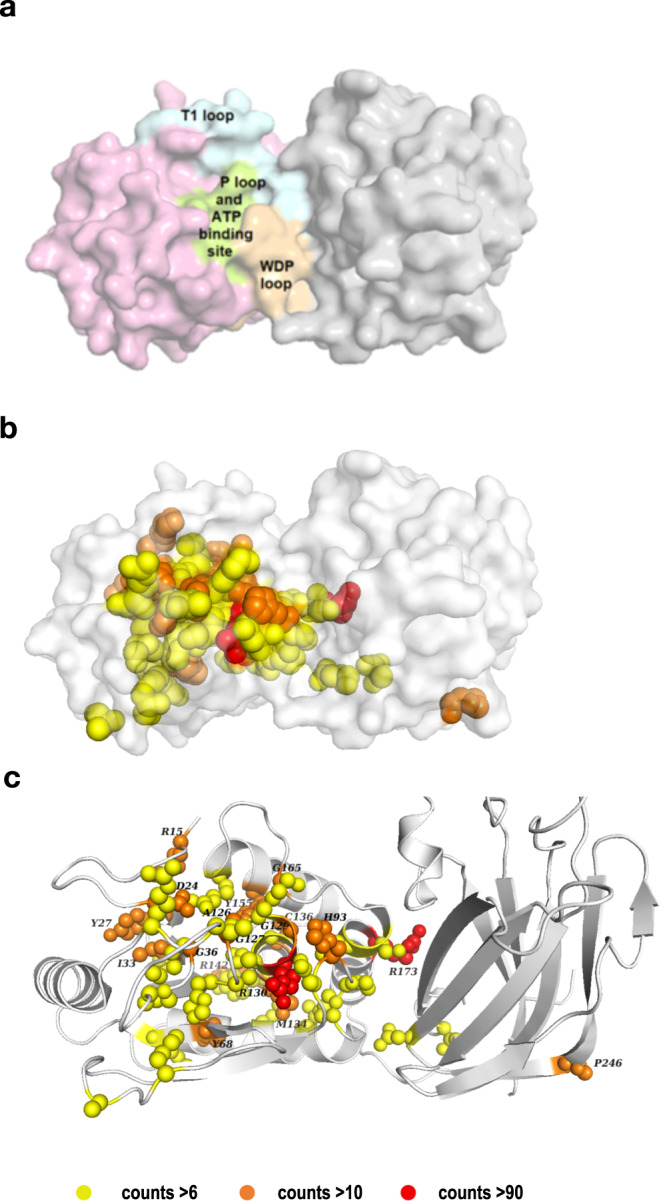
“Arginine loop (35-49); A, ATP-binding type-A motif (60–73); W, WPD loop (88–98); P, P loop (123–131); B, ATP-binding type-B motif (122–136); TI, TI”
Consensus molecular subtypes and the evolution of precision medicine in colorectal cancer
Dienstmann, R., Vermeulen, L., Guinney, J., Kopetz, S., Tejpar, S., & Tabernero, J. (2017) · Nature Reviews Cancer · doi:10.1038/nrc.2016.126 · Cited by 1,021 · cited 1×
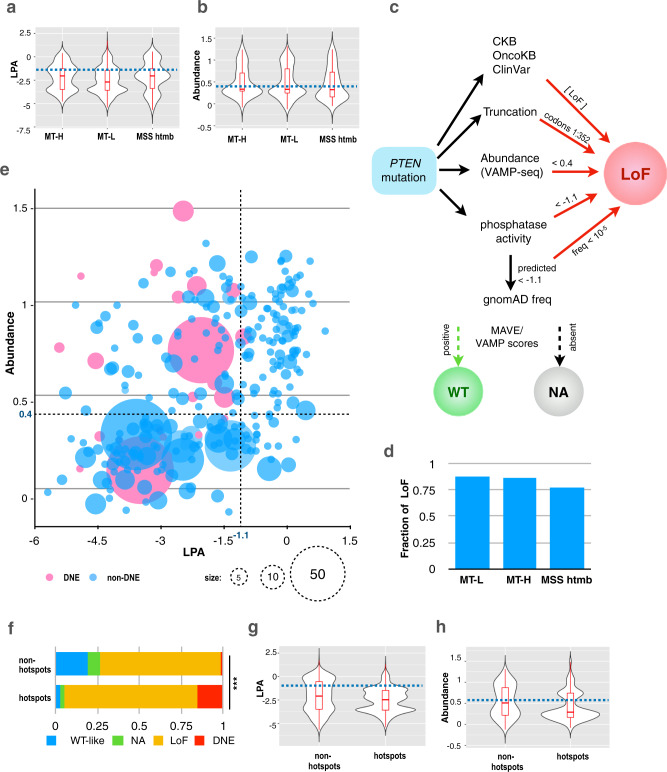
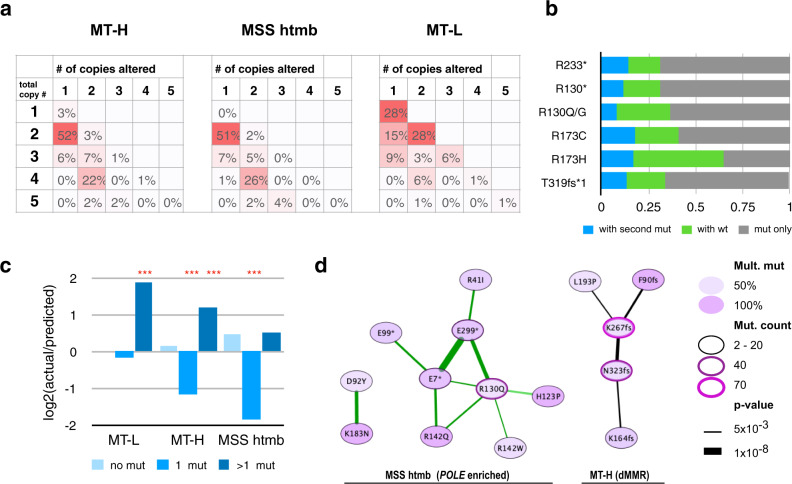
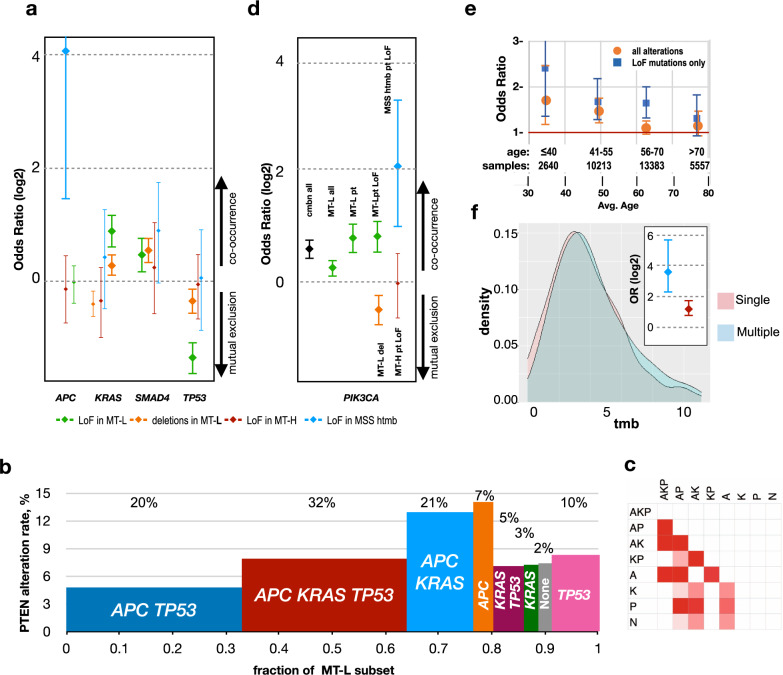
“random distribution of mutation, and the log(2) of the resulting ratio was plotted.”
Crystal Structure of the PTEN Tumor Suppressor
Lee, J.-O., Yang, H., Georgescu, M.-M., Di Cristofano, A., Maehama, T., Shi, Y., Dixon, J. E., Pandolfi, P., & Pavletich, N. P. (1999) · Cell · doi:10.1016/s0092-8674(00)81663-3 · Cited by 1,014
The functions and regulation of the PTEN tumour suppressor: new modes and prospects
Lee, Y.-R., Chen, M., & Pandolfi, P. P. (2018) · Nature Reviews Molecular Cell Biology · doi:10.1038/s41580-018-0015-0 · Cited by 917
Genomic Correlates of Immune-Cell Infiltrates in Colorectal Carcinoma
Giannakis, M., Mu, X. J., Shukla, S. A., Qian, Z. R., Cohen, O., Nishihara, R., Bahl, S., Cao, Y., Amin-Mansour, A., Yamauchi, M., et al. (2016) · Cell Reports · doi:10.1016/j.celrep.2016.03.075 · Cited by 913
Lifetime Cancer Risks in Individuals with Germline PTEN Mutations
Tan, M.-H., Mester, J. L., Ngeow, J., Rybicki, L. A., Orloff, M. S., & Eng, C. (2012) · Clinical Cancer Research · doi:10.1158/1078-0432.ccr-11-2283 · Cited by 892
Clinical Sequencing Defines the Genomic Landscape of Metastatic Colorectal Cancer
Yaeger, R., Chatila, W. K., Lipsyc, M. D., Hechtman, J. F., Cercek, A., Sanchez-Vega, F., Jayakumaran, G., Middha, S., Zehir, A., Donoghue, M. T. A., et al. (2018) · Cancer Cell · doi:10.1016/j.ccell.2017.12.004 · Cited by 858
Aspirin Use, Tumor PIK3CA Mutation, and Colorectal-Cancer Survival
Liao, X., Lochhead, P., Nishihara, R., Morikawa, T., Kuchiba, A., Yamauchi, M., Imamura, Y., Qian, Z. R., Baba, Y., Shima, K., et al. (2012) · New England Journal of Medicine · doi:10.1056/nejmoa1207756 · Cited by 843
The PI3K/AKT Pathway as a Target for Cancer Treatment
Mayer, I. A., & Arteaga, C. L. (2016) · Annual Review of Medicine · doi:10.1146/annurev-med-062913-051343 · Cited by 822
A Practical Guide to The Cancer Genome Atlas (TCGA)
Wang, Z., Jensen, M. A., & Zenklusen, J. C. (2016) · Methods in Molecular Biology · doi:10.1007/978-1-4939-3578-9_6 · Cited by 723
Benedix, F., Kube, R., Meyer, F., Schmidt, U., Gastinger, I., & Lippert, H. (2010) · Diseases of the Colon & Rectum · doi:10.1007/dcr.0b013e3181c703a4 · Cited by 713 · cited 2×
“The primary biological function of PTEN is to hydrolyze phosphatidylinositol (3,4,5)-trisphosphate (PIP3) to phosphatidylinositol (4,5)bisphosphate (PIP2), reversing a PIP2 to PIP3 conversion catalyzed by PI3K.”
BackgroundComparative Molecular Analysis of Gastrointestinal Adenocarcinomas
Liu, Y., Sethi, N. S., Hinoue, T., Schneider, B. G., Cherniack, A. D., Sanchez-Vega, F., Seoane, J. A., Farshidfar, F., Bowlby, R., Islam, M., et al. (2018) · Cancer Cell · doi:10.1016/j.ccell.2018.03.010 · Cited by 615 · cited 2×
“The primary biological function of PTEN is to hydrolyze phosphatidylinositol (3,4,5)-trisphosphate (PIP3) to phosphatidylinositol (4,5)bisphosphate (PIP2), reversing a PIP2 to PIP3 conversion catalyzed by PI3K.”
BackgroundRoock, W. D., Vriendt, V. D., Normanno, N., Ciardiello, F., & Tejpar, S. (2011) · The Lancet Oncology · doi:10.1016/s1470-2045(10)70209-6 · Cited by 603
Convergent loss of PTEN leads to clinical resistance to a PI(3)Kα inhibitor
Juric, D., Castel, P., Griffith, M., Griffith, O. L., Won, H. H., Ellis, H., Ebbesen, S. H., Ainscough, B. J., Ramu, A., Iyer, G., et al. (2015) · Nature · doi:10.1038/nature13948 · Cited by 588
Subtle variations in Pten dose determine cancer susceptibility
Alimonti, A., Carracedo, A., Clohessy, J. G., Trotman, L. C., Nardella, C., Egia, A., Salmena, L., Sampieri, K., Haveman, W. J., Brogi, E., et al. (2010) · Nature Genetics · doi:10.1038/ng.556 · Cited by 580
Sex- and gender-specific disparities in colorectal cancer risk
Kim, S.-E. (2015) · World Journal of Gastroenterology · doi:10.3748/wjg.v21.i17.5167 · Cited by 493
Primary Tumor Location as a Prognostic Factor in Metastatic Colorectal Cancer
Loupakis, F., Yang, D., Yau, L., Feng, S., Cremolini, C., Zhang, W., Maus, M. K. H., Antoniotti, C., Langer, C., Scherer, S. J., et al. (2015) · JNCI: Journal of the National Cancer Institute · doi:10.1093/jnci/dju427 · Cited by 472 · cited 2×
“The primary biological function of PTEN is to hydrolyze phosphatidylinositol (3,4,5)-trisphosphate (PIP3) to phosphatidylinositol (4,5)bisphosphate (PIP2), reversing a PIP2 to PIP3 conversion catalyzed by PI3K.”
BackgroundJhawer, M., Goel, S., Wilson, A. J., Montagna, C., Ling, Y.-H., Byun, D.-S., Nasser, S., Arango, D., Shin, J., Klampfer, L., et al. (2008) · Cancer Research · doi:10.1158/0008-5472.can-07-5659 · Cited by 460
Multiplex assessment of protein variant abundance by massively parallel sequencing
Matreyek, K. A., Starita, L. M., Stephany, J. J., Martin, B., Chiasson, M. A., Gray, V. E., Kircher, M., Khechaduri, A., Dines, J. N., Hause, R. J., et al. (2018) · Nature Genetics · doi:10.1038/s41588-018-0122-z · Cited by 436 · cited 1×
“Arginine loop (35-49); A, ATP-binding type-A motif (60–73); W, WPD loop (88–98); P, P loop (123–131); B, ATP-binding type-B motif (122–136); TI, TI”
Accelerating Discovery of Functional Mutant Alleles in Cancer
Chang, M. T., Bhattarai, T. S., Schram, A. M., Bielski, C. M., Donoghue, M. T. A., Jonsson, P., Chakravarty, D., Phillips, S., Kandoth, C., Penson, A., et al. (2018) · Cancer Discovery · doi:10.1158/2159-8290.cd-17-0321 · Cited by 409
Nuclear PTEN controls DNA repair and sensitivity to genotoxic stress
Bassi, C., Ho, J., Srikumar, T., Dowling, R. J. O., Gorrini, C., Miller, S. J., Mak, T. W., Neel, B. G., Raught, B., & Stambolic, V. (2013) · Science · doi:10.1126/science.1236188 · Cited by 403
Mechanisms of PTEN loss in cancer: It’s all about diversity
Álvarez-Garcia, V., Tawil, Y., Wise, H. M., & Leslie, N. R. (2019) · Seminars in Cancer Biology · doi:10.1016/j.semcancer.2019.02.001 · Cited by 401
KRAS Alleles: The Devil Is in the Detail
Haigis, K. M. (2017) · Trends in Cancer · doi:10.1016/j.trecan.2017.08.006 · Cited by 373
Regulation of Cell Migration by the C2 Domain of the Tumor Suppressor PTEN
Raftopoulou, M., Etienne-Manneville, S., Self, A., Nicholls, S., & Hall, A. (2004) · Science · doi:10.1126/science.1092089 · Cited by 335
PTEN function: the long and the short of it
Hopkins, B. D., Hodakoski, C., Barrows, D., Mense, S. M., & Parsons, R. E. (2014) · Trends in Biochemical Sciences · doi:10.1016/j.tibs.2014.02.006 · Cited by 309
Domingo, E., Freeman-Mills, L., Rayner, E., Glaire, M., Briggs, S., Vermeulen, L., Fessler, E., Medema, J. P., Boot, A., Morreau, H., et al. (2016) · The Lancet Gastroenterology & Hepatology · doi:10.1016/s2468-1253(16)30014-0 · Cited by 308
Li, J., Simpson, L., Takahashi, M., Miliaresis, C., Myers, M. P., Tonks, N. K., & Parsons, R. E. (1998) · PubMed · Cited by 306
WWP2 is an E3 ubiquitin ligase for PTEN
Maddika, S., Kavela, S., Rani, N., Palicharla, V. R., Pokorny, J. L., Sarkaria, J. N., & Chen, J. (2011) · Nature Cell Biology · doi:10.1038/ncb2240 · Cited by 305
Goel, A., Arnold, C. N., Niedzwiecki, D., Carethers, J. M., Dowell, J. M., Wasserman, L., Compton, C., Mayer, R. J., Bertagnolli, M. M., & Boland, C. R. (2004) · Cancer Research · doi:10.1158/0008-5472.can-2401-2 · Cited by 302
Heald, B., Mester, J., Rybicki, L., Orloff, M. S., Burke, C. A., & Eng, C. (2010) · Gastroenterology · doi:10.1053/j.gastro.2010.06.061 · Cited by 271
The Clinical Spectrum of PTEN Mutations
Yehia, L., Keel, E., & Eng, C. (2020) · Annual Review of Medicine · doi:10.1146/annurev-med-052218-125823 · Cited by 253
van Geel, R. M. J. M., Tabernero, J., Elez, E., Bendell, J. C., Spreafico, A., Schuler, M., Yoshino, T., Delord, J.-P., Yamada, Y., Lolkema, M. P., et al. (2017) · Cancer Discovery · doi:10.1158/2159-8290.cd-16-0795 · Cited by 232
Bahrami, A., Khazaei, M., Hasanzadeh, M., ShahidSales, S., Joudi Mashhad, M., Farazestanian, M., Sadeghnia, H. R., Rezayi, M., Maftouh, M., Hassanian, S. M., et al. (2018) · Journal of Cellular Biochemistry · doi:10.1002/jcb.25950 · Cited by 230
Synthetic essentiality of chromatin remodelling factor CHD1 in PTEN-deficient cancer
Zhao, D., Lu, X., Wang, G., Lan, Z., Liao, W., Li, J., Liang, X., Chen, J. R., Shah, S., Shang, X., et al. (2017) · Nature · doi:10.1038/nature21357 · Cited by 218
3D clusters of somatic mutations in cancer reveal numerous rare mutations as functional targets
Gao, J., Chang, M. T., Johnsen, H. C., Gao, S. P., Sylvester, B. E., Sumer, S. O., Zhang, H., Solit, D. B., Taylor, B. S., Schultz, N., et al. (2017) · Genome Medicine · doi:10.1186/s13073-016-0393-x · Cited by 217
Serebriiskii, I. G., Connelly, C., Frampton, G., Newberg, J., Cooke, M., Miller, V., Ali, S., Ross, J. S., Handorf, E., Arora, S., et al. (2019) · Nature Communications · doi:10.1038/s41467-019-11530-0 · Cited by 215
Self-citationA multigene mutation classification of 468 colorectal cancers reveals a prognostic role for APC
Schell, M. J., Yang, M., Teer, J. K., Lo, F. Y., Madan, A., Coppola, D., Monteiro, A. N. A., Nebozhyn, M. V., Yue, B., Loboda, A., et al. (2016) · Nature Communications · doi:10.1038/ncomms11743 · Cited by 207
Mighell, T. L., Evans-Dutson, S., & O’Roak, B. J. (2018) · The American Journal of Human Genetics · doi:10.1016/j.ajhg.2018.03.018 · Cited by 204
Rodríguez-Escudero, I., Oliver, M. D., Andrés-Pons, A., Molina, M., Cid, V. J., & Pulido, R. (2011) · Human Molecular Genetics · doi:10.1093/hmg/ddr337 · Cited by 198
Zhou, X.-P., Loukola, A., Salovaara, R., Nystrom-Lahti, M., Peltomäki, P., de la Chapelle, A., Aaltonen, L. A., & Eng, C. (2002) · The American Journal of Pathology · doi:10.1016/s0002-9440(10)64200-9 · Cited by 185
Functions and Regulation of the PTEN Gene in Colorectal Cancer
Molinari, F., & Frattini, M. (2014) · Frontiers in Oncology · doi:10.3389/fonc.2013.00326 · Cited by 162
Alterations in PTEN and ESR1 promote clinical resistance to alpelisib plus aromatase inhibitors
Razavi, P., Dickler, M. N., Shah, P. D., Toy, W., Brown, D. N., Won, H. H., Li, B. T., Shen, R., Vasan, N., Modi, S., et al. (2020) · Nature Cancer · doi:10.1038/s43018-020-0047-1 · Cited by 159
Cancer Surveillance Guideline for individuals with PTEN hamartoma tumour syndrome
Tischkowitz, M. D., Colas, C., Pouwels, S., Hoogerbrugge, N., PHTS Guideline Development Group, Bisseling, T. M., Bubien, V., Caux, F. A., Chabbert‐Buffet, N., Colas, C., et al. (2020) · European Journal of Human Genetics · doi:10.1038/s41431-020-0651-7 · Cited by 158
Ma, J., Benitez, J. A., Li, J., Miki, S., Ponte de Albuquerque, C., Galatro, T., Orellana, L., Zanca, C., Reed, R., Boyer, A., et al. (2019) · Cancer Cell · doi:10.1016/j.ccell.2019.01.020 · Cited by 157
Gene‐specific criteria for PTEN variant curation: Recommendations from the ClinGen PTEN Expert Panel
Mester, J. L., Ghosh, R., Pesaran, T., Huether, R., Karam, R., Hruska, K. S., Costa, H. A., Lachlan, K., Ngeow, J., Barnholtz‐Sloan, J., et al. (2018) · Human Mutation · doi:10.1002/humu.23636 · Cited by 155
Mutational signatures of DNA mismatch repair deficiency in C. elegans and human cancers
Meier, B., Volkova, N. V., Hong, Y., Schofield, P., Campbell, P. J., Gerstung, M., & Gartner, A. (2018) · Genome Research · doi:10.1101/gr.226845.117 · Cited by 154
Patterson, S. E., Liu, R., Statz, C. M., Durkin, D., Lakshminarayana, A., & Mockus, S. M. (2016) · Human Genomics · doi:10.1186/s40246-016-0061-7 · Cited by 142 · cited 1×
“Arginine loop (35-49); A, ATP-binding type-A motif (60–73); W, WPD loop (88–98); P, P loop (123–131); B, ATP-binding type-B motif (122–136); TI, TI”
Davidson, L., Maccario, H., Perera, N. M., Yang, X., Spinelli, L., Tibarewal, P., Glancy, B., Gray, A., Weijer, C. J., Downes, C. P., et al. (2010) · Oncogene · doi:10.1038/onc.2009.384 · Cited by 125
Cagiada, M., Johansson, K. E., Valanciute, A., Nielsen, S. V., Hartmann-Petersen, R., Yang, J. J., Fowler, D. M., Stein, A., & Lindorff-Larsen, K. (2021) · Molecular Biology and Evolution · doi:10.1093/molbev/msab095 · Cited by 116
PTEN in Colorectal Cancer: Shedding Light on Its Role as Predictor and Target
Salvatore, L., Calegari, M. A., Loupakis, F., Fassan, M., Stefano, B. D., Bensi, M., Bria, E., & Tortora, G. (2019) · Cancers · doi:10.3390/cancers11111765 · Cited by 98
Vitiello, P. P., Cardone, C., Martini, G., Ciardiello, D., Belli, V., Matrone, N., Barra, G., Napolitano, S., Della Corte, C., Turano, M., et al. (2019) · Journal of Experimental & Clinical Cancer Research · doi:10.1186/s13046-019-1035-0 · Cited by 96
Martinelli, E., Troiani, T., D'Aiuto, E., Morgillo, F., Vitagliano, D., Capasso, A., Costantino, S., Ciuffreda, L. P., Merolla, F., Vecchione, L., et al. (2013) · International Journal of Cancer · doi:10.1002/ijc.28236 · Cited by 92
PIK3CA mutations are mutually exclusive with PTEN loss in diffuse large B-cell lymphoma
Abubaker, J. A., Bavi, P. P., Al-harbi, S., Siraj, A. K., Al‐Dayel, F., Shahab Uddin, M. S., & Al-Kuraya, K. S. (2007) · Leukemia · doi:10.1038/sj.leu.2404873 · Cited by 92
The Therapeutic Potential of PTEN Modulation: Targeting Strategies from Gene to Protein
McLoughlin, N. M., Mueller, C., & Grossmann, T. N. (2017) · Cell chemical biology · doi:10.1016/j.chembiol.2017.10.009 · Cited by 81
Zhou, X.-P. (2002) · Human Molecular Genetics · doi:10.1093/hmg/11.4.445 · Cited by 75
Naguib, A., Cooke, J. C., Happerfield, L. C., Kerr, L., Gay, L. J., Luben, R., Ball, R. Y., Mitrou, P. N., McTaggart, A., & Arends, M. J. (2011) · BMC Cancer · doi:10.1186/1471-2407-11-123 · Cited by 73
Park, Y., Kim, H., Cho, Y., Min, D., Cheon, S., Lim, Y. J., Song, S., Kim, S. J., Han, S., Park, K. J., et al. (2019) · International Journal of Cancer · doi:10.1002/ijc.31662 · Cited by 66
Advani, S. M., Advani, P., DeSantis, S. M., Brown, D., VonVille, H. M., Lam, M., Loree, J. M., Mehrvarz Sarshekeh, A., Bressler, J., Lopez, D. S., et al. (2018) · Translational Oncology · doi:10.1016/j.tranon.2018.07.008 · Cited by 65
Post, K. L., Belmadani, M., Ganguly, P., Meili, F., Dingwall, R., McDiarmid, T. A., Meyers, W. M., Herrington, C., Young, B. P., Callaghan, D. B., et al. (2020) · Nature Communications · doi:10.1038/s41467-020-15943-0 · Cited by 62
PTEN in Hereditary and Sporadic Cancer
Ngeow, J., & Eng, C. (2020) · Cold Spring Harbor Perspectives in Medicine · doi:10.1101/cshperspect.a036087 · Cited by 60
Smith, I. N., & Briggs, J. M. (2016) · Proteins Structure Function and Bioinformatics · doi:10.1002/prot.25105 · Cited by 60
Smith, I. N., Thacker, S., Seyfi, M., Cheng, F., & Eng, C. (2019) · The American Journal of Human Genetics · doi:10.1016/j.ajhg.2019.03.009 · Cited by 54
Mighell, T. L., Thacker, S., Fombonne, E. J., Eng, C., & O’Roak, B. J. (2020) · The American Journal of Human Genetics · doi:10.1016/j.ajhg.2020.04.014 · Cited by 52
The PTEN Tumor Suppressor Forms Homodimers in Solution
Heinrich, F., Chakravarthy, S., Nanda, H., Papa, A., Pandolfi, P. P., Ross, A. H., Harishchandra, R. K., Gericke, A., & Lösche, M. (2015) · Structure · doi:10.1016/j.str.2015.07.012 · Cited by 47 · cited 1×
“Arginine loop (35-49); A, ATP-binding type-A motif (60–73); W, WPD loop (88–98); P, P loop (123–131); B, ATP-binding type-B motif (122–136); TI, TI”
Smith, I. N., Thacker, S., Jaini, R., & Eng, C. (2019) · Journal of Biomolecular Structure and Dynamics · doi:10.1080/07391102.2018.1465854 · Cited by 46
Characterizing Microsatellite Instability and Chromosome Instability in Interval Colorectal Cancers
Cisyk, A. L., Nugent, Z. J., Wightman, R., Singh, H., & McManus, K. J. (2018) · Neoplasia · doi:10.1016/j.neo.2018.07.007 · Cited by 44
Cohen, S. A., Turner, E. H., Beightol, M., Jacobson, A. L., Gooley, T. A., Salipante, S. J., Haraldsdóttir, S., Smith, C., Scroggins, S. M., Tait, J. F., et al. (2016) · Gastroenterology · doi:10.1053/j.gastro.2016.06.004 · Cited by 43
Lee, M. S., & Kopetz, S. (2015) · Clinical Colorectal Cancer · doi:10.1016/j.clcc.2015.05.006 · Cited by 42
Danielsen, S. A., Lind, G. E., Bjørnslett, M., Meling, G. I., Rognum, T. O., Heim, S., & Lothe, R. A. (2008) · Human Mutation · doi:10.1002/humu.20860 · Cited by 41
The Mechanisms Underlying PTEN Loss in Human Tumors Suggest Potential Therapeutic Opportunities
Chang, H., Cai, Z., & Roberts, T. M. (2019) · Biomolecules · doi:10.3390/biom9110713 · Cited by 37
Mester, J. L., Moore, R. A., & Eng, C. (2013) · The Oncologist · doi:10.1634/theoncologist.2013-0174 · Cited by 29
PTEN as a Guardian of the Genome: Pathways and Targets
Fan, X., Kraynak, J., Knisely, J. P. S., Formenti, S. C., & Shen, W. H. (2020) · Cold Spring Harbor Perspectives in Medicine · doi:10.1101/cshperspect.a036194 · Cited by 26
The Impact of Genetic Variants on PTEN Molecular Functions and Cellular Phenotypes
Hasle, N., Matreyek, K. A., & Fowler, D. M. (2019) · Cold Spring Harbor Perspectives in Medicine · doi:10.1101/cshperspect.a036228 · Cited by 23 · cited 1×
“Arginine loop (35-49); A, ATP-binding type-A motif (60–73); W, WPD loop (88–98); P, P loop (123–131); B, ATP-binding type-B motif (122–136); TI, TI”
Assessment of methods for predicting the effects of PTEN and TPMT protein variants
Pejaver, V. R., Babbi, G., Casadio, R., Folkman, L., Katsonis, P., Kundu, K., Lichtarge, O., Martelli, P. L., Miller, M., Moult, J., et al. (2019) · Human Mutation · doi:10.1002/humu.23838 · Cited by 19 · cited 1×
“Arginine loop (35-49); A, ATP-binding type-A motif (60–73); W, WPD loop (88–98); P, P loop (123–131); B, ATP-binding type-B motif (122–136); TI, TI”
Condorelli, D. F., Privitera, A. P., & Barresi, V. (2019) · International Journal of Molecular Sciences · doi:10.3390/ijms20184652 · Cited by 18
A Premalignant Cell-Based Model for Functionalization and Classification of PTEN Variants
Chao, J. T., Hollman, R., Meyers, W. M., Meili, F., Matreyek, K. A., Dean, P., Fowler, D. M., Haas, K. Z., Roskelley, C. D., & Loewen, C. J. R. (2020) · Cancer Research · doi:10.1158/0008-5472.can-19-3278 · Cited by 16 · cited 1×
“Arginine loop (35-49); A, ATP-binding type-A motif (60–73); W, WPD loop (88–98); P, P loop (123–131); B, ATP-binding type-B motif (122–136); TI, TI”
NDeeSeee/PTEN-Colorectal-Cancer: 3D hotspots and mutational signatures identification, PTEN
NDeeSeee (2022) · Zenodo (CERN European Organization for Nuclear Research) · doi:10.5281/zenodo.6149412 · Cited by 1
Research works printed but not linked: 1
- Serebriiskii, I. G., Pavlov, V. & Andrianov, G. Comprehensive characterization of PTEN mutational profile in a series of 34,129 colorectal cancers. Github Repository10.5281/zenodo.6149413) (2022). PMC8956741 35338148 · doi:10.5281/zenodo.6149413
Cited by
Weigelt, B., Marra, A., Selenica, P., Rios‐Doria, E., Boroujeni, A. M., Berger, M. F., Arora, K. S., Nemirovsky, D., Iasonos, A. E., Chakravarty, D., et al. (2023) · Cancer Discovery · doi:10.1158/2159-8290.cd-23-0546 · Cited by 59
Vidotto, T., Melo, C. M., Lautert-Dutra, W., Chaves, L. P., dos Reis, R. B., & Squire, J. A. (2023) · Scientific Reports · doi:10.1038/s41598-023-31759-6 · Cited by 50
Mechanisms of Prostate Cancer Cells Survival and Their Therapeutic Targeting
Pejcic, T. P., Todorović, Z., Đurašević, S., & POPOVIC, L. S. (2023) · International Journal of Molecular Sciences · doi:10.3390/ijms24032939 · Cited by 43
PTEN-mediated resistance in cancer: From foundation to future therapies
Tufail, M. (2025) · Toxicology Reports · doi:10.1016/j.toxrep.2025.101987 · Cited by 40
PTEN, PTENP1, microRNAs, and ceRNA Networks: Precision Targeting in Cancer Therapeutics
Travis, G., McGowan, E. M., Simpson, A. M., Marsh, D. J., & Nassif, N. T. (2023) · Cancers · doi:10.3390/cancers15204954 · Cited by 36
Metadata
- Authors
- Serebriiskii, I. G., Pavlov, V., Tricarico, R., Andrianov, G., Nicolas, E., Parker, M. I., Newberg, J., Frampton, G., Meyer, J. E., & Golemis, E. A.
- Affiliations
- Fox Chase Cancer Center (US)
- Foundation Medicine (United States) (US)
- Corresponding author
- Serebriiskii, Ilya G.
- Golemis, Erica A.
- ORCID
- Venue
- Nature Communications
- Published
- 2022-03-25
- Volume
- 13
- Issue
- 1
- Pages
- 1618-1618
- ISSN
- 2041-1723 (ISSN-L)
- PMC
- PMC8956741
- OpenAlex
- W4220795405
- Cited by
- 55
- References
- 98
- Citations by year
- 2026: 12 · 2025: 11 · 2024: 10 · 2023: 15 · 2022: 6
- FWCI
- 7.12
- Type
- journal article
- Language
- en
- Open access
- gold
- doi.org
- Licence
- cc-by
- creativecommons.org/licenses/by/4.0 (tdm)
- creativecommons.org/licenses/by/4.0 (vor)
- Locations
- Nature Communications (publishedVersion, cc-by)
- PubMed Central (publishedVersion, cc-by)
- PubMed (publishedVersion)
- RePEc: Research Papers in Economics (submittedVersion)
- DOAJ (DOAJ: Directory of Open Access Journals) (submittedVersion)
- TUScholarShare (Temple University) (submittedVersion, cc-by)
- Funders
- U.S. Department of Health & Human Services | NIH | National Cancer Institute (CA256234, CA006927)
- Colon Cancer Alliance to JM
- Topics
- Health Sciences › Medicine › Pathology and Forensic Medicine › Genetic factors in colorectal cancer
- Life Sciences › Biochemistry, Genetics and Molecular Biology › Cancer Research › Cancer Genomics and Diagnostics
- Life Sciences › Biochemistry, Genetics and Molecular Biology › Molecular Biology › PI3K/AKT/mTOR signaling in cancer
- Keywords
- PTEN mutation, colorectal cancer, tumor suppressor, microsatellite instability, tumor mutational burden, co-occurring mutations, KRAS, APC, TP53, PIK3CA, Akt signaling, phosphatidylinositol 3,4,5-trisphosphate, tumor location, patient age
- MeSH terms
- DNA Mutational Analysis, Humans, Mutation, Colorectal Neoplasms, Phosphatidylinositol 3-Kinases, PTEN Phosphohydrolase, Microsatellite Instability, Class I Phosphatidylinositol 3-Kinases
About these checks
Registry, retraction, Cites and statistics results are computed, not judged, with one exception: a printed reference that no index lists is read once by a model before it counts as a citation error. Claims are extracted by a model and kept only when their quote appears verbatim in the text; each cited source is then checked, with a model’s help, for whether it says what the claim relies on. Those verdicts can be wrong — read the claim’s quote and the cited source before relying on one.
Statistics and arithmetic are recomputed, not judged.
Confidence bands are shown only for fields calibrated on our annotated test set. None is calibrated yet, so no band is shown.
What counts as a claim ›How we measure confidence ›How we check this ›
Are you an author, or do you see a problem with this page? Request a review
Data sources
Bibliographic data: Semantic Scholar, OpenAlex, Crossref.
Contains information from the Semantic Scholar Academic Graph Datasets, made available under the ODC Attribution License (ODC-BY 1.0).
Semantic Scholar’s data is described in: Kinney, R., et al. (2023). The Semantic Scholar Open Data Platform. arXiv:2301.10140.
