

Mesenchymal stem cell perspective: cell biology to clinical progress
Open accessThe DOI matches its Crossref record; 162 of the 163 references it cites were found in a registry or an index.
Abstract
The terms MSC and MSCs have become the preferred acronym to describe a cell and a cell population of multipotential stem/progenitor cells commonly referred to as mesenchymal stem cells, multipotential stromal cells, mesenchymal stromal cells, and mesenchymal progenitor cells. The MSCs can differentiate to important lineages under defined conditions in vitro and in limited situations after implantation in vivo. MSCs were isolated and described about 30 years ago and now there are over 55,000 publications on MSCs readily available. Here, we have focused on human MSCs whenever possible. The MSCs have broad anti-inflammatory and immune-modulatory properties. At present, these provide the greatest focus of human MSCs in clinical testing; however, the properties of cultured MSCs in vitro suggest they can have broader applications. The medical utility of MSCs continues to be investigated in over 950 clinical trials. There has been much progress in understanding MSCs over the years, and there is a strong foundation for future scientific research and clinical applications, but also some important questions remain to be answered. Developing further methods to understand and unlock MSC potential through intracellular and intercellular signaling, biomedical engineering, delivery methods and patient selection should all provide substantial advancements in the coming years and greater clinical opportunities. The expansive and growing field of MSC research is teaching us basic human cell biology as well as how to use this type of cell for cellular therapy in a variety of clinical settings, and while much promise is evident, careful new work is still needed.
Overview
The claims and statistics of this paper haven’t been checked yet.
Free: it reads the open-access text and checks the first 5 claims that cite a source we can check. Create a free account to check every claim.
Integrity signals
Registry
Cites
Statistics
Figures
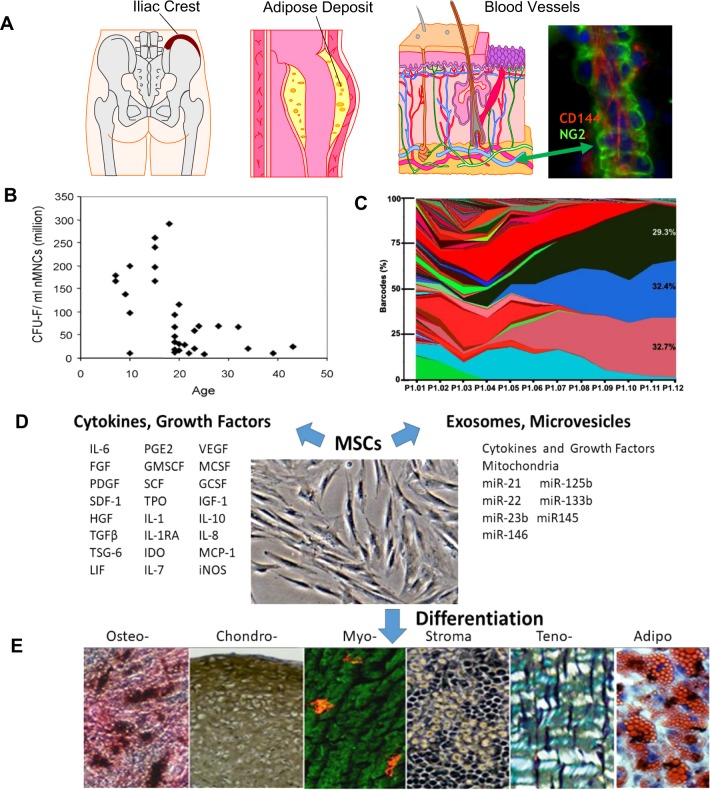
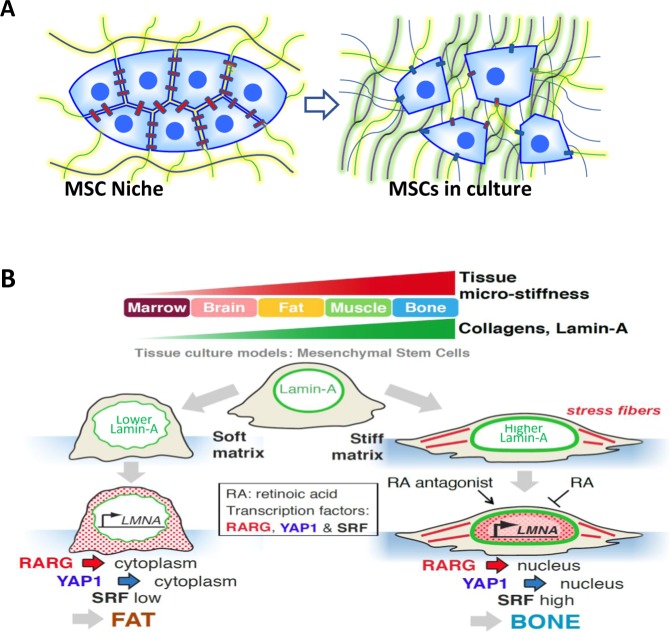
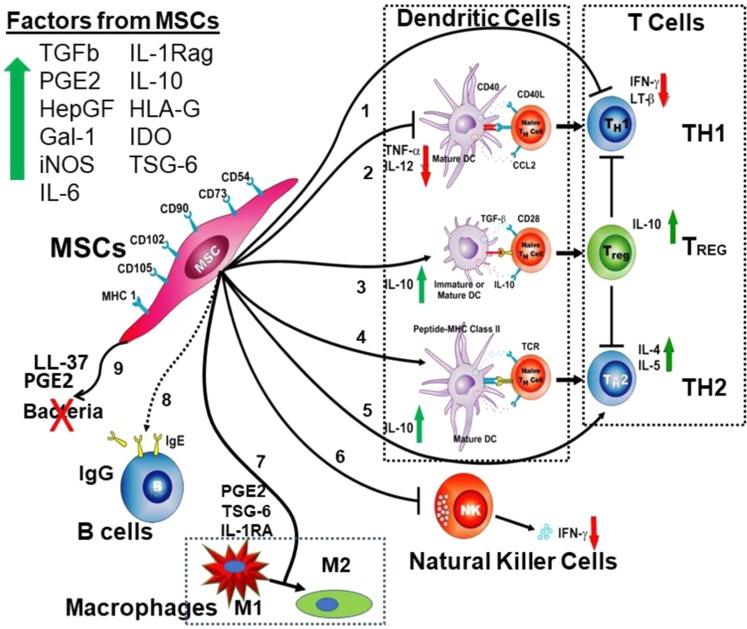
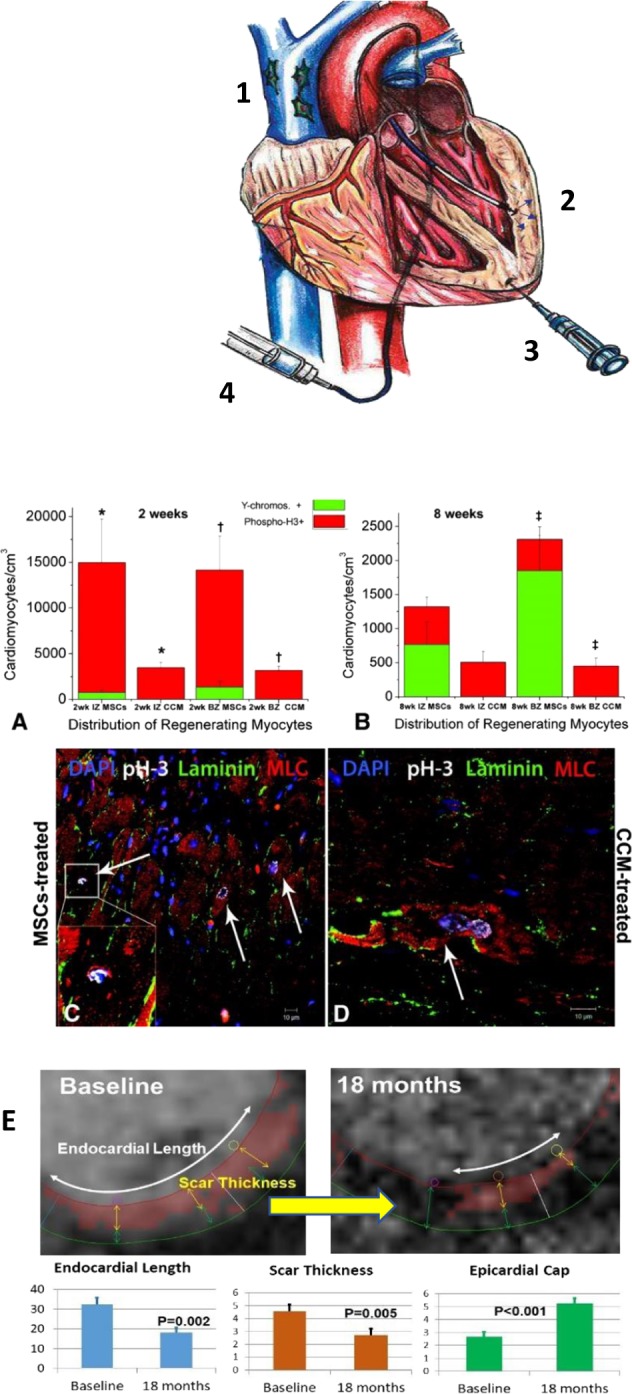
Verification
Claims the paper makes
The claims and statistics of this paper haven’t been checked yet.
Free: it reads the open-access text and checks the first 5 claims that cite a source we can check. Create a free account to check every claim.
Claims other papers make about this one
Each is checked against this paper’s own text: does it say what the citing paper says it does?
The source backs part of the claim, not all of it — or backs it for a different population, condition or comparison.
In the citing paper
“In many clinical trials, MSCs have shown little benefit [1, 5, 9].”
From Harmonised culture procedures minimise but do not eliminate mesenchymal stromal cell donor and tissue variability in a decentralised multicentre manufacturing approach (2023) · cites this paper as [1]
Experimental — accuracy not yet measuredThe source backs part of the claim, not all of it — or backs it for a different population, condition or comparison.
In the citing paper
“factors segregated by MSCs such as IL-1RA [73], [74] inhibit the product of TNF-α segregated by IL-1α-activated macrophages [73], on the other hand, inflammatory factors segregated by macrophages, such as TNF-α [4], [63] and LPS [63] activate MSCs to segregate anti-inflammatory mediators, including TSG-6 [4], [63], IL-10 [4], [63] and PGE2 [4], [63]”
From Mesenchymal stem cell secretome for regenerative medicine: Where do we stand? (2025) · cites this paper as [4]
Experimental — accuracy not yet measuredThe source backs part of the claim, not all of it — or backs it for a different population, condition or comparison.
In the citing paper
“MSC therapies demonstrated cartilage regeneration and early osteoarthritis improvement, but high costs and ethical concerns remain barriers to widespread adoption.”
From Advancements in Regenerative Therapies for Orthopedics: A Comprehensive Review of Platelet-Rich Plasma, Mesenchymal Stem Cells, Peptide Therapies, and Biomimetic Applications (2025) · cites this paper as [19]
Experimental — accuracy not yet measuredThe cited source says what the claim attributes to it.
In the citing paper
“MSCs have shown their therapeutic effects in numerous disease models as well as in some clinical trials [4].”
From Mesenchymal stem cell secretome for regenerative medicine: Where do we stand? (2025) · cites this paper as [4]
The cited source says what the claim attributes to it.
In the citing paper
“MSCs were shown to polarize macrophages from an inflammatory M1 phenotype to an anti-inflammatory M2 phenotype [4].”
From Mesenchymal stem cell secretome for regenerative medicine: Where do we stand? (2025) · cites this paper as [4]
Self-check
Percentages, sums and reported differences re-computed from the paper’s own numbers.
The self-check needs the paper’s full text.
Citations
Cites
Multilineage potential of adult human mesenchymal stem cells
Pittenger, M. F., Mackay, A. M., Beck, S. C., Jaiswal, R. K., Douglas, R., Mosca, J. D., Moorman, M. A., Simonetti, D. W., Craig, S., & Marshak, D. R. (1999) · Science · doi:10.1126/science.284.5411.143 · Cited by 21,052 · cited 20×
“MSCs are still largely defined by their in vitro expression of a restricted subset of cell surface proteins, and their capacity for stimulus-induced tri-lineage differentiation.(6,31) While this minimalistic definition has sufficed for almost two decades and is still widely used today, the field should benefit from th…”
BackgroundInfluentialSelf-citationDominici, M., Le Blanc, K., Mueller, I., Slaper-Cortenbach, I., Marini, F. C., Krause, D. S., Deans, R. J., Keating, A., Prockop, D. J., & Horwitz, E. M. (2006) · Cytotherapy · doi:10.1080/14653240600855905 · Cited by 17,766 · cited 1×
“MSCs are still largely defined by their in vitro expression of a restricted subset of cell surface proteins, and their capacity for stimulus-induced tri-lineage differentiation.(6,31) While this minimalistic definition has sufficed for almost two decades and is still widely used today, the field should benefit from th…”
BackgroundMatrix elasticity directs stem cell lineage specification
Engler, A. J., Sen, S., Sweeney, H. L., & Discher, D. E. (2006) · Cell · doi:10.1016/j.cell.2006.06.044 · Cited by 13,915 · cited 4×
“Growing MSCs for a longer time on either a soft or a stiff substrate progressively commits the cells to the corresponding lineages, making them refractory to rapid lineage switching by both soluble factors and substrate changes.(96,99) The molecular basis for this commitment— be it DNA methylation, microRNA, soluble f…”
BackgroundResultInfluentialSelf-citationMultilineage Cells from Human Adipose Tissue: Implications for Cell-Based Therapies
Zuk, P. A., Zhu, M., Mizuno, H., Huang, J., Futrell, J. W., Katz, A. J., Benhaim, P., Lorenz, H. P., & Hedrick, M. H. (2001) · Tissue Engineering · doi:10.1089/107632701300062859 · Cited by 7,956
Role of YAP/TAZ in mechanotransduction
Dupont, S., Morsut, L., Aragona, M., Enzo, E., Giulitti, S., Cordenonsi, M., Zanconato, F., Le Digabel, J., Forcato, M., Bicciato, S., et al. (2011) · Nature · doi:10.1038/nature10137 · Cited by 5,979 · cited 1×
“2b) into the nucleus in cells on stiff substrates to promote expression of differentiation genes for “stiff lineages”.(98,106) Further, MSCs respond to the surface curvature of their substrate.”
BackgroundHuman mesenchymal stem cells modulate allogeneic immune cell responses
Aggarwal, S., & Pittenger, M. F. (2005) · Blood · doi:10.1182/blood-2004-04-1559 · Cited by 4,511
Self-citationA perivascular origin for mesenchymal stem cells in multiple human organs
Crisan, M., Yap, S., Casteilla, L., Chen, C.-W., Corselli, M., Park, T. S., Andriolo, G., Sun, B., Zheng, B., Zhang, L., et al. (2008) · Cell Stem Cell · doi:10.1016/j.stem.2008.07.003 · Cited by 3,991 · cited 2×
“Further, although bone marrow was first used for MSC isolation and considered a renewable source, MSC-like cells have been isolated from many tissue sources including harvested adipose tissue,7,8 umbilical Wharton’s jelly,9 placenta,10,11 skin73 and the roots of shed teeth.74 The studies of microvascular pericytes soo…”
Self-citationMesenchymal and haematopoietic stem cells form a unique bone marrow niche
Méndez-Ferrer, S., Michurina, T. V., Ferraro, F., Mazloom, A. R., MacArthur, B. D., Lira, S. A., Scadden, D. T., Ma’ayan, A., Enikolopov, G. N., & Frenette, P. S. (2010) · Nature · doi:10.1038/nature09262 · Cited by 3,374 · cited 1×
“MSCs in bone marrow can exhibit dendritic shapes and express some neuro-typical markers such as CD271, TRK A, B and C mRNAs, and a moderate fraction of MSCs cultured on soft gels that mimic the softness of marrow or neural tissue favor expression of nestin, β3 tubulin, and other neuro-typic traits.(96,97) However, adi…”
ResultDi Nicola, M., Carlo-Stella, C., Magni, M., Milanesi, M., Longoni, P. D., Matteucci, P., Grisanti, S., & Gianni, A. M. (2002) · Blood · doi:10.1182/blood.v99.10.3838 · Cited by 3,226 · cited 1×
“Contemporaneous with early MSC/hematopoietic stem cell transplant clinical studies, in vitro studies tested allo-MSCs in mixed donor lymphocyte reactions and revealed the MSCs prevented lymphocyte proliferation, and do not cause apoptosis of T cells, rather the T cells will respond to subsequent lymphocyte challenge w…”
ResultEvidence for Cardiomyocyte Renewal in Humans
Bergmann, O., Bhardwaj, R. D., Bernard, S., Zdunek, S., Barnabé-Heider, F., Walsh, S., Zupicich, J., Alkass, K., Buchholz, B. A., Druid, H., et al. (2009) · Science · doi:10.1126/science.1164680 · Cited by 3,130 · cited 1×
“brain neurons, chondrocytes, and cardiomyocytes where the cell half-life is on the order of ~50 years.(132) When a tissue is damaged by trauma or disease, these regenerative repair processes may be accelerated, but this capacity diminishes with age, and each tissue ages somewhat differently.”
Background
Research works printed but not linked: 1
- Pittenger, M. F., Mbalaviele, G., Black, M., Mosca, J. D. & Marshak D. R. (2001). Adult mesenchymal stem cells from bone marrow. Primary Mesenchymal Cells, Ch. 10, Human Cell Culture, Vol. 5 (eds Koller, M. et al.) pp 190-207 (Kluwer Academic Publishers, Dordrecht, Netherlands, 2001).
Cited by
Items 901–1,000 of 1,001
Behind the Scenes of Extracellular Vesicle Therapy for Skin Injuries and Disorders
Subhan, B. S., Ki, M., Verzella, A. N., Shankar, S., & Rabbani, P. S. (2021) · Advances in Wound Care · doi:10.1089/wound.2021.0066 · Cited by 10
“44,51 BM-MSCs from the sources discussed above are maintained in culture in a -Minimum Essential Medium a or Dulbecco’s Modified Eagle Medium, supplemented with fetal bovine serum (FBS), glutamine, and penicillin/streptomycin, under standard 5% CO 2 , 37 (cid:2) C, humidified conditions for 2–8…”
MethodFujita, Y., Nishimura, M., Wada, T., Komori, N., & Otoi, T. (2022) · Cytotechnology · doi:10.1007/s10616-022-00541-3 · Cited by 10
Bou‐Ghannam, S., Kim, K.-S., Kondō, M., Grainger, D. W., & Okano, T. (2022) · Cells · doi:10.3390/cells11182840 · Cited by 10
Muñiz-García, A., Wilm, B., Murray, P. A., & Cross, M. J. (2022) · Cells · doi:10.3390/cells11233750 · Cited by 11
IL-1b in the Secretomes of MSCs Seeded on Human Decellularized Allogeneic Bone Promotes Angiogenesis
Chen, Y., Fu, Y.-S., Tsai, S., Wu, P., Chen, C.-M., Chen, W., & Chen, C. (2022) · International Journal of Molecular Sciences · doi:10.3390/ijms232315301 · Cited by 10
Bayati, F., Valadi, M., Ahmadi, A., Najafi, F., Ansaripour, B., & Sharif‐Paghaleh, E. (2022) · European Cytokine Network · doi:10.1684/ecn.2022.0482 · Cited by 10
“In addition, another characteristic of MSCs is their inherent ability to differentiate into several cell lines [30].”
BackgroundHarnessing nanofiber alignment and pore size to promote stem cell self-renewal and differentiation
Wei, Q., Blake, L., Liu, J., Man, K., Liang, C. J., Teoh, A., Xin, H., & Yang, Y. S. (2023) · Colloids and Interface Science Communications · doi:10.1016/j.colcom.2023.100734 · Cited by 11
Sendera, A., Pikuła, B., & Banaś-Ząbczyk, A. (2023) · Frontiers in Bioscience-Landmark · doi:10.31083/j.fbl2811285 · Cited by 10
Zawadzka-Knefel, A., Rusak, A., Mrozowska, M., Machałowski, T., Żak, A. M., Haczkiewicz-Leśniak, K., Kulus, M., Kuropka, P., Podhorska‐Okołów, M., & Skośkiewicz−Malinowska, K. (2023) · Frontiers in Bioengineering and Biotechnology · doi:10.3389/fbioe.2023.1254506 · Cited by 10
Cercone, M., Greenfield-Feig, M. R., & Fortier, L. A. (2021) · Journal of Cartilage & Joint Preservation · doi:10.1016/j.jcjp.2021.100017 · Cited by 10
Zielniok, K., Burdzińska, A., Pienkowski, V. M., Koppolu, A. A., Rydzanicz, M., Zagożdżon, R., & Pączek, L. (2021) · International Journal of Molecular Sciences · doi:10.3390/ijms22158160 · Cited by 10
“They show very low expression of major histocompatibility complex Class I (MHC I) surface antigens and express MHC Class II only upon exposure to proinflammatory stimuli [4].”
BackgroundSkibiński, S., Czechowska, J. P., Cichoń, E., Seta, M., Gondek, A., Cudnoch‐Jędrzejewska, A., Slosarczyk, A., Guzik, M. W., & Zima, A. (2022) · International Journal of Molecular Sciences · doi:10.3390/ijms231911587 · Cited by 10
Mesenchymal Stem/Progenitor Cells and Their Derivates in Tissue Regeneration—Part II
Klimczak, A. (2024) · International Journal of Molecular Sciences · doi:10.3390/ijms25094937 · Cited by 10
“MSC secretome can be considered a medical product of cell-free therapy, as it is proposed as an alternative for the treatment of various diseases that do not respond to conventional therapies, by exerting immunomodulatory or metabolic effects [13].”
BackgroundHow Stem and Progenitor Cells Can Affect Renal Diseases
Montenegro, F., Giannuzzi, F., Picerno, A., Cicirelli, A., Stea, E. D., Leo, V. D., & Sallustio, F. (2024) · Cells · doi:10.3390/cells13171460 · Cited by 9
“Indeed, mesenchymal stem cells (MSCs) exhibit multiple properties, Indeed, mesenchymal stem cells (MSCs) exhibit multiple properties, including proliferative, tissue damage repair, and immunological features [27]. including proliferative, tissue damage repair, and immunological features [27].”
BackgroundJin, W. Z., Jiang, S., Liu, X., He, Y., Li, T., Ma, J., Chen, Z., Lu, X., Liu, X., Shou, W., et al. (2024) · Nature Communications · doi:10.1038/s41467-024-54338-3 · Cited by 10
Zhao, P., Zhu, Y. C., Kim, M., Zhao, G., Wang, Y., Collins, C. P., Mei, O., Zhang, Y., Duan, C., Zhong, J., et al. (2024) · ACS Applied Materials & Interfaces · doi:10.1021/acsami.4c13246 · Cited by 9
Inhibition of TGF-β signaling enhances osteogenic potential of iPSC-derived MSCs
Umrath, F., Frick, S., Wendt, V., Naros, A., Zimmerer, R. M., & Alexander, D. (2025) · Scientific Reports · doi:10.1038/s41598-025-89370-w · Cited by 9
He, B., Shen, X., Feng, L., Zhou, R., Xue, H., Fan, X., Wang, Z., Guo, X., Yu, F., Luo, G., et al. (2025) · Stem Cell Research & Therapy · doi:10.1186/s13287-025-04256-y · Cited by 9
“Mesenchymal stromal cells (MSCs) are a heterogeneous population found in most stromal tissues, comprising multipotent stem cells, progenitors, and differentiated cells [13, 14].”
Patel, T. M., Mešić, J., Meretzki, S., Bronshtein, T., Brlek, P., Kivity, V., Pancholy, S. B., Petrović, M., & Primorac, D. (2025) · International Journal of Molecular Sciences · doi:10.3390/ijms26115414 · Cited by 9
“MSC migration is largely regulated by the SDF-1/CXCR4 axis, which directs them toward the injured myocardium [27].”
Barozzi, D., Scagnoli, F., Barbaglio, F., Belloni, D., Ribezzi, D., Farè, S., Berno, V., Pinos, R., Sampietro, M., Pauri, M., et al. (2025) · Cell Reports Methods · doi:10.1016/j.crmeth.2025.101105 · Cited by 13
“79 As in the LN model, dynamic conditions enhanced hMSC stimulation in the BM model through both osteogenic and endothelial differentiation.”
Zhianmanesh, M., Khodaei, A., Crago, M., Lotz, O., Naficy, S., Dehghani, F., Bilek, M., Yavari, S. A., & Akhavan, B. (2025) · Advanced Materials · doi:10.1002/adma.202503524 · Cited by 10
Pan, Y., Han, L., Yang, Y., Wu, X., Wang, A., Xie, L., Zhu, W., Wang, S., & Lei, Y. (2025) · Frontiers in Bioengineering and Biotechnology · doi:10.3389/fbioe.2025.1632810 · Cited by 12
Mesenchymal stem cells and exosomes in ischemic brain injury: a review
Xu, H., Yang, L., Wang, W., & Zhang, C. (2025) · Frontiers in Genetics · doi:10.3389/fgene.2025.1639756 · Cited by 10
The multifaceted roles of MCAM in development, homeostasis, pathological conditions, and cancer
Mierzejewski, B., Kulma, D., & Brzóska, E. (2025) · Journal of Molecular Medicine · doi:10.1007/s00109-025-02617-x · Cited by 9
Microfluidics for cell therapy and manufacturing in oncology and regenerative medicine
Duncan, J. L., Arroyo, J. P., & Davalos, R. V. (2026) · Lab on a Chip · doi:10.1039/d5lc00492f · Cited by 10
Grigorieva, O., Arbatskiy, M. S., Novoseletskaya, E. S., Dyachkova, U., Ishkin, A., Kalinina, N., & Efimenko, A. Y. (2021) · Biomedicines · doi:10.3390/biomedicines9101290 · Cited by 9
Bruschi, M., Sahu, N., Singla, M., Grandi, F. C., Agarwal, P., Chu, C. R., & Bhutani, N. (2021) · Tissue Engineering Part A · doi:10.1089/ten.tea.2021.0172 · Cited by 9
Shin, S., Lee, S., Choi, S.-Y., Park, N., Kwon, Y. M., Jeong, J., Ju, S., Chang, Y.-S., Park, K., Ha, C., et al. (2022) · International Journal of Molecular Sciences · doi:10.3390/ijms23126527 · Cited by 9
“Mesenchymal stem cells (MSCs) are pluripotent adult stem cells, which are found not only in Wharton’s jelly and placenta but also in various adult tissues such as bone marrow, adipose tissue, dental pulp, liver, and peripheral blood [1,2].”
BackgroundNgo, N.-H., Chang, Y.-H., Khánh, V. C., Yamashita, T., Obata‐Yasuoka, M., Hamada, H., Osaka, M., Hiramatsu, Y., & Ohneda, O. (2022) · Frontiers in Cell and Developmental Biology · doi:10.3389/fcell.2022.869850 · Cited by 9
“Numerous reports have shown the potential roles of endothelial progenitor cells (EPC) in the acceleration of neovascularization (Pittenger et al., 2019; Wang et al., 2020).”
BackgroundRecent Emerging Trend in Stem Cell Therapy Risk Factors
Pourjabbar, B., Shams, F., Moghadam, M. H., Ahani‐Nahayati, M., Azari, A., Sefat, F., & Keshel, S. H. (2022) · Current Stem Cell Research & Therapy · doi:10.2174/1574888x18666221223104859 · Cited by 9
Mattoli, S., & Schmidt, M. (2023) · Advances in Therapy · doi:10.1007/s12325-023-02507-z · Cited by 9
Equine mesenchymal stem cell derived extracellular vesicle immunopathology biomarker discovery
Reynolds, D. E., Vallapureddy, P., Morales, R. T., Oh, D., Pan, M., Chintapula, U. K., Linardi, R. L., Gaesser, A. M., Ortved, K. F., & Ko, J. (2023) · Journal of Extracellular Biology · doi:10.1002/jex2.89 · Cited by 10
“Over the past decade, mesenchymal stem cells (MSCs) have gained popularity in the fields of medicine, bioengineering and biotechnology (Benayahu, 2022; Pittenger et al., 2019).”
BackgroundThe Use of Human Platelet Lysate as a Coating Substance for Adipose-Derived Stem Cell Expansion
Tragoonlugkana, P., Chitchongyingcharoen, N., Pruksapong, C., Hassan, S., Ngamkham, K., Kamprom, W., & Supokawej, A. (2024) · Frontiers in Bioscience-Landmark · doi:10.31083/j.fbl2902088 · Cited by 9
“Mesenchymal stromal cells (MSCs) offer great promise as advanced therapy medicinal products in regenerative medicine to repair or replace damaged tissues and organs [1].”
BackgroundYu, L., Wu, H., Zeng, S., Hu, X., Wu, Y., Zhou, J., Yuan, L., Zhang, Q., Xiang, C. C., & Feng, Z. (2024) · Stem Cell Research & Therapy · doi:10.1186/s13287-024-03680-w · Cited by 9
“A wealth of evidence suggested that their reparative effects in vivo appear to stem more from paracrine actions than differentiation and tissue integration [19, 30, 31].”
BackgroundNakamura, Y., Niho, S., & Shimizu, Y. (2024) · Cells · doi:10.3390/cells13110893 · Cited by 9
“The use of iPSCs may solve the problems of consistent quality and stable supply associated with the use of MSCs. Previous reports about cell-based therapy have also highlighted the importance of product quality [97].”
BackgroundIdaszek, J., Wysocki, B., Ura-Bińczyk, E. A., Dobkowska, A., Nowak, W., Yamamoto, A., Sulka, G. D., & Święszkowski, W. (2024) · Biomaterials Advances · doi:10.1016/j.bioadv.2024.213955 · Cited by 9
Zhao, L., Wang, L., Huang, J., Chen, H., Liu, L., Shi, M., & Zhang, M. (2024) · Analytical Chemistry · doi:10.1021/acs.analchem.4c01637 · Cited by 9
Umbilical cord mesenchymal stem cells: A powerful fighter against colon cancer?
Kalantari, L., Hajjafari, A., Goleij, P., Rezaee, A., Amirlou, P., Farsad, S., Foroozand, H., Arefnezhad, R., Rezaei‐Tazangi, F., Jahani, S., et al. (2024) · Tissue and Cell · doi:10.1016/j.tice.2024.102523 · Cited by 9
Huang, C., Chang, C., Yang, P., Chiu, H., Chen, S., & Hsu, L. (2024) · Advanced Healthcare Materials · doi:10.1002/adhm.202401724 · Cited by 10
Bugueno, I. M., Alastra, G., Balic, A., Stadlinger, B., & Mitsiadis, T. A. (2024) · International Journal of Molecular Sciences · doi:10.3390/ijms252011105 · Cited by 9
“In response to lineage-selective inducers, a co-operative action between specific transcription factors and signalling molecules, MSCs can generate cells of distinctive mesodermal lineages, including osteoblasts and adipocytes [1,2].”
BackgroundResultInfluentialAbdelrahman, M. R. A. (2024) · Discover Medicine · doi:10.1007/s44337-024-00087-7 · Cited by 11
“Generally speaking, the most often used sites for MSC harvest are bone marrow and adipose tissue [19].”
Yan, K., Ma, F., Song, X., Wang, H., Liu, P., Zhang, J., Jin, X., Han, P., Zuo, X., & Kang, Y. J. (2025) · Heliyon · doi:10.1016/j.heliyon.2025.e42311 · Cited by 9
“MSCs have been the focus of extensively fundamental and clinical research for cell-based therapy, however, the clinical application of these cells has progressed much slower than its anticipation [40,41].”
Mesenchymal Stem Cells Application in Wound Tissue Healing in Old Animals
Silina, E. V., Manturova, N. E., & Stupin, V. A. (2020) · Stem Cells and Cloning Advances and Applications · doi:10.2147/sccaa.s267967 · Cited by 11
Yamazaki, M., Kidoaki, S., Fujie, H., & Miyoshi, H. (2021) · Analytical Sciences · doi:10.2116/analsci.20scp02 · Cited by 9
Maynard, S. A., Pchelintseva, E., Zwi‐Dantsis, L., Nagelkerke, A., Gopal, S., Korchev, Y. E., Shevchuk, A., & Stevens, M. M. (2021) · Scientific Reports · doi:10.1038/s41598-021-86315-x · Cited by 9
PTX-3 Secreted by Intra-Articular-Injected SMUP-Cells Reduces Pain in an Osteoarthritis Rat Model
Lee, M., Kim, G.-H., Kim, M., Seo, J. M., Kim, Y. M., Seon, M. R., Um, S., Choi, S. J., Oh, W., Song, B., et al. (2021) · Cells · doi:10.3390/cells10092420 · Cited by 9
“This suggests the possibility of developing a treatment strategy with MSCs for refractory diseases [1,2].”
BackgroundPassanha, F. R., Divinagracia, M. L., & LaPointe, V. L. S. (2022) · Stem Cells · doi:10.1093/stmcls/sxab019 · Cited by 11
Thamm, K., Möbus, K., Towers, R., Baertschi, S., Wetzel, R., Wobus, M., & Segeletz, S. (2022) · Cytotherapy · doi:10.1016/j.jcyt.2022.06.003 · Cited by 9
Xiao, W., Chen, M., Zhou, W., Ding, L., Yang, Z., Shao, L., Li, J., Chen, W., & Shen, Z. (2022) · Bioengineering & Translational Medicine · doi:10.1002/btm2.10471 · Cited by 11
“Many studies and clinical trials have supported the efficacy of mesenchymal stromal/stem cells (MSCs) in patients with MI.(2,3) Our previous studies have explored whether MSC therapy reduces scarring, minimizes perfusion defects, and ameliorates cardiac dysfunction in animal MI models.”
ResultMin, S., Byeon, Y., Kim, M., Lee, Y., Lee, S., Lee, Y., Farooqi, H. M. U., Lee, H.-K., & Paeng, D. (2022) · Scientific Reports · doi:10.1038/s41598-022-24742-0 · Cited by 9
A kaleidoscopic view of extracellular vesicles in lysosomal storage disorders
Hegeman, C. V., de Jong, O. G., & Lorenowicz, M. J. (2022) · Extracellular Vesicles and Circulating Nucleic Acids · doi:10.20517/evcna.2022.41 · Cited by 9
Bioengineered extracellular vesicles: future of precision medicine for sepsis
Areny‐Balagueró, A., Solé‐Porta, A., Camprubí–Rimblas, M., Campaña-Duel, E., Ceccato, A., Roig, A., Closa, D., & Artigas, A. (2023) · Intensive Care Medicine Experimental · doi:10.1186/s40635-023-00491-w · Cited by 10
Williams, K., Khan, A., Lee, Y., & Hare, J. M. (2023) · Seminars in Perinatology · doi:10.1016/j.semperi.2023.151725 · Cited by 10
Self-citationArshad, M., Jalil, F., Jaleel, H., & Ghafoor, F. (2023) · Molecular Biology Reports · doi:10.1007/s11033-023-08277-9 · Cited by 9
Gordon, J. A. R., Evans, M. F., Ghule, P. N., Lee, K., Vacek, P. M., Sprague, B. L., Weaver, D. L., Stein, G. S., & Stein, J. L. (2023) · PLoS ONE · doi:10.1371/journal.pone.0282473 · Cited by 9
Cellular dynamics of distinct skeletal cells and the development of osteosarcoma
Otani, S., Ohnuma, M., Ito, K., & Matsushita, Y. (2023) · Frontiers in Endocrinology · doi:10.3389/fendo.2023.1181204 · Cited by 9
Valsecchi, C., Croce, S., Lenta, E., Acquafredda, G., Comoli, P., & Avanzini, M. A. (2023) · Pharmacological Research · doi:10.1016/j.phrs.2023.106796 · Cited by 9
Message in a bubble: the translational potential of extracellular vesicles
Alqurashi, H., Alsharief, M., Perciato, M. L., Raven, B., Ren, K., & Lambert, D. (2023) · The Journal of Physiology · doi:10.1113/jp282047 · Cited by 9
“The major source of EVs used in the majority of studies in this context is mesenchymal stem cells (MSCs), given the well-documented roles of these cells in mediating regeneration (Pittenger et al., 2019).”
BackgroundCho, E., Park, J., Kim, K., Kim, M., & Cho, S. (2021) · Genes · doi:10.3390/genes12071066 · Cited by 9
“Mesenchymal stem cells (MSCs) are multipotent cells that can differentiate into neuronlike cells, and they have been studied as part of potential therapy for PD [8,9].”
BackgroundKazemi, T., Mohammadpour, A. A., Matin, M. M., SHahri, N. M., Dehghani, H., & Riabi, S. H. K. (2021) · Regenerative Medicine · doi:10.2217/rme-2021-0062 · Cited by 9
Stem Cells and Organs-on-chips: New Promising Technologies for Human Infertility Treatment
Tahmasbpour, E., Stern, C. J., Sinclair, A. H., & Tucker, E. J. (2021) · Endocrine Reviews · doi:10.1210/endrev/bnab047 · Cited by 9
Večerić‐Haler, Ž., Kojc, N., Wechtersbach, K., Perše, M., & Erman, A. (2022) · International Journal of Molecular Sciences · doi:10.3390/ijms23158738 · Cited by 8
“Although these effects may not be due to the transdifferentiation of transplanted MSCs but mainly to endocrine and paracrine mechanisms, the bioavailability of MSCs at the site of injury appears to be one of the most important factors in achieving optimal therapeutic potential [3,4].”
BackgroundLeón, C. G. A.-D., & Thomson, A. W. (2025) · Transplantation · doi:10.1097/tp.0000000000005309 · Cited by 8
Ene, J., Muok, L., Gonzalez, V., Sanchez, N., Nathani, A., Syed, F., Liu, Z., Singh, M., Driscoll, T. P., & Li, Y. (2025) · Biomedicines · doi:10.3390/biomedicines13051069 · Cited by 7
“In this study, curcumin was firstly loaded into adipose tissue-derived hMSC-derived EVs to optimize the process and develop a loading protocol that was then applied to ChP organoid EVs [70].”
Cell-based therapies for traumatic optic neuropathy: Recent advances, challenges, and perspectives
Wang, Y., Chen, M., Tang, Z., & Gu, P. (2025) · Neural Regeneration Research · doi:10.4103/nrr.nrr-d-24-01322 · Cited by 8
Differential Phase Contrast Imaging to Predict MSC Immune Function
Rui, K., Priyadarshani, P., Liversage, A. R., Muñoz, C., Stice, S. L., & Mortensen, L. J. (2025) · Advanced Healthcare Materials · doi:10.1002/adhm.202501553 · Cited by 8
Cell Therapy for Periodontal, Soft‐Tissue, and Craniofacial Regeneration
Mustafa, K. B. E., Yamada, S., Sánchez, N., Mayol, M., Gjerde, C., & Sanz, M. (2025) · Journal of Periodontal Research · doi:10.1111/jre.70011 · Cited by 8
Cavallo, C., Desando, G., D’Alessandro, M., Grigolo, B., & Roseti, L. (2025) · Gels · doi:10.3390/gels11070551 · Cited by 8
“MSCs are multipotent cells present in adult tissues [62].”
Dias, G. R., Hayashide, L. D. S., Pessoa, B., Diniz, L. P., & Pontes, B. (2026) · Brain Sciences · doi:10.3390/brainsci16020138 · Cited by 9
“In neural systems, this mechanism extends to interactions between MSCs, neurons, and glial cells, where TNT-mediated mitochondrial transfer preserves neuronal survival and glial support functions under stress [66].”
Shah, D. C., DeVeaux, S. A., Zhang, H., Liu, A. Y., Adedipe, T. A., Chiappa, N. F., Toma, A. I., Patel, K. A., Jang, Y. C., Goudy, S. L., et al. (2026) · iScience · doi:10.1016/j.isci.2026.114992 · Cited by 8
“6,7 Additionally, ex vivo culture variability, donor heterogeneity, and the lack of well-defined critical quality attributes have further constrained the clinical efficacy of MSCs. 8 Increasingly, research points to MSCs’ paracrine effects, rather than long-term engraftment, as the main driver of…”
Microfluidic Separation of Canine Adipose-Derived Mesenchymal Stromal Cells
Liu, Z., Screven, R., Yu, D., Boxer, L., Myers, M. J., Han, J., & Devireddy, L. R. (2021) · Tissue Engineering Part C Methods · doi:10.1089/ten.tec.2021.0082 · Cited by 8
“13,39 For some applications involving heterogeneous samples, such as peripheral blood mononuclear cells, the specific functional subpopulations are well known and characterized; however, this extent of knowledge does not exist for MSCs.”
Sample-to-analysis platform for rapid intracellular mass spectrometry from small numbers of cells
Culberson, A. L., Chilmonczyk, M. A., Kottke, P. A., Bowles, A. C., Ghoshal, D., & Fedorov, A. G. (2021) · Lab on a Chip · doi:10.1039/d1lc00884f · Cited by 8
Current State and Issues of Regenerative Medicine for Rheumatic Diseases
Yoshimi, R., & Nakajima, H. (2022) · Frontiers in Medicine · doi:10.3389/fmed.2022.813952 · Cited by 8
Rožanc, J., Gradišnik, L., Velnar, T., Gregorič, M., Milojević, M., Vihar, B., Gole, B., & Maver, U. (2022) · Biomedicines · doi:10.3390/biomedicines10020378 · Cited by 8
Kim, C. G., Lee, J. K., Cho, G., Shin, O. S., & Gim, J. (2022) · Genes & Genomics · doi:10.1007/s13258-022-01297-y · Cited by 8
Cancer-associated fibroblasts in acute leukemia
Gu, L., Liao, P. H., & Liu, H. (2022) · Frontiers in Oncology · doi:10.3389/fonc.2022.1022979 · Cited by 9
Mohanan, M. M., Shetty, R., Bang‐Berthelsen, C. H., & Mudnakudu-Nagaraju, K. K. (2023) · Immunology Letters · doi:10.1016/j.imlet.2023.06.002 · Cited by 8
“Taken together, MSCs serve as a progressive therapeutic tool for various disease conditions and that more than 950 clinical trials of MSCs in human treatment were registered as therapeutic modality alternative to the main treatment approach[28].”
BackgroundHashimoto, D., Fujimoto, K., Kim, S. W., Lee, Y. S., Nakata, M., Suzuki, K., Wada, Y., Asamura, S., & Yamada, G. (2023) · Reproductive Medicine and Biology · doi:10.1002/rmb2.12539 · Cited by 8
Modification of the Properties of Extracellular Matrix of Senescent Mesenchymal Stem Cells
Константиновна, М. Д., Ездакова, М. И., & Ratushnyy, A. Y. (2023) · Bulletin of Experimental Biology and Medicine · doi:10.1007/s10517-023-05905-z · Cited by 8
“They interact with their immediate cellular and non-cellular environment to provide, among other things, reparative reactions that can be adapted for therapeutic purposes [1-2].”
BackgroundB Cell–mediated Immune Regulation and the Quest for Transplantation Tolerance
Baert, L., Mahmudul, H. M., Stegall, M. D., Joo, H., & Oh, S. (2024) · Transplantation · doi:10.1097/tp.0000000000004948 · Cited by 8
Alhefnawy, M. A., Elmorsy, G., Bakry, S., El-amrosy, H., Ibrahim, I. M., Sabra, E. A., Badr, O., Ibraheem, D., & Khalifa, T. M. (2024) · Archivio Italiano di Urologia e Andrologia · doi:10.4081/aiua.2024.12285 · Cited by 8
“Pittenger et al. 2019 (23) concluded that MSC infusion treatments had a very good safety profile during the previous 25 years, which was backed up by more than 950 registered MSC clinical trials that were filed with the FDA.”
BackgroundAbraham, M., & Goel, S. (2024) · Cryobiology · doi:10.1016/j.cryobiol.2024.104896 · Cited by 8
Bugakova, A., Chudakova, D. A., Myzina, M. S., Yanysheva, E. P., Ozerskaya, I. V., Soboleva, A. V., Baklaushev, V. P., & Yusubalieva, G. M. (2024) · Cells · doi:10.3390/cells13100808 · Cited by 8
“Mesenchymal stem cells (MSCs) are by definition cells of a mesenchymal origin; adhesive during cultivation; capable of differentiation into osteogenic, adipogenic, and chondrogenic lineages; and usually expressing the surface markers CD105, CD73, and CD90 and being CD45-and CD34-negative [181].”
BackgroundAleynik, D. Y., Charykova, I. N., Rubtsova, Y. P., Linkova, D. D., Farafontova, E. A., & Николаевна, Е. М. (2024) · International Journal of Molecular Sciences · doi:10.3390/ijms25126290 · Cited by 8
“Due to their ability to undergo multilinear differentiation, their low immunogenicity, and their high proliferative activity, MSCs are considered the most promising cell material for cell therapy; for instance, for the activation of regenerative processes [1,2].”
BackgroundRuoss, S., Nasamran, C. A., Ball, S. T., Chen, J. L., Halter, K., Bruno, K. A., Whisenant, T. C., Parekh, J. N., Dorn, S. N., Esparza, M. C., et al. (2024) · Science Advances · doi:10.1126/sciadv.adn2831 · Cited by 10
“A substantial body of literature has focused on cultured MSCs ( 5 , 7 , 22 , 44 , 50 , 51 , 54 , 59 , 70 – 72 ), so we then compared all BMAC-and ADSVF-derived populations marketed as stem cells with commercially available, marrow-derived cultured passage 3 MSCs that express the ISCT markers (Fig.”
Persistent tailoring of MSC activation through genetic priming
Beauregard, M. A., Bedford, G. C., Brenner, D. A., Solis, L. D. S., Nishiguchi, T., Abhimanyu, A., Longlax, S. C., Mahata, B., Veiseh, O., Wenzel, P. L., et al. (2024) · Molecular Therapy — Methods & Clinical Development · doi:10.1016/j.omtm.2024.101316 · Cited by 8
“9,10 Virtually all MSC-based cell therapies seek to leverage the delivery of these effector molecules to suppress in fl ammation, restore immune homeostasis, and promote healing.”
Unraveling the Connection: Extracellular Vesicles and Non-Small Cell Lung Cancer
Wu, J., & Chen, Y. (2024) · International Journal of Nanomedicine · doi:10.2147/ijn.s477851 · Cited by 8
“175 Recent research has increasingly focused on the potential role of MSCs in cancer therapy.”
BackgroundCañas-Arboleda, M., Galindo, C. C., Cruz-Barrera, M., Herrera, K., Beltrán, K., Rodríguez, A., Rotter, B., Camacho, B., & Salguero, G. (2024) · Cytotherapy · doi:10.1016/j.jcyt.2024.08.008 · Cited by 8
“Potential applications of MSCs in regenerative medicine include auto-immune and chronic in fl ammatory conditions, graft-versus-host disease, and diabetes [1,2].”
InfluentialKim, D., Lee, C., Kim, M., & Park, J. H. (2024) · Antioxidants · doi:10.3390/antiox13121474 · Cited by 11
Zhang, L., Jin, J., Sun, L., Hou, G., Deng, M., Bian, Y., Liu, J., Cheng, W. N., Xing, S., Wang, W., et al. (2025) · Frontiers in Cell and Developmental Biology · doi:10.3389/fcell.2025.1550447 · Cited by 9
Yun, Y. G., Heo, S. C., Jung, J., Yeo, D., Shin, S., Tsogtbaatar, K., Hwang, Y., Lee, J., Lee, J. H., & Kim, H. (2025) · Bioactive Materials · doi:10.1016/j.bioactmat.2025.07.027 · Cited by 18
“MSCs, isolated from diverse tissues, exhibit self-renewal, multilineage differentiation, potent regenerative paracrine, and immunomodulatory properties [1,2].”
Kim, H., Ngo, G.-H., Hong, W., Hyeon, L. S., Mahajan, V. B., & DeBoer, C. M. T. (2025) · Current Ophthalmology Reports · doi:10.1007/s40135-025-00337-6 · Cited by 9
“Conversely, mesenchymal stem cells (MSCs) have the potential to differentiate into adult cell types, with their properties varying based on their tissue origin (e.g., dental pulp, bone marrow, and adipose tissue) [ 23–27 ].”
Haj, G. A., Rey, F., Giallongo, T., Colli, M., Marzani, B., Giuliani, G., Gorio, A., Zuccotti, G., Giulio, A. M. D., & Carelli, S. (2020) · International Journal of Molecular Sciences · doi:10.3390/ijms21124415 · Cited by 9
“These cells are commonly used in regenerative medicine for the treatment of damaged tissue [16].”
BackgroundTapia-Rojas, S., Mayanga-Herrera, A., Enciso, J., Centurión, P., & Amiel-Pérez, J. (2020) · Revista Peruana de Medicina Experimental y Salud Pública · doi:10.17843/rpmesp.2020.373.5201 · Cited by 8
de Melo, M. I. A., Cunha, P. D. S., de Miranda, M. C., Faraco, C. C. F., Barbosa, J. L., Ferreira, A. D. F., Kunrath‐Lima, M., Faria, J. A. Q. A., Rodrigues, M. Â., Goes, A. M., et al. (2021) · Cell Biochemistry and Function · doi:10.1002/cbf.3610 · Cited by 8
“Their functional roles are mediated by paracrine actions, cell-cell communication, mitochondrial transfer and extracellular vesicles.(1,2) Human adiposederived stromal/stem cells (ASC) constitute an abundant population of MSC found in adipose tissue and with enormous therapeutic”
BackgroundAlmaliotis, D. D., Thomas, A., Komnenou, A. T., Gounari, E., Almpanidou, S., Siempis, T., Papaioannou, N. G., Koliakos, G., Papakonstantinou, E., Sotiropulos, K., et al. (2021) · Stem Cells International · doi:10.1155/2021/6610023 · Cited by 9
“AMSCs are undifferentiated cells that can multiply, regenerate, and transform into differentiated cells [12].”
BackgroundPrentice, D. A., Pearson, W. A., & Fogarty, J. (2021) · Advances in Skin & Wound Care · doi:10.1097/01.asw.0000741524.79369.7a · Cited by 8
“They can be used safely because they lack human leukocyte antigen class II antigens on the cell surface.(44) Topically applied cells may engraft for a short time, but IV MSCs are cleared in the lungs, and almost no cells engraft.”
BackgroundA Small-Molecule Cocktails-Based Strategy in Culture of Mesenchymal Stem Cells
Feng, Y., Luo, J., Cheng, J., Xu, A., Qiu, D., He, S., Zheng, D., Jia, C., Zhang, Q., & Lin, N. (2022) · Frontiers in Bioengineering and Biotechnology · doi:10.3389/fbioe.2022.819148 · Cited by 8
Li, J., Wang, Q., An, Y., Chen, X., Xing, Y., Deng, Q., Li, Z., Wang, S., Dai, X., Liang, N., et al. (2022) · Frontiers in Cell and Developmental Biology · doi:10.3389/fcell.2022.836887 · Cited by 8
“The fate of the implanted MSCs is locally regulated by the new environment, and their further development is selective and not directive (Pittenger et al., 2019).”
BackgroundZhang, J., Chen, X., Chai, Y., Jin, Y., Li, F., Zhuo, C., Xu, Y., Wang, H., Ju, E., Lao, Y.-H., et al. (2025) · Bioactive Materials · doi:10.1016/j.bioactmat.2025.02.042 · Cited by 7
“The multi-pluripotent mesenchymal stromal/stem cells (MSCs), derived from a wide range of different sources, are capable of enhancing tissue regeneration through cell differentiation and paracrine effects of the secreted extracellular vesicles (EVs) [9 – 11].”
Metadata
- Authors
- Pittenger, M. F., Discher, D. E., Péault, B. M., Phinney, D. G., Hare, J. M., & Caplan, A. I.
- Affiliations
- University of Maryland, Baltimore (US)
- University of Pennsylvania (US)
- University of California, Los Angeles (US)
- Scripps Research Institute (US)
- University of Miami (US)
- Case Western Reserve University (US)
- Corresponding author
- Pittenger, Mark F.
- Péault, Bruno M.
- Venue
- npj Regenerative Medicine
- Published
- 2019-12-02
- Volume
- 4
- Issue
- 1
- Pages
- 22-22
- ISSN
- 2057-3995 (ISSN-L)
- PMC
- PMC6889290
- OpenAlex
- W2991416247
- Cited by
- 2,008
- References
- 163
- Citations by year
- 2026: 187 · 2025: 272 · 2024: 348 · 2023: 318 · 2022: 346 · 2021: 385 · 2020: 148
- FWCI
- 27.07
- Type
- journal article
- Language
- en
- Open access
- gold
- doi.org
- Licence
- cc-by
- creativecommons.org/licenses/by/4.0 (tdm)
- creativecommons.org/licenses/by/4.0 (vor)
- Locations
- npj Regenerative Medicine (publishedVersion, cc-by)
- PubMed Central (publishedVersion, cc-by)
- PubMed (publishedVersion)
- DOAJ (DOAJ: Directory of Open Access Journals) (submittedVersion)
- Funders
- National Heart, Lung, and Blood Institute (R01HL124106)
- National Cancer Institute (U01CA254886)
- National Institute of Biomedical Imaging and Bioengineering (EB021911, P41EB021911)
- Topics
- Life Sciences › Biochemistry, Genetics and Molecular Biology › Cell Biology › Mesenchymal stem cell research
- Health Sciences › Dentistry › Periodontics › Periodontal Regeneration and Treatments
- Health Sciences › Medicine › Hematology › Hematopoietic Stem Cell Transplantation
- Keywords
- mesenchymal stem cells, cell differentiation, immunomodulation, anti-inflammatory activity, clinical trials, cell therapy, intercellular communication, cell delivery, patient selection, biomedical engineering
About these checks
Registry, retraction, Cites and statistics results are computed, not judged, with one exception: a printed reference that no index lists is read once by a model before it counts as a citation error. Claims are extracted by a model and kept only when their quote appears verbatim in the text; each cited source is then checked, with a model’s help, for whether it says what the claim relies on. Those verdicts can be wrong — read the claim’s quote and the cited source before relying on one.
Statistics and arithmetic are recomputed, not judged.
Confidence bands are shown only for fields calibrated on our annotated test set. None is calibrated yet, so no band is shown.
What counts as a claim ›How we measure confidence ›How we check this ›
Are you an author, or do you see a problem with this page? Request a review
Data sources
Bibliographic data: Semantic Scholar, OpenAlex, Crossref.
Contains information from the Semantic Scholar Academic Graph Datasets, made available under the ODC Attribution License (ODC-BY 1.0).
Semantic Scholar’s data is described in: Kinney, R., et al. (2023). The Semantic Scholar Open Data Platform. arXiv:2301.10140.
