

Mesenchymal stem cell perspective: cell biology to clinical progress
Open accessThe DOI matches its Crossref record; 162 of the 163 references it cites were found in a registry or an index.
Abstract
The terms MSC and MSCs have become the preferred acronym to describe a cell and a cell population of multipotential stem/progenitor cells commonly referred to as mesenchymal stem cells, multipotential stromal cells, mesenchymal stromal cells, and mesenchymal progenitor cells. The MSCs can differentiate to important lineages under defined conditions in vitro and in limited situations after implantation in vivo. MSCs were isolated and described about 30 years ago and now there are over 55,000 publications on MSCs readily available. Here, we have focused on human MSCs whenever possible. The MSCs have broad anti-inflammatory and immune-modulatory properties. At present, these provide the greatest focus of human MSCs in clinical testing; however, the properties of cultured MSCs in vitro suggest they can have broader applications. The medical utility of MSCs continues to be investigated in over 950 clinical trials. There has been much progress in understanding MSCs over the years, and there is a strong foundation for future scientific research and clinical applications, but also some important questions remain to be answered. Developing further methods to understand and unlock MSC potential through intracellular and intercellular signaling, biomedical engineering, delivery methods and patient selection should all provide substantial advancements in the coming years and greater clinical opportunities. The expansive and growing field of MSC research is teaching us basic human cell biology as well as how to use this type of cell for cellular therapy in a variety of clinical settings, and while much promise is evident, careful new work is still needed.
Overview
The claims and statistics of this paper haven’t been checked yet.
Free: it reads the open-access text and checks the first 5 claims that cite a source we can check. Create a free account to check every claim.
Integrity signals
Registry
Cites
Statistics
Figures
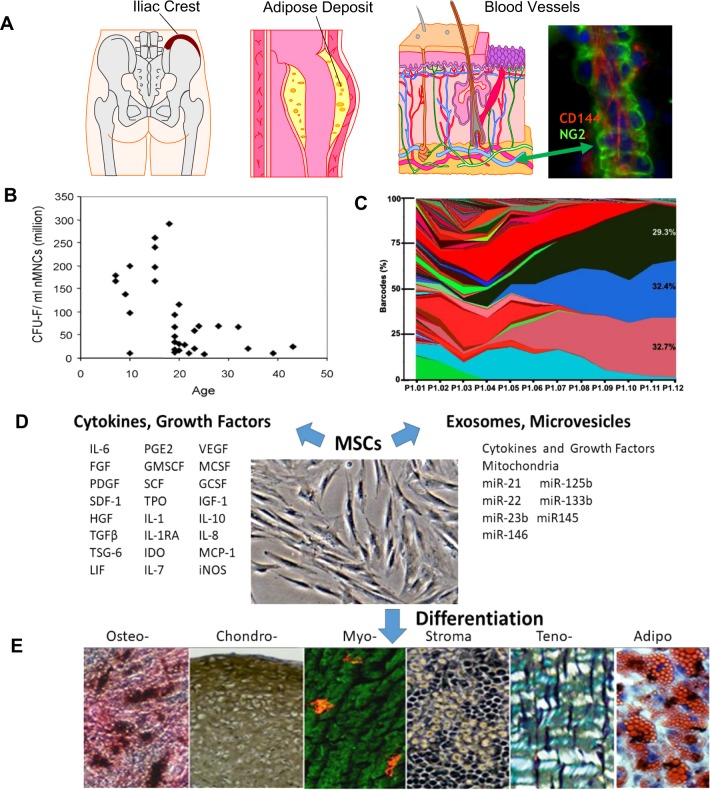
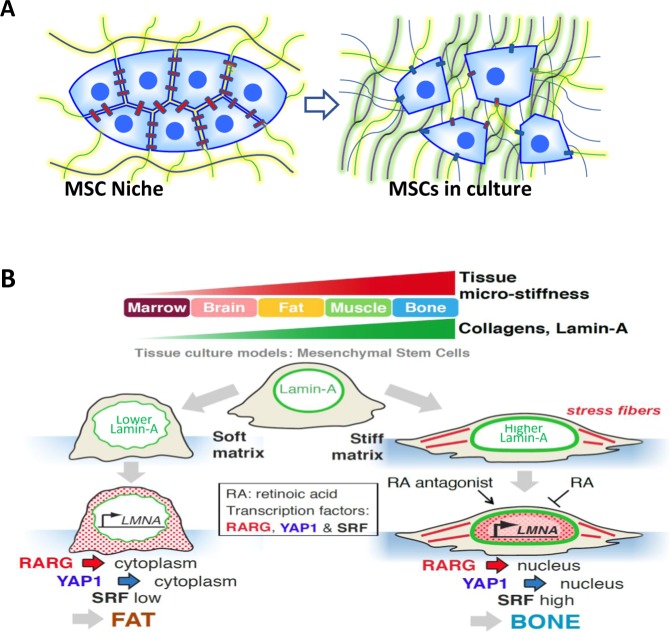
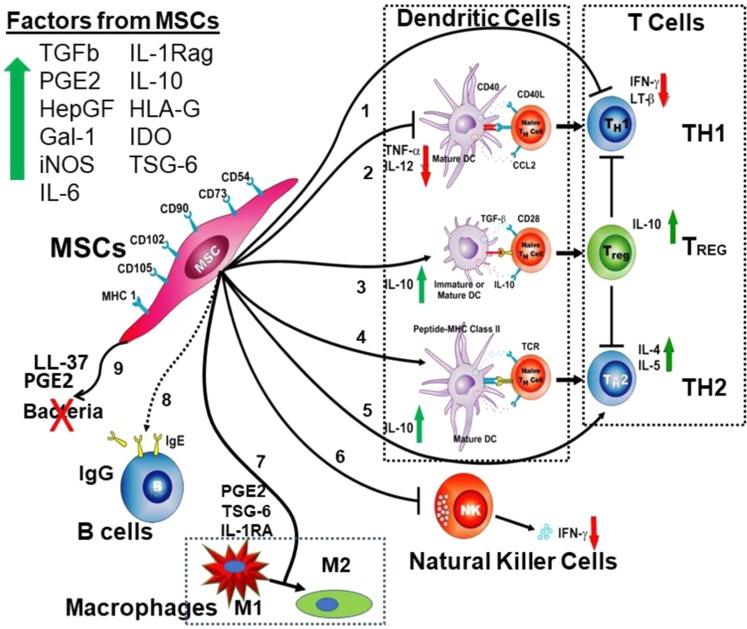
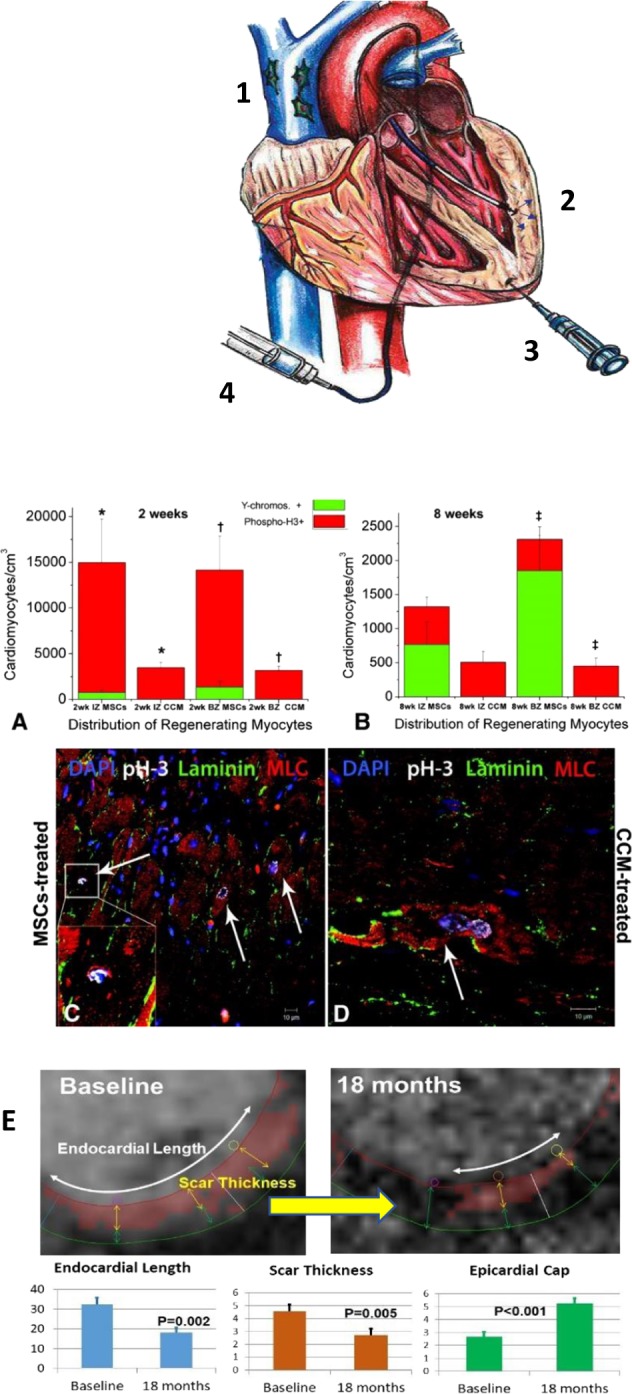
Verification
Claims the paper makes
The claims and statistics of this paper haven’t been checked yet.
Free: it reads the open-access text and checks the first 5 claims that cite a source we can check. Create a free account to check every claim.
Claims other papers make about this one
Each is checked against this paper’s own text: does it say what the citing paper says it does?
The source backs part of the claim, not all of it — or backs it for a different population, condition or comparison.
In the citing paper
“In many clinical trials, MSCs have shown little benefit [1, 5, 9].”
From Harmonised culture procedures minimise but do not eliminate mesenchymal stromal cell donor and tissue variability in a decentralised multicentre manufacturing approach (2023) · cites this paper as [1]
Experimental — accuracy not yet measuredThe source backs part of the claim, not all of it — or backs it for a different population, condition or comparison.
In the citing paper
“factors segregated by MSCs such as IL-1RA [73], [74] inhibit the product of TNF-α segregated by IL-1α-activated macrophages [73], on the other hand, inflammatory factors segregated by macrophages, such as TNF-α [4], [63] and LPS [63] activate MSCs to segregate anti-inflammatory mediators, including TSG-6 [4], [63], IL-10 [4], [63] and PGE2 [4], [63]”
From Mesenchymal stem cell secretome for regenerative medicine: Where do we stand? (2025) · cites this paper as [4]
Experimental — accuracy not yet measuredThe source backs part of the claim, not all of it — or backs it for a different population, condition or comparison.
In the citing paper
“MSC therapies demonstrated cartilage regeneration and early osteoarthritis improvement, but high costs and ethical concerns remain barriers to widespread adoption.”
From Advancements in Regenerative Therapies for Orthopedics: A Comprehensive Review of Platelet-Rich Plasma, Mesenchymal Stem Cells, Peptide Therapies, and Biomimetic Applications (2025) · cites this paper as [19]
Experimental — accuracy not yet measuredThe cited source says what the claim attributes to it.
In the citing paper
“MSCs have shown their therapeutic effects in numerous disease models as well as in some clinical trials [4].”
From Mesenchymal stem cell secretome for regenerative medicine: Where do we stand? (2025) · cites this paper as [4]
The cited source says what the claim attributes to it.
In the citing paper
“MSCs were shown to polarize macrophages from an inflammatory M1 phenotype to an anti-inflammatory M2 phenotype [4].”
From Mesenchymal stem cell secretome for regenerative medicine: Where do we stand? (2025) · cites this paper as [4]
Self-check
Percentages, sums and reported differences re-computed from the paper’s own numbers.
The self-check needs the paper’s full text.
Citations
Cites
Multilineage potential of adult human mesenchymal stem cells
Pittenger, M. F., Mackay, A. M., Beck, S. C., Jaiswal, R. K., Douglas, R., Mosca, J. D., Moorman, M. A., Simonetti, D. W., Craig, S., & Marshak, D. R. (1999) · Science · doi:10.1126/science.284.5411.143 · Cited by 21,052 · cited 20×
“MSCs are still largely defined by their in vitro expression of a restricted subset of cell surface proteins, and their capacity for stimulus-induced tri-lineage differentiation.(6,31) While this minimalistic definition has sufficed for almost two decades and is still widely used today, the field should benefit from th…”
BackgroundInfluentialSelf-citationDominici, M., Le Blanc, K., Mueller, I., Slaper-Cortenbach, I., Marini, F. C., Krause, D. S., Deans, R. J., Keating, A., Prockop, D. J., & Horwitz, E. M. (2006) · Cytotherapy · doi:10.1080/14653240600855905 · Cited by 17,766 · cited 1×
“MSCs are still largely defined by their in vitro expression of a restricted subset of cell surface proteins, and their capacity for stimulus-induced tri-lineage differentiation.(6,31) While this minimalistic definition has sufficed for almost two decades and is still widely used today, the field should benefit from th…”
BackgroundMatrix elasticity directs stem cell lineage specification
Engler, A. J., Sen, S., Sweeney, H. L., & Discher, D. E. (2006) · Cell · doi:10.1016/j.cell.2006.06.044 · Cited by 13,915 · cited 4×
“Growing MSCs for a longer time on either a soft or a stiff substrate progressively commits the cells to the corresponding lineages, making them refractory to rapid lineage switching by both soluble factors and substrate changes.(96,99) The molecular basis for this commitment— be it DNA methylation, microRNA, soluble f…”
BackgroundResultInfluentialSelf-citationMultilineage Cells from Human Adipose Tissue: Implications for Cell-Based Therapies
Zuk, P. A., Zhu, M., Mizuno, H., Huang, J., Futrell, J. W., Katz, A. J., Benhaim, P., Lorenz, H. P., & Hedrick, M. H. (2001) · Tissue Engineering · doi:10.1089/107632701300062859 · Cited by 7,956
Role of YAP/TAZ in mechanotransduction
Dupont, S., Morsut, L., Aragona, M., Enzo, E., Giulitti, S., Cordenonsi, M., Zanconato, F., Le Digabel, J., Forcato, M., Bicciato, S., et al. (2011) · Nature · doi:10.1038/nature10137 · Cited by 5,979 · cited 1×
“2b) into the nucleus in cells on stiff substrates to promote expression of differentiation genes for “stiff lineages”.(98,106) Further, MSCs respond to the surface curvature of their substrate.”
BackgroundHuman mesenchymal stem cells modulate allogeneic immune cell responses
Aggarwal, S., & Pittenger, M. F. (2005) · Blood · doi:10.1182/blood-2004-04-1559 · Cited by 4,511
Self-citationA perivascular origin for mesenchymal stem cells in multiple human organs
Crisan, M., Yap, S., Casteilla, L., Chen, C.-W., Corselli, M., Park, T. S., Andriolo, G., Sun, B., Zheng, B., Zhang, L., et al. (2008) · Cell Stem Cell · doi:10.1016/j.stem.2008.07.003 · Cited by 3,991 · cited 2×
“Further, although bone marrow was first used for MSC isolation and considered a renewable source, MSC-like cells have been isolated from many tissue sources including harvested adipose tissue,7,8 umbilical Wharton’s jelly,9 placenta,10,11 skin73 and the roots of shed teeth.74 The studies of microvascular pericytes soo…”
Self-citationMesenchymal and haematopoietic stem cells form a unique bone marrow niche
Méndez-Ferrer, S., Michurina, T. V., Ferraro, F., Mazloom, A. R., MacArthur, B. D., Lira, S. A., Scadden, D. T., Ma’ayan, A., Enikolopov, G. N., & Frenette, P. S. (2010) · Nature · doi:10.1038/nature09262 · Cited by 3,374 · cited 1×
“MSCs in bone marrow can exhibit dendritic shapes and express some neuro-typical markers such as CD271, TRK A, B and C mRNAs, and a moderate fraction of MSCs cultured on soft gels that mimic the softness of marrow or neural tissue favor expression of nestin, β3 tubulin, and other neuro-typic traits.(96,97) However, adi…”
ResultDi Nicola, M., Carlo-Stella, C., Magni, M., Milanesi, M., Longoni, P. D., Matteucci, P., Grisanti, S., & Gianni, A. M. (2002) · Blood · doi:10.1182/blood.v99.10.3838 · Cited by 3,226 · cited 1×
“Contemporaneous with early MSC/hematopoietic stem cell transplant clinical studies, in vitro studies tested allo-MSCs in mixed donor lymphocyte reactions and revealed the MSCs prevented lymphocyte proliferation, and do not cause apoptosis of T cells, rather the T cells will respond to subsequent lymphocyte challenge w…”
ResultEvidence for Cardiomyocyte Renewal in Humans
Bergmann, O., Bhardwaj, R. D., Bernard, S., Zdunek, S., Barnabé-Heider, F., Walsh, S., Zupicich, J., Alkass, K., Buchholz, B. A., Druid, H., et al. (2009) · Science · doi:10.1126/science.1164680 · Cited by 3,130 · cited 1×
“brain neurons, chondrocytes, and cardiomyocytes where the cell half-life is on the order of ~50 years.(132) When a tissue is damaged by trauma or disease, these regenerative repair processes may be accelerated, but this capacity diminishes with age, and each tissue ages somewhat differently.”
Background
Research works printed but not linked: 1
- Pittenger, M. F., Mbalaviele, G., Black, M., Mosca, J. D. & Marshak D. R. (2001). Adult mesenchymal stem cells from bone marrow. Primary Mesenchymal Cells, Ch. 10, Human Cell Culture, Vol. 5 (eds Koller, M. et al.) pp 190-207 (Kluwer Academic Publishers, Dordrecht, Netherlands, 2001).
Cited by
Items 801–900 of 1,001
Scutera, S., Mitola, S. M. F., Sparti, R., Salvi, V., Grillo, E., Piersigilli, G., Bugatti, M., Alotto, D., Schioppa, T., Sozzani, S., et al. (2021) · Infection and Immunity · doi:10.1128/iai.00141-21 · Cited by 12
“have recently received much attention due to their regenerative potential and immunomodulatory properties (9).”
BackgroundCurrent status of myocardial restoration via the paracrine function of mesenchymal stromal cells
Nguyen‐Truong, M., Hematti, P., & Wang, Z. (2021) · American Journal of Physiology-Heart and Circulatory Physiology · doi:10.1152/ajpheart.00217.2021 · Cited by 17
Luna, G. L. F., Oehlmeyer, T. L., Brandão, G., Brassolatti, P., Tosta, J., Goto, L. S., de Avó, L. R. D. S., & Leal, A. M. O. (2021) · Brazilian Journal of Medical and Biological Research · doi:10.1590/1414-431x2021e11352 · Cited by 13
“In diabetes, it has also been shown that MSCs accelerate wound healing (17).”
BackgroundPark, J. H., Kim, H., Moon, H. R., Park, B., Park, J.-H., Sim, W., Kim, J.-J., Lim, H. J., Kim, Y.-J., Ji, S. T., et al. (2021) · Experimental & Molecular Medicine · doi:10.1038/s12276-021-00676-x · Cited by 12
Şenkal, S., Hayal, T. B., Sağraç, D., Şişli, H. B., Asutay, A. B., Kıratlı, B., Sümer, E., Rizvanov, A. A., Şahin, F., & Doğan, A. (2021) · Stem Cell Reviews and Reports · doi:10.1007/s12015-021-10281-0 · Cited by 13
Architectural control of mesenchymal stem cell phenotype through nuclear actin
Rubin, J. E., van Wijnen, A. J., & Uzer, G. (2022) · Nucleus · doi:10.1080/19491034.2022.2029297 · Cited by 13
“There is greater uncertainty about the biological properties of isolated human MSCs derived from adult patients, which may not directly support tissue regeneration, but rather have trophic and immunomodulatory properties [21].”
BackgroundStem Cell Therapy for Neurogenic Bladder After Spinal Cord Injury: Clinically Possible?
Kim, S. J., Cho, Y. S., Park, J. M., Na, Y. G., & Kim, K. H. (2020) · International Neurourology Journal · doi:10.5213/inj.2040150.075 · Cited by 12
“Many studies have investigated stem cell therapy with MSC have been performed because MSCs because MSCs have considerable potential for differentiation and anti-inflammatory and immunomodulatory properties [26].”
BackgroundWang, J., He, W., Tan, W., & Cai, H. (2022) · Bioresources and Bioprocessing · doi:10.1186/s40643-022-00513-7 · Cited by 12
Liu, H., Müller, P. E., Aszódi, A., & Klar, R. M. (2023) · Frontiers in Bioengineering and Biotechnology · doi:10.3389/fbioe.2023.1140118 · Cited by 11
“The muscle tissue fragments were then divided into eight independent treatment groups: (Pittenger et al., 2019) Control (Con) group, containing the normal culture medium (Xiong et al.”
BackgroundMethodInfluentialCrosstalk between corepressor NRIP1 and cAMP signaling on adipocyte thermogenic programming
Tsagkaraki, E., Guilherme, A., Nicoloro, S. M. C., Kelly, M., Lifshitz, L. M., Wang, H., Min, K., Rowland, L. A., Santos, K. B., Wetoska, N., et al. (2023) · Molecular Metabolism · doi:10.1016/j.molmet.2023.101780 · Cited by 11
Rivas, I., Soltero‐Rivera, M. M., Vapniarsky, N., & Arzi, B. (2023) · Journal of Feline Medicine and Surgery · doi:10.1177/1098612x231185395 · Cited by 11
Matsugaki, A., Matsuzaka, T., Mori, T., Saito, M., Funaoku, K., Yamano, R., Gokcekaya, O., Ozasa, R., & Nakano, T. (2024) · International Journal of Bioprinting · doi:10.36922/ijb.1425 · Cited by 12
Mohamed, S. S., Zaki, H. F., & Raafat, S. N. (2024) · Advances in Pharmacological and Pharmaceutical Sciences · doi:10.1155/2024/2990670 · Cited by 11
“Furthermore, these stem cells secrete molecules that can initiate or enhance tissue regeneration processes [4].”
BackgroundMukhopadhyay, R., Chandel, P., Prasad, K., & Chakraborty, U. (2024) · Methods · doi:10.1016/j.ymeth.2024.03.005 · Cited by 12
Adipose-derived mesenchymal stem cells' adipogenesis chemistry analyzed by FTIR and Raman metrics
Augustyniak, K., Leśniak, M., Latka, H., Golan, M. P., Kubiak, J. Z., Zdanowski, R., & Małek, K. (2024) · Journal of Lipid Research · doi:10.1016/j.jlr.2024.100573 · Cited by 11
“The bone marrow and adipose tissues are the most well-known sources of MSCs. Obtaining sufficient MSCs from bone marrow for medical treatment is problematic due to its comparatively low percentage as well as the burden of medical intervention (8).”
BackgroundRunning on empty: Exploring stem cell exhaustion in geriatric musculoskeletal disease
Lawton, A., Tripodi, N., & Feehan, J. (2024) · Maturitas · doi:10.1016/j.maturitas.2024.108066 · Cited by 12
Farag, A. A. G., Ngeun, S. K., Kaneda, M., Aboubakr, M., Elhaieg, A., Hendawy, H. A., & Tanaka, R. (2024) · International Journal of Molecular Sciences · doi:10.3390/ijms25189908 · Cited by 11
“MSCs facilitate tissue regeneration by releasing growth factors, cytokines, and extracellular vesicles, which together promote cell proliferation, inhibit apoptosis, and enhance the regenerative response [7].”
BackgroundHorie, T., Hirata, H., Sakamoto, T., Kitajima, H., Fuku, A., Nakamura, Y., Sunatani, Y., Tanida, I., Sunami, H., Tachi, Y., et al. (2024) · Stem Cell Research & Therapy · doi:10.1186/s13287-024-04072-w · Cited by 12
Pu, Z., Zhang, L., Yang, H., Shao, T., Wang, D., Wang, J., Yan, Y., & Si, W. (2025) · International Journal of Biological Macromolecules · doi:10.1016/j.ijbiomac.2025.139716 · Cited by 11
Basok, Y. B., Ponomareva, A. S., Grudinin, N. V., Kruglov, D., Bogdanov, V. K., Belova, A. D., & Sevastianov, V. I. (2024) · Russian Journal of Transplantology and Artificial Organs · doi:10.15825/1995-1191-2025-1-114-134 · Cited by 12
Zayed, M., Kim, Y., & Jeong, B. (2025) · Stem Cell Research & Therapy · doi:10.1186/s13287-025-04273-x · Cited by 11
“The morphological characteristics and viability of MSCs are crucial, as they influence the cells’ ability to regenerate tissues and differentiate into specific cell lineages [11].”
Tan, J., Yunxia, H., Zheng, L., Zheng, Z., Fu, M., Peng, H., & Ma, S. (2025) · Journal of Extracellular Vesicles · doi:10.1002/jev2.70053 · Cited by 11
“Mesenchymal stem cells (MSCs), as a type of pluripotent stem cells which possess strong proliferative, immunomodulation and tissue repair abilities, are emerging as a promising and safe therapeutic cell therapy for disease treatment (Pittenger et al. 2019).”
Ali, L., Shaaban, F., Sokhn, E. S., & Saleh, F. (2025) · Stem Cell Research & Therapy · doi:10.1186/s13287-025-04570-5 · Cited by 14
Kucharczyk, H., Tarnowski, M., & Tkacz, M. (2025) · Molecules · doi:10.3390/molecules30244808 · Cited by 11
“In 1992, isolation of human bone marrow MSCs was reported, and infusion into patients was first carried out in 1993, as reported in 1995 [6].”
A pan-cancer single-cell transcriptomic atlas of human bone metastases
Wang, S., Ma, F., Wang, D., Yu, Q., Zheng, H., Chen, Z., Zhao, S., Xu, L., Ye, Q., Tan, Y., et al. (2026) · Cell Reports Medicine · doi:10.1016/j.xcrm.2025.102583 · Cited by 14
“79,80 In order to understand the role of mesenchymal stromal cells in the context of BMs, we identified 61,703 mesenchymal stromal cells based on the expression of classical marker gene THY1 (Figure 1D).”
Kale, V. P. (2020) · Cell Biology International · doi:10.1002/cbin.11437 · Cited by 11
“Systemic administration of MSCs in regenerative medicine protocols targeting non‐hematopoietic tissues and organs also forms an important area in clinical research (Pittenger et al., 2019; H. Wang, Strange, et al., 2018).”
BackgroundReed, E. R., & Monti, S. (2021) · Nucleic Acids Research · doi:10.1093/nar/gkab552 · Cited by 11
“Further partitioning of the 11 nonepithelial cell types yielded two main subgroups characterized by shared progenitor cells: immune (55) and mesenchymal stem cells (56), with the immune cell subgroup also including endothelial cells.”
BackgroundAdipose-derived stromal/stem cells and extracellular vesicles for cancer therapy
Hamilton, G., & Teufelsbauer, M. (2021) · Expert Opinion on Biological Therapy · doi:10.1080/14712598.2021.1954156 · Cited by 11
“MSCs can be isolated from a variety of tissues including bone marrow, adipose tissue, placenta, cord blood, and Wharton`s Jelly (WJ) [6,21].”
BackgroundNguyen, M. Q., Bui, H. T. H., Tuyet, A. N. T., Nhung, T. T. H., Hoang, D. M., Liêm, N. T., & Hoang, V. T. (2021) · Cell Transplantation · doi:10.1177/09636897211039441 · Cited by 11
Bogliotti, Y. S., Roest, M. V., Mattis, A. N., Gish, R. G., Peltz, G., Anwyl, R., Kivlighn, S. D., & Schuur, E. R. (2022) · Cells · doi:10.3390/cells11131998 · Cited by 11
“A large body of literature has demonstrated the ability of mesenchymal stromal cells (MSC) to deliver multiple beneficial effects in vivo, including the suppression of inflammation and the stimulation of tissue regeneration [13,15,18].”
BackgroundGonzaga, V. F., Wenceslau, C. V., Vieira, D. P., Policiquio, B. D. O., Khalil, C., Araldi, R. P., & Kerkis, I. (2022) · Cells · doi:10.3390/cells11142252 · Cited by 12
“This is because the MSCs can elicit reparative and immunomodulatory effects through paracrine and systemic mechanisms, benefiting many organs [13–16] in a manner that is independent of the long-term engraft [17].”
BackgroundImproving Lentiviral Transduction of Human Adipose-Derived Mesenchymal Stem Cells
Collon, K. W., Gallo, M. C., Bell, J. A., Chang, S. W., Rodman, J., Sugiyama, O., Kohn, D. B., & Lieberman, J. R. (2022) · Human Gene Therapy · doi:10.1089/hum.2022.117 · Cited by 11
Cho, S., Choi, H., Jeong, H., Kwon, S. Y., Roh, E. J., Jeong, K.-H., Baek, I., Kim, B., Lee, S., Han, I., et al. (2022) · Stem Cells Translational Medicine · doi:10.1093/stcltm/szac052 · Cited by 11
Disruption of CCL2 in Mesenchymal Stem Cells as an Anti-Tumor Approach against Prostate Cancer
Bui, Q. T., Lee, K., Fan, Y.-C., Lewis, B. S., Deng, L., & Tsai, Y. (2023) · Cancers · doi:10.3390/cancers15020441 · Cited by 12
“Many studies have aimed to apply MSCs as a therapeutic approach in clinics [34]; we hypothesized that genetically engineered MSCs with CCL2 KO can enhance the anti-proliferation activities against tumors.”
BackgroundSzabłowska‐Gadomska, I., Humięcka, M., Brzezicka, J., Chróścicka, A., Płaczkowska, J., Ołdak, T., & Lewandowska-Szumieł, M. (2023) · Cells · doi:10.3390/cells12050680 · Cited by 11
“gov) which is also reflected in a number of review papers [3,13,14,16,18].”
BackgroundStem cell derived therapies to preserve and repair the developing intestine
Mesfin, F. M., Manohar, K., Hunter, C., Shelley, W. C., Brokaw, J. P., Liu, J., Ma, M., & Markel, T. A. (2023) · Seminars in Perinatology · doi:10.1016/j.semperi.2023.151727 · Cited by 11
Advances in the applications of mesenchymal stem cell-conditioned medium in ocular diseases
Zhang, C., Xiao, J., Fa, L., Jiang, F., Jiang, H., Zhou, L., & Xu, Z. (2023) · Experimental Eye Research · doi:10.1016/j.exer.2023.109560 · Cited by 12
Chen, F., Li, S., Wu, J. A., Guo, Q., Wang, H., Ni, B., & Yang, J. (2023) · Current Molecular Medicine · doi:10.2174/1566524023666230816090843 · Cited by 11
Donnaloja, F., Raimondi, M. T., Messa, L., Barzaghini, B., Carnevali, F., Colombo, E., Mazza, D., Martinelli, C., Boeri, L., Rey, F., et al. (2023) · APL Bioengineering · doi:10.1063/5.0153215 · Cited by 11
Shanbhag, S., Al‐Sharabi, N., Kampleitner, C., Mohamed‐Ahmed, S., Kristoffersen, E. K., Tangl, S., Mustafa, K., Gruber, R., & Sanz, M. (2023) · Clinical Oral Implants Research · doi:10.1111/clr.14205 · Cited by 11
On the compatibility of single-cell microcarriers (nanovials) with microfluidic impedance cytometry
Brandi, C., Ninno, A. D., Ruggiero, F., Limiti, E., Abbruzzese, F., Trombetta, M., Rainer, A., Bisegna, P., & Caselli, F. (2024) · Lab on a Chip · doi:10.1039/d4lc00002a · Cited by 11
FIND-seq: high-throughput nucleic acid cytometry for rare single-cell transcriptomics
Shin, S. W., Mudvari, P., Thaploo, S., Wheeler, M. A., Douek, D. C., Quintana, F. J., Boritz, E., Abate, A. R., & Clark, I. C. (2024) · Nature Protocols · doi:10.1038/s41596-024-01021-y · Cited by 12
Lee, S. S., Halawani, A. A., Teo, J. D., Weiss, A. S., & Yeo, G. C. (2024) · Advanced Science · doi:10.1002/advs.202402168 · Cited by 12
Xinyi, Y., Vladimirovich, R. I., Beeraka, N. M., Satyavathi, A., Kamble, D., Nikolenko, V. N., Lakshmi, A. N., Basappa, B., Padmanabha Reddy, Y., Fan, R., et al. (2024) · Stem Cell Research & Therapy · doi:10.1186/s13287-024-04008-4 · Cited by 12
The Potential of Mesenchymal Stem Cell-Derived Exosomes to Treat Diabetes Mellitus
Kim, J.-E., Lee, J. W., Cha, G. D., & Yoon, J. (2025) · Biomimetics · doi:10.3390/biomimetics10010049 · Cited by 12
Demographic representation in clinical trials for cell-based therapy
Saltzman, R., Jayaweera, D. T., Caceres, L. V., Tovar, J. A., Vidro-Casiano, M., Karakeshishyan, V., Soto, J., Khan, A., Mitrani, R. D., Schulman, I. H., et al. (2021) · Contemporary Clinical Trials Communications · doi:10.1016/j.conctc.2021.100702 · Cited by 11
“) and fundamental mechanisms of disease [14], which in turn leads to improvements in safety and efficacy of the investigational therapy.”
BackgroundSelf-citationMoral obligations in conducting stem cell-based therapy trials for autism spectrum disorder
Yeo-Teh, N. S. L., & Tang, B. L. (2021) · Journal of Medical Ethics · doi:10.1136/medethics-2020-107106 · Cited by 11
Kang, B., Han, S., Son, H. Y., Mun, B., Shin, M., Choi, Y., Park, J., Min, J., Park, D., Lim, E., et al. (2021) · Biosensors and Bioelectronics · doi:10.1016/j.bios.2021.113576 · Cited by 11
Banking of AT-MSC and its Influence on Their Application to Clinical Procedures
Semenova, E., Grudniak, M., Bocian, K., Chrościńska–Krawczyk, M., Trochonowicz, M., Stepaniec, I. M., Murzyn, M., Szabłowska‐Gadomska, I., Boruczkowski, D., Ołdak, T., et al. (2021) · Frontiers in Bioengineering and Biotechnology · doi:10.3389/fbioe.2021.773123 · Cited by 12
“Due to these unique properties AT-MSCs are widely used in regenerative medicine and other clinical applications (Wang et al., 2012; Kim and Cho, 2013; Semenova et al., 2018; Han et al., 2019; Pittenger et al., 2019).”
BackgroundWei, H., Green, E., Ball, L. E., Fan, H., Lee, J., Strange, C., & Wang, H. (2021) · Biology · doi:10.3390/biology11010009 · Cited by 11
“Based on their easy accessibility from multiple tissue sources, easy ex vivo expansion, and tissue protective and immunomodulatory properties [1,2], these cells have been studied for their paracrine effects on a number of human diseases [3,4].”
BackgroundPutra, A. B., Suwiryo, Z. H., Muhar, A. M., Widyatmoko, A., & Rahmi, F. L. (2021) · Folia Medica · doi:10.3897/folmed.63.e57636 · Cited by 14
Kaushal, K., Tyagi, A., Karapurkar, J. K., Kim, E., Tanguturi, P., Kim, K.-S., Jung, H.-S., & Ramakrishna, S. (2022) · International Journal of Molecular Sciences · doi:10.3390/ijms23020856 · Cited by 11
How to Make Sense out of 75,000 Mesenchymal Stromal Cell Publications?
Mönch, D., Reinders, M. E. J., Dahlke, M. H., & Hoogduijn, M. J. (2022) · Cells · doi:10.3390/cells11091419 · Cited by 11
“Moreover, the anticipated use of autologous MSC may be expensive, because each culture has to undergo its own extensive safety testing prior to infusion [5].”
BackgroundBarone, L., Rossi, F., Valdatta, L. A., Cherubino, M., Papait, R., Binelli, G., Romano, N., Bernardini, G., & Gornati, R. (2022) · Nanomaterials · doi:10.3390/nano12091521 · Cited by 14
“Considering all the above, it is clear that it is urgent to focus the research on cell-free therapy and on the development of powerful cell-derivative systems to use in regenerative medicine [13].”
BackgroundAdipose-derived stem cells in the treatment of hepatobiliary diseases and sepsis
Satılmış, B., Çiçek, G. S., Çiçek, E., Akbulut, S., Şahin, T. T., & Yılmaz, S. (2022) · World Journal of Clinical Cases · doi:10.12998/wjcc.v10.i14.4348 · Cited by 11
Watt, S. M. (2022) · PubMed Central · doi:10.12336/biomatertransl.2022.01.005 · Cited by 11
Malinauskas, M., Jankauskaitė, L., Aukstikalne, L., Dabasinskaite, L., Rimkūnas, A., Mickevičius, T., Pockevičius, A., Krugly, E., Martuzevičius, D., Čiužas, D., et al. (2022) · Frontiers in Bioengineering and Biotechnology · doi:10.3389/fbioe.2022.971294 · Cited by 13
“, 2020), while the most commonly used adult source tissue for human MSCs are bone marrow, muscle, and adipose tissue (Pittenger et al., 2019).”
BackgroundHodge, J., Robinson, J. L., & Mellott, A. J. (2022) · Regenerative Medicine · doi:10.2217/rme-2022-0140 · Cited by 11
The role of Wnt signaling in mesenchymal stromal cell-driven angiogenesis
Mankuzhy, P. D., Dharmarajan, A., Perumalsamy, L. R., Sharun, K., Samji, P., & Dilley, R. J. (2023) · Tissue and Cell · doi:10.1016/j.tice.2023.102240 · Cited by 13
Dregalla, R. C., Uribe, Y., & Bodor, M. (2020) · The Spine Journal · doi:10.1016/j.spinee.2020.06.011 · Cited by 12
Advances in Cellular and Cell-Free Therapy Medicinal Products for Huntington Disease Treatment
Kerkis, I., Araldi, R. P., Wenceslau, C. V., & Mendes, T. B. (2022) · IntechOpen eBooks · doi:10.5772/intechopen.102539 · Cited by 15
Miyoshi, H., Yamazaki, M., Fujie, H., & Kidoaki, S. (2023) · Biophysics and Physicobiology · doi:10.2142/biophysico.bppb-v20.0018 · Cited by 10
Uwazie, C. C., Pirlot, B. M., Faircloth, T. U., Patel, M., Parr, R. N., Zastre, H. M., Hematti, P., Moll, G., Rajan, D., & Chinnadurai, R. (2023) · Frontiers in Immunology · doi:10.3389/fimmu.2023.1214098 · Cited by 10
Al‐Saadi, J., Waldén, M., Sandell, M., Sohlmér, J., Grankvist, R., Friberger, I., Andersson, A., Carlsten, M., Chien, K. R., Lundberg, J., et al. (2024) · Molecular Therapy — Methods & Clinical Development · doi:10.1016/j.omtm.2024.101225 · Cited by 10
“14 Several previous and ongoing clinical trials have examined the effects of hMSCs for cardiac indications, the results of which are often unexceptional.”
BackgroundInfante, A., Alcorta-Sevillano, N., Macías, I., Cabodevilla, L., Medhat, D., Lafaver, B. N., Crawford, T. K., Phillips, C. L., Bueno, A. M., Sagastizábal, B., et al. (2024) · Biomedicine & Pharmacotherapy · doi:10.1016/j.biopha.2024.116725 · Cited by 10
Zamani, M., & Mohammadi, S. (2024) · Computers in Biology and Medicine · doi:10.1016/j.compbiomed.2024.108829 · Cited by 11
Citro, V., Clerici, M., Porta, G. D., Maffulli, N., Boccaccini, A. R., Dale, T. P., & Forsyth, N. R. (2025) · Stem Cells International · doi:10.1155/sci/9047956 · Cited by 10
“…well-suited for tissue regeneration: their ability to regulate the immune system [9], which helps mitigate abnormal immune responses, their capacity for paracrine or autocrine functions that produce growth factors (GFs) [10] and their capability to differentiate into speci fi c target cells [11].”
Mirzaahmadi, B., Ahmadian, S., Haddadi, P., Nezhad‐Mokhtari, P., Nezamdoust, F. V., Yalameha, B., Chegeni, S. A., Rashidi, S., Mousakhani, A., Sokullu, E., et al. (2025) · Cell Communication and Signaling · doi:10.1186/s12964-025-02286-w · Cited by 11
“For clinical purposes and basic science experiments, MSCs can be isolated from different tissues, in which bone marrow, umbilical cord, and adipose tissues are the most common sources [85].”
Zhang, Q., Li, J., Jia, J., He, S., Mei, A., Zhang, Z., Cao, Y., Zhang, X., Zhang, Y., Li, Z., et al. (2025) · Biomaterials · doi:10.1016/j.biomaterials.2025.123518 · Cited by 12
Shemshadsara, F. G., Ai, J., Bayat, M., Ebrahimi‐Barough, S., Shirian, S., Mohamadnia, A., Kouhestani, M., Javdani, M., Karimzadeh, M. H., & Bahrami, N. (2025) · Journal of Biological Engineering · doi:10.1186/s13036-025-00578-w · Cited by 12
Zhao, X., Huang, B. S., Wang, H., Ni, N., He, F., Liu, Q., Shi, D., Chen, C., Zhao, P., Wang, X., et al. (2021) · PubMed · Cited by 10
Zhang, Q., Huang, K., Lv, J., Fang, X., He, J., Lv, A., Sun, X., Cheng, L., Zhong, Y., Wu, S., et al. (2021) · Frontiers in Medicine · doi:10.3389/fmed.2021.691329 · Cited by 11
Kapor, S., Vukotić, M., Subotički, T., Đikić, D., Ajtić, O. M., Radojković, M., Čokić, V. P., & Santibanez, J. F. (2021) · Journal of Personalized Medicine · doi:10.3390/jpm11111048 · Cited by 11
“BMMSC play role in different aspect of cellular and tissue biology, such as tissue regeneration, differentiation, immunomodulation, and as part of the hematopoietic niches [5,46].”
BackgroundMaking Connections: Mesenchymal Stem Cells Manifold Ways to Interact with Neurons
Tarasiuk, O., Ballarini, E., Donzelli, E., Rodriguez‐Menendez, V., Bossi, M., Cavaletti, G., & Scuteri, A. (2022) · International Journal of Molecular Sciences · doi:10.3390/ijms23105791 · Cited by 10
“In addition, it is more and more evident that MSCs possess the ability to change their expression pattern according to the surrounding milieu, thus properly responding to the exogenous stimulation [10].”
BackgroundStem Cell Based Approaches to Modulate the Matrix Milieu in Vascular Disorders
Sajeesh, S., Dahal, S., Bastola, S., Dayal, S., Yau, J., & Ramamurthi, A. (2022) · Frontiers in Cardiovascular Medicine · doi:10.3389/fcvm.2022.879977 · Cited by 11
Roles of Stem Cell Exosomes and their MicroRNA Carrier in Bone and Cartilage Regeneration
Yang, D., Chen, Z., Xu, Z., Qin, L., Yi, W., & Long, Y. (2022) · Current Stem Cell Research & Therapy · doi:10.2174/1574888x17666220817093305 · Cited by 10
Romanazzo, S., Kopecky, C., Jiang, S., Doshi, R. B., Mukund, V., Srivastava, P., Rnjak‐Kovacina, J., Kelly, K., & Kilian, K. A. (2022) · Journal of Tissue Engineering and Regenerative Medicine · doi:10.1002/term.3347 · Cited by 10
“…for tissue regeneration has been at the forefront of regenerative medicine efforts for several decades, with mesenchymal stromal cells (also known as mesenchymal stem cells (MSCs) isolated from bone marrow, adipose tissue, and multiple other sources taking center stage (Pittenger et al., 2019).”
BackgroundResultInfluentialHuman fetal membrane-mesenchymal stromal cells generate functional spinal motor neurons in vitro
Gaggi, G., Credico, A. D., Guarnieri, S., Mariggiò, M. A., Ballerini, P., Baldassarre, A. D., & Ghinassi, B. (2022) · iScience · doi:10.1016/j.isci.2022.105197 · Cited by 10
“The association with the vasculature would allow the MSCs to respond quickly to injuries and would explain the wide distribution of these cells (Pittenger et al., 2019) and the references herein); therefore, in this scenario, the hFM-MSCs might be derived from the vasculature of the amniochorionic membrane.”
Yen, C., Cheng, N., Hsieh, H., Tsai, C.-W., Lee, A., Lu, C.-Y., Chen, Y.-T., & Young, T. (2022) · Materials Today Bio · doi:10.1016/j.mtbio.2022.100514 · Cited by 10
Joshi, J. M., Muttigi, M. S., Upadhya, R., & Seetharam, R. N. (2023) · Immunopharmacology and Immunotoxicology · doi:10.1080/08923973.2023.2180388 · Cited by 10
“Furthermore, the action of MSCs can be manipulated by the environment they are in, and this can be seen in their genetic signature as well [4].”
BackgroundNewby, S. D., Forsynth, C., Bow, A. J., Bourdo, S. E., Hung, M., Cheever, V. J., Moffat, R., Gross, A. J., Licari, F. W., & Dhar, M. S. (2023) · Nanomaterials · doi:10.3390/nano13071149 · Cited by 10
Su, Y., Ai, S., Shen, Y., Cheng, W., Xu, C., Sui, L., & Zhao, Y. (2023) · International Journal of Molecular Sciences · doi:10.3390/ijms24086981 · Cited by 10
Mohammadi, P., Nadri, S., Abdanipour, A., & Mortazavi, Y. (2023) · Journal of Biomedical Materials Research Part A · doi:10.1002/jbm.a.37549 · Cited by 10
Induced pluripotent stem cells in companion animals: how can we move the field forward?
Barrachina, L., Arshaghi, T. E., O’Brien, A., Ivanovska, A., & Barry, F. (2023) · Frontiers in Veterinary Science · doi:10.3389/fvets.2023.1176772 · Cited by 11
“Simply put, valuable insights can be translated in both directions to accelerate translation (6).”
BackgroundMesenchymal Stromal Cell Therapy in Lung Transplantation
Nykänen, A. I., Liu, M., & Keshavjee, S. H. (2023) · Bioengineering · doi:10.3390/bioengineering10060728 · Cited by 10
“This has important therapeutic implications for MSCs, as allogenic MSC may be used without eliciting a robust immunoreaction or cytolysis [6,17].”
BackgroundInfluentialSharma, D., Sharma, A., Hu, L., Chen, T.-A., Voon, S., Bayless, K. J., Goldman, J., Walsh, A. J., & Zhao, F. (2023) · Bioactive Materials · doi:10.1016/j.bioactmat.2023.07.023 · Cited by 13
Mesenchymal stromal cell secretory molecules improve the functional survival of human islets
Hong, T., Caxaria, S., Gatward, L. F. D., Hussain, S., Zhao, M., King, A., Rackham, C. L., & Jones, P. M. (2023) · Diabetic Medicine · doi:10.1111/dme.15227 · Cited by 10
Ferrell, J. L., Dodson, A., & Martin, J. (2023) · Regenerative Medicine · doi:10.2217/rme-2023-0086 · Cited by 10
Does the route matter? A preclinical review of mesenchymal stromal cell delivery to the kidney
Kresse, J., Gregersen, E., Atay, J. C. L., Eijken, M., & Nørregaard, R. (2023) · Apmis · doi:10.1111/apm.13352 · Cited by 10
“Whereas regenerative effects are thought to be of less importance in renal disease, MSC’s immunomodulatory effects by interaction with cells of both the innate and the adaptive immune system are believed to be the major actors of MSC’s therapeutic effects [3].”
BackgroundLin, G., Pan, W., He, Y., Xiao, Y., Zhou, P., & Lu, J. (2024) · Tissue Engineering Part B Reviews · doi:10.1089/ten.teb.2023.0253 · Cited by 11
“10 Two-dimensional cultures for expanding MSCs in vitro are more commonly used in the research and clinical applications of exosomes, 11 while recent studies suggest that three-dimensional culture strategies can optimize the yield and improve the therapeutic potency by enhancing the stemness of…”
Iron overload and programmed bone marrow cell death: Potential mechanistic insights
Wudhikulprapan, W., Chattipakorn, S. C., Chattipakorn, N., & Kumfu, S. (2024) · Archives of Biochemistry and Biophysics · doi:10.1016/j.abb.2024.109954 · Cited by 11
Farzamfar, S., Garcia, L., Rahmani, M., & Bolduc, S. (2024) · Bioengineering · doi:10.3390/bioengineering11050494 · Cited by 12
“These differences in MSCs behavior stem from the unique microenvironments and developmental origins of their respective tissues, with distinct niches in each tissue influencing their epigenetic and transcriptional profiles, thereby shaping their functional properties [48,84].”
BackgroundTaeb, S., Rostamzadeh, D., Amini, S. M., Rahmati, M. M., Golshekan, M., Abedinzade, M., Ahmadi, E., Singh, N. C., & Najafi, M. (2024) · Current Topics in Medicinal Chemistry · doi:10.2174/0115680266299112240514103048 · Cited by 11
Reis, A. L. G., Maximino, J. R., Lage, L. A. D. P. C., Gomes, H. R., Pereira, J. C., Brofman, P. R. S., Senegaglia, A. C., Rebelatto, C. L. K., Daga, D. R., Paiva, W. S., et al. (2024) · Stem Cell Research & Therapy · doi:10.1186/s13287-024-03820-2 · Cited by 11
“Indeed, recent clinical trials have revealed positive effects of MSCs for the treatment of some neurodegenerative diseases [50, 51], including ALS [7, 8, 52, 53].”
BackgroundLi, P. (2024) · World Journal of Cardiology · doi:10.4330/wjc.v16.i12.776 · Cited by 10
Ra, K., Oh, H. J., Kim, E. Y., Kang, S. K., Ra, J. C., Kim, E. H., Park, S. C., & Lee, B. C. (2021) · Antioxidants · doi:10.3390/antiox10020268 · Cited by 10
“Among multiple sources, adipose-derived MSCs (ASCs) are the most widely studied, forming the basis of research on MSC-based therapy [15] and is representatively known a strong antioxidant [6,13,16–18].”
Stem Cell Applications in Lysosomal Storage Disorders: Progress and Ongoing Challenges
Köse, S., Aerts‐Kaya, F., Uçkan, D., & Korkusuz, P. (2021) · Advances in experimental medicine and biology · doi:10.1007/5584_2021_639 · Cited by 11
Večerić‐Haler, Ž., Kojc, N., Sever, M., Zver, S., Švajger, U., Poženel, P., Hartman, K. P., Urdih, T., Mlinšek, G., Oblak, M., et al. (2021) · Frontiers in Medicine · doi:10.3389/fmed.2021.708744 · Cited by 10
Hart, D. A. (2021) · International Journal of Molecular Sciences · doi:10.3390/ijms22168637 · Cited by 11
de Freitas, C. L., Polonio, C. M., Brandão, W. N., Rossato, C., Zanluqui, N. G., de Oliveira, L. G., de Oliveira, M. G., Evangelista, L., Halpern, S., Maluf, M., et al. (2021) · Stem Cell Reviews and Reports · doi:10.1007/s12015-021-10226-7 · Cited by 11
Metadata
- Authors
- Pittenger, M. F., Discher, D. E., Péault, B. M., Phinney, D. G., Hare, J. M., & Caplan, A. I.
- Affiliations
- University of Maryland, Baltimore (US)
- University of Pennsylvania (US)
- University of California, Los Angeles (US)
- Scripps Research Institute (US)
- University of Miami (US)
- Case Western Reserve University (US)
- Corresponding author
- Pittenger, Mark F.
- Péault, Bruno M.
- Venue
- npj Regenerative Medicine
- Published
- 2019-12-02
- Volume
- 4
- Issue
- 1
- Pages
- 22-22
- ISSN
- 2057-3995 (ISSN-L)
- PMC
- PMC6889290
- OpenAlex
- W2991416247
- Cited by
- 2,008
- References
- 163
- Citations by year
- 2026: 187 · 2025: 272 · 2024: 348 · 2023: 318 · 2022: 346 · 2021: 385 · 2020: 148
- FWCI
- 27.07
- Type
- journal article
- Language
- en
- Open access
- gold
- doi.org
- Licence
- cc-by
- creativecommons.org/licenses/by/4.0 (tdm)
- creativecommons.org/licenses/by/4.0 (vor)
- Locations
- npj Regenerative Medicine (publishedVersion, cc-by)
- PubMed Central (publishedVersion, cc-by)
- PubMed (publishedVersion)
- DOAJ (DOAJ: Directory of Open Access Journals) (submittedVersion)
- Funders
- National Heart, Lung, and Blood Institute (R01HL124106)
- National Cancer Institute (U01CA254886)
- National Institute of Biomedical Imaging and Bioengineering (EB021911, P41EB021911)
- Topics
- Life Sciences › Biochemistry, Genetics and Molecular Biology › Cell Biology › Mesenchymal stem cell research
- Health Sciences › Dentistry › Periodontics › Periodontal Regeneration and Treatments
- Health Sciences › Medicine › Hematology › Hematopoietic Stem Cell Transplantation
- Keywords
- mesenchymal stem cells, cell differentiation, immunomodulation, anti-inflammatory activity, clinical trials, cell therapy, intercellular communication, cell delivery, patient selection, biomedical engineering
About these checks
Registry, retraction, Cites and statistics results are computed, not judged, with one exception: a printed reference that no index lists is read once by a model before it counts as a citation error. Claims are extracted by a model and kept only when their quote appears verbatim in the text; each cited source is then checked, with a model’s help, for whether it says what the claim relies on. Those verdicts can be wrong — read the claim’s quote and the cited source before relying on one.
Statistics and arithmetic are recomputed, not judged.
Confidence bands are shown only for fields calibrated on our annotated test set. None is calibrated yet, so no band is shown.
What counts as a claim ›How we measure confidence ›How we check this ›
Are you an author, or do you see a problem with this page? Request a review
Data sources
Bibliographic data: Semantic Scholar, OpenAlex, Crossref.
Contains information from the Semantic Scholar Academic Graph Datasets, made available under the ODC Attribution License (ODC-BY 1.0).
Semantic Scholar’s data is described in: Kinney, R., et al. (2023). The Semantic Scholar Open Data Platform. arXiv:2301.10140.
