

Mesenchymal stem cell perspective: cell biology to clinical progress
Open accessThe DOI matches its Crossref record; 162 of the 163 references it cites were found in a registry or an index.
Abstract
The terms MSC and MSCs have become the preferred acronym to describe a cell and a cell population of multipotential stem/progenitor cells commonly referred to as mesenchymal stem cells, multipotential stromal cells, mesenchymal stromal cells, and mesenchymal progenitor cells. The MSCs can differentiate to important lineages under defined conditions in vitro and in limited situations after implantation in vivo. MSCs were isolated and described about 30 years ago and now there are over 55,000 publications on MSCs readily available. Here, we have focused on human MSCs whenever possible. The MSCs have broad anti-inflammatory and immune-modulatory properties. At present, these provide the greatest focus of human MSCs in clinical testing; however, the properties of cultured MSCs in vitro suggest they can have broader applications. The medical utility of MSCs continues to be investigated in over 950 clinical trials. There has been much progress in understanding MSCs over the years, and there is a strong foundation for future scientific research and clinical applications, but also some important questions remain to be answered. Developing further methods to understand and unlock MSC potential through intracellular and intercellular signaling, biomedical engineering, delivery methods and patient selection should all provide substantial advancements in the coming years and greater clinical opportunities. The expansive and growing field of MSC research is teaching us basic human cell biology as well as how to use this type of cell for cellular therapy in a variety of clinical settings, and while much promise is evident, careful new work is still needed.
Overview
The claims and statistics of this paper haven’t been checked yet.
Free: it reads the open-access text and checks the first 5 claims that cite a source we can check. Create a free account to check every claim.
Integrity signals
Registry
Cites
Statistics
Figures
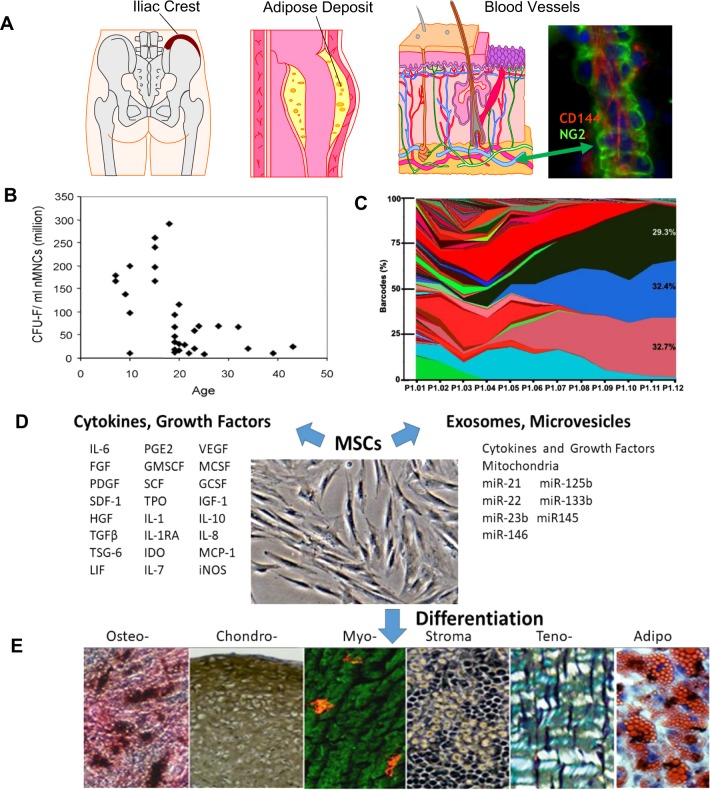
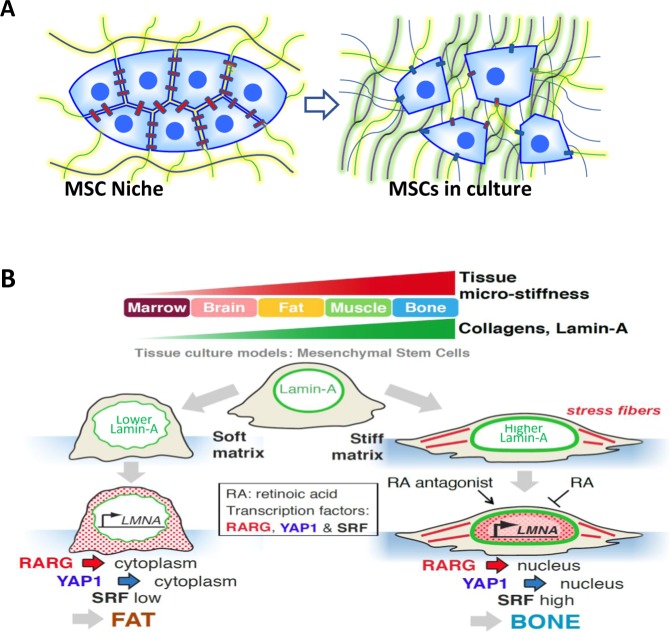
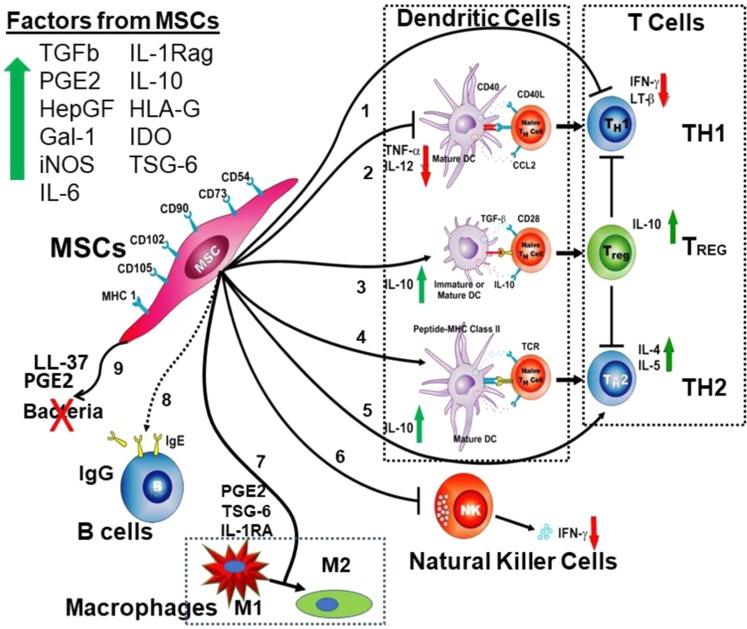
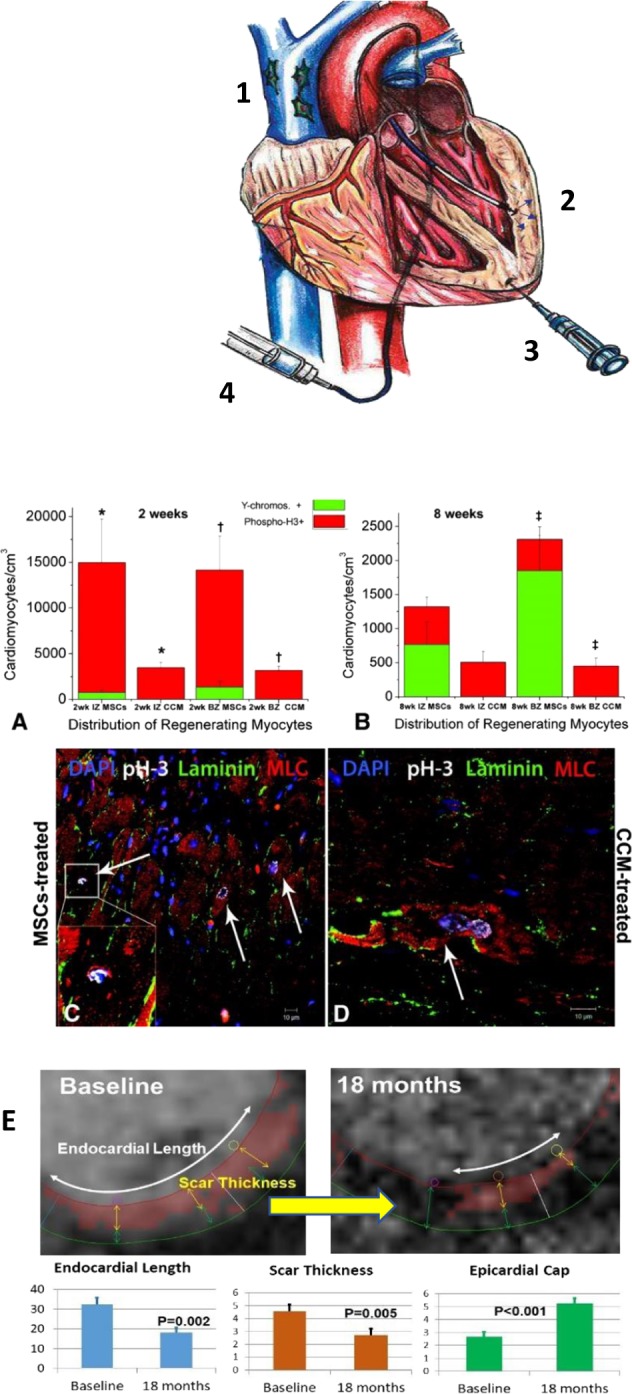
Verification
Claims the paper makes
The claims and statistics of this paper haven’t been checked yet.
Free: it reads the open-access text and checks the first 5 claims that cite a source we can check. Create a free account to check every claim.
Claims other papers make about this one
Each is checked against this paper’s own text: does it say what the citing paper says it does?
The source backs part of the claim, not all of it — or backs it for a different population, condition or comparison.
In the citing paper
“In many clinical trials, MSCs have shown little benefit [1, 5, 9].”
From Harmonised culture procedures minimise but do not eliminate mesenchymal stromal cell donor and tissue variability in a decentralised multicentre manufacturing approach (2023) · cites this paper as [1]
Experimental — accuracy not yet measuredThe source backs part of the claim, not all of it — or backs it for a different population, condition or comparison.
In the citing paper
“factors segregated by MSCs such as IL-1RA [73], [74] inhibit the product of TNF-α segregated by IL-1α-activated macrophages [73], on the other hand, inflammatory factors segregated by macrophages, such as TNF-α [4], [63] and LPS [63] activate MSCs to segregate anti-inflammatory mediators, including TSG-6 [4], [63], IL-10 [4], [63] and PGE2 [4], [63]”
From Mesenchymal stem cell secretome for regenerative medicine: Where do we stand? (2025) · cites this paper as [4]
Experimental — accuracy not yet measuredThe source backs part of the claim, not all of it — or backs it for a different population, condition or comparison.
In the citing paper
“MSC therapies demonstrated cartilage regeneration and early osteoarthritis improvement, but high costs and ethical concerns remain barriers to widespread adoption.”
From Advancements in Regenerative Therapies for Orthopedics: A Comprehensive Review of Platelet-Rich Plasma, Mesenchymal Stem Cells, Peptide Therapies, and Biomimetic Applications (2025) · cites this paper as [19]
Experimental — accuracy not yet measuredThe cited source says what the claim attributes to it.
In the citing paper
“MSCs have shown their therapeutic effects in numerous disease models as well as in some clinical trials [4].”
From Mesenchymal stem cell secretome for regenerative medicine: Where do we stand? (2025) · cites this paper as [4]
The cited source says what the claim attributes to it.
In the citing paper
“MSCs were shown to polarize macrophages from an inflammatory M1 phenotype to an anti-inflammatory M2 phenotype [4].”
From Mesenchymal stem cell secretome for regenerative medicine: Where do we stand? (2025) · cites this paper as [4]
Self-check
Percentages, sums and reported differences re-computed from the paper’s own numbers.
The self-check needs the paper’s full text.
Citations
Cites
Multilineage potential of adult human mesenchymal stem cells
Pittenger, M. F., Mackay, A. M., Beck, S. C., Jaiswal, R. K., Douglas, R., Mosca, J. D., Moorman, M. A., Simonetti, D. W., Craig, S., & Marshak, D. R. (1999) · Science · doi:10.1126/science.284.5411.143 · Cited by 21,052 · cited 20×
“MSCs are still largely defined by their in vitro expression of a restricted subset of cell surface proteins, and their capacity for stimulus-induced tri-lineage differentiation.(6,31) While this minimalistic definition has sufficed for almost two decades and is still widely used today, the field should benefit from th…”
BackgroundInfluentialSelf-citationDominici, M., Le Blanc, K., Mueller, I., Slaper-Cortenbach, I., Marini, F. C., Krause, D. S., Deans, R. J., Keating, A., Prockop, D. J., & Horwitz, E. M. (2006) · Cytotherapy · doi:10.1080/14653240600855905 · Cited by 17,766 · cited 1×
“MSCs are still largely defined by their in vitro expression of a restricted subset of cell surface proteins, and their capacity for stimulus-induced tri-lineage differentiation.(6,31) While this minimalistic definition has sufficed for almost two decades and is still widely used today, the field should benefit from th…”
BackgroundMatrix elasticity directs stem cell lineage specification
Engler, A. J., Sen, S., Sweeney, H. L., & Discher, D. E. (2006) · Cell · doi:10.1016/j.cell.2006.06.044 · Cited by 13,915 · cited 4×
“Growing MSCs for a longer time on either a soft or a stiff substrate progressively commits the cells to the corresponding lineages, making them refractory to rapid lineage switching by both soluble factors and substrate changes.(96,99) The molecular basis for this commitment— be it DNA methylation, microRNA, soluble f…”
BackgroundResultInfluentialSelf-citationMultilineage Cells from Human Adipose Tissue: Implications for Cell-Based Therapies
Zuk, P. A., Zhu, M., Mizuno, H., Huang, J., Futrell, J. W., Katz, A. J., Benhaim, P., Lorenz, H. P., & Hedrick, M. H. (2001) · Tissue Engineering · doi:10.1089/107632701300062859 · Cited by 7,956
Role of YAP/TAZ in mechanotransduction
Dupont, S., Morsut, L., Aragona, M., Enzo, E., Giulitti, S., Cordenonsi, M., Zanconato, F., Le Digabel, J., Forcato, M., Bicciato, S., et al. (2011) · Nature · doi:10.1038/nature10137 · Cited by 5,979 · cited 1×
“2b) into the nucleus in cells on stiff substrates to promote expression of differentiation genes for “stiff lineages”.(98,106) Further, MSCs respond to the surface curvature of their substrate.”
BackgroundHuman mesenchymal stem cells modulate allogeneic immune cell responses
Aggarwal, S., & Pittenger, M. F. (2005) · Blood · doi:10.1182/blood-2004-04-1559 · Cited by 4,511
Self-citationA perivascular origin for mesenchymal stem cells in multiple human organs
Crisan, M., Yap, S., Casteilla, L., Chen, C.-W., Corselli, M., Park, T. S., Andriolo, G., Sun, B., Zheng, B., Zhang, L., et al. (2008) · Cell Stem Cell · doi:10.1016/j.stem.2008.07.003 · Cited by 3,991 · cited 2×
“Further, although bone marrow was first used for MSC isolation and considered a renewable source, MSC-like cells have been isolated from many tissue sources including harvested adipose tissue,7,8 umbilical Wharton’s jelly,9 placenta,10,11 skin73 and the roots of shed teeth.74 The studies of microvascular pericytes soo…”
Self-citationMesenchymal and haematopoietic stem cells form a unique bone marrow niche
Méndez-Ferrer, S., Michurina, T. V., Ferraro, F., Mazloom, A. R., MacArthur, B. D., Lira, S. A., Scadden, D. T., Ma’ayan, A., Enikolopov, G. N., & Frenette, P. S. (2010) · Nature · doi:10.1038/nature09262 · Cited by 3,374 · cited 1×
“MSCs in bone marrow can exhibit dendritic shapes and express some neuro-typical markers such as CD271, TRK A, B and C mRNAs, and a moderate fraction of MSCs cultured on soft gels that mimic the softness of marrow or neural tissue favor expression of nestin, β3 tubulin, and other neuro-typic traits.(96,97) However, adi…”
ResultDi Nicola, M., Carlo-Stella, C., Magni, M., Milanesi, M., Longoni, P. D., Matteucci, P., Grisanti, S., & Gianni, A. M. (2002) · Blood · doi:10.1182/blood.v99.10.3838 · Cited by 3,226 · cited 1×
“Contemporaneous with early MSC/hematopoietic stem cell transplant clinical studies, in vitro studies tested allo-MSCs in mixed donor lymphocyte reactions and revealed the MSCs prevented lymphocyte proliferation, and do not cause apoptosis of T cells, rather the T cells will respond to subsequent lymphocyte challenge w…”
ResultEvidence for Cardiomyocyte Renewal in Humans
Bergmann, O., Bhardwaj, R. D., Bernard, S., Zdunek, S., Barnabé-Heider, F., Walsh, S., Zupicich, J., Alkass, K., Buchholz, B. A., Druid, H., et al. (2009) · Science · doi:10.1126/science.1164680 · Cited by 3,130 · cited 1×
“brain neurons, chondrocytes, and cardiomyocytes where the cell half-life is on the order of ~50 years.(132) When a tissue is damaged by trauma or disease, these regenerative repair processes may be accelerated, but this capacity diminishes with age, and each tissue ages somewhat differently.”
Background
Research works printed but not linked: 1
- Pittenger, M. F., Mbalaviele, G., Black, M., Mosca, J. D. & Marshak D. R. (2001). Adult mesenchymal stem cells from bone marrow. Primary Mesenchymal Cells, Ch. 10, Human Cell Culture, Vol. 5 (eds Koller, M. et al.) pp 190-207 (Kluwer Academic Publishers, Dordrecht, Netherlands, 2001).
Cited by
Items 101–200 of 1,001
Alkhursani, S. A., Ghobashy, M. M., Al-Gahtany, S. A., Meganid, A. S., El‐Halim, S. M. A., Ahmad, Z., Khan, F. S., Atia, G. A. N., & Cavalu, S. D. (2022) · Polymers · doi:10.3390/polym14183791 · Cited by 85
Kronstadt, S. M., Patel, D. B., Born, L. J., Levy, D. H., Lerman, M. J., Mahadik, B. P., McLoughlin, S. T., Fasuyi, A., Fowlkes, L., Heyningen, L. H. V., et al. (2023) · Advanced Healthcare Materials · doi:10.1002/adhm.202300584 · Cited by 81
“Inspired by these results, we attempted to use the perfusion bioreactor to enhance the 624 therapeutic efficacy of MSC EVs, as MSCs are another mechanosensitive cell type with many 625 therapeutic applications [20, 39].”
BackgroundMethodClua, L., Suau, R., Vañó‐Segarra, I., Ginés, I., Serena, C., & Manyé, J. (2024) · Clinical and Translational Medicine · doi:10.1002/ctm2.70075 · Cited by 81
“28,29 In clinical trials, MSC-based therapies have been validated in refractory perianal fistulas in patients with CD who are unresponsive to treatments including conventional drugs (antibiotics and immunomodulators), biologic therapy based on anti-TNF antibodies (e.g., infliximab, adalimumab and…”
BackgroundMesenchymal stromal cell therapy: Progress to date and future outlook
Lu, W., & Allickson, J. G. (2025) · Molecular Therapy · doi:10.1016/j.ymthe.2025.02.003 · Cited by 79
Rash, B. G., Ramdas, K. N., Agafonova, N., Naioti, E., McClain‐Moss, L., Zainul, Z., Varnado, B., Peterson, K., Brown, M. T., Leal, T., et al. (2025) · Nature Medicine · doi:10.1038/s41591-025-03559-0 · Cited by 84
Self-citationManufacturing cell and gene therapies: challenges in clinical translation
Lee, N. K., & Chang, J. W. (2024) · Annals of Laboratory Medicine · doi:10.3343/alm.2023.0382 · Cited by 78
“The mechanism of action of MSCs has been attributed to paracrine activity rather than the direct replacement of damaged cells [15].”
BackgroundGalipeau, J., Krampera, M., LeBlanc, K., Nolta, J. A., Phinney, D. G., Shi, Y., Tarte, K., Viswanathan, S., & Martín, I. (2021) · Cytotherapy · doi:10.1016/j.jcyt.2020.11.007 · Cited by 81
Self-citationCell Sources for Cartilage Repair—Biological and Clinical Perspective
Urlić, I., & Ivković, A. (2021) · Cells · doi:10.3390/cells10092496 · Cited by 82
Lenzini, S. B., Debnath, K., Joshi, J. C., Wong, S. W., Srivastava, K., Geng, X. H., Cho, I. S., Song, A., Bargi, R., Lee, J. C., et al. (2021) · ACS Nano · doi:10.1021/acsnano.1c03231 · Cited by 83
Current Status and Future Prospects of Perinatal Stem Cells
Torre, P. D. L., & Flores, A. I. (2020) · Genes · doi:10.3390/genes12010006 · Cited by 68
“The most frequently perinatal-derived cells used in humans are UC-MSC, and MSC have different functional properties depending on how they are isolated, expanded, and administered [214].”
BackgroundHazrati, A., Malekpour, K., Soudi, S., & Hashemi, S. M. (2022) · Biomedicine & Pharmacotherapy · doi:10.1016/j.biopha.2022.113943 · Cited by 82
Influences of Xeno-Free Media on Mesenchymal Stem Cell Expansion for Clinical Application
Bui, H. T. H., Nguyen, L. T., & Than, U. T. T. (2021) · Tissue Engineering and Regenerative Medicine · doi:10.1007/s13770-020-00306-z · Cited by 76
Yen, B. L., Yen, M., Wang, L., Liu, K.-J., & Sytwu, H. (2020) · Stem Cells Translational Medicine · doi:10.1002/sctm.20-0186 · Cited by 77
“Since initial isolation from the bone marrow (BM), MSCs have been found in numerous adult and fetal-derived organs/tissues such as adipose tissue, dental pulp, umbilical cord, and placenta.(1) In addition to trilineage paraxial mesodermal differentiation capacity toward bone, cartilage, and fat, the immunomodulatory p…”
BackgroundThe role and therapeutic potential of MSC-derived exosomes in osteoarthritis
Bao, C., & He, C. (2021) · Archives of Biochemistry and Biophysics · doi:10.1016/j.abb.2021.109002 · Cited by 79
Nakano, M., & Fujimiya, M. (2021) · Neural Regeneration Research · doi:10.4103/1673-5374.313026 · Cited by 78
“Over 950 registered MSC clinical trials are listed by the Food and Drug Administration, but only 188 phase 1 or 2 trials have been completed and ten studies have reached phase 3 (Pittenger et al., 2019).”
BackgroundBiomaterials for in situ cell therapy
Wang, C., Wang, S., Kang, D. D., & Dong, Y. (2023) · BMEMat · doi:10.1002/bmm2.12039 · Cited by 74
Tan, Y. L., Eng, S. P., Hafez, P., Karim, N. A., Law, J. X., & Ng, M. H. (2022) · Stem Cells Translational Medicine · doi:10.1093/stcltm/szac044 · Cited by 74
“(1) Cell replacement; MSCs can differentiate into various cell lineages and replace the damaged tissues.”
BackgroundBarcena, A. J. R., Ravi, P., Kundu, S., & Tappa, K. K. (2024) · Bioengineering · doi:10.3390/bioengineering11070705 · Cited by 78
“Several studies have shown that the addition of mesenchymal stem/stromal cells (MSCs) and extracellular vesicles (EVs), which have broad regenerative properties [24,25], can enhance the bone formation in rat calvarial defects [14,26–28].”
BackgroundThe role of mitochondria in iron overload-induced damage
Zhao, Y., Yang, M., & Liang, X. (2024) · Journal of Translational Medicine · doi:10.1186/s12967-024-05740-4 · Cited by 76
Zhou, C., Zhou, L., Liu, J., Xu, L., Xu, Z., Chen, Z., Ge, Y., Zhao, F., Wu, R., Wang, X., et al. (2020) · Acta Biomaterialia · doi:10.1016/j.actbio.2020.07.056 · Cited by 70
Silk fibroin nanocomposites as tissue engineering scaffolds – A systematic review
Zuluaga‐Vélez, A., Quintero-Martínez, A., Orozco, L. M., & Arias, J. C. (2021) · Biomedicine & Pharmacotherapy · doi:10.1016/j.biopha.2021.111924 · Cited by 74
Walewska, A., Janucik, A., Tynecka, M., Moniuszko, M., & Eljaszewicz, A. (2023) · Cell Death and Disease · doi:10.1038/s41419-023-06239-4 · Cited by 76
“The considerable interest of the scienti fi c community in optimizing MSC-based therapies in in fl ammatory and degenerative diseases resulted in the registration of more than 1000 clinical trials with a targeted enrollment of almost 50,000 patients in 2011 – 2018 [175].”
BackgroundInfluentialImpact of Metal Ions on Cellular Functions: A Focus on Mesenchymal Stem/Stromal Cell Differentiation
Peters, K., Staehlke, S., Rebl, H., Jonitz‐Heincke, A., & Hahn, O. (2024) · International Journal of Molecular Sciences · doi:10.3390/ijms251810127 · Cited by 76
“MSCs are widely distributed throughout the various tissues of the body [26].”
BackgroundA gerophysiology perspective on healthy ageing
Kémoun, P., Ader, I., Planat‐Benard, V., Dray, C., Fazilleau, N., Monsarrat, P., Cousin, B., Paupert, J., Ousset, M., Lorsignol, A., et al. (2021) · Ageing Research Reviews · doi:10.1016/j.arr.2021.101537 · Cited by 77
Semenova, E., Grudniak, M. P., Machaj, E. K., Bocian, K., Chroscinska-Krawczyk, M., Trochonowicz, M., Stepaniec, I. M., Murzyn, M., Zagorska, K. E., Boruczkowski, D., et al. (2021) · Stem Cell Reviews and Reports · doi:10.1007/s12015-021-10157-3 · Cited by 63
Kahrizi, M. S., Mousavi, E., Khosravi, A., Rahnama, S., Salehi, A., Nasrabadi, N., Ebrahimzadeh, F., & Jamali, S. (2023) · Stem Cell Research & Therapy · doi:10.1186/s13287-023-03374-9 · Cited by 74
“However, small populations of MSCs differentiate into functional cells in vivo [44, 45].”
BackgroundSalari, V., Mengoni, F., Gallo, F. D., Bertini, G., & Fabene, P. F. (2020) · International Journal of Molecular Sciences · doi:10.3390/ijms21249683 · Cited by 71
“These properties include a high homing potential, a limited probability of developing teratomas, renewal and regeneration expertise and, most importantly, anti-inflammatory properties [52].”
BackgroundRenesme, L., Pierro, M., Cobey, K. D., Mital, R., Nangle, K., Shorr, R., Lalu, M. M., & Thébaud, B. (2022) · Stem Cells Translational Medicine · doi:10.1093/stcltm/szab009 · Cited by 69
“Functional assays reported 4 (10) 11 (14) 43 (27) 5 (13) 63 (20)”
Kølle, S.-F. T., Duscher, D., Taudorf, M., Fischer‐Nielsen, A., Svalgaard, J. D., Munthe‐Fog, L., Jønsson, B., Selvig, P. B., Mamsen, F. P. W., & Katz, A. J. (2020) · Stem Cells Translational Medicine · doi:10.1002/sctm.20-0081 · Cited by 72
Bazzoni, R., Kamga, P. T., Tanasi, I., & Krampera, M. (2020) · Frontiers in Cell and Developmental Biology · doi:10.3389/fcell.2020.596079 · Cited by 70
“In addition, MSCs may act at paracrine level through the release of bioactive factors, including transforming growth factor β (TGF-β), hepatocyte growth factor, prostaglandin E2 (PGE2), interleukin (IL)-10 and IL-6, human leukocyte antigen G (HLA-G), indoleamine-2,3-dioxygenase (IDO), nitric oxide (NO), and other medi…”
BackgroundIorio, R., Petricca, S., Mattei, V., & Monache, S. D. (2024) · Journal of Translational Medicine · doi:10.1186/s12967-024-05047-4 · Cited by 71
“They can be isolated and expanded in vitro from almost all tissues, including bone marrow (BM), dental pulp (DP), umbilical cord (UC), adipose tissue (AD), placenta, and other sources [30–33].”
BackgroundCrucial Role of Lamin A/C in the Migration and Differentiation of MSCs in Bone
Alcorta-Sevillano, N., Macías, I., Rodríguez, C. I., & Infante, A. (2020) · Cells · doi:10.3390/cells9061330 · Cited by 68
“These cells are gaining interest due to the benefits that are presenting when used in therapy, urging to delve into their potential and mechanisms of action [38].”
BackgroundHoang, V. T., Trinh, Q.-M., Phuong, D. T. M., Bui, H. T. H., Hang, L. M., Ngan, N. T. H., Anh, N. T. T., Nhi, P. Y., Nhung, T. T. H., Lien, H. T., et al. (2020) · Cytotherapy · doi:10.1016/j.jcyt.2020.09.004 · Cited by 70
“These processes are widely accepted to be essential for MSC actions in many diseases [2,14].”
BackgroundEsmaeili, Y., Bidram, E., Bigham, A., Atari, M., Azadani, R. N., Tavakoli, M., Salehi, S., Mirhaj, M., Basiri, A., Mirzavandi, Z., et al. (2023) · Alexandria Engineering Journal · doi:10.1016/j.aej.2023.08.080 · Cited by 80
Chen, M., Liu, Y., Cao, Y. L., Zhao, C., Liu, Q., Li, N., Liu, Y., Cui, X., Liu, P., Liang, J., et al. (2025) · ACS Nano · doi:10.1021/acsnano.4c16785 · Cited by 69
Acute-on-Chronic Liver Failure: Pathophysiological Mechanisms and Management
Khanam, A., & Kottilil, S. (2021) · Frontiers in Medicine · doi:10.3389/fmed.2021.752875 · Cited by 69
Can’t handle the stress? Mechanobiology and disease
Zuela-Sopilniak, N., & Lammerding, J. (2022) · Trends in Molecular Medicine · doi:10.1016/j.molmed.2022.05.010 · Cited by 73
Na, J., Tai, C., Wang, Z., Yang, Z., Chen, X., Zhang, J., Zheng, L., & Fan, Y. (2024) · Biomaterials · doi:10.1016/j.biomaterials.2024.122715 · Cited by 67
Hydrogel viscoelasticity modulates migration and fusion of mesenchymal stem cell spheroids
Wu, D. T. S., Diba, M., Yang, S. Y., Freedman, B. R., Elósegui-Artola, A., & Mooney, D. J. (2022) · Bioengineering & Translational Medicine · doi:10.1002/btm2.10464 · Cited by 67
Qayyum, A. A., van Klarenbosch, B., Frljak, S., Cerar, A., Poglajen, G., Traxler, D., Nadrowski, P., Paitazoglou, C., Vrtovec, B., Bergmann, M., et al. (2023) · European Journal of Heart Failure · doi:10.1002/ejhf.2772 · Cited by 65
A review on biomaterials-based scaffold: An emerging tool for bone tissue engineering
Francis, A. P., Augustus, A. R., Chandramohan, S., Bhat, S. A., Priya, V. V., & Rajagopalan, R. (2022) · Materials Today Communications · doi:10.1016/j.mtcomm.2022.105124 · Cited by 73
Thorp, H., Kim, K.-S., Kondō, M., Maak, T. G., Grainger, D. W., & Okano, T. (2021) · Cells · doi:10.3390/cells10030643 · Cited by 66
Exosomal microRNAs from mesenchymal stem/stromal cells: Biology and applications in neuroprotection
Nasirishargh, A., Kumar, P., Ramasubramanian, L., Clark, K. C., Hao, D., Lazar, S. V., & Wang, A. (2021) · World Journal of Stem Cells · doi:10.4252/wjsc.v13.i7.776 · Cited by 65
Dynamic Culture of Mesenchymal Stromal/Stem Cell Spheroids and Secretion of Paracrine Factors
Fuentes, P., Torres, M. J., Arancibia, R., Aulestia, F., Vergara, M., Carrión, F., Osses, N., & Altamirano, C. (2022) · Frontiers in Bioengineering and Biotechnology · doi:10.3389/fbioe.2022.916229 · Cited by 65
“A typical therapeutic dose of 100 million cells is reduced to less than 1% detectable cells in the target tissue (Pittenger et al., 2019).”
BackgroundRecent Advances in Animal Models, Diagnosis, and Treatment of Temporomandibular Joint Osteoarthritis
Wang, D., Qi, Y., Wang, Z., Guo, A., Xu, Y., & Zhang, Y. (2023) · Tissue Engineering Part B Reviews · doi:10.1089/ten.teb.2022.0065 · Cited by 65
“88 Besides, the TMJ disc is under high mechanical stress and in motion.”
Strategies of cell and cell-free therapies for periodontal regeneration: the state of the art
Wang, X., Chen, J., & Tian, W. (2022) · Stem Cell Research & Therapy · doi:10.1186/s13287-022-03225-z · Cited by 69
“Tissue engineering and periodontal regeneration Mesenchymal stem cells (MSCs) originate from the mesoderm and possess immunomodulatory and antiinflammatory functions as well as the ability to regulate intercellular communication and function via paracrine secretion [8], which makes them the most commonly used stem cel…”
BackgroundLopez‐Yus, M., Horndler, C., Ansón, S. B., Monterde, V. B., & Arbonés-Mainar, J. M. (2024) · Cells · doi:10.3390/cells13050380 · Cited by 63
“The metabolic functions of AT are not confined to mere lipid storage; they extend to endocrine functions, immune responses, and systemic metabolic regulation.”
BackgroundHow the bone microenvironment shapes the pre-metastatic niche and metastasis
Jackett, K. N., Browne, A. T., Aber, E. R., Clements, M., & Kaplan, R. N. (2024) · Nature Cancer · doi:10.1038/s43018-024-00854-6 · Cited by 68
“One of the most important roles of a healthy BM is the production of hematopoietic cells derived from hematopoietic stem cells (HSCs) and stromal cells derived from mesenchymal stromal cells (MSCs) 17,18 .”
Liu, Y., & Holmes, C. A. (2021) · Frontiers in Cell and Developmental Biology · doi:10.3389/fcell.2021.648098 · Cited by 64
Bhartiya, D., Singh, P., Sharma, D., & Kaushik, A. (2021) · Stem Cell Reviews and Reports · doi:10.1007/s12015-021-10243-6 · Cited by 62
“Upon transplantation, MSCs provide paracrine support rather than replacing the damaged cells [58, 59].”
BackgroundDalmızrak, A., & Dalmızrak, Ö. (2022) · Frontiers in Bioengineering and Biotechnology · doi:10.3389/fbioe.2022.956563 · Cited by 63
“Because of their unique properties, such as self-renewal and the ability to differentiate into a variety of cell types, MSCs are among the most studied stem cells (Pittenger et al., 2019).”
BackgroundFaizan, M. I., Chaudhuri, R., Sagar, S., Albogami, S., Chaudhary, N., Azmi, I., Akhtar, A., Ali, S. M., Kumar, R., Iqbal, J., et al. (2022) · Cells · doi:10.3390/cells11192969 · Cited by 61
“Mesenchymal stem cells (MSCs) have exhibited clinical success in the treatment of various inflammatory diseases [33,34].”
BackgroundCarvalho, M. S., Alves, L., Bogalho, I., Cabral, J. M. S., & da Silva, C. L. (2021) · Frontiers in Cell and Developmental Biology · doi:10.3389/fcell.2021.747521 · Cited by 61
Mesenchymal stem cells and their derived exosomes to combat Covid–19
Dehbidi, M. Y., Goodarzi, N., Azhdari, M. H., & Doroudian, M. (2021) · Reviews in Medical Virology · doi:10.1002/rmv.2281 · Cited by 61
“Mesenchymal stem cells (MSC’s) with their immunomodulatory and regenerative capacity, make them promising candidates in the treating of both acute infection but also restoring normal organ repair pathways.(45,46) 3.”
BackgroundShanbhag, S., Suliman, S., Mohamed‐Ahmed, S., Kampleitner, C., Hassan, M. N., Heimel, P., Dobsak, T., Tangl, S., Bolstad, A. I., & Mustafa, K. B. E. (2021) · Stem Cell Research & Therapy · doi:10.1186/s13287-021-02642-w · Cited by 61
“BTE strategies usually involve the use of adult mesenchymal stromal cells (MSC), most frequently derived from the bone marrow (BMSC) and expanded as plasticadherent monolayers [6, 7].”
BackgroundSánchez-Mata, A., & González-Muñoz, E. (2021) · iScience · doi:10.1016/j.isci.2021.103501 · Cited by 66
Sarmah, D., Datta, A., Kaur, H., Kalia, K., Borah, A., Rodriguez, A., Yavagal, D. R., & Bhattacharya, P. (2022) · Stem Cell Reviews and Reports · doi:10.1007/s12015-021-10315-7 · Cited by 62
Repair and regeneration of small intestine: A review of current engineering approaches
Qi, D., Shi, W., Black, A. R., Kuss, M. A., Pang, X., He, Y., Liu, B., & Duan, B. (2020) · Biomaterials · doi:10.1016/j.biomaterials.2020.119832 · Cited by 61
Current Progress in Vascular Engineering and Its Clinical Applications
Jouda, H., Murillo, L. L., & Wang, T. (2022) · Cells · doi:10.3390/cells11030493 · Cited by 66
Enhancing Stem Cell-Based Therapeutic Potential by Combining Various Bioengineering Technologies
Hong, I. (2022) · Frontiers in Cell and Developmental Biology · doi:10.3389/fcell.2022.901661 · Cited by 65
“In particular, MSCs from bone marrow or adipose tissues are an attractive source of vascular cells for tissue bioengineering (Pittenger et al., 2019).”
BackgroundGomes, P., Tzouanou, F., Skolariki, K., Vamvaka-Iakovou, A., Noguera-Ortiz, C., Tsirtsaki, K., Waites, C. L., Vlamos, P., Sousa, N., Costa-Silva, B., et al. (2022) · Experimental Neurology · doi:10.1016/j.expneurol.2022.114183 · Cited by 55
“Mesenchymal stem cells (MSC) possess immunomodulatory and tissue regenerative properties and, therefore, have been suggested as therapeutic tools (Pittenger et al., 2019).”
Orchard, P., Manickam, N., Ventresca, C., Vadlamudi, S., Varshney, A., Rai, V., Kaplan, J., Lalancette, C., Mohlke, K. L., Gallagher, K., et al. (2021) · Genome Research · doi:10.1101/gr.268482.120 · Cited by 56
“Previous work has 264 shown a central role of bone mesenchymal stem cells in osteoblast development (47,48).”
BackgroundRajan, T. S., Gugliandolo, A., Bramanti, P., & Mazzon, E. (2020) · International Journal of Molecular Sciences · doi:10.3390/ijms21103481 · Cited by 59
“MSCs-based clinical trials have been increasing day by day [37].”
BackgroundComparative characteristic study from bone marrow-derived mesenchymal stem cells
Purwaningrum, M., Jamilah, N. S., Purbantoro, S. D., Sawangmake, C., & Nantavisai, S. (2021) · Journal of Veterinary Science · doi:10.4142/jvs.2021.22.e74 · Cited by 59
“However, BM-MSCs isolated from different species have been reported to exhibit both similarities and differences in the potency of their stemness characteristics, both in vitro and in vivo [28].”
BackgroundModulating microRNAs in cancer: Next-generation therapies
Arghiani, N., & Shah, K. (2021) · Cancer Biology and Medicine · doi:10.20892/j.issn.2095-3941.2021.0294 · Cited by 67
Advances in Cytotoxicity Testing: From In Vitro Assays to In Silico Models
Ziemba, B. (2025) · International Journal of Molecular Sciences · doi:10.3390/ijms262211202 · Cited by 65
“Among these, haematopoietic stem cells (HSCs) and mesenchymal stromal cells (MSCs) derived from bone marrow are the most widely applied [141].”
Lohmann, S., Pool, M. B. F., Rozenberg, K. M., Keller, A. K., Moers, C., Møldrup, U., Møller, B. K., Lignell, S. J. M., Krag, S. R. P., Sierra-Párraga, J. M., et al. (2020) · American Journal of Transplantation · doi:10.1111/ajt.16473 · Cited by 59
Mesenchymal stromal cells for systemic sclerosis treatment
Farge, D., Loisel, S., Lansiaux, P., & Tarte, K. (2021) · Autoimmunity Reviews · doi:10.1016/j.autrev.2021.102755 · Cited by 54
CD146 controls the quality of clinical grade mesenchymal stem cells from human dental pulp
Ma, L., Huang, Z., Wu, D., Kou, X., Mao, X., & Shi, S. (2021) · Stem Cell Research & Therapy · doi:10.1186/s13287-021-02559-4 · Cited by 60
Mesenchymal stem cell therapies for COVID-19: Current status and mechanism of action
Sadeghi, S., Soudi, S., Shafiee, A., & Hashemi, S. M. (2020) · Life Sciences · doi:10.1016/j.lfs.2020.118493 · Cited by 57
“Also, NO and IDO released by MSCs suppressed the T cell cytokine production [62].”
BackgroundInfluentialHu, X., Xia, Z., & Cai, K. (2022) · Journal of Materials Chemistry B · doi:10.1039/d1tb02537f · Cited by 59
Fujita, Y., Hirosawa, M., Hayashi, K., Hatani, T., Yoshida, Y., Yamamoto, T., & Saito, H. (2022) · Science Advances · doi:10.1126/sciadv.abj1793 · Cited by 61
“To resolve this problem, magnetic-activated cell sorting has been developed, which uses magnetic beads to rapidly generate a large number of cells ( 1 , 6 – 8 ).”
Qayyum, A. A., Mouridsen, M. R., Nilsson, B., Gustafsson, I., Schou, M., Nielsen, O. W., Hove, J. D., Mathiasen, A. B., Jørgensen, E. O., Helqvist, S., et al. (2023) · ESC Heart Failure · doi:10.1002/ehf2.14281 · Cited by 57
Hackel, A., Vollmer, S., Bruderek, K., Lang, S., & Brandau, S. (2023) · Frontiers in Immunology · doi:10.3389/fimmu.2023.1078551 · Cited by 56
Wiest, E. F., & Zubair, A. C. (2025) · Biology · doi:10.3390/biology14030313 · Cited by 62
“MSCs can be isolated from various tissue sources, of which the most popular are bone marrow and adipose tissue [11].”
Jiang, R., Wu, C., Xu, X., Lu, S., Zu, Q., Zhao, L., Wang, J., Liu, S., & Shi, H. (2018) · Journal of Cellular Physiology · doi:10.1002/jcp.26931 · Cited by 57
Wilson, A. J., Rand, E., Webster, A. J., & Genever, P. G. (2021) · Stem Cell Research & Therapy · doi:10.1186/s13287-021-02435-1 · Cited by 55
“MSCs are reported to be the most frequently studied stem cells in clinical trials [25], with almost 1000 clinical trials registered in the USA alone [26].”
BackgroundCalcat-i-Cervera, S., Rendra, E., Scaccia, E., Amadeo, F., Hanson, V., Wilm, B., Murray, P., O’Brien, T., Taylor, A., & Bieback, K. (2023) · Stem Cell Research & Therapy · doi:10.1186/s13287-023-03352-1 · Cited by 56
“In many clinical trials, MSCs have shown little benefit [1, 5, 9].”
BackgroundPrakash, N., Kim, J., Jeon, J., Kim, S., Arai, Y., Bello, A. B., Park, H., & Lee, S.-H. (2023) · Biomaterials Research · doi:10.1186/s40824-023-00371-0 · Cited by 56
“By contrast, MSCs are proven safe and have been used in several clinical trials [14, 15].”
BackgroundRa, K., Park, S. C., & Lee, B. C. (2023) · International Journal of Molecular Sciences · doi:10.3390/ijms24055053 · Cited by 59
Kick-Starting Wound Healing: A Review of Pro-Healing Drugs
Patenall, B. L., Carter, K. A., & Ramsey, M. R. (2024) · International Journal of Molecular Sciences · doi:10.3390/ijms25021304 · Cited by 62
“The fundamental biological mechanism of mesenchymal stem cell-induced wound healing is thought to be due to their ability to secrete pro-regenerative cytokines [74].”
BackgroundWidjaja, G., Jalil, A. T., Budi, H. S., Abdelbasset, W. K., Efendi, S., Suksatan, W., Rita, R. S., Satria, A. P., Surendar, A., Saleh, M. M., et al. (2022) · International Immunopharmacology · doi:10.1016/j.intimp.2022.108537 · Cited by 56
Hazrati, A., Malekpour, K., Soudi, S., & Hashemi, S. M. (2022) · Biomedicine & Pharmacotherapy · doi:10.1016/j.biopha.2022.113211 · Cited by 58
Roncada, T., Bonithon, R., Blunn, G. W., & Roldo, M. (2022) · Journal of Tissue Engineering · doi:10.1177/20417314221122121 · Cited by 58
Ali, I., Padhiar, A. A., Wang, T., He, L., Chen, M., Wu, S., Zhou, Y., & Zhou, G. (2022) · Cells · doi:10.3390/cells11233713 · Cited by 57
Ghasempour, A., Dehghan, H., Mahmoudi, M., & Arab, F. L. (2024) · Stem Cell Research & Therapy · doi:10.1186/s13287-024-04012-8 · Cited by 56
Paez‐Mayorga, J., Capuani, S., Hernandez, N., Farina, M., Chua, C. Y. X., Blanchard, R., Sizovs, A., Liu, H., Fraga, D. W., Niles, J. A., et al. (2020) · Biomaterials · doi:10.1016/j.biomaterials.2020.120232 · Cited by 55
A unique histone 3 lysine 14 chromatin signature underlies tissue-specific gene regulation
Regadas, I., Dahlberg, O., Vaid, R., Ho, O. M., Belikov, S. V., Dixit, G., Deindl, S., Wen, J., & Mannervik, M. (2021) · Molecular Cell · doi:10.1016/j.molcel.2021.01.041 · Cited by 58
Implications of Cellular Mechanical Memory in Bioengineering
Dudaryeva, O. Y., Bernhard, S., Tibbitt, M. W., & Labouesse, C. (2023) · ACS Biomaterials Science & Engineering · doi:10.1021/acsbiomaterials.3c01007 · Cited by 56
“93 This quantity of cells is difficult to obtain directly from donors.”
BackgroundPeriodontal tissue stem cells and mesenchymal stem cells in the periodontal ligament
Iwayama, T., Sakashita, H., Takedachi, M., & Murakami, S. (2022) · Japanese Dental Science Review · doi:10.1016/j.jdsr.2022.04.001 · Cited by 56
“However, transplanted cells have been shown to exhibit different dynamics from the endogenous cells [44], and this technique is no longer considered the most rigorous method for demonstrating stemness in animal model [28].”
BackgroundMethodStrategies for improving adipose-derived stem cells for tissue regeneration
Yuan, X., Li, L., Liu, H., Luo, J. C., Zhao, Y., Pan, C., Zhang, X., Chen, Y., & Gou, M. (2022) · Burns & Trauma · doi:10.1093/burnst/tkac028 · Cited by 55
Mechano-responsive hydrogel for direct stem cell manufacturing to therapy
Shou, Y., Liu, L., Liu, Q., Le, Z., Lee, K. L., Li, H., Li, X., Koh, D. Z., Wang, Y., Liu, T. M., et al. (2023) · Bioactive Materials · doi:10.1016/j.bioactmat.2022.12.019 · Cited by 62
Wound-Healing Effects of Mesenchymal Stromal Cell Secretome in the Cornea and the Role of Exosomes
An, S., Anwar, K. N., Ashraf, M. J., Lee, H., Jung, R., Koganti, R., Ghassemi, M., & Djalilian, A. R. (2023) · Pharmaceutics · doi:10.3390/pharmaceutics15051486 · Cited by 55
“Mesenchymal stem cells (MSCs) are adult stem cells characterized by specific cell surface markers and their ability to differentiate into bone, cartilage, and fat cells [1–5].”
Potential of Exosomes as Cell-Free Therapy in Articular Cartilage Regeneration: A Review
Ng, C. Y., Chai, J. Y., Foo, J. B., Yahaya, N. H. M., Yang, Y., Ng, M. H., & Law, J. X. (2021) · International Journal of Nanomedicine · doi:10.2147/ijn.s327059 · Cited by 57
Emerging roles of mesenchymal stem cell therapy in patients with critical limb ischemia
Shirbaghaee, Z., Hassani, M., Keshel, S. H., & Soleimani, M. (2022) · Stem Cell Research & Therapy · doi:10.1186/s13287-022-03148-9 · Cited by 53
“express low amounts of MHC Class I surface antigens and no MHC Class II antigens except if inflammatory signaling is initiated [32, 33].”
BackgroundRiedl, J., Popp, C. M., Eide, C. R., Ebens, C. L., & Tolar, J. (2021) · Cytotherapy · doi:10.1016/j.jcyt.2021.06.004 · Cited by 57
Current Strategies and Therapeutic Applications of Mesenchymal Stem Cell-Based Drug Delivery
Matsuzaka, Y., & Yashiro, R. (2024) · Pharmaceuticals · doi:10.3390/ph17060707 · Cited by 57
Niada, S., Giannasi, C., Magagnotti, C., Andolfo, A., & Brini, A. T. (2020) · Journal of Proteomics · doi:10.1016/j.jprot.2020.104069 · Cited by 53
“Over the years, MSC transplantation has offered promising therapeutic opportunities for a variety of diseases lacking effective treatments [2], such as degenerative pathologies affecting the nervous system (e.”
BackgroundCell therapy for cartilage repair
Hulme, C. H., Perry, J., McCarthy, H. S., Wright, K. T., Snow, M., Mennan, C., & Roberts, S. (2021) · Emerging Topics in Life Sciences · doi:10.1042/etls20210015 · Cited by 52
Regulation and mechanism of YAP/TAZ in the mechanical microenvironment of stem cells (Review)
Li, Y., Wang, J., & Zhong, W. (2021) · Molecular Medicine Reports · doi:10.3892/mmr.2021.12145 · Cited by 57
Metadata
- Authors
- Pittenger, M. F., Discher, D. E., Péault, B. M., Phinney, D. G., Hare, J. M., & Caplan, A. I.
- Affiliations
- University of Maryland, Baltimore (US)
- University of Pennsylvania (US)
- University of California, Los Angeles (US)
- Scripps Research Institute (US)
- University of Miami (US)
- Case Western Reserve University (US)
- Corresponding author
- Pittenger, Mark F.
- Péault, Bruno M.
- Venue
- npj Regenerative Medicine
- Published
- 2019-12-02
- Volume
- 4
- Issue
- 1
- Pages
- 22-22
- ISSN
- 2057-3995 (ISSN-L)
- PMC
- PMC6889290
- OpenAlex
- W2991416247
- Cited by
- 2,008
- References
- 163
- Citations by year
- 2026: 187 · 2025: 272 · 2024: 348 · 2023: 318 · 2022: 346 · 2021: 385 · 2020: 148
- FWCI
- 27.07
- Type
- journal article
- Language
- en
- Open access
- gold
- doi.org
- Licence
- cc-by
- creativecommons.org/licenses/by/4.0 (tdm)
- creativecommons.org/licenses/by/4.0 (vor)
- Locations
- npj Regenerative Medicine (publishedVersion, cc-by)
- PubMed Central (publishedVersion, cc-by)
- PubMed (publishedVersion)
- DOAJ (DOAJ: Directory of Open Access Journals) (submittedVersion)
- Funders
- National Heart, Lung, and Blood Institute (R01HL124106)
- National Cancer Institute (U01CA254886)
- National Institute of Biomedical Imaging and Bioengineering (EB021911, P41EB021911)
- Topics
- Life Sciences › Biochemistry, Genetics and Molecular Biology › Cell Biology › Mesenchymal stem cell research
- Health Sciences › Dentistry › Periodontics › Periodontal Regeneration and Treatments
- Health Sciences › Medicine › Hematology › Hematopoietic Stem Cell Transplantation
- Keywords
- mesenchymal stem cells, cell differentiation, immunomodulation, anti-inflammatory activity, clinical trials, cell therapy, intercellular communication, cell delivery, patient selection, biomedical engineering
About these checks
Registry, retraction, Cites and statistics results are computed, not judged, with one exception: a printed reference that no index lists is read once by a model before it counts as a citation error. Claims are extracted by a model and kept only when their quote appears verbatim in the text; each cited source is then checked, with a model’s help, for whether it says what the claim relies on. Those verdicts can be wrong — read the claim’s quote and the cited source before relying on one.
Statistics and arithmetic are recomputed, not judged.
Confidence bands are shown only for fields calibrated on our annotated test set. None is calibrated yet, so no band is shown.
What counts as a claim ›How we measure confidence ›How we check this ›
Are you an author, or do you see a problem with this page? Request a review
Data sources
Bibliographic data: Semantic Scholar, OpenAlex, Crossref.
Contains information from the Semantic Scholar Academic Graph Datasets, made available under the ODC Attribution License (ODC-BY 1.0).
Semantic Scholar’s data is described in: Kinney, R., et al. (2023). The Semantic Scholar Open Data Platform. arXiv:2301.10140.
