

Mesenchymal stem cell perspective: cell biology to clinical progress
Open accessThe DOI matches its Crossref record; 162 of the 163 references it cites were found in a registry or an index.
Abstract
The terms MSC and MSCs have become the preferred acronym to describe a cell and a cell population of multipotential stem/progenitor cells commonly referred to as mesenchymal stem cells, multipotential stromal cells, mesenchymal stromal cells, and mesenchymal progenitor cells. The MSCs can differentiate to important lineages under defined conditions in vitro and in limited situations after implantation in vivo. MSCs were isolated and described about 30 years ago and now there are over 55,000 publications on MSCs readily available. Here, we have focused on human MSCs whenever possible. The MSCs have broad anti-inflammatory and immune-modulatory properties. At present, these provide the greatest focus of human MSCs in clinical testing; however, the properties of cultured MSCs in vitro suggest they can have broader applications. The medical utility of MSCs continues to be investigated in over 950 clinical trials. There has been much progress in understanding MSCs over the years, and there is a strong foundation for future scientific research and clinical applications, but also some important questions remain to be answered. Developing further methods to understand and unlock MSC potential through intracellular and intercellular signaling, biomedical engineering, delivery methods and patient selection should all provide substantial advancements in the coming years and greater clinical opportunities. The expansive and growing field of MSC research is teaching us basic human cell biology as well as how to use this type of cell for cellular therapy in a variety of clinical settings, and while much promise is evident, careful new work is still needed.
Overview
The claims and statistics of this paper haven’t been checked yet.
Free: it reads the open-access text and checks the first 5 claims that cite a source we can check. Create a free account to check every claim.
Integrity signals
Registry
Cites
Statistics
Figures
Verification
Claims the paper makes
The claims and statistics of this paper haven’t been checked yet.
Free: it reads the open-access text and checks the first 5 claims that cite a source we can check. Create a free account to check every claim.
Claims other papers make about this one
Each is checked against this paper’s own text: does it say what the citing paper says it does?
The source backs part of the claim, not all of it — or backs it for a different population, condition or comparison.
In the citing paper
“In many clinical trials, MSCs have shown little benefit [1, 5, 9].”
From Harmonised culture procedures minimise but do not eliminate mesenchymal stromal cell donor and tissue variability in a decentralised multicentre manufacturing approach (2023) · cites this paper as [1]
Experimental — accuracy not yet measuredThe source backs part of the claim, not all of it — or backs it for a different population, condition or comparison.
In the citing paper
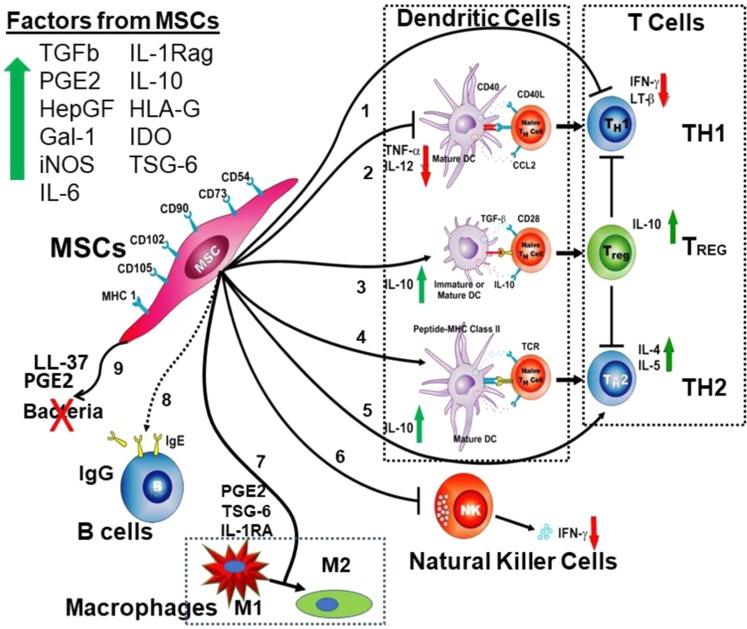
“factors segregated by MSCs such as IL-1RA [73], [74] inhibit the product of TNF-α segregated by IL-1α-activated macrophages [73], on the other hand, inflammatory factors segregated by macrophages, such as TNF-α [4], [63] and LPS [63] activate MSCs to segregate anti-inflammatory mediators, including TSG-6 [4], [63], IL-10 [4], [63] and PGE2 [4], [63]”
From Mesenchymal stem cell secretome for regenerative medicine: Where do we stand? (2025) · cites this paper as [4]
Experimental — accuracy not yet measuredThe source backs part of the claim, not all of it — or backs it for a different population, condition or comparison.
In the citing paper
“MSC therapies demonstrated cartilage regeneration and early osteoarthritis improvement, but high costs and ethical concerns remain barriers to widespread adoption.”
From Advancements in Regenerative Therapies for Orthopedics: A Comprehensive Review of Platelet-Rich Plasma, Mesenchymal Stem Cells, Peptide Therapies, and Biomimetic Applications (2025) · cites this paper as [19]
Experimental — accuracy not yet measuredThe cited source says what the claim attributes to it.
In the citing paper
“MSCs have shown their therapeutic effects in numerous disease models as well as in some clinical trials [4].”
From Mesenchymal stem cell secretome for regenerative medicine: Where do we stand? (2025) · cites this paper as [4]
The cited source says what the claim attributes to it.
In the citing paper
“MSCs were shown to polarize macrophages from an inflammatory M1 phenotype to an anti-inflammatory M2 phenotype [4].”
From Mesenchymal stem cell secretome for regenerative medicine: Where do we stand? (2025) · cites this paper as [4]
Self-check
Percentages, sums and reported differences re-computed from the paper’s own numbers.
The self-check needs the paper’s full text.
Citations
Cites
Multilineage potential of adult human mesenchymal stem cells
Pittenger, M. F., Mackay, A. M., Beck, S. C., Jaiswal, R. K., Douglas, R., Mosca, J. D., Moorman, M. A., Simonetti, D. W., Craig, S., & Marshak, D. R. (1999) · Science · doi:10.1126/science.284.5411.143 · Cited by 21,052 · cited 20×
“MSCs are still largely defined by their in vitro expression of a restricted subset of cell surface proteins, and their capacity for stimulus-induced tri-lineage differentiation.(6,31) While this minimalistic definition has sufficed for almost two decades and is still widely used today, the field should benefit from th…”
BackgroundInfluentialSelf-citationDominici, M., Le Blanc, K., Mueller, I., Slaper-Cortenbach, I., Marini, F. C., Krause, D. S., Deans, R. J., Keating, A., Prockop, D. J., & Horwitz, E. M. (2006) · Cytotherapy · doi:10.1080/14653240600855905 · Cited by 17,766 · cited 1×
“MSCs are still largely defined by their in vitro expression of a restricted subset of cell surface proteins, and their capacity for stimulus-induced tri-lineage differentiation.(6,31) While this minimalistic definition has sufficed for almost two decades and is still widely used today, the field should benefit from th…”
BackgroundMatrix elasticity directs stem cell lineage specification
Engler, A. J., Sen, S., Sweeney, H. L., & Discher, D. E. (2006) · Cell · doi:10.1016/j.cell.2006.06.044 · Cited by 13,915 · cited 4×
“Growing MSCs for a longer time on either a soft or a stiff substrate progressively commits the cells to the corresponding lineages, making them refractory to rapid lineage switching by both soluble factors and substrate changes.(96,99) The molecular basis for this commitment— be it DNA methylation, microRNA, soluble f…”
BackgroundResultInfluentialSelf-citationMultilineage Cells from Human Adipose Tissue: Implications for Cell-Based Therapies
Zuk, P. A., Zhu, M., Mizuno, H., Huang, J., Futrell, J. W., Katz, A. J., Benhaim, P., Lorenz, H. P., & Hedrick, M. H. (2001) · Tissue Engineering · doi:10.1089/107632701300062859 · Cited by 7,956
Role of YAP/TAZ in mechanotransduction
Dupont, S., Morsut, L., Aragona, M., Enzo, E., Giulitti, S., Cordenonsi, M., Zanconato, F., Le Digabel, J., Forcato, M., Bicciato, S., et al. (2011) · Nature · doi:10.1038/nature10137 · Cited by 5,979 · cited 1×
“2b) into the nucleus in cells on stiff substrates to promote expression of differentiation genes for “stiff lineages”.(98,106) Further, MSCs respond to the surface curvature of their substrate.”
BackgroundHuman mesenchymal stem cells modulate allogeneic immune cell responses
Aggarwal, S., & Pittenger, M. F. (2005) · Blood · doi:10.1182/blood-2004-04-1559 · Cited by 4,511
Self-citationA perivascular origin for mesenchymal stem cells in multiple human organs
Crisan, M., Yap, S., Casteilla, L., Chen, C.-W., Corselli, M., Park, T. S., Andriolo, G., Sun, B., Zheng, B., Zhang, L., et al. (2008) · Cell Stem Cell · doi:10.1016/j.stem.2008.07.003 · Cited by 3,991 · cited 2×
“Further, although bone marrow was first used for MSC isolation and considered a renewable source, MSC-like cells have been isolated from many tissue sources including harvested adipose tissue,7,8 umbilical Wharton’s jelly,9 placenta,10,11 skin73 and the roots of shed teeth.74 The studies of microvascular pericytes soo…”
Self-citationMesenchymal and haematopoietic stem cells form a unique bone marrow niche
Méndez-Ferrer, S., Michurina, T. V., Ferraro, F., Mazloom, A. R., MacArthur, B. D., Lira, S. A., Scadden, D. T., Ma’ayan, A., Enikolopov, G. N., & Frenette, P. S. (2010) · Nature · doi:10.1038/nature09262 · Cited by 3,374 · cited 1×
“MSCs in bone marrow can exhibit dendritic shapes and express some neuro-typical markers such as CD271, TRK A, B and C mRNAs, and a moderate fraction of MSCs cultured on soft gels that mimic the softness of marrow or neural tissue favor expression of nestin, β3 tubulin, and other neuro-typic traits.(96,97) However, adi…”
ResultDi Nicola, M., Carlo-Stella, C., Magni, M., Milanesi, M., Longoni, P. D., Matteucci, P., Grisanti, S., & Gianni, A. M. (2002) · Blood · doi:10.1182/blood.v99.10.3838 · Cited by 3,226 · cited 1×
“Contemporaneous with early MSC/hematopoietic stem cell transplant clinical studies, in vitro studies tested allo-MSCs in mixed donor lymphocyte reactions and revealed the MSCs prevented lymphocyte proliferation, and do not cause apoptosis of T cells, rather the T cells will respond to subsequent lymphocyte challenge w…”
ResultEvidence for Cardiomyocyte Renewal in Humans
Bergmann, O., Bhardwaj, R. D., Bernard, S., Zdunek, S., Barnabé-Heider, F., Walsh, S., Zupicich, J., Alkass, K., Buchholz, B. A., Druid, H., et al. (2009) · Science · doi:10.1126/science.1164680 · Cited by 3,130 · cited 1×
“brain neurons, chondrocytes, and cardiomyocytes where the cell half-life is on the order of ~50 years.(132) When a tissue is damaged by trauma or disease, these regenerative repair processes may be accelerated, but this capacity diminishes with age, and each tissue ages somewhat differently.”
BackgroundCell locomotion and focal adhesions are regulated by substrate flexibility
Pelham, R. J., & Wang, Y.-L. (1997) · Proceedings of the National Academy of Sciences · doi:10.1073/pnas.94.25.13661 · Cited by 3,027 · cited 1×
“Most types of in vitro cultured adherent cells, including MSCs, assemble integrin-based focal adhesions that engage extracellular matrix molecules (fibronectin, laminins and collagens, initially supplied in vitro from serum) and form extensive cytoskeletal networks on rigid plastic or glass surfaces but not flexible s…”
BackgroundSHED: Stem cells from human exfoliated deciduous teeth
Miura, M., Gronthos, S., Zhao, M., Lu, B., Fisher, L. W., Robey, P. G., & Shi, S. (2003) · Proceedings of the National Academy of Sciences · doi:10.1073/pnas.0937635100 · Cited by 2,988
Liao, J., Wei, Q., Zou, Y., Fan, J., Song, D., Cui, J., Zhang, W., Zhu, Y., Ma, C., Hu, X., et al. (2017) · Cellular Physiology and Biochemistry · doi:10.1159/000471945 · Cited by 2,742
Friedenstein, A. J., Chailakhjan, R. K., & Lalykina, K. S. (1970) · Cell Proliferation · doi:10.1111/j.1365-2184.1970.tb00347.x · Cited by 2,724 · cited 1×
“Friedenstein was first to culture bone-forming cells from guinea pig and Owen re-energized this inquiry by expanding such work to rats.(1,2) The isolation and culture expansion of human bone marrow MSCs were reported in 1992 3 and their infusion into patients was begun as early as 1993 as reported in 1995.”
BackgroundNémeth, K., Leelahavanichkul, A., Yuen, P. S. T., Mayer, B., Parmelee, A., Doi, K., Robey, P. G., Leelahavanichkul, K., Koller, B. H., Brown, J. M., et al. (2009) · Nature Medicine · doi:10.1038/nm.1905 · Cited by 2,364
Nuclear Lamin-A Scales with Tissue Stiffness and Enhances Matrix-Directed Differentiation
Swift, J., Ivanovska, I. L., Buxboim, A., Harada, T., Dingal, P. C. D. P., Pinter, J., Pajerowski, J. D., Spinler, K. R., Shin, J.-W., Tewari, M., et al. (2013) · Science · doi:10.1126/science.1240104 · Cited by 1,991 · cited 1×
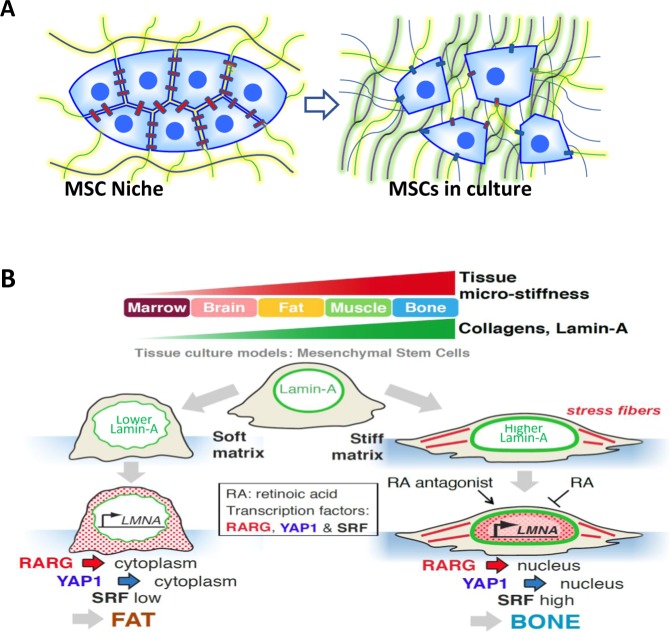
“At the nuclear membrane, the structural protein lamin-A engages cytoskeletal stress fibers via linkage proteins that span the nuclear envelope, and high levels of laminA in MSCs favor osteogenesis whereas low levels favor adipogenesis, consistent with observations that lamin-A is high in stiff tissues but relatively l…”
BackgroundSelf-citationLee, R. H., Pulin, A. A., Seo, M. J., Kota, D. J., Ylostalo, J., Larson, B. L., Semprun-Prieto, L., Delafontaine, P., & Prockop, D. J. (2009) · Cell Stem Cell · doi:10.1016/j.stem.2009.05.003 · Cited by 1,898
Concise review: MSC-derived exosomes for cell-free therapy
Phinney, D. G., & Pittenger, M. F. (2017) · Stem Cells · doi:10.1002/stem.2575 · Cited by 1,834
Self-citationHarnessing traction-mediated manipulation of the cell/matrix interface to control stem-cell fate
Huebsch, N., Arany, P. R., Mao, A. S., Shvartsman, D., Ali, O. A., Bencherif, S. A., Rivera-Feliciano, J., & Mooney, D. J. (2010) · Nature Materials · doi:10.1038/nmat2732 · Cited by 1,569 · cited 1×
“2b) into the nucleus in cells on stiff substrates to promote expression of differentiation genes for “stiff lineages”.(98,106) Further, MSCs respond to the surface curvature of their substrate.”
BackgroundExtracellular-matrix tethering regulates stem-cell fate
Trappmann, B., Gautrot, J. E., Connelly, J. T., Strange, D. G. T., Li, Y., Oyen, M. L., Cohen Stuart, M. A., Boehm, H., Li, B., Vogel, V., et al. (2012) · Nature Materials · doi:10.1038/nmat3339 · Cited by 1,568
Mesenchymal Stromal Cells: Sensors and Switchers of Inflammation
Bernardo, M. E., & Fibbe, W. E. (2013) · Cell Stem Cell · doi:10.1016/j.stem.2013.09.006 · Cited by 1,383
Role for Interferon-γ in the Immunomodulatory Activity of Human Bone Marrow Mesenchymal Stem Cells
Krampera, M., Cosmi, L., Angeli, R., Pasini, A., Liotta, F., Andreini, A., Santarlasci, V., Mazzinghi, B., Pizzolo, G., Vinante, F., et al. (2006) · Stem Cells · doi:10.1634/stemcells.2005-0008 · Cited by 1,311
Characterization of cells with osteogenic potential from human marrow
Haynesworth, S. E., Goshima, J., Goldberg, V. M., & Caplan, A. I. (1992) · Bone · doi:10.1016/8756-3282(92)90364-3 · Cited by 1,289
Self-citationWagner, W., Wein, F., Seckinger, A., Frankhauser, M., Wirkner, U., Krause, U., Blake, J., Schwager, C., Eckstein, V., Ansorge, W., et al. (2005) · Experimental Hematology · doi:10.1016/j.exphem.2005.07.003 · Cited by 1,259
Stolzing, A., Jones, E., McGonagle, D., & Scutt, A. (2008) · Mechanisms of Ageing and Development · doi:10.1016/j.mad.2007.12.002 · Cited by 1,195
Stromal Stem Cells: Marrow‐Derived Osteogenic Precursors
Owen, M., & Friedenstein, A. J. (2007) · Novartis Foundation Symposia · doi:10.1002/9780470513637.ch4 · Cited by 1,192
Hare, J. M., Fishman, J. E., Gerstenblith, G., DiFede Velazquez, D. L., Zambrano, J. P., Suncion, V. Y., Tracy, M., Ghersin, E., Johnston, P. V., Brinker, J. A., et al. (2012) · JAMA · doi:10.1001/jama.2012.25321 · Cited by 1,192
Self-citationIsolation of Mesenchymal Stem Cells of Fetal or Maternal Origin from Human Placenta
in 't Anker, P. S., Scherjon, S. A., Kleijburg‐van der Keur, C., de Groot‐Swings, G. M. J. S., Claas, F. H. J., Fibbe, W. E., & Kanhai, H. H. H. (2004) · STEM CELLS · doi:10.1634/stemcells.2004-0058 · Cited by 1,189
Mechanical memory and dosing influence stem cell fate
Yang, C., Tibbitt, M. W., Basta, L., & Anseth, K. S. (2014) · Nature Materials · doi:10.1038/nmat3889 · Cited by 1,160 · cited 1×
“Growing MSCs for a longer time on either a soft or a stiff substrate progressively commits the cells to the corresponding lineages, making them refractory to rapid lineage switching by both soluble factors and substrate changes.(96,99) The molecular basis for this commitment— be it DNA methylation, microRNA, soluble f…”
BackgroundWhite Fat Progenitor Cells Reside in the Adipose Vasculature
Tang, W., Zeve, D., Suh, J. M., Bosnakovski, D., Kyba, M., Hammer, R. E., Tallquist, M. D., & Graff, J. M. (2008) · Science · doi:10.1126/science.1156232 · Cited by 1,113
In Search of the In Vivo Identity of Mesenchymal Stem Cells
da Silva Meirelles, L., Caplan, A. I., & Nardi, N. B. (2008) · Stem Cells · doi:10.1634/stemcells.2007-1122 · Cited by 1,077
Self-citationMechanical regulation of cell function with geometrically modulated elastomeric substrates
Fu, J., Wang, Y.-K., Yang, M. T., Desai, R. A., Yu, X., Liu, Z., & Chen, C. S. (2010) · Nature Methods · doi:10.1038/nmeth.1487 · Cited by 1,073 · cited 1×
“Cytoskeletal contraction forces clearly contribute to differentiation, with the higher forces exerted on stiffer substrates favoring a stiff tissue (bone) lineage.(96,100) Smooth muscle actin (SMA) assembles into high tension stress fibers and is understandably upregulated in MSCs on stiff substrates, and although SMA…”
BackgroundOrtiz, L. A., DuTreil, M., Fattman, C., Pandey, A. C., Torres, G., Go, K., & Phinney, D. G. (2007) · Proceedings of the National Academy of Sciences · doi:10.1073/pnas.0704421104 · Cited by 1,019
Self-citationNitric oxide plays a critical role in suppression of T-cell proliferation by mesenchymal stem cells
Sato, K., Ozaki, K., Oh, I., Meguro, A., Hatanaka, K., Nagai, T., Muroi, K., & Ozawa, K. (2007) · Blood · doi:10.1182/blood-2006-02-002246 · Cited by 954
Perivascular Gli1+ Progenitors Are Key Contributors to Injury-Induced Organ Fibrosis
Kramann, R., Schneider, R. K., DiRocco, D. P., Machado, F., Fleig, S., Bondzie, P. A., Henderson, J. M., Ebert, B. L., & Humphreys, B. D. (2015) · Cell Stem Cell · doi:10.1016/j.stem.2014.11.004 · Cited by 922
Romanov, Y. A., Svintsitskaya, V. A., & Smirnov, V. N. (2003) · STEM CELLS · doi:10.1634/stemcells.21-1-105 · Cited by 904
Lazarus, H. M., Haynesworth, S. E., Gerson, S. L., Rosenthal, N. S., & Caplan, A. I. (1995) · PubMed · Cited by 880
Self-citationHenderson, N. C., Arnold, T. D., Katamura, Y., Giacomini, M. M., Rodriguez, J. D., McCarty, J. H., Pellicoro, A., Raschperger, E., Betsholtz, C., Ruminski, P. G., et al. (2013) · Nature Medicine · doi:10.1038/nm.3282 · Cited by 866
Krasnodembskaya, A., Song, Y., Fang, X., Gupta, N., Serikov, V., Lee, J.-W., & Matthay, M. A. (2010) · Stem Cells · doi:10.1002/stem.544 · Cited by 849
Traktuev, D. O., Merfeld-Clauss, S., Li, J., Kolonin, M., Arap, W., Pasqualini, R., Johnstone, B. H., & March, K. L. (2008) · Circulation Research · doi:10.1161/circresaha.107.159475 · Cited by 839
Lazarus, H. M., Koc, O. N., Devine, S. M., Curtin, P., Maziarz, R. T., Holland, H. K., Shpall, E. J., McCarthy, P., Atkinson, K., Cooper, B. W., et al. (2005) · Biology of Blood and Marrow Transplantation · doi:10.1016/j.bbmt.2005.02.001 · Cited by 803 · cited 2×
“host disease in the recipients, not more.(112,113) This unexpected important medical benefit of allogeneic MSC treatment has been explored extensively to date.”
BackgroundMesenchymal stem cell–educated macrophages: A novel type of alternatively activated macrophages
Kim, J., & Hematti, P. (2009) · Experimental Hematology · doi:10.1016/j.exphem.2009.09.004 · Cited by 785
Baglio, S. R., Rooijers, K., Koppers-Lalic, D., Verweij, F. J., Pérez Lanzón, M., Zini, N., Naaijkens, B., Perut, F., Niessen, H. W. M., Baldini, N., et al. (2015) · Stem Cell Research & Therapy · doi:10.1186/s13287-015-0116-z · Cited by 765
Bone Marrow Mesenchymal Stem Cells Stimulate Cardiac Stem Cell Proliferation and Differentiation
Hatzistergos, K. E., Quevedo, H., Oskouei, B. N., Hu, Q., Feigenbaum, G. S., Margitich, I. S., Mazhari, R., Boyle, A. J., Zambrano, J. P., Rodriguez, J. E., et al. (2010) · Circulation Research · doi:10.1161/circresaha.110.222703 · Cited by 715 · cited 19×
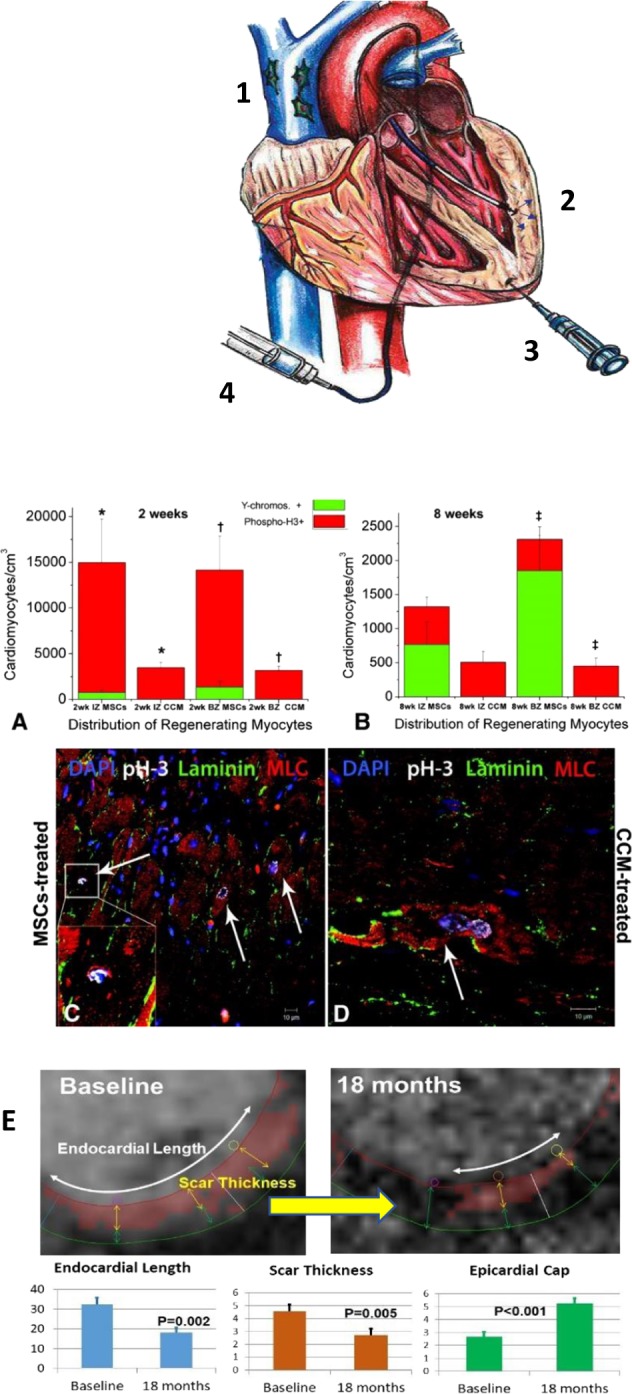
“Numerous preclinical and clinical trials have demonstrated that injection of MSCs into the border zone between infarcted and viable cardiac tissue results in a powerful antifibrotic effect, reduced tissue injury and augmentation of viable and perfused tissue.141–145 The improved contractile cardiac muscle results pred…”
BackgroundInfluentialSelf-citationDjouad, F., Charbonnier, L.-M., Bouffi, C., Louis-Plence, P., Bony, C., Apparailly, F., Cantos, C., Jorgensen, C., & Noël, D. (2007) · Stem Cells · doi:10.1634/stemcells.2006-0548 · Cited by 667
Choi, H., Lee, R. H., Bazhanov, N., Oh, J. Y., & Prockop, D. J. (2011) · Blood · doi:10.1182/blood-2010-12-327353 · Cited by 637 · cited 2×
“Alternatively, exposure to interferon (IFN)-gamma licenses the immunosuppressive activity of MSCs by inducing expression of indoleamine 2,3-dioxygenase (IDO1), an enzyme in the kynurenin pathway that consumes tryptophan(55,56) resulting in reduced inflammation, and stimulation by TNF upregulates expression of the anti…”
BackgroundHu, X., Yu, S. P., Fraser, J. L., Lu, Z., Ogle, M. E., Wang, J.-A., & Wei, L. (2008) · The Journal of Thoracic and Cardiovascular Surgery · doi:10.1016/j.jtcvs.2007.07.071 · Cited by 621
Covas, D. T., Panepucci, R. A., Fontes, A. M., Silva, W. A., Orellana, M. D., Freitas, M. C. C., Neder, L., Santos, A. R. D., Peres, L. C., Jamur, M. C., et al. (2008) · Experimental Hematology · doi:10.1016/j.exphem.2007.12.015 · Cited by 610
Klyushnenkova, E., Mosca, J. D., Zernetkina, V., Majumdar, M. K., Beggs, K. J., Simonetti, D. W., Deans, R. J., & McIntosh, K. R. (2005) · Journal of Biomedical Science · doi:10.1007/s11373-004-8183-7 · Cited by 605
Ryan, J. M., Barry, F., Murphy, J. M., & Mahon, B. P. (2007) · Clinical and Experimental Immunology · doi:10.1111/j.1365-2249.2007.03422.x · Cited by 596
Schwab, K. E., & Gargett, C. E. (2007) · Human Reproduction · doi:10.1093/humrep/dem265 · Cited by 545
Cardiomyocyte Regeneration: A Consensus Statement
Eschenhagen, T., Bolli, R., Braun, T., Field, L. J., Fleischmann, B. K., Frisén, J., Giacca, M., Hare, J. M., Houser, S., Lee, R. T., et al. (2017) · Circulation · doi:10.1161/circulationaha.117.029343 · Cited by 499
Self-citationFehrer, C., Brunauer, R., Laschober, G., Unterluggauer, H., Reitinger, S., Kloss, F., Gülly, C., Gaßner, R., & Lepperdinger, G. (2007) · Aging Cell · doi:10.1111/j.1474-9726.2007.00336.x · Cited by 498
Pericytes of Multiple Organs Do Not Behave as Mesenchymal Stem Cells In Vivo
Guimarães-Camboa, N., Cattaneo, P., Sun, Y., Moore-Morris, T., Gu, Y., Dalton, N. D., Rockenstein, E., Masliah, E., Peterson, K. L., Stallcup, W. B., et al. (2017) · Cell Stem Cell · doi:10.1016/j.stem.2016.12.006 · Cited by 495 · cited 1×
“However, considering the hundreds of billions of pericytes associated with the 50,000 miles of capillaries present in the human body—plus the other blood vessels—and even though no more than one in ten perivascular cells yields MSCs in culture, the global efficacy of the system to repair/regenerate tissues in the livi…”
BackgroundIntestinal crypt homeostasis revealed at single-stem-cell level by in vivo live imaging
Ritsma, L., Ellenbroek, S. I. J., Zomer, A., Snippert, H. J., de Sauvage, F. J., Simons, B. D., Clevers, H., & van Rheenen, J. (2014) · Nature · doi:10.1038/nature12972 · Cited by 488 · cited 1×
“For in vivo intestinal epithelial stem cells too, the clonal expansion/extinction process has strong experimental evidence.(26) Recent studies indicate that growth factors, cytokines, and other bioactive factors produced by MSCs may be contained in exosomes and microvesicles that function in a paracrine manner.”
BackgroundDellavalle, A., Maroli, G., Covarello, D., Azzoni, E., Innocenzi, A., Perani, L., Antonini, S., Sambasivan, R., Brunelli, S., Tajbakhsh, S., et al. (2011) · Nature Communications · doi:10.1038/ncomms1508 · Cited by 472
Zhao, H., Feng, J., Seidel, K., Shi, S., Klein, O., Sharpe, P., & Chai, Y. (2014) · Cell Stem Cell · doi:10.1016/j.stem.2013.12.013 · Cited by 461 · cited 1×
“This may suggest that perivascular cell -derived MSCs are profoundly modified, or even entirely initiated, by cell culture; however, cell lineage tracking in reporter transgenic mice has uncovered roles for pericytes as mesenchymal progenitors, in the adult, for white adipocytes,(82) myoblasts,(83) follicular dendriti…”
Galipeau, J. (2013) · Cytotherapy · doi:10.1016/j.jcyt.2012.10.002 · Cited by 448 · cited 1×
“sponsored phase 3 trial of MSC therapy for GVHD following hematopoietic stem cell transplantation did not meet its proposed endpoints across all ages but showed life-saving benefit in the pediatric patients.(127,128) The results did lead to the first approvals for a culture-expanded MSC product for cell therapy agains…”
One million haemopoietic stem-cell transplants: a retrospective observational study
Gratwohl, A., Pasquini, M. C., Aljurf, M., Atsuta, Y., Baldomero, H., Foeken, L., Gratwohl, M., Bouzas, L. F., Confer, D., Frauendorfer, K., et al. (2015) · The Lancet Haematology · doi:10.1016/s2352-3026(15)00028-9 · Cited by 441
Moll, G., Ankrum, J. A., Kamhieh-Milz, J., Bieback, K., Ringdén, O., Volk, H.-D., Geissler, S., & Reinke, P. (2019) · Trends in Molecular Medicine · doi:10.1016/j.molmed.2018.12.006 · Cited by 440
Mesenchymal stem cells in fibrotic disease
El Agha, E., Kramann, R., Schneider, R. K., Li, X., Seeger, W., Humphreys, B. D., & Bellusci, S. (2017) · Cell stem cell · doi:10.1016/j.stem.2017.07.011 · Cited by 430
Lennon, D. P., Edmison, J. M., & Caplan, A. I. (2001) · Journal of Cellular Physiology · doi:10.1002/jcp.1081 · Cited by 423
Self-citationBai, L., Lennon, D. P., Caplan, A. I., DeChant, A., Hecker, J., Kranso, J., Zaremba, A., & Miller, R. H. (2012) · Nature Neuroscience · doi:10.1038/nn.3109 · Cited by 421
Self-citationDulauroy, S., Di Carlo, S. E., Langa, F., Eberl, G., & Peduto, L. (2012) · Nature Medicine · doi:10.1038/nm.2848 · Cited by 418
Follicular Dendritic Cells Emerge from Ubiquitous Perivascular Precursors
Krautler, N. J., Kana, V., Kranich, J., Tian, Y., Perera, D., Lemm, D., Schwarz, P., Armulik, A., Browning, J. L., Tallquist, M., et al. (2012) · Cell · doi:10.1016/j.cell.2012.05.032 · Cited by 397
The Tunica Adventitia of Human Arteries and Veins As a Source of Mesenchymal Stem Cells
Corselli, M., Chen, C.-W., Sun, B., Yap, S., Rubin, J. P., & Péault, B. (2012) · Stem Cells and Development · doi:10.1089/scd.2011.0200 · Cited by 393 · cited 19×
“Numerous preclinical and clinical trials have demonstrated that injection of MSCs into the border zone between infarcted and viable cardiac tissue results in a powerful antifibrotic effect, reduced tissue injury and augmentation of viable and perfused tissue.141–145 The improved contractile cardiac muscle results pred…”
BackgroundInfluentialSelf-citationTsai, C.-C., Chen, Y.-J., Yew, T.-L., Chen, L.-L., Wang, J.-Y., Chiu, C.-H., & Hung, S.-C. (2011) · Blood · doi:10.1182/blood-2010-05-287508 · Cited by 376
Börger, V., Bremer, M., Ferrer-Tur, R., Gockeln, L., Stambouli, O., Becic, A., & Giebel, B. (2017) · International Journal of Molecular Sciences · doi:10.3390/ijms18071450 · Cited by 371
Hare, J. M., DiFede, D. L., Rieger, A. C., Florea, V., Landin, A. M., El-Khorazaty, J., Khan, A., Mushtaq, M., Lowery, M. H., Byrnes, J. J., et al. (2017) · Journal of the American College of Cardiology · doi:10.1016/j.jacc.2016.11.009 · Cited by 355
Self-citationKarantalis, V., DiFede, D. L., Gerstenblith, G., Pham, S., Symes, J., Zambrano, J. P., Fishman, J., Pattany, P., McNiece, I., Conte, J., et al. (2014) · Circulation Research · doi:10.1161/circresaha.114.303180 · Cited by 348
Self-citationWerner, M., Blanquer, S. B. G., Haimi, S. P., Korus, G., Dunlop, J. W. C., Duda, G. N., Grijpma, D. W., & Petersen, A. (2017) · Advanced Science · doi:10.1002/advs.201600347 · Cited by 345 · cited 2×
““suspended” by the cytoskeleton.(107) The foregoing description suggests a clonal group of MSCs may be induced to differentiate to several lineages in response to their migration over substrates of different compliance or curvature as may be found during development.”
BackgroundMathiasen, A. B., Qayyum, A. A., Jørgensen, E., Helqvist, S., Fischer-Nielsen, A., Kofoed, K. F., Haack-Sørensen, M., Ekblond, A., & Kastrup, J. (2015) · European Heart Journal · doi:10.1093/eurheartj/ehv136 · Cited by 344
Kramann, R., Goettsch, C., Wongboonsin, J., Iwata, H., Schneider, R. K., Kuppe, C., Kaesler, N., Chang-Panesso, M., Machado, F. G., Gratwohl, S., et al. (2016) · Cell Stem Cell · doi:10.1016/j.stem.2016.08.001 · Cited by 308 · cited 1×
“A recent study confirming the MSC potential of mouse perivascular adventitial cells also uncovered a pathologic correlation and demonstrated that adventitial cells directly contribute to atheroma formation and calcification in remodeling large vessels, by differentiating into smooth muscle cells and osteoblasts, respe…”
ResultTremain, N., Korkko, J., Ibberson, D., Kopen, G. C., DiGirolamo, C., & Phinney, D. G. (2001) · STEM CELLS · doi:10.1634/stemcells.19-5-408 · Cited by 270
Self-citationBehfar, A., Yamada, S., Crespo-Diaz, R., Nesbitt, J. J., Rowe, L. A., Perez-Terzic, C., Gaussin, V., Homsy, C., Bartunek, J., & Terzic, A. (2010) · Journal of the American College of Cardiology · doi:10.1016/j.jacc.2010.03.066 · Cited by 270 · cited 1×
“1e) but further illustrated by the stepwise acquisition of cardiomyocyte properties by sequentially changing the culture conditions over 3−4 weeks as shown by Terzic and colleagues.(17) These population differentiation outcomes of MSCs are a composite result and reflect properties at the single-cell level, but the tim…”
BackgroundKurtzberg, J., Prockop, S., Teira, P., Bittencourt, H., Lewis, V., Chan, K. W., Horn, B., Yu, L., Talano, J.-A., Nemecek, E., et al. (2014) · Biology of Blood and Marrow Transplantation · doi:10.1016/j.bbmt.2013.11.001 · Cited by 246 · cited 1×
“sponsored phase 3 trial of MSC therapy for GVHD following hematopoietic stem cell transplantation did not meet its proposed endpoints across all ages but showed life-saving benefit in the pediatric patients.(127,128) The results did lead to the first approvals for a culture-expanded MSC product for cell therapy agains…”
Epigenetic Memory Underlies Cell-Autonomous Heterogeneous Behavior of Hematopoietic Stem Cells
Yu, V. W. C., Yusuf, R. Z., Oki, T., Wu, J., Saez, B., Wang, X., Cook, C., Baryawno, N., Ziller, M. J., Lee, E., et al. (2017) · Cell · doi:10.1016/j.cell.2017.02.010 · Cited by 234 · cited 1×
“Studies of clonal activities of HSCs have long indicated the rise and fall of individual clones, but this may not impact their functional or clinical outcomes.(24,25) For in vivo intestinal epithelial stem cells too, the clonal expansion/extinction process has strong experimental evidence.”
Perin, E. C., Silva, G. V., Assad, J. A. R., Vela, D., Buja, L. M., Sousa, A. L. S., Litovsky, S., Lin, J., Vaughn, W. K., Coulter, S., et al. (2008) · Journal of Molecular and Cellular Cardiology · doi:10.1016/j.yjmcc.2007.09.012 · Cited by 231
NASEF, A., CHAPEL, A., MAZURIER, C., BOUCHET, S., LOPEZ, M., MATHIEU, N., SENSEBÉ, L., ZHANG, Y., GORIN, N.-C., THIERRY, D., et al. (2006) · Gene Expression · doi:10.3727/000000006780666957 · Cited by 227
Adipose-derived stromal cells—their utility and potential in bone formation
Halvorsen, Y., Wilkison, W., & Gimble, J. (2000) · International Journal of Obesity · doi:10.1038/sj.ijo.0801503 · Cited by 224
Ohnishi, S., Yasuda, T., Kitamura, S., & Nagaya, N. (2007) · Stem Cells · doi:10.1634/stemcells.2006-0347 · Cited by 222 · cited 1×
“Profiling studies have revealed that hypoxic preconditioning significantly alters expression of a small subset of genes linked to cell proliferation and survival, glycolysis, and vasculogenesis/angiogenesis in MSCs, the majority of which were upregulated.(52,53) A similar approach is being used to interrogate how MSCs…”
Tunable Supramolecular Hydrogels for Selection of Lineage-Guiding Metabolites in Stem Cell Cultures
Alakpa, E. V., Jayawarna, V., Lampel, A., Burgess, K. V., West, C. C., Bakker, S. C. J., Roy, S., Javid, N., Fleming, S., Lamprou, D. A., et al. (2016) · Chem · doi:10.1016/j.chempr.2016.07.001 · Cited by 215
Self-citationExpression of α-Smooth Muscle Actin Determines the Fate of Mesenchymal Stromal Cells
Talele, N. P., Fradette, J., Davies, J. E., Kapus, A., & Hinz, B. (2015) · Stem Cell Reports · doi:10.1016/j.stemcr.2015.05.004 · Cited by 209 · cited 19×
“Numerous preclinical and clinical trials have demonstrated that injection of MSCs into the border zone between infarcted and viable cardiac tissue results in a powerful antifibrotic effect, reduced tissue injury and augmentation of viable and perfused tissue.141–145 The improved contractile cardiac muscle results pred…”
BackgroundInfluentialHu, X., Xu, Y., Zhong, Z., Wu, Y., Zhao, J., Wang, Y., Cheng, H., Kong, M., Zhang, F., Chen, Q., et al. (2016) · Circulation Research · doi:10.1161/circresaha.115.307516 · Cited by 202
Perin, E. C., Borow, K. M., Silva, G. V., DeMaria, A. N., Marroquin, O. C., Huang, P. P., Traverse, J. H., Krum, H., Skerrett, D., Zheng, Y., et al. (2015) · Circulation Research · doi:10.1161/circresaha.115.306332 · Cited by 202
Chacko, S. M., Ahmed, S., Selvendiran, K., Kuppusamy, M. L., Khan, M., & Kuppusamy, P. (2010) · American Journal of Physiology-Cell Physiology · doi:10.1152/ajpcell.00221.2010 · Cited by 201
Hashmi, S., Ahmed, M., Murad, M. H., Litzow, M. R., Adams, R. H., Ball, L. M., Prasad, V. K., Kebriaei, P., & Ringden, O. (2016) · The Lancet Haematology · doi:10.1016/s2352-3026(15)00224-0 · Cited by 196
Bernardo, M. E., Ball, L. M., Cometa, A. M., Roelofs, H., Zecca, M., Avanzini, M. A., Bertaina, A., Vinti, L., Lankester, A., Maccario, R., et al. (2011) · Bone Marrow Transplantation · doi:10.1038/bmt.2010.87 · Cited by 194 · cited 1×
“host disease in the recipients, not more.(112,113) This unexpected important medical benefit of allogeneic MSC treatment has been explored extensively to date.”
BackgroundMeyer, M. B., Benkusky, N. A., Sen, B., Rubin, J., & Pike, J. W. (2016) · Journal of Biological Chemistry · doi:10.1074/jbc.m116.736538 · Cited by 183 · cited 19×
“Numerous preclinical and clinical trials have demonstrated that injection of MSCs into the border zone between infarcted and viable cardiac tissue results in a powerful antifibrotic effect, reduced tissue injury and augmentation of viable and perfused tissue.141–145 The improved contractile cardiac muscle results pred…”
BackgroundInfluentialKlinker, M. W., Marklein, R. A., Lo Surdo, J. L., Wei, C.-H., & Bauer, S. R. (2017) · Proceedings of the National Academy of Sciences · doi:10.1073/pnas.1617933114 · Cited by 180 · cited 1×
“Such gene expression responses of MSCs to IFN-gamma treatment are also accompanied by alterations in gross morphology.(61) MSCs induced toward the osteogenic lineage have been shown to exhibit upregulation of IFN-gamma inducible genes(62,63) and a concomitant impairment in angiogenic activity.”
BackgroundBurgener, E. B., Sweere, J. M., Bach, M. S., Secor, P. R., Haddock, N., Jennings, L. K., Marvig, R. L., Johansen, H. K., Rossi, E., Cao, X., et al. (2019) · Science Translational Medicine · doi:10.1126/scitranslmed.aau9748 · Cited by 180
Butler, J., Epstein, S. E., Greene, S. J., Quyyumi, A. A., Sikora, S., Kim, R. J., Anderson, A. S., Wilcox, J. E., Tankovich, N. I., Lipinski, M. J., et al. (2017) · Circulation Research · doi:10.1161/circresaha.116.309717 · Cited by 179
Clinical-scale expansion of mesenchymal stromal cells: a large banking experience
Lechanteur, C., Briquet, A., Giet, O., Delloye, O., Baudoux, É., & Beguin, Y. P. (2016) · Journal of Translational Medicine · doi:10.1186/s12967-016-0892-y · Cited by 173
Tompkins, B. A., DiFede, D. L., Khan, A., Landin, A. M., Schulman, I. H., Pujol, M. V., Heldman, A. W., Miki, R., Goldschmidt-Clermont, P. J., Goldstein, B. J., et al. (2017) · The Journals of Gerontology: Series A · doi:10.1093/gerona/glx137 · Cited by 169
Self-citationLiu, L., Gao, J., Yuan, Y., Chang, Q., Liao, Y., & Lu, F. (2013) · Cell Biology International · doi:10.1002/cbin.10097 · Cited by 168
Delorme, B., Ringe, J., Pontikoglou, C. G., Burlaud‐Gaillard, J., Langonné, A., Sensebé, L., Noël, D., Jørgensen, C., Häupl, T., & Charbord, P. (2009) · Stem Cells · doi:10.1002/stem.34 · Cited by 167
Lin, R.-Z., Moreno-Luna, R., Li, D., Jaminet, S.-C., Greene, A. K., & Melero-Martin, J. M. (2014) · Proceedings of the National Academy of Sciences · doi:10.1073/pnas.1405388111 · Cited by 161 · cited 1×
“For example, human endothelial colony forming cells (hECFCs) circulate in the peripheral blood and are capable of vasculogenesis, and when co-transplanted with MSCs, the hECFCs increase the engraftment and differentiation of MSCs in a PDGF-BB-dependent manner.(135) Three-dimensional matrices and decellularized tissue…”
BackgroundThe developmental basis of mesenchymal stem/stromal cells (MSCs)
Sheng, G. (2015) · BMC Developmental Biology · doi:10.1186/s12861-015-0094-5 · Cited by 149 · cited 1×
“A prominent question is whether in vitro cultured MSCs represent any stage of natural in vivo MSCs, or similar cells found during development.(14) It is useful to remember that the embryological development of mesenchymal tissues is complex and proceeds from both trunk and head (neural crest-derived) mesenchyme, and t…”
BackgroundSynergistic Effects of Combined Cell Therapy for Chronic Ischemic Cardiomyopathy
Karantalis, V., Loescher, V. Y., Bagno, L., Golpanian, S., Wolf, A., Sanina, C., Premer, C., Kanelidis, A., McCall, F., Wang, B., et al. (2015) · Journal of the American College of Cardiology · doi:10.1016/j.jacc.2015.08.879 · Cited by 139 · cited 2×
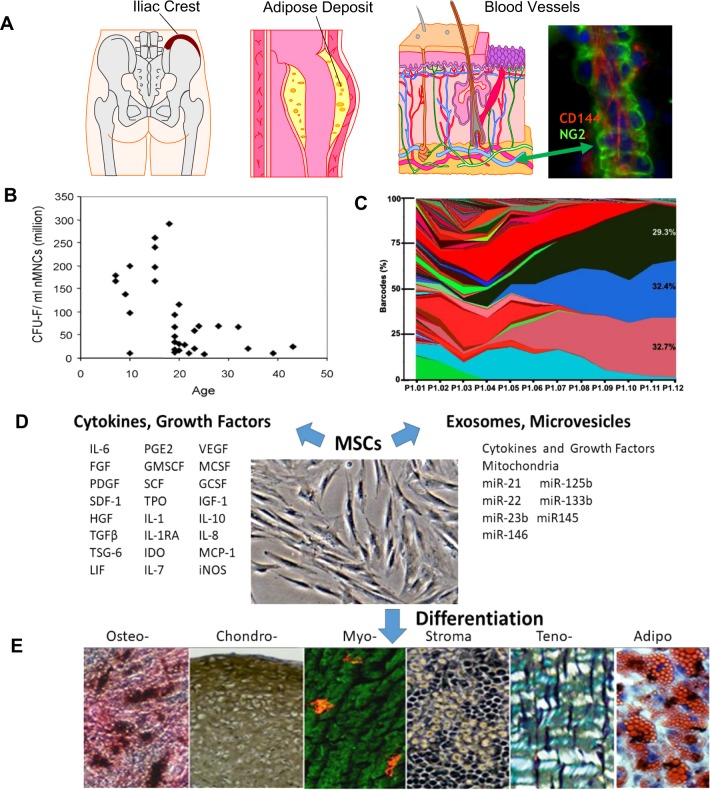
“Figures reproduced with permission of Kluwers Wolter/ Circulation Research/Hare.141,145 Published in partnership with the Australian Regenerative Medicine Institute npj Regenerative Medicine (2019) 22 vessels (to deliver nutrients, remove wastes), sympathetic neurons (for central control), and lymphatic ducts (additio…”
MethodSelf-citationFOXP1 circular RNA sustains mesenchymal stem cell identity via microRNA inhibition
Cherubini, A., Barilani, M., Rossi, R. L., Jalal, M., Rusconi, F., Buono, G., Ragni, E., Cantarella, G., Simpson, H., Péault, B., et al. (2019) · Nucleic Acids Research · doi:10.1093/nar/gkz199 · Cited by 138 · cited 1×
“The role(s) of microRNAs and circular RNAs in sustaining MSC identity are likely to be another important distinguishing indicator of phenotype.(69) A broad analysis of expressed genes by RNA deep sequencing and translated proteins by nano-liquid chromatography MS/MS for both BM-MSCs and ESC-derived MSCs found many sim…”
BackgroundSelf-citationBilling, A. M., Ben Hamidane, H., Dib, S. S., Cotton, R. J., Bhagwat, A. M., Kumar, P., Hayat, S., Yousri, N. A., Goswami, N., Suhre, K., et al. (2016) · Scientific Reports · doi:10.1038/srep21507 · Cited by 134 · cited 1×
“A broad analysis of expressed genes by RNA deep sequencing and translated proteins by nano-liquid chromatography MS/MS for both BM-MSCs and ESC-derived MSCs found many similarities and suggested new membrane surface proteins that may be useful for phenotypic identification in future studies.(70) Keep in mind that for…”
BackgroundPopulation dynamics of mesenchymal stromal cells during culture expansion
Schellenberg, A., Stiehl, T., Horn, P., Joussen, S., Pallua, N., Ho, A. D., & Wagner, W. (2011) · Cytotherapy · doi:10.3109/14653249.2011.640669 · Cited by 127 · cited 1×
“It has been recognized that stem cell populations are not homogeneous but rather the cells therein often behave as individual cells(18)—even if they are clonally derived.(19) This temporal stochasticity is a common feature of stem/progenitor cells and occurs throughout development.”
BackgroundPericytes in the renal vasculature: roles in health and disease
Shaw, I., Rider, S., Mullins, J. J., Hughes, J., & Péault, B. (2018) · Nature Reviews Nephrology · doi:10.1038/s41581-018-0032-4 · Cited by 127
Self-citationDingal, P. C. D. P., Bradshaw, A. M., Cho, S., Raab, M., Buxboim, A., Swift, J., & Discher, D. E. (2015) · Nature Materials · doi:10.1038/nmat4350 · Cited by 121 · cited 1×
“At the nuclear membrane, the structural protein lamin-A engages cytoskeletal stress fibers via linkage proteins that span the nuclear envelope, and high levels of laminA in MSCs favor osteogenesis whereas low levels favor adipogenesis, consistent with observations that lamin-A is high in stiff tissues but relatively l…”
BackgroundSelf-citationDifferentiation-Dependent Secretion of Proangiogenic Factors by Mesenchymal Stem Cells
Hoch, A. I., Binder, B. Y., Genetos, D. C., & Leach, J. K. (2012) · PLoS ONE · doi:10.1371/journal.pone.0035579 · Cited by 118 · cited 1×
“MSCs induced toward the osteogenic lineage have been shown to exhibit upregulation of IFN-gamma inducible genes(62,63) and a concomitant impairment in angiogenic activity.(64) Similarly, analysis of MSCs from TSG-6 knockout mice revealed profound alterations in cell morphology, impaired growth, and loss of trilineage…”
ResultMesenchymal Stem Cells and Pericytes: To What Extent Are They Related?
de Souza, L. E. B., Malta, T. M., Kashima Haddad, S., & Covas, D. T. (2016) · Stem Cells and Development · doi:10.1089/scd.2016.0109 · Cited by 117
Duque, G., Huang, D. C., Macoritto, M., Rivas, D., Yang, X. F., Ste-Marie, L. G., & Kremer, R. (2009) · Stem Cells · doi:10.1634/stemcells.2008-0886 · Cited by 109
Li, J. H., Zhang, N., & Wang, J. A. (2008) · Journal of Endocrinological Investigation · doi:10.1007/bf03345575 · Cited by 108
αv integrins on mesenchymal cells regulate skeletal and cardiac muscle fibrosis
Murray, I. R., Gonzalez, Z. N., Baily, J., Dobie, R., Wallace, R. J., Mackinnon, A. C., Smith, J. R., Greenhalgh, S. N., Thompson, A. I., Conroy, K. P., et al. (2017) · Nature Communications · doi:10.1038/s41467-017-01097-z · Cited by 106
Self-citationAllogeneic Human Mesenchymal Stem Cell Infusions for Aging Frailty
Golpanian, S., DiFede, D. L., Khan, A., Schulman, I. H., Landin, A. M., Tompkins, B. A., Heldman, A. W., Miki, R., Goldstein, B. J., Mushtaq, M., et al. (2017) · The Journals of Gerontology: Series A · doi:10.1093/gerona/glx056 · Cited by 106 · cited 1×
“The immunoprivileged and immunomodulatory MSCs appear safe for allogeneic therapy in the heart and the potent immunomodulatory properties of MSCs have also led to their widespread testing in immunologic disorders ranging from multiple sclerosis to aging frailty.(149,150) Recently, several groups have become interested…”
BackgroundSelf-citationBolli, R., Hare, J. M., March, K. L., Pepine, C. J., Willerson, J. T., Perin, E. C., Yang, P. C.-M., Henry, T. D., Traverse, J. H., Mitrani, R. D., et al. (2018) · Circulation Research · doi:10.1161/circresaha.118.312978 · Cited by 106 · cited 1×
“This approach is borne out in animal models(146,147,151) and presently being tested in an NHLBI clinical trial.(154) Other strategies include seeding MSCs on tissue scaffolds to enhance their retention, and the repeat dosing regimen mentioned earlier.”
BackgroundSelf-citationOxygen Tension Regulates Human Mesenchymal Stem Cell Paracrine Functions
Paquet, J., Deschepper, M., Moya, A., Logeart-Avramoglou, D., Boisson-Vidal, C., & Petite, H. (2015) · Stem Cells Translational Medicine · doi:10.5966/sctm.2014-0180 · Cited by 102
Redondo-Castro, E., Cunningham, C. J., Miller, J., Brown, H., Allan, S. M., & Pinteaux, E. (2018) · Stem Cell Research & Therapy · doi:10.1186/s13287-017-0753-5 · Cited by 101 · cited 1×
“Three-dimensional matrices and decellularized tissue scaffolds have also become a new proving ground for investigation of MSC potential and interaction with other cell types.(136,137) More effort to understand the MSC interactions with endothelial progenitor cells, and epithelial cell types in various tissues, may pro…”
BackgroundSelich, A., Daudert, J., Hass, R., Philipp, F., von Kaisenberg, C., Paul, G., Cornils, K., Fehse, B., Rittinghausen, S., Schambach, A., et al. (2016) · Stem Cells Translational Medicine · doi:10.5966/sctm.2015-0176 · Cited by 96
International Expert Consensus on a Cell Therapy Communication Tool: DOSES
Murray, I. R., Chahla, J. A., Safran, M. R., Krych, A. J., Saris, D. B. F., Caplan, A. I., LaPrade, R. F., & on behalf of the Cell Therapies Communication Expert Group (2019) · Journal of Bone and Joint Surgery · doi:10.2106/jbjs.18.00915 · Cited by 96
Self-citationSaha, P., Sharma, S., Korutla, L., Datla, S. R., Shoja‐Taheri, F., Mishra, R., Bigham, G. E., Sarkar, M., Morales, D., Bittle, G. J., et al. (2019) · Science Translational Medicine · doi:10.1126/scitranslmed.aau1168 · Cited by 95 · cited 1×
“Recently, Kaushal and colleagues were able to demonstrate that, following injection into heart tissues, the expanded cardiac-derived cell population (cardiac progenitor cells or CPCs) that includes an MSC-like population, alter their beneficial exosome expression in the in vivo setting.(30) Further understanding of th…”
BackgroundHuang, S. (2011) · Philosophical Transactions of the Royal Society B: Biological Sciences · doi:10.1098/rstb.2011.0008 · Cited by 94
Munneke, J. M., Spruit, M. J. A., Cornelissen, A. S., van Hoeven, V., Voermans, C., & Hazenberg, M. D. (2015) · Transplantation · doi:10.1097/tp.0000000000001029 · Cited by 91
The many faces of hematopoietic stem cell heterogeneity
Crisan, M., & Dzierzak, E. (2016) · Development · doi:10.1242/dev.114231 · Cited by 89 · cited 1×
“Studies of clonal activities of HSCs have long indicated the rise and fall of individual clones, but this may not impact their functional or clinical outcomes.(24,25) For in vivo intestinal epithelial stem cells too, the clonal expansion/extinction process has strong experimental evidence.”
BackgroundCao, Y., Gomes, S. A., Rangel, É. B., Paulino, E. C., Fonseca, T. L., Li, J., Teixeira, M. B. C. G., Gouveia, C. H. D. A., Bianco, A. C., Kapiloff, M. S., et al. (2015) · Journal of Clinical Investigation · doi:10.1172/jci73780 · Cited by 88 · cited 1×
“The Wnt intracellular signaling protein (WISP-1 or CCN4) was recently shown to modulate the osteo- and adipogenic lineages.(38) These findings broaden the concept of in vitro lineage priming used initially to provide the molecular basis for MSC multi-potency(39) and may yield improved therapies.”
BackgroundSelf-citationA Clinical Indications Prediction Scale Based on TWIST1 for Human Mesenchymal Stem Cells
Boregowda, S. V., Krishnappa, V., Haga, C. L., Ortiz, L. A., & Phinney, D. G. (2016) · EBioMedicine · doi:10.1016/j.ebiom.2015.12.020 · Cited by 87 · cited 2×
“Optimizing the production of MSCs for a particular medical indication should improve outcomes, and this may involve identifying the marrow donors whose culture-expanded MSCs exhibit an optimized response in a relevant assay that addresses the clinical situation, such as the aforementioned CLIP assay.(67) For a current…”
BackgroundMethodSelf-citationRennerfeldt, D. A., & Van Vliet, K. J. (2016) · Stem Cells · doi:10.1002/stem.2296 · Cited by 86
Guo, Y., Wysoczynski, M., Nong, Y., Tomlin, A. A., Zhu, X., Gumpert, A. M., Nasr, M., Muthusamy, S., Li, H., Book, M. J., et al. (2017) · Basic Research in Cardiology · doi:10.1007/s00395-017-0606-5 · Cited by 86
Freeman, B. T., Jung, J. P., & Ogle, B. M. (2015) · PLoS ONE · doi:10.1371/journal.pone.0136199 · Cited by 85
Jin, P., Zhao, Y., Liu, H., Chen, J., Ren, J., Jin, J., Bedognetti, D., Liu, S., Wang, E., Marincola, F., et al. (2016) · Scientific Reports · doi:10.1038/srep26345 · Cited by 82
The Kynurenine Pathway of Tryptophan Degradation is Activated During Osteoblastogenesis
Vidal, C., Li, W., Santner-Nanan, B., Lim, C. K., Guillemin, G. J., Ball, H. J., Hunt, N. H., Nanan, R., & Duque, G. (2015) · Stem Cells · doi:10.1002/stem.1836 · Cited by 80
Rescuing mesenchymal stem cell regenerative properties on hydrogel substrates post serial expansion
Rao, V. V., Vu, M. K., Ma, H., Killaars, A. R., & Anseth, K. S. (2019) · Bioengineering & Translational Medicine · doi:10.1002/btm2.10104 · Cited by 79 · cited 1×
“The growth of MSCs on soft materials may also preserve the regenerative properties of the cells into later passages or allow them to recover from tissue culture-related aging.(109) The biomaterials-MSC field is actively producing new data, especially in relation to 3D tissue mimetics which may have a profound effect o…”
BackgroundMSCs inhibit bone marrow-derived DC maturation and function through the release of TSG-6
Liu, Y., Yin, Z., Zhang, R., Yan, K., Chen, L., Chen, F., Huang, W., Lv, B., Sun, C., & Jiang, X. (2014) · Biochemical and Biophysical Research Communications · doi:10.1016/j.bbrc.2014.07.001 · Cited by 77
Epithelial Cell Differentiation of Human Mesenchymal Stromal Cells in Decellularized Lung Scaffolds
Mendez, J. J., Ghaedi, M., Steinbacher, D., & Niklason, L. E. (2014) · Tissue Engineering Part A · doi:10.1089/ten.tea.2013.0647 · Cited by 76 · cited 1×
“Three-dimensional matrices and decellularized tissue scaffolds have also become a new proving ground for investigation of MSC potential and interaction with other cell types.(136,137) More effort to understand the MSC interactions with endothelial progenitor cells, and epithelial cell types in various tissues, may pro…”
BackgroundWang, Y., Xu, J., Chang, L., Meyers, C. A., Zhang, L., Broderick, K. P., Lee, M., Péault, B., & James, A. W. (2018) · npj Regenerative Medicine · doi:10.1038/s41536-018-0063-2 · Cited by 74
Self-citationWu, H., Gordon, J. A. R., Whitfield, T. W., Tai, P. W. L., van Wijnen, A. J., Stein, J. L., Stein, G. S., & Lian, J. B. (2017) · Biochimica et Biophysica Acta (BBA) - Gene Regulatory Mechanisms · doi:10.1016/j.bbagrm.2017.01.003 · Cited by 73 · cited 1×
“The MSC genome was also shown to contain a high degree of overlap for binding sites of master transcriptional regulators, such as RUNX2 and C/EBPβ, that are epigenetically reduced in size following differentiation, and these promoter regions exhibited high plasticity that enabled MSCs to trans-differentiate from adipo…”
BackgroundRen, J., Jin, P., Sabatino, M., Balakumaran, A., Feng, J., Kuznetsov, S. A., Klein, H. G., Robey, P. G., & Stroncek, D. F. (2011) · Cytotherapy · doi:10.3109/14653249.2010.548379 · Cited by 72 · cited 1×
“The reproducibility of MSC isolation and gene expression is further supported by examining multiple isolations of bone marrow MSCs and comparing results to HSCs, NSCs and ESCs, wherein it was found that the MSCs clustered together more than the other stem cell types tested.(68) The role(s) of microRNAs and circular RN…”
ResultMayourian, J., Cashman, T. J., Ceholski, D. K., Johnson, B. V., Sachs, D. M., Kaji, D. A., Sahoo, S., Hare, J. M., Hajjar, R. J., Sobie, E. A., et al. (2017) · Circulation Research · doi:10.1161/circresaha.117.310796 · Cited by 67 · cited 1×
“Despite the MSCs’ diverse secretory repertoire, it is also apparent that MSCs themselves render cell autonomous effects through hetero-cellular coupling mechanisms including connexins in tissues such as the heart and spleen.(153) Several exciting new approaches with MSCs are being tested to enhance therapeutic respons…”
BackgroundSelf-citationHardy, W. R., Moldovan, N. I., Moldovan, L., Livak, K. J., Datta, K., Goswami, C. P., Corselli, M., Traktuev, D. O., Murray, I. R., Péault, B., et al. (2017) · Stem Cells · doi:10.1002/stem.2599 · Cited by 66 · cited 1×
“To further understand the respective potential of pericytes and adventitial progenitors, the transcriptome of single cells sorted from human adipose tissue was determined and the differential gene expression, principal component and clustering analysis, as well as the construction of gene coregulation networks showed…”
Self-citationWehman, B. P., Sharma, S., Pietris, N., Mishra, R., Siddiqui, O., Bigham, G. E., Li, T., Aiello, E., Murthi, S. B., Pittenger, M. F., et al. (2016) · American Journal of Physiology-Heart and Circulatory Physiology · doi:10.1152/ajpheart.00955.2015 · Cited by 65
Self-citationElabd, C., Ichim, T. E., Miller, K., Anneling, A., Grinstein, V., Vargas, V., & Silva, F. J. (2018) · Journal of Translational Medicine · doi:10.1186/s12967-018-1601-9 · Cited by 59
Jiang, R., Wu, C., Xu, X., Lu, S., Zu, Q., Zhao, L., Wang, J., Liu, S., & Shi, H. (2018) · Journal of Cellular Physiology · doi:10.1002/jcp.26931 · Cited by 57
Kim, S. H., Das, A., Chai, J. C., Binas, B., Choi, M., Park, K. S., Lee, Y. S., Jung, K. H., & Chai, Y. G. (2016) · Scientific Reports · doi:10.1038/srep30311 · Cited by 53 · cited 1×
“For example, in vitro stimulation of human MSCs with lipopolysaccharides, a ligand for TRL4, induced expression of transcripts involved in chemotaxis and inflammatory responses that were principally orchestrated by interferon regulatory factor (IRF1) and nuclear factor kappa B (NF-κB).(54) Alternatively, exposure to i…”
BackgroundPezzi, A., Amorin, B., Laureano, Á. M., Valim, V. D. S., Dahmer, A., Zambonato, B., Sehn, F., Wilke, I. I., Bruschi, L. F. R. D. S., da Silva, M. A. L., et al. (2017) · Journal of Cellular Biochemistry · doi:10.1002/jcb.25953 · Cited by 53 · cited 2×
“There are many studies that have used low oxygen cultivation (1−5% O2) of MSCs with good success and increased survival (see Pezzi et al.134 and references therein).”
BackgroundRomano, B., Elangovan, S., Erreni, M., Sala, E., Petti, L., Kunderfranco, P., Massimino, L., Restelli, S., Sinha, S., Lucchetti, D., et al. (2019) · Stem Cells · doi:10.1002/stem.3010 · Cited by 53 · cited 1×
“Similarly, analysis of MSCs from TSG-6 knockout mice revealed profound alterations in cell morphology, impaired growth, and loss of trilineage differentiation potential.(65) In this study, RNA-seq analysis identified 1537 downregulated and 1487 upregulated genes in TSG-6 null MSCs as compared to wild-type cells, and t…”
Hatzistergos, K. E., Williams, A. R., Dykxhoorn, D. M., Bellio, M. A., Yu, W., & Hare, J. M. (2019) · Circulation Research · doi:10.1161/circresaha.118.314063 · Cited by 53 · cited 1×
“Recently, there is much interest in defining the molecular pathways and signaling modes for MSC activation of endogenous cell-cycling; for example, it has been shown that cell therapy may activate endogenous cardiac repair mechanisms by dual inactivation of the retinoblastoma and CDKN2a pathways.(148) Also, the MSCs’…”
BackgroundSelf-citationA Small-Molecule Screen for Enhanced Homing of Systemically Infused Cells
Levy, O., Mortensen, L. J., Boquet, G., Tong, Z., Perrault, C., Benhamou, B., Zhang, J., Stratton, T., Han, E., Safaee, H., et al. (2015) · Cell Reports · doi:10.1016/j.celrep.2015.01.057 · Cited by 50
A molecular classification of human mesenchymal stromal cells
Rohart, F., Mason, E. A., Matigian, N., Mosbergen, R., Korn, O., Chen, T., Butcher, S., Patel, J., Atkinson, K., Khosrotehrani, K., et al. (2016) · PeerJ · doi:10.7717/peerj.1845 · Cited by 47
Liu, H., MacQueen, L. A., Usprech, J. F., Maleki, H., Sider, K. L., Doyle, M. G., Sun, Y., & Simmons, C. A. (2018) · Biomaterials · doi:10.1016/j.biomaterials.2018.04.041 · Cited by 46
He, S., Gleason, J., Fik-Rymarkiewicz, E., DiFiglia, A., Bharathan, M., Morschauser, A., Djuretic, I. M., Xu, Y., Krakovsky, M., Jankovic, V. S., et al. (2017) · Stem Cells · doi:10.1002/stem.2598 · Cited by 43
Cell-Based Therapies: The Nonresponder
Caplan, A. I. (2018) · Stem Cells Translational Medicine · doi:10.1002/sctm.18-0074 · Cited by 43
Self-citationRemestemcel-L for the treatment of graft versus host disease
Locatelli, F., Algeri, M., Trevisan, V, & Bertaina, A. (2017) · Expert Review of Clinical Immunology · doi:10.1080/1744666x.2016.1208086 · Cited by 41
Sivanathan, K. N., Rojas-Canales, D., Grey, S. T., Gronthos, S., & Coates, P. T. (2017) · Stem Cells International · doi:10.1155/2017/1025820 · Cited by 41
Tenogenic Properties of Mesenchymal Progenitor Cells Are Compromised in an Inflammatory Environment
Brandt, L., Schubert, S., Scheibe, P., Brehm, W., Franzen, J., Gross, C., & Burk, J. (2018) · International Journal of Molecular Sciences · doi:10.3390/ijms19092549 · Cited by 40 · cited 1×
“For example, a recent study showed that treatment of equine adipose-derived stromal cells with interleukin-1β and/or TNF compromised their tenogenic properties in part by reducing expression of the tenogenic transcription factor scleraxis.(66) Consequently, more studies are needed to predict which culture conditions a…”
ResultMelo, F. R., Bressan, R. B., Forner, S., Martini, A. C., Rode, M. P., Delben, P. B., Rae, G. A., Figueiredo, C. P., & Trentin, A. G. (2016) · Cellular and Molecular Neurobiology · doi:10.1007/s10571-016-0414-8 · Cited by 37
Ribeiro, A., Ritter, T., Griffin, M. D., & Ceredig, R. (2016) · Immunology Letters · doi:10.1016/j.imlet.2016.07.010 · Cited by 23
Yen, M.-H., Wu, Y.-Y., Liu, Y., Rimando, M. G., Ho, J. H., & Lee, O. K. (2016) · Stem Cell Research & Therapy · doi:10.1186/s13287-016-0371-7 · Cited by 23
Huynh, N. P. T., Brunger, J. M., Gloss, C. C., Moutos, F. T., Gersbach, C. A., & Guilak, F. (2018) · Tissue Engineering Part A · doi:10.1089/ten.tea.2017.0510 · Cited by 22 · cited 1×
“The biomaterials-MSC field is actively producing new data, especially in relation to 3D tissue mimetics which may have a profound effect on MSCs, and these data are needed for many growing in vivo applications.(110,111) Adoption of reproducible methods for culturing MSCs on soft materials or dynamic substrates may pro…”
BackgroundResponse to Nature commentary “Clear up this stem-cell mess”
Galipeau, J., Weiss, D. J., & Dominici, M. (2018) · Cytotherapy · doi:10.1016/j.jcyt.2018.11.007 · Cited by 21 · cited 2×
“The divergence between reputable clinical trials and the premature marketing of stem cell products to the public has broadened the gap, and led to confusion in the press as highlighted by Galipeau et al.15 There are over 700 clinics offering direct-to-consumer marketing of “stem cell” treatments.16 We cannot support o…”
BackgroundFerlin, K. M., Prendergast, M. E., Miller, M. L., Nguyen, B. B., Kaplan, D. S., & Fisher, J. P. (2014) · Molecular Pharmaceutics · doi:10.1021/mp500062n · Cited by 19 · cited 1×
“Additionally, Fisher and colleagues recently demonstrated that MSC attachment followed by dynamic substrate movement (stretching) provides one more step in the “education” that MSCs may experience in vivo.(108) The growth of MSCs on soft materials may also preserve the regenerative properties of the cells into later p…”
BackgroundGupta, V. D., Rajaraman, S., & Costanzi, J. J. (1987) · PubMed · Cited by 18
WISP-1 drives bone formation at the expense of fat formation in human perivascular stem cells
Meyers, C. A., Xu, J., Asatrian, G., Ding, C., Shen, J., Broderick, K. P., Ting, K., Soo, C. B., Péault, B., & James, A. W. (2018) · Scientific Reports · doi:10.1038/s41598-018-34143-x · Cited by 17
Self-citationSCHOOLEY, J. C., Kullgren, B., & Fletcher, B. L. (1985) · The International Journal Of Cell Cloning · doi:10.1002/stem.5530030103 · Cited by 12
Tunable Supramolecular Hydrogels for Selection of Lineage-Guiding Metabolites in Stem Cell Cultures
Alakpa, E. V., Jayawarna, V., Lampel, A., Burgess, K., West, C. C., Bakker, S. C. J., Roy, S., Javid, N., Fleming, S., Lamprou, D. A., et al. (2016) · Chem · doi:10.1016/j.chempr.2016.08.001 · Cited by 12
Self-citationRe-examination of Steric Substituent Constants by Molecular Mechanics
Hirota, M., Sakakibara, K., Yuzuri, T., & Kuroda, S. (2005) · International Journal of Molecular Sciences · doi:10.3390/i6010018 · Cited by 11
Translation of Regenerative Medicine Products Into the Clinic in the United States
Lee, M. H., Au, P., Hyde, J., Johnson, C. G., Heidaran, M. A., Karandish, S., Boxer, L., Mendicino, M., Yoon, D. M., Tull, L., et al. (2014) · Elsevier eBooks · doi:10.1016/b978-0-12-410396-2.00005-0 · Cited by 10
The individuality of stem cells
Lander, A. D. (2011) · BMC Biology · doi:10.1186/1741-7007-9-40 · Cited by 10 · cited 1×
“The stochastic events and processes of stem/progenitor cells are perhaps the most difficult to model or approach experimentally, but we can see similar events in vitro.(21,22) In the case of MSCs, a single cell may enter a phase of repeated cell division to create a population containing millions of cells, or die by a…”
Background
Research works printed but not linked: 1
- Pittenger, M. F., Mbalaviele, G., Black, M., Mosca, J. D. & Marshak D. R. (2001). Adult mesenchymal stem cells from bone marrow. Primary Mesenchymal Cells, Ch. 10, Human Cell Culture, Vol. 5 (eds Koller, M. et al.) pp 190-207 (Kluwer Academic Publishers, Dordrecht, Netherlands, 2001).
Cited by
Fibroblasts: Origins, definitions, and functions in health and disease
Plikus, M. V., Wang, X., Sinha, S., Forte, E., Thompson, S. M., Herzog, E. L., Driskell, R. R., Rosenthal, N., Biernaskie, J., & Horsley, V. (2021) · Cell · doi:10.1016/j.cell.2021.06.024 · Cited by 1,141
Recent Updates of Diagnosis, Pathophysiology, and Treatment on Osteoarthritis of the Knee
Jang, S., Lee, K., & Ju, J. H. (2021) · International Journal of Molecular Sciences · doi:10.3390/ijms22052619 · Cited by 803
“Additionally, MSCs have unique immunomodulatory properties and can reduce inflammation and support other cells, enhancing angiogenesis, cell survival, and differentiation [82,83].”
BackgroundFibroblast and myofibroblast activation in normal tissue repair and fibrosis
Younesi, F. S., Miller, A. E., Barker, T. H., Rossi, F. M. V., & Hinz, B. (2024) · Nature Reviews Molecular Cell Biology · doi:10.1038/s41580-024-00716-0 · Cited by 681
“The most common mesenchymal myofibroblast precursors include adipocytes, pericytes, smooth muscle cells (SMCs), multipotent mesenchymal stromal or stem cells (MSCs) 29–31 , and bona fide fibroblasts 19,29,32,33 .”
InfluentialPrimorac, D., Molnar, V., Rod, E., Jeleč, Ž., Čukelj, F., Matišić, V., Vrdoljak, T., Hudetz, D., Hajsok, H., & Borić, I. (2020) · Genes · doi:10.3390/genes11080854 · Cited by 542
Engineering the next generation of cell-based therapeutics
Bashor, C. J., Hilton, I. B., Bandukwala, H., Smith, D. M., & Veiseh, O. (2022) · Nature Reviews Drug Discovery · doi:10.1038/s41573-022-00476-6 · Cited by 439
Metadata
- Authors
- Pittenger, M. F., Discher, D. E., Péault, B. M., Phinney, D. G., Hare, J. M., & Caplan, A. I.
- Affiliations
- University of Maryland, Baltimore (US)
- University of Pennsylvania (US)
- University of California, Los Angeles (US)
- Scripps Research Institute (US)
- University of Miami (US)
- Case Western Reserve University (US)
- Corresponding author
- Pittenger, Mark F.
- Péault, Bruno M.
- Venue
- npj Regenerative Medicine
- Published
- 2019-12-02
- Volume
- 4
- Issue
- 1
- Pages
- 22-22
- ISSN
- 2057-3995 (ISSN-L)
- PMC
- PMC6889290
- OpenAlex
- W2991416247
- Cited by
- 2,008
- References
- 163
- Citations by year
- 2026: 187 · 2025: 272 · 2024: 348 · 2023: 318 · 2022: 346 · 2021: 385 · 2020: 148
- FWCI
- 27.07
- Type
- journal article
- Language
- en
- Open access
- gold
- doi.org
- Licence
- cc-by
- creativecommons.org/licenses/by/4.0 (tdm)
- creativecommons.org/licenses/by/4.0 (vor)
- Locations
- npj Regenerative Medicine (publishedVersion, cc-by)
- PubMed Central (publishedVersion, cc-by)
- PubMed (publishedVersion)
- DOAJ (DOAJ: Directory of Open Access Journals) (submittedVersion)
- Funders
- National Heart, Lung, and Blood Institute (R01HL124106)
- National Cancer Institute (U01CA254886)
- National Institute of Biomedical Imaging and Bioengineering (EB021911, P41EB021911)
- Topics
- Life Sciences › Biochemistry, Genetics and Molecular Biology › Cell Biology › Mesenchymal stem cell research
- Health Sciences › Dentistry › Periodontics › Periodontal Regeneration and Treatments
- Health Sciences › Medicine › Hematology › Hematopoietic Stem Cell Transplantation
- Keywords
- mesenchymal stem cells, cell differentiation, immunomodulation, anti-inflammatory activity, clinical trials, cell therapy, intercellular communication, cell delivery, patient selection, biomedical engineering
About these checks
Registry, retraction, Cites and statistics results are computed, not judged, with one exception: a printed reference that no index lists is read once by a model before it counts as a citation error. Claims are extracted by a model and kept only when their quote appears verbatim in the text; each cited source is then checked, with a model’s help, for whether it says what the claim relies on. Those verdicts can be wrong — read the claim’s quote and the cited source before relying on one.
Statistics and arithmetic are recomputed, not judged.
Confidence bands are shown only for fields calibrated on our annotated test set. None is calibrated yet, so no band is shown.
What counts as a claim ›How we measure confidence ›How we check this ›
Are you an author, or do you see a problem with this page? Request a review
Data sources
Bibliographic data: Semantic Scholar, OpenAlex, Crossref.
Contains information from the Semantic Scholar Academic Graph Datasets, made available under the ODC Attribution License (ODC-BY 1.0).
Semantic Scholar’s data is described in: Kinney, R., et al. (2023). The Semantic Scholar Open Data Platform. arXiv:2301.10140.
