

Mesenchymal stem cell perspective: cell biology to clinical progress
Open accessThe DOI matches its Crossref record; 162 of the 163 references it cites were found in a registry or an index.
Abstract
The terms MSC and MSCs have become the preferred acronym to describe a cell and a cell population of multipotential stem/progenitor cells commonly referred to as mesenchymal stem cells, multipotential stromal cells, mesenchymal stromal cells, and mesenchymal progenitor cells. The MSCs can differentiate to important lineages under defined conditions in vitro and in limited situations after implantation in vivo. MSCs were isolated and described about 30 years ago and now there are over 55,000 publications on MSCs readily available. Here, we have focused on human MSCs whenever possible. The MSCs have broad anti-inflammatory and immune-modulatory properties. At present, these provide the greatest focus of human MSCs in clinical testing; however, the properties of cultured MSCs in vitro suggest they can have broader applications. The medical utility of MSCs continues to be investigated in over 950 clinical trials. There has been much progress in understanding MSCs over the years, and there is a strong foundation for future scientific research and clinical applications, but also some important questions remain to be answered. Developing further methods to understand and unlock MSC potential through intracellular and intercellular signaling, biomedical engineering, delivery methods and patient selection should all provide substantial advancements in the coming years and greater clinical opportunities. The expansive and growing field of MSC research is teaching us basic human cell biology as well as how to use this type of cell for cellular therapy in a variety of clinical settings, and while much promise is evident, careful new work is still needed.
Overview
The claims and statistics of this paper haven’t been checked yet.
Free: it reads the open-access text and checks the first 5 claims that cite a source we can check. Create a free account to check every claim.
Integrity signals
Registry
Cites
Statistics
Figures
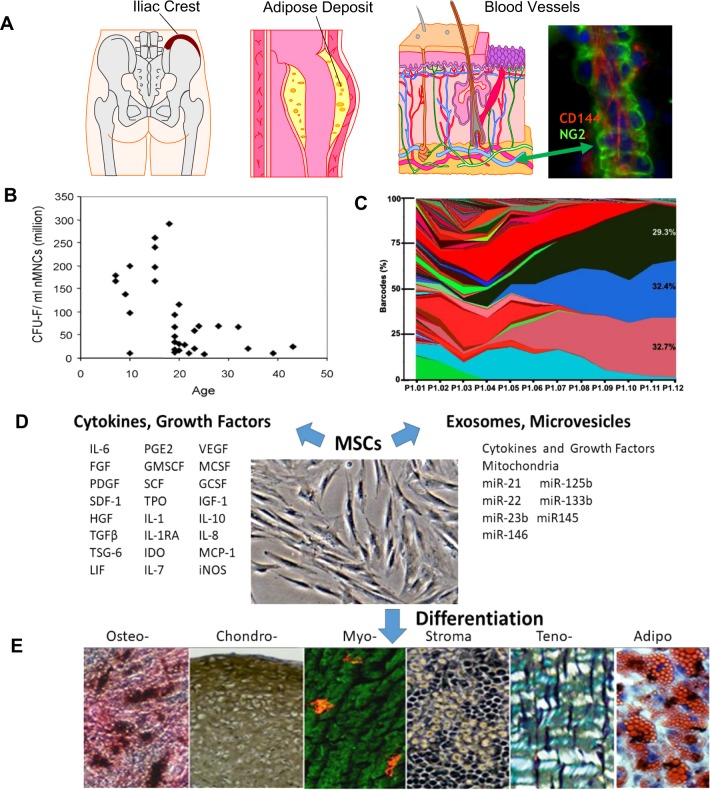
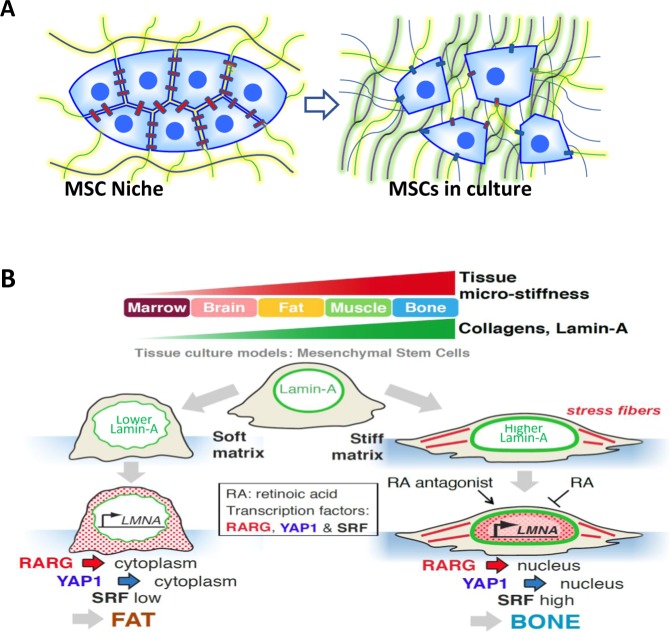
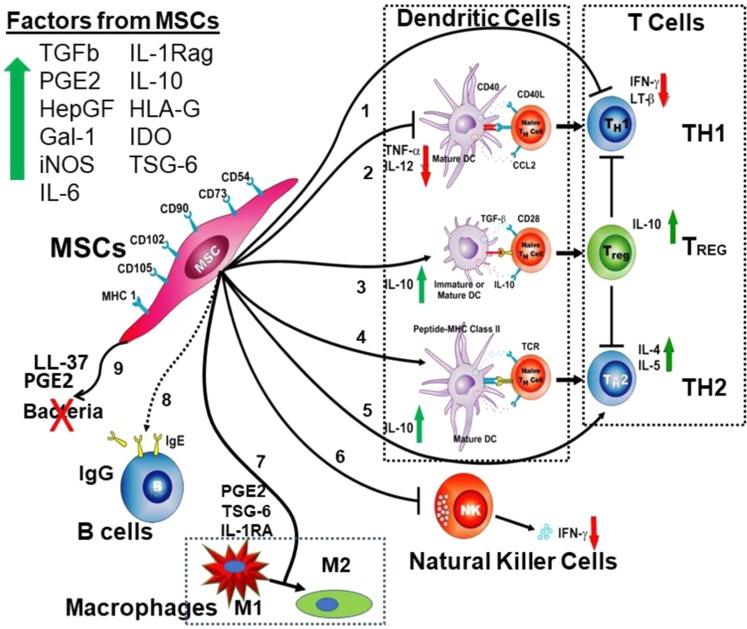
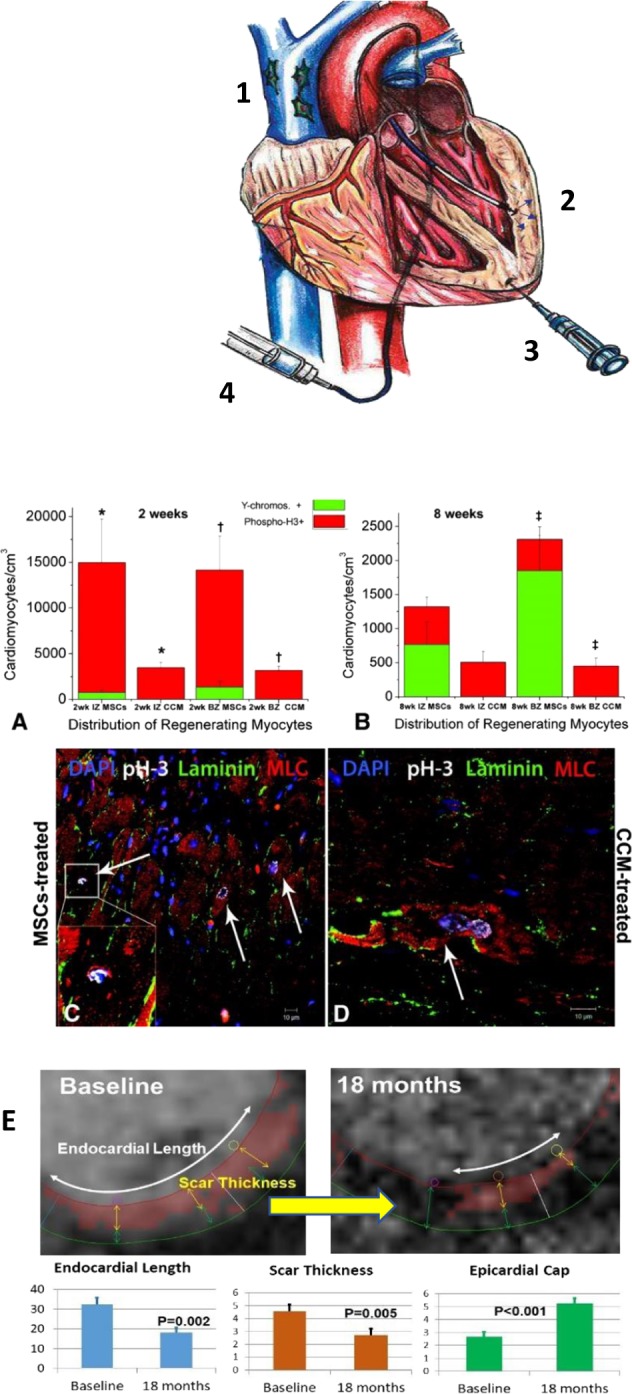
Verification
Claims the paper makes
The claims and statistics of this paper haven’t been checked yet.
Free: it reads the open-access text and checks the first 5 claims that cite a source we can check. Create a free account to check every claim.
Claims other papers make about this one
Each is checked against this paper’s own text: does it say what the citing paper says it does?
The source backs part of the claim, not all of it — or backs it for a different population, condition or comparison.
In the citing paper
“In many clinical trials, MSCs have shown little benefit [1, 5, 9].”
From Harmonised culture procedures minimise but do not eliminate mesenchymal stromal cell donor and tissue variability in a decentralised multicentre manufacturing approach (2023) · cites this paper as [1]
Experimental — accuracy not yet measuredThe source backs part of the claim, not all of it — or backs it for a different population, condition or comparison.
In the citing paper
“factors segregated by MSCs such as IL-1RA [73], [74] inhibit the product of TNF-α segregated by IL-1α-activated macrophages [73], on the other hand, inflammatory factors segregated by macrophages, such as TNF-α [4], [63] and LPS [63] activate MSCs to segregate anti-inflammatory mediators, including TSG-6 [4], [63], IL-10 [4], [63] and PGE2 [4], [63]”
From Mesenchymal stem cell secretome for regenerative medicine: Where do we stand? (2025) · cites this paper as [4]
Experimental — accuracy not yet measuredThe source backs part of the claim, not all of it — or backs it for a different population, condition or comparison.
In the citing paper
“MSC therapies demonstrated cartilage regeneration and early osteoarthritis improvement, but high costs and ethical concerns remain barriers to widespread adoption.”
From Advancements in Regenerative Therapies for Orthopedics: A Comprehensive Review of Platelet-Rich Plasma, Mesenchymal Stem Cells, Peptide Therapies, and Biomimetic Applications (2025) · cites this paper as [19]
Experimental — accuracy not yet measuredThe cited source says what the claim attributes to it.
In the citing paper
“MSCs have shown their therapeutic effects in numerous disease models as well as in some clinical trials [4].”
From Mesenchymal stem cell secretome for regenerative medicine: Where do we stand? (2025) · cites this paper as [4]
The cited source says what the claim attributes to it.
In the citing paper
“MSCs were shown to polarize macrophages from an inflammatory M1 phenotype to an anti-inflammatory M2 phenotype [4].”
From Mesenchymal stem cell secretome for regenerative medicine: Where do we stand? (2025) · cites this paper as [4]
Self-check
Percentages, sums and reported differences re-computed from the paper’s own numbers.
The self-check needs the paper’s full text.
Citations
Cites
Multilineage potential of adult human mesenchymal stem cells
Pittenger, M. F., Mackay, A. M., Beck, S. C., Jaiswal, R. K., Douglas, R., Mosca, J. D., Moorman, M. A., Simonetti, D. W., Craig, S., & Marshak, D. R. (1999) · Science · doi:10.1126/science.284.5411.143 · Cited by 21,052 · cited 20×
“MSCs are still largely defined by their in vitro expression of a restricted subset of cell surface proteins, and their capacity for stimulus-induced tri-lineage differentiation.(6,31) While this minimalistic definition has sufficed for almost two decades and is still widely used today, the field should benefit from th…”
BackgroundInfluentialSelf-citationDominici, M., Le Blanc, K., Mueller, I., Slaper-Cortenbach, I., Marini, F. C., Krause, D. S., Deans, R. J., Keating, A., Prockop, D. J., & Horwitz, E. M. (2006) · Cytotherapy · doi:10.1080/14653240600855905 · Cited by 17,766 · cited 1×
“MSCs are still largely defined by their in vitro expression of a restricted subset of cell surface proteins, and their capacity for stimulus-induced tri-lineage differentiation.(6,31) While this minimalistic definition has sufficed for almost two decades and is still widely used today, the field should benefit from th…”
BackgroundMatrix elasticity directs stem cell lineage specification
Engler, A. J., Sen, S., Sweeney, H. L., & Discher, D. E. (2006) · Cell · doi:10.1016/j.cell.2006.06.044 · Cited by 13,915 · cited 4×
“Growing MSCs for a longer time on either a soft or a stiff substrate progressively commits the cells to the corresponding lineages, making them refractory to rapid lineage switching by both soluble factors and substrate changes.(96,99) The molecular basis for this commitment— be it DNA methylation, microRNA, soluble f…”
BackgroundResultInfluentialSelf-citationMultilineage Cells from Human Adipose Tissue: Implications for Cell-Based Therapies
Zuk, P. A., Zhu, M., Mizuno, H., Huang, J., Futrell, J. W., Katz, A. J., Benhaim, P., Lorenz, H. P., & Hedrick, M. H. (2001) · Tissue Engineering · doi:10.1089/107632701300062859 · Cited by 7,956
Role of YAP/TAZ in mechanotransduction
Dupont, S., Morsut, L., Aragona, M., Enzo, E., Giulitti, S., Cordenonsi, M., Zanconato, F., Le Digabel, J., Forcato, M., Bicciato, S., et al. (2011) · Nature · doi:10.1038/nature10137 · Cited by 5,979 · cited 1×
“2b) into the nucleus in cells on stiff substrates to promote expression of differentiation genes for “stiff lineages”.(98,106) Further, MSCs respond to the surface curvature of their substrate.”
BackgroundHuman mesenchymal stem cells modulate allogeneic immune cell responses
Aggarwal, S., & Pittenger, M. F. (2005) · Blood · doi:10.1182/blood-2004-04-1559 · Cited by 4,511
Self-citationA perivascular origin for mesenchymal stem cells in multiple human organs
Crisan, M., Yap, S., Casteilla, L., Chen, C.-W., Corselli, M., Park, T. S., Andriolo, G., Sun, B., Zheng, B., Zhang, L., et al. (2008) · Cell Stem Cell · doi:10.1016/j.stem.2008.07.003 · Cited by 3,991 · cited 2×
“Further, although bone marrow was first used for MSC isolation and considered a renewable source, MSC-like cells have been isolated from many tissue sources including harvested adipose tissue,7,8 umbilical Wharton’s jelly,9 placenta,10,11 skin73 and the roots of shed teeth.74 The studies of microvascular pericytes soo…”
Self-citationMesenchymal and haematopoietic stem cells form a unique bone marrow niche
Méndez-Ferrer, S., Michurina, T. V., Ferraro, F., Mazloom, A. R., MacArthur, B. D., Lira, S. A., Scadden, D. T., Ma’ayan, A., Enikolopov, G. N., & Frenette, P. S. (2010) · Nature · doi:10.1038/nature09262 · Cited by 3,374 · cited 1×
“MSCs in bone marrow can exhibit dendritic shapes and express some neuro-typical markers such as CD271, TRK A, B and C mRNAs, and a moderate fraction of MSCs cultured on soft gels that mimic the softness of marrow or neural tissue favor expression of nestin, β3 tubulin, and other neuro-typic traits.(96,97) However, adi…”
ResultDi Nicola, M., Carlo-Stella, C., Magni, M., Milanesi, M., Longoni, P. D., Matteucci, P., Grisanti, S., & Gianni, A. M. (2002) · Blood · doi:10.1182/blood.v99.10.3838 · Cited by 3,226 · cited 1×
“Contemporaneous with early MSC/hematopoietic stem cell transplant clinical studies, in vitro studies tested allo-MSCs in mixed donor lymphocyte reactions and revealed the MSCs prevented lymphocyte proliferation, and do not cause apoptosis of T cells, rather the T cells will respond to subsequent lymphocyte challenge w…”
ResultEvidence for Cardiomyocyte Renewal in Humans
Bergmann, O., Bhardwaj, R. D., Bernard, S., Zdunek, S., Barnabé-Heider, F., Walsh, S., Zupicich, J., Alkass, K., Buchholz, B. A., Druid, H., et al. (2009) · Science · doi:10.1126/science.1164680 · Cited by 3,130 · cited 1×
“brain neurons, chondrocytes, and cardiomyocytes where the cell half-life is on the order of ~50 years.(132) When a tissue is damaged by trauma or disease, these regenerative repair processes may be accelerated, but this capacity diminishes with age, and each tissue ages somewhat differently.”
Background
Research works printed but not linked: 1
- Pittenger, M. F., Mbalaviele, G., Black, M., Mosca, J. D. & Marshak D. R. (2001). Adult mesenchymal stem cells from bone marrow. Primary Mesenchymal Cells, Ch. 10, Human Cell Culture, Vol. 5 (eds Koller, M. et al.) pp 190-207 (Kluwer Academic Publishers, Dordrecht, Netherlands, 2001).
Cited by
Items 701–800 of 1,001
Enhancing Cartilage Repair: Surgical Approaches, Orthobiologics, and the Promise of Exosomes
Singer, J., Knezic, N., Layne, J. E., Gohring, G., Christiansen, J., Rothrauff, B., & Huard, J. (2024) · Life · doi:10.3390/life14091149 · Cited by 16
“The few studies that have investigated the effect of bone marrow MSCs (BM-MSCs) for cartilage repair have revealed partial restoration of hyaline cartilage with issues of transient fibrocartilage formation and subchondral bone overgrowth [69,174].”
BackgroundKang, M., Yang, Y., Zhang, H., Zhang, Y., Wu, Y., Denslin, V., Othman, R. B., Yang, Z., & Han, J. (2024) · International Journal of Molecular Sciences · doi:10.3390/ijms251910627 · Cited by 14
“Mesenchymal stromal cells (MSCs), characterized by their inherent self-renewal property [1], multipotent differentiation potential [2], profound immunomodulatory capacities [3], and availability from multiple adult and prenatal tissues, such as bone marrow [4], dental pulps [5], adipose tissues [6]…”
BackgroundYang, Y., Lv, M., Xu, Q., Wang, X., & Fang, Z.-J. (2024) · International Journal of Nanomedicine · doi:10.2147/ijn.s491335 · Cited by 15
Biomedical Application Prospects of Gadolinium Oxide Nanoparticles for Regenerative Medicine
Silina, E. V., Manturova, N. E., Chuvilina, E. L., Gasanov, A. A., Andreeva, O. I., Пугачевский, М. А., Кочура, А. В., Kryukov, A. A., Suzdaltseva, Y. G., & Stupin, V. A. (2024) · Pharmaceutics · doi:10.3390/pharmaceutics16121627 · Cited by 15
Tavares, D. F., Mano, J. F., & Oliveira, M. B. (2025) · Materials Today Bio · doi:10.1016/j.mtbio.2025.101735 · Cited by 16
“…and hosts may hamper their immediate application as off-the-shelf products if cell membrane molecules responsible for immune recognition would be kept [10,11], although this question is open for cell types with low immunogenicity, including mesenchymal stem cells [14] and perinatal tissues [15].”
Shao, Z., Zhang, X., Cai, J., & Lu, F. (2025) · Stem Cell Research & Therapy · doi:10.1186/s13287-025-04369-4 · Cited by 14
“Mesenchymal stem cells are a kind of plastic adhesion of spindle cells and pluripotent, can differentiate into a variety of cell types, such as adipocytes, osteocytes, chondrocytes, myocytes, endothelial cells and insulin-producing cells [24, 25].”
Schneider, R. S., Nieves, E. B., Aggarwal, B., Bowles, A. C., Stevens, H. Y., Kippner, L. E., Boden, S. D., Mautner, K., Drissi, H., Roy, K., et al. (2025) · Nature Communications · doi:10.1038/s41467-025-60158-w · Cited by 15
“Alternative biomarkers, such as indoleamine 2,3-dioxygenase or programmed death-ligand 1, have been explored as surrogate metrics of potency in response to de fi ned in fl ammatory stimuli, including IFN-γ 6,7,42 .”
Lohmann, S., Eijken, M., Møldrup, U., Møller, B. K., Hunter, J. P., Moers, C., Leuvenink, H. G. D., Ploeg, R. J., Groningen, M. C. C., Hoogduijn, M. J., et al. (2020) · Transplantation · doi:10.1097/tp.0000000000003429 · Cited by 15
“Similar to the present study, several preclinical and clinical studies make use of allogeneic MSCs.(47) Our choice was based on the easier application of off-the-shelf allogeneic MSC compared to autologous MSC in the situation of deceased organ transplantation and the fact that kidney recipients’ age and illness make…”
MethodResultInfluentialBrachyury engineers cardiac repair competent stem cells
Li, M., Yamada, S., Shi, A., Singh, R. D., Rolland, T. J., Jeon, R., Lopez, N., Shelerud, L. M., Terzic, A., & Behfar, A. (2020) · Stem Cells Translational Medicine · doi:10.1002/sctm.20-0193 · Cited by 14
“Human adipose-derived mesenchymal stem cells (AMSCs) were here used as source material due to ease of harvest, malleability in culture, and repair potential.(25-27) A microencapsulatedmodified-messenger RNA (M(3)RNA) technology was implemented for targeted gene delivery to achieve a nonintegrating and viral-free trans…”
MethodAptamer-Functionalized Natural Protein-Based Polymers as Innovative Biomaterials
Girotti, A., Escalera-Anzola, S., Alonso‐Sampedro, I., González‐Valdivieso, J., & Arias, F. J. (2020) · Pharmaceutics · doi:10.3390/pharmaceutics12111115 · Cited by 15
“As such, they are one of the best cell choices for tissue regeneration [148].”
BackgroundMesenchymal Stromal Cells Regulate Sialylations of N-Glycans, Affecting Cell Migration and Survival
Templeton, K. M., Ramos, M., Rose, J., Le, B., Zhou, Q., Cressman, A., Ferreyra, S., Lebrilla, C. B., & Fierro, F. A. (2021) · International Journal of Molecular Sciences · doi:10.3390/ijms22136868 · Cited by 16
“Mesenchymal Stromal Cells (MSCs) have been widely recognized as a key cell type in regenerative medicine [1].”
BackgroundInflammation, a Common Mechanism in Frailty and COVID-19, and Stem Cells as a Therapeutic Approach
Becerra, J., & Durán, I. (2021) · Stem Cells Translational Medicine · doi:10.1002/sctm.21-0074 · Cited by 14
Mesenchymal Stem Cells in the Treatment of COVID-19, a Promising Future
Beghini, D. G., Horita, S. I. M., & Henriques‐Pons, A. (2021) · Cells · doi:10.3390/cells10102588 · Cited by 16
“MSCs can differentiate into epithelial cells [30], and a remarkable and reversible phenomenon named mesenchymal–epithelial transition (EMT) and epithelial–mesenchymal transition (MET) can occur in embryo development, tumor progression, wound healing, and infections [31] (Figure 1B).”
BackgroundInfante, A., & Rodríguez, C. I. (2021) · Journal of Personalized Medicine · doi:10.3390/jpm11101043 · Cited by 14
“Although MSCs can migrate to the injured tissue and differentiate into specific cell types, their main therapeutic effect is thought to be paracrine, by secreting bioactive factors depending on the microenvironment they face, known as a hit-andrun mechanism [4,9,10].”
BackgroundGoutas, A., Outskouni, Z., Papathanasiou, I. V., Σάτρα, Μ., Koliakos, G., & Trachana, V. (2021) · Cells · doi:10.3390/cells10112939 · Cited by 17
“MSCs can be sourced from different tissues including bone marrow, adipose tissue as well as umbilical cord; it has been demonstrated that their functional characteristics are influenced by the source from which they are taken [2].”
BackgroundWang, Z., Li, H., Fang, J., Wang, X., Dai, S., Cao, W., Guo, Y., Li, Z., & Zhu, H. (2022) · Stem Cell Reviews and Reports · doi:10.1007/s12015-021-10320-w · Cited by 14
Hirakawa, M. P., Tjahjono, N., Light, Y. K., Celebi, A., Celebi, N., Chintalapudi, P., Butler, K. S., Branda, S. S., & Krishnakumar, R. (2022) · iScience · doi:10.1016/j.isci.2022.103759 · Cited by 15
Sauer, T., Facchinetti, G., Kohl, M., Kowal, J. M., Rozanova, S., Horn, J., Schmal, H., Kwee, I., Schulz, A., Hartwig, S., et al. (2022) · International Journal of Molecular Sciences · doi:10.3390/ijms23052568 · Cited by 15
Atmar, K., Tulling, A. J., Lankester, A. C., Bartels, M., Smiers, F. J. W., van der Burg, M., & Mohseny, A. B. (2022) · Frontiers in Immunology · doi:10.3389/fimmu.2022.859668 · Cited by 14
“However, in recent years emphasis has shifted more towards the excretory functions of MSCs (3).”
BackgroundChen, M., Tsai, B. C., Sitorus, M. A., Kuo, C., Kuo, W., Chen, T., Fu, C., Ho, T., Huang, C., & Ju, D. (2022) · Neurotoxicity Research · doi:10.1007/s12640-022-00544-0 · Cited by 14
Iacomi, D. M., Rosca, A., Ţuţuianu, R., Neagu, T. P., Prună, V., Simionescu, M., & Titorencu, I. D. (2022) · International Journal of Molecular Sciences · doi:10.3390/ijms23168925 · Cited by 14
“From all of these locations, adipose tissue-derived MSC (ADSC) have been getting increased attention due to the ease of isolation and abundance [8].”
BackgroundKaushal, S., Hare, J. M., Hoffman, J. R., Boyd, R. M., Ramdas, K. N., Pietris, N., Kutty, S., Tweddell, J. S., Husain, S. A., Menon, S. C., et al. (2023) · European Heart Journal Open · doi:10.1093/ehjopen/oead002 · Cited by 14
“MSCs are particularly attractive for paediatric applications because they can be reproducibly isolated and expanded from donor bone marrow.(30,31) These cells have immunosuppressive and pro-vascular properties and are effective as an allogeneic cell type as seen in previous adult clinical trials, making them a strong…”
BackgroundSelf-citationWu, Y., Shum, H. C. E., Wu, K., & Vadgama, J. V. (2023) · Biomedicines · doi:10.3390/biomedicines11041182 · Cited by 14
“Additionally, MSCs can be either autologous (from the same patient) or allogeneic (from a different donor), which can impact their immunogenicity and compatibility [46,47].”
BackgroundMesenchymal and induced pluripotent stem cell–based therapeutics: a comparison
Teale, M. A., Schneider, S. L., Eibl, D., van den Bos, C., Neubauer, P. B., & Eibl, R. (2023) · Applied Microbiology and Biotechnology · doi:10.1007/s00253-023-12583-4 · Cited by 14
Designing biofunctional hydrogels for stem cell biology and regenerative medicine applications
Thi, T. T. H., Laney, M., Zhang, H., Martinez, F., Lee, Y., & Jang, Y. C. (2023) · Journal of Industrial and Engineering Chemistry · doi:10.1016/j.jiec.2023.08.042 · Cited by 15
Hosoya, S., Yokomizo, R., Kishigami, H., Fujiki, Y., Kaneko, E., Amita, M., Saito, T., Kishi, H., Sago, H., Okamoto, A., et al. (2023) · Stem Cell Research & Therapy · doi:10.1186/s13287-023-03524-z · Cited by 14
“…a powerful self-renewal potency and a high ability of immunomodulation, wound healing, and neovascularization, they have been widely studied as a novel stem cell resource for treatments to various diseases related to immune rejection, autoimmunity, degeneration, and severe inflammation [10–12].”
BackgroundPham, D., Nguyen, T.-K., Nguyen, B.-L., Kim, J. O., Jeong, J., Choi, I., & Park, P. (2023) · Acta Pharmaceutica Sinica B · doi:10.1016/j.apsb.2023.10.019 · Cited by 14
“In addition, there has recently been huge interest in the robust immunomodulatory properties of MSC, making them an emerging treatment option for inflammatory and autoimmune disorders 2 .”
BackgroundCell fusion upregulates PD-L1 expression for evasion from immunosurveillance
Tajima, Y., Shibasaki, F., & Masai, H. (2023) · Cancer Gene Therapy · doi:10.1038/s41417-023-00693-0 · Cited by 14
“Mesenchymal stem cells (MSCs) are multipotent stem cells with high self-renewal and differentiation potentials, and are important sources of adult stem cells for cell-based regenerative medicine [8, 9].”
Li, Q., Hao, M., Zhu, J., Yi, L., Cheng, W., Xie, Y., & Zhao, S. (2024) · Frontiers in Veterinary Science · doi:10.3389/fvets.2023.1296208 · Cited by 14
Gonzàlez-Juncà, A., Liu, F. D., Nagaraja, A. S., Mullenix, A., Lee, C.-T., Gordley, R. M., Frimannsson, D. O., Maller, O., Garrison, B. S., Iyer, D., et al. (2021) · Molecular Cancer Therapeutics · doi:10.1158/1535-7163.mct-21-0030 · Cited by 14
Bone-Forming Perivascular Cells: Cellular Heterogeneity and Use for Tissue Repair
Xu, J., Wang, Y., Gomez-Salazar, M. A., Hsu, G. C., Negri, S., Li, Z., Hardy, W. R., Ding, L., Péault, B., & James, A. W. (2021) · Stem Cells · doi:10.1002/stem.3436 · Cited by 14
“derivedmultilineage mesodermal progenitors that can be extracted from all vascularized tissues.(7) Markers expressed by perivascular cells had been detected on cells from the human uterus that give rise to MSC like progenitors.”
BackgroundSelf-citationHigh‐Throughput On‐Chip Human Mesenchymal Stromal Cell Potency Prediction
Schneider, R. S., Vela, A. C., Williams, E. K., Martin, K. E., Lam, W. A., & García, A. J. (2021) · Advanced Healthcare Materials · doi:10.1002/adhm.202101995 · Cited by 14
MSC therapy in livestock models
Harness, E. M., Mohamad‐Fauzi, N., & Murray, J. D. (2022) · Translational Animal Science · doi:10.1093/tas/txac012 · Cited by 14
Kim, Y. J., Park, K. H., Lee, K., Chun, Y., & Lee, J. W. (2022) · International Journal of Molecular Sciences · doi:10.3390/ijms23158674 · Cited by 15
“For hBMSCs to be efficiently used in stem cell therapy, a large number of cells have to be cultured over long periods of time in vitro [10].”
BackgroundUmbaugh, D. S., Soder, R. P., Nguyen, N. T., Adelusi, O. B., Robarts, D. R., Woolbright, B. L., Duan, L., Abhyankar, S., Dawn, B., Apte, U. M., et al. (2022) · Archives of Toxicology · doi:10.1007/s00204-022-03372-5 · Cited by 14
Swain, H. N., Boyce, P. D., Bromet, B. A., Barozinksy, K., Hance, L., Shields, D., Olbricht, G. R., & Semon, J. A. (2024) · Biochimie · doi:10.1016/j.biochi.2024.04.009 · Cited by 13
Biofunctionalization of Stem Cell Scaffold for Osteogenesis and Bone Regeneration
Chen, Q., Jiang, Y., Zhang, X., Xu, S.-C., Wang, Y., Xing, D., & Li, H. (2025) · Biomolecules · doi:10.3390/biom15121700 · Cited by 13
“In recent years, mesenchymal stem cells (MSCs) have emerged as a key cell source for bone tissue regeneration due to their multipotent differentiation capacity and immunomodulatory properties [3].”
Jin, W. Z., He, Y., Tuo, L., Long, F., Qin, X., Yuan, Y., Gao, G., Shakhawat, H. M., Liu, X., Jin, G., et al. (2022) · Cell & Bioscience · doi:10.1186/s13578-022-00753-2 · Cited by 14
“Because of the low immunogenicity, high regenerative capability and strong immunomodulatory properties, both allogenic and autologous MSCs have been deployed in a large number of phase I-III clinical trials for degenerative diseases and autoimmune disorders, such as ischemic heart diseases, neurodegenerative disorders…”
BackgroundLiang, X., Liu, J., Li, M., Lin, F., Zhuang, R., Meng, Q., Ma, X., Xin, Y., Gong, X., He, Z., et al. (2023) · Stem Cells International · doi:10.1155/2023/6256115 · Cited by 14
“However, since the acquisition procedure of BM-MSC was invasive, with a significant decrease in the yield and proliferative capacity with the donor’s age, exploiting potential alternative sources could be beneficial [13, 14].”
BackgroundPark, G. T., Lim, J. K., Choi, E.-B., Lim, M.-J., Yun, B.-Y., Kim, D. K., Yoon, J. W., Hong, Y. G., Chang, J. H., Bae, S. H., et al. (2023) · Biomaterials Research · doi:10.1186/s40824-023-00395-6 · Cited by 13
“MSCs are promising candidates for tissue engineering and cell therapy because of their multipotent differentiation capability and paracrine function [14].”
BackgroundTargeting the CXCL12/CXCR4 pathway to reduce radiation treatment side effects
Chaudary, N., Hill, R. P., & Milosevic, M. (2024) · Radiotherapy and Oncology · doi:10.1016/j.radonc.2024.110194 · Cited by 13
Monteiro, C. F., Gomes, M. C., Bharmoria, P., Freire, M. G., Coutinho, J. A. P., Custódio, C. A., & Mano, J. F. (2024) · ACS Nano · doi:10.1021/acsnano.4c02790 · Cited by 15
Raftery, R. M., González‐Vázquez, A., Walsh, D. P., Chen, G., Laiva, A. L., Keogh, M. B., & O’Brien, F. J. (2024) · Advanced Healthcare Materials · doi:10.1002/adhm.202401031 · Cited by 15
Jabermoradi, S., Paridari, P., Ramawad, H. A., Gharin, P., Roshdi, S., Toloui, A., & Yousefifard, M. (2025) · Archives of Academic Emergency Medicine · doi:10.22037/aaem.v12i1.2261 · Cited by 15
NEAT1 regulates BMSCs aging through disruption of FGF2 nuclear transport
Wang, Z., Zhen, W., Wang, Q., Sun, Y., Jin, S., Yu, S., Xing, W., Zhang, W., Zhang, Y., Xu, F., et al. (2025) · Stem Cell Research & Therapy · doi:10.1186/s13287-025-04156-1 · Cited by 14
Dawood, R. M., & Mahdee, A. F. (2025) · Polymers · doi:10.3390/polym17050596 · Cited by 13
“Key elements of this process are various cell types, in particular mesenchyme stem cells (MSCs), that are characterized by their ability to self-renew [1] and their multipotency [2], which allows them to differentiate into osteoblasts, smooth muscle cells, chondrocytes, and adipocytes [2].”
The secrets of menstrual blood: emerging frontiers from diagnostic tools to stem cell therapies
Feng, Y., & He, Y. (2025) · Frontiers in Cell and Developmental Biology · doi:10.3389/fcell.2025.1623959 · Cited by 17
Sarkar, S., Barnaby, R., Nymon, A. B., Charpentier, L. A., Taub, L. D., Wargo, M. J., Weiss, D. J., Bonfield, T. L., & Stanton, B. A. (2025) · American Journal of Physiology-Lung Cellular and Molecular Physiology · doi:10.1152/ajplung.00187.2025 · Cited by 13
Altered physiology of mesenchymal stem cells in the pathogenesis of adolescent idiopathic scoliosis
Ko, D. S., Kim, Y. H., Goh, T. S., & Lee, J. S. (2020) · World Journal of Clinical Cases · doi:10.12998/wjcc.v8.i11.2102 · Cited by 13
Harnessing Dental Stem Cell Immunoregulation Using Cell-Laden Biomaterials
Pouraghaei, S., Ansari, S., Chen, C., & Moshaverinia, A. (2021) · Journal of Dental Research · doi:10.1177/0022034520985820 · Cited by 13
“Less than 1% of the transplanted stem cells can survive and engraft (Pittenger et al. 2019).”
BackgroundBella, S. D., Cannella, V., Mira, F., Marco, P. D., Lastra, A., Gucciardi, F., Purpari, G., & Guercio, A. (2021) · Animals · doi:10.3390/ani11061755 · Cited by 13
“These cells display a significant therapeutic plasticity as reflected by their advantageous characteristics: the ability to enhance tissue renovation, the immunomodulatory and anti-inflammatory effects [1].”
BackgroundPeriodontal Cell Therapy: A Systematic Review and Meta-analysis
Dubuc, A., Planat‐Benard, V., Marty, M., Monsarrat, P., & Kémoun, P. (2022) · Advances in experimental medicine and biology · doi:10.1007/978-3-030-96881-6_20 · Cited by 13
Hajmomeni, P., Sisakhtnezhad, S., & Bidmeshkipour, A. (2022) · Chemico-Biological Interactions · doi:10.1016/j.cbi.2022.110283 · Cited by 15
Katahira, Y., Murakami, F., Inoué, S., Miyakawa, S., Sakamoto, E., Furusaka, Y., Watanabe, A., Sekine, A., Kuroda, M., Hasegawa, H., et al. (2023) · Frontiers in Immunology · doi:10.3389/fimmu.2022.1010700 · Cited by 13
Non-pituitary GH regulation of the tissue microenvironment
Chesnokova, V., & Melmed, S. K. (2023) · Endocrine Related Cancer · doi:10.1530/erc-23-0028 · Cited by 15
Human fetal tissue is critical for biomedical research
Brumbaugh, J., Aguado, B. A., Lysaght, T., & Goldstein, L. S. B. (2023) · Stem Cell Reports · doi:10.1016/j.stemcr.2023.10.008 · Cited by 14
Ghiasi, M., Zarandi, P. K., Dayani, A., Salimi, A., & Shokri, E. (2024) · Regenerative Therapy · doi:10.1016/j.reth.2024.03.015 · Cited by 14
Umbilical cord mesenchymal stem cells and lung cancer: We should be hopeful or hopeless?
Arefnezhad, R., Helfi, M., Okhravijouybari, R., Goleij, P., Sargolzaeimoghaddam, M., Mohammadi, H., Mahdaviyan, N., Fatemian, H., Sarg, A., Jahani, S., et al. (2024) · Tissue and Cell · doi:10.1016/j.tice.2024.102410 · Cited by 13
Rofaani, E., Mardani, M. W., Yutiana, P. N., Amanda, O., & Darmawan, N. (2024) · Molecular Biology Reports · doi:10.1007/s11033-024-09743-8 · Cited by 16
Expansion and Chondrogenic Differentiation of Human Bone Marrow-Derived Mesenchymal Stromal Cells
Narcisi, R., Koevoet, W. J. L. M., & van Osch, G. J. (2020) · Methods in molecular biology · doi:10.1007/978-1-0716-0989-7_2 · Cited by 13
Fujita, Y., Nishimura, M., Komori, N., Sawamoto, O., & Kaneda, S. (2021) · Cryobiology · doi:10.1016/j.cryobiol.2021.03.011 · Cited by 13
Eftekhari, E., Ghollasi, M., Halabian, R., Soltanyzadeh, M., & Enderami, S. E. (2021) · Human Cell · doi:10.1007/s13577-021-00537-9 · Cited by 13
Three-dimensional human placenta-like bud synthesized from induced pluripotent stem cells
Sato, M., Inohaya, A., Yasuda, E., Mogami, H., Chigusa, Y., Kawasaki, K., KAWAMURA, Y. L., Ueda, Y., Takai, H., Mandai, M., et al. (2021) · Scientific Reports · doi:10.1038/s41598-021-93766-9 · Cited by 13
Capuani, S., Hernandez, N., Paez‐Mayorga, J., Dogra, P., Wang, Z., Cristini, V., Chua, C. Y. X., Nichols, J. E., & Grattoni, A. (2022) · Materials Today Bio · doi:10.1016/j.mtbio.2022.100390 · Cited by 14
CXCR4 Mediates the Effects of IGF-1R Signaling in Rodent Bone Homeostasis and Fracture RepairPreprint
Esposito, A., Klüppel, M., Wilson, B. M., Meka, S. R. K., & Spagnoli, A. (2022) · SSRN Electronic Journal · doi:10.2139/ssrn.4239423 · Cited by 13
“[7] MSCs have the capacity to self-renew and to differentiate into osteoblasts, chondrocytes, adipocytes and connective tissue.”
BackgroundSandonà, M., Esposito, F., Cargnoni, A., Silini, A. R., Romele, P., Parolini, O., & Saccone, V. (2023) · International Journal of Molecular Sciences · doi:10.3390/ijms241512457 · Cited by 13
Modelling bone metastasis in spheroids to study cancer progression and screen cisplatin efficacy
Suurmond, C. E., Leeuwenburgh, S. C. G., & van den Beucken, J. J. J. P. (2024) · Cell Proliferation · doi:10.1111/cpr.13693 · Cited by 13
“18,19 Additionally, cancer cells are known to attract MSCs, resulting in relatively large numbers of MSCs at tumour sites.”
BackgroundSilva-Sousa, T., Usuda, J. N., Al-Arawe, N., Frias, F., Hinterseher, I., Catar, R. A., Luecht, C., Riesner, K., Hackel, A. M., Schimke, L. F., et al. (2024) · Stem Cells · doi:10.1093/stmcls/sxae054 · Cited by 13
Hu, Y., Chen, H., Yang, M., Xu, J., Liu, J., He, Q., Xu, X., Ji, Z., Yang, Y., Yan, M., et al. (2024) · Stem Cells · doi:10.1093/stmcls/sxae055 · Cited by 13
Mesenchymal stromal cell therapies for traumatic neurological injuries
Wang, X., Wang, Q., Xia, Z., Yang, Y., Dai, X., Zhang, C., Wang, J., & Xu, Y. (2024) · Journal of Translational Medicine · doi:10.1186/s12967-024-05725-3 · Cited by 13
“Exosomes and other extracellular vesicles secreted by MSC carry a variety of biomolecules, including signaling lipids, cytokines, growth factors, mRNA, miRNA and mtDNA, that have been shown to contribute to important paracrine signaling effects [28, 32, 42].”
Jumabay, M., Abud, E. M., Okamoto, K., Dutta, P., Chiang, A. W. T., Li, H., Manresa, M. C., Zhu, Y. P., Frederick, D., Kurten, R. C., et al. (2024) · Journal of Allergy and Clinical Immunology · doi:10.1016/j.jaci.2024.11.028 · Cited by 15
Various Hydrogel Types as a Potential In Vitro Angiogenesis Model
Radermacher, C., Rohde, A., Kučikas, V., Buhl, E. M., Wein, S., Jonigk, D. D., Jahnen‐Dechent, W., & Neuß, S. (2024) · Gels · doi:10.3390/gels10120820 · Cited by 12
“Mesenchymal stem cells provide multiple regenerative signaling and are therefore the focus of much research in basic and applied regenerative medicine [8,9].”
Cardiac transplantation: A review of current status and emerging innovations
Sundararaju, U., Rachoori, S., Mohammad, A., & Rajakumar, H. K. (2025) · World Journal of Transplantation · doi:10.5500/wjt.v15.i2.100460 · Cited by 13
Advances in Regulatory Cell Therapy for Type 1 Diabetes: Emerging Strategies and Future Directions
Passerini, L., Forlani, A., & Gregori, S. (2025) · European Journal of Immunology · doi:10.1002/eji.202451722 · Cited by 14
“MSCs can remodel the immune response and inhibit effector T-cell function by releasing soluble factors or via cell-to-cell contact mechanisms [22].”
Wu, J., He, Y., Qian, T., Liu, Z., Wu, Y., Li, Y., Jiang, H., Ye, J., Lv, J., Ma, B., et al. (2025) · Bioactive Materials · doi:10.1016/j.bioactmat.2025.10.030 · Cited by 13
“…ethical and safety concerns, autologous MSCs (including BMSCs and ADSCs) are increasingly gaining more attention, with ADSCs emerging as a major focus in bone tissue engineering research — particularly owing to their accessibility, robust proliferative capacity, and osteogenic potential [14,37,38].”
Managing Bone Infections Beyond Systemic Antibiotics: A Scoping Review
Polyzou, E., Gavatha, M., Efthymiou, D., Papageorgiou, D., Ntalaki, E., Stavropoulos, N. A., & Akinosoglou, K. (2026) · Pathogens · doi:10.3390/pathogens15020201 · Cited by 13
“This results in reduced activity of macrophages, dendritic cells, NK cells, and lymphocytes, and promotes a shift from pro-inflammatory Th1 and M1 phenotypes toward anti-inflammatory Th2 and M2 states, facilitating tissue repair [162,163].”
Johnstone, B. H., Messner, F., Brandacher, G., & Woods, E. J. (2021) · Frontiers in Immunology · doi:10.3389/fimmu.2021.622604 · Cited by 12
Mesenchymal stromal cell therapy for coronavirus disease 2019: which? when? and how much?
Shahani, P., & Datta, I. (2021) · Cytotherapy · doi:10.1016/j.jcyt.2021.04.004 · Cited by 14
Lupșe, I., Páll, E., Barbu–Tudoran, L., Bulboacă, A. E., Ciurea, A., Micu, I. C., Roman, A., Delean, A. G., Muntean, A., & Șoancă, A. (2021) · Materials · doi:10.3390/ma14175049 · Cited by 13
“Periodontal tissues contain mesenchymal stromal cells (MSCs) [15] capable of restoring structure and function, but the intrinsic regenerative capacity of the periodontium is limited [16].”
BackgroundRegulatory B Cell Therapy in Kidney Transplantation
Garcia, S. G., Sandoval-Hellín, N., & Franquesa, M. (2021) · Frontiers in Pharmacology · doi:10.3389/fphar.2021.791450 · Cited by 12
Sonoda, S., & Yamaza, T. (2022) · International Journal of Molecular Sciences · doi:10.3390/ijms23073479 · Cited by 12
Mesenchymal Stromal Cell Therapy in Spinal Cord Injury: Mechanisms and Prospects
Xie, J., Wang, X.-R., Li, M., Tao, Z.-H., Teng, W.-W., & Saijilafu (2022) · Frontiers in Cellular Neuroscience · doi:10.3389/fncel.2022.862673 · Cited by 14
Hung, G., Ashvetiya, T., Leszczynska, A., Yang, W., Hwang, C., Gerstenblith, G., Barth, A. S., & Johnston, P. V. (2022) · npj Aging · doi:10.1038/s41514-022-00091-0 · Cited by 12
Zhang, L., Pei, C., Hou, D., Yang, G., & Yu, D. (2022) · Neural Plasticity · doi:10.1155/2022/3933252 · Cited by 14
Senthilkumar, S., Maiya, K., Jain, N. K., Mata, S., Mangaonkar, S., Prabhu, P., Rai, K. S., Kutty, B. M., & Dhanushkodi, A. (2022) · Current Gene Therapy · doi:10.2174/1566523223666221027113723 · Cited by 12
Soluble T-cadherin promotes pancreatic β-cell proliferation by upregulating Notch signaling
Okita, T., Kita, S., Fukuda, S., Fukuoka, K., Kawada-Horitani, E., Iioka, M., Nakamura, Y., Fujishima, Y., Nishizawa, H., Kawamori, D., et al. (2022) · iScience · doi:10.1016/j.isci.2022.105404 · Cited by 14
Yue, H., Leng, Z., Bo, Y., Tian, Y., Yan, Z., Xue, C., Dong, P., & Wang, J. (2023) · Molecular Nutrition & Food Research · doi:10.1002/mnfr.202200451 · Cited by 12
Abuarqoub, D. A., Adwan, S., Zaza, R., Wehaibi, S., Aslam, N., Jafar, H. D., Qinna, N. A., & Awidi, A. (2023) · Pharmaceuticals · doi:10.3390/ph16050649 · Cited by 12
“s c c tri te t t era for v ri s cli ic l setti s t t ex i it ri l f ti l ti depending on, but not restricted to, their source and ell culture conditions [21,22].”
BackgroundChen, N., Wang, Y., Hui-fang, S., Wang, Z., Zhang, Q., Fan, F., Ma, Y., Liu, F.-X., & Zhang, Y. (2023) · World Journal of Stem Cells · doi:10.4252/wjsc.v15.i6.561 · Cited by 13
Chen, L., Zhang, N., Huang, Y., Zhang, Q., Fang, Y., Fu, J., Yuan, Y., Chen, L., Chen, X., Xu, Z., et al. (2023) · Stem Cell Reviews and Reports · doi:10.1007/s12015-023-10583-5 · Cited by 12
Cell Therapy Drug Product Development: Technical Considerations and Challenges
Weng, L. (2023) · Journal of Pharmaceutical Sciences · doi:10.1016/j.xphs.2023.08.001 · Cited by 13
Hsieh, D. J., Tsai, B. C., Barik, P., Shibu, M. A., Kuo, C., Kuo, W., Lin, P., Shih, C.-Y., Lin, S., Ho, T., et al. (2023) · Aging · doi:10.18632/aging.205026 · Cited by 13
Krishnan, I., Chan, A. M. L., Law, J. X., Ng, M. H., Jayapalan, J. J., & Lokanathan, Y. (2024) · International Journal of Molecular Sciences · doi:10.3390/ijms25105340 · Cited by 12
“Further benefits include ease of sample collection with less ethical concern [7–9].”
BackgroundSafwan, M., Bourgleh, M. S., Aldoush, M., & Haider, K. H. (2024) · World Journal of Cardiology · doi:10.4330/wjc.v16.i8.469 · Cited by 12
High Mannose N-Glycans Promote Migration of Bone-Marrow-Derived Mesenchymal Stromal Cells
Alonso‐Goulart, V., Chaboya, C., Li, Q., Le, B., Congleton, T. J., Florez, J., Tran, V., Liu, G.-Y., Yao, W., Lebrilla, C. B., et al. (2020) · International Journal of Molecular Sciences · doi:10.3390/ijms21197194 · Cited by 12
“Despite the hundreds of clinical trials demonstrating the safety of bone-marrow-derived mesenchymal stromal cells (MSCs; formerly designated as mesenchymal stem cells or multipotent stromal cells), robust clinical efficacy has only been achieved for a handful of indications [1,2].”
BackgroundEmerging trends in chromatin remodeler plasticity in mesenchymal stromal cell function
Chakraborty, S., Sinha, S., & Sengupta, A. (2020) · The FASEB Journal · doi:10.1096/fj.202002232r · Cited by 12
Dubon, M. J., Lee, S., Park, J., Lee, J., & Kang, D. (2021) · International Journal of Medical Sciences · doi:10.7150/ijms.53650 · Cited by 12
“Mesenchymal stem cells (MSC) are adult stem cells that possess the ability to self-renew and to differentiate into multiple tissue types [1-3].”
BackgroundRivera‐Ballesteros, O., Brooks, P. T., Haastrup, E. K., Fischer‐Nielsen, A., Munthe‐Fog, L., & Svalgaard, J. D. (2020) · Cells Tissues Organs · doi:10.1159/000513604 · Cited by 12
Du, Y., Zong, M., Guan, Q., Huang, Z., Zhou, L., Cai, J., da Roza, G., Wang, H., Qi, H., Lu, Y., et al. (2021) · Stem Cell Research & Therapy · doi:10.1186/s13287-021-02473-9 · Cited by 12
Barik, P., Shibu, M. A., Hsieh, D. J., Day, C. H., Chen, R., Kuo, W., Chang, Y., Padma, V. V., Ho, T., & Huang, C. (2021) · Environmental Toxicology · doi:10.1002/tox.23145 · Cited by 12
“activity of MSCs help to maintain their proliferation and stemness.(11,12) MSCs have also the properties to exert angiogenesis and anti-inflammatory factors after the transplantation to the host body.”
Background
Metadata
- Authors
- Pittenger, M. F., Discher, D. E., Péault, B. M., Phinney, D. G., Hare, J. M., & Caplan, A. I.
- Affiliations
- University of Maryland, Baltimore (US)
- University of Pennsylvania (US)
- University of California, Los Angeles (US)
- Scripps Research Institute (US)
- University of Miami (US)
- Case Western Reserve University (US)
- Corresponding author
- Pittenger, Mark F.
- Péault, Bruno M.
- Venue
- npj Regenerative Medicine
- Published
- 2019-12-02
- Volume
- 4
- Issue
- 1
- Pages
- 22-22
- ISSN
- 2057-3995 (ISSN-L)
- PMC
- PMC6889290
- OpenAlex
- W2991416247
- Cited by
- 2,008
- References
- 163
- Citations by year
- 2026: 187 · 2025: 272 · 2024: 348 · 2023: 318 · 2022: 346 · 2021: 385 · 2020: 148
- FWCI
- 27.07
- Type
- journal article
- Language
- en
- Open access
- gold
- doi.org
- Licence
- cc-by
- creativecommons.org/licenses/by/4.0 (tdm)
- creativecommons.org/licenses/by/4.0 (vor)
- Locations
- npj Regenerative Medicine (publishedVersion, cc-by)
- PubMed Central (publishedVersion, cc-by)
- PubMed (publishedVersion)
- DOAJ (DOAJ: Directory of Open Access Journals) (submittedVersion)
- Funders
- National Heart, Lung, and Blood Institute (R01HL124106)
- National Cancer Institute (U01CA254886)
- National Institute of Biomedical Imaging and Bioengineering (EB021911, P41EB021911)
- Topics
- Life Sciences › Biochemistry, Genetics and Molecular Biology › Cell Biology › Mesenchymal stem cell research
- Health Sciences › Dentistry › Periodontics › Periodontal Regeneration and Treatments
- Health Sciences › Medicine › Hematology › Hematopoietic Stem Cell Transplantation
- Keywords
- mesenchymal stem cells, cell differentiation, immunomodulation, anti-inflammatory activity, clinical trials, cell therapy, intercellular communication, cell delivery, patient selection, biomedical engineering
About these checks
Registry, retraction, Cites and statistics results are computed, not judged, with one exception: a printed reference that no index lists is read once by a model before it counts as a citation error. Claims are extracted by a model and kept only when their quote appears verbatim in the text; each cited source is then checked, with a model’s help, for whether it says what the claim relies on. Those verdicts can be wrong — read the claim’s quote and the cited source before relying on one.
Statistics and arithmetic are recomputed, not judged.
Confidence bands are shown only for fields calibrated on our annotated test set. None is calibrated yet, so no band is shown.
What counts as a claim ›How we measure confidence ›How we check this ›
Are you an author, or do you see a problem with this page? Request a review
Data sources
Bibliographic data: Semantic Scholar, OpenAlex, Crossref.
Contains information from the Semantic Scholar Academic Graph Datasets, made available under the ODC Attribution License (ODC-BY 1.0).
Semantic Scholar’s data is described in: Kinney, R., et al. (2023). The Semantic Scholar Open Data Platform. arXiv:2301.10140.
