

Maturation and circuit integration of transplanted human cortical organoids
Open accessThe DOI matches its Crossref record; 44 of the 44 references it cites were found in a registry or an index.
Abstract
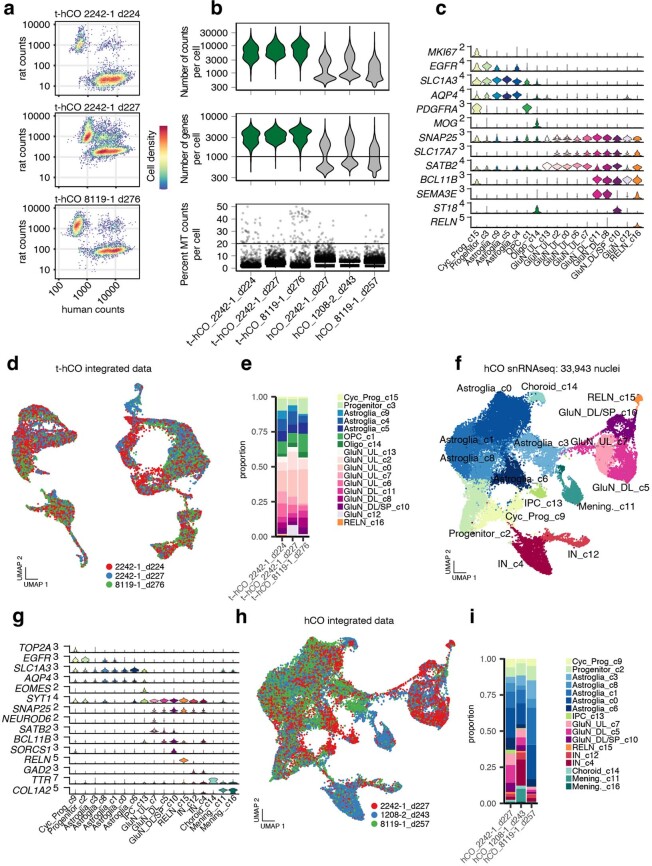
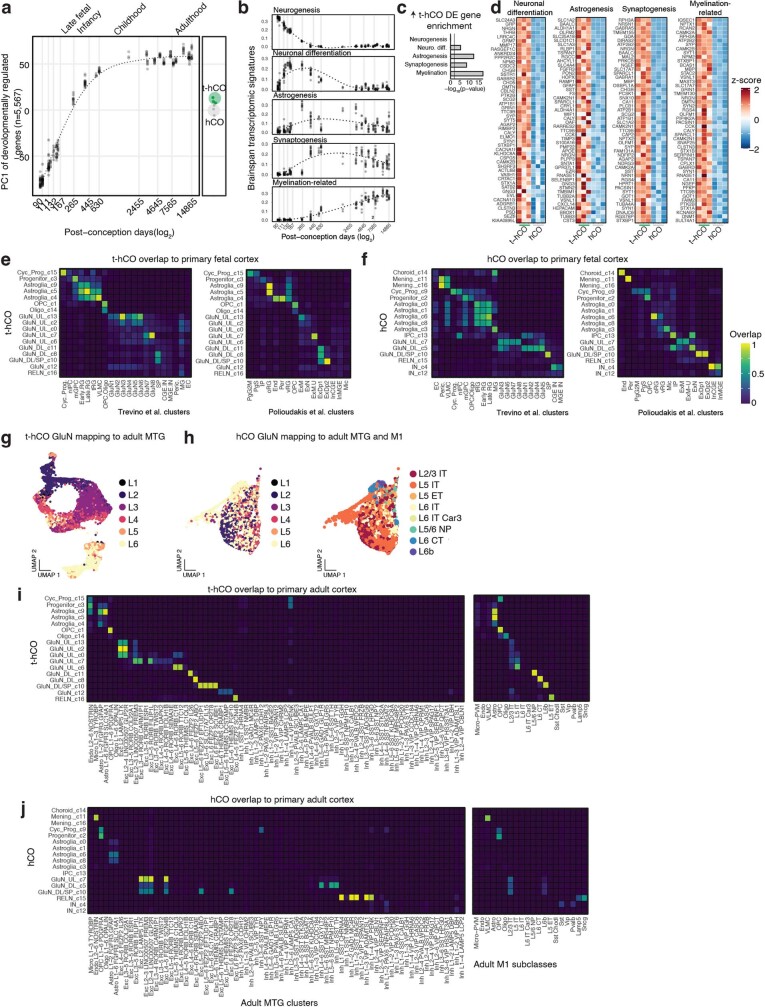
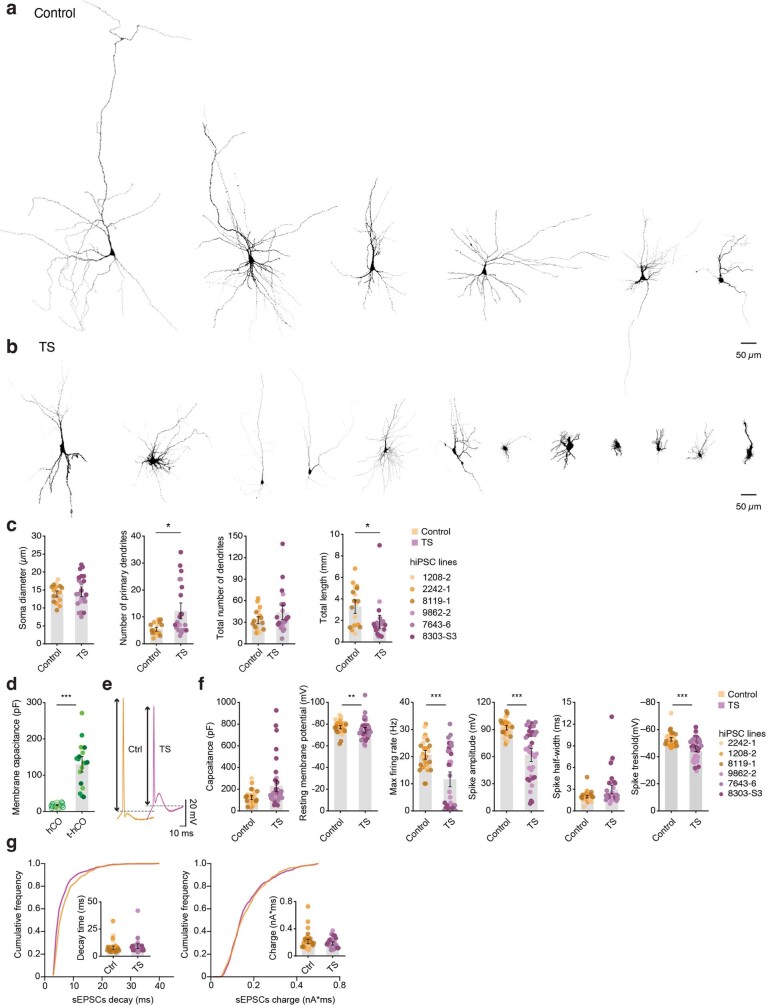
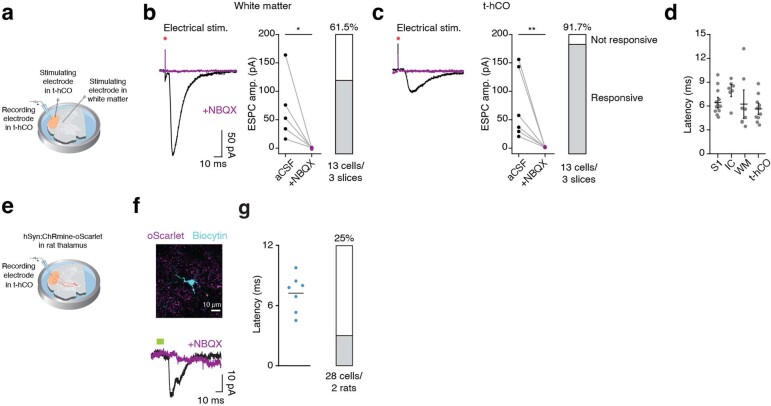
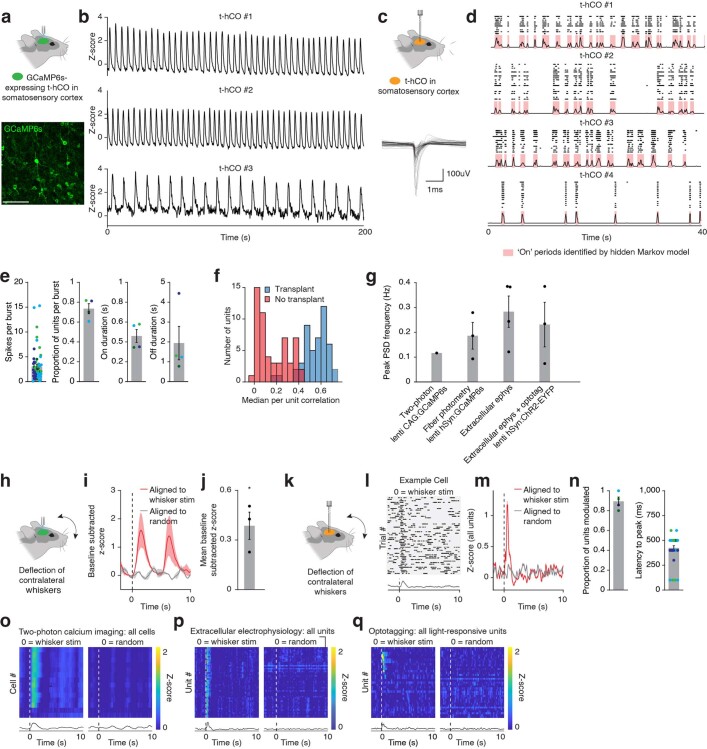
Self-organizing neural organoids represent a promising in vitro platform with which to model human development and disease 1–5 . However, organoids lack the connectivity that exists in vivo, which limits maturation and makes integration with other circuits that control behaviour impossible. Here we show that human stem cell-derived cortical organoids transplanted into the somatosensory cortex of newborn athymic rats develop mature cell types that integrate into sensory and motivation-related circuits. MRI reveals post-transplantation organoid growth across multiple stem cell lines and animals, whereas single-nucleus profiling shows progression of corticogenesis and the emergence of activity-dependent transcriptional programs. Indeed, transplanted cortical neurons display more complex morphological, synaptic and intrinsic membrane properties than their in vitro counterparts, which enables the discovery of defects in neurons derived from individuals with Timothy syndrome. Anatomical and functional tracings show that transplanted organoids receive thalamocortical and corticocortical inputs, and in vivo recordings of neural activity demonstrate that these inputs can produce sensory responses in human cells. Finally, cortical organoids extend axons throughout the rat brain and their optogenetic activation can drive reward-seeking behaviour. Thus, transplanted human cortical neurons mature and engage host circuits that control behaviour. We anticipate that this approach will be useful for detecting circuit-level phenotypes in patient-derived cells that cannot otherwise be uncovered.
Overview
The claims and statistics of this paper haven’t been checked yet.
Free: it reads the open-access text and checks the first 5 claims that cite a source we can check. Create a free account to check every claim.
Integrity signals
Registry
Cites
Statistics
Figures
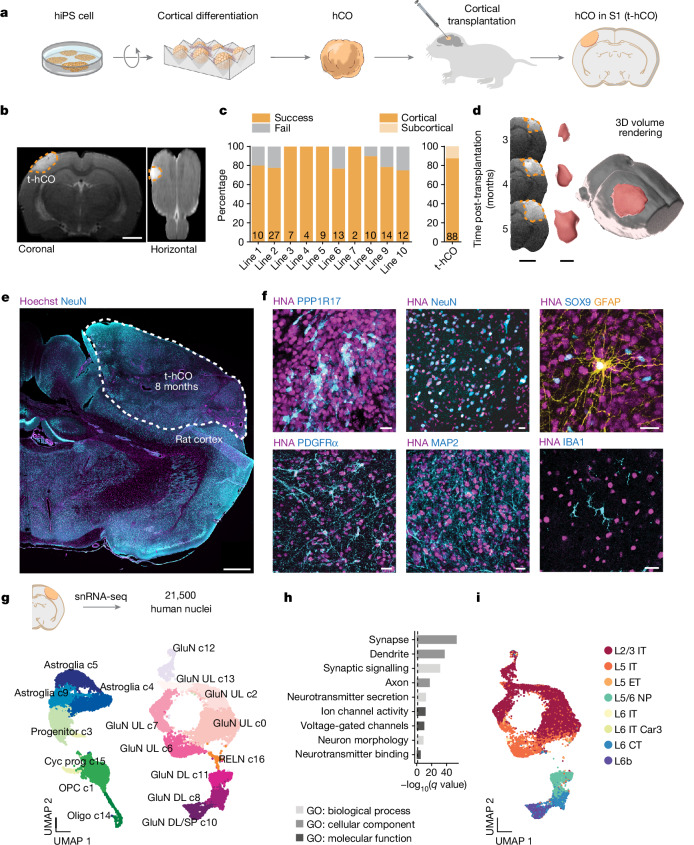
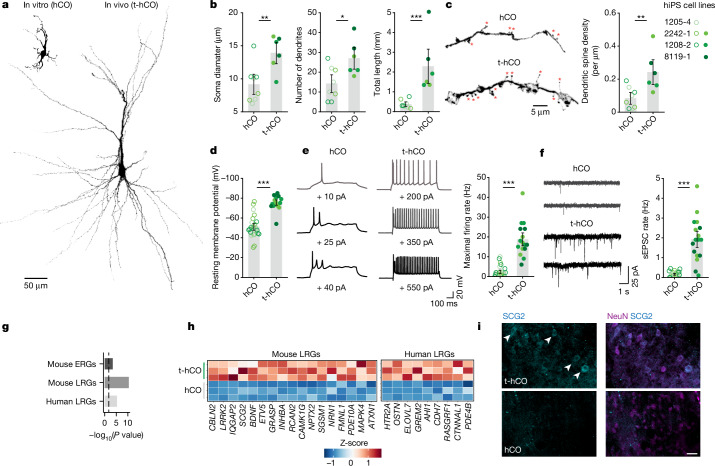
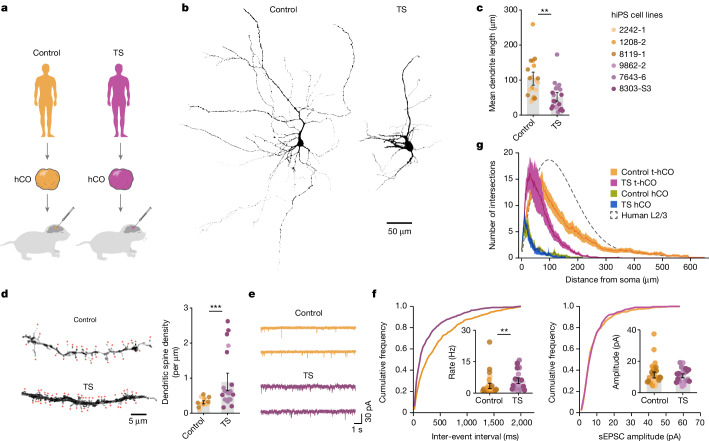
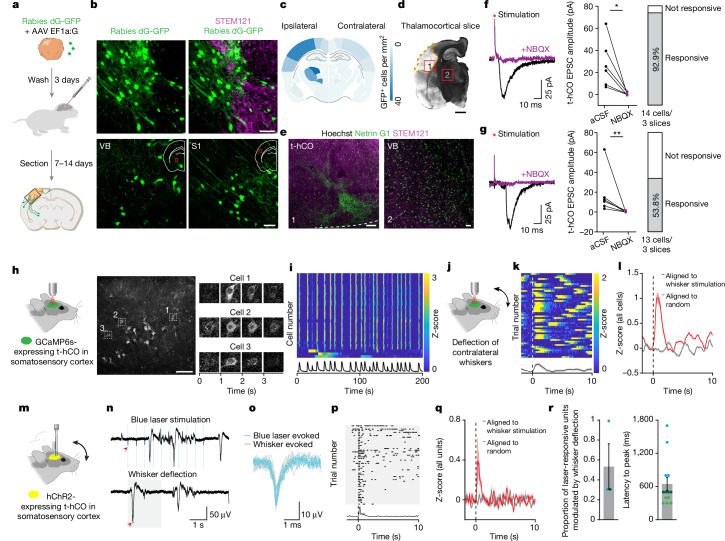
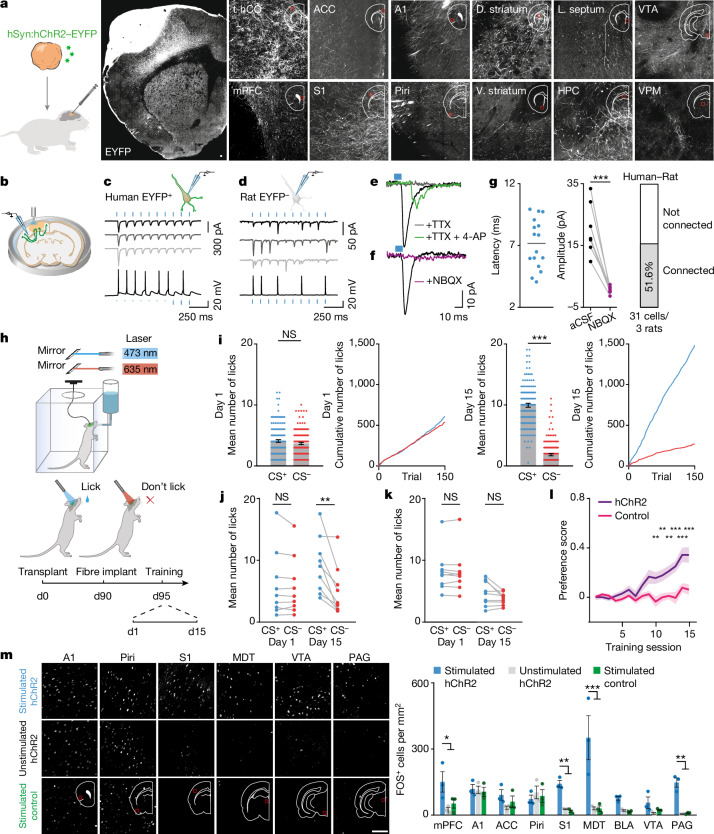
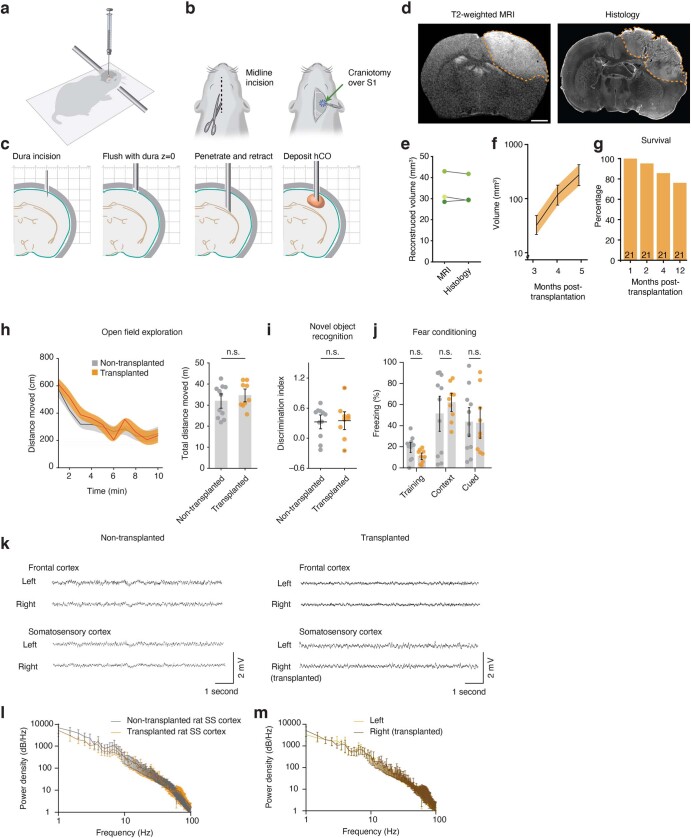
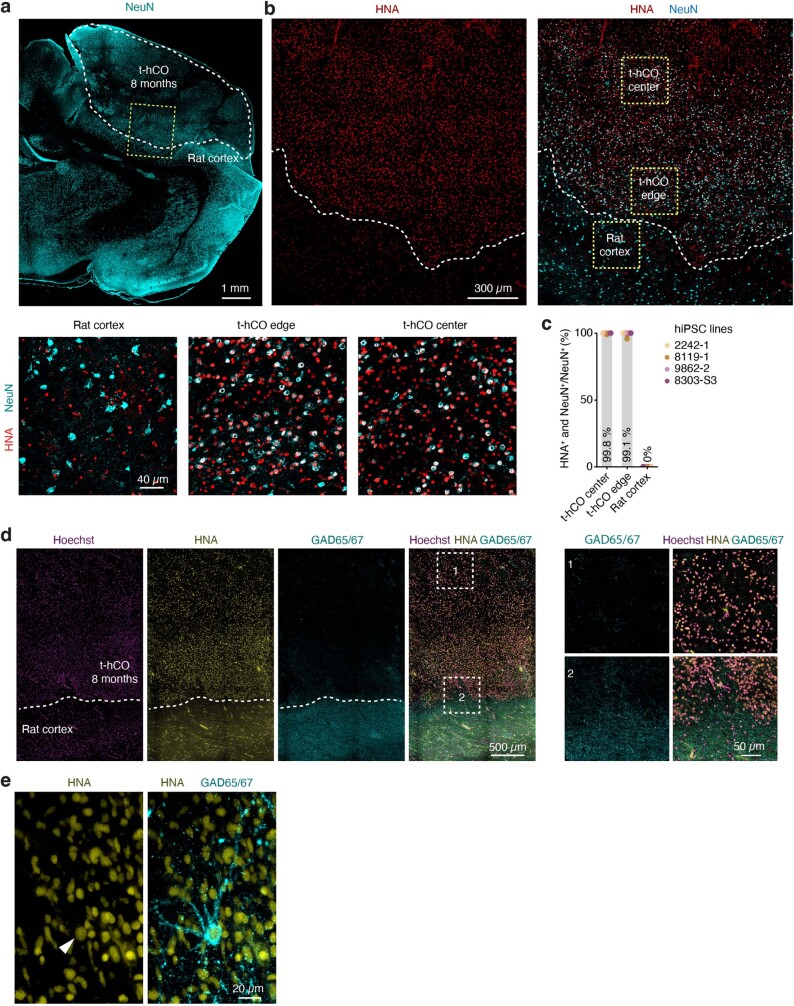
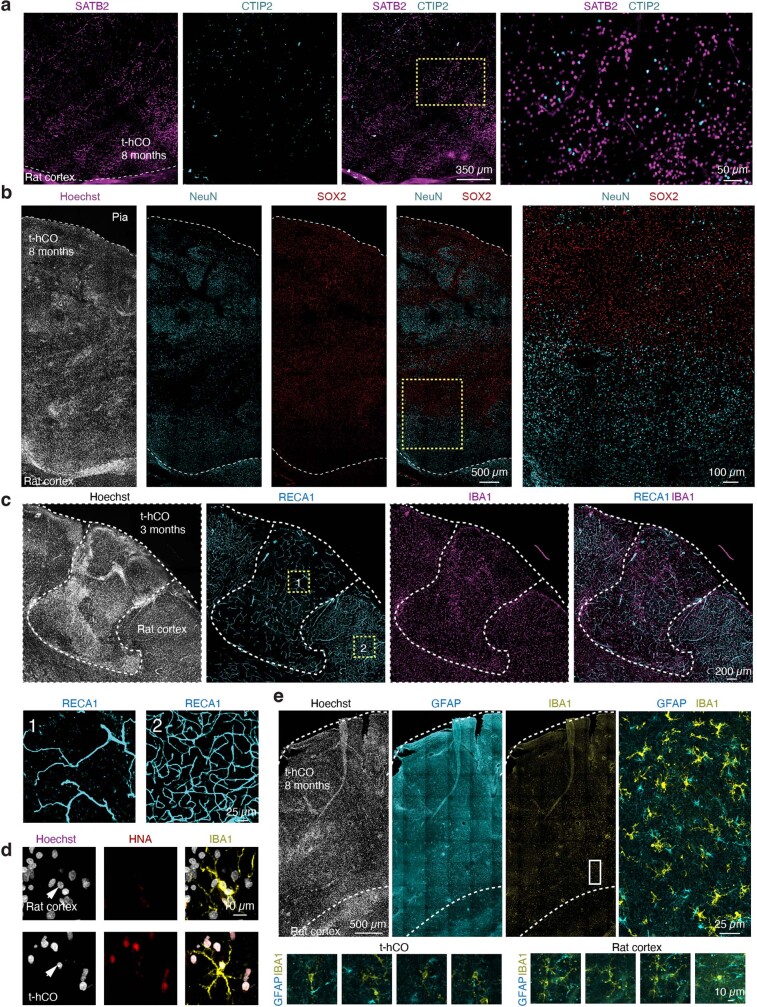
Verification
Claims the paper makes
The claims and statistics of this paper haven’t been checked yet.
Free: it reads the open-access text and checks the first 5 claims that cite a source we can check. Create a free account to check every claim.
Claims other papers make about this one
Each is checked against this paper’s own text: does it say what the citing paper says it does?
The source backs part of the claim, not all of it — or backs it for a different population, condition or comparison.
In the citing paper
“iPS cell-derived organoids fail to mature beyond the fetal phenotype unless they are grafted into living organisms36,37.”
From Human disease models in drug development (2023) · cites this paper as [37]
Experimental — accuracy not yet measured
Self-check
Percentages, sums and reported differences re-computed from the paper’s own numbers.
The self-check needs the paper’s full text.
Citations
Cites
Comprehensive Integration of Single-Cell Data
Stuart, T., Butler, A., Hoffman, P., Hafemeister, C., Papalexi, E., Mauck, W. M., Hao, Y., Stoeckius, M., Smibert, P., & Satija, R. (2019) · Cell · doi:10.1016/j.cell.2019.05.031 · Cited by 15,453
Dimensionality reduction for visualizing single-cell data using UMAP
Becht, E., McInnes, L., Healy, J., Dutertre, C.-A., Kwok, I. W. H., Ng, L. G., Ginhoux, F., & Newell, E. W. (2019) · Nature Biotechnology · doi:10.1038/nbt.4314 · Cited by 5,358 · cited 3×
“Following low-quality nuclei removal, integrated datasets were clustered (resolution = 0.5) and embedded for visualization purposes with UMAP 34 .”
InfluentialMcGinnis, C. S., Murrow, L. M., & Gartner, Z. J. (2019) · Cell Systems · doi:10.1016/j.cels.2019.03.003 · Cited by 4,521
ToppGene Suite for gene list enrichment analysis and candidate gene prioritization
Chen, J., Bardes, E. E., Aronow, B. J., & Jegga, A. G. (2009) · Nucleic Acids Research · doi:10.1093/nar/gkp427 · Cited by 2,952 · cited 1×
“…Ontology (GO) enrichment analyses among significantly upregulated t-hCO GluN genes (Benjamini–Hochberg-adjusted P values less than 0.05, expressed in at least 10% of t-hCO GluN cells, and fold change increase of at least 2) were performed using the ToppGene Suite (https://top-pgene.cchmc.org/) 37 .”
InfluentialBrain-Region-Specific Organoids Using Mini-bioreactors for Modeling ZIKV Exposure
Qian, X., Nguyen, H. N., Song, M. M., Hadiono, C., Ogden, S. C., Hammack, C., Yao, B., Hamersky, G. R., Jacob, F., Zhong, C., et al. (2016) · Cell · doi:10.1016/j.cell.2016.04.032 · Cited by 2,127
Conserved cell types with divergent features in human versus mouse cortex
Hodge, R. D., Bakken, T. E., Miller, J. A., Smith, K. A., Barkan, E. R., Graybuck, L. T., Close, J. L., Long, B., Johansen, N., Penn, O., et al. (2019) · Nature · doi:10.1038/s41586-019-1506-7 · Cited by 1,775 · cited 2×
“We identified and categorized major cell classes through a combination of marker 19–21 , 35 gene expression expression and annotation via integration with reference Differential gene expression analysis between t-hCO and hCO subclasses was performed using a recently developed pseudobulk approach 36…”
Functional cortical neurons and astrocytes from human pluripotent stem cells in 3D culture
Paşca, A. M., Sloan, S. A., Clarke, L. E., Tian, Y., Makinson, C. D., Huber, N., Kim, C. H., Park, J.-Y., O'Rourke, N. A., Nguyen, K. D., et al. (2015) · Nature Methods · doi:10.1038/nmeth.3415 · Cited by 1,609 · cited 1×
“…applying instructive signals to human induced pluripotent stem (hiPS) cells grown in three-dimensional (3D) cultures, self-organizing organoids resembling specific regions of the nervous system, including human cortical organoids (hCO; also known as human cortical spheroids) can be generated 2–6 .”
Self-citationAssembly of functionally integrated human forebrain spheroids
Birey, F., Andersen, J., Makinson, C. D., Islam, S., Wei, W., Huber, N., Fan, H. C., Metzler, K. R. C., Panagiotakos, G., Thom, N., et al. (2017) · Nature · doi:10.1038/nature22330 · Cited by 1,365 · cited 2×
“…applying instructive signals to human induced pluripotent stem (hiPS) cells grown in three-dimensional (3D) cultures, self-organizing organoids resembling specific regions of the nervous system, including human cortical organoids (hCO; also known as human cortical spheroids) can be generated 2–6 .”
Self-citationAn in vivo model of functional and vascularized human brain organoids
Mansour, A. A., Gonçalves, J. T., Bloyd, C. W., Li, H., Fernandes, S., Quang, D., Johnston, S., Parylak, S. L., Jin, X., & Gage, F. H. (2018) · Nature Biotechnology · doi:10.1038/nbt.4127 · Cited by 1,211
Individual brain organoids reproducibly form cell diversity of the human cerebral cortex
Velasco, S., Kedaigle, A. J., Simmons, S. K., Nash, A., Rocha, M., Quadrato, G., Paulsen, B., Nguyen, L., Adiconis, X., Regev, A., et al. (2019) · Nature · doi:10.1038/s41586-019-1289-x · Cited by 1,094
Cited by
Items 301–400 of 547
Brain organoids and genome editing: A new era in understanding human brain development and disorders
Zhou, M., Cao, Y., Yue, K., Wu, W., Xie, Y., Hu, D., Zhao, J., Xu, F., Guo, J., Li, Z., et al. (2025) · Neural Regeneration Research · doi:10.4103/nrr.nrr-d-24-01546 · Cited by 3
Novel and emerging physical treatments for major depressive disorder
Cai, Y., Wang, D., Yang, W., Jiang, S., Qiang, Z., Gao, J., Shen, L., & Yao, H. (2025) · Fundamental Research · doi:10.1016/j.fmre.2025.09.003 · Cited by 4
“…variety of model arsenals, including the ability to implant collections of cells similar to those in the human brain (known as organoids) into rodent circuits to control behaviors and the ability to conduct in vitro studies of circuit function in the intact post-mortem human brain [ 182 , 183 ].”
Capps, B. (2023) · Cambridge Quarterly of Healthcare Ethics · doi:10.1017/s0963180122000780 · Cited by 4
Applications of Induced Pluripotent Stem Cell-Derived Glia in Brain Disease Research and Treatment
Yang, Z., Gong, M., Yang, C., Chen, C., & Zhang, K. (2023) · Handbook of experimental pharmacology · doi:10.1007/164_2023_697 · Cited by 3
Human Brain Organoids in the Preclinical Phase of Drug Development for Migraine
Gazerani, P. (2024) · Medical Research Archives · doi:10.18103/mra.v12i2.5117 · Cited by 3
Fiore, L., Arderiu, J., Martí-Sarrias, A., Turpín, I., Pareja, R. I., Navarro, A., Holubiec, M. I., Bianchelli, J., Falzone, T. L., Spelzini, G., et al. (2024) · Journal of Visualized Experiments · doi:10.3791/65710 · Cited by 3
Electroporation of Sliced Human Cortical Organoids for Studies of Gene Function
Kolodziejczyk, A., Hoffmann, J., Cubillos, P., & Albert, M. (2024) · Journal of Visualized Experiments · doi:10.3791/67598 · Cited by 3
Using cortical organoids to understand the pathogenesis of malformations of cortical development
Winden, K. D., Gisser, I., & Şahin, M. (2025) · Frontiers in Neuroscience · doi:10.3389/fnins.2024.1522652 · Cited by 3
“…disorders. iPSC-derived neuron transplantation into rodent models has been demonstrated to substantially facilitate neuronal maturation, and therefore, this technique could be invaluable to understanding these processes that occur later in development (Linaro et al., 2019; Revah et al., 2022).”
Matsubara, H., Inoue, T., & Agata, K. (2025) · Developmental Biology · doi:10.1016/j.ydbio.2025.06.011 · Cited by 3
Human-specific tandem repeat in CACNA1C modulates responses to neuronal stimulationPreprint
Song, J. H. T., Birey, F., Hung, T.-C., Hall, N., Guenther, C. A., Chen, X., Alkuraya, I. F., Tunbridge, E. M., Haerty, W., Pașca, S. P., et al. (2025) · bioRxiv (Cold Spring Harbor Laboratory) · doi:10.1101/2025.09.15.676436 · Cited by 3
“…and appears to be a species-specific, cell-intrinsic feature that is maintained in neural transplants and cell culture (Gaspard et al., 2008; Petanjek et al., 2011; Espuny-Camacho et al., 2013; Otani et al., 2016; Sloan et al., 2017; Trevino et al., 2020; Gordon et al., 2021; Revah et al., 2022).”
Self-citationWu, F., Steadman, C., Argent, L. P., Jamieson, B. G., Vellarikkal, S. K., Tamburino, A. M., Khalil, I. G., Peterson, V. M., Kennedy, M. E., Mathew, R. S., et al. (2025) · bioRxiv (Cold Spring Harbor Laboratory) · doi:10.1101/2025.09.12.675888 · Cited by 3
“These limitations are increasingly untenable as organoids become larger and more structurally complex 8,16,38,44 .”
Organoid Computing: Leveraging Organoid Neural Networks for Artificial Intelligence
Li, K., Gu, L., Cai, H., & Guo, F. (2024) · Collaborative bioethics · doi:10.1007/978-3-031-72371-1_12 · Cited by 2
Hathazi, D., Lyons, C., Lagos, D., Podmanicky, O., Zarate-Mendez, M., Nie, Y., Müller, J. S., Allinson, K. S. J., Naylor, H. W., Lako, M., et al. (2026) · Nature Communications · doi:10.1038/s41467-026-74103-y · Cited by 3
“In addition, 3D organoids allow neurons to develop within a structured tissue-like environment, preserving key cell – cell interactions and spatial gradients essential for neuronal diversi fi cation and maturation 18,19 .”
Organoid Technology as a Promising Frontier in Organ Transplantation and Regenerative Medicine
Shin, A., Yum, M. K., & Sun, W. (2025) · International Journal of Stem Cells · doi:10.15283/ijsc25042 · Cited by 3
From Bench to Motion: Unraveling Exercise Biology Through 3D Human Organoids
XU, L., Wang, Y., Xi, C., Liu, J., Xu, W., Han, M., Wu, J., Pang, J., Gao, C., & Sun, L. (2025) · Frontiers in Bioscience-Landmark · doi:10.31083/fbl40854 · Cited by 2
“Transplantation of the organoids has been widely reported for the liver, brain, intestine, etc. [56–58].”
McDaid, G., Vanek, J., Cromer, B. A., & Sümer, H. (2025) · Biomedicines · doi:10.3390/biomedicines13112783 · Cited by 2
“Strategies to address this, including the co-culture of endothelial cells by dox-inducible overexpression of ETV2 [121], or transplantation into animal hosts [129,130], have achieved partial success, but none fully address the complexity or dynamic functionality of the cerebrovascular system.”
Mapping human neurodevelopment—Brain organoids meet lineage tracing
Liaci, C., & Quadrato, G. (2025) · FEBS Letters · doi:10.1002/1873-3468.70250 · Cited by 2
Probing neuropsychiatric disorders through in vivo CRISPR screening
Shi, T., & Jin, X. (2025) · Current Opinion in Genetics & Development · doi:10.1016/j.gde.2025.102424 · Cited by 3
Xie, J. J., Vitkauskas, M., Do, Q., Saw, T. Y., Sun, A. X., Yang, L., Soong, T. W., Lim, K., Tan, E., Ng, H., et al. (2026) · iScience · doi:10.1016/j.isci.2026.114674 · Cited by 2
“Recent advances in organoid implantation into the mouse brain, 83 and assembloid model systems generated via in vitro fusion of distinct region-specified organoids, 84 are potential strategies that could be used to address these physiological limitations and further promote manifestations of PD…”
Brain organoids as models of extracellular vesicle–mediated human neural communication
Rosa, G. L., Pascale, E., Iazzetta, M. R., Sozzi, E., Fico, A., Parrotta, E. I., & Fiorenzano, A. (2026) · Neural Regeneration Research · doi:10.4103/nrr.nrr-d-25-01806 · Cited by 3
A lineage-based model of scalable positional information in vertebrate brain development
Bunne, C., Engert, F., Douglas, R. J., & Zador, A. M. (2026) · Neuron · doi:10.1016/j.neuron.2025.12.043 · Cited by 2
Nami, M., Wang, D. O., Panel, M.-N., Abel, T. G., Banerjee, S., Bredy, T. W., Chaudhury, D., Frankland, P. W., Hayashi, Y., Hirase, H., et al. (2026) · Molecular Brain · doi:10.1186/s13041-026-01281-7 · Cited by 2
“By bypassing the limitations of in vitro systems, these chimeras offer unique insights into how the host environment influences synaptogenesis and whether specific genetic mutations, such as those in Timothy syndrome or Fron-totemporal dementia, manifest differently in an in vivo setting [128].”
Bi, W., Cai, S., Xing, C., Wang, L., & Du, H. (2026) · Stem Cell Reviews and Reports · doi:10.1007/s12015-026-11101-z · Cited by 4
Engineering strategies for the clinical translation of organoids
Liao, L., Meng, Y., Shi, Y., Wang, B., Liu, C., Qiao, W., & Shen, J. (2026) · Journal of Advanced Research · doi:10.1016/j.jare.2026.03.049 · Cited by 4
Genomic approaches for understanding the evolution of the human brain
Song, J. H. T., Greenberg, M. E., Reich, D., & Walsh, C. A. (2026) · Nature Neuroscience · doi:10.1038/s41593-026-02277-1 · Cited by 2
Assembloids: The next dimension in organoid research
Li, Z., Rao, Q., Ma, N., Sun, H., Zhou, D., Zhao, H., & Xu, X. (2026) · Cell Biomaterials · doi:10.1016/j.celbio.2026.100488 · Cited by 4
Beyene, S., Thunemann, M., Campbell, N. B., Kharitonova, E. K., Klorfeld-Auslender, S., Mortazavi, F., & Zeldich, E. (2026) · Frontiers in Neuroscience · doi:10.3389/fnins.2026.1874430 · Cited by 2
“Recent advances have further extended the utility of COs by enabling their xenotransplantation into rodent brains, where human cells achieve unprecedented levels of maturation and functional integration into host cortical circuits (Wilson et al., 2022; Revah et al., 2022).”
Reber, A. S., Baluška, F., & Miller, W. B. (2023) · Oxford University Press eBooks · doi:10.1093/oso/9780198873211.003.0011 · Cited by 2
What Is Life? The Vitalism–Mechanism Debate and the Origins of Life
Reber, A. S., Baluška, F., & Miller, W. B. (2023) · Oxford University Press eBooks · doi:10.1093/oso/9780198873211.003.0003 · Cited by 2
Raïs, C., Santos, D. G., Sansone, G., Blanchard, S., Bourgeois, J., Jagla, B., Saudemont, B., Schlick, L., Pons, S., & Maskos, U. (2023) · Frontiers in Cellular Neuroscience · doi:10.3389/fncel.2023.1259712 · Cited by 3
“Also, the human "minibrain" organoids have been questioned as experimental models of human brain development (Revah et al., 2022).”
BackgroundFehse, B., Schickl, H., Bartfeld, S., & Zenke, M. (2023) · Springer eBooks · doi:10.1007/978-3-662-67908-1 · Cited by 3
Implementing the human right to science in neuroscience
Greely, H. T. (2024) · Journal of Law and the Biosciences · doi:10.1093/jlb/lsae011 · Cited by 3
Dynamic models of human development and concepts of the individual
Hyun, I. (2024) · Cell · doi:10.1016/j.cell.2024.05.028 · Cited by 2
Xenotransplantation — a shortcut to construct tissue complexity in organoids
Yuan, Y., Wang, Y., & Xia, Y. F. (2024) · Current Opinion in Genetics & Development · doi:10.1016/j.gde.2024.102243 · Cited by 2
Molecular mechanisms of the specialization of human synapses in the neocortex
Christopoulou, E., & Charrier, C. (2024) · Current Opinion in Genetics & Development · doi:10.1016/j.gde.2024.102258 · Cited by 3
Selected Abstracts from the 2024 International Neuroethics Society Annual Meeting
Bissette, H. L., Cecchini, D., Sterner, R., Eskander, E., & Dubljević, V. (2024) · AJOB Neuroscience · doi:10.1080/21507740.2024.2404598 · Cited by 2
“The 3D architecture of human brain organoids (HBOs) exhibit highly disordered laminar organization that deviates significantly from species-typical anatomies (Revah et al. 2022).”
BackgroundIn toto biological framework: Modeling interconnectedness during human development
Yoneyama, Y., Wu, Y., Mori, K., & Takebe, T. (2025) · Developmental Cell · doi:10.1016/j.devcel.2024.09.027 · Cited by 2
Wang, J., Qiao, G., Tan, H., Russell, C., Yang, B., Li, M. J., Wang, K., Xu, J., Chu, C., Janowski, M., et al. (2026) · Advanced Science · doi:10.1002/advs.202515913 · Cited by 2
“…of human graft-derived cells were still detectable in the cortex, indicating limited persistence of transplanted cells within the chronic injury environment, which is more hostile than developing [ 49, 53 ] or non-prior injury rodent brains [ 20, 52 ] in previous organoids transplantation studies.”
InfluentialSelf-citationTransplanted brain organoids become mature and intelligent
Wu, X., Xu, Y., Chen, G., Tan, Q., & Zhu, Y. (2022) · Biomedical Technology · doi:10.1016/j.bmt.2022.11.006 · Cited by 2
Cell replacement for Parkinson’s disease: advances and challenges
Xiao, B., & Tan, E. (2023) · Neural Regeneration Research · doi:10.4103/1673-5374.373710 · Cited by 2
A democratic argument for animal uplifting
Paez, E., & Magaña, P. (2023) · Inquiry · doi:10.1080/0020174x.2023.2248618 · Cited by 3
“In recent years, scientists have introduced human brain cells into the genome of rhesus monkeys (Shi et al. 2019), and have also transplanted human brain cells into the brains of rats (Revah et al. 2022).”
Targeting RNA opens therapeutic avenues for Timothy syndrome
Velasco, S. (2024) · Nature · doi:10.1038/d41586-024-00911-1 · Cited by 2
Crossing species boundaries in regenerative neuroscience with rat–mouse brain chimeras
Pluchino, S., & Lombardi, I. (2024) · Lab Animal · doi:10.1038/s41684-024-01394-3 · Cited by 2
Trisomy 21 Impairs Synchronized Activity in Human Down Syndrome Cortical Excitatory Neuron NetworksPreprint
Peter, M., Real, R., Strano, A., Robinson, H. P. C., Smith, M. A., Barnes, S. J., Dutta, T., Paola, V. D., & Livesey, F. J. (2024) · bioRxiv (Cold Spring Harbor Laboratory) · doi:10.1101/2024.12.27.630530 · Cited by 2
“…fully integrate into host circuits (Real et al 2018), they still achieve greater maturation and more balanced network activity than is possible in vitro (Revah et al 2022), allowing us to longitudinally monitor their activity under conditions that better approximate the in vivo brain environment.”
Brain Organoids: From Lab Bench to Neural Repair
Theotokis, P., Agiotis, G., & Μanthou, M. E. (2025) · Frontiers in Bioscience-Landmark · doi:10.31083/fbl39407 · Cited by 2
“First, the prolonged developmental timelines for CO maturation commonly exceed optimal clinical therapeutic windows after acute neurological injuries [5,7].”
InfluentialHerrema, K. E., Kharitonova, E. K., Bogatova, D., Wilson, M. N., Martin, E. A., Chung, C., Puppo, F., Klorfeld-Auslender, S., Boucher, P. O., Tsai, L., et al. (2025) · bioRxiv (Cold Spring Harbor Laboratory) · doi:10.64898/2025.12.20.695690 · Cited by 2
Gupta, S., Heinrichs, E., Rodriguez, C., Friedman, E., Gallardo, S., Demirjie, T., Panosian, T., Phan, K. D., Tahmasian, A., Verdin, Y., et al. (2025) · SSRN Electronic Journal · doi:10.64898/2025.12.22.696129 · Cited by 2
Bhalla, S., Gülsuyu, B., Sanchez, D., Ross, J. M., Arul, S., Gopinadhan, A., Öztürk, M. M., Mukhtar, T., Augustin, J. J., Wang, J., et al. (2026) · bioRxiv (Cold Spring Harbor Laboratory) · doi:10.64898/2026.01.09.698753 · Cited by 2
“For example, rodent xenotransplantation of cortical organoids introduces host vasculature but sacrifices human specificity and throughput 23,24 .”
Perbahasan Hukum Percampuran Manusia-Haiwan: Satu Analisis Tematik dalam Mazhab Shafie
Zailani, M. F. M., Hamdan, M. N., Yusof, A. N. M., & Rahman, N. N. H. A. (2022) · Sains Insani · doi:10.33102/sainsinsani.vol7no2.500 · Cited by 1
Debates on humanization of human-animal brain chimeras – are we putting the cart before the horses?
Tang, B. L. (2024) · Medicine Health Care and Philosophy · doi:10.1007/s11019-024-10209-8 · Cited by 1
“In a more recent report of human organoid transplantation into rats, optogenetically activated human neurons within the organ-oid could indeed influence host behavior, but there is no apparent evidence for enhanced cognition conferred by the transplanted organoid (Revah et al. 2022).”
Making sense of Timothy syndrome with 3D human neuronal models
Najm, R., & Knoblich, J. A. (2024) · Neuron · doi:10.1016/j.neuron.2024.05.016 · Cited by 1
Gubinelli, F., Salazar, J. M., Kaspar, J., Ortiz, I. S., Schafer, S. T., & Burbulla, L. F. (2024) · Neuromethods · doi:10.1007/978-1-0716-4083-8_17 · Cited by 1
Hou, Y., Zhao, Y., Yang, D., Feng, T., Li, Y., Li, X., Liu, Z., Yan, X., Zhang, H., Wu, S., et al. (2025) · Bioengineering & Translational Medicine · doi:10.1002/btm2.10748 · Cited by 2
“38 We observed long-term survival of human neurons and wide distribution of human axons in host brain as previously reported.”
Cell Therapy and Biomaterials: Modern Approaches in the Treatment of Spinal Cord Injury
Arsentiev, K. A., Shtol, V. S., Konovalova, S. P., Tsareva, A. D., Ivanov, D. A., & Евгеньевич, М. П. (2024) · Journal of Evolutionary Biochemistry and Physiology · doi:10.1134/s0022093024070020 · Cited by 1
“Additionally, transplanted brain organ(cid:2) oids are capable of structural and functional integra(cid:2) tion into the visual cortex of adult rats following injury [121, 122] and into the somatosensory cortex of neonatal rats [123].”
The potential of brain organoids in addressing the heterogeneity of synucleinopathies
Diao, X.-J., Soto, C. A., Wang, F., Wang, Y., Wu, Y., & Mukherjee, A. (2025) · Cellular and Molecular Life Sciences · doi:10.1007/s00018-025-05686-w · Cited by 1
“Furthermore, the grafted human BOs were also functionally integrated within the neuronal network of the host [172, 174].”
Why the 21st-century neuroscientist needs to be neuroethically engaged
Rommelfanger, K. S. (2025) · The Transmitter · doi:10.53053/llri8307 · Cited by 1
Jin, G. (2025) · Bioscience Biotechnology and Biochemistry · doi:10.1093/bbb/zbaf094 · Cited by 1
Origin and Evolution of Induced Pluripotent Stem Cells (IPSCs)
Bandyopadhyay, A. K. (2025) · Magna Scientia Advanced Biology and Pharmacy · doi:10.30574/msabp.2025.15.2.0052 · Cited by 1
Zhou, Q., Ma, L., Guo, B., Li, P., & Song, Y. (2025) · Aging and Disease · doi:10.14336/ad.2025.0758 · Cited by 3
“Another study identifies multiple electrophysiological abnormalities in TS-hCO neurons: elevated membrane capacitance, increased action potential amplitudes, enhanced maximum firing rates, and heightened frequency of spontaneous excitatory postsynaptic currents (sEPSCs) [43].”
Gai, K., Song, Y., Gao, D., Nie, Q. H., Luo, X., Xu, C., Cai, C., Smith, A. G., Li, X., Shi, W., et al. (2025) · Advanced Science · doi:10.1002/advs.202510062 · Cited by 2
OPTRACE: Optical Imaging–Guided Transplantation and Tracking of Cells in the Mouse Brain
Wang, J., Tan, H., Russell, C., Walczak, M., Gao, D., Qiao, G., Fan, X., Chu, C., Janowski, M., Walczak, P., et al. (2025) · Advanced Science · doi:10.1002/advs.202514183 · Cited by 1
Rebuilding the brain: A narrative review of glial transplantation in neurological diseases
Bonfoey, A. M., Li, L., Sun, B., Harris, O. A., & Luo, J. (2025) · Regenerative medicine reports . · doi:10.4103/regenmed.regenmed-d-25-00032 · Cited by 1
Zhao, J., Wang, J., & Guo, X. (2025) · Neural Regeneration Research · doi:10.4103/nrr.nrr-d-25-00924 · Cited by 1
Wang, Y., Li, Y., Li, J., Li, M. C., & Qiu, X. (2025) · Epigenetics · doi:10.1080/15592294.2025.2606983 · Cited by 1
“…tools allow precise manipulation of transplanted neuron activity, providing a mechanistic basis to validate their integration into host circuits [5,6]. iPSCs have important clinical applications due to their capacity to differentiate into a variety of cell types from all three germ layers [7,8].”
Self-citationZhu, X., John, A. J., Kim, S., Wang, L., Ding, E., Zheng, J., Saleh, A., Marín-Goñi, I., Jomaa, A., Gao, H., et al. (2026) · Journal of Clinical Investigation · doi:10.1172/jci193204 · Cited by 1
“The 4-AP is a nonselective potassium channel blocker that has been widely used to induce neuronal excitability in in vitro models including neural organoids (53).”
He, B., & Smedler, E. (2026) · Neuroscience Applied · doi:10.1016/j.nsa.2026.106982 · Cited by 2
Zhang, J., Wang, J., Hu, X., Jia, W., Zhou, Z., Kadeerhan, G., Guo, W., Tian, J., Guo, H., Guo, L., et al. (2026) · iScience · doi:10.1016/j.isci.2026.114786 · Cited by 1
“71 Notably, BCO-1 exhibited a high degree of similarity, consistent with the results in Figures 4A and 4B.”
Understanding Alzheimer’s Disease Through Neurodevelopment: Insights from Human Cerebral Organoids
Mateos-Martínez, P., Patrone, D., González-Flores, M., Soriano-Amador, C., González-Sastre, R., Martín-Benito, S., Rosca, A., Coronel, R., López-Alonso, V., & Liste, I. (2026) · Organoids · doi:10.3390/organoids5010008 · Cited by 1
Wolfram, A., Arnold, V., Wolfram-Schauerte, M., Moskalchuk, A., Caroline M. Trust, Vontz, M., Scheurenbrand, M., Sampath‐Kumar, V., Ahari, S. H., Romero‐Nieto, C., et al. (2026) · Advanced Healthcare Materials · doi:10.1002/adhm.202504889 · Cited by 2
Recent advances in nanomaterial-based brain organoid on-a-chip for drug evaluation
Shin, M., Lee, M.-J., Lee, S., Lee, K., & Choi, J.-W. (2026) · Biosensors and Bioelectronics · doi:10.1016/j.bios.2026.118612 · Cited by 1
She, H.-Q., Fang, C.-L., Li, Q.-J., Du, R.-L., Liu, K.-Q., Xiao, Q., Tian, X., Wang, W., & Xiong, L.-L. (2026) · Stem Cell Reports · doi:10.1016/j.stemcr.2026.102859 · Cited by 1
Bharioke, A., & Munz, M. (2026) · STAR Protocols · doi:10.1016/j.xpro.2026.104446 · Cited by 1
Maciel, E. M. A., Silva, N. C., Santos, L. G. P., & Ribeiro, F. M. (2026) · Journal of Neurochemistry · doi:10.1111/jnc.70416 · Cited by 3
Toward system-level integration of organoids for regenerative medicine
Zhou, C., Ye, Y., Cai, J., Li, M., Tang, Y., Xie, Q., Xiang, X., & Lei, M. (2026) · Burns & Trauma · doi:10.1093/burnst/tkag031 · Cited by 2
“…to enhance physiological regulation, tissue remodeling, and host communication vascular networks that supply oxygen and nutrients, neural inte - gration that enables functional regulation [ 13, 14], and immune competence that supports tissue remodeling and graft-host communication [ 15].”
Self-citationThe Current Landscape of Adult Neural Stem Cell Research: A Narrative Review
Burciaga-Paez, J. Y., Veloz, I. G., & Martínez‐Fierro, M. L. (2026) · Cells · doi:10.3390/cells15090779 · Cited by 1
“Despite the differences between species, the integration of human tissue organoids into rat brain circuits has recently been demonstrated [171].”
Wang, Y., Li, J., Mao, X., Wang, W., Li, Y., Hu, X., Zhong, J., Zhao, F., & Wang, L. (2026) · Cell Proliferation · doi:10.1111/cpr.70223 · Cited by 1
“Beyond these findings, a study by Revah et al. [156] revealed that transplanted cortical neurons from organoids receive and integrate axonal inputs from sensory-related circuits and cortical projections.”
InfluentialRapid and Robust Generation of Human Cortical Interneurons from Induced Neural Stem Cells
Zang, X., Guan, Y., Xing, W., & Chen, Z. (2026) · International Journal of Molecular Sciences · doi:10.3390/ijms27125194 · Cited by 1
Maternal-fetal interface organoids: a new era in pregnancy research
Gao, J., Sun, H., Yang, S., & Yao, X. (2026) · Frontiers in Bioengineering and Biotechnology · doi:10.3389/fbioe.2026.1842889 · Cited by 2
“Researchers have achieved the development and maturation of human brain organoids in rat brains and established connections with synapses of rat neurons, thereby enabling control of rat behavior (Revah et al., 2022).”
Brain organoids and brain disease organoids modeling in the age of artificial intelligence
Long, J., & Han, X. (2026) · Cell organoid (Print) · doi:10.26599/co.2026.9410024 · Cited by 1
Modeling Alzheimer’s disease with brain organoids: mechanisms, applications, and future directions
Zhao, Q., Li, S., Ju, Y., Kong, X., & Liu, X. (2026) · Frontiers in Cell and Developmental Biology · doi:10.3389/fcell.2026.1791272 · Cited by 2
“The transplantation of human cortical organoids into the developing somatosensory cortex of immunodeficient neonatal rats represents an effective strategy for achieving functional vascularization and long-term graft survival (Revah et al., 2022).”
Balaji, P., & Jayaprakash, N. (2026) · SN Comprehensive Clinical Medicine · doi:10.1007/s42399-026-02572-9 · Cited by 1
“Fol - lowing transplantation into the brains of experimental ani - mals, human brain organoids have demonstrated long-term survival, vascular integration with host circulation, neuronal maturation, synaptic connectivity, and functional integra - tion within host neural circuits [129].”
Pio, T., Bettaiah, M., Zhao, R., Wariyar, S. S., Mouhi, S., Hill, E. J., Sloan, S. A., Ou, Z., Yu, A. J. R., Adams, C., et al. (2026) · Stem Cell Reports · doi:10.1016/j.stemcr.2026.103114 · Cited by 1
Self-citationWilson, M. N., Thunemann, M., Puppo, F., Martin, E., Blanch, R., Gage, F. H., Muotri, A. R., Devor, A., & Kuzum, D. (2023) · International IEEE/EMBS Conference on Neural Engineering · doi:10.1109/ner52421.2023.10123847 · Cited by 1
“Recent studies have shown that organoids can be implanted in the cortices of mice and integrate with the vascular and axonal networks [7-10].”
BackgroundScientific and ethical challenges of brain chimeras converge on an ‘enriched’ approach
Boyd, J. L. (2023) · Molecular Psychology Brain Behavior and Society · doi:10.12688/molpsychol.17558.1 · Cited by 2
“Deflection of rat whiskers contralateral to grafts evoked physiological activity of human neurons transplanted (Revah et al., 2022).”
BackgroundInfluentialReber, A. S., Baluška, F., & Miller, W. B. (2023) · Oxford University Press eBooks · doi:10.1093/oso/9780198873211.003.0002 · Cited by 1
Cheng, J., Zhang, B., Cai, W., Zhao, S., Deng, X., Wang, B., Zhu, X., Lv, Y., Zhu, W., Zhang, X., et al. (2024) · Fundamental Research · doi:10.1016/j.fmre.2024.03.003 · Cited by 1
Organoïdes cérébraux : de la conscience dans des systèmes microphysiologiques in vitro ?
Gaillard, M. (2024) · Revue de métaphysique et de morale · doi:10.3917/rmm.241.0029 · Cited by 1
Induce Pluripotent Stem Cells (iPSC) Technology in Depression
Kumar, A., Stertz, L., & Teixeira, A. L. (2024) · Advances in experimental medicine and biology · doi:10.1007/978-981-97-4402-2_5 · Cited by 1
Basic research on circadian disruption using animal and human organoid models: a review
Rahmati, H., Garmabi, B., Ghazvini, H., Tamijani, S. M. S., Mousavi-Bourkheili, S. M., Sarvandani, M. N., & Rafaiee, R. (2025) · Biological Rhythm Research · doi:10.1080/09291016.2025.2459689 · Cited by 1
“Temporal aspects of humanization, such as the maturation and synchronization of humanized tissues within the host organism, may not align perfectly with human physiological processes (Revah et al. 2022).”
Organoids as 3D Models for Studying Exogenous Mitochondrial Transplantation
Eş, İ., & Ülger, Ö. (2025) · Advances in experimental medicine and biology · doi:10.1007/5584_2025_857 · Cited by 1
Optogenetic neural spheroids excite primary neural network
Rahman, S., Joy, M. S. H., & Saif, M. T. A. (2025) · Journal of Neural Engineering · doi:10.1088/1741-2552/ade28d · Cited by 1
Age-dependent integration of cortical progenitors transplanted at CSF-neurogenic niche interface
Pothayee, N., Greene, G., Jahanipour, J., Jie, H., Tao-Cheng, J.-H., Petrus, E., Maric, D., & Koretsky, A. P. (2025) · Frontiers in Cell and Developmental Biology · doi:10.3389/fcell.2025.1577045 · Cited by 1
“Recently, numerous studies have successfully demonstrated the ability of human neural organoids to survive and mature after implantation into host rodent brains between neonatal to three-month-old hosts (Jgamadze et al., 2023; Mansour et al., 2018; Revah et al., 2022).”
InfluentialJeong, J., Jo, Y., Lee, Y., Jang, E., Jeong, Y., Heo, W. D., Shin, J. H., Lee, M., & Lee, H. J. (2026) · Advanced Science · doi:10.1101/2025.08.29.672992 · Cited by 2
Eavesdropping on brain organoids
Brandt, J. N., & Rajasethupathy, P. (2024) · Nature Biotechnology · doi:10.1038/s41587-024-02128-z · Cited by 2
Synchronous 3D patterning of diverse CNS progenitors generates motor neurons of broad axial identityPreprint
Buchner, F., Dokuzluoglu, Z., Thomas, J. D., Caldarelli, A., Kavali, S., Rost, F., Graß, T., & Rodríguez‐Muela, N. (2024) · bioRxiv (Cold Spring Harbor Laboratory) · doi:10.1101/2024.12.13.628384 · Cited by 1
Samidurai, M., Chennakesavan, K., Sarkar, S., Malovic, E., Nguyen, H. M., Singh, L., Kumar, A., Ealy, A., Janarthanam, C., Palanisamy, B. N., et al. (2025) · bioRxiv (Cold Spring Harbor Laboratory) · doi:10.1101/2025.03.18.643982 · Cited by 1
Ergün, S., & Wörsdörfer, P. (2025) · Organoids · doi:10.3390/organoids4040033 · Cited by 1
“Moreover, transplantation of organoids, such as neural organoids into the mouse brain [56] or vascularized organoids onto the chicken chorioallantoic membrane [1,57] can help assess their functionality, for example, in terms of integration into neural networks or the perfusability of vessel-like…”
Chen, K. S., Loi, K. J., McGinley, L. M., Kashlan, O. N., Rigan, D. M., Mason, S. N., Kwentus, J. F., Carter, A., Savelieff, M. G., & Feldman, E. L. (2026) · Current Protocols · doi:10.1002/cpz1.70442 · Cited by 1
“Indeed, translational research to restore neural function is well underway (Espuny-Camacho et al., 2018; Kitahara et al., 2020; Revah et al., 2022; Tornero et al., 2013).”
Human brain cells implanted in rats prompt excitement — and concern
Reardon, S. (2022) · Nature · doi:10.1038/d41586-022-03238-x
Neural Organoids Making Connections, Getting Real
LeMieux, J. (2022) · Genetic Engineering & Biotechnology News · doi:10.1089/gen.42.11.07
Metadata
- Authors
- Revah, O., Gore, F., Kelley, K. W., Andersen, J., Sakai, N., Chen, X., Li, M.-Y., Birey, F., Yang, X., Saw, N. L., Baker, S. W., Amin, N. D., Kulkarni, S., Mudipalli, R., Cui, B., Nishino, S., Grant, G. A., Knowles, J. K., Shamloo, M., Huguenard, J. R., Deisseroth, K., & Pașca, S. P.
- Affiliations
- Stanford Medicine (US)
- Stanford University (US)
- Howard Hughes Medical Institute (US)
- Corresponding author
- Pașca, Sergiu P.
- ORCID
- Revah, Omer
- Gore, Felicity
- Kelley, Kevin W.
- Andersen, Jimena
- Sakai, Noriaki
- Chen, Xiaoyu
- Li, Min-Yin
- Birey, Fikri
- Yang, Xiao
- Saw, Nay L.
- Baker, Samuel W.
- Amin, Neal D.
- Mudipalli, Rachana
- Cui, Bianxiao
- Nishino, Seiji
- Grant, Gerald A.
- Knowles, Juliet K.
- Shamloo, Mehrdad
- Huguenard, John R.
- Deisseroth, Karl
- Pașca, Sergiu P.
- Venue
- Nature
- Published
- 2022-10-12
- Volume
- 610
- Issue
- 7931
- Pages
- 319-326
- ISSN
- 0028-0836 (ISSN-L)
- 1476-4687
- PMC
- PMC9556304
- OpenAlex
- W4304698283
- Semantic Scholar
- 57e751de615d9e154922d135c67398d19d35a757
- Cited by
- 504
- References
- 44
- Citations by year
- 2026: 85 · 2025: 128 · 2024: 151 · 2023: 124 · 2022: 16
- FWCI
- 38.90
- Type
- journal article
- Language
- en
- Update notices
- correction (2026-08-03)
- Open access
- hybrid
- doi.org
- Licence
- cc-by
- creativecommons.org/licenses/by/4.0 (tdm)
- creativecommons.org/licenses/by/4.0 (vor)
- Locations
- Nature (publishedVersion, cc-by)
- PubMed Central (publishedVersion, cc-by)
- PubMed (publishedVersion)
- RePEc: Research Papers in Economics (submittedVersion)
- Funders
- New York Stem Cell Foundation
- National Alliance for Research on Schizophrenia and Depression
- Ludwig Family Foundation
- National Institutes of Health (1s10od030452-01, K99-R00)
- National Institute of Mental Health (K99/R00, R01MH115012, T32MH019938)
- National Institute on Drug Abuse (DA050662, K99DA050662)
- National Institute of Neurological Disorders and Stroke (K08NS123544)
- National Center for Research Resources (S10RR026917)
- Stanford Maternal and Child Health Research Institute
- Topics
- Life Sciences › Neuroscience › Developmental Neuroscience › Neurogenesis and neuroplasticity mechanisms
- Life Sciences › Biochemistry, Genetics and Molecular Biology › Molecular Biology › Pluripotent Stem Cells Research
- Life Sciences › Neuroscience › Cellular and Molecular Neuroscience › Neuroscience and Neural Engineering
- Keywords
- cortical organoids, transplantation, somatosensory cortex, athymic rats, cortical development, neuronal maturation, thalamocortical input, corticocortical connections, axon growth, optogenetic stimulation, reward-seeking behavior, Timothy syndrome, single-nucleus RNA sequencing, circuit integration
- MeSH terms
- Animals, Animals, Newborn, Autistic Disorder, Humans, Long QT Syndrome, Motivation, Neural Pathways, Neurons, Organoids, Reward, Somatosensory Cortex, Stem Cells, Syndactyly, Rats, Optogenetics
About these checks
Registry, retraction, Cites and statistics results are computed, not judged, with one exception: a printed reference that no index lists is read once by a model before it counts as a citation error. Claims are extracted by a model and kept only when their quote appears verbatim in the text; each cited source is then checked, with a model’s help, for whether it says what the claim relies on. Those verdicts can be wrong — read the claim’s quote and the cited source before relying on one.
Statistics and arithmetic are recomputed, not judged.
Confidence bands are shown only for fields calibrated on our annotated test set. None is calibrated yet, so no band is shown.
What counts as a claim ›How we measure confidence ›How we check this ›
Are you an author, or do you see a problem with this page? Request a review
Data sources
Bibliographic data: Semantic Scholar, OpenAlex, Crossref.
Contains information from the Semantic Scholar Academic Graph Datasets, made available under the ODC Attribution License (ODC-BY 1.0).
Semantic Scholar’s data is described in: Kinney, R., et al. (2023). The Semantic Scholar Open Data Platform. arXiv:2301.10140.
