

Maturation and circuit integration of transplanted human cortical organoids
Open accessThe DOI matches its Crossref record; 44 of the 44 references it cites were found in a registry or an index.
Abstract
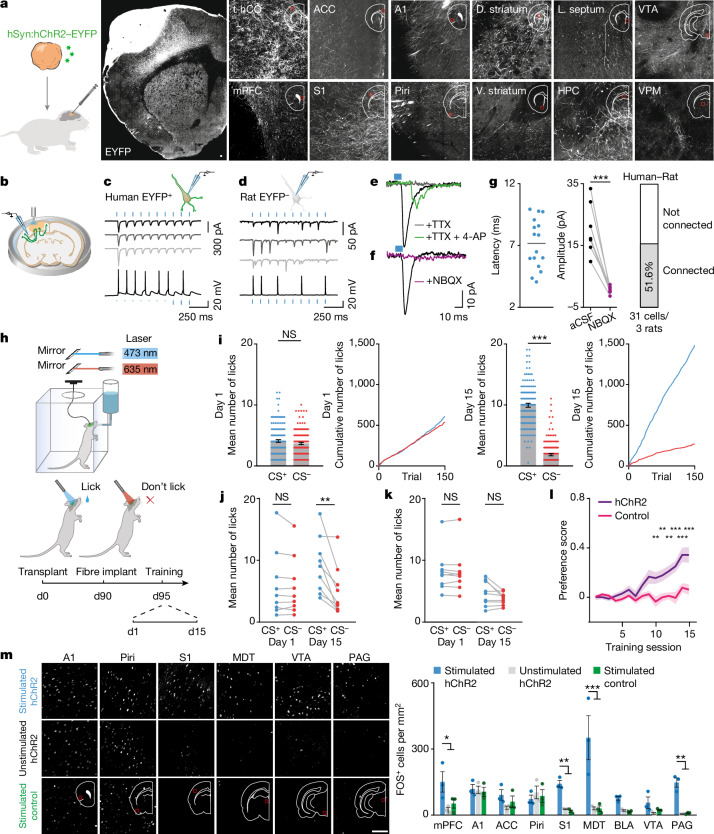
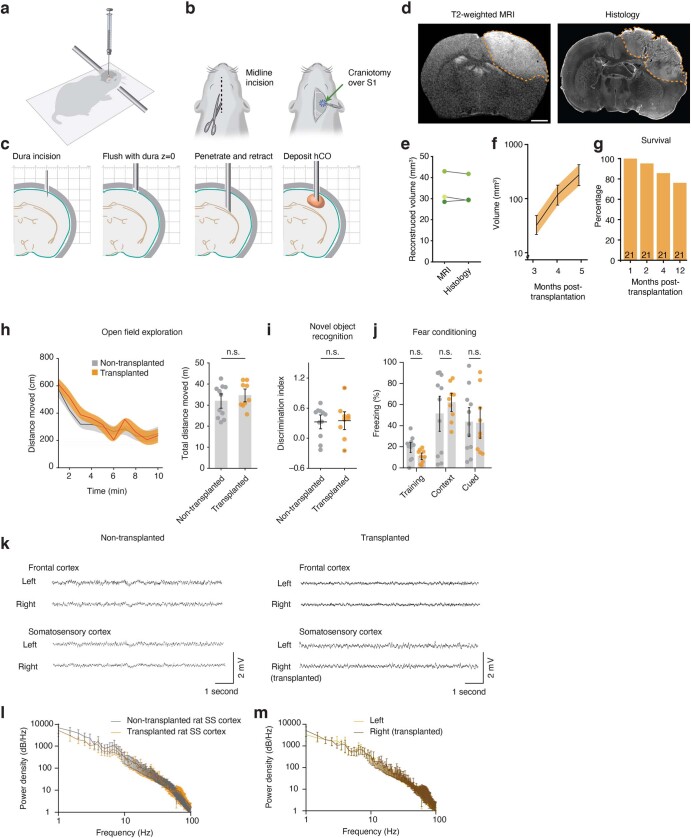
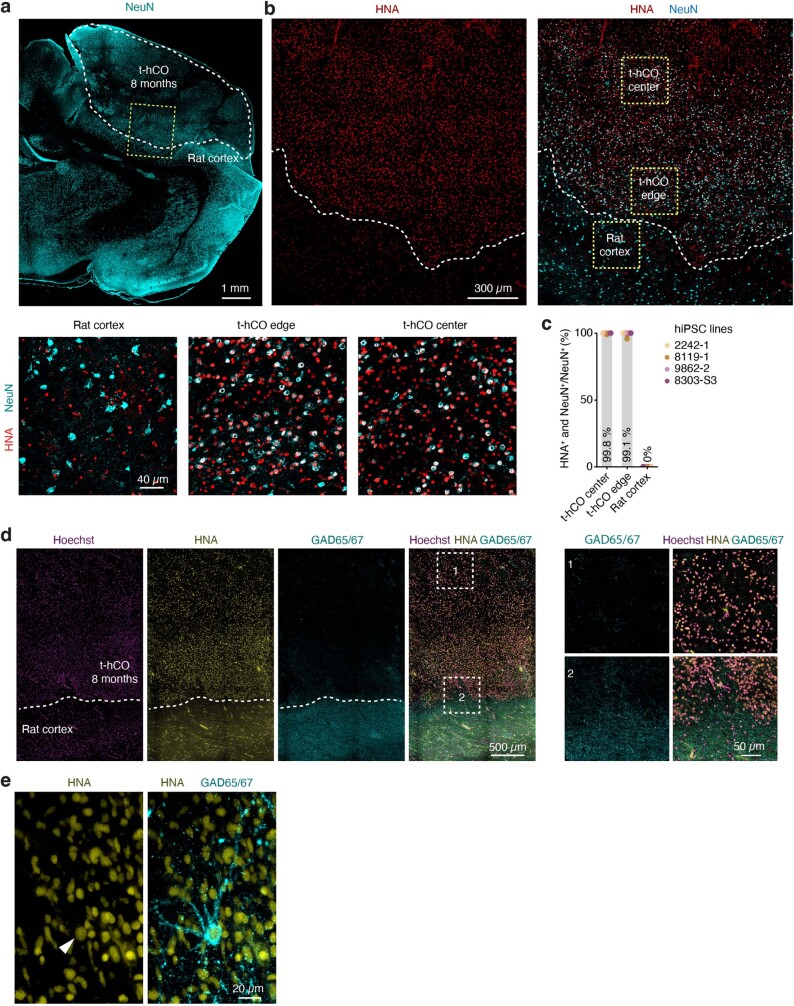
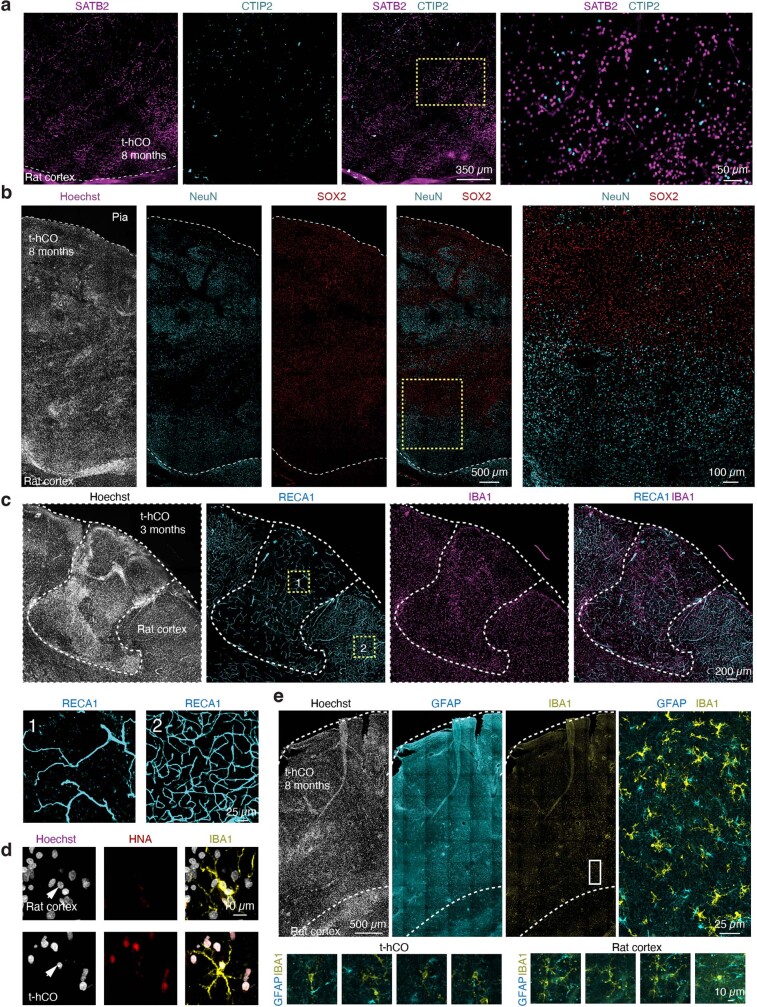
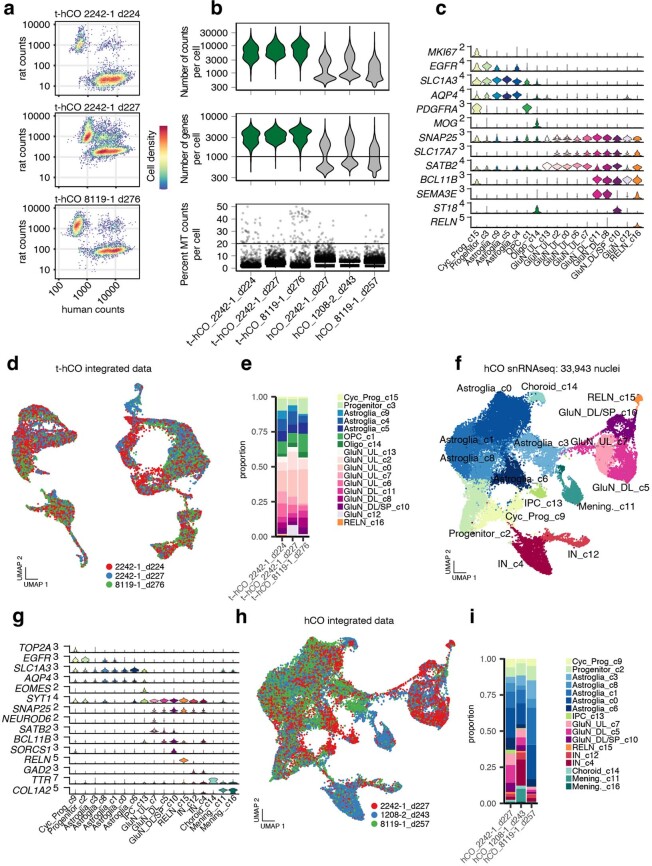
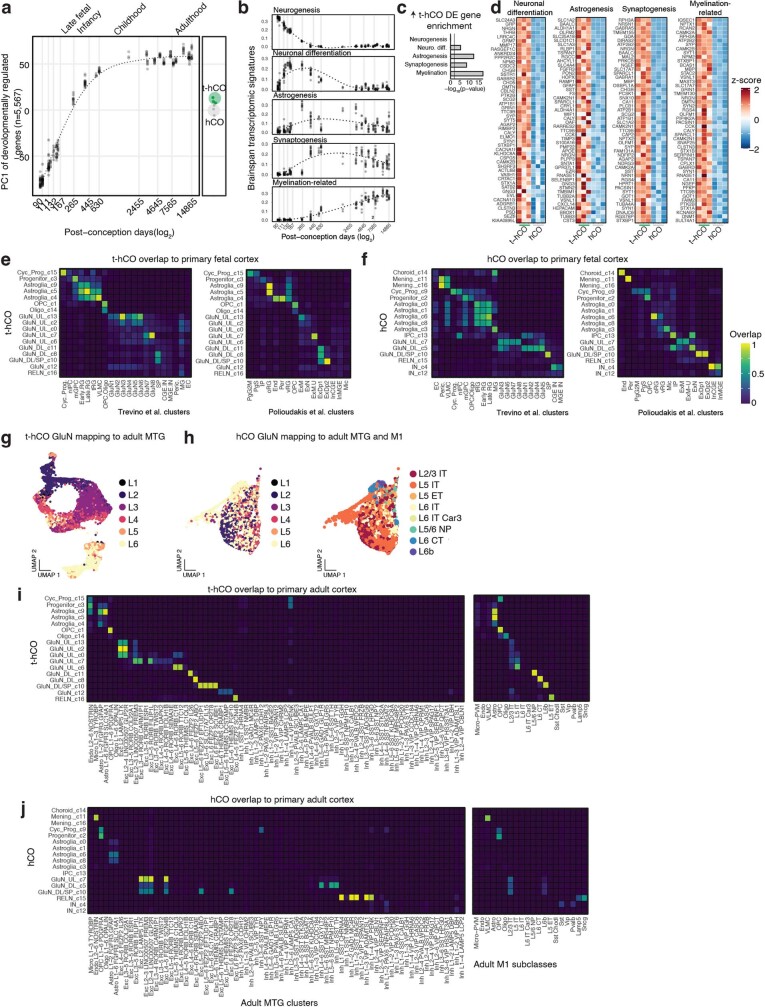
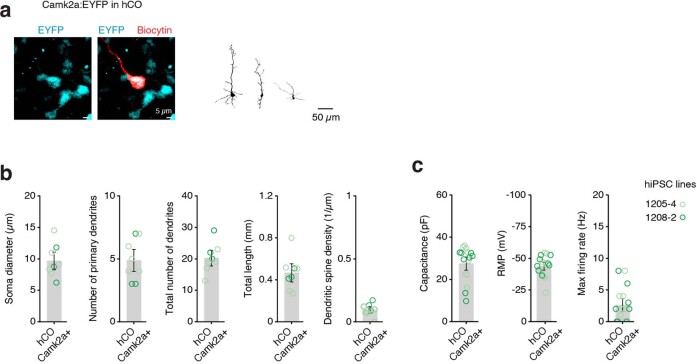
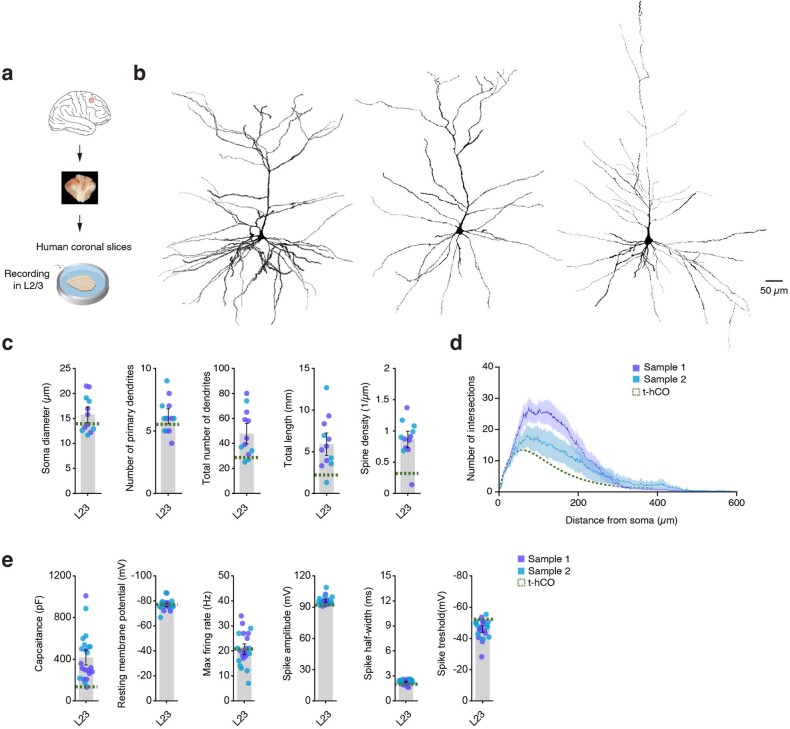
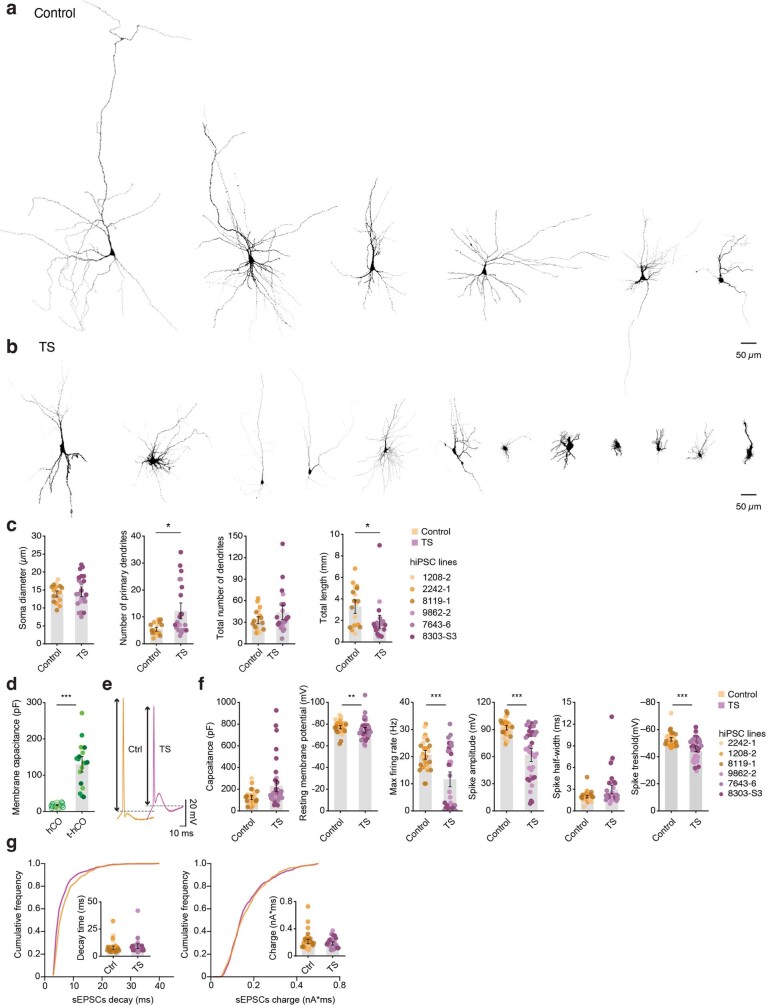
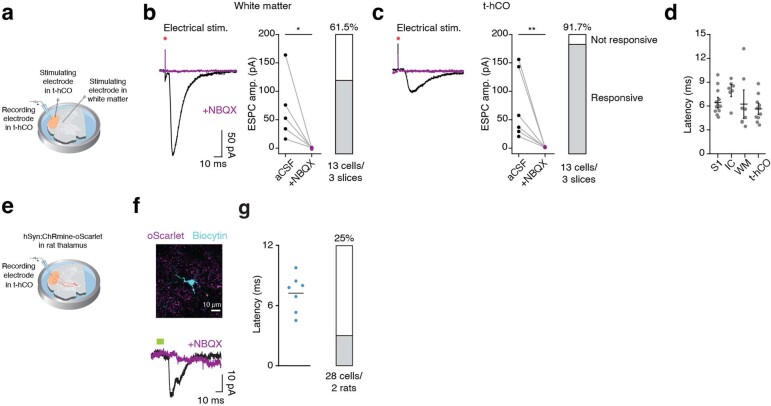
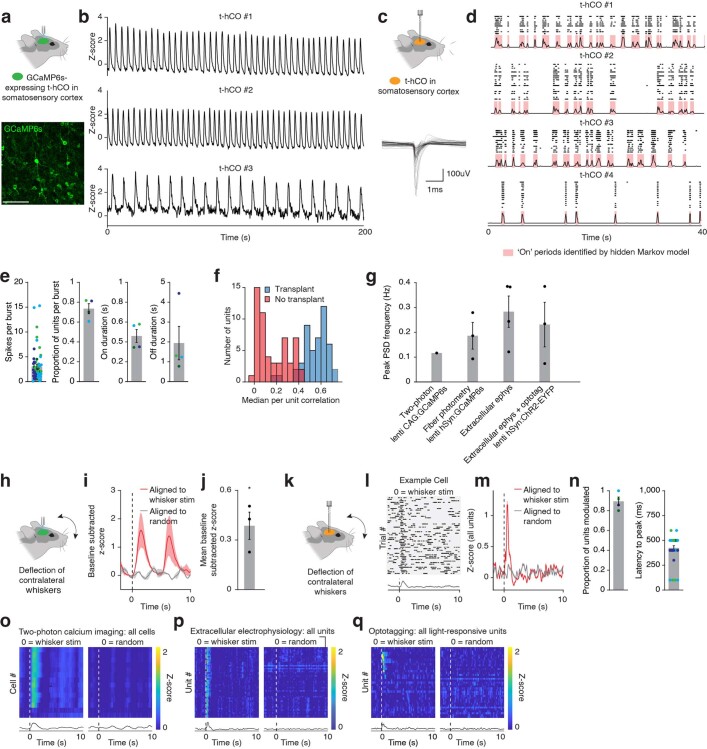
Self-organizing neural organoids represent a promising in vitro platform with which to model human development and disease 1–5 . However, organoids lack the connectivity that exists in vivo, which limits maturation and makes integration with other circuits that control behaviour impossible. Here we show that human stem cell-derived cortical organoids transplanted into the somatosensory cortex of newborn athymic rats develop mature cell types that integrate into sensory and motivation-related circuits. MRI reveals post-transplantation organoid growth across multiple stem cell lines and animals, whereas single-nucleus profiling shows progression of corticogenesis and the emergence of activity-dependent transcriptional programs. Indeed, transplanted cortical neurons display more complex morphological, synaptic and intrinsic membrane properties than their in vitro counterparts, which enables the discovery of defects in neurons derived from individuals with Timothy syndrome. Anatomical and functional tracings show that transplanted organoids receive thalamocortical and corticocortical inputs, and in vivo recordings of neural activity demonstrate that these inputs can produce sensory responses in human cells. Finally, cortical organoids extend axons throughout the rat brain and their optogenetic activation can drive reward-seeking behaviour. Thus, transplanted human cortical neurons mature and engage host circuits that control behaviour. We anticipate that this approach will be useful for detecting circuit-level phenotypes in patient-derived cells that cannot otherwise be uncovered.
Overview
The claims and statistics of this paper haven’t been checked yet.
Free: it reads the open-access text and checks the first 5 claims that cite a source we can check. Create a free account to check every claim.
Integrity signals
Registry
Cites
Statistics
Figures
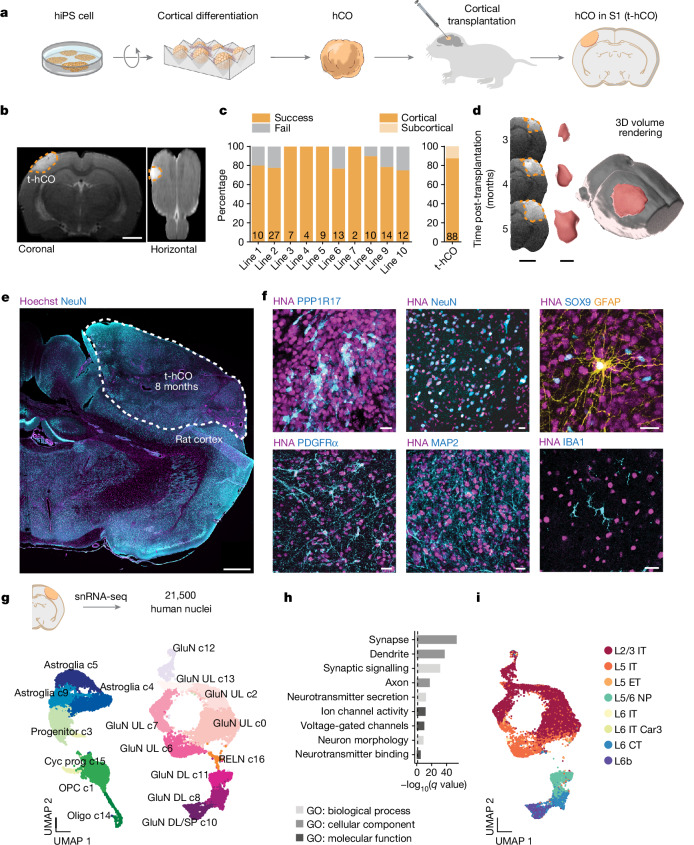
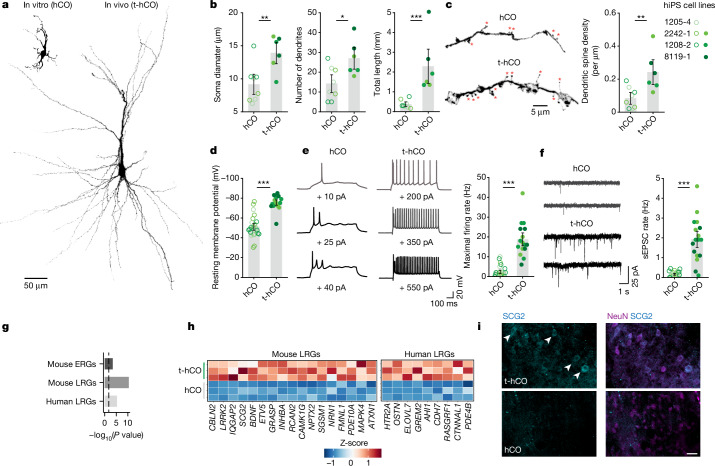
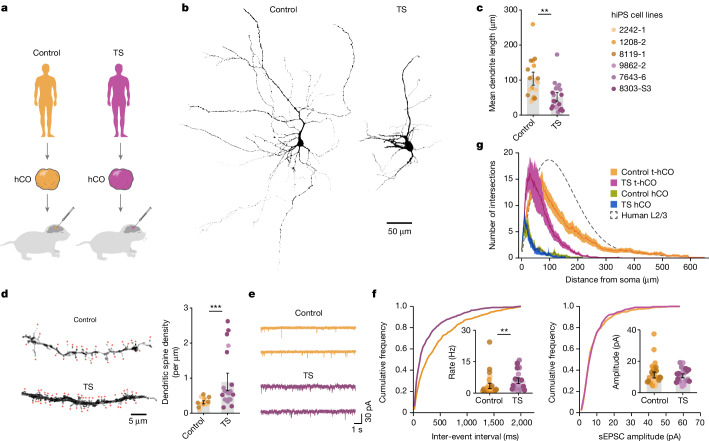
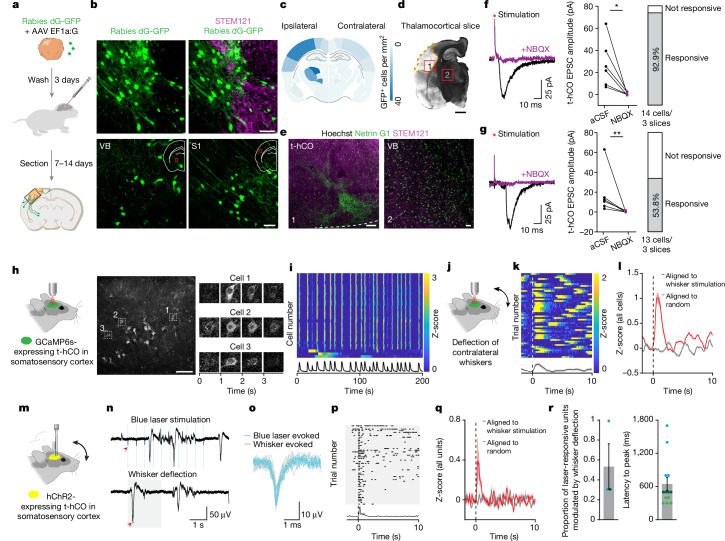
Verification
Claims the paper makes
The claims and statistics of this paper haven’t been checked yet.
Free: it reads the open-access text and checks the first 5 claims that cite a source we can check. Create a free account to check every claim.
Claims other papers make about this one
Each is checked against this paper’s own text: does it say what the citing paper says it does?
The source backs part of the claim, not all of it — or backs it for a different population, condition or comparison.
In the citing paper
“iPS cell-derived organoids fail to mature beyond the fetal phenotype unless they are grafted into living organisms36,37.”
From Human disease models in drug development (2023) · cites this paper as [37]
Experimental — accuracy not yet measured
Self-check
Percentages, sums and reported differences re-computed from the paper’s own numbers.
The self-check needs the paper’s full text.
Citations
Cites
Comprehensive Integration of Single-Cell Data
Stuart, T., Butler, A., Hoffman, P., Hafemeister, C., Papalexi, E., Mauck, W. M., Hao, Y., Stoeckius, M., Smibert, P., & Satija, R. (2019) · Cell · doi:10.1016/j.cell.2019.05.031 · Cited by 15,453
Dimensionality reduction for visualizing single-cell data using UMAP
Becht, E., McInnes, L., Healy, J., Dutertre, C.-A., Kwok, I. W. H., Ng, L. G., Ginhoux, F., & Newell, E. W. (2019) · Nature Biotechnology · doi:10.1038/nbt.4314 · Cited by 5,358 · cited 3×
“Following low-quality nuclei removal, integrated datasets were clustered (resolution = 0.5) and embedded for visualization purposes with UMAP 34 .”
InfluentialMcGinnis, C. S., Murrow, L. M., & Gartner, Z. J. (2019) · Cell Systems · doi:10.1016/j.cels.2019.03.003 · Cited by 4,521
ToppGene Suite for gene list enrichment analysis and candidate gene prioritization
Chen, J., Bardes, E. E., Aronow, B. J., & Jegga, A. G. (2009) · Nucleic Acids Research · doi:10.1093/nar/gkp427 · Cited by 2,952 · cited 1×
“…Ontology (GO) enrichment analyses among significantly upregulated t-hCO GluN genes (Benjamini–Hochberg-adjusted P values less than 0.05, expressed in at least 10% of t-hCO GluN cells, and fold change increase of at least 2) were performed using the ToppGene Suite (https://top-pgene.cchmc.org/) 37 .”
InfluentialBrain-Region-Specific Organoids Using Mini-bioreactors for Modeling ZIKV Exposure
Qian, X., Nguyen, H. N., Song, M. M., Hadiono, C., Ogden, S. C., Hammack, C., Yao, B., Hamersky, G. R., Jacob, F., Zhong, C., et al. (2016) · Cell · doi:10.1016/j.cell.2016.04.032 · Cited by 2,127
Conserved cell types with divergent features in human versus mouse cortex
Hodge, R. D., Bakken, T. E., Miller, J. A., Smith, K. A., Barkan, E. R., Graybuck, L. T., Close, J. L., Long, B., Johansen, N., Penn, O., et al. (2019) · Nature · doi:10.1038/s41586-019-1506-7 · Cited by 1,775 · cited 2×
“We identified and categorized major cell classes through a combination of marker 19–21 , 35 gene expression expression and annotation via integration with reference Differential gene expression analysis between t-hCO and hCO subclasses was performed using a recently developed pseudobulk approach 36…”
Functional cortical neurons and astrocytes from human pluripotent stem cells in 3D culture
Paşca, A. M., Sloan, S. A., Clarke, L. E., Tian, Y., Makinson, C. D., Huber, N., Kim, C. H., Park, J.-Y., O'Rourke, N. A., Nguyen, K. D., et al. (2015) · Nature Methods · doi:10.1038/nmeth.3415 · Cited by 1,609 · cited 1×
“…applying instructive signals to human induced pluripotent stem (hiPS) cells grown in three-dimensional (3D) cultures, self-organizing organoids resembling specific regions of the nervous system, including human cortical organoids (hCO; also known as human cortical spheroids) can be generated 2–6 .”
Self-citationAssembly of functionally integrated human forebrain spheroids
Birey, F., Andersen, J., Makinson, C. D., Islam, S., Wei, W., Huber, N., Fan, H. C., Metzler, K. R. C., Panagiotakos, G., Thom, N., et al. (2017) · Nature · doi:10.1038/nature22330 · Cited by 1,365 · cited 2×
“…applying instructive signals to human induced pluripotent stem (hiPS) cells grown in three-dimensional (3D) cultures, self-organizing organoids resembling specific regions of the nervous system, including human cortical organoids (hCO; also known as human cortical spheroids) can be generated 2–6 .”
Self-citationAn in vivo model of functional and vascularized human brain organoids
Mansour, A. A., Gonçalves, J. T., Bloyd, C. W., Li, H., Fernandes, S., Quang, D., Johnston, S., Parylak, S. L., Jin, X., & Gage, F. H. (2018) · Nature Biotechnology · doi:10.1038/nbt.4127 · Cited by 1,211
Individual brain organoids reproducibly form cell diversity of the human cerebral cortex
Velasco, S., Kedaigle, A. J., Simmons, S. K., Nash, A., Rocha, M., Quadrato, G., Paulsen, B., Nguyen, L., Adiconis, X., Regev, A., et al. (2019) · Nature · doi:10.1038/s41586-019-1289-x · Cited by 1,094
Cited by
Items 401–500 of 547
Ra, S., Jeong, Y., Jang, H. S., & An, S. (2022) · Applied Science and Convergence Technology · doi:10.5757/asct.2022.31.6.171
Human cortical organoids forge functional circuits in rat brains
Hess, P. (2022) · The Transmitter · doi:10.53053/awcg4217
Liu, C., Lin, A., Xing, Q., Zhang, D., Meng, W., Wu, R., Shi, H., Huang, W., Huang, X., Qin, D., et al. (2023) · bioRxiv (Cold Spring Harbor Laboratory) · doi:10.1101/2023.05.15.539796
“A recent study from Sergiu Pașca’ group found that neurons in the human brain organoid grafts have a larger soma and more complicated dendrites, showing influence on rat behavior [46].”
BackgroundReconstructing emergent biological phenomena through comparative functional architectonicsPreprint
Pérez, V., & Lyubarsky, G. Y. (2023) · Qeios · doi:10.32388/uri5sf · Cited by 1
Glial Cells in Alzheimer’s Disease: Insights from Patient-Derived Models
Verkerke, M. L. (2023) · Utrecht University Repository (Utrecht University) · doi:10.33540/1838
Roadmap for developing biologically inspired therapeutics for genetic brain disorders
Imaizumi, K., & Pașca, S. P. (2023) · Trends in Molecular Medicine · doi:10.1016/j.molmed.2023.07.005
Self-citationCerebral and noncerebral organoids
Lavazza, A., & Chinaia, A. A. (2023) · Elsevier eBooks · doi:10.1016/b978-0-443-19045-2.00014-3
Applications and prospect of human brain organoids in neurodegenerative diseases
Yan, H., Wang, H., Zhang, W., Jiang, J., Wan, J., Xu, Z., Yang, Z., Tang, B., & Meng, Q. (2023) · Scientia Sinica Vitae · doi:10.1360/ssv-2023-0116
Genes Are Tools of Intelligent Cells: Biological and Evolutionary Development in the 21st Century
Reber, A. S., Baluška, F., & Miller, W. B. (2023) · Oxford University Press eBooks · doi:10.1093/oso/9780198873211.003.0008
The Biophysical Basis of Cellular Sentience
Reber, A. S., Baluška, F., & Miller, W. B. (2023) · Oxford University Press eBooks · doi:10.1093/oso/9780198873211.003.0006
Reber, A. S., Baluška, F., & Miller, W. B. (2023) · Oxford University Press eBooks · doi:10.1093/oso/9780198873211.002.0003
The N-Space Episenome: Life as Information Management
Reber, A. S., Baluška, F., & Miller, W. B. (2023) · Oxford University Press eBooks · doi:10.1093/oso/9780198873211.003.0009
The Cellular Basis of Consciousness (CBC)
Reber, A. S., Baluška, F., & Miller, W. B. (2023) · Oxford University Press eBooks · doi:10.1093/oso/9780198873211.003.0001
The Structural and Bioelectrical Basis of Cells
Reber, A. S., Baluška, F., & Miller, W. B. (2023) · Oxford University Press eBooks · doi:10.1093/oso/9780198873211.003.0005
Anaesthetics and Their Cellular Targets
Reber, A. S., Baluška, F., & Miller, W. B. (2023) · Oxford University Press eBooks · doi:10.1093/oso/9780198873211.003.0010
Reber, A. S., Baluška, F., & Miller, W. B. (2023) · Oxford University Press eBooks · doi:10.1093/oso/9780198873211.002.0005
Emergence and Evolution of Cells
Reber, A. S., Baluška, F., & Miller, W. B. (2023) · Oxford University Press eBooks · doi:10.1093/oso/9780198873211.003.0004
Issues of Ethics and Morality: Entailments of the CBC
Reber, A. S., Baluška, F., & Miller, W. B. (2023) · Oxford University Press eBooks · doi:10.1093/oso/9780198873211.003.0012
Reber, A. S., Baluška, F., & Miller, W. B. (2023) · Oxford University Press eBooks · doi:10.1093/oso/9780198873211.002.0007
Glossary of Technical Terms in the Biological Sciences
Reber, A. S., Baluška, F., & Miller, W. B. (2023) · Oxford University Press eBooks · doi:10.1093/oso/9780198873211.005.0002
Reber, A. S., Baluška, F., & Miller, W. B. (2023) · Oxford University Press eBooks · doi:10.1093/oso/9780198873211.002.0004
An Exercise in Lexicography: Defining(?) Consciousness
Reber, A. S., Baluška, F., & Miller, W. B. (2023) · Oxford University Press eBooks · doi:10.1093/oso/9780198873211.005.0001
Bartfeld, S. (2023) · Springer eBooks · doi:10.1007/978-3-662-67908-1_12
Evans, J. H. (2024) · Oxford University Press eBooks · doi:10.1093/oso/9780197750704.002.0006
Evans, J. H. (2024) · Oxford University Press eBooks · doi:10.1093/oso/9780197750704.003.0006
Views of Nature, Religion, and the Cultural Authority of Science
Evans, J. H. (2024) · Oxford University Press eBooks · doi:10.1093/oso/9780197750704.003.0005
Evans, J. H. (2024) · Oxford University Press eBooks · doi:10.1093/oso/9780197750704.005.0001
The Public’s View of Human-Brain Organoids and Neuro-Chimeric Animals
Evans, J. H., III (2024) · Oxford University Press eBooks · doi:10.1093/oso/9780197750704.003.0003
Consciousness, the Human-Animal Foundational Distinction, and Ephemeral Connections to Humans
Evans, J. H. (2024) · Oxford University Press eBooks · doi:10.1093/oso/9780197750704.003.0004
The Science and Public Ethics of Neuro-Chimeric Animals and Human-Brain Organoids
Evans, J. H. (2024) · Oxford University Press eBooks · doi:10.1093/oso/9780197750704.003.0001
What We Know about the Public’s Views of Humans
Evans, J. H. (2024) · Oxford University Press eBooks · doi:10.1093/oso/9780197750704.003.0002
Evans, J. H. (2024) · Oxford University Press eBooks · doi:10.1093/oso/9780197750704.002.0003
Pomeshchik, Y., Velásquez, E., Gil, J., Klementieva, O. L., Gidlöf, R., Sydoff, M., Bagnoli, S., Nacmias, B., Sorbi, S., Westergren‐Thorsson, G., et al. (2023) · Figshare · doi:10.6084/m9.figshare.24151181
Pomeshchik, Y., Velásquez, E., Gil, J., Klementieva, O. L., Gidlöf, R., Sydoff, M., Bagnoli, S., Nacmias, B., Sorbi, S., Westergren‐Thorsson, G., et al. (2023) · Figshare · doi:10.6084/m9.figshare.24151178
Pomeshchik, Y., Velásquez, E., Gil, J., Klementieva, O. L., Gidlöf, R., Sydoff, M., Bagnoli, S., Nacmias, B., Sorbi, S., Westergren‐Thorsson, G., et al. (2023) · Figshare · doi:10.6084/m9.figshare.24151166
Pomeshchik, Y., Velásquez, E., Gil, J., Klementieva, O. L., Gidlöf, R., Sydoff, M., Bagnoli, S., Nacmias, B., Sorbi, S., Westergren‐Thorsson, G., et al. (2023) · Figshare · doi:10.6084/m9.figshare.24151172
Pomeshchik, Y., Velásquez, E., Gil, J., Klementieva, O. L., Gidlöf, R., Sydoff, M., Bagnoli, S., Nacmias, B., Sorbi, S., Westergren‐Thorsson, G., et al. (2023) · Figshare · doi:10.6084/m9.figshare.24151169
Rat neurons repair mouse brains — and restore sense of smell
Reardon, S. (2024) · Nature · doi:10.1038/d41586-024-01222-1
Muscle Organoid and Assembloid Systems
Soydan, H. E., & Doğan, A. (2024) · Advances in experimental medicine and biology · doi:10.1007/5584_2024_816 · Cited by 1
Skvortsova, V. I., & Belousov, V. V. (2024) · Вестник Российской академии наук · doi:10.31857/s0869587324030131
Ströckens, F., & Amunts, K. (2024) · Oxford University Press eBooks · doi:10.1093/med/9780197676592.003.0002 · Cited by 1
Brain organoids in motor cortex involved in motor output
Fan, X., Xu, Y., Xu, S., Yang, Y., Shi, L., Liu, Y., & Zhang, S. (2024) · International Conference on Biomedical Signal and Image Processing (ICBIP) · doi:10.1145/3691521.3691532
“Immunofluorescence sections of in vivo hCOs transplants also confirmed our suspicion that hCOs neurons have developed axons in later development stage, but their dendrites sparser than host neurons [20].”
Current Trends in Brain Organoid Research: Scientific Opportunities and Challenges
Borrett, M. J., & Kästli, R. (2024) · Collaborative bioethics · doi:10.1007/978-3-031-72371-1_2
A Proposed Review Guide for the Oversight of Brain Organoid Research
Couture-Carrier, F., & Hyun, I. (2024) · Collaborative bioethics · doi:10.1007/978-3-031-72371-1_8
Krotinger, A., Yang, L., & Taylor, S. (2024) · Collaborative bioethics · doi:10.1007/978-3-031-72371-1_10
The Ethics of Transplanting Brain Organoids into Neonatal Animals
Hyun, I. (2024) · Collaborative bioethics · doi:10.1007/978-3-031-72371-1_9
Gladkov, A., Zemlyanskov, M. S., Pigareva, Y., Kolpakov, V. N., Kazantsev, V., Mukhina, I. V., & Pimashkin, A. S. (2025) · Bulletin of Experimental Biology and Medicine · doi:10.1007/s10517-025-06342-w
“Successful anatomical and functional integration of transplanted neurons derived from NPCs from various sources has been demonstrated for different areas of the brain, such as the striatum [6] and neocortex [7-9].”
The promise of cerebral organoids for neonatology
Howard, C. E., Cheenath, M., & Crouch, E. E. (2025) · Current Opinion in Pediatrics · doi:10.1097/mop.0000000000001446
Xu, W., He, Z., Xu, J. L., Zhang, R., Fan, S., Liu, Z., Wang, W., Chen, H., & Zheng, X. (2026) · PubMed Central · doi:10.4103/nrr.nrr-d-24-01176
Peterson, D. A. (2025) · Frontiers in Neuroscience · doi:10.3389/fnins.2025.1589790
“Alternatively, organoids can be developmentally guided to recreate a regional identity containing neurons with cell type-specific identities and other non-neuronal cells (Pasca et al., 2025; Revah et al., 2022; Velasco et al., 2019).”
Loss of Postnatal Retinal Input Perturbs Cortical Lamination in the Developing Ferret Visual Cortex
Hilts, C., Santiago, S. E., Kroenke, C. D., & Barnes, A. P. (2025) · The Journal of Comparative Neurology · doi:10.1002/cne.70061
“Multiple studies have used this antibody (Bilgic et al. 2023; Bishop et al. 2015; Han et al. 2021; Revah et al. 2022), and the manufacturer indicates that it is knockout validated.”
Bartesaghi, R., Chen, X., Johnstone, A. D., Das, U., & Mobley, W. C. (2025) · Springer eBooks · doi:10.1007/978-3-031-89307-0_19 · Cited by 1
Self-citationMoore, M., Linne, M., & Mäki‐Marttunen, T. (2025) · bioRxiv (Cold Spring Harbor Laboratory) · doi:10.1101/2025.07.02.662758
Michael Nentwich, I., Manuel Baumann, I., Chrstian Büscher, I., Fabian Fischer, I., Felix Gnisa, I., Niklas Gudowsky-Blatakes, I., Christoph Kehl, I., Harald König, I., Dirk Hommrich, I., Jaro Krieger-Lamina, I., et al. (2025) · doi:10.1553/ita-2025-03
Timing matters: Genetic regulation of neuronal maturation in the primate brain
Imaizumi, K., & Pașca, S. P. (2025) · Neuron · doi:10.1016/j.neuron.2025.07.013
Self-citationAhmed, F. (2025) · SSRN Electronic Journal · doi:10.2139/ssrn.5426255
Human Stem Cells in Disease Modelling and Treatment: Bridging the Gap Between Bench and Bedside
Reyes, Á. P., & Calado, S. M. (2025) · Biomedicines · doi:10.3390/biomedicines13092313
“Organoids recapitulate aspects of tissue architecture and function, and their emergence has opened new frontiers in disease modeling for neurological disorders, congenital heart disease, polycystic kidney disease, and cancer [5].”
Organoids as models for tissue engineering and biomedical applications
Cajkova, J., Trebuňová, M., & Bačenková, D. (2025) · Acta Tecnología · doi:10.22306/atec.v11i3.276
“Transplanted neurons exhibited more complex properties than in vitro counterparts, enabling the discovery of defects in neurons from Timothy syndrome patients [27].”
From genetic predisposition to mental health: Human cortical development in vitro
Mukherjee, A., & Caroni, P. (2025) · Neuron · doi:10.1016/j.neuron.2025.08.025
Engineered non-expansive matrix for blood vessel organoid development and ischaemic stroke repair
Ranga, A. (2025) · Nature Biomedical Engineering · doi:10.1038/s41551-025-01556-9
Exploring hippocampal dysfunction in schizophrenia with pluripotent stem cell models
Kaji, D. A. (2025) · Schizophrenia Research · doi:10.1016/j.schres.2025.10.022
Genomic basis of human-specific brain features
Mosti, F., & Silver, D. L. (2025) · Elsevier eBooks · doi:10.1016/b978-0-443-27380-3.00062-2 · Cited by 1
Organoids, Animals and the Question of Moral Status
(2025) · tierethik · doi:10.58848/tierethik.2025.2.64 · Cited by 1
‘Neuroethics: The Implications of Mapping and Changing the Brain,’ an excerpt
Glannon, W. (2025) · The Transmitter · doi:10.53053/wqtm8753
Unlocking human brain networks by assembling circuits in vitro and in vivo
Pang, W., & Xiang, Y. (2025) · Cell stem cell · doi:10.1016/j.stem.2025.10.011
Pomeshchik, Y., Velásquez, E., Gil, J., Klementieva, O. L., Gidlöf, R., Sydoff, M., Bagnoli, S., Nacmias, B., Sorbi, S., Westergren‐Thorsson, G., et al. (2023) · Figshare · doi:10.6084/m9.figshare.24151190
Baumann, M., Büscher, C., Fischer, F., Gnisa, F., Gudowsky, N., Hommrich, D., Kehl, C., König, H., Krieger-Lamina, J., Nentwich, M., et al. (2025) · Repository KITopen (Karlsruhe Institute of Technology) · doi:10.5445/ir/1000183228
Pomeshchik, Y., Velásquez, E., Gil, J., Klementieva, O. L., Gidlöf, R., Sydoff, M., Bagnoli, S., Nacmias, B., Sorbi, S., Westergren‐Thorsson, G., et al. (2023) · Figshare · doi:10.6084/m9.figshare.24151193
Pomeshchik, Y., Velásquez, E., Gil, J., Klementieva, O. L., Gidlöf, R., Sydoff, M., Bagnoli, S., Nacmias, B., Sorbi, S., Westergren‐Thorsson, G., et al. (2023) · Figshare · doi:10.6084/m9.figshare.24151163
Pomeshchik, Y., Velásquez, E., Gil, J., Klementieva, O. L., Gidlöf, R., Sydoff, M., Bagnoli, S., Nacmias, B., Sorbi, S., Westergren‐Thorsson, G., et al. (2023) · Figshare · doi:10.6084/m9.figshare.24151187
Computational modelling of excitatory and inhibitory cell function in psychosis spectrum disorders
Rodriguez-Sanchez, J. (2024) · UCL Discovery (University College London)
Cerebral organoids and organoid intelligence: ethical challenges and governance pathway
Luo, H., & Xie, X. (2025) · MedScience · doi:10.1007/s11684-025-1193-8
HAYVAN ISLAHI BİLGİSİNİN İNSAN ÜZERİNDE KULLANIMI
YARDIMCI, M. (2025) · Bidge Yayınları eBooks · doi:10.70269/10.70269/9187953688
From initiation to maturation: Mesenchymal stem cells as key facilitators in organoid development
Yi, S., Wen, J., Wang, T., Yu, W., Liao, Y., Liu, Z., & Wang, H. (2026) · Cells and Development · doi:10.1016/j.cdev.2026.204071
Zhang, X., Jiang, Y., Wang, H., & Hu, R. (2026) · Elsevier eBooks · doi:10.1016/b978-0-443-40423-8.00008-7
A modular platform to generate functional sympathetic neuron-innervated heart assembloidsPreprint
Wu, H., James, C., MCALPINE, J. N., Saito‐Diaz, K., Sun, X., Song, M., Saini, T., Grant, C., Thomas, K. S., Delaney, W. H., et al. (2026) · Research Square · doi:10.21203/rs.3.rs-3894397/v2
Overcoming diffusion limits to advance brain organoids
Qian, X. (2026) · Neural Regeneration Research · doi:10.4103/nrr.nrr-d-25-01296
“Studies have demonstrated that grafted organoid neurons exhibit morphological and functional maturation far beyond what is achievable in vitro (Revah et al., 2022; Jgamadze et al., 2023).”
Nentwich, I. M., Büscher, I. C., Fischer, I. F., Gudowsky-Blatakes, I. N., Kehl, I. C., König, I. H., Hommrich, I. D., & Riousset, I. P. (2025) · doi:10.1553/ita-2025-04
Spatial Neurobiology in Brain Organoids Using Mass Spectrometry Imaging-Based Multiomics Approach
Phulara, N. R., Lissit, K., Huang, Y., Xu, J.-C., & Seneviratne, H. K. (2026) · ACS Chemical Neuroscience · doi:10.1021/acschemneuro.5c00971
Hossain, M. K., & Kim, H. (2026) · Tissue and Cell · doi:10.1016/j.tice.2026.103443
Markoš, A., & Horský, J. (2026) · Biosemiotics/Biosemiotics. Bookseries · doi:10.1007/978-3-032-16131-4_10
Cortical organoid model of DEPDC5-related focal cortical dysplasia and epilepsy
Maletić, M. (2022) · theses.fr (ABES) · doi:10.70675/ce51a4c6zec09z49b3z8571zd518d7fa745c
Thiberge, C. (2023) · theses.fr (ABES) · doi:10.70675/de2fa338z7aecz4991za94eze8b7694a0d22 · Cited by 1
Rôle de MECP2 au cours du développement précoce du cortex cérébral chez les primates
Nikolla, K. (2024) · theses.fr (ABES) · doi:10.70675/6b416459z40e5z48d0z9285zdc39c37e7c60
Debasrita, B. (2026) · Biochemistry · doi:10.5772/intechopen.1014630 · Cited by 1
Brain Organoids: Emerging Platforms for Modern Neuroscience
Wang, L., Mao, L., Cao, Q., & Zong, X. (2026) · Brain Sciences · doi:10.3390/brainsci16040427
Riska, E., Cohen, R., Perry-Tomer, L., Shechter, Y., Silberman, E., Shapira, A., & Dvir, T. (2026) · Biofabrication · doi:10.1088/1758-5090/ae647c
“While spheroid-based systems have demonstrated utility in regenerative applications [27], their geometry and inter-unit spacing are not predefined at fabrication.”
Organoid Brain‐Machine‐Interface Devices for Central Nervous System Repair
Xing, Y., Yang, Y., Hong, Z., Tian, C., Chu, H., Prokop, S., Cai, H., Gu, M., Tchieu, J. H., Mackie, K., et al. (2026) · Advanced Science · doi:10.1002/advs.75444 · Cited by 3
“[ 33, 79, 89 ]. under CC BY 4.0.”
InfluentialOpportunities and challenges in studying non-coding RNAs using neural organoid models
Chiang, P.-S., Tsai, M., & Hou, P. (2026) · Frontiers in Molecular Neuroscience · doi:10.3389/fnmol.2026.1801891
“In addition, the absence of physiological inputs such as sensory stimuli and immune infiltration may prevent activity-dependent ncRNA transcriptomes from reaching full maturation (Ormel et al., 2018; Revah et al., 2022).”
佐藤, 卓. (2026) · Nihon Ika Daigaku Igakkai Zasshi · doi:10.1272/manms.22.83
Li, H., Wang, X., Song, Y., Hu, X., & Yao, J. (2026) · bioRxiv (Cold Spring Harbor Laboratory) · doi:10.64898/2026.05.26.728005
Pavan, C., de Lichtenberg, K. H., Gantner, C. W., Frausin, S., Chen, J., Hunt, C. P., Xuereb, B., Hart, E., Chatterton, Z., Halliday, G. M., et al. (2026) · bioRxiv (Cold Spring Harbor Laboratory) · doi:10.64898/2026.06.01.729439
“Downregulation of these cues in the adult brain results in a less permissive environment for the survival and integration of transplanted neural progenitors 7,8 .”
Engineering organoids toward implantable living therapeutics
Shi, Z., Yang, Q., You, X., Wang, H., Wang, H., & Zhao, G. (2026) · hLife · doi:10.1016/j.hlife.2026.06.002
“For instance, human pluripotent stem cell (hPSC)-derived 3D cortical organoids transplanted into the primary somatosensory cortex of neonatal immunodeficient rats were shown to integrate into host neural circuits and modulate reward-seeking behaviors upon optogenetic stimulation [12].”
Yeadon, S., Salazar‐Villacorta, A., Kurian, M. A., & Barral, S. (2026) · Frontiers in Neurology · doi:10.3389/fneur.2026.1810863
“Notably, transplantation studies have demonstrated that organoids undergo vascularisation, progressive maturation, and functional integration into host neural circuits when introduced during early neurodevelopment (311).”
Rodriguez, B. P., Manero-Roig, I., Salvador-Moya, J., Basanta-Torres, R., Martín-Aragón, D., Hernández‐Sánchez, S., Luzuriaga, J., Martín, A., Lampin-Saint-Amaux, A., Lanore, F., et al. (2026) · bioRxiv (Cold Spring Harbor Laboratory) · doi:10.64898/2026.06.16.732586
Engineering brain organoids: from neurodevelopmental modeling to translational barriers
Nishimura, Y. (2026) · Journal of Artificial Organs · doi:10.1007/s10047-026-01567-6 · Cited by 1
Metadata
- Authors
- Revah, O., Gore, F., Kelley, K. W., Andersen, J., Sakai, N., Chen, X., Li, M.-Y., Birey, F., Yang, X., Saw, N. L., Baker, S. W., Amin, N. D., Kulkarni, S., Mudipalli, R., Cui, B., Nishino, S., Grant, G. A., Knowles, J. K., Shamloo, M., Huguenard, J. R., Deisseroth, K., & Pașca, S. P.
- Affiliations
- Stanford Medicine (US)
- Stanford University (US)
- Howard Hughes Medical Institute (US)
- Corresponding author
- Pașca, Sergiu P.
- ORCID
- Revah, Omer
- Gore, Felicity
- Kelley, Kevin W.
- Andersen, Jimena
- Sakai, Noriaki
- Chen, Xiaoyu
- Li, Min-Yin
- Birey, Fikri
- Yang, Xiao
- Saw, Nay L.
- Baker, Samuel W.
- Amin, Neal D.
- Mudipalli, Rachana
- Cui, Bianxiao
- Nishino, Seiji
- Grant, Gerald A.
- Knowles, Juliet K.
- Shamloo, Mehrdad
- Huguenard, John R.
- Deisseroth, Karl
- Pașca, Sergiu P.
- Venue
- Nature
- Published
- 2022-10-12
- Volume
- 610
- Issue
- 7931
- Pages
- 319-326
- ISSN
- 0028-0836 (ISSN-L)
- 1476-4687
- PMC
- PMC9556304
- OpenAlex
- W4304698283
- Semantic Scholar
- 57e751de615d9e154922d135c67398d19d35a757
- Cited by
- 504
- References
- 44
- Citations by year
- 2026: 85 · 2025: 128 · 2024: 151 · 2023: 124 · 2022: 16
- FWCI
- 38.90
- Type
- journal article
- Language
- en
- Update notices
- correction (2026-08-03)
- Open access
- hybrid
- doi.org
- Licence
- cc-by
- creativecommons.org/licenses/by/4.0 (tdm)
- creativecommons.org/licenses/by/4.0 (vor)
- Locations
- Nature (publishedVersion, cc-by)
- PubMed Central (publishedVersion, cc-by)
- PubMed (publishedVersion)
- RePEc: Research Papers in Economics (submittedVersion)
- Funders
- New York Stem Cell Foundation
- National Alliance for Research on Schizophrenia and Depression
- Ludwig Family Foundation
- National Institutes of Health (1s10od030452-01, K99-R00)
- National Institute of Mental Health (K99/R00, R01MH115012, T32MH019938)
- National Institute on Drug Abuse (DA050662, K99DA050662)
- National Institute of Neurological Disorders and Stroke (K08NS123544)
- National Center for Research Resources (S10RR026917)
- Stanford Maternal and Child Health Research Institute
- Topics
- Life Sciences › Neuroscience › Developmental Neuroscience › Neurogenesis and neuroplasticity mechanisms
- Life Sciences › Biochemistry, Genetics and Molecular Biology › Molecular Biology › Pluripotent Stem Cells Research
- Life Sciences › Neuroscience › Cellular and Molecular Neuroscience › Neuroscience and Neural Engineering
- Keywords
- cortical organoids, transplantation, somatosensory cortex, athymic rats, cortical development, neuronal maturation, thalamocortical input, corticocortical connections, axon growth, optogenetic stimulation, reward-seeking behavior, Timothy syndrome, single-nucleus RNA sequencing, circuit integration
- MeSH terms
- Animals, Animals, Newborn, Autistic Disorder, Humans, Long QT Syndrome, Motivation, Neural Pathways, Neurons, Organoids, Reward, Somatosensory Cortex, Stem Cells, Syndactyly, Rats, Optogenetics
About these checks
Registry, retraction, Cites and statistics results are computed, not judged, with one exception: a printed reference that no index lists is read once by a model before it counts as a citation error. Claims are extracted by a model and kept only when their quote appears verbatim in the text; each cited source is then checked, with a model’s help, for whether it says what the claim relies on. Those verdicts can be wrong — read the claim’s quote and the cited source before relying on one.
Statistics and arithmetic are recomputed, not judged.
Confidence bands are shown only for fields calibrated on our annotated test set. None is calibrated yet, so no band is shown.
What counts as a claim ›How we measure confidence ›How we check this ›
Are you an author, or do you see a problem with this page? Request a review
Data sources
Bibliographic data: Semantic Scholar, OpenAlex, Crossref.
Contains information from the Semantic Scholar Academic Graph Datasets, made available under the ODC Attribution License (ODC-BY 1.0).
Semantic Scholar’s data is described in: Kinney, R., et al. (2023). The Semantic Scholar Open Data Platform. arXiv:2301.10140.
