

A roadmap to increase diversity in genomic studies
Open accessThe DOI matches its Crossref record; 63 of the 63 references it cites were found in a registry or an index.
Abstract
Two decades ago, the sequence of the first human genome was published. Since then, advances in genome technologies have resulted in whole-genome sequencing and microarray-based genotyping of millions of human genomes. However, genetic and genomic studies are predominantly based on populations of European ancestry. As a result, the potential benefits of genomic research-including better understanding of disease etiology, early detection and diagnosis, rational drug design and improved clinical care-may elude the many underrepresented populations. Here, we describe factors that have contributed to the imbalance in representation of different populations and, leveraging our experiences in setting up genomic studies in diverse global populations, we propose a roadmap to enhancing inclusion and ensuring equal health benefits of genomics advances. Our Perspective highlights the importance of sincere, concerted global efforts toward genomic equity to ensure the benefits of genomic medicine are accessible to all.
Overview
The claims and statistics of this paper haven’t been checked yet.
Free: it reads the open-access text and checks the first 5 claims that cite a source we can check. Create a free account to check every claim.
Integrity signals
Registry
Cites
Statistics
Figures
Verification
Claims the paper makes
The claims and statistics of this paper haven’t been checked yet.
Free: it reads the open-access text and checks the first 5 claims that cite a source we can check. Create a free account to check every claim.
Claims other papers make about this one
Each is checked against this paper’s own text: does it say what the citing paper says it does?
The source backs part of the claim, not all of it — or backs it for a different population, condition or comparison.
In the citing paper
“The lack of diversity in genetic studies on EduYears could lead to social and health disparities due to inadequate comprehension of EduYears and its impact on socioeconomic and health outcomes in understudied populations15.”
From Shared genetic architectures of educational attainment in East Asian and European populations (2024) · cites this paper as [15]
Experimental — accuracy not yet measuredIn the citing paper
“Large open datasets are more likely to come from the Global North, may prioritize research questions from these populations, and can have limited generalizability (e.g., the overrepresentation of European ancestry in genomic studies [115]).”
From Open Science 2.0: Towards a truly collaborative research ecosystem (2023) · cites this paper as [115]
Self-check
Percentages, sums and reported differences re-computed from the paper’s own numbers.
The self-check needs the paper’s full text.
Citations
Cites
The mutational constraint spectrum quantified from variation in 141,456 humans
Karczewski, K. J., Francioli, L. C., Tiao, G., Cummings, B. B., Alföldi, J., Wang, Q., Collins, R. L., Laricchia, K. M., Ganna, A., Birnbaum, D. P., et al. (2020) · Nature · doi:10.1038/s41586-020-2308-7 · Cited by 9,434
Buniello, A., MacArthur, J. A. L., Cerezo, M., Harris, L. W., Hayhurst, J., Malangone, C., McMahon, A., Morales, J., Mountjoy, E., Sollis, E., et al. (2019) · Nucleic Acids Research · doi:10.1093/nar/gky1120 · Cited by 4,000
Clinical use of current polygenic risk scores may exacerbate health disparities
Martin, A. R., Kanai, M., Kamatani, Y., Okada, Y., Neale, B. M., & Daly, M. J. (2019) · Nature Genetics · doi:10.1038/s41588-019-0379-x · Cited by 2,821
Self-citationThe personal and clinical utility of polygenic risk scores
Torkamani, A., Wineinger, N. E., & Topol, E. J. (2018) · Nature Reviews Genetics · doi:10.1038/s41576-018-0018-x · Cited by 1,623
The Missing Diversity in Human Genetic Studies
Sirugo, G., Williams, S. M., & Tishkoff, S. A. (2019) · Cell · doi:10.1016/j.cell.2019.02.048 · Cited by 1,516
Human Demographic History Impacts Genetic Risk Prediction across Diverse Populations
Martin, A. R., Gignoux, C. R., Walters, R. K., Wojcik, G. L., Neale, B. M., Gravel, S., Daly, M. J., Bustamante, C. D., & Kenny, E. E. (2017) · The American Journal of Human Genetics · doi:10.1016/j.ajhg.2017.03.004 · Cited by 1,391
Self-citationCohen, J., Pertsemlidis, A., Kotowski, I. K., Graham, R., Garcia, C. K., & Hobbs, H. H. (2005) · Nature Genetics · doi:10.1038/ng1509 · Cited by 1,381
Genomic Risk Prediction of Coronary Artery Disease in 480,000 Adults
Inouye, M., Abraham, G., Nelson, C. P., Wood, A. M., Sweeting, M. J., Dudbridge, F., Lai, F. Y., Kaptoge, S., Brozynska, M., Wang, T., et al. (2018) · Journal of the American College of Cardiology · doi:10.1016/j.jacc.2018.07.079 · Cited by 793
Genetics of blood lipids among ∼300,000 multi-ethnic participants of the Million Veteran Program
Global Lipids Genetics Consortium, Klarin, D., Myocardial Infarction Genetics (MIGen) Consortium, The Geisinger-Regeneron DiscovEHR Collaboration, Program, T. V. M. V., Damrauer, S. M., Cho, K., Sun, Y. V., Teslovich, T. M., Honerlaw, J., et al. (2018) · Nature Genetics · doi:10.1038/s41588-018-0222-9 · Cited by 625
Diversity in clinical and biomedical research: a promise yet to be fulfilled
Oh, S. S., Galanter, J., Thakur, N., Pino-Yanes, M., Barcelo, N. E., White, M. J., de Bruin, D. M., Greenblatt, R. M., Bibbins-Domingo, K., Wu, A. H. B., et al. (2015) · PLOS Medicine · doi:10.1371/journal.pmed.1001918 · Cited by 585
Cited by
Items 401–500 of 776
When genomics companies act as biobanks: governance challenges in an era of genomic assetization
Walker, A. N. (2026) · Frontiers in Genetics · doi:10.3389/fgene.2026.1778236 · Cited by 2
Community Partnerships in Clinical Research: A Framework for Sustainability and Resilience
Killam, S. R., Azure, B., Bodnar, C. B., Finley, V., Grant, M. R., Kelly, P., Brown, K. E., & Woodahl, E. L. (2026) · Clinical Pharmacology & Therapeutics · doi:10.1002/cpt.70271 · Cited by 2
“3,18 In the United States, Tribal Nations are recognized as sovereign governments with inherent authority to govern their own people and territories.”
Yang, K., Geng, Y., Zhou, W., Zhang, L., Xu, Z., Wang, J., Li, F., & Qiu, Z. (2026) · Biological Psychiatry · doi:10.1016/j.biopsych.2026.03.999 · Cited by 3
Precision medicine in low-income settings and small island developing states
Saluja, S., Mannan, F., Paré, G., Anand, S. S., Hanchard, N. A., Langenberg, C., & Anderson, S. G. (2026) · Nature Reviews Endocrinology · doi:10.1038/s41574-026-01250-z · Cited by 2
“• Small and dispersed populations limit the statistical power of genomic studies, reduce economies of scale in laboratory services and make it challenging to justify standalone sequencing or biobanking facilities on individual islands 32”
Decoding variants of uncertain significance in systemic autoinflammatory diseases
Boursier, G., Carbone, A., Savic, S., & Henry, T. (2026) · Nature Reviews Rheumatology · doi:10.1038/s41584-026-01380-8 · Cited by 2
“Despite recent efforts, minority ethnic groups are still under-represented in most public biobanks 32,33 , which lowers the accuracy of genetic diagnosis in patients from these populations.”
Population Genomics Insights into Pharmacogenomic Differentiation Between East Asians and Europeans
Chen, S., Chen, H., & Xu, S. (2026) · Clinical Pharmacology & Therapeutics · doi:10.1002/cpt.70354 · Cited by 2
“9 Polygenic risk scores, which are predominantly derived from EUR cohorts, often show reduced transferability across ancestries.”
Knowledge-guided contextual gene set analysis with large language models
Wang, Z., Day, C., Wei, C.-H., Jin, Q., Leaman, R., Yang, Y., Tian, S., Qiu, A., Yin, F., Zhu, Q. L., et al. (2026) · Bioinformatics · doi:10.1093/bioinformatics/btag214 · Cited by 2
“Genomic, epigenetic, and transcriptomic analyses have greatly advanced our understanding of biological mechanisms involved in normal organism development and disease pathogenesis (Fatumo et al. 2022, Zhou et al. 2024).”
The Double-Edged Role of Social Media in Modern Healthcare: Awareness, Impact, and Misinformation
Ahmed, J., Abusanad, A. M., & Morgan, G. (2026) · Journal of Immunotherapy and Precision Oncology · doi:10.36401/jipo-26-10 · Cited by 2
“[36] In the same way, AI-based tools in dermatology developed primarily with light-skinned images can misclassify pigmented lesions in patients with darker skin.”
Maternal and infant gut microbiome
Wang, H., Tin, F., Chen, H., Jiao, F., Wu, M., Sun, S., Lin, L., Li, D., Zheng, H., Niu, Z., et al. (2026) · iMeta · doi:10.1002/imt2.70151 · Cited by 3
Dinh, B. L., Wang, X., Sheng, X., Wan, P. C., Srivastava, A. K., Naseri, T., Viali, S., Lifestyle and Genetic Adaptations (OLaGA) Study Group The Samoan Obesity, Wilkens, L. R., Marchand, L. L., et al. (2026) · PLoS Genetics · doi:10.1371/journal.pgen.1012342 · Cited by 2
“Additionally, the lack of adequate genomic resources (both in available microarray data and genotype imputation references) and complex population structure and admixture history have also complicated their inclusion in genetic investigations [7,10–12].”
Saferali, A., & Hersh, C. P. (2022) · Immunology and Allergy Clinics of North America · doi:10.1016/j.iac.2022.03.003 · Cited by 2
Wertz, J., & Lewis, S. J. (2023) · Journal of Child Psychology and Psychiatry · doi:10.1111/jcpp.13762 · Cited by 3
Tao, Y., Zhou, J., Liang, L., Allen, E., Zou, Y., Huang, Z., & Li, H. (2023) · Nature anthropology · doi:10.35534/natanthropol.2023.10004 · Cited by 2
Tilahun, M., Gebresilase, T. T., Aseffa, A., Haile, K., Wogayehu, T., Murale, M. T., Yntiso, H., Munung, N. S., Bobosha, K., & Kaba, M. (2023) · Transactions of the Royal Society of Tropical Medicine and Hygiene · doi:10.1093/trstmh/trad051 · Cited by 2
Salvatore, M., Clark‐Boucher, D., Fritsche, L. G., Ortlieb, J., Houghtby, J., Driscoll, A., Larkin, B. M., Smith, J. A., Brummett, C. M., Kheterpal, S., et al. (2023) · Epidemiology and Health · doi:10.4178/epih.e2023074 · Cited by 2
Noohi, F., Sundaresan, M., Naylor, R. N., & Ross, L. F. (2023) · Journal of Clinical and Translational Science · doi:10.1017/cts.2023.684 · Cited by 2
Variation to biology: optimizing functional analysis of cancer risk variants
Nelson, S. A., Carrick, D. M., Daee, D. L., Fingerman, I. M., & Gillanders, E. M. (2024) · JNCI Journal of the National Cancer Institute · doi:10.1093/jnci/djae173 · Cited by 2
Social Background Effects on Educational Outcomes—New Insights from Modern Genetic Science
Baier, T., & Lyngstad, T. H. (2024) · KZfSS Kölner Zeitschrift für Soziologie und Sozialpsychologie · doi:10.1007/s11577-024-00970-2 · Cited by 3
“For the evaluation of GWAS results, it is important to keep in mind that re-sults are highly dependent on the quality of the samples that are included in the GWAS database (for greater detail, see Mills and Rahal 2020; Popejoy and Fuller-ton 2016; Mills et al. 2020; Fatumo et al. 2022).”
BackgroundDelabays, B., Paoli, C. D., Miller-Nesbitt, A., & Mooser, V. (2024) · The Annual Review of Pharmacology and Toxicology · doi:10.1146/annurev-pharmtox-031524-021631 · Cited by 2
Lowe, C. L., Gomez‐Stafford, J., & Martschenko, D. O. (2024) · Journal of Genetic Counseling · doi:10.1002/jgc4.1976 · Cited by 2
Biobanks—Organization, operations, and role in genomics research
Bledsoe, M. J., & Watson, P. H. (2024) · Elsevier eBooks · doi:10.1016/b978-0-323-91799-5.00003-6 · Cited by 2
Importance of EQA/PT for the detection of genetic variants in comprehensive cancer genome testing
Matsushita, K., Ishige, T., Watanabe, K., Akahane, T., Tanimoto, A., Yoshimoto, M., Yamakuchi, M., Hashiguchi, T., Okugawa, Y., Ikejiri, M., et al. (2025) · Scientific Reports · doi:10.1038/s41598-024-84714-4 · Cited by 2
How to Achieve Diversity, Equity, and Inclusion in The Korean Society of Gastroenterology?
Kim, N., Nam, K., Shim, K., Kim, H. J., Nam, S. Y., Joo, S. K., Park, S. J., Choi, Y., Jung, Y. J., Kim, J. K., et al. (2025) · Korean Journal of Gastroenterology · doi:10.4166/kjg.2024.092 · Cited by 2
Clear-Cell Renal Cell Carcinoma Molecular Subtypes Differ by African and European Genetic Similarity
Elias, R. M., Nirschl, T. R., Rezaee, M. E., Yerrapragada, A., Wang, S. L., Cheaib, J., Alam, R., Patel, S., Jing, Y., Allaf, M. E., et al. (2025) · Cancer Research Communications · doi:10.1158/2767-9764.crc-24-0624 · Cited by 2
A Bibliometric Analysis on the Association Between Pesticides and Lipoprotein
Ibarra, A. C., & Filippin-Monteiro, F. B. (2025) · J — Multidisciplinary Scientific Journal · doi:10.3390/j8020014 · Cited by 2
Pereyra, S., Sardina, A., Neumann, R., May, C. A., Sapiro, R., Bertoni, B., & Cappetta, M. (2025) · BMC Medical Genomics · doi:10.1186/s12920-025-02193-6 · Cited by 3
“As with other diseases, most genetic research on pre-term birth has been conducted on people of European descent [19, 20].”
Lin, X., Liu, Y., Zhang, J., Zhong, J., Duan, S., Li, X., Su, H., Yang, Q., Liu, X., Sun, Q., et al. (2025) · Journal of Systematics and Evolution · doi:10.1111/jse.70009 · Cited by 3
Evaluating visual imagery for participant understanding of research concepts in genomics research
Rothwell, E., Riches, N. O., Johnson, E. P., Kaphingst, K. A., Kehoe, K., Jenkins, S. M., Palmquist, R. N., Torr, C. B., Frost, C. J., Wong, B. G., et al. (2022) · Journal of Community Genetics · doi:10.1007/s12687-022-00628-6 · Cited by 3
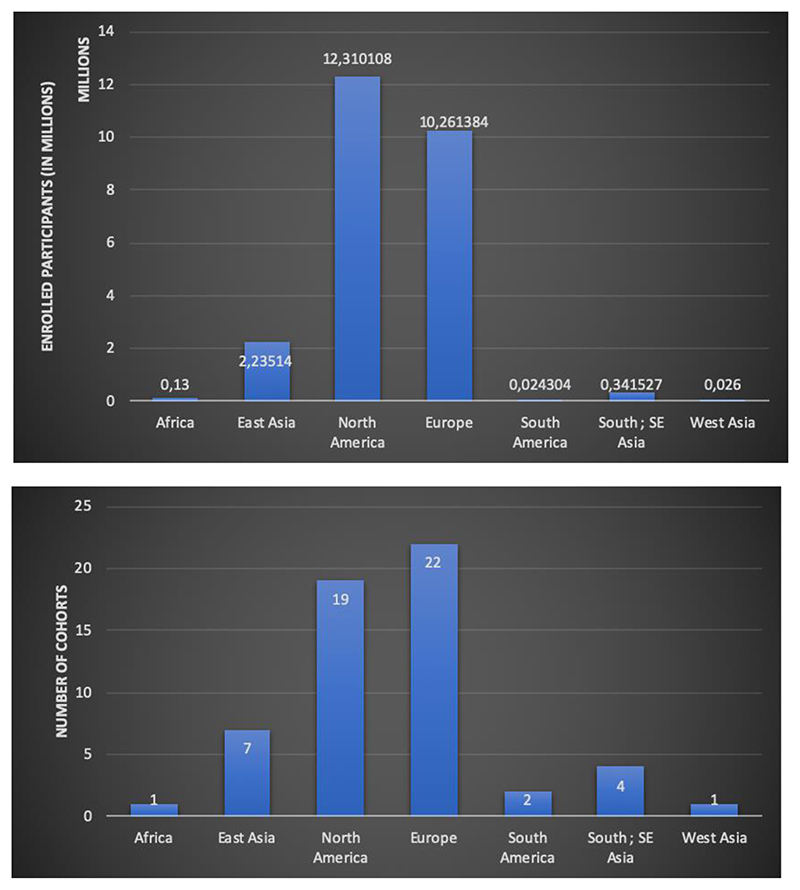
“Additionally, most genomic studies predominantly enroll populations of European ancestry due to a greater resource allocation within the USA and Europe (Fatumo et al.”
BackgroundMaking the case for pharmacogenomics in the management of mental health conditions
Berrou, I., Ramsunder, A., & Palmer, R. (2023) · Pharmaceutical journal/The pharmaceutical journal · doi:10.1211/pj.2023.1.171747 · Cited by 3
Handley, E. D., Russotti, J. M., Ross, A. J., Toth, S. L., & Cicchetti, D. (2023) · Developmental Psychobiology · doi:10.1002/dev.22403 · Cited by 2
How can EDI be nurtured through communities and individuals?
Thomson, A., & Gooberman-Hill, R. (2023) · Policy Press eBooks · doi:10.2307/jj.9827055.12 · Cited by 2
Equality, diversity and inclusion: key definitions
Thomson, A., & Gooberman‐Hill, R. (2024) · Policy Press eBooks · doi:10.51952/9781447368014.ch001 · Cited by 2
Partner-choice genetics in Japan
Verweij, K. J. H., & Abdellaoui, A. (2022) · Nature Human Behaviour · doi:10.1038/s41562-022-01439-y · Cited by 2
Genomic profile of two Brazilian choroid plexus tumors by whole-exome sequencing
Garcia, F. A. D. O., Evangelista, A. F., Mançano, B. M., Moreno, D. A., Berardinelli, G. N., de Paula, F. E., Antoniazzi, A. P., Júnior, C. A., Lombardi, I. A. S., Santana, I. V. V., et al. (2023) · Molecular Case Studies · doi:10.1101/mcs.a006245 · Cited by 2
“Furthermore, the lack of representation of an-cestrally diverse populations in genomic studies, especially admixed populations like the Brazilian, highlights the need for local and global initiatives to bridge this knowledge gap (Fatumo et al. 2022; Junior et al. 2022).”
Brunt, K. R., & Northrup, V. (2023) · JACC Advances · doi:10.1016/j.jacadv.2023.100769 · Cited by 2
Introduction to IDEA Special Issue
Finkel, D., & Jaffee, S. R. (2023) · Behavior Genetics · doi:10.1007/s10519-023-10173-8 · Cited by 2
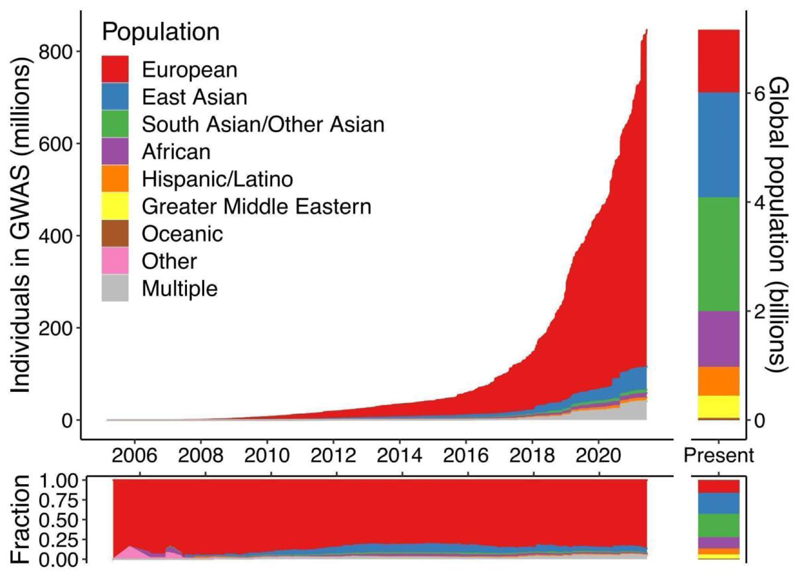
“Even now, 86% of genome-wide association studies (GWAS) involve individ - uals of European descent (Fatumo et al. 2022).”
BackgroundUnsupervised Ensemble Learning for Efficient Integration of Pre-trained Polygenic Risk ScoresPreprint
Gao, C., Tubbs, J. D., Han, Y., Guo, M., Li, S., Ma, E., Luo, D., Smoller, J. W., Lee, P. H., & Duan, R. (2025) · medRxiv · doi:10.1101/2025.01.06.25320058 · Cited by 2
Zheng, H., Wang, Y., Tanigawa, Y., Ong, J., MacGregor, S., Liang, L., Kellis, M., & Han, X. (2025) · medRxiv · doi:10.1101/2025.08.12.25333491 · Cited by 2
Rodríguez, D., Montes, L. U., Quiñones, B. J., Zamora, S., Moreno, L., Villamil, W., González‐Giraldo, Y., Báez, S., Forero, D. A., & Trujillo‐Güiza, M. L. (2023) · The Open Psychology Journal · doi:10.2174/0118743501266432231122062610 · Cited by 1
Salkind, J., Mintoft, A., Kendall, G. S., & Ashraf, T. (2024) · Archives of Disease in Childhood Education & Practice · doi:10.1136/archdischild-2023-326716 · Cited by 1
Sato, M., Muto, K., Momozawa, Y., & Joly, Y. (2024) · Asian Bioethics Review · doi:10.1007/s41649-024-00305-5 · Cited by 1
Indigenous Australians, genomics, and the law
Tait, B., & Carpenter, B. (2024) · AlterNative An International Journal of Indigenous Peoples · doi:10.1177/11771801241287941 · Cited by 1
“This underrepresentation is likely due to historical, logical, and systemic issues (Fatumo et al., 2022; Popejoy & Fullerton, 2016).”
Aslam, A., Vijverberg, S. J. H., der Zee, A. H. M., & Sabar, M. F. (2024) · Genes · doi:10.3390/genes15121608 · Cited by 1
A national framework for transition to precision medicine
Esboei, S. K., Ghazinoory, S., & Saghafi, F. (2025) · Frontiers in Medicine · doi:10.3389/fmed.2024.1396496 · Cited by 2
“Furthermore, people of non-European ancestry are critically underrepresented in medical and genomic research; therefore, some medicines may not be useful for these people (13).”
Predictors of Environmental Sensitivity in Syrian refugee children
May, A. K., Smeeth, D. M., McEwen, F. S., Karam, E. G., & Pluess, M. (2025) · Journal of Child Psychology and Psychiatry · doi:10.1111/jcpp.14178 · Cited by 1
“Lastly, the non-European ethnicity of refugee participants and their location within a low-and-middle-income host country helped to address biases in the current literature (Fatumo et al., 2022; Stevens, Siraj, & Kong, 2023).”
Nakano, S., Yamaji, T., Hachiya, T., Kuchiba, A., Shimizu, A., Sawada, N., Inoue, M., Tsugane, S., & Iwasaki, M. (2025) · Cancer Epidemiology · doi:10.1016/j.canep.2025.102878 · Cited by 1
Trio exome analysis is a valuable tool for genetic diagnosis of epilepsy in Mali
Bamba, S., Jeffries, L., Diarra, S., Nimaga, K., Touré, A., Goita, M. K., Diallo, S. H., Ji, W., Maīga, A. B., Traoré, O., et al. (2025) · Genetics in Medicine Open · doi:10.1016/j.gimo.2025.103449 · Cited by 1
Fatumo, S., Ojewunmi, O. O., Camenzuli, R., Kintu, C., Kamiza, A. B., Brandenburg, J., Kalungi, A., Kalyesubula, R., Salako, B. L., Nash, O., et al. (2025) · Nature Genetics · doi:10.1038/s41588-025-02299-8 · Cited by 1
Self-citationKhan, S., Martin‐Giacalone, B. A., Wallace, K., Wilson, B., Marx, C. M., Linnenbringer, E. L., Mozersky, J. T., Bachini, M., Chollet, N., Stalling, D., et al. (2025) · International Journal of Environmental Research and Public Health · doi:10.3390/ijerph22101468 · Cited by 1
“…most genetically similar to European ancestral groups means that understudied population groups may not be afforded the potential benefits of genomic research, including identification of genetic susceptibility variants, clinically actionable mutations, and targeted therapeutic opportunities [3].”
UCP3 gene variants and obesity in a Pakistani sample population
Bhatti, A. A., Rana, S., Khalid, M., Nawaz, H., & Irfan, M. (2025) · Scientific Reports · doi:10.1038/s41598-025-18434-8 · Cited by 1
Sherman, C. A., Garrison, N. A., & Claw, K. G. (2025) · Human Genetics and Genomics Advances · doi:10.1016/j.xhgg.2025.100524 · Cited by 1
Are different populations fairly represented in single-cell omic atlases?
Yang, C., Saravanan, K., Saharan, A., & Huang, K.-L. (2026) · Cell Genomics · doi:10.1016/j.xgen.2026.101300 · Cited by 1
“…by ancestry and sex • include cross-site reference samples in every run • use equitable barcoding allocation (balance hashtag/lipid oligos across groups) Metadata and monitoring 9 will ancestry, sex, age, and disease-specific clinical variables be mandatory fields using controlled vocabularies?”
InfluentialOginni, O. A., Oguns, O., Jeje, O. A., Olorunmoteni, O. E., Mapayi, B. M., Gilbert, R. E., Stein, D. J., Rijsdijk, F. V., & Thapar, A. (2025) · Behavior Genetics · doi:10.1007/s10519-025-10235-z · Cited by 2
“Also, relatively little is known about the role of genetic predisposition in LAMI contexts (Fatumo et al. 2022) and interplay with environmental risk factors specific to resource-poor contexts (Oginni & Hur 2024).”
Chan, H. Y., Alesi, L. R., Dinh, D. T., Foyle, K. L., Hofstee, P., Hutchison, J. C., Stables, J., Trigg, N. A., Wooldridge, A. L., & Houston, B. J. (2025) · Reproduction Fertility and Development · doi:10.1071/rd25169 · Cited by 1
Fostering diversity in global genomics: a South Asian perspective
Bhattacharyya, C., & Basu, A. (2025) · Human Molecular Genetics · doi:10.1093/hmg/ddaf079 · Cited by 1
A Postgenomic Quilt: The Turn to Endophenotypes and Deep Phenotyping in Human Genetics
Navon, D., & Metcalf, K. (2025) · Science Technology & Human Values · doi:10.1177/01622439251396978 · Cited by 1
Referral route: a determinant of inequity for children with undiagnosed genetic diseases?
Tang, Z., Mis, E. K., & Lakhani, S. A. (2026) · Frontiers in Genetics · doi:10.3389/fgene.2026.1692489 · Cited by 2
“Disparities in access to rare disease diagnostic programs are well-documented, prolonging diagnostic odysseys, perpetuating inequalities, and limiting scientific advancements (Popejoy and Fullerton, 2016; Popejoy et al., 2018; Walley et al., 2018; Fatumo et al., 2022).”
Single vs dual genetic disease in children with congenital anomalies and solid tumors
Watson, D. J., Saeidian, A. H., Wang, X., Harr, M. H., Liu, Y., Li, Y. R., Terek, S., de Barcelos, I. P., Nesbitt, A., Nguyen, K., et al. (2026) · Genetics in Medicine Open · doi:10.1016/j.gimo.2026.104357 · Cited by 1
Attitudes and practices of researchers on the sharing of genomic data: a qualitative study in Uganda
Ekusai‐Sebatta, D., Munabi, I. G., Kyaddondo, D., Ssemata, A. S., Nantamu, M., Mafigiri, D. K., Singh, S., & Mwaka, E. (2026) · BMC Medical Ethics · doi:10.1186/s12910-026-01386-7 · Cited by 1
“Genomic research is relatively new in Uganda but it is making steady progress [17].”
Aguado, S., & Hernández, C. L. (2026) · Evolutionary Anthropology Issues News and Reviews · doi:10.1002/evan.70025 · Cited by 1
“This claim is not new [84, 85], but it has intensified in the past few years [78, 86–90].”
Exploring the genetic overlap between obstructive sleep apnea and prostate cancer
Porcacchia, A. S., Moysés‐Oliveira, M., Pires, G. N., Andersen, M. L., & Tufik, S. B. (2026) · Journal of the National Cancer Center · doi:10.1016/j.jncc.2025.11.004 · Cited by 1
“Samples of European ancestry were the most common, a trend observed in most studies using genetic databases, 23 which makes it difficult to generalize the data to reflect general aspects of the human population.”
Zhang, S., Qi, J., Jiang, Y., Lin, H., Wang, X., Wang, T., Cao, H., & Zeng, P. (2026) · Briefings in Bioinformatics · doi:10.1093/bib/bbag103 · Cited by 1
Song, X., Liao, X., Green, E., Altay, Ö., Türkez, H., Nielsen, J., Shong, M., Yeşil, G., Yüksel, B., Uhlén, M., et al. (2026) · Computational and Structural Biotechnology Journal · doi:10.34133/csbj.0011 · Cited by 3
“A common consensus is that genomic studies should increase the diversity of underrepresented populations outside European descent, which is the major ethnic group of genomic studies [ 59 ].”
HADDAD, Y. L. (2026) · Biology & Philosophy · doi:10.1007/s10539-026-10017-9 · Cited by 1
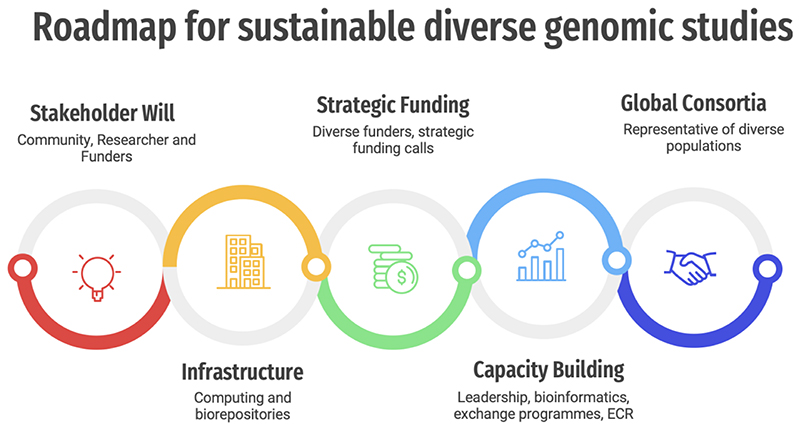
“For example, Fatumo et al. (2022) propose a roadmap to improve genetic representation in large-scale studies that involves considering stakeholders, infrastructure, strategic funding from diverse funders, capacity building (such as leadership, bioinformatics and exchange programs) and global…”
Adebamowo, C., Adebamowo, S. N., Akintola, A., Ikhane, P. A., Akintola, S., Ogundiran, T. O., Jegede, A., Adeyemo, O., Callier, S., Imam-Tamim, M. K., et al. (2026) · Journal of Medical Internet Research · doi:10.2196/99980 · Cited by 1
Community Engagement in Genomic Research: Where We Have Been and Where We Should Go
Cho, M. K. (2026) · Annual Review of Genomics and Human Genetics · doi:10.1146/annurev-genom-020525-034046 · Cited by 1
Nathan, V., Akbar, H. G., McInerney-Leo, A. M., Gilroy, D., Henders, A. K., Naresh, R., Choudhury, N., Waqar, M., Shah, S. H., Yanes, T., et al. (2026) · European Journal of Human Genetics · doi:10.1038/s41431-026-02129-3 · Cited by 1
Modhukur, V., Khatun, M., Patel, N., Sajitha Lulu, S., Lingasamy, P., & Salumets, A. (2026) · Journal of Translational Autoimmunity · doi:10.1016/j.jtauto.2026.100399 · Cited by 1
“Finally, the European ancestry focus improves analytical consistency but limits immediate generalizability to non-European populations [50].”
Kim, C., Zhu, Z., Tagmount, A., Barbazuk, W. B., Bacher, R. L., Stuchal, L. D., Martyniuk, C. J., & Vulpe, C. D. (2026) · NAM journal. · doi:10.1016/j.namjnl.2026.100103 · Cited by 1
Genetic perspectives on the comorbidity of anxiety and mood disorders with cardiovascular disease
de Geus, E. J. C., Treur, J. L., & Penninx, B. W. J. H. (2026) · Nature Cardiovascular Research · doi:10.1038/s44161-026-00822-6 · Cited by 1
“A major limitation is that all Mendelian randomization studies discussed here are based on sample populations of white European ancestry, limiting generalizability—an issue that extends to the field of genetics as a whole 138 .”
Trust, mistrust, and the promise of AI in genomics for African populations
Gaye, A., Bonham, V. L., & Baye, T. M. (2026) · The American Journal of Human Genetics · doi:10.1016/j.ajhg.2026.05.009 · Cited by 1
“9 Notably, recent policy guidance from major professional societies has begun to explicitly acknowledge that the equitable implementation of genomics, and the AI systems increasingly layered upon it, depends fundamentally on trust, data representativeness, and responsible stewardship across…”
Smits, S. G., Duintjer, A. J., van Duyvenvoorde, H. A., Rodenburg, W., van der Burg, M., Henneman, L., & Blom, M. (2026) · Public Health Genomics · doi:10.1159/000553190 · Cited by 2
Genomic innovations in cancer prevention, diagnosis, prognosis and precision therapeutics
Ananda, H., Sahana, S. R., Murthy, S. R., Kunnath, A. N., Prashant, A., Kaifi, J. T., Kiran, P. K., & Suvilesh, K. N. (2026) · Frontiers in Genetics · doi:10.3389/fgene.2026.1828450 · Cited by 2
Environmental DNA (eDNA) from humans: Review of recent advancements and forensic implications
Saha, N., Singh, N., & Samuel, M. (2026) · International Journal of Legal Medicine · doi:10.1007/s00414-026-03911-0 · Cited by 1
Wang, M., Duan, S., Sun, Q., Tang, R., Luo, L., Zhong, J., Sabitov, Z., Wei, L., Liu, C., Zhabagin, M. K., et al. (2026) · Advanced Science · doi:10.1002/advs.76320 · Cited by 2
The Organization of Educational Financing at Nuril Huda Islamic Junior High School, Semarang Regency
Silvana, W., Listianingsih, Q., & Widiati, A. (2026) · Journal of Transdisiplinary Studies in Education · doi:10.64268/jtse.v2i1.144 · Cited by 1
Breed, R., Voisey, J., Lau, E., Antwertinger, Y., & Semmler, A. (2026) · Clinical and Translational Science · doi:10.1111/cts.70701 · Cited by 1
Polygenic Risk Scores in Clinical Care
Soper, E. R., & Abul‐Husn, N. S. (2022) · Advances in Molecular Pathology · doi:10.1016/j.yamp.2022.07.001 · Cited by 1
Engaging diversity in research: does your drug work in overlooked populations?
Brown, K. E., & Woodahl, E. L. (2023) · Elsevier eBooks · doi:10.1016/b978-0-12-817134-9.00020-9 · Cited by 1
Hoverd, E., Effiom, V., Gravesande, D., Hollowood, L., Kelly, T., Mukuka, E., Owatemi, T., Sargeant, I., Ward, S., Spencer, R. A., et al. (2024) · BMJ Open · doi:10.1136/bmjopen-2023-082564 · Cited by 1
“31 32 For example, doses for the drug warfarin, a blood-thinning drug, have been reported as being prescribed based on an individual’s race and ethnicity, despite genetic studies mainly being conducted on European and white Americans.”
BackgroundLewis, G., Lewis, G., & Srinivasan, R. (2024) · Cambridge University Press eBooks · doi:10.1017/9781911623861.005 · Cited by 1
Rana, P., Kaur, G., Walia, H. K., Sodhi, G. K., Kajale, S. C., & Dwibedi, V. (2024) · Springer eBooks · doi:10.1007/978-981-97-2910-4_7 · Cited by 3
Xia, R., Jian, X., Rodrigue, A., Bressler, J., Boerwinkle, E., Cui, B., Daviglus, M. L., DeCarli, C. S., Gallo, L. C., Glahn, D. C., et al. (2024) · Alzheimer s & Dementia · doi:10.1002/alz.14082 · Cited by 1
Hendricks‐Sturrup, R., Yankah, S. E., & Lu, C. Y. (2024) · Frontiers in Genetics · doi:10.3389/fgene.2024.1444084 · Cited by 1
“The challenges of recruiting non-European populations or the lack of diversity in genomic research are well documented (Gerhard et al., 2018; Fatumo et al., 2022; Ju et al., 2022).”
BackgroundParra, H. M. V., Cardona, D. S., Buitrago, C. A., Vanegas, M. S. N., Hincapié, S. G., Jaramillo, C. J., Cock-Rada, A. M., Duque, C. B., Piedrahita, C. P., Bustamante, C., et al. (2025) · Frontiers in Genetics · doi:10.3389/fgene.2025.1556907 · Cited by 1
Xiong, G., & Ji, X. (2025) · Journal of Affective Disorders · doi:10.1016/j.jad.2025.120159 · Cited by 1
Zhang, J. Y. (2023) · Kent Academic Repository (University of Kent) · Cited by 4
Long, X., Waldstein, A., Wu, H., & Geng, Y. (2023) · Kent Academic Repository (University of Kent) · Cited by 1
Double Trouble: Predicting New Variant Counts Across Two Heterogeneous Populations
Shen, Y., Masoero, L., Schraiber, J. G., & Broderick, T. (2025) · Bayesian Analysis · doi:10.1214/25-ba1576 · Cited by 2
Frickel, E., Bam, S., Buchanan, E., Mahony, C., van der Watt, M., & O’Ryan, C. (2022) · bioRxiv (Cold Spring Harbor Laboratory) · doi:10.1101/2022.11.11.516128 · Cited by 1
“For instance, only 3% of genome-wide association studies (GWAS) have included African populations, whereas 81% have been undertaken in European populations (Popejoy & Fullerton 2016; Fatumo et al., 2022).”
BackgroundZhang, X., Brody, J. A., Graff, M., Highland, H. M., Chami, N., Xu, H., Wang, Z., Ferrier, K., Chittoor, G., Josyula, N. S., et al. (2023) · medRxiv · doi:10.1101/2023.08.21.23293271 · Cited by 2
Germline variants alter immune surveillance
Waddell, N., & Addala, V. (2024) · Science · doi:10.1126/science.adp7370 · Cited by 1
Real-World Utility of Genome Sequencing: The Tapestry Study and the Future of Genomic Medicine
Ginsburg, G. S. (2024) · Mayo Clinic Proceedings · doi:10.1016/j.mayocp.2024.10.013 · Cited by 1
The genetic architecture of gene expression in individuals of African and European ancestryPreprint
Fletez‐Brant, K., Sauteraud, R., Liang, Y., Micheletti, S. J., Nandakumar, P., Sugathan, A., Song, K. S., Cavazos, T. B., Thomas, A. L., Tunney, R. J., et al. (2024) · medRxiv · doi:10.1101/2024.12.13.24318019 · Cited by 1
Genomic diversity: meeting the challenge of rare diseases
Soliman, N. A., & Sayer, J. A. (2025) · Journal of Rare Diseases · doi:10.1007/s44162-025-00067-0 · Cited by 1
Development and validation of polygenic risk profiles of schizophreniaPreprint
Kocak, E., Naamanka, J., Gradinger, T., Klaassen, F., Nitsche, J., Grotehusmann, P., Adorjan, K., Antonucci, L. A., Blasi, G., Budde, M., et al. (2025) · medRxiv · doi:10.1101/2025.04.29.25326656 · Cited by 1
He, G., Su, H., Sun, Q., Tang, R., Yang, Q., Luo, L., Zhong, J., Sabitov, Z. M., Cheng, J., Bu, F., et al. (2025) · medRxiv · doi:10.1101/2025.08.26.25334450 · Cited by 1
Alemu, R. G., Young, A. S., Benjamin, D. J., Turley, P., & Okbay, A. (2025) · Research Square · doi:10.1101/2025.09.11.675704 · Cited by 2
“Recent estimates indicate that less than 14 percent of all GWAS participants are from non-EUR genetic ancestries, a disparity with significant implications for the generalizability of genetic research 4 .”
Corpas, M., Freidin, M. B., Valdivia-Silva, J., Baker, S., Fatumo, S., & Guio, H. (2026) · medRxiv · doi:10.64898/2026.02.10.26346004 · Cited by 1
Self-citationMaina, J. G., Okewole, A., Milkias, B., Smyth, N., Walters, J., Crampin, A. C., Sheikh, T. L., Teferra, S., Ramsay, M., Breen, G. D., et al. (2026) · The British Journal of Psychiatry · doi:10.1192/bjp.2026.10578 · Cited by 1
Metadata
- Authors
- Fatumo, S., Chikowore, T., Choudhury, A., Ayub, M., Martin, A. R., & Kuchenbaecker, K.
- Affiliations
- London School of Hygiene & Tropical Medicine (GB)
- University of the Witwatersrand (ZA)
- University College London (GB)
- Broad Institute (US)
- Corresponding author
- Fatumo, Segun
- ORCID
- Venue
- Nature Medicine
- Published
- 2022-02
- Volume
- 28
- Issue
- 2
- Pages
- 243-250
- ISSN
- 1078-8956 (ISSN-L)
- 1546-170X
- PMC
- PMC7614889
- OpenAlex
- W4211005061
- Cited by
- 707
- References
- 63
- Citations by year
- 2026: 169 · 2025: 188 · 2024: 152 · 2023: 132 · 2022: 64
- FWCI
- 20.80
- Type
- journal article
- Language
- en
- Open access
- green
- www.ncbi.nlm.nih.gov
- Licence
- cc-by
- www.springer.com/tdm (tdm)
- www.springer.com/tdm (vor)
- Locations
- Nature Medicine (publishedVersion)
- PubMed (publishedVersion)
- PubMed Central (acceptedVersion, cc-by)
- LSHTM Research Online (London School of Hygiene and Tropical Medicine) (acceptedVersion)
- UCL Discovery (University College London) (submittedVersion)
- Funders
- Wellcome Trust (214205, 214205/Z/18/Z)
- Topics
- Social Sciences › Anthropology › Race, Genetics, and Society
- Health Sciences › Medicine › Public Health, Environmental and Occupational Health › Ethics in Clinical Research
- Life Sciences › Biochemistry, Genetics and Molecular Biology › Genetics › Genetic Associations and Epidemiology
- Keywords
- genomic diversity, underrepresented groups, health equity, research inclusion, etiology, drug design
- MeSH terms
- Whole Genome Sequencing, Humans, Genome, Human, Genomics
About these checks
Registry, retraction, Cites and statistics results are computed, not judged, with one exception: a printed reference that no index lists is read once by a model before it counts as a citation error. Claims are extracted by a model and kept only when their quote appears verbatim in the text; each cited source is then checked, with a model’s help, for whether it says what the claim relies on. Those verdicts can be wrong — read the claim’s quote and the cited source before relying on one.
Statistics and arithmetic are recomputed, not judged.
Confidence bands are shown only for fields calibrated on our annotated test set. None is calibrated yet, so no band is shown.
What counts as a claim ›How we measure confidence ›How we check this ›
Are you an author, or do you see a problem with this page? Request a review
Data sources
Bibliographic data: Semantic Scholar, OpenAlex, Crossref.
Contains information from the Semantic Scholar Academic Graph Datasets, made available under the ODC Attribution License (ODC-BY 1.0).
Semantic Scholar’s data is described in: Kinney, R., et al. (2023). The Semantic Scholar Open Data Platform. arXiv:2301.10140.
