

Epidemiological data from the COVID-19 outbreak, real-time case information
Open accessThe DOI matches its Crossref record; 15 of the 16 references it cites were found in a registry or an index.
Abstract
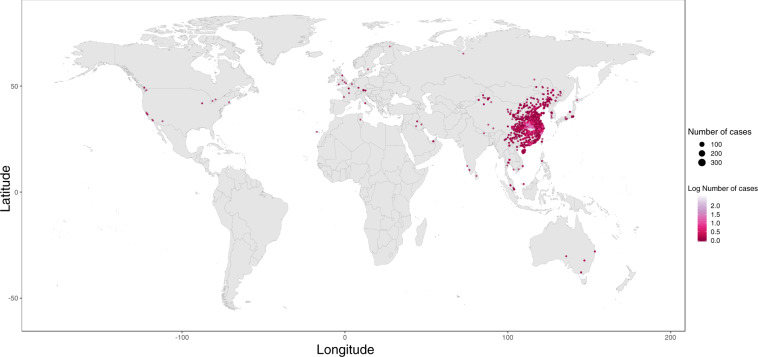
Cases of a novel coronavirus were first reported in Wuhan, Hubei province, China, in December 2019 and have since spread across the world. Epidemiological studies have indicated human-to-human transmission in China and elsewhere. To aid the analysis and tracking of the COVID-19 epidemic we collected and curated individual-level data from national, provincial, and municipal health reports, as well as additional information from online reports. All data are geo-coded and, where available, include symptoms, key dates (date of onset, admission, and confirmation), and travel history. The generation of detailed, real-time, and robust data for emerging disease outbreaks is important and can help to generate robust evidence that will support and inform public health decision making.
Overview
The claims and statistics of this paper haven’t been checked yet.
Free: it reads the open-access text and checks the first 5 claims that cite a source we can check. Create a free account to check every claim.
Integrity signals
Registry
Cites
Statistics
Figures
Verification
Claims the paper makes
The claims and statistics of this paper haven’t been checked yet.
Free: it reads the open-access text and checks the first 5 claims that cite a source we can check. Create a free account to check every claim.
Claims other papers make about this one
Each is checked against this paper’s own text: does it say what the citing paper says it does?
In the citing paper
“We aligned cases and seroprevalence on the basis of individual record data suggesting that exposure to a laboratory-confirmed case was typically 10–13 days36 and exposure to seroconversion was 14–17 days.37, 38, 39”
From Estimating global, regional, and national daily and cumulative infections with SARS-CoV-2 through Nov 14, 2021: a statistical analysis (2022) · cites this paper as [36]
Self-check
Percentages, sums and reported differences re-computed from the paper’s own numbers.
The self-check needs the paper’s full text.
Citations
Cites
Chen, N., Zhou, M., Dong, X., Qu, J., Gong, F., Han, Y., Qiu, Y., Wang, J., Liu, Y., Wei, Y., et al. (2020) · The Lancet · doi:10.1016/s0140-6736(20)30211-7 · Cited by 21,415 · cited 1×
“(1) columns with no variability across all records were removed, (2) the remaining data were hashed using a 32-bit variant of MurmurHash3 implemented in the R package FeatureHashing version 0.9.1.3 8, 9 , (3) a principle component analysis on the centered, scaled hashed feature matrix is performed for dimension reduct…”
MethodInfluentialEarly transmission dynamics in Wuhan, China, of novel coronavirus-infected pneumonia
Li, Q., Guan, X., Wu, P., Wang, X., Zhou, L., Tong, Y., Ren, R., Leung, K. S. M., Lau, E. H. Y., Wong, J. Y., et al. (2020) · New England Journal of Medicine · doi:10.1056/nejmoa2001316 · Cited by 16,575 · cited 2×
“Third, in some instances more detailed data are available, typically through peer-reviewed research articles 1, 7 , which were subsequently used to modify existing records in the database.”
BackgroundAn interactive web-based dashboard to track COVID-19 in real time
Dong, E., Du, H., & Gardner, L. (2020) · The Lancet Infectious Diseases · doi:10.1016/s1473-3099(20)30120-1 · Cited by 10,048 · cited 1×
“Third, in some instances more detailed data are available, typically through peer-reviewed research articles 1, 7 , which were subsequently used to modify existing records in the database.”
BackgroundPandemic Potential of a Strain of Influenza A (H1N1): Early Findings
Fraser, C., Donnelly, C. A., Cauchemez, S., Hanage, W. P., Van Kerkhove, M. D., Hollingsworth, T. D., Griffin, J., Baggaley, R. F., Jenkins, H. E., Lyons, E. J., et al. (2009) · Science · doi:10.1126/science.1176062 · Cited by 1,909 · cited 1×
“However, the dataset presented here includes fine grained geographic details and the most comprehensive list of cases.”
BackgroundSelf-citationZhao, S., Lin, Q., Ran, J., Musa, S. S., Yang, G., Wang, W., Lou, Y., Gao, D., Yang, L., He, D., et al. (2020) · International Journal of Infectious Diseases · doi:10.1016/j.ijid.2020.01.050 · Cited by 1,853
Feature hashing for large scale multitask learning
Weinberger, K., Dasgupta, A., Langford, J., Smola, A., & Attenberg, J. (2009) · Proceedings of the 26th Annual International Conference on Machine Learning · doi:10.1145/1553374.1553516 · Cited by 906 · cited 1×
“(1) columns with no variability across all records were removed, (2) the remaining data were hashed using a 32-bit variant of MurmurHash3 implemented in the R package FeatureHashing version 0.9.1.3 8, 9 , (3) a principle component analysis on the centered, scaled hashed feature matrix is performed for dimension reduct…”
MethodInfluentialBogoch, I. I., Watts, A., Thomas-Bachli, A., Huber, C., Kraemer, M. U. G., & Khan, K. (2020) · Journal of Travel Medicine · doi:10.1093/jtm/taaa008 · Cited by 898
Self-citationDigital disease detection - harnessing the Web for public health surveillance
Brownstein, J. S., Freifeld, C. C., & Madoff, L. C. (2009) · New England Journal of Medicine · doi:10.1056/nejmp0900702 · Cited by 819 · cited 1×
“Geo-positioned records of case data can be important for risk communication and evaluation during outbreaks, especially when they are available in real-time 4, 5 .”
BackgroundSelf-citationSun, K., Chen, J., & Viboud, C. (2020) · The Lancet Digital Health · doi:10.1016/s2589-7500(20)30026-1 · Cited by 517
The global compendium of Aedes aegypti and Ae. albopictus occurrence
Kraemer, M. U. G., Sinka, M. E., Duda, K. A., Mylne, A., Shearer, F. M., Brady, O. J., Messina, J. P., Barker, C. M., Moore, C. G., Carvalho, R. G., et al. (2015) · Scientific Data · doi:10.1038/sdata.2015.35 · Cited by 388 · cited 1×
“Going forward we will likely update records in the period described here which occurs frequently after outbreaks [13] [14] [15] [16] .”
BackgroundSelf-citation
Cited by
Items 201–300 of 407
Aggregation, Storing, Multidimensional Representation and Processing of COVID-19 Data
Дуда, О., Kunanets, N. E., Matsiuk, O., Pasichnyk, V. V., & Rzheuskyi, A. (2020) · Advances in intelligent systems and computing · doi:10.1007/978-3-030-63270-0_60 · Cited by 8
Fighting global viruses under spatial grasp technology
Sapaty, P. S., & Finkelstein, R. (2020) · Mathematical machines and systems · doi:10.34121/1028-9763-2020-4-113-124 · Cited by 8
Hanifehpour, H., Ashrafi, F., Siasi, E., & Fallahi, S. (2024) · BMC Infectious Diseases · doi:10.1186/s12879-024-09574-9 · Cited by 8
“While in contrary to this a significant relationship between age and SARS-CoV-2 infection was reported in the study of XU et al [42].”
ResultFollowing data as it crosses borders during the COVID-19 pandemic
Plasek, J. M., Tang, C., Zhu, Y., Huang, Y., & Bates, D. W. (2020) · Journal of the American Medical Informatics Association · doi:10.1093/jamia/ocaa063 · Cited by 8
Elmeiligy, M. A., El-Desouky, A. I., & Elghamrawy, S. M. (2020) · arXiv (Cornell University) · doi:10.48550/arxiv.2005.05036 · Cited by 8
“We collect and curated individual–level data from national, provincial and municipal health reports as well as additional information from online reports to analyze and track the COVID-19 [4].”
MethodCharacteristics of COVID-19-Related Deaths Among Older Adults in Malaysia
Din, H. M., Adnan, R. N. E. R., Akahbar, S. A. N., & Ahmad, S. A. (2021) · Malaysian Journal of Medical Sciences · doi:10.21315/mjms2021.28.4.14 · Cited by 8
The ‘PROTECT’ Essential Elements in Managing Crisis Data Policies
Zhang, L., Ekmekçi, P. E., Murray, V. S. G., Erkan, B. B., Crawley, F. P., Li, X., & Li, Y. (2024) · Data Science Journal · doi:10.5334/dsj-2024-012 · Cited by 9
“Data-relevant research ‘resources’ once again proved their irreplaceable roles in the robust ‘operation’ of crisis (Xu et al. 2020), while ‘technology’ boosted crisis data work extensively.”
BackgroundWang, G., Sun, Z., Wang, T., Li, Y., & Hu, H. (2024) · Scientific Reports · doi:10.1038/s41598-024-64122-4 · Cited by 7
Kitutu, F. E., Namugambe, J. S., Senkusu, J., Nalubwama, J., Ssenkeera, B., Kateregga, J. N., Aineplan, N., Kesi, D. N., Ndagije, H. B., Kasakya, E., et al. (2025) · BMC Veterinary Research · doi:10.1186/s12917-025-04709-9 · Cited by 8
Datasets and future research suggestions concerning the novel Coronavirus (COVID-19)
Szmuda, T., Ali, S., Özdemir, C., Syed, M. T., Singh, A., Hetzger, T. V., Rosvall, P., Fedorow, K., Alkhater, A., Majlöf, A., et al. (2020) · European Journal of Translational and Clinical Medicine · doi:10.31373/ejtcm/124734 · Cited by 7
Modelling the effect of Covid-19 mortality on the economy of Nigeria
Iluno, C., Taylor, J., Akinmoladun, O. M., Aderele, O. R., & Ekum, M. I. (2021) · Research in Globalization · doi:10.1016/j.resglo.2021.100050 · Cited by 7
“…Tang et al., 2020; Qun et al., 2020; Chen & Yu, 2020; Li et al., 2020; Ferguson et al., 2020; Kucharski et al., 2020; Wu et al., 2020; Roosa et al., 2020; Thomala, 2020; Xu et al., 2020; McMichael et al., 2020; Healy & Kovaleski, 2020; Chen et al., 2020; Hellewell et al., 2020; Yang et al., 2020).”
Efficient compression of SARS-CoV-2 genome data using Nucleotide Archival Format
Kryukov, K. A., Jin, L., & Nakagawa, S. (2022) · Patterns · doi:10.1016/j.patter.2022.100562 · Cited by 7
“Indeed, changes to various large-scale COVID-19related data including epidemiological data are being discussed for efficient analyses (Xu et al.(53); Kraemer et al.”
Zeouk, I., Bekhti, K., & Lorenzo‐Morales, J. (2020) · Microorganisms · doi:10.3390/microorganisms8060850 · Cited by 8
The Impact of COVID-19 on Relative Changes in Aggregated Mobility Using Mobile-phone Data
Heiler, G., Hanbury, A., & Filzmoser, P. (2023) · Austrian Journal of Statistics · doi:10.17713/ajs.v52i4.1510 · Cited by 8
Ram, S. K., & Sornette, D. (2020) · Scientific Reports · doi:10.1038/s41598-021-01276-5 · Cited by 8
Sociocultural behavioral traits in modelling the prediction of COVID-19 infection rates
Alba, C., & Mittal, M. M. (2021) · Journal of Humanities and Applied Social Sciences · doi:10.1108/jhass-07-2021-0128 · Cited by 7
Barsasella, D., Iman, A. T., Fadly, F., Uddin, M., Mohammed, A., Shaik, T., Saputra, H., Malwade, S., Dhar, E., Zakiah, et al. (2022) · Healthcare · doi:10.3390/healthcare10020204 · Cited by 7
Isopathic Remedy Prepared from Convalescent Plasma as a Therapeutic Option for COVID-19?
Prajapati, S. (2020) · Homeopathy · doi:10.1055/s-0040-1714061 · Cited by 6
Beeler, P., & Chakrabarty, R. K. (2021) · Environmental Research Letters · doi:10.1088/1748-9326/ac29ea · Cited by 6
Coronavirus and the dental office
Universidad Señor de Sipán. Chiclayo, P., & Valenzuela, M. (2020) · Journal Of Oral Research · doi:10.17126/joralres.2020.045 · Cited by 6
Volatility estimation for COVID-19 daily rates using Kalman filtering technique
Bhuiyan, M. A. M., Mahmud, S., Islam, M. R., & Tasnim, N. (2021) · Results in Physics · doi:10.1016/j.rinp.2021.104291 · Cited by 6
“Healthcare Access and Quality (HAQ) Index for the topmost affected countries with confirmed COVID-19 cases M.A. Masum Bhuiyan et al. Results in Physics 26 (2021) 104291 reported by the WHO is derived from a previously published study by the GBD (Global Burden of Disease) 2016 Healthcare Access and Quality Collaborator…”
MethodUsing Innovation to Develop Digital Tools for Public Health During the COVID-19 Pandemic
Mark, K., Bradley, J., Chute, C., Sumpter, C., Adil, M., & Crooks, G. (2021) · European Medical Journal · doi:10.33590/emj/20-00227 · Cited by 8
Thind, A. S., & Sinha, S. (2023) · Current Genomics · doi:10.2174/0113892029264990231013112156 · Cited by 6
“The recent pandemic of COVID-19 [3] and the Ebola out-break reported in 2022 in the Western Region and Central Region of Uganda [4] are the two latest examples of their tremendous health and socioeconomic hazards.”
BackgroundInvestigating the Relationship Between Air Quality and COVID-19 Transmission
Albrecht, L., Czarnecki, P., & Sakelaris, B. G. (2021) · Journal of Data Science · doi:10.6339/21-jds1010 · Cited by 7
“It also approximates a time series of cases by day of infection using an onset delay distribution which was empirically driven by data from Xu et al. (2020) while assuming a five day incubation period as evidenced by work from Lauer et al. (2020).”
MethodData Sharing in Southeast Asia During the First Wave of the COVID-19 Pandemic
Amit, A. M. L., Pepito, V. C. F., Gutiérrez, B., & Rawson, T. (2021) · Frontiers in Public Health · doi:10.3389/fpubh.2021.662842 · Cited by 6
Cohen, F., Schwarz, M., Li, S., Lu, Y., & Jani, A. R. (2020) · medRxiv · doi:10.1101/2020.05.21.20108803 · Cited by 6
Self-citationSharing patient-level real-time COVID-19 data
Komorowski, M., Kraemer, M. U. G., & Brownstein, J. S. (2020) · The Lancet Digital Health · doi:10.1016/s2589-7500(20)30132-1 · Cited by 6
Self-citationModeling the Coronavirus Disease 2019 Incubation Period: Impact on Quarantine PolicyPreprint
Pak, D., Langohr, K., Ning, J., Cortés, J., Melis, G. G., & Shen, Y. (2020) · medRxiv · doi:10.1101/2020.06.27.20141002 · Cited by 6
“Our analysis was based on publicly reported, clinically confirmed cases with symptoms from two sources, available as of March 30, 2020 [5, 6].”
MethodStarnini, M., Aleta, A., Tizzoni, M., & Moreno, Y. (2020) · medRxiv · doi:10.1101/2020.06.26.20140871 · Cited by 6
“The third time-series of symptoms’ onset is inferred (Inferred Symptoms A) by applying a convolution to the time-series of notification dates with the probability distribution P(∆t) of the elapsed time between the dates of symptom onset and laboratory confirmation, measured from a large line list dataset [7].”
MethodIs the type of diabetes treatment relevant to outcome of COVID ‐19?
Bloomgarden, Z. T. (2020) · Journal of Diabetes · doi:10.1111/1753-0407.13047 · Cited by 5
Usman, M., Zhou, H., Moon, S., Zhang, X., Faloutsos, P., & Kapadia, M. (2022) · IEEE Computer Graphics and Applications · doi:10.1109/mcg.2022.3230444 · Cited by 5
“data as well as visualization dashboards to advance the response to infectious diseases.(4) Although the existing data resources have proven to be valuable, we found that they are insufficient to support multiscale and multifaceted modeling of computational disease understanding and simulation.”
BackgroundShahin, M., Bertl, M., Iman, M. R. H., Ghasempouri, T., Sharma, R., Shah, S. A., & Draheim, D. (2024) · Lecture notes in networks and systems · doi:10.1007/978-3-031-70595-3_30 · Cited by 5
Multidimensional Representation of COVID-19 Data Using OLAP Information Technology
Дуда, О., Pasichnyk, V. V., Kunanets, N. E., Rzheuskyi, A., & Matsiuk, O. (2020) · IEEE International Conference on Computer Sciences and Information Technologies (CSIT) · doi:10.1109/csit49958.2020.9321889 · Cited by 20
“The article [13] presents the results of analytical processing of geolocation data on spread of COVID-19 in real time using "Google map" [14] and "Google earth" [15].”
MethodModelling the effect of non-pharmaceutical interventions on COVID-19 transmission from mobility maps
Hasan, U., Jassmi, H. A., Tridane, A., Stanciole, A. E., Hosani, F. I. A., & Aden, B. (2022) · Infectious Disease Modelling · doi:10.1016/j.idm.2022.07.004 · Cited by 5
“All these models (Huang et al., 2020; Jia et al., 2020) have attempted to assess the ef fi cacy of NPIs by combining policy data with robust real-time disease progression trajectory data (Xu et al., 2020) of COVID-19.”
Wang, Z., Liu, X. F., Du, Z., Wang, L., Wu, Y., Holme, P., Lachmann, M., Lin, H., Wong, Z. S.-Y., Xu, X.-K., et al. (2022) · iScience · doi:10.1016/j.isci.2022.105079 · Cited by 5
Self-citationSharing Time-to-Event Data with Privacy Protection
Bonomi, L., & Fan, L. (2022) · IEEE International Conference on Healthcare Informatics (ICHI) · doi:10.1109/ichi54592.2022.00014 · Cited by 7
“For empirical evaluation, we use two real-world datasets: METABRIC [32] and COVID-19 [33].”
MethodRomero, D., & Escudero, P. (2023) · Applied System Innovation · doi:10.3390/asi6060113 · Cited by 5
Spier, A. B., & Evans, C. E. (2020) · Thrombosis Update · doi:10.1016/j.tru.2020.100028 · Cited by 5
Covid-19 Mobile Tracking Application Utilizing Smart Sensors
Alepis, E., Virvou, M. K., & Kontomaris, P. (2021) · International Conference on Information, Intelligence, Systems & Applications (IISA) · doi:10.1109/iisa52424.2021.9555548 · Cited by 14
Internet of Health Things (IoHT) Against COVID-19: A Review of Recent Development
Velliyangiri, G., Venkatachalam, A., Ramachandran, M., Kumar, A., & Subramanian, M. (2022) · Computational Intelligence for COVID-19 and Future Pandemics · doi:10.1007/978-981-16-3783-4_13 · Cited by 3
A global COVID-19 observatory, monitoring the pandemics through text mining and visualization
Massri, M. B., Costa, J. P., Bauer, A., Grobelnik, M., Brank, J., & Stopar, L. (2022) · Informatica · doi:10.31449/inf.v46i1.3375 · Cited by 5
Inward, R. P. D., Jackson, F., Dasgupta, A., Lee, G., Battle, A. L., Parag, K. V., & Kraemer, M. U. G. (2022) · Epidemics · doi:10.1016/j.epidem.2022.100627 · Cited by 6
Self-citationKhanizadeh, S., Malekshahi, A., Hanifehpour, H., Birjandi, M., & Fallahi, S. (2023) · BMC Microbiology · doi:10.1186/s12866-023-02806-z · Cited by 5
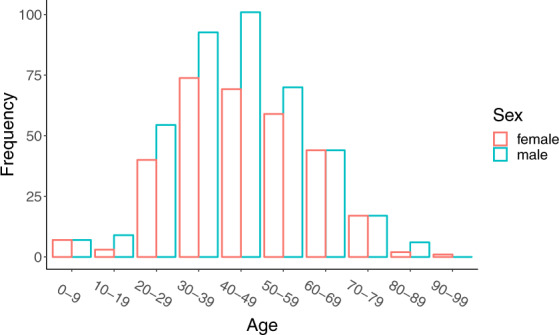
“, the rate of SARS-CoV-2 infection among males and the 30–39 and 40–49 age groups was higher [45].”
BackgroundGeospatial Data Science Response to COVID-19 Crisis and Pandemic Isolation Tracking
İban, M. C. (2020) · Turkish Journal of Geosciences · Cited by 7
Optimal strategic pandemic control: human mobility and travel restriction
Hu, W., Shi, Y., Chen, C., & Chen, Z. (2021) · Mathematical Biosciences & Engineering · doi:10.3934/mbe.2021468 · Cited by 5
Bostan, P., Yavuz, C. İ., Ozturk, B., Olcay, S. S., & Aykaç, N. (2023) · Thoracic research and practice · doi:10.5152/thoracrespract.2023.22231 · Cited by 5
Severe SARS-CoV-2 infection in critical care
Sarmiento, J. F., Acevedo, L., Mulett, H., Bastidas, S., Sarta-Mantilla, M., Durán, N., Chacón, S., Bejarano-Quintero, A. M., Mizar, O., Pérez, A., et al. (2020) · Trends in Anaesthesia and Critical Care · doi:10.1016/j.tacc.2020.07.002 · Cited by 4
Wang, R., & Wang, Q. (2021) · Biometrics · doi:10.1111/biom.13444 · Cited by 4
Monitoring COVID-19 Disease Using Big Data and Artificial Intelligence-Driven Tools
Elghamrawy, S. M., Darwish, A., & Hassanien, A. E. (2021) · Studies in systems, decision and control · doi:10.1007/978-3-030-63307-3_10 · Cited by 5
Columbia Open Health Data for COVID-19 Research: Database Analysis
Lee, J., Kim, J. H., Liu, C., Hripcsak, G. M., Natarajan, K., Ta, C., & Weng, C. (2021) · Journal of Medical Internet Research · doi:10.2196/31122 · Cited by 4
“Although many studies sharing epidemiological data [4,5], public health [6], and social measures [7] for COVID-19 research have been conducted, publicly accessible clinical data on COVID-19 remain limited despite the immediate need [8], mainly owing to the potential risk to patient privacy that can…”
Surveillance of COVID-19 Using Geospatial Data: An Emergency Department Perspective
Ashok, S., Ullah, M., Vadivelu, N., Islam, M. T., Nasereddin, S., & Khan, W. Z. (2021) · Dubai Medical Journal · doi:10.1159/000520206 · Cited by 4
Federated Patient Similarity Network for Data-Driven Diagnosis of COVID-19 Patients
Kassabi, H. T. E., Serhani, M. A., Navaz, A. N., & Ouhbi, S. (2021) · IEEE/ACS International Conference on Computer Systems and Applications (AICCSA) · doi:10.1109/aiccsa53542.2021.9686875 · Cited by 4
Common data elements and features of brucellosis health information management system
Shafiee, M., Shanbehzadeh, M., & Kazemi-Arpanahi, H. (2022) · Informatics in Medicine Unlocked · doi:10.1016/j.imu.2022.100953 · Cited by 4
Distribution equality as an optimal epidemic mitigation strategy
Hacohen, A., Reuven Cohen, C., Efroni, S., Bachelet, I., & Barzel, B. (2022) · Scientific Reports · doi:10.1038/s41598-022-12261-x · Cited by 4
Wątroba, S., & Bryda, J. (2022) · Annals of Agricultural and Environmental Medicine · doi:10.26444/aaem/154827 · Cited by 4
“The SARS-CoV-2 coronavirus causes the COVID-19 disease and its pandemic began in Wuhan in 2019, from where it quickly spread to all of China, Asia and then the rest of the world, which undoubtedly became a huge epidemiological problem and created a serious threat to the broadly understood community [1, 2].”
BackgroundA Review of COVID-19 in Children
Khoshnevisasl, P., Sadeghzadeh, M., & Sadeghzadeh, S. (2020) · Journal of Comprehensive Pediatrics · doi:10.5812/compreped.103780 · Cited by 5
Shrivastava, S., Chakma, T., Das, A., & Verma, A. K. (2021) · The International Journal of Health Planning and Management · doi:10.1002/hpm.3163 · Cited by 4
AlMomani, A. A. R., & Bollt, E. M. (2020) · medRxiv · doi:10.1101/2020.04.25.20079905 · Cited by 4
“Our results are based on the dataset [15] , which is continually updated online, and we will update our results based on the new data available, and the results will be updated continually in our online (COVID-19 repository), together with the Matlab code to process the data and perform CPIR analysis.”
BackgroundMethodFilho, A. D. S. G., & de Oliveira, G. F. (2020) · ID on line REVISTA DE PSICOLOGIA · doi:10.14295/idonline.v14i50.2459 · Cited by 4
Linking genomic and epidemiologic information to advance the study of COVID-19
Wang, Y., Yang, J., Zhuang, X., Ling, Y., Cao, R., Xu, Q., Wang, P., Xu, P., & Zhang, G. (2022) · Scientific Data · doi:10.1038/s41597-022-01237-1 · Cited by 6
“16 , who collected and collated epidemiological data from multiple sources such as government reports and news.”
BackgroundGlobal.health: a scalable plaform for pandemic data integration, analytics, and preparednessPreprint
Benjamin, A., Brownstein, J. S., Cansler, A., Chandra, S., Cornet, E., Dasgupta, A., Elasmar, R., Faudot, T., Jackson, F., Kraemer, M. U. G., et al. (2022) · Research Square · doi:10.21203/rs.3.rs-1528783/v1 · Cited by 4
Self-citationEbrahimi, K. S., Moghaddam, M. S. H., Ansari, M., Nowroozi, A., Shahlaei, M., & Moradi, S. (2024) · Journal of Biomolecular Structure and Dynamics · doi:10.1080/07391102.2024.2308777 · Cited by 3
“Due to the high infection rate and relatively high mortality of this pandemic, finding an efficient therapeutic has become an international emergence among researchers, companies and governments (Wu et al., 2020; Xu et al., 2020; Zhou et al., 2020).”
Marwaha, J. S., Downing, M., Halamka, J. D., Abernethy, A. P., Franklin, J. B., Anderson, B., Kohane, I. S., Wagholikar, K. B., Brownstein, J. S., Haendel, M. A., et al. (2024) · Healthcare · doi:10.1016/j.hjdsi.2024.100738 · Cited by 4
Self-citationRahmanto, F., Zaenuri, M., & Rahmat, A. F. (2024) · Jurnal Media dan Komunikasi Indonesia · doi:10.22146/jmki.84049 · Cited by 3
Environmental quality and global health
Fattorini, D. (2025) · Academia Global and Public Health · doi:10.20935/acadphealth8043 · Cited by 6
Auffray, C., Balling, R., Blomberg, N., Bonaldo, M. C., Boutron, B., Brahmachari, S. K., Bréchot, C., Cesario, A., Chen, S., Clément, K., et al. (2020) · F1000Research · doi:10.12688/f1000research.26098.1 · Cited by 5
Inferring COVID-19 Biological Pathways from Clinical Phenotypes Via Topological Analysis
Karisani, N., Platt, D. E., Basu, S., & Parida, L. (2022) · Studies in computational intelligence · doi:10.1007/978-3-030-93080-6_12 · Cited by 3
Exhaustive Goodness of Fit Via Smoothed Inference and Graphics
Algeri, S., & Zhang, X. (2021) · Journal of Computational and Graphical Statistics · doi:10.1080/10618600.2021.1999826 · Cited by 3
“Specifically, here we focus on a subset of the COVID19_open_line_list.csv dataset provided in Xu et al. (2020) and contains information of date of symptoms onset, date of hospitalization, age, gender and travel history of COVID-19 patients.”
BackgroundMethodPrivate Continuous Survival Analysis with Distributed Multi-Site Data
Bonomi, L., Lionts, M., & Fan, L. (2023) · IEEE International Conference on Big Data (BigData) · doi:10.1109/bigdata59044.2023.10386571 · Cited by 3
Hamood, S. A. A.-M., Khaleel, D. A., & Guda, M. A. M. (2025) · Contemporary research analysis journal. · doi:10.55677/craj/06-2025-vol02i08 · Cited by 3
Natukunda, J., Sunguya, B. F., Ong, K. I. C., & Jimba, M. (2020) · Journal of Global Health Science · doi:10.35500/jghs.2020.2.e21 · Cited by 3
Coronavirus research output during 2001-2020: A Scientometrics Analysis
Parabhoi, L., & Verma, M. K. (2020) · Lincoln (University of Nebraska) · Cited by 3
Ganapathy, D. (2022) · Emerald Group Publishing Limited eBooks · doi:10.1108/978-1-80071-597-420221006 · Cited by 3
Topology and redescriptions detect multiple alternative biological pathways from clinical phenotypes
Karisani, N., Platt, D. E., Basu, S., & Parida, L. (2022) · Experimental Biology and Medicine · doi:10.1177/15353702221126671 · Cited by 3
“We used the dataset introduced in the study by Xu et al. 22 The dataset is continually updated with the available records of confirmed COVID-19 patients.”
MethodResearch Data: The Future of FAIR White paper
Khodiyar, V., Laine, H., O'Brien, D., Rodriguez‐Esteban, R., der Velden, Y. T.-V., Baynes, G., Brack, M., Cambon‐Thomsen, A., Carr, D., Carrus, E., et al. (2021) · Figshare · doi:10.6084/m9.figshare.14393552 · Cited by 7
Behera, V. N. J., Ranjan, A., & Reza, M. (2021) · Studies in computational intelligence · doi:10.1007/978-3-030-74761-9_6 · Cited by 3
Ordinal Data Stream Collection with Condensed Local Differential Privacy
He, Y., Wang, F., Deng, X., Ni, J., Feng, J., & Liu, S. (2022) · IEEE International Conference on High Performance Computing and Communications; IEEE International Conference on Smart City; IEEE International Conference on Data Science and Systems (HPCC/SmartCity/DSS) · doi:10.1109/hpcc-dss-smartcity-dependsys57074.2022.00102 · Cited by 3
“In the disease surveillance example, the number of the areas in which confirmed cases have been observed is usually less than a couple thousand [2], and the number of confirmed cases is empty in a large number of areas in nearly each time slot.”
BackgroundStrategic release of lockdowns in a COVID infection modelPreprint
Zhang, Y., Hota, M., & Kapoor, S. (2020) · medRxiv · doi:10.1101/2020.05.10.20096446 · Cited by 3
“There have been multiple analysis on the COVID-19 pandemic that model its spread including some that account for lack of complete reporting, a problem that further complicates the modeling process [10–18].”
BackgroundCOVID-19 epidemiological parameters summary document
More, S. J., McAloon, C. G., Griffin, J., Casey, M., Barber, A. M., Lane, E. A., Byrne, A. W., Collins, Á. B., McEvoy, D., Hunt, K., et al. (2020) · Arrow@dit (Dublin Institute of Technology) · Cited by 3
Unpacking fitness differences between two invaders in a multispecies context
Freire, T., Madec, S., & Gjini, E. (2025) · Bulletin of Mathematical Biology · doi:10.1007/s11538-025-01491-5 · Cited by 3
“…2005), and in models to compare fitness of different strains (Wiser and Lenski 2015), with applications ranging from microbial competition studies and experimental evolution, to epidemiology, including assessments of viral variants during the COVID-19 pandemic (Xu 2020; Kucharski 2020; Volz 2021).”
A pyramid of human ecology of disease for pandemic preparedness
Li, S. L., & Emch, M. (2025) · Social Science & Medicine · doi:10.1016/j.socscimed.2025.118492 · Cited by 2
Self-citationXia, F., Xiao, Y., Liu, P., Cheke, R., & Li, X. (2020) · Mathematical Biosciences & Engineering · doi:10.3934/mbe.2020274 · Cited by 2
Lu, Q., Zhang, H., Che, T.-L., Zhao, H., Chen, X., Rui, L., Jiang, W.-L., Zeng, H., Zhang, X., Long, H., et al. (2021) · BMC Infectious Diseases · doi:10.1186/s12879-021-06187-4 · Cited by 2
Amariles, D. R. (2021) · International Journal of Law in Context · doi:10.1017/s174455232100032x · Cited by 2
Tracheostomy Outcomes in Patients With COVID‐19 at a New York City Hospital
Sharma, R. K., Grewal, M. R., Long, S. M., DiDonna, B., Sturm, J. J., Hills, S. E., & Troob, S. H. (2022) · OTO Open · doi:10.1177/2473974x221101025 · Cited by 2
Bao, L., Niu, X. M., & Zhang, Y. (2020) · Annals of Epidemiology · doi:10.1016/j.annepidem.2022.09.005 · Cited by 2
Liu, Y., Diamond, C., Abbott, S., Wong, K. L., Schmidt, T., Edmunds, W. J., Pebody, R. G., & Jit, M. (2024) · Influenza and Other Respiratory Viruses · doi:10.1111/irv.70036 · Cited by 4
“The epidemiologic and healthcare system parameters we used (e.g., reporting delay, incubation period and generation time) were from the literature [12–14].”
Ayurveda interpretation, diagnostic, and probable management of COVID-19 pandemic
Kumar, S. (2020) · Journal of Indian System of Medicine · doi:10.4103/jism.jism_54_20 · Cited by 2
Almeida, F. P., de Lima, M. K. G., Gomes, D. C., & de Souza, E. F. (2020) · International Journal of Advanced Engineering Research and Science · doi:10.22161/ijaers.710.16 · Cited by 2
“global communities are put to the test as major factors in the transmission, severity and prevalence of diseases similar to COVID-19 [8, 43-46].”
BackgroundStudy of impact of COVID-19 on different age groups using machine learning classifiers
Patil, H., Sharma, S., & Raja, L. (2021) · Journal of Interdisciplinary Mathematics · doi:10.1080/09720502.2021.1896585 · Cited by 4
“This disease is due to a novel coronavirus 2 (SARS-CoV-2), termed as Extreme Acute Respiratory Syndrome [1-3].”
BackgroundSteel, J. J. (2021) · Journal of Microbiology and Biology Education · doi:10.1128/jmbe.v22i1.2245 · Cited by 2
“Data have been made publicly available at a record rate, allowing open access to the latest results and helping to direct public health decisions (4, 5).”
BackgroundRole-Framework of Artificial Intelligence in Combating the COVID-19 Pandemic
Uddin, M. S., Shorif, S. B., & Sarker, A. (2021) · Intelligent systems reference library · doi:10.1007/978-3-030-75490-7_13 · Cited by 2
Prevention and Management of COVID-19 with Unani Medicine –A Review
Farzana, M. U. Z. N., & Sultana, A. (2021) · Scholars International Journal of Traditional and Complementary Medicine · doi:10.36348/sijtcm.2021.v04i01.001 · Cited by 2
“Despite worldwide efforts to contain it, the pandemic is continuing to spread for want of a clinically-proven prophylaxis and therapeutic strategy [12].”
BackgroundPredict The Spread of COVID-19 in Iran with A SEIR Model
Kordnoori, S., Kobari, M. S., & Mostafaei, H. (2021) · IPTEK The Journal for Technology and Science · doi:10.12962/j20882033.v32i1.3444 · Cited by 2
Open data in digital strategies against COVID-19: the case of Belgium
Viseur, R. (2021) · International Symposium on Open Collaboration · doi:10.1145/3479986.3479988 · Cited by 4
“Open data was also quickly pointed out as a necessary tool to monitor and anticipate the spread of the virus [35].”
Sharma, M., Sharma, C., Mandal, S. K., Nesari, T. M., & Kumar, A. (2021) · Journal of Ayurveda and Integrative Medicine · doi:10.1016/j.jaim.2021.03.007 · Cited by 2
“The disease is spreading globally despite multiple efforts done worldwide to contain it [2].”
Two-step Feature Selection for Predicting Mortality Risk in COVID-19 Patients
Mustafa, S., Ali, A., Salahuddin, H., & Chaudhry, M. U. (2021) · International Conference on Computing, Electronic and Electrical Engineering (ICE Cube) · doi:10.1109/icecube53880.2021.9628327 · Cited by 2
Seong, D. Y., Park, J., Yi, K., & Hong, D. (2023) · Viruses · doi:10.3390/v15030692 · Cited by 2
“Access to epidemiological data proved to be important for tracking the pandemic (rates of infection and the pandemic response of different hotspots/countries) [3,4].”
BackgroundOptimal Pandemic Control: Limited Resource and Human MobilityPreprint
Hu, W., Shi, Y., & Chen, Z. (2020) · SSRN Electronic Journal · doi:10.2139/ssrn.3660315 · Cited by 2
Flattening the COVID-19 Curve: The “Greek” case in the Global PandemicPreprint
Demertzis, K., Magafas, L., & Tsiotas, D. (2020) · doi:10.21203/rs.3.rs-96544/v1 · Cited by 2
“Genetic analysis has revealed that it is related to the genus Betacoronavirus, in the B series of the Sarbecovirus subgenus, along with two components derived from the bat (Lescure et al., 2020; Xu et al., 2020).”
BackgroundInfluential
Metadata
- Authors
- Xu, B., Gutierrez, B., Mekaru, S., Sewalk, K., Goodwin, L., Loskill, A., Cohn, E. L., Hswen, Y., Hill, S. C., Cobo, M. M., Zarebski, A. E., Li, S., Wu, C.-H., Hulland, E., Morgan, J. D., Wang, L., O’Brien, K., Scarpino, S. V., Brownstein, J. S., Pybus, O. G., Pigott, D. M., & Kraemer, M. U. G.
- Affiliations
- University of Oxford (GB)
- Boston Children's Hospital (US)
- Boston University (US)
- University of Southampton (GB)
- University of Washington (US)
- Centre National de la Recherche Scientifique (FR)
- Northeastern University (US)
- Corresponding author
- Zarebski, Alexander E.
- Pigott, David M.
- Kraemer, Moritz U. G.
- ORCID
- Venue
- Scientific Data
- Published
- 2020-03-24
- Volume
- 7
- Issue
- 1
- Pages
- 106-106
- ISSN
- 2052-4463 (ISSN-L)
- PMC
- PMC7093412
- OpenAlex
- W3012798837
- Cited by
- 396
- References
- 16
- Citations by year
- 2026: 8 · 2025: 18 · 2024: 21 · 2023: 35 · 2022: 67 · 2021: 110 · 2020: 137
- Type
- data paper
- Language
- en
- Open access
- gold
- doi.org
- Licence
- cc-by
- creativecommons.org/licenses/by/4.0 (tdm)
- creativecommons.org/licenses/by/4.0 (vor)
- Locations
- Scientific Data (publishedVersion, cc-by)
- PubMed Central (publishedVersion, cc-by)
- PubMed (publishedVersion)
- ePrints Soton (University of Southampton) (acceptedVersion)
- Informationszentrum Lebenswissenschaften (ZB MED) (submittedVersion, cc-by)
- eScholarship (California Digital Library) (submittedVersion)
- eScholarship (California Digital Library) (submittedVersion, cc-by)
- Apollo (University of Cambridge) (submittedVersion, cc-by)
- Apollo (cc-by)
- Apollo
- Funders
- Bill and Melinda Gates Foundation (INV-006113)
- Wellcome Trust (220414/Z/20/Z)
- China Scholarship Council
- Topics
- Physical Sciences › Mathematics › Modeling and Simulation › COVID-19 epidemiological studies
- Health Sciences › Medicine › Epidemiology › Data-Driven Disease Surveillance
- Health Sciences › Medicine › Infectious Diseases › SARS-CoV-2 and COVID-19 Research
- Keywords
- COVID-19 pandemic, SARS-CoV-2, disease surveillance, human-to-human transmission, travel history, symptom data, outbreak surveillance, public health decision-making
- MeSH terms
- Betacoronavirus, COVID-19, SARS-CoV-2, China, Geography, Humans, Pneumonia, Viral, Public Health, Coronavirus Infections, Epidemics, Pandemics, Geographic Mapping
About these checks
Registry, retraction, Cites and statistics results are computed, not judged, with one exception: a printed reference that no index lists is read once by a model before it counts as a citation error. Claims are extracted by a model and kept only when their quote appears verbatim in the text; each cited source is then checked, with a model’s help, for whether it says what the claim relies on. Those verdicts can be wrong — read the claim’s quote and the cited source before relying on one.
Statistics and arithmetic are recomputed, not judged.
Confidence bands are shown only for fields calibrated on our annotated test set. None is calibrated yet, so no band is shown.
What counts as a claim ›How we measure confidence ›How we check this ›
Are you an author, or do you see a problem with this page? Request a review
Data sources
Bibliographic data: Semantic Scholar, OpenAlex, Crossref.
Contains information from the Semantic Scholar Academic Graph Datasets, made available under the ODC Attribution License (ODC-BY 1.0).
Semantic Scholar’s data is described in: Kinney, R., et al. (2023). The Semantic Scholar Open Data Platform. arXiv:2301.10140.
