

The DOI matches its Crossref record; 65 of the 65 references it cites were found in a registry or an index.
Oral administration of Proteus mirabilis damages dopaminergic neurons and motor functions in mice
Open accessAbstract
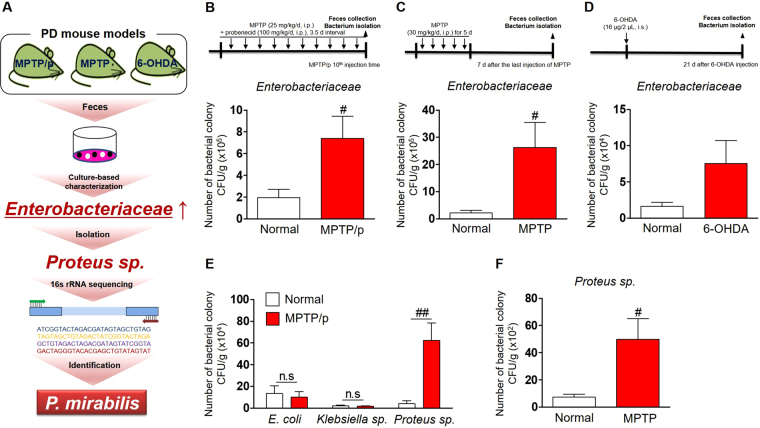
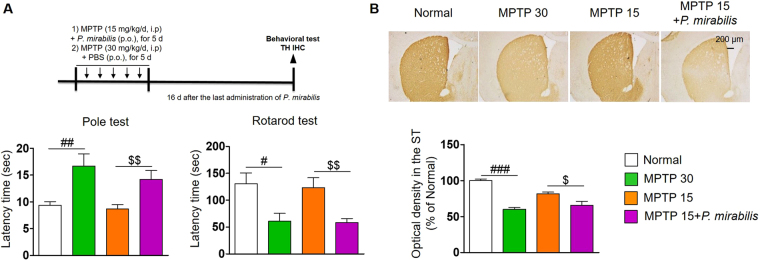
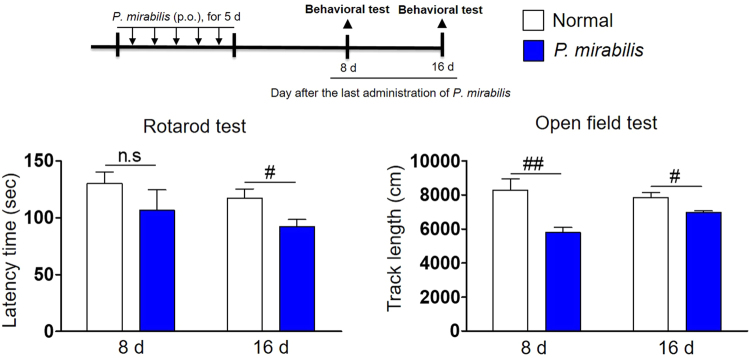
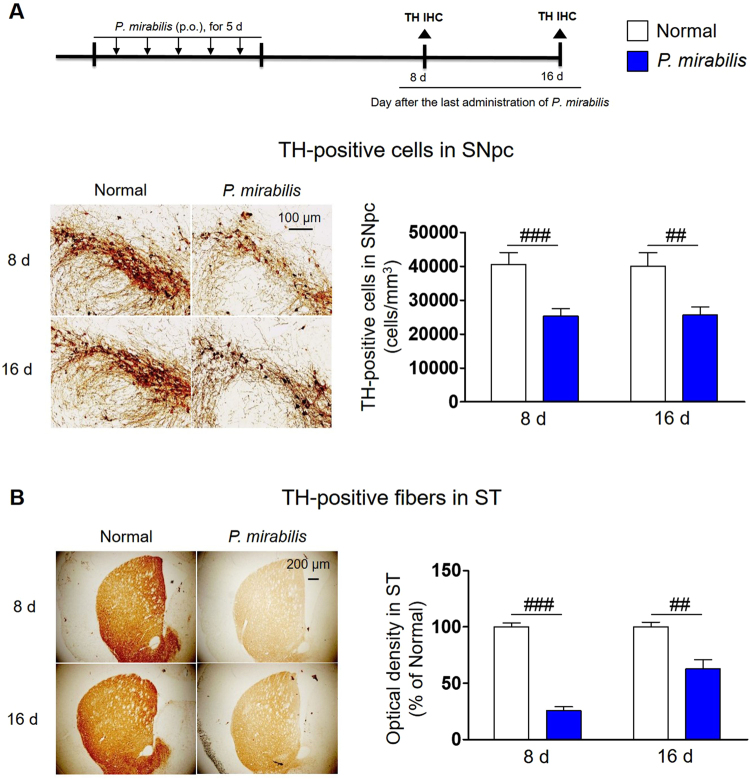
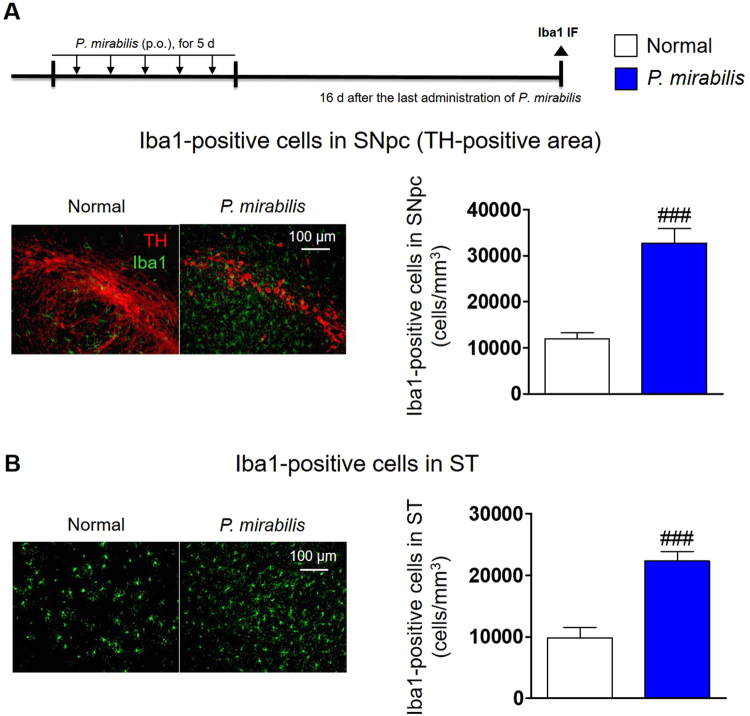
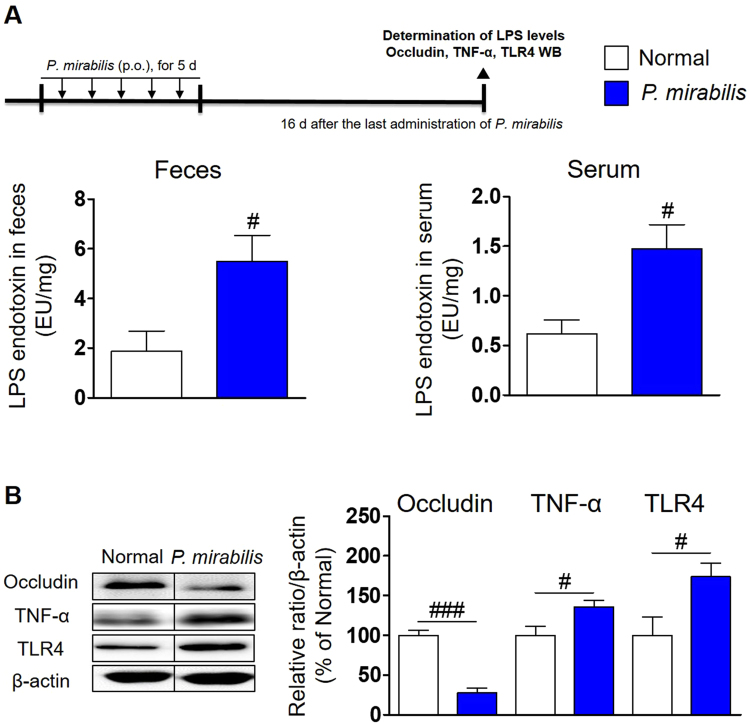
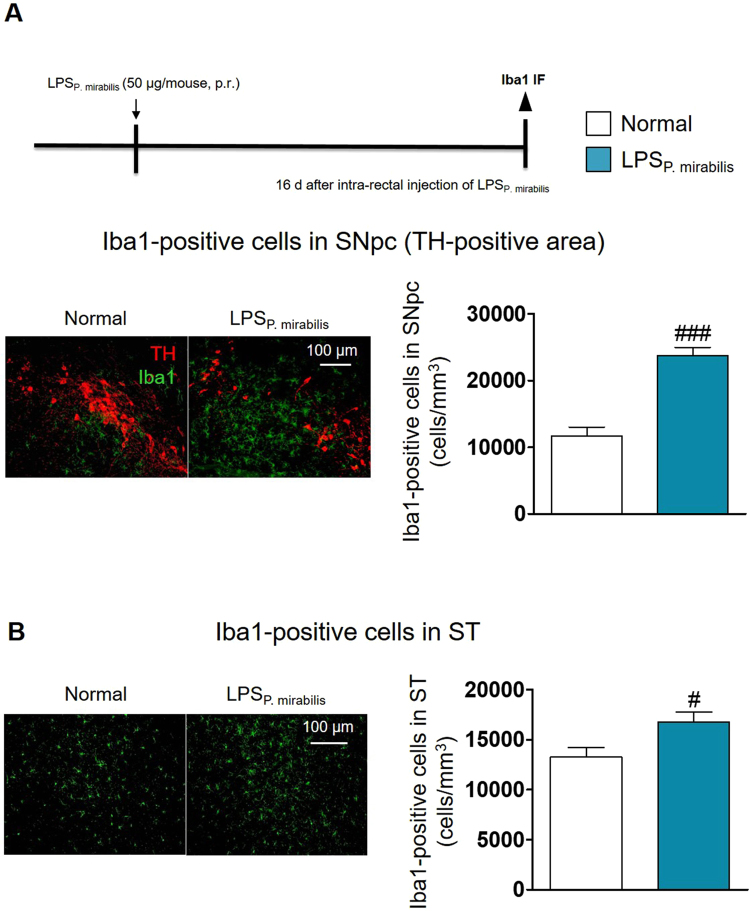
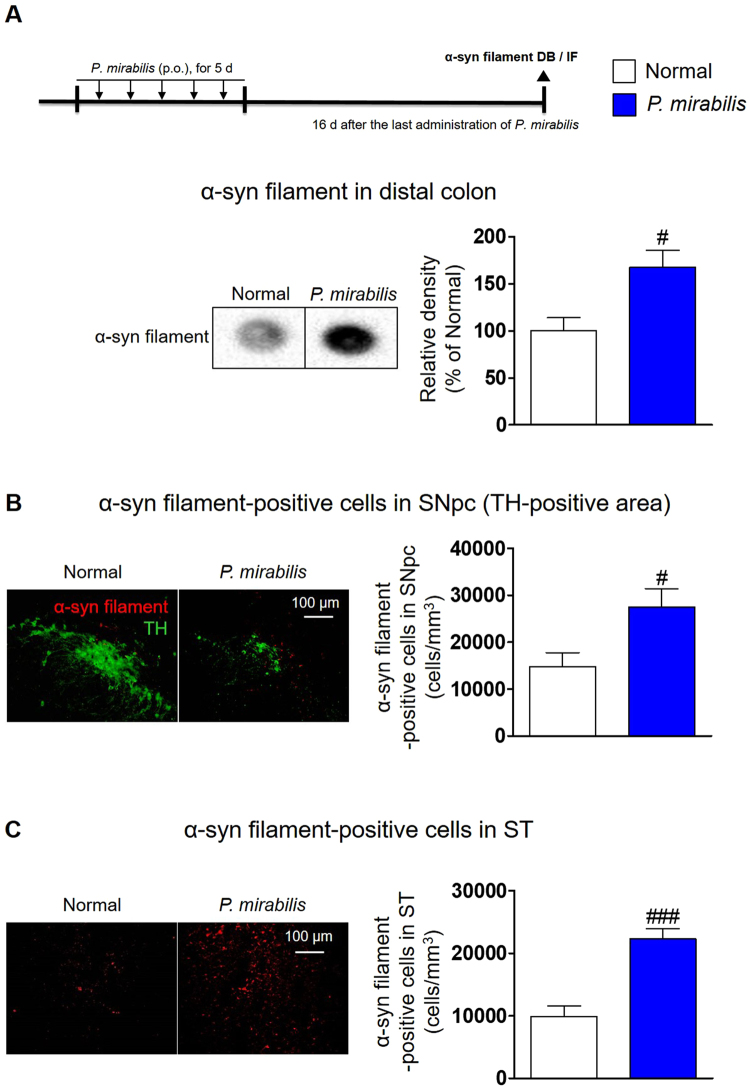
Recently, studies on the relationship between gut dysbiosis and Parkinson’s disease (PD) have increased, but whether a specific gut bacterium may cause PD remains unexplored. Here, we report, for the first time, that a specific gut bacterium directly induces PD symptoms and dopaminergic neuronal damage in the mouse brain. We found that the number of Enterobacteriaceae, particularly Proteus mirabilis, markedly and commonly increased in PD mouse models. Administration of P. mirabilis isolated from PD mice significantly induced motor deficits, selectively caused dopaminergic neuronal damage and inflammation in substantia nigra and striatum, and stimulated α-synuclein aggregation in the brain as well as in the colon. We found that lipopolysaccharides, a virulence factor of P. mirabilis, may be associated in these pathological changes via gut leakage and inflammatory actions. Our results suggest a role of P. mirabilis on PD pathogenesis in the brain.
Overview
The claims and statistics of this paper haven’t been checked yet.
Run the check — free, no account needed. It reads the open-access text and checks the sources it cites.
Integrity signals
Registry
Cites
Statistics
Figures
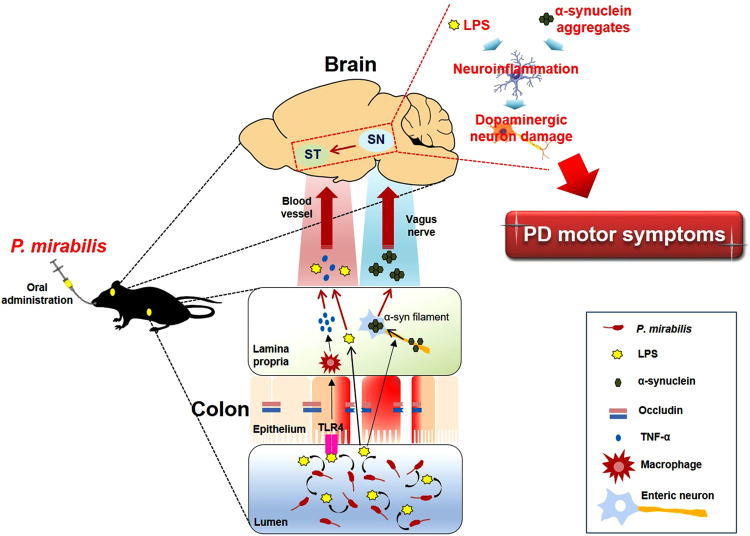
Verification
Claims the paper makes
The claims and statistics of this paper haven’t been checked yet.
Run the check — free, no account needed. It reads the open-access text and checks the sources it cites.
Claims other papers make about this one
Each is checked against this paper’s own text: does it say what the citing paper says it does?
In the citing paper
“Proteus mirabilis can cause motor dyskinesia, produce neuroinflammation and cause dopaminergic neuronal damage by producing LPS (Choi et al. 2018).”
From Therapeutic effect of GLP-1 engineered strain on mice model of Alzheimer’s disease and Parkinson’s disease (2020) · cites this paper as Choi et al. 2018
In the citing paper
“that may trigger neuroinflammation and lead to pathological changes related to PD by its metabolites (such as lipopolysaccharide) [39]”
From Neuroprotective Effect of Ceftriaxone on MPTP‐Induced Parkinson’s Disease Mouse Model by Regulating Inflammation and Intestinal Microbiota (2021) · cites this paper as [39]
In the citing paper
“Mice exposed to 1-methyl-4-phenyl-1,2,3,6-tetrahydropyridine (MPTP) or 6-hydroxydopamine presented increased amount of Proteus mirabilis in their feces.”
From The Role of Microbiota-Gut-Brain Axis in Neuropsychiatric and Neurological Disorders (2021) · cites this paper as [408]
In the citing paper
“After repeated oral administration of these bacteria isolated from the above-mentioned models to WT mice, the treated animals displayed Parkinson's disease-like symptoms, including impaired motor function, elevated α-synuclein aggregation in the brain and colon as well as dopaminergic neuronal loss [408].”
From The Role of Microbiota-Gut-Brain Axis in Neuropsychiatric and Neurological Disorders (2021) · cites this paper as [408]
In the citing paper
“In the end, in a differently induced model of PD, the repeated oral administration of Proteus mirabilis or its derived LPS to 1-methyl-4-phenyl-1,2,3,6-tetrahydropyridine-treated or young mice was sufficient to induce a PD-like phenotype with motor deficit, loss of dopaminergic neurons in the nigra, brain and gut inflammation with disruption of the intestinal epithelial barrier, and formation of α”
From The gut-brain axis: how microbiota and host inflammasome influence brain physiology and pathology (2020) · cites this paper as [185]
Self-check
Percentages, sums and reported differences re-computed from the paper’s own numbers.
The self-check needs the paper’s full text.
Citations
Cites
The Mouse Brain in Stereotaxic Coordinates
Paxinos, G. (2001) · Cited by 12,859
Staging of brain pathology related to sporadic Parkinson’s disease
Braak, H., Tredici, K. D., Rüb, U., de Vos, R. A. I., Jansen Steur, E. N. H., & Braak, E. (2003) · Neurobiology of Aging · doi:10.1016/s0197-4580(02)00065-9 · Cited by 10,777
From inflammation to sickness and depression: when the immune system subjugates the brain
Dantzer, R., O'Connor, J. C., Freund, G. G., Johnson, R. W., & Kelley, K. W. (2008) · Nature Reviews Neuroscience · doi:10.1038/nrn2297 · Cited by 7,395
Dauer, W., & Przedborski, S. (2003) · Neuron · doi:10.1016/s0896-6273(03)00568-3 · Cited by 5,469
Raetz, C. R. H., & Whitfield, C. (2002) · Annual Review of Biochemistry · doi:10.1146/annurev.biochem.71.110601.135414 · Cited by 4,404
Intestinal mucosal barrier function in health and disease
Turner, J. R. (2009) · Nature reviews. Immunology · doi:10.1038/nri2653 · Cited by 3,952
Gut microbiota regulate motor deficits and neuroinflammation in a model of Parkinson's disease
Sampson, T. R., Debelius, J. W., Thron, T., Janssen, S., Shastri, G. G., Ilhan, Z. E., Challis, C., Schretter, C. E., Rocha, S., Gradinaru, V., et al. (2016) · Cell · doi:10.1016/j.cell.2016.11.018 · Cited by 3,622
Hsiao, E. Y., McBride, S. W., Hsien, S., Sharon, G., Hyde, E. R., McCue, T., Codelli, J. A., Chow, J., Reisman, S. E., Petrosino, J. F., et al. (2013) · Cell · doi:10.1016/j.cell.2013.11.024 · Cited by 3,283
Gut biogeography of the bacterial microbiota
Donaldson, G. P., Lee, S. M., & Mazmanian, S. K. (2016) · Nature Reviews Microbiology · doi:10.1038/nrmicro3552 · Cited by 2,535
Systemic LPS causes chronic neuroinflammation and progressive neurodegeneration
Qin, L., Wu, X., Block, M. L., Liu, Y., Breese, G. R., Hong, J., Knapp, D. J., & Crews, F. T. (2007) · Glia · doi:10.1002/glia.20467 · Cited by 2,144
Research works printed but not linked: 1
- Paxinos, G. & Franklin, K. Paxinos and Franklin’s the Mouse Brain in Stereotaxic Coordinates 4th Edition. 4th edn, (Academic Press, 2012).
Cited by
Sorted by citations
The gut microbiota–brain axis in behaviour and brain disorders
Morais, L. H., Schreiber, H. L., & Mazmanian, S. K. (2021) · Nature Reviews Microbiology · doi:10.1038/s41579-020-00460-0 · Cited by 2,149
Microbiota–gut–brain axis and its therapeutic applications in neurodegenerative diseases
Loh, J. S., Mak, W. Q., Tan, L. K. S., Ng, C. X., Chan, H. H., Yeow, S. H., Foo, J. B., Ong, Y. S., How, C. W., & Khaw, K. Y. (2024) · Signal Transduction and Targeted Therapy · doi:10.1038/s41392-024-01743-1 · Cited by 1,193
The Role of Microbiota-Gut-Brain Axis in Neuropsychiatric and Neurological Disorders
Socała, K., Doboszewska, U., Szopa, A., Serefko, A., Włodarczyk, M., Zielińska, A., Poleszak, E., Fichna, J., & Wlaź, P. (2021) · Pharmacological Research · doi:10.1016/j.phrs.2021.105840 · Cited by 857
The gut-brain axis: how microbiota and host inflammasome influence brain physiology and pathology
Rutsch, A., Kantsjö, J. B., & Ronchi, F. (2020) · Frontiers in Immunology · doi:10.3389/fimmu.2020.604179 · Cited by 821
Parkinson disease and the immune system - Associations, mechanisms and therapeutics
Tan, E.-K., Chao, Y.-X., West, A., Chan, L.-L., Poewe, W., & Jankovic, J. (2020) · Nature Reviews Neurology · doi:10.1038/s41582-020-0344-4 · Cited by 457
A gut bacterial amyloid promotes α-synuclein aggregation and motor impairment in mice
Sampson, T. R., Challis, C., Jain, N., Moiseyenko, A., Ladinsky, M. S., Shastri, G. G., Thron, T., Needham, B. D., Horvath, I., Debelius, J. W., et al. (2020) · eLife · doi:10.7554/elife.53111 · Cited by 439
Shandilya, S., Kumar, S., Jha, N. K., Kesari, K. K., & Ruokolainen, J. (2021) · Journal of Advanced Research · doi:10.1016/j.jare.2021.09.005 · Cited by 310
The gut microbiota–brain axis in neurological disorder
Ullah, H., Arbab, S., Tian, Y., Liu, C., Chen, Y., Li, Q., Khan, M. I. U., Hassan, I. U., & Li, K. (2023) · Frontiers in Neuroscience · doi:10.3389/fnins.2023.1225875 · Cited by 292
The Role of Sex and Sex Hormones in Neurodegenerative Diseases
Vegeto, E., Villa, A. M., Torre, S. D., Crippa, V., Rusmini, P., Cristofani, R., Galbiati, M., Maggi, A. C., & Poletti, A. (2019) · Endocrine Reviews · doi:10.1210/endrev/bnz005 · Cited by 240
The Microbiome as a Modifier of Neurodegenerative Disease Risk
Fang, P., Kazmi, S. A., Jameson, K. G., & Hsiao, E. Y. (2020) · Cell Host & Microbe · doi:10.1016/j.chom.2020.06.008 · Cited by 226
Desulfovibrio Bacteria Are Associated With Parkinson’s Disease
Murros, K. E., Huynh, V. A., Takala, T. M., & Saris, P. E. J. (2021) · Frontiers in Cellular and Infection Microbiology · doi:10.3389/fcimb.2021.652617 · Cited by 218
Gut bacterial profiles in Parkinson's disease: A systematic review
Li, Z., Liang, H., Lu, L., Lu, L., Zheng, C., Fan, Y., Wu, B., Zou, T., Luo, X., Xinchun, Z., et al. (2022) · CNS Neuroscience & Therapeutics · doi:10.1111/cns.13990 · Cited by 224
Parkinson’s disease and gut microbiota: from clinical to mechanistic and therapeutic studies
Zhang, X., Tang, B., & Guo, J. (2023) · Translational Neurodegeneration · doi:10.1186/s40035-023-00392-8 · Cited by 212
Neuroinflammation and Parkinson’s Disease—From Neurodegeneration to Therapeutic Opportunities
Araújo, B., Caridade-Silva, R., Soares-Guedes, C., Martins‐Macedo, J., Gomes, E. D., Monteiro, S., & Teixeira, F. G. (2022) · Cells · doi:10.3390/cells11182908 · Cited by 209
Gorecki, A. M., Preskey, L., Bakeberg, M. C., Kenna, J. E., Gildenhuys, C., MacDougall, G., Dunlop, S. A., Mastaglia, F. L., Akkari, P. A., Koengten, F., et al. (2019) · Frontiers in Neuroscience · doi:10.3389/fnins.2019.00839 · Cited by 184
The microbiome-gut-brain axis in acute and chronic brain diseases
Benakis, C., Martin‐Gallausiaux, C., Trezzi, J., Melton, P., Liesz, A., & Wilmes, P. (2019) · Current Opinion in Neurobiology · doi:10.1016/j.conb.2019.11.009 · Cited by 189
Parkinson's Disease: A Multisystem Disorder
Costa, H. N., Esteves, A. R., Empadinhas, N., & Cardoso, S. M. (2022) · Neuroscience Bulletin · doi:10.1007/s12264-022-00934-6 · Cited by 205
Inflammation, Infectious Triggers, and Parkinson's Disease
Caggiu, E., Arru, G., Hosseiniporgham, S., Niegowska, M., Sechi, G., Zarbo, I. R., & Sechi, L. A. (2019) · Frontiers in Neurology · doi:10.3389/fneur.2019.00122 · Cited by 180
Gut Microbiota: A Novel Therapeutic Target for Parkinson’s Disease
Zhu, M., Liu, X., Ye, Y., Yan, X., Cheng, Y., Zhao, L., Chen, F., & Ling, Z. (2022) · Frontiers in Immunology · doi:10.3389/fimmu.2022.937555 · Cited by 177
Liao, J.-F., Cheng, Y.-F., You, S.-T., Kuo, W.-C., Huang, C.-W., Chiou, J.-J., Hsu, C.-C., Hsieh-Li, H.-M., Wang, S., & Tsai, Y.-C. (2020) · Brain, Behavior, and Immunity · doi:10.1016/j.bbi.2020.07.036 · Cited by 159
Role of Endogenous Lipopolysaccharides in Neurological Disorders
Kalyan, M., Hediyal, T. A., Sonali, S., Vichitra, C., Sunanda, T., Praveenraj, S. S., Ray, B., Gorantla, V. R., Rungratanawanich, W., Mahalakshmi, A. M., et al. (2022) · Cells · doi:10.3390/cells11244038 · Cited by 172
T-Cell-Driven Inflammation as a Mediator of the Gut-Brain Axis Involved in Parkinson's Disease
Campos‐Acuña, J., Elgueta, D., & Pacheco, R. (2019) · Frontiers in Immunology · doi:10.3389/fimmu.2019.00239 · Cited by 150
Harnessing regulatory T cell neuroprotective activities for treatment of neurodegenerative disorders
Machhi, J., Kevadiya, B. D., Muhammad, I. K., Herskovitz, J., Olson, K. E., Mosley, R. L., & Gendelman, H. E. (2020) · Molecular Neurodegeneration · doi:10.1186/s13024-020-00375-7 · Cited by 138
Infectious Etiologies of Parkinsonism: Pathomechanisms and Clinical Implications
Limphaibool, N., Iwanowski, P. S., Holstad, M. J. V., Kobylarek, D., & Kozubski, W. P. (2019) · Frontiers in Neurology · doi:10.3389/fneur.2019.00652 · Cited by 131
Gut microbiome signatures reflect different subtypes of irritable bowel syndrome
Su, Q., Tun, H. M., Liu, Q., Yeoh, Y. K., Mak, J. W. Y., Chan, F. K. L., & Ng, S. C. (2022) · Gut Microbes · doi:10.1080/19490976.2022.2157697 · Cited by 121
Gut Microbiota Interaction with the Central Nervous System throughout Life
Ojeda, J., Ávila, A., & Vidal, P. M. (2021) · Journal of Clinical Medicine · doi:10.3390/jcm10061299 · Cited by 112
The gut microbiome in Parkinson's disease: A culprit or a bystander?
Keshavarzian, A., Engen, P. A., Bonvegna, S., & Cilia, R. (2020) · Progress in brain research · doi:10.1016/bs.pbr.2020.01.004 · Cited by 108
Potential roles of gut microbiota and microbial metabolites in Parkinson’s disease
Zheng, S.-Y., Li, H.-X., Xu, R.-C., Miao, W.-T., Dai, M.-Y., Ding, S.-T., & Liu, H.-D. (2021) · Ageing Research Reviews · doi:10.1016/j.arr.2021.101347 · Cited by 101
The Intestinal Barrier in Parkinson’s Disease: Current State of Knowledge
van IJzendoorn, S. C. D., & Derkinderen, P. (2019) · Journal of Parkinson’s Disease · doi:10.3233/jpd-191707 · Cited by 97
The immunology of Parkinson’s disease
Zhu, B., Yin, D., Zhao, H., & Zhang, L. (2022) · Seminars in Immunopathology · doi:10.1007/s00281-022-00947-3 · Cited by 108
Gut-first Parkinson’s disease is encoded by gut dysbiome
Muñoz, M., Candeias, E., Melo-Marques, I., Esteves, A. R., Maranha, A., Magalhães, J. D., Carneiro, D. R., Sant’Anna, M., Pereira-Santos, A. R., Abreu, A. E., et al. (2024) · Molecular Neurodegeneration · doi:10.1186/s13024-024-00766-0 · Cited by 89
Zhou, X., Lu, J., Wei, K., Wei, J., Tian, P., Yue, M., Wang, Y., Hong, D., Li, F., Wang, B., et al. (2021) · Oxidative Medicine and Cellular Longevity · doi:10.1155/2021/9424582 · Cited by 85
A prebiotic diet modulates microglial states and motor deficits in α-synuclein overexpressing mice
Abdel-Haq, R., Schlachetzki, J. C., Boktor, J. C., Cantu-Jungles, T. M., Thron, T., Zhang, M., Bostick, J. W., Khazaei, T., Chilakala, S., Morais, L. H., et al. (2022) · eLife · doi:10.7554/elife.81453 · Cited by 82
The intestinal immune system and gut barrier function in obesity and ageing
Shemtov, S. J., Emani, R., Bielska, O., Covarrubias, A. J., Verdin, E. M., Andersen, J. K., & Winer, D. A. (2022) · FEBS Journal · doi:10.1111/febs.16558 · Cited by 86
Pu, Y., Chang, L., Qu, Y., Wang, S., Zhang, K., & Hashimoto, K. (2019) · Aging · doi:10.18632/aging.102221 · Cited by 80
The Endotoxin Hypothesis of Parkinson's Disease
Brown, G. C., Camacho, M., & Williams‐Gray, C. H. (2023) · Movement Disorders · doi:10.1002/mds.29432 · Cited by 85
Microbiome, Parkinson’s Disease and Molecular Mimicry
Miraglia, F., & Colla, E. (2019) · Cells · doi:10.3390/cells8030222 · Cited by 84
Review: The Role of Intestinal Dysbiosis in Parkinson’s Disease
Huang, Y., Liao, J., Liu, X., Zhong, Y., Cai, X., & Long, L. (2021) · Frontiers in Cellular and Infection Microbiology · doi:10.3389/fcimb.2021.615075 · Cited by 79
Fang, X., Zhou, X., Miao, Y., Han, Y., Wei, J., & Chen, T. (2020) · AMB Express · doi:10.1186/s13568-020-01014-6 · Cited by 70
Lei, Q., Wu, T., Wu, J., Hu, X., Guan, Y., Wang, Y., Yan, J., & Shi, G. (2021) · Molecular Medicine Reports · doi:10.3892/mmr.2021.12374 · Cited by 74
New hope for Parkinson’s disease treatment: Targeting gut microbiota
Fan, H., Sheng, S., & Zhang, F. (2022) · CNS Neuroscience & Therapeutics · doi:10.1111/cns.13916 · Cited by 66
Chen, L., Zhi, X., Zhang, K.-K., Wang, L., Li, J.-H., Liu, J.-L., Xu, L., Yoshida, J. S., Xie, X., & Wang, Q. (2020) · Food and Chemical Toxicology · doi:10.1016/j.fct.2020.111946 · Cited by 65
Can the gut be the missing piece in uncovering PD pathogenesis?
Chapelet, G., Leclair‐Visonneau, L., Clairembault, T., Neunlist, M., & Derkinderen, P. (2018) · Parkinsonism & Related Disorders · doi:10.1016/j.parkreldis.2018.11.014 · Cited by 62
The contribution of age-related changes in the gut-brain axis to neurological disorders
Khan, R., Gesù, C. M. D., Lee, J., & McCullough, L. D. (2024) · Gut Microbes · doi:10.1080/19490976.2024.2302801 · Cited by 62
Ghyselinck, J., Verstrepen, L., Moens, F., den Abbeele, P. V., Bruggeman, A., Said, J., Smith, B., Barker, L. A., Jordan, C., Leta, V., et al. (2021) · International Journal of Pharmaceutics X · doi:10.1016/j.ijpx.2021.100087 · Cited by 62
Walker, A. C., Bhargava, R., Vaziriyan-Sani, A. S., Pourciau, C., Donahue, E. T., Dove, A. S., Gebhardt, M. J., Ellward, G. L., Romeo, T., & Czyż, D. M. (2021) · PLoS Pathogens · doi:10.1371/journal.ppat.1009510 · Cited by 60
Bacterial Metabolites Mirror Altered Gut Microbiota Composition in Patients with Parkinson’s Disease
van Kessel, S. P., & Aidy, S. E. (2019) · Journal of Parkinson s Disease · doi:10.3233/jpd-191780 · Cited by 53
Altered fecal microbiota composition in individuals who abuse methamphetamine
Yang, Y., Yu, X., Liu, X., Liu, G., Zeng, K., & Wang, G. (2021) · Scientific Reports · doi:10.1038/s41598-021-97548-1 · Cited by 53
Microbial treatment: the potential application for Parkinson’s disease
Fang, X. (2018) · Neurological Sciences · doi:10.1007/s10072-018-3641-6 · Cited by 45
The impact of indigenous microbes on Parkinson's disease
Sampson, T. R. (2019) · Neurobiology of Disease · doi:10.1016/j.nbd.2019.03.014 · Cited by 41
Xie, W., Gao, J., Jiang, R., Liu, X., Lai, F., Tang, Y., Xiao, H., Jia, Y., & Bai, Q. (2020) · NeuroToxicology · doi:10.1016/j.neuro.2019.11.009 · Cited by 40
Angoa‐Pérez, M., Zagorac, B., Winters, A. D., Greenberg, J. M., Ahmad, M. M., Theis, K. R., & Kuhn, D. M. (2020) · PLoS ONE · doi:10.1371/journal.pone.0227774 · Cited by 40
Health Monitoring of Laboratory Rodent Colonies—Talking about (R)evolution
Buchheister, S., & Bleich, A. (2021) · Animals · doi:10.3390/ani11051410 · Cited by 44
Tao, J., An, Y., Xu, L., Wang, Y., Wang, C., Li, P., Li, M., Yan, D., Wang, M., Zhong, G., et al. (2023) · Food & Function · doi:10.1039/d2fo03379h · Cited by 39
Oral pathogens exacerbate Parkinson’s disease by promoting Th1 cell infiltration in mice
Bai, X., Xu, S., Zhou, L.-J., Meng, X.-Q., Li, Y.-L., Chen, Y., Jiang, Y.-H., Lin, W.-Z., Chen, B., Du, L., et al. (2023) · Microbiome · doi:10.1186/s40168-023-01685-w · Cited by 39
Follmer, C. (2020) · ACS Chemical Neuroscience · doi:10.1021/acschemneuro.0c00671 · Cited by 37
The neuromicrobiology of Parkinson’s disease: A unifying theory
Muñoz, M., Empadinhas, N., & Cardoso, S. M. (2021) · Ageing Research Reviews · doi:10.1016/j.arr.2021.101396 · Cited by 38
Yang, Y., Stewart, T., Zhang, C., Wang, P., Xu, Z., Jin, J., Huang, Y. Z., Liu, Z., Lan, G., Liang, X., et al. (2023) · Movement Disorders · doi:10.1002/mds.29620 · Cited by 37
Central and peripheral innate and adaptive immunity in Parkinson’s disease
Harms, A. S., Yang, Y., & Tansey, M. G. (2023) · Science Translational Medicine · doi:10.1126/scitranslmed.adk3225 · Cited by 35
Huh, E., Choi, J. G., Choi, Y., Ju, I. G., Noh, D., Shin, D., Kim, D., Park, H., & Oh, M. S. (2023) · Biomolecules & Therapeutics · doi:10.4062/biomolther.2023.098 · Cited by 33
Self-citationRelationship among Parkinson’s disease, constipation, microbes, and microbiological therapy
Yuan, X.-Y., Chen, Y., & Liu, Z. (2024) · World Journal of Gastroenterology · doi:10.3748/wjg.v30.i3.225 · Cited by 35
Gut-Brain axis in Parkinson's disease etiology: The role of lipopolysaccharide
Bhattacharyya, D., & Bhunia, A. (2020) · Chemistry and Physics of Lipids · doi:10.1016/j.chemphyslip.2020.105029 · Cited by 32
Bi, M., Feng, L., He, J., Liu, C., Wang, Y., Jiang, H., & Liu, S. (2022) · Ageing Research Reviews · doi:10.1016/j.arr.2022.101759 · Cited by 32
Microbes and Parkinson’s disease: from associations to mechanisms
Cannon, T., & Gruenheid, S. (2022) · Trends in Microbiology · doi:10.1016/j.tim.2022.01.004 · Cited by 33
Interactions between gut microbiota and parkinson’s disease: the role of tryptophan metabolism
Fan, X., Xiao, Z., Chen, Y., Yang, H., Diao, M., Hu, W., & Wang, S. (2025) · Cell Communication and Signaling · doi:10.1186/s12964-025-02393-8 · Cited by 33
Gonzales, J. A., Marchix, J., Aymeric, L., Berre‐Scoul, C. L., Zoppi, J., Bordron, P., Burel, M., Davidovic, L., Richard, J., Gaman, A., et al. (2021) · Microorganisms · doi:10.3390/microorganisms9081723 · Cited by 34
Microbiome-based therapeutics for Parkinson's disease
Hamilton, A. M., Krout, I. N., White, A. C., & Sampson, T. R. (2024) · Neurotherapeutics · doi:10.1016/j.neurot.2024.e00462 · Cited by 31
The enteric nervous system: “A little brain in the gut”
Annaházi, A., & Schemann, M. (2020) · e-Neuroforum · doi:10.1515/nf-2019-0027 · Cited by 30
Urinary Tract Infection in Parkinson’s Disease
Hogg, E., Frank, S., Oft, J., Benway, B., Rashid, M. H., & Lahiri, S. (2022) · Journal of Parkinson s Disease · doi:10.3233/jpd-213103 · Cited by 32
Acute inflammation down‐regulates alpha‐synuclein expression in enteric neurons
Prigent, A., Gonzales, J. A., Durand, T., Berre‐Scoul, C. L., Rolli‐Derkinderen, M., Neunlist, M., & Derkinderen, P. (2018) · Journal of Neurochemistry · doi:10.1111/jnc.14656 · Cited by 31
Unveiling the hidden arsenal: new insights into Proteus mirabilis virulence in UTIs
Yang, A., Tian, Y., & Li, X. (2024) · Frontiers in Cellular and Infection Microbiology · doi:10.3389/fcimb.2024.1465460 · Cited by 26
In Search of Effective Treatments Targeting α-Synuclein Toxicity in Synucleinopathies: Pros and Cons
Fouka, M., Mavroeidi, P., Tsaka, G., & Xilouri, M. (2020) · Frontiers in Cell and Developmental Biology · doi:10.3389/fcell.2020.559791 · Cited by 27
Gut microbiota from mice with cerebral ischemia-reperfusion injury affects the brain in healthy mice
Wang, H., Ren, S., Lv, H., & Cao, L. (2021) · Aging · doi:10.18632/aging.202763 · Cited by 27
The connection between gut microbiota and its metabolites with neurodegenerative diseases in humans
Fabi, J. P. (2024) · Metabolic Brain Disease · doi:10.1007/s11011-024-01369-w · Cited by 27
Proteus mirabilis Urease: Unsuspected Non-Enzymatic Properties Relevant to Pathogenicity
Grahl, M. V. C., Uberti, A. F., Broll, V., Caruso, P. B., Meirelles, E. F., & Carlini, C. R. (2021) · International Journal of Molecular Sciences · doi:10.3390/ijms22137205 · Cited by 25
Huh, E., Choi, J. G., Choi, Y., Ju, I. G., Kim, B., Shin, Y.-J., An, J. M., Park, M. G., Yim, S. V., Chung, S. J., et al. (2023) · EBioMedicine · doi:10.1016/j.ebiom.2023.104887 · Cited by 24
Self-citationGut Microbiome Imbalance and Neuroinflammation: Impact of COVID ‐19 on Parkinson's Disease
Follmer, C. (2020) · Movement Disorders · doi:10.1002/mds.28231 · Cited by 24
Song, S., Liu, J., Zhang, F., & Hong, J. (2020) · Scientific Reports · doi:10.1038/s41598-020-72202-4 · Cited by 25
Specific gut microbiota alterations in essential tremor and its difference from Parkinson’s disease
Zhang, P., Huang, P., Du, J., He, Y., Liu, J., He, G., Cui, S., Zhang, W., Li, G., & Chen, S. (2022) · npj Parkinson s Disease · doi:10.1038/s41531-022-00359-y · Cited by 23
Patil, R. S., & Tupe, R. S. (2023) · Medicinal Research Reviews · doi:10.1002/med.21987 · Cited by 23
Jia, X., Chen, Q., Zhang, Y., & Asakawa, T. (2023) · Frontiers in Cellular and Infection Microbiology · doi:10.3389/fcimb.2023.1296713 · Cited by 22
Park, S. J., Kim, K. W., & Lee, E. J. (2024) · Neural Regeneration Research · doi:10.4103/nrr.nrr-d-24-00994 · Cited by 27
Association between Parkinson’s disease and the faecal eukaryotic microbiota
Weis, S., Meisner, A., Schwiertz, A., Unger, M. M., Becker, A., Fassbender, K. C., Schnell, S., Schäfer, K., & Egert, M. (2021) · npj Parkinson s Disease · doi:10.1038/s41531-021-00244-0 · Cited by 21
Cui, C., Shi, Y. W., Hong, H., Zhou, Y., Qiao, C.-M., Zhao, L., Jia, X.-B., Zhao, W., & Shen, Y. (2023) · Journal of Neuroimmune Pharmacology · doi:10.1007/s11481-023-10085-8 · Cited by 22
Kim, J. H., Choi, Y., Lee, S.-M., & Oh, M. S. (2024) · Biomolecules & Therapeutics · doi:10.4062/biomolther.2024.215 · Cited by 22
Self-citationParkinson’s Disease and the Metal–Microbiome–Gut–Brain Axis: A Systems Toxicology Approach
Forero-Rodríguez, L. J., Josephs‐Spaulding, J., Flor, S., Pinzón, A. M., & Kaleta, C. (2021) · Antioxidants · doi:10.3390/antiox11010071 · Cited by 23
Implications of oral streptococcal bacteriophages in autism spectrum disorder
Zhan, T., Zhou, X., Chu, Y., Zhang, T., Zhang, J., Zhao, X., Wang, Z., Ding, R., Meng, Q., Yu, J., et al. (2022) · npj Biofilms and Microbiomes · doi:10.1038/s41522-022-00355-3 · Cited by 20
HIV-associated neurocognitive disorder: key implications of the microbiota-gut-brain axis
Hu, A., Zaongo, S. D., Harypursat, V., Wang, X., Ouyang, J., & Chen, Y. (2024) · Frontiers in Microbiology · doi:10.3389/fmicb.2024.1428239 · Cited by 18
Human gut microbiota and Parkinson's disease
Pant, A., Bisht, K. S., Aggarwal, S., & Maiti, T. K. (2022) · Progress in molecular biology and translational science · doi:10.1016/bs.pmbts.2022.08.004 · Cited by 17
Polyphenolic Compounds: Orchestrating Intestinal Microbiota Harmony during Aging
Pereira, Q. C., Fortunato, I. M., Oliveira, F. D. S., Alvarez, M. C., dos Santos, T. W., & Ribeiro, M. L. (2024) · Nutrients · doi:10.3390/nu16071066 · Cited by 19
Xiromerisiou, G., Marogianni, C., Androutsopoulou, A., Ntavaroukas, P., Mysiris, D. S., & Papoutsopoulou, S. (2023) · Biology · doi:10.3390/biology12010093 · Cited by 18
Bacterial species to be considered in quality assurance of mice and rats
Hansen, A. K., Nielsen, D. S., Krych, Ł., & Hansen, C. H. F. (2019) · Laboratory Animals · doi:10.1177/0023677219834324 · Cited by 16
Modulation of Neuroinflammation by the Gut Microbiota in Prion and Prion-Like Diseases
Trichka, J., & Zou, W. (2021) · Pathogens · doi:10.3390/pathogens10070887 · Cited by 18
Infectious Agents as Potential Drivers of α‐Synucleinopathies
Linard, M., Ravier, A., Mougué, L., Grgurina, I., Boutillier, A., Foubert‐Samier, A., Blanc, F., & Helmer, C. (2022) · Movement Disorders · doi:10.1002/mds.28925 · Cited by 19
High levels of Bifidobacteriaceae are associated with the pathogenesis of Parkinson’s disease
Zuo, S., Wang, H., Zhao, Q., Tang, J., Wang, M., Zhang, Y., Sang, M., Tian, J., & Wang, P. (2023) · Frontiers in Integrative Neuroscience · doi:10.3389/fnint.2022.1054627 · Cited by 16
Regulation of Pain Perception by Microbiota in Parkinson Disease
Manjarres, Z., Calvo, M., & Pacheco, R. (2023) · Pharmacological Reviews · doi:10.1124/pharmrev.122.000674 · Cited by 15
Zhou, X., Gao, Y. J., Wei, J., Luo, J., Wang, Y., Yue, M., Wang, B., Hong, D., Chen, T., & Fang, X. (2023) · Neurochemistry International · doi:10.1016/j.neuint.2023.105661 · Cited by 15
Manole, E., Dumitrescu, L., Niculite, C. M., Popescu, B. O., & Ceafalan, L. C. (2021) · Biocell · doi:10.32604/biocell.2021.013452 · Cited by 14
Mitochondria-Microbiota Interaction in Neurodegeneration
Krämer, P. (2021) · Frontiers in Aging Neuroscience · doi:10.3389/fnagi.2021.776936 · Cited by 14
Radisavljevic, N., Cirstea, M. S., Bauer, K. C., Lo, C., Metcalfe‐Roach, A., Bozorgmehr, T., Bar‐Yoseph, H., & Finlay, B. B. (2022) · Journal of Parkinson s Disease · doi:10.3233/jpd-223165 · Cited by 14
Metadata
- Authors
- Choi, J. G., Kim, N., Ju, I. G., Eo, H., Lim, S.-M., Jang, S.-E., Kim, D.-H., & Oh, M. S.
- Affiliations
- Kyung Hee University (KR)
- Corresponding author
- Kim, Dong-Hyun
- Oh, Myung Sook
- ORCID
- Venue
- Scientific Reports
- Published
- 2018-01-19
- Volume
- 8
- Issue
- 1
- Pages
- 1275-1275
- ISSN
- 2045-2322 (ISSN-L)
- PMC
- PMC5775305
- OpenAlex
- W2782946155
- Cited by
- 170
- References
- 65
- Citations by year
- 2026: 12 · 2025: 19 · 2024: 23 · 2023: 32 · 2022: 23 · 2021: 25 · 2020: 19 · 2019: 14 · 2018: 3
- FWCI
- 10.36
- Type
- journal article
- Language
- en
- Open access
- gold
- doi.org
- Locations
- Scientific Reports (publishedVersion, cc-by)
- PubMed Central (publishedVersion, cc-by)
- PubMed (publishedVersion)
- DOAJ (DOAJ: Directory of Open Access Journals) (submittedVersion)
- Funders
- National Research Foundation (2015R1A2A2A01004341)
- National Research Foundation of Korea (NRF-2017R1A5A2014768, 2017R1A5A2014768, NRF-2015R1A2A2A01004341)
- Ministry of Science and ICT, South Korea (NRF-2017R1A5A2014768, 2017R1A5A2014768)
- Topics
- Health Sciences › Medicine › Clinical Neurology › Parkinson's Disease Mechanisms and Treatments
- Life Sciences › Biochemistry, Genetics and Molecular Biology › Molecular Biology › Gut microbiota and health
- Life Sciences › Neuroscience › Neurology › Neuroinflammation and Neurodegeneration Mechanisms
- Keywords
- Proteus mirabilis, Parkinson's disease, dopaminergic neurons, motor impairment, gut dysbiosis, Enterobacteriaceae, lipopolysaccharide, leaky gut, neuroinflammation, substantia nigra, striatum, alpha-synuclein aggregation, gut-brain axis, oral administration
- MeSH terms
- Gastrointestinal Microbiome, Animals, Colon, Corpus Striatum, Lipopolysaccharides, Male, Mice, Inbred C57BL, Movement, Proteus mirabilis, Substantia Nigra, MPTP Poisoning, Mice, Dopaminergic Neurons
About these checks
Registry, retraction, Cites and statistics results are computed, not judged, with one exception: a printed reference that no index lists is read once by a model before it counts as a citation error. Claims are extracted by a model and kept only when their quote appears verbatim in the text; each cited source is then checked, with a model’s help, for whether it says what the claim relies on. Those verdicts can be wrong — read the claim’s quote and the cited source before relying on one.
Statistics and arithmetic are recomputed, not judged.
Confidence bands are shown only for fields calibrated on our annotated test set. None is calibrated yet, so no band is shown.
What counts as a claim ›How we measure confidence ›How we check this ›
Are you an author, or do you see a problem with this page? Request a review
