

Federated learning in medicine: facilitating multi-institutional collaborations without sharing patient data
Open accessThe DOI matches its Crossref record; 36 of the 36 references it cites were found in a registry or an index.
Abstract
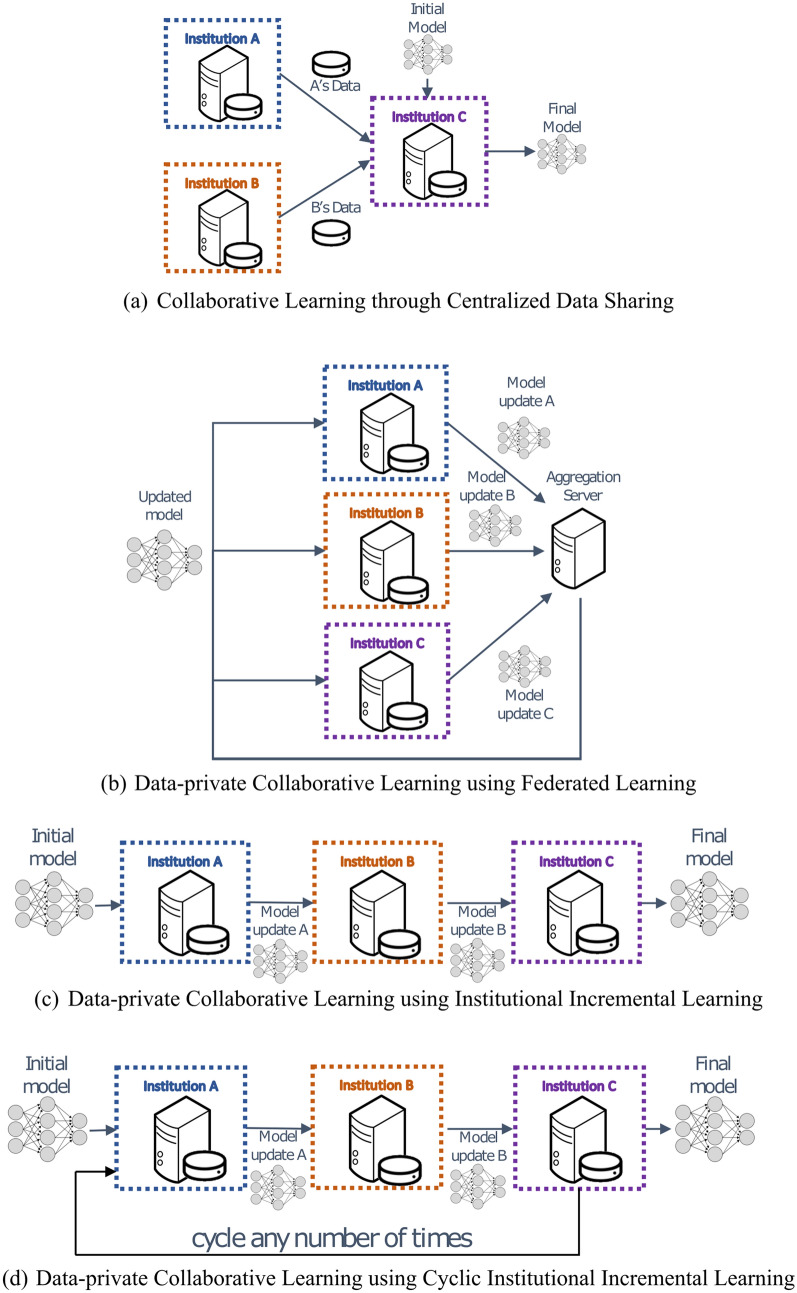
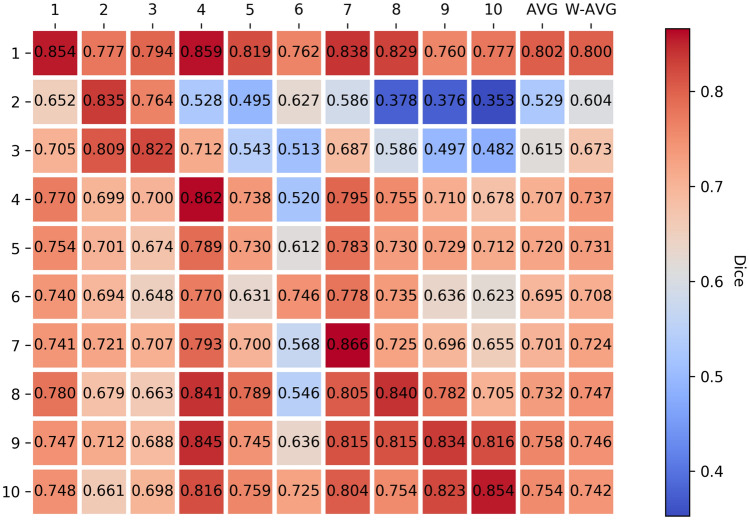
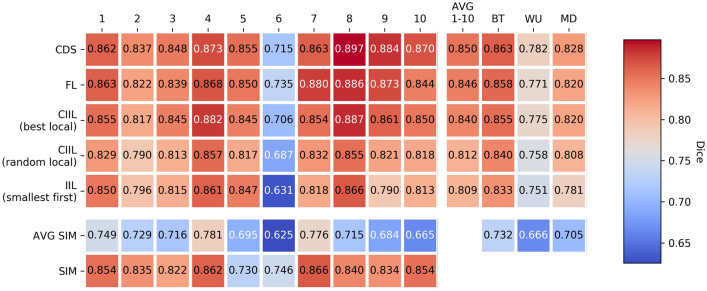
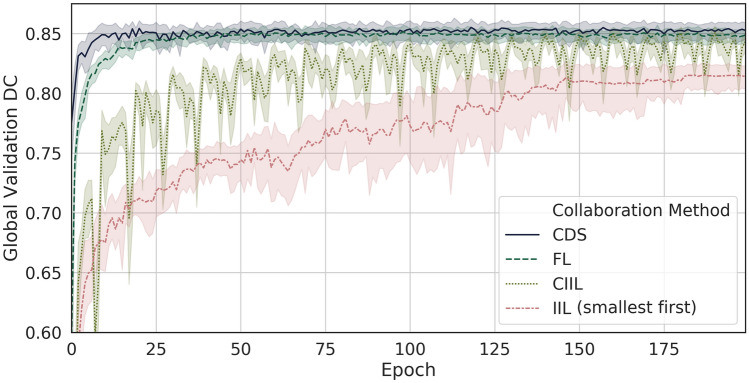
Several studies underscore the potential of deep learning in identifying complex patterns, leading to diagnostic and prognostic biomarkers. Identifying sufficiently large and diverse datasets, required for training, is a significant challenge in medicine and can rarely be found in individual institutions. Multi-institutional collaborations based on centrally-shared patient data face privacy and ownership challenges. Federated learning is a novel paradigm for data-private multi-institutional collaborations, where model-learning leverages all available data without sharing data between institutions, by distributing the model-training to the data-owners and aggregating their results. We show that federated learning among 10 institutions results in models reaching 99% of the model quality achieved with centralized data, and evaluate generalizability on data from institutions outside the federation. We further investigate the effects of data distribution across collaborating institutions on model quality and learning patterns, indicating that increased access to data through data private multi-institutional collaborations can benefit model quality more than the errors introduced by the collaborative method. Finally, we compare with other collaborative-learning approaches demonstrating the superiority of federated learning, and discuss practical implementation considerations. Clinical adoption of federated learning is expected to lead to models trained on datasets of unprecedented size, hence have a catalytic impact towards precision/personalized medicine.
Overview
The claims and statistics of this paper haven’t been checked yet.
Free: it reads the open-access text and checks the first 5 claims that cite a source we can check. Create a free account to check every claim.
Integrity signals
Registry
Cites
Statistics
Figures
Verification
Claims the paper makes
The claims and statistics of this paper haven’t been checked yet.
Free: it reads the open-access text and checks the first 5 claims that cite a source we can check. Create a free account to check every claim.
Claims other papers make about this one
Each is checked against this paper’s own text: does it say what the citing paper says it does?
The source backs part of the claim, not all of it — or backs it for a different population, condition or comparison.
In the citing paper
“Findings from these studies supported the superiority of the FL workflow used in the present study (i.e., based on an aggregation server10,14), which had almost identical performance to CL, for this use-case.”
From Federated learning enables big data for rare cancer boundary detection (2022) · cites this paper as [11]
Experimental — accuracy not yet measuredThe source backs part of the claim, not all of it — or backs it for a different population, condition or comparison.
In the citing paper
“We have identified this FL workflow (based on a central aggregation server) as the optimal for this use-case, following a performance evaluation11 for this very same task, i.e., detecting glioblastoma sub-compartment boundaries.”
From Federated learning enables big data for rare cancer boundary detection (2022) · cites this paper as [11]
Experimental — accuracy not yet measuredThe source backs part of the claim, not all of it — or backs it for a different population, condition or comparison.
In the citing paper
“However, works that examine the practical application of FL in radiological applications are still limited.20,21”
From Federated learning improves site performance in multicenter deep learning without data sharing (2021) · cites this paper as [21]
Experimental — accuracy not yet measuredThe source backs part of the claim, not all of it — or backs it for a different population, condition or comparison.
In the citing paper
“FL allows training of AI models through averaging of local updates from numerous healthcare facilities and smart devices, such as IoMT, despite the lack of local data.”
From Federated learning-based AI approaches in smart healthcare: Concepts, taxonomies, challenges and open issues (2023) · cites this paper as [12]
Experimental — accuracy not yet measuredThe source backs part of the claim, not all of it — or backs it for a different population, condition or comparison.
In the citing paper
“Federated Learning has presented itself as a viable method for implementing economic, innovative healthcare systems while ensuring privacy [11–15].”
From Federated learning-based AI approaches in smart healthcare: Concepts, taxonomies, challenges and open issues (2023) · cites this paper as [12]
Experimental — accuracy not yet measured
12 more claims about this paper
Create a free account to see every claim other papers make about this one.
Self-check
Percentages, sums and reported differences re-computed from the paper’s own numbers.
The self-check needs the paper’s full text.
Citations
Cites
Adam: A Method for Stochastic Optimization
Kingma, D. P., & Ba, J. (2014) · arXiv · doi:10.48550/arxiv.1412.6980 · Cited by 98,946
Measures of the Amount of Ecologic Association Between Species
Dice, L. R. (1945) · Ecology · doi:10.2307/1932409 · Cited by 11,874
The multimodal brain tumor image segmentation benchmark (BRATS)
Menze, B. H., Jakab, A., Bauer, S., Kalpathy-Cramer, J., Farahani, K., Kirby, J., Burren, Y., Porz, N., Slotboom, J., Wiest, R., et al. (2015) · IEEE Transactions on Medical Imaging · doi:10.1109/tmi.2014.2377694 · Cited by 6,781 · cited 10×
“The binarized whole tumor (WT) labels for the BraTS 2017 validation data and the additional 22 BraTS 2017 test cases that were moved to BraTS 2019 validation set, were provided to the lead author Micah Sheller after the conclusion of the BraTS 2018 competition and under a signed Non-Disclosure Agreement.”
MethodInfluentialThe Cancer Imaging Archive (TCIA): Maintaining and Operating a Public Information Repository
Clark, K., Vendt, B., Smith, K., Freymann, J., Kirby, J., Koppel, P., Moore, S., Phillips, S., Maffitt, D., Pringle, M., et al. (2013) · Journal of Digital Imaging · doi:10.1007/s10278-013-9622-7 · Cited by 4,599 · cited 4×
“The additional experiments conducted here attempt to evaluate model generalization under various training schemes comprising (1) single institution training, (2) LOO validation, and importantly (3) exhaustively evaluating performance differences between FL, IIL, and CIIL, by exploring convergence, “model selection”, a…”
BackgroundMethodInfluentialBakas, S., Akbari, H., Sotiras, A., Bilello, M., Rozycki, M., Kirby, J. S., Freymann, J. B., Farahani, K., & Davatzikos, C. (2017) · Scientific Data · doi:10.1038/sdata.2017.117 · Cited by 3,049
Self-citationThe EU General Data Protection Regulation (GDPR)
Voigt, P., & von dem Bussche, A. (2017) · doi:10.1007/978-3-319-57959-7 · Cited by 3,001 · cited 2×
“This study shows that data-private collaborative learning approaches, and particularly FL, can achieve the full learning capacity of the data while obviating the need to share patient data, and hence facilitate large-scale multi-institutional collaborations, while overcoming technical and data ownership concerns and a…”
BackgroundCatastrophic forgetting in connectionist networks
French, R. (1999) · Trends in Cognitive Sciences · doi:10.1016/s1364-6613(99)01294-2 · Cited by 2,311 · cited 1×
“We see this behavior as indicative of catastrophic forgetting 18 .”
BackgroundFederated Learning with Non-IID Data
Zhao, Y., Li, M., Lai, L., Suda, N., Civin, D., & Chandra, V. (2018) · arXiv · doi:10.48550/arxiv.1806.00582 · Cited by 2,077
Zech, J. R., Badgeley, M. A., Liu, M., Costa, A. B., Titano, J. J., & Oermann, E. K. (2018) · PLOS Medicine · doi:10.1371/journal.pmed.1002683 · Cited by 1,719
Bakas, S., Reyes, M., Jakab, A., Bauer, S., Rempfler, M., Crimi, A., Shinohara, R. T., Berger, C., Ha, S. M., Rozycki, M., et al. (2018) · Apollo - University of Cambridge Repository · doi:10.17863/cam.38755 · Cited by 1,441
Self-citation
Research works printed but not linked: 3
- Fredrikson, M., Jha, S. & Ristenpart, T. in Proceedings of the 22nd ACM SIGSAC Conference on Computer and Communications Security 1322–1333 (ACM, Denver, Colorado, USA, 2015).
- Hitaj, B., Ateniese, G. & Perez-Cruz, F. in Proceedings of the 2017 ACM SIGSAC Conference on Computer and Communications Security 603–618 (ACM, Dallas, Texas, USA, 2017).
- Ronneberger, O., Fischer, P. & Brox, T. in International Conference on Medical Image Computing and Computer-Assisted Intervention. 234–241 (Springer).
Cited by
Items 401–500 of 1,000
Computational pathology in ovarian cancer
Oršulić, S., John, J., Walts, A. E., & Gertych, A. (2022) · Frontiers in Oncology · doi:10.3389/fonc.2022.924945 · Cited by 23
“Second, algorithm generalizability on unseen digitized specimens collected at different institutions or deposited in public repositories, such as The Cancer Genome Atlas (TCGA) (110) and The Cancer Imaging Archive (TCIA) (111), will need to be tested and standardized (7, 112, 113).”
Souza, R., Mouchès, P., Wilms, M., Tuladhar, A., Langner, S., & Forkert, N. D. (2022) · Journal of the American Medical Informatics Association · doi:10.1093/jamia/ocac204 · Cited by 18
Domain-Aware Federated Social Bot Detection with Multi-Relational Graph Neural Networks
Peng, H., Zhang, Y., Sun, H., Bai, X., Li, Y., & Wang, S. (2022) · International Joint Conference on Neural Networks (IJCNN) · doi:10.1109/ijcnn55064.2022.9892366 · Cited by 26
“• CIIL [42], [43] trains the model at each participant locally with consistent training epochs and repeatedly loops through all participants.”
BackgroundMethodComparative validation of AI and non-AI methods in MRI volumetry to diagnose Parkinsonian syndromes
Song, J., Hahm, J., Lee, J., Lim, C. Y., Chung, M. J., Youn, J., Cho, J. W., Ahn, J. H., & Kim, K. (2023) · Scientific Reports · doi:10.1038/s41598-023-30381-w · Cited by 22
“, FS segmentation mask Fi and its DL prediction mask Vi, respectively, as shown in Figure 1), the Dice score [37] for each brain structure i ∈ {pallidum, putamen, caudate, third ventricle, midbrain, pons} is derived as”
Arasteh, S. T., Ríos-Urrego, C. D., Nöth, E., Maier, A., Yang, S. H., Rusz, J., & Orozco‐Arroyave, J. R. (2023) · Interspeech (USB) · doi:10.21437/interspeech.2023-2108 · Cited by 34
“…as the golden key to this issue, has been increasingly investigated by researchers and practitioners and received a lot of attention in the medical image analysis domain [11,16–18] as it does not require sharing any training data be-tween participating institutions in the joint training process.”
BackgroundWWFedCBMIR: World-Wide Federated Content-Based Medical Image Retrieval
Tabatabaei, Z., Wang, Y., Colomer, A., Moll, J. O., Zhao, Z., & Naranjo, V. (2023) · Bioengineering · doi:10.3390/bioengineering10101144 · Cited by 18
“However, there are still some privacy risks since the training parameters and model weights are distributed among collaborators [4].”
BackgroundDifferentially private federated deep learning for multi-site medical image segmentationPreprint
Ziller, A., Usynin, D., Remerscheid, N. W., Knolle, M. A., Braren, R., Rueckert, D., & Kaissis, G. A. (2022) · Research Square · doi:10.21203/rs.3.rs-1478332/v1 · Cited by 30
Federated Cross-Incremental Self-Supervised Learning for Medical Image Segmentation
Zhang, F. W., Liu, H., Cai, Q., Feng, C.-M., Wang, B., Wang, S., Dong, J., & Zhang, D. D. (2024) · IEEE Transactions on Neural Networks and Learning Systems · doi:10.1109/tnnls.2024.3469962 · Cited by 29
“It seems to circumvent such drift issues directly; however, the global model is prone to overfit the current data of an individual client during the learning cycle and, therefore, forgets some of what is learned from earlier clients, resulting in catastrophic forgetting [58].”
Adversarial Examples on XAI-Enabled DT for Smart Healthcare Systems
Imam, N. H. (2024) · Sensors · doi:10.3390/s24216891 · Cited by 21
“Additionally, one of the promising solutions for protecting privacy in smart-health systems, such as XAI-enable DT, is federated learning (FL) [71].”
BackgroundComputational Landscape in Drug Discovery: From AI/ML Models to Translational Application
Sharma, D., Anabala, M., Jain, V. V., Shyam, M., Prince, S. E., & Muniyan, R. (2025) · Scientifica · doi:10.1155/sci5/1688637 · Cited by 22
“Within a few years, FL is anticipated to attain near-term translational application due to the growing acceptance of multi-institutional frameworks [136, 137].”
Zhao, P., Yue, Z., Mi, N., & Zhang, H. (2025) · Biomedical Signal Processing and Control · doi:10.1016/j.bspc.2025.109312 · Cited by 29
Integrating Transcriptomics, Genomics, and Imaging in Alzheimer's Disease: A Federated Model
Wu, J., Chen, Y., Wang, P., Caselli, R. J., Thompson, P. M., Wang, J., & Wang, Y. (2022) · Frontiers in Radiology · doi:10.3389/fradi.2021.777030 · Cited by 17
“Therefore, federated machine learning and distributed statistical models are becoming advantageous for current research on medical data (57, 58).”
BackgroundWong, Y. J., Tham, M., Kwan, B.-H., & Owada, Y. (2023) · Sensors · doi:10.3390/s23052494 · Cited by 23
“For example, medical images may contain sensitive and private information about patients [3], which prohibits the collection of such data from multiple healthcare institutions for CL.”
BackgroundDipro, S. H., Islam, M., Nahian, A. A., Azad, M. S., Chakrabarty, A., & Reza, T. (2022) · International Conference on Computer and Information Technology (ICCIT) · doi:10.1109/iccit57492.2022.10055787 · Cited by 22
“Additionally, FL improves models at the fastest pace among the data-private collaborative learning approaches [10].”
BackgroundBDFL: A Blockchain-Enabled FL Framework for Edge-based Smart UAV Delivery Systems
Dong, C., Xu, Z., Jiang, F., Pal, S., Zhang, C., Chen, S., & Liu, X. (2023) · doi:10.1145/3591365.3592948 · Cited by 20
Global prototype distillation for heterogeneous federated learning
Wu, S., Chen, J., Nie, X., Wang, Y., Zhou, X., Lu, L., Wei, P., Nie, Y., & Menhaj, W. (2024) · Scientific Reports · doi:10.1038/s41598-024-62908-0 · Cited by 30
Asif, M., Rehman, F. U., Rashid, Z., Hussain, A., Mirza, A., & Qureshi, W. S. (2025) · IEEE Access · doi:10.1109/access.2025.3583647 · Cited by 33
AbouGrad, H., & Sankuru, L. (2025) · Mathematics · doi:10.3390/math13132110 · Cited by 40
Reps, J., Williams, R. D., Schuemie, M. J., Ryan, P. B., & Rijnbeek, P. R. (2022) · BMC Medical Informatics and Decision Making · doi:10.1186/s12911-022-01879-6 · Cited by 27
“The second option has been illustrated to perform similarly to models trained from centralized data sharing [9] but has technical issues that still require improvement [10].”
BackgroundSayah, A., Bencheqroun, C., Bhuvaneshwar, K., Belouali, A., Bakas, S., Sako, C., Davatzikos, C. A., Alaoui, A., Madhavan, S., & Gusev, Y. (2022) · Scientific Data · doi:10.1038/s41597-022-01415-1 · Cited by 23
“Another application is the Federated Tumor Segmentation (FeTS) platform 43 that allows training specific machine learning models by leveraging information gathered from brain cancer datasets residing in collaborating sites without ever exchanging the data 43 .”
BackgroundSelf-citationFederated Learning for Privacy-Preserving Data Mining
Kale, D. R., Mane, T., Buchade, A., Patel, P. B., Wadhwa, L. K., & Pawar, R. (2024) · International Conference on Intelligent Systems and Advanced Applications (ICISAA) · doi:10.1109/icisaa62385.2024.10828741 · Cited by 24
“This is especially helpful in industries like healthcare, where private patient data can be kept in local hospitals and still be used to build global predictive models [4].”
Zenk, M., Baid, U., Pati, S., Linardos, A., Edwards, B., Sheller, M., Foley, P., Aristizábal, A., Zimmerer, D., Gruzdev, A. D., et al. (2025) · Nature Communications · doi:10.1038/s41467-025-60466-1 · Cited by 43
Self-citationCăliman-Sturdza, O. A., Filip, F., Baitan, M. T., & Dimian, M. (2025) · Diagnostics · doi:10.3390/diagnostics15141830 · Cited by 18
“Every institution maintains its data locally and only exchanges model updates (e.g., gradients or weights), which significantly reduces security concerns [92].”
Privacy-preserving mimic models for clinical named entity recognition in French
Bannour, N., Wajsbürt, P., Rance, B., Tannier, X., & Névéol, A. (2022) · Journal of Biomedical Informatics · doi:10.1016/j.jbi.2022.104073 · Cited by 23
Deploying deep learning models on unseen medical imaging using adversarial domain adaptation
Valliani, A. A.-A., Gulamali, F. F., Kwon, Y. J., Martini, M. L., Wang, C., Kondziolka, D. S., Chen, V. J., Wang, W., Costa, A. B., & Oermann, E. K. (2022) · PLoS ONE · doi:10.1371/journal.pone.0273262 · Cited by 16
Federated End-to-End Unrolled Models for Magnetic Resonance Image Reconstruction
Levac, B., Arvinte, M., & Tamir, J. I. (2023) · Bioengineering · doi:10.3390/bioengineering10030364 · Cited by 22
“Important challenges when dealing with medical image data are given by data heterogeneity [20,21], as well as the sensitive nature of raw patient data [22].”
Archetti, A., Ieva, F., & Matteucci, M. (2023) · Future Generation Computer Systems · doi:10.1016/j.future.2023.07.036 · Cited by 28
COLLAGENE enables privacy-aware federated and collaborative genomic data analysis
Li, W., Kim, M., Zhang, K., Chen, H., Jiang, X., & Harmanci, A. (2023) · Genome Biology · doi:10.1186/s13059-023-03039-z · Cited by 16
“Federated model development [26–28] is a promising approach for this purpose: Each site locally processes sensitive dataset and share only intermediate model updates with other sites.”
MethodFedPIDAvg: A PID Controller Inspired Aggregation Method for Federated Learning
Mächler, L., Ezhov, I., Shit, S., & Paetzold, J. C. (2023) · Lecture notes in computer science · doi:10.1007/978-3-031-44153-0_20 · Cited by 21
Hybrid Window Attention Based Transformer Architecture for Brain Tumor Segmentation
Peiris, H., Hayat, M., Chen, Z., Egan, G. F., & Harandi, M. T. (2023) · Lecture notes in computer science · doi:10.1007/978-3-031-44153-0_17 · Cited by 19
Ilić, M., Ivanović, M. D., Kurbalija, V., & Valachis, A. (2024) · Expert Systems with Applications · doi:10.1016/j.eswa.2024.123553 · Cited by 18
Anonymizing medical case-based explanations through disentanglement
Montenegro, H., & Cardoso, J. S. (2024) · Medical Image Analysis · doi:10.1016/j.media.2024.103209 · Cited by 23
FedPTA: Prior-Based Tensor Approximation for Detecting Malicious Clients in Federated Learning
Mu, X., Cheng, K., Liu, T., Zhang, T., Geng, X., & Shen, Y. (2024) · IEEE Transactions on Information Forensics and Security · doi:10.1109/tifs.2024.3451359 · Cited by 19
“F EDERATED Learning (FL) [1] is an emerging collaborative machine learning paradigm that has gained popularity in various domains, including medical imaging diagnosis [2], risk identification of banking transactions [3], and autopilot training [4].”
BackgroundLaidi, R., Merabtine, N., Djenouri, D., Latif, S., Qadir, H. A., Djenouri, Y., & Balasingham, I. (2025) · IEEE Communications Surveys & Tutorials · doi:10.1109/comst.2025.3557475 · Cited by 24
“This diversity helps to develop robust generalizable models that are more adept at handling different operational conditions [65].”
MS UNet: Multi-scale 3D UNet for Brain Tumor Segmentation
Ahmad, P., Qamar, S., Shen, L., Rizvi, S. Q. A., Ali, A., & Chetty, G. (2022) · Lecture notes in computer science · doi:10.1007/978-3-031-09002-8_3 · Cited by 19
Privacy-Preserving Federated Learning based on Differential Privacy and Momentum Gradient Descent
Weng, S., Zhang, L., Feng, D., Feng, C., Wang, R., Klaine, P. V., & Imran, M. A. (2022) · International Joint Conference on Neural Networks (IJCNN) · doi:10.1109/ijcnn55064.2022.9889795 · Cited by 18
Faster Federated Learning With Decaying Number of Local SGD Steps
Mills, J., Hu, J. W., & Min, G. (2023) · IEEE Transactions on Parallel and Distributed Systems · doi:10.1109/tpds.2023.3277367 · Cited by 22
“3277367 tasks include hospitals jointly training healthcare models [5] and financial institutions creating fraud detectors [6].”
BackgroundACR’s Connect and AI-LAB technical framework
Brink, L., Coombs, L. P., Veettil, D. K., Kuchipudi, K., Marella, S., Schmidt, K., Nair, S. S., Tilkin, M., Treml, C., Chang, K., et al. (2022) · JAMIA Open · doi:10.1093/jamiaopen/ooac094 · Cited by 19
“FL has been shown to produce final models which approach the performance levels of centrally trained models.(29,30) One real-world implementation of FL produced a breast-density classification model that was more accurate on a test dataset from each of the study’s sites than the models produced with each of the site’s…”
BackgroundFederated learning using model projection for multi-center disease diagnosis with non-IID data
Du, J., Li, W., Liu, P., Vong, C., You, Y., Lei, B., & Wang, T. (2024) · Neural Networks · doi:10.1016/j.neunet.2024.106409 · Cited by 21
F2UL: Fairness-Aware Federated Unlearning for Data Trading
Su, W.-J., Wang, P.-F., Wang, Z., Muhammad, A., Tao, T.-W., Tong, X.-R., & Zhang, Q. (2024) · IEEE Transactions on Mobile Computing · doi:10.1109/tmc.2024.3429228 · Cited by 23
“Second , FL is an incremental learning process where, in each round of training, users update the parameters for the next round based on the global model distributed by the server [6], [7].”
BackgroundEvaluating artificial intelligence for medical imaging: a primer for clinicians
Keni, S. (2024) · British Journal of Hospital Medicine · doi:10.12968/hmed.2024.0312 · Cited by 21
Kuang, Y., Xiao, L., Jiang, Z., Gu, Y., Liu, B., Tan, C., Zhang, W., & Li, K. (2024) · Journal of Affective Disorders · doi:10.1016/j.jad.2024.10.027 · Cited by 20
Chowa, S. S., Bhuiyan, M. R. I., Tahosin, M. S., Karim, A., Montaha, S., Hassan, M. M., Shah, M. A., & Azam, S. (2025) · Scientific Reports · doi:10.1038/s41598-024-83972-6 · Cited by 20
“This technique maintains privacy by preserving sensitive information within the local environments of medical centers while allowing for collaborative model training 17,18 .”
LLM-Driven Medical Report Generation via Communication-Efficient Heterogeneous Federated Learning
Che, H., Jin, H., Guo, Z., Lin, Y., Jin, C., & Chen, H. (2025) · IEEE Transactions on Medical Imaging · doi:10.1109/tmi.2025.3591185 · Cited by 36
“Beyond training challenges, these data limitations directly impact clinical deployment safety [17].”
Hajjar, M., Aldabbagh, G. A., & Albaradei, S. (2025) · Diagnostics · doi:10.3390/diagnostics15172216 · Cited by 20
“Relevant trends point to multi-institutional data sharing and federated learning frameworks, which are increasingly adopted to overcome data fragmentation while preserving privacy [49].”
Al‐Nusair, J., Lanino, L., Durmaz, A., Porta, M. G. D., Zeidan, A. M., & Kewan, T. Z. (2025) · Blood Reviews · doi:10.1016/j.blre.2025.101340 · Cited by 14
Federated learning in healthcare: Recent progress and challenges
Miloudi, A., Laouid, A., Bounceur, A., Kara, M., Bouhamed, M. M., Hammoudeh, M., & Kraidia, I. (2026) · Computers & Electrical Engineering · doi:10.1016/j.compeleceng.2025.110924 · Cited by 20
Ovi, P. R., Dey, E., Roy, N., Gangopadhyay, A., & Erbacher, R. F. (2022) · Artificial Intelligence and Machine Learning for Multi-Domain Operations Applications · doi:10.1117/12.2618904 · Cited by 18
Baumgartner, M., Veeranki, S. P. K., Hayn, D., & Schreier, G. (2023) · Journal of Healthcare Informatics Research · doi:10.1007/s41666-023-00142-5 · Cited by 19
“This method was comparable to Institutional Incremental Learning as proposed by Sheller et al [42].”
MethodInfluentialFedScore: A privacy-preserving framework for federated scoring system development
Li, S., Ning, Y., Ong, M. E. H., Chakraborty, B., Hong, C., Xie, F., Yuan, H., Liu, M., Buckland, D. M., Chen, Y., et al. (2023) · Journal of Biomedical Informatics · doi:10.1016/j.jbi.2023.104485 · Cited by 14
“…sometimes referred to as distributed learning or distributed algorithms, can avoid data sharing by collectively training algorithms without exchanging patient-level data[12], safeguarding patients’ privacy by distributing the model-training to the data-owners and aggregating their results[13].”
BackgroundA Federated Learning Framework Based on Differentially Private Continuous Data Release
Cai, J., Liu, X., Ye, Q., Liu, Y., & Wang, Y. (2024) · IEEE Transactions on Dependable and Secure Computing · doi:10.1109/tdsc.2024.3364060 · Cited by 18
“FL [6], [16] provides a distributed learning framework that overcomes the challenge of medical data unavailability for sharing and holds great potential for applications in the field of smart healthcare [21], [22], [23], [24].”
BackgroundMulticenter privacy-preserving model training for deep learning brain metastases autosegmentation
Huang, Y., Khodabakhshi, Z., Gomaa, A., Schmidt, M. A., Fietkau, R., Gückenberger, M., Andratschke, N. H., Bert, C., Tanadini‐Lang, S., & Putz, F. (2024) · Radiotherapy and Oncology · doi:10.1016/j.radonc.2024.110419 · Cited by 17
“Therefore, peer-to-peer federated learning [15] is more feasible in practice, and the simplest way is to continually train the same model one center after another [16].”
BackgroundResource Management and Model Personalization for Federated Learning over Wireless Edge Networks
Balakrishnan, R., Akdeniz, M. R., Dhakal, S., Anand, A., Zeira, A., & Himayat, N. (2021) · Journal of Sensor and Actuator Networks · doi:10.3390/jsan10010017 · Cited by 16
“More recently, FL has also been successfully applied in the area of medicine where it facilitates multi-institutional collaborations without sharing patient data [4].”
BackgroundClassification of Infection and Ischemia in Diabetic Foot Ulcers Using VGG Architectures
Güley, O., Pati, S., & Bakas, S. (2022) · Lecture notes in computer science · doi:10.1007/978-3-030-94907-5_6 · Cited by 21
“Of special note is the proliferation of several deep learning (DL) methods, which have shown superior performance in numerous computer vision and medical image computing tasks [26-31].”
BackgroundSelf-citationConditional generation of medical time series for extrapolation to underrepresented populations
Bing, S., Dittadi, A., Bauer, S., & Schwab, P. (2022) · PLOS Digital Health · doi:10.1371/journal.pdig.0000074 · Cited by 32
“Training a generative model on multiple cohorts in a privacy preserving, federated fashion has been proposed to increase the diversity of the generated data and further catalyze the development of personalized medicine [51, 52].”
BackgroundOpenFed: A Comprehensive and Versatile Open-Source Federated Learning Framework
Chen, D., Tan, V. J., Lu, Z., Wu, E., & Hu, J. (2023) · IEEE/CVF Conference on Computer Vision and Pattern Recognition Workshops (CVPRW) · doi:10.1109/cvprw59228.2023.00530 · Cited by 24
“By using FL, models can benefit from a greater diversity of cases and thereby perform better even on validation data from their own institution [30].”
MethodA Systematic Review and Implementation Guidelines of Multimodal Foundation Models in Medical ImagingPreprint
Huang, S.-C., Jensen, M., Yeung, S. Y., Lungren, M. P., Poon, H., & Chaudhari, A. S. (2025) · Research Square · doi:10.21203/rs.3.rs-5537908/v1 · Cited by 24
“In addition, adopting federated learning 101–103 or homomorphic encryption 104,105 can mitigate privacy risks when sharing data, while knowledge distillation 106–108 and quantization 109 offer practical avenues to reduce computational requirements without signi�cantly compromising performance.”
Prabhudesai, S., Wang, N. C., Ahluwalia, V., Huan, X., Bapuraj, J. R., Banovic, N., & Rao, A. (2021) · Frontiers in Neuroscience · doi:10.3389/fnins.2021.740353 · Cited by 13
“…work has evaluated for tumor heterogeneity across geographic populations (McKinney et al., 2020), hospital systems (Zech et al., 2018), and federated learning settings (Sheller et al., 2020), this has yet to be done considering differences between HGG, for example GBM and LGG imaging presentations.”
BackgroundPSMA Theranostics in Prostate Cancer and Beyond: Current and Future Perspectives
Sandhu, K., Chen, D. C., Hennes, D. M. Z. B., Murphy, D. G., Lawrentschuk, N., & Perera, M. (2025) · Cancers · doi:10.3390/cancers17223717 · Cited by 16
“Given significant concern surrounding privacy, federated-learning approaches enable collaborative model training without direct data sharing [107].”
Advances and Challenges in Drug Screening for Cancer Therapy: A Comprehensive Review
Motohashi, S., Katsuta, E., & Ban, D. (2025) · Bioengineering · doi:10.3390/bioengineering12121315 · Cited by 21
“Federated-learning infrastructures now permit collaborative model building across institutions without direct data exchange, safeguarding privacy while dramatically expanding sample diversity [135,136].”
AspectFL: Aspect-Oriented Programming for Trustworthy and Compliant Federated Learning Systems
Alsobeh, A., Shatnawi, A., & Magableh, A. A. A. R. (2025) · Information · doi:10.3390/info16121048 · Cited by 17
Federated Learning-Based Intrusion Detection in Industrial IoT Networks
Pecherle, G., Győrödi, R. Ș., & Győrödi, C. A. (2025) · Future Internet · doi:10.3390/fi18010002 · Cited by 16
“Federated learning has been widely adopted in large-scale systems and privacy-sensitive domains, including distributed system design, open-source FL frameworks such as Flower [6], and collaborative medical applications [7].”
Quality by Computational Design: Harnessing AI to Advance Rational Drug Development
Wang, N., Zhong, H., Xiong, P., Zhu, J., & Ouyang, D. (2025) · Advanced Drug Delivery Reviews · doi:10.1016/j.addr.2025.115764 · Cited by 18
Nemane, S. G., Sarad, V. M., Tulaskar, D. P., Marode, T. P., Bhangdiya, V. K., Agrawal, L., Avthankar, A., Kondylakis, H., Kulkarni, M. B., Bhaiyya, M. L., et al. (2026) · Archives of Computational Methods in Engineering · doi:10.1007/s11831-026-10629-0 · Cited by 16
“Sheller et al. highlighted FL’s scalability in medical imaging, achieving 99% performance of centralized models in a 10-institution brain tumor segmentation task, emphasizing FL’s robustness even under non-IID conditions [138].”
Chapiro, J., Allen, B., Abajian, A. C., Wood, B. J., Kothary, N., Daye, D., Bai, H. X., Sedrakyan, A., Diamond, M., Simonyan, V. V., et al. (2022) · Journal of Vascular and Interventional Radiology · doi:10.1016/j.jvir.2022.06.003 · Cited by 14
Provenzano, D., Melnyk, O., Imtiaz, D., McSweeney, B., Nemirovsky, D., Wynne, M., Whalen, M. J., Rao, Y. J., Loew, M. H., & Haji-Momenian, S. (2023) · Applied Sciences · doi:10.3390/app13021088 · Cited by 15
Class Imbalanced Medical Image Classification Based on Semi-Supervised Federated Learning
Liu, W., Mo, J., & Zhong, F. (2023) · Applied Sciences · doi:10.3390/app13042109 · Cited by 18
Lee, G. H., Park, J., Kim, J., Kim, Y.-S., Choi, B., Park, R. W., Rhee, S. Y., & Shin, S.-Y. (2023) · Healthcare Informatics Research · doi:10.4258/hir.2023.29.2.168 · Cited by 17
“As a consequence, FL can achieve higher performance than research conducted by each institution individually [6-9].”
BackgroundMalicious-Resistant Non-Interactive Verifiable Aggregation for Federated Learning
Zhu, Y., Gong, J., Zhang, K., & Qian, H. (2024) · IEEE Transactions on Dependable and Secure Computing · doi:10.1109/tdsc.2024.3380669 · Cited by 18
“Furthermore, FL is mainly classified into two categories: (a) cross-device setting where a huge number of clients with limited resource work via a highly unreliable network [3], [4]; (b) cross-silo setting where a small set of clients with sufficient resource work in a reliable network [5], [6].”
BackgroundDistributed Rumor Source Detection via Boosted Federated Learning
Wang, R., Zhang⋆, Y., Wan, W., Chen, M., & Guizani, M. (2024) · IEEE Transactions on Knowledge and Data Engineering · doi:10.1109/tkde.2024.3390238 · Cited by 18
“For example, Sheller et al. [24], used federated learning to distribute deep learning model training to data owners for solving the privacy and ownership challenges faced by multi-institutional cooperations that centrally share patient data in the medical field.”
BackgroundChoudhry, I. A., Iqbal, S., Alhussein, M. A., Aurangzeb, K., Qureshi, A. N., Anwar, M. S., & Khan, F. (2024) · Internet of Things · doi:10.1016/j.iot.2024.101296 · Cited by 17
The Emerging and Important Role of Artificial Intelligence in Cardiac Surgery
Nedadur, R., Bhatt, N., Liu, T. X., Chu, M. W. A., McCarthy, P. M., & Kline, A. S. (2024) · Canadian Journal of Cardiology · doi:10.1016/j.cjca.2024.07.027 · Cited by 32
Blind Quantum Machine Learning with Quantum Bipartite Correlator
Li, C., Li, B., Amer, O., Shaydulin, R., Chakrabarti, S., Wang, G., Xu, H., Tang, H., Schoch, I., Kumar, N., et al. (2024) · Physical Review Letters · doi:10.1103/physrevlett.133.120602 · Cited by 26
“Our work paves the way for performing quantum machine learning with an untrusted device, while maintaining the privacy and keeping the resource overhead low.”
BackgroundMerging synthetic and real embryo data for advanced AI predictions
Presacan, O., Dorobanțiu, A., Thambawita, V. L., Riegler, M., Stensen, M. H., Iliceto, M., Aldea, A. C., & Sharma, A. (2025) · Scientific Reports · doi:10.1038/s41598-025-94680-0 · Cited by 18
Vulnerability Due to Training Order in Split Learning
Madaan, H., Kulkarni, M. G. V., & Pant, A. (2022) · Lecture notes in networks and systems · doi:10.1007/978-981-16-5987-4_11 · Cited by 15
Morfouace, M., Horak, P., Kreutzfeldt, S., Stevovic, A., de Rojas, T., Denisova, E., Hutter, B., Bautista, F. J., Oliveira, J., Defachelles, A. S., et al. (2022) · European Journal of Cancer · doi:10.1016/j.ejca.2022.10.020 · Cited by 14
Lee, W., Hong, J., Lin, Y., Lu, Y., Hsu, Y., Lee, C., Yang, H., Wu, C., Lu, C., Sun, M., et al. (2023) · Journal of Magnetic Resonance Imaging · doi:10.1002/jmri.28950 · Cited by 18
A Review of Generative Adversarial Networks in Cancer Imaging: New Applications, New Solutions.Preprint
Osuala, R. O., Kushibar, K., Garrucho, L., Linardos, A., Szafranowska, Z., Klein, S., Glocker, B., Díaz, O., & Lekadir, K. (2021) · arXiv (Cornell University) · Cited by 15
Systematic review on privacy-preserving machine learning techniques for healthcare data
Sasirekha, B., & Gunavathi, C. (2025) · Journal of Cyber Security Technology · doi:10.1080/23742917.2025.2511145 · Cited by 18
Introduction to health care data analytics- an overview
Worku, A., Arage, F. G., & Kebede, F. B. (2025) · Discover Health Systems · doi:10.1007/s44250-025-00291-x · Cited by 18
“This has seen success in cross-institutional applications such as cancer image classification and prediction modeling [61].”
Mitigating adversarial evasion attacks by deep active learning for medical image classification
Ahmed, U., Lin, J. C., & Srivastava, G. (2022) · Multimedia Tools and Applications · doi:10.1007/s11042-021-11473-z · Cited by 14
“The method [30] investigate the data distribution as assessing the model quality and learning patterns.”
MethodMirza‐Aghazadeh‐Attari, M., Madani, S. P., Shahbazian, H., Ansari, G., Mohseni, A., Borhani, A., Afyouni, S., & Kamel, I. R. (2023) · Abdominal Radiology · doi:10.1007/s00261-023-03940-y · Cited by 13
“Furthermore, a quantitative revisit of the existing evidence and determining pooled diagnostic accuracy of the studies may aid in the methodology design of future investigations, namely federated learning models, which could benefit from an already established diagnostic milestone [21, 22].”
MethodSynthetic Generation of Multidimensional Data to Improve Classification Model Validity
Al–Qerem, A., Ali, A. M., Attar, H. H., Nashwan, S. I., Qi, L., Moghimi, M. K., & Solyman, A. (2023) · Journal of Data and Information Quality · doi:10.1145/3603715 · Cited by 17
Sheu, R., Lin, Y.-C., Pardeshi, M. S., Huang, C., Pai, K.-C., Chen, L.-C., & Huang, C.-C. (2023) · Sensors · doi:10.3390/s23208504 · Cited by 13
Assessment of patients with Parkinson’s disease based on federated learning
Guan, B., Lei, Y., Li, Y., Jia, Z., & Jin, Z. (2023) · International Journal of Machine Learning and Cybernetics · doi:10.1007/s13042-023-01986-4 · Cited by 12
“FL has the potential to make smart medical applications more cost-effective while also improving privacy protection [21, 22, 33, 42].”
Federated Learning Applications for Breast Cancer
Caroprese, L., Ruga, T., Vocaturo, E., & Zumpano, E. (2023) · IEEE International Conference on Bioinformatics and Biomedicine (BIBM) · doi:10.1109/bibm58861.2023.10385394 · Cited by 12
“The model’s ability to make accurate predictions on new data is enhanced when diverse and extensive datasets are used [23].”
BackgroundDiagnosis of lung cancer based on CT scans using Vision Transformers
Gulsoy, T., & Kablan, E. B. (2023) · National Conference on Electrical and Electronics Engineering (ELECO) · doi:10.1109/eleco60389.2023.10416046 · Cited by 12
“However, deep learning has recently played a trans-formative role in automatically identifying complex patterns in these data, enabling quantitative assessment [6,7].”
BackgroundVashishth, T. K., Sharma, V., Sharma, K. K., Kumar, B., Chaudhary, S., & Panwar, R. (2023) · Advances in healthcare information systems and administration book series · doi:10.4018/979-8-3693-2639-8.ch010 · Cited by 16
Lightweight federated learning for STIs/HIV prediction
Nguyen, T. P. V., Yang, W., Tang, Z., Xia, X., Mullens, A. B., Dean, J. A., & Li, Y. (2024) · Scientific Reports · doi:10.1038/s41598-024-56115-0 · Cited by 17
Deployment and validation of the CLL treatment infection model adjoined to an EHR system
Agius, R., Riis-Jensen, A. C., Wimmer, B., da Cunha‐Bang, C., Murray, D. D., Poulsen, C. B., Bertelsen, M. B., Schwartz, B., Lundgren, J. D., Langberg, H., et al. (2024) · npj Digital Medicine · doi:10.1038/s41746-024-01132-6 · Cited by 14
“…for a number of domain-speci fi c challenges that EHR and disease modeling present us with are being developed; including models that handle diverse modalities 4 , high-missingness 5 , data-shifts 6 , underrepresented patient subgroups 7 , privacy limitations 8 and small patient cohorts 9 .”
One-Shot Sequential Federated Learning for Non-IID Data by Enhancing Local Model Diversity
Wang, N., Deng, Y., Feng, W., Fan, S., Yin, J., & Ng, S.-K. (2024) · ACM International Conference on Multimedia (ACM MM) · doi:10.1145/3664647.3681054 · Cited by 28
“However, existing studies on one-shot SFL [44, 8] struggle with handling the non-IID data, a common challenge in FL that significantly impairs the performance of federated models [46].”
BackgroundA review of medical text analysis: Theory and practice
Chen, Y., Zhang, C., Bai, R., Sun, T., Ding, W., & Wang, R. (2025) · Information Fusion · doi:10.1016/j.inffus.2025.103024 · Cited by 13
Welten, S., Hempel, L., Abedi, M., Mou, Y., Jaberansary, M., Neumann, L., Weber, S., Tahar, K., Yediel, Y. Ü., Löbe, M., et al. (2022) · Applied Sciences · doi:10.3390/app12094336 · Cited by 17
Eyes as the windows into cardiovascular disease in the era of big data
Chan, Y. K., Cheng, C., & Sabanayagam, C. (2023) · Taiwan Journal of Ophthalmology · doi:10.4103/tjo.tjo-d-23-00018 · Cited by 16
Comparison and interpretability of machine learning models to predict severity of chest injury
Kulshrestha, S., Dligach, D., Joyce, C., Gonzalez, R., O’Rourke, A. P., Glazer, J. M., Stey, A. M., Kruser, J. M., Churpek, M. M., & Afshar, M. (2021) · JAMIA Open · doi:10.1093/jamiaopen/ooab015 · Cited by 16
“Furthermore, the use of CUIs as coded structured data from the free text allows for portability of classifiers by sharing the CUI vocabulary of trained models, enabling centers to aggregate data without leakage of PHI.38 The multiple facets described have broad implications for building accurate and interpretable ML m…”
Artificial intelligence in nephrology: predicting CKD progression and personalizing treatment
Yuan, S., Guo, L., & Xu, F. (2025) · International Urology and Nephrology · doi:10.1007/s11255-025-04878-4 · Cited by 20
Advancements and challenges of federated learning in medical imaging: a systematic literature review
Ghosh, D., Mehjabin, M., Rayed, M. E., Mridha, M. F., & Kabir, M. (2026) · Artificial Intelligence Review · doi:10.1007/s10462-025-11489-z · Cited by 21
Machine learning in cancer imaging for enhanced precision in diagnosis and therapy
Chow, J. C. L. (2026) · Discover Computing · doi:10.1007/s10791-026-10078-0 · Cited by 17
“Federated learning has the potential to accelerate AI development in cancer imaging by using diverse datasets from various institutions [134].”
Scheenstra, B., Bruninx, A., van Daalen, F., Stahl, N., Latuapon, E., Imkamp, M. S. V., Ippel, L., Duijsings-Mahangi, S., Smits, D., Townend, D. M. R., et al. (2022) · JMIR Cardio · doi:10.2196/37437 · Cited by 12
“In the last few years, federated learning has risen to prominence to analyze distributed data, for example, to train machine learning models [36,37].”
BackgroundPrivacy-preserving collaborative AI for distributed deep learning with cross-sectional data
Iqbal, S., Qureshi, A. N., Alhussein, M. A., Aurangzeb, K., Javeed, K., & Naqvi, R. A. (2023) · Multimedia Tools and Applications · doi:10.1007/s11042-023-17202-y · Cited by 13
“Deep models trained on data from one hospital may not generalize well to data from other hospitals, highlighting the need for collaborative data sharing approaches such as federated learning [2, 3].”
Metadata
- Authors
- Sheller, M. J., Edwards, B., Reina, G. A., Martin, J., Pati, S., Kotrotsou, A., Milchenko, M., Xu, W., Marcus, D., Colen, R. R., & Bakas, S.
- Affiliations
- Intel (United States) (US)
- University of Pennsylvania (US)
- The University of Texas MD Anderson Cancer Center (US)
- Washington University in St. Louis (US)
- Corresponding author
- Bakas, Spyridon
- ORCID
- Venue
- Scientific Reports
- Published
- 2020-07-28
- Volume
- 10
- Issue
- 1
- Pages
- 12598-12598
- ISSN
- 2045-2322 (ISSN-L)
- PMC
- PMC7387485
- OpenAlex
- W3045674654
- Semantic Scholar
- ee6da0ca07fe062968a66887edddfc8a0034a409
- Cited by
- 1,646
- References
- 33
- Citations by year
- 2026: 482 · 2025: 401 · 2024: 227 · 2023: 215 · 2022: 201 · 2021: 110 · 2020: 10
- FWCI
- 52.64
- Type
- journal article
- Language
- en
- Open access
- gold
- doi.org
- Licence
- cc-by
- creativecommons.org/licenses/by/4.0 (tdm)
- creativecommons.org/licenses/by/4.0 (vor)
- Locations
- Scientific Reports (publishedVersion, cc-by)
- PubMed Central (publishedVersion, cc-by)
- PubMed (publishedVersion)
- Digital Commons@Becker (Washington University School of Medicine) (submittedVersion, cc-by)
- Funders
- National Cancer Institute (U24CA189523)
- UPMC CCSG (P30 CA047904)
- National Institute of Neurological Disorders and Stroke (R01NS042645)
- Topics
- Physical Sciences › Computer Science › Artificial Intelligence › Privacy-Preserving Technologies in Data
- Health Sciences › Medicine › Health Informatics › Artificial Intelligence in Healthcare and Education
- Physical Sciences › Computer Science › Artificial Intelligence › Domain Adaptation and Few-Shot Learning
- Keywords
- federated learning, multi-institutional collaboration, data privacy, patient data sharing, data ownership, model generalization, cooperative learning, precision medicine, deep learning in healthcare, biomarker discovery
- MeSH terms
- Humans, Interinstitutional Relations, Learning, Medicine, Patients, Privacy, Information Dissemination
About these checks
Registry, retraction, Cites and statistics results are computed, not judged, with one exception: a printed reference that no index lists is read once by a model before it counts as a citation error. Claims are extracted by a model and kept only when their quote appears verbatim in the text; each cited source is then checked, with a model’s help, for whether it says what the claim relies on. Those verdicts can be wrong — read the claim’s quote and the cited source before relying on one.
Statistics and arithmetic are recomputed, not judged.
Confidence bands are shown only for fields calibrated on our annotated test set. None is calibrated yet, so no band is shown.
What counts as a claim ›How we measure confidence ›How we check this ›
Are you an author, or do you see a problem with this page? Request a review
Data sources
Bibliographic data: Semantic Scholar, OpenAlex, Crossref.
Contains information from the Semantic Scholar Academic Graph Datasets, made available under the ODC Attribution License (ODC-BY 1.0).
Semantic Scholar’s data is described in: Kinney, R., et al. (2023). The Semantic Scholar Open Data Platform. arXiv:2301.10140.
