

Federated learning in medicine: facilitating multi-institutional collaborations without sharing patient data
Open accessThe DOI matches its Crossref record; 36 of the 36 references it cites were found in a registry or an index.
Abstract
Several studies underscore the potential of deep learning in identifying complex patterns, leading to diagnostic and prognostic biomarkers. Identifying sufficiently large and diverse datasets, required for training, is a significant challenge in medicine and can rarely be found in individual institutions. Multi-institutional collaborations based on centrally-shared patient data face privacy and ownership challenges. Federated learning is a novel paradigm for data-private multi-institutional collaborations, where model-learning leverages all available data without sharing data between institutions, by distributing the model-training to the data-owners and aggregating their results. We show that federated learning among 10 institutions results in models reaching 99% of the model quality achieved with centralized data, and evaluate generalizability on data from institutions outside the federation. We further investigate the effects of data distribution across collaborating institutions on model quality and learning patterns, indicating that increased access to data through data private multi-institutional collaborations can benefit model quality more than the errors introduced by the collaborative method. Finally, we compare with other collaborative-learning approaches demonstrating the superiority of federated learning, and discuss practical implementation considerations. Clinical adoption of federated learning is expected to lead to models trained on datasets of unprecedented size, hence have a catalytic impact towards precision/personalized medicine.
Overview
The claims and statistics of this paper haven’t been checked yet.
Free: it reads the open-access text and checks the first 5 claims that cite a source we can check. Create a free account to check every claim.
Integrity signals
Registry
Cites
Statistics
Figures
Verification
Claims the paper makes
The claims and statistics of this paper haven’t been checked yet.
Free: it reads the open-access text and checks the first 5 claims that cite a source we can check. Create a free account to check every claim.
Claims other papers make about this one
Each is checked against this paper’s own text: does it say what the citing paper says it does?
The source backs part of the claim, not all of it — or backs it for a different population, condition or comparison.
In the citing paper
“Findings from these studies supported the superiority of the FL workflow used in the present study (i.e., based on an aggregation server10,14), which had almost identical performance to CL, for this use-case.”
From Federated learning enables big data for rare cancer boundary detection (2022) · cites this paper as [11]
Experimental — accuracy not yet measuredThe source backs part of the claim, not all of it — or backs it for a different population, condition or comparison.
In the citing paper
“We have identified this FL workflow (based on a central aggregation server) as the optimal for this use-case, following a performance evaluation11 for this very same task, i.e., detecting glioblastoma sub-compartment boundaries.”
From Federated learning enables big data for rare cancer boundary detection (2022) · cites this paper as [11]
Experimental — accuracy not yet measuredThe source backs part of the claim, not all of it — or backs it for a different population, condition or comparison.
In the citing paper
“However, works that examine the practical application of FL in radiological applications are still limited.20,21”
From Federated learning improves site performance in multicenter deep learning without data sharing (2021) · cites this paper as [21]
Experimental — accuracy not yet measuredThe source backs part of the claim, not all of it — or backs it for a different population, condition or comparison.
In the citing paper
“FL allows training of AI models through averaging of local updates from numerous healthcare facilities and smart devices, such as IoMT, despite the lack of local data.”
From Federated learning-based AI approaches in smart healthcare: Concepts, taxonomies, challenges and open issues (2023) · cites this paper as [12]
Experimental — accuracy not yet measuredThe source backs part of the claim, not all of it — or backs it for a different population, condition or comparison.
In the citing paper
“Federated Learning has presented itself as a viable method for implementing economic, innovative healthcare systems while ensuring privacy [11–15].”
From Federated learning-based AI approaches in smart healthcare: Concepts, taxonomies, challenges and open issues (2023) · cites this paper as [12]
Experimental — accuracy not yet measured
12 more claims about this paper
Create a free account to see every claim other papers make about this one.
Self-check
Percentages, sums and reported differences re-computed from the paper’s own numbers.
The self-check needs the paper’s full text.
Citations
Cites
Adam: A Method for Stochastic Optimization
Kingma, D. P., & Ba, J. (2014) · arXiv · doi:10.48550/arxiv.1412.6980 · Cited by 98,946
Measures of the Amount of Ecologic Association Between Species
Dice, L. R. (1945) · Ecology · doi:10.2307/1932409 · Cited by 11,874
The multimodal brain tumor image segmentation benchmark (BRATS)
Menze, B. H., Jakab, A., Bauer, S., Kalpathy-Cramer, J., Farahani, K., Kirby, J., Burren, Y., Porz, N., Slotboom, J., Wiest, R., et al. (2015) · IEEE Transactions on Medical Imaging · doi:10.1109/tmi.2014.2377694 · Cited by 6,781 · cited 10×
“The binarized whole tumor (WT) labels for the BraTS 2017 validation data and the additional 22 BraTS 2017 test cases that were moved to BraTS 2019 validation set, were provided to the lead author Micah Sheller after the conclusion of the BraTS 2018 competition and under a signed Non-Disclosure Agreement.”
MethodInfluentialThe Cancer Imaging Archive (TCIA): Maintaining and Operating a Public Information Repository
Clark, K., Vendt, B., Smith, K., Freymann, J., Kirby, J., Koppel, P., Moore, S., Phillips, S., Maffitt, D., Pringle, M., et al. (2013) · Journal of Digital Imaging · doi:10.1007/s10278-013-9622-7 · Cited by 4,599 · cited 4×
“The additional experiments conducted here attempt to evaluate model generalization under various training schemes comprising (1) single institution training, (2) LOO validation, and importantly (3) exhaustively evaluating performance differences between FL, IIL, and CIIL, by exploring convergence, “model selection”, a…”
BackgroundMethodInfluentialBakas, S., Akbari, H., Sotiras, A., Bilello, M., Rozycki, M., Kirby, J. S., Freymann, J. B., Farahani, K., & Davatzikos, C. (2017) · Scientific Data · doi:10.1038/sdata.2017.117 · Cited by 3,049
Self-citationThe EU General Data Protection Regulation (GDPR)
Voigt, P., & von dem Bussche, A. (2017) · doi:10.1007/978-3-319-57959-7 · Cited by 3,001 · cited 2×
“This study shows that data-private collaborative learning approaches, and particularly FL, can achieve the full learning capacity of the data while obviating the need to share patient data, and hence facilitate large-scale multi-institutional collaborations, while overcoming technical and data ownership concerns and a…”
BackgroundCatastrophic forgetting in connectionist networks
French, R. (1999) · Trends in Cognitive Sciences · doi:10.1016/s1364-6613(99)01294-2 · Cited by 2,311 · cited 1×
“We see this behavior as indicative of catastrophic forgetting 18 .”
BackgroundFederated Learning with Non-IID Data
Zhao, Y., Li, M., Lai, L., Suda, N., Civin, D., & Chandra, V. (2018) · arXiv · doi:10.48550/arxiv.1806.00582 · Cited by 2,077
Zech, J. R., Badgeley, M. A., Liu, M., Costa, A. B., Titano, J. J., & Oermann, E. K. (2018) · PLOS Medicine · doi:10.1371/journal.pmed.1002683 · Cited by 1,719
Bakas, S., Reyes, M., Jakab, A., Bauer, S., Rempfler, M., Crimi, A., Shinohara, R. T., Berger, C., Ha, S. M., Rozycki, M., et al. (2018) · Apollo - University of Cambridge Repository · doi:10.17863/cam.38755 · Cited by 1,441
Self-citation
Research works printed but not linked: 3
- Fredrikson, M., Jha, S. & Ristenpart, T. in Proceedings of the 22nd ACM SIGSAC Conference on Computer and Communications Security 1322–1333 (ACM, Denver, Colorado, USA, 2015).
- Hitaj, B., Ateniese, G. & Perez-Cruz, F. in Proceedings of the 2017 ACM SIGSAC Conference on Computer and Communications Security 603–618 (ACM, Dallas, Texas, USA, 2017).
- Ronneberger, O., Fischer, P. & Brox, T. in International Conference on Medical Image Computing and Computer-Assisted Intervention. 234–241 (Springer).
Cited by
Items 101–200 of 1,000
Artificial Intelligence-Based Image Enhancement in PET Imaging
Liu, J., Malekzadeh, M., Mirian, N., Song, T.-A., Liu, C., & Dutta, J. (2021) · PET Clinics · doi:10.1016/j.cpet.2021.06.005 · Cited by 113
“Federated learning is a novel and increasingly popular alternative to the traditional centralized learning paradigm and involves distributing the model training task across sites and eventually aggregating the results [90].”
BackgroundFederated Learning in Medical Imaging: Part I: Toward Multicentral Health Care Ecosystems
Darzidehkalani, E., Ghasemi-rad, M., & van Ooijen, P. M. A. (2022) · Journal of the American College of Radiology · doi:10.1016/j.jacr.2022.03.015 · Cited by 93
Artificial intelligence in clinical care amidst COVID-19 pandemic: A systematic review
Adamidi, E. S., Mitsis, K., & Nikita, K. S. (2021) · Computational and Structural Biotechnology Journal · doi:10.1016/j.csbj.2021.05.010 · Cited by 105
“FL, used in [24] and [50], is a nascent field for data-private multiinstitutional collaborations, where model-learning leverages all available data without sharing data between hospitals, by distributing the model-training to the data-owners and aggregating their results [51].”
FedDAT: An Approach for Foundation Model Finetuning in Multi-Modal Heterogeneous Federated Learning
Chen, H., Zhang, Y., Krompaß, D., Gu, J., & Tresp, V. (2024) · Proceedings of the AAAI Conference on Artificial Intelligence · doi:10.1609/aaai.v38i10.29007 · Cited by 190
Wang, H., Xing, L., Pan, Y. F., Gu, F., Fang, J., Yu, X., Pang, C. P., Chong, K. K. L., Cheung, C. Y.-L., Liao, X., et al. (2024) · Big Data Mining and Analytics · doi:10.26599/bdma.2023.9020024 · Cited by 112
Contribution-Aware Federated Learning for Smart Healthcare
Liu, Z., Chen, Y., Zhao, Y., Yu, H., Liu, Y., Bao, R., Jiang, J., Nie, Z., Xu, Q., & Yang, Q. (2022) · Proceedings of the AAAI Conference on Artificial Intelligence · doi:10.1609/aaai.v36i11.21505 · Cited by 124
“In recent years, smart healthcare applications powered by FL are starting to emerge (Kaissis et al. 2020; Xu et al. 2020; Sheller et al. 2020; Rieke et al. 2020; Sadilek et al. 2021).”
BackgroundFederated Learning for Electronic Health Records
Dang, T. K., Lan, X., Weng, J., & Feng, M. (2022) · ACM Transactions on Intelligent Systems and Technology · doi:10.1145/3514500 · Cited by 85
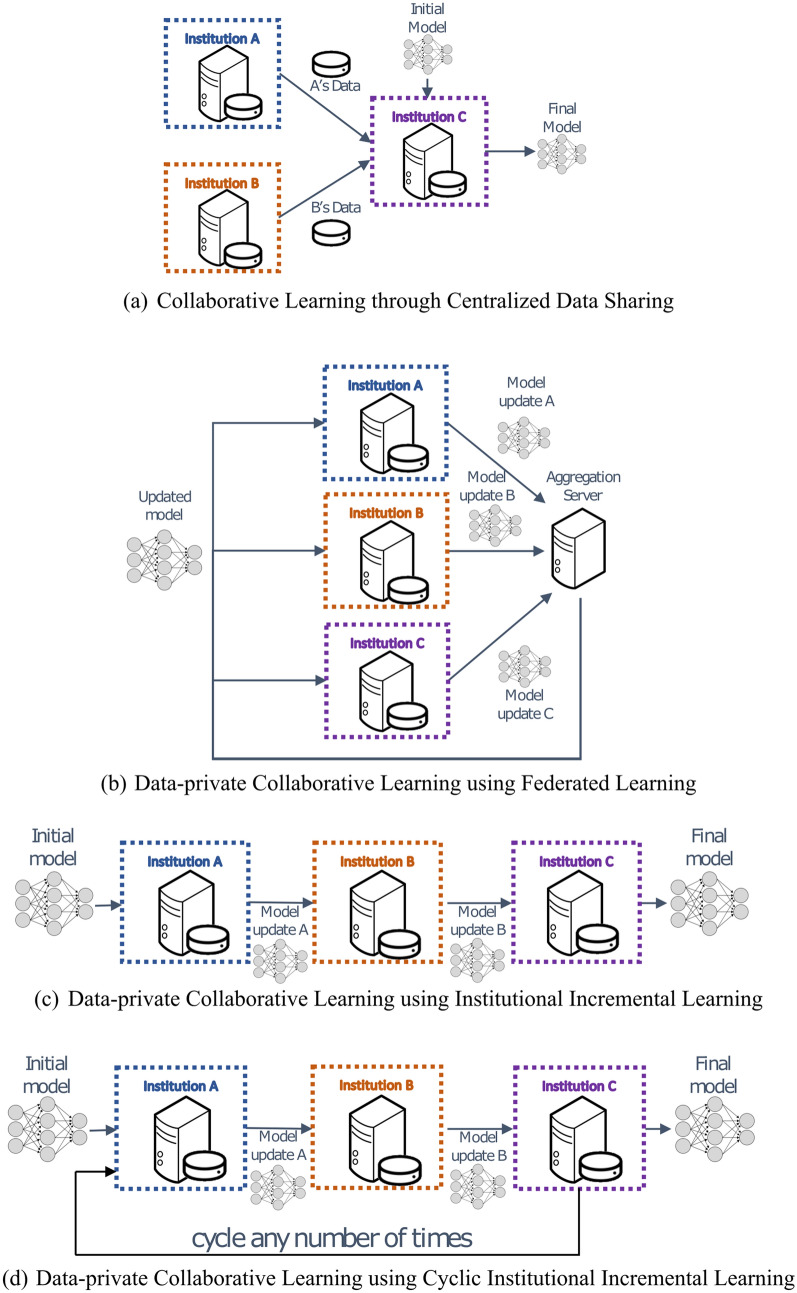
“CIIL repeats the same process over multiple rounds, but ixes the number of training epochs carried out by each party at each round.”
ResultInfluentialA comprehensive review on blockchains for Internet of Vehicles: Challenges and directions
Hildebrand, B., Baza, M., Salman, T., Tabassum, S., Konatham, B., Amsaad, F., & Razaque, A. (2023) · Computer Science Review · doi:10.1016/j.cosrev.2023.100547 · Cited by 101
The importance of resource awareness in artificial intelligence for healthcare
Jia, Z., Chen, J., Xu, X., Kheir, J., Hu, J., Xiao, H., Peng, S., Hu, X. S., Chen, D., & Shi, Y. (2023) · Nature Machine Intelligence · doi:10.1038/s42256-023-00670-0 · Cited by 86
“The integration of AI/ML into healthcare systems generates large amounts of data and AI/ML models that need to be transmitted between devices and servers for a range of purposes, such as remote diagnosis 33 and collaborative learning 34 .”
BackgroundMedical Imaging Applications of Federated Learning
Sandhu, S. S., Gorji, H. T., Tavakolian, P., Tavakolian, K., & Akhbardeh, A. (2023) · Diagnostics · doi:10.3390/diagnostics13193140 · Cited by 115
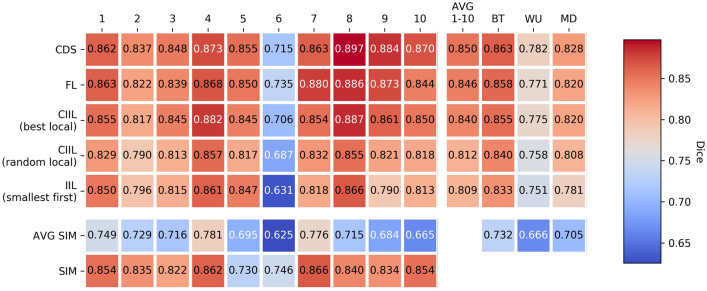
“Brain Tumor Detection The group compared their FL efforts to two other alternative collaborative learning techniques (institutional incremental learning and cyclic institutional incremental learning) [41,42]. as a case study that implemented semantic segmentation on the public BraTS dataset.”
Federated Learning for Privacy-Preserving Open Innovation Future on Digital Health
Long, G., Shen, T., Tan, Y., Gerrard, L., Clarke, A., & Jiang, J. (2022) · Humanity Driven AI · doi:10.1007/978-3-030-72188-6_6 · Cited by 85
Evaluation and Optimization of Distributed Machine Learning Techniques for Internet of Things
Gao, Y., Kim, M., Thapa, C., Abuadbba, A., Zhang, Z., Camtepe, S. A., Kim, H., & Nepal, . (2021) · IEEE Transactions on Computers · doi:10.1109/tc.2021.3135752 · Cited by 105
“when a model is serially trained among clients [37], [38].”
Data synthesis and adversarial networks: A review and meta-analysis in cancer imaging
Osuala, R. O., Kushibar, K., Garrucho, L., Linardos, A., Szafranowska, Z., Klein, S., Glocker, B., Díaz, O., & Lekadir, K. (2022) · Medical Image Analysis · doi:10.1016/j.media.2022.102704 · Cited by 132
Gawande, M. S., Zade, N., Kumar, P., Gundewar, S. K., Weerarathna, I. N., & Verma, P. (2025) · Molecular Biomedicine · doi:10.1186/s43556-024-00238-3 · Cited by 124
“The majority of the challenges that arise while learning AI from dispersed sources are solved by federating learning, and the results show that the algorithm’s performances are nearly identical to those from a centralised database [61, 62].”
The Ethics of Artificial Intelligence in Pathology and Laboratory Medicine: Principles and Practice
Jackson, B. R., Ye, Y., Crawford, J. M., Becich, M. J., Roy, S., Botkin, J. R., de Baca, M. E., & Pantanowitz, L. (2021) · Academic Pathology · doi:10.1177/2374289521990784 · Cited by 96
“Federated learning is a mechanism for training AI systems on patient data without actually sharing data itself and thus reduces the risk of a privacy violation.(25) Because of HIPAA concerns and intellectual property concerns, many academic centers partnering with commercial AI companies are favoring “bringing algorit…”
BackgroundZhou, Z., Li, Y., Ren, X., & Yang, S. (2022) · IEEE Transactions on Parallel and Distributed Systems · doi:10.1109/tpds.2022.3150579 · Cited by 95
Chiu, F.-Y., & Yen, Y. (2023) · Biomarker Research · doi:10.1186/s40364-023-00476-7 · Cited by 111
Federated Cycling (FedCy): Semi-Supervised Federated Learning of Surgical Phases
Kassem, H., Alapatt, D., Mascagni, P., Karargyris, A., & Padoy, N. (2023) · IEEE Transactions on Medical Imaging · doi:10.1109/tmi.2022.3222126 · Cited by 78
“Federated Learning has emerged recently as a promising collaborative learning method [15] to mitigate data privacy concerns and the dependence of deep learning methods on developing in large centralized data lakes [7].”
BackgroundA review of artificial intelligence in prostate cancer detection on imaging
Bhattacharya, I., Khandwala, Y. S., Vesal, S., Shao, W., Yang, Q., Soerensen, S. J. C., Fan, R. E., Ghanouni, P., Kunder, C. A., Brooks, J. D., et al. (2022) · Therapeutic Advances in Urology · doi:10.1177/17562872221128791 · Cited by 123
Rahman, M. A., Victoros, E., Ernest, J., Davis, R., Shanjana, Y., & Islam, M. R. (2024) · Clinical Pathology · doi:10.1177/2632010x241226887 · Cited by 122
“31,33,34 This will mitigate the raising concern regarding the ethics of using AI in the healthcare industry, and will also give AI experience in processing healthcare data.”
BackgroundRadiomics in neuro-oncological clinical trials
Lohmann, P., Franceschi, E., Vollmuth, P., Dhermain, F. G., Weller, M., Preusser, M., Smits, M., & Galldiks, N. (2022) · The Lancet Digital Health · doi:10.1016/s2589-7500(22)00144-3 · Cited by 89
IOP-FL: Inside-Outside Personalization for Federated Medical Image Segmentation
Jiang, M., Yang, H., Chen, C., & Dou, Q. (2023) · IEEE Transactions on Medical Imaging · doi:10.1109/tmi.2023.3263072 · Cited by 96
Fair Federated Medical Image Segmentation via Client Contribution Estimation
Jiang, M., Roth, H. R., Li, W., Yang, D. L., Zhao, C. H., Nath, V., Xu, D., Dou, Q., & Xu, Z. (2023) · IEEE Computer Society Conference on Computer Vision and Pattern Recognition/Proceedings - IEEE Computer Society Conference on Computer Vision and Pattern Recognition/Proceedings · doi:10.1109/cvpr52729.2023.01564 · Cited by 138
Nguyen, T. V., Dakka, M. A., Diakiw, S. M., VerMilyea, M. D., Perugini, M., Hall, J. M. M., & Perugini, D. (2022) · Scientific Reports · doi:10.1038/s41598-022-12833-x · Cited by 77
Analyzing Patient Trajectories With Artificial Intelligence
Allam, A., Feuerriegel, S., Rebhan, M., & Krauthammer, M. (2021) · Journal of Medical Internet Research · doi:10.2196/29812 · Cited by 77
Sun, G., Shu, H., Shao, F., Racharak, T., Kong, W., Pan, Y., Dong, J., Wang, S., Nguyen, L.-M., & Xin, J. (2024) · IEEE Access · doi:10.1109/access.2024.3372394 · Cited by 99
Blockchain-Based Personalized Federated Learning for Internet of Medical Things
Lian, Z., Wang, W., Han, Z., & Su, C. (2023) · IEEE Transactions on Sustainable Computing · doi:10.1109/tsusc.2023.3279111 · Cited by 75
“Also in the medical field, it is attracting more and more attention for some healthcare applications [30], [31], [32].”
BackgroundOgundokun, R. O., Misra, S., Maskeliūnas, R., & Damaševičius, R. (2022) · Information · doi:10.3390/info13050263 · Cited by 87
A survey on federated learning in data mining
Yu, B., Mao, W., Lv, Y., Zhang, C. B. C., & Xie, Y. (2021) · Wiley Interdisciplinary Reviews Data Mining and Knowledge Discovery · doi:10.1002/widm.1443 · Cited by 94
Federated Learning on Multimodal Data: A Comprehensive Survey
Lin, Y., Gao, Y., Gong, M., Zhang, S., Zhang, Y., & Li, Z. (2023) · Machine Intelligence Research · doi:10.1007/s11633-022-1398-0 · Cited by 97
Koçak, B. (2022) · Diagnostic and Interventional Radiology · doi:10.5152/dir.2022.211297 · Cited by 85
A Review of Medical Federated Learning: Applications in Oncology and Cancer Research
Chowdhury, A., Kassem, H., Padoy, N., Umeton, R., & Karargyris, A. (2022) · Lecture Notes in Computer Science · doi:10.1007/978-3-031-08999-2_1 · Cited by 65
“Similarly, [38] demonstrated comparable performance between federated averaging and data sharing for brain tumor segmentation on the BraTS dataset [41].”
BackgroundAI in radiology: From promise to practice − A guide to effective integration
Katal, S., York, B. R., & Gholamrezanezhad, A. (2024) · European Journal of Radiology · doi:10.1016/j.ejrad.2024.111798 · Cited by 82
The machine learning life cycle and the cloud: implications for drug discovery
Spjuth, O., Frid, J., & Hellander, A. (2021) · Expert Opinion on Drug Discovery · doi:10.1080/17460441.2021.1932812 · Cited by 67
“Here, a recent technology, federated machine learning [52,53], has shown great promise to enable the joint construction of models across organization and data silos, without the need to ever move or disclose data.”
BackgroundFederated Learning for Healthcare: A Comprehensive Review
Dhade, P., & Shirke, P. (2024) · RAiSE-2023 · doi:10.3390/engproc2023059230 · Cited by 67
Fedface: Collaborative learning of face recognition model
Aggarwal, D., Zhou, J., & Jain, A. K. (2021) · 2021 IEEE International Joint Conference on Biometrics (IJCB) · doi:10.1109/ijcb52358.2021.9484386 · Cited by 67
Survey of Transfer Learning Approaches in the Machine Learning of Digital Health Sensing Data
Chato, L., & Regentova, E. E. (2023) · Journal of Personalized Medicine · doi:10.3390/jpm13121703 · Cited by 81
The Internet of Federated Things (IoFT)
Kontar, R., Shi, N., Yue, X., Chung, S., Byon, E., Chowdhury, M., Jin, J., Kontar, W., Masoud, N., Nouiehed, M., et al. (2021) · IEEE Access · doi:10.1109/access.2021.3127448 · Cited by 66
“More recently, federated ML has been applied to the development of multi-hospital models in healthcare [261, 266, 126].”
MethodThe Integration of Radiomics and Artificial Intelligence in Modern Medicine
Maniaci, A., Lavalle, S., Gagliano, C., Lentini, M., Masiello, E., Parisi, F. M., Iannella, G., Cilia, N. D., Salerno, V. M., Cusumano, G., et al. (2024) · Life · doi:10.3390/life14101248 · Cited by 85
“In order to mitigate data privacy issues and facilitate inter-institutional cooperation, Sheller et al. (2020) developed a federated learning strategy for brain tumor classification.”
BackgroundLambin, P., Woodruff, H. C., Mali, S. A., Zhong, X., Kuang, S., Lavrova, E., Khan, H., Lekadir, K., Zwanenburg, A., Deasy, J. O., et al. (2025) · Nature Reviews Clinical Oncology · doi:10.1038/s41571-025-01067-1 · Cited by 96
“Federated learning has been used for several radiology tasks performed on CT and MRI images for the detection of coronavirus disease 2019 and brain tumour segmentation, showing great promise in achieving performance equivalent to that in a centralized setting 148,149 .”
Distributed contrastive learning for medical image segmentation
Wu, Y., Zeng, D., Wang, Z., Shi, Y., & Hu, J. (2022) · Medical Image Analysis · doi:10.1016/j.media.2022.102564 · Cited by 96
Onyeaka, H. N., Akinsemolu, A. A., Miri, T., Nnaji, N. D., Duan, K., Pang, G., Tamasiga, P., Khalid, S., Al-Sharify, Z. T., & Ugwa, C. (2025) · Journal of Agriculture and Food Research · doi:10.1016/j.jafr.2025.101895 · Cited by 93
Glioma Survival Analysis Empowered With Data Engineering—A Survey
Wijethilake, N., Meedeniya, D., Chitraranjan, C. D., Perera, I., Islam, M., & Ren, H. (2021) · IEEE Access · doi:10.1109/access.2021.3065965 · Cited by 67
Federated Contrastive Learning for Decentralized Unlabeled Medical Images
Dong, N., & Voiculescu, I. D. (2021) · Lecture notes in computer science · doi:10.1007/978-3-030-87199-4_36 · Cited by 96
Artificial intelligence and skin cancer
Wei, M. L., Tada, M., So, A., & Torres, R. (2024) · Frontiers in Medicine · doi:10.3389/fmed.2024.1331895 · Cited by 91
“The current approach for multi-institution model training necessitates the forwarding of patient data to a centralized location, termed collective data sharing (102).”
BackgroundResultFederated Learning in Dentistry: Chances and Challenges
Rischke, R., Schneider, L., Müller, K. R., Samek, W., Schwendicke, F., & Krois, J. (2022) · Journal of Dental Research · doi:10.1177/00220345221108953 · Cited by 85
“FL has the potential to achieve results of centralized learning (Sheller et al. 2020; Kaissis et al. 2021).”
BackgroundBiases in Electronic Health Records Data for Generating Real-World Evidence: An Overview
Al‐Sahab, B., Leviton, A., Loddenkemper, T., Paneth, N., & Zhang, B. (2023) · Journal of Healthcare Informatics Research · doi:10.1007/s41666-023-00153-2 · Cited by 91
“Among these is federated learning [125, 126], which enables multiple contributors “ to build a common, robust machine learning model without sharing data, thus addressing critical issues such as data privacy, data security, data access rights and access to heterogeneous data ” [127].”
Zhou, J., Chen, S., Wu, Y., Li, H., Zhang, B., Zhou, L., Hu, Y., Xiang, Z., Li, Z., Chen, N., et al. (2024) · Science Advances · doi:10.1126/sciadv.adh8601 · Cited by 63
Federated Contrastive Learning for Volumetric Medical Image Segmentation
Wu, Y., Zeng, D., Wang, Z., Shi, Y., & Hu, J. (2021) · Lecture notes in computer science · doi:10.1007/978-3-030-87199-4_35 · Cited by 95
“individual medical institutions) collaboratively learn a shared model while keeping private raw data local [20,23,22,8].”
BackgroundDFU-SIAM a Novel Diabetic Foot Ulcer Classification With Deep Learning
Toofanee, M. S. A., Dowlut, S., Hamroun, M., Tamine, K., Petit, V., Duong, A. K., & Sauveron, D. (2023) · IEEE Access · doi:10.1109/access.2023.3312531 · Cited by 75
“gent data privacy protocols [75], [76], [77].”
Bannier, É., Barker, G. J., Borghesani, V., Broeckx, N., Clement, P., Emblem, K. E., Ghosh, S., Glerean, E., Gorgolewski, K. J., Havu, M., et al. (2021) · Human Brain Mapping · doi:10.1002/hbm.25351 · Cited by 82
“In other cases, data analysis can be performed (with local or remote execution) using algorithms implementing federated learning (Sheller et al., 2020) and differential privacy concepts (redaction threshold, noise addition,”
MethodFederated conditional generative adversarial nets imputation method for air quality missing data
Zhou, X., Liu, X., Lan, G., & Wu, J. F. (2021) · Knowledge-Based Systems · doi:10.1016/j.knosys.2021.107261 · Cited by 74
A Systematic Review of PET Textural Analysis and Radiomics in Cancer
Piñeiro-Fiel, M., Moscoso, A., Núñez, V. P., Ruibal, Á., Silva‐Rodríguez, J., & Aguiar, P. (2021) · Diagnostics · doi:10.3390/diagnostics11020380 · Cited by 65
“The rise of collaborative models such as federated learning [342,343] where different centers share models validated across centers while keeping their own data anonymous will also generate more robust algorithms in the near future.”
BackgroundMachine intelligence in non-invasive endocrine cancer diagnostics
Thomasian, N. M., Kamel, I. R., & Bai, H. X. (2021) · Nature Reviews Endocrinology · doi:10.1038/s41574-021-00543-9 · Cited by 66
“Still, past efforts have yielded deep learning models with impressive performance on par with those from shared multi-institutional datasets 162–164 .”
BackgroundMethodProportionally Fair Hospital Collaborations in Federated Learning of Histopathology Images
Hosseini, S. M., Sikaroudi, M., Babaie, M., & Tizhoosh, H. R. (2023) · IEEE Transactions on Medical Imaging · doi:10.1109/tmi.2023.3234450 · Cited by 70
“Segmentation of tumors in brain MRI images in federated learning setting has been studied in [13].”
BackgroundA survey on federated learning for security and privacy in healthcare applications
Coelho, K. K., Nogueira, M., Vieira, A. B., Silva, E. F., & Nacif, J. A. M. (2023) · Computer Communications · doi:10.1016/j.comcom.2023.05.012 · Cited by 86
Medical Ethics of Large Language Models in Medicine
Ong, J. C. L., Chang, S. Y.-H., William, W., Butte, A. J., Shah, N. H., Chew, L. S. T., Liu, N., Doshi-Velez, F., Lu, W., Savulescu, J., et al. (2024) · NEJM AI · doi:10.1056/aira2400038 · Cited by 58
Olawade, D. B., Fidelis, S. C., Marinze, S., Egbon, E., Osunmakinde, A., & Osborne, A. (2025) · International Journal of Medical Informatics · doi:10.1016/j.ijmedinf.2025.106141 · Cited by 96
Time-Correlated Sparsification for Communication-Efficient Federated Learning
Özfatura, E., Özfatura, K., & Gündüz, D. (2021) · IEEE International Symposium on Information Theory (ISIT) · doi:10.1109/isit45174.2021.9518221 · Cited by 81
Yang, Q. (2021) · ACM Transactions on Interactive Intelligent Systems · doi:10.1145/3485875 · Cited by 81
Auto-FedRL: Federated Hyperparameter Optimization for Multi-institutional Medical Image Segmentation
Guo, P., Yang, D. L., Hatamizadeh, A., Xu, A. P., Xu, Z., Li, W., Zhao, C. H., Xu, D., Harmon, S. A., Turkbey, E. B., et al. (2022) · Lecture notes in computer science · doi:10.1007/978-3-031-19803-8_26 · Cited by 73
Mehta, R., Filos, A., Baid, U., Sako, C., McKinley, R., Rebsamen, M., Dätwyler, K., Meier, R., Radojewski, P., Murugesan, G. K., et al. (2022) · The Journal of Machine Learning for Biomedical Imaging · doi:10.59275/j.melba.2022-354b · Cited by 84
“In recent papers (Zech et al., 2018; Sheller et al., 2020), it was noted that institutional biases (McCarthy et al.”
BackgroundSelf-citationShen, C., Zhang, M., Lu, M., Chang, E., Gao, Z., Ban, W., Liu, Q., Zuo, Z., & Jiang, C. (2025) · Acta Pharmaceutica Sinica B · doi:10.1016/j.apsb.2025.12.011 · Cited by 95
“It allows ML models to be trained across institutions without sharing raw patient data, facilitating large-scale collaborations while preserving data security 219 .”
ACS: Accuracy-based client selection mechanism for federated industrial IoT
Putra, M. A. P., Putri, A. R., Zainudin, A., Kim, D., & Lee, J. (2022) · Internet of Things · doi:10.1016/j.iot.2022.100657 · Cited by 61
Federated Reinforcement Learning for Collective Navigation of Robotic Swarms
Na, S., Rouček, T., Ulrich, J., Pikman, J., Krajník, T., Lennox, B., & Arvin, F. (2023) · IEEE Transactions on Cognitive and Developmental Systems · doi:10.1109/tcds.2023.3239815 · Cited by 69
“Index Terms —Collective navigation, deep reinforcement learning, federated learning, swarm robotics.”
BackgroundFederated Analysis for Privacy-Preserving Data Sharing: A Technical and Legal Primer
Casaletto, J. A., Bernier, A., McDougall, R., & Cline, M. (2023) · Annual Review of Genomics and Human Genetics · doi:10.1146/annurev-genom-110122-084756 · Cited by 88
“Another variation of federated learning that uses decentralized trust is incremental learning (75).”
BackgroundFedDMC: Efficient and Robust Federated Learning via Detecting Malicious Clients
Mu, X., Cheng, K., Shen, Y., Li, X., Chang, Z., Zhang, T., & Ma, X. (2024) · IEEE Transactions on Dependable and Secure Computing · doi:10.1109/tdsc.2024.3372634 · Cited by 82
“F EDERATED learning (FL) [1] is an emerging collaborative machine learning paradigm that is widely used in areas such as medical imaging diagnosis [2], [3], risk identification of banking transactions [4], and autopilot training [5].”
BackgroundThe Federated Tumor Segmentation (FeTS) Challenge
Pati, S., Baid, U., Zenk, M., Edwards, B., Sheller, M., Reina, G. A., Foley, P., Gruzdev, A., Martin, J., Albarqouni, S., et al. (2021) · arXiv (Cornell University) · doi:10.48550/arxiv.2105.05874 · Cited by 42
“3 Model Aggregation Following extensive prior literature [9,18,35,37], the final model for each local individual institutional training is taken as the one that achieves the best local validation score over the course of training.”
BackgroundMethodInfluentialSelf-citationFederated Learning in Ocular Imaging: Current Progress and Future Direction
Nguyen, T. X., Ran, A. R., Hu, X., Yang, D., Jiang, M., Dou, Q., & Cheung, C. Y.-L. (2022) · Diagnostics · doi:10.3390/diagnostics12112835 · Cited by 59
Exploring Huntington’s Disease Diagnosis via Artificial Intelligence Models: A Comprehensive Review
Sowmiyalakshmi, G., Chithambaram, T., Krishnan, N. R., Vincent, P. M. D. R., Kaliappan, J., & Srinivasan, K. (2023) · Diagnostics · doi:10.3390/diagnostics13233592 · Cited by 64
“Distributed Processing: Fog computing extends the capabilities of edge computing by enabling distributed data processing and analysis [115].”
BackgroundOne model to unite them all: Personalized federated learning of multi-contrast MRI synthesis
Dalmaz, O., Mirza, M. U., Elmas, G., Özbey, M., Dar, S. U. H., Ceyani, E., Oğuz, K. K., Avestimehr, S., & Çukur, T. (2024) · Medical Image Analysis · doi:10.1016/j.media.2024.103121 · Cited by 87
Transparency of medical artificial intelligence systems
Kim, C., Gadgil, S. U., & Lee, S. (2025) · Nature Reviews Bioengineering · doi:10.1038/s44222-025-00363-w · Cited by 83
A collective AI via lifelong learning and sharing at the edge
Soltoggio, A., Ben-Iwhiwhu, E., Braverman, V., Eaton, E., Epstein, B., Ge, Y., Halperin, L., How, J., Itti, L., Jacobs, M. A., et al. (2024) · Nature Machine Intelligence · doi:10.1038/s42256-024-00800-2 · Cited by 51
“The application of ML to medical domains has recently benefited from distributed approaches based on federated learning 185 , in particular through enabling multi-institution collaborations 186 .”
Pati, S., Baid, U., Edwards, B., Sheller, M. J., Foley, P., Anthony Reina, G., Thakur, S., Sako, C., Bilello, M., Davatzikos, C., et al. (2022) · Physics in Medicine & Biology · doi:10.1088/1361-6560/ac9449 · Cited by 51
Self-citationPrivacy-Enhancing Technologies in Federated Learning for the Internet of Healthcare Things: A Survey
Mosaiyebzadeh, F., Pouriyeh, S., Parizi, R. M., Sheng, Q. Z., Han, M., Zhao, L., Sannino, G., Ranieri, C. M., Ueyama, J., & Batista, D. M. (2023) · Electronics · doi:10.3390/electronics12122703 · Cited by 51
Detecting model misconducts in decentralized healthcare federated learning
Kuo, T.-T., & Pham, A. (2022) · International Journal of Medical Informatics · doi:10.1016/j.ijmedinf.2021.104658 · Cited by 51
“To protect privacy of patients, federated learning methods (or “data-private” collaborative learning [4]), were developed to only exchange aggregated ML models among institutions without disseminating patient-level data [5–6].”
Kirienko, M., Sollini, M., Ninatti, G., Loiacono, D., Giacomello, E., Gozzi, N., Amigoni, F., Mainardi, L. T., Lanzi, P. L., & Chiti, A. (2021) · European Journal of Nuclear Medicine and Molecular Imaging · doi:10.1007/s00259-021-05339-7 · Cited by 61
“Preprocessing data harmonization – if possible – (e.g. image resampling, a clear methodology and uniform criteria for data collection) could positively impact data integration, simplifying multi-institutional collaboration for large-scale analytics [25, 44].”
BackgroundLee, S. W., Lee, H., Suh, J., Lee, K. H., Lee, H., Seo, S., Kim, T. K., Lee, S.-W., & Kim, Y. (2022) · npj Digital Medicine · doi:10.1038/s41746-022-00625-6 · Cited by 69
How can machine learning and multiscale modeling benefit ocular drug development?
Wang, N., Zhang, Y., Wang, W., Ye, Z., Chen, H., Hu, G., & Ouyang, D. (2023) · Advanced Drug Delivery Reviews · doi:10.1016/j.addr.2023.114772 · Cited by 58
An international study presenting a federated learning AI platform for pediatric brain tumors
Lee, E. H., Han, M., Wright, J., Kuwabara, M. S., Mevorach, J., Fu, G., Choudhury, O., Ratan, U., Zhang, M., Wagner, M. W., et al. (2024) · Nature Communications · doi:10.1038/s41467-024-51172-5 · Cited by 70
Shen, Y., Sowmya, A., Luo, Y., Liang, X., Shen, D. G., & Ke, J. (2022) · IEEE Transactions on Medical Imaging · doi:10.1109/tmi.2022.3221724 · Cited by 72
“Originally proposed for mobile and edge device use cases, FL now has drawn attention to many medical image applications, including computed tomography (CT), or magnetic resonance imaging (MRI) [3], [4], [5], [6], [7].”
BackgroundInfluentialFederated learning: a comprehensive review of recent advances and applications
Kaur, H., Rani, V., Kumar, M., Sachdeva, M., Mittal, A. K., & Kumar, K. (2023) · Multimedia Tools and Applications · doi:10.1007/s11042-023-17737-0 · Cited by 60
“Sheller et al. [34] introduced Federated Learning (FL) in the medical field, where patient data from multiple institutions collaborate to train a model without sharing data between institutions.”
FedSelect: Personalized Federated Learning with Customized Selection of Parameters for Fine-Tuning
Tamirisa, R., Xie, C., Bao, W., Zhou, A., Arel, R., & Shamsian, A. (2024) · IEEE Computer Society Conference on Computer Vision and Pattern Recognition/Proceedings - IEEE Computer Society Conference on Computer Vision and Pattern Recognition/Proceedings · doi:10.1109/cvpr52733.2024.02264 · Cited by 87
“Federated Learning (FL) enables distributed clients or devices to jointly learn a shared global model while keeping the training data local [31], which is particularly beneficial for privacy-critical applications [37].”
BackgroundAn adaptive federated learning system for information sharing in supply chains
Zheng, G., Ivanov, D., & Brintrup, A. M. (2025) · International Journal of Production Research · doi:10.1080/00207543.2024.2432469 · Cited by 66
“FL that shares information by sharing the model’s parameters has been applied to solve this problem (Pfitzner, Steckhan, and Arnrich 2021; Sheller et al. 2020).”
Tran, A. T., Zeevi, T., & Payabvash, S. (2025) · BioMedInformatics · doi:10.3390/biomedinformatics5020020 · Cited by 75
Generating 3D TOF-MRA volumes and segmentation labels using generative adversarial networks
Subramaniam, P., Kossen, T., Ritter, K., Hennemuth, A., Hildebrand, K., Hilbert, A., Sobesky, J., Livne, M., Galinović, I., Khalil, A. A., et al. (2022) · Medical Image Analysis · doi:10.1016/j.media.2022.102396 · Cited by 55
“This makes both methods open to privacy threats ( Sheller et al., 2020; Chen et al., 2020 ).”
MethodMachine Learning in Chemoinformatics and Medicinal Chemistry
Rodríguez-Pérez, R., Miljković, F. N., & Bajorath, J. (2022) · Annual Review of Biomedical Data Science · doi:10.1146/annurev-biodatasci-122120-124216 · Cited by 56
SVFL: Efficient Secure Aggregation and Verification for Cross-Silo Federated Learning
Luo, F., Al-Kuwari, S. M., & Ding, Y. (2022) · IEEE Transactions on Mobile Computing · doi:10.1109/tmc.2022.3219485 · Cited by 60
“Most of the existing research on FL is mainly addressing cross-device FL, but in recent years, cross-silo FL is receiving increasingly wide attention, especially for healthcare applications, such as medical imaging [26], diagnostic and prognostic biomarkers [50], and epidemic detection [13].”
BackgroundSingh, S. P., Bhaskar, R., Ghosh, S., Yarlagadda, B., Singh, K. K., Verma, P., Sengupta, S., Mladenov, M. I., Hadzi‐Petrushev, N., Stojchevski, R., et al. (2025) · Cancers · doi:10.3390/cancers17071082 · Cited by 70
“In spite of persistent issues and challenges concerning data heterogeneity, algorithmic explainability, and patient privacy, progress in federated learning and strict validation processes is mitigating these issues gradually [156].”
Federated learning for big data: A survey on opportunities, applications, and future directions
Gadekallu, T. R., Pham, Q., Huynh‐The, T., Feng, H., Fang, K., Pandya, S., Liyanage, M., Wang, W. W., & Nguyen, T. T. (2025) · Engineering Applications of Artificial Intelligence · doi:10.1016/j.engappai.2025.113614 · Cited by 95
Managing Distributed Machine Learning Lifecycle for Healthcare Data in the Cloud
Zeydan, E., Arslan, Ş. S., & Liyanage, M. (2024) · IEEE Access · doi:10.1109/access.2024.3443520 · Cited by 64
“FL can also allow models to be trained on datasets of unprecedented size, which can significantly impact precision/personalized medicine, as noted in [138].”
BackgroundDigital twins in oncology: From predictive modelling to personalised treatment strategies
Olawade, D. B., Oisakede, E. O., Bello, O. J., Analikwu, C. C., Egbon, E., & Ojo, A. (2026) · Critical Reviews in Oncology/Hematology · doi:10.1016/j.critrevonc.2026.105171 · Cited by 59
Rajendran, S., Xu, Z., Pan, W., Ghosh, A., & Wang, F. (2023) · PLOS Digital Health · doi:10.1371/journal.pdig.0000117 · Cited by 61
Montenegro, H., Silva, W., & Cardoso, J. S. (2021) · IEEE Access · doi:10.1109/access.2021.3124844 · Cited by 59
“For instance, Federated Learning [29] consists of training the models in the data owners’ servers to avoid sharing the private medical data [30], [31].”
BackgroundArdesch, F. H., Meulendijk, M. C., Kist, J. M., Vos, R. C., Vos, H. M. M., Jong, J. C. K., Spruit, M. R., Bruijnzeels, M. A., Bussemaker, J., Numans, M. E., et al. (2023) · Health Policy · doi:10.1016/j.healthpol.2023.104769 · Cited by 52
Lifelong nnU-Net: a framework for standardized medical continual learning
González, C., Ranem, A., dos Santos, D. P., Othman, A. E., & Mukhopadhyay, A. (2023) · Scientific Reports · doi:10.1038/s41598-023-34484-2 · Cited by 84
Unified fair federated learning for digital healthcare
Zhang, F., Shuai, Z., Kuang, K., Wu, F. Q., Zhuang, Y., & Xiao, J. (2023) · Patterns · doi:10.1016/j.patter.2023.100907 · Cited by 66
Kumar, R., Waisberg, E., Ong, J., Paladugu, P., Amiri, D., Saintyl, J., Yelamanchi, J., Nahouraii, R., Jagadeesan, R., & Tavakkoli, A. (2024) · Brain Sciences · doi:10.3390/brainsci14121266 · Cited by 65
Machine Learning in Materials Chemistry: An Invitation
Packwood, D. M., Nguyen, L. T. H., Cesana, P., Zhang, G., Staykov, A., Fukumoto, Y., & Nguyễn, Đ. H. (2022) · Machine Learning with Applications · doi:10.1016/j.mlwa.2022.100265 · Cited by 71
GaNDLF: the generally nuanced deep learning framework for scalable end-to-end clinical workflows
Pati, S., Thakur, S. P., Hamamcı, İ. E., Baid, U., Baheti, B., Bhalerao, M., Güley, O., Mouchtaris, S., Lang, D., Thermos, S., et al. (2023) · Communications Engineering · doi:10.1038/s44172-023-00066-3 · Cited by 38
Self-citation
Metadata
- Authors
- Sheller, M. J., Edwards, B., Reina, G. A., Martin, J., Pati, S., Kotrotsou, A., Milchenko, M., Xu, W., Marcus, D., Colen, R. R., & Bakas, S.
- Affiliations
- Intel (United States) (US)
- University of Pennsylvania (US)
- The University of Texas MD Anderson Cancer Center (US)
- Washington University in St. Louis (US)
- Corresponding author
- Bakas, Spyridon
- ORCID
- Venue
- Scientific Reports
- Published
- 2020-07-28
- Volume
- 10
- Issue
- 1
- Pages
- 12598-12598
- ISSN
- 2045-2322 (ISSN-L)
- PMC
- PMC7387485
- OpenAlex
- W3045674654
- Semantic Scholar
- ee6da0ca07fe062968a66887edddfc8a0034a409
- Cited by
- 1,646
- References
- 33
- Citations by year
- 2026: 482 · 2025: 401 · 2024: 227 · 2023: 215 · 2022: 201 · 2021: 110 · 2020: 10
- FWCI
- 52.64
- Type
- journal article
- Language
- en
- Open access
- gold
- doi.org
- Licence
- cc-by
- creativecommons.org/licenses/by/4.0 (tdm)
- creativecommons.org/licenses/by/4.0 (vor)
- Locations
- Scientific Reports (publishedVersion, cc-by)
- PubMed Central (publishedVersion, cc-by)
- PubMed (publishedVersion)
- Digital Commons@Becker (Washington University School of Medicine) (submittedVersion, cc-by)
- Funders
- National Cancer Institute (U24CA189523)
- UPMC CCSG (P30 CA047904)
- National Institute of Neurological Disorders and Stroke (R01NS042645)
- Topics
- Physical Sciences › Computer Science › Artificial Intelligence › Privacy-Preserving Technologies in Data
- Health Sciences › Medicine › Health Informatics › Artificial Intelligence in Healthcare and Education
- Physical Sciences › Computer Science › Artificial Intelligence › Domain Adaptation and Few-Shot Learning
- Keywords
- federated learning, multi-institutional collaboration, data privacy, patient data sharing, data ownership, model generalization, cooperative learning, precision medicine, deep learning in healthcare, biomarker discovery
- MeSH terms
- Humans, Interinstitutional Relations, Learning, Medicine, Patients, Privacy, Information Dissemination
About these checks
Registry, retraction, Cites and statistics results are computed, not judged, with one exception: a printed reference that no index lists is read once by a model before it counts as a citation error. Claims are extracted by a model and kept only when their quote appears verbatim in the text; each cited source is then checked, with a model’s help, for whether it says what the claim relies on. Those verdicts can be wrong — read the claim’s quote and the cited source before relying on one.
Statistics and arithmetic are recomputed, not judged.
Confidence bands are shown only for fields calibrated on our annotated test set. None is calibrated yet, so no band is shown.
What counts as a claim ›How we measure confidence ›How we check this ›
Are you an author, or do you see a problem with this page? Request a review
Data sources
Bibliographic data: Semantic Scholar, OpenAlex, Crossref.
Contains information from the Semantic Scholar Academic Graph Datasets, made available under the ODC Attribution License (ODC-BY 1.0).
Semantic Scholar’s data is described in: Kinney, R., et al. (2023). The Semantic Scholar Open Data Platform. arXiv:2301.10140.
