

Federated learning in medicine: facilitating multi-institutional collaborations without sharing patient data
Open accessThe DOI matches its Crossref record; 36 of the 36 references it cites were found in a registry or an index.
Abstract
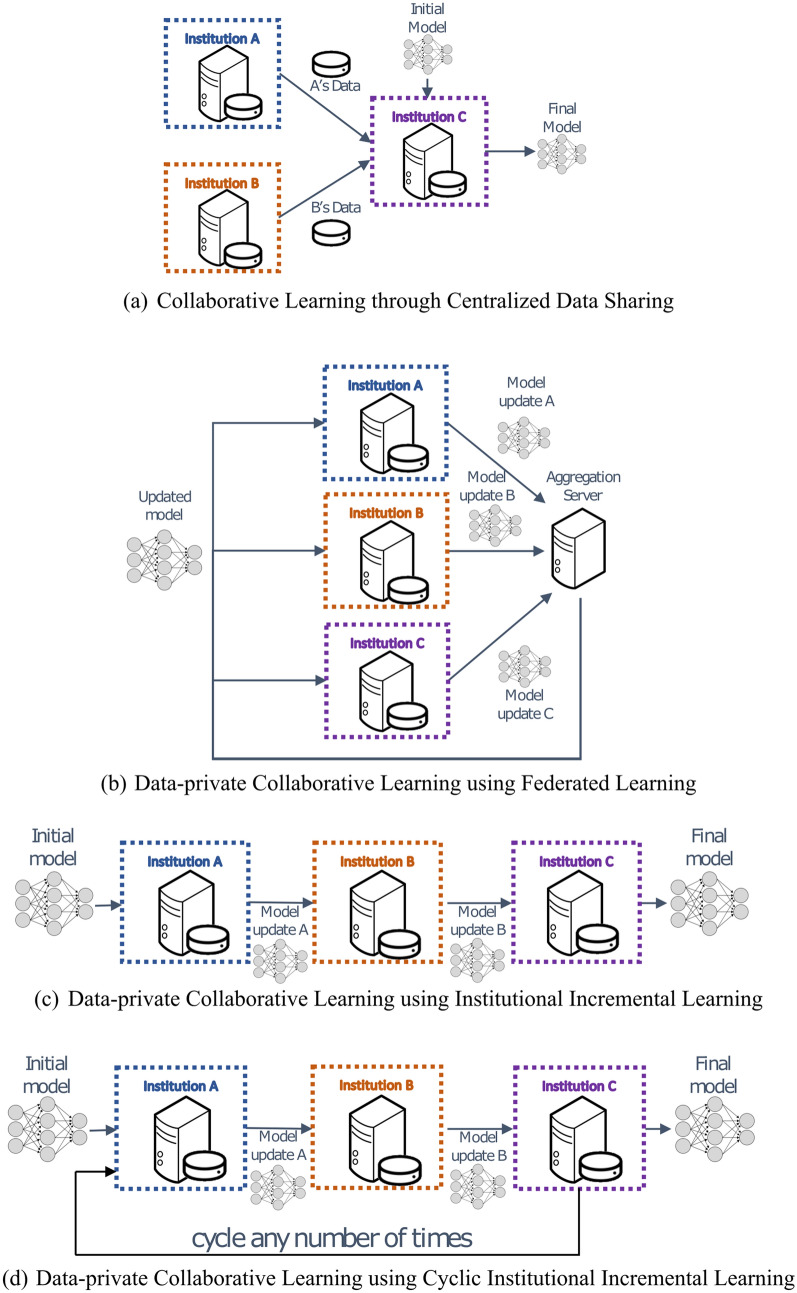
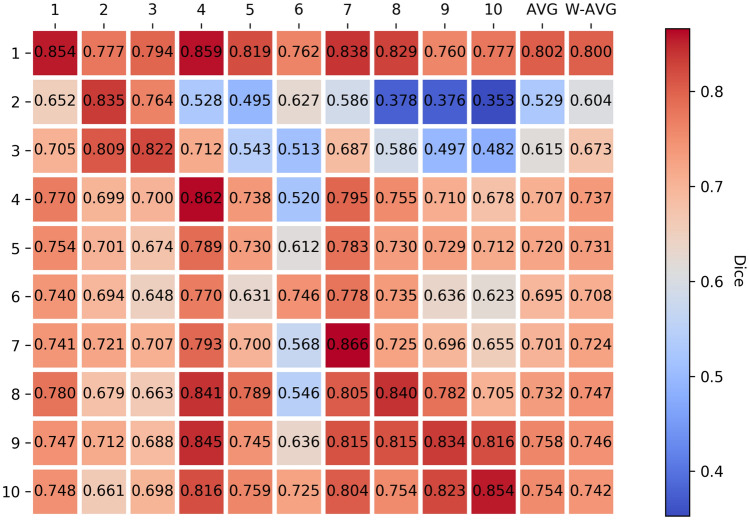
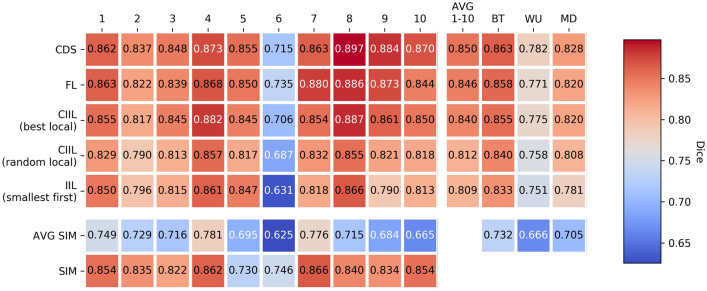
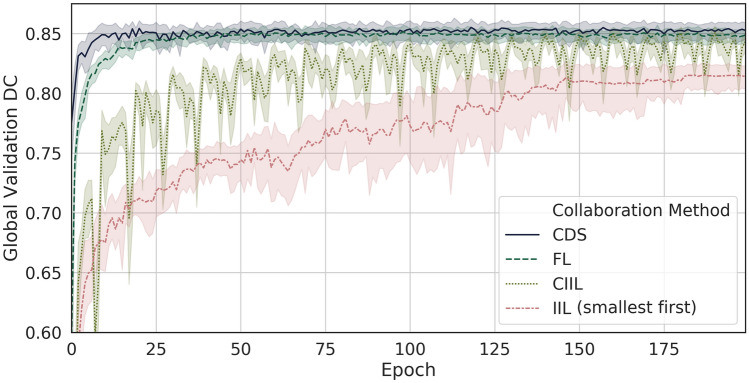
Several studies underscore the potential of deep learning in identifying complex patterns, leading to diagnostic and prognostic biomarkers. Identifying sufficiently large and diverse datasets, required for training, is a significant challenge in medicine and can rarely be found in individual institutions. Multi-institutional collaborations based on centrally-shared patient data face privacy and ownership challenges. Federated learning is a novel paradigm for data-private multi-institutional collaborations, where model-learning leverages all available data without sharing data between institutions, by distributing the model-training to the data-owners and aggregating their results. We show that federated learning among 10 institutions results in models reaching 99% of the model quality achieved with centralized data, and evaluate generalizability on data from institutions outside the federation. We further investigate the effects of data distribution across collaborating institutions on model quality and learning patterns, indicating that increased access to data through data private multi-institutional collaborations can benefit model quality more than the errors introduced by the collaborative method. Finally, we compare with other collaborative-learning approaches demonstrating the superiority of federated learning, and discuss practical implementation considerations. Clinical adoption of federated learning is expected to lead to models trained on datasets of unprecedented size, hence have a catalytic impact towards precision/personalized medicine.
Overview
The claims and statistics of this paper haven’t been checked yet.
Free: it reads the open-access text and checks the first 5 claims that cite a source we can check. Create a free account to check every claim.
Integrity signals
Registry
Cites
Statistics
Figures
Verification
Claims the paper makes
The claims and statistics of this paper haven’t been checked yet.
Free: it reads the open-access text and checks the first 5 claims that cite a source we can check. Create a free account to check every claim.
Claims other papers make about this one
Each is checked against this paper’s own text: does it say what the citing paper says it does?
The source backs part of the claim, not all of it — or backs it for a different population, condition or comparison.
In the citing paper
“Findings from these studies supported the superiority of the FL workflow used in the present study (i.e., based on an aggregation server10,14), which had almost identical performance to CL, for this use-case.”
From Federated learning enables big data for rare cancer boundary detection (2022) · cites this paper as [11]
Experimental — accuracy not yet measuredThe source backs part of the claim, not all of it — or backs it for a different population, condition or comparison.
In the citing paper
“We have identified this FL workflow (based on a central aggregation server) as the optimal for this use-case, following a performance evaluation11 for this very same task, i.e., detecting glioblastoma sub-compartment boundaries.”
From Federated learning enables big data for rare cancer boundary detection (2022) · cites this paper as [11]
Experimental — accuracy not yet measuredThe source backs part of the claim, not all of it — or backs it for a different population, condition or comparison.
In the citing paper
“However, works that examine the practical application of FL in radiological applications are still limited.20,21”
From Federated learning improves site performance in multicenter deep learning without data sharing (2021) · cites this paper as [21]
Experimental — accuracy not yet measuredThe source backs part of the claim, not all of it — or backs it for a different population, condition or comparison.
In the citing paper
“FL allows training of AI models through averaging of local updates from numerous healthcare facilities and smart devices, such as IoMT, despite the lack of local data.”
From Federated learning-based AI approaches in smart healthcare: Concepts, taxonomies, challenges and open issues (2023) · cites this paper as [12]
Experimental — accuracy not yet measuredThe source backs part of the claim, not all of it — or backs it for a different population, condition or comparison.
In the citing paper
“Federated Learning has presented itself as a viable method for implementing economic, innovative healthcare systems while ensuring privacy [11–15].”
From Federated learning-based AI approaches in smart healthcare: Concepts, taxonomies, challenges and open issues (2023) · cites this paper as [12]
Experimental — accuracy not yet measured
12 more claims about this paper
Create a free account to see every claim other papers make about this one.
Self-check
Percentages, sums and reported differences re-computed from the paper’s own numbers.
The self-check needs the paper’s full text.
Citations
Cites
Adam: A Method for Stochastic Optimization
Kingma, D. P., & Ba, J. (2014) · arXiv · doi:10.48550/arxiv.1412.6980 · Cited by 98,946
Measures of the Amount of Ecologic Association Between Species
Dice, L. R. (1945) · Ecology · doi:10.2307/1932409 · Cited by 11,874
The multimodal brain tumor image segmentation benchmark (BRATS)
Menze, B. H., Jakab, A., Bauer, S., Kalpathy-Cramer, J., Farahani, K., Kirby, J., Burren, Y., Porz, N., Slotboom, J., Wiest, R., et al. (2015) · IEEE Transactions on Medical Imaging · doi:10.1109/tmi.2014.2377694 · Cited by 6,781 · cited 10×
“The binarized whole tumor (WT) labels for the BraTS 2017 validation data and the additional 22 BraTS 2017 test cases that were moved to BraTS 2019 validation set, were provided to the lead author Micah Sheller after the conclusion of the BraTS 2018 competition and under a signed Non-Disclosure Agreement.”
MethodInfluentialThe Cancer Imaging Archive (TCIA): Maintaining and Operating a Public Information Repository
Clark, K., Vendt, B., Smith, K., Freymann, J., Kirby, J., Koppel, P., Moore, S., Phillips, S., Maffitt, D., Pringle, M., et al. (2013) · Journal of Digital Imaging · doi:10.1007/s10278-013-9622-7 · Cited by 4,599 · cited 4×
“The additional experiments conducted here attempt to evaluate model generalization under various training schemes comprising (1) single institution training, (2) LOO validation, and importantly (3) exhaustively evaluating performance differences between FL, IIL, and CIIL, by exploring convergence, “model selection”, a…”
BackgroundMethodInfluentialBakas, S., Akbari, H., Sotiras, A., Bilello, M., Rozycki, M., Kirby, J. S., Freymann, J. B., Farahani, K., & Davatzikos, C. (2017) · Scientific Data · doi:10.1038/sdata.2017.117 · Cited by 3,049
Self-citationThe EU General Data Protection Regulation (GDPR)
Voigt, P., & von dem Bussche, A. (2017) · doi:10.1007/978-3-319-57959-7 · Cited by 3,001 · cited 2×
“This study shows that data-private collaborative learning approaches, and particularly FL, can achieve the full learning capacity of the data while obviating the need to share patient data, and hence facilitate large-scale multi-institutional collaborations, while overcoming technical and data ownership concerns and a…”
BackgroundCatastrophic forgetting in connectionist networks
French, R. (1999) · Trends in Cognitive Sciences · doi:10.1016/s1364-6613(99)01294-2 · Cited by 2,311 · cited 1×
“We see this behavior as indicative of catastrophic forgetting 18 .”
BackgroundFederated Learning with Non-IID Data
Zhao, Y., Li, M., Lai, L., Suda, N., Civin, D., & Chandra, V. (2018) · arXiv · doi:10.48550/arxiv.1806.00582 · Cited by 2,077
Zech, J. R., Badgeley, M. A., Liu, M., Costa, A. B., Titano, J. J., & Oermann, E. K. (2018) · PLOS Medicine · doi:10.1371/journal.pmed.1002683 · Cited by 1,719
Bakas, S., Reyes, M., Jakab, A., Bauer, S., Rempfler, M., Crimi, A., Shinohara, R. T., Berger, C., Ha, S. M., Rozycki, M., et al. (2018) · Apollo - University of Cambridge Repository · doi:10.17863/cam.38755 · Cited by 1,441
Self-citation
Research works printed but not linked: 3
- Fredrikson, M., Jha, S. & Ristenpart, T. in Proceedings of the 22nd ACM SIGSAC Conference on Computer and Communications Security 1322–1333 (ACM, Denver, Colorado, USA, 2015).
- Hitaj, B., Ateniese, G. & Perez-Cruz, F. in Proceedings of the 2017 ACM SIGSAC Conference on Computer and Communications Security 603–618 (ACM, Dallas, Texas, USA, 2017).
- Ronneberger, O., Fischer, P. & Brox, T. in International Conference on Medical Image Computing and Computer-Assisted Intervention. 234–241 (Springer).
Cited by
Items 501–600 of 1,000
Yeom, J. C., Kim, J., Kim, Y. J., Kim, K. G., & Kim, K. G. (2024) · Journal of Imaging Informatics in Medicine · doi:10.1007/s10278-024-01020-1 · Cited by 16
Sung, G., & Park, E. (2024) · Biomedical Signal Processing and Control · doi:10.1016/j.bspc.2024.106068 · Cited by 14
FedCompetitors: Harmonious Collaboration in Federated Learning with Competing Participants
Tan, S., Cheng, H., Wu, X., Yu, H., He, T., Ong, Y.-S., Wang, C., & Tao, X. (2024) · Proceedings of the AAAI Conference on Artificial Intelligence · doi:10.1609/aaai.v38i14.29446 · Cited by 19
Tooth Development Prediction Using a Generative Machine Learning Approach
Kokomoto, K., Okawa, R., Nakano, K., & Nozaki, K. (2024) · IEEE Access · doi:10.1109/access.2024.3416748 · Cited by 15
Privacy-Preserving Heterogeneous Federated Learning for Sensitive Healthcare Data
Xu, Y., Zhang, J., & Gu, Y. (2024) · IEEE Conference on Artificial Intelligence (CAI) · doi:10.1109/cai59869.2024.00204 · Cited by 16
“This approach has been applied in tasks like predicting Adverse Drug Reactions and differentiating brain cancer MRI images [10], [29].”
Federated Learning in Glaucoma
Hallaj, S., Chuter, B., Lieu, A. C., Singh, P., Kalpathy–Cramer, J., Xu, B. Y., Christopher, M. A., Zangwill, L. M., Weinreb, R. N., & Baxter, S. L. (2024) · Ophthalmology Glaucoma · doi:10.1016/j.ogla.2024.08.004 · Cited by 12
van den Bent, M. J., Vogelbaum, M. A., Cloughesy, T. F., Galldiks, N., Albert, N. L., Tonn, J., Avila, E. K., Fangusaro, J., Mirsky, D. M., Sahgal, A., et al. (2025) · Neuro-Oncology · doi:10.1093/neuonc/noaf118 · Cited by 12
Self-citationArtificial Intelligence in Obsessive-Compulsive Disorder: A Systematic Review
Kim, J., Pacheco, J. P. G., Golden, A., Aboujaoude, E. N., van Roessel, P., Gandhi, A., Mukunda, P., Avanesyan, T., Xue, H., Adeli, E., et al. (2025) · Current Treatment Options in Psychiatry · doi:10.1007/s40501-025-00359-8 · Cited by 17
“…mobile or low-cost neuroimaging technologies (e.g., EEG, functional near-infrared spectroscopy [fNIRS]) with real-time AI analytics to enable ecological assessment [1], as well as deploying federated learning frameworks to support multi-site collaborations without compromising patient privacy [79].”
Towards practical federated learning and evaluation for medical prediction models
Kazlouski, A., Perez, I. M., Noor, F. A., Högerman, M., Ettala, O. O., Pahikkala, T., & Airola, A. (2025) · International Journal of Medical Informatics · doi:10.1016/j.ijmedinf.2025.106046 · Cited by 12
Karamanlıoğlu, A., Demirel, B., Tural, O., Doğan, O. T., & Alpaslan, F. N. (2025) · Applied Sciences · doi:10.3390/app15158412 · Cited by 23
FedAP: Adaptive Personalization in Federated Learning for Non-IID Data
Yeganeh, Y., Farshad, A., Boschmann, J., Gaus, R., Frantzen, M., & Navab, N. (2022) · Lecture notes in computer science · doi:10.1007/978-3-031-18523-6_2 · Cited by 17
Distributed Learning in Healthcare
Tuladhar, A., Rajashekar, D., & Forkert, N. D. (2022) · Integrated science · doi:10.1007/978-3-031-11199-0_10 · Cited by 11
Detection and Incentive: A Tampering Detection Mechanism for Object Detection in Edge Computing
Zhao, Z., Zeng, Y., Wang, J., Li, H., Zhu, H., & Sun, L. (2022) · IEEE Symposium on Reliable Distributed Systems (SRDS) · doi:10.1109/srds55811.2022.00024 · Cited by 12
“The data insertion mechanism also has been used in some applications, for example, the dishonest terminals perform the poisoning attacks [36] [37] for edge model training in federated learning [38], where the dishonest participants are the terminals and the edge is”
MethodFederating Medical Deep Learning Models from Private Jupyter Notebooks to Distributed Institutions
Launet, L., Wang, Y., Colomer, A., Igual, J., Pulgarín-Ospina, C. C., Koulouzis, S., Bianchi, R., Mosquera‐Zamudio, A., Monteagudo, C. C., Naranjo, V., et al. (2023) · Applied Sciences · doi:10.3390/app13020919 · Cited by 13
“Global collaboration and data sharing among organizations in the federation settings are important requests but still open issues [7].”
Revealing Brain Tumor with Federated Learning
Caroprese, L., Ruga, T., Vocaturo, E., & Zumpano, E. (2023) · IEEE International Conference on Bioinformatics and Biomedicine (BIBM) · doi:10.1109/bibm58861.2023.10385865 · Cited by 11
“In [38], different architectures for implementing a prediction system that never exports data outside the medical institution involved in the learning process are examined.”
BackgroundFedDTG:Federated Data-Free Knowledge Distillation via Three-Player Generative Adversarial Networks
Gao, L., Zhang, Z., & Wu, C. (2025) · Communications in computer and information science · doi:10.1007/978-981-96-6969-1_2 · Cited by 11
Chin, Y. P., Song, W., Lien, C.-E., Yoon, C. H., Wang, W.-C., Liu, J., Nguyen, P., Feng, Y.-T., Zhou, L., Li, Y., et al. (2021) · JMIR Medical Informatics · doi:10.2196/23454 · Cited by 16
“Recently, federated learning has become an emerging technique to address the issues of isolated data islands and privacy, in which each distinct data federate trains their own model with their own data before all the federates aggregate their results [33].”
BackgroundDistributed differentially-private learning with communication efficiency
Phuong, T. T., & Phong, L. T. (2022) · Journal of Systems Architecture · doi:10.1016/j.sysarc.2022.102555 · Cited by 13
Moshpit SGD: Communication-Efficient Decentralized Training on Heterogeneous Unreliable Devices
Ryabinin, M., Gorbunov, E., Plokhotnyuk, V., & Pekhimenko, G. G. (2021) · neural information processing systems · doi:10.48550/arxiv.2103.03239 · Cited by 51
“When dealing with privacysensitive data distributed across multiple actors, such as hospital servers [31, 32] or mobile phones [33, 34], one must train the model using whichever hardware and network available to those actors.”
BackgroundAddressing catastrophic forgetting for medical domain expansionPreprint
Gupta, S., Singh, P., Chang, K., Qu, L., Aggarwal, M., Arun, N., Vaswani, A., Raghavan, S., Agarwal, V., Gidwani, M., et al. (2021) · Research Square · doi:10.21203/rs.3.rs-1087025/v1 · Cited by 22
Cross-Standard Health Data Harmonization using Semantics of Data Elements
Zhang, S., Cornet, R., & Benis, N. (2024) · Scientific Data · doi:10.1038/s41597-024-04168-1 · Cited by 17
Leveraging the power of routinely collected ICU data
Lijović, L., & Elbers, P. (2025) · Intensive Care Medicine · doi:10.1007/s00134-024-07745-5 · Cited by 10
“[10 , 11].”
Biomarker-Guided Imaging and AI-Augmented Diagnosis of Degenerative Joint Disease
Kumar, R., Sporn, K., Borole, A., Khanna, A., Gowda, C., Paladugu, P., Ngo, A., Jagadeesan, R., Zaman, N., & Tavakkoli, A. (2025) · Diagnostics · doi:10.3390/diagnostics15111418 · Cited by 13
“Although technological difficulties arise from statistical heterogeneity and communication, asynchronous updates and local model customization might help to address these issues [182].”
Kanthavel, R., & Dhaya, R. (2025) · Innovation and Emerging Technologies · doi:10.1142/s2737599425500252 · Cited by 11
Convergence of machine learning and genomics for precision oncology
Reardon, B. M., Culhane, A. C., & Allen, E. M. V. (2026) · Nature reviews. Cancer · doi:10.1038/s41568-025-00897-6 · Cited by 17
Zhan, M., Zhao, B., Chen, H., Wu, J., Shi, R., Gao, F., Zhao, L., & Zhu, J. (2026) · Frontiers in Genetics · doi:10.3389/fgene.2025.1752384 · Cited by 10
“…federal learning should be adopted to achieve multi-institutional modelling under the premise of “not leaving the hospital” (Wilkinson et al., 2016; Sheller et al., 2020); at the same time, the study of tumor markers and diagnostic accuracy should follow REMARK/STARD and other reporting norms to…”
Federated Learning Using Variable Local Training for Brain Tumor Segmentation
Tuladhar, A., Tyagi, L., Souza, R., & Forkert, N. D. (2022) · Lecture notes in computer science · doi:10.1007/978-3-031-09002-8_35 · Cited by 16
A Multimodal Contrastive Federated Learning for Digital Healthcare
Sachin, D. N., Annappa, B., Ambasange, S., & Tony, A. E. (2023) · SN Computer Science · doi:10.1007/s42979-023-02124-1 · Cited by 16
“It allows clinicians to better tailor a treatment plan to individual patients based on their medical history, lifestyle, and genetic information [21].”
BackgroundFeLebrities: A User-Centric Assessment of Federated Learning Frameworks
Riviera, W., Galazzo, I. B., & Menegaz, G. (2023) · IEEE Access · doi:10.1109/access.2023.3312579 · Cited by 14
“This type of FL pipeline is usually implemented in big data centers (cross-silo), such as those involved in medical environments [3], [17].”
BackgroundVo, V. T.-T., Shin, T.-H., Yang, H.-J., Kang, S., & Kim, S.-H. (2024) · Computer Methods and Programs in Biomedicine · doi:10.1016/j.cmpb.2024.108104 · Cited by 15
Huynh, B. N., Groendahl, A. R., Tomić, O., Liland, K. H., Knudtsen, I. S., Hoebers, F. J. P., van Elmpt, W., Dale, E., Malinen, E., & Futsæther, C. M. (2024) · Biomedical Physics & Engineering Express · doi:10.1088/2057-1976/ad6dcd · Cited by 12
Artificial intelligence in musculoskeletal applications: a primer for radiologists
Tong, M. W., Zhou, J., Akkaya, Z., Majumdar, S., & Bhattacharjee, R. (2024) · Diagnostic and Interventional Radiology · doi:10.4274/dir.2024.242830 · Cited by 21
“17 Generative adversarial networks (GANs) are popular for image-to-image translation, consisting of two opposing networks: a generator and a discriminator.”
BackgroundSagar, A. S. M. S., Islam, M. Z., Haider, A., & Kim, H. S. (2024) · Applied Sciences · doi:10.3390/app14188299 · Cited by 12
Qiao, S., Jiang, Y., Han, N., Hua, W., Lin, Y., Min, S., & Wu, X. (2024) · IEEE Transactions on Big Data · doi:10.1109/tbdata.2024.3481952 · Cited by 13
“To tackle this challenge, a solution is proposed in [11] that compares the accuracy of the global model with local models to detect malicious nodes.”
Panda, S., Dubey, R., Jena, B., Pareek, V., Tsai, L.-W., & Saxena, S. (2025) · Applied Soft Computing · doi:10.1016/j.asoc.2025.112747 · Cited by 13
Role-based federated learning exploiting IPFS for privacy enhancement in IoT environment
Kim, H., Heo, G., & Doh, I. (2025) · Computer Networks · doi:10.1016/j.comnet.2025.111200 · Cited by 11
Blockchain and deep learning-based approach towards privacy preserving healthcare solutions
Hota, A., Biswas, A., Saha, S., Barman, A. K., & Nag, A. (2025) · Multimedia Tools and Applications · doi:10.1007/s11042-025-20775-5 · Cited by 10
“Sheller et al. tested federated learning with other data-private collaborative learning systems, including institutional incremental learning and cyclic institutional incremental learning, on a brain tumor segmentation challenge in [27].”
CXR-FL: Deep Learning-Based Chest X-ray Image Analysis Using Federated Learning
Ślazyk, F., Jabłecki, P., Lisowska, A., Malawski, M., & Płotka, S. (2022) · Lecture notes in computer science · doi:10.1007/978-3-031-08754-7_50 · Cited by 10
“It enables using a large amount of labeled data in a secure and privacy-preserving process [12] to improve the generalizability of the model [2].”
MethodIsik-Polat, E., Polat, G., Koçyiğit, A., & Temizel, A. (2022) · OpenMETU (Middle East Technical University) · Cited by 10
Developments in Artificial Intelligence for Ophthalmology: Federated Learning
Teo, Z. L., Lee, A., Campbell, P., Chan, R. V. P., & Ting, D. S. W. (2022) · Asia-Pacific Journal of Ophthalmology · doi:10.1097/apo.0000000000000582 · Cited by 15
Zheng, W., Cao, Y., & Tan, H. (2023) · Neural Computing and Applications · doi:10.1007/s00521-023-08375-6 · Cited by 13
“healthcare [11], smart city sensing [12], and medicine [13].”
BackgroundEscribà-Montagut, X., Marcon, Y., Anguita‐Ruiz, A., Avraam, D., Urquiza, J., Morgan, A. S., Wilson, B., Burton, P. R., & González, J. R. (2024) · PLoS Computational Biology · doi:10.1371/journal.pcbi.1012626 · Cited by 13
“Motivated by the delicate nature of genetic and health data and the ethical and legal issues behind sharing this kind of information, the potential benefits of FA are being increasingly widely optimized [3,4], [5].”
Filice, R. W., Stein, A., Pan, I., & Shih, G. (2022) · Journal of Imaging Informatics in Medicine · doi:10.1007/s10278-021-00547-x · Cited by 10
“Finally, model accuracy is comparable to those developed by pooling multi-institutional data centrally, an intimidating process requiring cumbersome data transfer and onerous contractual agreements [8, 9].”
MethodPrivacy-aware multi-institutional time-to-event studies
Späth, J., Matschinske, J., Kamanu, F., Murphy, S. A., Zolotareva, O. I., Bakhtiari, M., Antman, E. M., Loscalzo, J., Brauneck, A., Schmalhorst, L., et al. (2022) · PLOS Digital Health · doi:10.1371/journal.pdig.0000101 · Cited by 19
“Only summary statistics or model parameters, so-called local models, are shared with a trusted central aggregator [13].”
BackgroundRecover User’s Private Training Image Data by Gradient in Federated Learning
Gong, H., Jiang, L., Liu, X., Wang, Y., Wang, L., & Zhang, K. (2022) · Sensors · doi:10.3390/s22197157 · Cited by 11
Efficient and Private Federated Learning with Partially Trainable NetworksPreprint
Sidahmed, H., Xu, Z., Garg, A., Cao, Y. J., & Chen, M. (2021) · arXiv (Cornell University) · doi:10.48550/arxiv.2110.03450 · Cited by 23
“While FL can be performed on a relatively small number of clients, many applications involve a large number of edge devices, such as mobile phones, or sensors [Ramaswamy et al., 2020; Sheller et al., 2020; Granqvist et al., 2020].”
BackgroundMachine Learning for Nano Process Optimization
Nayak, M., & Narayana, A. S. S. (2025) · doi:10.1002/9781394314409.ch11 · Cited by 10
Lung Cancer Detection via Federated Learning
Caroprese, L., Ruga, T., Vocaturo, E., & Zumpano, E. (2023) · IEEE International Conference on Bioinformatics and Biomedicine (BIBM) · doi:10.1109/bibm58861.2023.10385806 · Cited by 10
“The model’s ability to make accurate predictions on new data is enhanced when diverse and extensive datasets are used [20].”
BackgroundRollo, C., Pancotti, C., Birolo, G., Rossi, I., Sanavia, T., & Fariselli, P. (2024) · Computers in Biology and Medicine · doi:10.1016/j.compbiomed.2024.108288 · Cited by 13
Späth, J., Sewald, Z., Probul, N., Berland, M., Almeida, M., Pons, N., Chatelier, E. L., Ginès, P., Solé, C., Juanola, A., et al. (2024) · JMIR AI · doi:10.2196/47652 · Cited by 11
“Many FL approaches are already published for biomedical applications, such as medical imaging analysis, genome-wide association studies, or gene expression analysis [15-17].”
BackgroundOrbital learning: a novel, actively orchestrated decentralised learning for healthcare
Chakshu, N. K., & Nithiarasu, P. (2024) · Scientific Reports · doi:10.1038/s41598-024-60915-9 · Cited by 12
HTTPS: Heterogeneous Transfer learning for spliT Prediction System evaluated on healthcare data
Syu, J.-H., Fojcik, M., Cupek, R., & Lin, J. C. (2024) · Information Fusion · doi:10.1016/j.inffus.2024.102617 · Cited by 11
Brain-ID: Learning Contrast-Agnostic Anatomical Representations for Brain Imaging
Liu, P., Puonti, O., Hu, X., Alexander, D. C., & Iglesias, J. E. (2024) · Lecture notes in computer science · doi:10.1007/978-3-031-73254-6_19 · Cited by 16
“A good representation relies on large-scale data, however, different acquisition protocols, processing pipelines, and privacy requirements across institutions make large-scale data less accessible and require significantly more effort, e.g., via federated learning [1, 16, 46].”
BackgroundWilliams, M. C., MacArthur, J. A. L., Forsyth, R., & Petersen, S. E. (2025) · European Heart Journal - Imaging Methods and Practice · doi:10.1093/ehjimp/qyaf012 · Cited by 10
“19 In cardiovascular imaging research, federated learning provided similar results to centralized learning in a simulated experiment to diagnose hypertrophic obstructive cardiomyopathy on cardiac MRI.”
LMSA: A Lightweight Multi-Key Secure Aggregation Framework for Privacy-Preserving Healthcare AIoT
Park, H., & Lee, J. (2025) · Computer Modeling in Engineering & Sciences · doi:10.32604/cmes.2025.061178 · Cited by 16
“By sharing only model updates, such as gradients or weights, FL significantly mitigates privacy risks associated with central data storage [4].”
The AI-Driven Future of Drug Discovery: Innovations, Applications, and Challenges
Pache, M. M., Pangavhane, R. R., Jagtap, M. N., & Darekar, A. B. (2025) · Asian Journal of Research in Pharmaceutical Sciences · doi:10.52711/2231-5659.2025.00009 · Cited by 13
Self-supervised federated GNSS spoofing detection with opportunistic data
Liu, W., & Papadimitratos, P. (2025) · IEEE/ION Position Location and Navigation Symposium · doi:10.1109/plans61210.2025.11028268 · Cited by 11
“Then, in [32], through a paradigm for data-private multi-institutional collaborations, models trained among 10 institutions achieve 99% of the quality achieved with centralized data.”
Lotfinia, M., Tayebiarasteh, A., Samiei, S., Joodaki, M., & Arasteh, S. T. (2025) · European Journal of Radiology Artificial Intelligence · doi:10.1016/j.ejrai.2025.100028 · Cited by 18
Maurer, M. M., Pfitzner, B., van de Water, R. P., Faraj, L., Riepe, C., Zuluaga, D., Krenzien, F., Raschzok, N., Siegel, R., Schineis, C., et al. (2025) · International Journal of Surgery · doi:10.1097/js9.0000000000003084 · Cited by 10
“Federated learning (FL) has emerged as a novel subfield of ML in which distributed analysis is used to increase data security and efficiently facilitate data integration from multiple owners, e.g., surgical departments [ 14 , 15 ] .”
Medical & healthcare robotics: a roadmap for enhanced precision, safety, and efficacy
Iakovidis, D. K., Vartholomeos, P., Gall, A. L., Cianchetti, M., Ozioko, O., Dahiya, R., Mazomenos, E. B., Vasconcelos, F., Stoyanov, D. V., Philpott, J., et al. (2025) · Measurement Science and Technology · doi:10.1088/1361-6501/ae09bf · Cited by 13
“Data-efficient (semi/weak supervision, few shot learning), privacy-preserving (federated/collaborative learning) and generative (foundation models, realistic simulation/synthesis) ML methodologies, provide potential for overcoming dataset annotation, sharing and collection challenges [66, 74–77].”
Low field, high impact: democratizing MRI for clinical and research innovation
Jones, D. K., Alexander, D. C., Chetcuti, K., Cercignani, M., Donald, K. A., Griswold, M. A., Kopanoğlu, E., Lagunju, I., Obungoloch, J., Ogbole, G. I., et al. (2024) · BJR|Open · doi:10.1093/bjro/tzaf022 · Cited by 19
Mashrafi, M. J., Alif, H. A., Haldar, U., Rahman, M. M., Miah, M. A., & Hasan, M. H. (2025) · International Conference on Innovative Data Communication Technologies and Application (ICIDCA) · doi:10.1109/icidca66325.2025.11280589 · Cited by 10
Towards More Efficient Data Valuation in Healthcare Federated Learning Using Ensembling
Kumar, S., Lakshminarayanan, A., Chang, K., Guretno, F., Mien, I. H., Kalpathy–Cramer, J., Krishnaswamy, P., & Singh, P. (2022) · Lecture notes in computer science · doi:10.1007/978-3-031-18523-6_12 · Cited by 12
Joint Multi Organ and Tumor Segmentation from Partial Labels Using Federated Learning
Shen, C., Wang, P., Yang, D., Xu, D., Oda, M., Chen, P., Liu, K., Liao, W.-C., Fuh, C., Mori, K., et al. (2022) · Lecture notes in computer science · doi:10.1007/978-3-031-18523-6_6 · Cited by 17
Federated learning framework integrating REFINED CNN and Deep Regression Forests
Nolte, D., Bazgir, O., Ghosh, S., & Pal, R. (2023) · Bioinformatics Advances · doi:10.1093/bioadv/vbad036 · Cited by 10
FedDAD: Solving the Islanding Problem of SAR Image Aircraft Detection Data
Jia, Z., Zheng, H., Wang, R., & Zhou, W. (2023) · Remote Sensing · doi:10.3390/rs15143620 · Cited by 12
“[33] used federated learning to achieve multi-institutional collaboration without sharing patient data training.”
MethodLost, J., Verma, T., Jekel, L., von Reppert, M., Tillmanns, N., Merkaj, S., Petersen, G. C., Bahar, R. C., Gordem, A., Haider, M. A., et al. (2023) · American Journal of Neuroradiology · doi:10.3174/ajnr.a8000 · Cited by 13
Self-citationWorld Cancer Day 2021 - Perspectives in Pediatric and Adult Neuro-Oncology
Sulman, E. P., & Eisenstat, D. D. (2021) · Frontiers in Oncology · doi:10.3389/fonc.2021.659800 · Cited by 13
A Cloud-based Brain-controlled Wheelchair with Autonomous Indoor Navigation System
Lakas, A., Kharbash, F., & Belkacem, A. N. (2021) · International Wireless Communications and Mobile Computing Conference (IWCMC) · doi:10.1109/iwcmc51323.2021.9498751 · Cited by 9
Messaoud, S., Bouaafia, S., Bradai, A., Hajjaji, M. A., Mtibaa, A., & Atri, M. (2022) · IntechOpen eBooks · doi:10.5772/intechopen.102472 · Cited by 10
Medical Image Analysis Using Federated Learning Frameworks: Technical Review
Kamble, V., & Phophalia, A. (2022) · IEEE Region Humanitarian Technology Conference · doi:10.1109/r10-htc54060.2022.9929977 · Cited by 10
“[4][5][6]”
Securing a Local Training Dataset Size in Federated Learning
Shin, Y. A., Noh, G., Jeong, I. R., & Chun, J. Y. (2022) · IEEE Access · doi:10.1109/access.2022.3210702 · Cited by 12
“[28] implemented FL with dispersed data from ten hospitals to distinguish the area of brain cancer in Magnetic Resonance Imaging (MRI) while keeping the patients’ data in the hospital.”
MethodChehadi, A. C., Pereira de Lima, E., Detregiachi, C. R. P., Santos de Argollo Haber, R., Catharin, V. M. C. S., Fornari Laurindo, L., Engracia Valenti, V., Machado Galhardi, C., Tanaka, M., & Maria Barbalho, S. (2026) · International Journal of Molecular Sciences · doi:10.3390/ijms27010465 · Cited by 8
“Beyond efficacy, safety monitoring on a global scale provides crucial insight into rare adverse events and long-term tolerability [359,360,363].”
Privacy-preserving federated discovery of DNA motifs with differential privacy
Chen, Y., Gan, W., Huang, G., Wu, Y., & Yu, P. S. (2024) · Expert Systems with Applications · doi:10.1016/j.eswa.2024.123799 · Cited by 9
Sankar, H., Alagarsamy, R., Lal, B., Rana, S. S., Roychoudhury, A., Barathi, A., & Ankush, A. (2024) · British Journal of Oral and Maxillofacial Surgery · doi:10.1016/j.bjoms.2024.12.004 · Cited by 15
Adapter-guided knowledge transfer for heterogeneous federated learning
Liu, S., Jin, H., Tang, Z., Zhai, R., Lu, K., Yu, J., & Bai, C. (2025) · Journal of Systems Architecture · doi:10.1016/j.sysarc.2025.103338 · Cited by 14
Automation in sensor network metrology: An overview of methods and their implementations
Vedurmudi, A. P., Miličević, K., Kok, G., Yong, B. X., Xu, L., Zheng, G., Brintrup, A. M., Gruber, M., Tabandeh, S., Zaidan, M. A., et al. (2025) · Measurement Sensors · doi:10.1016/j.measen.2024.101799 · Cited by 12
Optimizing Federated Learning: Addressing Key Challenges in Real-World Applications
Kang, N., Lim, Y., & Im, J. (2025) · IEEE Internet of Things Journal · doi:10.1109/jiot.2025.3558910 · Cited by 11
“For example, in brain tumor segmentation tasks, FL has improved model performance across multiple hospitals [67].”
Jang, K., & Back, M. (2025) · Brain Sciences · doi:10.3390/brainsci15060576 · Cited by 8
“The use of federated learning platforms—allowing AI models to be trained across institutions without sharing patient data—offers a scalable and privacy-conscious mechanism for building robust predictive algorithms [70,72].”
Healthcare federated learning: a survey of applications and frameworks
Pais, V., Rao, S., & Muniyal, B. (2025) · International Journal of Computers and Applications · doi:10.1080/1206212x.2025.2496913 · Cited by 19
“Sheller et al. [35] demonstrated the potential of federated learning in multi-institutional medical collab-orations without sharing patient data.”
Applications of Computer Vision for Infectious Keratitis: A Systematic Review
Assaf, J. F., Ahuja, A. S., Kannan, V., Yazbeck, H., Krivit, J., & Redd, T. K. (2025) · Ophthalmology Science · doi:10.1016/j.xops.2025.100861 · Cited by 12
“45 Similarly, employing data augmentation and transfer learning, as well as exploring transformer-based and multiple instance learning architectures, may help models be more robust and generalize better.”
Ayhan, M., Kayadibi, İ., & Aykanat, B. (2025) · BMC Medical Education · doi:10.1186/s12909-025-07483-2 · Cited by 15
“To address the challenge of limited data access—especially given ethical constraints on sharing PR images—future studies might explore the use of federated learning [32].”
Poisoning Attacks to Knowledge Distillation-Based Federated Learning Under Robust Aggregation Rules
Pang, X., Wang, Z., Liu, D., Hu, J., Sun, P., Luo, M., & Ren, K. (2025) · IEEE Transactions on Information Forensics and Security · doi:10.1109/tifs.2025.3586491 · Cited by 11
“A S A privacy-preserving collaborative learning paradigm, federated learning (FL) can train a joint model across distributed clients without local data exposure, thus having shown remarkable achievements in many privacy-sensitive fields (e.g., smart finance [1] and health-care [2], [3]).”
Shen, S., Qi, W., Li, S., Zeng, J., Liu, X., Zhu, X., Dong, C., Wang, B., Xu, Q., & Cao, S. (2025) · Digital Health · doi:10.1177/20552076251361614 · Cited by 12
“86,112 For example, Sheller et al. 113 demonstrate how federated learning can be applied to predict multicenter CVD, addressing privacy concerns related to data sharing across institutions while enhancing model ACC.”
Optimized Federated Learning for Trustworthy Edge Decision-Making in IoT Consumer Electronics
Rehman, A., Hassan, M. U., Mahmood, K., Awan, K. A., Wani, N. A., & Anwar, M. S. (2025) · IEEE Transactions on Consumer Electronics · doi:10.1109/tce.2025.3604254 · Cited by 12
“In healthcare, FL models enable multi-institutional collaboration, preserving patient privacy, as applied in brain tumor segmentation by [21].”
Montalvo, N., Requena, F., Capriotti, E., & Rausell, A. (2025) · Bioinformatics · doi:10.1093/bioinformatics/btaf523 · Cited by 14
“Federated learning (FL) has emerged as a promising solu-tion for data-private collaboration in medicine and health (Sheller et al. 2020, Sadilek et al. 2021, Adnan et al. 2022).”
FedCleanse: Cleanse the backdoor attacks in federated learning system
Huang, S., Li, Y., Chen, C., Shi, L., Cai, W., & Gao, Y. (2025) · Knowledge-Based Systems · doi:10.1016/j.knosys.2025.114494 · Cited by 8
Malpetti, D., Scutari, M., Gualdi, F., van Setten, J., van der Laan, S. W., Haitjema, S., Lee, A. M., Hering, I., & Mangili, F. (2025) · Frontiers in Digital Health · doi:10.3389/fdgth.2025.1644291 · Cited by 13
“Horizontal FL is by far the most prevalent approach in bioinformatics.”
Empowering photodynamic therapy with artificial intelligence: current trends and future directions
Paul, A., Xavierselvan, M., Aebisher, D., Kubrak, T. P., Bartusik‐Aebisher, D., & Mallidi, S. (2026) · Frontiers in Oncology · doi:10.3389/fonc.2026.1771804 · Cited by 8
“Federated learning approaches enable multi-institutional collaboration while preserving data privacy (202, 204 ).”
Mahmud, M. I., & Banerjee, T. (2026) · Briefings in Bioinformatics · doi:10.1093/bib/bbag229 · Cited by 16
“FL has been used for genome-wide association studies (GWAS) that protect privacy and multi-institutional clinical research [65].”
Liu, Y., & Bi, D. (2023) · Risk Analysis · doi:10.1111/risa.14124 · Cited by 11
“On the other hand, to solve the problem on data sources, federated learning (FL) can be used, which is an advanced machine learning framework that can leverage data distributed across multiple clients to train complex machine learning models (Sadilek et al., 2021; Sheller et al., 2020).”
BackgroundArtificial intelligence in serum protein electrophoresis: history, state of the art, and perspective
He, H., Wang, L., Wang, X., & Zhang, M. (2023) · Critical Reviews in Clinical Laboratory Sciences · doi:10.1080/10408363.2023.2274325 · Cited by 9
“…of federated learning and discussed the considerations for practical implementation. the researchers believe that the clinical application of federal learning could lead to models trained on unprecedented-scale datasets, thus having a catalytic impact on precision/personalized medicine [80].”
BackgroundMajeed, A., & Hwang, S. O. (2024) · IEEE Access · doi:10.1109/access.2024.3413069 · Cited by 15
Namitha, T. N., Raghavendra, S., & Rejathalal, V. (2024) · IEEE World Conference on Applied Intelligence and Computing (AIC) · doi:10.1109/aic61668.2024.10730929 · Cited by 12
“It can be through centralized data sharing, institutional incremental learning (IIL), or cyclic institutional incremental learning (CIIL) [3] .”
BackgroundMethodAmritanjali, N. A., & Gupta, R. (2025) · International Conference on Distributed Computing and Networking (ICDCN) · doi:10.1145/3700838.3703679 · Cited by 16
“Several studies [12] have demonstrated the effectiveness of federated learning in creating predictive models for disease diagnosis, treatment recommendations, and patient outcomes while preserving patient privacy.”
A Multi-Label Deep Learning Model for Detailed Classification of Alzheimer's Disease
Yang, M., Zhao, Y., Yu, H., Chen, S., Gao, G., Li, D., Wu, X., Huang, L., & Ye, S. (2025) · Actas Españolas de Psiquiatría · doi:10.62641/aep.v53i1.1728 · Cited by 7
Deep neural hashing for content-based medical image retrieval: A survey
Manna, A., Sista, R., & Sheet, D. (2025) · Computers in Biology and Medicine · doi:10.1016/j.compbiomed.2025.110547 · Cited by 9
Dynamic Task Allocation for Mobile Edge Learning
Mohammad, U., Sorour, S., & Hefeida, M. (2021) · IEEE Transactions on Mobile Computing · doi:10.1109/tmc.2021.3137017 · Cited by 11
“A unified model is important because each approach can be used to achieve different objectives for edge DML. FL is mainly used for preserving privacy and has found applications in areas such as healthcare [9] and vehicular networks [10].”
MethodTowards Real-World Federated Learning in Medical Image Analysis Using Kaapana
Kades, K., Scherer, J., Zenk, M., Kempf, M., & Maier-Hein, K. H. (2022) · Lecture notes in computer science · doi:10.1007/978-3-031-18523-6_13 · Cited by 12
Federated Learning for Digital Pathology: A Pilot Study
Babu, G. M., Wong, K. W., & Parry, J. (2022) · Procedia Computer Science · doi:10.1016/j.procs.2022.09.129 · Cited by 9
Metadata
- Authors
- Sheller, M. J., Edwards, B., Reina, G. A., Martin, J., Pati, S., Kotrotsou, A., Milchenko, M., Xu, W., Marcus, D., Colen, R. R., & Bakas, S.
- Affiliations
- Intel (United States) (US)
- University of Pennsylvania (US)
- The University of Texas MD Anderson Cancer Center (US)
- Washington University in St. Louis (US)
- Corresponding author
- Bakas, Spyridon
- ORCID
- Venue
- Scientific Reports
- Published
- 2020-07-28
- Volume
- 10
- Issue
- 1
- Pages
- 12598-12598
- ISSN
- 2045-2322 (ISSN-L)
- PMC
- PMC7387485
- OpenAlex
- W3045674654
- Semantic Scholar
- ee6da0ca07fe062968a66887edddfc8a0034a409
- Cited by
- 1,646
- References
- 33
- Citations by year
- 2026: 482 · 2025: 401 · 2024: 227 · 2023: 215 · 2022: 201 · 2021: 110 · 2020: 10
- FWCI
- 52.64
- Type
- journal article
- Language
- en
- Open access
- gold
- doi.org
- Licence
- cc-by
- creativecommons.org/licenses/by/4.0 (tdm)
- creativecommons.org/licenses/by/4.0 (vor)
- Locations
- Scientific Reports (publishedVersion, cc-by)
- PubMed Central (publishedVersion, cc-by)
- PubMed (publishedVersion)
- Digital Commons@Becker (Washington University School of Medicine) (submittedVersion, cc-by)
- Funders
- National Cancer Institute (U24CA189523)
- UPMC CCSG (P30 CA047904)
- National Institute of Neurological Disorders and Stroke (R01NS042645)
- Topics
- Physical Sciences › Computer Science › Artificial Intelligence › Privacy-Preserving Technologies in Data
- Health Sciences › Medicine › Health Informatics › Artificial Intelligence in Healthcare and Education
- Physical Sciences › Computer Science › Artificial Intelligence › Domain Adaptation and Few-Shot Learning
- Keywords
- federated learning, multi-institutional collaboration, data privacy, patient data sharing, data ownership, model generalization, cooperative learning, precision medicine, deep learning in healthcare, biomarker discovery
- MeSH terms
- Humans, Interinstitutional Relations, Learning, Medicine, Patients, Privacy, Information Dissemination
About these checks
Registry, retraction, Cites and statistics results are computed, not judged, with one exception: a printed reference that no index lists is read once by a model before it counts as a citation error. Claims are extracted by a model and kept only when their quote appears verbatim in the text; each cited source is then checked, with a model’s help, for whether it says what the claim relies on. Those verdicts can be wrong — read the claim’s quote and the cited source before relying on one.
Statistics and arithmetic are recomputed, not judged.
Confidence bands are shown only for fields calibrated on our annotated test set. None is calibrated yet, so no band is shown.
What counts as a claim ›How we measure confidence ›How we check this ›
Are you an author, or do you see a problem with this page? Request a review
Data sources
Bibliographic data: Semantic Scholar, OpenAlex, Crossref.
Contains information from the Semantic Scholar Academic Graph Datasets, made available under the ODC Attribution License (ODC-BY 1.0).
Semantic Scholar’s data is described in: Kinney, R., et al. (2023). The Semantic Scholar Open Data Platform. arXiv:2301.10140.
