

Effect of breathwork on stress and mental health: A meta-analysis of randomised-controlled trials
Open accessThe DOI matches its Crossref record; 91 of the 93 references it cites were found in a registry or an index; 20 of the 48 sources its claims cite were checked for support.
Abstract
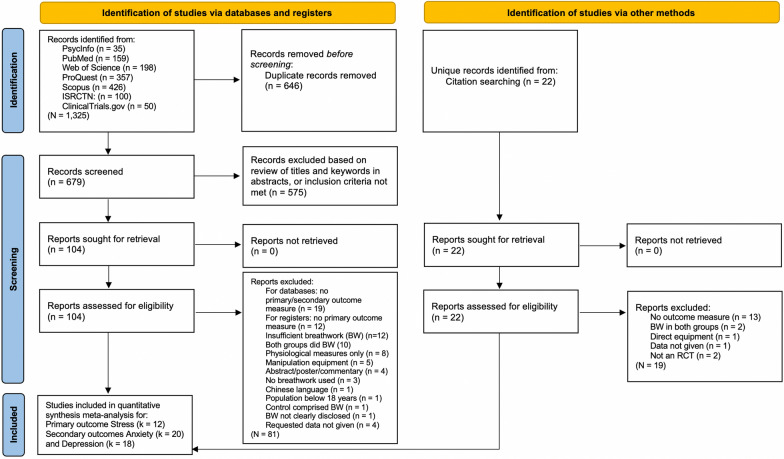
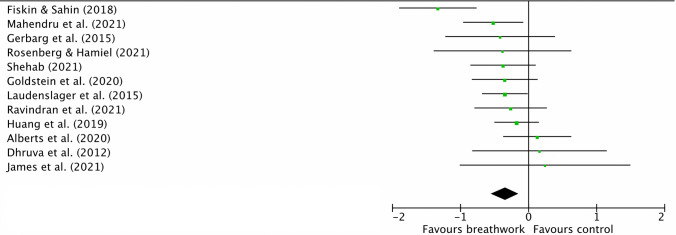
Abstract Deliberate control of the breath (breathwork) has recently received an unprecedented surge in public interest and breathing techniques have therapeutic potential to improve mental health. Our meta-analysis primarily aimed to evaluate the efficacy of breathwork through examining whether, and to what extent, breathwork interventions were associated with lower levels of self-reported/subjective stress compared to non-breathwork controls. We searched PsycInfo, PubMed, ProQuest, Scopus, Web of Science, ClinicalTrials.gov and ISRCTN up to February 2022, initially identifying 1325 results. The primary outcome self-reported/subjective stress included 12 randomised-controlled trials ( k = 12) with a total of 785 adult participants. Most studies were deemed as being at moderate risk of bias. The random-effects analysis yielded a significant small-to-medium mean effect size, g = − 0.35 [95% CI − 0.55, − 0.14], z = 3.32, p = 0.0009, showing breathwork was associated with lower levels of stress than control conditions. Heterogeneity was intermediate and approaching significance, χ 2 11 = 19, p = 0.06, I 2 = 42%. Meta-analyses for secondary outcomes of self-reported/subjective anxiety ( k = 20) and depressive symptoms ( k = 18) showed similar significant effect sizes: g = − 0.32, p < 0.0001, and g = − 0.40, p < 0.0001, respectively. Heterogeneity was moderate and significant for both. Overall, results showed that breathwork may be effective for improving stress and mental health. However, we urge caution and advocate for nuanced research approaches with low risk-of-bias study designs to avoid a miscalibration between hype and evidence.
Overview
CoChat Summary
## TL;DR
This meta-analysis of 12 RCTs with 785 adults found that breathwork was associated with lower self-reported stress than non-breathwork controls, with a significant small-to-medium effect (g = −0.35). Secondary meta-analyses also found significant small-to-medium benefits for anxiety (k = 20, g = −0.32) and depression (k = 18, g = −0.40), but the authors caution that risk of bias and limited follow-up data weaken certainty.
## Key findings
- Primary stress analysis: 12 RCTs, 785 participants; breathwork reduced stress versus controls with g = −0.35 (95% CI −0.55, −0.14; p = 0.0009).
- Stress heterogeneity was moderate (I² = 42%, χ²11 = 19, p = 0.06), and sensitivity analyses remained significant when studies were removed one at a time (ES range −0.27 to −0.39).
- Secondary outcomes also favored breathwork: anxiety, k = 20, g = −0.32 (95% CI −0.48, −0.16; p < 0.0001; I² = 51%); depression, k = 18, g = −0.40 (95% CI −0.58, −0.22; p < 0.0001; I² = 58%).
- Subgroup analyses found no significant differences between subgroups; significant stress effects were reported in nonclinical samples, with slow-paced breathing, individual and group delivery, remote/in-person/combined delivery, and both active and inactive controls.
## Methods
- Systematic review and meta-analysis of RCTs, pre-registered on PROSPERO (2022 CRD42022296709) and conducted per PRISMA.
- Searched PsycInfo, PubMed, ProQuest, Scopus, Web of Science, ClinicalTrials.gov, and ISRCTN up to February 2022; included English-language adult RCTs where breathwork made up 50% or more of the intervention and outcomes included self-reported stress, anxiety, or depression.
- Primary analysis used random-effects meta-analysis with Hedges’ g on post-intervention data; the paper also ran sensitivity analyses, subgroup analyses for stress, publication-bias checks, and dose–response correlations.
## Limitations
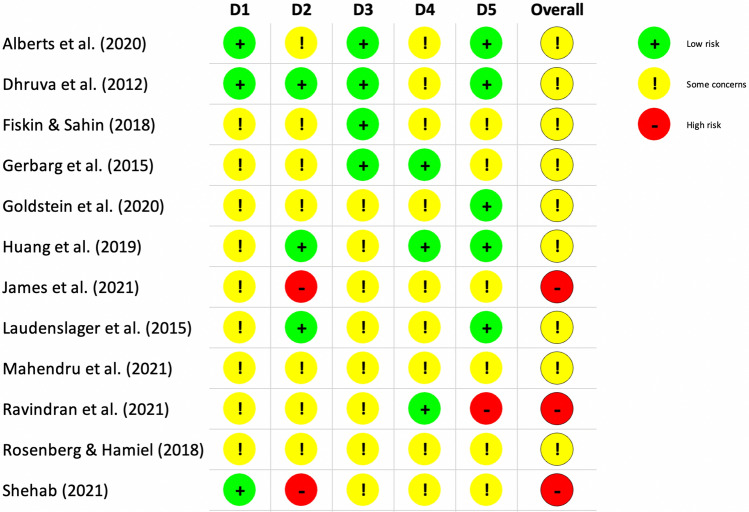
- The paper states that most studies were at moderate risk of bias overall, with 3 of 12 stress studies rated high risk of bias and 9 with some concerns.
- The authors state there were too few studies for useful subgroup comparisons and insufficient studies for follow-up meta-analyses for stress and secondary outcomes.
- Evident from the text: the review included only English-language studies and relied primarily on self-reported outcomes, with no objective outcomes for stress, which the authors say increases risk of bias further.
Model-written summary. Check it against the paper before relying on it.
Integrity signals
Registry
Cites
Statistics
Figures
Verification
Claims the paper makes
17 Valid · 2 Not valid · 20 Not checked · 89 Own results and interpretations
The cited sources support only part of this claim — read each source’s verdict below.
In the paper
“Positive impacts on HRV may partially explain some of the mechanisms behind mindfulness meditation101,102.”
§ Effect of breathwork on stress and mental health: A meta-analysis of randomised-controlled trials > Discussion > Comparison to stress-reduction interventions Through estimating statistically significant differences and 95% CIs among studies97, in comparison to interventions for stress, our findings suggest that breathwork might be associated with similar—and non-significantly different—effects. For instance, Heber et al.’s meta-analysis on computer- and online-based stress interventions, including CBT and third-wave CBT (e.g., inclusion of meditation, mindfulness, or acceptance of emotions) compared to controls in adults, found moderate effects on stress, d = 0.43 [95% CI 0.31, 0.54], anxiety, d = 0.32 [95% CI 0.17, 0.47], and depression, d = 0.34 [95% CI 0.21, 0.48]98. Each of these effects overlap more than 25% with the width of either interval in our results for breathwork, denoting no indication of a clinically relevant difference between the interventions. Similar meta-analytic findings concerning effects on stress, anxiety and depression have been found for related and more analogous techniques such as mindfulness-based cognitive therapy and stress reduction (MBCT/MBSR)99 along with self-help (MBSH)100. While Pizzoli et al.’s recent post-intervention HRVB meta-analysis (14 published RCTs)13 found a significant effect on depression, another meta-analysis did not find a significant effect on stress, with the smallest ES being yielded for self-reported stress out of myriad outcomes14. Lastly, a meta-analysis of eight meta-analytic outcomes of RCTs on physical activity99 showed similar significant effects on depression and anxiety. While we are not proposing breathwork as a substitute for other treatments, it could complement other therapeutic interventions, potentially leading to additive effects of such health behaviours. People with stress and anxiety disorders tend to chronically breathe faster and more erratically, yet with increased meditation practice, respiration rate can become gradually slower, potentially translating into better health and mood, along with less autonomic activity92. Positive impacts on HRV may partially explain some of the mechanisms behind mindfulness meditation101,102. However, the above approaches like MBCT/MBSR and HRVB may be less accessible. MBCT/MBSR teacher training takes at least one year while HRVB is routinely taught by a qualified healthcare professional; this is usually a prerequisite and most certified biofeedback therapists are habitually licensed medical providers, including general practitioners, psychiatrists, dentists, nurses, and psychologists103. MBCT/MBSR and HRVB therapist training includes theoretical/practical curricula, while breathwork teacher training can be more quickly and easily taught (i.e., over days and weeks) online and remotely to both healthcare professionals and the general population, thus potentially proving cost-effective. Two of our studies used the only Food and Drug Administration-approved portable electronic biofeedback device, which encourages deep, slow breathing103. However, HRV can be improved in the same way (tenfold) by simply breathing at a rate around 5–6 breaths/min104 and some Zen Buddhist monks have been found to naturally respire around this rate during deep meditation105. It may be possible that breathing rate forms a key component of meditation’s known positive effects. Indeed, it has been shown that HRV can be modulated during the practice of meditation106. However, a recent meta-analysis on this exact matter found insufficient evidence suggesting mindfulness/meditation led to improvements in vagally mediated HRV, and more well-designed RCTs without high risk of bias are needed to clarify any such contemplative practices’ impact on this physiological metric107, along with potential mechanisms related to cortisol. Traditional mindfulness-based programmes frequently involve meditation requiring observation of the breath, using it as an object of awareness, not voluntary regulation of respiration like in breathwork. Such breath-focus may be a key active ingredient and potential mechanism of action of the former contemplative practices, since highly experienced meditators have been found to breathe at over 1.5 times slower than nonmeditators, during meditation and at rest108. This translates into approximately 2000 less daily breaths for the former group of adept meditation practitioners (i.e., around 700,000 less breaths in a year), placing less demand on the ANS92. Meditation could also be complementary; voluntary upregulation of HRV through biofeedback may be improved by mental contemplative training109. While there is a possibility that it could simply be the cognitive-attentional components of both meditation and breathing practices that explain their effects, observation of the breath (i.e., most practices within mindfulness curricula) versus control of the breath (i.e., breathwork) warrants nuanced investigation.
What the sources say
- Supportedcites [101] Kirk U Axelsen JL Heart rate variability is enhanced during mindfulness practice: A randomized controlled trial involving a 10-day online-based mindfulness intervention PLoS ONE 2020 15 e0243488 10.1371/journal.pone.0243488 33332403 PMC7746169 source
The Conclusion (page unavailable) reports that the 10-day mindfulness intervention increased HRV. The Discussion’s “Mindfulness and trait-dependent effects” section (page unavailable) interprets the HRV response as a physiologically mediated effect related to attention and cognitive control, supporting the claim’s tentative suggestion about mechanisms. (LLM, conf=0.86)
- Partly supportedcites [102] Sun S Hu C Pan J Liu C Huang M Trait mindfulness is associated with the self-similarity of heart rate variability Front. Psychol. 2019 10 314 10.3389/fpsyg.2019.00314 30873070 PMC6403186 sourceExperimental — accuracy not yet measured
The Conclusion (page unavailable) proposes that homeostasis reflected in the self-similarity of HRV may help explain the adaptive merits of trait mindfulness. The Abstract reports an association with trait mindfulness, not an effect of mindfulness meditation on HRV; it found no significant association with HRV parameters at the absolute or difference-change levels. Thus the proposed mechanism is supported, but the claim extends it from trait mindfulness to meditation and implies a broader positive impact on HRV. (LLM, conf=0.86)
hedgedstates a possible cause- Asserted: passes — The authors put it forward as true.
- Checkable: passes — It can be checked against evidence.
- Load-bearing: unclear — It is unclear whether the paper’s conclusions depend on it.
- Based: passes — The paper gives a reason why it holds.
- Supported
Every source the paper cites for this claim was checked and supports it.
In the paper
“Nonetheless, regarding safety and tolerability, a small subgroup of participants in Ravindran et al.’s study71 focusing on fast-paced breathwork in unipolar and bipolar depression reported side effects such as hot flushes, shortness of breath and/or sweating.”
§ Effect of breathwork on stress and mental health: A meta-analysis of randomised-controlled trials > Results > Risk of bias for stress
What the sources say
- Supportedcites [71] Ravindran A Breathing-focused Yoga as Augmentation for Unipolar and Bipolar Depression: A Randomized Controlled Trial: Le yoga axé sur la respiration comme traitement d'appoint pour la dépression unipolaire et bipolaire: Un essai randomisé contrôlé Can. J. Psychiatry. Revue canadienne de psychiatrie 2021 66 159 169 10.1177/0706743720940535 32677851 PMC7918867 source
The Results section's 'Safety and Tolerability' passage states verbatim that a small subgroup of subjects (N = 5 in the first arm, N = 2 in the second) reported side effects of sweating, shortness of breath, and/or hot flushes after the cyclical breathing. The Methods 'Study Treatments' passage confirms the intervention was rapid ('cyclical breathing refers to rapid cycle breathing... 40 to 60 breaths per minute... up to 80 to 100 breaths per minute'), i.e. fast-paced breathwork, and the Abstract/Methods confirm the population as outpatients with unipolar or bipolar depression. The Discussion adds that only ~10% reported such effects, consistent with 'a small subgroup'. (LLM, conf=0.92)
plain- Asserted: passes — The authors put it forward as true.
- Checkable: passes — It can be checked against evidence.
- Load-bearing: unclear — It is unclear whether the paper’s conclusions depend on it.
- Based: passes — The paper gives a reason why it holds.
- Supported
The cited sources support only part of this claim — read each source’s verdict below.
In the paper
“Nonetheless, this study showed that the stress hormone cortisol was lower in people undergoing slow-paced breathwork compared to controls96.”
§ Effect of breathwork on stress and mental health: A meta-analysis of randomised-controlled trials > Discussion > Breathwork and stress
What the sources say
- Partly supportedcites [96] Ma X The effect of diaphragmatic breathing on attention, negative affect and stress in healthy adults Front. Psychol. 2017 8 874 10.3389/fpsyg.2017.00874 28626434 PMC5455070 sourceExperimental — accuracy not yet measured
The Results (Salivary Cortisol; page unavailable) report that cortisol fell significantly after training in the slow-breathing group but did not change significantly in controls. They do not establish that cortisol levels were lower in the breathing group than in controls; the reported main effect of group was not significant. (LLM, conf=0.87)
plainstates a cause- Asserted: passes — The authors put it forward as true.
- Checkable: passes — It can be checked against evidence.
- Load-bearing: unclear — It is unclear whether the paper’s conclusions depend on it.
- Based: passes — The paper gives a reason why it holds.
- Partly supported
A result the paper reports from its own data — it cites no other source for it, so there is none to check. The quote shows it is in the paper.
In the paper
“Heterogeneity was intermediate and approaching significance, χ211 = 19, p = 0.06, I2 = 42%.”
§ Effect of breathwork on stress and mental health: A meta-analysis of randomised-controlled trials > Abstract Deliberate control of the breath (breathwork) has recently received an unprecedented surge in public interest and breathing techniques have therapeutic potential to improve mental health. Our meta-analysis primarily aimed to evaluate the efficacy of breathwork through examining whether, and to what extent, breathwork interventions were associated with lower levels of self-reported/subjective stress compared to non-breathwork controls. We searched PsycInfo, PubMed, ProQuest, Scopus, Web of Science, ClinicalTrials.gov and ISRCTN up to February 2022, initially identifying 1325 results. The primary outcome self-reported/subjective stress included 12 randomised-controlled trials (k = 12) with a total of 785 adult participants. Most studies were deemed as being at moderate risk of bias. The random-effects analysis yielded a significant small-to-medium mean effect size, g = − 0.35 [95% CI − 0.55, − 0.14], z = 3.32, p = 0.0009, showing breathwork was associated with lower levels of stress than control conditions. Heterogeneity was intermediate and approaching significance, χ211 = 19, p = 0.06, I2 = 42%. Meta-analyses for secondary outcomes of self-reported/subjective anxiety (k = 20) and depressive symptoms (k = 18) showed similar significant effect sizes: g = − 0.32, p < 0.0001, and g = − 0.40, p < 0.0001, respectively. Heterogeneity was moderate and significant for both. Overall, results showed that breathwork may be effective for improving stress and mental health. However, we urge caution and advocate for nuanced research approaches with low risk-of-bias study designs to avoid a miscalibration between hype and evidence.
plainn = 785- Asserted: passes — The authors put it forward as true.
- Checkable: passes — It can be checked against evidence.
- Load-bearing: unclear — It is unclear whether the paper’s conclusions depend on it.
- Based: passes — The paper gives a reason why it holds.
A result the paper states — it cites no source for it, so there is none to check. The quote shows it is in the paper.
In the paper
“Most studies were deemed as being at moderate risk of bias.”
§ Effect of breathwork on stress and mental health: A meta-analysis of randomised-controlled trials > Abstract Deliberate control of the breath (breathwork) has recently received an unprecedented surge in public interest and breathing techniques have therapeutic potential to improve mental health. Our meta-analysis primarily aimed to evaluate the efficacy of breathwork through examining whether, and to what extent, breathwork interventions were associated with lower levels of self-reported/subjective stress compared to non-breathwork controls. We searched PsycInfo, PubMed, ProQuest, Scopus, Web of Science, ClinicalTrials.gov and ISRCTN up to February 2022, initially identifying 1325 results. The primary outcome self-reported/subjective stress included 12 randomised-controlled trials (k = 12) with a total of 785 adult participants. Most studies were deemed as being at moderate risk of bias. The random-effects analysis yielded a significant small-to-medium mean effect size, g = − 0.35 [95% CI − 0.55, − 0.14], z = 3.32, p = 0.0009, showing breathwork was associated with lower levels of stress than control conditions. Heterogeneity was intermediate and approaching significance, χ211 = 19, p = 0.06, I2 = 42%. Meta-analyses for secondary outcomes of self-reported/subjective anxiety (k = 20) and depressive symptoms (k = 18) showed similar significant effect sizes: g = − 0.32, p < 0.0001, and g = − 0.40, p < 0.0001, respectively. Heterogeneity was moderate and significant for both. Overall, results showed that breathwork may be effective for improving stress and mental health. However, we urge caution and advocate for nuanced research approaches with low risk-of-bias study designs to avoid a miscalibration between hype and evidence.
plainn = 785- Asserted: passes — The authors put it forward as true.
- Checkable: passes — It can be checked against evidence.
- Load-bearing: unclear — It is unclear whether the paper’s conclusions depend on it.
- Based: passes — The paper gives a reason why it holds.
39 more claims
Create a free account to see all 128 claims and to verify the 6 references still open.
- Probably not a substantial claim. 44
- It may state two separate claims as one. 54
Claims other papers make about this one
Each is checked against this paper’s own text: does it say what the citing paper says it does?
The source backs part of the claim, not all of it — or backs it for a different population, condition or comparison.
In the citing paper
“Although existing literature confirms the widespread benefits of slow breathing practices for stress/anxiety reduction [23,24,25,35,36,37,38], null or negative results are reported in some studies [39,40,41,42,43,44,45,46,47,48,49,50].”
From Breathing Practices for Stress and Anxiety Reduction: Conceptual Framework of Implementation Guidelines Based on a Systematic Review of the Published Literature (2023) · cites this paper as [35]
Experimental — accuracy not yet measuredThe source backs part of the claim, not all of it — or backs it for a different population, condition or comparison.
In the citing paper
“Intervention effectiveness was less likely during fast-only breathing versus any other pace, consistent with other reviews finding benefits associated with slow-paced breathing practices [23,35].”
From Breathing Practices for Stress and Anxiety Reduction: Conceptual Framework of Implementation Guidelines Based on a Systematic Review of the Published Literature (2023) · cites this paper as [35]
Experimental — accuracy not yet measuredThe source backs part of the claim, not all of it — or backs it for a different population, condition or comparison.
In the citing paper
“Although the analysis by Fincham and colleagues attempted to investigate subgroup effects, they included only 12 studies [35].”
From Breathing Practices for Stress and Anxiety Reduction: Conceptual Framework of Implementation Guidelines Based on a Systematic Review of the Published Literature (2023) · cites this paper as [35]
Experimental — accuracy not yet measuredThe source backs part of the claim, not all of it — or backs it for a different population, condition or comparison.
In the citing paper
“In addition, most reviews include breathing interventions incorporating biofeedback [23,25,35,52], which is not readily applicable to at-home practice.”
From Breathing Practices for Stress and Anxiety Reduction: Conceptual Framework of Implementation Guidelines Based on a Systematic Review of the Published Literature (2023) · cites this paper as [35]
Experimental — accuracy not yet measuredThe source backs part of the claim, not all of it — or backs it for a different population, condition or comparison.
In the citing paper
“Although these results contrast with other findings of no treatment duration effect [24,35], those reviews may have been limited by small samples, study heterogeneity, and exclusion of human-guided training, which may interact with long-term practice.”
From Breathing Practices for Stress and Anxiety Reduction: Conceptual Framework of Implementation Guidelines Based on a Systematic Review of the Published Literature (2023) · cites this paper as [35]
Experimental — accuracy not yet measured
4 more claims about this paper
Create a free account to see every claim other papers make about this one.
Statistics that don’t add up
Each reported p-value recomputed from its test statistic and degrees of freedom, each partial η² from its F, and each ratio, mean difference or B printed with a p checked against its own confidence interval.
Rated minor: it would not touch a result — a value no result rests on, a p-value that stays on the same side of the significance level, or a conflict that is clerical, resolved elsewhere in the paper, or outside its own findings.
In the paper
“z = 0.03, p = 0.947”
§ Effect of breathwork on stress and mental health: A meta-analysis of randomised-controlled trials > Results > Breathwork and stress
Reported p = .947 · recomputed p = .976
Statistics recomputed
Every reported test result, recomputed from its test statistic and degrees of freedom. A result shows as not adding up only once an independent check has confirmed it.
- Doesn’t add upz = 0.03reported p = .947 · recomputed p = .976
“z = 0.03, p = .947”
- Consistentz = 3.32reported p = .0009 · recomputed p < .001
“z = 3.32, p = .0009”
- Consistentz = 3.9reported p < .0001 · recomputed p < .001
“z = 3.90, p < .0001”
- Consistentz = 4.27reported p < .0001 · recomputed p < .001
“z = 4.27, p < .0001”
Self-check
Percentages, sums and reported differences re-computed from the paper’s own numbers.
Self-check results appear here once an independent check has confirmed them.
Citations
Cites
Measuring inconsistency in meta-analyses
Higgins, J. P. T., Thompson, S. G., Deeks, J. J., & Altman, D. G. (2003) · BMJ · doi:10.1136/bmj.327.7414.557 · Cited by 63,139
Bias in meta-analysis detected by a simple, graphical test
Egger, M., Smith, G. D., Schneider, M., & Minder, C. (1997) · BMJ · doi:10.1136/bmj.315.7109.629 · Cited by 56,722
RoB 2: a revised tool for assessing risk of bias in randomised trials
Sterne, J. A. C., Savović, J., Page, M. J., Elbers, R. G., Blencowe, N. S., Boutron, I., Cates, C. J., Cheng, H.-Y., Corbett, M. S., Eldridge, S. M., et al. (2019) · BMJ · doi:10.1136/bmj.l4898 · Cited by 34,787
Cochrane Handbook for Systematic Reviews of Interventions
(2019) · doi:10.1002/9781119536604 · Cited by 14,828
Borenstein, M., Hedges, L. V., Higgins, J. P. T., & Rothstein, H. R. (2021) · doi:10.1002/9781119558378 · Cited by 9,799
A basic introduction to fixed-effect and random-effects models for meta-analysis
Borenstein, M., Hedges, L. V., Higgins, J. P. T., & Rothstein, H. R. (2010) · Research Synthesis Methods · doi:10.1002/jrsm.12 · Cited by 6,793
Holmes, E. A., O'Connor, R. C., Perry, V. H., Tracey, I., Wessely, S., Arseneault, L., Ballard, C., Christensen, H., Cohen Silver, R., Everall, I., et al. (2020) · The Lancet Psychiatry · doi:10.1016/s2215-0366(20)30168-1 · Cited by 5,715
Porges, S. W. (2007) · Biological Psychology · doi:10.1016/j.biopsycho.2006.06.009 · Cited by 3,415
Heart rate variability: A review
Rajendra Acharya, U., Paul Joseph, K., Kannathal, N., Lim, C. M., & Suri, J. S. (2006) · Medical & Biological Engineering & Computing · doi:10.1007/s11517-006-0119-0 · Cited by 2,820
Review of the Psychometric Evidence of the Perceived Stress Scale
Lee, E.-H. (2012) · Asian Nursing Research · doi:10.1016/j.anr.2012.08.004 · Cited by 2,305
Thayer, J. F., & Lane, R. D. (2009) · Neuroscience & Biobehavioral Reviews · doi:10.1016/j.neubiorev.2008.08.004 · Cited by 2,040
Thayer, J. F., Hansen, A. L., Saus-Rose, E., & Johnsen, B. H. (2009) · Annals of Behavioral Medicine · doi:10.1007/s12160-009-9101-z · Cited by 1,872
The polyvagal theory: phylogenetic substrates of a social nervous system.
Porges, S. W. (2001) · International Journal of Psychophysiology · doi:10.1016/s0167-8760(01)00162-3 · Cited by 1,582
Van Dam, N. T., van Vugt, M. K., Vago, D. R., Schmalzl, L., Saron, C. D., Olendzki, A., Meissner, T., Lazar, S. W., Kerr, C. E., Gorchov, J., et al. (2018) · Perspectives on Psychological Science · doi:10.1177/1745691617709589 · Cited by 1,506
BEAUCHAINE, T. (2001) · Development and Psychopathology · doi:10.1017/s0954579401002012 · Cited by 1,466
Amir-Behghadami, M., & Janati, A. (2020) · Emergency Medicine Journal · doi:10.1136/emermed-2020-209567 · Cited by 1,335
Long-term meditators self-induce high-amplitude gamma synchrony during mental practice
Lutz, A., Greischar, L. L., Rawlings, N. B., Ricard, M., & Davidson, R. J. (2004) · Proceedings of the National Academy of Sciences · doi:10.1073/pnas.0407401101 · Cited by 1,328
Borenstein, M., Hedges, L. V., Higgins, J. P. T., Rothstein, H. R., & Ben Van Den, A. (2020) · International Coaching Psychology Review · doi:10.53841/bpsicpr.2020.15.2.121 · Cited by 1,215
Field, A. P., & Gillett, R. (2010) · British Journal of Mathematical and Statistical Psychology · doi:10.1348/000711010x502733 · Cited by 1,162
Mikkelsen, K., Stojanovska, L., Polenakovic, M., Bosevski, M., & Apostolopoulos, V. (2017) · Maturitas · doi:10.1016/j.maturitas.2017.09.003 · Cited by 1,072
Development of the perceived stress questionnaire: A new tool for psychosomatic research
Levenstein, S., Prantera, C., Varvo, V., Scribano, M. L., Berto, E., Luzi, C., & Andreoli, A. (1993) · Journal of Psychosomatic Research · doi:10.1016/0022-3999(93)90120-5 · Cited by 985
The polyvagal theory: new insights into adaptive reactions of the autonomic nervous system
Porges, S. W. (2009) · Cleveland Clinic Journal of Medicine · doi:10.3949/ccjm.76.s2.17 · Cited by 879
Zaccaro, A., Piarulli, A., Laurino, M., Garbella, E., Menicucci, D., Neri, B., & Gemignani, A. (2018) · Frontiers in Human Neuroscience · doi:10.3389/fnhum.2018.00353 · Cited by 820
The Effects of Psychological Stress on Depression
Yang, L., Zhao, Y., Wang, Y., Liu, L., Zhang, X., Li, B., & Cui, R. (2015) · Current Neuropharmacology · doi:10.2174/1570159x1304150831150507 · Cited by 589
Mariotti, A. (2015) · Future Science OA · doi:10.4155/fso.15.21 · Cited by 511
The Effect of Diaphragmatic Breathing on Attention, Negative Affect and Stress in Healthy Adults
Ma, X., Yue, Z.-Q., Gong, Z.-Q., Zhang, H., Duan, N.-Y., Shi, Y.-T., Wei, G.-X., & Li, Y.-F. (2017) · Frontiers in Psychology · doi:10.3389/fpsyg.2017.00874 · Cited by 509
Lehrer, P., Kaur, K., Sharma, A., Shah, K., Huseby, R., Bhavsar, J., Sgobba, P., & Zhang, Y. (2020) · Applied Psychophysiology and Biofeedback · doi:10.1007/s10484-020-09466-z · Cited by 469
Heber, E., Ebert, D. D., Lehr, D., Cuijpers, P., Berking, M., Nobis, S., & Riper, H. (2017) · Journal of Medical Internet Research · doi:10.2196/jmir.5774 · Cited by 408
Tafet, G. E., & Nemeroff, C. B. (2016) · The Journal of Neuropsychiatry and Clinical Neurosciences · doi:10.1176/appi.neuropsych.15030053 · Cited by 393
Effects of Exercise on Heart Rate Variability: Inferences from Meta-Analysis
SANDERCOCK, G. R. H., BROMLEY, P. D., & BRODIE, D. A. (2005) · Medicine & Science in Sports & Exercise · doi:10.1249/01.mss.0000155388.39002.9d · Cited by 391
Researchers Misunderstand Confidence Intervals and Standard Error Bars.
Belia, S., Fidler, F., Williams, J., & Cumming, G. (2005) · Psychological Methods · doi:10.1037/1082-989x.10.4.389 · Cited by 390
Janakiramaiah, N., Gangadhar, B. N., Naga Venkatesha Murthy, P. J., Harish, M. G., Subbakrishna, D. K., & Vedamurthachar, A. (2000) · Journal of Affective Disorders · doi:10.1016/s0165-0327(99)00079-8 · Cited by 384
Breathing above the brain stem: volitional control and attentional modulation in humans
Herrero, J. L., Khuvis, S., Yeagle, E., Cerf, M., & Mehta, A. D. (2018) · Journal of Neurophysiology · doi:10.1152/jn.00551.2017 · Cited by 338
Jia, R., Ayling, K., Chalder, T., Massey, A., Broadbent, E., Coupland, C., & Vedhara, K. (2020) · BMJ Open · doi:10.1136/bmjopen-2020-040620 · Cited by 329
The Depression Anxiety Stress Scale (DASS)
Parkitny, L., & McAuley, J. (2010) · Journal of Physiotherapy · doi:10.1016/s1836-9553(10)70030-8 · Cited by 314
Abbott, R. A., Whear, R., Rodgers, L. R., Bethel, A., Thompson Coon, J., Kuyken, W., Stein, K., & Dickens, C. (2014) · Journal of Psychosomatic Research · doi:10.1016/j.jpsychores.2014.02.012 · Cited by 313
Beauchaine, T. P., Katkin, E. S., Strassberg, Z., & Snarr, J. (2001) · Journal of Abnormal Psychology · doi:10.1037/0021-843x.110.4.610 · Cited by 288
Kox, M., van Eijk, L. T., Zwaag, J., van den Wildenberg, J., Sweep, F. C. G. J., van der Hoeven, J. G., & Pickkers, P. (2014) · Proceedings of the National Academy of Sciences · doi:10.1073/pnas.1322174111 · Cited by 268
Respiratory feedback in the generation of emotion
Philippot, P., Chapelle, G., & Blairy, S. (2002) · Cognition & Emotion · doi:10.1080/02699930143000392 · Cited by 260
Hopper, S. I., Murray, S. L., Ferrara, L. R., & Singleton, J. K. (2019) · JBI Database of Systematic Reviews and Implementation Reports · doi:10.11124/jbisrir-2017-003848 · Cited by 219
Seppälä, E. M., Nitschke, J. B., Tudorascu, D. L., Hayes, A., Goldstein, M. R., Nguyen, D. T. H., Perlman, D., & Davidson, R. J. (2014) · Journal of Traumatic Stress · doi:10.1002/jts.21936 · Cited by 186
Breathing exercises for adults with asthma
Santino, T. A., Chaves, G. S., Freitas, D. A., Fregonezi, G. A., & Mendonça, K. M. (2020) · Cochrane Database of Systematic Reviews · doi:10.1002/14651858.cd001277.pub4 · Cited by 185
Zazen and cardiac variability.
Lehrer, P., Sasaki, Y., & Saito, Y. (1999) · Psychosomatic Medicine · doi:10.1097/00006842-199911000-00014 · Cited by 171
A meta-analysis on heart rate variability biofeedback and depressive symptoms
Pizzoli, S. F. M., Marzorati, C., Gatti, D., Monzani, D., Mazzocco, K., & Pravettoni, G. (2021) · Scientific Reports · doi:10.1038/s41598-021-86149-7 · Cited by 170
Sudarshan Kriya yoga: breathing for health
Zope, S., & Zope, R. (2013) · International Journal of Yoga · doi:10.4103/0973-6131.105935 · Cited by 167
Breathing exercises for asthma: a randomised controlled trial
Thomas, M., McKinley, R. K., Mellor, S., Watkin, G., Holloway, E., Scullion, J., Shaw, D. E., Wardlaw, A., Price, D., & Pavord, I. (2008) · Thorax · doi:10.1136/thx.2008.100867 · Cited by 163
Magnon, V., Dutheil, F., & Vallet, G. T. (2021) · Scientific Reports · doi:10.1038/s41598-021-98736-9 · Cited by 149
Dhruva, A., Miaskowski, C., Abrams, D., Acree, M., Cooper, B., Goodman, S., & Hecht, F. M. (2012) · The Journal of Alternative and Complementary Medicine · doi:10.1089/acm.2011.0555 · Cited by 147
Common mental health disorders — identification and pathways to care: NICE clinical guideline
Kendrick, T., & Pilling, S. (2012) · British Journal of General Practice · doi:10.3399/bjgp12x616481 · Cited by 128
Hummel, F., & Gerloff, C. (2005) · Cerebral Cortex · doi:10.1093/cercor/bhh170 · Cited by 128
Long-term mindfulness training is associated with reliable differences in resting respiration rate
Wielgosz, J., Schuyler, B. S., Lutz, A., & Davidson, R. J. (2016) · Scientific Reports · doi:10.1038/srep27533 · Cited by 114
Novaes, M. M., Palhano-Fontes, F., Onias, H., Andrade, K. C., Lobão-Soares, B., Arruda-Sanchez, T., Kozasa, E. H., Santaella, D. F., & de Araujo, D. B. (2020) · Frontiers in Psychiatry · doi:10.3389/fpsyt.2020.00467 · Cited by 109
Kirk, U., & Axelsen, J. L. (2020) · PLOS ONE · doi:10.1371/journal.pone.0243488 · Cited by 108
Pham, Q., Khatib, Y., Stansfeld, S., Fox, S., & Green, T. (2016) · Games for Health Journal · doi:10.1089/g4h.2015.0033 · Cited by 104
Gerbarg, P. L., Jacob, V. E., Stevens, L., Bosworth, B. P., Chabouni, F., DeFilippis, E. M., Warren, R., Trivellas, M., Patel, P. V., Webb, C. D., et al. (2015) · Inflammatory Bowel Diseases · doi:10.1097/mib.0000000000000568 · Cited by 103
Taylor, H., Strauss, C., & Cavanagh, K. (2021) · Clinical Psychology Review · doi:10.1016/j.cpr.2021.102078 · Cited by 102
Self-citationBrown, L., Rando, A. A., Eichel, K., Van Dam, N. T., Celano, C. M., Huffman, J. C., & Morris, M. E. (2021) · Psychosomatic Medicine · doi:10.1097/psy.0000000000000900 · Cited by 93
Sharma, A., Barrett, M. S., Cucchiara, A. J., Gooneratne, N. S., & Thase, M. E. (2017) · The Journal of Clinical Psychiatry · doi:10.4088/jcp.16m10819 · Cited by 92
The Role of Chronic Stress in Anxious Depression
Ross, R. A., Foster, S. L., & Ionescu, D. F. (2017) · Chronic Stress · doi:10.1177/2470547016689472 · Cited by 92
Amjadian, M., Ehsan, H. B., Saboni, K., Vahedi, S., Rostami, R., & Roshani, D. (2020) · Annals of General Psychiatry · doi:10.1186/s12991-020-00296-1 · Cited by 89
Ubolnuar, N., Tantisuwat, A., Thaveeratitham, P., Lertmaharit, S., Kruapanich, C., & Mathiyakom, W. (2019) · Annals of Rehabilitation Medicine · doi:10.5535/arm.2019.43.4.509 · Cited by 87
Laudenslager, M. L., Simoneau, T. L., Kilbourn, K., Natvig, C., Philips, S., Spradley, J., Benitez, P., McSweeney, P., & Mikulich-Gilbertson, S. K. (2015) · Bone Marrow Transplantation · doi:10.1038/bmt.2015.104 · Cited by 85
J.Carter, J., L.Gerbarg, P., Brown, R., Ware, R., & Katzman, M. (2013) · Journal of Traumatic Stress Disorders & Treatment · doi:10.4172/2324-8947.1000108 · Cited by 84
Effects of Aerobic Training Versus Breathing Exercises on Asthma Control: A Randomized Trial
Evaristo, K., Mendes, F. A. R., Saccomani, M., Cukier, A., Carvalho‐Pinto, R. M., Rodrigues, M. R., Santaella, D. F., Saraiva-Romanholo, B. M., Martins, M. A., & Carvalho, C. R. F. (2020) · The Journal of Allergy and Clinical Immunology In Practice · doi:10.1016/j.jaip.2020.06.042 · Cited by 79
Lin, F.-L., Yeh, M., Lai, Y., Lin, K., Yu, C., & Chang, J. (2019) · Journal of Clinical Nursing · doi:10.1111/jocn.14960 · Cited by 77
Direct measurement of vagal tone in rats does not show correlation to HRV
Marmerstein, J. T., McCallum, G. A., & Durand, D. M. (2021) · Scientific Reports · doi:10.1038/s41598-020-79808-8 · Cited by 77
Valenza, M. C., Valenza-Peña, G., Torres-Sánchez, I., González-Jiménez, E., Conde-Valero, A., & Valenza-Demet, G. (2014) · Respiratory Care · doi:10.4187/respcare.02565 · Cited by 75
Holotropic Breathwork: A New Approach to Self-Exploration and Therapy
Grof, S., Grof, C., & Kornfield, J. (2010) · doi:10.1515/9781438433950 · Cited by 64
Respiratory therapy for the treatment of anxiety: Meta-analytic review and regression
Leyro, T. M., Versella, M. V., Yang, M.-J., Brinkman, H. R., Hoyt, D. L., & Lehrer, P. (2021) · Clinical Psychology Review · doi:10.1016/j.cpr.2021.101980 · Cited by 53
Sureka, P., Govil, S., Dash, D., Dash, C., Kumar, M., & Singhal, V. K. (2014) · Asian Journal of Psychiatry · doi:10.1016/j.ajp.2014.06.010 · Cited by 48
Tsai, S.-H., Wang, M.-Y., Miao, N., Chian, P.-C., Chen, T.-H., & Tsai, P.-S. (2015) · AJN American Journal of Nursing · doi:10.1097/01.naj.0000463023.48226.16 · Cited by 43
Teng, H.-C., Yeh, M., & Wang, M.-H. (2018) · European Journal of Cardiovascular Nursing · doi:10.1177/1474515118778453 · Cited by 39
Chung, L.-J., Tsai, P.-S., Liu, B.-Y., Chou, K.-R., Lin, W.-H., Shyu, Y.-K., & Wang, M.-Y. (2010) · International Journal of Nursing Studies · doi:10.1016/j.ijnurstu.2010.03.007 · Cited by 38
Gerbarg, P. L., Brown, R. P., Streeter, C. C., Katzman, M. A., & Vermani, M. (2019) · OBM Integrative and Complementary Medicine · doi:10.21926/obm.icm.1903045 · Cited by 36
Goldstein, M. R., Lewin, R. K., & Allen, J. J. B. (2022) · Journal of American College Health · doi:10.1080/07448481.2020.1781867 · Cited by 36
Slow-paced inspiration regularizes alpha phase dynamics in the human brain
Hsu, S., Tseng, C., Hsieh, C.-H., & Hsieh, C.-W. (2019) · Journal of Neurophysiology · doi:10.1152/jn.00624.2019 · Cited by 34
Fiskin, G., & Sahin, N. H. (2018) · European Journal of Integrative Medicine · doi:10.1016/j.eujim.2018.09.006 · Cited by 32
Léonard, A., Clément, S., Kuo, C.-D., & Manto, M. (2019) · Frontiers in Cardiovascular Medicine · doi:10.3389/fcvm.2019.00062 · Cited by 32
Trait Mindfulness Is Associated With the Self-Similarity of Heart Rate Variability
Sun, S., Hu, C., Pan, J., Liu, C., & Huang, M. (2019) · Frontiers in Psychology · doi:10.3389/fpsyg.2019.00314 · Cited by 30
Bornemann, B., Kovacs, P., & Singer, T. (2019) · Scientific Reports · doi:10.1038/s41598-019-44201-7 · Cited by 30
James, T., James, D. L., & Larkey, L. (2021) · Geriatric Nursing · doi:10.1016/j.gerinurse.2021.02.006 · Cited by 30
Wartezeit für Psychotherapiepatienten – und wie sie zu nutzen ist
Hähnel, A., Weigel, B., Hoyer, J., & Helbig, S. (2004) · Verhaltenstherapie · doi:10.1159/000082839 · Cited by 27
Kamath, A., Urval, R. P., & Shenoy, A. K. (2017) · BioMed Research International · doi:10.1155/2017/2450670 · Cited by 27
Alberts, N. M., Leisenring, W. M., Flynn, J. S., Whitton, J. A., Gibson, T. M., Jibb, L., McDonald, A. J., Ford, J. D., Moraveji, N., Dear, B. F., et al. (2020) · JCO Clinical Cancer Informatics · doi:10.1200/cci.20.00070 · Cited by 26
Rosenberg, A., & Hamiel, D. (2021) · Applied Psychophysiology and Biofeedback · doi:10.1007/s10484-020-09494-9 · Cited by 26
Atılgan, E., & Tuncer, A. (2021) · Journal of Back and Musculoskeletal Rehabilitation · doi:10.3233/bmr-200327 · Cited by 24
Mahendru, K., Pandit, A., Singh, V., Choudhary, N., Mohan, A., & Bhatnagar, S. (2021) · Indian Journal of Palliative Care · doi:10.25259/ijpc_40_21 · Cited by 24
Ravindran, A. V., McKay, M. S., Silva, T. D., Tindall, C., Garfinkel, T., Paric, A., & Ravindran, L. (2021) · The Canadian Journal of Psychiatry · doi:10.1177/0706743720940535 · Cited by 22
Huang, A. J., Grady, D. G., Mendes, W. B., Hernandez, C., Schembri, M. E., & Subak, L. L. (2019) · The Journal of Urology · doi:10.1097/ju.0000000000000328 · Cited by 19
Malviya, S., Meredith, P., Zupan, B., & Kerley, L. (2022) · Journal of Spirituality in Mental Health · doi:10.1080/19349637.2021.2010631 · Cited by 18
Ursavaş, F. E., & Catakli, M. (2020) · Annals of Medical Research · doi:10.5455/annalsmedres.2020.04.295 · Cited by 6
Along Roads Less Traveled: Complementary, Alternative, and Integrative Treatments
Muskin, P. R., Gerbarg, P. L., & Brown, R. P. (2013) · Psychiatric Clinics of North America · doi:10.1016/j.psc.2013.01.009 · Cited by 5
Research works printed but not linked: 7
- OED. Definition: Breathwork, Noun. (Oxford English Dictionary, 1972–2019).
- Nestor, J. Breath: The New Science of a Lost Art. (Penguin Life, 2020).
- Leahy, R. L., Holland, S. J. & McGinn, L. K. Treatment Plans and Interventions for Depression and Anxiety Disorders (Guilford Press, 2011).
- Young C Hunte A Newell J Valian P Coping with panic Cambs. Peterb. NHS Found. Trust. Ed. Improv. Access Psychol. Ther. 2011 4 27 28
- Review Manager (RevMan) [Computer program]. Version 5.4. Cochrane Collaboration (2020).
- Conover, W. J. Practical Nonparametric Statistics, vol. 350 (Wiley, 1999).
- Goleman, D. & Davidson, R. The Science of Meditation: How to Change Your Brain, Mind and Body. (Penguin UK, 2017).
Cited by
Bentley, T. G. K., D’Andrea-Penna, G., Rakic, M., Arce, N., LaFaille, M., Berman, R., Cooley, K., & Sprimont, P. (2023) · Brain Sciences · doi:10.3390/brainsci13121612 · Cited by 229
Interoceptive Mechanisms and Emotional Processing
Greenwood, B. M., & Garfinkel, S. N. (2024) · Annual Review of Psychology · doi:10.1146/annurev-psych-020924-125202 · Cited by 103
Breathwork Interventions for Adults with Clinically Diagnosed Anxiety Disorders: A Scoping Review
Banushi, B., Brendle, M., Ragnhildstveit, A., Murphy, T., Moore, C., Egberts, J., & Robison, R. (2023) · Brain Sciences · doi:10.3390/brainsci13020256 · Cited by 58
“In synthesizing the considerations above, we conclude that breathwork interventions, such as diaphragmatic breathing and respiratory or HRV-assisted therapies, widely used to reduce stress among the general population [38,88,91], are effective in targeting panic and stress in patients clinically diagnosed with anxiety.”
BackgroundMigliaccio, G. M., Russo, L., Maric, M., & Padulo, J. (2023) · Sports · doi:10.3390/sports11050103 · Cited by 96
“Fast breathing can have a significant impact on an individual’s mental state and wellbeing because a decrease in the level of carbon dioxide in the blood, FB, and also VFB can cause feelings of anxiety and panic [51].”
BackgroundSlow breathing for reducing stress: The effect of extending exhale
Birdee, G. S., Nelson, K., Wallston, K., Nian, H., Diedrich, A., Paranjape, S. Y., Abraham, R. L., & Gamboa, A. C. (2023) · Complementary Therapies in Medicine · doi:10.1016/j.ctim.2023.102937 · Cited by 84
Metadata
- Authors
- Fincham, G. W., Strauss, C., Montero-Marin, J., & Cavanagh, K.
- Affiliations
- University of Sussex (GB)
- Corresponding author
- Fincham, Guy William
- Venue
- Scientific Reports
- Published
- 2023-01-09
- Volume
- 13
- Issue
- 1
- Pages
- 432-432
- ISSN
- 2045-2322 (ISSN-L)
- PMC
- PMC9828383
- OpenAlex
- W4313894187
- Cited by
- 224
- References
- 93
- Citations by year
- 2026: 86 · 2025: 86 · 2024: 39 · 2023: 13
- FWCI
- 11.36
- Type
- journal article
- Language
- en
- Open access
- gold
- doi.org
- Licence
- cc-by
- creativecommons.org/licenses/by/4.0 (tdm)
- creativecommons.org/licenses/by/4.0 (vor)
- Locations
- Scientific Reports (publishedVersion, cc-by)
- PubMed Central (publishedVersion, cc-by)
- PubMed (publishedVersion)
- Sussex Research Online (University of Sussex) (submittedVersion, cc-by)
- DOAJ (DOAJ: Directory of Open Access Journals) (submittedVersion, cc-by-sa)
- Figshare (submittedVersion, cc-by)
- Funders
- The Ryoichi Sasakawa Young Leaders Fellowship Fund, Tokyo
- Sylff Association
- Topics
- Social Sciences › Psychology › Clinical Psychology › Mindfulness and Compassion Interventions
- Social Sciences › Psychology › Applied Psychology › Digital Mental Health Interventions
- Social Sciences › Psychology › Clinical Psychology › Psychotherapy Techniques and Applications
- Keywords
- breathwork, breathing exercises, stress, mental health, anxiety, depressive symptoms, mindfulness-based interventions, self-reported stress, risk of bias
- MeSH terms
- Adult, Anxiety, Anxiety Disorders, Humans, Mental Health, Randomized Controlled Trials as Topic
About these checks
Registry, retraction, Cites and statistics results are computed, not judged, with one exception: a printed reference that no index lists is read once by a model before it counts as a citation error. Claims are extracted by a model and kept only when their quote appears verbatim in the text; each cited source is then checked, with a model’s help, for whether it says what the claim relies on. Those verdicts can be wrong — read the claim’s quote and the cited source before relying on one.
The claim verdicts this report counts are experimental: their accuracy is not yet measured.
A language model drew the claims from the paper on 2026-10-10, under version 3 of the claim definition (model deepseek-v4.1-flash, prompt extract-v3).
A second model labelled each claim on 2026-10-10 (model jev-1.13-20260917, definition revision gold-guideline-v0.2).
Cited sources are checked with a language model’s help (gpt-6-sol and qwen3.8-omni-flash).
Statistics and arithmetic are recomputed, not judged.
Confidence bands are shown only for fields calibrated on our annotated test set. None is calibrated yet, so no band is shown.
What counts as a claim ›How we measure confidence ›How we check this ›
Are you an author, or do you see a problem with this page? Request a review
Data sources
Bibliographic data: Semantic Scholar, OpenAlex, Crossref.
Contains information from the Semantic Scholar Academic Graph Datasets, made available under the ODC Attribution License (ODC-BY 1.0).
Semantic Scholar’s data is described in: Kinney, R., et al. (2023). The Semantic Scholar Open Data Platform. arXiv:2301.10140.
