

Scalable and accurate deep learning with electronic health records
Open accessThe DOI matches its Crossref record; 75 of the 75 references it cites were found in a registry or an index; 8 of the 19 sources its claims cite were checked for support.
Abstract
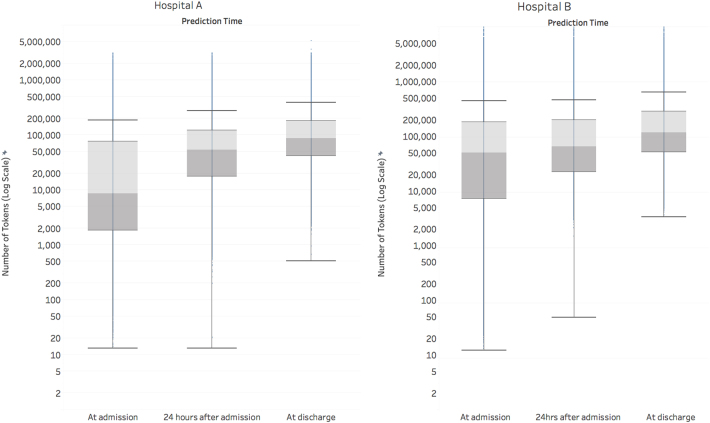
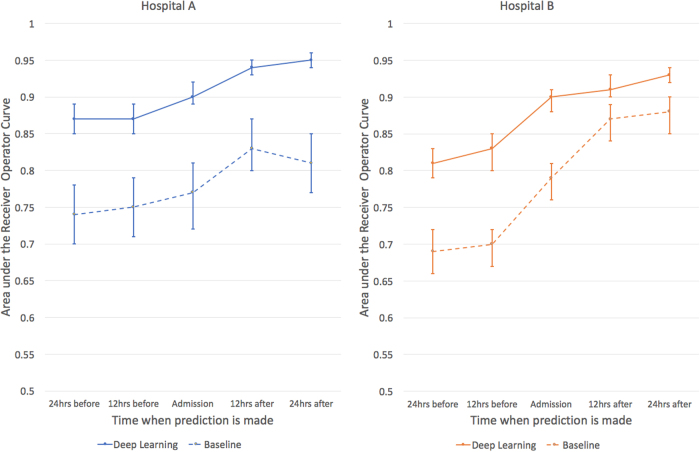
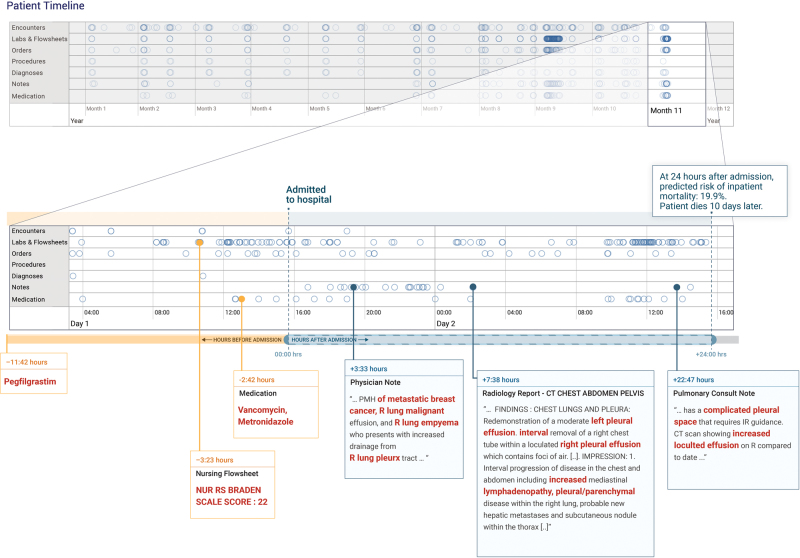
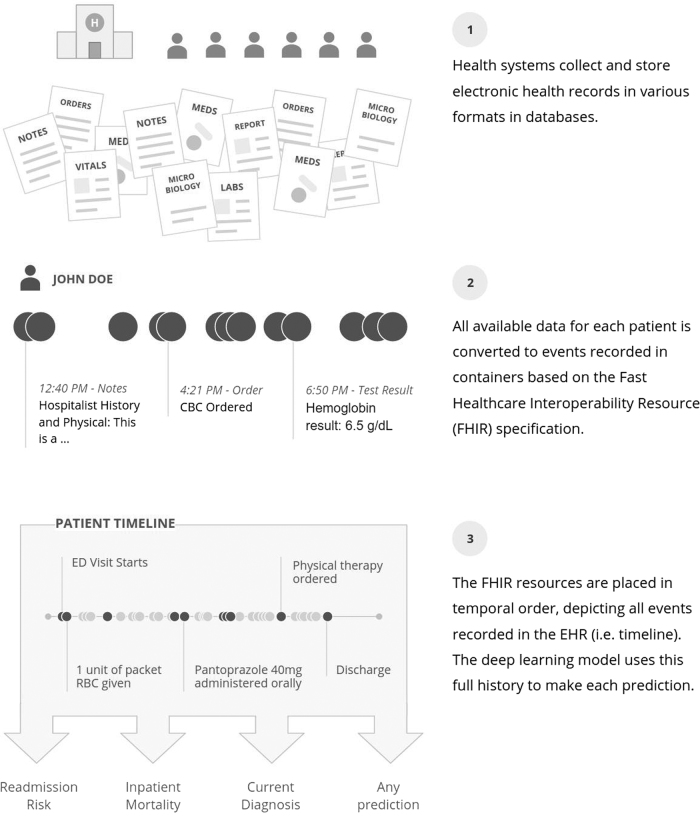
Predictive modeling with electronic health record (EHR) data is anticipated to drive personalized medicine and improve healthcare quality. Constructing predictive statistical models typically requires extraction of curated predictor variables from normalized EHR data, a labor-intensive process that discards the vast majority of information in each patient's record. We propose a representation of patients' entire raw EHR records based on the Fast Healthcare Interoperability Resources (FHIR) format. We demonstrate that deep learning methods using this representation are capable of accurately predicting multiple medical events from multiple centers without site-specific data harmonization. We validated our approach using de-identified EHR data from two US academic medical centers with 216,221 adult patients hospitalized for at least 24 h. In the sequential format we propose, this volume of EHR data unrolled into a total of 46,864,534,945 data points, including clinical notes. Deep learning models achieved high accuracy for tasks such as predicting: in-hospital mortality (area under the receiver operator curve [AUROC] across sites 0.93-0.94), 30-day unplanned readmission (AUROC 0.75-0.76), prolonged length of stay (AUROC 0.85-0.86), and all of a patient's final discharge diagnoses (frequency-weighted AUROC 0.90). These models outperformed traditional, clinically-used predictive models in all cases. We believe that this approach can be used to create accurate and scalable predictions for a variety of clinical scenarios. In a case study of a particular prediction, we demonstrate that neural networks can be used to identify relevant information from the patient's chart.
Overview
CoChat Summary
## TL;DR
This retrospective study shows that a single deep learning pipeline using raw EHR data in FHIR format can predict multiple outcomes across two academic hospitals without site-specific feature harmonization. The models outperformed traditional baselines for inpatient mortality, 30-day readmission, long length of stay, and discharge diagnosis prediction.
## Key findings
- The study included 216,221 hospitalizations from 114,003 unique patients; in-hospital death occurred in 2.3% (4,930/216,221), unplanned 30-day readmission in 12.9% (27,918/216,221), and long length of stay in 23.9%.
- For inpatient mortality at 24 h after admission, AUROC was 0.95 at Hospital A and 0.93 at Hospital B, versus 0.85 and 0.86 for the augmented Early Warning Score baseline.
- For 30-day readmission at discharge, AUROC was 0.77 at Hospital A and 0.76 at Hospital B, versus 0.70 and 0.68 for the modified HOSPITAL baseline; for long length of stay at 24 h, AUROC was 0.86 and 0.85, versus 0.76 and 0.74 for the modified Liu baseline.
- For predicting all discharge diagnoses (14,025 ICD-9 codes), weighted AUROC was 0.87/0.86 at admission and 0.90 at discharge for both hospitals; micro-F1 at discharge was 0.41 (Hospital A) and 0.40 (Hospital B).
## Methods
- Design: Retrospective study comparing deep learning models to traditional predictive models across two hospitals, with separate results reported for each site.
- Data/sample: De-identified EHR data from UCSF (2012–2016) and UCM (2009–2016), including adults 18+ with hospitalizations of 24 h or longer; UCM also included free-text notes.
- Analysis: Raw EHR data were converted into time-ordered FHIR-based token sequences and used to train three model types (LSTM, attention-based TANN, and boosted time-based decision stumps), with outputs ensembled; data were split 80/10/10 into development/validation/test sets and evaluated using AUROC, calibration curves, work-up-to-detection ratio, and micro-F1.
## Limitations
- The authors state it is a retrospective study, with “all of the usual limitations.”
- They state that prospective trials are needed to show that accurate predictions improve care.
- They note their approach does not harmonize data between sites, limiting transfer to new sites/cohorts; they also say the methods are computationally intensive and require specialized expertise.
- Evident from the text: the study’s diagnosis task is restricted to ICD-9 codes, and the authors caution that AUROC differences between hospitals, especially regarding notes, cannot be attributed solely to notes because the cohorts differed.
Model-written summary. Check it against the paper before relying on it.
Integrity signals
Registry
Cites
Statistics
Figures
Verification
Claims the paper makes
7 Valid · 0 Not valid · 6 Not checked · 33 Own results and interpretations
The cited sources support only part of this claim — read each source’s verdict below.
In the paper
“We are not aware of a study that predicts as many ICD codes as this study, but our micro-F1 score exceeds that shown on the smaller MIMIC-III dataset when predicting fewer diagnoses (0.40 vs 0.28).68”
§ Scalable and accurate deep learning with electronic health records > Discussion
What the sources say
- Partly supportedcites [68] Perotte A Diagnosis code assignment: models and evaluation metrics J. Am. Med. Inform. Assoc. 2014 21 231 237 10.1136/amiajnl-2013-002159 24296907 PMC3932472 sourceExperimental — accuracy not yet measured
The Results > Prediction models section reports a 27.6% F-measure for the flat SVM, consistent with the cited 0.28 after rounding. But Materials and methods > Datasets identifies the dataset as MIMIC II, not MIMIC-III; the Results also report a higher 39.5% F-measure for this paper’s hierarchy-based model. No page numbers are available in our copy. (LLM, conf=0.89)
hedged- Asserted: passes — The authors put it forward as true.
- Checkable: passes — It can be checked against evidence.
- Load-bearing: passes — The paper’s conclusions depend on it.
- Based: passes — The paper gives a reason why it holds.
- Rests on an assumption not shown here.
- Partly supported
The cited sources support only part of this claim — read each source’s verdict below.
In the paper
“A major challenge in using more of the data available for each patient has been the lack of standards and semantic interoperability of health data from multiple sites.25”
§ Scalable and accurate deep learning with electronic health records > Introduction > Related work
What the sources say
- Partly supportedcites [25] Sun H Semantic processing of EHR data for clinical research J. Biomed. Inform. 2015 58 247 259 10.1016/j.jbi.2015.10.009 26515501 sourceExperimental — accuracy not yet measured
The Introduction (p.1) and Conclusion (Section 5) of our copy clearly support the semantic-interoperability half of the claim: 'the semantic interoperability between different standards remains a challenge', and 'there is no single standard that could serve as the interoperability hub for all the existing clinical data sources and clinical applications', with the Abstract framing the whole paper as responding to 'a growing need to semantically process and integrate clinical data from different sources for clinical research' (multi-site sources are illustrated in Section 4.1.1: a German hospital Oracle database and an Italian regional IHE QED registry). However, the claim's 'lack of standards' is not what this paper says: the Introduction states that standards such as HL7, openEHR and ISO 13606 HAVE been developed to tackle storage and exchange of clinical data, and the residual problem is interoperability AMONG them plus the absence of one unifying hub standard, not an absence of standards. The claim also generalises the source's specific concern (secondary use/reuse of EHR data for clinical research applications) to 'using more of the data available for each patient'. (LLM, conf=0.70)
plainstates a cause- Asserted: passes — The authors put it forward as true.
- Checkable: passes — It can be checked against evidence.
- Load-bearing: passes — The paper’s conclusions depend on it.
- Based: passes — The paper gives a reason why it holds.
- Partly supported
Every source the paper cites for this claim was checked and supports it.
In the paper
“In the current study, we caution that the differences in AUROC across the two hospitals (one with and one without notes) cannot be ascribed to the presence or absence of notes given the difference in cohorts.45”
§ Scalable and accurate deep learning with electronic health records > Discussion
What the sources say
- Supportedcites [45] Walsh C Hripcsak G The effects of data sources, cohort selection, and outcome definition on a predictive model of risk of thirty-day hospital readmissions J. Biomed. Inform. 2014 52 418 426 10.1016/j.jbi.2014.08.006 25182868 PMC4261028 source
The Discussion states that cohort selection affects discriminatory performance and that comparing performance across studies requires the cohorts to be the same. This supports the citing authors’ caution against attributing their two hospitals’ AUROC difference to the presence or absence of notes when the cohorts also differ; the two-hospital comparison is their own study, not a result attributed to this source. (LLM, conf=0.90)
plain- Asserted: passes — The authors put it forward as true.
- Checkable: passes — It can be checked against evidence.
- Load-bearing: passes — The paper’s conclusions depend on it.
- Based: passes — The paper gives a reason why it holds.
- Supported
A result the paper reports from its own data — it cites no other source for it, so there is none to check. The quote shows it is in the paper.
In the paper
“For classifying all diagnosis codes, the weighted AUROCs at admission were 0.87 for Hospital A and 0.86 for Hospital B.”
§ Scalable and accurate deep learning with electronic health records > Results > Inferring discharge diagnoses
plain- Asserted: passes — The authors put it forward as true.
- Checkable: passes — It can be checked against evidence.
- Load-bearing: passes — The paper’s conclusions depend on it.
- Based: passes — The paper gives a reason why it holds.
- Rests on 2 assumptions not shown here.
A result the paper reports from its own data — it cites no other source for it, so there is none to check. The quote shows it is in the paper.
In the paper
“For predicting long length of stay, the AUROCs at 24 h after admission were 0.86 (95% CI 0.86–0.87) for Hospital A and 0.85 (95% CI 0.84–0.86) for Hospital B.”
§ Scalable and accurate deep learning with electronic health records > Results > Long length of stay
plain- Asserted: passes — The authors put it forward as true.
- Checkable: passes — It can be checked against evidence.
- Load-bearing: passes — The paper’s conclusions depend on it.
- Based: passes — The paper gives a reason why it holds.
- Rests on an assumption not shown here.
18 more claims
Create a free account to see all 46 claims and to verify the 2 references still open.
- It may state two separate claims as one. 16
- Probably not a substantial claim. 10
Claims other papers make about this one
Each is checked against this paper’s own text: does it say what the citing paper says it does?
The source backs part of the claim, not all of it — or backs it for a different population, condition or comparison.
In the citing paper
“The most important difference is that the study included co-morbidities, which have been proven to enable better predictions of disease progression trends and treatment outcomes.25,26”
From Development and validation of a screening tool for sepsis without laboratory results in the emergency department: a machine learning study (2025) · cites this paper as [26]
Experimental — accuracy not yet measuredThe source backs part of the claim, not all of it — or backs it for a different population, condition or comparison.
In the citing paper
“For both structured codes and unstructured notes, standardized vocabularies including FHIR [6] and UMLS CUIs [62,63] are introduced to transfer raw tokens into unique phrases to reduce the sparsity of the input data.”
From Deep representation learning of patient data from Electronic Health Records (EHR): A systematic review (2021) · cites this paper as [6]
Experimental — accuracy not yet measuredThe source backs part of the claim, not all of it — or backs it for a different population, condition or comparison.
In the citing paper
“Some FEMRs have tackled this problem by combining unstructured EHR data (i.e., text) with structured EMR data to boost performance on specific phenotyping and prediction tasks69,70.”
From The shaky foundations of large language models and foundation models for electronic health records (2023) · cites this paper as [69]
Experimental — accuracy not yet measuredThe cited source says what the claim attributes to it.
In the citing paper
“To improve performance and provide a degree of interpretability to the model, an attention mechanism is adopted in 13 studies [6,14,27,31,43,57,64,72,76–78,80,88].”
From Deep representation learning of patient data from Electronic Health Records (EHR): A systematic review (2021) · cites this paper as [6]
The cited source says what the claim attributes to it.
In the citing paper
“Advances in artificial intelligence (AI) are driving a revolution across science, enabling exciting new results across chemistry,80–82 biology,83,84 and medicine.85–88”
From Artificial Intelligence and Early Detection of Pancreatic Cancer: 2020 Summative Review (2021) · cites this paper as [85]
8 more claims about this paper
Create a free account to see every claim other papers make about this one.
Citations
Cites
Hochreiter, S., & Schmidhuber, J. (1997) · Neural Computation · doi:10.1162/neco.1997.9.8.1735 · Cited by 102,318 · cited 9×
“Patient records vary significantly in length and density of data-points (e.g. vital sign measurements in an intensive care unit vs outpatient clinic), so we formulated three deep learning neural-network model architectures that take advantage of such data in different ways: one based on recurrent neural networks (LSTM)…”
MethodInfluentialLeCun, Y., Bengio, Y., & Hinton, G. (2015) · Nature · doi:10.1038/nature14539 · Cited by 84,126
Scikit-learn: Machine Learning in Python
Pedregosa, F., Varoquaux, G., Gramfort, A., Michel, V., Thirion, B., Grisel, O., Blondel, M., Müller, A., Nothman, J., Louppe, G., et al. (2012) · arXiv · doi:10.48550/arxiv.1201.0490 · Cited by 71,016
APACHE II: A severity of disease classification system
KNAUS, W. A., DRAPER, E. A., WAGNER, D. P., & ZIMMERMAN, J. E. (1985) · Critical Care Medicine · doi:10.1097/00003246-198510000-00009 · Cited by 13,664
Representation Learning: A Review and New Perspectives
Bengio, Y., Courville, A., & Vincent, P. (2013) · IEEE Transactions on Pattern Analysis and Machine Intelligence · doi:10.1109/tpami.2013.50 · Cited by 13,001 · cited 1×
“Our central insight is that rather than explicitly harmonizing EHR data, mapping it into a highly curated set of structured predictors variables and then feeding those variables into a statistical model, we can instead learn to simultaneously harmonize inputs and predict medical events through direct feature learning…”
BackgroundMIMIC-III, a freely accessible critical care database
Johnson, A. E. W., Pollard, T. J., Shen, L., Lehman, L.-W. H., Feng, M., Ghassemi, M., Moody, B., Szolovits, P., Anthony Celi, L., & Mark, R. G. (2016) · Scientific Data · doi:10.1038/sdata.2016.35 · Cited by 8,141 · cited 1×
“ecord, which includes clinical free-text notes as well as large amounts of structured and semi-structured data. Because of the availability of Medical Information Mart for Intensive Care (MIMIC) data [48], many prior studies also have focused on ICU patients from a single center [92, 41]; other single-center studies h…”
MethodGulshan, V., Peng, L., Coram, M., Stumpe, M. C., Wu, D., Narayanaswamy, A., Venugopalan, S., Widner, K., Madams, T., Cuadros, J., et al. (2016) · JAMA · doi:10.1001/jama.2016.17216 · Cited by 7,697 · cited 1×
“Deep learning emerged as the preferred machine learning approach in machine perception problems ranging from computer vision to speech recognition, but has more recently proven useful in natural language processing, sequence prediction, and mixed modality data settings([36, 16, 21, 56]).”
BackgroundMandell, L. A., Wunderink, R. G., Anzueto, A., Bartlett, J. G., Campbell, G. D., Dean, N. C., Dowell, S. F., File, T. M., Musher, D. M., Niederman, M. S., et al. (2007) · Clinical Infectious Diseases · doi:10.1086/511159 · Cited by 6,202 · cited 1×
“of only 27 variables, rely on traditional generalized linear models, and are built using data at a single center. In clinical practice, simpler models are most commonly deployed, such as the CURB-65 [68, 60], which is a 5-factor model, or single-parameter warning scores [20, 45]. A major challenge in using more of the…”
MethodAPACHE II: a severity of disease classification system.
Knaus, W. A., Draper, E. S., Wagner, D. P., & Zimmerman, J. E. (1985) · PubMed · Cited by 6,034
Predicting the future - big data, machine learning, and clinical medicine
Obermeyer, Z., & Emanuel, E. J. (2016) · New England Journal of Medicine · doi:10.1056/nejmp1606181 · Cited by 3,652 · cited 1×
“In our case study, the model identified elements of the patient’s history and radiology findings to render its prediction, which are critical data-points that a clinician would also use [41].”
Method
Research works printed but not linked: 5
- Wu, Y. et al. Google’s neural machine translation system: bridging the gap between human and machine translation. arXiv [cs.CL] (2016).
- Aczon, M. et al. Dynamic mortality risk predictions in pediatric critical care using recurrent neural networks. arXiv [stat.ML] (2017).
- Suresh, H. et al. Clinical intervention prediction and understanding using deep networks. arXiv [cs.LG] (PMLR, Los Angeles, CA, USA, 2017).
- Razavian, N., Marcus, J. & Sontag, D. Multi-task prediction of disease onsets from longitudinal laboratory tests. In Proceedings of the 1st Machine Learning for Healthcare Conference, (eds F. Doshi-Velez, J. Fackler, D. Kale and B. Wallace, J. Wiens) Vol. 56, pp 73–100 (PMLR, Los Angeles, CA, 2016).
- Bahdanau, D., Cho, K. & Bengio, Y. Neural machine translation by jointly learning to align and translate. arXiv [cs.CL] (2014).
Cited by
Items 201–300 of 2,601
Weak supervision as an efficient approach for automated seizure detection in electroencephalography
Saab, K., Dunnmon, J., Ré, C., Rubin, D., & Lee-Messer, C. (2020) · npj Digital Medicine · doi:10.1038/s41746-020-0264-0 · Cited by 103
Verma, P., Tiwari, R., Hong, W., Upadhyay, S., & Yeh, Y. (2022) · IEEE Access · doi:10.1109/access.2022.3143793 · Cited by 126
“Various other works such as [2], [9] or more related works done by other researchers like [5], [27], [28], [44] do not have the ability to include such models and deliver lower disease detection system with accuracy.”
Chauhan, C., & Gullapalli, R. R. (2021) · American Journal Of Pathology · doi:10.1016/j.ajpath.2021.06.011 · Cited by 127
“Health care is inherently data-centric, encompassing various data-generating subdomains such as insurance, pharmacy, administration, health care institutions, and different specialties of clinical practice.(1) Vast amounts of information are generated at each level of health care with the potential to provide unique i…”
BackgroundSharma, D., Purushotham, S., & Reddy, C. K. A. (2021) · Scientific Reports · doi:10.1038/s41598-021-98390-1 · Cited by 136
Technical and clinical overview of deep learning in radiology
Ueda, D., Shimazaki, A., & Miki, Y. (2019) · Japanese Journal of Radiology · doi:10.1007/s11604-018-0795-3 · Cited by 100
Ivanov, O., Wolf, L., Brecher, D., Lewis, E., Masek, K., Montgomery, K., Andrieiev, Y., McLaughlin, M., Liu, S., Dunne, R., et al. (2021) · Journal of Emergency Nursing · doi:10.1016/j.jen.2020.11.001 · Cited by 100
“Rajkomar used ML to predict in-hospital mortality, readmission, prolonged length of stay and discharge diagnoses [24].”
MethodTheis, J., Galanter, W., Boyd, A. D., & Darabi, H. (2021) · IEEE Journal of Biomedical and Health Informatics · doi:10.1109/jbhi.2021.3092969 · Cited by 125
Gene-Environment Interaction in the Era of Precision Medicine
Li, J., Li, X., Zhang, S., & Snyder, M. P. (2019) · Cell · doi:10.1016/j.cell.2019.03.004 · Cited by 104
“…now enabled the development of a highly scalable representation system to unify EHRs from various medical centers, followed by constructing deep learning models to predict individuals’ clinical outcomes (for instance, in-hospital mortality rate and unplanned readmission) (Rajko- mar et al., 2018).”
BackgroundArtificial intelligence in medicine and the disclosure of risks
Kiener, M. (2021) · AI & SOCIETY · doi:10.1007/s00146-020-01085-w · Cited by 97
“As Rajkomar and colleagues state: “routinely collected patient healthcare data are now approaching the genomic scale in volume and complexity” (Rajkomar et al. 2018, 1).”
BackgroundWardi, G., Carlile, M., Holder, A., Shashikumar, S., Hayden, S. R., & Nemati, S. (2021) · Annals of Emergency Medicine · doi:10.1016/j.annemergmed.2020.11.007 · Cited by 96
“34–36 Previously, decision rules used in emergency medicine have shown impressive test characteristics at the institutions or regions that developed them, but attempts at external validation have yielded lower sensitivity and specificity, limiting general use.”
BackgroundGuo, L. L., Pfohl, S. R., Fries, J., Posada, J., Fleming, S. L., Aftandilian, C., Shah, N., & Sung, L. (2021) · Applied Clinical Informatics · doi:10.1055/s-0041-1735184 · Cited by 96
Self-citationWHO SMART guidelines: optimising country-level use of guideline recommendations in the digital age
Mehl, G. L., Tunçalp, Ö., Ratanaprayul, N., Tamrat, T., Barreix, M., Lowrance, D. W., Bartolomeos, K. K., Say, L., Kostanjsek, N. F. I., Jakob, R., et al. (2021) · The Lancet Digital Health · doi:10.1016/s2589-7500(21)00038-8 · Cited by 98
Optimal intensive care outcome prediction over time using machine learning
Meiring, C., Dixit, A., Harris, S., MacCallum, N. S., Brealey, D. A., Watkinson, P. J., Jones, A., Ashworth, S., Beale, R., Brett, S. J., et al. (2018) · PLOS ONE · doi:10.1371/journal.pone.0206862 · Cited by 94
“Thus the model can consider all possible permutations, including or ignoring variables, interactions and non-linearities in a manner which need not be determined by the foreknowledge of the researcher [25].”
BackgroundThe Revival of the Notes Field: Leveraging the Unstructured Content in Electronic Health Records
Assale, M., Dui, L. G., Cina, A., Seveso, A., & Cabitza, F. (2019) · Frontiers in Medicine · doi:10.3389/fmed.2019.00066 · Cited by 94
AI, Opacity, and Personal Autonomy
Vaassen, B. (2022) · Philosophy & Technology · doi:10.1007/s13347-022-00577-5 · Cited by 94
“C Y Advancements in machine learning have fuelled the popularity of using AI decision algorithms in procedures such as bail hearings (Feller et al., 2016), medical diagnoses (Rajkomar et al., 2018; Esteva et al., 2019) and recruitment (Heilweil, 2019; Van Esch et al., 2019).”
BackgroundMethodPredicting opioid dependence from electronic health records with machine learning
Ellis, R. J., Wang, Z., Genes, N. G., & Ma’ayan, A. (2019) · BioData Mining · doi:10.1186/s13040-019-0193-0 · Cited by 105
“…bipolar disorder, or other non-organic psychosis [15]; length of hospital stay and time to readmission based on Research Domain Criteria in psychiatric patients [16]; unplanned readmission after discharge [17]; in-hospital mortality [18]; patient physiological age [19]; and many more.”
BackgroundHilton, C. B., Milinovich, A., Felix, C., Vakharia, N., Crone, T., Donovan, C., Proctor, A. W., & Nazha, A. (2020) · npj Digital Medicine · doi:10.1038/s41746-020-0249-z · Cited by 108
Hong, J. C., Eclov, N. C. W., Dalal, N. H., Thomas, S. M., Stephens, S. J., Malicki, M., Shields, S., Cobb, A., Mowery, Y. M., Niedzwiecki, D., et al. (2020) · Journal of Clinical Oncology · doi:10.1200/jco.20.01688 · Cited by 93
“Days on treatment 14 (6-35) 32 (14-42) 9 (4-23)”
1.1 The Deep Learning Revolution and Its Implications for Computer Architecture and Chip Design
Dean, J. (2020) · 2020 IEEE International Solid- State Circuits Conference - (ISSCC) · doi:10.1109/isscc19947.2020.9063049 · Cited by 88
Self-citationReviewing methods of deep learning for intelligent healthcare systems in genomics and biomedicine
Zafar, I., Anwar, S., kanwal, F., Yousaf, W., Nisa, F. U., Kausar, T., Ain, Q. U., Unar, A., Kamal, M. A., Rashid, S., et al. (2023) · Biomedical Signal Processing and Control · doi:10.1016/j.bspc.2023.105263 · Cited by 124
Roimi, M., Neuberger, A., Shrot, A., Paul, M., Geffen, Y., & Bar-Lavie, Y. (2020) · Intensive Care Medicine · doi:10.1007/s00134-019-05876-8 · Cited by 91
Rasmy, L., Nigo, M., Kannadath, B. S., Xie, Z., Mao, B., Patel, K., Zhou, Y., Zhang, W., Ross, A., Xu, H., et al. (2022) · The Lancet Digital Health · doi:10.1016/s2589-7500(22)00049-8 · Cited by 95
Machine learning for patient risk stratification for acute respiratory distress syndrome
Zeiberg, D., Prahlad, T., Nallamothu, B. K., Iwashyna, T. J., Wiens, J., & Sjoding, M. W. (2019) · PLoS ONE · doi:10.1371/journal.pone.0214465 · Cited by 99
Tang, S., Davarmanesh, P., Song, Y., Koutra, D., Sjoding, M. W., & Wiens, J. (2020) · Journal of the American Medical Informatics Association · doi:10.1093/jamia/ocaa139 · Cited by 87
Thalpage, N. S. (2023) · Journal of Digital Art & Humanities · doi:10.33847/2712-8148.4.1_4 · Cited by 135
Predicting Inpatient Flow at a Major Hospital Using Interpretable Analytics
Bertsimas, D., Pauphilet, J., Stevens, J., & Tandon, M. (2022) · Manufacturing & Service Operations Management · doi:10.1287/msom.2021.0971 · Cited by 89
HOLMES: Health OnLine Model Ensemble Serving for Deep Learning Models in Intensive Care Units
Hong, S., Xu, Y., Khare, A., Priambada, S., Maher, K., Aljiffry, A., Sun, J., & Tumanov, A. (2020) · Proceedings of the 26th ACM SIGKDD International Conference on Knowledge Discovery & Data Mining · doi:10.1145/3394486.3403212 · Cited by 89
Deep Interpretable Early Warning System for the Detection of Clinical Deterioration
Shamout, F. E., Zhu, T., Sharma, P., Watkinson, P., & Clifton, D. A. (2019) · IEEE Journal of Biomedical and Health Informatics · doi:10.1109/jbhi.2019.2937803 · Cited by 105
“Other scores have incorporated laboratory tests [33], [34], yet the main objectives of our work were to inspect vital signs trends in real-time as in EWS and to use routinely-collected variables.”
BackgroundZhang, H., Ni, W., Li, J., & Zhang, J. (2020) · JMIR Medical Informatics · doi:10.2196/17608 · Cited by 101
Scale-up of Digital Innovations in Health Care: Expert Commentary on Enablers and Barriers
Schlieter, H., Marsch, L. A., Whitehouse, D., Otto, L., Londral, A. R., Teepe, G. W., Benedict, M., Ollier, J., Ulmer, T., Gasser, N., et al. (2022) · Journal of Medical Internet Research · doi:10.2196/24582 · Cited by 88
Enabling Execution Assurance of Federated Learning at Untrusted Participants
Zhang, X., Li, F., Zhang, Z., Li, Q., Wang, C., & Wu, J. (2020) · IEEE INFOCOM 2020 - IEEE Conference on Computer Communications · doi:10.1109/infocom41043.2020.9155414 · Cited by 87
“Take the diagnosis modeling scenario as an example [4], [5].”
MethodSanchez-Martinez, S., Camara, O., Piella, G., Cikes, M., González-Ballester, M. Á., Miron, M., Vellido, A., Gómez, E., Fraser, A. G., & Bijnens, B. (2022) · Frontiers in Cardiovascular Medicine · doi:10.3389/fcvm.2021.765693 · Cited by 85
“For the sake of explaining ML decisions, researchers provide attention maps (67), reveal which data the model “looked at” for each individual decision (68), provide estimates of feature importance (69), or explain the local behaviour of complex models by changing the input and evaluating the impact on the prediction (…”
BackgroundFairLens: Auditing black-box clinical decision support systems
Panigutti, C., Perotti, A., Panisson, A., Bajardi, P., & Pedreschi, D. (2021) · Information Processing & Management · doi:10.1016/j.ipm.2021.102657 · Cited by 86
Barbieri, S., Kemp, J., Perez-Concha, O., Kotwal, S., Gallagher, M., Ritchie, A., & Jorm, L. (2020) · Scientific Reports · doi:10.1038/s41598-020-58053-z · Cited by 86
Detecting Social and Behavioral Determinants of Health with Structured and Free-Text Clinical Data
Feller, D. J., Bear Don't Walk IV, O. J., Zucker, J., Yin, M. T., Gordon, P., & Elhadad, N. (2020) · Applied Clinical Informatics · doi:10.1055/s-0040-1702214 · Cited by 86
A machine learning approach to predict early outcomes after pituitary adenoma surgery
Hollon, T. C., Parikh, A., Pandian, B., Tarpeh, J., Orringer, D. A., Barkan, A. L., McKean, E. L., & Sullivan, S. E. (2018) · Neurosurgical FOCUS · doi:10.3171/2018.8.focus18268 · Cited by 87
Myers, K. D., Knowles, J. W., Staszak, D., Shapiro, M. D., Howard, W. H. R., Yadava, M., Zuzick, D., Williamson, L., Shah, N. H., Banda, J. M., et al. (2019) · The Lancet Digital Health · doi:10.1016/s2589-7500(19)30150-5 · Cited by 99
“Although we 15 and others have found success when including unstructured EHR data and clinical notes in machine learning models, 14,22 to our knowledge, no national database with such data currently exists.”
BackgroundSelf-citationDemystifying artificial intelligence in pharmacy
Nelson, S. D., Walsh, C. G., Olsen, C. A., McLaughlin, A. J., LeGrand, J. R., Schutz, N., & Lasko, T. A. (2020) · American Journal of Health-System Pharmacy · doi:10.1093/ajhp/zxaa218 · Cited by 86
Abdulaal, A., Patel, A. M., Charani, E., Denny, S., Mughal, N., & Moore, L. S. P. (2020) · Journal of Medical Internet Research · doi:10.2196/20259 · Cited by 94
SRL-ACO: A text augmentation framework based on semantic role labeling and ant colony optimization
Onan, A. (2023) · Journal of King Saud University - Computer and Information Sciences · doi:10.1016/j.jksuci.2023.101611 · Cited by 117
“Moreover, the availability of training data is also critical for the development of new and innovative applications of deep learning in various domains, such as healthcare, finance, and natural language processing (Rajkomar et al., 2018; Heaton et al., 2017; Vaswani et al., 2017).”
Making Sense of Machine Learning: A Review of Interpretation Techniques and Their Applications
Tursunalieva, A., Alexander, D. L., Dunne, R. A., Li, J., Riera, L., & Zhao, Y. (2024) · Applied Sciences · doi:10.3390/app14020496 · Cited by 124
The Future of Healthcare and Patient-Centric Care: Digital Innovations, Trends, and Predictions
Aminabee, S. (2024) · Advances in healthcare information systems and administration book series · doi:10.4018/979-8-3693-1214-8.ch012 · Cited by 130
Kan, H. J., Kharrazi, H. H. K., Chang, H., Bodycombe, D., Lemke, K., & Weiner, J. P. (2019) · PLoS ONE · doi:10.1371/journal.pone.0213258 · Cited by 87
Medical Information Extraction in the Age of Deep Learning
Hahn, U., & Oleynik, M. (2020) · Yearbook of Medical Informatics · doi:10.1055/s-0040-1702001 · Cited by 116
Jauk, S., Kramer, D., Großauer, B., Rienmüller, S., Avian, A., Berghold, A., Leodolter, W., & Schulz, S. (2020) · Journal of the American Medical Informatics Association · doi:10.1093/jamia/ocaa113 · Cited by 83
In Search of Big Medical Data Integration Solutions - A Comprehensive Survey
Dhayne, H., Haque, R., Kilany, R., & Taher, Y. (2019) · IEEE Access · doi:10.1109/access.2019.2927491 · Cited by 84
A demonstration of sterling: a privacy-preserving data marketplace
Hynes, N., Dao, D., Yan, D., Cheng, R., & Song, D. (2018) · Proceedings of the VLDB Endowment · doi:10.14778/3229863.3236266 · Cited by 81
“Currently, this would require a lengthy process of negotiating with hospitals for data [18].”
BackgroundEnhancing scientific discoveries in molecular biology with deep generative models
Lopez, R., Gayoso, A., & Yosef, N. (2020) · Molecular Systems Biology · doi:10.15252/msb.20199198 · Cited by 82
“Consider as an example the case of a clinical study where one is interested to predict the outcome (discrete or quantitative) of treatments based on input covariates of environmental, genetic, or other molecular origins (Dincer et al , 2018; Rajkomar et al , 2018).”
BackgroundMachine learning in the prediction of medical inpatient length of stay
Bacchi, S., Tan, Y., Oakden‐Rayner, L., Jannes, J., Kleinig, T. J., & Koblar, S. A. (2021) · Internal Medicine Journal · doi:10.1111/imj.14962 · Cited by 106
“34 This study was notable because of inclusion of patient demographics/ medical information, as well as clear descriptions of the machine learning methodologies employed, and details on the proportions of the LOS classes in different datasets (LOS ≥ 7 days 22.3% – 24.2%).”
InfluentialTsantekidis, A., Passalis, N., & Tefas, A. (2022) · Elsevier eBooks · doi:10.1016/b978-0-32-385787-1.00010-5 · Cited by 118
Transfer Learning for Clinical Time Series Analysis Using Deep Neural Networks
Gupta, P., Malhotra, P., Narwariya, J., Vig, L., & Shroff, G. (2020) · Journal of Healthcare Informatics Research · doi:10.1007/s41666-019-00062-3 · Cited by 81
“…Neural Networks (RNNs) can be an effective way to model the sequential aspects of EHR data, e.g. diagnoses (Lipton et al., 2015; Che et al., 2016; Choi et al., 2016), mortality prediction and estimating length of stay (Harutyunyan et al., 2017; Purushotham et al., 2017; Rajkomar et al., 2018).”
BackgroundEnhancing Clinical Translation of Cancer Using Nanoinformatics
Soltani, M., Moradi Kashkooli, F., Souri, M., Zare Harofte, S., Harati, T., Khadem, A., Haeri Pour, M., & Raahemifar, K. (2021) · Cancers · doi:10.3390/cancers13102481 · Cited by 82
Artificial Intelligence and Deep Learning for Rheumatologists
McMaster, C., Bird, A., Liew, D. F. L., Buchanan, R. R. C., Owen, C., Chapman, W. W., & Pires, D. E. V. (2022) · Arthritis & Rheumatology · doi:10.1002/art.42296 · Cited by 98
“Many EHR prediction algorithms have been developed, most notably and commonly for inpatient outcomes such as length of stay and inpatient mortality rate (15).”
BackgroundNeural networks versus Logistic regression for 30 days all-cause readmission prediction
Allam, A., Nagy, M. L., Thoma, G. R., & Krauthammer, M. O. (2019) · Scientific Reports · doi:10.1038/s41598-019-45685-z · Cited by 94
A Human(e) Factor in Clinical Decision Support Systems
Bezemer, T., de Groot, M. C., Blasse, E., ten Berg, M. J., Kappen, T. H., Bredenoord, A. L., van Solinge, W. W., Hoefer, I. E., & Haitjema, S. (2019) · Journal of Medical Internet Research · doi:10.2196/11732 · Cited by 80
“Moreover, development of complex algorithms now starts to transcend beyond imaging specialties [5].”
BackgroundBaxter, S. L., Marks, C., Kuo, T.-T., Lucila Ohno-machado, A., & Weinreb, R. N. (2019) · American Journal of Ophthalmology · doi:10.1016/j.ajo.2019.07.005 · Cited by 86
“Although artificial neural networks have been previously employed to perform highly accurate clinical predictions based on EHR data, 33 one of their key limitations is that the underlying process driving their predictions is opaque.”
MethodLee, E. W. J., McCloud, R. F., & Viswanath, K. (2022) · Journal of Medical Internet Research · doi:10.2196/25419 · Cited by 86
“…algorithms and the availability of electronic health records (EHRs) promises to enable clinicians to predict hospital readmissions and mortality [10], people from lower socioeconomic groups may not necessarily benefit from these if their health records are not recorded in the EHRs in the first…”
BackgroundPadula, W. V., Kreif, N., Vanness, D. J., Adamson, B., Rueda, J.-D., Felizzi, F., Jonsson, P., IJzerman, M. J., Butte, A., & Crown, W. (2022) · Value in Health · doi:10.1016/j.jval.2022.03.022 · Cited by 80
Self-citationShung, D. L., Simonov, M., Gentry, M., Au, B., & Laine, L. (2019) · Digestive Diseases and Sciences · doi:10.1007/s10620-019-05645-z · Cited by 85
Use of unstructured text in prognostic clinical prediction models: a systematic review
Seinen, T. M., Fridgeirsson, E. A., Ioannou, S., Jeannetot, D., John, L. H., Kors, J. A., Markus, A. F., Pera, V., Rekkas, A., Williams, R. D., et al. (2022) · Journal of the American Medical Informatics Association · doi:10.1093/jamia/ocac058 · Cited by 79
Knight, D. R. T., Aakre, C. A., Anstine, C. V., Munipalli, B., Biazar, P., Mitri, G., Valery, J. R., Brigham, T., Niazi, S. K., Perlman, A. I., et al. (2023) · Health Policy and Technology · doi:10.1016/j.hlpt.2023.100824 · Cited by 114
A framework for making predictive models useful in practice
Jung, K., Kashyap, S., Avati, A., Harman, S., Shaw, H., Li, R., Smith, M., Shum, K., Javitz, J., Vetteth, Y., et al. (2021) · Journal of the American Medical Informatics Association · doi:10.1093/jamia/ocaa318 · Cited by 78
Self-citationModern Clinical Text Mining: A Guide and Review
Percha, B. (2021) · Annual Review of Biomedical Data Science · doi:10.1146/annurev-biodatasci-030421-030931 · Cited by 98
Explainable AI: A review of applications to neuroimaging data
Farahani, F. V., Fiok, K., Lahijanian, B., Karwowski, W., & Douglas, P. K. (2022) · Frontiers in Neuroscience · doi:10.3389/fnins.2022.906290 · Cited by 98
Detecting and Remediating Harmful Data Shifts for the Responsible Deployment of Clinical AI Models
Subasri, V., Krishnan, A., Kore, A., Dhalla, A., Pandya, D., Wang, B., Malkin, D., Razak, F., Verma, A. A., Goldenberg, A., et al. (2025) · JAMA Network Open · doi:10.1001/jamanetworkopen.2025.13685 · Cited by 87
Song, X., Waitman, L. R., Yu, A. S., Robbins, D. C., Hu, Y., & Liu, M. (2020) · JMIR Medical Informatics · doi:10.2196/15510 · Cited by 77
“Moreover, deep learning techniques such as recurrent neural networks, in particular, long-and short-term memory and Gated recurrent units, have contributed to model temporal events [13-15].”
Li, F., Liu, W., & Yu, H. (2018) · JMIR Medical Informatics · doi:10.2196/12159 · Cited by 77
“Recently, deep learning attracted much attention in NLP due its numerous advantages such as better performances and less feature engineering compared to other systems [27,28].”
BackgroundNext-generation drug repurposing using human genetics and network biology
Nabirotchkin, S., Peluffo, A. E., Rinaudo, P., Yu, J., Hajj, R., & Cohen, D. (2020) · Current Opinion in Pharmacology · doi:10.1016/j.coph.2019.12.004 · Cited by 75
Inferring multimodal latent topics from electronic health records
Li, Y., Nair, P., Lu, X. H., Wen, Z., Wang, Y., Dehaghi, A. A. K., Miao, Y., Liu, W., Ordog, T., Biernacka, J. M., et al. (2020) · Nature Communications · doi:10.1038/s41467-020-16378-3 · Cited by 74
Analyzing Patient Trajectories With Artificial Intelligence
Allam, A., Feuerriegel, S., Rebhan, M., & Krauthammer, M. (2021) · Journal of Medical Internet Research · doi:10.2196/29812 · Cited by 77
“Analyzing patient trajectories provides opportunities for more effective care in digital medicine [2,7,11].”
BackgroundMeng, Y., Speier, W. F., SHUFELT, C. L., Joung, S. Y., Eyk, J. E. V., Merz, C. N. B., Lopez, M., Spiegel, B. M. R., & Arnold, C. W. (2019) · IEEE Journal of Biomedical and Health Informatics · doi:10.1109/jbhi.2019.2922178 · Cited by 87
“Sequential deep learningmodels, such as recurrent neural networks (RNNs) and long-short-term-memory (LSTM) networks have also demonstrated strong performance when dealing with sequential data [42], [43].”
BackgroundDeep learning prediction models based on EHR trajectories: A systematic review
Amirahmadi, A., Ohlsson, M., & Etminani, K. (2023) · Journal of Biomedical Informatics · doi:10.1016/j.jbi.2023.104430 · Cited by 128
Metta, C., Beretta, A., Pellungrini, R., Rinzivillo, S., & Giannotti, F. (2024) · Bioengineering · doi:10.3390/bioengineering11040369 · Cited by 91
“Recent efforts have aimed at enhancing the interpretability of healthcare AI models, with Rajkomar et al. proposing an “Explainable AI Framework for Health” that integrates rule-based models, gradient-based methods, and attention mechanisms for generating interpretable healthcare predictions [20].”
BackgroundArtificial Intelligence in Cardiovascular Medicine
Seetharam, K., Shrestha, S., & Sengupta, P. P. (2019) · Current Treatment Options in Cardiovascular Medicine · doi:10.1007/s11936-019-0728-1 · Cited by 76
Wang, Y., Li, Y., Cheng, Y., He, Z., Yang, J., Xu, J., Chi, Z., Chi, F., & Ren, D. (2019) · Ear and Hearing · doi:10.1097/aud.0000000000000794 · Cited by 81
“In addition, deep-learning algorithms have been shown to reliably predict a variety of important clinical outcomes, ranging from readmission to mortality, from patients’ electronic health data (Elfiky et al. 2018; Rajkomar et al. 2018).”
BackgroundUlloa, A., Jing, L., Good, C. W., vanMaanen, D. P., Raghunath, S. M., Suever, J. D., Nevius, C. D., Wehner, G. J., Hartzel, D. N., Leader, J. B., et al. (2021) · Nature Biomedical Engineering · doi:10.1038/s41551-020-00667-9 · Cited by 85
Personalized antibiograms for machine learning driven antibiotic selection
Corbin, C. K., Sung, L., Chattopadhyay, A., Noshad, M., Chang, A., Deresinksi, S., Baiocchi, M., & Chen, J. H. (2022) · Communications Medicine · doi:10.1038/s43856-022-00094-8 · Cited by 97
Real-World Evidence, Causal Inference, and Machine Learning
Crown, W. H. (2019) · Value in Health · doi:10.1016/j.jval.2019.03.001 · Cited by 91
A validation of machine learning-based risk scores in the prehospital setting
Spangler, D., Hermansson, T., Smekal, D., & Blomberg, H. (2019) · PLOS ONE · doi:10.1371/journal.pone.0226518 · Cited by 72
Nilashi, M., Ahmadi, H., Sheikhtaheri, A., Naemi, R., Alotaibi, R. M., Alarood, A. A., Munshi, A. M., Rashid, T. A., & Zhao, J. (2020) · Expert Systems with Applications · doi:10.1016/j.eswa.2020.113562 · Cited by 78
TAPER: Time-Aware Patient EHR Representation
Darabi, S., Kachuee, M., Fazeli, S., & Sarrafzadeh, M. (2020) · IEEE Journal of Biomedical and Health Informatics · doi:10.1109/jbhi.2020.2984931 · Cited by 72
Shashikumar, S. P., Wardi, G., Paul, P., Carlile, M., Brenner, L. N., Hibbert, K. A., North, C. M., Mukerji, S. S., Robbins, G. K., Shao, Y.-P., et al. (2021) · Chest · doi:10.1016/j.chest.2020.12.009 · Cited by 72
Developing neural network models for early detection of cardiac arrest in emergency department
Jang, D., Kim, J., Jo, Y. H., Lee, J. H., Hwang, J. E., Park, S. M., Lee, D. K., Park, I., Kim, D., & Chang, H. (2019) · The American Journal of Emergency Medicine · doi:10.1016/j.ajem.2019.04.006 · Cited by 77
Domain Knowledge Guided Deep Learning with Electronic Health Records
Yin, C., Zhao, R., Qian, B., Lv, X., & Zhang, P. (2019) · Proceedings · doi:10.1109/icdm.2019.00084 · Cited by 108
Burrai, G. P., Gabrieli, A., Moccia, V., Zappulli, V., Porcellato, I., Brachelente, C., Pirino, S., Polinas, M., & Antuofermo, E. (2020) · Animals · doi:10.3390/ani10091687 · Cited by 108
“The GBM machine learning model had a similar predictive performance compared to the logistic model (Table 4), probably as a consequence of the small number of predictors of the dataset, which does not allow for the full exploitation such a technique to model complex nonlinear relationships possibly present in the data…”
ResultHill, B. L., Rakocz, N., Rudas, Á., Chiang, J. N., Wang, S., Hofer, I. S., Cannesson, M. P., & Halperin, E. (2021) · Scientific Reports · doi:10.1038/s41598-021-94913-y · Cited by 85
Automatic ICD-10 Coding and Training System: Deep Neural Network Based on Supervised Learning
Chen, P., Wang, S.-M., Liao, W.-C., Kuo, L.-C., Chen, K., Lin, Y., Yang, C.-Y., Chiu, C.-H., Chang, S.-C., & Lai, F. (2021) · JMIR Medical Informatics · doi:10.2196/23230 · Cited by 84
“Compared to a previous study on ICD-9 classification with 85,522 training data and an F 1 -score of 0.41 [20], our best DNN classification model based on the BERT embedding method and FCNN with BiGRU achieved an F 1 -score of 0.715 and recall@20 of 0.873.”
MethodInfluentialSelf-citationInformed consent for artificial intelligence in emergency medicine: A practical guide
Iserson, K. V. (2023) · The American Journal of Emergency Medicine · doi:10.1016/j.ajem.2023.11.022 · Cited by 89
Mining patient opinion to evaluate the service quality in healthcare: a deep-learning approach
Shah, A. M., Yan, X., Shah, S. A. A., & Mamirkulova, G. (2019) · Journal of Ambient Intelligence and Humanized Computing · doi:10.1007/s12652-019-01434-8 · Cited by 83
Shan, G., Chen, X., Wang, C., Liu, L., Gu, Y., Jiang, H., & Shi, T. (2025) · JMIR Medical Informatics · doi:10.2196/64963 · Cited by 71
“This continuous tracking of patient health and treatment outcomes helps achieve the goals of personalized medicine and precise diagnosis [64,65].”
Paranjape, K., Schinkel, M., & Nanayakkara, P. (2020) · IEEE Journal of Biomedical and Health Informatics · doi:10.1109/jbhi.2020.2970807 · Cited by 70
“Google for example is using 46 billion data points collected from 216,221 adults’ de-identified data over 11 combined years from two hospitals to predict the outcomes of hospitalized patients [46], [47].”
Hannah, T. C., Neifert, S. N., Caridi, J. M., Martini, M. L., Lamb, C. D., Rothrock, R. J., Yuk, F., Gilligan, J. T., Genadry, L., & Gal, J. S. (2020) · Neurosurgery · doi:10.1093/neuros/nyaa248 · Cited by 74
Kumari, J., Kumar, E., & Kumar, D. (2023) · Archives of Computational Methods in Engineering · doi:10.1007/s11831-023-09915-y · Cited by 94
“Likewise, out of the 5016 authors, single-authored documents are 16 and [39] 215.5 10.26 [40] 135.5 6.45 [41] 120.25 5.73 [21] 94 4.69 [42] 153.66 19.33 [43] 108.25 5.15 [2] 103.66 13.04 [44] 62.2 3.10 [45] 71.25 3.39 [46] 57”
InfluentialHuang, M.-S., Wang, C.-S., Chiang, J.-H., Liu, P.-Y., & Tsai, W.-C. (2020) · Circulation · doi:10.1161/circulationaha.120.047530 · Cited by 70
“…detection of cardiovascular disease have proposed models for image analysis with organ segmentation, slice detection, and calcium score calculation 4,5 ; for electronic medical record analysis to stratify risk or predict heart failure 6,7 ; and for retinal analysis to determine cardiovascular risk.”
BackgroundSelf-citationXu, Z., Chou, J., Zhang, X. S., Luo, Y., Isakova, T., Adekkanattu, P., Ancker, J. S., Jiang, G., Kiefer, R. C., Pacheco, J. A., et al. (2020) · Journal of Biomedical Informatics · doi:10.1016/j.jbi.2019.103361 · Cited by 69
“In addition, although several traditional deep learning models (e.g., LSTM) can integrate multi-model data (Rajkomar et al., 2018), the design of query , answer , and memory in the MN models has a potential to integrate multi-model data to obtain good performance (Zhang et al., 2018).”
BackgroundMachine Learning for Predicting Readmission Risk Among the Frail - Explainable AI for Healthcare
Mohanty, S. D., Lekan, D. A., McCoy, T. P., Jenkins, M., & Manda, P. (2021) · Patterns · doi:10.1016/j.patter.2021.100395 · Cited by 97
“29 The study reports that deep learning models were found to outperform traditional machine learning and clinical models at predicting the above events of interest.”
BackgroundWagan, S. A., Koo, J., Siddiqui, I. F., Attique, M., Shin, D. R., & Qureshi, N. M. F. (2022) · Journal of King Saud University - Computer and Information Sciences · doi:10.1016/j.jksuci.2022.09.005 · Cited by 88
Regulating AI in medicine in the United States and Europe
Vokinger, K. N., & Gasser, U. (2021) · Nature Machine Intelligence · doi:10.1038/s42256-021-00386-z · Cited by 68
Medical Big Data Is Not Yet Available: Why We Need Realism Rather than Exaggeration
Kim, H.-S., Kim, D.-J., & Yoon, K.-H. (2019) · Endocrinology and Metabolism · doi:10.3803/enm.2019.34.4.349 · Cited by 67
G. Mitchell, E., M. Heitkemper, E., Burgermaster, M., E. Levine, M., Miao, Y., L. Hwang, M., M. Desai, P., Cassells, A., N. Tobin, J., G. Tabak, E., et al. (2021) · Proceedings of the 2021 CHI Conference on Human Factors in Computing Systems · doi:10.1145/3411764.3445555 · Cited by 68
Metadata
- Authors
- Rajkomar, A., Oren, E., Chen, K., Dai, A. M., Hajaj, N., Hardt, M., Liu, P. J., Liu, X., Marcus, J., Sun, M., Sundberg, P., Yee, H., Zhang, K., Zhang, Y., Flores, G., Duggan, G. E., Irvine, J., Le, Q., Litsch, K., Mossin, A., Tansuwan, J., Wang, D., Wexler, J., Wilson, J., Ludwig, D., Volchenboum, S. L., Chou, K., Pearson, M., Madabushi, S., Shah, N. H., Butte, A. J., Howell, M. D., Cui, C., Corrado, G. S., & Dean, J.
- Affiliations
- Google (United States) (US)
- University of California, San Francisco (US)
- University of Chicago (US)
- Stanford University (US)
- Corresponding author
- Rajkomar, Alvin
- Venue
- npj Digital Medicine
- Published
- 2018-05-08
- Volume
- 1
- Issue
- 1
- Pages
- 18-18
- ISSN
- 2398-6352 (ISSN-L)
- PMC
- PMC6550175
- OpenAlex
- W2784499877
- Cited by
- 2,648
- References
- 72
- Citations by year
- 2026: 494 · 2025: 457 · 2024: 370 · 2023: 280 · 2022: 228 · 2021: 304 · 2020: 275 · 2019: 186 · 2018: 54
- FWCI
- 115.37
- Type
- journal article
- Language
- en
- Open access
- gold
- doi.org
- Licence
- cc-by
- creativecommons.org/licenses/by/4.0 (tdm)
- creativecommons.org/licenses/by/4.0 (vor)
- Locations
- npj Digital Medicine (publishedVersion, cc-by)
- arXiv (Cornell University) (publishedVersion)
- Europe PMC (PubMed Central) (publishedVersion, cc-by)
- PubMed Central (publishedVersion, cc-by)
- PubMed (publishedVersion)
- DOAJ (DOAJ: Directory of Open Access Journals) (submittedVersion, cc-by-sa)
- eScholarship (California Digital Library) (submittedVersion, cc-by)
- arXiv (Cornell University)
- Topics
- Physical Sciences › Computer Science › Artificial Intelligence › Machine Learning in Healthcare
- Health Sciences › Health Professions › Health Information Management › Electronic Health Records Systems
- Health Sciences › Health Professions › Health Information Management › Artificial Intelligence in Healthcare
- Keywords
- electronic health records, FHIR, deep learning, in-hospital mortality prediction, unplanned hospital readmission, length of hospital stay, hospital discharge diagnoses, clinical notes, data harmonization
About these checks
Registry, retraction, Cites and statistics results are computed, not judged, with one exception: a printed reference that no index lists is read once by a model before it counts as a citation error. Claims are extracted by a model and kept only when their quote appears verbatim in the text; each cited source is then checked, with a model’s help, for whether it says what the claim relies on. Those verdicts can be wrong — read the claim’s quote and the cited source before relying on one.
The claim verdicts this report counts are experimental: their accuracy is not yet measured.
A language model drew the claims from the paper on 2026-10-10, under version 3 of the claim definition (model deepseek-v4.1-flash, prompt extract-v3).
A second model labelled each claim on 2026-10-10 (model jev-1.13-20260917, definition revision gold-guideline-v0.2).
Cited sources are checked with a language model’s help (gpt-6-sol and qwen3.8-omni-flash).
Statistics and arithmetic are recomputed, not judged.
Confidence bands are shown only for fields calibrated on our annotated test set. None is calibrated yet, so no band is shown.
What counts as a claim ›How we measure confidence ›How we check this ›
Are you an author, or do you see a problem with this page? Request a review
Data sources
Bibliographic data: Semantic Scholar, OpenAlex, Crossref.
Contains information from the Semantic Scholar Academic Graph Datasets, made available under the ODC Attribution License (ODC-BY 1.0).
Semantic Scholar’s data is described in: Kinney, R., et al. (2023). The Semantic Scholar Open Data Platform. arXiv:2301.10140.
