

The DOI matches its Crossref record; 77 of the 77 references it cites were found in a registry or an index.
Systematic exploration of different E3 ubiquitin ligases: an approach towards potent and selective CDK6 degraders
Open accessAbstract
Cyclin-dependent kinase 6 (CDK6) is an important regulator of the cell cycle. Together with CDK4, it phosphorylates and inactivates retinoblastoma (Rb) protein.
Overview
The claims and statistics of this paper haven’t been checked yet.
Run the check — free, no account needed. It reads the open-access text and checks the sources it cites.
Integrity signals
Registry
Cites
Statistics
Figures
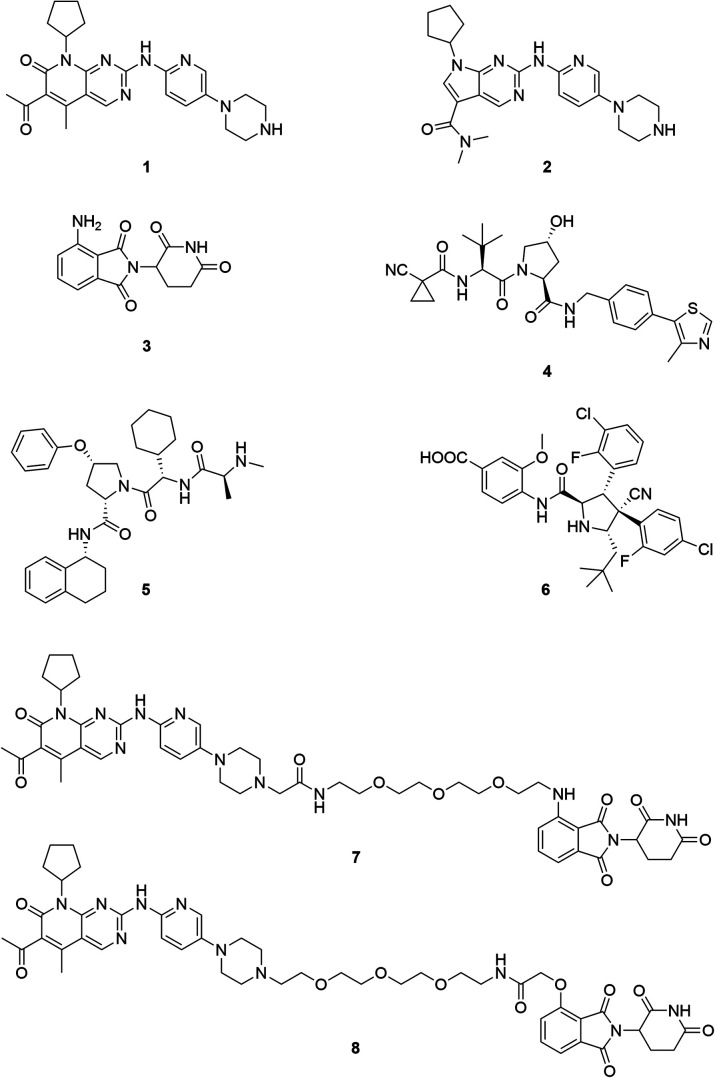
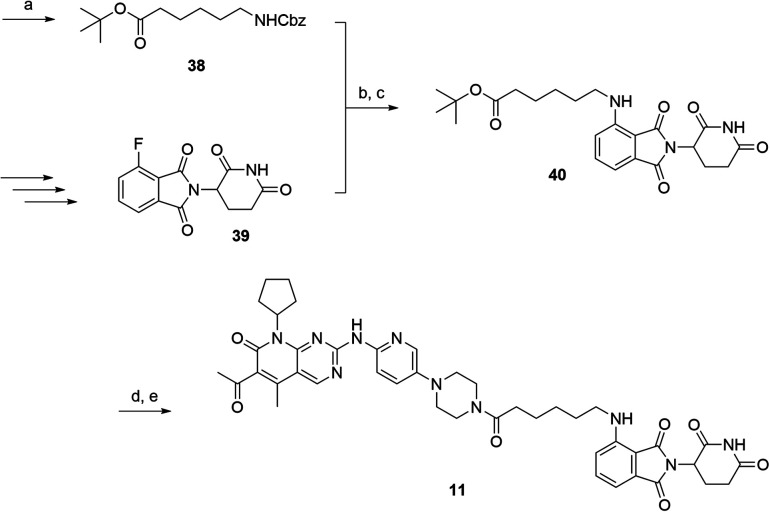
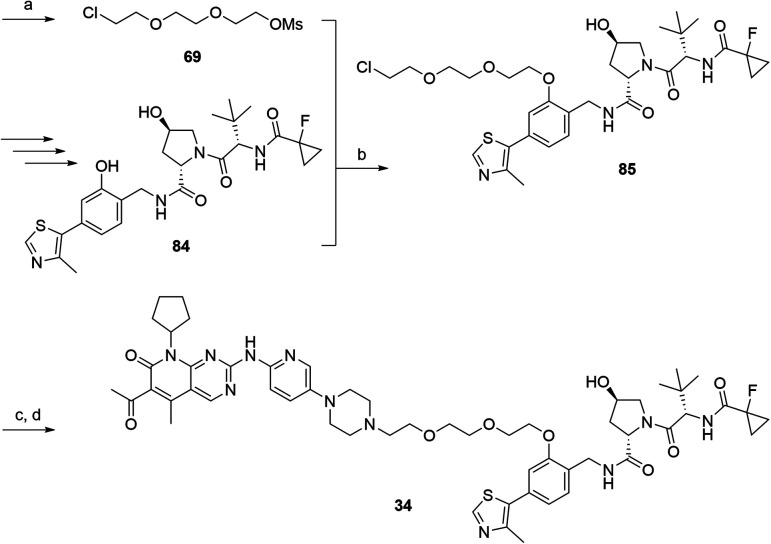
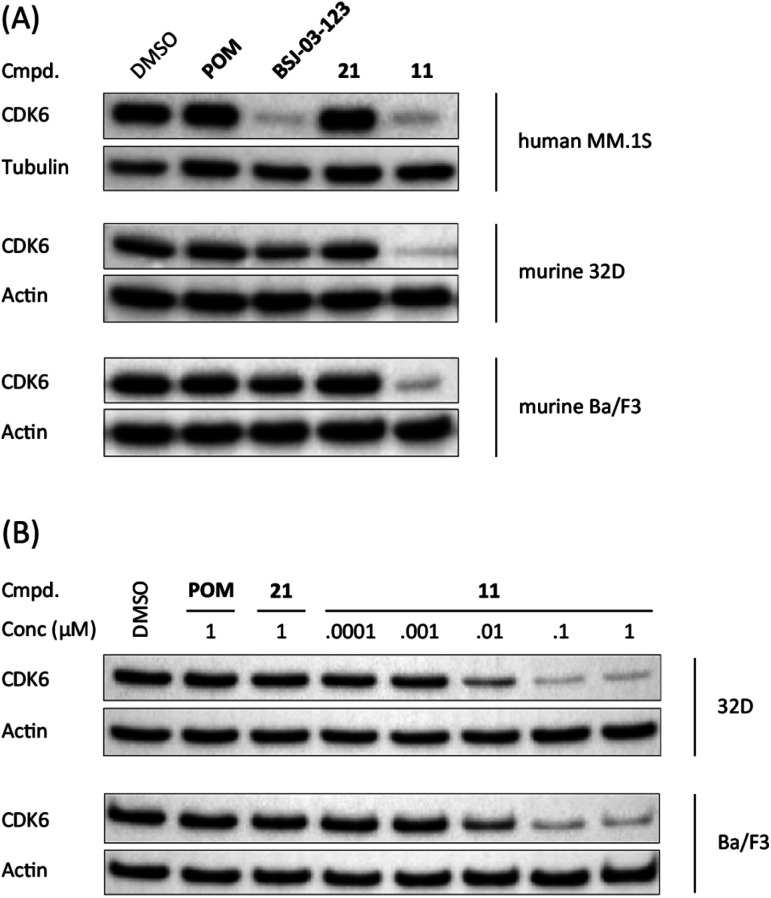
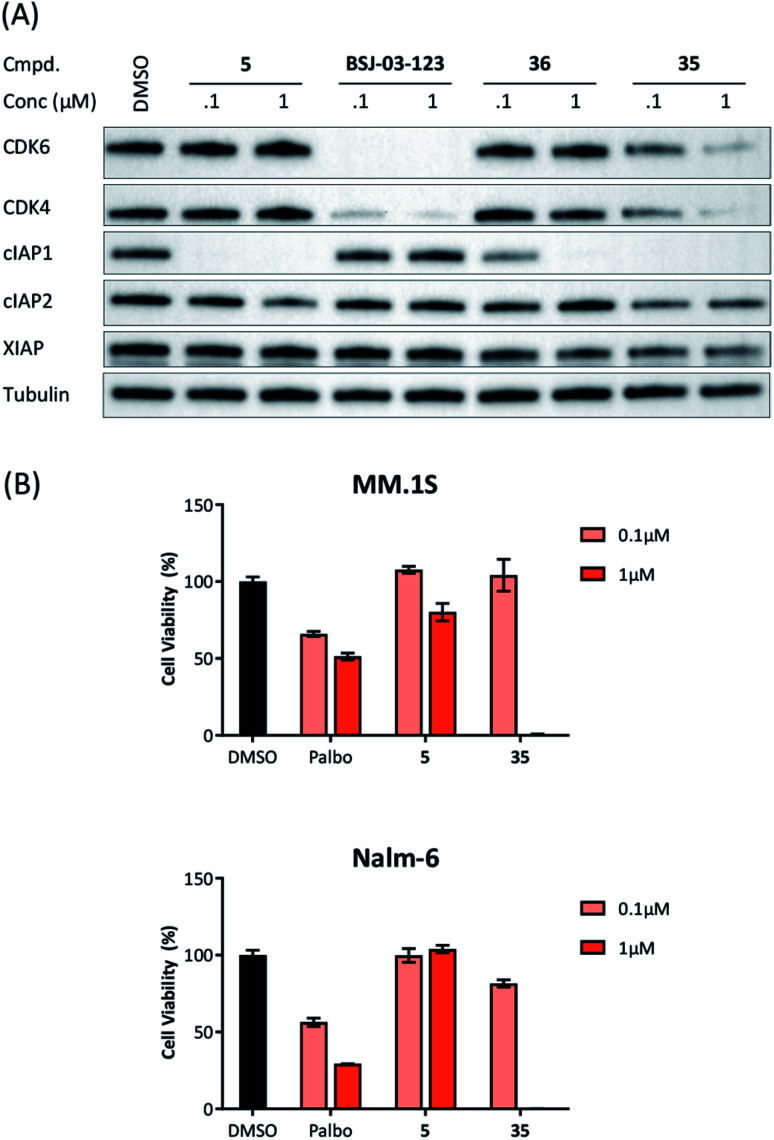
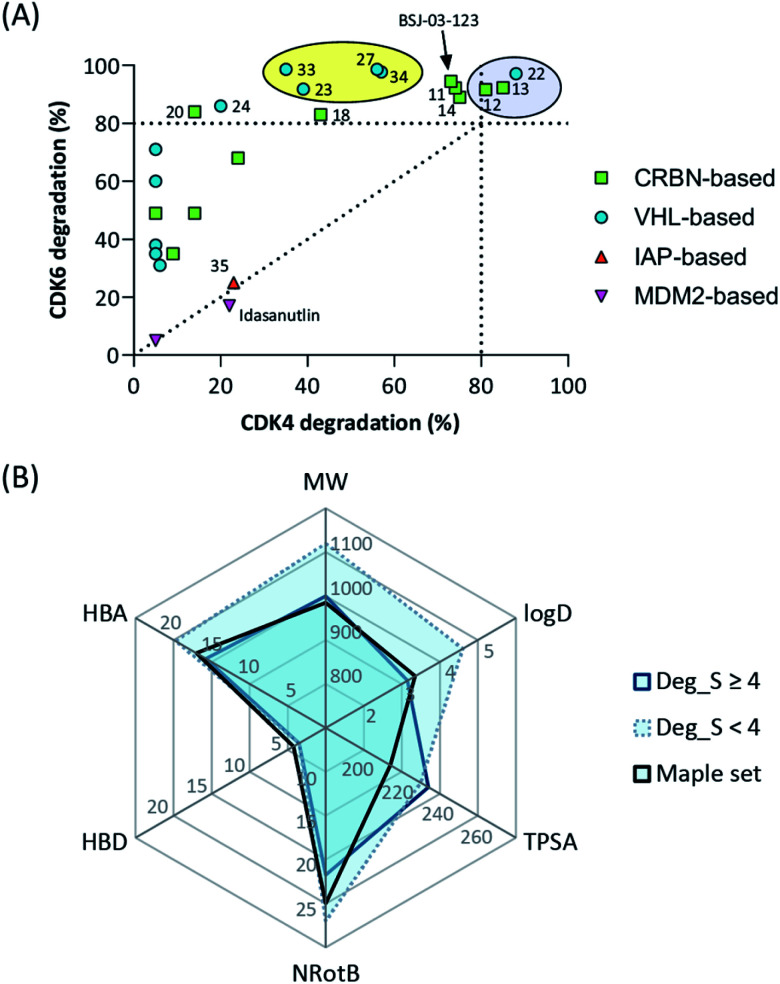
Verification
Claims the paper makes
The claims and statistics of this paper haven’t been checked yet.
Run the check — free, no account needed. It reads the open-access text and checks the sources it cites.
Claims other papers make about this one
Each is checked against this paper’s own text: does it say what the citing paper says it does?
In the citing paper
“Whereas multiple studies have described numerous CRBN-recruiting dual-selective degraders and CDK6-selective degraders 70–73, none report CDK4-selective degraders; the only reported CDK4-selective degraders are built on a slightly different warhead, ribociclib 74.”
From Rationalizing PROTAC-Mediated Ternary Complex Formation Using Rosetta (2021) · cites this paper as [72]
Self-check
Percentages, sums and reported differences re-computed from the paper’s own numbers.
The self-check needs the paper’s full text.
Citations
Cites
Cell cycle, CDKs and cancer: a changing paradigm
Malumbres, M., & Barbacid, M. (2009) · Nature Reviews Cancer · doi:10.1038/nrc2602 · Cited by 3,957
Palbociclib and letrozole in advanced breast cancer
Finn, R. S., Martin, M., Rugo, H. S., Jones, S., Im, S.-A., Gelmon, K., Harbeck, N., Lipatov, O. N., Walshe, J. M., Moulder, S., et al. (2016) · New England Journal of Medicine · doi:10.1056/nejmoa1607303 · Cited by 3,007
Meyers, R. M., Bryan, J. G., McFarland, J. M., Weir, B. A., Sizemore, A. E., Xu, H., Dharia, N. V., Montgomery, P. G., Cowley, G. S., Pantel, S., et al. (2017) · Nature Genetics · doi:10.1038/ng.3984 · Cited by 1,952
Lenalidomide Causes Selective Degradation of IKZF1 and IKZF3 in Multiple Myeloma Cells
Krönke, J., Udeshi, N. D., Narla, A., Grauman, P., Hurst, S. N., McConkey, M., Svinkina, T., Heckl, D., Comer, E., Li, X., et al. (2014) · Science · doi:10.1126/science.1244851 · Cited by 1,879
Self-citationCristofanilli, M., Turner, N. C., Bondarenko, I., Ro, J., Im, S.-A., Masuda, N., Colleoni, M., DeMichele, A., Loi, S., Verma, S., et al. (2016) · The Lancet Oncology · doi:10.1016/s1470-2045(15)00613-0 · Cited by 1,827
Phthalimide conjugation as a strategy for in vivo target protein degradation
Winter, G. E., Buckley, D. L., Paulk, J., Roberts, J. M., Souza, A., Dhe-Paganon, S., & Bradner, J. E. (2015) · Science · doi:10.1126/science.aab1433 · Cited by 1,760
The Myeloma Drug Lenalidomide Promotes the Cereblon-Dependent Destruction of Ikaros Proteins
Lu, G., Middleton, R. E., Sun, H., Naniong, M., Ott, C. J., Mitsiades, C. S., Wong, K.-K., Bradner, J. E., & Kaelin, W. G. (2014) · Science · doi:10.1126/science.1244917 · Cited by 1,583
New functional activities for the p21 family of CDK inhibitors.
LaBaer, J., Garrett, M. D., Stevenson, L. F., Slingerland, J. M., Sandhu, C., Chou, H. S., Fattaey, A., & Harlow, E. (1997) · Genes & Development · doi:10.1101/gad.11.7.847 · Cited by 1,402
Finn, R. S., Dering, J., Conklin, D., Kalous, O., Cohen, D. J., Desai, A. J., Ginther, C., Atefi, M., Chen, I., Fowst, C., et al. (2009) · Breast Cancer Research · doi:10.1186/bcr2419 · Cited by 1,398
Treating cancer with selective CDK4/6 inhibitors
O'Leary, B., Finn, R. S., & Turner, N. C. (2016) · Nature Reviews Clinical Oncology · doi:10.1038/nrclinonc.2016.26 · Cited by 1,137
Kinase inhibitors: the road ahead
Ferguson, F. M., & Gray, N. S. (2018) · Nature Reviews Drug Discovery · doi:10.1038/nrd.2018.21 · Cited by 1,009
Targeted protein degradation: expanding the toolbox
Schapira, M., Calabrese, M. F., Bullock, A. N., & Crews, C. M. (2019) · Nature Reviews Drug Discovery · doi:10.1038/s41573-019-0047-y · Cited by 960
Targeting CDK4 and CDK6: From Discovery to Therapy
Sherr, C. J., Beach, D., & Shapiro, G. I. (2016) · Cancer Discovery · doi:10.1158/2159-8290.cd-15-0894 · Cited by 936
Lenalidomide induces ubiquitination and degradation of CK1α in del(5q) MDS
Krönke, J., Fink, E. C., Hollenbach, P. W., MacBeth, K. J., Hurst, S. N., Udeshi, N. D., Chamberlain, P. P., Mani, D. R., Man, H. W., Gandhi, A. K., et al. (2015) · Nature · doi:10.1038/nature14610 · Cited by 863
Self-citationStructural basis of lenalidomide-induced CK1α degradation by the CRL4CRBN ubiquitin ligase
Petzold, G., Fischer, E. S., & Thomä, N. H. (2016) · Nature · doi:10.1038/nature16979 · Cited by 620
Discovery of RG7388, a Potent and Selective p53–MDM2 Inhibitor in Clinical Development
Ding, Q., Zhang, Z., Liu, J.-J., Jiang, N., Zhang, J., Ross, T. M., Chu, X.-J., Bartkovitz, D., Podlaski, F., Janson, C., et al. (2013) · Journal of Medicinal Chemistry · doi:10.1021/jm400487c · Cited by 595
BAF complex vulnerabilities in cancer demonstrated via structure-based PROTAC design
Farnaby, W., Koegl, M., Roy, M. J., Whitworth, C., Diers, E., Trainor, N., Zollman, D., Steurer, S., Karolyi-Oezguer, J., Riedmueller, C., et al. (2019) · Nature Chemical Biology · doi:10.1038/s41589-019-0294-6 · Cited by 562
Differential PROTAC substrate specificity dictated by orientation of recruited E3 ligase
Smith, B. E., Wang, S. L., Jaime-Figueroa, S., Harbin, A., Wang, J., Hamman, B. D., & Crews, C. M. (2019) · Nature Communications · doi:10.1038/s41467-018-08027-7 · Cited by 517
Discovery of a potent and selective inhibitor of cyclin-dependent kinase 4/6
Toogood, P. L., Harvey, P. J., Repine, J. T., Sheehan, D. J., VanderWel, S. N., Zhou, H., Keller, P. R., McNamara, D. J., Sherry, D., Zhu, T., et al. (2005) · Journal of Medicinal Chemistry · doi:10.1021/jm049354h · Cited by 513
CDK4/6 Inhibition in Cancer: Beyond Cell Cycle Arrest
Goel, S., DeCristo, M. J., McAllister, S. S., & Zhao, J. J. (2018) · Trends in Cell Biology · doi:10.1016/j.tcb.2018.07.002 · Cited by 506
Development of targeted protein degradation therapeutics
Chamberlain, P. P., & Hamann, L. G. (2019) · Nature Chemical Biology · doi:10.1038/s41589-019-0362-y · Cited by 489
Galdeano, C., Gadd, M. S., Soares, P., Scaffidi, S., Molle, I. V., Birced, I., Hewitt, S. H., Dias, D. M. G., & Ciulli, A. (2014) · Journal of Medicinal Chemistry · doi:10.1021/jm5011258 · Cited by 424
Edmondson, S. D., Yang, B., & Fallan, C. (2019) · Bioorganic & Medicinal Chemistry Letters · doi:10.1016/j.bmcl.2019.04.030 · Cited by 422
Han, X., Wang, C., Qin, C., Xiang, W., Fernández‐Salas, E., Yang, C., Wang, M., Zhao, L., Xu, T., Chinnaswamy, K., et al. (2019) · Journal of Medicinal Chemistry · doi:10.1021/acs.jmedchem.8b01631 · Cited by 405
CDK4/6 Inhibitors: The Mechanism of Action May Not Be as Simple as Once Thought
Klein, M. E., Kovatcheva, M., Davis, L. E., Tap, W. D., & Koff, A. (2018) · Cancer Cell · doi:10.1016/j.ccell.2018.03.023 · Cited by 378
Discovery of Potent Antagonists of the Antiapoptotic Protein XIAP for the Treatment of Cancer
Oost, T. K., Sun, C. C., Armstrong, R. C., Al-Assaad, A.-S., Betz, S. F., Deckwerth, T. L., Ding, H., Elmore, S. W., Meadows, R. P., Olejniczak, E. T., et al. (2004) · Journal of Medicinal Chemistry · doi:10.1021/jm040037k · Cited by 367
Zhang, L., Riley-Gillis, B., Vijay, P., & Shen, Y. (2019) · Molecular Cancer Therapeutics · doi:10.1158/1535-7163.mct-18-1129 · Cited by 365
Hines, J., Lartigue, S., Dong, H., Qian, Y., & Crews, C. M. (2019) · Cancer Research · doi:10.1158/0008-5472.can-18-2918 · Cited by 348
The metabolic function of cyclin D3-CDK6 kinase in cancer cell survival
Wang, H., Nicolay, B. N., Chick, J. M., Gao, X., Geng, Y., Ren, H., Gao, H., Yang, G., Williams, J. A., Suski, J. M., et al. (2017) · Nature · doi:10.1038/nature22797 · Cited by 347
Zoppi, V., Hughes, S. J., Maniaci, C., Testa, A., Gmaschitz, T., Wieshofer, C., Koegl, M., Riching, K. M., Daniels, D. L., Spallarossa, A., et al. (2019) · Journal of Medicinal Chemistry · doi:10.1021/acs.jmedchem.8b01413 · Cited by 336
A Kinase-Independent Function of CDK6 Links the Cell Cycle to Tumor Angiogenesis
Kollmann, K., Heller, G., Schneckenleithner, C., Warsch, W., Scheicher, R., Ott, R. G., Schäfer, M., Fajmann, S., Schlederer, M., Schiefer, A.-I., et al. (2013) · Cancer Cell · doi:10.1016/j.ccr.2013.07.012 · Cited by 313
Li, Y., Yang, J., Aguilar, A., McEachern, D., Przybranowski, S., Liu, L., Yang, C.-Y., Wang, M., Han, X., & Wang, S. (2019) · Journal of Medicinal Chemistry · doi:10.1021/acs.jmedchem.8b00909 · Cited by 312
Sun, Y., Zhao, X., Ding, N., Gao, H., Wu, Y., Yang, Y., Zhao, M., Hwang, J., Song, Y., Liu, W., et al. (2018) · Cell Research · doi:10.1038/s41422-018-0055-1 · Cited by 295
Development of dual and selective degraders of cyclin-dependent kinases 4 and 6
Jiang, B., Wang, E. S., Donovan, K. A., Liang, Y., Fischer, E. S., Zhang, T., & Gray, N. S. (2019) · Angewandte Chemie International Edition · doi:10.1002/anie.201901336 · Cited by 272
Homolog-Selective Degradation as a Strategy to Probe the Function of CDK6 in AML
Brand, M., Jiang, B., Bauer, S., Donovan, K. A., Liang, Y., Wang, E. S., Nowak, R. P., Yuan, J. C., Zhang, T., Kwiatkowski, N., et al. (2019) · Cell Chemical Biology · doi:10.1016/j.chembiol.2018.11.006 · Cited by 258
Kortüm, K. M., Mai, E. K., Hanafiah, N. H., Shi, C.-X., Zhu, Y.-X., Bruins, L., Barrio, S., Jedlowski, P., Merz, M., Xu, J., et al. (2016) · Blood · doi:10.1182/blood-2016-02-698092 · Cited by 255
Maniaci, C., Hughes, S. J., Testa, A., Chen, W., Lamont, D. J., Rocha, S., Alessi, D. R., Romeo, R., & Ciulli, A. (2017) · Nature Communications · doi:10.1038/s41467-017-00954-1 · Cited by 245
p27 allosterically activates cyclin-dependent kinase 4 and antagonizes palbociclib inhibition
Guiley, K. Z., Stevenson, J. W., Lou, K., Barkovich, K. J., Kumarasamy, V. M., Wijeratne, T. U., Bunch, K. L., Tripathi, S. M., Knudsen, E. S., Witkiewicz, A. K., et al. (2019) · Science · doi:10.1126/science.aaw2106 · Cited by 231
Targeting BCR-ABL1 in Chronic Myeloid Leukemia by PROTAC-Mediated Targeted Protein Degradation
Burslem, G. M., Schultz, A. R., Bondeson, D. P., Eide, C. A., Savage Stevens, S. L., Druker, B. J., & Crews, C. M. (2019) · Cancer Research · doi:10.1158/0008-5472.can-19-1236 · Cited by 212
Potent and Preferential Degradation of CDK6 via Proteolysis Targeting Chimera Degraders
Su, S., Yang, Z., Gao, H., Yang, H., Zhu, S., An, Z., Wang, J., Li, Q., Chandarlapaty, S., Deng, H., et al. (2019) · Journal of Medicinal Chemistry · doi:10.1021/acs.jmedchem.9b00871 · Cited by 210
Tigan, A.-S., Bellutti, F., Kollmann, K., Tebb, G., & Sexl, V (2016) · Oncogene · doi:10.1038/onc.2015.407 · Cited by 204
Cyclin dependent kinase (CDK) inhibitors as anticancer drugs: Recent advances (2015–2019)
Sánchez-Martínez, C., Lallena, M. J., Sanfeliciano, S. G., & de Dios, A. (2019) · Bioorganic & Medicinal Chemistry Letters · doi:10.1016/j.bmcl.2019.126637 · Cited by 204
CDK 4/6 Inhibitors in Breast Cancer: Current Controversies and Future Directions
Spring, L. M., Wander, S. A., Zangardi, M. L., & Bardia, A. (2019) · Current Oncology Reports · doi:10.1007/s11912-019-0769-3 · Cited by 174
SNIPERs—Hijacking IAP activity to induce protein degradation
Naito, M., Ohoka, N., & Shibata, N. (2019) · Drug Discovery Today Technologies · doi:10.1016/j.ddtec.2018.12.002 · Cited by 171
Updates on the CDK4/6 Inhibitory Strategy and Combinations in Breast Cancer
Sobhani, N., D’Angelo, A., Pittacolo, M., Roviello, G., Miccoli, A., Corona, S. P., Bernocchi, O., Generali, D., & Otto, T. (2019) · Cells · doi:10.3390/cells8040321 · Cited by 171
Targeting CDK6 in cancer: State of the art and new insights
Tadesse, S., Yu, M., Kumarasiri, M., Le, B. T., & Wang, S. (2015) · Cell Cycle · doi:10.1080/15384101.2015.1084445 · Cited by 168
Cereblon versus VHL: Hijacking E3 ligases against each other using PROTACs
Girardini, M., Maniaci, C., Hughes, S. J., Testa, A., & Ciulli, A. (2019) · Bioorganic & Medicinal Chemistry · doi:10.1016/j.bmc.2019.02.048 · Cited by 163
Developing degraders: principles and perspectives on design and chemical space
Maple, H. J., Clayden, N., Baron, A., Stacey, C., & Felix, R. L. (2019) · MedChemComm · doi:10.1039/c9md00272c · Cited by 163
THE METABOLISM OF THALIDOMIDE: THE SPONTANEOUS HYDROLYSIS OF THALIDOMIDE IN SOLUTION
Schumacher, H., Smith, R. L., & Williams, R. T. (1965) · British Journal of Pharmacology and Chemotherapy · doi:10.1111/j.1476-5381.1965.tb02053.x · Cited by 162
Sun, Y., Ding, N., Song, Y., Yang, Z., Liu, W., Zhu, J., & Rao, Y. (2019) · Leukemia · doi:10.1038/s41375-019-0440-x · Cited by 148
Tovell, H., Testa, A., Maniaci, C., Zhou, H., Prescott, A. R., Macartney, T., Ciulli, A., & Alessi, D. R. (2019) · ACS Chemical Biology · doi:10.1021/acschembio.8b01016 · Cited by 146
Collins, I., Wang, H., Caldwell, J., & Chopra, R. (2017) · Biochemical Journal · doi:10.1042/bcj20160762 · Cited by 139
Selective degradation of CDK6 by a palbociclib based PROTAC
Rana, S., Bendjennat, M., Kour, S., King, H. M., Kizhake, S., Zahid, M., & Natarajan, A. (2019) · Bioorganic & Medicinal Chemistry Letters · doi:10.1016/j.bmcl.2019.03.035 · Cited by 135
Walker, A. J., Wedam, S. B., Amiri‐Kordestani, L., Bloomquist, E. W., Tang, S., Sridhara, R., Chen, W., Palmby, T. R., Zirkelbach, J. F., Fu, W., et al. (2016) · Clinical Cancer Research · doi:10.1158/1078-0432.ccr-16-0493 · Cited by 133
PROTACs suppression of CDK4/6, crucial kinases for cell cycle regulation in cancer
Zhao, B., & Burgess, K. (2019) · Chemical Communications · doi:10.1039/c9cc00163h · Cited by 130
MDM2 antagonists overcome intrinsic resistance to CDK4/6 inhibition by inducing p21
Vilgelm, A. E., Saleh, N., Shattuck-Brandt, R. L., Riemenschneider, K., Slesur, L., Chen, S., Johnson, C. A., Yang, J., Blevins, A., Yan, C. W., et al. (2019) · Science Translational Medicine · doi:10.1126/scitranslmed.aav7171 · Cited by 123
Self-citationMayor-Ruiz, C., Jaeger, M. G., Bauer, S., Brand, M., Sin, C., Hanzl, A., Mueller, A. C., Menche, J., & Winter, G. E. (2019) · Molecular Cell · doi:10.1016/j.molcel.2019.07.013 · Cited by 119
A chemical approach for global protein knockdown from mice to non-human primates
Sun, X., Wang, J., Yao, X., Zheng, W., Mao, Y., Lan, T., Wang, L., Sun, Y., Zhang, X., Zhao, Q., et al. (2019) · Cell Discovery · doi:10.1038/s41421-018-0079-1 · Cited by 118
Ohoka, N., Morita, Y., Nagai, K., Shimokawa, K., Ujikawa, O., Fujimori, I., Ito, M., Hayase, Y., Okuhira, K., Shibata, N., et al. (2018) · Journal of Biological Chemistry · doi:10.1074/jbc.ra117.001091 · Cited by 105
PROTAC-mediated crosstalk between E3 ligases
Steinebach, C., Kehm, H., Lindner, S., Vu, L. P., Köpff, S., Mármol, Á. L., Weiler, C., Wagner, K. G., Reichenzeller, M., Krönke, J., et al. (2019) · Chemical Communications · doi:10.1039/c8cc09541h · Cited by 101
Self-citationBifunctional chemical probes inducing protein–protein interactions
Maniaci, C., & Ciulli, A. (2019) · Current Opinion in Chemical Biology · doi:10.1016/j.cbpa.2019.07.003 · Cited by 100
Demonstrating In-Cell Target Engagement Using a Pirin Protein Degradation Probe (CCT367766)
Chessum, N. E. A., Sharp, S. Y., Caldwell, J., Pasqua, E., Wilding, B., Colombano, G., Collins, I., Özer, B., Richards, M., Rowlands, M., et al. (2017) · Journal of Medicinal Chemistry · doi:10.1021/acs.jmedchem.7b01406 · Cited by 90
PROTACs as Potential Therapeutic Agents for Cancer Drug Resistance
Sun, X., & Rao, Y. (2019) · Biochemistry · doi:10.1021/acs.biochem.9b00848 · Cited by 88
CDK6 Antagonizes p53-Induced Responses during Tumorigenesis
Bellutti, F., Tigan, A.-S., Nebenfuehr, S., Dolezal, M., Zojer, M., Grausenburger, R., Hartenberger, S., Kollmann, S., Doma, E., Prchal‐Murphy, M., et al. (2018) · Cancer Discovery · doi:10.1158/2159-8290.cd-17-0912 · Cited by 75
Tadesse, S., Yu, M., Mekonnen, L. B., Lam, F., Islam, S., Tomusange, K., Rahaman, M. H., Noll, B. D., Basnet, S. K. C., Teo, T., et al. (2017) · Journal of Medicinal Chemistry · doi:10.1021/acs.jmedchem.6b01670 · Cited by 74
Watt, G. F., Scott‐Stevens, P., & Gaohua, L. (2019) · Drug Discovery Today Technologies · doi:10.1016/j.ddtec.2019.02.005 · Cited by 72
A MedChem toolbox for cereblon-directed PROTACs
Steinebach, C., Sosič, I., Lindner, S., Bricelj, A., Kohl, F., Ng, Y. L. D., Monschke, M., Wagner, K. G., Krönke, J., & Gütschow, M. (2019) · MedChemComm · doi:10.1039/c9md00185a · Cited by 66
Self-citationThe interplay of CDK4 and CDK6 in melanoma
Kollmann, K., Briand, C., Bellutti, F., Schicher, N., Blunder, S., Zojer, M., & Höeller, C. (2019) · Oncotarget · doi:10.18632/oncotarget.26515 · Cited by 56
Akuffo, A. A., Alontaga, A. Y., Metcalf, R. S., Beatty, M. S., Becker, A., McDaniel, J. M., Hesterberg, R. S., Goodheart, W. E., Gunawan, S., Ayaz, M., et al. (2018) · Journal of Biological Chemistry · doi:10.1074/jbc.m117.816868 · Cited by 55
A critical evaluation of the approaches to targeted protein degradation for drug discovery
Chopra, R., Sadok, A., & Collins, I. (2019) · Drug Discovery Today: Technologies · doi:10.1016/j.ddtec.2019.02.002 · Cited by 53
Pharmacological difference between degrader and inhibitor against oncogenic BCR-ABL kinase
Shibata, N., Shimokawa, K., Nagai, K., Ohoka, N., Hattori, T., Miyamoto, N., Ujikawa, O., Sameshima, T., Nara, H., Cho, N., et al. (2018) · Scientific Reports · doi:10.1038/s41598-018-31913-5 · Cited by 52
Li, X., Seebacher, N. A., Garbutt, C. C., Ma, H., Gao, P., Xiao, T., Hornicek, F. J., & Duan, Z. (2018) · Cell Death and Disease · doi:10.1038/s41419-018-0474-4 · Cited by 43
Tan, L., & Gray, N. S. (2018) · Chinese Journal of Chemistry · doi:10.1002/cjoc.201800293 · Cited by 34
Small molecule-mediated protein knockdown as a new approach to drug discovery
Tinworth, C. P., Lithgow, H., & Churcher, I. (2016) · MedChemComm · doi:10.1039/c6md00347h · Cited by 32
Nietzold, F., Rubner, S., & Berg, T. (2019) · Chemical Communications · doi:10.1039/c9cc07795b · Cited by 28
Development of a Potent Protein Degrader against Oncogenic BCR-ABL Protein
Shibata, N., Ohoka, N., Hattori, T., & Naito, M. (2019) · Chemical and Pharmaceutical Bulletin · doi:10.1248/cpb.c18-00703 · Cited by 21
Tadesse, S., Zhu, G., Mekonnen, L. B., Lenjisa, J. L., Yu, M., Brown, M. P., & Wang, S. (2017) · Future Medicinal Chemistry · doi:10.4155/fmc-2017-0076 · Cited by 16
Research works printed but not linked: 1
- Schumacher, 1965, Br. J. Pharmacol., 25, 324
Cited by
Sorted by citations
Current strategies for the design of PROTAC linkers: a critical review
Troup, R. I., Fallan, C., & Baud, M. G. J. (2020) · Exploration of Targeted Anti-tumor Therapy · doi:10.37349/etat.2020.00018 · Cited by 424
Proteolysis-targeting chimeras (PROTACs) in cancer therapy
Li, X., Pu, W., Zheng, Q., Ai, M., Chen, S., & Peng, Y. (2022) · Molecular Cancer · doi:10.1186/s12943-021-01434-3 · Cited by 389
Self-citationTarget and tissue selectivity of PROTAC degraders
Guenette, R. G., Yang, S. W., Min, J., Pei, B., & Potts, P. R. (2022) · Chemical Society Reviews · doi:10.1039/d2cs00200k · Cited by 324
PROTACs: great opportunities for academia and industry (an update from 2020 to 2021)
He, M., Cao, C., Ni, Z., Liu, Y., Song, P., Hao, S., He, Y., Sun, X., & Rao, Y. (2022) · Signal Transduction and Targeted Therapy · doi:10.1038/s41392-022-00999-9 · Cited by 283
Zeng, S., Huang, W., Zheng, X., Cheng, L., Zhang, Z., Wang, J., & Shen, Z. (2020) · European Journal of Medicinal Chemistry · doi:10.1016/j.ejmech.2020.112981 · Cited by 264
Metadata
- Authors
- Steinebach, C., Ng, Y. L. D., Sosič, I., Lee, C.-S., Chen, S., Lindner, S., Vu, L. P., Bricelj, A., Haschemi, R., Monschke, M., Steinwarz, E., Wagner, K. G., Bendas, G., Luo, J., Gütschow, M., & Krönke, J.
- Affiliations
- University of Bonn (DE)
- Universität Ulm (DE)
- University of Ljubljana (SI)
- National Cancer Institute (US)
- Corresponding author
- Gütschow, Michael
- Krönke, Jan
- ORCID
- Venue
- Chemical Science
- Publisher
- Royal Society of Chemistry (RSC)
- Published
- 2020
- Volume
- 11
- Issue
- 13
- Pages
- 3474-3486
- ISSN
- 2041-6520 (ISSN-L)
- 2041-6539
- PMC
- PMC7552917
- OpenAlex
- W3009753365
- Cited by
- 148
- References
- 77
- Citations by year
- 2026: 20 · 2025: 24 · 2024: 27 · 2023: 20 · 2022: 27 · 2021: 22 · 2020: 8
- FWCI
- 6.56
- Type
- journal article
- Language
- en
- Open access
- diamond
- doi.org
- Licence
- Locations
- Chemical Science (publishedVersion, cc-by)
- Europe PMC (PubMed Central) (publishedVersion, cc-by)
- PubMed Central (publishedVersion, cc-by)
- PubMed (publishedVersion)
- Funders
- Deutsche Forschungsgemeinschaft (FOR2372, Kr-3886/2-1, SFB1074)
- Javna Agencija za Raziskovalno Dejavnost RS (P1-0208)
- Topics
- Life Sciences › Biochemistry, Genetics and Molecular Biology › Molecular Biology › Protein Degradation and Inhibitors
- Life Sciences › Biochemistry, Genetics and Molecular Biology › Molecular Biology › Ubiquitin and proteasome pathways
- Physical Sciences › Chemistry › Organic Chemistry › Chemical Synthesis and Analysis
- Keywords
- PROTACs, CDK4/6, E3 ubiquitin ligase, VHL, cIAP1, targeted protein degradation, tumor cell proliferation, leukemia, multiple myeloma, breast cancer
About these checks
Registry, retraction, Cites and statistics results are computed, not judged, with one exception: a printed reference that no index lists is read once by a model before it counts as a citation error. Claims are extracted by a model and kept only when their quote appears verbatim in the text; each cited source is then checked, with a model’s help, for whether it says what the claim relies on. Those verdicts can be wrong — read the claim’s quote and the cited source before relying on one.
Statistics and arithmetic are recomputed, not judged.
Confidence bands are shown only for fields calibrated on our annotated test set. None is calibrated yet, so no band is shown.
What counts as a claim ›How we measure confidence ›How we check this ›
Are you an author, or do you see a problem with this page? Request a review
