

Infectious virus in exhaled breath of symptomatic seasonal influenza cases from a college community
Open accessPublished version of a preprint
The DOI matches its Crossref record; 36 of the 36 references it cites were found in a registry or an index.
Abstract
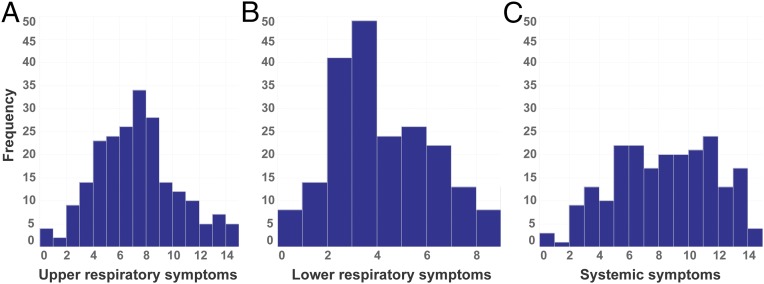
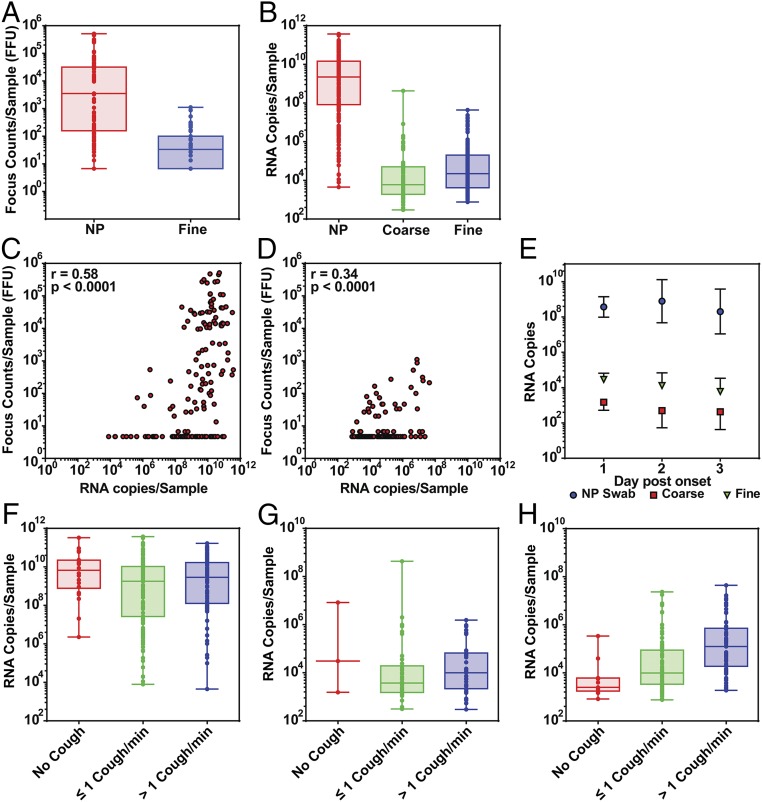
per NP swab. Fine- and coarse-aerosol viral RNA were positively associated with body mass index and number of coughs and negatively associated with increasing days since symptom onset in adjusted models. Fine-aerosol viral RNA was also positively associated with having influenza vaccination for both the current and prior season. NP swab viral RNA was positively associated with upper respiratory symptoms and negatively associated with age but was not significantly associated with fine- or coarse-aerosol viral RNA or their predictors. Sneezing was rare, and sneezing and coughing were not necessary for infectious aerosol generation. Our observations suggest that influenza infection in the upper and lower airways are compartmentalized and independent.
Overview
The claims and statistics of this paper haven’t been checked yet.
Free: it reads the open-access text and checks the first 5 claims that cite a source we can check. Create a free account to check every claim.
Integrity signals
Registry
Cites
Statistics
Figures
Verification
Claims the paper makes
The claims and statistics of this paper haven’t been checked yet.
Free: it reads the open-access text and checks the first 5 claims that cite a source we can check. Create a free account to check every claim.
Claims other papers make about this one
Each is checked against this paper’s own text: does it say what the citing paper says it does?
The cited source says what the claim attributes to it.
In the citing paper
“Numerous earlier studies have established that aerosol expelled during normal respiratory activities can contain infectious influenza virus [42, 45–54].”
From The protective performance of reusable cloth face masks, disposable procedure masks, KN95 masks and N95 respirators: Filtration and total inward leakage (2021) · cites this paper as [49]
Self-check
Percentages, sums and reported differences re-computed from the paper’s own numbers.
The self-check needs the paper’s full text.
Citations
Cites
Harris, P. A., Taylor, R., Thielke, R., Payne, J., Gonzalez, N., & Conde, J. G. (2009) · Journal of Biomedical Informatics · doi:10.1016/j.jbi.2008.08.010 · Cited by 51,384 · cited 2×
“We entered and cleaned data using locally hosted REDCap data-capture tools (34) and performed data management and analyses in R (v3.”
MethodChao, C. Y. H., Wan, M. P., Morawska, L., Johnson, G. R., Ristovski, Z. D., Hargreaves, M., Mengersen, K., Corbett, S., Li, Y., Xie, X., et al. (2009) · Journal of Aerosol Science · doi:10.1016/j.jaerosci.2008.10.003 · Cited by 1,087 · cited 1×
“Cough is thought to produce aerosols from large airways by shear forces that produce relatively coarse-aerosol droplets (23).”
BackgroundLouie, J. K. (2009) · JAMA · doi:10.1001/jama.2009.1583 · Cited by 1,019
Physiology of obesity and effects on lung function
Salome, C. M., King, G. G., & Berend, N. (2010) · Journal of Applied Physiology · doi:10.1152/japplphysiol.00694.2009 · Cited by 831
Review of Aerosol Transmission of Influenza A virus
Tellier, R. (2006) · Emerging Infectious Diseases · doi:10.3201/eid1211.060426 · Cited by 803
Self-citationTransmission of influenza A in human beings
Brankston, G., Gitterman, L., Hirji, Z., Lemieux, C., & Gardam, M. (2007) · The Lancet Infectious Diseases · doi:10.1016/s1473-3099(07)70029-4 · Cited by 744
Hayden, F. G., Fritz, R., Lobo, M. C., Alvord, W., Strober, W., & Straus, S. E. (1998) · Journal of Clinical Investigation · doi:10.1172/jci1355 · Cited by 677 · cited 1×
“(32), then our lack of finding a clear drop in nasal shedding over the next 2 d is reasonably consistent with the pattern reported for experimental infection.”
ResultMilton, D. K., Fabian, M. P., Cowling, B. J., Grantham, M. L., & McDevitt, J. J. (2013) · PLoS Pathogens · doi:10.1371/journal.ppat.1003205 · Cited by 669
Self-citationAerosol transmission of influenza A virus: a review of new studies
Tellier, R. (2009) · Journal of The Royal Society Interface · doi:10.1098/rsif.2009.0302.focus · Cited by 589 · cited 1×
“However, due to limitations inherent to sampling virus shedding via various routes from infected individuals, and the difficulty of distinguishing routes of transmission in observational studies, the quantitative dynamics and relative contributions of each route remain elusive (4, 8).”
BackgroundSelf-citationTransmission of Influenza: Implications for Control in Health Care Settings
Weinstein, R. A., Bridges, C. B., Kuehnert, M. J., & Hall, C. B. (2003) · Clinical Infectious Diseases · doi:10.1086/378292 · Cited by 536 · cited 1×
“Antiviral medication last 24 h (%) 2 11 (6) 7 (5) Age, y (IQR) 20 (19–22) 21 (19–22) 20 (19–21) BMI (IQR) 23.”
Cited by
Items 101–200 of 581
Dalamaga, Μ., Christodoulatos, G. S., Karampela, Ι., Vallianou, N. G., & Apovian, C. M. (2021) · Current Obesity Reports · doi:10.1007/s13679-021-00436-y · Cited by 78
On-site airborne pathogen detection for infection risk mitigation
Qiu, G., Zhang, X., deMello, A. J., Yao, M., Cao, J., & Wang, J. (2023) · Chemical Society Reviews · doi:10.1039/d3cs00417a · Cited by 78
Self-citation(2020) · doi:10.1101/2020.11.24.20237446 · Cited by 76
Duncan, S., Bodurtha, P., & Naqvi, S. (2021) · PLOS ONE · doi:10.1371/journal.pone.0258191 · Cited by 75
The scent of COVID-19: viral (semi-)volatiles as fast diagnostic biomarkers?
Lamote, K., Janssens, E., Schillebeeckx, E., Lapperre, T. S., Winter, B. Y. D., & van Meerbeeck, J. P. (2020) · Journal of Breath Research · doi:10.1088/1752-7163/aba105 · Cited by 76
“Both viral RNA and DNAof viruses, such as of rhinoviruses and influenza, have already been detected in this non-volatile fraction of the exhaled breath [29].”
BackgroundA Review on Indoor Environment Quality of Indian School Classrooms
Kapoor, N. R., Kumar, A., Alam, T., Kumar, A., Kulkarni, K. S., & Blecich, P. (2021) · Sustainability · doi:10.3390/su132111855 · Cited by 76
Valtonen, M., Waris, M. E., Vuorinen, T., Eerola, E., Hakanen, A., Mjøsund, K., Grönroos, W., Heinonen, O. J., & Ruuskanen, O. (2019) · British Journal of Sports Medicine · doi:10.1136/bjsports-2018-100487 · Cited by 75
Antiviral mouthwashes: possible benefit for COVID-19 with evidence-based approach
Moosavi, M., Aminishakib, P., & Ansari, M. (2020) · Journal of Oral Microbiology · doi:10.1080/20002297.2020.1794363 · Cited by 70
“Considering the role of saliva and salivary glands in the entry of COVID-19 virus into the body, the process of infection and as a source of the presence of this virus should be considered even in asymptomatic carriers [11].”
BackgroundRam, K., Thakur, R. C., Singh, D. K., Kawamura, K., Shimouchi, A., Sekine, Y., Nishimura, H., Singh, S. K., Pavuluri, C. M., Singh, R. S., et al. (2021) · The Science of The Total Environment · doi:10.1016/j.scitotenv.2021.145525 · Cited by 71
Sodiq, A., Khan, M. A., Naas, M., & Amhamed, A. I. (2021) · Environmental Research · doi:10.1016/j.envres.2021.111329 · Cited by 70
Control of airborne infectious disease in buildings: Evidence and research priorities
de Mesquita, P. J. B., Delp, W. W., Chan, W. R., Bahnfleth, W. P., & Singer, B. C. (2021) · Indoor Air · doi:10.1111/ina.12965 · Cited by 69
Pfeifer, M., Ewig, S., Voshaar, T., Randerath, W., Bauer, T., Geiseler, J., Dellweg, D., Westhoff, M., Windisch, W., Schönhofer, B., et al. (2020) · Pneumologie · doi:10.1055/a-1157-9976 · Cited by 69
Lai, J., Coleman, K. K., Tai, S., German, J. R., Hong, F. H., Albert, B., Esparza, Y., Srikakulapu, A. K., Schanz, M., Maldonado, I. S., et al. (2022) · Clinical Infectious Diseases · doi:10.1093/cid/ciac846 · Cited by 67
“previously observed for influenza [10].”
Self-citationIssakhov, A., Zhandaulet, Y., Омарова, П., Alimbek, A., Borsikbayeva, A., & Mustafayeva, A. (2021) · Scientific Reports · doi:10.1038/s41598-021-88645-2 · Cited by 64
Sosnowski, T. R. (2021) · Current Opinion in Colloid & Interface Science · doi:10.1016/j.cocis.2021.101451 · Cited by 64
Transmission and infection risk of COVID-19 when people coughing in an elevator
Liu, S., & Deng, Z. (2023) · Building and Environment · doi:10.1016/j.buildenv.2023.110343 · Cited by 63
Cryptosporidium and Cryptosporidiosis: The Perspective from the Gulf Countries
Ahmed, S. A. A., & Karanis, P. (2020) · International Journal of Environmental Research and Public Health · doi:10.3390/ijerph17186824 · Cited by 63
Bhardwaj, J., Kim, M.-W., & Jang, J. (2020) · Environmental Science & Technology · doi:10.1021/acs.est.0c00441 · Cited by 61
Pyrć, K., Milewska, A., Barreto-Durán, E., Botwina, P., Dąbrowska, A., Jędrysik, M., Benedyk‐Machaczka, M., Lopes, R. M., Arenas‐Pinto, A., Badr, M. Y., et al. (2021) · Scientific Reports · doi:10.1038/s41598-021-99404-8 · Cited by 60
Zhang, X. S., & Duchaine, C. (2020) · Clinical Microbiology Reviews · doi:10.1128/cmr.00184-20 · Cited by 59
Dudalski, N., Mohamed, A., Mubareka, S., Bi, R., Zhang, C., & Savory, E. (2020) · Indoor Air · doi:10.1111/ina.12680 · Cited by 59
Factors Associated with Increased Morbidity and Mortality of Obese and Overweight COVID-19 Patients
Beshbishy, A. M., Hetta, H. F., Hussein, D. E. E., Saati, A. A., Uba, C. C., Rivero-Pérez, N., Zaragoza-Bastida, A., Shah, M. A., Behl, T., & Batiha, G. E. (2020) · Biology · doi:10.3390/biology9090280 · Cited by 59
“Thirdly, the body mass index is closely related to the respiratory infectious virus in exhaled air [142].”
BackgroundPhysics of virus transmission by speaking droplets
Eaton, W. A., Bax, A., & Netz, R. R. (2020) · Proceedings of the National Academy of Sciences · doi:10.1073/pnas.2011889117 · Cited by 64
Analytical challenges when sampling and characterising exhaled aerosol
Gregson, F. K. A., Sheikh, S., Archer, J., Symons, H. E., Walker, J. S., Haddrell, A. E., Orton, C. M., Hamilton, F., Brown, J. M., Bzdek, B. R., et al. (2021) · Aerosol Science and Technology · doi:10.1080/02786826.2021.1990207 · Cited by 60
“(This assumption may not always be valid: for instance, evidence suggests that for some diseases like influenza, a higher viral load may preferentially be found in smaller particles (Yan et al. 2018)).”
BackgroundKek, H. Y., Saupi, S. B. M., Tan, H., Othman, M. H. D., Nyakuma, B. B., Goh, P. S., Altowayti, W. A. H., Qaid, A., Wahab, N. H. A., Lee, C. H., et al. (2023) · Energy and Buildings · doi:10.1016/j.enbuild.2023.113323 · Cited by 60
Demystifying the mist: Sources of microbial bioload in dental aerosols
Kumar, P., & Subramanian, K. (2020) · Journal of Periodontology · doi:10.1002/jper.20-0395 · Cited by 58
Infectious SARS-CoV-2 Is Emitted in Aerosol Particles
Hawks, S. A., Prussin, A. J., Kuchinsky, S. C., Pan, J., Marr, L. C., & Duggal, N. K. (2021) · mBio · doi:10.1128/mbio.02527-21 · Cited by 57
Immunopathogenesis of SARS-CoV-2-induced pneumonia: lessons from influenza virus infection
Miyazawa, M. (2020) · Inflammation and Regeneration · doi:10.1186/s41232-020-00148-1 · Cited by 58
Mehmood, K., Bao, Y., Abrar, M. M., Petropoulos, G. P., Ullah, S., Soban, A., Saud, S., Khan, Z. A., Khan, S. M., & Fahad, S. (2021) · Chemosphere · doi:10.1016/j.chemosphere.2021.129584 · Cited by 56
“Studies by epidemiologists and scientists have clearly shown that viruses are unconstrained during coughing, talking, and exhalation in microdroplets tiny enough to suspend in the air for some time sufficient to exacerbate the risk of exposure at a distance more than 1e2 m from an infected person (Lindsley et al., 201…”
Cummins, C., Ajayi, O., Mehendale, F. V., Gabl, R., & Viola, I. M. (2020) · Physics of Fluids · doi:10.1063/5.0021427 · Cited by 56
Staymates, M. E. (2020) · Physics of Fluids · doi:10.1063/5.0031996 · Cited by 56
Modelling airborne transmission of SARS-CoV-2 using CARA: risk assessment for enclosed spaces
Henriques, A., Mounet, N., Aleixo, L., Elson, P., Devine, J., Azzopardi, G., Andreini, M., Rognlien, M., Tarocco, N., & Tang, J. W.-T. (2022) · Interface Focus · doi:10.1098/rsfs.2021.0076 · Cited by 56
“As for the virological aspects, the published data available are scarce [65,86,87], although the results of the model were still compared to studies using a human source bioaerosol sampler capable of reproducing the wanted measurements (electronic supplementary material, figure S.”
MethodResultTransition from saliva droplets to solid aerosols in the context of COVID-19 spreading
Stiti, M., Castanet, G., Corber, A., Aldén, M., & Berrocal, E. (2021) · Environmental Research · doi:10.1016/j.envres.2021.112072 · Cited by 55
Mechanisms contributing to adverse outcomes of COVID-19 in obesity
Sudhakar, M., Beaula, W. S., Meiyazhagan, G., & Parvathi, V. D. (2022) · Molecular and Cellular Biochemistry · doi:10.1007/s11010-022-04356-w · Cited by 55
Close contact behavior-based COVID-19 transmission and interventions in a subway system
Liu, X., Dou, Z., Wang, L., Su, B., Jin, T., Guo, Y., Wei, J., & Zhang, N. (2022) · Journal of Hazardous Materials · doi:10.1016/j.jhazmat.2022.129233 · Cited by 54
Jet fans in the underground car parking areas and virus transmission
Nazari, A., Jafari, M., Rezaei, N., Taghizadeh‐Hesary, F., & Hesary, F. T. (2021) · Physics of Fluids · doi:10.1063/5.0033557 · Cited by 52
Kim, S., Ryu, H., Tai, S., Pedowitz, M., Rzasa, J. R., Pennachio, D. J., Hajzus, J. R., Milton, D. K., Myers‐Ward, R. L., & Daniels, K. M. (2021) · Biosensors and Bioelectronics · doi:10.1016/j.bios.2021.113803 · Cited by 52
Self-citationManoj, M. G., Kumar, M. K. S., Valsaraj, K. T., Sivan, C., & Vijayan, S. K. (2020) · Environmental Research · doi:10.1016/j.envres.2020.110001 · Cited by 51
Gandolfi, M. G., Zamparini, F., Spinelli, A., Sambri, V., & Prati, C. (2020) · International Journal of Environmental Research and Public Health · doi:10.3390/ijerph17238954 · Cited by 51
“Nevertheless, the principal problem in dental clinics is constituted by the great number of aerosols and droplets generated by dental procedures and mixed with patient saliva and breath, which may contain a high number of pathogenic microorganisms, including bacteria (such as Mycobacterium Tuberculosis) [5,6] or virus…”
BackgroundInfluentialAugenbraun, B. L., Lasner, Z., Mitra, D., Prabhu, S., Raval, S., Sawaoka, H., & Doyle, J. M. (2020) · Journal of Occupational and Environmental Hygiene · doi:10.1080/15459624.2020.1805117 · Cited by 50
Aganović, A., Bi, Y., Cao, G., Kurnitski, J., & Wargocki, P. L. (2022) · Scientific Reports · doi:10.1038/s41598-022-15703-8 · Cited by 50
“When a virus is inactivated according to a first-order reaction, the rate of airborne viability v (%) can be expressed as: (1) V · dn(t)”
BackgroundSplatters and Aerosols Contamination in Dental Aerosol Generating Procedures
Han, P., Li, H., Walsh, L. J., & Ivanovski, S. (2021) · Applied Sciences · doi:10.3390/app11041914 · Cited by 49
“There is an ongoing discussion in the literature on how to best define aerosols, droplets and splatter [7,8].”
BackgroundDroplets and aerosols: An artificial dichotomy in respiratory virus transmission
Drossinos, Y., Weber, T. P., & Stilianakis, N. I. (2021) · Health Science Reports · doi:10.1002/hsr2.275 · Cited by 49
“However, valuable epidemiological evidence to assess better the relative importance of these modes and to uncover the potentially important, and currently underestimated, airborne transmission mode is increasing.(62,65)”
BackgroundZhang, Y., Shen, F., Yang, Y., Niu, M., Chen, D., Chen, L., Wang, S., Zheng, Y., Sun, Y., Zhou, F., et al. (2022) · Environmental Science & Technology · doi:10.1021/acs.est.2c00688 · Cited by 49
Teesing, G. R., van Straten, B. H., de Man, P., & Horeman, T. (2020) · Journal of Hospital Infection · doi:10.1016/j.jhin.2020.07.024 · Cited by 48
“We also assumed that there is airborne transmission of this virus through breathing and talking, because this has been documented for influenza [13].”
Safer Singing During the SARS-CoV-2 Pandemic: What We Know and What We Don't
Naunheim, M. R., Bock, J. M., Doucette, P., Hoch, M., Howell, I. B., Johns, M. M. E., Johnson, A. M., Krishna, P. D., Meyer, D. I., Milstein, C. F., et al. (2020) · Journal of Voice · doi:10.1016/j.jvoice.2020.06.028 · Cited by 50
Wendling, J.-M., Fabacher, T., Pébaÿ, P., Cosperec, I., & Rochoy, M. (2021) · International Journal of Environmental Research and Public Health · doi:10.3390/ijerph18041942 · Cited by 48
“A viable virus can be emitted by an infected person by breathing or talking, without coughing or sneezing [8]: the louder the voice, the greater the quantity of aerosols emitted; furthermore, a small fraction of individuals behave as “speech superemitters,” consistently releasing an order of magnitude more particles t…”
BackgroundGuglielmi, V., Colangeli, L., D’Adamo, M., & Sbraccia, P. (2021) · International Journal of Molecular Sciences · doi:10.3390/ijms22063183 · Cited by 49
“This is suggested by the observation that the positive association between BMI and influenza virus RNA in aerosols from exhaled breath was significant especially in males [60].”
BackgroundLi, J., Hannon, A., Yu, G. Y., Idziak, L. A., Sahasrabhojanee, A., Govindarajan, P., Maldonado, Y., Ngo, K., Abdou, J. P., Mai, N., et al. (2023) · ACS Sensors · doi:10.1021/acssensors.3c00367 · Cited by 47
Seroconversion and fever are dose-dependent in a nonhuman primate model of inhalational COVID-19
Dabisch, P. A., Biryukov, J., Beck, K., Boydston, J. A., Sanjak, J. S., Herzog, A., Green, B., Williams, G., Yeager, J. J., Bohannon, J. K., et al. (2021) · PLoS Pathogens · doi:10.1371/journal.ppat.1009865 · Cited by 45
Block the Spread: Barriers to Transmission of Influenza Viruses
Sage, V. L., Lowen, A. C., & Lakdawala, S. S. (2023) · Annual Review of Virology · doi:10.1146/annurev-virology-111821-115447 · Cited by 47
Visual mate preference evolution during butterfly speciation is linked to neural processing genes
Rossi, M., Hausmann, A. E., Thurman, T. J., Montgomery, S. H., Papa, R., Jiggins, C. D., McMillan, W. O., & Merrill, R. M. (2020) · Nature Communications · doi:10.1038/s41467-020-18609-z · Cited by 45
COVID-19: the endocrine opportunity in a pandemic
Chatterjee, S., Ghosh, R., Biswas, P., Dubey, S., Guria, R. T., Sharma, C. B., & Kalra, S. (2020) · Minerva Endocrinology · doi:10.23736/s0391-1977.20.03216-2 · Cited by 44
Obesity and COVID ‐19: A jigsaw puzzle with still missing pieces
Michalakis, K. G., Panagiotou, G., Ilias, Ι., & Pazaitou‐Panayiotou, K. (2020) · Clinical Obesity · doi:10.1111/cob.12420 · Cited by 44
“with obesity and influenza may be higher, due to increased ventilation volume, thus suggesting that these subjects can spread pathogens more easily.(106)”
BackgroundThe nexus between in-car aerosol concentrations, ventilation and the risk of respiratory infection
Kumar, P., Omidvarborna, H., Tiwari, A., & Morawska, L. (2021) · Environment International · doi:10.1016/j.envint.2021.106814 · Cited by 43
Xie, C., Lau, E. H. Y., Yoshida, T., Yu, H., Wang, X., Wu, H., Wei, J., Cowling, B. J., Peiris, M. J. S., Li, Y., et al. (2019) · Clinical Infectious Diseases · doi:10.1093/cid/ciz296 · Cited by 41
Self-citationNguyen-Van-Tam, J. S., Killingley, B., Enstone, J., Hewitt, M., Pantelic, J., Grantham, M. L., Bueno de Mesquita, P. J., Lambkin-Williams, R., Gilbert, A., Mann, A., et al. (2020) · PLOS Pathogens · doi:10.1371/journal.ppat.1008704 · Cited by 39
“By comparison, virus shedding into exhaled breath was detected in 84% (119 of 142) of influenza cases selected on the basis of having fever or a positive rapid test and sampled on one to three days post onset of symptoms, mostly recruited from young adults on a college campus [7].”
BackgroundMethodInfluentialSelf-citationFrom Influenza Virus to Novel Corona Virus (SARS-CoV-2)–The Contribution of Obesity
Bhattacharya, I., Ghayor, C., Domínguez, A. P., & Weber, F. E. (2020) · Frontiers in Endocrinology · doi:10.3389/fendo.2020.556962 · Cited by 41
“It is reported that COVID-19 patients with high BMI have significantly higher levels of serum leptin (doi: https://doi.org/10.”
BackgroundInfluentialCheung, T. C. C., Cheng, C. P. W., Fong, T. K. H., Sharew, N. T., Anders, R. L., Xiang, Y., Lam, S. C., & SR Nursing Working Group (2022) · Frontiers in Public Health · doi:10.3389/fpubh.2022.1004558 · Cited by 41
“Respiratory infectious diseases refer to virus spreading from person to person directly via aerosols/droplet nuclei, small droplets or virus laden secretions from larger droplets; or indirectly by contact with contaminated surfaces transmitted by airborne and droplet through our daily activities of living (2).”
BackgroundMethodBioaerosols and Transmission, a Diverse and Growing Community of Practice
Mubareka, S., Groulx, N., Savory, E., Cutts, T. A., Theriault, S., Scott, J. A., Roy, C. J., Turgeon, N., Bryce, E., Astrakianakis, G., et al. (2019) · Frontiers in Public Health · doi:10.3389/fpubh.2019.00023 · Cited by 41
“and coughing have generally been extrapolated from models, though more recent empiric evidence has become available, significantly enhancing our understanding of the transmission potential of bioaerosol emissions from naturallyinfected hosts (42, 43).”
BackgroundZimorovat, A., Mohammadi, M., Ramezani‐Jolfaie, N., & Salehi‐Abargouei, A. (2019) · Acta Diabetologica · doi:10.1007/s00592-019-01369-8 · Cited by 40
Ishmatov, A. N. (2019) · Atmospheric Environment · doi:10.1016/j.atmosenv.2019.117226 · Cited by 41
Singanayagam, A., Zhou, J., Elderfield, R. A., Frise, R., Ashcroft, J., Galiano, M., Miah, S., Nicolaou, L., & Barclay, W. (2020) · PLoS Pathogens · doi:10.1371/journal.ppat.1008362 · Cited by 41
“We did note ferret-to-ferret variability in the quantities of airborne infectious virus detected, which has also been observed in previous studies on ferrets[3] and humans[13].”
ResultLi, K. K. W., Joussen, A. M., Kwan, J. K. C., & STEEL, D. H. (2020) · Graefe s Archive for Clinical and Experimental Ophthalmology · doi:10.1007/s00417-020-04751-3 · Cited by 40
“Although well known to occur with coughing and sneezing, they can also be produced during talking and normal breathing [5].”
BackgroundThe Weight of Obesity in Immunity from Influenza to COVID-19
Andrade, F. B., Gualberto, A. C. M., REZENDE, C. P. D., Percegoni, N., Gameiro, J., & Hottz, E. D. (2021) · Frontiers in Cellular and Infection Microbiology · doi:10.3389/fcimb.2021.638852 · Cited by 39
“, 2018), and viral quantification in air samples exhaled by people with influenza showed a positive correlation between obesity and the amount of virus released (Yan et al., 2018).”
BackgroundHuman Susceptibility to Influenza Infection and Severe Disease
Mettelman, R. C., & Thomas, P. G. (2020) · Cold Spring Harbor Perspectives in Medicine · doi:10.1101/cshperspect.a038711 · Cited by 39
“IAVs are transmitted within large, mucus-laden droplets or smaller particles, called “aerosols,” that are expelled from the airways of an infected human or animal during normal respiration as well as fits of coughing or sneezing (Tellier 2006; Yan et al. 2018).”
BackgroundIs there an airborne component to the transmission of COVID-19? : a quantitative analysis studyPreprint
Beggs, C. B. (2020) · medRxiv · doi:10.1101/2020.05.22.20109991 · Cited by 40
“Sigler also found that the viral RNA was concentrated in droplet nuclei <4 μm in diameter, rather than larger ‘droplets’, a finding mirrored by other researchers [15, 16, 18].”
BackgroundResultOrtigoza, M. B., Blaser, S. B., Zafar, M. A., Hammond, A. J., & Weiser, J. N. (2018) · mBio · doi:10.1128/mbio.02359-18 · Cited by 38
“Additionally, studies by Milton (44) suggested that URT 304 symptoms was associated with nasopharyngeal shedding in humans, and that coughing 305 was not necessary for the spread of infectious virus.”
BackgroundInfluentialWigginton, K. R., Arts, P. J., Clack, H. L., Fitzsimmons, W. J., Gamba, M., Harrison, K. R., LeBar, W., Lauring, A. S., Li, L., Roberts, W. W., et al. (2020) · Open Forum Infectious Diseases · doi:10.1093/ofid/ofaa610 · Cited by 37
“We also used a recombinant influenza A H3N2 strain (IAV) that produces firefly luciferase in infected cells because, like SARS-CoV-2, it is an enveloped ssRNA virus that is transmitted via droplets and perhaps aerosols [19].”
MethodSinger, B. C., Zhao, H., Preble, C. V., Delp, W. W., Pantelic, J., Sohn, M. D., & Kirchstetter, T. W. (2021) · Indoor Air · doi:10.1111/ina.12917 · Cited by 38
Self-citationRatliff, K., Oudejans, L., Archer, J., Calfee, M. W., Gilberry, J., Hook, D. A., Schoppman, W. E., Yaga, R., Brooks, L. R., & Ryan, S. (2022) · Building and Environment · doi:10.1016/j.buildenv.2022.109804 · Cited by 37
Indoor Model Simulation for COVID-19 Transport and Exposure
Hussein, T., Löndahl, J., Thuresson, S., Alsved, M., Al‐Hunaiti, A., Saksela, K., Aqel, H., Junninen, H., Mahura, A., & Kulmala, M. (2021) · International Journal of Environmental Research and Public Health · doi:10.3390/ijerph18062927 · Cited by 36
Fat mass affects nutritional status of ICU COVID-19 patients
LORENZO, A. D., Tarsitano, M. G., Falcone, C., Renzo, L. D., Romano, L., Macheda, S., Ferrarelli, A., Labate, D., Tescione, M., Bilotta, F., et al. (2020) · Journal of Translational Medicine · doi:10.1186/s12967-020-02464-z · Cited by 35
Detection of influenza virus in air samples of patient rooms
Chamseddine, A., Soudani, N., Kanafani, Z. A., Alameddine, I., Dbaibo, G. S., Zaraket, H., & El‐Fadel, M. (2020) · Journal of Hospital Infection · doi:10.1016/j.jhin.2020.10.020 · Cited by 35
“However, studies, including the present study, have demonstrated that even in the absence of such procedures, the virus can be detected in the air of patient rooms, suggesting aerosolization; as such, reconsideration of existing guidelines is warranted [7,31,33,50,57].”
Andrup, L., Krogfelt, K. A., Stephansen, L., Hansen, K. S., Graversen, B. K., Wolkoff, P., & Madsen, A. M. (2024) · Frontiers in Public Health · doi:10.3389/fpubh.2024.1332078 · Cited by 35
Correlation of Respiratory Aerosols and Metabolic Carbon Dioxide
Kappelt, N., Russell, H. S., Kwiatkowski, S., Afshari, A., & Johnson, M. S. (2021) · Sustainability · doi:10.3390/su132112203 · Cited by 34
“Before the COVID-19 pandemic, similar airborne transmission properties were also found for SARS [9], MERS [10] and influenza [11].”
BackgroundAirborne Transmission of SARS-CoV-2: Evidence and Implications for Engineering Controls
McNeill, V. F. (2022) · Annual Review of Chemical and Biomolecular Engineering · doi:10.1146/annurev-chembioeng-092220-111631 · Cited by 35
Lindsley, W. G., Blachère, F. M., McClelland, T. L., Neu, D. T., Mnatsakanova, A., Martin, S. B., Mead, K. R., & Noti, J. D. (2019) · Journal of Occupational and Environmental Hygiene · doi:10.1080/15459624.2019.1674858 · Cited by 34
COVID-19 Shuts Doors to Flu but Keeps Them Open to Rhinoviruses
Kiseleva, I., & Дмитриевич, К. А. (2021) · Biology · doi:10.3390/biology10080733 · Cited by 33
“[111] proved that the influenza virus likely spreads by aerosols, not just coughs or sneezes.”
BackgroundBerlanga, F. A., Liu, L., Nielsen, P. V., Jensen, R. L., da Costa, A. M. D. S., Olmedo, I., & de Adana, M. R. (2019) · Sustainable Cities and Society · doi:10.1016/j.scs.2019.101874 · Cited by 33
Ahmed, S. K., Ali, R. M., Lashin, M. M. A., & Sherif, F. F. (2022) · Biomedical Signal Processing and Control · doi:10.1016/j.bspc.2022.104100 · Cited by 32
“Due to dispersion via aerosols, it is thought that the high attack rates during norovirus outbreaks [14 – 19].”
Emerging use of air eDNA and its application to forensic investigations – A review
Goray, M., Taylor, D., Bibbo, E., Fantinato, C., Fonneløp, A. E., Gill, P., & van Oorschot, R. A. H. (2024) · Electrophoresis · doi:10.1002/elps.202300228 · Cited by 33
Karimzadeh, S., Bhopal, R. S., & Tien, H. N. (2021) · Epidemiology and Infection · doi:10.1017/s0950268821001084 · Cited by 32
Arima, A., Tsutsui, M., Yoshida, T., Tatematsu, K., Yamazaki, T., Yokota, K., Kuroda, S., Washio, T., Baba, Y., & Kawai, T. (2020) · ACS Sensors · doi:10.1021/acssensors.0c01564 · Cited by 31
Deblanc, C., Quéguiner, S., Gorin, S., Chastagner, A., Hervé, S., Paboeuf, F., & Simon, G. (2020) · Viruses · doi:10.3390/v12101155 · Cited by 31
“Whereas, coughing and sneezing are not a prerequisite for generating fine aerosol droplets, which can be produced by breathing alone, they could nevertheless contribute to expanded surface contamination and the airborne transmission of influenza A virus [22,23].”
BackgroundWei, Y., Li, Z., Zhang, Y., Chen, C., Xie, Y., Lv, Y., & Dubovik, О. (2021) · Remote Sensing of Environment · doi:10.1016/j.rse.2021.112319 · Cited by 31
Cold atmospheric plasma decontamination of SARS‐CoV‐2 bioaerosols
Bisag, A., Isabelli, P., Laghi, G., Laurita, R., Dirani, G., Taddei, F., Bucci, C., Capelli, F., Gherardi, M., Paglianti, A., et al. (2021) · Plasma Processes and Polymers · doi:10.1002/ppap.202100133 · Cited by 31
Khoa, N. Đ., Kuga, K., Inthavong, K., & Ito, K. (2023) · Physics of Fluids · doi:10.1063/5.0174014 · Cited by 32
Can N95 respirators be reused after disinfection? And for how many times?
Liao, L., Xiao, W., Zhao, M., Yu, X., Wang, H., Wang, Q., Chu, S., & Cui, Y. (2020) · doi:10.1101/2020.04.01.20050443 · Cited by 433
“Data gathered from influenza patients suggest that these aerosols are typically fine (<5 μm, at times <1 μm) or coarse (>5 μm) [14] [15] [16] .”
BackgroundSARS-CoV-2 and Obesity: “CoVesity”—a Pandemic Within a Pandemic
Zakka, K. R., Chidambaram, S., Mansour, S., Mahawar, K. K., Salminen, P. T. P., Almino, R., Schauer, P. R., Kinross, J. K., Purkayastha, S., & Collaborative, O. B. O. T. P. (2021) · Obesity Surgery · doi:10.1007/s11695-020-04919-0 · Cited by 30
van Hamme, G., Svensson, M. S., Morcatty, T. Q., Nekaris, K. A. I., & Nijman, V. (2021) · People and Nature · doi:10.1002/pan3.10187 · Cited by 31
“Airborne infections may be transmitted through natural breathing, speaking, coughing and sneezing (Yan et al., 2018).”
BackgroundShen, H., Han, M., Shen, Y., & Shuai, D. (2022) · ACS Environmental Au · doi:10.1021/acsenvironau.1c00047 · Cited by 30
Close contact behaviors of university and school students in 10 indoor environments
Zhang, N., Liu, L., Dou, Z., Liu, X., Yang, X., Miao, D., Guo, Y., Gu, S., Li, Y., Qian, H., et al. (2023) · Journal of Hazardous Materials · doi:10.1016/j.jhazmat.2023.132069 · Cited by 30
Cough-independent production of viable Mycobacterium tuberculosis in bioaerosol
Patterson, B., Bryden, W. A., Call, C. J., McKerry, A., Leonard, B., Seldon, R., Gqada, M., Dinkele, R., Gessner, S., Warner, D. F., et al. (2020) · Tuberculosis · doi:10.1016/j.tube.2020.102038 · Cited by 31
Hypothesis: All respiratory viruses (including SARS‐CoV‐2) are aerosol‐transmitted
Tang, J. W.-T., Tellier, R., & Li, Y. (2022) · Indoor Air · doi:10.1111/ina.12937 · Cited by 31
Self-citationScientific evidence supports aerosol transmission of SARS-COV-2
MacIntyre, C. R., & Ananda-Rajah, M. R. (2020) · Antimicrobial Resistance and Infection Control · doi:10.1186/s13756-020-00868-6 · Cited by 30
“Influenza, too, has been shown repeatedly to be capable of aerosol transmission and found in the air hours after an infectious patient has left the room [16, 17], despite having a lower R0 range than SARS-COV-2 [18].”
BackgroundQuantitative aerobiologic analysis of an influenza human challenge‐transmission trial
de Mesquita, P. J. B., Noakes, C. J., & Milton, D. K. (2020) · Indoor Air · doi:10.1111/ina.12701 · Cited by 29
“0001), in a population of symptomatic influenza cases, we applied their ratio of (4) Rtotal−Rinfected= ∑”
MethodSelf-citationChen, L., Ban, G., Long, E., Kalonji, G., Zhu, C., Zhang, L., & Guo, S. (2021) · Environmental Science and Pollution Research · doi:10.1007/s11356-021-13617-y · Cited by 29
“For example, sneezes will generate abundant large droplets (Yan et al. 2018), which are likely to cause close and indirect contact transmission, and wearing surgical masks can reduce large aerosol by 25-fold.”
BackgroundProbable transmission routes of the influenza virus in a nosocomial outbreak
Xiao, S., Tang, J. W.-T., Hui, D. S. C., Lei, H., Yu, H., & Li, Y. (2018) · Epidemiology and Infection · doi:10.1017/s0950268818001012 · Cited by 29
“The viral shedding varied with people [28], and Nicas and Jones estimated the virus concentration ranged from 10 4 to 10 8 TCID 50 /ml [19] based on the measurements of Murphy et al. [29].”
COVID-19 aerodynamic evaluation of social distancing in indoor environments, a numerical study
Sarhan, A. R., Naser, P., & Naser, J. (2021) · Journal of Environmental Health Science and Engineering · doi:10.1007/s40201-021-00748-0 · Cited by 29
Metadata
- Authors
- Yan, J., Grantham, M., Pantelic, J., Bueno de Mesquita, P. J., Albert, B., Liu, F., Ehrman, S., Milton, D. K., EMIT Consortium, Adamson, W., Beato-Arribas, B., Bischoff, W., Booth, W., Cauchemez, S., Ehrman, S., Enstone, J., Ferguson, N., Forni, J., Gilbert, A., Grantham, M., Grohskopf, L., Hayward, A., Hewitt, M., Kang, A., Killingley, B., Lambkin-Williams, R., Mann, A., Milton, D., Nguyen-Van-Tam, J., Noakes, C., Oxford, J., Palmarini, M., Pantelic, J., Wang, J., Bennett, A., Cowling, B., Monto, A., & Tellier, R.
- Affiliations
- University of Maryland, College Park (US)
- Maryland Institute for Applied Environmental Health, School of Public Health, University of Maryland, College Park, MD 20742;
- ORCID
- Venue
- Proceedings of the National Academy of Sciences
- Publisher
- National Academy of Sciences
- Published
- 2018-01-18
- Volume
- 115
- Issue
- 5
- Pages
- 1081-1086
- ISSN
- 0027-8424 (ISSN-L)
- 1091-6490
- PMC
- PMC5798362
- OpenAlex
- W2783303681
- Cited by
- 534
- References
- 36
- Citations by year
- 2026: 22 · 2025: 36 · 2024: 35 · 2023: 52 · 2022: 70 · 2021: 128 · 2020: 140 · 2019: 37 · 2018: 13
- FWCI
- 62.61
- Type
- journal article
- Language
- en
- Open access
- hybrid
- doi.org
- Licence
- Locations
- Proceedings of the National Academy of Sciences (publishedVersion, cc-by-nc-nd)
- bioRxiv (Cold Spring Harbor Laboratory) (acceptedVersion)
- PubMed Central (publishedVersion, cc-by-nc-nd)
- PubMed (publishedVersion)
- eScholarship (California Digital Library) (submittedVersion, cc-by-nc-nd)
- Funders
- HHS | Centers for Disease Control and Prevention (1U01P000497)
- HHS | NIH | National Institute of Allergy and Infectious Diseases (5RC1AI086900)
- Topics
- Health Sciences › Medicine › Epidemiology › Influenza Virus Research Studies
- Health Sciences › Medicine › Pulmonary and Respiratory Medicine › Infection Control and Ventilation
- Health Sciences › Medicine › Epidemiology › Respiratory viral infections research
- Keywords
- seasonal influenza, respiratory aerosols, exhaled breath, viral RNA, nasal swabs, cough, sneezing, body mass index, influenza vaccination, upper respiratory tract, lower respiratory tract infection, respiratory infection transmission, university students
- MeSH terms
- Aerosols, Air Microbiology, Cough, Female, Humans, Influenza, Human, Male, Models, Theoretical, Respiratory System, Respiratory Tract Infections, RNA, Viral, Seasons, Students, Temperature, Universities, Vaccination, Body Mass Index, Prevalence, Exhalation, Young Adult
About these checks
Registry, retraction, Cites and statistics results are computed, not judged, with one exception: a printed reference that no index lists is read once by a model before it counts as a citation error. Claims are extracted by a model and kept only when their quote appears verbatim in the text; each cited source is then checked, with a model’s help, for whether it says what the claim relies on. Those verdicts can be wrong — read the claim’s quote and the cited source before relying on one.
Statistics and arithmetic are recomputed, not judged.
Confidence bands are shown only for fields calibrated on our annotated test set. None is calibrated yet, so no band is shown.
What counts as a claim ›How we measure confidence ›How we check this ›
Are you an author, or do you see a problem with this page? Request a review
Data sources
Bibliographic data: Semantic Scholar, OpenAlex, Crossref.
Contains information from the Semantic Scholar Academic Graph Datasets, made available under the ODC Attribution License (ODC-BY 1.0).
Semantic Scholar’s data is described in: Kinney, R., et al. (2023). The Semantic Scholar Open Data Platform. arXiv:2301.10140.
