

Infectious virus in exhaled breath of symptomatic seasonal influenza cases from a college community
Open accessPublished version of a preprint
The DOI matches its Crossref record; 36 of the 36 references it cites were found in a registry or an index.
Abstract
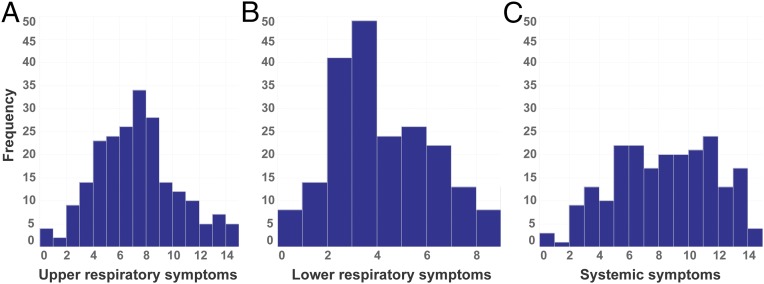
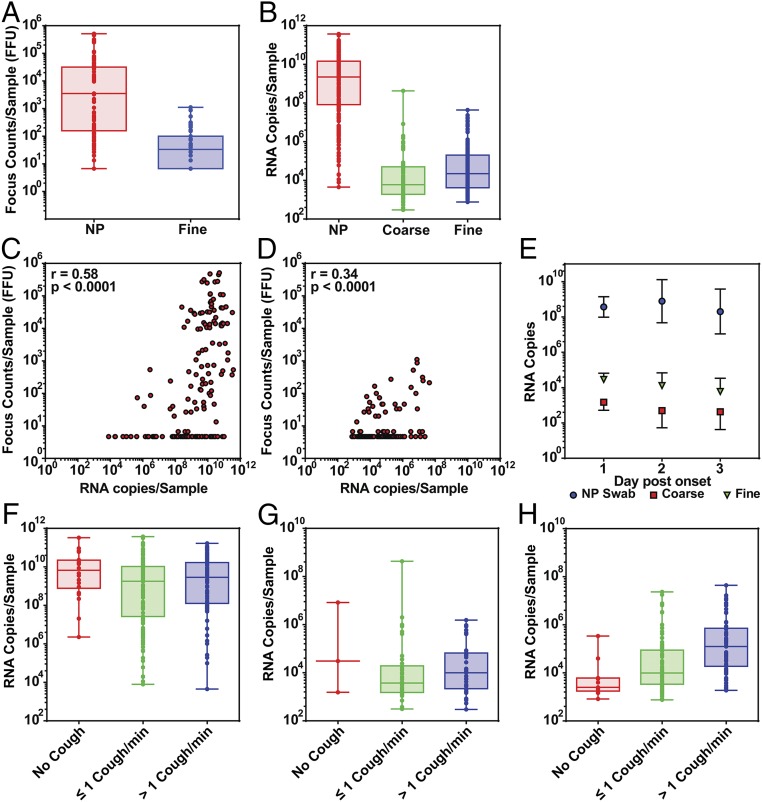
per NP swab. Fine- and coarse-aerosol viral RNA were positively associated with body mass index and number of coughs and negatively associated with increasing days since symptom onset in adjusted models. Fine-aerosol viral RNA was also positively associated with having influenza vaccination for both the current and prior season. NP swab viral RNA was positively associated with upper respiratory symptoms and negatively associated with age but was not significantly associated with fine- or coarse-aerosol viral RNA or their predictors. Sneezing was rare, and sneezing and coughing were not necessary for infectious aerosol generation. Our observations suggest that influenza infection in the upper and lower airways are compartmentalized and independent.
Overview
The claims and statistics of this paper haven’t been checked yet.
Free: it reads the open-access text and checks the first 5 claims that cite a source we can check. Create a free account to check every claim.
Integrity signals
Registry
Cites
Statistics
Figures
Verification
Claims the paper makes
The claims and statistics of this paper haven’t been checked yet.
Free: it reads the open-access text and checks the first 5 claims that cite a source we can check. Create a free account to check every claim.
Claims other papers make about this one
Each is checked against this paper’s own text: does it say what the citing paper says it does?
The cited source says what the claim attributes to it.
In the citing paper
“Numerous earlier studies have established that aerosol expelled during normal respiratory activities can contain infectious influenza virus [42, 45–54].”
From The protective performance of reusable cloth face masks, disposable procedure masks, KN95 masks and N95 respirators: Filtration and total inward leakage (2021) · cites this paper as [49]
Self-check
Percentages, sums and reported differences re-computed from the paper’s own numbers.
The self-check needs the paper’s full text.
Citations
Cites
Harris, P. A., Taylor, R., Thielke, R., Payne, J., Gonzalez, N., & Conde, J. G. (2009) · Journal of Biomedical Informatics · doi:10.1016/j.jbi.2008.08.010 · Cited by 51,384 · cited 2×
“We entered and cleaned data using locally hosted REDCap data-capture tools (34) and performed data management and analyses in R (v3.”
MethodChao, C. Y. H., Wan, M. P., Morawska, L., Johnson, G. R., Ristovski, Z. D., Hargreaves, M., Mengersen, K., Corbett, S., Li, Y., Xie, X., et al. (2009) · Journal of Aerosol Science · doi:10.1016/j.jaerosci.2008.10.003 · Cited by 1,087 · cited 1×
“Cough is thought to produce aerosols from large airways by shear forces that produce relatively coarse-aerosol droplets (23).”
BackgroundLouie, J. K. (2009) · JAMA · doi:10.1001/jama.2009.1583 · Cited by 1,019
Physiology of obesity and effects on lung function
Salome, C. M., King, G. G., & Berend, N. (2010) · Journal of Applied Physiology · doi:10.1152/japplphysiol.00694.2009 · Cited by 831
Review of Aerosol Transmission of Influenza A virus
Tellier, R. (2006) · Emerging Infectious Diseases · doi:10.3201/eid1211.060426 · Cited by 803
Self-citationTransmission of influenza A in human beings
Brankston, G., Gitterman, L., Hirji, Z., Lemieux, C., & Gardam, M. (2007) · The Lancet Infectious Diseases · doi:10.1016/s1473-3099(07)70029-4 · Cited by 744
Hayden, F. G., Fritz, R., Lobo, M. C., Alvord, W., Strober, W., & Straus, S. E. (1998) · Journal of Clinical Investigation · doi:10.1172/jci1355 · Cited by 677 · cited 1×
“(32), then our lack of finding a clear drop in nasal shedding over the next 2 d is reasonably consistent with the pattern reported for experimental infection.”
ResultMilton, D. K., Fabian, M. P., Cowling, B. J., Grantham, M. L., & McDevitt, J. J. (2013) · PLoS Pathogens · doi:10.1371/journal.ppat.1003205 · Cited by 669
Self-citationAerosol transmission of influenza A virus: a review of new studies
Tellier, R. (2009) · Journal of The Royal Society Interface · doi:10.1098/rsif.2009.0302.focus · Cited by 589 · cited 1×
“However, due to limitations inherent to sampling virus shedding via various routes from infected individuals, and the difficulty of distinguishing routes of transmission in observational studies, the quantitative dynamics and relative contributions of each route remain elusive (4, 8).”
BackgroundSelf-citationTransmission of Influenza: Implications for Control in Health Care Settings
Weinstein, R. A., Bridges, C. B., Kuehnert, M. J., & Hall, C. B. (2003) · Clinical Infectious Diseases · doi:10.1086/378292 · Cited by 536 · cited 1×
“Antiviral medication last 24 h (%) 2 11 (6) 7 (5) Age, y (IQR) 20 (19–22) 21 (19–22) 20 (19–21) BMI (IQR) 23.”
Cited by
Items 301–400 of 581
Rodriguez-Rodriguez, B. A., Ciabattoni, G. O., Duerr, R., Valero-Jimenez, A. M., Yeung, S. T., Crosse, K. M., Schinlever, A. R., Bernard, L., Galvan, J. R., McGrath, M. E., et al. (2023) · Nature Communications · doi:10.1038/s41467-023-38783-0 · Cited by 12
“This is in contrast to the in fl uenza virus literature, where URT replication is not correlated with aerosol generation or transmission in humans 32 .”
COVID-19 transmission and control in land public transport: A literature review
Luo, Q., Liu, W., Liao, J., Gu, Z., Fan, X., Luo, Z., Zhang, X., Hang, J., & Ou, C. (2023) · Fundamental Research · doi:10.1016/j.fmre.2023.10.013 · Cited by 13
“Mixing ventilation system is the most common full ventilation mode of public transport cabin, increasing the air change rates (ACH) of mixing ventilation (MV) can effectively dilute the concentration by accreting the aerosols mixing with ambient air and decreasing the droplet residence time [40] .”
de Mesquita, P. J. B., Nguyen‐Van‐Tam, J. S., Killingley, B., Enstone, J. E., Lambkin‐Williams, R., Gilbert, A. S., Mann, A., Forni, J., Yan, J., Pantelic, J., et al. (2020) · Influenza and Other Respiratory Viruses · doi:10.1111/irv.12790 · Cited by 12
“of positive subjects (%) 6 (15) 11 (28) 45 (54) 71 (86) 6E-5 7E-10”
Self-citationKong, M., Li, L., Eilts, S. M., Li, L., Hogan, C. J., & Pope, Z. (2022) · ACS ES&T Engineering · doi:10.1021/acsestengg.1c00321 · Cited by 12
Gennaro, F. D., & Petrosillo, N. (2022) · Acta Otorhinolaryngologica Italica · doi:10.14639/0392-100x-suppl.1-42-2022-01 · Cited by 12
Li, L., He, R., Kong, M., Eilts, S. M., Hong, J., Hogan, C. J., & Pope, Z. (2022) · Journal of Aerosol Science · doi:10.1016/j.jaerosci.2022.106048 · Cited by 12
Influenza in obese travellers: increased risk and complications, decreased vaccine effectiveness
Honce, R., & Schultz‐Cherry, S. (2019) · Journal of Travel Medicine · doi:10.1093/jtm/taz020 · Cited by 12
“In two independent studies investigating viral shedding dynamics, obesity was an independent risk factor for increased duration and amount of viral shed.(15,40) Obese adults have prolonged IAV shed, with symptomatic obese adults shedding 42% longer than non-obese adults.”
BackgroundGangwar, M., Jamal, Y., Usmani, M., Wu, C., & Jutla, A. S. (2024) · Environmental Research Health · doi:10.1088/2752-5309/ad1c41 · Cited by 12
Occupational exposure monitoring of airborne respiratory viruses in outpatient medical clinics
Vass, W. B., Shirkhani, A., Washeem, M., Shankar, S. N., Zhang, Y., Moquin, T. L., Messcher, R. L., Jansen, M. D., Clugston, J. R., Walser, M. P., et al. (2024) · Aerosol Science and Technology · doi:10.1080/02786826.2024.2403580 · Cited by 11
“…2013), where influenza virus copies detectable in particles � 5 l m were 8.8 times higher than what was detectable in particles > 5 l m. Likewise, Yan et al. (2018) reported the collection of nearly twice as many samples positive for influenza virus in fine aerosols (0.05-5 l m) as in coarse…”
InfluentialShahzamal, Mans, B., de Hoog, F., Paini, D. R., & Jurdak, R. (2020) · PLoS ONE · doi:10.1371/journal.pone.0241612 · Cited by 11
“5 liter/min [26,30,31].”
Airborne Transmission of SARS-CoV-2: The Contrast between Indoors and Outdoors
Beggs, C. B., Abid, R., Motallebi, F., Samad, A., Venkatesan, N., & Avital, E. J. (2024) · Fluids · doi:10.3390/fluids9030054 · Cited by 11
Does spitting in public play a role in transmitting SARS-CoV-2?
Gautret, P., Colson, P., Lagier, J., Parola, P., & Raoult, D. (2020) · Travel Medicine and Infectious Disease · doi:10.1016/j.tmaid.2020.101759 · Cited by 11
“illness, the median cough frequency was 18 per 30 minutes (IQR, 5–39) [6].”
BackgroundFunctionalized non-woven surfaces for combating the spread of the COVID-19 pandemic
Patil, N. A., Gore, P. M., Shanmugrajan, D., Patil, H. P., Kudav, M., & Kandasubramanian, B. (2021) · Interface Focus · doi:10.1098/rsfs.2021.0040 · Cited by 11
“As per WHO recommendations, the spread of viral infections can be restricted with continuous use of protective masks and personal protective equipment suits [2], since the viral infections mainly occur through aerosol droplets in air which directly attack the human respiratory system [3,4].”
BackgroundWu, Y. L., Tung, T. C. W., & Niu, J. (2019) · Building and Environment · doi:10.1016/j.buildenv.2019.01.028 · Cited by 11
Electrostatic Sampling of Patient Breath for Pathogen Detection: A Pilot Study
Ladhani, L., Pardon, G., Moons, P., Goossens, H., & van der Wijngaart, W. (2020) · Frontiers in Mechanical Engineering · doi:10.3389/fmech.2020.00040 · Cited by 11
Nazari, A., Jafari, M., Rezaei, N., Arash-Azad, S., Talati, F., Nejadrahim, R., Taghizadeh‐Hesary, F., & Hesary, F. T. (2021) · Aerosol and Air Quality Research · doi:10.4209/aaqr.200574 · Cited by 11
Controlled human influenza infection reveals heterogeneous expulsion of infectious virus into air
Vargas-Maldonado, N., Shetty, N., Ferreri, L. M., Pauly, M. D., Patatanian, K., Danzy, S., Shephard, M. J., VanInsberghe, D., Vu, M. N., Campbell, A. J., et al. (2026) · Cell · doi:10.1016/j.cell.2026.02.025 · Cited by 11
Self-citationModeling of dispersion of aerosolized airborne pathogens exhaled in indoor spaces
Sharma, P., Bahga, S. S., & Gupta, A. K. (2023) · Physics of Fluids · doi:10.1063/5.0142869 · Cited by 10
“28 31 Yan et al. 32 posited that the detection of culturable virus in fine aerosols in the absence of cough implies the presence of other mechanisms like breathing and talking for aerosol generation.”
Lung aerosol particle emission increases with age at rest and during exercise
Schumm, B., Bremer, S., Knödlseder, K., Schönfelder, M., Hain, R., Semmler, L., Lorenz, E., Jörres, R. A., Wackerhage, H., & Kähler, C. J. (2023) · Proceedings of the National Academy of Sciences · doi:10.1073/pnas.2301145120 · Cited by 10
“Coarse particles with a size > 5 μm contain less virus than the corresponding finer fraction (27, 28).”
BackgroundTreanor, J. J. (2023) · Springer eBooks · doi:10.1007/978-1-4939-9544-8_19-2 · Cited by 10
Кравчук, Е. Н., Неймарк, А. Е., Babenko, A. Y., & Grineva, E. N. (2020) · Arterial’naya Gipertenziya (Arterial Hypertension) · doi:10.18705/1607-419x-2020-26-4-440-446 · Cited by 10
Groot, C. J. D., Poitou, C., Coupaye, M., Clément, K., Paschou, S. Α., Charmandari, E., Kanaka‐Gantenbein, C., Wabitsch, M., Buddingh, E. P., Nieuwenhuijsen, B., et al. (2021) · Endocrine · doi:10.1007/s12020-021-02619-y · Cited by 10
Li, Y., Liu, J., Yang, Z., Yu, J., Xu, C., Zhu, A., Zhang, H., Yang, X., Zhao, X., Ren, M., et al. (2021) · Emerging infectious diseases · doi:10.3201/eid2709.202035 · Cited by 10
“Characteristic Index casepatients Close contacts Age, y, mean (range) 49 (2–91) 43 (0–94) Age group, y <18 5 (1) 267 (12) 18–59 339 (71) 1,559 (68) >60 132 (28) 465 (20) Sex M 262 (55) 1,162 (49) F 214 (45) 1,198 (51)”
SARS‐CoV‐2 Virulence: Interplay of Floating Virus‐Laden Particles, Climate, and Humans
Hosseini, V. (2020) · Advanced Biosystems · doi:10.1002/adbi.202000105 · Cited by 10
Indirect interactions influence contact network structure and diffusion dynamics
Shahzamal, Jurdak, R., Mans, B., & de Hoog, F. (2019) · Royal Society Open Science · doi:10.1098/rsos.190845 · Cited by 10
“The experiment of [9] have analyzed breath form the influenza A patients.”
BackgroundQin, P., de Lange, A., van Hooff, T., Traversari, A. A. L., & Loomans, M. G. L. C. (2025) · Building and Environment · doi:10.1016/j.buildenv.2025.113328 · Cited by 9
Association of Toxoplasmosis and COVID-19 in a Mexican Population
Galván-Ramírez, M. D. L. L., Salas-Lais, Á. G., Muñoz‐Medina, J. E., Fernandes-Matano, L., Pérez, L. R. R., & Leon, K. (2023) · Microorganisms · doi:10.3390/microorganisms11061441 · Cited by 9
“In addition, studies have shown that the exhaled viral load of obese and influenza subjects may be higher due to increased ventilation volume and may spread pathogens more easily [6,7].”
BackgroundZhang, G., Zhu, Q., Zhang, L., Li, L., Fu, J., Wang, S.-L., Yuan, W., He, L., & Tao, G. (2024) · Journal of Hazardous Materials · doi:10.1016/j.jhazmat.2024.133480 · Cited by 9
Aerosol generation of sweeteners solutions during a drinking process
He, Y., Qiu, J., Chen, J., Shi, W., & Shi, J. (2024) · Food Hydrocolloids · doi:10.1016/j.foodhyd.2024.110603 · Cited by 9
Spicciarelli, V., Marruganti, C., Viviano, M., Baldini, N., Franciosi, G., Tortoriello, M., & Grandini, S. (2020) · Use Siena air (University of Siena) · doi:10.23805/jo.2020.12.01.11 · Cited by 9
“Even though saliva can be delivered through cough, “droplets” can be emitted also through normal breathing (6).”
BackgroundMasks, ventilation and exposure time: A web-based calculator of indoor COVID-19 infection risk
Huang, J., Jones, P., & He, X. (2022) · Frontiers in Built Environment · doi:10.3389/fbuil.2022.986923 · Cited by 9
“An alternatively approach is to count the viral RNA copies exhaled by patients and those present in air samples (Milton et al., 2013; Yan et al., 2018), although the quantity of viable viral particles capable of in fl icting new infections is dif fi cult to measure precisely.”
BackgroundBrownian fractal nature coronavirus motion
Mitić, V. V., Lazović, G., Milosevic, D. M., Ristanović, E., Simeunovic, D., Tsay, S., Milošević, M., & Vlahović, B. D. (2021) · Modern Physics Letters B · doi:10.1142/s0217984921500767 · Cited by 9
Duan, C., Buerer, L., Wang, J., Kaplan, S., Sabalewski, G., Jay, G. D., Monaghan, S. F., Arena, A., & Fairbrother, W. G. (2021) · Journal of Molecular Diagnostics · doi:10.1016/j.jmoldx.2021.09.005 · Cited by 9
“While it has been demonstrated that such samples contain active virus, the findings from a recent study suggest that influenza is compartmentalized.(4,5) Viral load in the upper respiratory tract (ie, nasal) is not correlated with symptoms in the lower respiratory tract (ie, coughing), whereas viral load in aerosolize…”
Self-citationSpread of viruses, which measures are the most apt to control COVID-19?
Tandjaoui-Lambiotte, Y., Lomont, A., Moënne-Locoz, P., Seytre, D., & Zahar, J. (2022) · Infectious Diseases Now · doi:10.1016/j.idnow.2022.12.002 · Cited by 9
“Prior to the pandemic [1,2], existing data could have allowed us to approach the initial phases more serenely in terms of preventive measures designed to decrease risk of transmission.”
BackgroundSharma, A., Kumar, D., Kumar, A., Faisal, N., Kumar, N., Pandey, S., Hasnain, S. M. M., Al-Hazani, T. M. I., Alkahtane, A. A., Alkahtani, S. H., et al. (2023) · Sustainability · doi:10.3390/su15129286 · Cited by 9
Elmaghraby, H. A., Chiang, Y. W., & Aliabadi, A. A. (2019) · Science and Technology for the Built Environment · doi:10.1080/23744731.2019.1634930 · Cited by 9
“Additionally, this follows the theme of several studies in the literature that used particles of different sizes to model expiratory contaminant dispersion from coughing and sneezing (Milton et al. 2013; Tang et al. 2013; Yan et al. 2018).”
BackgroundAlkire, S., Dirksen, J., Nogales, R., & Oldiges, C. (2020) · Oxford University Research Archive (ORA) (University of Oxford) · Cited by 9
Drop transmission after the impact on woven fabrics
Maurya, G., Liu, Y., Sussman, M. M., & Shoele, K. (2024) · International Journal of Multiphase Flow · doi:10.1016/j.ijmultiphaseflow.2024.104909 · Cited by 8
Impact of influenza vaccine-modified infectivity on attack rate, case fatality ratio and mortality
Nah, K., Alavinejad, M., Rahman, A., Heffernan, J. M., & Wu, J. (2020) · Journal of Theoretical Biology · doi:10.1016/j.jtbi.2020.110190 · Cited by 8
Pediatric endocrinopathies related to COVID-19: an update
Memar, E. H. E., Mohsenipour, R., Sadrosadat, S. T., & Rostami, P. (2022) · World Journal of Pediatrics · doi:10.1007/s12519-022-00662-x · Cited by 8
“It seems that obese individuals spread more enormous amounts of the virus through inhalation and can infect other people [77].”
DeFelice, T. P. (2020) · Heliyon · doi:10.1016/j.heliyon.2020.e04726 · Cited by 8
“In fl uenza and in fl uenza-like illness (collectively termed ILI) microorganism behavior may be a function of environmental conditions, virus or microorganism type, and/or geographical region (e.g., WHO, 2018; Greene et al., 2006).”
InfluentialPrevention of COVID-19 Infection with Personal Protective Equipment
Shimasaki, N., & Morikawa, H. (2021) · Journal of Disaster Research · doi:10.20965/jdr.2021.p0061 · Cited by 8
Li, X., Sun, B., Lyu, K., Chen, J., Zhang, Y., Sun, Y., Li, C., Sui, T., Wang, X., Hu, Y., et al. (2023) · Frontiers in Public Health · doi:10.3389/fpubh.2022.1052610 · Cited by 8
“In particular, fine aerosol particles containedmore viral ribonucleic acid (RNA) (30), and infectious viruses were recovered in aerosols ranging from 0.”
BackgroundInfluentialThe Impact of Vocalization Loudness on COVID-19 Transmission in Indoor SpacesPreprint
Barreda, S., Asadi, S., Cappa, C. D., Wexler, A. S., Bouvier, N. M., & Ristenpart, W. D. (2020) · arXiv (Cornell University) · doi:10.48550/arxiv.2009.04060 · Cited by 8
Kosmeri, C., Papasavva, M. E., Kyrkou, A., Gketsi, V., Siomou, E. C., Ladomenou, F., & Makis, A. C. (2025) · Children · doi:10.3390/children12101333 · Cited by 7
“Transmission occurs through respiratory secretions, contaminated surfaces, and aerosolized particles expelled during breathing [1,2].”
Bioaerosols: An Unavoidable Indoor Air Pollutant That Deteriorates Indoor Air Quality
Kallawicha, K., & Chao, H. J. (2022) · Internet of things · doi:10.1007/978-3-030-96486-3_3 · Cited by 7
Air-liquid interface model for influenza aerosol exposure in vitro
Seibert, B., Cáceres, C. J., Gay, L. C., Shetty, N., Faccin, F. C., Carnaccini, S., Walters, M. S., Marr, L. C., Lowen, A. C., Rajão, D. S., et al. (2025) · Journal of Virology · doi:10.1128/jvi.00619-25 · Cited by 7
Aerial mucosalivary droplet dispersal distributions with implications for disease mitigation
Chang, B., Sharma, R. S., Huynh, T., & Kudrolli, A. A. (2020) · Physical Review Research · doi:10.1103/physrevresearch.2.043391 · Cited by 7
Ong, D. S. Y., de Man, P., Verhagen, T., Doejaaren, G., Dallinga, M. A., Alibux, E., Janssen, M. L., & Wils, E. (2023) · Journal of Medical Virology · doi:10.1002/jmv.28748 · Cited by 7
“Detection of airborne influenza virus RNA in exhaled breath has been reported in up to 76% of symptomatic influenza‐infected nonhospitalized individuals early after symptom onset.(14,15) In our study the proportion of positive influenza A virus air samples (18%) was lower, which might be partially explained by late sa…”
BackgroundThe effect of activity and face masks on exhaled particles in children
Moschovis, P. P., Lombay, J., Rooney, J. L., Schenkel, S. R., Singh, D., Rezaei, S. J., Salo, N., Gong, A., Yonker, L. M., Shah, J., et al. (2023) · Pediatric Investigation · doi:10.1002/ped4.12376 · Cited by 8
Li, L., Pope, Z., Son, Y. J., Eilts, S. M., Hogan, C. J., & Kong, M. (2023) · Building and Environment · doi:10.1016/j.buildenv.2023.110454 · Cited by 7
Nishimura, H., Sakata, S., Dapat, I. C., Segawa, M., Mizutani, Y. H., Imaizumi, J., Shirato, K., Ohmiya, S., Katsumi, M., & Yokoyama, T. (2025) · Microbiology and Immunology · doi:10.1111/1348-0421.13204 · Cited by 7
Kaygusuz, S., & Gül, S. (2018) · Kırıkkale Üniversitesi Tıp Fakültesi Dergisi · doi:10.24938/kutfd.500424 · Cited by 7
COVID-19: Focus on masks and respirators - Implications for oral health-care workers
Mulder, R., Layloo, N., & Staden, S. M. V. (2020) · South African Dental Journal · doi:10.17159/2519-0105/2020/v75no4a1 · Cited by 7
Effectiveness of different facemask materials to combat transmission of airborne diseases
Krishna, M. P., Babalola, S. A., Dutta, S., Chakraborty, S. S., Thangadurai, M., Roy, H., Mandal, N., Hirani, H., & Roy, P. (2021) · Sadhana · doi:10.1007/s12046-021-01634-z · Cited by 7
Xiao, J., de Mesquita, P. J. B., Leung, N., Adenaiye, O., Tai, S., Frieman, M. B., Hong, F. H., Chu, D. K. W., Ip, D., Cowling, B. J., et al. (2021) · The Journal of Infectious Diseases · doi:10.1093/infdis/jiab464 · Cited by 7
Self-citationShyam, S., Mondal, P. K., & Wongwises, S. (2022) · International Journal of Thermal Sciences · doi:10.1016/j.ijthermalsci.2022.107525 · Cited by 7
Nanometals and Metal Ion Pollution from Dental Materials in Dental Environment
Fernandes, A. C. B. C. J., & França, R. (2023) · Micro · doi:10.3390/micro3020031 · Cited by 7
Hayashi, M. A. L., Simon, S., Zou, K., Wyk, H. V., Zahid, M. H., Eisenberg, J. N. S., & Freeman, M. C. (2024) · Risk Analysis · doi:10.1111/risa.17633 · Cited by 7
“We assume that coughing in COVID-19 patients is less frequent than coughing observed in influenza A and B patients (2.5–19.5 coughs every 30 min) (Yan et al., 2018), but higher than coughing frequency observed in healthy patients (0.3875 coughs every 30 min) (Yousaf et al., 2013).”
InfluentialXu, S. S., Lei, Z., Zhuang, Z., & Bergman, M. S. (2019) · ASME International Computers in Engineering Conference and Engineering Database Symposium · doi:10.1115/detc2019-97826 · Cited by 7
Matvejeff, A. T., Silvonen, V., Heikkilä, P., Sanmark, E., Hakala, J. P., Kuittinen, N., Geneid, A., Laukkanen, A.-M., Alku, P., Oksanen, L., et al. (2025) · Journal of Aerosol Science · doi:10.1016/j.jaerosci.2025.106619 · Cited by 6
Risch, P., Broger, T., Booi, Z., Tiseo, K., Kumar, H. S., van Schalkwyk, J., Heinrich, T., Willi, R., Botha, S. M., Sander, P., et al. (2025) · Journal of Clinical Microbiology · doi:10.1128/jcm.00546-25 · Cited by 6
“Growing evidence supports aerosol transmission as a major route for many respiratory infections, including pandemic coronaviruses, influenza, respiratory syncytial virus (RSV), and TB (10, 12–16).”
A Fast, Automatic Risk Detector for COVID-19
Gawde, B. B. (2020) · IEEE Pune Section International Conference (PuneCon) · doi:10.1109/punecon50868.2020.9362389 · Cited by 6
“According to the studies of Yan et al. [10], not just while sneezing and coughing, the patients infected with influenza shed infectious virus particles while normal breathing as well.”
ResultSafety in Rats of a Novel Nasal Spray Formulation for the Prevention of Airborne Viral Infections
Tanori, M., Pitaro, M., Fratini, E., Colantoni, E., Amoresano, A., Celentano, S., Chiaramonte, B., & Mancuso, M. (2023) · Pharmaceutics · doi:10.3390/pharmaceutics15020591 · Cited by 6
Investigating factors in indoor transmission of respiratory disease through agent‐based modeling
Choi, M., & Hohl, A. (2023) · Transactions in GIS · doi:10.1111/tgis.13099 · Cited by 6
Rachmat, A., Kelly, G. C., Tran, L. K., Christy, N., Supaprom, C., Heang, V., Dul, S., Garcia-Rivera, J. A., Prom, S., Sopheab, H., et al. (2024) · Open Forum Infectious Diseases · doi:10.1093/ofid/ofae062 · Cited by 6
Lindsley, W. G., Blachère, F. M., Derk, R. C., Mnatsakanova, A., & Noti, J. D. (2024) · American Journal of Infection Control · doi:10.1016/j.ajic.2024.07.019 · Cited by 6
Recent advances in filter materials for efficient photodynamic inactivation of pathogens in the air
Lin, Y., Chen, L., Jiang, L., & Huang, M. (2024) · Journal of environmental chemical engineering · doi:10.1016/j.jece.2024.114877 · Cited by 6
Two Pandemics Coalition: Covid-19 and Obesity
Hâncu, A. M., & Mihaltan, F. D. (2020) · Internal Medicine · doi:10.2478/inmed-2020-0109 · Cited by 6
The ability of face masks to reduce transmission of microbes
Kalaiselvan, P., Tummanapalli, S. S., Vijay, A. K., Bahl, P., MacIntyre, C. R., & Willcox, M. D. P. (2021) · Clinical and Experimental Optometry · doi:10.1080/08164622.2021.1971050 · Cited by 6
“Interestingly, airborne transmission of influenza virus is controversial,(13) despite being shown to be airborne.(16,17) This controversy may be due to the capacities for different strains to be transmitted via aerosols.”
BackgroundHussain, S. M., Goel, S., Kadapa, C., & Aristodemou, E. (2022) · Materials Today Proceedings · doi:10.1016/j.matpr.2022.03.724 · Cited by 6
Aerodynamic Prediction of Time Duration to Becoming Infected with Coronavirus in a Public Place
Sarhan, A. R., Naser, P., & Naser, J. (2022) · Fluids · doi:10.3390/fluids7050176 · Cited by 6
“75 L [36], could contain an order of 103 droplets (≤1 μm) [37].”
BackgroundThe Blind Spot in COVID-19 Vaccination Policies: Under-Reported Adverse Events
Provost, P. (2023) · International Journal of Vaccine Theory Practice and Research · doi:10.56098/ijvtpr.v3i1.65 · Cited by 6
Köhler, D., Hetzel, M., Klingner, M., Koch, T., Ewig, S., Becher, G., Lindemann, H., Voshaar, T., & Costabel, U. (2019) · Pneumologie · doi:10.1055/a-0873-3574 · Cited by 6
Engsomboon, N., Pachimsawat, P., & Thanathornwong, B. (2022) · Dentistry Journal · doi:10.3390/dj10080142 · Cited by 6
Numerical investigation of respiratory drops dynamics released during vocalization
Peña-Monferrer, C., Antao, S., & Sawko, R. (2021) · Physics of Fluids · doi:10.1063/5.0059419 · Cited by 6
COVID-19 mortality and the overweight: Cross-Country Evidence
Arulanandam, B. P., Beladi, H., & Chakrabarti, A. (2021) · Public Health in Practice · doi:10.1016/j.puhip.2021.100179 · Cited by 6
Guo, L., Torii, R., Epstein, R., Rubin, J. S., Reid, J. P., Li, H., Ducci, A., Balachandran, R., Tiwari, M. K., Ventikos, Y., et al. (2021) · medRxiv · doi:10.1101/2021.11.01.21265775 · Cited by 6
Loss of Infectivity of Influenza Virus and SARS-CoV-2 during Aerosol Sampling
Pan, J., Duggal, N. K., Lakdawala, S. S., Sethi, M., Vargas-Maldonado, N., Raghunathan, V., Lowen, A. C., & Marr, L. C. (2026) · Environmental Science & Technology Letters · doi:10.1021/acs.estlett.6c00020 · Cited by 5
Zhang, S., Yan, Z., Zhang, Y., Wu, X., Liu, L., Yang, A., & Duan, M. (2023) · BMJ Open · doi:10.1136/bmjopen-2022-068291 · Cited by 5
Paull, J. R., Luscombe, C. A., Seta, A., Heery, G. P., Bobardt, M. D., Gallay, P. A., Constant, S., & Castellarnau, A. (2024) · Scientific Reports · doi:10.1038/s41598-024-72262-w · Cited by 5
Wang, J., Cui, W., Ren, C. L., & Ho, E. A. (2024) · ACS Measurement Science Au · doi:10.1021/acsmeasuresciau.4c00032 · Cited by 5
Self-citationLindsley, W. G., Derk, R. C., Coyle, J. P., Blachère, F. M., Boots, T. E., Martin, S. B., Mead, K. R., & Noti, J. D. (2025) · Building and Environment · doi:10.1016/j.buildenv.2025.112611 · Cited by 5
Raut, A. W., Meshram, P. V., & Raut, R. A. (2022) · Annals of African Medicine · doi:10.4103/aam.aam_67_21 · Cited by 5
“[6] Aerosols may be in the form of “droplet nuclei” or “fine aerosols” with particle diameter <5 μ m and “droplets” with particle diameter >5 μ m. [7,8] The droplet nuclei can readily penetrate and reach down to the alveolar spaces, thus, resulting in the transmission of disease.”
Expiratory Aerosol pH is a Driver of the Persistence of Airborne Influenza A Virus
Schaub, A. (2023) · CHIMIA International Journal for Chemistry · doi:10.2533/chimia.2023.196 · Cited by 5
Lung function monitoring in the era of respiratory pandemics
Lundblad, L. K. A., & Chow, C. (2020) · Clinical Physiology and Functional Imaging · doi:10.1111/cpf.12650 · Cited by 5
“…normal tidal breathing, thus likely significantly reducing generation of aerosols and potential spread of pathogens compared with forced exhalation maneuvers where the maneuver itself and the induced cough contributes to spreading of the contagion (Lindsley et al. 2012, 2016, Yan et al. 2018).”
BackgroundBhavsar, A. A. (2021) · PLoS ONE · doi:10.1371/journal.pone.0250275 · Cited by 5
Mathai, V. (2021) · Physics Today · doi:10.1063/pt.3.4779 · Cited by 5
Performance Evaluation of Different Texture Material Masks to Reduce Airborne Infection
Kassem, F. A.-M., AbdelGawad, A. F., Nassief, M. M., El-Ezz, A. E. A., S.H.Samha, & Adel, M. (2023) · CFD letters · doi:10.37934/cfdl.15.7.175193 · Cited by 5
Hanna, F., Alameddine, I., Zaraket, H., Alkalamouni, H., & El‐Fadel, M. (2023) · PLoS ONE · doi:10.1371/journal.pone.0290124 · Cited by 5
“However, patients can also shed influenza virus during tidal breathing [103–105].”
BackgroundMermel, L. A. (2018) · Clinical Microbiology and Infection · doi:10.1016/j.cmi.2018.07.001 · Cited by 5
COVID-19: Dogma Over Potential for Prolonged Droplet Dispersal in Air
West, J. S., & Perryman, S. A. M. (2020) · Frontiers in Public Health · doi:10.3389/fpubh.2020.551836 · Cited by 5
“Droplets may not even require coughing because production of fine droplets containing influenza virus particles has been demonstrated simply from normal breathing (23).”
BackgroundDirect Observation of COVID-19 Prevention Behaviors and Physical Activity in Public Open Spaces
Suminski, R. R., Jr., Dominick, G. M., Wagner, N. J., & Obrusníková, I. (2022) · International Journal of Environmental Research and Public Health · doi:10.3390/ijerph19031335 · Cited by 5
“More forceful exhalations, such as those associated with higher intensity physical activity, produce high-velocity droplet sprays that cause even larger quantities of infectious aerosol particles to be expelled into the environment [20].”
BackgroundRespiratory Protection of Health Care Personnel to Prevent Respiratory Viral Transmission
Talbot, T. R., & Babcock, H. M. (2019) · JAMA · doi:10.1001/jama.2019.11644 · Cited by 5
Winchester, S., Castellarnau, A., Jabbar, K., Nadir, M., Ranasinghe, K., Masramon, X., Kinghorn, G. R., John, I., & Paull, J. R. (2024) · Pharmaceutics · doi:10.3390/pharmaceutics16091173 · Cited by 4
“The nose is a key entry point for airborne viruses [11–13], with the viral load at its highest in the nasopharynx during early SARS-CoV-2 infection. highest in the nasopharynx during early SARS-CoV-2 infection A temporary nasal barrier to reduce viral load early in infection may limit or prevent…”
BackgroundSymptom propagation in respiratory pathogens of public health concern: a review of the evidence
Asplin, P., Mancy, R., Finnie, T., Cumming, F., Keeling, M. J., & Hill, E. M. (2024) · Journal of The Royal Society Interface · doi:10.1098/rsif.2024.0009 · Cited by 5
Aerosol Generation During Nasal Airway Instrumentation
Sayahi, T., Workman, A. D., Kelly, K. E., Ardon‐Dryer, K., Presto, A. A., & Bleier, B. S. (2022) · Otolaryngology · doi:10.1177/01945998221099028 · Cited by 4
Covid 19 and beyond: a procedure for HVAC systems to address infectious aerosol illness transmission
Walkinshaw, D. S., & Horstman, R. H. (2023) · Frontiers in Built Environment · doi:10.3389/fbuil.2023.999126 · Cited by 4
Routes of Transmission and Control Protocols of COVID-19 in Dental Clinics: An Overview
Amri, A., Dorsaf, T., Moussaoui, E., Oualha, L., & Douki, N. (2020) · International Journal of Drug Research And Dental Science · doi:10.36437/ijdrd.2020.2.4.k · Cited by 4
Madl, P., Arvay, C. G., Gatti, A. M., Giuliani, L., & Lettner, H. (2021) · Aerosol and Air Quality Research · doi:10.4209/aaqr.200438 · Cited by 4
Metadata
- Authors
- Yan, J., Grantham, M., Pantelic, J., Bueno de Mesquita, P. J., Albert, B., Liu, F., Ehrman, S., Milton, D. K., EMIT Consortium, Adamson, W., Beato-Arribas, B., Bischoff, W., Booth, W., Cauchemez, S., Ehrman, S., Enstone, J., Ferguson, N., Forni, J., Gilbert, A., Grantham, M., Grohskopf, L., Hayward, A., Hewitt, M., Kang, A., Killingley, B., Lambkin-Williams, R., Mann, A., Milton, D., Nguyen-Van-Tam, J., Noakes, C., Oxford, J., Palmarini, M., Pantelic, J., Wang, J., Bennett, A., Cowling, B., Monto, A., & Tellier, R.
- Affiliations
- University of Maryland, College Park (US)
- Maryland Institute for Applied Environmental Health, School of Public Health, University of Maryland, College Park, MD 20742;
- ORCID
- Venue
- Proceedings of the National Academy of Sciences
- Publisher
- National Academy of Sciences
- Published
- 2018-01-18
- Volume
- 115
- Issue
- 5
- Pages
- 1081-1086
- ISSN
- 0027-8424 (ISSN-L)
- 1091-6490
- PMC
- PMC5798362
- OpenAlex
- W2783303681
- Cited by
- 534
- References
- 36
- Citations by year
- 2026: 22 · 2025: 36 · 2024: 35 · 2023: 52 · 2022: 70 · 2021: 128 · 2020: 140 · 2019: 37 · 2018: 13
- FWCI
- 62.61
- Type
- journal article
- Language
- en
- Open access
- hybrid
- doi.org
- Licence
- Locations
- Proceedings of the National Academy of Sciences (publishedVersion, cc-by-nc-nd)
- bioRxiv (Cold Spring Harbor Laboratory) (acceptedVersion)
- PubMed Central (publishedVersion, cc-by-nc-nd)
- PubMed (publishedVersion)
- eScholarship (California Digital Library) (submittedVersion, cc-by-nc-nd)
- Funders
- HHS | Centers for Disease Control and Prevention (1U01P000497)
- HHS | NIH | National Institute of Allergy and Infectious Diseases (5RC1AI086900)
- Topics
- Health Sciences › Medicine › Epidemiology › Influenza Virus Research Studies
- Health Sciences › Medicine › Pulmonary and Respiratory Medicine › Infection Control and Ventilation
- Health Sciences › Medicine › Epidemiology › Respiratory viral infections research
- Keywords
- seasonal influenza, respiratory aerosols, exhaled breath, viral RNA, nasal swabs, cough, sneezing, body mass index, influenza vaccination, upper respiratory tract, lower respiratory tract infection, respiratory infection transmission, university students
- MeSH terms
- Aerosols, Air Microbiology, Cough, Female, Humans, Influenza, Human, Male, Models, Theoretical, Respiratory System, Respiratory Tract Infections, RNA, Viral, Seasons, Students, Temperature, Universities, Vaccination, Body Mass Index, Prevalence, Exhalation, Young Adult
About these checks
Registry, retraction, Cites and statistics results are computed, not judged, with one exception: a printed reference that no index lists is read once by a model before it counts as a citation error. Claims are extracted by a model and kept only when their quote appears verbatim in the text; each cited source is then checked, with a model’s help, for whether it says what the claim relies on. Those verdicts can be wrong — read the claim’s quote and the cited source before relying on one.
Statistics and arithmetic are recomputed, not judged.
Confidence bands are shown only for fields calibrated on our annotated test set. None is calibrated yet, so no band is shown.
What counts as a claim ›How we measure confidence ›How we check this ›
Are you an author, or do you see a problem with this page? Request a review
Data sources
Bibliographic data: Semantic Scholar, OpenAlex, Crossref.
Contains information from the Semantic Scholar Academic Graph Datasets, made available under the ODC Attribution License (ODC-BY 1.0).
Semantic Scholar’s data is described in: Kinney, R., et al. (2023). The Semantic Scholar Open Data Platform. arXiv:2301.10140.
