

Infectious virus in exhaled breath of symptomatic seasonal influenza cases from a college community
Open accessPublished version of a preprint
The DOI matches its Crossref record; 36 of the 36 references it cites were found in a registry or an index.
Abstract
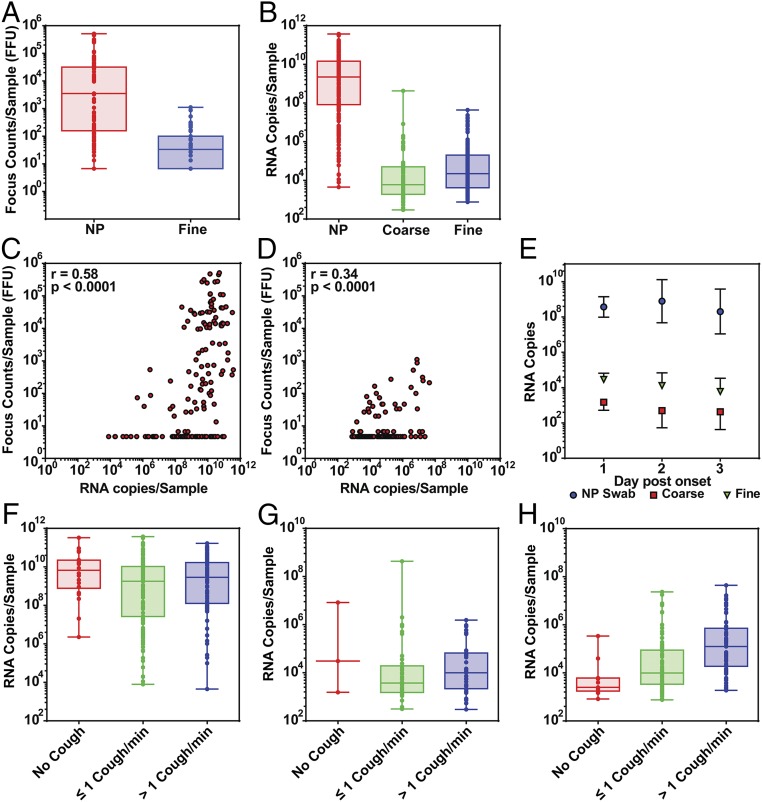
per NP swab. Fine- and coarse-aerosol viral RNA were positively associated with body mass index and number of coughs and negatively associated with increasing days since symptom onset in adjusted models. Fine-aerosol viral RNA was also positively associated with having influenza vaccination for both the current and prior season. NP swab viral RNA was positively associated with upper respiratory symptoms and negatively associated with age but was not significantly associated with fine- or coarse-aerosol viral RNA or their predictors. Sneezing was rare, and sneezing and coughing were not necessary for infectious aerosol generation. Our observations suggest that influenza infection in the upper and lower airways are compartmentalized and independent.
Overview
The claims and statistics of this paper haven’t been checked yet.
Free: it reads the open-access text and checks the first 5 claims that cite a source we can check. Create a free account to check every claim.
Integrity signals
Registry
Cites
Statistics
Figures
Verification
Claims the paper makes
The claims and statistics of this paper haven’t been checked yet.
Free: it reads the open-access text and checks the first 5 claims that cite a source we can check. Create a free account to check every claim.
Claims other papers make about this one
Each is checked against this paper’s own text: does it say what the citing paper says it does?
The cited source says what the claim attributes to it.
In the citing paper
“Numerous earlier studies have established that aerosol expelled during normal respiratory activities can contain infectious influenza virus [42, 45–54].”
From The protective performance of reusable cloth face masks, disposable procedure masks, KN95 masks and N95 respirators: Filtration and total inward leakage (2021) · cites this paper as [49]
Self-check
Percentages, sums and reported differences re-computed from the paper’s own numbers.
The self-check needs the paper’s full text.
Citations
Cites
Harris, P. A., Taylor, R., Thielke, R., Payne, J., Gonzalez, N., & Conde, J. G. (2009) · Journal of Biomedical Informatics · doi:10.1016/j.jbi.2008.08.010 · Cited by 51,384 · cited 2×
“We entered and cleaned data using locally hosted REDCap data-capture tools (34) and performed data management and analyses in R (v3.”
MethodChao, C. Y. H., Wan, M. P., Morawska, L., Johnson, G. R., Ristovski, Z. D., Hargreaves, M., Mengersen, K., Corbett, S., Li, Y., Xie, X., et al. (2009) · Journal of Aerosol Science · doi:10.1016/j.jaerosci.2008.10.003 · Cited by 1,087 · cited 1×
“Cough is thought to produce aerosols from large airways by shear forces that produce relatively coarse-aerosol droplets (23).”
BackgroundLouie, J. K. (2009) · JAMA · doi:10.1001/jama.2009.1583 · Cited by 1,019
Physiology of obesity and effects on lung function
Salome, C. M., King, G. G., & Berend, N. (2010) · Journal of Applied Physiology · doi:10.1152/japplphysiol.00694.2009 · Cited by 831
Review of Aerosol Transmission of Influenza A virus
Tellier, R. (2006) · Emerging Infectious Diseases · doi:10.3201/eid1211.060426 · Cited by 803
Self-citationTransmission of influenza A in human beings
Brankston, G., Gitterman, L., Hirji, Z., Lemieux, C., & Gardam, M. (2007) · The Lancet Infectious Diseases · doi:10.1016/s1473-3099(07)70029-4 · Cited by 744
Hayden, F. G., Fritz, R., Lobo, M. C., Alvord, W., Strober, W., & Straus, S. E. (1998) · Journal of Clinical Investigation · doi:10.1172/jci1355 · Cited by 677 · cited 1×
“(32), then our lack of finding a clear drop in nasal shedding over the next 2 d is reasonably consistent with the pattern reported for experimental infection.”
ResultMilton, D. K., Fabian, M. P., Cowling, B. J., Grantham, M. L., & McDevitt, J. J. (2013) · PLoS Pathogens · doi:10.1371/journal.ppat.1003205 · Cited by 669
Self-citationAerosol transmission of influenza A virus: a review of new studies
Tellier, R. (2009) · Journal of The Royal Society Interface · doi:10.1098/rsif.2009.0302.focus · Cited by 589 · cited 1×
“However, due to limitations inherent to sampling virus shedding via various routes from infected individuals, and the difficulty of distinguishing routes of transmission in observational studies, the quantitative dynamics and relative contributions of each route remain elusive (4, 8).”
BackgroundSelf-citationTransmission of Influenza: Implications for Control in Health Care Settings
Weinstein, R. A., Bridges, C. B., Kuehnert, M. J., & Hall, C. B. (2003) · Clinical Infectious Diseases · doi:10.1086/378292 · Cited by 536 · cited 1×
“Antiviral medication last 24 h (%) 2 11 (6) 7 (5) Age, y (IQR) 20 (19–22) 21 (19–22) 20 (19–21) BMI (IQR) 23.”
Cited by
Items 201–300 of 581
Use of antiviral drugs for seasonal influenza: Foundation document for practitioners—Update 2019
Aoki, F. Y., Allen, U., Mubareka, S., Papenburg, J., Stiver, H. G., & Evans, G. A. (2019) · Journal of the Association of Medical Microbiology and Infectious Disease Canada · doi:10.3138/jammi.2019.02.08 · Cited by 28
Seasonal influenza during pregnancy
Abdullahi, H., Elnahas, A., & Konje, J. C. (2021) · European Journal of Obstetrics & Gynecology and Reproductive Biology · doi:10.1016/j.ejogrb.2021.01.005 · Cited by 28
Robinson, T. E., Moakes, R. J. A., & Grover, L. M. (2021) · Frontiers in Medical Technology · doi:10.3389/fmedt.2021.687681 · Cited by 28
“Indeed, although a new strain, it seems to follow a similar, airborne, mechanism of transmission as the SARS-CoV-1 virus in the early 2000s (2), as well as other respiratory viruses (3).”
BackgroundDean, D. A., Klechka, L., Hossain, E., Parab, A. R., Eaton, K., Hinsdale, M. E., & McCall, L. (2022) · mSystems · doi:10.1128/msystems.00353-22 · Cited by 28
“5 Results 92 Viral distribution influences IAV transmissibility, viral reassortment and disease severity 93 (5, 14, 15).”
BackgroundMolecular detection of SARS-COV-2 in exhaled breath at the point-of-need
Stakenborg, T., Raymenants, J., Taher, A., Marchal, E., Verbruggen, B., Roth, S., Jones, B., Yurt, A., Duthoo, W., Bombeke, K., et al. (2022) · Biosensors and Bioelectronics · doi:10.1016/j.bios.2022.114663 · Cited by 27
Tang, J. W.-T., Marr, L. C., Tellier, R., & Dancer, S. J. (2023) · Current Opinion in Pulmonary Medicine · doi:10.1097/mcp.0000000000000947 · Cited by 27
Self-citationDavid, S. C., Vadas, O., Glas, I., Schaub, A., Luo, B., D’Angelo, G., Montoya, J. P., Bluvshtein, N., Hugentobler, W., Klein, L. K., et al. (2023) · mSphere · doi:10.1128/msphere.00226-23 · Cited by 27
“Previous studies have specifically identified influenza virus in aerosols of these sizes from infected individuals (23, 45, 46).”
BackgroundRockey, N. C., Sage, V. L., Marr, L. C., & Lakdawala, S. S. (2024) · Applied and Environmental Microbiology · doi:10.1128/aem.02010-23 · Cited by 27
“Many studies have indeed confirmed the presence of influenza virus RNA or infectious influenza virus in aerosols expelled from infected individuals (6–10).”
Backgroundda Silva, S. J. R., do Nascimento, J. C. F., Reis, W. P. M. D. S., da Silva, C. T. A., da Silva, P. G., Mendes, R. P. G., Mendonça, A. A., Santos, B. N. R., de Magalhães, J. J. F., Kohl, A., et al. (2021) · Environmental Microbiology · doi:10.1111/1462-2920.15855 · Cited by 27
Salt Supersaturation as an Accelerator of Influenza A Virus Inactivation in 1 μL Droplets
Schaub, A., Luo, B., David, S. C., Glas, I., Klein, L. K., Costa, L. J., Terrettaz, C., Bluvshtein, N., Motos, G., Violaki, K., et al. (2024) · Environmental Science & Technology · doi:10.1021/acs.est.4c04734 · Cited by 26
Covid-19: What do we know about airborne transmission of SARS-CoV-2?
Baraniuk, C. (2021) · BMJ · doi:10.1136/bmj.n1030 · Cited by 26
Diet-induced obesity affects influenza disease severity and transmission dynamics in ferrets
Meliopoulos, V., Honce, R., Livingston, B., Hargest, V., Freiden, P. J., Lazure, L., Brigleb, P. H., Karlsson, E. A., Sheppard, H., Allen, E. K., et al. (2024) · Science Advances · doi:10.1126/sciadv.adk9137 · Cited by 26
“…that participants with a higher body mass index (BMI) are more likely to report symptoms and may have higher viral titers in exhaled breath ( 4 , 5 ), prolonged shed time resulting in a longer duration of illness, and increased susceptibility to certain strains of influenza virus ( 6 , 7 ).”
Zhuang, J., Li, F., Liu, X., Cai, H., Feng, L., & Li, X. (2021) · Atmospheric Environment · doi:10.1016/j.atmosenv.2021.118272 · Cited by 26
Lee, B., Lee, M., Mogk, J. P. M., Goldstein, R., Bibliowicz, J., Brudy, F., & Tessier, A. (2021) · Designing Interactive Systems Conference · doi:10.1145/3461778.3462030 · Cited by 27
“For example, if one occupant sneezes at a particular space, virus particles will be released and could persist in the built environment due to aerosolization [72, 74], and possibly affect future events occurring near those contaminated areas.”
BackgroundMeasuring interpersonal transmission of expiratory droplet nuclei in close proximity
Fu, L., Nielsen, P. V., Wang, Y., & Liu, L. (2021) · Indoor and Built Environment · doi:10.1177/1420326x211029689 · Cited by 26
“In the case of the influenza virus, one study reported that sneezing and coughing are not required for aerosolization.(24) Research showed that normal breathing can emit more viable aerosolized viruses over time than coughing, as the latter is a less frequent activity.”
BackgroundDental Healthcare Amid the COVID-19 Pandemic
Butt, R. T., Janjua, O. S., Qureshi, S. M., Shaikh, M. S., Gironés, J. G., Rodríguez‐Lozano, F. J., & Zafar, M. S. (2021) · International Journal of Environmental Research and Public Health · doi:10.3390/ijerph182111008 · Cited by 26
Alymova, I. V., Cipollo, J. F., Parsons, L. M., Music, N., Kamal, R. P., Tzeng, W., Goldsmith, C. S., Contessa, J. N., Hartshorn, K. L., Wilson, J. R., et al. (2022) · mBio · doi:10.1128/mbio.02983-21 · Cited by 25
“This may be one mechanism underlying the increased influenza viral load and viral shedding seen in people with metabolic disorders (69).”
BackgroundShen, Y., Courtney, J. M., Anfinrud, P., & Bax, A. (2022) · Proceedings of the National Academy of Sciences · doi:10.1073/pnas.2203086119 · Cited by 26
What can urban mobility data reveal about the spatial distribution of infection in a single city?
Moss, R. G., Naghizade, E., Tomko, M., & Geard, N. L. (2019) · BMC Public Health · doi:10.1186/s12889-019-6968-x · Cited by 25
Yip, L., Finn, M., Granados, A., Prost, K., McGeer, A., Gubbay, J. B., Scott, J. A., & Mubareka, S. (2019) · Journal of Occupational and Environmental Hygiene · doi:10.1080/15459624.2019.1591626 · Cited by 24
“In another study examining the emissions of otherwise healthy college students, determinants of coarse and fine particle shedding included frequency of cough and body mass index.([32]) Infectious virus was recovered from 39% of samples after exhaling for 30min into the Gesundheit-II human source bio-aerosol sampler an…”
BackgroundA novel system for the comprehensive collection of nonvolatile molecules from human exhaled breath
Chen, D., Bryden, W. A., & McLoughlin, M. J. (2020) · Journal of Breath Research · doi:10.1088/1752-7163/abba87 · Cited by 24
RETRACTED: A Review on Building Design as a Biomedical System for Preventing COVID-19 Pandemic
Amran, M., Makul, N., Федюк, Р. С., Borovkov, A. I., Ali, M., & Zeyad, A. M. (2022) · Buildings · doi:10.3390/buildings12050582 · Cited by 24
“R It can be concluded that there is a need for complete coordination between all engineering disciplines to reach healthy and safe urban designs, facilities, buildings, etc.”
RetractedNeumonía vírica. Neumonía en la COVID-19
Alonso, D., Vázquez, J. B., Allende, J. M. B., & García, G. H. (2022) · Medicine - Programa de Formación Médica Continuada Acreditado · doi:10.1016/j.med.2022.05.003 · Cited by 23
Airborne transmission of the Delta variant of SARS-CoV-2 in an auditorium
Huang, J., Hao, T., Liu, X., Jones, P., Ou, C., Liang, W., & Liu, F. (2022) · Building and Environment · doi:10.1016/j.buildenv.2022.109212 · Cited by 23
“Using PCR tests on samples collected from the exhaled breath collector, a specialized mechanical device, researchers were able to quantify viral RNA copies from patients’ breath samples (Milton et al., 2013; Yan et al., 2018).”
Self-citationOksanen, L., Auvinen, M., Kuula, J., Malmgren, R., Romantschuk, M., Hyvärinen, A., Laitinen, S., Maunula, L., Sanmark, E., Geneid, A., et al. (2022) · Indoor Air · doi:10.1111/ina.13165 · Cited by 23
What Does Tolerance Mean for Animal Disease Dynamics When Pathology Enhances Transmission?
Henschen, A. E., & Adelman, J. S. (2019) · Integrative and Comparative Biology · doi:10.1093/icb/icz065 · Cited by 23
Ji, B., Zhao, Y., Esteve‐Núñez, A., Liu, R., Yang, Y., Nzihou, A., Tai, Y., Wei, T., Shen, C., Yang, Y. L., et al. (2020) · Chemical Engineering Journal · doi:10.1016/j.cej.2020.127522 · Cited by 23
Harmon, M., & Lau, J. (2021) · Indoor and Built Environment · doi:10.1177/1420326x211039544 · Cited by 22
Jainonthee, C., Wang, Y., Chen, C. W. K., & Jainontee, K. (2022) · Tropical Medicine and Infectious Disease · doi:10.3390/tropicalmed7110341 · Cited by 23
Aerosol transmission of Pseudomonas amygdali pv. lachrymans in greenhouses
Chai, A., Yuan, L., Li, L., Shi, Y., Xie, X., Wang, Q., & Li, B. (2020) · The Science of The Total Environment · doi:10.1016/j.scitotenv.2020.141433 · Cited by 22
Anand, S., Krishan, J., Bathula, S., & Mayya, Y. S. (2021) · Indoor Air · doi:10.1111/ina.12868 · Cited by 22
“spectrum in the range of (22-70) m significantly (Fig.”
BackgroundOrtega, K. L., de Camargo, A. R., Franco, J. B., Azul, A. M., Pérez‐Sayáns, M., & Silva, P. H. B. (2020) · Clinical Oral Investigations · doi:10.1007/s00784-020-03381-7 · Cited by 22
Xie, C., Su, W., Sia, S. F., Choy, K.-T., Morrell, S., Zhou, J., Peiris, M. J. S., Bloom, J. D., & Yen, H. (2021) · The Journal of Infectious Diseases · doi:10.1093/infdis/jiab286 · Cited by 23
Bioaerosols and Airborne Transmission in the Dental Clinic
Allison, J. R., Tiede, S., Holliday, R., Durham, J., & Jakubovics, N. S. (2024) · International Dental Journal · doi:10.1016/j.identj.2024.09.026 · Cited by 21
A psychrometric model to assess the biological decay of the SARS-CoV-2 virus in aerosols
Beggs, C. B., & Avital, E. J. (2021) · PeerJ · doi:10.7717/peerj.11024 · Cited by 21
Vadlamudi, G., Thirumalaikumaran, S. K., Chakravortty, D., Saha, A., & Basu, S. (2022) · Physics of Fluids · doi:10.1063/5.0093297 · Cited by 21
Pan, J., Duggal, N. K., Lakdawala, S. S., Rockey, N. C., & Marr, L. C. (2025) · Environmental Science & Technology · doi:10.1021/acs.est.4c10886 · Cited by 20
COVID-19 Pandemic in the World and its Relation to Human Development Index: A Global Study
Khazaei, Z., Mazaheri, E., Dehkordi, A. H., Pordanjani, S. R., Naghibzadeh‐Tahami, A., Naemi, H., & Goodarzi, E. (2020) · Archives of Clinical Infectious Diseases · doi:10.5812/archcid.103093 · Cited by 20
Quantitative Approach To Assess Influenza A Virus Fitness and Transmission in Guinea Pigs
Danzy, S., Lowen, A. C., & Steel, J. (2021) · Journal of Virology · doi:10.1128/jvi.02320-20 · Cited by 20
“ment algorithms, given the likely importance of transmission via aerosols or droplets in human-to-human spread (31, 32).”
BackgroundQiao, Y., Yang, M., Marabella, I. A., McGee, D. A. J., Olson, B. A., Torremorell, M., & Hogan, C. J. (2021) · Indoor Air · doi:10.1111/ina.12847 · Cited by 20
Epsi, N. J., Richard, S. A., Laing, E. D., Fries, A. C., Millar, E. V., Simons, M. P., English, C., Colombo, C. J., Colombo, R. E., Lindholm, D. A., et al. (2021) · The Journal of Infectious Diseases · doi:10.1093/infdis/jiab396 · Cited by 20
Estimation of pollutant sources in multi-zone buildings through different deconvolution algorithms
Li, M., Li, F., Jing, Y., Zhang, K., Cai, H., Chen, L., Zhang, X., & Feng, L. (2021) · Building Simulation · doi:10.1007/s12273-021-0826-3 · Cited by 20
Fennelly, K. P., Acuña-Villaorduña, C., Jones‐López, E. C., Lindsley, W. G., & Milton, D. K. (2019) · CHEST Journal · doi:10.1016/j.chest.2019.10.012 · Cited by 21
Self-citationMeasuring the administered dose of particles on the facial mucosa of a realistic human model
Duan, M., Liu, L., Da, G., Géhin, É., Nielsen, P. V., Weinreich, U. M., Lin, B., Wang, Y., Zhang, T., & Sun, W. (2019) · Indoor Air · doi:10.1111/ina.12612 · Cited by 19
Tamò, R., Turk, T., Böni, J., Kouyos, R. D., Schmutz, S., Huber, M., Shah, C., Bischoff-Ferrari, H. A., Distler, O., Battegay, E. J., et al. (2021) · Infection Control and Hospital Epidemiology · doi:10.1017/ice.2021.112 · Cited by 19
Penetration and secondary atomization of droplets impacted on wet facemasks
Bagchi, S., Basu, S., Chaudhuri, S., & Saha, A. (2021) · Physical Review Fluids · doi:10.1103/physrevfluids.6.110510 · Cited by 19
Sobolik, J. S., Sajewski, E. T., Jaykus, L., Cooper, D. K., Lopman, B. A., Kraay, A. N. M., Ryan, P. B., & León, J. S. (2021) · Food Control · doi:10.1016/j.foodcont.2021.108632 · Cited by 19
“While empirical work has shown influenza virus-infected patients generate small aerosols ( 5 μm) containing viable virus (67-70), to date, the distribution of infectious SARS-CoV-2 in aerosols and droplets has not been validated.”
Skanata, A., Spagnolo, F., Metz, M., Smyth, D. S., & Dennehy, J. J. (2022) · Environmental Science & Technology Letters · doi:10.1021/acs.estlett.2c00243 · Cited by 19
Indoor air sampling for detection of viral nucleic acids
Justen, L. J., Grimm, S. L., Esvelt, K. M., & Bradshaw, W. J. (2025) · Journal of Aerosol Science · doi:10.1016/j.jaerosci.2025.106549 · Cited by 19
Shiu, E. Y. C., Huang, W., Ye, D., Xie, Y., Mo, J., Li, Y., Cowling, B. J., Yang, Z., & Leung, N. (2020) · Indoor Air · doi:10.1111/ina.12669 · Cited by 18
Self-citationCastellarnau, A., Heery, G. P., Seta, A., Luscombe, C. A., Kinghorn, G. R., Button, P., McCloud, P., & Paull, J. R. (2022) · Scientific Reports · doi:10.1038/s41598-022-14601-3 · Cited by 18
Obesity Is Associated With Increased Susceptibility to Influenza A (H1N1pdm) but Not H3N2 Infection
Maier, H. E., Kuan, G., Gresh, L., López, R., Sánchez, N., Schiller, A. J., Ojeda, S., Harris, E., Balmaseda, Á., & Gordon, A. (2020) · Clinical Infectious Diseases · doi:10.1093/cid/ciaa928 · Cited by 19
“Since then, several studies have linked obesity to less severe influenza outcomes: a study of college-age participants with mild to moderate influenza A and B infections found that body mass index (BMI) was positively associated with increased viral load in fine and coarse aerosols, representing infection in the lung,…”
BackgroundRe-thinking the Potential for Airborne Transmission of SARS-CoV-2Preprint
Allen, J. G., & Marr, L. C. (2020) · Preprints.org · doi:10.20944/preprints202005.0126.v1 · Cited by 18
Lee, K., Oh, J., Kim, D., Yoo, J., Yun, G. J., & Kim, J. (2021) · Physics of Fluids · doi:10.1063/5.0053449 · Cited by 17
Feng, Y., Fan, Y., Luo, X., & Ge, J. (2023) · Building Simulation · doi:10.1007/s12273-023-1060-y · Cited by 19
“Furthermore, the smaller droplets contain most of the virus (Yan et al. 2018), explaining the viral load fraction γ < 100%.”
One hundred years after the 1918 pandemic: new concepts for preparing for influenza pandemics
Pavia, A. T. (2019) · Current Opinion in Infectious Diseases · doi:10.1097/qco.0000000000000564 · Cited by 17
“Recent experimental data have demonstrated that influenza RNA and even infectious virus can be detected in small particles in the vicinity of infected persons [43,44].”
BackgroundScreening of core filter layer for the development of respiratory mask to combat COVID-19
Pandey, L. K., Singh, V. V., Sharma, P. K., Meher, D., Biswas, U., Sathe, M., Ganesan, K., Thakare, V. B., & Agarwal, K. (2021) · Scientific Reports · doi:10.1038/s41598-021-89503-x · Cited by 17
Wang, C., Xu, J., Fu, S. C., Chan, K. C., & Chao, C. Y. H. (2021) · Indoor Air · doi:10.1111/ina.12912 · Cited by 17
Aerosol Transmission of the Pandemic SARS-CoV-2 and Influenza A Virus Was Blocked by Negative Ions
Zhang, C., Cui, H. Y., Zhang, C., Chen, Z., Jiang, X., Liu, J., Wan, Z., Li, J., Liu, J., Gao, Y., et al. (2022) · Frontiers in Cellular and Infection Microbiology · doi:10.3389/fcimb.2022.897416 · Cited by 17
“Yan et al. (2018) recovered infectious virus from 39% of the fine aerosols (≤5 mm) sampled from volunteers with confirmed influenza infection.”
BackgroundArvelo, I., Pagone, F., Persky, J., Carpio, C. E., Arnold, P., & Clements, N. S. (2022) · Building and Environment · doi:10.1016/j.buildenv.2022.108819 · Cited by 17
Source terms for benchmarking models of SARS-CoV-2 transmission via aerosols and droplets
Stettler, M. E. J., Nishida, R. T., de Oliveira, P. M., Mesquita, L. C. C., Johnson, T. J., Galea, E. R., Grandison, A., Ewer, J., Carruthers, D. J., Sykes, D., et al. (2022) · Royal Society Open Science · doi:10.1098/rsos.212022 · Cited by 17
“Humans exhale particles made up primarily of respiratory fluid when breathing out, speaking, coughing, sneezing, singing and laughing and these particles may contain infectious pathogens [1,2].”
BackgroundResultFabrication of a High-Performance and Reusable Planar Face Mask in Response to the COVID-19 Pandemic
Hu, S., Tian, H., Zhang, S., Wang, D., Gong, G., Yue, W.-H., Liu, K., Hong, S. K., Wang, R., Yuan, Q., et al. (2021) · Engineering · doi:10.1016/j.eng.2021.07.022 · Cited by 16
Karami, S., Lakzian, E., & Ahmadi, G. (2023) · International Journal of Refrigeration · doi:10.1016/j.ijrefrig.2023.03.013 · Cited by 16
“[9] concluded that healthy people could inhale virus-infected droplets while an infected person talks or breathes.”
Rolosense: Mechanical Detection of SARS-CoV-2 Using a DNA-Based Motor
Piranej, S., Zhang, L., Bazrafshan, A. S., Marin, M., Melikian, G. B., & Salaita, K. S. (2024) · ACS Central Science · doi:10.1021/acscentsci.4c00312 · Cited by 16
Quantifying quanta: Determining emission rates from clinical data
Jones, B., Iddon, C. R., & Sherman, M. H. (2024) · Indoor Environments · doi:10.1016/j.indenv.2024.100025 · Cited by 16
Quarantine Exercises in the Time of Covid-19- A Review
Sahu, A., & Naqvi, W. M. (2020) · Journal of Evolution of Medical and Dental Sciences · doi:10.14260/jemds/2020/418 · Cited by 16
Associations Between Relative Viral Load at Diagnosis and Influenza A Symptoms and Recovery
McKay, B., Ebell, M. H., Billings, W. Z., Dale, A. P., Shen, Y., & Handel, A. (2020) · Open Forum Infectious Diseases · doi:10.1093/ofid/ofaa494 · Cited by 16
COVID-19: Reducing the risk via diet and lifestyle
Campbell, J. L. (2022) · Journal of Chinese Integrative Medicine · doi:10.1016/j.joim.2022.10.001 · Cited by 16
Deposition of bronchiole-originated droplets in the lower airways during exhalation
Yu, H., Yen, H., & Li, Y. (2020) · Journal of Aerosol Science · doi:10.1016/j.jaerosci.2020.105524 · Cited by 16
Le, V. C. T., Sheraz, M., Kang, E., Ly, H. N., Duy, H., Lee, W. R., Kim, C., & Kim, S. (2022) · Process Safety and Environmental Protection · doi:10.1016/j.psep.2022.08.007 · Cited by 16
Quantifying between-Host Transmission in Influenza Virus Infections
Johnson, K., & Ghedin, E. (2019) · Cold Spring Harbor Perspectives in Medicine · doi:10.1101/cshperspect.a038422 · Cited by 16
“A separate study calculated the number of influenza virus shed K.E.E. Johnson and E. Ghedin 6 Cite this article as Cold Spring Harb Perspect Med 2020;10:a038422 w w w .p er sp ec ti ve si n m ed ic in e. o rg in the breath of naturally infected college students (Yan et al. 2018).”
BackgroundMethodInfluentialJing, Y., Li, F., Gu, Z., & Tang, S. (2023) · Building Simulation · doi:10.1007/s12273-022-0975-z · Cited by 15
“Because the pathogens can be transmitted in the form of bioaerosols (Yan et al. 2018; Zhao et al. 2022), it will cause great harm to human health if they are not detected in time.”
Coronavirus and Environmental Engineering Science
Haas, C. N. (2020) · Environmental Engineering Science · doi:10.1089/ees.2020.0096 · Cited by 15
“In the context of bioaerosols such as SARS-COV-2, source terms of the generated airborne particles themselves can be characterized { (Tang et al. , 2013; Yan et al. , 2018; Lee et al. , 2019).”
Virologic microparticle fluid mechanics simulation: COVID-19 transmission inside an elevator space
Nouri, Z. H. M., Norouzi, N., Norouzi, N., Ataei, E., & Azizi, S. (2021) · International Journal of Computational Materials Science and Engineering · doi:10.1142/s204768412150007x · Cited by 15
Freeman, A. L. J., Parker, S. T., Noakes, C. J., Fitzgerald, S., Smyth, A., Macbeth, R., Spiegelhalter, D. J., & Rutter, H. (2021) · BMJ Open · doi:10.1136/bmjopen-2021-050869 · Cited by 15
Self-citationEffectiveness of influenza vaccination in the elderly: a population-based case-crossover study
Liang, C., Hwang, S., Lin, K., Li, C., Loh, C., Chan, J. Y., & Wang, K. (2022) · BMJ Open · doi:10.1136/bmjopen-2021-050594 · Cited by 16
Numerical study of when and who will get infected by coronavirus in passenger car
Sarhan, A. R., Naser, P., & Naser, J. (2022) · Environmental Science and Pollution Research · doi:10.1007/s11356-022-19824-5 · Cited by 15
“75 l (Ai & Melikov 2018) could contain an order of 103 droplets (≤ 1 μm) (Yan et al. 2018).”
BackgroundPulit-Penaloza, J. A., Belser, J. A., Tumpey, T. M., & Maines, T. R. (2019) · Applied and Environmental Microbiology · doi:10.1128/aem.00210-19 · Cited by 15
“Subjects with detectable influenza virus RNA in their breath can exhale more than 1,000 copies per min (25).”
BackgroundPeña-Monferrer, C., Antao, S., & Sawko, R. (2021) · Physics of Fluids · doi:10.1063/5.0070625 · Cited by 15
Novel modelling approaches to predict the role of antivirals in reducing influenza transmission
Asher, J., Lemenuel‐Diot, A., Clay, M., Durham, D. P., Mier-y-Terán-Romero, L., Arguello, C. J., Jolivet, S., Wong, D. Y., Kuhlbusch, K., Clinch, B., et al. (2023) · PLoS Computational Biology · doi:10.1371/journal.pcbi.1010797 · Cited by 14
Qin, C., Cai, S. S., Lyu, X., & Lu, J. W. Z. (2024) · Journal of Building Engineering · doi:10.1016/j.jobe.2024.109766 · Cited by 14
Impact of organic compounds on the stability of influenza A virus in deposited 1-μL droplets
Schaub, A., David, S. C., Glas, I., Klein, L. K., Violaki, K., Terrettaz, C., Motos, G., Bluvshtein, N., Luo, B., Pohl, M. O., et al. (2024) · mSphere · doi:10.1128/msphere.00414-24 · Cited by 14
Influenza virus infection and aerosol shedding kinetics in a controlled human infection model
Shetty, N., Shephard, M. J., Rockey, N. C., Macenczak, H., Traenkner, J. J., Danzy, S., Vargas-Maldonado, N., Arts, P. J., Sage, V. L., Anderson, E. J., et al. (2024) · Journal of Virology · doi:10.1128/jvi.01612-24 · Cited by 14
“The low detection rates of viral RNA-containing aerosols in our study may be related to shorter collection times than previous studies (32, 33).”
McKay, B., Ebell, M. H., Dale, A. P., Shen, Y., & Handel, A. (2020) · Proceedings of the Royal Society B Biological Sciences · doi:10.1098/rspb.2020.0496 · Cited by 14
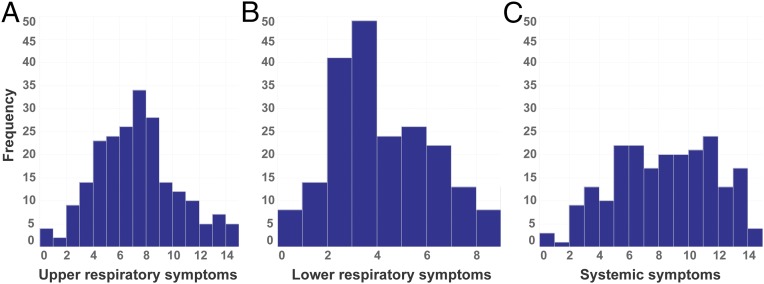
“These scores are similar to systemic and respiratory scores used in past studies of influenza infection [29,31,32].”
BackgroundResultPriyamvada, H., Kumaragama, K., Chrzan, A. J., Athukorala, C., Sur, S., & Dhaniyala, S. (2020) · Aerosol Science and Technology · doi:10.1080/02786826.2020.1812503 · Cited by 14
Pulit-Penaloza, J. A., Belser, J. A., Sun, X., Pappas, C., Brock, N., Kieran, T. J., Ritter, J. M., Seixas, J. N., Jones, J. E., Thakur, P. B., et al. (2022) · mBio · doi:10.1128/mbio.02421-22 · Cited by 14
“Respiratory viruses capable of airborne transmission, notably influenza A viruses, have been detected in the exhaled breath of infected humans (30) and ferrets (31, 32), suggesting that SARS-CoV-2 would share this property.”
BackgroundGbaoui, L., Fachet, M., Lüno, M., Meyer-Lotz, G., Frodl, T., & Hoeschen, C. (2022) · Frontiers in Psychiatry · doi:10.3389/fpsyt.2022.1061326 · Cited by 14
“These include viral (23, 24) and bacterial infectious diseases (25), metabolic conditions such as diabetes (26), breast cancer (27, 28), lung cancer (29, 30), head-neck cancer (31, 32) and neurological and psychiatric disorders (33–35), Asthma (36), physical and mental stress (37, 38).”
BackgroundCOVID19 and ophthalmology: a brief summary of the literature
Chandra, S., Flanagan, D. W., Hingorani, M., Lotery, A. J., & Sivaprasad, S. (2020) · Eye · doi:10.1038/s41433-020-0956-3 · Cited by 14
“ing aerosols (<1 micron particle size) invisible to the naked eye are capable of carrying the virus [6], although fomite transmission is possible due to prolonged viability of virus on aerosols and surfaces [7].”
BackgroundHow the language we speak determines the transmission of COVID-19
Georgiou, G. P., Georgiou, C., & Kilani, A. (2021) · Irish Journal of Medical Science (1971 -) · doi:10.1007/s11845-020-02500-3 · Cited by 13
Wong, S., Chan, V. W.-M., AuYeung, C. H.-Y., Chen, J. H.-K., Yip, C. C., So, S. Y.-C., Li, X., Lung, D. C., Tsang, A. M.-C., To, K. K., et al. (2022) · Infection Control and Hospital Epidemiology · doi:10.1017/ice.2022.186 · Cited by 13
Zhang, Y., Zhou, J., Deng, H., Fang, Y. Z., Qiao, N., Ren, M., Zhang, Y., Zhang, D., Lin, H., Chen, Y., et al. (2023) · Journal of materials research/Pratt's guide to venture capital sources · doi:10.1557/s43578-022-00805-w · Cited by 13
“The moisture or granular particles are commonly accompanied with the aerosol, which usually carry with abundant bacteria, bringing serious health threats to people [46].”
BackgroundChow, V. T. K., Tay, D. J. W., Chen, M. I.-C., Tang, J. W.-T., Milton, D. K., & Tham, K. W. (2023) · Viruses · doi:10.3390/v15102033 · Cited by 13
“As a result, the literature in aerosol transmission and infection control has been expanding significantly [3,7,10,11].”
BackgroundMethodSelf-citationMeisel, J. S., Nasko, D. J., Brubach, B., Cepeda-Espinoza, V. P., Chopyk, J., Bravo, H. C., Fedarko, M. W., Ghurye, J., Javkar, K. G., Olson, N. D., et al. (2018) · Microbiome · doi:10.1186/s40168-018-0582-5 · Cited by 13
Self-citationMueller, S. K., Veltrup, R., Jakubaß, B., Kniesburges, S., Huebner, M. J., Kempfle, J. S., Dittrich, S., Iro, H., & Döllinger, M. (2021) · Scientific Reports · doi:10.1038/s41598-021-89760-w · Cited by 13
Hung, Y. (2018) · Cited by 13
The use of aspirated consonants during speech may increase the transmission of COVID-19
Georgiou, G. P., & Kilani, A. (2020) · Medical Hypotheses · doi:10.1016/j.mehy.2020.109937 · Cited by 13
“COVID-19 is transmitted through sneezing and coughing, which constitute its basic symptoms, due to the high velocity of droplets produced by these activities; however, recent studies have demonstrated that a large quantity of droplets may be produced even by talking or breathing [2,3].”
Kapse, S., Rahman, D., Avital, E. J., Venkatesan, N., Smith, T., Cantero-Garcia, L., Motallebi, F., Samad, A., & Beggs, C. B. (2023) · Fluids · doi:10.3390/fluids8040111 · Cited by 12
Wang, M., Wu, X. M., & Lai, A. C. K. (2024) · Journal of Hazardous Materials · doi:10.1016/j.jhazmat.2024.135571 · Cited by 12
A Risk Assessment of an Airborne Disease inside the Cabin of a Passenger Airplane
Horstman, R. H., & Rahai, H. R. (2021) · SAE International Journal of Advances and Current Practices in Mobility · doi:10.4271/2021-01-0036 · Cited by 12
Numerical model for cough‐generated droplet dispersion on moving escalator with multiple passengers
Takii, A., Yamakawa, M., Kitagawa, A., Watamura, T., Chung, Y. M., & Kim, M. (2022) · Indoor Air · doi:10.1111/ina.13131 · Cited by 12
Metadata
- Authors
- Yan, J., Grantham, M., Pantelic, J., Bueno de Mesquita, P. J., Albert, B., Liu, F., Ehrman, S., Milton, D. K., EMIT Consortium, Adamson, W., Beato-Arribas, B., Bischoff, W., Booth, W., Cauchemez, S., Ehrman, S., Enstone, J., Ferguson, N., Forni, J., Gilbert, A., Grantham, M., Grohskopf, L., Hayward, A., Hewitt, M., Kang, A., Killingley, B., Lambkin-Williams, R., Mann, A., Milton, D., Nguyen-Van-Tam, J., Noakes, C., Oxford, J., Palmarini, M., Pantelic, J., Wang, J., Bennett, A., Cowling, B., Monto, A., & Tellier, R.
- Affiliations
- University of Maryland, College Park (US)
- Maryland Institute for Applied Environmental Health, School of Public Health, University of Maryland, College Park, MD 20742;
- ORCID
- Venue
- Proceedings of the National Academy of Sciences
- Publisher
- National Academy of Sciences
- Published
- 2018-01-18
- Volume
- 115
- Issue
- 5
- Pages
- 1081-1086
- ISSN
- 0027-8424 (ISSN-L)
- 1091-6490
- PMC
- PMC5798362
- OpenAlex
- W2783303681
- Cited by
- 534
- References
- 36
- Citations by year
- 2026: 22 · 2025: 36 · 2024: 35 · 2023: 52 · 2022: 70 · 2021: 128 · 2020: 140 · 2019: 37 · 2018: 13
- FWCI
- 62.61
- Type
- journal article
- Language
- en
- Open access
- hybrid
- doi.org
- Licence
- Locations
- Proceedings of the National Academy of Sciences (publishedVersion, cc-by-nc-nd)
- bioRxiv (Cold Spring Harbor Laboratory) (acceptedVersion)
- PubMed Central (publishedVersion, cc-by-nc-nd)
- PubMed (publishedVersion)
- eScholarship (California Digital Library) (submittedVersion, cc-by-nc-nd)
- Funders
- HHS | Centers for Disease Control and Prevention (1U01P000497)
- HHS | NIH | National Institute of Allergy and Infectious Diseases (5RC1AI086900)
- Topics
- Health Sciences › Medicine › Epidemiology › Influenza Virus Research Studies
- Health Sciences › Medicine › Pulmonary and Respiratory Medicine › Infection Control and Ventilation
- Health Sciences › Medicine › Epidemiology › Respiratory viral infections research
- Keywords
- seasonal influenza, respiratory aerosols, exhaled breath, viral RNA, nasal swabs, cough, sneezing, body mass index, influenza vaccination, upper respiratory tract, lower respiratory tract infection, respiratory infection transmission, university students
- MeSH terms
- Aerosols, Air Microbiology, Cough, Female, Humans, Influenza, Human, Male, Models, Theoretical, Respiratory System, Respiratory Tract Infections, RNA, Viral, Seasons, Students, Temperature, Universities, Vaccination, Body Mass Index, Prevalence, Exhalation, Young Adult
About these checks
Registry, retraction, Cites and statistics results are computed, not judged, with one exception: a printed reference that no index lists is read once by a model before it counts as a citation error. Claims are extracted by a model and kept only when their quote appears verbatim in the text; each cited source is then checked, with a model’s help, for whether it says what the claim relies on. Those verdicts can be wrong — read the claim’s quote and the cited source before relying on one.
Statistics and arithmetic are recomputed, not judged.
Confidence bands are shown only for fields calibrated on our annotated test set. None is calibrated yet, so no band is shown.
What counts as a claim ›How we measure confidence ›How we check this ›
Are you an author, or do you see a problem with this page? Request a review
Data sources
Bibliographic data: Semantic Scholar, OpenAlex, Crossref.
Contains information from the Semantic Scholar Academic Graph Datasets, made available under the ODC Attribution License (ODC-BY 1.0).
Semantic Scholar’s data is described in: Kinney, R., et al. (2023). The Semantic Scholar Open Data Platform. arXiv:2301.10140.
