

Infectious virus in exhaled breath of symptomatic seasonal influenza cases from a college community
Open accessPublished version of a preprint
The DOI matches its Crossref record; 36 of the 36 references it cites were found in a registry or an index.
Abstract
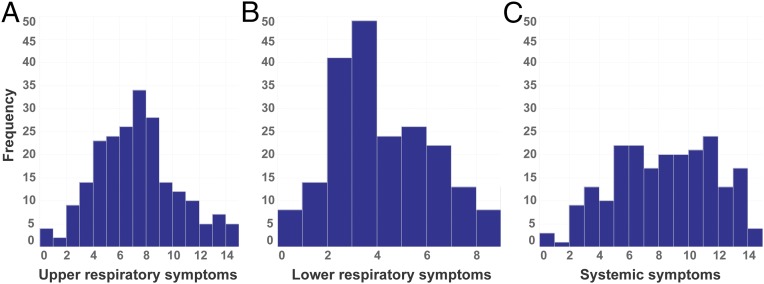
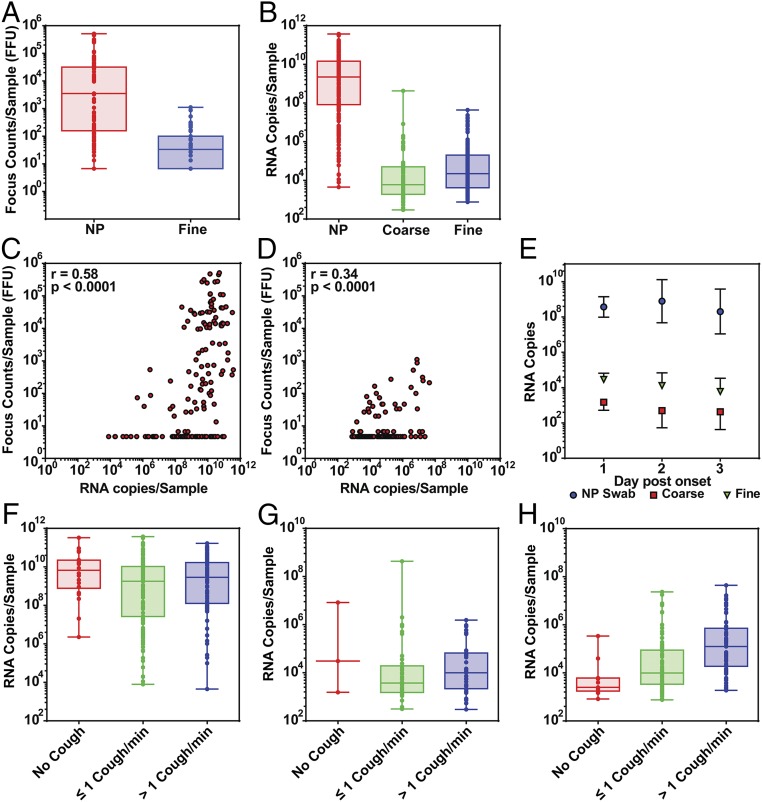
per NP swab. Fine- and coarse-aerosol viral RNA were positively associated with body mass index and number of coughs and negatively associated with increasing days since symptom onset in adjusted models. Fine-aerosol viral RNA was also positively associated with having influenza vaccination for both the current and prior season. NP swab viral RNA was positively associated with upper respiratory symptoms and negatively associated with age but was not significantly associated with fine- or coarse-aerosol viral RNA or their predictors. Sneezing was rare, and sneezing and coughing were not necessary for infectious aerosol generation. Our observations suggest that influenza infection in the upper and lower airways are compartmentalized and independent.
Overview
The claims and statistics of this paper haven’t been checked yet.
Free: it reads the open-access text and checks the first 5 claims that cite a source we can check. Create a free account to check every claim.
Integrity signals
Registry
Cites
Statistics
Figures
Verification
Claims the paper makes
The claims and statistics of this paper haven’t been checked yet.
Free: it reads the open-access text and checks the first 5 claims that cite a source we can check. Create a free account to check every claim.
Claims other papers make about this one
Each is checked against this paper’s own text: does it say what the citing paper says it does?
The cited source says what the claim attributes to it.
In the citing paper
“Numerous earlier studies have established that aerosol expelled during normal respiratory activities can contain infectious influenza virus [42, 45–54].”
From The protective performance of reusable cloth face masks, disposable procedure masks, KN95 masks and N95 respirators: Filtration and total inward leakage (2021) · cites this paper as [49]
Self-check
Percentages, sums and reported differences re-computed from the paper’s own numbers.
The self-check needs the paper’s full text.
Citations
Cites
Harris, P. A., Taylor, R., Thielke, R., Payne, J., Gonzalez, N., & Conde, J. G. (2009) · Journal of Biomedical Informatics · doi:10.1016/j.jbi.2008.08.010 · Cited by 51,384 · cited 2×
“We entered and cleaned data using locally hosted REDCap data-capture tools (34) and performed data management and analyses in R (v3.”
MethodChao, C. Y. H., Wan, M. P., Morawska, L., Johnson, G. R., Ristovski, Z. D., Hargreaves, M., Mengersen, K., Corbett, S., Li, Y., Xie, X., et al. (2009) · Journal of Aerosol Science · doi:10.1016/j.jaerosci.2008.10.003 · Cited by 1,087 · cited 1×
“Cough is thought to produce aerosols from large airways by shear forces that produce relatively coarse-aerosol droplets (23).”
BackgroundLouie, J. K. (2009) · JAMA · doi:10.1001/jama.2009.1583 · Cited by 1,019
Physiology of obesity and effects on lung function
Salome, C. M., King, G. G., & Berend, N. (2010) · Journal of Applied Physiology · doi:10.1152/japplphysiol.00694.2009 · Cited by 831
Review of Aerosol Transmission of Influenza A virus
Tellier, R. (2006) · Emerging Infectious Diseases · doi:10.3201/eid1211.060426 · Cited by 803
Self-citationTransmission of influenza A in human beings
Brankston, G., Gitterman, L., Hirji, Z., Lemieux, C., & Gardam, M. (2007) · The Lancet Infectious Diseases · doi:10.1016/s1473-3099(07)70029-4 · Cited by 744
Hayden, F. G., Fritz, R., Lobo, M. C., Alvord, W., Strober, W., & Straus, S. E. (1998) · Journal of Clinical Investigation · doi:10.1172/jci1355 · Cited by 677 · cited 1×
“(32), then our lack of finding a clear drop in nasal shedding over the next 2 d is reasonably consistent with the pattern reported for experimental infection.”
ResultMilton, D. K., Fabian, M. P., Cowling, B. J., Grantham, M. L., & McDevitt, J. J. (2013) · PLoS Pathogens · doi:10.1371/journal.ppat.1003205 · Cited by 669
Self-citationAerosol transmission of influenza A virus: a review of new studies
Tellier, R. (2009) · Journal of The Royal Society Interface · doi:10.1098/rsif.2009.0302.focus · Cited by 589 · cited 1×
“However, due to limitations inherent to sampling virus shedding via various routes from infected individuals, and the difficulty of distinguishing routes of transmission in observational studies, the quantitative dynamics and relative contributions of each route remain elusive (4, 8).”
BackgroundSelf-citationTransmission of Influenza: Implications for Control in Health Care Settings
Weinstein, R. A., Bridges, C. B., Kuehnert, M. J., & Hall, C. B. (2003) · Clinical Infectious Diseases · doi:10.1086/378292 · Cited by 536 · cited 1×
“Antiviral medication last 24 h (%) 2 11 (6) 7 (5) Age, y (IQR) 20 (19–22) 21 (19–22) 20 (19–21) BMI (IQR) 23.”
Cited by
Respiratory virus shedding in exhaled breath and efficacy of face masks
Leung, N. H. L., Chu, D. K. W., Shiu, E. Y. C., Chan, K.-H., McDevitt, J. J., Hau, B. J. P., Yen, H.-L., Li, Y., Ip, D. K. M., Peiris, J. S. M., et al. (2020) · Nature Medicine · doi:10.1038/s41591-020-0843-2 · Cited by 2,270
Self-citationConsistent Detection of 2019 Novel Coronavirus in Saliva
To, K. K.-W., Tsang, O. T.-Y., Yip, C. C.-Y., Chan, K.-H., Wu, T.-C., Chan, J. M.-C., Leung, W.-S., Chik, T. S.-H., Choi, C. Y.-C., Kandamby, D. H., et al. (2020) · Clinical Infectious Diseases · doi:10.1093/cid/ciaa149 · Cited by 1,873
Airborne transmission of respiratory viruses
Wang, C. C., Prather, K. A., Sznitman, J., Jimenez, J. L., Lakdawala, S. S., Tufekci, Z., & Marr, L. C. (2021) · Science · doi:10.1126/science.abd9149 · Cited by 1,543
“Many viruses have been isolated from breath and indoor air samples, including adenovirus (29, 99), coxsackievirus (100), influenza viruses (22, 23, 98, 101), rhinovirus (9, 26–28), measles virus (16, 17), RSV (25, 102), SARS-CoV (31), MERS-CoV (32, 103), andSARS-CoV-2 (34,35,40–44) (Table 1).”
An evidence review of face masks against COVID-19
Howard, J., Huang, A., Li, Z., Tufekci, Z., Zdimal, V., van der Westhuizen, H.-M., von Delft, A., Price, A., Fridman, L., Tang, L.-H., et al. (2021) · Proceedings of the National Academy of Sciences · doi:10.1073/pnas.2014564118 · Cited by 1,529
It is time to address airborne transmission of coronavirus disease 2019 (COVID-19)
Morawska, L., & Milton, D. K. (2020) · Clinical Infectious Diseases · doi:10.1093/cid/ciaa939 · Cited by 1,189
Self-citationStadnytskyi, V., Bax, C. E., Bax, A., & Anfinrud, P. (2020) · Proceedings of the National Academy of Sciences · doi:10.1073/pnas.2006874117 · Cited by 1,077
Aerosol Emission and Superemission during Human Speech Increase with Voice Loudness
Asadi, S., Wexler, A. S., Cappa, C. D., Barreda, S., Bouvier, N. M., & Ristenpart, W. D. (2019) · Scientific Reports · doi:10.1038/s41598-019-38808-z · Cited by 919
Transmissibility and transmission of respiratory viruses
Leung, N. H. L. (2021) · Nature Reviews Microbiology · doi:10.1038/s41579-021-00535-6 · Cited by 890
Recognition of aerosol transmission of infectious agents: a commentary
Tellier, R., Li, Y., Cowling, B. J., & Tang, J. W. (2019) · BMC Infectious Diseases · doi:10.1186/s12879-019-3707-y · Cited by 746
“Some authors have proposed the term “fine aerosols”, consisting of particles of 5 μm or less, but this has been in part dictated by constraints from measurement instruments [8].”
BackgroundSelf-citationMiller, S. L., Nazaroff, W. W., Jimenez, J. L., Boerstra, A., Buonanno, G., Dancer, S. J., Kurnitski, J., Marr, L. C., Morawska, L., & Noakes, C. (2021) · Indoor Air · doi:10.1111/ina.12751 · Cited by 734
“Typically, only 0.1-1% of viral RNA copies represent an infectious virion for influenza, 45 so if that value is applicable to SARS-CoV-2, the emission rate would correspond to 1000-10,000 infectious virions emitted per hour; viral load emitted also varied between coughing and breathing/speaking.”
InfluentialSelf-citationProbable airborne transmission of SARS-CoV-2 in a poorly ventilated restaurant
Li, Y., Qian, H., Hang, J., Chen, X., Cheng, P., Ling, H., Wang, S., Liang, P., Li, J., Xiao, S., et al. (2021) · Building and Environment · doi:10.1016/j.buildenv.2021.107788 · Cited by 689
Self-citationThe coronavirus pandemic and aerosols: Does COVID-19 transmit via expiratory particles?
Asadi, S., Bouvier, N., Wexler, A. S., & Ristenpart, W. D. (2020) · Aerosol Science and Technology · doi:10.1080/02786826.2020.1749229 · Cited by 680
Particle Sizes of Infectious Aerosols: Implications for Infection Control
Fennelly, K. P. (2020) · The Lancet Respiratory Medicine · doi:10.1016/s2213-2600(20)30323-4 · Cited by 621
On coughing and airborne droplet transmission to humans
Dbouk, T., & Drikakis, D. (2020) · Physics of Fluids · doi:10.1063/5.0011960 · Cited by 564
Uyeki, T. M., Hui, D. S., Zambon, M., Wentworth, D. E., & Monto, A. S. (2022) · The Lancet · doi:10.1016/s0140-6736(22)00982-5 · Cited by 560
Self-citationRegional and global contributions of air pollution to risk of death from COVID-19
Pozzer, A., Dominici, F., Haines, A., Witt, C., Münzel, T., & Lelieveld, J. (2020) · Cardiovascular Research · doi:10.1093/cvr/cvaa288 · Cited by 463
Impact of Obesity on Influenza A Virus Pathogenesis, Immune Response, and Evolution
Honce, R., & Schultz-Cherry, S. (2019) · Frontiers in Immunology · doi:10.3389/fimmu.2019.01071 · Cited by 457
Obesity in patients with COVID-19: a systematic review and meta-analysis
Huang, Y., Lu, Y., Huang, Y.-M., Wang, M., Ling, W., Sui, Y., & Zhao, H.-L. (2020) · Metabolism · doi:10.1016/j.metabol.2020.154378 · Cited by 454
“Moreover, college volunteers with symptomatic seasonal influenza who had higher BMI have been found to generate more infectious aerosols [55].”
Can N95 Respirators Be Reused after Disinfection? How Many Times?
Liao, L., Xiao, W., Zhao, M., Yu, X., Wang, H., Wang, Q., Chu, S., & Cui, Y. (2020) · ACS Nano · doi:10.1021/acsnano.0c03597 · Cited by 431
“Although coughing and sneezing provide many aerosols, the size distribution and number of particles emitted during normal speech serve as a significant viral transmitter. 12 Singing has been found to be comparable to continuous coughing in the transmission of airborne pathogens, 14 which was demonstrated during a choi…”
BackgroundMarr, L. C., Tang, J. W., Van Mullekom, J., & Lakdawala, S. S. (2019) · Journal of The Royal Society Interface · doi:10.1098/rsif.2018.0298 · Cited by 430
Ahmed, F., Zviedrite, N., & Uzicanin, A. (2018) · BMC Public Health · doi:10.1186/s12889-018-5446-1 · Cited by 416
Effects of ventilation on the indoor spread of COVID-19
Bhagat, R. K., Davies Wykes, M. S., Dalziel, S. B., & Linden, P. F. (2020) · Journal of Fluid Mechanics · doi:10.1017/jfm.2020.720 · Cited by 414
“Transmission of respiratory diseases occurs via expiratory droplets produced by coughing, sneezing, speaking, singing and laughing (Stelzer-Braid et al. 2009; Yan et al. 2018).”
BackgroundInfluenza and obesity: its odd relationship and the lessons for COVID-19 pandemic
Luzi, L., & Radaelli, M. G. (2020) · Acta Diabetologica · doi:10.1007/s00592-020-01522-8 · Cited by 382
Short-range airborne route dominates exposure of respiratory infection during close contact
Chen, W., Zhang, N., Wei, J., Yen, H.-L., & Li, Y. (2020) · Building and Environment · doi:10.1016/j.buildenv.2020.106859 · Cited by 371
Tang, J. W., Bahnfleth, W. P., Bluyssen, P. M., Buonanno, G., Jimenez, J. L., Kurnitski, J., Li, Y., Miller, S., Sekhar, C., Morawska, L., et al. (2021) · Journal of Hospital Infection · doi:10.1016/j.jhin.2020.12.022 · Cited by 350
“It is known from influenza studies that exhaled breath and talking can carry viable viruses over conversational distances that can be inhaled by susceptible persons nearby [34,35].”
Self-citationOn respiratory droplets and face masks
Dbouk, T., & Drikakis, D. (2020) · Physics of Fluids · doi:10.1063/5.0015044 · Cited by 350
Influenza and antiviral resistance: an overview
Lampejo, T. (2020) · European Journal of Clinical Microbiology & Infectious Diseases · doi:10.1007/s10096-020-03840-9 · Cited by 342
“Possibly by airborne transmission via small aerosols (< 5 μm) generated from breathing/talking (and can remain suspended in the air for minutes to hours) [2]; however, there is limited data to suggest that infectious particles can be transmitted over long distances (and special air handling and ventilation systems are…”
BackgroundIs the coronavirus airborne? Experts can’t agree
Lewis, D. (2020) · Nature · doi:10.1038/d41586-020-00974-w · Cited by 306
Zhao, M., Liao, L., Xiao, W., Yu, X., Wang, H., Wang, Q., Lin, Y. L., Kilinc-Balci, F. S., Price, A., Chu, L., et al. (2020) · Nano Letters · doi:10.1021/acs.nanolett.0c02211 · Cited by 266
Sommerstein, R., Fux, C. A., Vuichard-Gysin, D., Abbas, M., Marschall, J., Balmelli, C., Troillet, N., Harbarth, S., Schlegel, M., Widmer, A., et al. (2020) · Antimicrobial Resistance & Infection Control · doi:10.1186/s13756-020-00763-0 · Cited by 259
“Yan and coworkers isolated infectious virus in 39% of fine aerosols collected from breath of influenza patients, yet with a concentration 4 logs lower than in nasopharyngeal swabs, which may question transmissibility in a clinical context [33].”
BackgroundObesity increases the duration of influenza a virus shedding in adults
Maier, H. E., Lopez, R., Sanchez, N., Ng, S., Gresh, L., Ojeda, S., Burger-Calderon, R., Kuan, G., Harris, E., Balmaseda, A., et al. (2018) · The Journal of Infectious Diseases · doi:10.1093/infdis/jiy370 · Cited by 245
“The authors noted that most participants had nasal shedding and that obesity was associated with increased aerosol-based shedding; however, they did not assess whether obese individuals shed virus for a longer duration than nonobese individuals [15].”
BackgroundThe potential impacts of obesity on COVID-19
Albashir, A. A. D. (2020) · Clinical Medicine · doi:10.7861/clinmed.2020-0239 · Cited by 246
Association of COVID-19 pandemic with meteorological parameters over Singapore
Pani, S. K., Lin, N.-H., & RavindraBabu, S. (2020) · Science of The Total Environment · doi:10.1016/j.scitotenv.2020.140112 · Cited by 238
Shiu, E. Y. C., Leung, N. H. L., & Cowling, B. J. (2019) · Current Opinion in Infectious Diseases · doi:10.1097/qco.0000000000000563 · Cited by 235
Self-citationViruses in the Built Environment (VIBE) meeting report
Prussin, A. J., Belser, J. A., Bischoff, W., Kelley, S. T., Lin, K., Lindsley, W. G., Nshimyimana, J. P., Schuit, M., Wu, Z., Bibby, K., et al. (2020) · Microbiome · doi:10.1186/s40168-019-0777-4 · Cited by 230
Self-citationRespiratory aerosols and droplets in the transmission of infectious diseases
Pöhlker, M. L., Pöhlker, C., Krüger, O. O., Förster, J., Berkemeier, T., Elbert, W., Fröhlich‐Nowoisky, J., Pöschl, U., Bagheri, G., Bodenschatz, E., et al. (2023) · Reviews of Modern Physics · doi:10.1103/revmodphys.95.045001 · Cited by 228
“…results underline previous observations of influenza virions especially in the small aerosol size range and emphasize that essentially all respiratory activities might be driving forces in the spread of this virus (e.g., Leung et al., 2020; Milton et al., 2013; Shiu et al., 2020; Yan et al., 2018).”
ResultAghili, S. M. M., Ebrahimpur, M., Arjmand, B., Shadman, Z., Pejman Sani, M., Qorbani, M., Larijani, B., & Payab, M. (2021) · International Journal of Obesity · doi:10.1038/s41366-021-00776-8 · Cited by 225
“More specifically this disease in obese patients was more contagious due to more prolonged shedding of virus [31], a lower interferon level [32], and a positive relationship of obesity with the virus load in exhaled air [33].”
BackgroundPeng, Z., Rojas, A. L. P., Kropff, E., Bahnfleth, W., Buonanno, G., Dancer, S. J., Kurnitski, J., Li, Y., Loomans, M. G. L. C., Marr, L. C., et al. (2022) · Environmental Science & Technology · doi:10.1021/acs.est.1c06531 · Cited by 214
Self-citationCOVID-19: Present and Future Challenges for Dental Practice
Dar-Odeh, N., Babkair, H., Abu-Hammad, S., Borzangy, S., Abu-Hammad, A., & Abu-Hammad, O. (2020) · International Journal of Environmental Research and Public Health · doi:10.3390/ijerph17093151 · Cited by 213
“Furthermore, respiratory droplets containing influenza virus have been detected even during normal breathing [43].”
BackgroundGregson, F. K. A., Watson, N. A., Orton, C. M., Haddrell, A. E., McCarthy, L. P., Finnie, T. J. R., Gent, N., Donaldson, G. C., Shah, P. L., Calder, J. D., et al. (2021) · Aerosol Science and Technology · doi:10.1080/02786826.2021.1883544 · Cited by 213
Model Calculations of Aerosol Transmission and Infection Risk of COVID-19 in Indoor Environments
Lelieveld, J., Helleis, F., Borrmann, S., Cheng, Y., Drewnick, F., Haug, G., Klimach, T., Sciare, J., Su, H., & Pöschl, U. (2020) · International Journal of Environmental Research and Public Health · doi:10.3390/ijerph17218114 · Cited by 212
“Research on seasonal influenza transmission showed that sneezing and coughing are relatively unimportant infection pathways and are not needed to explain virus aerosolization because of their relatively low frequency of occurrence [20].”
BackgroundNumerical modeling of the distribution of virus carrying saliva droplets during sneeze and cough
Pendar, M.-R., & Páscoa, J. C. (2020) · Physics of Fluids · doi:10.1063/5.0018432 · Cited by 208
“Yan et al. (2018) concluded that the flu virus can be transmitted through an emanated droplet during talking or even by breathing.”
BackgroundInfluenza Virus Infectivity Is Retained in Aerosols and Droplets Independent of Relative Humidity
Kormuth, K. A., Lin, K., Prussin, A. J., Vejerano, E. P., Tiwari, A. J., Cox, S. S., Myerburg, M. M., Lakdawala, S. S., & Marr, L. C. (2018) · The Journal of Infectious Diseases · doi:10.1093/infdis/jiy221 · Cited by 205
“Coughing, talking, and exhaling can release aerosols and droplets of varying sizes containing respiratory fluid and viral particles [2–7].”
Karimzadeh, S., Bhopal, R. S., & Huy, N. T. (2021) · Epidemiology and Infection · doi:10.1017/s0950268821000790 · Cited by 192
On airborne transmission and control of SARS-Cov-2
Yao, M., Zhang, L., Ma, J., & Zhou, L. (2020) · Science of The Total Environment · doi:10.1016/j.scitotenv.2020.139178 · Cited by 190
“In addition to virus detection in air, many studies were also conducted to investigate the virus emission via breathing, coughing and sneezing (Stelzer-Braid et al., 2009; Shen et al., 2012; Gralton et al., 2013; Yan et al., 2018) .”
Ong, C. W. M., Migliori, G. B., Raviglione, M., MacGregor-Skinner, G., Sotgiu, G., Alffenaar, J.-W., Tiberi, S., Adlhoch, C., Alonzi, T., Archuleta, S., et al. (2020) · European Respiratory Journal · doi:10.1183/13993003.01727-2020 · Cited by 151
“from person to person directly via aerosols/droplet nuclei, small droplets or virus laden secretions from larger droplets; or indirectly by contact with contaminated surfaces [3].”
BackgroundInward and Outward Effectiveness of Cloth Masks, a Surgical Mask, and a Face Shield
Pan, J., Harb, C., Leng, W., & Marr, L. C. (2021) · Aerosol Science and Technology · doi:10.1080/02786826.2021.1890687 · Cited by 186
“SARS-CoV-2 and other viruses are carried by particles ranging in size from <1 µ m to >5 µ m (Chia et al. 2020; Liu et al. 2020; Yan et al. 2018; Yang, Elankumaran and Marr 2011).”
BackgroundInfluenza A viruses are transmitted via the air from the nasal respiratory epithelium of ferrets
Richard, M., van den Brand, J. M. A., Bestebroer, T. M., Lexmond, P., de Meulder, D., Fouchier, R. A. M., Lowen, A. C., & Herfst, S. (2020) · Nature Communications · doi:10.1038/s41467-020-14626-0 · Cited by 178
Covid-19: should the public wear face masks?
Javid, B., Weekes, M. P., & Matheson, N. J. (2020) · BMJ · doi:10.1136/bmj.m1442 · Cited by 177
Effect of voicing and articulation manner on aerosol particle emission during human speech
Asadi, S., Wexler, A. S., Cappa, C. D., Barreda, S., Bouvier, N. M., & Ristenpart, W. D. (2020) · PLOS ONE · doi:10.1371/journal.pone.0227699 · Cited by 176
“Although sneezing and coughing are commonly implicated in respiratory disease transmission, owing to the readily observable, high-velocity droplet sprays that they produce, recent studies suggest that breathing and talking may generate even larger quantities of infectious aerosol particles over time [8,9,10].”
BackgroundPersonal Protective Equipment for Healthcare Workers during the COVID-19 Pandemic
Park, S. H. (2020) · Infection and Chemotherapy · doi:10.3947/ic.2020.52.2.165 · Cited by 172
“The comparative effectiveness of N95 respirators and surgical masks in preventing respiratory viral infections Infectious aerosol particles are produced by diverse respiratory activities, including speaking and breathing [79, 80].”
BackgroundDeng, W., Sun, Y., Yao, X., Subramanian, K., Ling, C., Wang, H., Chopra, S. S., Xu, B. B., Wang, J., Chen, J., et al. (2022) · Advanced Science · doi:10.1002/advs.202102189 · Cited by 160
Self-citationHeterogeneity in transmissibility and shedding SARS-CoV-2 via droplets and aerosols
Chen, P., Bobrovitz, N., Premji, Z., Koopmans, M., Fisman, D. N., & Gu, F. (2021) · eLife · doi:10.7554/elife.65774 · Cited by 157
Jimenez, J. L., Marr, L. C., Randall, K., Ewing, E. T., Tüfekçi, Z., Greenhalgh, T., Milton, D. K., Tellier, R., Tang, J. W.-T., Li, Y., et al. (2022) · Indoor Air · doi:10.1111/ina.13070 · Cited by 149
Self-citationSchijven, J., Vermeulen, L. C., Swart, A., Meijer, A., Duizer, E., & de Roda Husman, A. M. (2021) · Environmental Health Perspectives · doi:10.1289/ehp7886 · Cited by 142
“Other studies also suggested that airborne transmission of infectious diseases is possible without coughing or sneezing simply from exhaled breath from individuals who barely show any symptoms (Asadi et al. 2019; Yan et al. 2018).”
On airborne virus transmission in elevators and confined spaces
Dbouk, T., & Drikakis, D. (2021) · Physics of Fluids · doi:10.1063/5.0038180 · Cited by 142
Influenza A virus is transmissible via aerosolized fomites
Asadi, S., Gaaloul ben Hnia, N., Barre, R. S., Wexler, A. S., Ristenpart, W. D., & Bouvier, N. M. (2020) · Nature Communications · doi:10.1038/s41467-020-17888-w · Cited by 127
Coronavirus Disease 2019 (COVID-19) and Nutritional Status: The Missing Link?
Silvério, R., Gonçalves, D. C., Andrade, M. F., & Seelaender, M. C. L. (2020) · Advances in Nutrition · doi:10.1093/advances/nmaa125 · Cited by 140
“In patients with influenza, obesity was related to virus shedding for an extended time (up to 104% longer) than that observed in lean individuals (52), whereas BMI was positively correlated with virus content in exhaled breath (53).”
BackgroundAn overview of the effect of bioaerosol size in coronavirus disease 2019 transmission
Guzmán, M. I. (2020) · The International Journal of Health Planning and Management · doi:10.1002/hpm.3095 · Cited by 137
“Exhaled breath of symptomatic patients aerosolizes influenza virus without the need for coughing and sneezing, causing compartmentalized and independent infection in the upper and lower airway.(47) Particularly, exhaled particles <5 μm in size contributing to infecting directly the lungs, triple the influenza RNA conc…”
BackgroundRecognizing and controlling airborne transmission of SARS-CoV-2 in indoor environments
Allen, J. G., & Marr, L. C. (2020) · Indoor Air · doi:10.1111/ina.12697 · Cited by 136
Optimized sentinel node scintigraphy in breast cancer.
Paganelli, G., Cicco, C. D., Cremonesi, M., Prisco, G., Calza, P., Luini, A., Zucali, P. A., & Veronesi, U. (1998) · PubMed · Cited by 136
Zhang, X., Ji, Z., Yue, Y., Liu, H., & Wang, J. (2020) · Environmental Science & Technology · doi:10.1021/acs.est.0c02895 · Cited by 134
Self-citationFink, J. B., Ehrmann, S., Li, J., Dailey, P., McKiernan, P. J., Darquenne, C., Martin, A. R., Rothen‐Rutishauser, B., Kuehl, P. J., Häußermann, S., et al. (2020) · Journal of Aerosol Medicine and Pulmonary Drug Delivery · doi:10.1089/jamp.2020.1615 · Cited by 134
Close contact behavior in indoor environment and transmission of respiratory infection
Zhang, N., Chen, W., Chan, P., Yen, H., Tang, J. W., & Li, Y. (2020) · Indoor Air · doi:10.1111/ina.12673 · Cited by 123
Detecting COVID-19 from Breath: A Game Changer for a Big Challenge
Giovannini, G., Haick, H., & Garoli, D. (2021) · ACS Sensors · doi:10.1021/acssensors.1c00312 · Cited by 131
Wilson, N., Marks, G. B., Eckhardt, A., Clarke, A., Young, F., Garden, F. L., Stewart, W. C., Cook, T. M., & Tovey, E. R. (2021) · Anaesthesia · doi:10.1111/anae.15475 · Cited by 130
Airflows inside passenger cars and implications for airborne disease transmission
Mathai, V., Das, A., Bailey, J. A., & Breuer, K. (2020) · Science Advances · doi:10.1126/sciadv.abe0166 · Cited by 130
Adenaiye, O. O., Lai, J., Bueno de Mesquita, P. J., Hong, F., Youssefi, S., German, J., Tai, S. H. S., Albert, B., Schanz, M., Weston, S., et al. (2022) · Clinical Infectious Diseases · doi:10.1093/cid/ciab797 · Cited by 125
“Venous blood was collected at the first visit; MTS, saliva, phone/tablet swab, and 30-minute G-II 100 exhaled breath samples were collected at each visit[10,11].”
MethodInfluentialSelf-citationObesity and its impact on COVID-19
de Leeuw, A. J. M., Luttikhuis, M. A. M. O., Wellen, A. C., Müller, C., & Calkhoven, C. F. (2021) · Journal of Molecular Medicine · doi:10.1007/s00109-021-02072-4 · Cited by 124
Obesity-Related Microenvironment Promotes Emergence of Virulent Influenza Virus Strains
Honce, R., Karlsson, E. A., Wohlgemuth, N., Estrada, L. D., Meliopoulos, V., Yao, J., & Schultz‐Cherry, S. (2020) · mBio · doi:10.1128/mbio.03341-19 · Cited by 118
“(7, 54) and extended viral shedding (20, 22) in obese humans, the same phenomenon”
BackgroundJoonaki, E., Hassanpouryouzband, A., Heldt, C. L., & Areo, O. (2020) · Chem · doi:10.1016/j.chempr.2020.08.001 · Cited by 117
Huynh, E., Olinger, A., Woolley, D., Kohli, R. K., Choczynski, J. M., Davies, J. F., Lin, K., Marr, L. C., & Davis, R. D. (2022) · Proceedings of the National Academy of Sciences · doi:10.1073/pnas.2109750119 · Cited by 112
“Some researchers hypothesize that respiratory particles containing viable influenza A virus can originate from deep in the lungs (5, 71), where total organic concentrations are thought to be higher than in saliva and other areas of the respiratory tract (70).”
BackgroundPoor ventilation worsens short-range airborne transmission of respiratory infection
Li, Y., Cheng, P., & Jia, W. (2022) · Indoor Air · doi:10.1111/ina.12946 · Cited by 110
Kumar, P., Kalaiarasan, G., Porter, A. E., Pinna, A., Kłosowski, M. M., Demokritou, P., Chung, K. F., Pain, C. C., Arvind, D. K., Arcucci, R., et al. (2020) · The Science of The Total Environment · doi:10.1016/j.scitotenv.2020.143553 · Cited by 112
Influenza Pathogenesis: The Effect of Host Factors on Severity of Disease
Gounder, A. P., & Boon, A. C. M. (2019) · The Journal of Immunology · doi:10.4049/jimmunol.1801010 · Cited by 108
“of infectious virus from IAV-infected individuals (90, 91).”
BackgroundTransmission of SARS-CoV-2 in domestic cats imposes a narrow bottleneck
Braun, K. M., Moreno, G. K., Halfmann, P., Hodcroft, E. B., Baker, D. A., Boehm, E. C., Weiler, A. M., Haj, A. K., Hatta, M., Chiba, S., et al. (2021) · PLoS Pathogens · doi:10.1371/journal.ppat.1009373 · Cited by 107
“Others have previously documented foci of influenza virus in the lower respiratory tract appear to be independent from upper respiratory tract infections [56,57].”
Recent advancements in the measurement of pathogenic airborne viruses
Bhardwaj, J., Hong, S., Jang, J., Han, C.-H., Lee, J., & Jang, J. (2021) · Journal of Hazardous Materials · doi:10.1016/j.jhazmat.2021.126574 · Cited by 107
COVID-19: the case for aerosol transmission
Tellier, R. (2022) · Interface Focus · doi:10.1098/rsfs.2021.0072 · Cited by 104
Self-citationChirizzi, D., Conte, M., Feltracco, M., Dinoi, A., Gregoris, E., Barbaro, E., Bella, G. L., Ciccarese, G., Salandra, G. L., Gambaro, A., et al. (2020) · Environment International · doi:10.1016/j.envint.2020.106255 · Cited by 96
“infected individuals, these particles could contain viable virus as happens for other respiratory viruses (Milton et al., 2013; Yan et al., 2018), including other coronaviruses such as NL63, OC43, 229E, and HKU1 (Leung et al.”
Jones, B., Sharpe, P., Iddon, C. R., Hathway, E. A., Noakes, C. J., & Fitzgerald, S. (2021) · Building and Environment · doi:10.1016/j.buildenv.2021.107617 · Cited by 96
“For clarity, the chosen metric is RNA copies inhaled because the proportion of viable virions for SARSCoV-2 is currently unknown [8,37] and because this fact does not affect the magnitude of relative exposure.”
Self-citationAirborne dispersion of droplets during coughing: a physical model of viral transmission
Li, H., Leong, F. Y., Xu, G. X., Kang, C. W., Lim, K. H., Tan, B. H., & Loo, C. M. (2021) · Scientific Reports · doi:10.1038/s41598-021-84245-2 · Cited by 95
Belosi, F., Conte, M., Gianelle, V. L., Santachiara, G., & Contini, D. (2020) · Environmental Research · doi:10.1016/j.envres.2020.110603 · Cited by 96
Natural sources and experimental generation of bioaerosols: Challenges and perspectives
Alsved, M., Bourouiba, L., Duchaine, C., Löndahl, J., Marr, L. C., Parker, S. T., Prussin, A. J., & Thomas, R. J. (2019) · Aerosol Science and Technology · doi:10.1080/02786826.2019.1682509 · Cited by 94
“…within laboratory settings, for example, measuring the size and concentration of exhaled bioaerosols generated from human respiratory activities (Fennelly et al. 2004; Wainwright et al. 2009; Xie et al. 2009; Yan et al. 2018; Scharfman et al. 2016; Bourouiba, Dehandschoewercker, and Bush 2014).”
BackgroundPeres, S. H. D. C. S., de Azevedo‐Silva, L. J., Bonato, R. C. S., Sales-Peres, M. D. C., Pinto, A. C. D. S., & Santiago, J. F. (2020) · Obesity Research & Clinical Practice · doi:10.1016/j.orcp.2020.07.007 · Cited by 93
Evaluating the national PPE guidance for NHS healthcare workers during the COVID-19 pandemic
Thomas, J. P., Srinivasan, A., Wickramarachchi, C., Dhesi, P., Hung, Y. M., & Kamath, A. V. (2020) · Clinical Medicine · doi:10.7861/clinmed.2020-0143 · Cited by 92
Melikov, A. K., Ai, Z., & Markov, D. G. (2020) · The Science of The Total Environment · doi:10.1016/j.scitotenv.2020.140908 · Cited by 92
Huang, J. W., Kwan, M., Kan, Z., Wong, M. S., Kwok, C. Y. T., & Yu, X. (2020) · ISPRS International Journal of Geo-Information · doi:10.3390/ijgi9110624 · Cited by 92
“Hence, many built-environment features that allow people to carry out their daily activities may become potential sources of infection transmission [23,24].”
BackgroundKlompas, M., Milton, D. K., Rhee, C., Baker, M. A., & Leekha, S. (2021) · Annals of Internal Medicine · doi:10.7326/m21-2780 · Cited by 92
“Shedding rates vary widely, with only 20% of infected persons accounting for 80% of aerosol generation and viral shedding (7, 8, 18, 29, 51).”
BackgroundSelf-citationMoelling, K., & Broecker, F. (2020) · Journal of Environmental and Public Health · doi:10.1155/2020/1646943 · Cited by 90
“Patients acutely infected with influenza virus can harbor up to 10(9) virus particles per cubic centimeter in the blood stream and release approximately 10,000 aerosolized viruses by coughing or sneezing [75].”
BackgroundSharma, S., Pinto, R., Saha, A., Chaudhuri, S., & Basu, S. (2021) · Science Advances · doi:10.1126/sciadv.abf0452 · Cited by 89
Modeling the load of SARS-CoV-2 virus in human expelled particles during coughing and speaking
Wang, Y., Xu, G., & Huang, Y. (2020) · PLoS ONE · doi:10.1371/journal.pone.0241539 · Cited by 89
“For example, studies on airborne virus sampling show that viable viruses tend to be sampled in particles below 5 μm [56, 57].”
BackgroundRespiratory viruses: their importance and lessons learned from COVID-19
Cillóniz, C., Luna, C. M., Hurtado, J. C., Marcos, M. Á., & Torres, A. (2022) · European Respiratory Review · doi:10.1183/16000617.0051-2022 · Cited by 86
Position Paper for the State-of-the-Art Application of Respiratory Support in Patients with COVID-19
Pfeifer, M., Ewig, S., Voshaar, T., Randerath, W. J., Bauer, T. T., Geiseler, J. G., Dellweg, D., Westhoff, M., Windisch, W., Schönhofer, B., et al. (2020) · Respiration · doi:10.1159/000509104 · Cited by 85
Archer, J., McCarthy, L. P., Symons, H. E., Watson, N. A., Orton, C. M., Browne, W. J., Harrison, J., Moseley, B., Philip, K. E. J., Calder, J. D. F., et al. (2022) · Interface Focus · doi:10.1098/rsfs.2021.0078 · Cited by 84
The ventilation of buildings and other mitigating measures for COVID-19: a focus on wintertime
Burridge, H. C., Bhagat, R. K., Stettler, M. E. J., Kumar, P., Mel, I. D., Demis, P., Hart, A., Johnson-Llambias, Y., King, M., Victorovich, K. O., et al. (2021) · Proceedings of the Royal Society A Mathematical Physical and Engineering Sciences · doi:10.1098/rspa.2020.0855 · Cited by 83
“Respiratory diseases are transmitted by exposure to pathogen-laden droplets produced by expiratory events such as breathing, coughing, sneezing, speaking, singing and laughing [7,8].”
Airborne aerosols particles and COVID-19 transition
Ehsanifar, M. (2021) · Environmental Research · doi:10.1016/j.envres.2021.111752 · Cited by 84
Zhu, S., Jenkins, S. T., Addo, K., Heidarinejad, M., Romo, S. A., Layne, A., Ehizibolo, J., Dalgo, D., Mattise, N. W., Hong, F. H., et al. (2020) · Environment International · doi:10.1016/j.envint.2020.105537 · Cited by 80
“Analysis of influenza aerosols in exhaled breath and air in healthcare facilities consistently demonstrates the human influenza aerosols are predominantly in the<5 µm size range (Lindsley et al., 2012; Noti et al., 2012; Milton et al., 2013; Yan et al., 2018).”
BackgroundMethodInfluentialSelf-citationArima, A., Tsutsui, M., Washio, T., Baba, Y., & Kawai, T. (2020) · Analytical Chemistry · doi:10.1021/acs.analchem.0c04353 · Cited by 81
Mejjad, N., Cherif, E. K., Rodero, A., Krawczyk, D. A., Kharraz, J. E., Moumen, A., Laqbaqbi, M., & Fekri, A. (2021) · International Journal of Environmental Research and Public Health · doi:10.3390/ijerph18084382 · Cited by 81
“As reported by [30], surgical masks are effective in reducing the spread of”
BackgroundDalamaga, Μ., Christodoulatos, G. S., Karampela, Ι., Vallianou, N. G., & Apovian, C. M. (2021) · Current Obesity Reports · doi:10.1007/s13679-021-00436-y · Cited by 78
Metadata
- Authors
- Yan, J., Grantham, M., Pantelic, J., Bueno de Mesquita, P. J., Albert, B., Liu, F., Ehrman, S., Milton, D. K., EMIT Consortium, Adamson, W., Beato-Arribas, B., Bischoff, W., Booth, W., Cauchemez, S., Ehrman, S., Enstone, J., Ferguson, N., Forni, J., Gilbert, A., Grantham, M., Grohskopf, L., Hayward, A., Hewitt, M., Kang, A., Killingley, B., Lambkin-Williams, R., Mann, A., Milton, D., Nguyen-Van-Tam, J., Noakes, C., Oxford, J., Palmarini, M., Pantelic, J., Wang, J., Bennett, A., Cowling, B., Monto, A., & Tellier, R.
- Affiliations
- University of Maryland, College Park (US)
- Maryland Institute for Applied Environmental Health, School of Public Health, University of Maryland, College Park, MD 20742;
- ORCID
- Venue
- Proceedings of the National Academy of Sciences
- Publisher
- National Academy of Sciences
- Published
- 2018-01-18
- Volume
- 115
- Issue
- 5
- Pages
- 1081-1086
- ISSN
- 0027-8424 (ISSN-L)
- 1091-6490
- PMC
- PMC5798362
- OpenAlex
- W2783303681
- Cited by
- 534
- References
- 36
- Citations by year
- 2026: 22 · 2025: 36 · 2024: 35 · 2023: 52 · 2022: 70 · 2021: 128 · 2020: 140 · 2019: 37 · 2018: 13
- FWCI
- 62.61
- Type
- journal article
- Language
- en
- Open access
- hybrid
- doi.org
- Licence
- Locations
- Proceedings of the National Academy of Sciences (publishedVersion, cc-by-nc-nd)
- bioRxiv (Cold Spring Harbor Laboratory) (acceptedVersion)
- PubMed Central (publishedVersion, cc-by-nc-nd)
- PubMed (publishedVersion)
- eScholarship (California Digital Library) (submittedVersion, cc-by-nc-nd)
- Funders
- HHS | Centers for Disease Control and Prevention (1U01P000497)
- HHS | NIH | National Institute of Allergy and Infectious Diseases (5RC1AI086900)
- Topics
- Health Sciences › Medicine › Epidemiology › Influenza Virus Research Studies
- Health Sciences › Medicine › Pulmonary and Respiratory Medicine › Infection Control and Ventilation
- Health Sciences › Medicine › Epidemiology › Respiratory viral infections research
- Keywords
- seasonal influenza, respiratory aerosols, exhaled breath, viral RNA, nasal swabs, cough, sneezing, body mass index, influenza vaccination, upper respiratory tract, lower respiratory tract infection, respiratory infection transmission, university students
- MeSH terms
- Aerosols, Air Microbiology, Cough, Female, Humans, Influenza, Human, Male, Models, Theoretical, Respiratory System, Respiratory Tract Infections, RNA, Viral, Seasons, Students, Temperature, Universities, Vaccination, Body Mass Index, Prevalence, Exhalation, Young Adult
About these checks
Registry, retraction, Cites and statistics results are computed, not judged, with one exception: a printed reference that no index lists is read once by a model before it counts as a citation error. Claims are extracted by a model and kept only when their quote appears verbatim in the text; each cited source is then checked, with a model’s help, for whether it says what the claim relies on. Those verdicts can be wrong — read the claim’s quote and the cited source before relying on one.
Statistics and arithmetic are recomputed, not judged.
Confidence bands are shown only for fields calibrated on our annotated test set. None is calibrated yet, so no band is shown.
What counts as a claim ›How we measure confidence ›How we check this ›
Are you an author, or do you see a problem with this page? Request a review
Data sources
Bibliographic data: Semantic Scholar, OpenAlex, Crossref.
Contains information from the Semantic Scholar Academic Graph Datasets, made available under the ODC Attribution License (ODC-BY 1.0).
Semantic Scholar’s data is described in: Kinney, R., et al. (2023). The Semantic Scholar Open Data Platform. arXiv:2301.10140.
