

The DOI matches its Crossref record; 67 of the 67 references it cites were found in a registry or an index.
Cortisol Synthesis in Epidermis Is Induced by IL-1 and Tissue Injury
Open accessAbstract
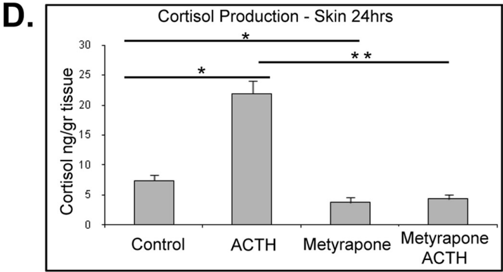
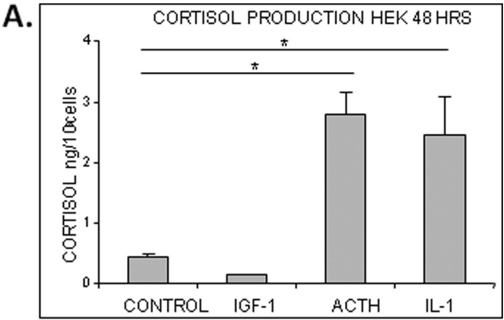
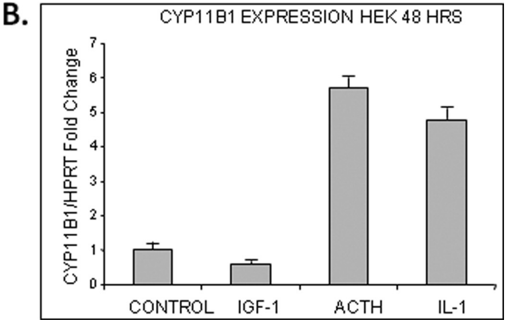
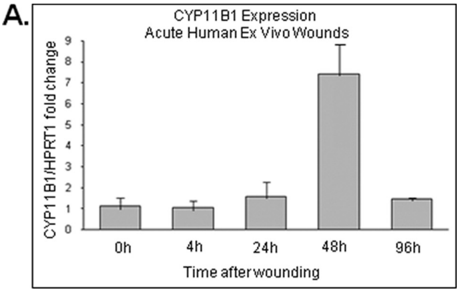
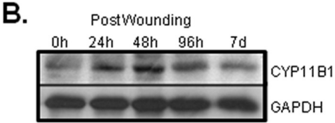
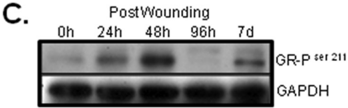
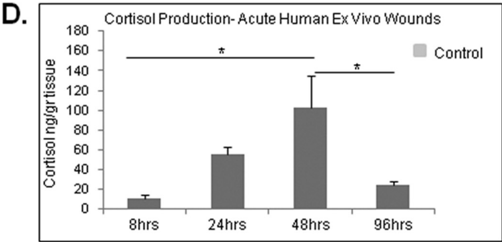
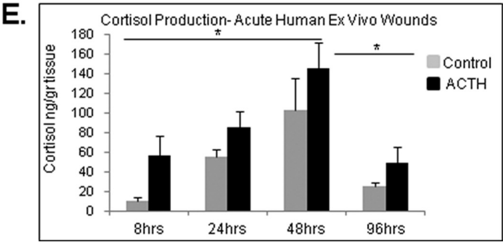
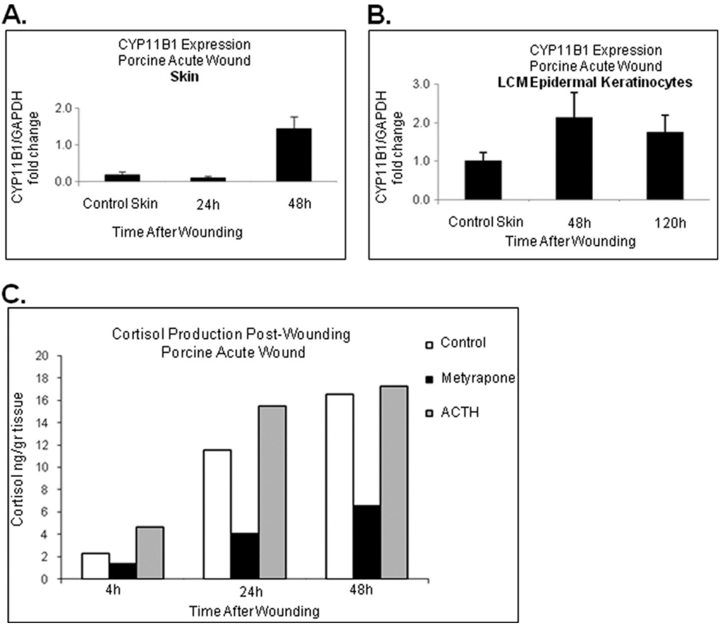
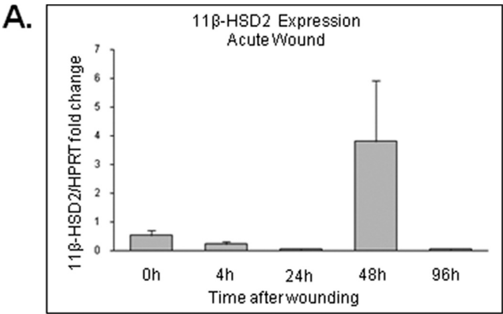
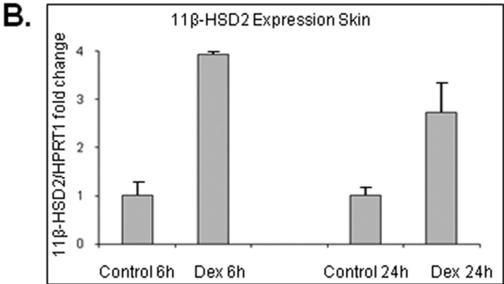
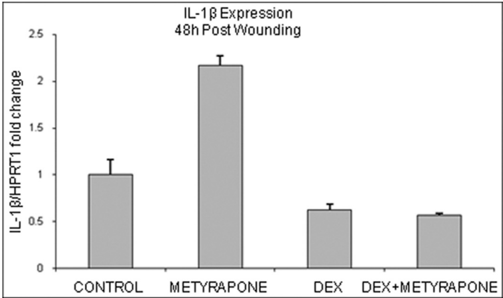
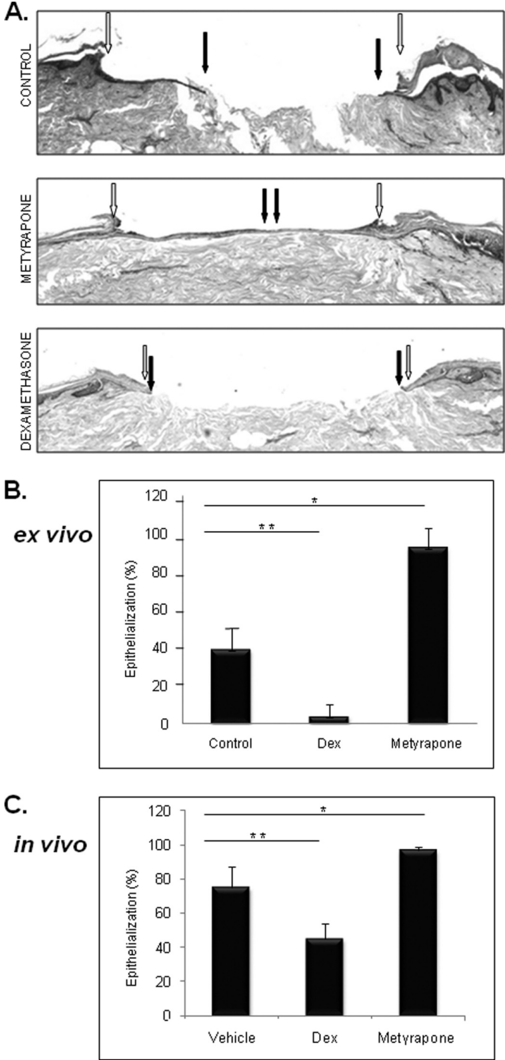
Glucocorticoids (GCs) are known inhibitors of wound healing. In this study we report the novel finding that both keratinocytes in vitro and epidermis in vivo synthesize cortisol and how this synthesis regulates wound healing. We show that epidermis expresses enzymes essential for cortisol synthesis, including steroid 11 β-hydroxylase (CYP11B1), and an enzyme that controls negative feedback mechanism, 11β-hydroxysteroid dehydrogenase 2 (11βHSD2). We also found that cortisol synthesis in keratinocytes and skin can be stimulated by ACTH and inhibited by metyrapone (CYP11B1 enzyme inhibitor). Interestingly, IL-1β, the first epidermal signal of tissue injury, induces the expression of CYP11B1 and increases cortisol production by keratinocytes. Additionally, we found induction of CYP11B1 increased production of cortisol and activation of GR pathway during wound healing ex vivo and in vivo using human and porcine wound models, respectively. Conversely, inhibition of cortisol synthesis during wound healing increases IL-1β production, suggesting that cortisol synthesis in epidermis may serve as a local negative feedback to proinflammatory cytokines. Local GCs synthesis, therefore, may provide control of the initial proinflammatory response, preventing excessive inflammation upon tissue injury. Inhibition of GC synthesis accelerated wound closure in vivo, providing the evidence that modulation of cortisol synthesis in epidermis may be an important regulatory mechanism during wound healing.
Overview
The claims and statistics of this paper haven’t been checked yet.
Run the check — free, no account needed. It reads the open-access text and checks the sources it cites.
Integrity signals
Registry
Cites
Statistics
Figures
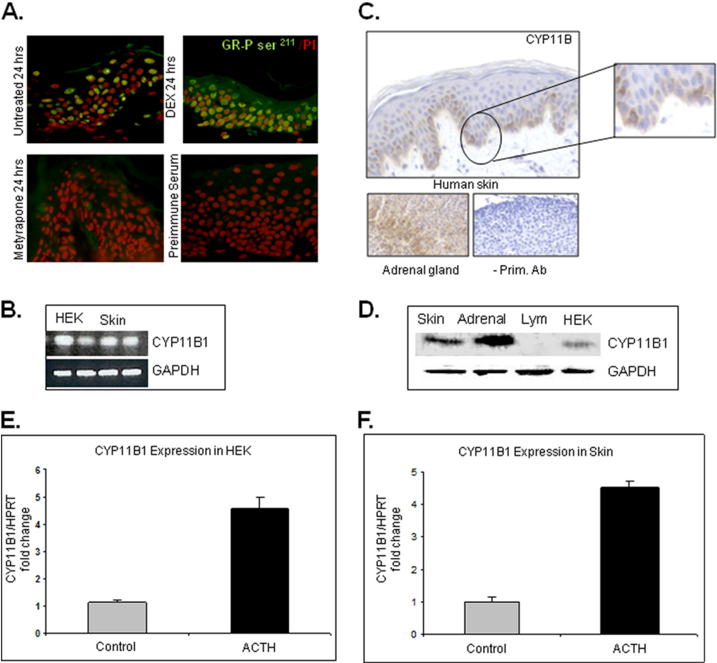
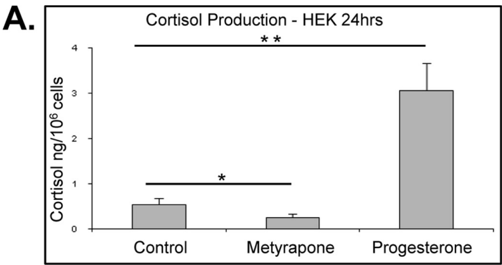
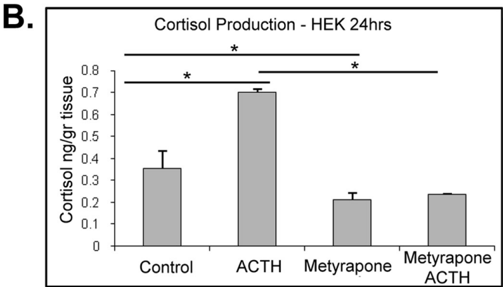
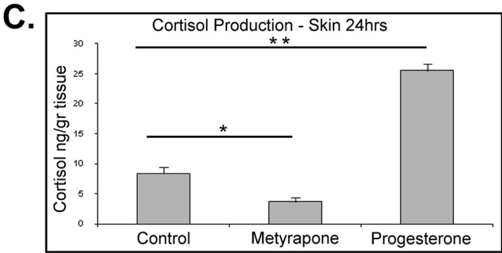
Verification
Claims the paper makes
The claims and statistics of this paper haven’t been checked yet.
Run the check — free, no account needed. It reads the open-access text and checks the sources it cites.
Claims other papers make about this one
Each is checked against this paper’s own text: does it say what the citing paper says it does?
In the citing paper
“Skin also expresses 11βHSD2 which works in the oxidative direction, converting cortisol to the inactive cortisone [23, 64–66, 81].”
From Steroidogenesis in the skin: Implications for local immune functions (2013) · cites this paper as [65]
In the citing paper
“In contrast, dexamethasone treatment of human skin was reported to increase 11βHSD2 expression at the mRNA level [65].”
From Steroidogenesis in the skin: Implications for local immune functions (2013) · cites this paper as [65]
Self-check
Percentages, sums and reported differences re-computed from the paper’s own numbers.
The self-check needs the paper’s full text.
Citations
Cites
Sapolsky, R. M., Romero, L. M., & Munck, A. U. (2000) · Endocrine Reviews · doi:10.1210/edrv.21.1.0389 · Cited by 7,541
PERSPECTIVE ARTICLE: Growth factors and cytokines in wound healing
Barrientos, S., Stojadinovic, O., Golinko, M. S., Brem, H., & Tomic‐Canic, M. (2008) · Wound Repair and Regeneration · doi:10.1111/j.1524-475x.2008.00410.x · Cited by 3,583
Antiinflammatory Action of Glucocorticoids — New Mechanisms for Old Drugs
Rhen, T., & Cidlowski, J. A. (2005) · New England Journal of Medicine · doi:10.1056/nejmra050541 · Cited by 3,149
Hypothalamic-pituitary-adrenal axis, neuroendocrine factors and stress
Tsigos, C., & Chrousos, G. P. (2002) · Journal of Psychosomatic Research · doi:10.1016/s0022-3999(02)00429-4 · Cited by 2,822
Cellular and molecular basis of wound healing in diabetes
Brem, H., & Tomic‐Canic, M. (2007) · Journal of Clinical Investigation · doi:10.1172/jci32169 · Cited by 1,863
Wound Macrophages Express TGF-α and Other Growth Factors in Vivo: Analysis by mRNA Phenotyping
Rappolee, D. A., Mark, D., Banda, M. J., & Werb, Z. (1988) · Science · doi:10.1126/science.3041594 · Cited by 1,105
Cloning and tissue distribution of the human 1 lβ-hydroxysteroid dehydrogenase type 2 enzyme
Albiston, A. L., Obeyesekere, V. R., Smith, R. E., & Krozowski, Z. S. (1994) · Molecular and Cellular Endocrinology · doi:10.1016/0303-7207(94)90176-7 · Cited by 712
Loots, M. A. M., Lamme, E. N., Zeegelaar, J., Mekkes, J. R., Bos, J. D., & Middelkoop, E. (1998) · Journal of Investigative Dermatology · doi:10.1046/j.1523-1747.1998.00381.x · Cited by 620
Interactions of cytokines, growth factors, and proteases in acute and chronic wounds
Mast, B. A., & Schultz, G. S. (1996) · Wound Repair and Regeneration · doi:10.1046/j.1524-475x.1996.40404.x · Cited by 598
Keratins and the Keratinocyte Activation Cycle
Freedberg, I. M., Tomic‐Canic, M., Komine, M., & Blumenberg, M. (2001) · Journal of Investigative Dermatology · doi:10.1046/j.1523-1747.2001.01327.x · Cited by 564
Research works printed but not linked: 6
- Pastar, 2008, Surg. Technol. Int., 17, 105
- Steinhoff, 2001, Curr. Opin. Allergy Clin. Immunol., 1, 469
- Zouboulis, 2000, Horm. Res., 54, 230
- Davis, 2008, Ostomy Wound Manage., 54, 16
- Kayes-Wandover, 2000, J. Clin. Endocrinol. Metab., 85, 2519
- Sapolsky, 2000, Endocr. Rev., 21, 55
Cited by
Sorted by citations
Epithelialization in Wound Healing: A Comprehensive Review
Pastar, I., Stojadinović, O., Yin, N. C., Ramirez, H. A., Nusbaum, A. G., Sawaya, A. P., Patel, S. B., Khalid, L., Isseroff, R. R., & Tomic‐Canic, M. (2014) · Advances in Wound Care · doi:10.1089/wound.2013.0473 · Cited by 1,604
“Inhibition of GC synthesis in keratinocytes resulted in increased expression of proinflammatory IL1-b implying that skin-specific cortisol synthesis serves as a local negative feedback to prevent excessive inflammation upon initial injury and serves to regulate epithelialization.(107) Another type of hormone, the cate…”
BackgroundMethodInfluential11β-hydroxysteroid dehydrogenases: Intracellular gate-keepers of tissue glucocorticoid action
Chapman, K., Holmes, M., & Seckl, J. (2013) · Physiological Reviews · doi:10.1152/physrev.00020.2012 · Cited by 887
“11 -HSD2 mRNA is also detectable by PCR in human skin (732), although whether this extends beyond known expression in the mineralocorticoid target cells of sweat glands (82) or if there is sufficient to influence glucocorticoid function elsewhere in the dermis/epidermis is unknown.”
BackgroundSlominski, A. T., Zmijewski, M. A., Skobowiat, C., Zbytek, B., Slominski, R. M., & Steketee, J. D. (2012) · Advances in anatomy, embryology and cell biology · doi:10.1007/978-3-642-19683-6 · Cited by 505
“, 2005e), IL-1 as well as by wound response (Vukelic et al., 2011) and high energy ultraviolet radiation (Skobowiat et al.”
BackgroundSlominski (2012) · doi:10.1007/978-3-642-19683-6_1 · Cited by 461
How UV Light Touches the Brain and Endocrine System Through Skin, and Why
Slominski, A. T., Zmijewski, M. A., Plonka, P. M., Szaflarski, J. P., & Paus, R. (2018) · Endocrinology · doi:10.1210/en.2017-03230 · Cited by 452
Key role of CRF in the skin stress response system
Slominski, A. T., Zmijewski, M. A., Zbytek, B., Tobin, D. J., Theoharides, T. C., & Rivier, J. (2013) · Endocrine Reviews · doi:10.1210/er.2012-1092 · Cited by 400
Pastar, I., Nusbaum, A. G., Gil, J., Patel, S. B., Chen, J., Valdes, J., Stojadinovic, O., Plano, L. R., Tomic-Canic, M., & Davis, S. C. (2013) · PLoS ONE · doi:10.1371/journal.pone.0056846 · Cited by 391
“The wounds were quantified by planimetry as described previously [47,48,49].”
MethodSelf-citationSteroidogenesis in the skin: Implications for local immune functions
Slominski, A., Zbytek, B., Nikolakis, G., Manna, P. R., Skobowiat, C., Zmijewski, M., Li, W., Janjetovic, Z., Postlethwaite, A., Zouboulis, C. C., et al. (2013) · The Journal of Steroid Biochemistry and Molecular Biology · doi:10.1016/j.jsbmb.2013.02.006 · Cited by 369
Deregulated immune cell recruitment orchestrated by FOXM1 impairs human diabetic wound healing
Sawaya, A. P., Stone, R. C., Brooks, S. R., Pastar, I., Jozic, I., Hasneen, K., O’Neill, K. E., Mehdizadeh, S., Head, C. R., Štrbo, N., et al. (2020) · Nature Communications · doi:10.1038/s41467-020-18276-0 · Cited by 370
Taves, M. D., Gomez-Sanchez, C. E., & Soma, K. K. (2011) · American Journal of Physiology-Endocrinology and Metabolism · doi:10.1152/ajpendo.00100.2011 · Cited by 293
Glucocorticoids in T cell development, differentiation and function
Taves, M. D., & Ashwell, J. D. (2020) · Nature reviews. Immunology · doi:10.1038/s41577-020-00464-0 · Cited by 246
Stress-induced Interaction of Skin Immune Cells, Hormones, and Neurotransmitters
Pondeljak, N., & Lugović‐Mihić, L. (2020) · Clinical Therapeutics · doi:10.1016/j.clinthera.2020.03.008 · Cited by 268
Neuroendocrine signaling in the skin with a special focus on the epidermal neuropeptides
Slominski, A. T., Slominski, R. M., Raman, C., Chen, J. Y., Athar, M., & Elmets, C. A. (2022) · American Journal of Physiology-Cell Physiology · doi:10.1152/ajpcell.00147.2022 · Cited by 200
Chou, W. C., Takeo, M., Rabbani, P. S., Hu, H., Lee, W., Chung, Y. R., Carucci, J. A., Overbeek, P. A., & Ito, M. (2013) · Nature Medicine · doi:10.1038/nm.3194 · Cited by 193
On the role of skin in the regulation of local and systemic steroidogenic activities
Slominski, A. T., Manna, P. R., & Tuckey, R. C. (2015) · Steroids · doi:10.1016/j.steroids.2015.04.006 · Cited by 188
“Thus, local steroidogenesis can be stimulated by skin derived CRH, ACTH and other factors that enhance intracellular cAMP [74, 99, 115-117, 132, 153, 155] and by cytokines [99, 155].”
Glucocorticoid-Mediated Phenotypes in Vertebrates
Hau, M., Casagrande, S., Ouyang, J. Q., & Baugh, A. T. (2016) · Advances in the study of behavior · doi:10.1016/bs.asb.2016.01.002 · Cited by 176
Functional electrospun fibers for the treatment of human skin wounds
Wang, J., & Windbergs, M. (2017) · European Journal of Pharmaceutics and Biopharmaceutics · doi:10.1016/j.ejpb.2017.07.001 · Cited by 176
Wounding the cornea to learn how it heals
Stepp, M. A., Zieske, J. D., Trinkaus‐Randall, V., Kyne, B. M., Pal‐Ghosh, S., Tadvalkar, G., & Pajoohesh‐Ganji, A. (2014) · Experimental Eye Research · doi:10.1016/j.exer.2014.02.007 · Cited by 159
“Since porcine skin is often used for studies of skin wound healing (Lademann et al., 2011; Sullivan et al., 2001; Vukelic et al., 2011), using their corneas allows scientist to confirm that results obtained studying skin wounds are relevant to the cornea.”
BackgroundExtra-adrenal glucocorticoid biosynthesis: implications for autoimmune and inflammatory disorders
Slominski, R. M., Tuckey, R. C., Manna, P. R., Jetten, A. M., Postlethwaite, A., Raman, C., & Slominski, A. T. (2020) · Genes & Immunity · doi:10.1038/s41435-020-0096-6 · Cited by 155
Inflammation and immunity in organ regeneration
Mescher, A. L., Neff, A. W., & King, M. W. (2016) · Developmental & Comparative Immunology · doi:10.1016/j.dci.2016.02.015 · Cited by 145
“…synthesis) are now known to be wide-spread in cells of the skin and gastrointestinal tract, where they enhance immunoprotection and repair in these organs after exposure to pathogens or injury (Lin et al., 2014; Talaber et al., 2013; Vukelic et al., 2011; Zmijewski and Slominski, 2011).”
BackgroundAlmasian, A., Najafi, F., Eftekhari, M., Ardekani, M. R. S., Sharifzadeh, M. S., & Khanavi, M. (2020) · Materials Science and Engineering C · doi:10.1016/j.msec.2020.111039 · Cited by 139
Epidermal Differentiation in Barrier Maintenance and Wound Healing
Wikramanayake, T. C., Stojadinović, O., & Tomic‐Canic, M. (2014) · Advances in Wound Care · doi:10.1089/wound.2013.0503 · Cited by 130
“These include epidermal growth factor, fibroblast growth factor, ILs (IL-1 and IL-6), and cortisol among others.(44,46) Once closure is achieved, collagen is remodeled and realigned in the scar tissue, whereas excess of cells is removed by apoptosis, and barrier epidermal keratinocytes resume their role to properly re…”
BackgroundUVB activates hypothalamic-pituitary-adrenal axis in C57BL/6 mice
Skobowiat, C., & Slominski, A. T. (2015) · Journal of Investigative Dermatology · doi:10.1038/jid.2014.450 · Cited by 126
“, 2000c), which, after interaction with MC2R, induces steroidogenesis with the final production of highly adaptable COR or CORT (Cirillo and Prime, 2011; Ito et al., 2005; Skobowiat et al., 2011; Slominski et al., 2000a; Slominski et al., 2013a; Slominski et al., 2005a; Slominski et al., 2005b; Slominski et al., 2006a…”
BackgroundNeuro–immuno–endocrinology of the skin: how environment regulates body homeostasis
Slominski, R. M., Raman, C., Jetten, A. M., & Slominski, A. T. (2025) · Nature Reviews Endocrinology · doi:10.1038/s41574-025-01107-x · Cited by 147
“Production of glucocorticoids in epidermal and dermal skin cells has been well documented over the past two decades, as has their role in skin pathophysiology 77,102–104, 135– 139 .”
The role of estrogen deficiency in skin ageing and wound healing
Emmerson, E., & Hardman, M. J. (2012) · Biogerontology · doi:10.1007/s10522-011-9322-y · Cited by 118
“Additionally, local production of 11b-HSD by epidermal keratinocytes, dermal fibroblasts and hair follicles (Tiganescu et al. 2011) increases cortisol conversion and has been speculated to control the inflammatory response (Vukelic et al. 2011).”
BackgroundInfluentialKeratinocytes synthesize and activate cortisol
Cirillo, N., & Prime, S. S. (2011) · Journal of Cellular Biochemistry · doi:10.1002/jcb.23081 · Cited by 118
“The authors wish to acknowledge that two papers relevant to this article have recently appeared online (Hannen et al., 2011; Vukelic et al., 2011).”
BackgroundSkobowiat, C., Sayre, R. M., Dowdy, J. C., & Slominski, A. T. (2013) · British Journal of Dermatology · doi:10.1111/bjd.12096 · Cited by 115
Liu, Z., Hu, X., Liang, Y., Yu, J., Li, H., Shokhirev, M. N., & Zheng, Y. (2022) · Nature Immunology · doi:10.1038/s41590-022-01244-9 · Cited by 117
Implicating anaesthesia and the perioperative period in cancer recurrence and metastasis
Dubowitz, J. A., Sloan, E. K., & Riedel, B. (2017) · Clinical & Experimental Metastasis · doi:10.1007/s10585-017-9862-x · Cited by 103
The significance of CYP11A1 expression in skin physiology and pathology
Slominski, R. M., Raman, C., Elmets, C. A., Jetten, A. M., Slominski, A. T., & Tuckey, R. C. (2021) · Molecular and Cellular Endocrinology · doi:10.1016/j.mce.2021.111238 · Cited by 100
Stress-linked cortisol concentrations in hair: what we know and what we need to know
Sharpley, C. F., McFarlane, J. R., & Slominski, A. (2012) · revneuro · doi:10.1515/rns.2011.058 · Cited by 92
Cytochromes P450 and Skin Cancer: Role of Local Endocrine Pathways
Slominski, A. T., Zmijewski, M. A., Semak, I. V., Zbytek, B., Pisarchik, A. V., Li, W., Zjawiony, J. K., & Tuckey, R. C. (2014) · Anti-Cancer Agents in Medicinal Chemistry · doi:10.2174/18715206113139990308 · Cited by 91
Skobowiat, C., Postlethwaite, A. E., & Slominski, A. T. (2016) · Photochemistry and Photobiology · doi:10.1111/php.12642 · Cited by 82
Jozic, I., Vukelic, S., Stojadinović, O., Liang, L., Ramirez, H. A., Pastar, I., & Tomic‐Canic, M. (2016) · Journal of Investigative Dermatology · doi:10.1016/j.jid.2016.11.036 · Cited by 83
“We found that GCs are synthesized in epidermis and regulate inflammatory response during acute injury (Slominski et al., 2007; Slominski et al., 2005a; Slominski et al., 2005b; Slominski et al., 2004; Stojadinovic et al., 2007; Vukelic et al., 2011), whereas stress was found to impair wound healing (Stojadinovic et al.”
BackgroundInfluentialAdvanced Wound Diagnostics: Toward Transforming Wound Care into Precision Medicine
Weigelt, M. A., Lev‐Tov, H. A., Tomic‐Canic, M., Lee, W. D., Williams, R., Strasfeld, D. B., Kirsner, R. S., & Herman, I. M. (2021) · Advances in Wound Care · doi:10.1089/wound.2020.1319 · Cited by 85
Role of neuropeptides, neurotrophins, and neurohormones in skin wound healing
Chéret, J., Lebonvallet, N., Carré, J., Misery, L., & Gall‐Ianotto, C. L. (2013) · Wound Repair and Regeneration · doi:10.1111/wrr.12101 · Cited by 90
“IL-1β probably induces its own negative feedback regulation by inducing the expression CYP11B1, the essential enzyme for cortisol synthesis, and a subsequent increase in cortisol production by keratinocytes.(232) Chéret et al.”
BackgroundStojadinovic, O., Minkiewicz, J., Sawaya, A., Bourne, J. W., Torzilli, P., de Rivero Vaccari, J. P., Dietrich, W. D., Keane, R. W., & Tomic-Canic, M. (2013) · PLoS ONE · doi:10.1371/journal.pone.0069223 · Cited by 77
“8 mm sections were subjected to hematoxylin and eosin staining (H&E) and picrosirius red staining using previously described protocol [20,30,31].”
BackgroundMethodSelf-citationExtra-adrenal glucocorticoid synthesis: immune regulation and aspects on local organ homeostasis
Talabér, G., Jondal, M., & Okret, S. (2013) · Molecular and Cellular Endocrinology · doi:10.1016/j.mce.2013.05.007 · Cited by 80
“An example of this is the improvement of skin wound healing following local administration of metyrapone, an inhibitor of GC synthesis (Vukelic et al., 2011).”
BackgroundInfluentialCutaneous glucocorticosteroidogenesis: securing local homeostasis and the skin integrity
Slominski, A. T., Manna, P. R., & Tuckey, R. C. (2014) · Experimental Dermatology · doi:10.1111/exd.12376 · Cited by 79
A neuroscience approach to managing athletes with low back pain
Puentedura, E. J., & Louw, A. (2011) · Physical Therapy in Sport · doi:10.1016/j.ptsp.2011.12.001 · Cited by 79
“Cortisol further alters cytokine levels, which in turn alters the immune system (the athlete may be more susceptible to infections) (Vukelic et al., 2011) and increase nerve sensitivity.”
BackgroundSkin steroidogenesis in health and disease
Nikolakis, G., Stratakis, C. A., Kanaki, T., Slominski, A., & Zouboulis, C. C. (2016) · Reviews in Endocrine and Metabolic Disorders · doi:10.1007/s11154-016-9390-z · Cited by 76
“Cortisol detection was also documented through RIA or ELISA in follicular [9, 34] or epidermal keratinocytes [18, 35, 36].”
Serradell, A., Torrecillas, S., Makol, A., Valdenegro, V., Fernández-Montero, Á., Acosta, F., Izquierdo, M. S., & Montero, D. (2020) · Fish & Shellfish Immunology · doi:10.1016/j.fsi.2020.03.016 · Cited by 80
Sawaya, A. P., Pastar, I., Stojadinović, O., Lazovic, S., Davis, S. C., Gil, J., Kirsner, R. S., & Tomic‐Canic, M. (2017) · Journal of Biological Chemistry · doi:10.1074/jbc.m117.811240 · Cited by 77
“Thewounds were quantified by planimetry as described previously (16, 53).”
BackgroundMethodInfluentialPastar, I., Sawaya, A. P., Marjanović, J., Burgess, J. L., Strbo, N., Rivas, K. E., Wikramanayake, T. C., Head, C. R., Stone, R. C., Jozic, I., et al. (2021) · Journal of Clinical Investigation · doi:10.1172/jci133727 · Cited by 77
“In addition, our laboratory has previously shown that IL-1β induces synthesis of epidermal cortisol, a potent wound healing inhibitor, resulting in impaired cell migration and wound closure (52-54).”
BackgroundRoles of the Glucocorticoid and Mineralocorticoid Receptors in Skin Pathophysiology
Sevilla, L. M., & Pérez, P. (2018) · International Journal of Molecular Sciences · doi:10.3390/ijms19071906 · Cited by 77
Advances in the treatment of chronic wounds: a patent review
van Koppen, C. J., & Hartmann, R. W. (2015) · Expert Opinion on Therapeutic Patents · doi:10.1517/13543776.2015.1045879 · Cited by 71
“In accordance with these well-known actions of glucocorticoids, inhibitors of CYP11B1 have recently shown to strongly accelerate wound healing in ex vivo human skin wound models and in vivo porcine wound model ([6,9], own data: manuscript in preparation).”
BackgroundResultInfluentialSamotij, D., Nedoszytko, B., Bartosińska, J., Batycka-Baran, A., Czajkowski, R., Dobrucki, I. T., Dobrucki, L. W., Górecka-Sokołowska, M., Janaszak‐Jasiecka, A., Krasowska, D., et al. (2020) · Advances in Dermatology and Allergology · doi:10.5114/ada.2020.94832 · Cited by 69
“This termination of CRH/urocortin- or cytokineinduced proinflammatory activities can be mediated via indirect effects involving stimulation of POMC, the production and release of corticosteroids [160, 161, 164, 166], and POMC-peptides dependent downregulation of NF-kb activities in a context-dependent fashion [187, 21…”
BackgroundLocal glucocorticoid production in the mouse lung is induced by immune cell stimulation
Hostettler, N., Bianchi, P., Gennari‐Moser, C., Kassahn, D., Schoonjans, K., Corazza, N., & Brunner, T. (2011) · Allergy · doi:10.1111/j.1398-9995.2011.02749.x · Cited by 65
“Although steroid regulatory mechanisms are highly complex and encompass innumerable factors, IL-1b represents a promising candidate for future analysis, as it often synergizes with TNFa and has been shown to play a central role in extra-adrenal GC synthesis in the human skin (29).”
BackgroundContinuous free cortisol profiles-circadian rhythms in healthy men
Bhake, R. C., Kluckner, V, Stassen, H., Russell, G. M., Leendertz, J., Stevens, K., Linthorst, A. C. E., & Lightman, S. L. (2019) · The Journal of Clinical Endocrinology & Metabolism · doi:10.1210/jc.2019-00449 · Cited by 64
Epigenetic regulation of cellular functions in wound healing
Pastar, I., Marjanović, J., Stone, R. C., Chen, V., Burgess, J. L., Mervis, J. S., & Tomic‐Canic, M. (2021) · Experimental Dermatology · doi:10.1111/exd.14325 · Cited by 63
Mevastatin promotes healing by targeting caveolin-1 to restore EGFR signaling
Sawaya, A. P., Jozic, I., Stone, R. C., Pastar, I., Egger, A. N., Stojadinović, O., Glinos, G. D., Kirsner, R. S., & Tomic‐Canic, M. (2019) · JCI Insight · doi:10.1172/jci.insight.129320 · Cited by 56
“Since skin is a site of extra-hepatic cholesterol synthesis and extra-adrenal site for cortisol synthesis, modulation of cholesterol and cortisol production can directly affect Cav1 and its control of wound closure (28-31).”
BackgroundControlling skin microbiome as a new bacteriotherapy for inflammatory skin diseases
Ito, Y., & Amagai, M. (2022) · Inflammation and Regeneration · doi:10.1186/s41232-022-00212-y · Cited by 61
“Additionally, major skin compartments such as the epidermis, dermis, and HFs have been shown to synthesize cortisol, an endogenous glucocorticoid that is administered as a potent anti-inflammatory drug for chronic inflammatory diseases [46, 47].”
BackgroundMadaro, A., Nilsson, J., Whatmore, P., Roh, H., Grove, S., Stien, L. H., & Olsen, R. E. (2022) · Fish Physiology and Biochemistry · doi:10.1007/s10695-022-01163-4 · Cited by 54
Chapter 14 Human Ex Vivo Wound Healing Model
Stojadinović, O., & Tomic‐Canic, M. (2013) · Methods in molecular biology · doi:10.1007/978-1-62703-505-7_14 · Cited by 55
Endogenous Glucocorticoid Deficiency in Psoriasis Promotes Inflammation and Abnormal Differentiation
Sarkar, M. K., Kaplan, N., Tsoi, L. C., Xing, X., Liang, Y., Swindell, W. R., Hoover, P., Aravind, M. S., Baida, G. E., Clark, M. R., et al. (2017) · Journal of Investigative Dermatology · doi:10.1016/j.jid.2017.02.972 · Cited by 54
“, 2011), HSD11B2 converts cortisol to the inactive cortisone (Cirillo and Prime, 2011; Miller and Auchus, 2011; Tiganescu et al., 2011; Vukelic et al., 2011) (Figure 3).”
BackgroundRendić, S., & Guengerich, F. P. (2018) · Drug Metabolism Reviews · doi:10.1080/03602532.2018.1483401 · Cited by 54
Taves, M. D., Otsuka, S., Taylor, M. A., Donahue, K. M., Meyer, T. J., Cam, M. C., & Ashwell, J. D. (2023) · Journal of Clinical Investigation · doi:10.1172/jci164599 · Cited by 52
“This is particularly the case at sites of immune cell activation such as the thymus (11–13), intestine (14, 15), and skin (16–18).”
Increased glucocorticoid activation during mouse skin wound healing
Tiganescu, A., Hupe, M., Uchida, Y., Mauro, T. M., Elias, P. M., & Holleran, W. M. (2014) · Journal of Endocrinology · doi:10.1530/joe-13-0420 · Cited by 50
“Recently, a study using human and porcine models has indicated that steroidogenesis contributes directly to increased GC levels generated during wound healing (Vukelic et al. 2011).”
BackgroundInfluentialDysfunctional Skin-Derived Glucocorticoid Synthesis Is a Pathogenic Mechanism of Psoriasis
Hannen, R. F., Udeh‐Momoh, C. T., Upton, J. H., Wright, M., Michael, A. E., Gulati, A., Rajpopat, S., Clayton, N., Halsall, D. J., Burrin, J. M., et al. (2017) · Journal of Investigative Dermatology · doi:10.1016/j.jid.2017.02.984 · Cited by 51
“…an integral component of many topical psoriasis therapies, and healthy keratinocytes can synthesise GC de novo (Cirillo and Prime 2011; Hannen et al. 2011; Vukelic et al. 2011; et al. 2016), we hypothesise that loss of effective skin-GC synthesis forms a novel pathogenic mechanism of psoriasis.”
BackgroundTrace amines produced by skin bacteria accelerate wound healing in mice
Luqman, A., Muttaqin, Z., Yulaipi, S., Ebner, P., Matsuo, M., Zabel, S., Tribelli, P. M., Nieselt, K., Hidayati, D., & Götz, F. (2020) · Communications Biology · doi:10.1038/s42003-020-1000-7 · Cited by 52
Day, Y., Liou, J.-T., Lee, C.-M., Lin, Y., Mao, C.-C., Chou, A., Liao, C.-C., & Lee, H.-C. (2014) · Pain · doi:10.1016/j.pain.2014.04.004 · Cited by 47
“However, the protective role of IL-1b signaling was also observed in a rat traumatic brain injury model [19], in a rat intestinal reperfusion injury model [34], and in an epidermis disorder [38].”
BackgroundStress, the neuroendocrine system and mast cells: current understanding of their role in psoriasis
Harvima, I. T., & Nilsson, G. P. (2012) · Expert Review of Clinical Immunology · doi:10.1586/eci.12.1 · Cited by 47
Glucocorticoid receptors, epidermal homeostasis and hair follicle differentiation
Pérez, P. (2011) · Dermato-Endocrinology · doi:10.4161/derm.15332 · Cited by 45
Hair cortisol in the evaluation of Cushing syndrome
Hodes, A. D., Lodish, M. B., Tirosh, A., Meyer, J. S., Belyavskaya, E., Lyssikatos, C., Rosenberg, K. L., Demidowich, A. P., Swan, J., Jonas, N., et al. (2017) · Endocrine · doi:10.1007/s12020-017-1231-7 · Cited by 46
“As may be seen in adrenal tissue in ACTHdependent CS, in vitro studies of cultured skin sections have shown doubling to tripling of cortisol production after exposure to ACTH [48].”
Nguyen, V. T., Farman, N., Maubec, E., Nassar, D., Desposito, D., Waeckel, L., Aractingi, S., & Jaisser, F. (2016) · Journal of Investigative Dermatology · doi:10.1016/j.jid.2016.05.101 · Cited by 44
“For example, HSD2 mRNA or protein levels were reported to be low under control conditions, but enhanced following UVA exposure or wounding (Vukelic et al., 2011; Skobowiat et al., 2013; Tiganescu et al, 2014).”
BackgroundPharmacological and Genetic Inhibition of Caveolin-1 Promotes Epithelialization and Wound Closure
Jozic, I., Sawaya, A. P., Pastar, I., Head, C. R., Wong, L. L., Glinos, G. D., Wikramanayake, T. C., Brem, H., Kirsner, R. S., & Tomic‐Canic, M. (2019) · Molecular Therapy · doi:10.1016/j.ymthe.2019.07.016 · Cited by 46
Genetic variation of the cutaneous HPA axis: an analysis of UVB-induced differential responses
Skobowiat, C., Nejati, R., Lu, L., Williams, R. W., & Slominski, A. T. (2013) · Gene · doi:10.1016/j.gene.2013.08.035 · Cited by 42
“However, both strains reacted similarly in terms of general induction ACTH and CORT production with D2 showing nevertheless higher level of sensitivity at lower doses and shorter time of UVB exposure (Fig.”
BackgroundInfluentialPlant-Derived Medicines with Potential Use in Wound Treatment
Maver, T., Kurečič, M., Smrke, D. M., Kleinschek, K. S., & Maver, U. (2019) · IntechOpen eBooks · doi:10.5772/intechopen.72813 · Cited by 42
“Epithelialisation is initiated by keratinocytes proliferating and migrating across the wound site [8].”
Cirillo, N., Morgan, D. J., Pedicillo, M. C., Celentano, A., Muzio, L. L., McCullough, M. J., & Prime, S. S. (2017) · British Journal of Cancer · doi:10.1038/bjc.2017.243 · Cited by 40
“In the skin, steroidogenesis is involved in the modulation of a variety of physiological functions (Slominski et al, 2000; Vukelic et al, 2011; Kennedy et al, 2015).”
BackgroundInfluentialBoix, J., Sevilla, L. M., Sáez, Z., Carceller, E., & Pérez, P. (2016) · Journal of Investigative Dermatology · doi:10.1016/j.jid.2016.07.018 · Cited by 42
“It is also widely recognized that epidermal keratinocytes are able to synthesize GCs in response to wounding; consistently, local blockade of GC production using inhibitors of 11b-hydroxysteroid dehydrogenase type 1 accelerated wound healing (Slominski et al., 2014; Tiganescu et al., 2013; Vukelic et al., 2011; Youm e…”
BackgroundSkin under the (Spot)-Light: Cross-Talk with the Central Hypothalamic-Pituitary-Adrenal (HPA) Axis
Jozic, I., Stojadinovic, O., Kirsner, R. S. F., & Tomic-Canic, M. (2015) · Journal of Investigative Dermatology · doi:10.1038/jid.2015.56 · Cited by 38
Stress-Induced Hormones Cortisol and Epinephrine Impair Wound Epithelization
Stojadinović, O., Gordon, K. A., Lebrun, E. A., & Tomic‐Canic, M. (2012) · Advances in Wound Care · doi:10.1089/wound.2011.0320 · Cited by 41
“Cortisol production by keratinocytes can be induced by IL-1b during wound healing and, on the contrary, inhibition of cortisol synthesis can induce IL-1b production.(3) Importantly, CYP11B1 expression and cortisol production is regulated during acute wound healing.”
BackgroundInfluentialTranscriptional regulation of wound inflammation
Haertel, E., Werner, S., & Schäfer, M. (2014) · Seminars in Immunology · doi:10.1016/j.smim.2014.01.005 · Cited by 37
Preclinical models for wound-healing studies
Pastar, I., Liang, L., Sawaya, A. P., Wikramanayake, T. C., Glinos, G. D., Drakulich, S., Chen, V., Stojadinović, O., Davis, S. C., & Tomic‐Canic, M. (2017) · Elsevier eBooks · doi:10.1016/b978-0-12-810545-0.00010-3 · Cited by 40
Glucocorticoids Influencing Wnt/β-Catenin Pathway; Multiple Sites, Heterogeneous Effects
Mészáros, K. V., & Patócs, A. (2020) · Molecules · doi:10.3390/molecules25071489 · Cited by 38
Islam, M. M., Ramesh, V. H., Bhavani, P. D., Prakash Goudanavar, S. O. P., Naveen, N. R., Ramesh, B., Fattepur, S., Shiroorkar, P. N., Habeebuddin, M., Meravanige, G., et al. (2022) · Drug Delivery · doi:10.1080/10717544.2022.2144963 · Cited by 38
“Ultimately, keratinocyte proliferation starts reepithelialization (Vukelic et al., 2011).”
BackgroundTerao, M., Tani, M., Itoi, S., Yoshimura, T., Hamasaki, T., Murota, H., & Katayama, I. (2014) · PLoS ONE · doi:10.1371/journal.pone.0093051 · Cited by 37
“Recently, local cortisol/corticosterone production in the skin via a de novo pathway and via the cortisol activating enzyme, 11bhydroxysteroid dehydrogenase (11b-HSD) has been reported [18,19,20,21,22,23,24,25,26,27].”
BackgroundAoki, R., AOKI-YOSHIDA, A., Suzuki, C., & Takayama, Y. (2014) · PLoS ONE · doi:10.1371/journal.pone.0096804 · Cited by 36
“[34] Glucocorticoid treatment of keratinocytes inhibits production of inflammatory mediators.”
BackgroundTreatment Strategies Against Diabetic Foot Ulcer: Success so Far and the Road Ahead
Awasthi, A., Singh, S. K., Kumar, B., Gulati, M., Kumar, R., Wadhwa, S., Khursheed, R., Corrie, L., Ramanunny, A. K., Kumar, R., et al. (2020) · Current Diabetes Reviews · doi:10.2174/1573399816999201102125537 · Cited by 38
Keratinocyte-Targeted Overexpression of the Glucocorticoid Receptor Delays Cutaneous Wound Healing
Sanchis, A., Alba, L., Latorre, V., Sevilla, L. M., & Pérez, P. (2012) · PLoS ONE · doi:10.1371/journal.pone.0029701 · Cited by 35
“This highlights the relevance of locally produced GCs and likely represents a feed-back mechanism to modulate GC-mediated signaling and mitigate the initial pro-inflammatory responses [27].”
BackgroundDolah, F. M. V., Neely, M. G., McGeorge, L. E., Balmer, B. C., Ylitalo, G. M., Zolman, E. S., Speakman, T. R., Sinclair, C., Kellar, N. M., Rosel, P. E., et al. (2015) · PLoS ONE · doi:10.1371/journal.pone.0130934 · Cited by 35
“Human epidermal keratinocytes synthesize cortisol and regulate its synthesis and activity in response to wounding [51].”
Background11β-Hydroxysteroid dehydrogenase 1 contributes to the pro-inflammatory response of keratinocytes
Itoi, S., Terao, M., Murota, H., & Katayama, I. (2013) · Biochemical and Biophysical Research Communications · doi:10.1016/j.bbrc.2013.09.065 · Cited by 35
Host–Microbiome Crosstalk in Chronic Wound Healing
Mihai, M. M., Bălăceanu-Gurău, B., Ion, A., Holban, A. M., Gurău, C.-D., Popescu, M. N., Beiu, C., Popa, L. G., Popa, M. I., Dragomirescu, C. C., et al. (2024) · International Journal of Molecular Sciences · doi:10.3390/ijms25094629 · Cited by 36
“The main issue resulting from these series of events is that migratory rates of keratinocytes are remarkably lowered by cortisol, farnesyl pyrophosphate, adrenaline, and other β 2AR agonists, pointing at their role in the inhibition of proper re-epithelization [74,75,77].”
BackgroundTakei, K., Denda, S., Kumamoto, J., & Denda, M. (2013) · Experimental Dermatology · doi:10.1111/exd.12224 · Cited by 35
Stressing the Steroids in Skin: Paradox or Fine-Tuning?
Jozic, I., Stojadinović, O., Kirsner, R. S., & Tomic‐Canic, M. (2014) · Journal of Investigative Dermatology · doi:10.1038/jid.2014.363 · Cited by 32
“Clinical impact of GC-based therapies GCs are widely used as anti-inflammatory drugs, and adverse effects of prolonged local and systemic GC treatment in the skin and in many other tissues are known to occur (Vukelic et al., 2011).”
BackgroundInfluentialOptical coherence tomography for assessment of epithelialization in a human ex vivo wound model
Glinos, G. D., Verne, S. H., Aldahan, A. S., Liang, L., Nouri, K., Elliot, S. J., Glassberg, M. K., DeBuc, D. C., Koru‐Sengul, T., Tomic‐Canic, M., et al. (2017) · Wound Repair and Regeneration · doi:10.1111/wrr.12600 · Cited by 33
Glucocorticoid metabolism in the developing lung: adrenal-like synthesis pathway
Provost, P. R., Boucher, E., & Tremblay, Y. (2013) · The Journal of Steroid Biochemistry and Molecular Biology · doi:10.1016/j.jsbmb.2013.03.004 · Cited by 31
“Few mature tissues express either several or all genes of the cascade, but in several cases, production of corticosterone or aldosterone is stimulated by specific conditions such as local tissue damage [83], immune activation [84, 85], inflammation [86, 87], or pathological conditions [88].”
BackgroundCharacterization of a Novel Oral Glucocorticoid System and Its Possible Role in Disease
Cirillo, N., Hassona, Y. M., Pignatelli, M. N., Gasparoto, T. H., Morgan, D. J. W., & Prime, S. S. (2011) · Journal of Dental Research · doi:10.1177/0022034511427909 · Cited by 31
“…while previous work has focused on the conversion of steroidal intermediates to glucocorticoids via the cytochrome P450 chain, the demonstration that ACTH alone can induce de novo synthesis of hydrocortisone in skin keratinocytes is recent (Cirillo and Prime, 2011; Vukelic et al., 2011).”
BackgroundTerao, M., Itoi, S., Murota, H., & Katayama, I. (2012) · Experimental Dermatology · doi:10.1111/exd.12075 · Cited by 30
Mateus, A. P., Anjos, L., Cardoso, J. C. R., & Power, D. M. (2017) · Molecular Immunology · doi:10.1016/j.molimm.2017.04.008 · Cited by 30
Detection of endogenous cortisol in equine tears and blood at rest and after simulated stress
Monk, C. S., Hart, K. A., Berghaus, R. D., Norton, N. A., Moore, P. A., & Myrna, K. E. (2013) · Veterinary Ophthalmology · doi:10.1111/vop.12128 · Cited by 29
Extra-adrenal glucocorticoid synthesis at epithelial barriers
Phan, T. S., Merk, V. M., & Brunner, T. (2019) · Genes and Immunity · doi:10.1038/s41435-019-0058-z · Cited by 28
“layer of the epidermis, Cyp11b1 is predominantly expressed by basal layer keratinocytes [52, 98].”
BackgroundLocal Glucocorticoid Activation by 11β-Hydroxysteroid Dehydrogenase 1 in Keratinocytes
Terao, M., Itoi, S., Matsumura, S., Yang, L., Murota, H., & Katayama, I. (2016) · American Journal Of Pathology · doi:10.1016/j.ajpath.2016.01.014 · Cited by 28
How does epidermal pathology interact with mental state?
Denda, M., Takei, K., & Denda, S. (2012) · Medical Hypotheses · doi:10.1016/j.mehy.2012.11.027 · Cited by 28
Taves, M. D., Plumb, A. W., Korol, A. M., van der Gugten, J. G., Holmes, D. T., Abraham, N. B., & Soma, K. K. (2016) · Brain Behavior and Immunity · doi:10.1016/j.bbi.2016.05.003 · Cited by 27
“All tissues were dispersed with a pipette, and incubated for 24 h in 5% CO2 at 37 "C in 4 ml medium containing vehicle (0.2% ethanol), 0.9 mM metyrapone (Vacchio and Ashwell, 1997; Cima et al., 2004; Tocris), or 1 lM DOC or DHC steroid substrate (Vukelic et al., 2011; Steraloids) (Fig.”
MethodInfluentialDifferentiation of Keratinocytes Modulates Skin HPA Analog
Wierzbicka, J., Zmijewski, M. A., Antoniewicz, J., Sobjanek, M., & Slominski, A. T. (2016) · Journal of Cellular Physiology · doi:10.1002/jcp.25400 · Cited by 27
“…enzymes involved in cortisol synthesis CYP11A1 (Slominski et al., 1996b, 2004c) and 11bHSD1 (Tiganescu et al., 2011) were shown to be wildly expressed in epidermis, however CYP11B1 was detected only in basal keratinocytes and first layer of suprabasal cells (Mapligian layer) (Vukelic et al., 2011).”
BackgroundPastar, I., Stojadinović, O., Sawaya, A. P., Stone, R. C., Lindley, L. E., Ojeh, N. O., Vukelic, S., Samuels, H. H., & Tomic‐Canic, M. (2016) · Journal of Cellular Physiology · doi:10.1002/jcp.25357 · Cited by 26
“It is possible that FPP, upon binding to GR ligand binding domain, causes a slightly different conformational change than GCs and acts as a partial agonist or mixed agonist-antagonist.”
BackgroundInfluentialA test of reactive scope: Reducing reactive scope causes delayed wound healing
DuRant, S. E., Arciniega, M. L., Bauer, C. M., & Romero, L. M. (2016) · General and Comparative Endocrinology · doi:10.1016/j.ygcen.2016.07.013 · Cited by 26
Wang, B., Zhao, J., Lu, W., Ma, Y., Wang, X., An, X., & Fan, Z. (2022) · International Journal of Biological Macromolecules · doi:10.1016/j.ijbiomac.2022.09.126 · Cited by 26
Lattin, C. R., Waldron-Francis, K., & Romero, L. M. (2013) · Proceedings of the Royal Society B Biological Sciences · doi:10.1098/rspb.2012.3033 · Cited by 26
“Not only can systemic CORT affect skin immune processes, but there is also evidence of local glucocorticoid synthesis in mammalian skin [55], which can be induced by wounding [56].”
Background
Metadata
- Authors
- Vukelic, S., Stojadinovic, O., Pastar, I., Rabach, M., Krzyzanowska, A., Lebrun, E., Davis, S. C., Resnik, S., Brem, H., & Tomic-Canic, M.
- Affiliations
- Lenox Hill Hospital (US)
- University of Miami (US)
- SUNY Downstate Health Sciences University (US)
- Hospital for Special Surgery (US)
- NYU Langone Health (US)
- Venue
- Journal of Biological Chemistry
- Publisher
- Elsevier BV
- Published
- 2011-03
- Volume
- 286
- Issue
- 12
- Pages
- 10265-10275
- ISSN
- 0021-9258 (ISSN-L)
- PMC
- PMC3060481
- OpenAlex
- W2080660266
- Cited by
- 193
- References
- 67
- Citations by year
- 2026: 6 · 2025: 12 · 2024: 7 · 2023: 6 · 2022: 12 · 2021: 11 · 2020: 18 · 2019: 9 · 2018: 11 · 2017: 18 · 2016: 17 · 2015: 8 · 2014: 15 · 2013: 19 · 2012: 13
- FWCI
- 18.81
- Type
- journal article
- Language
- en
- Open access
- hybrid
- doi.org
- Licence
- Locations
- Journal of Biological Chemistry (publishedVersion, cc-by)
- Europe PMC (PubMed Central) (publishedVersion)
- PubMed Central (publishedVersion)
- PubMed (publishedVersion)
- Funders
- National Institutes of Health
- National Institute of Nursing Research (R01NR008029, NR008029)
- National Institute of Diabetes and Digestive and Kidney Diseases (K24DK090135)
- Topics
- Health Sciences › Medicine › Surgery › Wound Healing and Treatments
- Health Sciences › Medicine › Endocrinology, Diabetes and Metabolism › Adrenal Hormones and Disorders
- Health Sciences › Medicine › Pharmacology (medical) › Inflammatory mediators and NSAID effects
- Keywords
- cortisol production, epidermis, keratinocytes, wound healing, IL-1β, tissue damage, CYP11B1, 11β-hydroxysteroid dehydrogenase type 2, glucocorticoid receptor, ACTH, metyrapone, negative feedback regulation, inflammatory cytokines
- MeSH terms
- Adrenocorticotropic Hormone, Animals, Enzyme Inhibitors, Epidermis, Hormones, Humans, Hydrocortisone, Inflammation, Metyrapone, Steroid 11-beta-Hydroxylase, Swine, Wound Healing, Keratinocytes, Interleukin-1beta
About these checks
Registry, retraction, Cites and statistics results are computed, not judged, with one exception: a printed reference that no index lists is read once by a model before it counts as a citation error. Claims are extracted by a model and kept only when their quote appears verbatim in the text; each cited source is then checked, with a model’s help, for whether it says what the claim relies on. Those verdicts can be wrong — read the claim’s quote and the cited source before relying on one.
Statistics and arithmetic are recomputed, not judged.
Confidence bands are shown only for fields calibrated on our annotated test set. None is calibrated yet, so no band is shown.
What counts as a claim ›How we measure confidence ›How we check this ›
Are you an author, or do you see a problem with this page? Request a review
