

Salivary testosterone and cortisol response in acute stress modulated by seven sessions of mindfulness meditation in young males
Open accessThe DOI matches its Crossref record; 61 of the 63 references it cites were found in a registry or an index; 34 of the 107 sources its claims cite were checked for support.
Abstract
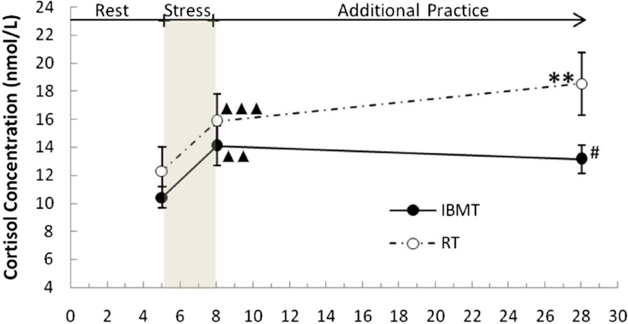
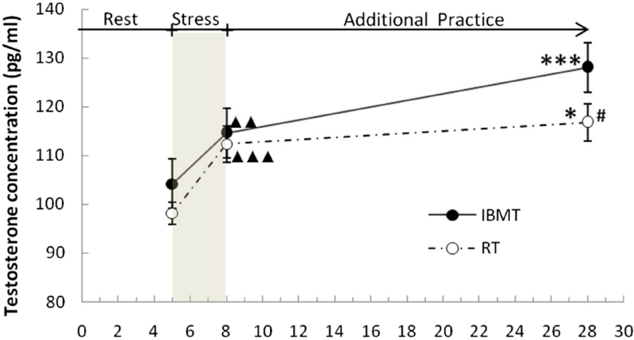
Methods: A pilot RCT examined the effects of an online short-term mindfulness meditation (IBMT, n=16) versus relaxation training (RT, n=16) on testosterone and cortisol in response to acute stress in 32 healthy young males. Salivary hormones were measured across three stages: rest, acute stress (mental arithmetic), and subsequent 20-minute practice. Results: Both groups showed elevated cortisol and testosterone post-stress. An additional 20-minute practice immediately after stress showed significantly lower salivary cortisol levels in the IBMT group compared to the RT group (p<0.05). In contrast, salivary testosterone increased more in IBMT than RT after post-stress practice (p<0.05). Testosterone changes did not correlate with cortisol changes.
Overview
CoChat Summary
## TL;DR
This pilot randomized controlled trial in 32 healthy male college students found that seven 20-minute sessions of integrative body-mind training (iBMT) altered hormone responses to an acute mental-arithmetic stressor. After stress, testosterone and cortisol both rose in both groups, but the post-stress 20-minute practice produced higher testosterone in iBMT and higher cortisol in relaxation training.
## Key findings
- The study included 32 healthy male college students with mean age 21.33 ± 0.63, randomized to 16 iBMT and 16 relaxation training (Rt) participants.
- Acute stress increased both hormones in both groups: cortisol showed a significant main effect of time (F(1,30)=25.130, p<.001, ηp²=.456) and testosterone also increased (F(1,30)=76.057, p<.001, ηp²=.717).
- After the additional 20-minute practice, cortisol increased in the Rt group (t(15)=3.034, p<.01, Cohen’s d=.758) and was higher than in iBMT at that time point (t(30)=-2.185, p<.05, d=-.335).
- After the additional 20-minute practice, testosterone increased in both groups, but the increase was greater in iBMT than Rt (t(30)=3.019, p<.05, d=1.067); the cortisol rise was not correlated with the testosterone rise (r(32)=.092, p=.616).
## Methods
- Design: Double-blind, randomized controlled pilot trial comparing iBMT versus active control Rt.
- Sample/data: Recruited from Dalian University of Technology; eligible participants were young Chinese male college students without prior meditation/relaxation/yoga/cognitive training or major health/psychiatric/endocrine conditions. Training consisted of 7 consecutive days, 20 minutes per day, with no home practice.
- Main analysis: Salivary cortisol and testosterone were measured at rest, immediately after a 3-minute mental arithmetic stressor, and after the additional 20-minute practice; analyzed with ANOVA (group × time), followed by post-hoc t-tests and Pearson correlations.
## Limitations
- The paper states that the short-term training (seven 20-minute sessions) did not allow examination of longitudinal effects.
- The sample consisted only of young males, which the paper says may limit generalizability; it also notes this as a possible strength because male dominance/competition may be more natural in this setting.
- The study did not use a waitlist control. The text argues this is a limitation of the broader literature and that the current active-control design is stronger; this limitation is stated in the discussion and evident from the design.
Model-written summary. Check it against the paper before relying on it.
Integrity signals
Registry
Cites
Statistics
Figures


Verification
Claims the paper makes
13 Valid · 11 Not valid · 34 Not checked · 41 Own results and interpretations
At least one cited source doesn’t support this claim or points to a different paper, and none confirmed it — see the verdicts below.
In the paper
“Our previous Rcts have shown that basal cortisol levels decreased after just 2-4 weeks of iBMt, suggesting iBMt may be highly effective in regulating acute stress response (Pawlow & Jones, 2005;scholey et al., 2009;tang et al., 2007).”
§ Salivary testosterone and cortisol response in acute stress modulated by seven sessions of mindfulness meditation in young males > 4. Discussion
What the sources say
- Not checked — no full text of the sourcecites Pawlow & Jones, 2005 matched to “The Impact of Abbreviated Progressive Muscle Relaxation on Salivary Cortisol and Salivary Immunoglobulin A (sIgA)” (2005) source
- Disputedcites scholey et al., 2009 matched to “Chewing gum alleviates negative mood and reduces cortisol during acute laboratory psychological stress” (2009) sourceExperimental — accuracy not yet measured
The Design and Procedure sections (pages unavailable) describe a randomized crossover study of chewing versus not chewing gum during 20-minute laboratory stress tasks, not 2–4 weeks of IBMT. The Discussion (page unavailable) attributes baseline cortisol changes largely to the morning diurnal fall, rather than to an IBMT intervention. (LLM, conf=0.87)
Checked by a reasoning model — may be wrong.
- Not checked — no full text of the sourcecites tang et al., 2007 matched to “Short-term meditation training improves attention and self-regulation” (2007) source
hedgedstates a cause- Asserted: passes — The authors put it forward as true.
- Checkable: passes — It can be checked against evidence.
- Load-bearing: passes — The paper’s conclusions depend on it.
- Based: passes — The paper gives a reason why it holds.
The cited sources that could be checked couldn’t confirm or dispute this claim.
In the paper
“For instance, testosterone modulates hPa axis men's reactivity to psychosocial stress (chichinadze & chichinadze, 2008;Knight et al., 2017;tang, tang, & Gross, 2019)”
§ Salivary testosterone and cortisol response in acute stress modulated by seven sessions of mindfulness meditation in young males > 1. Introduction
What the sources say
- Not checked — no full text of the sourcecites chichinadze & chichinadze, 2008 matched to “Stress-induced increase of testosterone: contributions of social status and sympathetic reactivity” (2008) source
- Not matchedcites Knight et al., 2017
More than one paper fits this citation.
- Could not verifycites tang, tang, & Gross, 2019 matched to “Promoting Psychological Well-Being Through an Evidence-Based Mindfulness Training Program” (2019) sourceExperimental — accuracy not yet measured
The Mindfulness and Psychological Well-Being section discusses cortisol changes following mindfulness training, not testosterone or men's HPA-axis reactivity to psychosocial stress. Searches for the claimed testosterone–HPA-axis relationship found no passage addressing it in our copy. (LLM, conf=0.76)
plainstates a cause- Asserted: passes — The authors put it forward as true.
- Checkable: passes — It can be checked against evidence.
- Load-bearing: passes — The paper’s conclusions depend on it.
- Based: passes — The paper gives a reason why it holds.
The cited sources support only part of this claim — read each source’s verdict below.
In the paper
“therefore, iBMt could provide a convenient approach to modulating endocrine response to stress in time (Pawlow & Jones, 2005;scholey et al., 2009;tang et al., 2007).”
§ Salivary testosterone and cortisol response in acute stress modulated by seven sessions of mindfulness meditation in young males > 4. Discussion
What the sources say
- Not checked — no full text of the sourcecites Pawlow & Jones, 2005 matched to “The Impact of Abbreviated Progressive Muscle Relaxation on Salivary Cortisol and Salivary Immunoglobulin A (sIgA)” (2005) source
- Partly supportedcites scholey et al., 2009 matched to “Chewing gum alleviates negative mood and reduces cortisol during acute laboratory psychological stress” (2009) sourceExperimental — accuracy not yet measured
The Discussion reports significantly reduced salivary cortisol when participants chewed gum during acute laboratory stress, supporting the general possibility of modulating an endocrine stress response. It does not study iBMt, so it cannot establish that iBMt provides this approach or how quickly it might work. (LLM, conf=0.85)
- Not checked — no full text of the sourcecites tang et al., 2007 matched to “Short-term meditation training improves attention and self-regulation” (2007) source
hedgedstates a possible cause- Asserted: passes — The authors put it forward as true.
- Checkable: passes — It can be checked against evidence.
- Load-bearing: passes — The paper’s conclusions depend on it.
- Based: passes — The paper gives a reason why it holds.
The cited sources that could be checked couldn’t confirm or dispute this claim.
In the paper
“salivary cortisol level reaches its maximum about 20 minutes after acute stress reaction (Fan et al., 2009;Oyola & handa, 2017).”
§ Salivary testosterone and cortisol response in acute stress modulated by seven sessions of mindfulness meditation in young males > 4. Discussion
What the sources say
- Not checked — no full text of the sourcecites Fan et al., 2009 matched to “Dynamic changes in salivary cortisol and secretory immunoglobulin A response to acute stress” (2009) source
- Could not verifycites Oyola & handa, 2017 matched to “Hypothalamic–pituitary–adrenal and hypothalamic–pituitary–gonadal axes: sex differences in regulation of stress responsivity” (2017) sourceExperimental — accuracy not yet measured
The HPA axis overview describes cortisol release in response to stress, while the gonadal-hormone section discusses stress-hormone peaks in rats. Neither gives a peak time for salivary cortisol in humans. Searches for salivary cortisol and a peak about 20 minutes after acute stress found no supporting passage in our copy; page numbers were unavailable. (LLM, conf=0.76)
plainstates a cause- Asserted: passes — The authors put it forward as true.
- Checkable: passes — It can be checked against evidence.
- Load-bearing: unclear — It is unclear whether the paper’s conclusions depend on it.
- Based: passes — The paper gives a reason why it holds.
The cited sources support only part of this claim — read each source’s verdict below.
In the paper
“in the present study, patterns of variations in salivary cortisol concentrations across the three stages of the stress intervention test were consistent with our previous studies (Pawlow & Jones, 2005;scholey et al., 2009;tang et al., 2007)”
§ Salivary testosterone and cortisol response in acute stress modulated by seven sessions of mindfulness meditation in young males > 4. Discussion
What the sources say
- Not checked — no full text of the sourcecites Pawlow & Jones, 2005 matched to “The Impact of Abbreviated Progressive Muscle Relaxation on Salivary Cortisol and Salivary Immunoglobulin A (sIgA)” (2005) source
- Partly supportedcites scholey et al., 2009 matched to “Chewing gum alleviates negative mood and reduces cortisol during acute laboratory psychological stress” (2009) sourceExperimental — accuracy not yet measured
The Procedure and Results sections report salivary cortisol measurements before and after a multitasking stressor, and lower cortisol during gum chewing than without chewing. They do not describe a three-stage stress intervention test or establish that its cortisol pattern matches the citing study’s pattern. (LLM, conf=0.78)
- Not checked — no full text of the sourcecites tang et al., 2007 matched to “Short-term meditation training improves attention and self-regulation” (2007) source
plain- Asserted: passes — The authors put it forward as true.
- Checkable: passes — It can be checked against evidence.
- Load-bearing: unclear — It is unclear whether the paper’s conclusions depend on it.
- Based: passes — The paper gives a reason why it holds.
35 more claims · 3 with their cited sources checked
Create a free account to see all 99 claims and to verify the 4 references still open.
- Probably not a substantial claim. 43
- It may state two separate claims as one. 33
Statistics recomputed
Every reported test result, recomputed from its test statistic and degrees of freedom. A result shows as not adding up only once an independent check has confirmed it.
- Not confirmedr(32) = 0.092reported p = .616 · recomputed p = .605
“r(32)=.092,p = .616”
- ConsistentF(1, 30) = 25.13reported p < .001 · recomputed p < .001
“F(1,30)=25.130,p < .001”
- ConsistentF(2, 60) = 4.669reported p < .05 · recomputed p = .013
“F(2,60)=4.669,p < .05”
- Consistentt(15) = 3.034reported p < .01 · recomputed p = .008
“t(15) = 3.034, p < .01”
- Consistentt(30) = -2.185reported p < .05 · recomputed p = .037
“t(30)=-2.185,p < .05”
5 more recomputed tests
Create a free account to see every test the Stats check recomputed.
Self-check
Percentages, sums and reported differences re-computed from the paper’s own numbers.
Self-check results appear here once an independent check has confirmed them.
Citations
Cites
The Neuroscience of Mindfulness Meditation
Tang, Y.-Y., Hölzel, B. K., & Posner, M. I. (2015) · Nature reviews. Neuroscience · doi:10.1038/nrn3916 · Cited by 2,889 · cited 8×
“…mindfulness meditation (terburg et al., 2009). as described in our prior work (Fan et al., 2014; Pawlow & Jones, 2005; scholey et al., 2009; tang, 2017; tang et al., 2007; 2009; tang & tang, 2023; terburg et al., 2009), different from some practices with the effort to control or manipulate…”
InfluentialSelf-citationWingfield, J. C., Hegner, R. E., Dufty, & Ball, G. F. (1990) · The American Naturalist · doi:10.1086/285134 · Cited by 2,330 · cited 1×
“…and cortisol concentrations in response to stress. testosterone plays an important role in male physiology and behavior (Mazur & Booth, 1998; Wingfield, hegner, Dufty, & Ball, 1990), and most previous research on testosterone in the context of stress has focused primarily on males…”
Benson, H., Beary, J. F., & Carol, M. P. (1974) · Psychiatry · doi:10.1080/00332747.1974.11023785 · Cited by 2,317
Short-term meditation training improves attention and self-regulation
Tang, Y.-Y., Ma, Y., Wang, J., Fan, Y., Feng, S., Lu, Q., Yu, Q., Sui, D., Rothbart, M. K., Fan, M., et al. (2007) · Proceedings of the National Academy of Sciences · doi:10.1073/pnas.0707678104 · Cited by 1,597 · cited 17×
“…was used as an acute and reliable laboratory stressor shown in research (Glaser, 2005; lai, liu, lin, tsai, & chien, 2017; Pawlow & Jones, 2005; tang et al., 2007; Walther, lacker, & ehlert, 2018). subjects read the introduction writing on a computer screen and performed serial sub-traction of…”
InfluentialSelf-citationTestosterone and dominance in men
Mazur, A., & Booth, A. (1998) · Behavioral and Brain Sciences · doi:10.1017/s0140525x98001228 · Cited by 1,447
Functional Cross‐Talk Between the Hypothalamic‐Pituitary‐Gonadal and ‐Adrenal Axes
Viau, V. (2002) · Journal of Neuroendocrinology · doi:10.1046/j.1365-2826.2002.00798.x · Cited by 744 · cited 1×
“…hPa axis men’s reactivity to psychosocial stress (chichinadze & chichinadze, 2008; Knight et al., 2017; tang, tang, & Gross, 2019) and men with lower basal cortisol concentrations show larger increases in the testosterone response to social stress (tang, tang, Posner, & Gross, 2022; Viau, 2002).”
Functional brain mapping of the relaxation response and meditation
Lazar, S. W., Bush, G., Gollub, R. L., Fricchione, G. L., Khalsa, G., & Benson, H. (2000) · NeuroReport · doi:10.1097/00001756-200005150-00042 · Cited by 717
Oyola, M. G., & Handa, R. J. (2017) · Stress · doi:10.1080/10253890.2017.1369523 · Cited by 710 · cited 3×
“…the waitlist control group without any stress management training, who reached their salivary cortisol maximum about 20 minutes after acute stress (Oyola & handa, 2017). likewise, our previous randomized controlled trials (Rcts) have shown that short-term integrative Body-Mind training (iBMt)—a…”
Central and autonomic nervous system interaction is altered by short-term meditation
Tang, Y.-Y., Ma, Y., Fan, Y., Feng, H., Wang, J., Feng, S., Lu, Q., Hu, B., Lin, Y., Li, J., et al. (2009) · Proceedings of the National Academy of Sciences · doi:10.1073/pnas.0904031106 · Cited by 680 · cited 7×
“…iBMt reduces stress through strengthening self-control (Pawlow & Jones, 2005; scholey et al., 2009; tang et al., 2007; tang, 2017; Fan et al., 2014; tang et al., 2009; terburg et al., 2009). in this study, salivary testosterone concentrations significantly increased immediately after the mental…”
InfluentialSelf-citationTestosterone, and winning and losing in human competition
Booth, A., Shelley, G., Mazur, A., Tharp, G., & Kittok, R. (1989) · Hormones and Behavior · doi:10.1016/0018-506x(89)90042-1 · Cited by 515 · cited 1×
“…question to investigate in future research. as mentioned before, previous studies have found basal cortisol concentrations decreased after months of transcendental meditation (Gaab et al., 2003), or years of tai chi (Booth et al., 1989), but basal testosterone concentrations were unchanged.”
Perfusion functional MRI reveals cerebral blood flow pattern under psychological stress
Wang, J., Rao, H., Wetmore, G. S., Furlan, P. M., Korczykowski, M., Dinges, D. F., & Detre, J. A. (2005) · Proceedings of the National Academy of Sciences · doi:10.1073/pnas.0503082102 · Cited by 513 · cited 1×
“…2000). testosterone and cortisol act in concert with and contribute to adaptive responses to stress (Mehta & Prasad, 2015); for example, the dual-hormone profile of increased testosterone and reduced cortisol is related to adaptive decision-making in stressful social settings (Wang et al., 2005).”
Empirical explorations of mindfulness: Conceptual and methodological conundrums.
Davidson, R. J. (2010) · Emotion · doi:10.1037/a0018480 · Cited by 361 · cited 6×
“…post-training stress-evoked cortisol responses, as well as equivalent reductions in self-reported psychological distress and physical symptoms (Davidson, 2010; Maccoon et al., 2012; 2014; Rosenkranz et al., 2013). these results indicate that prior studies using waitlist control produced false…”
InfluentialThe validation of an active control intervention for Mindfulness Based Stress Reduction (MBSR)
MacCoon, D. G., Imel, Z. E., Rosenkranz, M. A., Sheftel, J. G., Weng, H. Y., Sullivan, J. C., Bonus, K. A., Stoney, C. M., Salomons, T. V., Davidson, R. J., et al. (2012) · Behaviour Research and Therapy · doi:10.1016/j.brat.2011.10.011 · Cited by 335 · cited 4×
“…the waitlist control has been intensively investigated in the meditation field (Davidson, 2010; Maccoon, Maclean, Davidson, saron, & lutz, 2014; Maccoon et al., 2012; Rosenkranz et al., 2013; terburg et al., 2009). early meditation research often used meditation intervention vs. waitlist…”
InfluentialGaab, J., Blättler, N., Menzi, T., Pabst, B., Stoyer, S., & Ehlert, U. (2003) · Psychoneuroendocrinology · doi:10.1016/s0306-4530(02)00069-0 · Cited by 309 · cited 3×
“…management studies have chosen salivary cortisol as a reliable physiological index to evaluate the efficiency of an intervention (Fan et al., 2009; Gaab et al., 2003; hammerfald et al., 2006; Maclean et al., 1997; Oyola & handa, 2017). individuals who received cognitive-behavioral stress…”
BackgroundResultRosenkranz, M. A., Davidson, R. J., MacCoon, D. G., Sheridan, J. F., Kalin, N. H., & Lutz, A. (2013) · Brain, Behavior, and Immunity · doi:10.1016/j.bbi.2012.10.013 · Cited by 307 · cited 4×
“…has been intensively investigated in the meditation field (Davidson, 2010; Maccoon, Maclean, Davidson, saron, & lutz, 2014; Maccoon et al., 2012; Rosenkranz et al., 2013; terburg et al., 2009). early meditation research often used meditation intervention vs. waitlist control and demonstrated…”
InfluentialMindfulness meditation improves emotion regulation and reduces drug abuse
Tang, Y.-Y., Tang, R., & Posner, M. I. (2016) · Drug and Alcohol Dependence · doi:10.1016/j.drugalcdep.2015.11.041 · Cited by 306 · cited 2×
“…to stressors, promoting better emotion regulation and stress reduction (Fan et al., 2014; González-Palau & Medrano, 2022; Pawlow & Jones, 2005; tang et al., 2016). consistent with these findings, a series of Rct studies have shown that short-term iBMt improves attention control, emotion…”
Self-citationThe testosterone–cortisol ratio: A hormonal marker for proneness to social aggression
Terburg, D., Morgan, B., & van Honk, J. (2009) · International Journal of Law and Psychiatry · doi:10.1016/j.ijlp.2009.04.008 · Cited by 266 · cited 13×
“…and usually has two forms: focus attention and open monitoring. in literature, iBMt is termed as a form of open-monitoring mindfulness meditation (terburg et al., 2009). as described in our prior work (Fan et al., 2014; Pawlow & Jones, 2005; scholey et al., 2009; tang, 2017; tang et al., 2007;…”
InfluentialSchultheiss, O. C., Wirth, M. M., Torges, C. M., Pang, J. S., Villacorta, M. A., & Welsh, K. M. (2005) · Journal of Personality and Social Psychology · doi:10.1037/0022-3514.88.1.174 · Cited by 248 · cited 2×
“Whereas men’s testosterone is secreted primarily from the gonads, women’s testosterone levels are secreted primarily by the adrenal glands (schultheiss et al., 2005).”
Taren, A. A., Gianaros, P. J., Greco, C. M., Lindsay, E. K., Fairgrieve, A., Brown, K. W., Rosen, R. K., Ferris, J. L., Julson, E., Marsland, A. L., et al. (2015) · Social Cognitive and Affective Neuroscience · doi:10.1093/scan/nsv066 · Cited by 236 · cited 2×
“Rt has been used as an active control in our and other Rcts (lazar et al., 2000; Pawlow & Jones, 2005; scholey et al., 2009; tang et al., 2007; taren et al., 2015). iBMt and Rt share several components of body-mind techniques, but the main difference between iBMt and Rt is with or without a…”
MacLean, C. R. K., Walton, K. G., Wenneberg, S. R., Levitsky, D. K., Mandarino, J. P., Waziri, R., Hillis, S. L., & Schneider, R. H. (1997) · Psychoneuroendocrinology · doi:10.1016/s0306-4530(97)00003-6 · Cited by 234 · cited 1×
“…as a reliable physiological index to evaluate the efficiency of an intervention (Fan et al., 2009; Gaab et al., 2003; hammerfald et al., 2006; Maclean et al., 1997; Oyola & handa, 2017). individuals who received cognitive-behavioral stress management training showed an attenuated cortisol…”
BackgroundGender differences in testosterone and cortisol response to competition
Kivlighan, K. T., Granger, D. A., & Booth, A. (2005) · Psychoneuroendocrinology · doi:10.1016/j.psyneuen.2004.05.009 · Cited by 215 · cited 1×
“…in response to acute stress (Knight & Mehta, 2017; lennartsson et al. 2012), whereas other studies found sex differences (schultheiss et al., 2005; Kivlighan, Granger, & Booth, 2005). these sex differences in the context of stress might be explained by key differences between the male and female…”
The dual-hormone hypothesis: a brief review and future research agenda
Mehta, P. H., & Prasad, S. (2015) · Current Opinion in Behavioral Sciences · doi:10.1016/j.cobeha.2015.04.008 · Cited by 213 · cited 1×
“…balance (Willemsen, Ring, McKeever, & carroll, 2000). testosterone and cortisol act in concert with and contribute to adaptive responses to stress (Mehta & Prasad, 2015); for example, the dual-hormone profile of increased testosterone and reduced cortisol is related to adaptive decision-making in…”
Self-citationPromoting Psychological Well-Being Through an Evidence-Based Mindfulness Training Program
Tang, Y.-Y., Tang, R., & Gross, J. J. (2019) · Frontiers in Human Neuroscience · doi:10.3389/fnhum.2019.00237 · Cited by 191 · cited 1×
“For instance, testosterone modulates hPa axis men’s reactivity to psychosocial stress (chichinadze & chichinadze, 2008; Knight et al., 2017; tang, tang, & Gross, 2019) and men with lower basal cortisol concentrations show larger increases in the testosterone response to social stress (tang, tang,…”
Self-citationScholey, A., Haskell, C., Robertson, B., Kennedy, D., Milne, A., & Wetherell, M. (2009) · Physiology & Behavior · doi:10.1016/j.physbeh.2009.02.028 · Cited by 163 · cited 16×
“…and mindfulness practice, which can help facilitate practitioners to get into meditative states easily (Fan et al., 2014; Pawlow & Jones, 2005; scholey et al., 2009; tang, 2017; tang et al., 2007; 2009). so far, only a few studies have examined the effects of these techniques on both cortisol…”
InfluentialHammerfald, K., Eberle, C., Grau, M., Kinsperger, A., Zimmermann, A., Ehlert, U., & Gaab, J. (2006) · Psychoneuroendocrinology · doi:10.1016/j.psyneuen.2005.08.007 · Cited by 159 · cited 1×
“…have chosen salivary cortisol as a reliable physiological index to evaluate the efficiency of an intervention (Fan et al., 2009; Gaab et al., 2003; hammerfald et al., 2006; Maclean et al., 1997; Oyola & handa, 2017). individuals who received cognitive-behavioral stress management training showed…”
Glaser, R. (2005) · Brain, Behavior, and Immunity · doi:10.1016/j.bbi.2004.06.003 · Cited by 158 · cited 5×
“Gonadal hormones play a key role in the regulation of hPa axis (Glaser, 2005; smyth et al., 2018). testosterone, the end-product of the hypothalamus-pituitary – testicular (hPt) axis, is implicated in male reproductive development and behavior. though they often exert different effects, the hPt and…”
InfluentialPawlow, L. A., & Jones, G. E. (2005) · Applied Psychophysiology and Biofeedback · doi:10.1007/s10484-005-8423-2 · Cited by 142 · cited 18×
“…participants lower salivary cortisol and higher siga in a group that received 5 sessions of iBMt training, in comparison to the same amount of Rt (Pawlow & Jones, 2005; tang et al., 2007). these studies indicate that iBMt can serve as an effective intervention to modulate endocrine and immune…”
BackgroundMethodResultInfluentialStress-induced increase of testosterone: contributions of social status and sympathetic reactivity
Chichinadze, K., & Chichinadze, N. (2008) · Physiology & Behavior · doi:10.1016/j.physbeh.2008.03.020 · Cited by 126 · cited 2×
“For instance, testosterone modulates hPa axis men’s reactivity to psychosocial stress (chichinadze & chichinadze, 2008; Knight et al., 2017; tang, tang, & Gross, 2019) and men with lower basal cortisol concentrations show larger increases in the testosterone response to social stress (tang, tang,…”
Charting adult development through (historically changing) daily stress processes.
Almeida, D. M., Charles, S. T., Mogle, J. A., Drewelies, J., Aldwin, C. M., Spiro, A., & Gerstorf, D. (2020) · American Psychologist · doi:10.1037/amp0000597 · Cited by 126 · cited 2×
“…secretion of cortisol. exaggerated release of cortisol can suppress aspects of immune function and have negative effects on health and wellbeing (almeida et al., 2020). salivary cortisol is a delayed peripheral response to acute stress (Ring et al., 2000). salivary cortisol level reaches its…”
Lennartsson, A.-K., Kushnir, M. M., Bergquist, J., Billig, H., & Jonsdottir, I. H. (2012) · International Journal of Psychophysiology · doi:10.1016/j.ijpsycho.2012.03.001 · Cited by 105 · cited 3×
“…2020). some research has shown similar fluctuations in testosterone levels in both men and women in response to acute stress (Knight & Mehta, 2017; lennartsson et al. 2012), whereas other studies found sex differences (schultheiss et al., 2005; Kivlighan, Granger, & Booth, 2005). these sex…”
InfluentialMacCoon, D. G., MacLean, K. A., Davidson, R. J., Saron, C. D., & Lutz, A. (2014) · PLoS ONE · doi:10.1371/journal.pone.0097551 · Cited by 100 · cited 4×
“…use a waitlist control (non-intervention control). the waitlist control has been intensively investigated in the meditation field (Davidson, 2010; Maccoon, Maclean, Davidson, saron, & lutz, 2014; Maccoon et al., 2012; Rosenkranz et al., 2013; terburg et al., 2009). early meditation research…”
InfluentialThe Neuroscience of Mindfulness Meditation
Tang, Y.-Y. (2017) · doi:10.1007/978-3-319-46322-3 · Cited by 100
Self-citationEveryday stress response targets in the science of behavior change
Smyth, J. M., Sliwinski, M. J., Zawadzki, M. J., Scott, S. B., Conroy, D. E., Lanza, S. T., Marcusson-Clavertz, D., Kim, J., Stawski, R. S., Stoney, C. M., et al. (2018) · Behaviour Research and Therapy · doi:10.1016/j.brat.2017.09.009 · Cited by 98 · cited 3×
“…or chronic secretion of cortisol can suppress immune function and have negative effects on health and well-being (almeida et al., 2020). appropriate reactivity to acute stress and timely cessation of the stress response is critical for an organism’s survival (Glaser, 2005; smyth et al., 2018).”
Hierarchy stability moderates the effect of status on stress and performance in humans
Knight, E. L., & Mehta, P. H. (2017) · Proceedings of the National Academy of Sciences · doi:10.1073/pnas.1609811114 · Cited by 96
Self-citationRoutledge International Handbook of Social Neuroendocrinology
Schultheiss, O. C., & Metha, P. H. (2018) · Routledge eBooks · doi:10.4324/9781315200439 · Cited by 88
Willemsen, G., Ring, C., McKeever, S., & Carroll, D. (2000) · Biological Psychology · doi:10.1016/s0301-0511(99)00028-9 · Cited by 71 · cited 1×
“…with high day-to-day stressful life events. testosterone and cortisol work together to maintain an appropriate biological and psychological balance (Willemsen, Ring, McKeever, & carroll, 2000). testosterone and cortisol act in concert with and contribute to adaptive responses to stress (Mehta &…”
Goldin, P. R., Thurston, M., Allende, S., Moodie, C., Dixon, M. L., Heimberg, R. G., & Gross, J. J. (2021) · JAMA Psychiatry · doi:10.1001/jamapsychiatry.2021.1862 · Cited by 69 · cited 1×
“…management through positive reappraisal, emotion regulation, or other strategies, thereby modulating cortisol and testosterone profiles effectively (Goldin et al., 2021; González-Palau & Medrano, 2022; hanley et al., 2021; tang, tang, & Posner, 2016; terburg et al., 2009). in addition, stress is…”
Testosterone and social evaluative stress: The moderating role of basal cortisol
Bedgood, D., Boggiano, M. M., & Turan, B. (2014) · Psychoneuroendocrinology · doi:10.1016/j.psyneuen.2014.05.007 · Cited by 69 · cited 4×
“Prior work showed that testosterone levels may either decrease or increase under acute stress (Barel et al., 2018; Bedgood, Boggiano, & turan, 2014), a possible reason for this inconsistency may be the social nature of the stressful event (chichinadze & chichinadze, 2008; tang et al., 2022). it has…”
InfluentialCasto, K. V., & Edwards, D. A. (2016) · Adaptive Human Behavior and Physiology · doi:10.1007/s40750-015-0028-2 · Cited by 63 · cited 1×
“…on the previous literature. however, growing evidence suggests that testosterone levels are also related to female stress responses and behavior (casto & edwards, 2016; casto, edwards, akinola, Davis, & Mehta, 2020). some research has shown similar fluctuations in testosterone levels in both…”
Dismukes, A. R., Johnson, M. M., Vitacco, M. J., Iturri, F., & Shirtcliff, E. A. (2015) · Developmental Psychobiology · doi:10.1002/dev.21231 · Cited by 63 · cited 1×
“…1998; Wingfield, hegner, Dufty, & Ball, 1990), and most previous research on testosterone in the context of stress has focused primarily on males (Dismukes, Johnson, Vitacco, iturri, & shirtcliff, 2015; Knight et al., 2017; Kutlikova et al., 2020). the present study was also conducted in males…”
Cortisol Level Modulated by Integrative Meditation in a Dose‐dependent Fashion
Fan, Y., Tang, Y., & Posner, M. I. (2014) · Stress and Health · doi:10.1002/smi.2497 · Cited by 62 · cited 10×
“…these positive brain, physiological, and behavioral changes were accompanied by the interaction of both central and autonomic nervous systems (Fan et al., 2014; scholey et al., 2009; tang, 2017; tang et al., 2007; 2009). it is thus possible that iBMt may contribute to improved homeostasis in…”
InfluentialSelf-citationRing, C., Harrison, L. K., Winzer, A., Carroll, D., Drayson, M., & Kendall, M. (2000) · Psychophysiology · doi:10.1111/1469-8986.3750634 · Cited by 61 · cited 1×
“…and have negative effects on health and wellbeing (almeida et al., 2020). salivary cortisol is a delayed peripheral response to acute stress (Ring et al., 2000). salivary cortisol level reaches its maximum about 20 minutes after acute stress reaction (Fan et al., 2009; Oyola & handa, 2017).”
Effortless training of attention and self-control: mechanisms and applications
Tang, Y.-Y., Tang, R., Posner, M. I., & Gross, J. J. (2022) · Trends in Cognitive Sciences · doi:10.1016/j.tics.2022.04.006 · Cited by 60 · cited 3×
“…and dominant behavior (lennartsson et al., 2012). the increase in testosterone may be part of an adaptive strategy when facing social challenges (tang et al., 2022; Zueger, annen, & ehlert, 2023). even though testosterone levels may increase in the initial phase of acute psychosocial stress,…”
Self-citationHanley, A. W., de Vibe, M., Solhaug, I., Farb, N., Goldin, P. R., Gross, J. J., & Garland, E. L. (2021) · Stress and Health · doi:10.1002/smi.3035 · Cited by 56 · cited 1×
“…emotion regulation, or other strategies, thereby modulating cortisol and testosterone profiles effectively (Goldin et al., 2021; González-Palau & Medrano, 2022; hanley et al., 2021; tang, tang, & Posner, 2016; terburg et al., 2009). in addition, stress is often associated with negative emotions.”
Dual-Hormone Changes Are Related to Bargaining Performance
Mehta, P. H., Mor, S., Yap, A. J., & Prasad, S. (2015) · Psychological Science · doi:10.1177/0956797615572905 · Cited by 54 · cited 2×
“Future studies should explore the effects of long-term training on the brain and endocrine function in a larger and more diverse sample (Mehta et al., 2015). second, our samples only consisted of young males, which may limit the generalizability of the results. however, this could also be a…”
Self-citationKnight, E. L., Christian, C. B., Morales, P. J., Harbaugh, W. T., Mayr, U., & Mehta, P. H. (2017) · Psychoneuroendocrinology · doi:10.1016/j.psyneuen.2017.08.014 · Cited by 50 · cited 3×
“…previous research on testosterone in the context of stress has focused primarily on males (Dismukes, Johnson, Vitacco, iturri, & shirtcliff, 2015; Knight et al., 2017; Kutlikova et al., 2020). the present study was also conducted in males to build on the previous literature. however, growing…”
Self-citationGonadal hormones modulate the HPA‐axis and the SNS in response to psychosocial stress
Barel, E., Abu‐Shkara, R., Colodner, R., Masalha, R., Mahagna, L., Zemel, O. C., & Cohen, A. (2018) · Journal of Neuroscience Research · doi:10.1002/jnr.24259 · Cited by 45 · cited 2×
“Prior work showed that testosterone levels may either decrease or increase under acute stress (Barel et al., 2018; Bedgood, Boggiano, & turan, 2014), a possible reason for this inconsistency may be the social nature of the stressful event (chichinadze & chichinadze, 2008; tang et al., 2022). it has…”
Testosterone reactivity to competition and competitive endurance in men and women
Casto, K. V., Edwards, D. A., Akinola, M., Davis, C., & Mehta, P. H. (2020) · Hormones and Behavior · doi:10.1016/j.yhbeh.2019.104665 · Cited by 43 · cited 1×
“…however, growing evidence suggests that testosterone levels are also related to female stress responses and behavior (casto & edwards, 2016; casto, edwards, akinola, Davis, & Mehta, 2020). some research has shown similar fluctuations in testosterone levels in both men and women in response…”
Self-citationPrasad, S., Lassetter, B., Welker, K. M., & Mehta, P. H. (2019) · Psychoneuroendocrinology · doi:10.1016/j.psyneuen.2019.104373 · Cited by 41 · cited 2×
“…improving the validity of testosterone measurement, particularly in populations with low levels (e.g. women; schultheiss, Dlugash, & Mehta, 2019; Prasad et al., 2019). thus, future research should adopt these improved measurement techniques to explore whether mindfulness meditation would show…”
Self-citationThe effects of testosterone on the physiological response to social and somatic stressors
Kutlikova, H. H., Durdiaková, J. B., Wagner, B., Vlček, M., Eisenegger, C., Lamm, C., & Riečanský, I. (2020) · Psychoneuroendocrinology · doi:10.1016/j.psyneuen.2020.104693 · Cited by 40 · cited 4×
“…testosterone in the context of stress has focused primarily on males (Dismukes, Johnson, Vitacco, iturri, & shirtcliff, 2015; Knight et al., 2017; Kutlikova et al., 2020). the present study was also conducted in males to build on the previous literature. however, growing evidence suggests that…”
InfluentialRecommendations for the study of women in hormones and competition research
Casto, K. V., & Prasad, S. (2017) · Hormones and Behavior · doi:10.1016/j.yhbeh.2017.05.009 · Cited by 38 · cited 1×
“Given that fewer studies have examined testosterone levels, stress, and behavior in females compared to males (casto & Prasad, 2017), it remains unclear whether the findings from the current study conducted in males will generalize to females. as such, this remains an important question to…”
Dynamic changes in salivary cortisol and secretory immunoglobulin A response to acute stress
Fan, Y., Tang, Y., Lu, Q., Feng, S., Yu, Q., Sui, D., Zhao, Q., Ma, Y., & Li, S. (2009) · Stress and Health · doi:10.1002/smi.1239 · Cited by 32 · cited 3×
“Many stress management studies have chosen salivary cortisol as a reliable physiological index to evaluate the efficiency of an intervention (Fan et al., 2009; Gaab et al., 2003; hammerfald et al., 2006; Maclean et al., 1997; Oyola & handa, 2017). individuals who received cognitive-behavioral…”
Self-citationLong-Term Physical Exercise and Mindfulness Practice in an Aging Population
Tang, Y.-Y., Fan, Y., Lu, Q., Tan, L.-H., Tang, R., Kaplan, R. M., Pinho, M. C., Thomas, B. P., Chen, K., Friston, K. J., et al. (2020) · Frontiers in Psychology · doi:10.3389/fpsyg.2020.00358 · Cited by 31 · cited 1×
“…stressors are often better predictors of important health outcomes than chronic stress such as major life events (tang, hölzel, & Posner, 2015; tang et al., 2020). it is imperative to understand how the hypothalamus-pituitary-adrenal (hPa) axis responds to acute stress that affects health and…”
Self-citationHormone measurement in social neuroendocrinology
Schultheiss, O. C., Dlugash, G., & Mehta, P. H. (2018) · Routledge eBooks · doi:10.4324/9781315200439-3 · Cited by 31
Self-citationWalther, A., Lacker, T. J., & Ehlert, U. (2017) · Complementary Therapies in Medicine · doi:10.1016/j.ctim.2017.11.021 · Cited by 28 · cited 1×
“…acute and reliable laboratory stressor shown in research (Glaser, 2005; lai, liu, lin, tsai, & chien, 2017; Pawlow & Jones, 2005; tang et al., 2007; Walther, lacker, & ehlert, 2018). subjects read the introduction writing on a computer screen and performed serial sub-traction of 47 from a…”
Testosterone and cortisol responses to acute and prolonged stress during officer training school
Zueger, R., Annen, H., & Ehlert, U. (2023) · Stress · doi:10.1080/10253890.2023.2199886 · Cited by 25 · cited 1×
“…(lennartsson et al., 2012). the increase in testosterone may be part of an adaptive strategy when facing social challenges (tang et al., 2022; Zueger, annen, & ehlert, 2023). even though testosterone levels may increase in the initial phase of acute psychosocial stress, the hPt axis may be…”
A Mini-Review of Work Stress and Mindfulness: A Neuropsychological Point of View
González-Palau, F., & Medrano, L. A. (2022) · Frontiers in Psychology · doi:10.3389/fpsyg.2022.854204 · Cited by 16 · cited 2×
“…can cultivate a more balanced and non-reactive response to stressors, promoting better emotion regulation and stress reduction (Fan et al., 2014; González-Palau & Medrano, 2022; Pawlow & Jones, 2005; tang et al., 2016). consistent with these findings, a series of Rct studies have shown that…”
Higher DHEAS Levels Associated with Long-Term Practicing of Tai Chi
Lai, H.-M. (2017) · The Chinese Journal of Physiology · doi:10.4077/cjp.2017.baf454 · Cited by 14 · cited 1×
“Mental arithmetic was used as an acute and reliable laboratory stressor shown in research (Glaser, 2005; lai, liu, lin, tsai, & chien, 2017; Pawlow & Jones, 2005; tang et al., 2007; Walther, lacker, & ehlert, 2018). subjects read the introduction writing on a computer screen and performed serial…”
MethodHelp or punishment: acute stress moderates basal testosterone's association with prosocial behavior
Wang, H., Zhen, Z., Zhu, R., Yu, B., Qin, S., & Liu, C. (2022) · Stress · doi:10.1080/10253890.2022.2054696 · Cited by 11
Cortisol awakening response and testosterone jointly affect adolescents' theory of mind
Wang, H., Zhang, S., Wu, S., Qin, S., & Liu, C. (2022) · Hormones and Behavior · doi:10.1016/j.yhbeh.2022.105258 · Cited by 7 · cited 1×
“…of the hPt and hPa axes. consistent with the dual-hormone hypothesis, iBMt may provide a means to efficiently regulate both cortisol and testosterone to affect dominant and aggressive behavior and improve prosocial behavior (Wang, Zhang, Wu, Qin, & liu, 2022; Wang, Zhang, et al., 2022).”
Fundamentals of Health Neuroscience
(2024) · Elsevier eBooks · doi:10.1016/c2022-0-00873-4 · Cited by 2
Barbero (2014) · doi:10.1016/j · Cited by 1
Tang, Y., & Tang, R. (2024) · Elsevier eBooks · doi:10.1016/b978-0-443-15602-1.00012-4
Self-citation
Research works printed but not linked: 1
- 27. lennartsson, a. K., Kushnir, M. M., Bergquist, J., Billig, h., & Jonsdottir, i. h. (2012). sex steroid levels temporarily increase in response to acute psychosocial stress in healthy men and women. International Journal of Psychophysiology, 84(3), 246-253. https://doi.org/10.1016/j.ijpsycho. 2012.03.001 · doi:10.1016/j.ijpsycho
Cited by
Ding, H., Zhang, L., Ma, C., Wen, H., & Zhao, X. (2025) · Scientific Reports · doi:10.1038/s41598-025-97179-w · Cited by 21
“A growing body of literature has documented that the relationship between mindfulness meditation and salivary cortisol 71–73 .”
Al-Kufaishi, A. M. A., & Al-Musawi, N. J. T. (2024) · Hormone Molecular Biology and Clinical Investigation · doi:10.1515/hmbci-2024-0017 · Cited by 14
Fraile‐Μartinez, O., Ortega, M. A., & Montero, C. G. (2026) · International Journal of Molecular Sciences · doi:10.3390/ijms27020692 · Cited by 13
Li, Z., Peng, P., Yan, K., Wang, X., Zhang, X., Xu, H., Li, X., Wu, M., Li, P., Deng, Q., et al. (2024) · Asian Journal of Psychiatry · doi:10.1016/j.ajp.2024.104247 · Cited by 5
Self-citationAtallah, E., Rossi, G. P., Filipe, J., Costa, E. D., Mazzola, S., Minero, M., Pecile, A., Motta, A., & Barbieri, S. (2025) · BMC Veterinary Research · doi:10.1186/s12917-025-04708-w · Cited by 6
“Salivary cortisol and testosterone levels rise in reaction to immediate psychosocial stress [40, 41].”
Metadata
- Authors
- Fan, Y., Cui, Y., Tang, R., Sarkar, A., Mehta, P., & Tang, Y.-Y.
- Affiliations
- Dalian Blood Center, Dalian, Liaoning, China
- Affiliated Zhongshan Hospital of Dalian University (CN)
- University of California San Diego (US)
- Harvard University (US)
- University College London (GB)
- Arizona State University (US)
- Corresponding author
- Cui, Yifen
- Tang, Yi-Yuan
- Venue
- Stress
- Publisher
- Informa UK Limited
- Published
- 2024-02-20
- Volume
- 27
- Issue
- 1
- Pages
- 2316041-2316041
- ISSN
- 1025-3890 (ISSN-L)
- 1607-8888
- OpenAlex
- W4391952928
- Cited by
- 25
- References
- 60
- Citations by year
- 2026: 7 · 2025: 12 · 2024: 6
- FWCI
- 12.46
- Type
- journal article
- Language
- en
- Open access
- gold
- doi.org
- Licence
- Locations
- Stress (publishedVersion, cc-by-nc)
- PubMed (publishedVersion)
- UCL Discovery (University College London) (submittedVersion, cc-by-nc)
- DOAJ (DOAJ: Directory of Open Access Journals) (submittedVersion)
- Topics
- Social Sciences › Psychology › Clinical Psychology › Mindfulness and Compassion Interventions
- Life Sciences › Neuroscience › Behavioral Neuroscience › Stress Responses and Cortisol
- Social Sciences › Psychology › Social Psychology › Music Therapy and Health
- Keywords
- mindfulness meditation, acute psychosocial stress, salivary cortisol, salivary testosterone, hypothalamic-pituitary-adrenal axis, hypothalamic-pituitary-testicular axis, relaxation training, young men
- MeSH terms
- Humans, Hydrocortisone, Male, Stress, Psychological, Testosterone, Meditation, Mindfulness
About these checks
Registry, retraction, Cites and statistics results are computed, not judged, with one exception: a printed reference that no index lists is read once by a model before it counts as a citation error. Claims are extracted by a model and kept only when their quote appears verbatim in the text; each cited source is then checked, with a model’s help, for whether it says what the claim relies on. Those verdicts can be wrong — read the claim’s quote and the cited source before relying on one.
The claim verdicts this report counts are experimental: their accuracy is not yet measured.
A language model drew the claims from the paper on 2026-10-10, under version 3 of the claim definition (model deepseek-v4.1-flash, prompt extract-v3).
A second model labelled each claim on 2026-10-10 (model jev-1.13-20260917, definition revision gold-guideline-v0.2).
Cited sources are checked with a language model’s help (gpt-6-sol).
Statistics and arithmetic are recomputed, not judged.
Confidence bands are shown only for fields calibrated on our annotated test set. None is calibrated yet, so no band is shown.
What counts as a claim ›How we measure confidence ›How we check this ›
Are you an author, or do you see a problem with this page? Request a review
Data sources
Bibliographic data: Semantic Scholar, OpenAlex, Crossref.
Contains information from the Semantic Scholar Academic Graph Datasets, made available under the ODC Attribution License (ODC-BY 1.0).
Semantic Scholar’s data is described in: Kinney, R., et al. (2023). The Semantic Scholar Open Data Platform. arXiv:2301.10140.
