

Ribonucleotide errors, RNase HII, and ribonucleotide excision repair
Open accessThe DOI matches its Crossref record; 198 of the 199 references it cites were found in a registry or an index, and 1 are not checked yet; 83 of the 209 sources its claims cite were checked for support.
Abstract
Replicative DNA polymerases are responsible for the high-fidelity duplication of genomes in all organisms. The overall DNA replication process is highly accurate, with deoxyribonucleoside monophosphate (dNMP) errors occurring on the order of 1 in tens of millions of replicated bases. However, DNA polymerases are more prone to misincorporating ribonucleoside monophosphates (rNMPs) in place of their cognate dNMPs, with measurements on the order of 1 in a couple thousand base pairs synthesized. Owing in part to the high concentration of rNTPs relative to dNTPs in vivo, rNMPs may represent the most common nucleotide requiring removal from genomic DNA in organisms spanning all domains of life. Cells employ a set of pathways, including ribonucleotide excision repair (RER), to address abundant genomic rNMPs. Defects in ribonucleotide excision repair result in mutagenesis, neurological disorders, and embryonic lethality. In this review, we discuss the mechanisms for how ribonucleotides are misincorporated by DNA polymerases, how RNase H enzymes recognize and cleave RNA-DNA hybrids, and the process of ribonucleotide excision repair. Further, we review and discuss how ribonucleotide error correction occurs in eukarya, archaea, and bacteria, providing perspectives across a broad range of organisms and ribonucleotide resolution pathways.
Verified 2026-11-22 · 1 reference not checked yet
Overview
CoChat Summary
TL;DR
This review summarizes how DNA polymerases misincorporate ribonucleoside monophosphates (rNMPs) as common “sugar errors,” how RNase HII/H2 recognizes and incises single rNMPs, and how ribonucleotide excision repair (RER) removes them across eukarya, archaea, and bacteria. It highlights conserved RER mechanisms but divergent substrate ranges and backup repair pathways that can be mutagenic.
Key findings
- rNMP misincorporation is frequent: dNMP errors occur on the order of 1 in tens of millions of replicated bases, whereas rNMPs are incorporated on the order of 1 in a couple thousand base pairs synthesized; rNTPs outnumber dNTPs by 10- to 80-fold in organisms such as *E. coli*, *Pyrococcus abyssi*, and *Saccharomyces cerevisiae*. Reported rates include up to 2,000 rNMPs per round of chromosomal replication by *E. coli* Pol III holoenzyme in vitro, 200–2,200 or more rNMPs per round in various bacteria in vivo, 1 rNMP per 625, 1,250, or 5,000 dNMPs for yeast Pol α, Pol ε, or Pol δ, 1 per 2,000 dNMPs for human Pol δ, 1 per 1,500 bp (~1,000 per round) in *Thermococcus kodakarensis* lacking RNase HII, and ~1 per 900 bp in *Haloferax volcanii* and *Thermococcus barophilus* without RNase HII.
- RNase HII/H2 is the only RNase H conserved in all domains of life and the sole RNase H responsible for repairing single rNMPs; it incises 5′ of the rNMP using a two-metal mechanism, with a GRG motif and an invariant Tyr163 forming a junction-sensing module in *Thermotoga maritima* RNase HII.
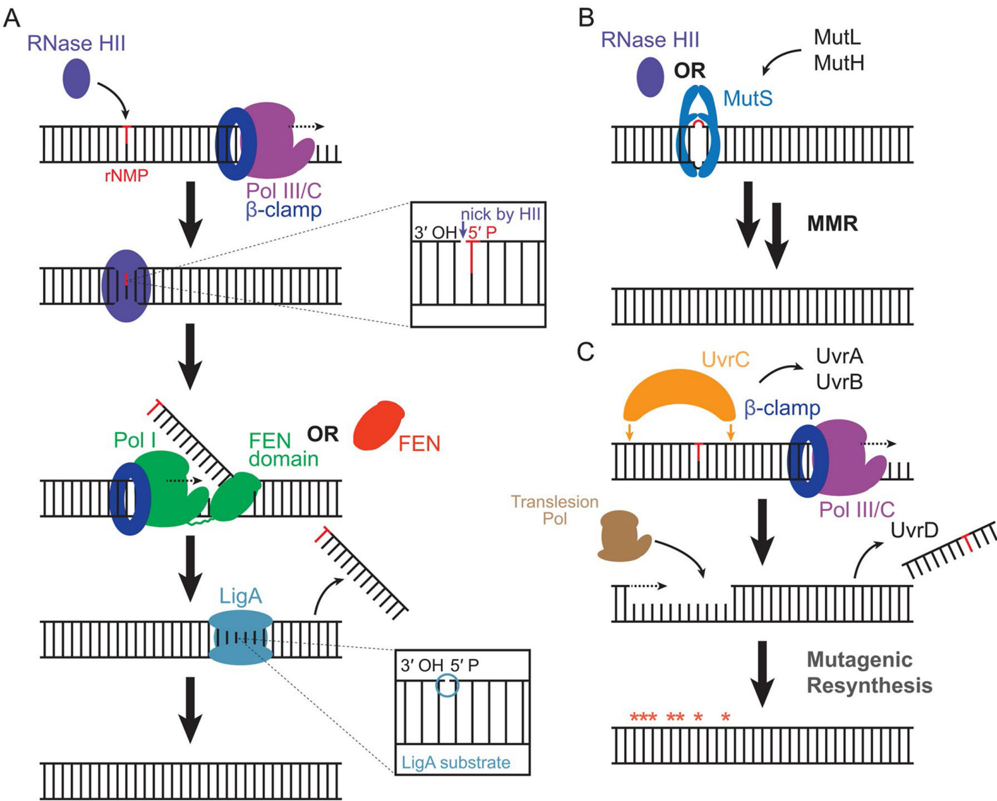
- RER is largely conserved: RNase HII/H2 nicks 5′ of the rNMP, a polymerase extends from the 3′–OH and displaces the downstream strand, a flap endonuclease removes the rNMP-containing flap, and DNA ligase seals the nick. Organism-specific features include eukaryotic PCNA/Pol δ/FEN1/Ligase I, archaeal PolB/PolD/Fen1/ligase, and bacterial Pol I/ligase, with *Bacillus subtilis* likely requiring FenA because its Pol I FEN domain has weak activity.
- Substrate scope and backup pathways diverge: *E. coli* RNase HII can incise damaged rNMPs including rOH and r8oG, unlike *B. subtilis*, archaeal, and eukaryotic RNase HII/H2; human APE1 repairs abasic and oxidized rNMPs; eukaryotes can use mutagenic Top1-mediated backup repair; bacteria may use NER or MMR for some mismatched rNMPs; no redundant archaeal pathway has been described. Defects in RER cause mutagenesis, neurological disorders such as Aicardi-Goutières syndrome, and embryonic lethality.
Methods
- Narrative review; no primary experimental data are reported. It synthesizes structural, biochemical, genetic, and high-throughput sequencing literature across bacteria, archaea, and eukarya.
- The review covers mechanisms of polymerase sugar discrimination, RNase H family classification and catalysis, RER reconstitution, and rNMP mapping methods including ribose-seq, HydEn-seq, Pu-seq, emRibo-seq, RADAR-seq, and Oxford Nanopore Technologies nanopore sequencing.
- It presents comparative discussion of RER in eukaryotes, archaea, and bacteria, with reference to tables and figures summarizing rates and genes.
Limitations
- The paper does not state limitations. As a narrative review, it lacks systematic search or inclusion criteria and does not perform quantitative meta-analysis.
- Some conclusions are explicitly speculative, such as the suggestion that rGMP might be bound more weakly by *B. subtilis* RNase HII, and many mechanistic details derive from in vitro assays or model organisms.
- The review notes that future work is needed to determine whether additional compensatory pathways exist or whether ribonucleotide insertion has a clear biologically beneficial regulatory function.
Model-written summary. Check it against the paper before relying on it.
Integrity signals
Registry
Cites
Statistics
Figures
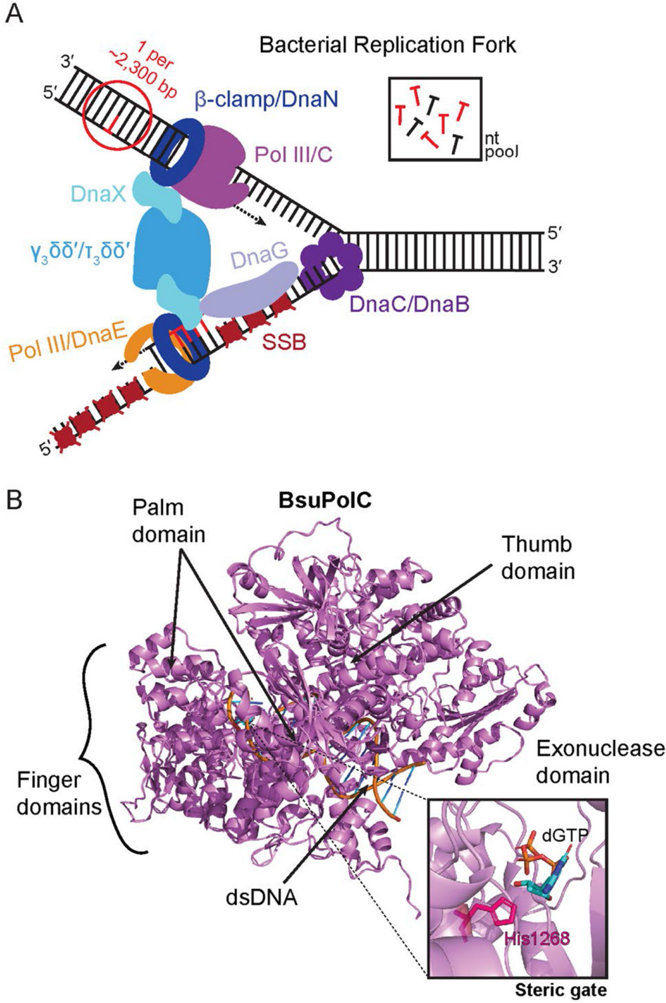
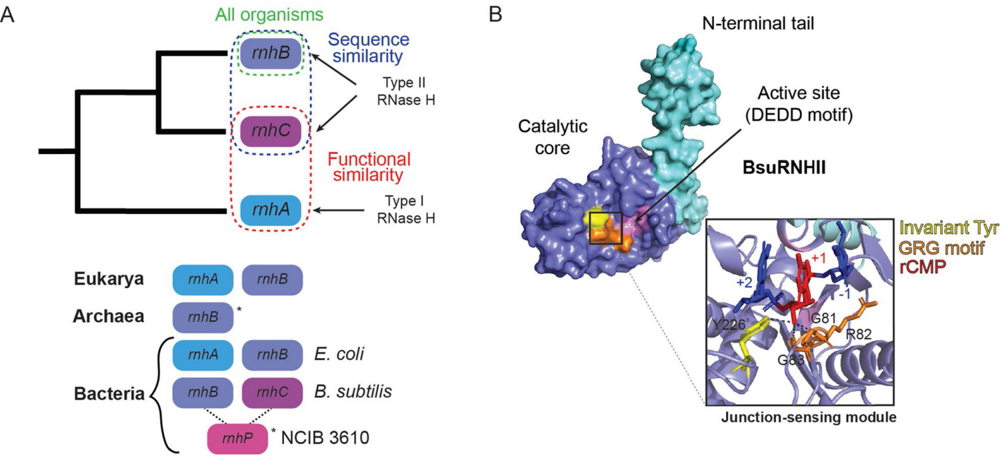
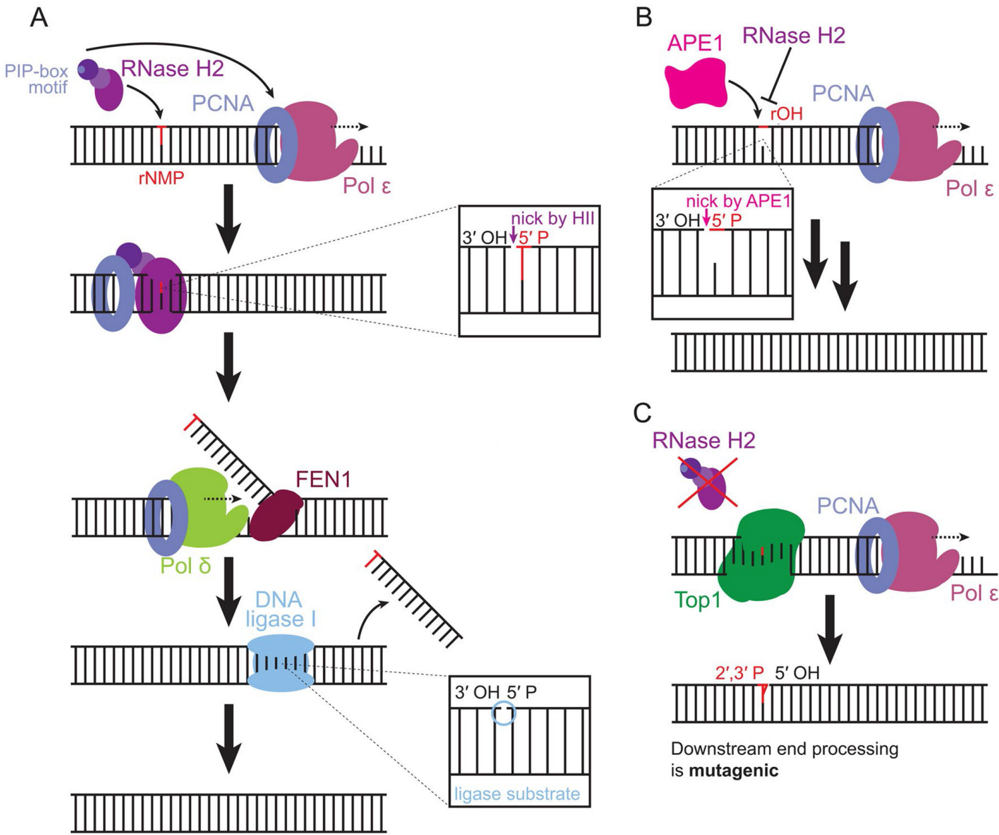
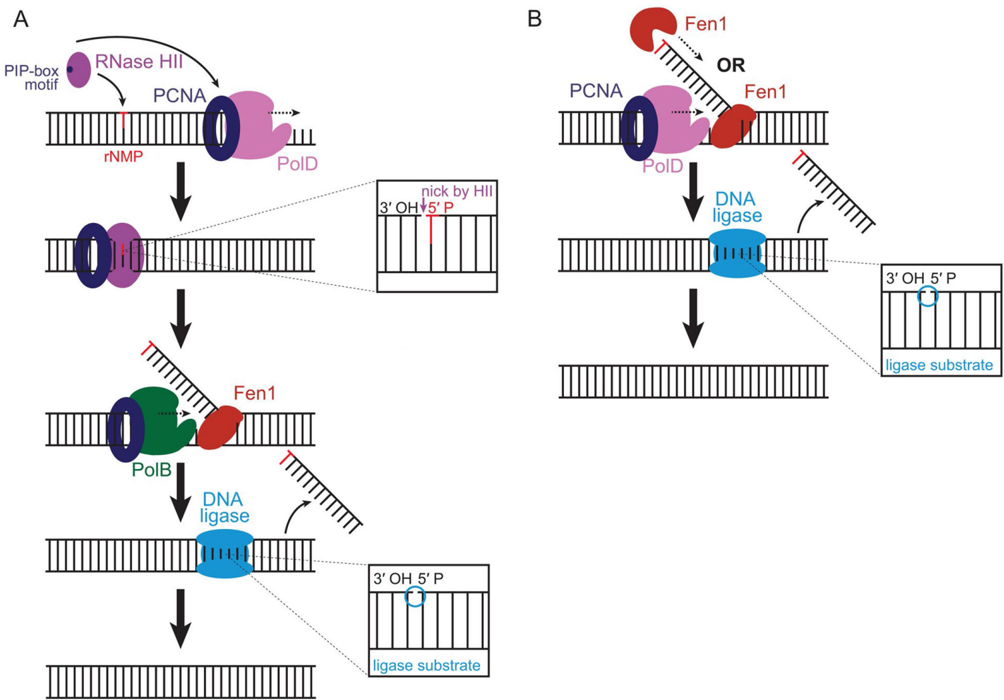
Verification
Claims the paper makes
65 Valid · 5 Not valid · 86 Not checked · 11 Own results and interpretations
At least one cited source doesn’t support this claim or points to a different paper, and none confirmed it — see the verdicts below.
In the paper
“each enzyme has endoribo-nuclease activity, allowing for the specific recognition and removal of ribonucleotides from RNA-DNA hybrids commonly formed in vivo”
§ Ribonucleotide errors, RNase HII, and ribonucleotide excision repair > Ribonuclease H family enzymes
What the sources say
- Disputedcites Keller and Crouch 1972 matched to “Degradation of DNA RNA Hybrids by Ribonuclease H and DNA Polymerases of Cellular and Viral Origin” (1972) sourceExperimental — accuracy not yet measured
The Abstract (p. 3360) supports specific degradation of RNA in DNA–RNA hybrids, but contradicts the claim that each RNase H is an endoribonuclease: it calls cellular RNase H an endonuclease and says the viral enzyme appears to be an exonuclease. The passage does not establish that the hybrids are commonly formed in vivo. (LLM, conf=0.88)
Checked by a reasoning model — may be wrong.
plainstates a cause- Asserted: passes — The authors put it forward as true.
- Checkable: passes — It can be checked against evidence.
- Load-bearing: unclear — It is unclear whether the paper’s conclusions depend on it.
- Based: passes — The paper gives a reason why it holds.
- Disputed
The cited sources support only part of this claim — read each source’s verdict below.
In the paper
“in vivo incorporation events range from 200 to 2,200 or more rNMPs per round of chromosomal replication in various bacterial species”
§ Ribonucleotide errors, RNase HII, and ribonucleotide excision repair > Rate of genomic ribonucleotide misincorporation events
What the sources say
- Partly supportedcites Kouzminova et al. 2017 matched to “RNase HII Saves rnhA Mutant Escherichia coli from R-Loop-Associated Chromosomal Fragmentation” (2017) sourceExperimental — accuracy not yet measured
The Introduction (page unavailable) estimates about 2,000 ribonucleotides misincorporated per bacterial replication round, supporting the general scale of the claim. It does not give a range of 200 to 2,200 or more across bacterial species, and describes the estimate as based on extrapolations from in vitro and in vivo measurements rather than solely in vivo counts. (LLM, conf=0.87)
- Could not verifycites Zatopek et al. 2022 matched to “Capillary Electrophoresis-Based Functional Genomics Screening to Discover Novel Archaeal DNA Modifying Enzymes” (2022) sourceExperimental — accuracy not yet measured
The Results section on RNaseH2 describes cleavage of a ribonucleotide embedded in a DNA substrate, but gives no in vivo incorporation rate. Searches for the 200–2,200 range and for bacterial chromosomal replication frequencies found no passage in our copy addressing the claimed numbers or species comparison. Page numbers were not available. (LLM, conf=0.76)
plain- Asserted: passes — The authors put it forward as true.
- Checkable: passes — It can be checked against evidence.
- Load-bearing: unclear — It is unclear whether the paper’s conclusions depend on it.
- Based: passes — The paper gives a reason why it holds.
- Partly supported
Every source the paper cites for this claim was checked and supports it.
In the paper
“rare damage and repair sequencing (RADAR-seq) can be used to sequence rNMPs using PacBio Single Molecule Real-Time (SMRT) sequencing to determine their location and frequency”
§ Ribonucleotide errors, RNase HII, and ribonucleotide excision repair > Contributions of high-throughput sequencing (HTS) methods to in vivo mapping of ribonucleotide errors
What the sources say
- Supportedcites Zatopek et al. 2019 matched to “RADAR-seq: A RAre DAmage and Repair sequencing method for detecting DNA damage on a genome-wide scale” (2019) source
The Abstract states that RADAR-seq uses PacBio SMRT sequencing to measure the frequency and map the location of ribonucleotides. The workflow overview (Section 3.1) explains that it detects lesions indirectly by replacing them with modified-base patches that are then sequenced. (LLM, conf=0.92)
- Supportedcites Liman et al. 2026 matched to “Archaeal family B DNA polymerase facilitates lagging strand DNA replication in the Thermococcales” (2026) source
The Results section, “Introduction of PolB variants with increased ribonucleotide incorporation,” describes RADAR-seq as a quantitative method for mapping rNMP abundance and genomic positions. It explains that embedded rNMPs are converted to methylated DNA patches identified by PacBio SMRT sequencing; the method does not sequence the rNMPs directly. (LLM, conf=0.94)
plainstates a cause- Asserted: passes — The authors put it forward as true.
- Checkable: passes — It can be checked against evidence.
- Load-bearing: unclear — It is unclear whether the paper’s conclusions depend on it.
- Based: passes — The paper gives a reason why it holds.
- Supported
The cited sources support only part of this claim — read each source’s verdict below.
In the paper
“If left unresolved, these single-stranded discontinuities can cause both DNA and RNA polymerases to stall and lead to deleterious mutations, including double-stranded breaks (DSBs) and chromosomal rearrangements, upon subsequent rounds of DNA replication”
§ Ribonucleotide errors, RNase HII, and ribonucleotide excision repair > Genomic consequences of single ribonucleotide lesions
What the sources say
- Not matchedcites Nick McElhinny et al. 2010
More than one paper fits this citation.
- Partly supportedcites Reijns et al. 2012 matched to “Enzymatic Removal of Ribonucleotides from DNA Is Essential for Mammalian Genome Integrity and Development” (2012) sourceExperimental — accuracy not yet measured
The Discussion (“Misincorporated Ribonucleotides Induce DNA Damage”; page unavailable) says replication forks may stall at clustered ribonucleotides and that possible single-strand breaks could become double-strand lesions during replication; it also links chromosomal rearrangements to double-strand breaks. It does not establish that single-stranded discontinuities stall both DNA and RNA polymerases. An earlier passage in the same section instead says mammalian RNA polymerases appear to tolerate ribonucleotide-containing templates. (LLM, conf=0.87)
- Partly supportedcites Clausen et al. 2013 matched to “Ribonucleotide incorporation, proofreading and bypass by human DNA polymerase δ” (2013) sourceExperimental — accuracy not yet measured
Section 3.3 reports that human DNA polymerase δ pauses at ribonucleotides and suggests that ribonucleotide-containing templates may stall replication forks. The Introduction also associates unrepaired ribonucleotides with replication stress and genome instability. Neither passage establishes that single-stranded discontinuities stall RNA polymerases or lead to double-stranded breaks and chromosomal rearrangements in subsequent replication rounds. (LLM, conf=0.87)
plainstates a cause- Asserted: passes — The authors put it forward as true.
- Checkable: passes — It can be checked against evidence.
- Load-bearing: passes — The paper’s conclusions depend on it.
- Based: passes — The paper gives a reason why it holds.
- Not matched
The cited sources support only part of this claim — read each source’s verdict below.
In the paper
“Both replicative and translesion DNA polymerases make sugar errors”
§ Ribonucleotide errors, RNase HII, and ribonucleotide excision repair > Overview of RNA-DNA hybrids
What the sources say
- Not matchedcites Nick McElhinny et al. 2010
More than one paper fits this citation.
- Supportedcites Vaisman et al. 2013 matched to “Removal of Misincorporated Ribonucleotides from Prokaryotic Genomes: An Unexpected Role for Nucleotide Excision Repair” (2013) source
The Introduction says the yeast replicative polymerases pol δ and pol ε incorporate ribonucleotides into DNA, albeit at low frequencies. The Results identify E. coli pol V as a polymerase that replicates damaged DNA and report that it incorporates ribonucleotides, supporting the claim for a translesion polymerase as well. (LLM, conf=0.92)
- Partly supportedcites Yao et al. 2013 matched to “Cost of rNTP/dNTP pool imbalance at the replication fork” (2013) sourceExperimental — accuracy not yet measured
The paper’s introduction says DNA polymerases incorporate ribonucleotides at low frequency, and its results document this sugar error for the replicative polymerase Pol III. It does not specifically report that translesion polymerases make sugar errors; its reference to a family Y polymerase concerns discrimination against ribonucleotides. (LLM, conf=0.78)
plainstates a cause- Asserted: passes — The authors put it forward as true.
- Checkable: passes — It can be checked against evidence.
- Load-bearing: unclear — It is unclear whether the paper’s conclusions depend on it.
- Based: passes — The paper gives a reason why it holds.
- Not matched
80 more claims · 28 with their cited sources checked
Create a free account to see all 167 claims and to verify the 5 references still open.
- It may state two separate claims as one. 70
- Probably not a substantial claim. 19
- The quote only partly states this claim. 2
Citations
Cites
Highly accurate protein structure prediction with AlphaFold
Jumper, J., Evans, R., Pritzel, A., Green, T., Figurnov, M., Ronneberger, O., Tunyasuvunakool, K., Bates, R., Žídek, A., Potapenko, A., et al. (2021) · Nature · doi:10.1038/s41586-021-03819-2 · Cited by 43,764 · cited 1×
“( B) Surface representation of the AlphaFold prediction for B. subtilis RNase HII (AF-O31744-F1-v4), with the catalytic core shown in purple and the N-terminal region in cyan (Jumper et al. 2021).”
Towards a natural system of organisms: proposal for the domains Archaea, Bacteria, and Eucarya.
Woese, C. R., Kandler, O., & Wheelis, M. L. (1990) · Proceedings of the National Academy of Sciences · doi:10.1073/pnas.87.12.4576 · Cited by 6,128 · cited 5×
“In comparison, RNase HII from the archaeon P. abyssi showed RNase H activity on the Watson-Crick base pair rG:dC and mismatched rNMPs but not damaged rNMP lesions in vitro (Woese et al. 1990; Malfatti et al. 2019; Reveil et al. 2023).”
Influential(2023) · doi:10.1126/science · Cited by 6,063
Oxidative DNA damage: mechanisms, mutation, and disease
Cooke, M. S., Evans, M. D., Dizdaroglu, M., & Lunec, J. (2003) · The FASEB Journal · doi:10.1096/fj.02-0752rev · Cited by 3,245 · cited 1×
“Reactive oxygen species (ROS) can lead to oxidation of all bases, with guanine being the most susceptible, leading to the formation of 7,8-dihydro-8-oxoguanine (8-oxoguanine) (Cooke et al. 2003; Lee and Kang 2019).”
Crystal structure at 3.5 A resolution of HIV-1 reverse transcriptase complexed with an inhibitor
Kohlstaedt, L. A., Wang, J., Friedman, J. M., Rice, P. A., & Steitz, T. A. (1992) · Science · doi:10.1126/science.1377403 · Cited by 1,914 · cited 1×
“RNase H enzymes are found across all three domains of life, and they are present in other systems, including retroviruses (i.e. HIV) (Doolittle et al. 1989; Crouch 1990; Kohlstaedt et al. 1992; Champoux and Schultz 2009; Tadokoro and Kanaya 2009).”
Physiological concentrations of purines and pyrimidines
Traut, T. W. (1994) · Molecular and Cellular Biochemistry · doi:10.1007/bf00928361 · Cited by 1,867 · cited 1×
“As a result, both replicative and translesion DNA polymerases often mistakenly incorporate single or even short tracts of rNMPs, and this rate of incorporation corresponds to the role of the DNA polymerase in vivo (Traut 1994; Ferraro et al. 2010; Nick McElhinny et al. 2010; Lemor et al. 2018).”
8-Hydroxyguanine, an abundant form of oxidative DNA damage, causes G-T and A-C substitutions.
Cheng, K. C., Cahill, D. S., Kasai, H., Nishimura, S., & Loeb, L. A. (1992) · Journal of Biological Chemistry · doi:10.1016/s0021-9258(18)48474-8 · Cited by 1,844 · cited 1×
“…an error, rNMPs have the propensity to form mismatches and are likely to become damaged, resulting in ribonucleotide lesions (Loeb and Preston 1986; Cheng et al. 1992; Randerath et al. 1992; Malfatti et al. 2017). rNMP residues that participate in a Watson-Crick base pair are considered canonical…”
Rate of depurination of native deoxyribonucleic acid
Lindahl, T., & Nyberg, B. (1972) · Biochemistry · doi:10.1021/bi00769a018 · Cited by 1,556 · cited 1×
“…repair (BER) and can occur via spontaneous depurination about 10,000 times per genome in mammalian cells each day but is likely to occur frequently with a ribose sugar as well (Lindahl and Nyberg 1972; Randerath et al. 1992; Küpfer and Leumann 2007; Moreira et al. 2008; Malfatti et al. 2017).”
A general two-metal-ion mechanism for catalytic RNA
Steitz, T. A., & Steitz, J. A. (1993) · Proceedings of the National Academy of Sciences · doi:10.1073/pnas.90.14.6498 · Cited by 1,171 · cited 1×
“Mechanistically, both classes of endoribonucleases use acidic residues to position and coordinate divalent metal ions, like Mg 2+ , to facilitate catalysis (Katayanagi et al. 1990; Yang et al. 1990; Steitz and Steitz 1993; Yang and Steitz 1995; Nowotny and Yang 2006).”
PCNA: structure, functions and interactions
Kelman, Z. (1997) · Oncogene · doi:10.1038/sj.onc.1200886 · Cited by 929 · cited 1×
“PCNA is then recruited to the site of the lesion by RNase H2, which contains a PCNA-binding domain, also called the PIP-box motif (Kelman 1997; Bubeck et al. 2011).”
MUTAGENESIS BY APURINIC/APYRIMIDINIC SITES
Loeb, L. A., & Preston, B. D. (1986) · Annual Review of Genetics · doi:10.1146/annurev.ge.20.120186.001221 · Cited by 901 · cited 1×
“…alone is considered an error, rNMPs have the propensity to form mismatches and are likely to become damaged, resulting in ribonucleotide lesions (Loeb and Preston 1986; Cheng et al. 1992; Randerath et al. 1992; Malfatti et al. 2017). rNMP residues that participate in a Watson-Crick base pair…”
DNA Polymerases: Structural Diversity and Common Mechanisms
Steitz, T. A. (1999) · Journal of Biological Chemistry · doi:10.1074/jbc.274.25.17395 · Cited by 848 · cited 4×
“Bacterial and eukaryotic genomes often encode two of the three RNase H family members (Figure 2A) (Itaya 1990; Ohtani et al. 1999; 1999).”
InfluentialRibonuclease H: the enzymes in eukaryotes
Cerritelli, S. M., & Crouch, R. J. (2009) · The FEBS Journal · doi:10.1111/j.1742-4658.2009.06908.x · Cited by 814 · cited 4×
“Like E. coli, eukarya often have orthologs of rnhA and rnhB (Ohtani et al. 1999; Cerritelli and Crouch 2009).”
InfluentialHofreiter, M., Serre, D., Poinar, H. N., Kuch, M., & Pääbo, S. (2001) · Nature Reviews Genetics · doi:10.1038/35072071 · Cited by 781 · cited 1×
“Although relative stability estimates vary, it is clear that DNA is stable over longer periods of time than RNA (Bada et al. 1994; Hofreiter et al. 2001; Willerslev et al. 2004; Allentoft et al. 2012; Matange et al. 2021).”
Crow, Y. J., Leitch, A., Hayward, B. E., Garner, A., Parmar, R., Griffith, E., Ali, M., Semple, C., Aicardi, J., Babul-Hirji, R., et al. (2006) · Nature Genetics · doi:10.1038/ng1842 · Cited by 675 · cited 3×
“In prokaryotes, RNase HII consists of a single polypeptide, while eukaryotic RNase H2 is heterotrimeric (Ohtani et al. 2000; Jeong et al. 2004; Crow et al. 2006; Rychlik et al. 2010; Figiel et al. 2011).”
The half-life of DNA in bone: measuring decay kinetics in 158 dated fossils
Allentoft, M. E., Collins, M., Harker, D., Haile, J., Oskam, C. L., Hale, M. L., Campos, P. F., Samaniego, J. A., Gilbert, M. T. P., Willerslev, E., et al. (2012) · Proceedings of the Royal Society B: Biological Sciences · doi:10.1098/rspb.2012.1745 · Cited by 633 · cited 1×
“Although relative stability estimates vary, it is clear that DNA is stable over longer periods of time than RNA (Bada et al. 1994; Hofreiter et al. 2001; Willerslev et al. 2004; Allentoft et al. 2012; Matange et al. 2021).”
Nowotny, M., Gaidamakov, S. A., Crouch, R. J., & Yang, W. (2005) · Cell · doi:10.1016/j.cell.2005.04.024 · Cited by 620 · cited 6×
“The basic protrusion may be one of the first points of substrate contact with the enzyme to promote binding and conversion to the enzyme–substrate complex (Nowotny et al. 2005).”
InfluentialCrystal Structure of a Y-Family DNA Polymerase in Action
Ling, H., Boudsocq, F., Woodgate, R., & Yang, W. (2001) · Cell · doi:10.1016/s0092-8674(01)00515-3 · Cited by 610 · cited 1×
“…generally, low-fidelity polymerases are less adept at distinguishing between rNTPs and dNTPs than high-fidelity polymerases due to a more open and flexible active site (Ling et al. 2001; DeLucia et al. 2006; Mizukami et al. 2006; Moon et al. 2007; McCulloch and Kunkel 2008; Brown and Suo 2011).”
Li, Y., & Breaker, R. R. (1999) · Journal of the American Chemical Society · doi:10.1021/ja990592p · Cited by 587 · cited 1×
“OH (Oivanen et al. 1998; Li and Breaker 1999; Caldecott 2014).”
Origins and evolutionary relationships of retroviruses
Doolittle, R. F., Johnson, M. S., & McClure, M. A. (1989) · The Quarterly Review of Biology · doi:10.1086/416128 · Cited by 577 · cited 1×
“RNase H enzymes are found across all three domains of life, and they are present in other systems, including retroviruses (i.e. HIV) (Doolittle et al. 1989; Crouch 1990; Kohlstaedt et al. 1992; Champoux and Schultz 2009; Tadokoro and Kanaya 2009).”
Making and Breaking Nucleic Acids: Two-Mg2+-Ion Catalysis and Substrate Specificity
Yang, W., Lee, J. Y., & Nowotny, M. (2006) · Molecular Cell · doi:10.1016/j.molcel.2006.03.013 · Cited by 573 · cited 1×
“Two divalent metal ions are required cofactors for the phosphoryl transfer reaction carried out by RNase H proteins, and there is a preference for Mg 2+ ions (Yang et al. 2006).”
Crystal structure of the ribonuclease H domain of HIV-1 reverse transcriptase
Davies, J. F., Hostomska, Z., Hostomsky, Z., Jordan, S. R., & Matthews, D. A. (1991) · Science · doi:10.1126/science.1707186 · Cited by 570 · cited 1×
“In the absence of metals, these enzymes have been shown to be inactive, demonstrating that the metal ions are necessary cofactors (Davies et al. 1991; Katayanagi et al. 1993; Nowotny and Yang 2006; Randall et al. 2018).”
The fidelity of DNA synthesis by eukaryotic replicative and translesion synthesis polymerases
McCulloch, S. D., & Kunkel, T. A. (2008) · Cell Research · doi:10.1038/cr.2008.4 · Cited by 544 · cited 1×
“…generally, low-fidelity polymerases are less adept at distinguishing between rNTPs and dNTPs than high-fidelity polymerases due to a more open and flexible active site (Ling et al. 2001; DeLucia et al. 2006; Mizukami et al. 2006; Moon et al. 2007; McCulloch and Kunkel 2008; Brown and Suo 2011).”
Mechanisms and Consequences of Double‐Strand DNA Break Formation in Chromatin
Cannan, W. J., & Pederson, D. S. (2016) · Journal of Cellular Physiology · doi:10.1002/jcp.25048 · Cited by 499 · cited 1×
“…can cause both DNA and RNA polymerases to stall and lead to deleterious mutations, including double-stranded breaks (DSBs) and chromosomal rearrangements, upon subsequent rounds of DNA replication (Nick McElhinny et al. 2010; Reijns et al. 2012; Clausen et al. 2013; Cannan and Pederson 2016).”
Structure of ribonuclease H phased at 2 a resolution by MAD analysis of the selenomethionyl protein
Yang, W., Hendrickson, W. A., Crouch, R. J., & Satow, Y. (1990) · Science · doi:10.1126/science.2169648 · Cited by 473 · cited 7×
“More specifically, the first Mg 2+ ion positions the water molecule for attack of the electrophilic phosphorous atom of the scissile phosphate in an S N 2-like mechanism (Yang et al. 1990; Ohtani et al. 1999; Tadokoro and Kanaya 2009).”
InfluentialReijns, M. A. M., Rabe, B., Rigby, R. E., Mill, P., Astell, K. R., Lettice, L. A., Boyle, S., Leitch, A., Keighren, M., Kilanowski, F., et al. (2012) · Cell · doi:10.1016/j.cell.2012.04.011 · Cited by 466 · cited 5×
“In agreement with this prediction, Mus musculus embryos null for Ribonuclease H2 (see below) also contain millions of rNMPs nested in their genomic DNA (Reijns et al. 2012).”
InfluentialOivanen, M., Kuusela, S., & Lönnberg, H. (1998) · Chemical Reviews · doi:10.1021/cr960425x · Cited by 438 · cited 2×
“The former product is recalcitrant to extension by DNA polymerases or ligation by DNA ligase, resulting in a single-stranded break or a nick in the DNA backbone (Oivanen et al. 1998).”
Abundant ribonucleotide incorporation into DNA by yeast replicative polymerases
Nick McElhinny, S. A., Watts, B. E., Kumar, D., Watt, D. L., Lundström, E.-B., Burgers, P. M. J., Johansson, E., Chabes, A., & Kunkel, T. A. (2010) · Proceedings of the National Academy of Sciences · doi:10.1073/pnas.0914857107 · Cited by 409
Genome instability due to ribonucleotide incorporation into DNA
McElhinny, S. A. N., Kumar, D., Clark, A. B., Watt, D. L., Watts, B. E., Lundström, E.-B., Johansson, E., Chabes, A., & Kunkel, T. A. (2010) · Nature Chemical Biology · doi:10.1038/nchembio.424 · Cited by 394 · cited 10×
“In vitro estimates for DNA polymerases α (Pol α ), ε (Pol ε ), and δ (Pol δ ) in S. cerevisiae align with bacterial replicases for high levels of incorporation, finding 1 rNMP is stably incorporated by DNA polymerases for every 625, 1,250, or 5,000 dNMPs, respectively (Nick McElhinny et al. 2010).”
InfluentialHelix Geometry, Hydration, and G ⋅ A Mismatch in a B-DNA Decamer
Privé, G. G., Heinemann, U., Chandrasegaran, S., Kan, L.-S., Kopka, M. L., & Dickerson, R. E. (1987) · Science · doi:10.1126/science.3310237 · Cited by 387 · cited 1×
“Deformation of the phosphodiester backbone modifies the flexibility of DNA (Privé et al. 1987).”
Characterization of Nucleotide Pools as a Function of Physiological State in Escherichia coli
Buckstein, M. H., He, J., & Rubin, H. (2008) · Journal of Bacteriology · doi:10.1128/jb.01020-07 · Cited by 370 · cited 1×
“In vivo rNTPs outnumber dNTPs by 10-to 80-fold in organisms like E. coli, Pyrococcus abyssi, and Saccharomyces cerevisiae, although the magnitude varies at different stages of cell growth (Buckstein et al. 2008; Nick McElhinny et al. 2010; Lemor et al. 2018).”
Three-dimensional structure of ribonuclease H from E. coli
Katayanagi, K., Miyagawa, M., Matsushima, M., Ishikawa, M., Kanaya, S., Ikehara, M., Matsuzaki, T., & Morikawa, K. (1990) · Nature · doi:10.1038/347306a0 · Cited by 349 · cited 2×
“Mechanistically, both classes of endoribonucleases use acidic residues to position and coordinate divalent metal ions, like Mg 2+ , to facilitate catalysis (Katayanagi et al. 1990; Yang et al. 1990; Steitz and Steitz 1993; Yang and Steitz 1995; Nowotny and Yang 2006).”
RNase H2-Initiated Ribonucleotide Excision Repair
Sparks, J. L., Chon, H., Cerritelli, S. M., Kunkel, T. A., Johansson, E., Crouch, R. J., & Burgers, P. M. (2012) · Molecular Cell · doi:10.1016/j.molcel.2012.06.035 · Cited by 339 · cited 25×
“Both the canonical and noncanonical P. abyssi RER pathways have been shown to repair rA:dC in vitro (Reveil et al. 2023).”
InfluentialPolymerase Dynamics at the Eukaryotic DNA Replication Fork
Burgers, P. M. J. (2009) · Journal of Biological Chemistry · doi:10.1074/jbc.r800062200 · Cited by 338 · cited 5×
“In eukarya, FEN1 is the most efficient protein to cleave the ribonucleotide-containing flap internally, leaving behind the nick and releasing the ssDNA with the rNMP (Figure 3A) (Rydberg and Game 2002; Garg et al. 2004; Sparks et al. 2012).”
InfluentialThe Pentacovalent Phosphorus Intermediate of a Phosphoryl Transfer Reaction
Lahiri, S. D., Zhang, G., Dunaway-Mariano, D., & Allen, K. N. (2003) · Science · doi:10.1126/science.1082710 · Cited by 325 · cited 2×
“The nucleophilic attack generates a pentacovalent intermediate at the 5 ′ phosphate, which can be resolved by releasing a 3 ′ oxyanion as the reaction leaving group, thus cleaving the P–O3 ′ bond (Lahiri et al. 2003).”
DNA Polymerase Fidelity: Kinetics, Structure, and Checkpoints
Joyce, C. M., & Benkovic, S. J. (2004) · Biochemistry · doi:10.1021/bi048422z · Cited by 319 · cited 1×
“The structure of DNA polymerases, which resembles a partially closed right hand, is mostly conserved, in addition to its mechanism, that requires two divalent metal cations (Figure 1B) (Joyce 1997; Steitz 1999; Joyce and Benkovic 2004; Brown and Suo 2011).”
Structure of Human RNase H1 Complexed with an RNA/DNA Hybrid: Insight into HIV Reverse Transcription
Nowotny, M., Gaidamakov, S. A., Ghirlando, R., Cerritelli, S. M., Crouch, R. J., & Yang, W. (2007) · Molecular Cell · doi:10.1016/j.molcel.2007.08.015 · Cited by 316 · cited 5×
“RNase H proteins bind the minor groove of an RNA-DNA hybrid (Nowotny et al. 2007).”
InfluentialMutagenic Processing of Ribonucleotides in DNA by Yeast Topoisomerase I
Kim, N., Huang, S.-Y. N., Williams, J. S., Li, Y. C., Clark, A. B., Cho, J.-E., Kunkel, T. A., Pommier, Y., & Jinks-Robertson, S. (2011) · Science · doi:10.1126/science.1205016 · Cited by 291 · cited 5×
“These products causes Top1 to dissociate, and the ends must be processed for ligation (Kim et al. 2011).”
InfluentialA mutant T7 RNA polymerase as a DNA polymerase.
Sousa, R., & Padilla, R. (1995) · The EMBO Journal · doi:10.1002/j.1460-2075.1995.tb00140.x · Cited by 287 · cited 1×
“This “steric gate” residue was originally thought to allow for near complete exclusion of ribonucleotides from DNA polymerase active sites (Figure 1B) (Van de Sande et al. 1972; Tabor and Richardson 1990; Ide et al. 1993; Sousa and Padilla 1995; Joyce 1997; Brown and Suo 2011).”
Li, X., Li, J., Harrington, J., Lieber, M. R., & Burgers, P. M. J. (1995) · Journal of Biological Chemistry · doi:10.1074/jbc.270.38.22109 · Cited by 276 · cited 3×
“PCNA binds both FEN1 and ligase to recruit them to the repair site, although it has only been shown to increase the efficiency for ligase (Li et al. 1995; Montecucco et al. 1998; Vijayakumar et al. 2007).”
Single-Molecule Measurements of the Persistence Length of Double-Stranded RNA
Abels, J. A., Moreno-Herrero, F., van der Heijden, T., Dekker, C., & Dekker, N. H. (2005) · Biophysical Journal · doi:10.1529/biophysj.104.052811 · Cited by 269 · cited 1×
“Moreover, it has been shown that long double-stranded RNA (dsRNA) is 10%–20% more elastic than double-stranded DNA (dsDNA) (Abels et al. 2005).”
Hamperl, S., & Cimprich, K. A. (2014) · DNA Repair · doi:10.1016/j.dnarep.2014.03.023 · Cited by 262 · cited 1×
“RNA-DNA hybrids play a dichotomous role in cells; while they are essential for cell viability and may be tolerated in certain cases, persistent hybrids can lead to genome instability (Hamperl and Cimprich 2014).”
Nowotny, M., & Yang, W. (2006) · The EMBO Journal · doi:10.1038/sj.emboj.7601076 · Cited by 250 · cited 7×
“…HI and RNase HIII are functionally similar, exhibiting the same metal preferences and contributing to Okazaki fragment maturation during lagging strand replication and resolution of R-loops during transcription (Figure 2A) (Nowotny and Yang 2006; Tadokoro and Kanaya 2009; Randall et al. 2018).”
InfluentialStructure of a DNA : RNA Hybrid Duplex
Fedoroff, O. Y., Salazar, M., & Reid, B. R. (1993) · Journal of Molecular Biology · doi:10.1006/jmbi.1993.1528 · Cited by 247 · cited 3×
“Ribonucleotides, including single rNMPs, incorporated in dsDNA have been shown to cause B-form DNA to adopt the A-form conformation (Hall and McLaughlin 1991; Egli et al. 1993; Fedoroff et al. 1993; Evich et al. 2016).”
Recombining the structures of HIV integrase, RuvC and RNase H
Yang, W., & Steitz, T. A. (1995) · Structure · doi:10.1016/s0969-2126(01)00142-3 · Cited by 246 · cited 1×
“Mechanistically, both classes of endoribonucleases use acidic residues to position and coordinate divalent metal ions, like Mg 2+ , to facilitate catalysis (Katayanagi et al. 1990; Yang et al. 1990; Steitz and Steitz 1993; Yang and Steitz 1995; Nowotny and Yang 2006).”
Filée, J., Forterre, P., Sen-Lin, T., & Laurent, J. (2002) · Journal of Molecular Evolution · doi:10.1007/s00239-001-0078-x · Cited by 246 · cited 2×
“There are six different families of DNA polymerases, with reverse transcriptases (RTs) sometimes treated as a seventh family, but the main replicative polymerases vary between organisms (Filée et al. 2002; Brown and Suo 2011).”
Mammalian RNase H2 removes ribonucleotides from DNA to maintain genome integrity
Hiller, B., Achleitner, M., Glage, S., Naumann, R., Behrendt, R., & Roers, A. (2012) · Journal of Experimental Medicine · doi:10.1084/jem.20120876 · Cited by 245 · cited 1×
“In mice, deletion of RNase H2 (see below), increases rNMP abundance in the genome and leads to embryonic lethality (Hiller et al. 2012; Reijns et al. 2012).”
A New Paradigm for DNA Polymerase Specificity
Tsai, Y.-C., & Johnson, K. A. (2006) · Biochemistry · doi:10.1021/bi060993z · Cited by 244 · cited 1×
“…the fingers, palm, and thumb subdomains are hypothesized to contribute to fidelity, as nucleotide substrates will perturb the active site conformation differently (Figure 1B) (Rothwell et al. 2005; Tsai and Johnson 2006; Beckman et al. 2008; Joyce et al. 2008; Xu et al. 2009; Brown and Suo 2011).”
Lagging-strand replication shapes the mutational landscape of the genome
Reijns, M. A. M., Kemp, H., Ding, J., Marion de Procé, S., Jackson, A. P., & Taylor, M. S. (2015) · Nature · doi:10.1038/nature14183 · Cited by 241 · cited 1×
“To improve on accuracy and reproducibility, investigators developed embedded ribonucleotide sequencing (emRibo-seq) (Ding et al. 2015; Reijns et al. 2015), in which library preparation is modified by using Ribonuclease HII (see below) treatment rather than alkaline hydrolysis.”
Long-term persistence of bacterial DNA
Willerslev, E., Hansen, A. J., Rønn, R., Brand, T. B., Barnes, I., Wiuf, C., Gilichinsky, D., Mitchell, D., & Cooper, A. (2004) · Current Biology · doi:10.1016/j.cub.2003.12.012 · Cited by 232 · cited 1×
“Although relative stability estimates vary, it is clear that DNA is stable over longer periods of time than RNA (Bada et al. 1994; Hofreiter et al. 2001; Willerslev et al. 2004; Allentoft et al. 2012; Matange et al. 2021).”
Choosing the right sugar: How polymerases select a nucleotide substrate
Joyce, C. M. (1997) · Proceedings of the National Academy of Sciences · doi:10.1073/pnas.94.5.1619 · Cited by 222 · cited 4×
“As a consequence of high rNTP abundance, DNA polymerases evolved several mechanisms to distinguish between appropriate and incorrect substrates (Joyce 1997; Brown and Suo 2011).”
InfluentialDegradation of DNA RNA Hybrids by Ribonuclease H and DNA Polymerases of Cellular and Viral Origin
Keller, W., & Crouch, R. (1972) · Proceedings of the National Academy of Sciences · doi:10.1073/pnas.69.11.3360 · Cited by 222 · cited 1×
“As their names imply, each enzyme has endoribo-nuclease activity, allowing for the specific recognition and removal of ribonucleotides from RNA-DNA hybrids commonly formed in vivo (Keller and Crouch 1972).”
Montecucco, A., Rossi, R., Levin, D. S., Gary, R., Park, M. S., Motycka, T. A., Ciarrocchi, G., Villa, A., Biamonti, G., & Tomkinson, A. E. (1998) · The EMBO Journal · doi:10.1093/emboj/17.13.3786 · Cited by 211 · cited 2×
“PCNA binds both FEN1 and ligase to recruit them to the repair site, although it has only been shown to increase the efficiency for ligase (Li et al. 1995; Montecucco et al. 1998; Vijayakumar et al. 2007).”
Idling by DNA polymerase δ maintains a ligatable nick during lagging-strand DNA replication
Garg, P., Stith, C. M., Sabouri, N., Johansson, E., & Burgers, P. M. (2004) · Genes & Development · doi:10.1101/gad.1252304 · Cited by 211 · cited 3×
“In eukarya, FEN1 is the most efficient protein to cleave the ribonucleotide-containing flap internally, leaving behind the nick and releasing the ssDNA with the rNMP (Figure 3A) (Rydberg and Game 2002; Garg et al. 2004; Sparks et al. 2012).”
Astatke, M., Ng, K., Grindley, N. D. F., & Joyce, C. M. (1998) · Proceedings of the National Academy of Sciences · doi:10.1073/pnas.95.7.3402 · Cited by 210 · cited 3×
“…polymerases often stall after the incorporation of one or more rNMPs, but some replicative and translesion DNA polymerases can synthesize DNA with short tracts of sequential rNMPs (Gao et al. 1997; Astatke et al. 1998; 1998; Gardner and Jack 1999; Cases-Gonzalez et al. 2000; Göksenin et al. 2012).”
DNA stability: a central design consideration for DNA data storage systems
Matange, K., Tuck, J. M., & Keung, A. J. (2021) · Nature Communications · doi:10.1038/s41467-021-21587-5 · Cited by 209 · cited 1×
“Although relative stability estimates vary, it is clear that DNA is stable over longer periods of time than RNA (Bada et al. 1994; Hofreiter et al. 2001; Willerslev et al. 2004; Allentoft et al. 2012; Matange et al. 2021).”
Nucleic acid oxidation in Alzheimer disease
Moreira, P. I., Nunomura, A., Nakamura, M., Takeda, A., Shenk, J. C., Aliev, G., Smith, M. A., & Perry, G. (2008) · Free Radical Biology and Medicine · doi:10.1016/j.freeradbiomed.2008.01.002 · Cited by 206 · cited 1×
“…repair (BER) and can occur via spontaneous depurination about 10,000 times per genome in mammalian cells each day but is likely to occur frequently with a ribose sugar as well (Lindahl and Nyberg 1972; Randerath et al. 1992; Küpfer and Leumann 2007; Moreira et al. 2008; Malfatti et al. 2017).”
Unlocking the Sugar “Steric Gate” of DNA Polymerases
Brown, J. A., & Suo, Z. (2011) · Biochemistry · doi:10.1021/bi101915z · Cited by 205 · cited 13×
“This “steric gate” residue was originally thought to allow for near complete exclusion of ribonucleotides from DNA polymerase active sites (Figure 1B) (Van de Sande et al. 1972; Tabor and Richardson 1990; Ide et al. 1993; Sousa and Padilla 1995; Joyce 1997; Brown and Suo 2011).”
InfluentialRibose-Map: a bioinformatics toolkit to map ribonucleotides embedded in genomic DNA
Gombolay, A. L., Vannberg, F. O., & Storici, F. (2019) · Nucleic Acids Research · doi:10.1093/nar/gky874 · Cited by 204 · cited 1×
“Ribose-seq was developed to detect single misincorporated rNMPs in the genome, determining both their identity and abundance, as well as mapping their location and upstream sequence context (Koh et al. 2015; Balachander et al. 2019; Gombolay et al. 2019).”
Tadokoro, T., & Kanaya, S. (2009) · The FEBS Journal · doi:10.1111/j.1742-4658.2009.06907.x · Cited by 202 · cited 16×
“…HI and RNase HIII are functionally similar, exhibiting the same metal preferences and contributing to Okazaki fragment maturation during lagging strand replication and resolution of R-loops during transcription (Figure 2A) (Nowotny and Yang 2006; Tadokoro and Kanaya 2009; Randall et al. 2018).”
InfluentialZhou, B.-L., Pata, J. D., & Steitz, T. A. (2001) · Molecular Cell · doi:10.1016/s1097-2765(01)00310-0 · Cited by 198 · cited 1×
“…X, and Y-family polymerases, also coined translesion polymerases for their role in synthesis across bulky lesions or adducts, also have Tyr or Phe residues for limiting rNTPs from their active sites (Silvian et al. 2001; Zhou et al. 2001; DeLucia et al. 2003; Evans et al. 2008; Brown and Suo 2011).”
DNA stretching by bacterial initiators promotes replication origin opening
Duderstadt, K. E., Chuang, K., & Berger, J. M. (2011) · Nature · doi:10.1038/nature10455 · Cited by 193 · cited 1×
“The DNA helix must be dynamic, especially during initiation of DNA replication, when the two strands are separated to allow for entry of the replication machinery (Duderstadt et al. 2011).”
How does RNase H recognize a DNA.RNA hybrid?
Nakamura, H., Oda, Y., Iwai, S., Inoue, H., Ohtsuka, E., Kanaya, S., Kimura, S., Katsuda, C., Katayanagi, K., & Morikawa, K. (1991) · Proceedings of the National Academy of Sciences · doi:10.1073/pnas.88.24.11535 · Cited by 193 · cited 1×
“Alternatively, Type 1 RNase H enzymes likely use a mechanism that employs general acid-base catalysis (Nakamura et al. 1991; Kanaya et al. 1996).”
Rydberg, B., & Game, J. (2002) · Proceedings of the National Academy of Sciences · doi:10.1073/pnas.262591699 · Cited by 191 · cited 3×
“OH (Figure 3A) (Rydberg and Game 2002; Sparks et al. 2012; Williams and Kunkel 2014).”
Processing ribonucleotides incorporated during eukaryotic DNA replication
Williams, J. S., Lujan, S. A., & Kunkel, T. A. (2016) · Nature Reviews Molecular Cell Biology · doi:10.1038/nrm.2016.37 · Cited by 188 · cited 3×
“DNA polymerases misincorporate ribonucleoside monophosphates (rNMPs) covalently during normal DNA replication, causing “sugar errors” (Williams et al. 2016; Zhou et al. 2021).”
Tracking replication enzymology in vivo by genome-wide mapping of ribonucleotide incorporation
Clausen, A. R., Lujan, S. A., Burkholder, A. B., Orebaugh, C. D., Williams, J. S., Clausen, M. F., Malc, E. P., Mieczkowski, P. A., Fargo, D. C., Smith, D. J., et al. (2015) · Nature Structural & Molecular Biology · doi:10.1038/nsmb.2957 · Cited by 188 · cited 1×
“…library via alkaline hydrolysis at the genomic coordinates of misincorporated rNMPs; this method was used to corroborate the proposed division of labor between DNA polymerases in S. cerevisiae based on the rNMP “footprints” produced by mutant polymerases (Clausen et al. 2015; Wanrooij et al. 2017).”
Gao, G., Orlova, M., Georgiadis, M. M., Hendrickson, W. A., & Goff, S. P. (1997) · Proceedings of the National Academy of Sciences · doi:10.1073/pnas.94.2.407 · Cited by 188 · cited 1×
“…polymerases often stall after the incorporation of one or more rNMPs, but some replicative and translesion DNA polymerases can synthesize DNA with short tracts of sequential rNMPs (Gao et al. 1997; Astatke et al. 1998; 1998; Gardner and Jack 1999; Cases-Gonzalez et al. 2000; Göksenin et al. 2012).”
The X family portrait: Structural insights into biological functions of X family polymerases
Moon, A. F., Garcia-Diaz, M., Batra, V. K., Beard, W. A., Bebenek, K., Kunkel, T. A., Wilson, S. H., & Pedersen, L. C. (2007) · DNA Repair · doi:10.1016/j.dnarep.2007.05.009 · Cited by 184 · cited 1×
“…generally, low-fidelity polymerases are less adept at distinguishing between rNTPs and dNTPs than high-fidelity polymerases due to a more open and flexible active site (Ling et al. 2001; DeLucia et al. 2006; Mizukami et al. 2006; Moon et al. 2007; McCulloch and Kunkel 2008; Brown and Suo 2011).”
Crystal structure of a DinB family error-prone DNA polymerase from Sulfolobus solfataricus.
Silvian, L. F., Toth, E. A., Pham, P., Goodman, M. F., & Ellenberger, T. E. (2001) · Nature Structural Biology · doi:10.1038/nsb1101-984 · Cited by 179 · cited 3×
“…X, and Y-family polymerases, also coined translesion polymerases for their role in synthesis across bulky lesions or adducts, also have Tyr or Phe residues for limiting rNTPs from their active sites (Silvian et al. 2001; Zhou et al. 2001; DeLucia et al. 2003; Evans et al. 2008; Brown and Suo 2011).”
Sequence Specific Thermodynamic and Structural Properties for DNA.cntdot.RNA Duplexes
Ratmeyer, L., Vinayak, R., Zhong, Y. Y., Zon, G., & Wilson, W. D. (1994) · Biochemistry · doi:10.1021/bi00183a037 · Cited by 173 · cited 1×
“…(Nick McElhinny et al. 2010; Vaisman et al. 2013; Yao et al. 2013; Ordonez et al. 2014). rNMPs, which have C3 ′ -endo sugars, cause DNA to adopt a conformation that closely resembles A-form in regions where they are embedded (Kornberg and Baker 1992; Fedoroff et al. 1993; Ratmeyer et al. 1994).”
Ohtani, N., Haruki, M., Morikawa, M., Crouch, R. J., Itaya, M., & Kanaya, S. (1999) · Biochemistry · doi:10.1021/bi982207z · Cited by 172 · cited 15×
“The RNase H family may be further subdivided based on sequence similarity and function into two classes: Type 1 and Type 2 RNase H proteins (Ohtani et al. 1999; 1999; Tadokoro and Kanaya 2009).”
InfluentialRibonucleotides in DNA: Origins, repair and consequences
Williams, J. S., & Kunkel, T. A. (2014) · DNA Repair · doi:10.1016/j.dnarep.2014.03.029 · Cited by 169 · cited 5×
“This process, called strand displacement synthesis, creates a 5 ′ flap that contains the rNMP, which is then cleaved by a flap endonuclease (Williams and Kunkel 2014).”
InfluentialMajorek, K. A., Dunin-Horkawicz, S., Steczkiewicz, K., Muszewska, A., Nowotny, M., Ginalski, K., & Bujnicki, J. M. (2014) · Nucleic Acids Research · doi:10.1093/nar/gkt1414 · Cited by 169 · cited 1×
“…residues (DEDD/DEDE); the β -sheet core is composed of five β -strands, three of which are antiparallel and two parallel, and a variable number of proximal alpha-helices (Katayanagi et al. 1990; Yang et al. 1990; Nowotny et al. 2005; Nowotny and Yang 2006; Nowotny et al. 2007; Majorek et al. 2014).”
A global profile of replicative polymerase usage
Daigaku, Y., Keszthelyi, A., Müller, C. A., Miyabe, I., Brooks, T., Retkute, R., Hubank, M., Nieduszynski, C. A., & Carr, A. M. (2015) · Nature Structural & Molecular Biology · doi:10.1038/nsmb.2962 · Cited by 169 · cited 1×
“…which similarly maps rNMPs in the genome, allows investigators to glean more detailed information, including the direction of fork progression, location of replication origins, efficiency of replication origins, frequency of termination, and relative timing of replication (Daigaku et al. 2015).”
DNA sequence of the gene coding for Escherichia coli ribonuclease H
Kanaya, S., & Crouch, R. J. (1983) · Journal of Biological Chemistry · doi:10.1016/s0021-9258(18)33189-2 · Cited by 169 · cited 1×
“…and comprises three enzymes: Ribonuclease HI/H1 (RNase HI), Ribonuclease HII/H2 (RNase HII), and Ribonuclease HIII (RNase HIII), with each protein corresponding to the genes rnhA, rnhB, and rnhC in bacteria, respectively (Kanaya and Crouch 1983; Itaya 1990; Itaya et al. 1999; Ohtani et al. 1999).”
Site-Specific Ribonuclease Activity of Eukaryotic DNA Topoisomerase I
Sekiguchi, J., & Shuman, S. (1997) · Molecular Cell · doi:10.1016/s1097-2765(00)80010-6 · Cited by 164 · cited 4×
“(C) If RNase H2 is mutated or deleted, Top1 (green) can initiate a backup repair pathway, but this leads to the generation of a 2 ′ ,3 ′ -cyclic phosphate (Sekiguchi and Shuman 1997).”
InfluentialQuantitation of cellular deoxynucleoside triphosphates
Ferraro, P., Franzolin, E., Pontarin, G., Reichard, P., & Bianchi, V. (2010) · Nucleic Acids Research · doi:10.1093/nar/gkp1141 · Cited by 163 · cited 1×
“As a result, both replicative and translesion DNA polymerases often mistakenly incorporate single or even short tracts of rNMPs, and this rate of incorporation corresponds to the role of the DNA polymerase in vivo (Traut 1994; Ferraro et al. 2010; Nick McElhinny et al. 2010; Lemor et al. 2018).”
RNases H: Structure and mechanism
Hyjek, M., Figiel, M., & Nowotny, M. (2019) · DNA Repair · doi:10.1016/j.dnarep.2019.102672 · Cited by 160 · cited 1×
“Although the preferred RNA-DNA hybrid substrate of each RNase H family member varies, both substrate binding/recognition and the catalytic mechanism are mostly conserved between enzyme types (Hyjek et al. 2019).”
Topoisomerase 1-Mediated Removal of Ribonucleotides from Nascent Leading-Strand DNA
Williams, J. S., Smith, D. J., Marjavaara, L., Lujan, S. A., Chabes, A., & Kunkel, T. A. (2013) · Molecular Cell · doi:10.1016/j.molcel.2012.12.021 · Cited by 157 · cited 11×
“The action of Top1 at rNMPs comes at the cost of error-prone removal, as deletion of RNase H2 in S. cerevisiae led to an observed increase in 2–5 bp deletions in short tandem repeats (STRs) (Nick McElhinny et al. 2010).”
InfluentialRothwell, P. J., Mitaksov, V., & Waksman, G. (2005) · Molecular Cell · doi:10.1016/j.molcel.2005.06.032 · Cited by 148 · cited 1×
“…the fingers, palm, and thumb subdomains are hypothesized to contribute to fidelity, as nucleotide substrates will perturb the active site conformation differently (Figure 1B) (Rothwell et al. 2005; Tsai and Johnson 2006; Beckman et al. 2008; Joyce et al. 2008; Xu et al. 2009; Brown and Suo 2011).”
Tabor, S., & Richardson, C. C. (1990) · Journal of Biological Chemistry · doi:10.1016/s0021-9258(19)39075-1 · Cited by 146 · cited 1×
“This “steric gate” residue was originally thought to allow for near complete exclusion of ribonucleotides from DNA polymerase active sites (Figure 1B) (Van de Sande et al. 1972; Tabor and Richardson 1990; Ide et al. 1993; Sousa and Padilla 1995; Joyce 1997; Brown and Suo 2011).”
Egli, M., Usman, N., & Rich, A. (1993) · Biochemistry · doi:10.1021/bi00064a004 · Cited by 145 · cited 2×
“Ribonucleotides, including single rNMPs, incorporated in dsDNA have been shown to cause B-form DNA to adopt the A-form conformation (Hall and McLaughlin 1991; Egli et al. 1993; Fedoroff et al. 1993; Evich et al. 2016).”
RNase H2 roles in genome integrity revealed by unlinking its activities
Chon, H., Sparks, J. L., Rychlik, M., Nowotny, M., Burgers, P. M., Crouch, R. J., & Cerritelli, S. M. (2013) · Nucleic Acids Research · doi:10.1093/nar/gkt027 · Cited by 145 · cited 1×
“It has been shown that PCNA helps to stimulate RER, but the absence of the PIP-box motif of RNase H2 did not impact RER completion in vitro (Sparks et al. 2012; Chon et al. 2013).”
PCNA directs type 2 RNase H activity on DNA replication and repair substrates
Bubeck, D., Reijns, M. A. M., Graham, S. C., Astell, K. R., Jones, E. Y., & Jackson, A. P. (2011) · Nucleic Acids Research · doi:10.1093/nar/gkq980 · Cited by 144 · cited 5×
“The PIP-box motif on RNase H2B (dark purple) aids in recruitment through PCNA (dark blue) and Pol δ (Bubeck et al. 2011).”
InfluentialItaya, M. (1990) · Proceedings of the National Academy of Sciences · doi:10.1073/pnas.87.21.8587 · Cited by 144 · cited 4×
“Bacterial and eukaryotic genomes often encode two of the three RNase H family members (Figure 2A) (Itaya 1990; Ohtani et al. 1999; 1999).”
InfluentialCann, I. K. O., Komori, K., Toh, H., Kanai, S., & Ishino, Y. (1998) · Proceedings of the National Academy of Sciences · doi:10.1073/pnas.95.24.14250 · Cited by 141 · cited 1×
“For this polymerase DP1 is the proofreading subunit, whereas DP2 carries out catalysis (Cann et al. 1998; Ishino et al. 1998; Greenough et al. 2015; Greci and Bell 2020).”
Characterization of nuclease-dependent functions of Exo1p in Saccharomyces cerevisiae
Tran, P. T., Erdeniz, N., Dudley, S., & Liskay, R. M. (2002) · DNA Repair · doi:10.1016/s1568-7864(02)00114-3 · Cited by 141 · cited 1×
“Exonuclease 1 (Exo1) can substitute here and allow for complete RER, but it is about 2–3 fold slower (Tran et al. 2002; Stith et al. 2008; Sparks et al. 2012).”
Function of RNase H in DNA replication revealed by RNase H defective mutants of Escherichia coli
Ogawa, T., & Okazaki, T. (1984) · Molecular and General Genetics MGG · doi:10.1007/bf00330673 · Cited by 130 · cited 1×
“Studies in bacteria that introduced mutations to each of the rnh genes demonstrated that indeed single deletions of rnhA, rnhB, and rnhC were tolerable, but a concomitant deletion of rnhB and rnhC in B. subtilis was synthetically lethal (Ogawa and Okazaki 1984; Itaya et al. 1999).”
Ribonucleotide incorporation, proofreading and bypass by human DNA polymerase δ
Clausen, A. R., Zhang, S., Burgers, P. M., Lee, M. Y., & Kunkel, T. A. (2013) · DNA Repair · doi:10.1016/j.dnarep.2012.11.006 · Cited by 130 · cited 4×
“Although these mechanisms are designed to exclude ribonucleotides, DNA polymerases incorporate rNMPs at high rates, which can threaten genome integrity (Nick McElhinny et al. 2010; Reijns et al. 2012; Clausen et al. 2013; Yao et al. 2013; Heider et al. 2017).”
InfluentialJoyce, C. M., Potapova, O., DeLucia, A. M., Huang, X., Basu, V. P., & Grindley, N. D. F. (2008) · Biochemistry · doi:10.1021/bi7021848 · Cited by 130 · cited 3×
“Furthermore, rNTPs have been shown to slow the conformational change of the KF polymerase domain by roughly 100-fold (Joyce et al. 2008).”
Chon, H., Vassilev, A., DePamphilis, M. L., Zhao, Y., Zhang, J., Burgers, P. M., Crouch, R. J., & Cerritelli, S. M. (2009) · Nucleic Acids Research · doi:10.1093/nar/gkn913 · Cited by 127 · cited 1×
“It has been suggested that the auxiliary subunits RNase H2B (RNASEH2B), which has a proliferating cellular nuclear antigen (PCNA) binding site, and RNase H2C (RNASEH2C) aid in interaction with the replication and repair machinery (Chon et al. 2009).”
Stith, C. M., Sterling, J., Resnick, M. A., Gordenin, D. A., & Burgers, P. M. (2008) · Journal of Biological Chemistry · doi:10.1074/jbc.m806668200 · Cited by 127 · cited 1×
“Exonuclease 1 (Exo1) can substitute here and allow for complete RER, but it is about 2–3 fold slower (Tran et al. 2002; Stith et al. 2008; Sparks et al. 2012).”
Lin, J. J., & Sancar, A. (1992) · Journal of Biological Chemistry · doi:10.1016/s0021-9258(19)37097-8 · Cited by 123
Ribose-seq: global mapping of ribonucleotides embedded in genomic DNA
Koh, K. D., Balachander, S., Hesselberth, J. R., & Storici, F. (2015) · Nature Methods · doi:10.1038/nmeth.3259 · Cited by 122 · cited 2×
“Ribose-seq was developed to detect single misincorporated rNMPs in the genome, determining both their identity and abundance, as well as mapping their location and upstream sequence context (Koh et al. 2015; Balachander et al. 2019; Gombolay et al. 2019).”
DNA Oxidation and Excision Repair Pathways
Lee, T.-H., & Kang, T.-H. (2019) · International Journal of Molecular Sciences · doi:10.3390/ijms20236092 · Cited by 116 · cited 1×
“Reactive oxygen species (ROS) can lead to oxidation of all bases, with guanine being the most susceptible, leading to the formation of 7,8-dihydro-8-oxoguanine (8-oxoguanine) (Cooke et al. 2003; Lee and Kang 2019).”
Kanaya, S., Katsuda-Nakai, C., & Ikehara, M. (1991) · Journal of Biological Chemistry · doi:10.1016/s0021-9258(18)99002-2 · Cited by 116 · cited 3×
“The basic protrusion consists of several conserved positively charged amino acids (Kanaya et al. 1991; Tadokoro and Kanaya 2009).”
Cost of rNTP/dNTP pool imbalance at the replication fork
Yao, N. Y., Schroeder, J. W., Yurieva, O., Simmons, L. A., & O’Donnell, M. E. (2013) · Proceedings of the National Academy of Sciences · doi:10.1073/pnas.1309506110 · Cited by 114 · cited 9×
“RNase HII/H2 is the sole RNase H protein responsible for the repair of single rNMPs, which are incorporated in the genome when DNA polymerases make errors (Nick McElhinny et al. 2010; Yao et al. 2013).”
InfluentialSelf-citationMolecular diversities of RNases H
Ohtani, N., Haruki, M., Morikawa, M., & Kanaya, S. (1999) · Journal of Bioscience and Bioengineering · doi:10.1016/s1389-1723(99)80168-6 · Cited by 114 · cited 22×
“The RNase H family may be further subdivided based on sequence similarity and function into two classes: Type 1 and Type 2 RNase H proteins (Ohtani et al. 1999; 1999; Tadokoro and Kanaya 2009).”
InfluentialDeterminants of nucleotide sugar recognition in an archaeon DNA polymerase
Gardner, A. (1999) · Nucleic Acids Research · doi:10.1093/nar/27.12.2545 · Cited by 113 · cited 3×
“…polymerases often stall after the incorporation of one or more rNMPs, but some replicative and translesion DNA polymerases can synthesize DNA with short tracts of sequential rNMPs (Gao et al. 1997; Astatke et al. 1998; 1998; Gardner and Jack 1999; Cases-Gonzalez et al. 2000; Göksenin et al. 2012).”
Hall, K. B., & McLaughlin, L. W. (1991) · Biochemistry · doi:10.1021/bi00108a002 · Cited by 112 · cited 2×
“Ribonucleotides, including single rNMPs, incorporated in dsDNA have been shown to cause B-form DNA to adopt the A-form conformation (Hall and McLaughlin 1991; Egli et al. 1993; Fedoroff et al. 1993; Evich et al. 2016).”
A Novel DNA Polymerase Family Found in Archaea
Ishino, Y., Komori, K., Cann, I. K. O., & Koga, Y. (1998) · Journal of Bacteriology · doi:10.1128/jb.180.8.2232-2236.1998 · Cited by 112
How E. coli DNA polymerase I (klenow fragment) distinguishes between deoxy- and dideoxynucleotides
Astatke, M., Grindley, N. D. F., & Joyce, C. M. (1998) · Journal of Molecular Biology · doi:10.1006/jmbi.1998.1672 · Cited by 109 · cited 3×
“…polymerases often stall after the incorporation of one or more rNMPs, but some replicative and translesion DNA polymerases can synthesize DNA with short tracts of sequential rNMPs (Gao et al. 1997; Astatke et al. 1998; 1998; Gardner and Jack 1999; Cases-Gonzalez et al. 2000; Göksenin et al. 2012).”
Rychlik, M. P., Chon, H., Cerritelli, S. M., Klimek, P., Crouch, R. J., & Nowotny, M. (2010) · Molecular Cell · doi:10.1016/j.molcel.2010.11.001 · Cited by 109 · cited 23×
“OH of the embedded rNMP (Figure 2B) (Rychlik et al. 2010).”
InfluentialStructure of PolC reveals unique DNA binding and fidelity determinants
Evans, R. J., Davies, D. R., Bullard, J. M., Christensen, J., Green, L. S., Guiles, J. W., Pata, J. D., Ribble, W. K., Janjic, N., & Jarvis, T. C. (2008) · Proceedings of the National Academy of Sciences · doi:10.1073/pnas.0809989106 · Cited by 107 · cited 3×
“…X, and Y-family polymerases, also coined translesion polymerases for their role in synthesis across bulky lesions or adducts, also have Tyr or Phe residues for limiting rNTPs from their active sites (Silvian et al. 2001; Zhou et al. 2001; DeLucia et al. 2003; Evans et al. 2008; Brown and Suo 2011).”
Bacterial DNA excision repair pathways
Wozniak, K. J., & Simmons, L. A. (2022) · Nature Reviews Microbiology · doi:10.1038/s41579-022-00694-0 · Cited by 105 · cited 2×
“In the absence of RER, nucleotide excision repair (NER) may enact repair of single misincorporated rNMPs in bacteria, albeit leading to mutagenic resynthesis (Figure 5C) (Vaisman et al. 2013, 2014; Wozniak and Simmons 2022).”
Self-citationRNase H2 of Saccharomyces cerevisiae is a complex of three proteins
Jeong, H.-S. (2004) · Nucleic Acids Research · doi:10.1093/nar/gkh209 · Cited by 99 · cited 2×
“In prokaryotes, RNase HII consists of a single polypeptide, while eukaryotic RNase H2 is heterotrimeric (Ohtani et al. 2000; Jeong et al. 2004; Crow et al. 2006; Rychlik et al. 2010; Figiel et al. 2011).”
Role for topoisomerase 1 in transcription-associated mutagenesis in yeast
Lippert, M. J., Kim, N., Cho, J.-E., Larson, R. P., Schoenly, N. E., O'Shea, S. H., & Jinks-Robertson, S. (2011) · Proceedings of the National Academy of Sciences · doi:10.1073/pnas.1012363108 · Cited by 97 · cited 10×
“The action of Top1 at rNMPs comes at the cost of error-prone removal, as deletion of RNase H2 in S. cerevisiae led to an observed increase in 2–5 bp deletions in short tandem repeats (STRs) (Nick McElhinny et al. 2010).”
InfluentialA Single 2′-Hydroxyl Group Converts B-DNA to A-DNA
Ban, C., Ramakrishnan, B., & Sundaralingam, M. (1994) · Journal of Molecular Biology · doi:10.1006/jmbi.1994.1134 · Cited by 95 · cited 1×
“OH and/or distorted binding as a result of the substrate adopting an A-form conformation (Hall and McLaughlin 1991; Egli et al. 1993; Fedoroff et al. 1993; Ban et al. 1994; Wahl and Sundaralingam 2000).”
Lack of sugar discrimination by human Pol requires a single glycine residue
Ruiz, J. F. (2003) · Nucleic Acids Research · doi:10.1093/nar/gkg637 · Cited by 94 · cited 1×
“Additionally, DNA polymerase μ (Pol μ), which lacks a bulky residue for rNTP exclusion, was shown to have increased the sugar selectivity when a tyrosine residue was introduced by mutagenesis (Ruiz et al. 2003).”
The RFC Clamp Loader: Structure and Function
Yao, N. Y., & O’Donnell, M. (2012) · Subcellular Biochemistry · doi:10.1007/978-94-007-4572-8_14 · Cited by 90 · cited 1×
“Clamp loader Replication Factor C (RFC), is a heteropentamer with homology to AAA+ proteins, activates and loads PCNA onto the DNA through an ATP hydrolysis cycle (Yao and O’Donnell 2012).”
Isolation of RNase H Genes That Are Essential for Growth of Bacillus subtilis 168
Itaya, M., Omori, A., Kanaya, S., Crouch, R. J., Tanaka, T., & Kondo, K. (1999) · Journal of Bacteriology · doi:10.1128/jb.181.7.2118-2123.1999 · Cited by 89 · cited 3×
“Studies in bacteria that introduced mutations to each of the rnh genes demonstrated that indeed single deletions of rnhA, rnhB, and rnhC were tolerable, but a concomitant deletion of rnhB and rnhC in B. subtilis was synthetically lethal (Ogawa and Okazaki 1984; Itaya et al. 1999).”
DeLucia, A. M. (2003) · Nucleic Acids Research · doi:10.1093/nar/gkg417 · Cited by 86 · cited 3×
“Alanine (Ala) mutagenesis of the steric gate residue in Sulfolobus sulfataricus DinB homolog (Dbh) bypass polymerase has been shown to diminish its dNTP/rNTP selectivity (DeLucia et al. 2003).”
Schroeder, J. W., Hirst, W. G., Szewczyk, G. A., & Simmons, L. A. (2016) · Current Biology · doi:10.1016/j.cub.2016.01.016 · Cited by 86 · cited 6×
“Alternatively, rC:dA was repaired in vivo by RNase HII but not efficiently by MMR (Shen et al. 2011).”
InfluentialSelf-citationRole of histidine 124 in the catalytic function of ribonuclease HI from Escherichia coli
Oda, Y., Yoshida, M., & Kanaya, S. (1993) · Journal of Biological Chemistry · doi:10.1016/s0021-9258(18)54118-1 · Cited by 85 · cited 1×
“In this one-metal mechanism, a conserved His residue, which is missing from Type 2 RNase H proteins, can deprotonate a water molecule, generating a nucleophile (Oda et al. 1993).”
Mizukami, S., Kim, T. W., Helquist, S. A., & Kool, E. T. (2006) · Biochemistry · doi:10.1021/bi051961z · Cited by 84 · cited 1×
“…generally, low-fidelity polymerases are less adept at distinguishing between rNTPs and dNTPs than high-fidelity polymerases due to a more open and flexible active site (Ling et al. 2001; DeLucia et al. 2006; Mizukami et al. 2006; Moon et al. 2007; McCulloch and Kunkel 2008; Brown and Suo 2011).”
Takahashi, D. T., Burguiere-Slezak, G., Van der Kemp, P. A., & Boiteux, S. (2011) · Proceedings of the National Academy of Sciences · doi:10.1073/pnas.1012582108 · Cited by 80 · cited 1×
“Similarly, the same mutations were observed during periods of high transcription, which require Top1 (Lippert et al. 2011; Takahashi et al. 2011).”
Coupling Ribose Selection to Fidelity of DNA Synthesis
Cases-González, C. E., Gutiérrez-Rivas, M., & Menéndez-Arias, L. (2000) · Journal of Biological Chemistry · doi:10.1074/jbc.m910361199 · Cited by 78 · cited 1×
“…polymerases often stall after the incorporation of one or more rNMPs, but some replicative and translesion DNA polymerases can synthesize DNA with short tracts of sequential rNMPs (Gao et al. 1997; Astatke et al. 1998; 1998; Gardner and Jack 1999; Cases-Gonzalez et al. 2000; Göksenin et al. 2012).”
van de Sande, J. H., Loewen, P. C., & Khorana, H. G. (1972) · Journal of Biological Chemistry · doi:10.1016/s0021-9258(19)44775-3 · Cited by 77
Ribonuclease H: properties, substrate specificity and roles in retroviral reverse transcription
Champoux, J. J., & Schultz, S. J. (2009) · The FEBS Journal · doi:10.1111/j.1742-4658.2009.06909.x · Cited by 77 · cited 1×
“RNase H enzymes are found across all three domains of life, and they are present in other systems, including retroviruses (i.e. HIV) (Doolittle et al. 1989; Crouch 1990; Kohlstaedt et al. 1992; Champoux and Schultz 2009; Tadokoro and Kanaya 2009).”
Vijayakumar, S., Chapados, B. R., Schmidt, K. H., Kolodner, R. D., Tainer, J. A., & Tomkinson, A. E. (2007) · Nucleic Acids Research · doi:10.1093/nar/gkm006 · Cited by 76 · cited 2×
“PCNA binds both FEN1 and ligase to recruit them to the repair site, although it has only been shown to increase the efficiency for ligase (Li et al. 1995; Montecucco et al. 1998; Vijayakumar et al. 2007).”
Kanaya, S., Oobatake, M., & Liu, Y. (1996) · Journal of Biological Chemistry · doi:10.1074/jbc.271.51.32729 · Cited by 75 · cited 1×
“Alternatively, Type 1 RNase H enzymes likely use a mechanism that employs general acid-base catalysis (Nakamura et al. 1991; Kanaya et al. 1996).”
(1990) · PubMed · Cited by 73
Crystal structure of archaeal RNase HII: a homologue of human major RNase H
Lai, L., Yokota, H., Hung, L.-W., Kim, R., & Kim, S.-H. (2000) · Structure · doi:10.1016/s0969-2126(00)00179-9 · Cited by 71 · cited 1×
“Archaeal RNase HII consists of a single catalytic monomer with homology to the eukaryotic RNase H2 catalytic subunits (Lai et al. 2000; Muroya et al. 2001).”
Vaisman, A., McDonald, J. P., Huston, D., Kuban, W., Liu, L., Van Houten, B., & Woodgate, R. (2013) · PLoS Genetics · doi:10.1371/journal.pgen.1003878 · Cited by 70 · cited 5×
“In the absence of RER, nucleotide excision repair (NER) may enact repair of single misincorporated rNMPs in bacteria, albeit leading to mutagenic resynthesis (Figure 5C) (Vaisman et al. 2013, 2014; Wozniak and Simmons 2022).”
InfluentialAmino acid racemization in amber-entombed insects: Implications for DNA preservation
Bada, J. L., Wang, X. S., Poinar, H. N., Pääbo, S., & Poinar, G. O. (1994) · Geochimica et Cosmochimica Acta · doi:10.1016/0016-7037(94)90185-6 · Cited by 70 · cited 1×
“Although relative stability estimates vary, it is clear that DNA is stable over longer periods of time than RNA (Bada et al. 1994; Hofreiter et al. 2001; Willerslev et al. 2004; Allentoft et al. 2012; Matange et al. 2021).”
Muroya, A., Tsuchiya, D., Ishikawa, M., Haruki, M., Morikawa, M., Kanaya, S., & Morikawa, K. (2001) · Protein Science · doi:10.1110/ps.48001 · Cited by 69 · cited 1×
“Archaeal RNase HII consists of a single catalytic monomer with homology to the eukaryotic RNase H2 catalytic subunits (Lai et al. 2000; Muroya et al. 2001).”
A Novel Mechanism of Sugar Selection Utilized by a Human X-Family DNA Polymerase
Brown, J. A., Fiala, K. A., Fowler, J. D., Sherrer, S. M., Newmister, S. A., Duym, W. W., & Suo, Z. (2010) · Journal of Molecular Biology · doi:10.1016/j.jmb.2009.11.003 · Cited by 66 · cited 18×
“In vitro estimates for DNA polymerases α (Pol α ), ε (Pol ε ), and δ (Pol δ ) in S. cerevisiae align with bacterial replicases for high levels of incorporation, finding 1 rNMP is stably incorporated by DNA polymerases for every 625, 1,250, or 5,000 dNMPs, respectively (Nick McElhinny et al. 2010).”
InfluentialFigiel, M., Chon, H., Cerritelli, S. M., Cybulska, M., Crouch, R. J., & Nowotny, M. (2011) · Journal of Biological Chemistry · doi:10.1074/jbc.m110.181974 · Cited by 65 · cited 2×
“In prokaryotes, RNase HII consists of a single polypeptide, while eukaryotic RNase H2 is heterotrimeric (Ohtani et al. 2000; Jeong et al. 2004; Crow et al. 2006; Rychlik et al. 2010; Figiel et al. 2011).”
A DNA Ligase from a Hyperthermophilic Archaeon with Unique Cofactor Specificity
Nakatani, M., Ezaki, S., Atomi, H., & Imanaka, T. (2000) · Journal of Bacteriology · doi:10.1128/jb.182.22.6424-6433.2000 · Cited by 63 · cited 1×
“Fen1 (fen) cleaves the 5 ′ flap, which contains the rNMP, followed by DNA ligase (lig) to complete repair (Figure 4A) (Nakatani et al. 2000; Heider et al. 2017).”
Ribose—An Internal Threat to DNA
Caldecott, K. W. (2014) · Science · doi:10.1126/science.1248234 · Cited by 62 · cited 6×
“OH (Oivanen et al. 1998; Li and Breaker 1999; Caldecott 2014).”
InfluentialProofreading of ribonucleotides inserted into DNA by yeast DNA polymerase ɛ
Williams, J. S., Clausen, A. R., Nick McElhinny, S. A., Watts, B. E., Johansson, E., & Kunkel, T. A. (2012) · DNA Repair · doi:10.1016/j.dnarep.2012.05.004 · Cited by 61 · cited 1×
“…′ -5 ′ exonuclease or “proofreading” activity, which requires the primer terminus containing the rNMP to be moved or oriented to the exonuclease domain of the enzyme, albeit this activity has been shown to be weak and less efficient for sugar errors (Evans et al. 2008; Williams et al. 2012; 2016).”
Human DNA Polymerase ϵ Is Able to Efficiently Extend from Multiple Consecutive Ribonucleotides
Göksenin, A. Y., Zahurancik, W., LeCompte, K. G., Taggart, D. J., Suo, Z., & Pursell, Z. F. (2012) · Journal of Biological Chemistry · doi:10.1074/jbc.m112.422733 · Cited by 61 · cited 1×
“…polymerases often stall after the incorporation of one or more rNMPs, but some replicative and translesion DNA polymerases can synthesize DNA with short tracts of sequential rNMPs (Gao et al. 1997; Astatke et al. 1998; 1998; Gardner and Jack 1999; Cases-Gonzalez et al. 2000; Göksenin et al. 2012).”
Global Conformational Dynamics of a Y-Family DNA Polymerase during Catalysis
Xu, C., Maxwell, B. A., Brown, J. A., Zhang, L., & Suo, Z. (2009) · PLoS Biology · doi:10.1371/journal.pbio.1000225 · Cited by 61 · cited 1×
“…the fingers, palm, and thumb subdomains are hypothesized to contribute to fidelity, as nucleotide substrates will perturb the active site conformation differently (Figure 1B) (Rothwell et al. 2005; Tsai and Johnson 2006; Beckman et al. 2008; Joyce et al. 2008; Xu et al. 2009; Brown and Suo 2011).”
Abasic and oxidized ribonucleotides embedded in DNA are processed by human APE1 and not by RNase H2
Malfatti, M. C., Balachander, S., Antoniali, G., Koh, K. D., Saint-Pierre, C., Gasparutto, D., Chon, H., Crouch, R. J., Storici, F., & Tell, G. (2017) · Nucleic Acids Research · doi:10.1093/nar/gkx723 · Cited by 59 · cited 10×
“(B) APE1 (pink), not RNase H2, is able to repair damaged rNMPs (i.e. rOH) via its endonuclease activity (Malfatti et al. 2017).”
InfluentialRNA intrusions change DNA elastic properties and structure
Chiu, H.-C., Koh, K. D., Evich, M., Lesiak, A. L., Germann, M. W., Bongiorno, A., Riedo, E., & Storici, F. (2014) · Nanoscale · doi:10.1039/c4nr01794c · Cited by 56 · cited 2×
“…failure to remove ribonucleotides from DNA can cause DNA strand breaks and mutagenesis, both of which lead to genome instability (Nick McElhinny et al. 2010; Caldecott 2014; Chiu et al. 2014; Williams and Kunkel 2014; Schroeder et al. 2015; 2017; Kouzminova and Kuzminov 2021; McLean et al. 2022).”
Prion Protein Helix1 Promotes Aggregation but Is Not Converted into beta-Sheet
Watzlawik, J. O., Skóra, L., Frense, D., Griesinger, C., Zweckstetter, M., Schulz‐Schaeffer, W., & Kramer, M. L. (2006) · Journal of Biological Chemistry · doi:10.1074/jbc.m605141200 · Cited by 55
Meslet-Cladiére, L., Norais, C., Kuhn, J., Briffotaux, J., Sloostra, J. W., Ferrari, E., Hübscher, U., Flament, D., & Myllykallio, H. (2007) · Journal of Molecular Biology · doi:10.1016/j.jmb.2007.06.056 · Cited by 54 · cited 1×
“RNase HII was also shown to bind PCNA in P. abyssi, suggesting conservation among archaeal species (Meslet-Cladiere et al. 2007).”
Cleavage of double-stranded RNA by RNase HI from a thermoacidophilic archaeon, Sulfolobus tokodaii 7
Ohtani, N. (2004) · Nucleic Acids Research · doi:10.1093/nar/gkh917 · Cited by 53
Greci, M. D., & Bell, S. D. (2020) · Annual Review of Microbiology · doi:10.1146/annurev-micro-020518-115443 · Cited by 53 · cited 1×
“For this polymerase DP1 is the proofreading subunit, whereas DP2 carries out catalysis (Cann et al. 1998; Ishino et al. 1998; Greenough et al. 2015; Greci and Bell 2020).”
DNA polymerase delta: A second eukaryotic DNA replicase
Downey, K. M., Tan, C., & So, A. G. (1990) · BioEssays · doi:10.1002/bies.950120507 · Cited by 51 · cited 1×
“Pol δ , the main lagging strand DNA polymerase in eukaryotes, is recruited to the site of the lesion, through interaction with dsDNA facilitated by PCNA (Figure 3A) (Downey et al. 1990; Li et al. 1995; Sparks et al. 2012).”
Characterization of Ribonuclease HII from Escherichia coli Overproduced in a Soluble Form
Ohtani, N., Haruki, M., Muroya, A., Morikawa, M., & Kanaya, S. (2000) · Journal of Biochemistry · doi:10.1093/oxfordjournals.jbchem.a022684 · Cited by 50 · cited 1×
“In prokaryotes, RNase HII consists of a single polypeptide, while eukaryotic RNase H2 is heterotrimeric (Ohtani et al. 2000; Jeong et al. 2004; Crow et al. 2006; Rychlik et al. 2010; Figiel et al. 2011).”
Mispaired rNMPs in DNA are mutagenic and are targets of mismatch repair and RNases H
Shen, Y., Koh, K. D., Weiss, B., & Storici, F. (2012) · Nature Structural & Molecular Biology · doi:10.1038/nsmb.2176 · Cited by 50 · cited 8×
“Alternatively, rC:dA was repaired in vivo by RNase HII but not efficiently by MMR (Shen et al. 2011).”
InfluentialPetersen, B. Ø., & Shuman, S. (1997) · Journal of Biological Chemistry · doi:10.1074/jbc.272.7.3891 · Cited by 49 · cited 1×
“OH and 2 ′ ,3 ′ -cyclic phosphate (Petersen and Shuman 1997; Sekiguchi and Shuman 1997; Kim et al. 2011).”
Ribonucleotides incorporated by the yeast mitochondrial DNA polymerase are not repaired
Wanrooij, P. H., Engqvist, M. K. M., Forslund, J. M. E., Navarrete, C., Nilsson, A. K., Sedman, J., Wanrooij, S., Clausen, A. R., & Chabes, A. (2017) · Proceedings of the National Academy of Sciences · doi:10.1073/pnas.1713085114 · Cited by 48 · cited 1×
“…library via alkaline hydrolysis at the genomic coordinates of misincorporated rNMPs; this method was used to corroborate the proposed division of labor between DNA polymerases in S. cerevisiae based on the rNMP “footprints” produced by mutant polymerases (Clausen et al. 2015; Wanrooij et al. 2017).”
R-loop-dependent replication and genomic instability in bacteria
Drolet, M., & Brochu, J. (2019) · DNA repair · doi:10.1016/j.dnarep.2019.102693 · Cited by 47 · cited 1×
“Transcription causes RNA-DNA hybrids to occur in the form of R-loops, non-covalent hybrid structures where the transcript remains base-paired with the template strand and the non-template strand is displaced as ssDNA (Drolet and Brochu 2019).”
Ding, J., Taylor, M. S., Jackson, A. P., & Reijns, M. A. M. (2015) · Nature Protocols · doi:10.1038/nprot.2015.099 · Cited by 47 · cited 1×
“To improve on accuracy and reproducibility, investigators developed embedded ribonucleotide sequencing (emRibo-seq) (Ding et al. 2015; Reijns et al. 2015), in which library preparation is modified by using Ribonuclease HII (see below) treatment rather than alkaline hydrolysis.”
Ordonez, H., Uson, M. L., & Shuman, S. (2014) · Nucleic Acids Research · doi:10.1093/nar/gku752 · Cited by 46 · cited 2×
“Both replicative and translesion DNA polymerases make sugar errors (Nick McElhinny et al. 2010; Vaisman et al. 2013; Yao et al. 2013; Ordonez et al. 2014). rNMPs, which have C3 ′ -endo sugars, cause DNA to adopt a conformation that closely resembles A-form in regions where they are embedded…”
Randerath, K., Reddy, R., Danna, T. F., Watson, W. P., Crane, A. E., & Randerath, E. (1992) · Mutation Research/DNAging · doi:10.1016/0921-8734(92)90038-q · Cited by 44 · cited 2×
“…the propensity to form mismatches and are likely to become damaged, resulting in ribonucleotide lesions (Loeb and Preston 1986; Cheng et al. 1992; Randerath et al. 1992; Malfatti et al. 2017). rNMP residues that participate in a Watson-Crick base pair are considered canonical errors, while…”
Ohtani, N., Yanagawa, H., Tomita, M., & Itaya, M. (2004) · Biochemical Journal · doi:10.1042/bj20040153 · Cited by 44 · cited 1×
“…most archaea only encode rnhB, although exceptions like Halobacterium sp. NRC-1 and Sulfolobus tokodaii also contain rnhA, suggesting that a single RNase H is sufficient for resolution of RNA-DNA hybrids in many archaeal organisms (Ohtani et al. 1999; 2004; 2004; Tadokoro and Kanaya 2009).”
Beckman, J. W., Wang, Q., & Guengerich, F. P. (2008) · Journal of Biological Chemistry · doi:10.1074/jbc.m806785200 · Cited by 43 · cited 1×
“…the fingers, palm, and thumb subdomains are hypothesized to contribute to fidelity, as nucleotide substrates will perturb the active site conformation differently (Figure 1B) (Rothwell et al. 2005; Tsai and Johnson 2006; Beckman et al. 2008; Joyce et al. 2008; Xu et al. 2009; Brown and Suo 2011).”
Investigating the mechanisms of ribonucleotide excision repair in Escherichia coli
Vaisman, A., McDonald, J. P., Noll, S., Huston, D., Loeb, G., Goodman, M. F., & Woodgate, R. (2014) · Mutation Research - Fundamental and Molecular Mechanisms of Mutagenesis · doi:10.1016/j.mrfmmm.2014.01.005 · Cited by 43 · cited 8×
“It was suspected that other proteins, like RNase HII (rnhB), could somehow repair the misincorporated rNMPs that persisted (Vaisman et al. 2014).”
InfluentialWahl, M. C. (2000) · Nucleic Acids Research · doi:10.1093/nar/28.21.4356 · Cited by 40 · cited 1×
“OH and/or distorted binding as a result of the substrate adopting an A-form conformation (Hall and McLaughlin 1991; Egli et al. 1993; Fedoroff et al. 1993; Ban et al. 1994; Wahl and Sundaralingam 2000).”
RNase HII Saves rnhA Mutant Escherichia coli from R-Loop-Associated Chromosomal Fragmentation
Kouzminova, E. A., Kadyrov, F. F., & Kuzminov, A. (2017) · Journal of Molecular Biology · doi:10.1016/j.jmb.2017.08.004 · Cited by 40 · cited 1×
“Further, in vivo incorporation events range from 200 to 2,200 or more rNMPs per round of chromosomal replication in various bacterial species (Kouzminova et al. 2017; Zatopek et al. 2022).”
Gene Cloning and Characterization of Recombinant RNase HII from a Hyperthermophilic Archaeon
Haruki, M., Hayashi, K., Kochi, T., Muroya, A., Koga, Y., Morikawa, M., Imanaka, T., & Kanaya, S. (1998) · Journal of Bacteriology · doi:10.1128/jb.180.23.6207-6214.1998 · Cited by 40 · cited 1×
“Specifically, they activate a water molecule to serve as the nucleophile and cleave the bond just upstream of the ribonucleotide that bridges the 3 ′ O of the previous nucleotide to the P of the 5 ′ phosphoryl group, also referred to as the P–O3 ′ bond (Haruki et al. 1998).”
Comparative Kinetics of Nucleotide Analog Incorporation by Vent DNA Polymerase
Gardner, A. F., Joyce, C. M., & Jack, W. E. (2004) · Journal of Biological Chemistry · doi:10.1074/jbc.m308286200 · Cited by 39 · cited 1×
“…above, rNTPs bind weakly to the polymerase active site, but pre-steady state kinetics show that the slowed rate of incorporation is more critical to their designation as poor polymerase substrates (Astatke et al. 1998; DeLucia et al. 2003; Gardner et al. 2004; Joyce et al. 2008; Brown et al. 2010).”
McDonald, J. P., Vaisman, A., Kuban, W., Goodman, M. F., & Woodgate, R. (2012) · PLoS Genetics · doi:10.1371/journal.pgen.1003030 · Cited by 38 · cited 1×
“Bacterial RER was first explored in E. coli, when it was discovered that the Y11A mutation of the steric gate residue in the translesion polymerase DNA polymerase V (umuC, Pol V) led to increased spontaneous mutagenesis in vitro but not in vivo (McDonald et al. 2012; Vaisman et al. 2013; 2014).”
Kind, B., Muster, B., Staroske, W., Herce, H. D., Sachse, R., Rapp, A., Schmidt, F., Koss, S., Cardoso, M. C., & Lee-Kirsch, M. A. (2014) · Human Molecular Genetics · doi:10.1093/hmg/ddu319 · Cited by 38 · cited 1×
“…syndrome (AGS), an autosomal recessive disease that results in symptoms that mimic congenital viral infections and ensuing infant mortality, suggesting that unresolved RNA-DNA hybrids pose an immense burden on the human genome (Crow et al. 2006; Rychlik et al. 2010; Kind et al. 2014).”
Crystal structures of ribonuclease HI active site mutants from Escherichia coli.
Katayanagi, K., Ishikawa, M., Okumura, M., Ariyoshi, M., Kanaya, S., Kawano, Y., Suzuki, M., Tanaka, I., & Morikawa, K. (1993) · Journal of Biological Chemistry · doi:10.1016/s0021-9258(20)80652-8 · Cited by 37
Defining the RNaseH2 enzyme-initiated ribonucleotide excision repair pathway in Archaea
Heider, M. R., Burkhart, B. W., Santangelo, T. J., & Gardner, A. F. (2017) · Journal of Biological Chemistry · doi:10.1074/jbc.m117.783472 · Cited by 37 · cited 13×
“Fen1 (fen) cleaves the 5 ′ flap, which contains the rNMP, followed by DNA ligase (lig) to complete repair (Figure 4A) (Nakatani et al. 2000; Heider et al. 2017).”
InfluentialMutagenic cost of ribonucleotides in bacterial DNA
Schroeder, J. W., Randall, J. R., Hirst, W. G., O’Donnell, M. E., & Simmons, L. A. (2017) · Proceedings of the National Academy of Sciences · doi:10.1073/pnas.1710995114 · Cited by 37 · cited 7×
“After the completion of repair synthesis and flap removal, DNA ligase (ligA) seals the phosphodiester backbone (Figure 5A) (Vaisman et al. 2014; Schroeder et al. 2017).”
InfluentialSelf-citationThe Roles of Family B and D DNA Polymerases in Thermococcus Species 9°N Okazaki Fragment Maturation
Greenough, L., Kelman, Z., & Gardner, A. F. (2015) · Journal of Biological Chemistry · doi:10.1074/jbc.m115.638130 · Cited by 36 · cited 7×
“In addition, its stranddisplacement synthesis activity is weak, but Fen1 can also exonucleolytically cleave the 5 ′ flap to facilitate repair synthesis (Greenough et al. 2015; Heider et al. 2017; Reveil et al. 2023).”
InfluentialDeLucia, A. M., Chaudhuri, S., Potapova, O., Grindley, N. D. F., & Joyce, C. M. (2006) · Journal of Biological Chemistry · doi:10.1074/jbc.m604393200 · Cited by 35 · cited 1×
“…generally, low-fidelity polymerases are less adept at distinguishing between rNTPs and dNTPs than high-fidelity polymerases due to a more open and flexible active site (Ling et al. 2001; DeLucia et al. 2006; Mizukami et al. 2006; Moon et al. 2007; McCulloch and Kunkel 2008; Brown and Suo 2011).”
Lin, J. J., & Sancar, A. (1990) · Journal of Biological Chemistry · doi:10.1016/s0021-9258(17)45365-8 · Cited by 34 · cited 1×
“Next, UvrC makes two incisions in the strand containing the error and UvrD releases the product, leaving a gap that is approximately 11 nucleotides long (Lin and Sancar 1990, 1992; Wozniak and Simmons 2022).”
Ladner, J. E., Pan, M., Hurwitz, J., & Kelman, Z. (2011) · Proceedings of the National Academy of Sciences · doi:10.1073/pnas.1019179108 · Cited by 33 · cited 1×
“Similar to eukaryotes, PCNA and RFC may be used in this pathway, although in vitro they were only required when salt concentrations exceeded 100 mM (Ladner et al. 2011; Heider et al. 2017).”
Ribonucleotides in bacterial DNA
Schroeder, J. W., Randall, J. R., Matthews, L. A., & Simmons, L. A. (2015) · Critical Reviews in Biochemistry and Molecular Biology · doi:10.3109/10409238.2014.981647 · Cited by 31 · cited 2×
“…failure to remove ribonucleotides from DNA can cause DNA strand breaks and mutagenesis, both of which lead to genome instability (Nick McElhinny et al. 2010; Caldecott 2014; Chiu et al. 2014; Williams and Kunkel 2014; Schroeder et al. 2015; 2017; Kouzminova and Kuzminov 2021; McLean et al. 2022).”
Self-citationZatopek, K. M., Potapov, V., Maduzia, L. L., Alpaslan, E., Chen, L., Evans, T. C., Ong, J. L., Ettwiller, L. M., & Gardner, A. F. (2019) · DNA Repair · doi:10.1016/j.dnarep.2019.06.007 · Cited by 31 · cited 2×
“While the applications are more broad, rare damage and repair sequencing (RADAR-seq) can be used to sequence rNMPs using PacBio Single Molecule Real-Time (SMRT) sequencing to determine their location and frequency (Zatopek et al. 2019; Liman et al. 2026).”
RNase HIII Is Important for Okazaki Fragment Processing in Bacillus subtilis
Randall, J. R., Nye, T. M., Wozniak, K. J., & Simmons, L. A. (2019) · Journal of Bacteriology · doi:10.1128/jb.00686-18 · Cited by 30 · cited 3×
“Despite utilizing similar biochemical mechanisms, each of the RNase H family members display different substrate preferences (Randall et al. 2018; 2019; Schroeder et al. 2023).”
Self-citationRibonucleotide incorporation into DNA during DNA replication and its consequences
Zhou, Z.-X., Williams, J. S., Lujan, S. A., & Kunkel, T. A. (2021) · Critical Reviews in Biochemistry and Molecular Biology · doi:10.1080/10409238.2020.1869175 · Cited by 30 · cited 1×
“DNA polymerases misincorporate ribonucleoside monophosphates (rNMPs) covalently during normal DNA replication, causing “sugar errors” (Williams et al. 2016; Zhou et al. 2021).”
Cilli, P., Minoprio, A., Bossa, C., Bignami, M., & Mazzei, F. (2015) · Journal of Biological Chemistry · doi:10.1074/jbc.m115.679209 · Cited by 29 · cited 1×
“Oxidatively-damaged lesions may also occur in RNA provided that rNMP incorporation numbers are high (Ordonez et al. 2014; Sastre-Moreno et al. 2014; Cilli et al. 2015).”
Junction ribonuclease activity specified in RNases HII/2
Ohtani, N., Tomita, M., & Itaya, M. (2008) · The FEBS Journal · doi:10.1111/j.1742-4658.2008.06673.x · Cited by 27 · cited 1×
“Together, Tyr163 and the GRG motif form the junction-sensing module required for recognition and cleavage of single rNMPs in DNA (Figure 2B) (Ohtani et al. 1999; 2008; Rychlik et al. 2010).”
Substrate Specificity for Bacterial RNases HII and HIII Is Influenced by Metal Availability
Randall, J. R., Hirst, W. G., & Simmons, L. A. (2018) · Journal of Bacteriology · doi:10.1128/jb.00401-17 · Cited by 27 · cited 7×
“…HI and RNase HIII are functionally similar, exhibiting the same metal preferences and contributing to Okazaki fragment maturation during lagging strand replication and resolution of R-loops during transcription (Figure 2A) (Nowotny and Yang 2006; Tadokoro and Kanaya 2009; Randall et al. 2018).”
InfluentialSelf-citationRanjbarian, F., Sharma, S., Falappa, G., Taruschio, W., Chabes, A., & Hofer, A. (2021) · Nucleic Acids Research · doi:10.1093/nar/gkab1117 · Cited by 27 · cited 1×
“Up until recently, accurate quantification of cellular nucleotide pools was limited, but in the past few years, advances in method development have allowed for better separation of nucleotides (Ranjbarian et al. 2022).”
Visualizing bacterial DNA replication and repair with molecular resolution
Li, Y., Schroeder, J. W., Simmons, L. A., & Biteen, J. S. (2017) · Current Opinion in Microbiology · doi:10.1016/j.mib.2017.11.009 · Cited by 26
Self-citationCronan, G. E., Kouzminova, E. A., & Kuzminov, A. (2019) · Proceedings of the National Academy of Sciences · doi:10.1073/pnas.1814512116 · Cited by 25 · cited 1×
“For example, RNA primers are necessary for transient priming during leading and lagging strand synthesis (Li et al. 1995; Randall et al. 2018; Cronan et al. 2019; Randall et al. 2019; Lowder and Simmons 2023).”
Ultraviolet-induced RNA:DNA hybrids interfere with chromosomal DNA synthesis
Kouzminova, E. A., & Kuzminov, A. (2021) · Nucleic Acids Research · doi:10.1093/nar/gkab147 · Cited by 24 · cited 1×
“…failure to remove ribonucleotides from DNA can cause DNA strand breaks and mutagenesis, both of which lead to genome instability (Nick McElhinny et al. 2010; Caldecott 2014; Chiu et al. 2014; Williams and Kunkel 2014; Schroeder et al. 2015; 2017; Kouzminova and Kuzminov 2021; McLean et al. 2022).”
Characterization of Family D DNA polymerase from Thermococcus sp. 9°N
Greenough, L., Menin, J. F., Desai, N. S., Kelman, Z., & Gardner, A. F. (2014) · Extremophiles · doi:10.1007/s00792-014-0646-9 · Cited by 22 · cited 4×
“However, PolD has weak strand displacement synthesis activity, but might be able to substitute for PolB (Figure 4B) (Greenough et al. 2014; 2015; Heider et al. 2017; Reveil et al. 2023).”
InfluentialRNase H genes cause distinct impacts on RNA:DNA hybrid formation and mutagenesis genome wide
Schroeder, J. W., Hurto, R. L., Randall, J. R., Wozniak, K. J., Timko, T. A., Nye, T. M., Wang, J. D., Freddolino, P. L., & Simmons, L. A. (2023) · Science Advances · doi:10.1126/sciadv.adi5945 · Cited by 22 · cited 1×
“Despite utilizing similar biochemical mechanisms, each of the RNase H family members display different substrate preferences (Randall et al. 2018; 2019; Schroeder et al. 2023).”
Self-citationStructural Impact of Single Ribonucleotide Residues in DNA
Evich, M., Spring‐Connell, A. M., Storici, F., & Germann, M. W. (2016) · ChemBioChem · doi:10.1002/cbic.201600385 · Cited by 20 · cited 1×
“Ribonucleotides, including single rNMPs, incorporated in dsDNA have been shown to cause B-form DNA to adopt the A-form conformation (Hall and McLaughlin 1991; Egli et al. 1993; Fedoroff et al. 1993; Evich et al. 2016).”
Sastre-Moreno, G., Sánchez, A., Esteban, V., & Blanco, L. (2014) · Nucleic Acids Research · doi:10.1093/nar/gku711 · Cited by 19 · cited 1×
“Oxidatively-damaged lesions may also occur in RNA provided that rNMP incorporation numbers are high (Ordonez et al. 2014; Sastre-Moreno et al. 2014; Cilli et al. 2015).”
RNA polymerase drives ribonucleotide excision DNA repair in E. coli
Hao, Z., Gowder, M., Proshkin, S., Bharati, B. K., Epshtein, V., Svetlov, V., Shamovsky, I., & Nudler, E. (2023) · Cell · doi:10.1016/j.cell.2023.04.029 · Cited by 19 · cited 2×
“…that the RER machinery interacts directly with RNA polymerase (RNAP), a surprising finding, especially considering conservation of the proteins in eukaryotes and the existing literature on eukaryotic RER proteins and their interactions with different components of the replisome (Hao et al. 2023).”
Bastock, J. A., Webb, M., & Grasby, J. A. (2007) · Journal of Molecular Biology · doi:10.1016/j.jmb.2007.01.083 · Cited by 18 · cited 1×
“If this mechanism were implemented by Type 2 enzymes, a nearby amino acid with a carboxyl side chain might act as a general base (Bastock et al. 2007).”
Lemor, M., Kong, Z., Henry, E., Brizard, R., Laurent, S., Bossé, A., & Henneke, G. (2018) · Journal of Molecular Biology · doi:10.1016/j.jmb.2018.10.004 · Cited by 18 · cited 3×
“As a result, both replicative and translesion DNA polymerases often mistakenly incorporate single or even short tracts of rNMPs, and this rate of incorporation corresponds to the role of the DNA polymerase in vivo (Traut 1994; Ferraro et al. 2010; Nick McElhinny et al. 2010; Lemor et al. 2018).”
Malfatti, M. C., Henneke, G., Balachander, S., Koh, K. D., Newnam, G., Uehara, R., Crouch, R. J., Storici, F., & Tell, G. (2019) · Journal of Biological Chemistry · doi:10.1074/jbc.ra119.009493 · Cited by 17 · cited 4×
“Interestingly, in vitro and in vivo assays have revealed the ability of E. coli RNase HII to repair single mismatched rNMPs, namely rG:dA and rG:dT, suggesting a potential role of RER in the resolution of mismatches in the cell (Shen et al. 2011; Malfatti et al. 2019; Cresti and Simmons 2026).”
InfluentialBacillus subtilis encodes a discrete flap endonuclease that cleaves RNA-DNA hybrids
Lowder, F. C., & Simmons, L. A. (2023) · PLOS Genetics · doi:10.1371/journal.pgen.1010585 · Cited by 16 · cited 3×
“…thus does not require a separate FEN protein for the repair pathway; in contrast, the FEN domain of B. subtilis Pol I has weak 5 ′ flap endonuclease activity, so FEN (fenA) is likely required to process the 5 ′ flap generated via strand displacement synthesis (Figure 5A)(Lowder and Simmons 2023).”
Self-citationThe Impact of RNA-DNA Hybrids on Genome Integrity in Bacteria
McLean, E. K., Nye, T. M., Lowder, F. C., & Simmons, L. A. (2022) · Annual Review of Microbiology · doi:10.1146/annurev-micro-102521-014450 · Cited by 14 · cited 2×
“…failure to remove ribonucleotides from DNA can cause DNA strand breaks and mutagenesis, both of which lead to genome instability (Nick McElhinny et al. 2010; Caldecott 2014; Chiu et al. 2014; Williams and Kunkel 2014; Schroeder et al. 2015; 2017; Kouzminova and Kuzminov 2021; McLean et al. 2022).”
Self-citationMuroya, A., Nakano, R., Ohtani, N., Haruki, M., Morikawa, M., & Kanaya, S. (2002) · Journal of Bioscience and Bioengineering · doi:10.1016/s1389-1723(02)80010-x · Cited by 13 · cited 1×
“…a possible role for this region in substrate-binding, as partial truncation of this region in B. stearothermophilus RNase HII did not significantly change the overall structure but decreased RNase H activity, binding affinity, and thermal stability (Muroya et al. 2002; Permanasari et al. 2013).”
El-Sayed, W. M. M., Gombolay, A. L., Xu, P., Yang, T., Jeon, Y., Balachander, S., Newnam, G., Tao, S., Bowen, N. E., Brůna, T., et al. (2021) · iScience · doi:10.1016/j.isci.2020.102005 · Cited by 12
Misincorporation of ribonucleotides by DNA polymerase during in vitro DNA replication.
Ide, H., Yagi, R., Yamaoka, T., & Kimura, Y. (1993) · PubMed · Cited by 12
Detection of ribonucleotides embedded in DNA by Nanopore sequencing
Grasso, L., Fonzino, A., Manzari, C., Leonardi, T., Picardi, E., Gissi, C., Lazzaro, F., Pesole, G., & Muzi-Falconi, M. (2024) · Communications Biology · doi:10.1038/s42003-024-06077-w · Cited by 10 · cited 1×
“Most recently, Oxford Nanopore Technologies (ONT) nanopore sequencing has been adapted for detecting single ribonucleotides in the genome using their MinIon device (Grasso et al. 2024).”
Capture of Ribonucleotides in Yeast Genomic DNA Using Ribose-Seq
Balachander, S., Yang, T., Newnam, G., El-Sayed, W. M. M., Koh, K. D., & Storici, F. (2019) · Methods in Molecular Biology · doi:10.1007/978-1-4939-9736-7_2 · Cited by 9 · cited 1×
“Ribose-seq was developed to detect single misincorporated rNMPs in the genome, determining both their identity and abundance, as well as mapping their location and upstream sequence context (Koh et al. 2015; Balachander et al. 2019; Gombolay et al. 2019).”
Nye, T. M., McLean, E. K., Burrage, A. M., Dennison, D. D., Kearns, D. B., & Simmons, L. A. (2021) · Molecular Microbiology · doi:10.1111/mmi.14601 · Cited by 7 · cited 2×
“RnhP is an rnhA paralog encoded on the 84-kb endogenous plasmid pBS32 in the wild ancestral B. subtilis strain NCIB 3610 (Nye et al. 2021).”
Self-citationKundnani, D. L., Yang, T., Gombolay, A. L., Mukherjee, K., Newnam, G., Meers, C., Verma, I., Chhatlani, K., Mehta, Z. H., Mouawad, C., et al. (2024) · iScience · doi:10.1016/j.isci.2024.110012 · Cited by 6 · cited 2×
“Further, high-throughput sequencing data in yeast using orthologous mutations to those observed clinically in AGS patient RNase H2A, H2B, and H2C genes demonstrated higher rNMP abundance in the genome, as well as strand-specific patterns of incorporation (Kundnani et al. 2024).”
Zatopek, K. M., Fossa, S. L., Bilotti, K., Caffrey, P. J., Chuzel, L., Gehring, A. M., Lohman, G. J. S., Taron, C. H., & Gardner, A. F. (2022) · Applied and Environmental Microbiology · doi:10.1128/aem.02137-21 · Cited by 6 · cited 1×
“Further, in vivo incorporation events range from 200 to 2,200 or more rNMPs per round of chromosomal replication in various bacterial species (Kouzminova et al. 2017; Zatopek et al. 2022).”
Permanasari, E. D., Angkawidjaja, C., Koga, Y., & Kanaya, S. (2013) · FEBS Journal · doi:10.1111/febs.12479 · Cited by 5 · cited 2×
“…a possible role for this region in substrate-binding, as partial truncation of this region in B. stearothermophilus RNase HII did not significantly change the overall structure but decreased RNase H activity, binding affinity, and thermal stability (Muroya et al. 2002; Permanasari et al. 2013).”
Processing of matched and mismatched rNMPs in DNA by archaeal ribonucleotide excision repair
Reveil, M., Chapel, L., Vourc’h, B., Bossé, A., Vialle, L., Brizard, R., Moalic, Y., Jebbar, M., & Henneke, G. (2023) · iScience · doi:10.1016/j.isci.2023.108479 · Cited by 5 · cited 6×
“Both the canonical and noncanonical P. abyssi RER pathways have been shown to repair rA:dC in vitro (Reveil et al. 2023).”
InfluentialPhotochemically Induced RNA and DNA Abasic Sites
Küpfer, P. A., & Leumann, C. J. (2007) · Nucleosides, Nucleotides & Nucleic Acids · doi:10.1080/15257770701527711 · Cited by 4 · cited 2×
“…repair (BER) and can occur via spontaneous depurination about 10,000 times per genome in mammalian cells each day but is likely to occur frequently with a ribose sugar as well (Lindahl and Nyberg 1972; Randerath et al. 1992; Küpfer and Leumann 2007; Moreira et al. 2008; Malfatti et al. 2017).”
Cresti, J. R., & Simmons, L. A. (2026) · Molecular Microbiology · doi:10.1111/mmi.70047 · Cited by 2 · cited 6×
“Work using E. coli RNase HII demonstrated endoribonuclease activity on rGMP paired with dCMP, as well as on an abasic site, depending on the reaction conditions, and an 8-oxoguanine lesion with a ribose sugar (Malfatti et al. 2019; Cresti and Simmons 2026).”
InfluentialSelf-citationGenome-wide ribonucleotide detection in Archaea
Moalic, Y., Reveil, M., Kundnani, D. L., Balachander, S., Yang, T., Gombolay, A., Ranjbarian, F., Brizard, R., Durand, P., Myllykallio, H., et al. (2025) · Nucleic Acids Research · doi:10.1093/nar/gkaf1231 · Cited by 2 · cited 1×
“This method has been shown to be highly adaptable, as it has been repurposed to study rNMP incorporation in archaeal and algal genomes (El-Sayed et al. 2021; Moalic et al. 2025), as well as the effects of clinical mutations in Aicardi-Goutières syndrome (see below) (Kundnani et al. 2024).”
Archaeal family B DNA polymerase facilitates lagging strand DNA replication in the Thermococcales
Liman, G. L. S., Black, M. D., Potapov, V., Burkhart, B. W., Levine, K., Baker, B., Mandley, J. L., Davidson, S. C., Gardner, A. F., Santangelo, T. J., et al. (2026) · Nucleic Acids Research · doi:10.1093/nar/gkag395 · Cited by 2 · cited 1×
“While the applications are more broad, rare damage and repair sequencing (RADAR-seq) can be used to sequence rNMPs using PacBio Single Molecule Real-Time (SMRT) sequencing to determine their location and frequency (Zatopek et al. 2019; Liman et al. 2026).”
Research works printed but not linked: 1
- Kornberg A, Baker TA. 1992. DNA replication. W. H. Freeman and Company.
Metadata
- Authors
- Cresti, J. R., & Simmons, L. A.
- Affiliations
- University of Michigan (US)
- Corresponding author
- Simmons, Lyle A.
- Venue
- Critical Reviews in Biochemistry and Molecular Biology
- Publisher
- Informa UK Limited
- Published
- 2026-07-24
- Pages
- 1-21
- ISSN
- 0045-6411 (ISSN-L)
- 1040-9238
- 1549-7798
- PMC
- PMC13492167
- OpenAlex
- W7170923585
- Cited by
- 0
- References
- 195
- FWCI
- 0.00
- Type
- journal article
- Language
- en
- Open access
- hybrid
- doi.org
- Licence
- cc-by-nc-nd
- creativecommons.org/licenses/by-nc-nd/4.0/ (vor)
- doi.org/10.1080/policies-text-data-mining (tdm)
- Locations
- Critical Reviews in Biochemistry and Molecular Biology (publishedVersion, cc-by-nc-nd)
- PubMed Central (publishedVersion, cc-by-nc-nd)
- PubMed (publishedVersion)
- Funders
- National Institutes of Health (T32GM007544, R35GM131772)
- Topics
- Life Sciences › Biochemistry, Genetics and Molecular Biology › Molecular Biology › DNA Repair Mechanisms
- Life Sciences › Biochemistry, Genetics and Molecular Biology › Molecular Biology › DNA and Nucleic Acid Chemistry
- Life Sciences › Biochemistry, Genetics and Molecular Biology › Molecular Biology › Biochemical and Molecular Research
- Keywords
- ribonucleotide excision repair, RNase HII, RNA-DNA hybrids, DNA replication fidelity, error correction, archaea, bacteria, eukaryotes
About these checks
Registry, retraction, Cites and statistics results are computed, not judged, with one exception: a printed reference that no index lists is read once by a model before it counts as a citation error. Claims are extracted by a model and kept only when their quote appears verbatim in the text; each cited source is then checked, with a model’s help, for whether it says what the claim relies on. Those verdicts can be wrong — read the claim’s quote and the cited source before relying on one.
The claim verdicts this report counts are experimental: their accuracy is not yet measured.
A language model drew the claims from the paper on 2026-09-30, under version 3 of the claim definition (model deepseek-v4.1-flash, prompt extract-v3).
A second model labelled each claim on 2026-09-30 (model jev-1.13-20260917, definition revision gold-guideline-v0.2).
Cited sources are checked with a language model’s help (gpt-6-sol).
Statistics and arithmetic are recomputed, not judged.
Confidence bands are shown only for fields calibrated on our annotated test set. None is calibrated yet, so no band is shown.
What counts as a claim ›How we measure confidence ›How we check this ›
Are you an author, or do you see a problem with this page? Request a review
Data sources
Bibliographic data: Semantic Scholar, OpenAlex, Crossref.
Contains information from the Semantic Scholar Academic Graph Datasets, made available under the ODC Attribution License (ODC-BY 1.0).
Semantic Scholar’s data is described in: Kinney, R., et al. (2023). The Semantic Scholar Open Data Platform. arXiv:2301.10140.
