

Psychological therapies for post-traumatic stress disorder in adults: systematic review and meta-analysis
Open accessThe DOI matches its Crossref record; 141 of the 148 references it cites were found in a registry or an index, and 1 are not checked yet; 5 of the 17 sources its claims cite were checked for support.
Abstract
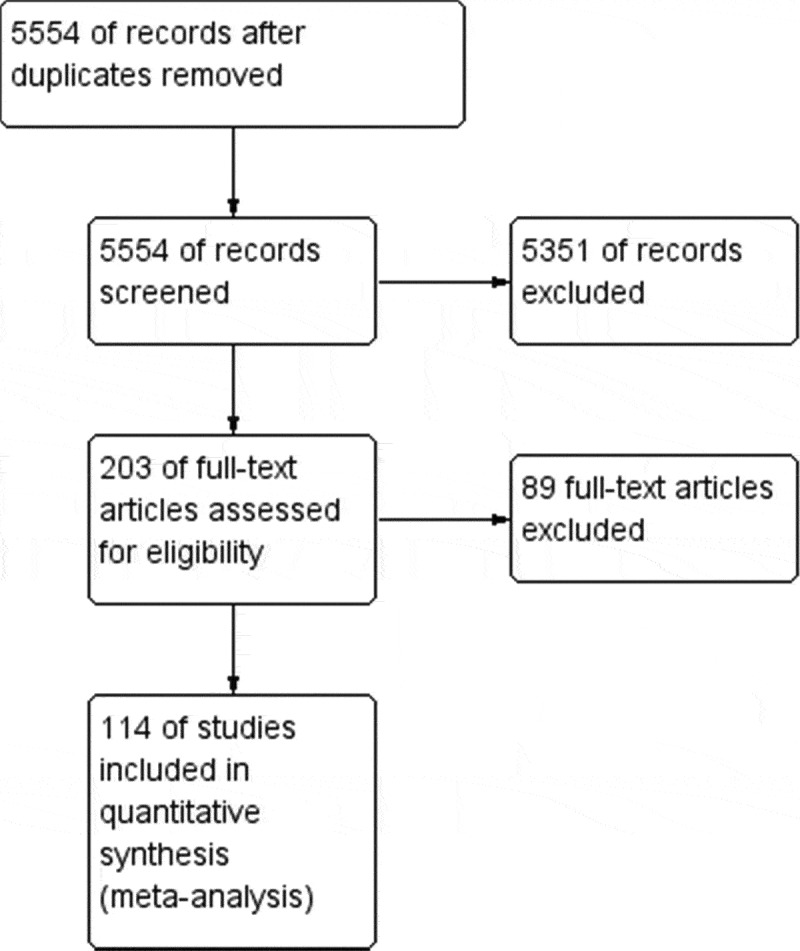
Background: Psychological therapies are the recommended first-line treatment for post-traumatic stress disorder (PTSD). Previous systematic reviews have grouped theoretically similar interventions to determine differences between broadly distinct approaches. Consequently, we know little regarding the relative efficacy of the specific manualized therapies commonly applied to the treatment of PTSD. Objective: To determine the effect sizes of manualized therapies for PTSD. Methods: We undertook a systematic review following Cochrane Collaboration guidelines. A pre-determined definition of clinical importance was applied to the results and the quality of evidence was appraised using the Grading of Recommendations, Assessment, Development and Evaluations (GRADE) approach. Results: 114 randomized-controlled trials (RCTs) of 8171 participants were included. There was robust evidence that the therapies broadly defined as CBT with a trauma focus (CBT-T), as well as Eye Movement Desensitization and Reprocessing (EMDR), had a clinically important effect. The manualized CBT-Ts with the strongest evidence of effect were Cognitive Processing Therapy (CPT); Cognitive Therapy (CT); and Prolonged Exposure (PE). There was also some evidence supporting CBT without a trauma focus; group CBT with a trauma focus; guided internet-based CBT; and Present Centred Therapy (PCT). There was emerging evidence for a number of other therapies. Conclusions: A recent increase in RCTs of psychological therapies for PTSD, results in a more confident recommendation of CBT-T and EMDR as the first-line treatments. Among the CBT-Ts considered by the review CPT, CT and PE should be the treatments of choice. The findings should guide evidence informed shared decision-making between patient and clinician.
Verified 2026-11-22 · 1 reference not checked yet
Overview
CoChat Summary
TL;DR
This systematic review and meta-analysis of 114 RCTs (8171 participants) found robust evidence that trauma-focused CBT and EMDR have clinically important effects for adult PTSD, with CPT, CT, and PE strongest among manualized CBT-Ts. It concludes these should be first-line treatments and guide shared decision-making.
Key findings
- Across 114 RCTs of 8171 participants, CBT with a trauma focus (CBT-T) versus waitlist/TAU showed a positive effect (k = 51; N = 1380; SMD −1.32, 95% CI −1.57 to −1.08; moderate quality), and EMDR versus waitlist/TAU showed a positive effect (k = 11; N = 415; SMD −1.23, CI −1.69 to −0.76; low quality).
- Among specific manualized CBT-Ts, the strongest evidence was for Prolonged Exposure (k = 12; N = 772; SMD −1.59, CI −2.05 to −1.13), Cognitive Therapy (k = 4; N = 189; SMD −1.33, CI −1.80 to −0.86), and Cognitive Processing Therapy (k = 4; N = 298; SMD −1.03, CI −1.45 to −0.61); Narrative Exposure Therapy also showed a positive effect (k = 8; N = 241; SMD −1.06, CI −1.61 to −0.52).
- Some evidence supported CBT without a trauma focus (k = 7; N = 318; SMD −1.06, CI −1.39 to −0.73), Present Centred Therapy (k = 2; N = 138; SMD −0.97, CI −1.33 to −0.62), group CBT-T (k = 7; N = 313; SMD −1.02, CI −1.26 to −0.78), and guided internet-based CBT (k = 3; N = 145; SMD −1.08, CI −1.80 to −0.37). There was insufficient evidence for BEP, supportive counselling, group interpersonal therapy, group stabilizing treatment, group supportive counselling, OEI, psychodynamic therapy, relaxation training, or psychoeducation.
- Head-to-head comparisons found no evidence of a difference between CBT-T and EMDR (k = 10; N = 387; SMD −0.17, CI −0.55 to 0.21), while CBT-T showed positive effects versus Present Centred Therapy (k = 4; N = 433; SMD −0.45, CI −0.81 to −0.09) and supportive counselling (k = 8; N = 434; SMD −0.63, CI −1.04 to −0.21).
Methods
- Systematic review following Cochrane Collaboration guidelines, updating a prior Cochrane review; searches covered PubMed, PsycINFO, Embase, the Cochrane database, PILOTS, WHO and NIH trial portals, reference lists, and expert contacts, identifying RCTs published January 2008 to 31 May 2018.
- Included RCTs of adults aged 18 or over, with at least 70% of participants diagnosed with PTSD of 3 months or more, comparing any defined psychological therapy with control, other psychological therapy, or psychosocial intervention; excluded secondary analyses and studies without a continuous post-treatment PTSD severity measure. The final set comprised 114 RCTs of 8171 participants.
- Two reviewers extracted data; risk of bias was assessed with Cochrane criteria; quality of evidence was appraised using GRADE; continuous outcomes were analyzed as standardized mean differences with 95% confidence intervals using fixed-effect models except where heterogeneity required random-effects models. A pre-determined clinical importance definition was applied (e.g., >0.80 for waitlist comparisons, >0.5 for attention control, >0.4 for placebo control, >0.2 for active treatment control), with sensitivity analyses and a funnel plot.
Limitations
- The paper states: few studies evaluated group or couples therapies, precluding meta-analyses of these formats; all included studies were published and a funnel plot for CBT-T versus waitlist/usual care showed some publication bias, suggesting the evidence may overestimate CBT-T effects; incomplete data and missing information led to exclusion of otherwise eligible studies; most studies excluded substance dependence, psychosis, and severe depression, so conclusions apply only to relatively simple PTSD presentations; waitlist and treatment as usual were combined as a single comparison group; usual care may have included evidence-based therapies; methodological quality varied and risk of bias was high/unclear in several domains; most trials used DSM-IV PTSD, so effects on the DSM-5 mood/cognition symptom cluster are unknown; therapist competence and number of therapy sessions were not extracted; sample sizes were often small.
- Evident from the text: there was substantial clinical and statistical heterogeneity across studies, many comparisons had few studies and very low GRADE quality, and researcher allegiance could not be ruled out because treatment originators were involved in evaluating their own interventions in many included studies.
Model-written summary. Check it against the paper before relying on it.
Integrity signals
Registry
Cites
Statistics
Figures
Verification
Claims the paper makes
5 Valid · 0 Not valid · 4 Not checked · 144 Own results and interpretations
The sources with a verdict support this claim; the rest weren’t checked yet, have no full text we could read, or their verdicts aren’t rated yet.
In the paper
“PTSD is a highly heterogeneous condition (DiMauro, Carter, Folk, & Kashdan, 2014, Murphy, Ross, Busuttil, Greenberg, & Armour, 2019)”
§ Psychological therapies for post-traumatic stress disorder in adults: systematic review and meta-analysis > Discussion > Research implications
What the sources say
- Not checked — no full text of the sourcecites DiMauro, Carter, Folk, & Kashdan, 2014 matched to “A historical review of trauma-related diagnoses to reconsider the heterogeneity of PTSD” (2014) source
- Supportedcites Murphy, Ross, Busuttil, Greenberg, & Armour, 2019 matched to “A latent profile analysis of PTSD symptoms among UK treatment seeking veterans” (2019) source
The Discussion reports that six distinct profiles best captured heterogeneity in PTSD symptom presentation among treatment-seeking UK veterans. The Conclusions also describe diversity in PTSD symptoms and co-morbidities, supporting the citing sentence’s broad characterization. (LLM, conf=0.90)
plain- Asserted: passes — The authors put it forward as true.
- Checkable: passes — It can be checked against evidence.
- Load-bearing: passes — The paper’s conclusions depend on it.
- Based: passes — The paper gives a reason why it holds.
The sources with a verdict support this claim; the rest weren’t checked yet, have no full text we could read, or their verdicts aren’t rated yet.
In the paper
“Previous systematic reviews have converged on the general finding that psychological therapies are effective for the treatment of PTSD (Bisson, Roberts, Andrew, Cooper, & Lewis, 2013; Bradley, Greene, Russ, Dutra, & Westen, 2005, Cusack, Grubaugh, Knapp, & Frueh, 2006; Jonas et al., 2013, Watts et al., 2013).”
§ Psychological therapies for post-traumatic stress disorder in adults: systematic review and meta-analysis > Introduction
What the sources say
- Supportedcites Bisson et al., 2013 matched to “Psychological therapies for chronic post-traumatic stress disorder (PTSD) in adults” (2013) source
The 'Agreements and disagreements with other studies or reviews' section says this review supports the efficacy of psychological therapy for chronic PTSD and that its finding is consistent with many other reviews. The authors' conclusions likewise find psychological therapies more effective than waitlist or usual care for adults with chronic PTSD. (LLM, conf=0.94)
- Not checked — no full text of the sourcecites Bradley et al., 2005 matched to “A Multidimensional Meta-Analysis of Psychotherapy for PTSD” (2005) source
- Not checked — no full text of the sourcecites Cusack et al., 2006 matched to “Unrecognized Trauma and PTSD among Public Mental Health Consumers with Chronic and Severe Mental Illness” (2006) source
plainstates a cause- Asserted: passes — The authors put it forward as true.
- Checkable: passes — It can be checked against evidence.
- Load-bearing: passes — The paper’s conclusions depend on it.
- Based: passes — The paper gives a reason why it holds.
- Supported
The sources with a verdict support this claim; the rest weren’t checked yet, have no full text we could read, or their verdicts aren’t rated yet.
In the paper
“Reviews to date have grouped psychological therapies together based on similar theoretical underpinnings and overlapping techniques.”
§ Psychological therapies for post-traumatic stress disorder in adults: systematic review and meta-analysis > Introduction
What the sources say
- Supportedcites Bisson et al., 2013 matched to “Psychological therapies for chronic post-traumatic stress disorder (PTSD) in adults” (2013) source
The Interventions section says the review pooled therapies using a similar theoretical methodology. The Experimental interventions section defines several groups by the cognitive, behavioural, or trauma-focused techniques they use, supporting the described basis for grouping. (LLM, conf=0.90)
- Not checked — no full text of the sourcecites Bradley et al., 2005 matched to “A Multidimensional Meta-Analysis of Psychotherapy for PTSD” (2005) source
- Not checked — no full text of the sourcecites Cusack et al., 2006 matched to “Unrecognized Trauma and PTSD among Public Mental Health Consumers with Chronic and Severe Mental Illness” (2006) source
plainstates an association- Asserted: passes — The authors put it forward as true.
- Checkable: passes — It can be checked against evidence.
- Load-bearing: passes — The paper’s conclusions depend on it.
- Based: passes — The paper gives a reason why it holds.
- Supported
A result the paper states — it cites no source for it, so there is none to check. The quote shows it is in the paper.
In the paper
“We could not rule out potential researcher allegiance, since treatment originators were involved in the evaluation of their own intervention in many of the included studies.”
§ Psychological therapies for post-traumatic stress disorder in adults: systematic review and meta-analysis > Results > Risk of bias
hedged- Asserted: passes — The authors put it forward as true.
- Checkable: passes — It can be checked against evidence.
- Load-bearing: unclear — It is unclear whether the paper’s conclusions depend on it.
- Based: passes — The paper gives a reason why it holds.
A result the paper states — it cites no source for it, so there is none to check. The quote shows it is in the paper.
In the paper
“In many studies, it was unclear what constituted usual care and what intervention, if any, was permitted in wait-list control groups.”
§ Psychological therapies for post-traumatic stress disorder in adults: systematic review and meta-analysis > Discussion > Research implications
plain- Asserted: passes — The authors put it forward as true.
- Checkable: passes — It can be checked against evidence.
- Load-bearing: unclear — It is unclear whether the paper’s conclusions depend on it.
- Based: passes — The paper gives a reason why it holds.
85 more claims
Create a free account to see all 153 claims and every source verdict.
- Probably not a substantial claim. 42
- It may state two separate claims as one. 35
Claims other papers make about this one
Each is checked against this paper’s own text: does it say what the citing paper says it does?
The check wasn’t confident either way, so it gives no verdict — never disputed.
In the citing paper
“Conversely, upon reviewing available practice guidelines for the assessment and treatment of PTSD or complex PTSD, the treatment of EDs is never addressed (44–54).”
From The integrated treatment of eating disorders, posttraumatic stress disorder, and psychiatric comorbidity: a commentary on the evolution of principles and guidelines (2023) · cites this paper as [50]
Experimental — accuracy not yet measured
Self-check
Percentages, sums and reported differences re-computed from the paper’s own numbers.
Each contradiction between two passages listed here was confirmed by an independent check.
Rated minor: it would not touch a result — a value no result rests on, a p-value that stays on the same side of the significance level, or a conflict that is clerical, resolved elsewhere in the paper, or outside its own findings.
In the paper
§ Psychological therapies for post-traumatic stress disorder in adults: systematic review and meta-analysis > Results > Efficacy
“SMD 0.40”
§ Psychological therapies for post-traumatic stress disorder in adults: systematic review and meta-analysis > Results > Efficacy
“CI −1.12 to 0.31”
Citations
Cites
Diagnostic and Statistical Manual of Mental Disorders
American Psychiatric Association (2013) · doi:10.1176/appi.books.9780890425596 · Cited by 116,369
The Cochrane Collaboration's tool for assessing risk of bias in randomised trials
Higgins, J. P. T., Altman, D. G., Gotzsche, P. C., Juni, P., Moher, D., Oxman, A. D., Savovic, J., Schulz, K. F., Weeks, L., Sterne, J. A. C., et al. (2011) · BMJ · doi:10.1136/bmj.d5928 · Cited by 33,817
Cochrane Handbook for Systematic Reviews of Interventions: Cochrane Book Series
(2008) · doi:10.1002/9780470712184 · Cited by 25,048
Dermyshi, E., Wang, Y., Yan, C., Hong, W., Qiu, G., Gong, X., & Zhang, T. (2017) · Neonatology · doi:10.1159/000454668 · Cited by 24,451
Journal of Clinical Psychiatry
(2018) · Journal of Clinical Psychiatry · doi:10.5505/kpd · Cited by 13,651
Posttraumatic Stress Disorder in the National Comorbidity Survey
Kessler, R. C. (1995) · Archives of General Psychiatry · doi:10.1001/archpsyc.1995.03950240066012 · Cited by 10,379 · cited 1×
“PTSD is a debilitating disorder, which is commonly comorbid with other conditions such as depression, substance use and anxiety disorders [3, 4].”
BackgroundCochrane Handbook for Systematic Reviews of Interventions
Tarsilla, M. (2010) · Journal of MultiDisciplinary Evaluation · doi:10.56645/jmde.v6i14.284 · Cited by 5,178
The development of a Clinician-Administered PTSD Scale
Blake, D. D., Weathers, F. W., Nagy, L. M., Kaloupek, D. G., Gusman, F. D., Charney, D. S., & Keane, T. M. (1995) · Journal of Traumatic Stress · doi:10.1002/jts.2490080106 · Cited by 5,024 · cited 2×
“When available, clinician-rated measures were included in meta-analyses (e.g., the ClinicianAdministered PTSD Scale (CAPS); Blake et al., 1995).”
MethodCochrane Database of Systematic Reviews
(2011) · Progress in Neurology and Psychiatry · doi:10.1002/pnp.208 · Cited by 4,667
Diagnostic and Statistical Manual of Mental Disorders, 5th Edition
(2013) · American Psychiatric Association Publishing eBooks · doi:10.1176/appi.books.9780890425596.893619 · Cited by 4,383
Research works printed but not linked: 3
- National Institute for Health and Care Excellence (NICE). (2018). Post-traumatic stress disorder (NICE guideline NG116). Retrieved from https://www.nice.org.uk/guidance/ng116. 31211536
- RevMan. (2014). Review manager 5 (RevMan 5) [ Computer Program]. Version 5.3. Copenhagen: The Nordic Cochrane Centre, The Cochrane Collaboration.
- Weathers, F. W., Litz, B. T., Keane, T. M., Palmieri, P. A., Marx, B. P., & Schnurr, P. P. (2013). The PTSD checklist for DSM-5 (PCL-5). The National Center for PTSD.
Cited by
Post-traumatic stress disorder: clinical and translational neuroscience from cells to circuits
Ressler, K. J., Berretta, S., Bolshakov, V. Y., Rosso, I. M., Meloni, E. G., Rauch, S. L., & Carlezon, W. A. (2022) · Nature Reviews Neurology · doi:10.1038/s41582-022-00635-8 · Cited by 481
Exposure therapy for PTSD: A meta-analysis
McLean, C. P., Levy, H. C., Miller, M. L., & Tolin, D. F. (2022) · Clinical Psychology Review · doi:10.1016/j.cpr.2021.102115 · Cited by 273
Eshuis, L. V., van Gelderen, M. J., van Zuiden, M., Nijdam, M. J., Vermetten, E., Olff, M., & Bakker, A. (2021) · Journal of Psychiatric Research · doi:10.1016/j.jpsychires.2020.11.030 · Cited by 167
Karatzias, T., Shevlin, M. E., Ben‐Ezra, M., McElroy, E., Redican, E., Vang, M. L., Cloître, M., Ho, G. W. K., Lorberg, B. A., Martsenkovskyi, D., et al. (2023) · Acta Psychiatrica Scandinavica · doi:10.1111/acps.13529 · Cited by 209
Thielemann, J. F. B., Kasparik, B., König, J., Unterhitzenberger, J., & Rosner, R. (2022) · Child Abuse & Neglect · doi:10.1016/j.chiabu.2022.105899 · Cited by 140
Prevention and treatment of PTSD: the current evidence base
Bisson, J. I., & Olff, M. (2021) · European Journal of Psychotraumatology · doi:10.1080/20008198.2020.1824381 · Cited by 150
Self-citationRoberts, N. P., Lotzin, A., & Schäfer, I. (2022) · European Journal of Psychotraumatology · doi:10.1080/20008198.2022.2041831 · Cited by 120
Self-citationSimon, N., Robertson, L., Lewis, C., Roberts, N. P., Bethell, A., Dawson, S., & Bisson, J. I. (2021) · Cochrane Database of Systematic Reviews · doi:10.1002/14651858.cd011710.pub3 · Cited by 112
Self-citationScreening for consequences of trauma – an update on the global collaboration on traumatic stress
Olff, M., Bakker, A., Frewen, P., Aakvaag, H., Ajdukovic, D., Brewer, D., Elmore Borbon, D. L., Cloitre, M., Hyland, P., Kassam-Adams, N., et al. (2020) · European Journal of Psychotraumatology · doi:10.1080/20008198.2020.1752504 · Cited by 97
Astill Wright, L., Horstmann, L., Holmes, E. A., & Bisson, J. I. (2021) · Translational Psychiatry · doi:10.1038/s41398-021-01570-w · Cited by 97
Self-citationIsserles, M., Tendler, A., Roth, Y., Bystritsky, A., Blumberger, D. M., Ward, H., Feifel, D., Viner, L., Duffy, W., Zohar, J., et al. (2021) · Biological Psychiatry · doi:10.1016/j.biopsych.2021.04.019 · Cited by 95
“Moreover, not all patients with PTSD will bene fi t from these treatments (8,10).”
Preventing the onset of post traumatic stress disorder
Bisson, J. I., Wright, L. A., Jones, K. A., Lewis, C., Phelps, A. J., Sijbrandij, M., Varker, T., & Roberts, N. P. (2021) · Clinical Psychology Review · doi:10.1016/j.cpr.2021.102004 · Cited by 85
Self-citationPost-traumatic Stress Disorder
Merians, A. N., Spiller, T. R., Harpaz‐Rotem, I., Krystal, J. H., & Pietrzak, R. H. (2022) · Medical Clinics of North America · doi:10.1016/j.mcna.2022.04.003 · Cited by 132
Bisson, J. I., Ariti, C., Cullen, K., Kitchiner, N., Lewis, C., Roberts, N. P., Simon, N., Smallman, K., Addison, K., Bell, V., et al. (2022) · BMJ · doi:10.1136/bmj-2021-069405 · Cited by 80
Self-citationBandelow, B., Allgulander, C., Baldwin, D. S., Costa, D. L. D. C., Denys, D., Dilbaz, N., Domschke, K., Hollander, E., Kasper, S., Möller, H.-J., et al. (2023) · The World Journal of Biological Psychiatry · doi:10.1080/15622975.2022.2086296 · Cited by 84
“For individuals reporting traumatic stress symptoms, benefits for CBT and EMDR were found.”
ResultInfluentialThe Psychedelic Future of Post-Traumatic Stress Disorder Treatment
Zaretsky, T. G., Jagodnik, K. M., Barsic, R., Antonio, J. H., Bonanno, P. A., MacLeod, C., Pierce, C., Carney, H., Morrison, M. T., Saylor, C. F., et al. (2024) · Current Neuropharmacology · doi:10.2174/1570159x22666231027111147 · Cited by 104
Riello, M., Purgato, M., Bove, C. M., MacTaggart, D., & Rusconi, E. (2020) · Royal Society Open Science · doi:10.1098/rsos.200880 · Cited by 81
Kranenburg, L. W., den Berg, M. P. L., & Stramrood, C. A. I. (2023) · International Journal of Environmental Research and Public Health · doi:10.3390/ijerph20042775 · Cited by 98
Transdiagnostic distortions in autobiographical memory recollection
Dalgleish, T., & Hitchcock, C. (2023) · Nature Reviews Psychology · doi:10.1038/s44159-023-00148-1 · Cited by 86
Raut, S. B., Marathe, P. A., van Eijk, L., Eri, R. D., Ravindran, M., Benedek, D. M., Ursano, R. J., Canales, J. J., & Johnson, L. R. (2022) · Pharmacology & Therapeutics · doi:10.1016/j.pharmthera.2022.108195 · Cited by 84
Hoppen, T. H., Jehn, M., Holling, H., Mutz, J., Kip, A., & Morina, N. (2023) · Journal of Consulting and Clinical Psychology · doi:10.1037/ccp0000809 · Cited by 69
Jones, C., Miguel-Cruz, A., Smith-MacDonald, L., Cruikshank, E., Baghoori, D., Kaur Chohan, A., Laidlaw, A., White, A., Cao, B., Agyapong, V., et al. (2020) · JMIR mHealth and uHealth · doi:10.2196/22079 · Cited by 62
“Psychotherapeutic interventions most strongly recommended for military members, veterans, and PSP include CPT, CBT, PE, and EMDR [34-38].”
BackgroundInfluentialCultural concepts of distress and complex PTSD: Future directions for research and treatment
Heim, E., Karatzias, T., & Maercker, A. (2022) · Clinical Psychology Review · doi:10.1016/j.cpr.2022.102143 · Cited by 94
Perri, R., Castelli, P., La Rosa, C., Zucchi, T., & Onofri, A. (2021) · Brain Sciences · doi:10.3390/brainsci11050579 · Cited by 61
“Since, to the best of our knowledge, no studies are available on the comparison of these two treatments for ongoing trauma, we rely on the meta-analysis of Lewis and colleagues [14] on the established trauma to predict an equal efficacy of the two approaches on the observed measures.”
BackgroundMethodResultInfluentialWright, S. L., Karyotaki, E., Cuijpers, P. J., Bisson, J. I., Papola, D., Witteveen, A. B., Suliman, S., Spies, G., Ahmadi, K., Capezzani, L., et al. (2024) · Psychological Medicine · doi:10.1017/s0033291723003446 · Cited by 84
Self-citationHerzog, P., & Kaiser, T. (2022) · Journal of Anxiety Disorders · doi:10.1016/j.janxdis.2022.102611 · Cited by 69
Bisson, J. I., van Gelderen, M. J., Roberts, N. P., & Lewis, C. (2020) · European Journal of Psychotraumatology · doi:10.1080/20008198.2020.1795361 · Cited by 58
Self-citationMatthijssen, S. J. M. A., Brouwers, T. C., van Roozendaal, C., Vuister, T., & de Jongh, A. (2021) · European Journal of Psychotraumatology · doi:10.1080/20008198.2021.1956793 · Cited by 57
O'Donnell, M. L., Lau, W., Chisholm, K., Agathos, J., Little, J., Terhaag, S., Brand, R., Putica, A., Holmes, A. C. N., Katona, L., et al. (2021) · Journal of Traumatic Stress · doi:10.1002/jts.22650 · Cited by 49
Kothgassner, O. D., Pellegrini, M., Goreis, A., Giordano, V., Edobor, J., Fischer, S., Plener, P. L., & Huscsava, M. (2021) · Psychoneuroendocrinology · doi:10.1016/j.psyneuen.2021.105168 · Cited by 53
Brewerton, T. D. (2023) · Frontiers in Psychiatry · doi:10.3389/fpsyt.2023.1149433 · Cited by 46
Olff, M., Hein, I. M., Amstadter, A. B., Armour, C., Birkeland, M. S., Bui, É., Cloître, M., Ehlers, A., Ford, J. D., Greene, T., et al. (2025) · European Journal of Psychotraumatology · doi:10.1080/20008066.2025.2458406 · Cited by 76
“…people with PTSD, they are not helpful for all; some individuals drop out of treatment prematurely (Lewis, Roberts, Gibson, et al., 2020; van der Hoeven, Assink, et al., 2023), and many continue to experience significant symptoms once treatment is complete (Lewis, Roberts, Andrew, et al., 2020).”
Self-citationRaut, S. B., Canales, J. J., Ravindran, M., Eri, R. D., Benedek, D. M., Ursano, R. J., & Johnson, L. R. (2022) · Journal of Psychiatric Research · doi:10.1016/j.jpsychires.2022.03.045 · Cited by 54
Gaskell, C., Simmonds‐Buckley, M., Kellett, S., Stockton, C., Somerville, E., Rogerson, E., & Delgadillo, J. (2022) · Administration and Policy in Mental Health and Mental Health Services Research · doi:10.1007/s10488-022-01225-y · Cited by 70
“, 2008), post-traumatic stress disorder (Lewis et al., 2020), obsessive–compulsive disorder (Rosa-Alcázar et al.”
Askovic, M., Soh, N. L., Elhindi, J., & Harris, A. W. F. (2023) · European Journal of Psychotraumatology · doi:10.1080/20008066.2023.2257435 · Cited by 89
“…for PTSD, such as prolonged exposure therapy, cognitive processing therapy, Eye Movement Desensitisation and Reprocessing (EMDR), and pharmacological interventions such as fluoxetine (Lewis et al., 2020; de Moraes Costa et al., 2020), the existing treatments for PTSD are only partially effective.”
BackgroundSlotema, C. W., Wilhelmus, B., Arends, L. R., & Franken, I. H. A. (2020) · European Journal of Psychotraumatology · doi:10.1080/20008198.2020.1796188 · Cited by 103
“A recent increase in randomized-controlled trials of psychological therapies for PTSD, resulted in a more confident recommendation of trauma-focused CBT and EMDR as the first-line treatments (Lewis et al., 2020).”
BackgroundMorina, N., Hoppen, T. H., & Kip, A. (2021) · Psychological Medicine · doi:10.1017/s0033291721001641 · Cited by 47
Kline, A. C., Panza, K. E., Nichter, B., Tsai, J., Harpaz‐Rotem, I., Norman, S. B., & Pietrzak, R. H. (2021) · Psychiatric Services · doi:10.1176/appi.ps.202100112 · Cited by 58
Trauma therapies for psychosis: A state‐of‐the‐art review
Hardy, A., Keen, N., van den Berg, D. P. G., Varese, F., Longden, E., Ward, T., & Brand, R. M. (2023) · Psychology and Psychotherapy Theory Research and Practice · doi:10.1111/papt.12499 · Cited by 82
“Available trial data suggest EMDR treatment drop-out rates in psychosis are similar to those observed for TFTs in other client groups, which is an encouraging indication of its acceptability if used to directly target psychosis (Adams et al., 2020; Lewis et al., 2020).”
Dell, L., Sbisa, A. M., Forbes, A., O'Donnell, M., Bryant, R., Hodson, S., Morton, D., Battersby, M., Tuerk, P. W., Wallace, D., et al. (2022) · Psychological Medicine · doi:10.1017/s0033291722000927 · Cited by 50
“Despite the effectiveness of PE (Lewis, Roberts, Andrew, Starling, & Bisson, 2020), the 2 – 3 month duration of weekly standard PE (SPE) can be a practical barrier for implementation.”
Neuner, F. (2022) · Clinical Psychology Review · doi:10.1016/j.cpr.2022.102219 · Cited by 52
Iyadurai, L., Highfield, J. A., Kanstrup, M., Markham, A., Ramineni, V., Guo, B., Jaki, T., Kingslake, J., Goodwin, G. M., Summers, C., et al. (2023) · Translational Psychiatry · doi:10.1038/s41398-023-02578-0 · Cited by 47
“Existing evidence-based interventions after psychological trauma are clearly highly important [13], though can be challenging to scale up at speed when they include several sessions and/or work with professional therapists/counsellors.”
BackgroundWingo, T. S., Gerasimov, E. S., Liu, Y., Duong, D. M., Vattathil, S., Lori, A., Gockley, J., Breen, M. S., Maihofer, A. X., Nievergelt, C. M., et al. (2022) · Molecular Psychiatry · doi:10.1038/s41380-022-01544-4 · Cited by 41
Sep, M. S. C., Geuze, E., & Joëls, M. (2023) · Translational Psychiatry · doi:10.1038/s41398-023-02660-7 · Cited by 39
“Although various evidence-based treatments -including psychotherapy [2, 3] and pharmacotherapy [4, 5]- are available for PTSD [6], current options are not ef fi cacious for all patients: dropout rates (~16% for psychological therapies) [7], posttreatment symptoms [8], relapse (23.8% following CBT)…”
BackgroundInfluentialBrewerton, T. D., Gavidia, I., Suro, G., & Perlman, M. M. (2023) · Journal of Eating Disorders · doi:10.1186/s40337-023-00773-4 · Cited by 38
“Cognitive processing therapy (CPT) is an evidence-based, trauma-focused form of cognitive behavioral therapy that significantly reduces the symptoms of PTSD [23, 24].”
BackgroundBenton, M., Wittkowski, A., Edge, D., Reid, H. E., Quigley, T., Sheikh, Z., & Smith, D. M. (2024) · Midwifery · doi:10.1016/j.midw.2024.103949 · Cited by 54
Hoppen, T. H., Lindemann, A. S., & Morina, N. (2022) · The British Journal of Psychiatry · doi:10.1192/bjp.2022.111 · Cited by 43
EMDR in Cancer Patients: A Systematic Review
Pomeri, A. P., Salvia, A. L., Carletto, S., Oliva, F., & Ostacoli, L. (2021) · Frontiers in Psychology · doi:10.3389/fpsyg.2020.590204 · Cited by 50
Sottile, R., & Vida, T. (2022) · Frontiers in Psychiatry · doi:10.3389/fpsyt.2022.991753 · Cited by 48
Chadwick, E., & Billings, J. (2022) · Psychology and Psychotherapy Theory Research and Practice · doi:10.1111/papt.12387 · Cited by 46
Jacoby, V. M., Straud, C. L., Bagley, J. M., Tyler, H. C., Baker, S. N., Denejkina, A., Sippel, L. M., Kaya, R., Rozek, D. C., Fina, B. A., et al. (2022) · Journal of Traumatic Stress · doi:10.1002/jts.22812 · Cited by 41
Böttche, M., Wagner, B., Vöhringer, M., Heinrich, M., Stein, J., Selmo, P., Stammel, N., & Knaevelsrud, C. (2021) · European Journal of Psychotraumatology · doi:10.1080/20008198.2021.1943870 · Cited by 36
“To date, research on predictors of dropout is inconsistent, suggesting a complex interaction between different variables (e.g. sociodemographic, psychological, designrelated variables, Lewis et al., 2020; Swift & Greenberg, 2012).”
BackgroundCampos, B., Vinder, V., Passos, R. B. F., Coutinho, E. S. F., Vieira, N. C. P., Leal, K. B., Mendlowicz, M. V., Figueira, I., Luz, M. P., Marques-Portela, C., et al. (2022) · Journal of Psychopharmacology · doi:10.1177/02698811221080464 · Cited by 31
“favoring cognitive processing therapy, cognitive therapy, prolonged exposure, and eye movement desensitization and reprocessing (Lewis et al., 2020).”
BackgroundGlobal Psychotrauma Screen (GPS): psychometric properties in two Internet-based studies
Frewen, P., McPhail, I. V., Schnyder, U., Oe, M., & Olff, M. (2021) · European Journal of Psychotraumatology · doi:10.1080/20008198.2021.1881725 · Cited by 41
Auren, T. J. B., Klæth, J. R., Jensen, A. G., & Solem, S. (2022) · European Journal of Psychotraumatology · doi:10.1080/20008066.2022.2128048 · Cited by 40
“…cognitive – behavioural therapy such as Prolonged Exposure Therapy (PE) and Eye Movement Desensitization and Reprocessing therapy (EMDR) as fi rst-line treatments for PTSD (Bisson et al., 2019; Lewis, Roberts, Andrew, et al., 2020; National Institue for Health and Care Excellence, 2018).”
MethodLópez‐Del‐Hoyo, Y., Fernández‐Martínez, S., Pérez‐Aranda, A., Barceló‐Soler, A., Bani, M., Russo, S., Urcola‐Pardo, F., Strepparava, M. G., & García‐Campayo, J. (2023) · Journal of Clinical Nursing · doi:10.1111/jocn.16634 · Cited by 27
Trottier, K., Monson, C. M., Kaysen, D. L., Wagner, A. C., Liebman, R. E., & Abbey, S. E. (2022) · Translational Psychiatry · doi:10.1038/s41398-022-01965-3 · Cited by 35
Steenen, S. A., Steenen, C. C., van Westrhenen, R., Klausch, T. L. T., & de Jongh, A. (2023) · SSRN Electronic Journal · doi:10.2139/ssrn.4597991 · Cited by 30
Bonfils, K. A., Tennity, C. L., Congedo, B. A., Dolowich, B. A., Hammer, L. A., & Haas, G. L. (2022) · Journal of Anxiety Disorders · doi:10.1016/j.janxdis.2022.102576 · Cited by 35
Castro-Camacho, L., Barlow, D. H., Mejía, N. G., Farchione, T. J., Idrobo, F., Rattner, M., Quant, D. M., González, L., & Moreno-Villamizar, J. D. (2023) · JAMA Psychiatry · doi:10.1001/jamapsychiatry.2023.2392 · Cited by 32
Manfield, P. E., Engel, L., Greenwald, R., & Bullard, D. G. (2021) · Journal of EMDR Practice and Research · doi:10.1891/emdr-d-20-00053 · Cited by 33
“Computer-delivered interventions for PTSD prior to 2020 have been almost entirely based on trauma-focused cognitive behavioral therapy (CBT) and although studies show large effects, the quality is very poor (Lewis et al., 2020).”
BackgroundJones, C., Smith‐MacDonald, L., Cruz, A. M., Pike, A., van Gelderen, M. J., Lentz, L., Shiu, M. Y., Tang, E., Sawalha, J., Greenshaw, A. J., et al. (2020) · JMIR Research Protocols · doi:10.2196/20620 · Cited by 29
“They are then asked to recall the memories while making eye movements or performing a bilaterally stimulating task [41-45].”
BackgroundInfluentialBröcker, E., Olff, M., Suliman, S., Kidd, M., Mqaisi, B., Greyvenstein, L., Kilian, S., & Seedat, S. (2022) · European Journal of Psychotraumatology · doi:10.1080/20008066.2022.2107359 · Cited by 30
Davis, L. L., & Hamner, M. B. (2024) · Frontiers in Psychiatry · doi:10.3389/fpsyt.2024.1356563 · Cited by 47
Hofmann, S. G., Kasch, C., & Reis, A. (2025) · Clinical Psychology Review · doi:10.1016/j.cpr.2025.102553 · Cited by 27
Prevalence and correlates of self-stigma in Post-Traumatic Stress Disorder (PTSD)
Lewis, C., Zammit, S., Jones, I. R., & Bisson, J. I. (2022) · European Journal of Psychotraumatology · doi:10.1080/20008198.2022.2087967 · Cited by 32
“Therapies based on cognitive behavioural therapy have the strongest evidence of effect for the treatment of traumatic stress symptoms (Lewis et al. 2020) and these may lend themselves to augmentation with components that promote self-empowerment.”
BackgroundSelf-citationBurger, S., Hardy, A., van der Linden, T., van Zelst, C., de Bont, P. A. J. M., van der Vleugel, B. M., Staring, A. B. P., de Roos, C., de Jongh, A., Marcelis, M. C., et al. (2023) · Journal of Traumatic Stress · doi:10.1002/jts.22907 · Cited by 35
Using EMDR with autistic individuals: A Delphi survey with EMDR therapists
Fisher, N., van Diest, C., Leoni, M., & Spain, D. (2023) · Autism · doi:10.1177/13623613221080254 · Cited by 24
“…psychological therapies for PTSD Psychological therapies are the treatment of choice for PTSD in neurotypical individuals, with strong empirical support for Eye Movement Desensitisation and Reprocessing (EMDR; Lewis et al., 2020; National Institute for Health and Care Excellence (NICE), 2018).”
BackgroundTrauma-focused treatment for comorbid post-traumatic stress and substance use disorder
Kline, A. C., Panza, K. E., Lyons, R., Kehle-Forbes, S. M., Hien, D. A., & Norman, S. B. (2022) · Nature Reviews Psychology · doi:10.1038/s44159-022-00129-w · Cited by 24
Sijercic, I., Liebman, R. E., Ip, J., Whitfield, K. M., Ennis, N., Sumantry, D., Sippel, L. M., Fredman, S. J., & Monson, C. M. (2022) · Journal of Anxiety Disorders · doi:10.1016/j.janxdis.2022.102613 · Cited by 31
Dumarkaitė, A., Truskauskaitė‐Kunevičienė, I., Andersson, G., Mingaudaite, J., & Kazlauskas, E. (2021) · Mindfulness · doi:10.1007/s12671-021-01739-w · Cited by 33
Kleindienst, N., Steil, R., Priebe, K., Müller‐Engelmann, M., Lindauer, P., Krause-Utz, A., Friedmann, F., Schmahl, C. G., Enning, F., & Bohus, M. (2025) · Psychological Medicine · doi:10.1017/s0033291724003453 · Cited by 32
“…confirm that psychological therapies such as trauma-focused cognitive behavioral therapy (TF-CBT) or eye movement desensitization and reprocessing (EMDR) are effective in treating posttraumatic stress disorder (PTSD) (Lewis, Roberts, Andrew, Starling, & Bisson, 2020; Mavranezouli et al., 2020).”
Trent, S., Abdullah, M. H., Parwana, K., Valdivieso, M. A., Hassan, Z., & Müller, C. P. (2025) · Progress in Neuro-Psychopharmacology and Biological Psychiatry · doi:10.1016/j.pnpbp.2025.111310 · Cited by 38
“In parallel, the treatment of fear disorders such as PTSD centres around cognitive behavioural therapy whereby trauma is relived and recounted to engage fear extinction mechanisms, known as prolonged exposure (PE) (Lewis et al., 2020; Powers et al., 2010; Stojek et al., 2018).”
Mental health professionals’ attitudes towards virtual reality therapies: a systematic review
Bin, S., Alrashdi, D. H., Whitehead, T., Riches, S., & Drini, E. (2025) · Journal of Technology in Behavioral Science · doi:10.1007/s41347-025-00499-x · Cited by 21
“VR therapies were found suitable for mood disorders, anxiety disorders, PTSD, OCD, addiction, psychosocial problems, and identity issues.”
InfluentialSteil, R., Lechner‐Meichsner, F., Johow, J., Krüger-Gottschalk, A., Mewes, R., Reese, J., Schumm, H., Weise, C., Morina, N., & Ehring, T. W. (2021) · European Journal of Psychotraumatology · doi:10.1080/20008198.2021.1872967 · Cited by 25
“This effect size is lower than effect sizes resulting from trials including all populations with PTSD (Lewis, Roberts, Andrew, Starling, & Bisson, 2020).”
Balters, S., Li, R., Espil, F. M., Piccirilli, A. M., Liu, N., Gundran, A., Carrión, V. G., Weems, C. F., Cohen, J. A., & Reiss, A. L. (2021) · Journal of Psychiatric Research · doi:10.1016/j.jpsychires.2021.10.020 · Cited by 26
van Gelderen, M. J., Nijdam, M. J., de Vries, F., Meijer, O. C., & Vermetten, E. H. G. J. M. (2020) · Journal of Psychiatric Research · doi:10.1016/j.jpsychires.2020.08.011 · Cited by 34
“In addition, a dual-attention task, similar to that in EMDR, was applied and expected to enhance reconsolidation (James et al., 2015).”
BackgroundMorris, H., Hatzikiriakidis, K., Savaglio, M., Dwyer, J., Lewis, C., Miller, R., & Skouteris, H. (2022) · Journal of Traumatic Stress · doi:10.1002/jts.22792 · Cited by 31
Self-citationÞórarinsdóttir, K., Holmes, E. A., Hardarson, J., Stephenssen, E. S., Jonasdottir, M. H., Kanstrup, M., Singh, L., Hauksdóttir, A., Halldorsdottir, T., Guðmundsdóttir, B., et al. (2022) · JMIR Formative Research · doi:10.2196/37382 · Cited by 20
“As noted previously [6], although evidence-based treatments for PTSD exist [7,8], the existing treatment options have some limitations.”
BackgroundManagement of post-traumatic stress disorder symptoms by yoga: an overview
Laplaud, N., Perrochon, A., Gallou‐Guyot, M., Moens, M., Goudman, L., David, R., Rigoard, P., & Billot, M. (2023) · BMC Complementary Medicine and Therapies · doi:10.1186/s12906-023-04074-w · Cited by 31
Prillinger, K., Goreis, A., Macura, S., Gross, C. H., Lozar, A., Fanninger, S., Mayer, A. C., Oppenauer, C., Plener, P. L., & Kothgassner, O. D. (2024) · European Journal of Psychotraumatology · doi:10.1080/20008066.2024.2406662 · Cited by 27
Mechanisms of Change in Trauma-Focused Treatment for PTSD: The Role of Rumination
Schumm, H., Krüger-Gottschalk, A., Dyer, A., Pittig, A., Cludius, B., Takano, K., Alpers, G. W., & Ehring, T. W. (2021) · Behaviour Research and Therapy · doi:10.1016/j.brat.2021.104009 · Cited by 27
Posttraumatic stress disorder in burn patient: A systematic review
Paggiaro, A. O., Paggiaro, P. B. S., Fernandes, R. Á. Q., Freitas, N. O., de Carvalho, V. F., & Gemperli, R. (2022) · Journal of Plastic Reconstructive & Aesthetic Surgery · doi:10.1016/j.bjps.2022.02.052 · Cited by 26
Lewis, C., Lewis, K. S., Roberts, A., Edwards, B. M., Evison, C., John, A. M., Meudell, A., Parry, P., Pearce, H. A., Richards, N. A., et al. (2022) · Acta Psychiatrica Scandinavica · doi:10.1111/acps.13467 · Cited by 23
“Although there are effective treatments for PTSD and comprehensive guidelines for its management,(62,63) most studies that informed the evidence base excluded participants with comorbidities such as severe depression, psychosis, and substance abuse.(58) CPTSD has a different symptom profile to PTSD and there is little…”
BackgroundSelf-citationMarchetta, E., Mancini, G. F., Morena, M., & Campolongo, P. (2022) · Current Neuropharmacology · doi:10.2174/1570159x21666221207162750 · Cited by 20
“Unfortunately, these first-line interventions are effective only in approximately 50% of the treated patients, and drop-out and long-term relapse have been frequently reported [17].”
Backgroundvan Gelderen, M. J., Nijdam, M. J., Dubbink, G. E., Sleijpen, M., & Vermetten, E. H. G. J. M. (2020) · European Journal of Psychotraumatology · doi:10.1080/20008198.2020.1829400 · Cited by 22
Post-traumatic stress disorder in the focus of international research: from soldier heart to ICD-11
Vasileva, A. V. (2022) · S S Korsakov Journal of Neurology and Psychiatry · doi:10.17116/jnevro202212210172 · Cited by 25
Kaysen, D. L., van Stolk‐Cooke, K., Kaminer, D., Greene, M. C., López‐Castro, T., & Kane, J. C. (2022) · Cambridge Prisms Global Mental Health · doi:10.1017/gmh.2022.63 · Cited by 21
“For PTSD, trauma-focused psychotherapies have garnered the strongest empirical support and are broadly recommended as the front-line interventions (Bisson et al., 2019; Lewis et al., 2020).”
BackgroundVignaud, P., Lavallé, L., Brunelin, J., & Prieto, N. (2022) · Psychiatry Research · doi:10.1016/j.psychres.2022.114503 · Cited by 27
Thoresen, I. H., Auren, T. J. B., Langvik, E., Engesæth, C., Jensen, A. G., & Klæth, J. R. (2022) · European Journal of Psychotraumatology · doi:10.1080/20008198.2022.2043639 · Cited by 23
Lefaucheur, J. P., Valeyrie‐Allanore, L., Tin, S. N. W., Abgrall, G., Colin, A., Hajj, C., de Prost, N., Wolkenstein, P., Oro, S., & Chosidow, O. (2020) · Journal of the European Academy of Dermatology and Venereology · doi:10.1111/jdv.16891 · Cited by 19
EMDR Therapy for Trauma-Related Disorders
Laliotis, D., & Shapiro, F. (2022) · Springer eBooks · doi:10.1007/978-3-030-97802-0_11 · Cited by 18
Dell, L., Sbisa, A. M., Forbes, A. B., O'Donnell, M. L., Bryant, R. A., Hodson, S., Morton, D., Battersby, M., Tuerk, P. W., Elliott, P., et al. (2023) · Psychological Medicine · doi:10.1017/s0033291723000405 · Cited by 20
“Although there exists well-established evidence-based treatments for posttraumatic stress disorder (PTSD) (Kline, Cooper, Rytwinksi, & Feeny, 2018; Lewis, Roberts, Andrew, Starling, & Bisson, 2020), a recent focus of researchers has included improving outcomes by testing different intensities of…”
BackgroundA review of the peak-end rule in mental health contexts
Horwitz, A. G., McCarthy, K., & Sen, S. (2024) · Current Opinion in Psychology · doi:10.1016/j.copsyc.2024.101845 · Cited by 25
Lebeaut, A., Leonard, S. J., Healy, N. A., Raines, A. M., Buser, S. J., & Vujanovic, A. A. (2021) · Behavior Modification · doi:10.1177/01454455211016819 · Cited by 19
“However, despite their time-tested efficacy (Lewis et al., 2020), these interventions are too often marked by poor retention and high dropout rates (Imel et al., 2013; Najavits, 2015).”
BackgroundSerfioti, D., Murphy, D., Greenberg, N. L., & Williamson, V. (2022) · BMJ Military Health · doi:10.1136/military-2022-002155 · Cited by 23
McGowan, N. M., Rucker, J., Yehuda, R., Agrawal, M., Modlin, N. L., Simmons, H., Tofil-Kaluza, A., Das, S., & Goodwin, G. M. (2025) · Journal of Psychopharmacology · doi:10.1177/02698811251362390 · Cited by 25
“While potentially efficacious (Lewis et al., 2020a), there are important barriers limiting treatment success: the approach itself is time intensive, may not be well tolerated and access is often limited (Finch et al., 2020; Watkins et al., 2018).”
Kirk, M., Taha, B., Dang, K., McCague, H., Hatzinakos, D., Katz, J. D., & Ritvo, P. (2022) · JMIR Mental Health · doi:10.2196/26479 · Cited by 26
“Although CBT is one of the best-validated treatments for PTSD [25-31], current data suggest that certain PTSD subgroups (eg, severe symptom severity) are treatment resistant to cognitive-focused therapies [32,33].”
Niemeyer, H., Lorbeer, N., Mohr, J., Baer, E., & Knaevelsrud, C. (2021) · Journal of Affective Disorders · doi:10.1016/j.jad.2021.12.056 · Cited by 20
O’Reilly, P., Meskell, P., Whelan, B., Kennedy, C. M., Ramsay, B., Coffey, A., Fortune, D. G., Walsh, S., Oro, S., Bunker, C. B., et al. (2022) · PLoS ONE · doi:10.1371/journal.pone.0270424 · Cited by 17
Metadata
- Authors
- Lewis, C., Roberts, N. P., Andrew, M., Starling, E., & Bisson, J. I.
- Affiliations
- Cardiff University (GB)
- Cardiff and Vale University Health Board (GB)
- Corresponding author
- Lewis, Catrin
- Venue
- European Journal of Psychotraumatology
- Publisher
- Informa UK Limited
- Published
- 2020-03-10
- Volume
- 11
- Issue
- 1
- Pages
- 1729633-1729633
- ISSN
- 2000-8066 (ISSN-L)
- PMC
- PMC7144187
- OpenAlex
- W3008102555
- Semantic Scholar
- bcbebf2ce561616f88abc8ae0c5d9175ea219f45
- Cited by
- 460
- References
- 148
- Citations by year
- 2026: 48 · 2025: 96 · 2024: 79 · 2023: 76 · 2022: 100 · 2021: 43 · 2020: 18
- FWCI
- 4.63
- Type
- journal article
- Language
- en
- Open access
- gold
- doi.org
- Licence
- Locations
- European Journal of Psychotraumatology (publishedVersion, cc-by-nc)
- PubMed Central (publishedVersion, cc-by-nc)
- PubMed (publishedVersion)
- ORCA Online Research @Cardiff (Cardiff University) (acceptedVersion)
- DOAJ (DOAJ: Directory of Open Access Journals) (submittedVersion, cc-by-sa)
- Funders
- unfunded
- Topics
- Social Sciences › Psychology › Clinical Psychology › Posttraumatic Stress Disorder Research
- Social Sciences › Psychology › Clinical Psychology › Psychotherapy Techniques and Applications
- Social Sciences › Psychology › Experimental and Cognitive Psychology › Sleep and related disorders
- Keywords
- post-traumatic stress disorder, psychotherapy, manualized psychotherapy, trauma-focused cognitive behavioral therapy, EMDR, cognitive processing therapy, prolonged exposure therapy, cognitive therapy, internet-based CBT, group cognitive behavioral therapy, treatment efficacy, first-line therapy
About these checks
Registry, retraction, Cites and statistics results are computed, not judged, with one exception: a printed reference that no index lists is read once by a model before it counts as a citation error. Claims are extracted by a model and kept only when their quote appears verbatim in the text; each cited source is then checked, with a model’s help, for whether it says what the claim relies on. Those verdicts can be wrong — read the claim’s quote and the cited source before relying on one.
A language model drew the claims from the paper on 2026-10-10, under version 3 of the claim definition (model deepseek-v4.1-flash, prompt extract-v3).
A second model labelled each claim on 2026-10-10 (model jev-1.13-20260917, definition revision gold-guideline-v0.2).
Cited sources are checked with a language model’s help (gpt-6-sol).
Statistics and arithmetic are recomputed, not judged.
Confidence bands are shown only for fields calibrated on our annotated test set. None is calibrated yet, so no band is shown.
What counts as a claim ›How we measure confidence ›How we check this ›
Are you an author, or do you see a problem with this page? Request a review
Data sources
Bibliographic data: Semantic Scholar, OpenAlex, Crossref.
Contains information from the Semantic Scholar Academic Graph Datasets, made available under the ODC Attribution License (ODC-BY 1.0).
Semantic Scholar’s data is described in: Kinney, R., et al. (2023). The Semantic Scholar Open Data Platform. arXiv:2301.10140.
