

Chronic postsurgical pain: From risk factor identification to multidisciplinary management at the Toronto General Hospital Transitional Pain Service
Open accessThe DOI matches its Crossref record; 68 of the 74 references it cites were found in a registry or an index; 46 of the 80 sources its claims cite were checked for support.
Abstract
Background: Chronic postsurgical pain is a highly prevalent public health problem associated with substantial emotional, social, and economic costs. Aims: (1) To review the major risk factors for chronic postsurgical pain (CPSP); (2) to describe the implementation of the Transitional Pain Service (TPS) at the Toronto General Hospital, a multiprofessional, multimodal preventive approach to CPSP involving intensive, perioperative psychological, physical, and pharmacological management aimed at preventing and treating the factors that increase the risk of CPSP and related disability; and (3) to present recent empirical evidence for the efficacy of the TPS. Methods: The Toronto General Hospital TPS was specifically developed to target patients at high risk of developing CPSP. The major known risk factors for CPSP are perioperative pain, opioid use, and negative affect, including depression, anxiety, pain catastrophizing, and posttraumatic stress disorder–like symptoms. At-risk patients are identified early and provided comprehensive care by a multidisciplinary team consisting of pain physicians, advanced practice nurses, psychologists, and physical therapists. Results: Preliminary results from two nonrandomized, clinical practice–based trials indicate that TPS treatment is associated with improvements in pain, pain interference, pain catastrophizing, symptoms of anxiety and depression, and opioid use. Almost half of opioid-naïve patients and one in four opioid-experienced patients were opioid free by the 6-month point. Conclusions: These promising results suggest that the TPS benefits patients at risk of CPSP. A multicenter randomized controlled trial of the TPS in several Ontario hospitals is currently underway. © 2019 The Author(s). Published with license by Taylor & Francis Group, LLC.
Overview
CoChat Summary
## TL;DR
This paper reviews chronic postsurgical pain (CPSP) risk factors and describes the Toronto General Hospital Transitional Pain Service (TPS), a multidisciplinary preventive care model for high-risk surgical patients. It also reports preliminary cohort evidence that TPS care is associated with reductions in pain, pain interference, psychological distress, and opioid use.
## Key findings
- The paper identifies the most consistently reported CPSP risk factors as perioperative pain, opioid use, and negative affect, including depression, anxiety, pain catastrophizing, and posttraumatic stress disorder–like symptoms.
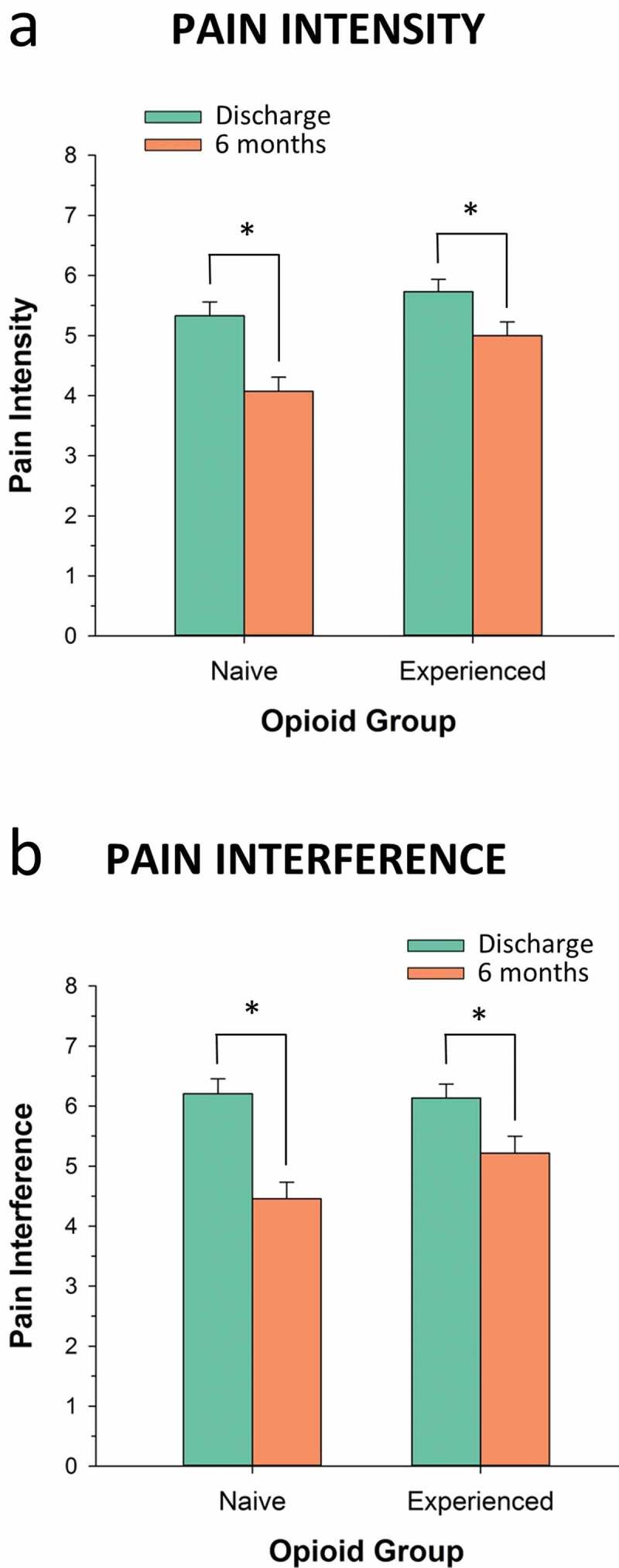
- In the first TPS cohort study, 382 patients participated; 91 received ACT-based psychology services and 252 did not. By the last TPS visit, both groups improved, but the ACT group showed greater reductions in opioid use and pain interference, and only the ACT group showed a significant reduction in depressed mood.
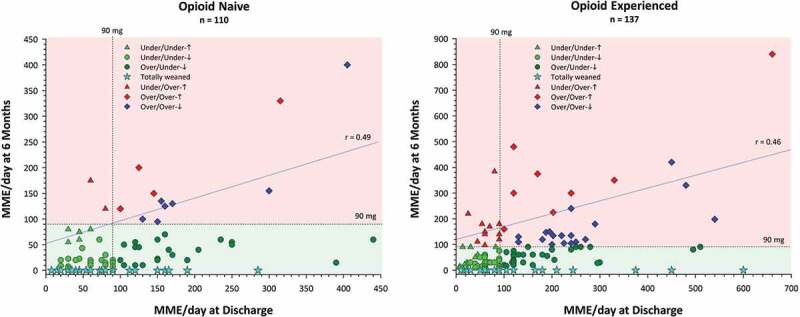
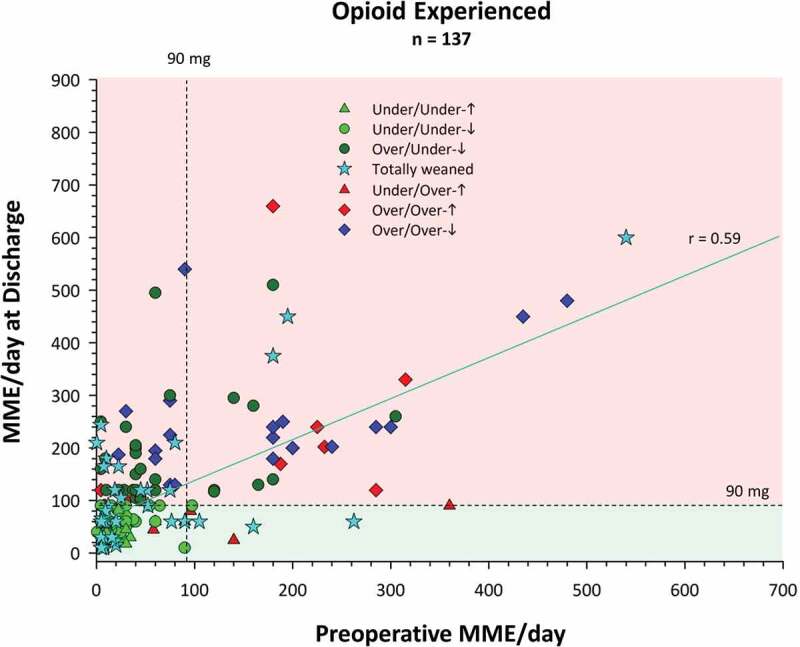
- In the opioid-use study, opioid-experienced patients (n = 137) decreased from 78.8 ± 100.2 MME/day pre-surgery to 78.3 ± 113.9 MME/day at about 6 months post-surgery, after peaking at 140.5 ± 124.0 MME/day at hospital discharge; 25% were completely weaned by 6 months.
- Opioid-naïve high-risk patients (n = 110) decreased from 106.7 ± 80.6 MME/day at hospital discharge to 37.3 ± 61.1 MME/day at about 6 months; 46% were completely weaned by 6 months.
## Methods
- Narrative review plus description of the TPS program, which was established in 2014 and provides multidisciplinary perioperative care for up to 6 months after surgery.
- The evidence base summarized here comes from two clinical practice-based cohort studies and one detailed case report; a multicenter randomized controlled trial was noted as ongoing.
- The cohort analyses compared outcomes between ACT vs no-ACT patients and examined opioid consumption/weaning in opioid-naïve vs opioid-experienced patients using morphine milligram equivalents and repeated measures over the TPS course.
## Limitations
- The paper explicitly notes that the TPS evidence to date comes from nonrandomized clinical practice-based studies, and that the ACT vs no-ACT groups differed at baseline and in treatment duration; the authors state this raises the question of whether the no-ACT group might have improved further with equal follow-up.
- The paper states that causality remains unanswered for CPSP risk factors.
- Evident from the text: the reported TPS findings are preliminary and come from a single-center service experience, so generalizability is limited until the ongoing multicenter randomized trial reports results.
Model-written summary. Check it against the paper before relying on it.
Integrity signals
Registry
Cites
Statistics
Figures
Verification
Claims the paper makes
32 Valid · 4 Not valid · 13 Not checked · 5 Own results and interpretations
At least one cited source doesn’t support this claim or points to a different paper, and none confirmed it — see the verdicts below.
In the paper
“Negative cognitive–affective states including perioperative depression,42,43 anxiety,25,32,35,43,44 pain catastrophizing,18,44 and posttraumatic stress symptoms45 also predict the development of CPSP.”
§ Chronic postsurgical pain: From risk factor identification to multidisciplinary management at the Toronto General Hospital Transitional Pain Service > Risk factors for chronic postsurgical pain
What the sources say
- Disputedcites [45] Kleiman V, Clarke H, Katz J. Sensitivity to pain traumatization: a higher-order factor underlying pain-related anxiety, pain catastrophizing and anxiety sensitivity among patients scheduled for major surgery. Pain Res Manag. 2011; 16: 169– 77. 21766066 PMC3198110 sourceExperimental — accuracy not yet measured
The paper’s PCL-C measure assesses PTSD symptoms (PTSD Checklist – Civilian Version). In “Testing the construct validity of SPT” (page not provided), presurgery PCL-C scores did not differ significantly between patients with persistent pain and those without it at one year (P=0.15). The paper reports this distinction for sensitivity to pain traumatization (SPT), not for PTSD symptoms. (LLM, conf=0.88)
Checked by a reasoning model — may be wrong.
plainstates an association- Asserted: passes — The authors put it forward as true.
- Checkable: passes — It can be checked against evidence.
- Load-bearing: passes — The paper’s conclusions depend on it.
- Based: passes — The paper gives a reason why it holds.
- Disputed
The cited sources that could be checked couldn’t confirm or dispute this claim.
In the paper
“more than 20% of adults8 and 17% of children9 attending specialized chronic pain centers have been referred for CPSP.”
§ Chronic postsurgical pain: From risk factor identification to multidisciplinary management at the Toronto General Hospital Transitional Pain Service > Abstract
What the sources say
- Could not verifycites [9] Martin AL, McGrath PA, Brown SC, Katz J. Children with chronic pain: impact of sex and age on long-term outcomes. Pain. 2007; 128(1–2): 13– 19. doi: 10.1016/j.pain.2006.08.027. 17055163 sourceExperimental — accuracy not yet measured
The Study Design section describes children treated at a specialized pain clinic, and Results §3 says their initial diagnoses are listed in Table 1. In our copy, that table is not legible, and searches for 17%, surgery, and postsurgical pain found no passage establishing the claimed proportion or referral reason. (LLM, conf=0.70)
plain- Asserted: passes — The authors put it forward as true.
- Checkable: passes — It can be checked against evidence.
- Load-bearing: unclear — It is unclear whether the paper’s conclusions depend on it.
- Based: passes — The paper gives a reason why it holds.
- Could not verify
The cited sources support only part of this claim — read each source’s verdict below.
In the paper
“The data clearly show that the presence32 and intensity of preoperative chronic pain,6,33–35 the intensity of acute postoperative pain,6,23,32,33,36 the time spent in severe pain after surgery,6 pain intensity in the weeks after surgery,35,37,38 and pain in other body parts32,34,39 reliably predict CPSP across a range of surgical procedures.”
§ Chronic postsurgical pain: From risk factor identification to multidisciplinary management at the Toronto General Hospital Transitional Pain Service > Risk factors for chronic postsurgical pain
What the sources say
- Not checked — no full text of the sourcecites [6] Fletcher D, Stamer UM, Pogatzki-Zahn E, Zaslansky R, Tanase NV, Perruchoud C, Kranke P, Komann M, Lehman T, Meissner W, et al. Chronic postsurgical pain in Europe: an observational study. Eur J Anaesthesiol. 2015; 32(10): 725– 34. doi: 10.1097/EJA.0000000000000319. 26241763 source
- Not checked — no full text of the sourcecites [32] VanDenKerkhof EG, Hopman WM, Goldstein DH, Wilson RA, Towheed TE, Lam M, Harrison MB, Reitsma ML, Johnston SL, Medd JD, et al. Impact of perioperative pain intensity, pain qualities, and opioid use on chronic pain after surgery: a prospective cohort study. Reg Anesth Pain Med. 2012; 37(1): 19– 27. doi: 10.1097/AAP.0b013e318237516e. 22157741 source
- Partly supportedcites [33] Wang L, Guyatt GH, Kennedy SA, Romerosa B, Kwon HY, Kaushal A, Chang Y, Craigie S, de Almeida CP, Couban RJ, et al. Predictors of persistent pain after breast cancer surgery: a systematic review and meta-analysis of observational studies. Cmaj. 2016; 188(14): E352– E61. doi: 10.1503/cmaj.151276. 27402075 PMC5047835 sourceExperimental — accuracy not yet measured
The ‘Predictors of persistent pain’ section reports an association between the presence of preoperative pain and persistent pain after breast cancer surgery (OR 1.29, 95% CI 1.01–1.64), based on moderate-quality evidence. It does not establish that the intensity of preoperative chronic pain reliably predicts persistent pain across a range of surgical procedures. (LLM, conf=0.88)
- Partly supportedcites [34] Gerbershagen HJ, Pogatzki-Zahn E, Aduckathil S, Peelen LM, Kappen TH, van Wijck AJ, Kalkman CJ, Meissner W. Procedure-specific risk factor analysis for the development of severe postoperative pain. Anesthesiology. 2014; 120(5): 1237– 45. doi: 10.1097/ALN.0000000000000108. 24356102 sourceExperimental — accuracy not yet measured
The Preoperative Chronic Pain Intensity and Discussion sections report that the presence and greater intensity of preoperative chronic pain were associated with higher postoperative pain scores across surgical procedures. The paper identifies its outcome as acute postoperative pain, however, not chronic postsurgical pain (CPSP), so it does not support the claimed prediction of CPSP. (LLM, conf=0.88)
- Supportedcites [35] Choinière M, Watt-Watson J, Victor JC, Baskett RJ, Bussieres JS, Carrier M, Cogan J, Costello J, Feindel C, Guertin MC, et al. Prevalence of and risk factors for persistent postoperative nonanginal pain after cardiac surgery: a 2-year prospective multicentre study. Cmaj. 2014; 186(7): E213– 23. doi: 10.1503/cmaj.131012. 24566643 PMC3986330 source
The citing sentence attaches this source to the presence of preoperative chronic pain, not its intensity. The Results report that persistent nonanginal pain before cardiac surgery independently predicted persistent postoperative pain; the Interpretation notes that this finding is consistent with reports from noncardiac surgery cohorts. This study itself assessed preoperative pain’s presence, not its intensity. (LLM, conf=0.90)
boostedstates an association- Asserted: passes — The authors put it forward as true.
- Checkable: passes — It can be checked against evidence.
- Load-bearing: passes — The paper’s conclusions depend on it.
- Based: passes — The paper gives a reason why it holds.
The sources with a verdict support this claim; the rest weren’t checked yet, have no full text we could read, or their verdicts aren’t rated yet.
In the paper
“The data clearly show that the presence32 and intensity of preoperative chronic pain,6,33–35 the intensity of acute postoperative pain,6,23,32,33,36 the time spent in severe pain after surgery,6 pain intensity in the weeks after surgery,35,37,38 and pain in other body parts32,34,39 reliably predict CPSP across a range of surgical procedures.”
§ Chronic postsurgical pain: From risk factor identification to multidisciplinary management at the Toronto General Hospital Transitional Pain Service > Risk factors for chronic postsurgical pain
What the sources say
- Not checked — no full text of the sourcecites [6] Fletcher D, Stamer UM, Pogatzki-Zahn E, Zaslansky R, Tanase NV, Perruchoud C, Kranke P, Komann M, Lehman T, Meissner W, et al. Chronic postsurgical pain in Europe: an observational study. Eur J Anaesthesiol. 2015; 32(10): 725– 34. doi: 10.1097/EJA.0000000000000319. 26241763 source
- Supportedcites [23] Katz J, Jackson M, Kavanagh BP, Sandler AN. Acute pain after thoracic surgery predicts long-term post-thoracotomy pain. Clin J Pain. 1996; 12: 50– 55. 8722735 source
The Results report that early postoperative pain significantly predicted long-term pain, and the Discussion specifies that pain intensity within the first day predicted pain 1.5 years after thoracic surgery. This paper supports the acute-pain predictor for thoracic surgery; the sentence cites several studies for its broader reference to a range of procedures. (LLM, conf=0.91)
- Not checked — no full text of the sourcecites [32] VanDenKerkhof EG, Hopman WM, Goldstein DH, Wilson RA, Towheed TE, Lam M, Harrison MB, Reitsma ML, Johnston SL, Medd JD, et al. Impact of perioperative pain intensity, pain qualities, and opioid use on chronic pain after surgery: a prospective cohort study. Reg Anesth Pain Med. 2012; 37(1): 19– 27. doi: 10.1097/AAP.0b013e318237516e. 22157741 source
boostedstates an association- Asserted: passes — The authors put it forward as true.
- Checkable: passes — It can be checked against evidence.
- Load-bearing: passes — The paper’s conclusions depend on it.
- Based: passes — The paper gives a reason why it holds.
The cited sources support only part of this claim — read each source’s verdict below.
In the paper
“Inadequately controlled acute pain and excessive opioid use delay recovery and hospital discharge after many surgeries.53–56”
§ Chronic postsurgical pain: From risk factor identification to multidisciplinary management at the Toronto General Hospital Transitional Pain Service > Risk factors for chronic postsurgical pain
What the sources say
- Could not verifycites [53] Baratta JL, Schwenk ES, Viscusi ER. Clinical consequences of inadequate pain relief: barriers to optimal pain management. Plast Reconstr Surg. 2014; 134(4 Suppl 2): 15S– 21S. doi: 10.1097/PRS.0000000000000543. 25254999 sourceExperimental — accuracy not yet measured
The Methods describe buprenorphine analgesia in rats, and the Discussion addresses recovery and complications associated with radiation and breast reconstruction. Neither section addresses whether inadequately controlled acute pain or excessive opioid use delays recovery or hospital discharge after surgery. Searches for acute pain, opioid use, and hospital discharge found no supporting passage in our copy; page numbers were not provided. (LLM, conf=0.77)
- Not checked — no full text of the sourcecites [54] Gurusamy KS, Vaughan J, Toon CD, Davidson BR. Pharmacological interventions for prevention or treatment of postoperative pain in people undergoing laparoscopic cholecystectomy. Cochrane Database Syst Rev. 2014;(3): CD008261. doi:10.1002/14651858.CD008261.pub2. 24683057 PMC11086628 source
- Not checked — no full text of the sourcecites [55] Jones NL, Edmonds L, Ghosh S, Klein AA. A review of enhanced recovery for thoracic anaesthesia and surgery. Anaesthesia. 2013; 68(2): 179– 89. doi: 10.1111/anae.12067. 23121400 source
- Partly supportedcites [56] Robinson KP, Wagstaff KJ, Sanghera S, Kerry RM. Postoperative pain following primary lower limb arthroplasty and enhanced recovery pathway. Ann R Coll Surg Engl. 2014; 96(4): 302– 06. doi: 10.1308/003588414X13946184900525. 24780024 PMC4574415 sourceExperimental — accuracy not yet measured
The Results (p. 304) identify pain as the most common reason for delayed discharge among knee-arthroplasty patients, and the Discussion says effective pain control aids recovery and early discharge. The paper reports greater opiate requirements in patients with higher pain scores, but does not show that excessive opioid use itself delayed recovery or discharge. Its findings concern hip and knee arthroplasty, not many types of surgery. (LLM, conf=0.87)
plainstates a cause- Asserted: passes — The authors put it forward as true.
- Checkable: passes — It can be checked against evidence.
- Load-bearing: unclear — It is unclear whether the paper’s conclusions depend on it.
- Based: passes — The paper gives a reason why it holds.
- Could not verify
22 more claims · 11 with their cited sources checked
Create a free account to see all 54 claims and to verify the 4 references still open.
- It may state two separate claims as one. 20
- Probably not a substantial claim. 8
Claims other papers make about this one
Each is checked against this paper’s own text: does it say what the citing paper says it does?
The source backs part of the claim, not all of it — or backs it for a different population, condition or comparison.
In the citing paper
“Preliminary work has evaluated illness acceptance and ACT-based interventions in surgical patients, but there is very little work to date in orthopedic surgical populations.[38][39][40]”
From A Conceptual Model for Spine Surgery Recovery: A Qualitative Study of Patients’ Expectations, Experiences, and Satisfaction (2023) · cites this paper as [40]
Experimental — accuracy not yet measured
Citations
Cites
The Hospital Anxiety and Depression Scale
Zigmond, A. S., & Snaith, R. P. (1983) · Acta Psychiatrica Scandinavica · doi:10.1111/j.1600-0447.1983.tb09716.x · Cited by 47,139
Depression and quality of life in older persons: A review
Sivertsen, H., Bjørkløf, G. H., Engedal, K., Selbæk, G., & Helvik, A.-S. (2015) · Dementia and Geriatric Cognitive Disorders · doi:10.1159/000437299 · Cited by 14,152
The Pain Catastrophizing Scale: Development and validation.
Sullivan, M. J. L., Bishop, S. R., & Pivik, J. (1995) · Psychological Assessment · doi:10.1037//1040-3590.7.4.524 · Cited by 8,227
Persistent postsurgical pain: risk factors and prevention
Kehlet, H., Jensen, T. S., & Woolf, C. J. (2006) · The Lancet · doi:10.1016/s0140-6736(06)68700-x · Cited by 4,086
New Persistent Opioid Use After Minor and Major Surgical Procedures in US Adults
Brummett, C. M., Waljee, J. F., Goesling, J., Moser, S., Lin, P., Englesbe, M. J., Bohnert, A. S. B., Kheterpal, S., & Nallamothu, B. K. (2017) · JAMA Surgery · doi:10.1001/jamasurg.2017.0504 · Cited by 2,025
Predictors of Postoperative Pain and Analgesic Consumption: A Qualitative Systematic Review
Ip, H. Y. V., Abrishami, A., Peng, P. W. H., Wong, J., & Chung, F. (2009) · Anesthesiology · doi:10.1097/aln.0b013e3181aae87a · Cited by 1,055
Acute Pain after Thoracic Surgery Predicts Long-Term Post-Thoracotomy Pain
Katz, J., Jackson, M., Kavanagh, B. P., & Sandler, A. N. (1996) · The Clinical Journal of Pain · doi:10.1097/00002508-199603000-00009 · Cited by 915
Self-citationPrevalence of and Factors Associated With Persistent Pain Following Breast Cancer Surgery
Gärtner, R., Jensen, M.-B., Nielsen, J., Ewertz, M., Kroman, N., & Kehlet, H. (2009) · JAMA · doi:10.1001/jama.2009.1568 · Cited by 908
Transition from acute to chronic postsurgical pain: risk factors and protective factors
Katz, J., & Seltzer, Z. (2009) · Expert Review of Neurotherapeutics · doi:10.1586/ern.09.20 · Cited by 782 · cited 1×
“The most robust risk factor for CPSP is pain itself.(19,31) The data clearly show that the presence(32) and intensity of preoperative chronic pain, the intensity of acute postoperative pain,(6,23,32,33,36) the time spent in severe pain after surgery,(6) pain intensity in the weeks after surgery,(35,37,38) and pain in…”
BackgroundSelf-citationGuideline for opioid therapy and chronic noncancer pain
Busse, J. W., Craigie, S., Juurlink, D. N., Buckley, D. N., Wang, L., Couban, R. J., Agoritsas, T., Akl, E. A., Carrasco-Labra, A., Cooper, L., et al. (2017) · Canadian Medical Association Journal · doi:10.1503/cmaj.170363 · Cited by 707
Research works printed but not linked: 1
- Pinto PR, McIntyre T, Araujo-Soares V, Almeida A, Costa P. Psychological factors predict an unfavorable pain trajectory after hysterectomy: a prospective cohort study on chronic postsurgical pain. Pain. 2018; 159(5): 956– 67. doi: 10.1097/j.pain.0000000000001170. 29419656 · DOI · Paper page
Cited by
The biopsychosocial model of pain 40 years on: time for a reappraisal?
Nicholas, M. K. (2022) · Pain · doi:10.1097/j.pain.0000000000002654 · Cited by 188
Srivastava, D., Hill, S., Carty, S., Rockett, M., Bastable, R., Knaggs, R., Lambert, D. G., Levy, N., Hughes, J., & Wilkinson, P. F. (2021) · British Journal of Anaesthesia · doi:10.1016/j.bja.2021.02.030 · Cited by 114
Darville, R., Lomanowska, A. M., Yu, H., Jobin, P. G., Rosenbloom, B. N., Gabriel, G., Daudt, H., Negraeff, M., Renna, T. D., Hudspith, M., et al. (2023) · Canadian Journal of Pain · doi:10.1080/24740527.2023.2266751 · Cited by 118
“3,4 Chronic postsurgical pain can lead to reduced function and quality of life, 5,6 as well as persistent opioid use after surgery and an increased risk of opioid use disorder and overdose.”
BackgroundSelf-citationThe mechanisms and management of persistent postsurgical pain
Fuller, A. M., Bharde, S., & Sikandar, S. (2023) · Frontiers in Pain Research · doi:10.3389/fpain.2023.1154597 · Cited by 121
Postoperative Pain Management in Pediatric Spinal Fusion Surgery for Idiopathic Scoliosis
Lee, C. S., Merchant, S., & Chidambaran, V. (2020) · Pediatric Drugs · doi:10.1007/s40272-020-00423-1 · Cited by 83
Hanley, A. W., Gililland, J., Erickson, J., Pelt, C., Peters, C., Rojas, J., & Garland, E. L. (2021) · Pain · doi:10.1097/j.pain.0000000000002195 · Cited by 70
“Preoperative risk factors include pain severity/chronicity and psychological distress (eg, anxiety).(2,25,31,36,37,39,68) Barriers to effective postoperative pain management include perceived helplessness, insufficient pain coping education, and lack of nonpharmacological interventions.”
BackgroundTreating persistent pain after breast cancer surgery
Khan, J. S., Ladha, K. S., Abdallah, F., & Clarke, H. (2020) · Drugs · doi:10.1007/s40265-019-01227-5 · Cited by 57
Self-citationXiao, M. Z. X., Khan, J. S., Dana, E., Rao, V. A., Djaiani, G. N., Richebé, P., Katz, J. D., Wong, D., & Clarke, H. A. (2023) · Anesthesiology · doi:10.1097/aln.0000000000004621 · Cited by 62
Self-citationΜoka, Ε., Aguirre, J. A., Sauter, A. R., & Lavand'homme, P. M. (2025) · Regional Anesthesia & Pain Medicine · doi:10.1136/rapm-2024-105614 · Cited by 72
Practical strategies for the prevention and management of chronic postsurgical pain.
Kim, B. R., Yoon, S.-H., & Lee, H.-J. (2023) · The Korean journal of pain · doi:10.3344/kjp.23080 · Cited by 37
“Some studies have indicated that TPS is effective in alleviating postoperative pain and in reducing opioid use after discharge [107,108].”
BackgroundPain management with opioids in adults
Montgomery, L. S. (2020) · Journal of Neuroscience Research · doi:10.1002/jnr.24695 · Cited by 41
Sydora, B. C., Whelan, L., Abelseth, B., Brar, G., Idris, S., Zhao, R., Leonard, A. J., Rosenbloom, B. N., Clarke, H. A., Katz, J. D., et al. (2024) · Journal of Pain Research · doi:10.2147/jpr.s466731 · Cited by 40
“60,61”
Self-citationMultidisciplinary Transitional Pain Service for the Veteran Population
Buys, M. J., Bayless, K., Romesser, J. M., Anderson, Z. L., Patel, S. A., Zhang, C., Presson, A. P., Beckstrom, J. L., & Brooke, B. S. (2020) · Federal Practitioner · doi:10.12788/fp.0053 · Cited by 30
Stamer, U. M., Lavand'homme, P. M., Hofer, D. M., Barke, A., & Korwisi, B. (2025) · British Journal of Anaesthesia · doi:10.1016/j.bja.2025.02.005 · Cited by 38
Yu, H. C., Kleiman, V., Kojic, K., Slepian, P. M., Cortés, H., McRae, K. M., Katznelson, R., Huang, A., Tamir, D., Fiorellino, J., et al. (2022) · Transplantation · doi:10.1097/tp.0000000000004441 · Cited by 26
“To address these risk factors associated with the development of CPSP, patients who are referred to TPS are assessed and managed by a multidisciplinary team and offered timely multimodal pain management.(48) To address the negative impact of psychological risk factors, patients are offered assessment with pain psychol…”
BackgroundSelf-citationBrintz, C. E., Coronado, R. A., Schlundt, D. G., Haug Jenkins, C., Bird, M. L., Bley, J. A., Pennings, J. S., Wegener, S. T., & Archer, K. R. (2023) · Spine · doi:10.1097/brs.0000000000004520 · Cited by 20
Transitional Pain Service: An Update
Klimke, R., Ott, A., Romero, C. S., Berendes, A., Urman, R. D., Luedi, M. M., & Ashok, V. (2024) · Current Pain and Headache Reports · doi:10.1007/s11916-024-01239-1 · Cited by 27
Spaans, L. N., Dijkgraaf, M. G. W., Meijer, P., et al. (2022) · BMC Surgery · doi:10.1186/s12893-022-01765-y · Cited by 19
Preventing pediatric chronic postsurgical pain: Time for increased rigor
Sieberg, C. B., Karunakaran, K. D., Kussman, B. D., & Borsook, D. (2022) · Canadian Journal of Pain · doi:10.1080/24740527.2021.2019576 · Cited by 21
“results from two nonrandomized, clinical practice–based trials.(98,99) Specifically, the Transitional Pain Service uti-”
BackgroundThe Acute Perioperative Pain Service: Impact, Organization, and Future Directions
Al-Saidi, I., Russell, A., & Dizdarevic, A. (2023) · Current Pain and Headache Reports · doi:10.1007/s11916-023-01133-2 · Cited by 23
Speed, T. J., Mun, C. J., Smith, M. T., Khanuja, H. S., Sterling, R. S., Letzen, J. E., Haythornthwaite, J. A., Edwards, R. R., & Campbell, C. M. (2021) · Pain Medicine · doi:10.1093/pm/pnab035 · Cited by 20
Development and expansion of a pediatric transitional pain service to prevent complex chronic pain
Isaac, L., Rosenbloom, B. N., Tyrrell, J., Ruskin, D. A., & Birnie, K. A. (2023) · Frontiers in Pain Research · doi:10.3389/fpain.2023.1173675 · Cited by 16
“As our understanding of perioperative outcomes expands, multiple areas exist for further research which bene fi t from an established Transitional Pain Service.”
BackgroundInfluentialThe Impact of Acute Postoperative Pain in Developing Chronic Pain after Total Knee Arthroplasty
Knežević, N. N., Syed, O., Kabir, C., Patel, A., Shuai, I. R., & Tharian, A. R. (2024) · Neurology International · doi:10.3390/neurolint16020034 · Cited by 17
“They also manage opioids for complex patients and “improve patient coping and functioning” [44].”
BackgroundBirnie, K. A., Stinson, J., Isaac, L., Tyrrell, J., Campbell, F., Jordan, I. P., Marianayagam, J., Richards, D., Rosenbloom, B. N., Clement, F., et al. (2022) · Canadian Journal of Pain · doi:10.1080/24740527.2022.2038031 · Cited by 13
“opportunities to intervene throughout the pre- and perioperative periods.(32,45,33,45,36,45,45,45,46) More than 40% of participants in this study reported working at a health care institution with no acute pain service, potentially reflecting the challenge of consistently implementing a more resource-intensive special…”
BackgroundGabriel, R. A., Simpson, S., Zhong, W., Burton, B. N., Mehdipour, S., & Said, E. T. (2023) · JMIR Perioperative Medicine · doi:10.2196/40455 · Cited by 14
“Transitional pain clinics have been shown to reduce opioid use postoperatively, symptoms of anxiety and depression, pain catastrophizing, and pain [7,8].”
BackgroundWaisman, A. S., & Katz, J. D. (2024) · Neuroscience & Biobehavioral Reviews · doi:10.1016/j.neubiorev.2024.105736 · Cited by 16
“Chronic pain is responsible for the suffering of approximately 1.5 A. Waisman and J. Katz billion individuals worldwide (Katz et al., 2019).”
BackgroundInfluentialSelf-citationCurrent concepts and targets for preventing the transition of acute to chronic postsurgical pain
Oweidat, A., Kalagara, H. K. P., & Sondekoppam, R. V. (2024) · Current Opinion in Anaesthesiology · doi:10.1097/aco.0000000000001424 · Cited by 16
Wilson, J. M., Colebaugh, C. A., Flowers, K. M., Overstreet, D. S., Edwards, R. R., Maixner, W. D., Smith, S. B., & Schreiber, K. L. (2022) · Journal of Pain · doi:10.1016/j.jpain.2022.07.012 · Cited by 13
Chronic pain after cesarean delivery: what do we know today? A narrative review
Langenaeken, A. L., & Lavand'homme, P. M. (2025) · International Journal of Obstetric Anesthesia · doi:10.1016/j.ijoa.2025.104331 · Cited by 17
Kitzman, J., Mesheriakova, V. V., Borucki, A. N., & Agarwal, R. (2023) · Anesthesia & Analgesia · doi:10.1213/ane.0000000000006623 · Cited by 10
“25,58,60 63 Patients who are opioid tolerant should have their home chronic pain medications continued, including long-acting opioids like methadone and extended-release opioids.”
Clarke, H. A., Waisman, A. S., Aternali, A., Axenova, K., Almohawis, A., Curtis, K., Fiorellino, J., Flynn, M. J., Ganty, P., Huang, A., et al. (2025) · Regional Anesthesia & Pain Medicine · doi:10.1136/rapm-2024-105609 · Cited by 12
“31 While these preliminary studies are generally positive, large-scale, RCTs are needed to provide a more definitive picture of whether TPSs are effective in reducing opioid consumption and improving pain and mental health outcomes in the short and long term.”
Self-citationChronic postsurgical pain after cardiac surgery: A narrative review
Dost, B., Karapınar, Y. E., Karakaya, D., Demir, Z. A., Bariş, S., Köksal, E., Aydın, M. E., Çiftçi, B., & Tulgar, S. (2025) · Saudi Journal of Anaesthesia · doi:10.4103/sja.sja_829_24 · Cited by 13
“[67,68] Setting up transitional pain centers in major cardiac surgery units, enabling real-time sharing of data with clinicians, and ensuring their rapid dissemination could be among the most significant steps toward achieving this goal.”
Transitional Pain Medicine; New Era, New Opportunities, and New Journey
Terkawi, A. S., Ottestad, E., Altirkawi, O. K., & Salmasi, V. (2023) · Anesthesiology Clinics · doi:10.1016/j.anclin.2023.03.007 · Cited by 7
Can perioperative psychological interventions reduce chronic pain after surgery?
Peters, M. L. (2023) · British Journal of Hospital Medicine · doi:10.12968/hmed.2022.0400 · Cited by 9
Perioperative Pain Management for Thoracic Surgery: A Multi-Layered Approach
Tong, L., Solla, C., Staack, J. B., et al. (2024) · Seminars in Cardiothoracic and Vascular Anesthesia · doi:10.1177/10892532241235750 · Cited by 7
Redefining the Role of Analgesic Adjuvants in Pain Management: A Narrative Review
Nwosu, A. D. G., Chukwu, L. C., Onwuasoigwe, O., Nweze, S. O., & Nwadike, K. I. (2023) · Indian Journal of Pain · doi:10.4103/ijpn.ijpn_23_22 · Cited by 11
Surgery and opioids: some cracks in an enduring romance
Srivastava, D., & Wilkinson, P. F. (2021) · British Journal of Anaesthesia · doi:10.1016/j.bja.2021.02.003 · Cited by 7
Kubulus, C., Mahlstedt, S., Wagenpfeil, G., Sessler, D. I., & Volk, T. J. (2023) · Journal of Clinical Anesthesia · doi:10.1016/j.jclinane.2023.111152 · Cited by 7
Giummarra, M. J., Reeder, S. C., Williams, S., Devlin, A. L., Knol, R., Ponsford, J., Arnold, C. A., Konstantatos, A., Gabbe, B. J., Clarke, H. A., et al. (2023) · Disability and Rehabilitation · doi:10.1080/09638288.2023.2254235 · Cited by 7
“…of post-surgical pain, which may also be effective in the context of traumatic injury, is the transitional Pain service (tPs) model of care [23–27]. transitional pain services identify patients with high psychosocial and clinical risk factors for persistent post-surgical pain, disability and…”
BackgroundSelf-citationMorgan, S. D., Walker, P., Blyth, F., Nicholas, M., & Wilson, A. J. (2022) · Australian Journal of Primary Health · doi:10.1071/py21195 · Cited by 9
Katz, J. D., Pagé, M. G., Weinrib, A., & Clarke, H. A. (2022) · Wiley eBooks · doi:10.1002/9781119701170.ch5 · Cited by 8
Self-citationLomanowska, A. M., Tahir, R., Choo, C., Zhu, S., Wang, D. Y., Slepian, P. M., Katz, J. D., & Clarke, H. A. (2025) · BMC Health Services Research · doi:10.1186/s12913-025-12301-y · Cited by 4
“Given that over 300 million major surgeries are performed globally each year [11], chronic post-surgical pain (CPSP) [10] is associated with a massive economic and societal burden [12].”
InfluentialSelf-citationThe role of anesthesiologists in reducing opioid harm
Sutherland, A. M., & Clarke, H. A. (2022) · Canadian Journal of Anesthesia/Journal canadien d anesthésie · doi:10.1007/s12630-022-02274-5 · Cited by 4
“depression, high levels of pain catastrophizing, chronic opioid use, and/or pre-existing chronic pain.(21) Anesthesiologists can play an important role by individually tailoring multimodal analgesic plans and”
BackgroundSelf-citationBerube, M. (2019) · AACN Advanced Critical Care · doi:10.4037/aacnacc2019285 · Cited by 6
[Recurrent benign tumors of parotid gland: the role of the surgery].
Mercante, G., Makeieff, M., & Guerrier, B. (2002) · PubMed · Cited by 5
Hussain, M., Norgeot, B., Zaafran, A., Stark, J. R., Caridi, J. M., Fenoy, A. J., & Pivalizza, E. G. (2023) · medRxiv · doi:10.1101/2023.08.18.23294272 · Cited by 5
“These results 121 also standout in comparison to an in-person TPS study in which, six months after surgery, 25% (n = 35) of opioid 122 exposed patients had completely tapered off their postoperative opioids, and 19% (n = 27) increased their opioid 123 usage.(21) 124 125 Opioids are often prescribed for postoperative a…”
BackgroundResultInfluentialCastaño-Asins, J. R., Sanabria-Mazo, J. P., Luciano, J. V., Barceló-Soler, A., Martín-López, L. M., Del Arco-Churruca, A., Lafuente-Baraza, J., Bulbena, A., Pérez-Solà, V., & Montes-Pérez, A. (2023) · Journal of Clinical Medicine · doi:10.3390/jcm12124066 · Cited by 3
“Patients become more psychologically flexible and learn to adapt their behavior in a way that allows them to live a rich and meaningful life [37].”
BackgroundSkoric, J., Lomanowska, A. M., Janmohamed, T., Lumsden-Ruegg, H., Katz, J. D., Clarke, H. A., & Rahman, Q. A. (2025) · JMIR Medical Informatics · doi:10.2196/67178 · Cited by 7
“The TPS at TGH is a pioneering clinic that treats patients during the transitional period when acute pain after a major surgical procedure has the risk of becoming chronic [15,16].”
Self-citationBui, T., Dooley, M. J., Bell, J. S., & Myles, P. S. (2025) · BJA Open · doi:10.1016/j.bjao.2025.100509 · Cited by 6
Patterns of opioid use after surgical discharge: pain management beyond the first postoperative week
Clarke, H. A., & Katz, J. D. (2024) · Anaesthesia · doi:10.1111/anae.16352 · Cited by 4
“Nevertheless, 6 months after surgery, patients who were opioid-na € ı ve and opioid-experienced before surgery, reduced consumption by 69% and 44%, respectively, while also showing signi fi cant reductions in pain intensity and pain interference [13].”
Self-citationPagé, M. G., Katz, J. D., Darville, R., Gabriel, G., Ladha, K. S., Huang, A., Ganty, P., Katznelson, R., Tamir, D., Fiorellino, J., et al. (2024) · Regional Anesthesia & Pain Medicine · doi:10.1136/rapm-2024-105344 · Cited by 3
Self-citationAcute pain management in patients with severe obesity
Budiansky, A. S., & Eipe, N. (2024) · BJA Education · doi:10.1016/j.bjae.2024.04.006 · Cited by 3
Management of postoperative pain
(2022) · Pharmaceutical journal/The pharmaceutical journal · doi:10.1211/pj.2022.1.155619 · Cited by 5
Tamayo, M. A. N., Aguayo, C., Atencio, E., Garcia, J. B. S., Cabrera, C. O., Castañeda, C., Castromán, P., Elizeche, G., Gomez, P., Guaycochea, S., et al. (2024) · Pain Management · doi:10.2217/pmt-2023-0096 · Cited by 9
Battison, E., Kenyon, E. A., Murphy, C., Lenne, E., Moyer, D. N., Ewing, S. W. F., & Wilson, A. C. (2025) · Transgender Health · doi:10.1089/trgh.2024.0173 · Cited by 2
Description of the double-puncture epidural technique for plastic surgery: a historical cohort
Díaz-Moreno, J. C., Villalobos, H., Flórez-Rodríguez, J. M., et al. (2025) · Colombian Journal of Anesthesiology · doi:10.5554/22562087.e1143 · Cited by 2
Nordrik, T., Rotevatn, E. Ø., Mannseth, J., Stubhaug, A., & Rygh, L. J. (2025) · Scandinavian Journal of Pain · doi:10.1515/sjpain-2025-0008 · Cited by 2
Lee, Y.-J., Polomano, R. C., Schmidt, H. D., Min, J., & Compton, P. A. (2025) · Pain Medicine · doi:10.1093/pm/pnaf182 · Cited by 6
Transitional Pain Services and Clinics: A Scoping Review of Recent Literature
Freitag, H., Melvin, R. L., Godwin, R. C., & Ness, T. J. (2026) · Journal of Pain Research · doi:10.2147/jpr.s548214 · Cited by 4
“Katz et al, 32 meanwhile, emphasized how assessing factors such as pain catastrophizing and using structured mental health assessments were able to detect individuals who might benefit from Acceptance and Commitment Therapy or other psychological interventions.”
Mogahed, M. M., El-ghaffar, M. S. A., Noamani, T. S. A., et al. (2024) · Perioperative Care and Operating Room Management · doi:10.1016/j.pcorm.2024.100409 · Cited by 2
Ciechanowicz, S., & Ma, D. (2025) · Regional Anesthesia & Pain Medicine · doi:10.1136/rapm-2025-107149 · Cited by 2
“…is critical: high initial pain intensity (such as severe acute postoperative pain) is one of the strongest predictors of chronic pain development, 14 a finding confirmed in obstetric populations where women with intense post-cesarean pain are more likely to report chronic pain months after…”
Allgemeine Aspekte in präoperativen – intraoperativen – postoperativen Abschnitten
Kapfhammer, H. (2023) · Springer eBooks · doi:10.1007/978-3-662-68309-5_2 · Cited by 1
Heartfelt Healing: Charting New Trajectories in Postsurgical Pain
Vanneman, M. W., Kiwakyou, L. M., Harrison, T. K., & Mariano, E. R. (2024) · Anesthesia & Analgesia · doi:10.1213/ane.0000000000006871 · Cited by 1
Shanthanna, H., & Khaled, M. (2025) · Anesthesiology · doi:10.1097/aln.0000000000005606 · Cited by 4
Liblik, E., Pietsch, U., & Hickmann, A. (2025) · BJA Open · doi:10.1016/j.bjao.2025.100497 · Cited by 1
Fang, L., Zhang, H., Nie, J., Wei, Y., Ma, H., Lu, P., Zhang, Y., Chen, W., & Wang, H. (2026) · Annals of Medicine · doi:10.1080/07853890.2026.2625547 · Cited by 1
“Superior early pain control also represents the most direct pathway to reducing opioid requirements and potentially altering the trajectory of chronic pain development [13,14].”
Persistent postsurgical pain—How can we make progress?
Kehlet, H. (2019) · Canadian Journal of Pain · doi:10.1080/24740527.2019.1627849
“Concerning treatments for persistent postsurgical pain, Katz et al.(13) summarize the risk factors for”
BackgroundThe Implications of the Opioid Epidemic for the Treatment of Perioperative Pain
Xiang, N., Courtney, D., Ramsingh, S., Donald, R., & Potru, S. (2024) · Springer eBooks · doi:10.1007/978-3-031-67648-2_4 · Cited by 1
Zagorulko, O. I., & Medvedeva, L. A. (2024) · Pirogov Russian Journal of Surgery · doi:10.17116/hirurgia202411160 · Cited by 1
Anesthetic Considerations for Orthopedic Amputation Surgery
Howard, A., & Kolodzie, K. (2025) · Current anesthesiology reports · doi:10.1007/s40140-025-00692-x · Cited by 1
“Through a holistic approach, a transitional pain service focuses on managing opioid regimens and tapering plans, improving patient coping via psychological and physical services, and targeting interventions to prevent the progression from acute postoperative pain to chronic postsurgical pain [57].”
Harrison, R. N., Biagi, N., & Kuteesa, W. (2025) · medRxiv · doi:10.1101/2025.05.29.25327068 · Cited by 1
Multimodal analgesia and postsurgical pain
Rekatsina, M., Paladini, A., Saltelli, G., & Varrassi, G. (2021) · Elsevier eBooks · doi:10.1016/b978-0-12-818988-7.00040-6
Mogahed, M. M., El-ghaffar, M. S. A., & Elkahwagy, M. S. (2023) · Research Square · doi:10.21203/rs.3.rs-3186105/v1
Acute pain management for chronic pain patients: expanding the role of the anesthesiologist
Brulotte, V. (2023) · Canadian Journal of Anesthesia/Journal canadien d anesthésie · doi:10.1007/s12630-023-02610-3
Adam, F., Châtellier, G., & Alfonsi, P. (2024) · European Journal of Pain · doi:10.1002/ejp.2241 · Cited by 1
“In the last decade, new approaches to optimize perioperative pain management have been published (Admiraal et al., 2021; Katz et al., 2019).”
Hochreuter, J., Dreher, T., Hasler, C.-C., Canonica, S., Locher, C., Held, U., Rabbitts, J. A., & Koechlin, H. (2024) · BMJ Open · doi:10.1136/bmjopen-2023-080174 · Cited by 4
Chronic Postsurgical Pain in Children and Young People
Liossi, C., Clinch, J., & Rosenbloom, B. N. (2024) · Wiley eBooks · doi:10.1002/9781119645641.ch11
Psychological Considerations in Perioperative Acute Pain Management
Silva, J. (2024) · Springer eBooks · doi:10.1007/978-3-031-67648-2_15 · Cited by 1
Willemen, J. E., Kodele, S., Vossen, C. J., Lousberg, R. L., van Amelsvoort, T., & Balthasar, A. J. R. (2025) · Journal of Clinical Medicine · doi:10.3390/jcm14103506
“It also increases the risk of developing CPSP, with up to 60% of patients experiencing severe APSP [2,6].”
Ganty, P., Wong, D., & Clarke, H. A. (2026) · Journal of Anesthesia · doi:10.1007/s00540-025-03649-w · Cited by 1
“One review found that the TPS treatment showed improvement in opioid use, with almost half of opioid-naïve patients and one in four opioid-experi-enced patients being opioid free by the 6-month point [20].”
Self-citationMethodological considerations and clinical implications of pain assessment in rare bone diseases
Morri, M., Pedrini, E., Moroni, A., et al. (2026) · Bone · doi:10.1016/j.bone.2026.117840
Ioannidis, R., Sarridou, D. G., Bampoulas, A., Tsigalou, C., & Chloropoulou, P. (2026) · Orthopedic Reviews · doi:10.52965/001c.158945 · Cited by 1
Nair, T., Elvir-Lazo, O. L., & Wong, R. (2026) · Frontiers in Anesthesiology · doi:10.3389/fanes.2026.1766035
Zou, L., Zhu, D., Hu, Y., Huang, L., Li, Z., Zeng, H., & Chen, S. (2026) · European journal of medical research · doi:10.1186/s40001-026-04348-2
“Defined by the International Association for the Study of Pain (IASP) as pain persisting or recurring beyond 3 months post-surgery, CPSP can hinder recovery and lead to poorer long-term outcomes [5, 6].”
Gabriel, R. A. (2026) · Springer eBooks · doi:10.1007/978-3-032-11484-6_19
Metadata
- Authors
- Katz, J., Weinrib, A. Z., & Clarke, H.
- Affiliations
- University of Toronto (CA)
- York University (CA)
- Corresponding author
- Katz, Joel
- Venue
- Canadian Journal of Pain
- Publisher
- Informa UK Limited
- Published
- 2019-07-15
- Volume
- 3
- Issue
- 2
- Pages
- 49-58
- ISSN
- 2474-0527 (ISSN-L)
- PMC
- PMC8730596
- OpenAlex
- W2914004738
- Cited by
- 87
- References
- 74
- Citations by year
- 2026: 9 · 2025: 19 · 2024: 18 · 2023: 17 · 2022: 12 · 2021: 5 · 2020: 3 · 2019: 3
- FWCI
- 1.19
- Type
- journal article
- Language
- en
- Open access
- gold
- doi.org
- Licence
- Locations
- Canadian Journal of Pain (publishedVersion, cc-by)
- PubMed Central (publishedVersion, cc-by)
- PubMed (publishedVersion)
- DOAJ (DOAJ: Directory of Open Access Journals) (submittedVersion, cc-by-sa)
- Funders
- York University
- Canada Research Chairs
- Health Canada
- Canadian Institutes of Health Research
- Topics
- Health Sciences › Medicine › Anesthesiology and Pain Medicine › Anesthesia and Pain Management
- Health Sciences › Medicine › Anesthesiology and Pain Medicine › Pain Management and Treatment
- Health Sciences › Medicine › Pediatrics, Perinatology and Child Health › Pediatric Pain Management Techniques
- Keywords
- chronic postoperative pain, transitional pain service, risk factors, perioperative pain, opioid use, pain catastrophizing, depression, anxiety, multidisciplinary pain management, pain prevention, Toronto General Hospital
About these checks
Registry, retraction, Cites and statistics results are computed, not judged, with one exception: a printed reference that no index lists is read once by a model before it counts as a citation error. Claims are extracted by a model and kept only when their quote appears verbatim in the text; each cited source is then checked, with a model’s help, for whether it says what the claim relies on. Those verdicts can be wrong — read the claim’s quote and the cited source before relying on one.
The claim verdicts this report counts are experimental: their accuracy is not yet measured.
A language model drew the claims from the paper on 2026-10-11, under version 3 of the claim definition (model deepseek-v4.1-flash, prompt extract-v3).
A second model labelled each claim on 2026-10-11 (model jev-1.13-20260917, definition revision gold-guideline-v0.2).
Cited sources are checked with a language model’s help (gpt-6-sol).
Statistics and arithmetic are recomputed, not judged.
Confidence bands are shown only for fields calibrated on our annotated test set. None is calibrated yet, so no band is shown.
What counts as a claim ›How we measure confidence ›How we check this ›
Are you an author, or do you see a problem with this page? Request a review
Data sources
Bibliographic data: Semantic Scholar, OpenAlex, Crossref.
Contains information from the Semantic Scholar Academic Graph Datasets, made available under the ODC Attribution License (ODC-BY 1.0).
Semantic Scholar’s data is described in: Kinney, R., et al. (2023). The Semantic Scholar Open Data Platform. arXiv:2301.10140.
