

Chronic postsurgical pain: From risk factor identification to multidisciplinary management at the Toronto General Hospital Transitional Pain Service
Open accessThe DOI matches its Crossref record; 74 of the 74 references it cites were found in a registry or an index; 46 of the 80 sources its claims cite were checked for support.
Abstract
Background: Chronic postsurgical pain is a highly prevalent public health problem associated with substantial emotional, social, and economic costs. Aims: (1) To review the major risk factors for chronic postsurgical pain (CPSP); (2) to describe the implementation of the Transitional Pain Service (TPS) at the Toronto General Hospital, a multiprofessional, multimodal preventive approach to CPSP involving intensive, perioperative psychological, physical, and pharmacological management aimed at preventing and treating the factors that increase the risk of CPSP and related disability; and (3) to present recent empirical evidence for the efficacy of the TPS. Methods: The Toronto General Hospital TPS was specifically developed to target patients at high risk of developing CPSP. The major known risk factors for CPSP are perioperative pain, opioid use, and negative affect, including depression, anxiety, pain catastrophizing, and posttraumatic stress disorder–like symptoms. At-risk patients are identified early and provided comprehensive care by a multidisciplinary team consisting of pain physicians, advanced practice nurses, psychologists, and physical therapists. Results: Preliminary results from two nonrandomized, clinical practice–based trials indicate that TPS treatment is associated with improvements in pain, pain interference, pain catastrophizing, symptoms of anxiety and depression, and opioid use. Almost half of opioid-naïve patients and one in four opioid-experienced patients were opioid free by the 6-month point. Conclusions: These promising results suggest that the TPS benefits patients at risk of CPSP. A multicenter randomized controlled trial of the TPS in several Ontario hospitals is currently underway. © 2019 The Author(s). Published with license by Taylor & Francis Group, LLC.
Overview
CoChat Summary
## TL;DR
This paper reviews chronic postsurgical pain (CPSP) risk factors and describes the Toronto General Hospital Transitional Pain Service (TPS), a multidisciplinary preventive care model for high-risk surgical patients. It also reports preliminary cohort evidence that TPS care is associated with reductions in pain, pain interference, psychological distress, and opioid use.
## Key findings
- The paper identifies the most consistently reported CPSP risk factors as perioperative pain, opioid use, and negative affect, including depression, anxiety, pain catastrophizing, and posttraumatic stress disorder–like symptoms.
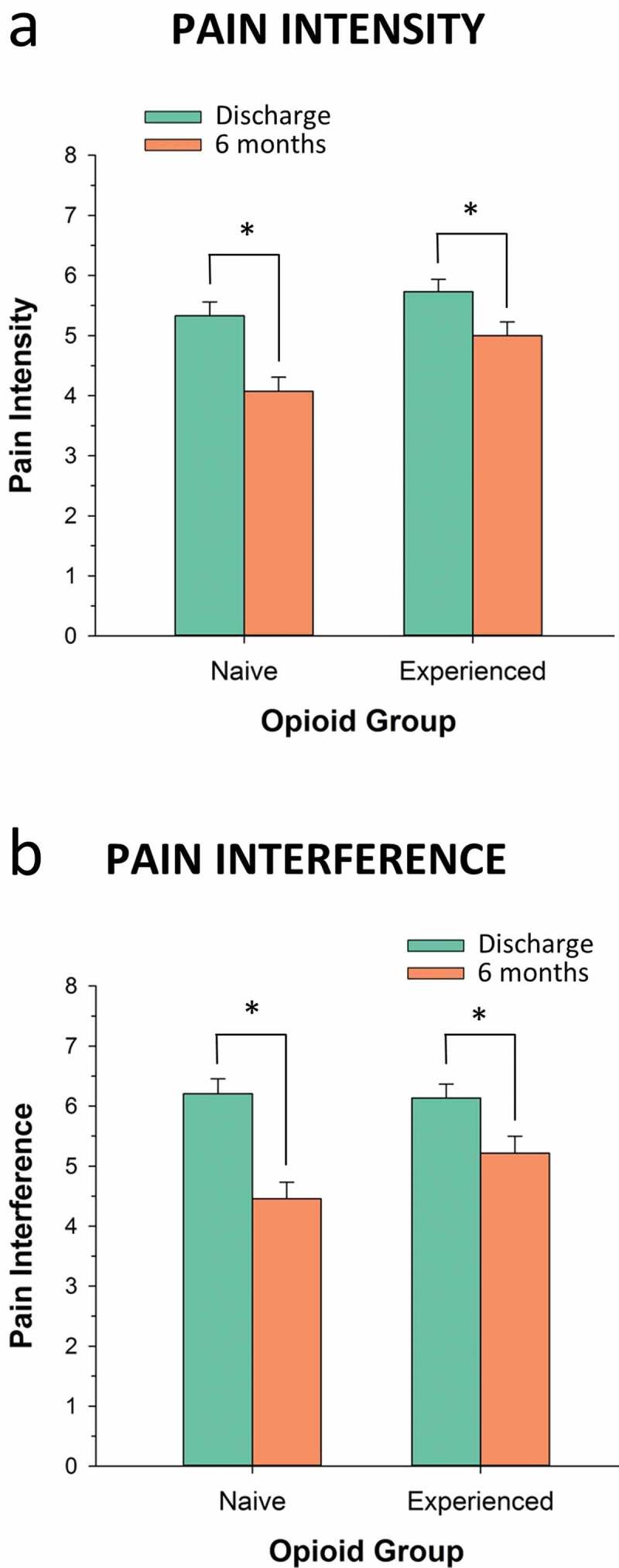
- In the first TPS cohort study, 382 patients participated; 91 received ACT-based psychology services and 252 did not. By the last TPS visit, both groups improved, but the ACT group showed greater reductions in opioid use and pain interference, and only the ACT group showed a significant reduction in depressed mood.
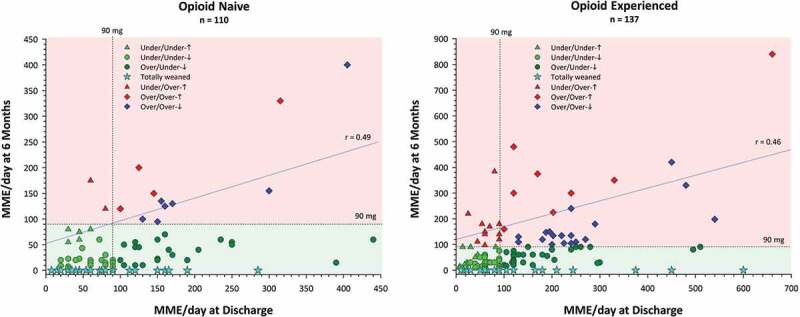
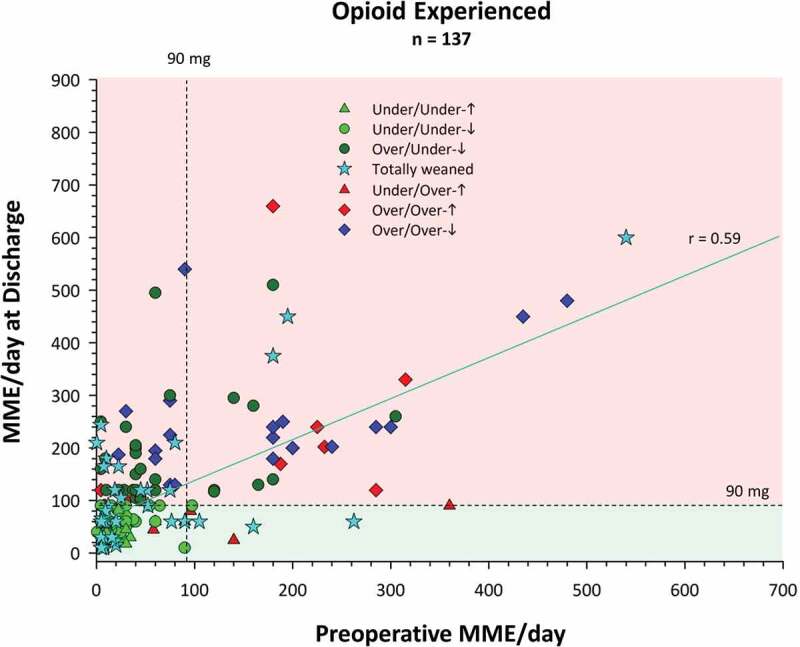
- In the opioid-use study, opioid-experienced patients (n = 137) decreased from 78.8 ± 100.2 MME/day pre-surgery to 78.3 ± 113.9 MME/day at about 6 months post-surgery, after peaking at 140.5 ± 124.0 MME/day at hospital discharge; 25% were completely weaned by 6 months.
- Opioid-naïve high-risk patients (n = 110) decreased from 106.7 ± 80.6 MME/day at hospital discharge to 37.3 ± 61.1 MME/day at about 6 months; 46% were completely weaned by 6 months.
## Methods
- Narrative review plus description of the TPS program, which was established in 2014 and provides multidisciplinary perioperative care for up to 6 months after surgery.
- The evidence base summarized here comes from two clinical practice-based cohort studies and one detailed case report; a multicenter randomized controlled trial was noted as ongoing.
- The cohort analyses compared outcomes between ACT vs no-ACT patients and examined opioid consumption/weaning in opioid-naïve vs opioid-experienced patients using morphine milligram equivalents and repeated measures over the TPS course.
## Limitations
- The paper explicitly notes that the TPS evidence to date comes from nonrandomized clinical practice-based studies, and that the ACT vs no-ACT groups differed at baseline and in treatment duration; the authors state this raises the question of whether the no-ACT group might have improved further with equal follow-up.
- The paper states that causality remains unanswered for CPSP risk factors.
- Evident from the text: the reported TPS findings are preliminary and come from a single-center service experience, so generalizability is limited until the ongoing multicenter randomized trial reports results.
Model-written summary. Check it against the paper before relying on it.
Integrity signals
Registry
Cites
Statistics
Figures
Verification
Claims the paper makes
32 Valid · 4 Not valid · 13 Not checked · 5 Own results and interpretations
At least one cited source doesn’t support this claim or points to a different paper, and none confirmed it — see the verdicts below.
In the paper
“Negative cognitive–affective states including perioperative depression,42,43 anxiety,25,32,35,43,44 pain catastrophizing,18,44 and posttraumatic stress symptoms45 also predict the development of CPSP.”
§ Chronic postsurgical pain: From risk factor identification to multidisciplinary management at the Toronto General Hospital Transitional Pain Service > Risk factors for chronic postsurgical pain
What the sources say
- Disputedcites [45] Kleiman V, Clarke H, Katz J. Sensitivity to pain traumatization: a higher-order factor underlying pain-related anxiety, pain catastrophizing and anxiety sensitivity among patients scheduled for major surgery. Pain Res Manag. 2011; 16: 169– 77. 21766066 PMC3198110 sourceExperimental — accuracy not yet measured
The paper’s PCL-C measure assesses PTSD symptoms (PTSD Checklist – Civilian Version). In “Testing the construct validity of SPT” (page not provided), presurgery PCL-C scores did not differ significantly between patients with persistent pain and those without it at one year (P=0.15). The paper reports this distinction for sensitivity to pain traumatization (SPT), not for PTSD symptoms. (LLM, conf=0.88)
Checked by a reasoning model — may be wrong.
plainstates an association- Asserted: passes — The authors put it forward as true.
- Checkable: passes — It can be checked against evidence.
- Load-bearing: passes — The paper’s conclusions depend on it.
- Based: passes — The paper gives a reason why it holds.
- Disputed
The cited sources that could be checked couldn’t confirm or dispute this claim.
In the paper
“more than 20% of adults8 and 17% of children9 attending specialized chronic pain centers have been referred for CPSP.”
§ Chronic postsurgical pain: From risk factor identification to multidisciplinary management at the Toronto General Hospital Transitional Pain Service > Abstract
What the sources say
- Could not verifycites [9] Martin AL, McGrath PA, Brown SC, Katz J. Children with chronic pain: impact of sex and age on long-term outcomes. Pain. 2007; 128(1–2): 13– 19. doi: 10.1016/j.pain.2006.08.027. 17055163 sourceExperimental — accuracy not yet measured
The Study Design section describes children treated at a specialized pain clinic, and Results §3 says their initial diagnoses are listed in Table 1. In our copy, that table is not legible, and searches for 17%, surgery, and postsurgical pain found no passage establishing the claimed proportion or referral reason. (LLM, conf=0.70)
plain- Asserted: passes — The authors put it forward as true.
- Checkable: passes — It can be checked against evidence.
- Load-bearing: unclear — It is unclear whether the paper’s conclusions depend on it.
- Based: passes — The paper gives a reason why it holds.
- Could not verify
The cited sources support only part of this claim — read each source’s verdict below.
In the paper
“The data clearly show that the presence32 and intensity of preoperative chronic pain,6,33–35 the intensity of acute postoperative pain,6,23,32,33,36 the time spent in severe pain after surgery,6 pain intensity in the weeks after surgery,35,37,38 and pain in other body parts32,34,39 reliably predict CPSP across a range of surgical procedures.”
§ Chronic postsurgical pain: From risk factor identification to multidisciplinary management at the Toronto General Hospital Transitional Pain Service > Risk factors for chronic postsurgical pain
What the sources say
- Not checked — no full text of the sourcecites [6] Fletcher D, Stamer UM, Pogatzki-Zahn E, Zaslansky R, Tanase NV, Perruchoud C, Kranke P, Komann M, Lehman T, Meissner W, et al. Chronic postsurgical pain in Europe: an observational study. Eur J Anaesthesiol. 2015; 32(10): 725– 34. doi: 10.1097/EJA.0000000000000319. 26241763 source
- Not checked — no full text of the sourcecites [32] VanDenKerkhof EG, Hopman WM, Goldstein DH, Wilson RA, Towheed TE, Lam M, Harrison MB, Reitsma ML, Johnston SL, Medd JD, et al. Impact of perioperative pain intensity, pain qualities, and opioid use on chronic pain after surgery: a prospective cohort study. Reg Anesth Pain Med. 2012; 37(1): 19– 27. doi: 10.1097/AAP.0b013e318237516e. 22157741 source
- Partly supportedcites [33] Wang L, Guyatt GH, Kennedy SA, Romerosa B, Kwon HY, Kaushal A, Chang Y, Craigie S, de Almeida CP, Couban RJ, et al. Predictors of persistent pain after breast cancer surgery: a systematic review and meta-analysis of observational studies. Cmaj. 2016; 188(14): E352– E61. doi: 10.1503/cmaj.151276. 27402075 PMC5047835 sourceExperimental — accuracy not yet measured
The ‘Predictors of persistent pain’ section reports an association between the presence of preoperative pain and persistent pain after breast cancer surgery (OR 1.29, 95% CI 1.01–1.64), based on moderate-quality evidence. It does not establish that the intensity of preoperative chronic pain reliably predicts persistent pain across a range of surgical procedures. (LLM, conf=0.88)
- Partly supportedcites [34] Gerbershagen HJ, Pogatzki-Zahn E, Aduckathil S, Peelen LM, Kappen TH, van Wijck AJ, Kalkman CJ, Meissner W. Procedure-specific risk factor analysis for the development of severe postoperative pain. Anesthesiology. 2014; 120(5): 1237– 45. doi: 10.1097/ALN.0000000000000108. 24356102 sourceExperimental — accuracy not yet measured
The Preoperative Chronic Pain Intensity and Discussion sections report that the presence and greater intensity of preoperative chronic pain were associated with higher postoperative pain scores across surgical procedures. The paper identifies its outcome as acute postoperative pain, however, not chronic postsurgical pain (CPSP), so it does not support the claimed prediction of CPSP. (LLM, conf=0.88)
- Supportedcites [35] Choinière M, Watt-Watson J, Victor JC, Baskett RJ, Bussieres JS, Carrier M, Cogan J, Costello J, Feindel C, Guertin MC, et al. Prevalence of and risk factors for persistent postoperative nonanginal pain after cardiac surgery: a 2-year prospective multicentre study. Cmaj. 2014; 186(7): E213– 23. doi: 10.1503/cmaj.131012. 24566643 PMC3986330 source
The citing sentence attaches this source to the presence of preoperative chronic pain, not its intensity. The Results report that persistent nonanginal pain before cardiac surgery independently predicted persistent postoperative pain; the Interpretation notes that this finding is consistent with reports from noncardiac surgery cohorts. This study itself assessed preoperative pain’s presence, not its intensity. (LLM, conf=0.90)
boostedstates an association- Asserted: passes — The authors put it forward as true.
- Checkable: passes — It can be checked against evidence.
- Load-bearing: passes — The paper’s conclusions depend on it.
- Based: passes — The paper gives a reason why it holds.
The sources with a verdict support this claim; the rest weren’t checked yet, have no full text we could read, or their verdicts aren’t rated yet.
In the paper
“The data clearly show that the presence32 and intensity of preoperative chronic pain,6,33–35 the intensity of acute postoperative pain,6,23,32,33,36 the time spent in severe pain after surgery,6 pain intensity in the weeks after surgery,35,37,38 and pain in other body parts32,34,39 reliably predict CPSP across a range of surgical procedures.”
§ Chronic postsurgical pain: From risk factor identification to multidisciplinary management at the Toronto General Hospital Transitional Pain Service > Risk factors for chronic postsurgical pain
What the sources say
- Not checked — no full text of the sourcecites [6] Fletcher D, Stamer UM, Pogatzki-Zahn E, Zaslansky R, Tanase NV, Perruchoud C, Kranke P, Komann M, Lehman T, Meissner W, et al. Chronic postsurgical pain in Europe: an observational study. Eur J Anaesthesiol. 2015; 32(10): 725– 34. doi: 10.1097/EJA.0000000000000319. 26241763 source
- Supportedcites [23] Katz J, Jackson M, Kavanagh BP, Sandler AN. Acute pain after thoracic surgery predicts long-term post-thoracotomy pain. Clin J Pain. 1996; 12: 50– 55. 8722735 source
The Results report that early postoperative pain significantly predicted long-term pain, and the Discussion specifies that pain intensity within the first day predicted pain 1.5 years after thoracic surgery. This paper supports the acute-pain predictor for thoracic surgery; the sentence cites several studies for its broader reference to a range of procedures. (LLM, conf=0.91)
- Not checked — no full text of the sourcecites [32] VanDenKerkhof EG, Hopman WM, Goldstein DH, Wilson RA, Towheed TE, Lam M, Harrison MB, Reitsma ML, Johnston SL, Medd JD, et al. Impact of perioperative pain intensity, pain qualities, and opioid use on chronic pain after surgery: a prospective cohort study. Reg Anesth Pain Med. 2012; 37(1): 19– 27. doi: 10.1097/AAP.0b013e318237516e. 22157741 source
boostedstates an association- Asserted: passes — The authors put it forward as true.
- Checkable: passes — It can be checked against evidence.
- Load-bearing: passes — The paper’s conclusions depend on it.
- Based: passes — The paper gives a reason why it holds.
The cited sources support only part of this claim — read each source’s verdict below.
In the paper
“Inadequately controlled acute pain and excessive opioid use delay recovery and hospital discharge after many surgeries.53–56”
§ Chronic postsurgical pain: From risk factor identification to multidisciplinary management at the Toronto General Hospital Transitional Pain Service > Risk factors for chronic postsurgical pain
What the sources say
- Could not verifycites [53] Baratta JL, Schwenk ES, Viscusi ER. Clinical consequences of inadequate pain relief: barriers to optimal pain management. Plast Reconstr Surg. 2014; 134(4 Suppl 2): 15S– 21S. doi: 10.1097/PRS.0000000000000543. 25254999 sourceExperimental — accuracy not yet measured
The Methods describe buprenorphine analgesia in rats, and the Discussion addresses recovery and complications associated with radiation and breast reconstruction. Neither section addresses whether inadequately controlled acute pain or excessive opioid use delays recovery or hospital discharge after surgery. Searches for acute pain, opioid use, and hospital discharge found no supporting passage in our copy; page numbers were not provided. (LLM, conf=0.77)
- Not checked — no full text of the sourcecites [54] Gurusamy KS, Vaughan J, Toon CD, Davidson BR. Pharmacological interventions for prevention or treatment of postoperative pain in people undergoing laparoscopic cholecystectomy. Cochrane Database Syst Rev. 2014;(3): CD008261. doi:10.1002/14651858.CD008261.pub2. 24683057 PMC11086628 source
- Not checked — no full text of the sourcecites [55] Jones NL, Edmonds L, Ghosh S, Klein AA. A review of enhanced recovery for thoracic anaesthesia and surgery. Anaesthesia. 2013; 68(2): 179– 89. doi: 10.1111/anae.12067. 23121400 source
- Partly supportedcites [56] Robinson KP, Wagstaff KJ, Sanghera S, Kerry RM. Postoperative pain following primary lower limb arthroplasty and enhanced recovery pathway. Ann R Coll Surg Engl. 2014; 96(4): 302– 06. doi: 10.1308/003588414X13946184900525. 24780024 PMC4574415 sourceExperimental — accuracy not yet measured
The Results (p. 304) identify pain as the most common reason for delayed discharge among knee-arthroplasty patients, and the Discussion says effective pain control aids recovery and early discharge. The paper reports greater opiate requirements in patients with higher pain scores, but does not show that excessive opioid use itself delayed recovery or discharge. Its findings concern hip and knee arthroplasty, not many types of surgery. (LLM, conf=0.87)
plainstates a cause- Asserted: passes — The authors put it forward as true.
- Checkable: passes — It can be checked against evidence.
- Load-bearing: unclear — It is unclear whether the paper’s conclusions depend on it.
- Based: passes — The paper gives a reason why it holds.
- Could not verify
22 more claims · 11 with their cited sources checked
Create a free account to see all 54 claims and to verify the 1 reference still open.
- It may state two separate claims as one. 20
- Probably not a substantial claim. 8
Claims other papers make about this one
Each is checked against this paper’s own text: does it say what the citing paper says it does?
The source backs part of the claim, not all of it — or backs it for a different population, condition or comparison.
In the citing paper
“Preliminary work has evaluated illness acceptance and ACT-based interventions in surgical patients, but there is very little work to date in orthopedic surgical populations.[38][39][40]”
From A Conceptual Model for Spine Surgery Recovery: A Qualitative Study of Patients’ Expectations, Experiences, and Satisfaction (2023) · cites this paper as [40]
Experimental — accuracy not yet measured
Citations
Cites
The Hospital Anxiety and Depression Scale
Zigmond, A. S., & Snaith, R. P. (1983) · Acta Psychiatrica Scandinavica · doi:10.1111/j.1600-0447.1983.tb09716.x · Cited by 47,139
Depression and quality of life in older persons: A review
Sivertsen, H., Bjørkløf, G. H., Engedal, K., Selbæk, G., & Helvik, A.-S. (2015) · Dementia and Geriatric Cognitive Disorders · doi:10.1159/000437299 · Cited by 14,152
The Pain Catastrophizing Scale: Development and validation.
Sullivan, M. J. L., Bishop, S. R., & Pivik, J. (1995) · Psychological Assessment · doi:10.1037//1040-3590.7.4.524 · Cited by 8,227
Persistent postsurgical pain: risk factors and prevention
Kehlet, H., Jensen, T. S., & Woolf, C. J. (2006) · The Lancet · doi:10.1016/s0140-6736(06)68700-x · Cited by 4,086
New Persistent Opioid Use After Minor and Major Surgical Procedures in US Adults
Brummett, C. M., Waljee, J. F., Goesling, J., Moser, S., Lin, P., Englesbe, M. J., Bohnert, A. S. B., Kheterpal, S., & Nallamothu, B. K. (2017) · JAMA Surgery · doi:10.1001/jamasurg.2017.0504 · Cited by 2,025
Predictors of Postoperative Pain and Analgesic Consumption: A Qualitative Systematic Review
Ip, H. Y. V., Abrishami, A., Peng, P. W. H., Wong, J., & Chung, F. (2009) · Anesthesiology · doi:10.1097/aln.0b013e3181aae87a · Cited by 1,055
Acute Pain after Thoracic Surgery Predicts Long-Term Post-Thoracotomy Pain
Katz, J., Jackson, M., Kavanagh, B. P., & Sandler, A. N. (1996) · The Clinical Journal of Pain · doi:10.1097/00002508-199603000-00009 · Cited by 915
Self-citationPrevalence of and Factors Associated With Persistent Pain Following Breast Cancer Surgery
Gärtner, R., Jensen, M.-B., Nielsen, J., Ewertz, M., Kroman, N., & Kehlet, H. (2009) · JAMA · doi:10.1001/jama.2009.1568 · Cited by 908
Transition from acute to chronic postsurgical pain: risk factors and protective factors
Katz, J., & Seltzer, Z. (2009) · Expert Review of Neurotherapeutics · doi:10.1586/ern.09.20 · Cited by 782 · cited 1×
“The most robust risk factor for CPSP is pain itself.(19,31) The data clearly show that the presence(32) and intensity of preoperative chronic pain, the intensity of acute postoperative pain,(6,23,32,33,36) the time spent in severe pain after surgery,(6) pain intensity in the weeks after surgery,(35,37,38) and pain in…”
BackgroundSelf-citationGuideline for opioid therapy and chronic noncancer pain
Busse, J. W., Craigie, S., Juurlink, D. N., Buckley, D. N., Wang, L., Couban, R. J., Agoritsas, T., Akl, E. A., Carrasco-Labra, A., Cooper, L., et al. (2017) · Canadian Medical Association Journal · doi:10.1503/cmaj.170363 · Cited by 707
Macrae, W. A. (2001) · British Journal of Anaesthesia · doi:10.1093/bja/87.1.88 · Cited by 672 · cited 6×
“Higher consumption of postoperative analgesics, typically a proxy for intense postoperative pain, is associated with more intense CPSP.38,40,41 Negative cognitive–affective states including perioperative depression,42,43 anxiety,25,32,35,43,44 pain catastrophizing,18,44 and 45 46 32,47 48,49 Negative affect and pain c…”
BackgroundInfluentialSize and distribution of the global volume of surgery in 2012
Weiser, T. G., Haynes, A. B., Molina, G., Lipsitz, S. R., Esquivel, M. M., Uribe-Leitz, T., Fu, R., Azad, T., Chao, T. E., Berry, W. R., et al. (2016) · Bulletin of the World Health Organization · doi:10.2471/blt.15.159293 · Cited by 655
Opioid-induced hyperalgesia in patients after surgery: a systematic review and a meta-analysis
Fletcher, D., & Martinez, V. (2014) · British Journal of Anaesthesia · doi:10.1093/bja/aeu137 · Cited by 635
Chronic postsurgical pain in Europe: An observational study
Fletcher, D., Stamer, U. M., Pogatzki-Zahn, E., Zaslansky, R., Tanase, N. V., Perruchoud, C., Kranke, P., Komann, M., Lehman, T., & Meissner, W. (2015) · European Journal of Anaesthesiology · doi:10.1097/eja.0000000000000319 · Cited by 599
Trends and predictors of opioid use after total knee and total hip arthroplasty
Goesling, J., Moser, S. E., Zaidi, B., Hassett, A. L., Hilliard, P., Hallstrom, B., Clauw, D. J., & Brummett, C. M. (2016) · Pain · doi:10.1097/j.pain.0000000000000516 · Cited by 461 · cited 1×
“persistent opioid use after surgery, including mood disorders,(57) anxiety,(57) pain catastrophizing,(58) preoperative neuropathic and nonneuropathic pain,(57) and greater pain intensity on the day of surgery.(58)”
BackgroundPredictive Risk Factors for Persistent Postherniotomy Pain
Aasvang, E. K., Gmaehle, E., Hansen, J. B., Gmaehle, B., Forman, J. L., Schwarz, J., Bittner, R., & Kehlet, H. (2010) · Anesthesiology · doi:10.1097/aln.0b013e3181d31ff8 · Cited by 412
Liu, S., Wu, X., Lopez, A. D., Wang, L., Cai, Y., Page, A., Yin, P., Liu, Y., Li, Y., Liu, J., et al. (2016) · Bulletin of the World Health Organization · doi:10.2471/blt.15.153148 · Cited by 395
Procedure-specific Risk Factor Analysis for the Development of Severe Postoperative Pain
Gerbershagen, H. J., Pogatzki-Zahn, E., Aduckathil, S., Peelen, L. M., Kappen, T. H., van Wijck, A. J. M., Kalkman, C. J., & Meissner, W. (2014) · Anesthesiology · doi:10.1097/aln.0000000000000108 · Cited by 372
I. Defining persistent post-surgical pain: is an update required?
Werner, M. U., & Kongsgaard, U. E. (2014) · British Journal of Anaesthesia · doi:10.1093/bja/aeu012 · Cited by 363 · cited 6×
“Higher consumption of postoperative analgesics, typically a proxy for intense postoperative pain, is associated with more intense CPSP.38,40,41 Negative cognitive–affective states including perioperative depression,42,43 anxiety,25,32,35,43,44 pain catastrophizing,18,44 and 45 46 32,47 48,49 Negative affect and pain c…”
BackgroundInfluentialCut and thrust: antecedent surgery and trauma among patients attending a chronic pain clinic
Crombie, I. K., Davies, H. T. O., & Macrae, W. A. (1998) · Pain · doi:10.1016/s0304-3959(98)00038-4 · Cited by 351
Wang, L., Guyatt, G. H., Kennedy, S. A., Romerosa, B., Kwon, H. Y., Kaushal, A., Chang, Y., Craigie, S., de Almeida, C. P. B., Couban, R. J., et al. (2016) · Canadian Medical Association Journal · doi:10.1503/cmaj.151276 · Cited by 334
Chronic pain after thoracic surgery: a follow‐up study
Perttunen, K., Tasmuth, T., & Kalso, E. (1999) · Acta Anaesthesiologica Scandinavica · doi:10.1034/j.1399-6576.1999.430513.x · Cited by 330 · cited 6×
“Higher consumption of postoperative analgesics, typically a proxy for intense postoperative pain, is associated with more intense CPSP.38,40,41 Negative cognitive–affective states including perioperative depression,42,43 anxiety,25,32,35,43,44 pain catastrophizing,18,44 and 45 46 32,47 48,49 Negative affect and pain c…”
BackgroundInfluentialKatz, J., Weinrib, A., Fashler, S., Katznelson, R., Shah, B., Ladak, S., Jiang, J., Li, Q., McMillan, K., Santa Mina, D., et al. (2015) · Journal of Pain Research · doi:10.2147/jpr.s91924 · Cited by 315
Self-citationCatastrophizing: a predictive factor for postoperative pain
Khan, R. S., Ahmed, K., Blakeway, E., Skapinakis, P., Nihoyannopoulos, L., Macleod, K., Sevdalis, N., Ashrafian, H., Platt, M., Darzi, A., et al. (2011) · The American Journal of Surgery · doi:10.1016/j.amjsurg.2010.02.007 · Cited by 289
Katz, J., Burns, L., Ritvo, S., Ferguson, M., Clark, H., & Seltzer, Z. (2015) · Journal of Pain Research · doi:10.2147/jpr.s64730 · Cited by 280
Self-citationPreventive Analgesia: Quo Vadimus?
Katz, J., Clarke, H., & Seltzer, Z. (2011) · Anesthesia & Analgesia · doi:10.1213/ane.0b013e31822c9a59 · Cited by 235
Self-citationHilliard, P. E., Waljee, J., Moser, S., Metz, L., Mathis, M., Goesling, J., Cron, D., Clauw, D. J., Englesbe, M., Abecasis, G., et al. (2018) · JAMA Surgery · doi:10.1001/jamasurg.2018.2102 · Cited by 211
Choinière, M., Watt-Watson, J., Victor, J. C., Baskett, R. J. F., Bussières, J. S., Carrier, M., Cogan, J., Costello, J., Feindel, C., Guertin, M.-C., et al. (2014) · Canadian Medical Association Journal · doi:10.1503/cmaj.131012 · Cited by 206
Does cognitive functioning predict chronic pain? Results from a prospective surgical cohort
Attal, N., Masselin-Dubois, A., Martinez, V., Jayr, C., Albi, A., Fermanian, J., Bouhassira, D., & Baudic, S. (2014) · Brain · doi:10.1093/brain/awt354 · Cited by 204
Weinrib, A. Z., Azam, M. A., Birnie, K. A., Burns, L. C., Clarke, H., & Katz, J. (2017) · British Journal of Pain · doi:10.1177/2049463717720636 · Cited by 178 · cited 2×
“tion is to teach patients a mindful approach to their postsurgical pain that allows them to live a fuller life.(29,63)”
BackgroundSelf-citationPagé, G., Campbell, F., Isaac, L., Stinson, J., & Katz, J. (2013) · Journal of Pain Research · doi:10.2147/jpr.s51055 · Cited by 165
Self-citationClinical Consequences of Inadequate Pain Relief: Barriers to Optimal Pain Management
Baratta, J. L., Schwenk, E. S., & Viscusi, E. R. (2014) · Plastic and Reconstructive Surgery · doi:10.1097/prs.0000000000000681 · Cited by 163
The dark side of opioids in pain management: basic science explains clinical observation
Rivat, C., & Ballantyne, J. (2016) · PAIN Reports · doi:10.1097/pr9.0000000000000570 · Cited by 160
Pagé, G., Stinson, Campbell, Isaac, & Katz, J. (2013) · Journal of Pain Research · doi:10.2147/jpr.s40846 · Cited by 159
Self-citationTransition to chronic pain: opportunities for novel therapeutics
Price, T. J., Basbaum, A. I., Bresnahan, J., Chambers, J. F., De Koninck, Y., Edwards, R. R., Ji, R.-R., Katz, J., Kavelaars, A., Levine, J. D., et al. (2018) · Nature Reviews Neuroscience · doi:10.1038/s41583-018-0012-5 · Cited by 157
Self-citationVanDenKerkhof, E. G., Hopman, W. M., Goldstein, D. H., Wilson, R. A., Towheed, T. E., Lam, M., Harrison, M. B., Reitsma, M. L., Johnston, S. L., Medd, J. D., et al. (2012) · Regional Anesthesia and Pain Medicine · doi:10.1097/aap.0b013e318237516e · Cited by 149
Persistent Postsurgical Pain: The Path Forward through Better Design of Clinical Studies
Kehlet, H., & Rathmell, J. P. (2010) · Anesthesiology · doi:10.1097/aln.0b013e3181cf423d · Cited by 146
Research design considerations for chronic pain prevention clinical trials: IMMPACT recommendations
Gewandter, J. S., Dworkin, R. H., Turk, D. C., Farrar, J. T., Fillingim, R. B., Gilron, I., Markman, J. D., Oaklander, A. L., Polydefkis, M. J., Raja, S. N., et al. (2015) · Pain · doi:10.1097/j.pain.0000000000000191 · Cited by 141
Self-citationSadosky, A., Parsons, B., Schaefer, C., Mann, R., Daniel, S., Nalamachu, S., Stacey, B. R., Nieshoff, E., Tuchman, M., & Anschel, A. (2013) · Journal of Pain Research · doi:10.2147/jpr.s44939 · Cited by 137
Chidambaran, V., Ding, L., Moore, D. L., Spruance, K., Cudilo, E. M., Pilipenko, V., Hossain, M., Sturm, P., Kashikar‐Zuck, S., Martin, L. J., et al. (2017) · European Journal of Pain · doi:10.1002/ejp.1025 · Cited by 130 · cited 6×
“Higher consumption of postoperative analgesics, typically a proxy for intense postoperative pain, is associated with more intense CPSP.38,40,41 Negative cognitive–affective states including perioperative depression,42,43 anxiety,25,32,35,43,44 pain catastrophizing,18,44 and 45 46 32,47 48,49 Negative affect and pain c…”
BackgroundInfluentialPost‐thoracotomy pain after thoracic epidural analgesia: a prospective follow‐up study
Tiippana, E., Nilsson, E., & Kalso, E. (2003) · Acta Anaesthesiologica Scandinavica · doi:10.1034/j.1399-6576.2003.00056.x · Cited by 115 · cited 6×
“Higher consumption of postoperative analgesics, typically a proxy for intense postoperative pain, is associated with more intense CPSP.38,40,41 Negative cognitive–affective states including perioperative depression,42,43 anxiety,25,32,35,43,44 pain catastrophizing,18,44 and 45 46 32,47 48,49 Negative affect and pain c…”
BackgroundInfluentialHuang, A., Azam, A., Segal, S., Pivovarov, K., Katznelson, G., Ladak, S. S., Mu, A., Weinrib, A., Katz, J., & Clarke, H. (2016) · Pain Management · doi:10.2217/pmt-2016-0004 · Cited by 115 · cited 2×
“Pain sensations—as well as the patients’ reactions to them—are observed neutrally and nonreactively, while focusing on enhancing motivation and commitment to engage in personally aAdapted with permission from Katz et al.59 MME = morphine milligram equivalents. the above risk factors for CPSP are also associated with m…”
MethodSelf-citationA review of enhanced recovery for thoracic anaesthesia and surgery
Jones, N. L., Edmonds, L., Ghosh, S., & Klein, A. A. (2013) · Anaesthesia · doi:10.1111/anae.12067 · Cited by 107
Hogan, M.-E., Taddio, A., Katz, J., Shah, V., & Krahn, M. (2016) · Pain · doi:10.1097/j.pain.0000000000000561 · Cited by 105
Self-citationPrevention and Treatment of Chronic Postsurgical Pain: A Narrative Review
Steyaert, A., & Lavand’homme, P. (2018) · Drugs · doi:10.1007/s40265-018-0866-x · Cited by 97
Pagé, M. G., Katz, J., Romero Escobar, E. M., Lutzky-Cohen, N., Curtis, K., Fuss, S., & Clarke, H. A. (2015) · Pain · doi:10.1097/01.j.pain.0000460327.10515.2d · Cited by 91
Self-citationAbid Azam, M., Weinrib, A. Z., Montbriand, J., Burns, L. C., McMillan, K., Clarke, H., & Katz, J. (2017) · Canadian Journal of Pain · doi:10.1080/24740527.2017.1325317 · Cited by 90 · cited 1×
“ing psychological services (no ACT group) on measures of pain, pain interference, key psychological constructs, and opioid use for the duration of TPS treatment.(64)”
Self-citationGilron, I., VanDenKerkhof, E. G., Katz, J. D., Kehlet, H., & Carley, M. E. (2017) · Clinical Journal of Pain · doi:10.1097/ajp.0000000000000443 · Cited by 85
Self-citationClarke, H., Azargive, S., Montbriand, J., Nicholls, J., Sutherland, A., Valeeva, L., Boulis, S., McMillan, K., Ladak, S. S. J., Ladha, K., et al. (2018) · Canadian Journal of Pain · doi:10.1080/24740527.2018.1501669 · Cited by 84 · cited 1×
“was the daily morphine milligram equivalent at hospital discharge.(65)”
BackgroundSelf-citationChildren with chronic pain: Impact of sex and age on long-term outcomes
Martin, A. L., McGrath, P. A., Brown, S. C., & Katz, J. (2007) · Pain · doi:10.1016/j.pain.2006.08.027 · Cited by 82
Self-citationKatz, J., Asmundson, G. J. G., McRae, K., & Halket, E. (2009) · European Journal of Pain · doi:10.1016/j.ejpain.2008.10.003 · Cited by 78
Self-citationNew approach for treatment of prolonged postoperative pain: APS Out-Patient Clinic
Tiippana, E., Hamunen, K., Heiskanen, T., Nieminen, T., Kalso, E., & Kontinen, V. K. (2016) · Scandinavian Journal of Pain · doi:10.1016/j.sjpain.2016.02.008 · Cited by 76 · cited 1×
“A multidisciplinary Acute Pain Service outpatient clinic similar to the TPS reported on a sample of 200 patients after surgery.(71) Fifty-four percent and 32% were discharged from hospital on”
MethodKleiman, V., Clarke, H., & Katz, J. (2011) · Pain Research and Management · doi:10.1155/2011/932590 · Cited by 74
Self-citationProlonged Opioid Use After Knee Arthroscopy in Military Veterans
Rozet, I., Nishio, I., Robbertze, R., Rotter, D., Chansky, H., & Hernandez, A. V. (2014) · Anesthesia & Analgesia · doi:10.1213/ane.0000000000000292 · Cited by 69
Acute and chronic postsurgical pain after living liver donation: Incidence and predictors
Holtzman, S., Clarke, H. A., McCluskey, S. A., Turcotte, K., Grant, D. R., & Katz, J. D. (2014) · Liver Transplantation · doi:10.1002/lt.23949 · Cited by 67
Self-citationCohen, L., Fouladi, R. T., & Katz, J. (2005) · Journal of Psychosomatic Research · doi:10.1016/j.jpsychores.2004.07.007 · Cited by 53
Self-citationPagé, M. G., Katz, J. D., Curtis, K., Lutzky-Cohen, N., Escobar, E. M. R., & Clarke, H. A. (2016) · Journal of Anesthesia · doi:10.1007/s00540-016-2183-4 · Cited by 53
Self-citationGurusamy, K. S., Vaughan, J., Toon, C. D., & Davidson, B. R. (2014) · Cochrane Database of Systematic Reviews · doi:10.1002/14651858.cd008261.pub2 · Cited by 51
Chronic pain after hysterectomy
Brandsborg, B., & Nikolajsen, L. (2018) · Current Opinion in Anaesthesiology · doi:10.1097/aco.0000000000000586 · Cited by 49
Sensitivity to Pain Traumatization Scale: development, validation, and preliminary findings
Katz, J., Fashler, S., Wicks, C., Pagé, M. G., Roosen, K., Kleiman, V., & Clarke, H. (2017) · Journal of Pain Research · doi:10.2147/jpr.s134133 · Cited by 41
Self-citationPinto, P. R., McIntyre, T., Araújo-Soares, V., Almeida, A., & Costa, P. (2018) · Pain · doi:10.1097/j.pain.0000000000001170 · Cited by 40
Huang, A., Katz, J., & Clarke, H. (2015) · Pain Management · doi:10.2217/pmt.15.7 · Cited by 39
Self-citationWeinrib, A., Burns, L., Mu, A., Azam, M. A., Ladak, S. S. J., McRae, K., Katznelson, R., Azargive, S., Tran, C., Katz, J., et al. (2017) · Journal of Pain Research · doi:10.2147/jpr.s124566 · Cited by 39 · cited 1×
“tion is to teach patients a mindful approach to their postsurgical pain that allows them to live a fuller life.(29,63)”
BackgroundSelf-citationKatz, J., Buis, T., & Cohen, L. (2008) · Canadian Journal of Anesthesia/Journal canadien d'anesthésie · doi:10.1007/bf03016320 · Cited by 37
Self-citationClarke, H. (2016) · Expert Review of Clinical Pharmacology · doi:10.1586/17512433.2016.1129896 · Cited by 33
Self-citationHogan, M.-E., Taddio, A., Katz, J., Shah, V., & Krahn, M. (2017) · Pain · doi:10.1097/j.pain.0000000000000776 · Cited by 30 · cited 1×
“with chronic pain is lower than that reported by people with most other chronic diseases, including heart disease, diabetes, and chronic obstructive pulmonary disease.(2) The annual incremental medical cost to man-”
BackgroundSelf-citationKatz, J. (1997) · Pain Forum · doi:10.1016/s1082-3174(97)70048-5 · Cited by 28
Self-citationPostoperative pain following primary lower limb arthroplasty and enhanced recovery pathway
Robinson, K., Wagstaff, K., Sanghera, S., & Kerry, R. (2014) · The Annals of The Royal College of Surgeons of England · doi:10.1308/003588414x13946184900525 · Cited by 26
Defeating Pain: The War Against a Silent Epidemic
Jones, M. (1991) · Cited by 17
Felice, P. A., Nelson, N. S., Page, E. E., Deshpande, S. S., Donneys, A., Rodriguez, J., & Buchman, S. R. (2014) · Plastic and Reconstructive Surgery · doi:10.1097/prs.0000000000000543 · Cited by 14
Wall, P. D., & Jones, M. (1991) · Springer eBooks · doi:10.1007/978-1-4899-6551-6 · Cited by 14
Perioperative predictors of long-term pain following surgery
Katz, J. D. (1997) · YorkSpace (York University) · Cited by 11
Self-citationManage My Pain: A Patient-Driven Mobile Platform to Prevent and Manage Chronic Postsurgical Pain
Weinrib, A., Azam, M. A., Latman, V. V., Janmohamed, T., Clarke, H. A., & Katz, J. D. (2017) · Advances in healthcare information systems and administration book series · doi:10.4018/978-1-5225-2958-3.ch004 · Cited by 8 · cited 2×
“using an Apple iPhone, Android smartphone, or a responsively designed web app through their mobile or desktop browser.(62) The TPS provides proactive, timely support in”
BackgroundMethodSelf-citationHealth services research: a special CMAJ focus
Patrick, K. L., Mamdani, M., Stanbrook, M. B., & Kelsall, D. (2017) · Canadian Medical Association Journal · doi:10.1503/cmaj.171389 · Cited by 5
Research works printed but not linked: 1
- Pinto PR, McIntyre T, Araujo-Soares V, Almeida A, Costa P. Psychological factors predict an unfavorable pain trajectory after hysterectomy: a prospective cohort study on chronic postsurgical pain. Pain. 2018; 159(5): 956– 67. doi: 10.1097/j.pain.0000000000001170. 29419656 · DOI · Paper page
Cited by
The biopsychosocial model of pain 40 years on: time for a reappraisal?
Nicholas, M. K. (2022) · Pain · doi:10.1097/j.pain.0000000000002654 · Cited by 188
Srivastava, D., Hill, S., Carty, S., Rockett, M., Bastable, R., Knaggs, R., Lambert, D. G., Levy, N., Hughes, J., & Wilkinson, P. F. (2021) · British Journal of Anaesthesia · doi:10.1016/j.bja.2021.02.030 · Cited by 114
Darville, R., Lomanowska, A. M., Yu, H., Jobin, P. G., Rosenbloom, B. N., Gabriel, G., Daudt, H., Negraeff, M., Renna, T. D., Hudspith, M., et al. (2023) · Canadian Journal of Pain · doi:10.1080/24740527.2023.2266751 · Cited by 118
“3,4 Chronic postsurgical pain can lead to reduced function and quality of life, 5,6 as well as persistent opioid use after surgery and an increased risk of opioid use disorder and overdose.”
BackgroundSelf-citationThe mechanisms and management of persistent postsurgical pain
Fuller, A. M., Bharde, S., & Sikandar, S. (2023) · Frontiers in Pain Research · doi:10.3389/fpain.2023.1154597 · Cited by 121
Postoperative Pain Management in Pediatric Spinal Fusion Surgery for Idiopathic Scoliosis
Lee, C. S., Merchant, S., & Chidambaran, V. (2020) · Pediatric Drugs · doi:10.1007/s40272-020-00423-1 · Cited by 83
Metadata
- Authors
- Katz, J., Weinrib, A. Z., & Clarke, H.
- Affiliations
- University of Toronto (CA)
- York University (CA)
- Corresponding author
- Katz, Joel
- Venue
- Canadian Journal of Pain
- Publisher
- Informa UK Limited
- Published
- 2019-07-15
- Volume
- 3
- Issue
- 2
- Pages
- 49-58
- ISSN
- 2474-0527 (ISSN-L)
- PMC
- PMC8730596
- OpenAlex
- W2914004738
- Cited by
- 87
- References
- 74
- Citations by year
- 2026: 9 · 2025: 19 · 2024: 18 · 2023: 17 · 2022: 12 · 2021: 5 · 2020: 3 · 2019: 3
- FWCI
- 1.19
- Type
- journal article
- Language
- en
- Open access
- gold
- doi.org
- Licence
- Locations
- Canadian Journal of Pain (publishedVersion, cc-by)
- PubMed Central (publishedVersion, cc-by)
- PubMed (publishedVersion)
- DOAJ (DOAJ: Directory of Open Access Journals) (submittedVersion, cc-by-sa)
- Funders
- York University
- Canada Research Chairs
- Health Canada
- Canadian Institutes of Health Research
- Topics
- Health Sciences › Medicine › Anesthesiology and Pain Medicine › Anesthesia and Pain Management
- Health Sciences › Medicine › Anesthesiology and Pain Medicine › Pain Management and Treatment
- Health Sciences › Medicine › Pediatrics, Perinatology and Child Health › Pediatric Pain Management Techniques
- Keywords
- chronic postoperative pain, transitional pain service, risk factors, perioperative pain, opioid use, pain catastrophizing, depression, anxiety, multidisciplinary pain management, pain prevention, Toronto General Hospital
About these checks
Registry, retraction, Cites and statistics results are computed, not judged, with one exception: a printed reference that no index lists is read once by a model before it counts as a citation error. Claims are extracted by a model and kept only when their quote appears verbatim in the text; each cited source is then checked, with a model’s help, for whether it says what the claim relies on. Those verdicts can be wrong — read the claim’s quote and the cited source before relying on one.
The claim verdicts this report counts are experimental: their accuracy is not yet measured.
A language model drew the claims from the paper on 2026-10-11, under version 3 of the claim definition (model deepseek-v4.1-flash, prompt extract-v3).
A second model labelled each claim on 2026-10-11 (model jev-1.13-20260917, definition revision gold-guideline-v0.2).
Cited sources are checked with a language model’s help (gpt-6-sol).
Statistics and arithmetic are recomputed, not judged.
Confidence bands are shown only for fields calibrated on our annotated test set. None is calibrated yet, so no band is shown.
What counts as a claim ›How we measure confidence ›How we check this ›
Are you an author, or do you see a problem with this page? Request a review
Data sources
Bibliographic data: Semantic Scholar, OpenAlex, Crossref.
Contains information from the Semantic Scholar Academic Graph Datasets, made available under the ODC Attribution License (ODC-BY 1.0).
Semantic Scholar’s data is described in: Kinney, R., et al. (2023). The Semantic Scholar Open Data Platform. arXiv:2301.10140.
