

Host type I IFN signals are required for antitumor CD8+ T cell responses through CD8α+ dendritic cells
Open accessThe DOI matches its Crossref record; 58 of the 60 references it cites were found in a registry or an index.
Abstract
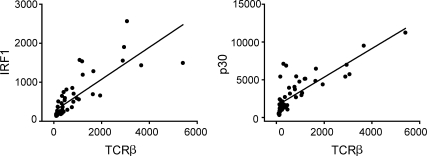
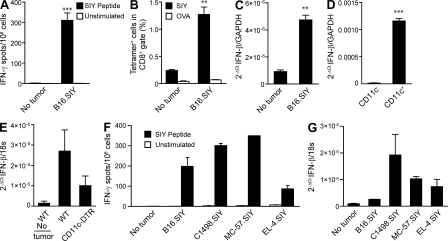
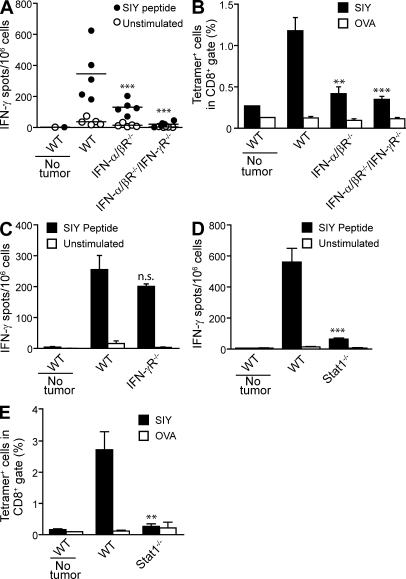
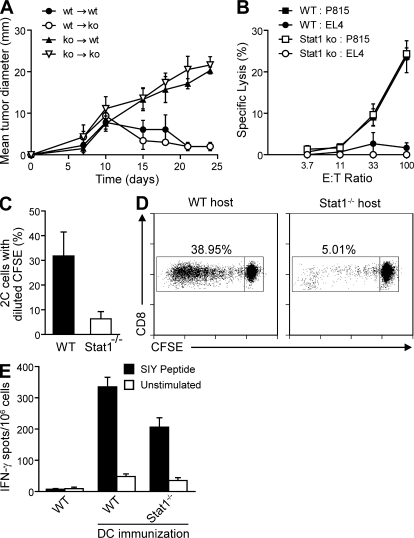
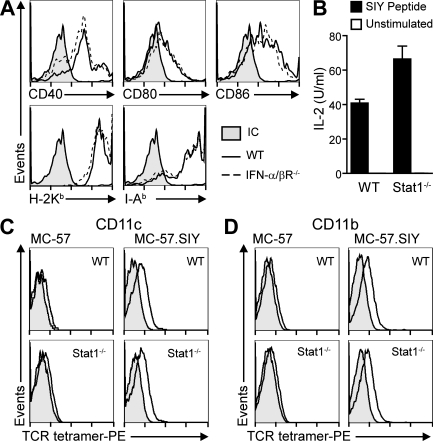
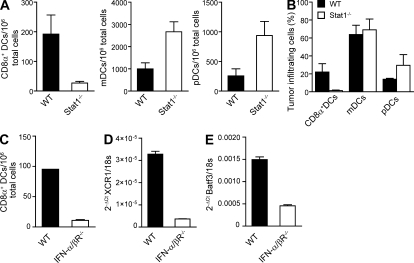
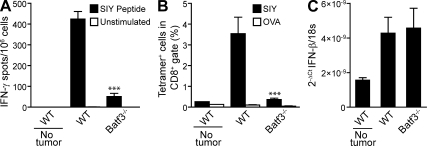
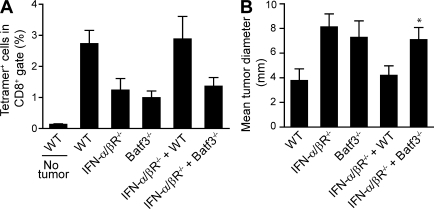
Despite lack of tumor control in many models, spontaneous T cell priming occurs frequently in response to a growing tumor. However, the innate immune mechanisms that promote natural antitumor T cell responses are undefined. In human metastatic melanoma, there was a correlation between a type I interferon (IFN) transcriptional profile and T cell markers in metastatic tumor tissue. In mice, IFN-β was produced by CD11c+ cells after tumor implantation, and tumor-induced T cell priming was defective in mice lacking IFN-α/βR or Stat1. IFN signaling was required in the hematopoietic compartment at the level of host antigen-presenting cells, and selectively for intratumoral accumulation of CD8α+ dendritic cells, which were demonstrated to be essential using Batf3−/− mice. Thus, host type I IFNs are critical for the innate immune recognition of a growing tumor through signaling on CD8α+ DCs.
Overview
The claims and statistics of this paper haven’t been checked yet.
Free: it reads the open-access text and checks the first 5 claims that cite a source we can check. Create a free account to check every claim.
Integrity signals
Registry
Cites
Statistics
Figures
Verification
Claims the paper makes
The claims and statistics of this paper haven’t been checked yet.
Free: it reads the open-access text and checks the first 5 claims that cite a source we can check. Create a free account to check every claim.
Claims other papers make about this one
Each is checked against this paper’s own text: does it say what the citing paper says it does?
The source backs part of the claim, not all of it — or backs it for a different population, condition or comparison.
In the citing paper
“For instance, DCs secrete the chemoattractants chemokine (C‐X‐C motif) ligand 9 (CXCL9) and 10 (CXCL10) to facilitate the infiltration of CD8+ Teff cells in the TME and for T cell cytotoxic activity [15].”
From Tumor microenvironment signaling and therapeutics in cancer progression (2023) · cites this paper as [15]
Experimental — accuracy not yet measuredThe source backs part of the claim, not all of it — or backs it for a different population, condition or comparison.
In the citing paper
“Previous study showed that DC-specific Ifnar -/- mice were unble to reject highly immunogenic tumor cells due to the defects in antigen cross-presentation to CD8+ T cells.”
From mRNA vaccine with unmodified uridine induces robust type I interferon-dependent anti-tumor immunity in a melanoma model (2022) · cites this paper as [52]
Experimental — accuracy not yet measuredThe cited source says what the claim attributes to it.
In the citing paper
“This evidence strongly shows that IFN-I can act through DCs to promote T cell immunity (52).”
From mRNA vaccine with unmodified uridine induces robust type I interferon-dependent anti-tumor immunity in a melanoma model (2022) · cites this paper as [52]
The cited source says what the claim attributes to it.
In the citing paper
“multiple clinical observations have linked intratumoral presence of CD8+ T cells to a type-I interferon (IFN) transcriptional signature14–16.”
From Epigenetic state determines the in vivo efficacy of STING agonist therapy (2023) · cites this paper as [14]
Self-check
Percentages, sums and reported differences re-computed from the paper’s own numbers.
The self-check needs the paper’s full text.
Citations
Cites
Release of chromatin protein HMGB1 by necrotic cells triggers inflammation
Scaffidi, P., Misteli, T., & Bianchi, M. E. (2002) · Nature · doi:10.1038/nature00858 · Cited by 4,221 · cited 2×
“, 2003), HMGB1 (high-mobility-group box 1; Scaffidi et al., 2002), ATP (Haag et al.”
BackgroundHOW CELLS RESPOND TO INTERFERONS
Stark, G. R., Kerr, I. M., Williams, B. R. G., Silverman, R. H., & Schreiber, R. D. (1998) · Annual Review of Biochemistry · doi:10.1146/annurev.biochem.67.1.227 · Cited by 3,932 · cited 1×
“During various types of viral infection, type I IFNs induce the expression of an array of genes that act to prevent viral spread, thus creating an antiviral state (Stark et al., 1998).”
BackgroundInaba, K., Inaba, M., Romani, N., Aya, H., Deguchi, M., Ikehara, S., Muramatsu, S., & Steinman, R. M. (1992) · The Journal of experimental medicine · doi:10.1084/jem.176.6.1693 · Cited by 3,738 · cited 2×
“version of a published protocol (Inaba et al., 1992).”
MethodApetoh, L., Ghiringhelli, F., Tesniere, A., Obeid, M., Ortiz, C., Criollo, A., Mignot, G., Maiuri, M. C., Ullrich, E., Saulnier, P., et al. (2007) · Nature Medicine · doi:10.1038/nm1622 · Cited by 3,056
STING regulates intracellular DNA-mediated, type I interferon-dependent innate immunity
Ishikawa, H., Ma, Z., & Barber, G. N. (2009) · Nature · doi:10.1038/nature08476 · Cited by 2,759 · cited 2×
“…proteomics that the CD8+ DC subpopulation selectively lacks the receptors and signaling molecules (such as DAI [Takaoka et al., 2007] and Sting [Ishikawa et al., 2009]) required for the detection of nucleotides in the cytoplasm (Luber et al., 2010), so if this is indeed the pathway involved in…”
BackgroundNatural Innate and Adaptive Immunity to Cancer
Vesely, M. D., Kershaw, M. H., Schreiber, R. D., & Smyth, M. J. (2011) · Annual Review of Immunology · doi:10.1146/annurev-immunol-031210-101324 · Cited by 2,101 · cited 2×
“However, recent results have indicated that in many instances, spontaneous T cell responses against tumor antigens can be detected in both human cancer patients and in murine models, and that immune escape in those cases appears to occur through dominant inhibition by immunoregulatory pathways (Vesely et al., 2011).”
BackgroundResultBatf3 Deficiency Reveals a Critical Role for CD8α + Dendritic Cells in Cytotoxic T Cell Immunity
Hildner, K., Edelson, B. T., Purtha, W. E., Diamond, M., Matsushita, H., Kohyama, M., Calderon, B., Schraml, B. U., Unanue, E. R., Diamond, M. S., et al. (2008) · Science · doi:10.1126/science.1164206 · Cited by 2,081 · cited 4×
“Recent work has indicated that mice lacking the transcriptional regulator, Batf3, have a specific deficiency in the development of the CD8+ DC lineage (which includes a CD103+ DC subset; Hildner et al., 2008).”
BackgroundMethodInfluentialSelf-citationGhiringhelli, F., Apetoh, L., Tesniere, A., Aymeric, L., Ma, Y., Ortiz, C., Vermaelen, K., Panaretakis, T., Mignot, G., Ullrich, E., et al. (2009) · Nature Medicine · doi:10.1038/nm.2028 · Cited by 1,898 · cited 2×
“It has been recently demonstrated that after radiotherapy or chemotherapy, dying tumor cells can release HMGB1 that binds to TLR4 (Apetoh et al., 2007) and ATP that activates the NALP3 inflammasome (Ghiringhelli et al., 2009).”
BackgroundJung, S., Unutmaz, D., Wong, P., Sano, G.-I., De los Santos, K., Sparwasser, T., Wu, S., Vuthoori, S., Ko, K., Zavala, F., et al. (2002) · Immunity · doi:10.1016/s1074-7613(02)00365-5 · Cited by 1,773 · cited 2×
“CD11c-DTR mice (Jung et al., 2002) were provided by D. Littman (New York University School of Medicine, New York, NY).”
MethodHow dying cells alert the immune system to danger
Kono, H., & Rock, K. L. (2008) · Nature Reviews Immunology · doi:10.1038/nri2215 · Cited by 1,737 · cited 10×
“Recently, it has been shown that dsDNA can be released from necrotic cells, reach the cytoplasm of APCs, and be recognized by a TLR-independent on January 17, 2012 jem .rupress.org D ow nloaded from JEM Vol. 208, No. 10 Article 2013 of type I IFNs, which are already FDA approved for other indications, in order to prom…”
BackgroundInfluential
Cited by
Items 501–600 of 1,000
Barayan, R., Ran, X., & Lok, B. H. (2020) · Journal of Thoracic Disease · doi:10.21037/jtd.2020.03.89 · Cited by 48
Improving Anti-PD-1/PD-L1 Therapy for Localized Bladder Cancer
de Jong, F. C., Rutten, V. C., Zuiverloon, T. C. M., & Theodorescu, D. (2021) · International Journal of Molecular Sciences · doi:10.3390/ijms22062800 · Cited by 50
“Radiation elicits immunogenic effects within the tumor microenvironment (TME) by upregulating and activating the complement pathway and stimulation of IFN-γ release, both implicated in tumor eradication [56,57].”
BackgroundLugani, S., Halabi, E. A., Oh, J., Köhler, R. H., Peterson, H. M., Breakefield, X. O., Chiocca, E. A., Miller, M. A., Garris, C., & Weissleder, R. (2022) · Advanced Materials · doi:10.1002/adma.202208782 · Cited by 46
Wang, L., Luo, R., Onyshchenko, K., Rao, X., Wang, M., Menz, B., Gaedicke, S., Grosu, A., Firat, E., & Niedermann, G. (2023) · Journal for ImmunoTherapy of Cancer · doi:10.1136/jitc-2022-006235 · Cited by 51
Pathogen sensors and chemokine receptors in dendritic cell subsets
Kaisho, T. (2012) · Vaccine · doi:10.1016/j.vaccine.2012.10.043 · Cited by 46
Lau, C. M., Tiniakou, I., Perez, O. A., Kirkling, M. E., Yap, G. S., Hock, H. R., & Reizis, B. (2018) · The Journal of Experimental Medicine · doi:10.1084/jem.20172323 · Cited by 48
Vulpis, E., Soriani, A., Cerboni, C., Santoni, A., & Zingoni, A. (2019) · International Journal of Molecular Sciences · doi:10.3390/ijms20030611 · Cited by 45
Inflammatory signaling in genomically instable cancers
Talens, F., & van Vugt, M. A. T. M. (2019) · Cell Cycle · doi:10.1080/15384101.2019.1638192 · Cited by 43
Thioesterase PPT1 balances viral resistance and efficient T cell crosspriming in dendritic cells
Ou, P., Wen, L., Liu, X., Huang, J., Huang, X., Su, C., Wang, L., Ni, H., Reizis, B., & Yang, C. Y. (2019) · The Journal of Experimental Medicine · doi:10.1084/jem.20190041 · Cited by 42
“In cancer, cross-presentation of tumor-associated antigens is particularly crucial for an effective antitumor CD8+ T cell response (Hildner et al., 2008; Fuertes et al., 2011; Roberts et al., 2016; Salmon et al., 2016; Spranger et al., 2017).”
BackgroundOnce upon a prime: DCs shape cancer immunity
Zagorulya, M., & Spranger, S. (2022) · Trends in cancer · doi:10.1016/j.trecan.2022.10.006 · Cited by 50
Genomic instability as a driver and suppressor of anti-tumor immunity
Requesens, M., Foijer, F., Nijman, H. W., & de Bruyn, M. (2024) · Frontiers in Immunology · doi:10.3389/fimmu.2024.1462496 · Cited by 51
Ibrutinib enhances IL-17 response by modulating the function of bone marrow derived dendritic cells
Natarajan, G. K., Terrazas, C. A., Oghumu, S., Varikuti, S., Dubovsky, J. A., Byrd, J. C., & Satoskar, A. R. (2015) · OncoImmunology · doi:10.1080/2162402x.2015.1057385 · Cited by 47
Cross-Presentation of Cell-Associated Antigens by Mouse Splenic Dendritic Cell Populations
Thacker, R. I., & Janssen, E. M. (2012) · Frontiers in Immunology · doi:10.3389/fimmu.2012.00041 · Cited by 49
“The authors showed that mice lacking ifnar in DC failed to reject highly immunogenic tumor cells and that CD8α DCs from these mice displayed defects in antigen crosspresentation to CD8+ T cells (Diamond et al., 2011; Fuertes et al., 2011).”
BackgroundCTLA-4 Limits Anti-CD20–Mediated Tumor Regression
Ren, Z., Guo, J., Liao, J., Luan, Y., Liu, Z., Sun, Z., Liu, X., Liang, Y., Peng, H., & Fu, Y.-X. (2017) · Clinical Cancer Research · doi:10.1158/1078-0432.ccr-16-0040 · Cited by 42
MUC13 promotes the development of colitis-associated colorectal tumors via β-catenin activity
Sheng, Y., Wong, K. Y., Seim, I., Wang, R., He, Y., Wu, A., Patrick, M., Lourie, R., Schreiber, V., Giri, R., et al. (2019) · Oncogene · doi:10.1038/s41388-019-0951-y · Cited by 46
Geboers, B., Timmer, F. E. F., Ruarus, A. H., Pouw, J. E. E., Schouten, E., Bakker, J., Puijk, R. S., Nieuwenhuizen, S., Dijkstra, M., van den Tol, M., et al. (2021) · Cancers · doi:10.3390/cancers13153902 · Cited by 46
Endogenous and pharmacologic targeting of the STING pathway in cancer immunotherapy
Corrales, L., & Gajewski, T. F. (2016) · Cytokine · doi:10.1016/j.cyto.2015.08.258 · Cited by 42
Self-citationAutophagy in cancer immunotherapy: Perspective on immune evasion and cell death interactions
Yu, Q., Ding, J., Li, S., & Li, Y. (2024) · Cancer Letters · doi:10.1016/j.canlet.2024.216856 · Cited by 47
Melero, I., Quetglas, J. I., Reboredo, M., Dubrot, J., Rodriguez-Madoz, J. R., Mancheño, U., Casales, E., Riezu-Boj, J. I., Ruiz-Guillen, M., Ochoa, M. C., et al. (2015) · Cancer Research · doi:10.1158/0008-5472.can-13-3356 · Cited by 40
Tumor inherent interferon regulators as biomarkers of long-term chemotherapeutic response in TNBC
Brockwell, N. K., Rautela, J., Owen, K. L., Gearing, L. J., Deb, S., Harvey, K., Spurling, A., Zanker, D. J., Chan, C., Cumming, H. E., et al. (2019) · npj Precision Oncology · doi:10.1038/s41698-019-0093-2 · Cited by 44
New directions in chimeric antigen receptor T cell [CAR‐T] therapy and related flow cytometry
Maryamchik, E., Gallagher, K., Preffer, F. I., Kadauke, S., & Maus, M. V. (2020) · Cytometry Part B Clinical Cytometry · doi:10.1002/cyto.b.21880 · Cited by 46
“STING is a transmembrane spanning endoplasmic reticulum protein, which upregulates transcriptional gene programs within the cell, and leads to Type I interferon production, which is required for immune rejec- tion of tumors (Diamond et al., 2011; Fuertes et al., 2011).”
BackgroundTargeting the Innate Immune System as Immunotherapy for Acute Myeloid Leukemia
Curran, E. K., Corrales, L. P., & Kline, J. P. (2015) · Frontiers in Oncology · doi:10.3389/fonc.2015.00083 · Cited by 47
“Studies in bone marrow chimeric mice harboring autochthonous, carcinogen-induced sarcomas have revealed that type I IFN produced in response to a developing cancer must be “sensed” by host hematopoietic cells, rather than by malignant cells, in order for immune-mediated tumor rejection to ensue (54, 55).”
BackgroundSelf-citationOptimizing Dose Per Fraction: A New Chapter in the Story of the Abscopal Effect?
Formenti, S. C. (2017) · International Journal of Radiation Oncology*Biology*Physics · doi:10.1016/j.ijrobp.2017.07.028 · Cited by 43
Colangelo, N. W., Gerber, N. K., Vatner, R. E., & Cooper, B. T. (2024) · Frontiers in Pharmacology · doi:10.3389/fphar.2024.1383000 · Cited by 47
Yang, Z., Chu, B., Tu, Y., Li, L., Chen, D., Huang, S., Huang, W., Fan, W., Li, Q., Zhang, C., et al. (2024) · Pharmacological Research · doi:10.1016/j.phrs.2024.107271 · Cited by 44
A Review of Dendritic Cell Therapy for Cancer: Progress and Challenges
Mantia-Smaldone, G. M., & Chu, C. (2013) · BioDrugs · doi:10.1007/s40259-013-0030-9 · Cited by 47
Integration of Nano drug-delivery System With Cancer Immunotherapy
Nakamura, T., & Harashima, H. (2017) · Therapeutic Delivery · doi:10.4155/tde-2017-0071 · Cited by 41
The anti-PD-1 era — an opportunity to enhance radiotherapy for patients with bladder cancer
Walshaw, R. C., Honeychurch, J., Illidge, T., & Choudhury, A. (2017) · Nature Reviews Urology · doi:10.1038/nrurol.2017.172 · Cited by 43
Activation of human CD141+ and CD1c+ dendritic cells in vivo with combined TLR3 and TLR7/8 ligation
Pearson, F. E., Chang, K., Minoda, Y., Rojas, I. L., Haigh, O. L., Daraj, G., Tullett, K. M., & Radford, K. J. (2018) · Immunology and Cell Biology · doi:10.1111/imcb.12009 · Cited by 43
“Tumor rejection requires appropriate cDC1 activation and Type I IFN signaling and their accumulation at the tumor site, resulting in enhanced cross-priming and migration to lymph nodes.(10,11) Intratumoral cDC1 are also major producers of IL-12 that is also important for anti-tumor immunity.”
BackgroundType I Interferon Response in Radiation-Induced Anti-Tumor Immunity
Zhang, F., Manna, S., Pop, L. M., Chen, Z. J., Fu, Y., & Hannan, R. (2020) · Seminars in Radiation Oncology · doi:10.1016/j.semradonc.2019.12.009 · Cited by 49
The Abscopal Effect in the Era of Checkpoint Inhibitors
Kodet, O., Němejcová, K., Strnadová, K., Havlínová, A., Dundr, P., Krajsová, I., Štork, J., Smetana, K., & Lacina, L. (2021) · International Journal of Molecular Sciences · doi:10.3390/ijms22137204 · Cited by 42
“Inhibition of expression IFN-γ is one of many factors responsible for resistance to immunotherapy by checkpoint inhibitors [44,45].”
BackgroundWanderley, C. W. S., Corrêa, T. S., Scaranti, M., Cunha, F. Q., & Barroso‐Sousa, R. (2022) · Frontiers in Immunology · doi:10.3389/fimmu.2022.816642 · Cited by 43
“The seminal demonstration that interferon-a/b receptor (IFNAR) or signal transducer and activator of transcription 1 (STAT1) knockout mice fail to reject immunogenic tumors (41, 42).”
BackgroundFan, H., Liu, W., Zeng, Y., Zhou, Y., Gao, M., Yang, L., Liu, H., Shi, Y., Li, L., Ma, J., et al. (2023) · Communications Biology · doi:10.1038/s42003-023-05412-x · Cited by 42
Malignant melanoma—The cradle of anti-neoplastic immunotherapy
Koller, K. M., Wang, W., Schell, T. D., Cozza, E. M., Kokolus, K. M., Neves, R. I., Mackley, H. B., Pameijer, C. R., Leung, A. M., Anderson, B. E., et al. (2016) · Critical Reviews in Oncology/Hematology · doi:10.1016/j.critrevonc.2016.04.010 · Cited by 43
“Thus, for the subset of melanoma patients lacking spontaneous T cell infiltrations, therapeutic approaches that initiate type I IFN production in the TME might be combined with immune therapies that target later stages of the response to provide clinical benefit [144].”
BackgroundInfluentialLysis-independent potentiation of immune checkpoint blockade by oncolytic virus
Oseledchyk, A., Ricca, J. M., Gigoux, M., Ko, B., Redelman‐Sidi, G., Walther, T., Liu, C., Iyer, G., Merghoub, T., Wolchok, J. D., et al. (2018) · Oncotarget · doi:10.18632/oncotarget.25614 · Cited by 41
Advances in the Study of Antitumour Immunotherapy for Newcastle Disease Virus
Meng, Q., He, J., Zhong, L., & Zhao, Y. (2021) · International Journal of Medical Sciences · doi:10.7150/ijms.59185 · Cited by 39
Olvera‐Gómez, I., Hamilton, S. E., Xiao, Z., Guimarães, C. P., Ploegh, H. L., Hogquist, K. A., Wang, L., & Jameson, S. C. (2012) · Proceedings of the National Academy of Sciences · doi:10.1073/pnas.1105771109 · Cited by 38
“Batf3dependent DCs have been found critical for cross-presentation of antigen (28, 29) and recent studies indicate that the Batf3-dependent CD8α DC pool must respond to type-I IFN to mediate effective cross-presentation in tumor models (40, 41).”
BackgroundChen, X., Fosco, D., Kline, D. E., & Kline, J. P. (2017) · OncoImmunology · doi:10.1080/2162402x.2016.1278332 · Cited by 41
Self-citationTsuchiya, N., Zhang, R., Iwama, T., Ueda, N., Liu, T., Tatsumi, M., Sasaki, Y., Shimoda, R., Osako, Y., Sawada, Y., et al. (2019) · Cell Reports · doi:10.1016/j.celrep.2019.08.086 · Cited by 40
Design, synthesis and biological evaluation of acridone analogues as novel STING receptor agonists
Hou, S. X., Lan, X., Li, W., Yan, X., Chang, J., Yang, X., Sun, W., Xiao, J., & Li, S. (2019) · Bioorganic Chemistry · doi:10.1016/j.bioorg.2019.103556 · Cited by 39
Good, L., Benner, B. N., & Carson, W. E. (2021) · Cancer Immunology Immunotherapy · doi:10.1007/s00262-021-02908-5 · Cited by 42
Host STAT2/type I interferon axis controls tumor growth
Yue, C., Xu, J., Estioko, M. D. T., Kotredes, K. P., Lopez-Otalora, Y., Hilliard, B. A., Baker, D. P., Gallucci, S., & Gamero, A. M. (2014) · International Journal of Cancer · doi:10.1002/ijc.29004 · Cited by 38
The specialized roles of immature and mature dendritic cells in antigen cross-presentation
Hopkins, R. A., & Connolly, J. E. (2012) · Immunologic Research · doi:10.1007/s12026-012-8300-z · Cited by 46
“More recent evidence shows that type I IFN signaling is required in vivo to properly condition DCs for efficient T-cell priming, which results in enhanced CTL action and subsequent tumor clearance [159, 160].”
BackgroundImmune Response following FLASH and Conventional Radiation in Diffuse Midline Glioma
Padilla, O. A., Minns, H. E., Wei, H.-J., Fan, W., Webster-Carrion, A., Tazhibi, M., McQuillan, N., Zhang, X., Gallitto, M., Yeh, R., et al. (2022) · International Journal of Radiation Oncology*Biology*Physics · doi:10.1016/j.ijrobp.2024.01.219 · Cited by 42
Signaling by Type I Interferons in Immune Cells: Disease Consequences
Ζαννίκου, Μ., Fish, E. N., & Platanias, L. C. (2024) · Cancers · doi:10.3390/cancers16081600 · Cited by 45
Toubai, T., Sun, Y., Luker, G. D., Liu, J., Luker, K. E., Tawara, I., Evers, R., Liu, C., Mathewson, N. D., Malter, C., et al. (2013) · Blood · doi:10.1182/blood-2012-05-432872 · Cited by 41
Self-citationRatikan, J. A., Micewicz, E. D., Xie, M. W., & Schaue, D. (2015) · Cancer Letters · doi:10.1016/j.canlet.2015.03.031 · Cited by 41
He, L., Chen, Y., Wu, Y., Xu, Y. J., Zhang, Z., & Liu, Z. (2017) · Cellular and Molecular Life Sciences · doi:10.1007/s00018-017-2477-1 · Cited by 39
Uyanik, B., Goloudina, A. R., Akbarali, A., Grigorash, B. B., Petukhov, A., Singhal, S. K., Eruslanov, E. B., Chaloyard, J., Lagorgette, L., Hadi, T., et al. (2021) · Nature Communications · doi:10.1038/s41467-021-23330-6 · Cited by 43
Huang, F., Dai, C., Zhang, Y.-N., Zhao, Y., Wang, Y., & Ru, G. (2022) · Frontiers in Molecular Biosciences · doi:10.3389/fmolb.2022.889403 · Cited by 40
“On the other hand, the activated non-specific immune cells kill and devour infected tumor cells that are not lysed or resistant to viral oncolysis (Fuertes et al., 2011); when the inflammatory response to NDV infection helps the immune system clear tumors, it also causes immune cells to clear NDV, limiting antitumor e…”
BackgroundShi, X., Shu, L., Wang, M.-W., Yao, J., Yao, Q., Bian, S., Chen, X., Wan, J., Zhang, F., Zheng, S., et al. (2023) · Advanced Science · doi:10.1002/advs.202204890 · Cited by 42
Immune Checkpoint Blockade and Interferon-α in Melanoma
Rafique, I., Kirkwood, J. M., & Tarhini, A. A. (2015) · Seminars in Oncology · doi:10.1053/j.seminoncol.2015.02.012 · Cited by 51
“Recently, type I IFNs have been found to be critical to the innate immune recognition of a growing tumor in vivo leading to intratumor accumulation of CD8α+ DCs that promote tumor antigen-specific CD8+ T cell responses in the mouse.[19]”
BackgroundImmune-Suppressing Cellular Elements of the Tumor Microenvironment
Fearon, D. T. (2016) · Annual Review of Cancer Biology · doi:10.1146/annurev-cancerbio-050216-034359 · Cited by 41
“An exception is a recent report that links the hypoxic characteristic of the TME to hypoxia-inducible factor-1α-dependent upregulation of PD-L1 on MDSCs, macrophages, and DCs (Noman et al. 2014), extending an earlier study of hypoxia promoting the immune inhibition by MDSCs (Corzo et al. 2010).”
BackgroundInfluentialHarnessing the Complete Repertoire of Conventional Dendritic Cell Functions for Cancer Immunotherapy
Amon, L., Hatscher, L., Heger, L., Dudziak, D., & Lehmann, C. H. K. (2020) · Pharmaceutics · doi:10.3390/pharmaceutics12070663 · Cited by 41
Defining Immunogenic and Radioimmunogenic Tumors
Medler, T. R., Blair, T. C., Crittenden, M. R., & Gough, M. J. (2021) · Frontiers in Oncology · doi:10.3389/fonc.2021.667075 · Cited by 40
de Queiroz, N. M. G. P., Marinho, F. V., de Araujo, A. C. V. S. C., Fahel, J. S., & Oliveira, S. C. (2021) · Scientific Reports · doi:10.1038/s41598-021-95157-6 · Cited by 41
O’Brien, S. W., Butticello, M., Thompson, C., Wilson, B. G., Wyce, A., Mahajan, V., Kruger, R. G., Mohammad, H. P., & Fedoriw, A. (2023) · BMC Cancer · doi:10.1186/s12885-023-11260-z · Cited by 40
Rapid recruitment and IFN-I–mediated activation of monocytes dictate focal radiotherapy efficacy
Tadepalli, S., Clements, D. R., Saravanan, S., Hornero, R. A., Lüdtke, A., Blackmore, B., Paulo, J. A., Gottfried‐Blackmore, A., Seong, D., Park, S., et al. (2023) · Science Immunology · doi:10.1126/sciimmunol.add7446 · Cited by 39
Zhang, Y., Chen, G., Liu, Z., Tian, S., Zhang, J., Carey, C. D., MURPHY, K. M. M., Storkus, W. J., Falo, L. D., & You, Z. (2015) · The Journal of Immunology · doi:10.4049/jimmunol.1500089 · Cited by 35
“Batf3 mice are deficient in cross-presenting CD8a DC and CD103 DC, which are required for the spontaneous priming of tumor-specific CD8 T cell responses in vivo, but these mice otherwise exhibit normal T cell and (alternate) DC subset phenotypes (8, 12, 13).”
BackgroundSelf-citationWillemen, Y., den Bergh, J. M. J. V., Lion, E., Anguille, S., Roelandts, V. A. E., Acker, H. H. V., Heynderickx, S., Stein, B. M. H., Peeters, M., Figdor, C. G., et al. (2015) · Cancer Immunology Immunotherapy · doi:10.1007/s00262-015-1688-2 · Cited by 35
Leveraging immunotherapy for the treatment of gynecologic cancers in the era of precision medicine
Zamarin, D., & Jazaeri, A. A. (2016) · Gynecologic Oncology · doi:10.1016/j.ygyno.2015.12.030 · Cited by 39
Current strategies in engaging oncolytic viruses with antitumor immunity
Boagni, D., Ravirala, D., & Zhang, S. X. (2021) · Molecular Therapy — Oncolytics · doi:10.1016/j.omto.2021.05.002 · Cited by 40
“It is essential for the accumulation of CD8 DCs in the TME and therefore, necessary for activation of tumor-specific naive T cells.(20) In vivo studies have also shown IFN-a/b signaling to be an important factor in generating DCs capable of efficient”
BackgroundAlteber, Z., Azulay, M., Cafri, G., Vadai, E., Tzehoval, E., & Eisenbach, L. (2014) · Cancer Immunology Immunotherapy · doi:10.1007/s00262-014-1520-4 · Cited by 35
“Properly stimulated DCs will efficiently cross-present the processed antigens to CD8+ T cells and prime the differentiation of these cells into effector CTLs [40].”
BackgroundInfluentialConcise Review: Targeting Cancer Stem Cells and Their Supporting Niche Using Oncolytic Viruses
Crupi, M. J. F., Bell, J. C., & Singaravelu, R. (2019) · Stem Cells · doi:10.1002/stem.3004 · Cited by 38
Exposure to the antimicrobial peptide LL-37 produces dendritic cells optimized for immunotherapy
Findlay, E. G., Currie, A. J., Zhang, A., Ovciarikova, J., Young, L., Stevens, H., McHugh, B. J., Canel, M., Gray, M., Milling, S. W. F., et al. (2019) · OncoImmunology · doi:10.1080/2162402x.2019.1608106 · Cited by 39
Li, T., Song, R., Sun, F. Z., Saeed, M., Guo, X., Ye, J., Chen, F., Hou, B., Zhu, Q., Wang, Y., et al. (2022) · Nano Today · doi:10.1016/j.nantod.2022.101400 · Cited by 34
König, S., Nitzki, F., Uhmann, A., Dittmann, K., Theiss-Suennemann, J., Herrmann, M. K. A., Reichardt, H. M., Schwendener, R. A., Pukrop, T., Schulz‐Schaeffer, W., et al. (2014) · PLoS ONE · doi:10.1371/journal.pone.0093555 · Cited by 41
Yoon, Y. N., Lee, E., Kwon, Y.-J., Gim, J., Kim, T.-J., & Kim, J. (2022) · Journal for ImmunoTherapy of Cancer · doi:10.1136/jitc-2021-003762 · Cited by 47
Breaking barriers: The cGAS‐STING pathway as a novel frontier in cancer immunotherapy
Yan, Y., Tan, X., Song, B., Yi, M., Chu, Q., & Wu, K. (2025) · 癌症:英文版 · doi:10.1002/cac2.70067 · Cited by 42
Targeting STING to generate therapeutic anti-tumor immunity
Fahey, C. G., Cordova, A. F., Gedeon, P. C., & Barbie, D. A. (2025) · Cancer Cell · doi:10.1016/j.ccell.2025.12.002 · Cited by 44
Mao, J., Cao, M., Zhang, F., Zhang, J., Duan, X., Lu, L., Yang, Z., Zhang, X., Zhu, W., Zhang, Q., et al. (2020) · Journal for ImmunoTherapy of Cancer · doi:10.1136/jitc-2019-000164 · Cited by 38
Oba, T., Hoki, T., Yamauchi, T., Keler, T., Marsh, H. C., Cao, X., & Ito, F. (2020) · The Journal of Immunology · doi:10.4049/jimmunol.2000347 · Cited by 33
Intratumoral immunotherapy for melanoma
Singh, M., & Overwijk, W. W. (2015) · Cancer Immunology Immunotherapy · doi:10.1007/s00262-015-1727-z · Cited by 35
Pyfferoen, L., Mestdagh, P., Vergote, K., Cabooter, N. D., Vandesompele, J., Lambrecht, B. N., & Vermaelen, K. Y. (2014) · International Journal of Cancer · doi:10.1002/ijc.28945 · Cited by 33
Card9 controls Dectin‐1‐induced T‐cell cytotoxicity and tumor growth in mice
Haas, T. L., Heidegger, S. M., Wintges, A., Bscheider, M., Bek, S., Fischer, J. C., Eisenkolb, G., Schmickl, M., Spoerl, S., Peschel, C., et al. (2017) · European Journal of Immunology · doi:10.1002/eji.201646775 · Cited by 34
Lü, X. Q., Wang, X., Cheng, H., Wang, X., Liu, C., & Tan, X. (2023) · Annals of Medicine · doi:10.1080/07853890.2023.2210845 · Cited by 34
Wang, M., Huang, Y., Chen, M., Wang, W., Wu, F., Zhong, T., Chen, X., Wang, F., Li, Y., Yu, J., et al. (2023) · Journal for ImmunoTherapy of Cancer · doi:10.1136/jitc-2023-007035 · Cited by 39
The Application of Newcastle Disease Virus (NDV): Vaccine Vectors and Tumor Therapy
Yang, H., Tian, J., Zhao, Y., Zhao, Y., & Zhang, G. (2024) · Viruses · doi:10.3390/v16060886 · Cited by 36
Qdaisat, S., Wummer, B. M., Stover, B. D., Zhang, D., McGuiness, J., Weidert, F. L., Chardon‐Robles, J., Grippin, A., DeVries, A., Zhao, C., et al. (2025) · Nature Biomedical Engineering · doi:10.1038/s41551-025-01380-1 · Cited by 49
“The role of IFN-I in this context has been conflicting, with reports suggesting that it can exert both anti-tumoural and pro-tumoural effects 13,14,18,19 .”
Targeting Toll-like receptor 3 in dendritic cells for cancer immunotherapy
Matsumoto, M., Takeda, Y., & Seya, T. (2020) · Expert Opinion on Biological Therapy · doi:10.1080/14712598.2020.1749260 · Cited by 34
Grabowska, J. A., Affandi, A. J., van Dinther, D., Twilhaar, M. K. N., Olesek, K., Hoogterp, L., Ambrosini, M., Heijnen, D. A. M., Klaase, L., Hidalgo, A., et al. (2021) · Journal of Controlled Release · doi:10.1016/j.jconrel.2021.01.029 · Cited by 36
Nucleic Acid Sensing Machinery: Targeting Innate Immune System for Cancer Therapy
Iurescia, S., Fioretti, D. P., & Rinaldi, M. (2017) · Recent Patents on Anti-Cancer Drug Discovery · doi:10.2174/1574892812666171030163804 · Cited by 31
Zhu, C., Jiang, L., Yao, M., & Fang, C. (2021) · BMC Oral Health · doi:10.1186/s12903-021-01813-8 · Cited by 32
Rasmussen, M., Alvik, K., Kannen, V., Olafsen, N. E., Erlingsson, L. A. M., Grimaldi, G., Takaoka, A., Grant, D. M., & Matthews, J. B. (2023) · Cancers · doi:10.3390/cancers15143689 · Cited by 31
“Tumor secretion of IFN-β can activate dendritic cells [42] but also promote the proliferation and activation of CD8+ T cells [43,44].”
BackgroundSynergist for antitumor therapy: Astragalus polysaccharides acting on immune microenvironment
Xu, Q., Cheng, W., Wei, J., Ou, Y., Xiao, X. M., & Jia, Y. (2023) · Discover Oncology · doi:10.1007/s12672-023-00798-w · Cited by 36
Ziblat, A., Horton, B. L., Higgs, E. F., Hatogai, K., Martinez, A., Shapiro, J. W., Kim, D. E., Zha, Y., Sweis, R. F., & Gajewski, T. F. (2024) · Cell Reports · doi:10.1016/j.celrep.2024.114141 · Cited by 33
Self-citationMoskovitz, J. M., Moy, J. D., Seiwert, T. Y., & Ferris, R. L. (2017) · The Oncologist · doi:10.1634/theoncologist.2016-0318 · Cited by 34
Walter, K. R., Balko, J. M., & Hagan, C. R. (2020) · OncoImmunology · doi:10.1080/2162402x.2020.1758547 · Cited by 33
Tumor immunology CRISPR screening: present, past, and future
Dong, M. B., Tang, K., Zhou, X., Zhou, J. J., & Chen, S. (2021) · Trends in cancer · doi:10.1016/j.trecan.2021.11.009 · Cited by 36
“Of note, CD8 conventional DCs are purportedly critical for eliciting antitumor CD8 T cell responses [59,60].”
BackgroundLutz, E. A., Agarwal, Y., Momin, N., Cowles, S. C., Palmeri, J. R., Duong, E., Hornet, V., Sheen, A. M., Lax, B. M., Rothschilds, A. M., et al. (2022) · Proceedings of the National Academy of Sciences · doi:10.1073/pnas.2205983119 · Cited by 34
Liu, Y., Crowe, W. N., Wang, L., Petty, W. J., Habib, A. A., & Zhao, D. (2022) · Nano Research · doi:10.1007/s12274-022-5205-6 · Cited by 35
Radiotherapy supports protective tumor-specific immunity
Gupta, A. K., Sharma, A., von Boehmer, L., Surace, L., Knuth, A. K., & van den Broek, M. F. (2012) · OncoImmunology · doi:10.4161/onci.21478 · Cited by 31
“For example, radiotherapy results in local production of Type I interferon,(8) which enhances the crosspresentation of tumor-derived antigens by DCs and improves qualitative as well as quantitative aspects of tumor-specific immunity.(9) We are currently investigating whether tumor-associated plasmacytoid dendritic cel…”
BackgroundCD8α+ Dendritic Cells Dictate Leukemia-Specific CD8+ T Cell Fates
Kline, D. E., MacNabb, B. W., Chen, X., Chan, W., Fosco, D., & Kline, J. P. (2018) · The Journal of Immunology · doi:10.4049/jimmunol.1801184 · Cited by 34
“Furthermore, key cytokines and tumor-derived factors that facilitate the Batf3-dependent DC maturation in the tumor and its draining lymph nodes have recently been elucidated (1, 3).”
BackgroundSelf-citationOverview of Interferon: Characteristics, signaling and anti-cancer effect
Wang, H., Hu, H., & Zhang, K. (2017) · Archives of Biotechnology and Biomedicine · doi:10.29328/journal.hjb.1001001 · Cited by 34
“It has also been shown that IFN-β is an essential bridge molecule that links innate immunity as it relates to the control of anti-cancer effects and acquired immunity in humans [75].”
BackgroundBek, S., Stritzke, F., Wintges, A., Nedelko, T., Böhmer, D. F. R., Fischer, J. C., Haas, T. L., Poeck, H., & Heidegger, S. M. (2019) · OncoImmunology · doi:10.1080/2162402x.2019.1570779 · Cited by 35
The Combination of Stereotactic Body Radiation Therapy and Immunotherapy in Primary Liver Tumors
Kreidieh, M., Zeidan, Y. H., & Shamseddine, A. I. (2019) · Journal of Oncology · doi:10.1155/2019/4304817 · Cited by 32
Stimulation of In Vivo Antitumor Immunity with Hollow Mesoporous Silica Nanospheres
Wang, X., Li, X., Ito, A., Watanabe, Y., Sogo, Y., Tsuji, N. M., & Ohno, T. (2015) · Angewandte Chemie · doi:10.1002/ange.201506179 · Cited by 30
Takahashi‐Ruiz, L., Fermaintt, C. S., Wilkinson, N. J., Chan, P. Y. W., Mooberry, S. L., & Risinger, A. L. (2022) · Cancers · doi:10.3390/cancers14235962 · Cited by 32
Vaios, E., Winter, S. F., Shih, H. A., Dietrich, J., Peters, K. B., Floyd, S., Kirkpatrick, J. P., & Reitman, Z. J. (2023) · Cancers · doi:10.3390/cancers15092432 · Cited by 33
SARS-CoV-2 infection as a potential risk factor for the development of cancer
Ogarek, N., Oboza, P., Olszanecka‐Glinianowicz, M., & Kocełak, P. (2023) · Frontiers in Molecular Biosciences · doi:10.3389/fmolb.2023.1260776 · Cited by 31
“While impaired IFN-I signalling is associated with tumour progression (Fuertes et al., 2011; Lamsal et al., 2023).”
Background
Metadata
- Authors
- Fuertes, M. B., Kacha, A. K., Kline, J., Woo, S.-R., Kranz, D. M., Murphy, K. M., & Gajewski, T. F.
- Affiliations
- University of Chicago (US)
- University of Illinois Urbana-Champaign (US)
- Washington University in St. Louis (US)
- Corresponding author
- Gajewski, Thomas F.
- ORCID
- Venue
- Journal of Experimental Medicine
- Publisher
- Rockefeller University Press
- Published
- 2011-09-19
- Volume
- 208
- Issue
- 10
- Pages
- 2005-2016
- ISSN
- 0022-1007 (ISSN-L)
- 1540-9538
- PMC
- PMC3182064
- OpenAlex
- W2143523733
- Cited by
- 1,192
- References
- 60
- Citations by year
- 2026: 56 · 2025: 67 · 2024: 94 · 2023: 114 · 2022: 102 · 2021: 115 · 2020: 102 · 2019: 100 · 2018: 74 · 2017: 91 · 2016: 71 · 2015: 67 · 2014: 53 · 2013: 54 · 2012: 31
- FWCI
- 19.73
- Type
- journal article
- Language
- en
- Open access
- bronze
- doi.org
- Locations
- The Journal of Experimental Medicine (publishedVersion)
- Europe PMC (PubMed Central) (publishedVersion, cc-by-nc-sa)
- PubMed Central (publishedVersion, cc-by-nc-sa)
- PubMed (publishedVersion)
- Digital Commons@Becker (Washington University School of Medicine) (submittedVersion)
- LA Referencia (Red Federada de Repositorios Institucionales de Publicaciones Científicas) (submittedVersion, other-oa)
- Americanae (AECID Library) (submittedVersion, cc-by-nc-sa)
- Funders
- University of Chicago
- Wellcome Trust
- National Cancer Institute (P01CA97296, P01CA097296)
- Topics
- Life Sciences › Immunology and Microbiology › Immunology › Immunotherapy and Immune Responses
- Health Sciences › Medicine › Oncology › Cancer Immunotherapy and Biomarkers
- Life Sciences › Immunology and Microbiology › Immunology › interferon and immune responses
- Keywords
- type I interferon, antitumor immunity, CD8+ T cell responses, CD8α+ dendritic cells, CD11c+ antigen-presenting cells, interferon-beta, IFN-alpha/beta receptor, STAT1, Batf3, melanoma, host innate immunity
- MeSH terms
- Animals, Dendritic Cells, Humans, Immunity, Innate, Interferon Type I, Lymph Nodes, Lymphatic Metastasis, Melanoma, Mice, Inbred C57BL, Signal Transduction, Lymphocyte Subsets, Mice, Knockout, CD8-Positive T-Lymphocytes, Cell Line, Tumor, STAT1 Transcription Factor, Mice
About these checks
Registry, retraction, Cites and statistics results are computed, not judged, with one exception: a printed reference that no index lists is read once by a model before it counts as a citation error. Claims are extracted by a model and kept only when their quote appears verbatim in the text; each cited source is then checked, with a model’s help, for whether it says what the claim relies on. Those verdicts can be wrong — read the claim’s quote and the cited source before relying on one.
Statistics and arithmetic are recomputed, not judged.
Confidence bands are shown only for fields calibrated on our annotated test set. None is calibrated yet, so no band is shown.
What counts as a claim ›How we measure confidence ›How we check this ›
Are you an author, or do you see a problem with this page? Request a review
Data sources
Bibliographic data: Semantic Scholar, OpenAlex, Crossref.
Contains information from the Semantic Scholar Academic Graph Datasets, made available under the ODC Attribution License (ODC-BY 1.0).
Semantic Scholar’s data is described in: Kinney, R., et al. (2023). The Semantic Scholar Open Data Platform. arXiv:2301.10140.
