

Host type I IFN signals are required for antitumor CD8+ T cell responses through CD8α+ dendritic cells
Open accessThe DOI matches its Crossref record; 58 of the 60 references it cites were found in a registry or an index.
Abstract
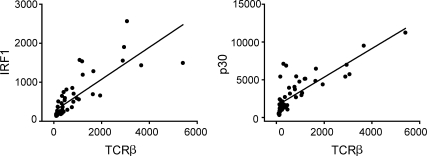
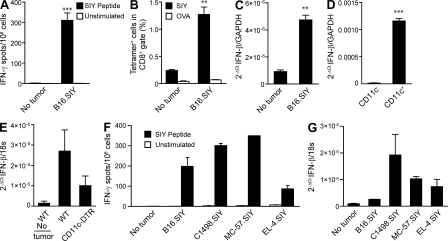
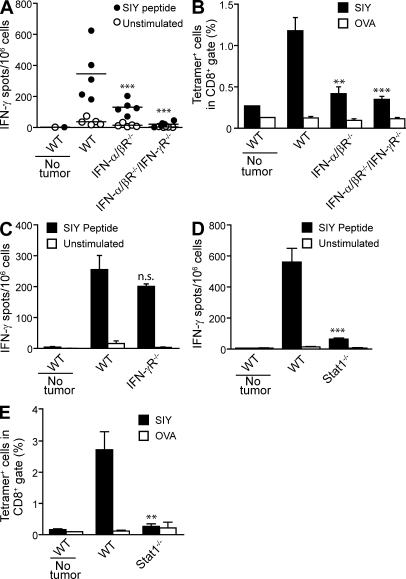
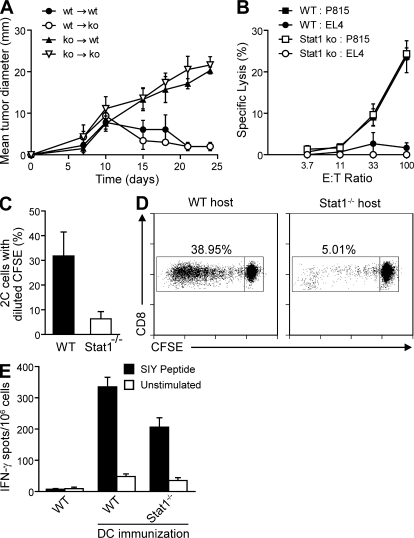
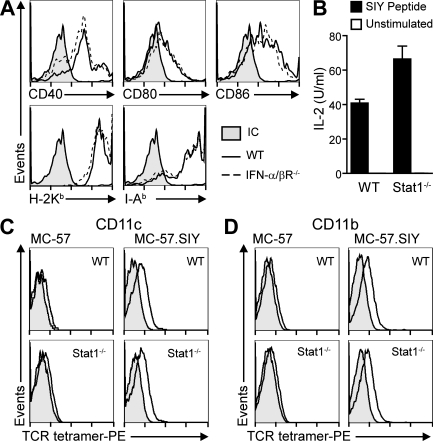
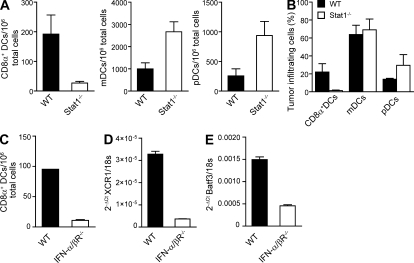
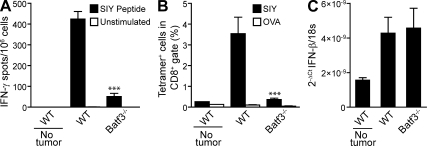
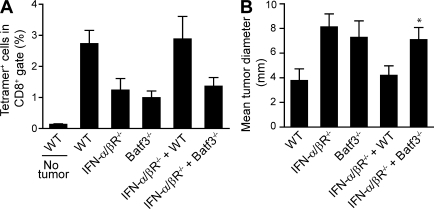
Despite lack of tumor control in many models, spontaneous T cell priming occurs frequently in response to a growing tumor. However, the innate immune mechanisms that promote natural antitumor T cell responses are undefined. In human metastatic melanoma, there was a correlation between a type I interferon (IFN) transcriptional profile and T cell markers in metastatic tumor tissue. In mice, IFN-β was produced by CD11c+ cells after tumor implantation, and tumor-induced T cell priming was defective in mice lacking IFN-α/βR or Stat1. IFN signaling was required in the hematopoietic compartment at the level of host antigen-presenting cells, and selectively for intratumoral accumulation of CD8α+ dendritic cells, which were demonstrated to be essential using Batf3−/− mice. Thus, host type I IFNs are critical for the innate immune recognition of a growing tumor through signaling on CD8α+ DCs.
Overview
The claims and statistics of this paper haven’t been checked yet.
Free: it reads the open-access text and checks the first 5 claims that cite a source we can check. Create a free account to check every claim.
Integrity signals
Registry
Cites
Statistics
Figures
Verification
Claims the paper makes
The claims and statistics of this paper haven’t been checked yet.
Free: it reads the open-access text and checks the first 5 claims that cite a source we can check. Create a free account to check every claim.
Claims other papers make about this one
Each is checked against this paper’s own text: does it say what the citing paper says it does?
The source backs part of the claim, not all of it — or backs it for a different population, condition or comparison.
In the citing paper
“For instance, DCs secrete the chemoattractants chemokine (C‐X‐C motif) ligand 9 (CXCL9) and 10 (CXCL10) to facilitate the infiltration of CD8+ Teff cells in the TME and for T cell cytotoxic activity [15].”
From Tumor microenvironment signaling and therapeutics in cancer progression (2023) · cites this paper as [15]
Experimental — accuracy not yet measuredThe source backs part of the claim, not all of it — or backs it for a different population, condition or comparison.
In the citing paper
“Previous study showed that DC-specific Ifnar -/- mice were unble to reject highly immunogenic tumor cells due to the defects in antigen cross-presentation to CD8+ T cells.”
From mRNA vaccine with unmodified uridine induces robust type I interferon-dependent anti-tumor immunity in a melanoma model (2022) · cites this paper as [52]
Experimental — accuracy not yet measuredThe cited source says what the claim attributes to it.
In the citing paper
“This evidence strongly shows that IFN-I can act through DCs to promote T cell immunity (52).”
From mRNA vaccine with unmodified uridine induces robust type I interferon-dependent anti-tumor immunity in a melanoma model (2022) · cites this paper as [52]
The cited source says what the claim attributes to it.
In the citing paper
“multiple clinical observations have linked intratumoral presence of CD8+ T cells to a type-I interferon (IFN) transcriptional signature14–16.”
From Epigenetic state determines the in vivo efficacy of STING agonist therapy (2023) · cites this paper as [14]
Self-check
Percentages, sums and reported differences re-computed from the paper’s own numbers.
The self-check needs the paper’s full text.
Citations
Cites
Release of chromatin protein HMGB1 by necrotic cells triggers inflammation
Scaffidi, P., Misteli, T., & Bianchi, M. E. (2002) · Nature · doi:10.1038/nature00858 · Cited by 4,221 · cited 2×
“, 2003), HMGB1 (high-mobility-group box 1; Scaffidi et al., 2002), ATP (Haag et al.”
BackgroundHOW CELLS RESPOND TO INTERFERONS
Stark, G. R., Kerr, I. M., Williams, B. R. G., Silverman, R. H., & Schreiber, R. D. (1998) · Annual Review of Biochemistry · doi:10.1146/annurev.biochem.67.1.227 · Cited by 3,932 · cited 1×
“During various types of viral infection, type I IFNs induce the expression of an array of genes that act to prevent viral spread, thus creating an antiviral state (Stark et al., 1998).”
BackgroundInaba, K., Inaba, M., Romani, N., Aya, H., Deguchi, M., Ikehara, S., Muramatsu, S., & Steinman, R. M. (1992) · The Journal of experimental medicine · doi:10.1084/jem.176.6.1693 · Cited by 3,738 · cited 2×
“version of a published protocol (Inaba et al., 1992).”
MethodApetoh, L., Ghiringhelli, F., Tesniere, A., Obeid, M., Ortiz, C., Criollo, A., Mignot, G., Maiuri, M. C., Ullrich, E., Saulnier, P., et al. (2007) · Nature Medicine · doi:10.1038/nm1622 · Cited by 3,056
STING regulates intracellular DNA-mediated, type I interferon-dependent innate immunity
Ishikawa, H., Ma, Z., & Barber, G. N. (2009) · Nature · doi:10.1038/nature08476 · Cited by 2,759 · cited 2×
“…proteomics that the CD8+ DC subpopulation selectively lacks the receptors and signaling molecules (such as DAI [Takaoka et al., 2007] and Sting [Ishikawa et al., 2009]) required for the detection of nucleotides in the cytoplasm (Luber et al., 2010), so if this is indeed the pathway involved in…”
BackgroundNatural Innate and Adaptive Immunity to Cancer
Vesely, M. D., Kershaw, M. H., Schreiber, R. D., & Smyth, M. J. (2011) · Annual Review of Immunology · doi:10.1146/annurev-immunol-031210-101324 · Cited by 2,101 · cited 2×
“However, recent results have indicated that in many instances, spontaneous T cell responses against tumor antigens can be detected in both human cancer patients and in murine models, and that immune escape in those cases appears to occur through dominant inhibition by immunoregulatory pathways (Vesely et al., 2011).”
BackgroundResultBatf3 Deficiency Reveals a Critical Role for CD8α + Dendritic Cells in Cytotoxic T Cell Immunity
Hildner, K., Edelson, B. T., Purtha, W. E., Diamond, M., Matsushita, H., Kohyama, M., Calderon, B., Schraml, B. U., Unanue, E. R., Diamond, M. S., et al. (2008) · Science · doi:10.1126/science.1164206 · Cited by 2,081 · cited 4×
“Recent work has indicated that mice lacking the transcriptional regulator, Batf3, have a specific deficiency in the development of the CD8+ DC lineage (which includes a CD103+ DC subset; Hildner et al., 2008).”
BackgroundMethodInfluentialSelf-citationGhiringhelli, F., Apetoh, L., Tesniere, A., Aymeric, L., Ma, Y., Ortiz, C., Vermaelen, K., Panaretakis, T., Mignot, G., Ullrich, E., et al. (2009) · Nature Medicine · doi:10.1038/nm.2028 · Cited by 1,898 · cited 2×
“It has been recently demonstrated that after radiotherapy or chemotherapy, dying tumor cells can release HMGB1 that binds to TLR4 (Apetoh et al., 2007) and ATP that activates the NALP3 inflammasome (Ghiringhelli et al., 2009).”
BackgroundJung, S., Unutmaz, D., Wong, P., Sano, G.-I., De los Santos, K., Sparwasser, T., Wu, S., Vuthoori, S., Ko, K., Zavala, F., et al. (2002) · Immunity · doi:10.1016/s1074-7613(02)00365-5 · Cited by 1,773 · cited 2×
“CD11c-DTR mice (Jung et al., 2002) were provided by D. Littman (New York University School of Medicine, New York, NY).”
MethodHow dying cells alert the immune system to danger
Kono, H., & Rock, K. L. (2008) · Nature Reviews Immunology · doi:10.1038/nri2215 · Cited by 1,737 · cited 10×
“Recently, it has been shown that dsDNA can be released from necrotic cells, reach the cytoplasm of APCs, and be recognized by a TLR-independent on January 17, 2012 jem .rupress.org D ow nloaded from JEM Vol. 208, No. 10 Article 2013 of type I IFNs, which are already FDA approved for other indications, in order to prom…”
BackgroundInfluential
Cited by
Galluzzi, L., Vitale, I., Aaronson, S. A., Abrams, J. M., Adam, D., Agostinis, P., Alnemri, E. S., Altucci, L., Amelio, I., Andrews, D. W., et al. (2018) · Cell Death & Differentiation · doi:10.1038/s41418-017-0012-4 · Cited by 6,680
Innate and adaptive immune cells in the tumor microenvironment
Gajewski, T. F., Schreiber, H., & Fu, Y.-X. (2013) · Nature Immunology · doi:10.1038/ni.2703 · Cited by 4,148
Self-citationCommensal Bifidobacterium promotes antitumor immunity and facilitates anti–PD-L1 efficacy
Sivan, A., Corrales, L., Hubert, N., Williams, J. B., Aquino-Michaels, K., Earley, Z. M., Benyamin, F. W., Man Lei, Y., Jabri, B., Alegre, M.-L., et al. (2015) · Science · doi:10.1126/science.aac4255 · Cited by 3,888
Self-citationMelanoma-intrinsic β-catenin signalling prevents anti-tumour immunity
Spranger, S., Bao, R., & Gajewski, T. F. (2015) · Nature · doi:10.1038/nature14404 · Cited by 2,830
Self-citationCancer immunotherapy via dendritic cells
Palucka, K., & Banchereau, J. (2012) · Nature Reviews Cancer · doi:10.1038/nrc3258 · Cited by 2,049
“Furthermore, murine models demonstrate that the generation of protective anti-tumor immunity depends on the presentation of tumor antigens (Ags) by DCs [6, 7].”
InfluentialSTING-Dependent Cytosolic DNA Sensing Mediates Innate Immune Recognition of Immunogenic Tumors
Woo, S.-R., Fuertes, M. B., Corrales, L., Spranger, S., Furdyna, M. J., Leung, M. Y. K., Duggan, R., Wang, Y., Barber, G. N., Fitzgerald, K. A., et al. (2014) · Immunity · doi:10.1016/j.immuni.2014.10.017 · Cited by 1,917
“We therefore pursued a working model in which innate immune sensing pathways might detect tumor-derived factors, induce type I IFN production, and lead to cross-priming of tumor antigen-specific CD8+ T cells (Diamond et al., 2011; Fuertes et al., 2011).”
BackgroundResultInfluentialSelf-citationDNA exonuclease Trex1 regulates radiotherapy-induced tumour immunogenicity
Vanpouille-Box, C., Alard, A., Aryankalayil, M. J., Sarfraz, Y., Diamond, J. M., Schneider, R. J., Inghirami, G., Coleman, C. N., Formenti, S. C., & Demaria, S. (2017) · Nature Communications · doi:10.1038/ncomms15618 · Cited by 1,834
Spranger, S., Spaapen, R. M., Zha, Y., Williams, J., Meng, Y., Ha, T. T., & Gajewski, T. F. (2013) · Science Translational Medicine · doi:10.1126/scitranslmed.3006504 · Cited by 1,677
“The T cell–inflamed subset also expresses chemokines for T cell recruitment (13) and a type I interferon (IFN) transcriptional profile that appears to participate in innate immune sensing (19, 20).”
BackgroundSelf-citationCross-presentation by dendritic cells
Joffre, O. P., Segura, E., Savina, A., & Amigorena, S. (2012) · Nature Reviews Immunology · doi:10.1038/nri3254 · Cited by 1,637
Corrales, L., Glickman, L. H., McWhirter, S. M., Kanne, D. B., Sivick, K. E., Katibah, G. E., Woo, S.-R., Lemmens, E., Banda, T., Leong, J. J., et al. (2015) · Cell Reports · doi:10.1016/j.celrep.2015.04.031 · Cited by 1,560
“Furthermore, Baft3 / mice that lack the CD8a+ DC lineage lose the capacity to spontaneously prime tumor-specific CD8+ T cells (Fuertes et al., 2011; Hildner et al., 2008).”
BackgroundInfluentialSelf-citationMittal, D., Gubin, M. M., Schreiber, R. D., & Smyth, M. J. (2014) · Current Opinion in Immunology · doi:10.1016/j.coi.2014.01.004 · Cited by 1,471
“Two recent studies showed that type I IFNs are required for initiation of the early anti-tumour response and act on CD8a/CD103 DCs to enhance cross-presentation of tumour antigens to CD8 T cells [18,19].”
DNA sensing by the cGAS–STING pathway in health and disease
Motwani, M., Pesiridis, S., & Fitzgerald, K. A. (2019) · Nature Reviews Genetics · doi:10.1038/s41576-019-0151-1 · Cited by 1,467
Spranger, S., Dai, D., Horton, B., & Gajewski, T. F. (2017) · Cancer Cell · doi:10.1016/j.ccell.2017.04.003 · Cited by 1,441
“Significance was assumed with p % 0.05, with *p % 0.05, ***p % 0.001 ****p % 0.0001. to depend upon Batf3-driven DCs, and rejection of immunogenic tumors is ablated in Batf3 / mice (Broz et al., 2014; Edelson et al., 2010; Engelhardt et al., 2012; Fuertes et al., 2011; Roberts et al., 2016).”
MethodInfluentialSelf-citationPitt, J. M., Marabelle, A., Eggermont, A., Soria, J.-C., Kroemer, G., & Zitvogel, L. (2016) · Annals of Oncology · doi:10.1093/annonc/mdw168 · Cited by 1,338
The cGAS–cGAMP–STING pathway connects DNA damage to inflammation, senescence, and cancer
Li, T., & Chen, Z. J. (2018) · Journal of Experimental Medicine · doi:10.1084/jem.20180139 · Cited by 1,293
“The activation of APCs requires type I IFN signaling initiated by innate immune sensors (Diamond et al., 2011; Fuertes et al., 2011).”
BackgroundSalmon, H., Idoyaga, J., Rahman, A., Leboeuf, M., Remark, R., Jordan, S., Casanova-Acebes, M., Khudoynazarova, M., Agudo, J., Tung, N., et al. (2016) · Immunity · doi:10.1016/j.immuni.2016.03.012 · Cited by 1,201
“Previous results suggest that melanoma lesions enriched in type I interferon (IFN)-induced genes are also rich in T cells and that type I IFN production by the CD103+-CD8+ DC lineage controls spontaneous T cell priming to tumor antigens (Fuertes et al., 2011).”
InfluentialCyclooxygenase-Dependent Tumor Growth through Evasion of Immunity
Zelenay, S., van der Veen, A. G., Böttcher, J. P., Snelgrove, K. J., Rogers, N., Acton, S. E., Chakravarty, P., Girotti, M. R., Marais, R., Quezada, S. A., et al. (2015) · Cell · doi:10.1016/j.cell.2015.08.015 · Cited by 1,128
“DCs, especially the Batf3-dependent sub-family characterized by CD8a and/or CD103 expression, are essential for anti-cancer immune responses (Diamond et al., 2011; Fuertes et al., 2011; Hildner et al., 2008).”
BackgroundCold Tumors: A Therapeutic Challenge for Immunotherapy
Bonaventura, P., Shekarian, T., Alcazer, V., Valladeau-Guilemond, J., Valsesia-Wittmann, S., Amigorena, S., Caux, C., & Depil, S. (2019) · Frontiers in Immunology · doi:10.3389/fimmu.2019.00168 · Cited by 1,108
IDO in the Tumor Microenvironment: Inflammation, Counter-Regulation, and Tolerance
Munn, D. H., & Mellor, A. L. (2016) · Trends in Immunology · doi:10.1016/j.it.2016.01.002 · Cited by 1,041
“As discussed earlier, DNA sensing to activate STING/IFN/b signaling slowed growth of immunogenic tumors and potentiated tumor regression after therapy [63,72–74].”
Pitt, J. M., Vétizou, M., Daillère, R., Roberti, M. P., Yamazaki, T., Routy, B., Lepage, P., Boneca, I. G., Chamaillard, M., Kroemer, G., et al. (2016) · Immunity · doi:10.1016/j.immuni.2016.06.001 · Cited by 1,041
“…and proliferation (Tran et al., 2015), and by an appropriate ‘‘immunogenic milieu’’ in which DAMPs can be released (e.g., the mimicking of viral infection and consequent triggering of type I IFN receptor signaling pathways; Diamond et al., 2011; Fuertes et al., 2011; Sistigu et al., 2014).”
InfluentialCancer cell–autonomous contribution of type I interferon signaling to the efficacy of chemotherapy
Sistigu, A., Yamazaki, T., Vacchelli, E., Chaba, K., Enot, D. P., Adam, J., Vitale, I., Goubar, A., Baracco, E. E., Remédios, C., et al. (2014) · Nature Medicine · doi:10.1038/nm.3708 · Cited by 1,042
Lv, M., Chen, M., Zhang, R., Zhang, W., Wang, C., Zhang, Y., Wei, X., Guan, Y., Liu, J., Feng, K., et al. (2020) · Cell Research · doi:10.1038/s41422-020-00395-4 · Cited by 1,040
Roberts, E. W., Broz, M. L., Binnewies, M., Headley, M. B., Nelson, A. E., Wolf, D. M., Kaisho, T., Bogunovic, D., Bhardwaj, N., & Krummel, M. F. (2016) · Cancer Cell · doi:10.1016/j.ccell.2016.06.003 · Cited by 1,026
“Based on the trafficking data in Figure 1, and observations of poor tumor control in Batf3 / animals lacking CD103+ and CD8a+ DC (Fuertes et al., 2011; Hildner et al., 2008), we hypothesized that the CD103+ DC were, in fact, the population of APC responsible for anti-tumor T cell priming.”
Harnessing innate immunity in cancer therapy
Demaria, O., Cornen, S., Daëron, M., Morel, Y., Medzhitov, R., & Vivier, E. (2019) · Nature · doi:10.1038/s41586-019-1593-5 · Cited by 957
Anti-tumour immunity controlled through mRNA m6A methylation and YTHDF1 in dendritic cells
Han, D., Liu, J., Chen, C., Dong, L., Liu, Y., Chang, R., Huang, X., Liu, Y., Wang, J., Dougherty, U., et al. (2019) · Nature · doi:10.1038/s41586-019-0916-x · Cited by 955
Antitumour actions of interferons: implications for cancer therapy
Parker, B. S., Rautela, J., & Hertzog, P. J. (2016) · Nature Reviews Cancer · doi:10.1038/nrc.2016.14 · Cited by 907
Dendritic Cells and Cancer Immunity
Gardner, A., & Ruffell, B. (2016) · Trends in Immunology · doi:10.1016/j.it.2016.09.006 · Cited by 907
Clinical relevance of host immunity in breast cancer: from TILs to the clinic
Savas, P., Salgado, R., Denkert, C., Sotiriou, C., Darcy, P. K., Smyth, M. J., & Loi, S. (2016) · Nature Reviews Clinical Oncology · doi:10.1038/nrclinonc.2015.215 · Cited by 890
Design of amidobenzimidazole STING receptor agonists with systemic activity
Ramanjulu, J. M., Pesiridis, G. S., Yang, J., Concha, N., Singhaus, R., Zhang, S.-Y., Tran, J.-L., Moore, P., Lehmann, S., Eberl, H. C., et al. (2018) · Nature · doi:10.1038/s41586-018-0705-y · Cited by 912
Dendritic-Cell-Based Therapeutic Cancer Vaccines
Palucka, K., & Banchereau, J. (2013) · Immunity · doi:10.1016/j.immuni.2013.07.004 · Cited by 869
Zhao, Z., Condomines, M., van der Stegen, S. J. C., Perna, F., Kloss, C. C., Gunset, G., Plotkin, J., & Sadelain, M. (2015) · Cancer Cell · doi:10.1016/j.ccell.2015.09.004 · Cited by 843
“…delivery of IFNb as ‘‘Signal 3’’ could enhance tumor eradication inmultiple ways, by enhancing cross-priming activity of DCs (Diamond et al., 2011; Fuertes et al., 2011; Yang et al., 2014), inhibiting Treg activation and proliferation (Golding et al., 2010; Srivastava et al., 2014), and…”
InfluentialRole of Local Radiation Therapy in Cancer Immunotherapy
Demaria, S., Golden, E. B., & Formenti, S. C. (2015) · JAMA Oncology · doi:10.1001/jamaoncol.2015.2756 · Cited by 779
CD47 blockade triggers T cell–mediated destruction of immunogenic tumors
Liu, X., Pu, Y., Cron, K., Deng, L., Kline, J., Frazier, W. A., Xu, H., Peng, H., Fu, Y.-X., & Xu, M. M. (2015) · Nature Medicine · doi:10.1038/nm.3931 · Cited by 767
Self-citationMucosal vaccines — fortifying the frontiers
Lavelle, E. C., & Ward, R. W. (2022) · Nature Reviews Immunology · doi:10.1038/s41577-021-00583-2 · Cited by 752
JAK-STAT Signaling: A Double-Edged Sword of Immune Regulation and Cancer Progression
Owen, K. L., Brockwell, N. K., & Parker, B. S. (2019) · Cancers · doi:10.3390/cancers11122002 · Cited by 714
Zamarin, D., Holmgaard, R. B., Subudhi, S. K., Park, J. S., Mansour, M., Palese, P., Merghoub, T., Wolchok, J. D., & Allison, J. P. (2014) · Science Translational Medicine · doi:10.1126/scitranslmed.3008095 · Cited by 711
“The presence of TILs in tumors has been shown to be associatedwith type I IFN transcriptional profile, and additional studies demonstrated the critical role for type I IFN in CD8a DCmediated antigen cross-presentation and priming of tumor-specific CD8 T cells (8, 9).”
BackgroundResultInfluentialVaccines for established cancer: overcoming the challenges posed by immune evasion
van der Burg, S. H., Arens, R., Ossendorp, F., van Hall, T., & Melief, C. J. M. (2016) · Nature Reviews Cancer · doi:10.1038/nrc.2016.16 · Cited by 709
Immunity, inflammation, and cancer: an eternal fight between good and evil
Shalapour, S., & Karin, M. (2015) · Journal of Clinical Investigation · doi:10.1172/jci80007 · Cited by 698
The cGAS–STING pathway and cancer
Samson, N., & Ablasser, A. (2022) · Nature Cancer · doi:10.1038/s43018-022-00468-w · Cited by 668
Impact of oncogenic pathways on evasion of antitumour immune responses
Spranger, S., & Gajewski, T. F. (2018) · Nature Reviews Cancer · doi:10.1038/nrc.2017.117 · Cited by 665
Self-citationDendritic cell subsets in cancer immunity and tumor antigen sensing
Del Prete, A., Salvi, V., Soriani, A., Laffranchi, M., Sozio, F., Bosisio, D., & Sozzani, S. (2023) · Cellular & Molecular Immunology · doi:10.1038/s41423-023-00990-6 · Cited by 644
cGAS-STING, an important pathway in cancer immunotherapy
Jiang, M., Chen, P., Wang, L., Li, W., Chen, B., Liu, Y., Wang, H., Zhao, S., Ye, L., He, Y., et al. (2020) · Journal of Hematology & Oncology · doi:10.1186/s13045-020-00916-z · Cited by 647
Microbiota triggers STING-type I IFN-dependent monocyte reprogramming of the tumor microenvironment
Lam, K. C., Araya, R. E., Huang, A., Chen, Q., Di Modica, M., Rodrigues, R. R., Lopès, A., Johnson, S. B., Schwarz, B., Bohrnsen, E., et al. (2021) · Cell · doi:10.1016/j.cell.2021.09.019 · Cited by 604
STING activation of tumor endothelial cells initiates spontaneous and therapeutic antitumor immunity
Demaria, O., De Gassart, A., Coso, S., Gestermann, N., Di Domizio, J., Flatz, L., Gaide, O., Michielin, O., Hwu, P., Petrova, T. V., et al. (2015) · Proceedings of the National Academy of Sciences · doi:10.1073/pnas.1512832112 · Cited by 578
“Type I IFNs (IFN-α and IFN-β) may play a role as the expression type I IFN-related genes in primary melanoma has been associated with spontaneous tumor regressions (6) and correlated to the tumor infiltration by specific CD8+ T cells (6, 7).”
BackgroundInnate Immune Recognition of Cancer
Woo, S.-R., Corrales, L., & Gajewski, T. F. (2015) · Annual Review of Immunology · doi:10.1146/annurev-immunol-032414-112043 · Cited by 571
Self-citationChen, Y., Kim, J., Yang, S., Wang, H., Wu, C.-J., Sugimoto, H., LeBleu, V. S., & Kalluri, R. (2021) · Cancer Cell · doi:10.1016/j.ccell.2021.02.007 · Cited by 566
Antitumor activity of a systemic STING-activating non-nucleotide cGAMP mimetic
Chin, E. N., Yu, C., Vartabedian, V. F., Jia, Y., Kumar, M., Gamo, A. M., Vernier, W., Ali, S. H., Kissai, M., Lazar, D. C., et al. (2020) · Science · doi:10.1126/science.abb4255 · Cited by 546
Benci, J. L., Johnson, L. R., Choa, R., Xu, Y., Qiu, J., Zhou, Z., Xu, B., Ye, D., Nathanson, K. L., June, C. H., et al. (2019) · Cell · doi:10.1016/j.cell.2019.07.019 · Cited by 541
“cancer cells, and by enabling dendritic cells (DCs) to cross prime T cells (Diamond et al., 2011; Fuertes et al., 2011).”
BackgroundRadiotherapy combination opportunities leveraging immunity for the next oncology practice
Herrera, F. G., Bourhis, J., & Coukos, G. (2017) · CA: A Cancer Journal for Clinicians · doi:10.3322/caac.21358 · Cited by 509
“In mouse models, hypofractionated RT administered at a high dose (ie, >7 Gy on no more than 5 consecutive days), increased the local production of type I interferons(79) as well as IFNc,(80) which enhances MHC-I and antigen presentation in tumor cells.(81) In vitro and in vivo studies with human melanoma cells have co…”
BackgroundType I Interferon in Chronic Virus Infection and Cancer
Snell, L. M., McGaha, T. L., & Brooks, D. G. (2017) · Trends in Immunology · doi:10.1016/j.it.2017.05.005 · Cited by 500
“In addition to generating immunoregulatory CD39+ DCs, IFN-Is also suppressed cDC numbers [7], effectively shifting the balance toward the suppressive innate immune environment associated with chronic virus infection.”
InfluentialIntratumoural administration and tumour tissue targeting of cancer immunotherapies
Melero, I., Castanon, E., Alvarez, M., Champiat, S., & Marabelle, A. (2021) · Nature Reviews Clinical Oncology · doi:10.1038/s41571-021-00507-y · Cited by 493
Transcriptional Control of Dendritic Cell Development
Murphy, T. L., Grajales-Reyes, G. E., Wu, X., Tussiwand, R., Briseño, C. G., Iwata, A., Kretzer, N. M., Durai, V., & Murphy, K. M. (2016) · Annual Review of Immunology · doi:10.1146/annurev-immunol-032713-120204 · Cited by 489
“Batf3−/− mice containing DC-specific deletion of the type I interferon receptor were used to show that CD8α+ DCs require signaling by type I interferon receptors to support antitumor responses (36, 37).”
BackgroundMethodSelf-citationThe Next Hurdle in Cancer Immunotherapy: Overcoming the Non–T-Cell–Inflamed Tumor Microenvironment
Gajewski, T. F. (2015) · Seminars in Oncology · doi:10.1053/j.seminoncol.2015.05.011 · Cited by 488
Self-citationSánchez-Paulete, A. R., Cueto, F. J., Martínez-López, M., Labiano, S., Morales-Kastresana, A., Rodríguez-Ruiz, M. E., Jure-Kunkel, M., Azpilikueta, A., Aznar, M. A., Quetglas, J. I., et al. (2016) · Cancer Discovery · doi:10.1158/2159-8290.cd-15-0510 · Cited by 484
Dendritic Cells and Their Role in Immunotherapy
Gardner, A., de Mingo Pulido, Á., & Ruffell, B. (2020) · Frontiers in Immunology · doi:10.3389/fimmu.2020.00924 · Cited by 485
“The absence of type I IFN in the tumor microenvironment, or the inability of cDC1 to sense type I IFN, are sufficient to impair the development of a CD8 T cell response (34, 40).”
BackgroundThe host STING pathway at the interface of cancer and immunity
Corrales, L., McWhirter, S. M., Dubensky, T. W., & Gajewski, T. F. (2016) · Journal of Clinical Investigation · doi:10.1172/jci86892 · Cited by 487
“Consistent with these data, it has been demonstrated that the main cell types that produce IFN-β within the tumor microenvironment are innate immune cells (predominantly DCs) and endothelial cells (6, 39).”
BackgroundResultSelf-citationLoo, T. M., Kamachi, F., Watanabe, Y., Yoshimoto, S., Kanda, H., Arai, Y., Nakajima-Takagi, Y., Iwama, A., Koga, T., Sugimoto, Y., et al. (2017) · Cancer Discovery · doi:10.1158/2159-8290.cd-16-0932 · Cited by 478
NKILA lncRNA promotes tumor immune evasion by sensitizing T cells to activation-induced cell death
Huang, D., Chen, J., Yang, L., Ouyang, Q., Li, J., Lao, L., Zhao, J., Liu, J., Lu, Y., Xing, Y., et al. (2018) · Nature Immunology · doi:10.1038/s41590-018-0207-y · Cited by 448
Abscopal effect of radiotherapy combined with immune checkpoint inhibitors
Liu, Y., Dong, Y., Kong, L., Shi, F., Zhu, H., & Yu, J. (2018) · Journal of Hematology & Oncology · doi:10.1186/s13045-018-0647-8 · Cited by 447
Radiotherapy Promotes Tumor-Specific Effector CD8+ T Cells via Dendritic Cell Activation
Gupta, A., Probst, H. C., Vuong, V., Landshammer, A., Muth, S., Yagita, H., Schwendener, R., Pruschy, M., Knuth, A., & van den Broek, M. (2012) · The Journal of Immunology · doi:10.4049/jimmunol.1200563 · Cited by 446
“Other recent publications showed that the efficacy of tumorspecific CD8 T cells to control a tumor crucially depends on type I IFN and on the DCs responding to this cytokine (23, 52); again, the improved capacity of DCs to cross-present was found to”
BackgroundDendritic cells in cancer: the role revisited
Veglia, F., & Gabrilovich, D. I. (2017) · Current Opinion in Immunology · doi:10.1016/j.coi.2017.01.002 · Cited by 443
Re(de)fining the dendritic cell lineage
Satpathy, A. T., Wu, X., Albring, J. C., & Murphy, K. M. (2012) · Nature Immunology · doi:10.1038/ni.2467 · Cited by 441
Self-citationSTING: a master regulator in the cancer-immunity cycle
Zhu, Y., An, X., Zhang, X., Qiao, Y., Zheng, T., & Li, X. (2019) · Molecular Cancer · doi:10.1186/s12943-019-1087-y · Cited by 431
Interferons α and β in cancer: therapeutic opportunities from new insights
Borden, E. C. (2019) · Nature Reviews Drug Discovery · doi:10.1038/s41573-018-0011-2 · Cited by 423
Cancer immunotherapy strategies based on overcoming barriers within the tumor microenvironment
Gajewski, T. F., Woo, S.-R., Zha, Y., Spaapen, R., Zheng, Y., Corrales, L., & Spranger, S. (2013) · Current Opinion in Immunology · doi:10.1016/j.coi.2013.02.009 · Cited by 422
Self-citationFunctions of Murine Dendritic Cells
Durai, V., & Murphy, K. M. (2016) · Immunity · doi:10.1016/j.immuni.2016.10.010 · Cited by 413
“In the second, Ifnar1 / :Batf3 / mixed BM chimeras failed to prime CD8 T cells to tumor antigens, suggesting that interferon signaling is specifically necessary in cDC1s (Fuertes et al., 2011).”
Self-citationInnate immune signaling and regulation in cancer immunotherapy
Corrales, L., Matson, V., Flood, B., Spranger, S., & Gajewski, T. F. (2017) · Cell Research · doi:10.1038/cr.2016.149 · Cited by 408
Self-citationZhou, Y., Fei, M., Zhang, G., Liang, W.-C., Lin, W., Wu, Y., Piskol, R., Ridgway, J., McNamara, E., Huang, H., et al. (2020) · Immunity · doi:10.1016/j.immuni.2020.01.014 · Cited by 399
Immune crosstalk in cancer progression and metastatic spread: a complex conversation
Garner, H., & de Visser, K. E. (2020) · Nature Reviews Immunology · doi:10.1038/s41577-019-0271-z · Cited by 395
Trujillo, J. A., Sweis, R. F., Bao, R., & Luke, J. J. (2018) · Cancer Immunology Research · doi:10.1158/2326-6066.cir-18-0277 · Cited by 393
“In turn, Batf3-lineage dendritic cells cross-present tumor-derived antigen to CD8þ T cells and regulate T-cell recruitment to tumors (4, 8).”
BackgroundType I interferon response and innate immune sensing of cancer
Fuertes, M. B., Woo, S.-R., Burnett, B., Fu, Y.-X., & Gajewski, T. F. (2013) · Trends in Immunology · doi:10.1016/j.it.2012.10.004 · Cited by 375
Self-citationMechanisms regulating T-cell infiltration and activity in solid tumors
Lanitis, E., Dangaj, D., Irving, M., & Coukos, G. (2017) · Annals of Oncology · doi:10.1093/annonc/mdx238 · Cited by 369
Chemical and Biomolecular Strategies for STING Pathway Activation in Cancer Immunotherapy
Garland, K. M., Sheehy, T. L., & Wilson, J. T. (2022) · Chemical Reviews · doi:10.1021/acs.chemrev.1c00750 · Cited by 357
Exosomes Shuttle TREX1-Sensitive IFN-Stimulatory dsDNA from Irradiated Cancer Cells to DCs
Diamond, J. M., Vanpouille-Box, C., Spada, S., Rudqvist, N.-P., Chapman, J. R., Ueberheide, B. M., Pilones, K. A., Sarfraz, Y., Formenti, S. C., & Demaria, S. (2018) · Cancer Immunology Research · doi:10.1158/2326-6066.cir-17-0581 · Cited by 358
“STING-dependent activation of dendritic cells by exosomes from irradiated cancer cells IFN-I is essential for activation of DCs and priming of antitumor T cells (36, 37).”
BackgroundAntigen-Presenting Cells in the Skin
Kashem, S. W., Haniffa, M., & Kaplan, D. H. (2017) · Annual Review of Immunology · doi:10.1146/annurev-immunol-051116-052215 · Cited by 361
Tel, J., Aarntzen, E. H. J. G., Baba, T., Schreibelt, G., Schulte, B. M., Benitez-Ribas, D., Boerman, O. C., Croockewit, S., Oyen, W. J. G., van Rossum, M., et al. (2013) · Cancer Research · doi:10.1158/0008-5472.can-12-2583 · Cited by 353
Liu, C., Liu, X., Xiang, X., Pang, X., Chen, S., Zhang, Y., Ren, E., Zhang, L., Liu, X., Lv, P., et al. (2022) · Nature Nanotechnology · doi:10.1038/s41565-022-01098-0 · Cited by 350
“(4) Harvesting of the induced mature cell membrane and preparation of DCNV-rAd-Ag.”
BackgroundWDFY4 is required for cross-presentation in response to viral and tumor antigens
Theisen, D. J., Davidson, J. T., Briseño, C. G., Gargaro, M., Lauron, E. J., Wang, Q., Desai, P., Durai, V., Bagadia, P., Brickner, J. R., et al. (2018) · Science · doi:10.1126/science.aat5030 · Cited by 346
Self-citationSisirak, V., Faget, J., Gobert, M., Goutagny, N., Vey, N., Treilleux, I., Renaudineau, S., Poyet, G., Labidi-Galy, S. I., Goddard-Leon, S., et al. (2012) · Cancer Research · doi:10.1158/0008-5472.can-11-3468 · Cited by 345
Marciscano, A. E., Ghasemzadeh, A., Nirschl, T. R., Theodros, D., Kochel, C. M., Francica, B. J., Muroyama, Y., Anders, R. A., Sharabi, A. B., Velarde, E., et al. (2018) · Clinical Cancer Research · doi:10.1158/1078-0432.ccr-17-3427 · Cited by 335
STING pathway agonism as a cancer therapeutic
Flood, B. A., Higgs, E. F., Li, S., Luke, J. J., & Gajewski, T. F. (2019) · Immunological Reviews · doi:10.1111/imr.12765 · Cited by 334
Self-citationSLC19A1 is an importer of the immunotransmitter cGAMP.
Ritchie, C., Cordova, A. F., Hess, G. T., Bassik, M. C., & Li, L. (2019) · Molecular Cell · doi:10.1016/j.molcel.2019.05.006 · Cited by 333
The Yin and Yang of Toll-like receptors in cancer
Pradere, J.-P., Dapito, D. H., & Schwabe, R. F. (2014) · Oncogene · doi:10.1038/onc.2013.302 · Cited by 331
DNA Damage and Cancer Immunotherapy: A STING in the Tale
Reisländer, T., Groelly, F. J., & Tarsounas, M. (2020) · Molecular Cell · doi:10.1016/j.molcel.2020.07.026 · Cited by 314
Tumor microenvironment signaling and therapeutics in cancer progression
Goenka, A., Khan, F., Verma, B., Sinha, P., Dmello, C. C., Jogalekar, M. P., Gangadaran, P., & Ahn, B. (2023) · Cancer Communications · doi:10.1002/cac2.12416 · Cited by 323
“(C-X-C motif) ligand 9 (CXCL9) and 10 (CXCL10) to facilitate the infiltration of CD8 Teff cells in the TME and for T cell cytotoxic activity [15].”
BackgroundImmunity, Hypoxia, and Metabolism–the Ménage à Trois of Cancer: Implications for Immunotherapy
Riera-Domingo, C., Audigé, A., Granja, S., Cheng, W.-C., Ho, P.-C., Baltazar, F., Stockmann, C., & Mazzone, M. (2020) · Physiological Reviews · doi:10.1152/physrev.00018.2019 · Cited by 310
Wang, F., Su, H., Xu, D., Dai, W., Zhang, W., Wang, Z., Anderson, C. F., Zheng, M., Oh, R., Wan, F., et al. (2020) · Nature Biomedical Engineering · doi:10.1038/s41551-020-0597-7 · Cited by 308
Type I interferon-mediated tumor immunity and its role in immunotherapy
Yu, R., Zhu, B., & Chen, D. (2022) · Cellular and Molecular Life Sciences · doi:10.1007/s00018-022-04219-z · Cited by 309
The role of dendritic cells in cancer and anti-tumor immunity
Marciscano, A. E., & Anandasabapathy, N. (2021) · Seminars in Immunology · doi:10.1016/j.smim.2021.101481 · Cited by 298
Intratumoral CD3 and CD8 T-cell Densities Associated with Relapse-Free Survival in HCC
Gabrielson, A., Wu, Y., Wang, H., Jiang, J., Kallakury, B., Gatalica, Z., Reddy, S., Kleiner, D., Fishbein, T., Johnson, L., et al. (2016) · Cancer Immunology Research · doi:10.1158/2326-6066.cir-15-0110 · Cited by 299
“Type I IFNs are implicated in the innate immune sensing of immunogenic tumors, leading to adaptive T-cell responses (41).”
BackgroundCancer-Cell-Intrinsic cGAS Expression Mediates Tumor Immunogenicity
Schadt, L., Sparano, C., Schweiger, N. A., Silina, K., Cecconi, V., Lucchiari, G., Yagita, H., Guggisberg, E., Saba, S., Nascakova, Z., et al. (2019) · Cell Reports · doi:10.1016/j.celrep.2019.09.065 · Cited by 298
“In addition, type I IFN is essential for rejection of tumors by CD8 T cells (Diamond et al., 2011; Dunn et al., 2006; Fuertes et al., 2011).”
BackgroundInfluentialSpranger, S. (2016) · International Immunology · doi:10.1093/intimm/dxw014 · Cited by 290
Trial watch: STING agonists in cancer therapy
Le Naour, J., Zitvogel, L., Galluzzi, L., Vacchelli, E., & Kroemer, G. (2020) · OncoImmunology · doi:10.1080/2162402x.2020.1777624 · Cited by 289
Gajewski, T. F., Corrales, L., Williams, J., Horton, B., Sivan, A., & Spranger, S. (2017) · Advances in Experimental Medicine and Biology · doi:10.1007/978-3-319-67577-0_2 · Cited by 278
Self-citationImmunomodulation of the Tumor Microenvironment: Turn Foe Into Friend
Locy, H., de Mey, S., de Mey, W., De Ridder, M., Thielemans, K., & Maenhout, S. K. (2018) · Frontiers in Immunology · doi:10.3389/fimmu.2018.02909 · Cited by 279
Immune control by amino acid catabolism during tumorigenesis and therapy
Lemos, H., Huang, L., Prendergast, G. C., & Mellor, A. L. (2019) · Nature Reviews Cancer · doi:10.1038/s41568-019-0106-z · Cited by 274
The STING pathway and the T cell-inflamed tumor microenvironment
Woo, S.-R., Corrales, L., & Gajewski, T. F. (2015) · Trends in Immunology · doi:10.1016/j.it.2015.02.003 · Cited by 271
Self-citationResearch Advances in How the cGAS-STING Pathway Controls the Cellular Inflammatory Response
Wan, D., Jiang, W., & Hao, J. (2020) · Frontiers in Immunology · doi:10.3389/fimmu.2020.00615 · Cited by 270
“By activating cGAS-STING signal in DCs, CD8α + subtype DCs secret chemokines such as CCL5 and CXCL10 and crossprime infiltrating anti-tumor CD8 + T cells (29, 226, (235) (236) (237) .”
BackgroundDendritic cells in cancer immunology
Murphy, T. L., & Murphy, K. M. (2022) · Cellular & Molecular Immunology · doi:10.1038/s41423-021-00741-5 · Cited by 269
Self-citationTargeting the Tumor Microenvironment with Interferon-β Bridges Innate and Adaptive Immune Responses
Yang, X., Zhang, X., Fu, M. L., Weichselbaum, R. R., Gajewski, T. F., Guo, Y., & Fu, Y.-X. (2014) · Cancer Cell · doi:10.1016/j.ccr.2013.12.004 · Cited by 269
“Furthermore, type I IFN signaling is essential to initiating antitumor T cell responses during spontaneous tumor rejection or various additional antitumor therapies (Burnette et al., 2011; Diamond et al., 2011; Fuertes et al., 2011; Stagg et al., 2011).”
BackgroundInfluentialSelf-citation
Metadata
- Authors
- Fuertes, M. B., Kacha, A. K., Kline, J., Woo, S.-R., Kranz, D. M., Murphy, K. M., & Gajewski, T. F.
- Affiliations
- University of Chicago (US)
- University of Illinois Urbana-Champaign (US)
- Washington University in St. Louis (US)
- Corresponding author
- Gajewski, Thomas F.
- ORCID
- Venue
- Journal of Experimental Medicine
- Publisher
- Rockefeller University Press
- Published
- 2011-09-19
- Volume
- 208
- Issue
- 10
- Pages
- 2005-2016
- ISSN
- 0022-1007 (ISSN-L)
- 1540-9538
- PMC
- PMC3182064
- OpenAlex
- W2143523733
- Cited by
- 1,192
- References
- 60
- Citations by year
- 2026: 56 · 2025: 67 · 2024: 94 · 2023: 114 · 2022: 102 · 2021: 115 · 2020: 102 · 2019: 100 · 2018: 74 · 2017: 91 · 2016: 71 · 2015: 67 · 2014: 53 · 2013: 54 · 2012: 31
- FWCI
- 19.73
- Type
- journal article
- Language
- en
- Open access
- bronze
- doi.org
- Locations
- The Journal of Experimental Medicine (publishedVersion)
- Europe PMC (PubMed Central) (publishedVersion, cc-by-nc-sa)
- PubMed Central (publishedVersion, cc-by-nc-sa)
- PubMed (publishedVersion)
- Digital Commons@Becker (Washington University School of Medicine) (submittedVersion)
- LA Referencia (Red Federada de Repositorios Institucionales de Publicaciones Científicas) (submittedVersion, other-oa)
- Americanae (AECID Library) (submittedVersion, cc-by-nc-sa)
- Funders
- University of Chicago
- Wellcome Trust
- National Cancer Institute (P01CA97296, P01CA097296)
- Topics
- Life Sciences › Immunology and Microbiology › Immunology › Immunotherapy and Immune Responses
- Health Sciences › Medicine › Oncology › Cancer Immunotherapy and Biomarkers
- Life Sciences › Immunology and Microbiology › Immunology › interferon and immune responses
- Keywords
- type I interferon, antitumor immunity, CD8+ T cell responses, CD8α+ dendritic cells, CD11c+ antigen-presenting cells, interferon-beta, IFN-alpha/beta receptor, STAT1, Batf3, melanoma, host innate immunity
- MeSH terms
- Animals, Dendritic Cells, Humans, Immunity, Innate, Interferon Type I, Lymph Nodes, Lymphatic Metastasis, Melanoma, Mice, Inbred C57BL, Signal Transduction, Lymphocyte Subsets, Mice, Knockout, CD8-Positive T-Lymphocytes, Cell Line, Tumor, STAT1 Transcription Factor, Mice
About these checks
Registry, retraction, Cites and statistics results are computed, not judged, with one exception: a printed reference that no index lists is read once by a model before it counts as a citation error. Claims are extracted by a model and kept only when their quote appears verbatim in the text; each cited source is then checked, with a model’s help, for whether it says what the claim relies on. Those verdicts can be wrong — read the claim’s quote and the cited source before relying on one.
Statistics and arithmetic are recomputed, not judged.
Confidence bands are shown only for fields calibrated on our annotated test set. None is calibrated yet, so no band is shown.
What counts as a claim ›How we measure confidence ›How we check this ›
Are you an author, or do you see a problem with this page? Request a review
Data sources
Bibliographic data: Semantic Scholar, OpenAlex, Crossref.
Contains information from the Semantic Scholar Academic Graph Datasets, made available under the ODC Attribution License (ODC-BY 1.0).
Semantic Scholar’s data is described in: Kinney, R., et al. (2023). The Semantic Scholar Open Data Platform. arXiv:2301.10140.
