

Host type I IFN signals are required for antitumor CD8+ T cell responses through CD8α+ dendritic cells
Open accessThe DOI matches its Crossref record; 58 of the 60 references it cites were found in a registry or an index.
Abstract
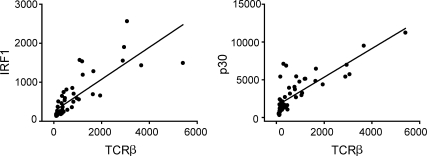
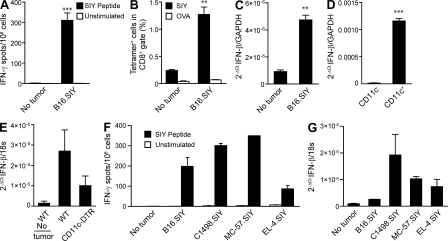
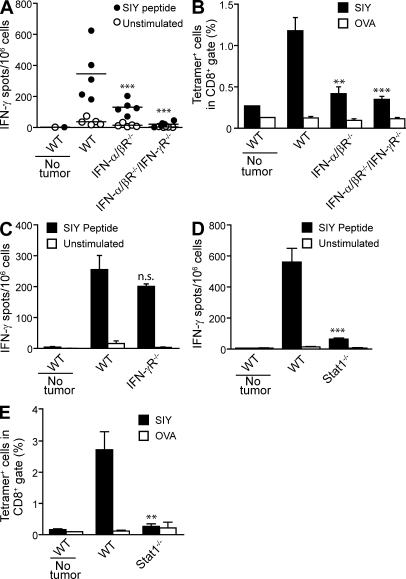
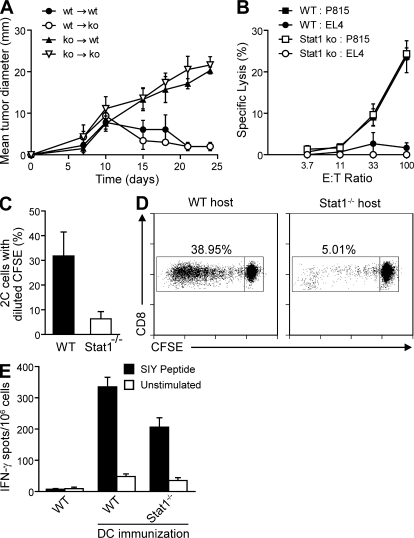
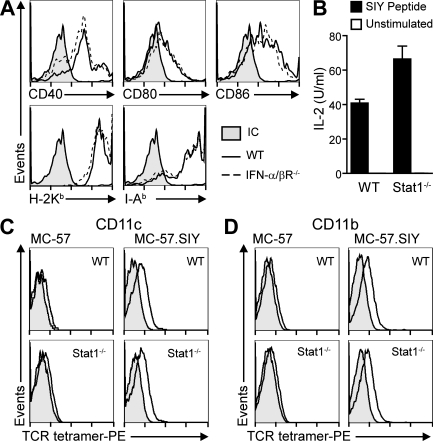
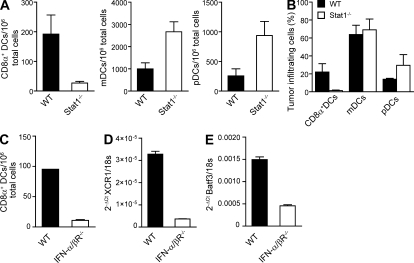
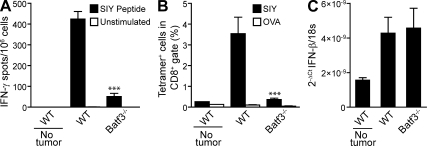
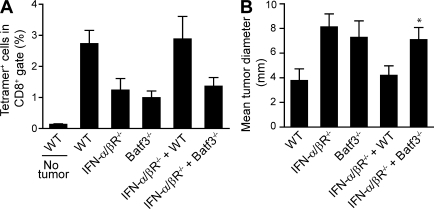
Despite lack of tumor control in many models, spontaneous T cell priming occurs frequently in response to a growing tumor. However, the innate immune mechanisms that promote natural antitumor T cell responses are undefined. In human metastatic melanoma, there was a correlation between a type I interferon (IFN) transcriptional profile and T cell markers in metastatic tumor tissue. In mice, IFN-β was produced by CD11c+ cells after tumor implantation, and tumor-induced T cell priming was defective in mice lacking IFN-α/βR or Stat1. IFN signaling was required in the hematopoietic compartment at the level of host antigen-presenting cells, and selectively for intratumoral accumulation of CD8α+ dendritic cells, which were demonstrated to be essential using Batf3−/− mice. Thus, host type I IFNs are critical for the innate immune recognition of a growing tumor through signaling on CD8α+ DCs.
Overview
The claims and statistics of this paper haven’t been checked yet.
Free: it reads the open-access text and checks the first 5 claims that cite a source we can check. Create a free account to check every claim.
Integrity signals
Registry
Cites
Statistics
Figures
Verification
Claims the paper makes
The claims and statistics of this paper haven’t been checked yet.
Free: it reads the open-access text and checks the first 5 claims that cite a source we can check. Create a free account to check every claim.
Claims other papers make about this one
Each is checked against this paper’s own text: does it say what the citing paper says it does?
The source backs part of the claim, not all of it — or backs it for a different population, condition or comparison.
In the citing paper
“For instance, DCs secrete the chemoattractants chemokine (C‐X‐C motif) ligand 9 (CXCL9) and 10 (CXCL10) to facilitate the infiltration of CD8+ Teff cells in the TME and for T cell cytotoxic activity [15].”
From Tumor microenvironment signaling and therapeutics in cancer progression (2023) · cites this paper as [15]
Experimental — accuracy not yet measuredThe source backs part of the claim, not all of it — or backs it for a different population, condition or comparison.
In the citing paper
“Previous study showed that DC-specific Ifnar -/- mice were unble to reject highly immunogenic tumor cells due to the defects in antigen cross-presentation to CD8+ T cells.”
From mRNA vaccine with unmodified uridine induces robust type I interferon-dependent anti-tumor immunity in a melanoma model (2022) · cites this paper as [52]
Experimental — accuracy not yet measuredThe cited source says what the claim attributes to it.
In the citing paper
“This evidence strongly shows that IFN-I can act through DCs to promote T cell immunity (52).”
From mRNA vaccine with unmodified uridine induces robust type I interferon-dependent anti-tumor immunity in a melanoma model (2022) · cites this paper as [52]
The cited source says what the claim attributes to it.
In the citing paper
“multiple clinical observations have linked intratumoral presence of CD8+ T cells to a type-I interferon (IFN) transcriptional signature14–16.”
From Epigenetic state determines the in vivo efficacy of STING agonist therapy (2023) · cites this paper as [14]
Self-check
Percentages, sums and reported differences re-computed from the paper’s own numbers.
The self-check needs the paper’s full text.
Citations
Cites
Release of chromatin protein HMGB1 by necrotic cells triggers inflammation
Scaffidi, P., Misteli, T., & Bianchi, M. E. (2002) · Nature · doi:10.1038/nature00858 · Cited by 4,221 · cited 2×
“, 2003), HMGB1 (high-mobility-group box 1; Scaffidi et al., 2002), ATP (Haag et al.”
BackgroundHOW CELLS RESPOND TO INTERFERONS
Stark, G. R., Kerr, I. M., Williams, B. R. G., Silverman, R. H., & Schreiber, R. D. (1998) · Annual Review of Biochemistry · doi:10.1146/annurev.biochem.67.1.227 · Cited by 3,932 · cited 1×
“During various types of viral infection, type I IFNs induce the expression of an array of genes that act to prevent viral spread, thus creating an antiviral state (Stark et al., 1998).”
BackgroundInaba, K., Inaba, M., Romani, N., Aya, H., Deguchi, M., Ikehara, S., Muramatsu, S., & Steinman, R. M. (1992) · The Journal of experimental medicine · doi:10.1084/jem.176.6.1693 · Cited by 3,738 · cited 2×
“version of a published protocol (Inaba et al., 1992).”
MethodApetoh, L., Ghiringhelli, F., Tesniere, A., Obeid, M., Ortiz, C., Criollo, A., Mignot, G., Maiuri, M. C., Ullrich, E., Saulnier, P., et al. (2007) · Nature Medicine · doi:10.1038/nm1622 · Cited by 3,056
STING regulates intracellular DNA-mediated, type I interferon-dependent innate immunity
Ishikawa, H., Ma, Z., & Barber, G. N. (2009) · Nature · doi:10.1038/nature08476 · Cited by 2,759 · cited 2×
“…proteomics that the CD8+ DC subpopulation selectively lacks the receptors and signaling molecules (such as DAI [Takaoka et al., 2007] and Sting [Ishikawa et al., 2009]) required for the detection of nucleotides in the cytoplasm (Luber et al., 2010), so if this is indeed the pathway involved in…”
BackgroundNatural Innate and Adaptive Immunity to Cancer
Vesely, M. D., Kershaw, M. H., Schreiber, R. D., & Smyth, M. J. (2011) · Annual Review of Immunology · doi:10.1146/annurev-immunol-031210-101324 · Cited by 2,101 · cited 2×
“However, recent results have indicated that in many instances, spontaneous T cell responses against tumor antigens can be detected in both human cancer patients and in murine models, and that immune escape in those cases appears to occur through dominant inhibition by immunoregulatory pathways (Vesely et al., 2011).”
BackgroundResultBatf3 Deficiency Reveals a Critical Role for CD8α + Dendritic Cells in Cytotoxic T Cell Immunity
Hildner, K., Edelson, B. T., Purtha, W. E., Diamond, M., Matsushita, H., Kohyama, M., Calderon, B., Schraml, B. U., Unanue, E. R., Diamond, M. S., et al. (2008) · Science · doi:10.1126/science.1164206 · Cited by 2,081 · cited 4×
“Recent work has indicated that mice lacking the transcriptional regulator, Batf3, have a specific deficiency in the development of the CD8+ DC lineage (which includes a CD103+ DC subset; Hildner et al., 2008).”
BackgroundMethodInfluentialSelf-citationGhiringhelli, F., Apetoh, L., Tesniere, A., Aymeric, L., Ma, Y., Ortiz, C., Vermaelen, K., Panaretakis, T., Mignot, G., Ullrich, E., et al. (2009) · Nature Medicine · doi:10.1038/nm.2028 · Cited by 1,898 · cited 2×
“It has been recently demonstrated that after radiotherapy or chemotherapy, dying tumor cells can release HMGB1 that binds to TLR4 (Apetoh et al., 2007) and ATP that activates the NALP3 inflammasome (Ghiringhelli et al., 2009).”
BackgroundJung, S., Unutmaz, D., Wong, P., Sano, G.-I., De los Santos, K., Sparwasser, T., Wu, S., Vuthoori, S., Ko, K., Zavala, F., et al. (2002) · Immunity · doi:10.1016/s1074-7613(02)00365-5 · Cited by 1,773 · cited 2×
“CD11c-DTR mice (Jung et al., 2002) were provided by D. Littman (New York University School of Medicine, New York, NY).”
MethodHow dying cells alert the immune system to danger
Kono, H., & Rock, K. L. (2008) · Nature Reviews Immunology · doi:10.1038/nri2215 · Cited by 1,737 · cited 10×
“Recently, it has been shown that dsDNA can be released from necrotic cells, reach the cytoplasm of APCs, and be recognized by a TLR-independent on January 17, 2012 jem .rupress.org D ow nloaded from JEM Vol. 208, No. 10 Article 2013 of type I IFNs, which are already FDA approved for other indications, in order to prom…”
BackgroundInfluential
Cited by
Items 601–700 of 1,000
Morisada, M. V., Moore, E. C., Hodge, R., Friedman, J., Cash, H. A., Hodge, J. W., Mitchell, J. B., & Allen, C. T. (2017) · Oral Oncology · doi:10.1016/j.oraloncology.2017.06.005 · Cited by 34
Combining Heavy-Ion Therapy with Immunotherapy: An Update on Recent Developments
Helm, A., Ebner, D. K., Tinganelli, W., Simoniello, P., Bisio, A., Marchesano, V., Durante, M., Yamada, S., & Shimokawa, T. (2018) · International Journal of Particle Therapy · doi:10.14338/ijpt-18-00024.1 · Cited by 31
How Much of a Good Thing? What Duration for Interferon Alfa-2b Adjuvant Therapy?
Tarhini, A. A., & Kirkwood, J. M. (2012) · Journal of Clinical Oncology · doi:10.1200/jco.2012.44.9975 · Cited by 30
“Of note, our findings are consistent with the identification of a type I IFN- signature associated with effector immune response to murine and human melanoma.(21)”
ResultThe pleiotropic roles of cGAS–STING signaling in the tumor microenvironment
Li, J., & Bakhoum, S. F. W. (2022) · Journal of Molecular Cell Biology · doi:10.1093/jmcb/mjac019 · Cited by 32
“Positive correlations beween type I IFN expression and CD8 + T cell infiltration in human elanoma samples were also reported ( Harlin et al., 2009 ; uertes et al., 2011 ) .”
Liang, J., Jin, X., Deng, X., Huang, Q., Zhang, S., Chen, W., & Zhang, X. (2024) · Materials Today · doi:10.1016/j.mattod.2024.07.004 · Cited by 32
Granzyme A Stimulates pDCs to Promote Adaptive Immunity via Induction of Type I IFN
Shimizu, K., Yamasaki, S., Sakurai, M., Yumoto, N., Ikeda, M., Mishima-Tsumagari, C., Kukimoto‐Niino, M., Watanabe, T., Kawamura, M., Shirouzu, M., et al. (2019) · Frontiers in Immunology · doi:10.3389/fimmu.2019.01450 · Cited by 32
Xiong, W., He, W., Wang, T., He, S., Xu, F., Wang, Z., Wang, X., Guo, H., Ling, J., Zhang, H., et al. (2022) · Advanced Science · doi:10.1002/advs.202103029 · Cited by 29
Type I interferon potentiates T ‐cell receptor mediated induction of IL ‐10‐producing CD 4+ T cells
Corre, B., Perrier, J., Khouri, M. E., Cerboni, S., Pellegrini, S., & Michel, F. (2013) · European Journal of Immunology · doi:10.1002/eji.201242977 · Cited by 35
Genuine Immunomodulation With dSLIM
Kapp, K., Kleuss, C., Schroff, M., & Wittig, B. (2014) · Molecular Therapy — Nucleic Acids · doi:10.1038/mtna.2014.28 · Cited by 30
Dovedi, S. J., Adlard, A. L., Ota, Y., Murata, M., Sugaru, E., Koga‐Yamakawa, E., Eguchi, K., Hirose, Y., Yamamoto, S., Umehara, H., et al. (2016) · Oncotarget · doi:10.18632/oncotarget.7928 · Cited by 36
“Moreover, the induction of type-I IFN has recently been shown to be critical for the generation of competent anti-tumor immune responses [4].”
BackgroundThe MEK1/2-ERK Pathway Inhibits Type I IFN Production in Plasmacytoid Dendritic Cells
Janovec, V., Aouar, B., Font-Haro, A., Hofman, T., Trejbalová, K., Weber, J., Chaperot, L., Plumas, J., Olive, D., Dubreuil, P. C., et al. (2018) · Frontiers in Immunology · doi:10.3389/fimmu.2018.00364 · Cited by 30
Laengle, J., Stift, J., Bilecz, Á., Wolf, B., Beer, A., Hegedűs, B., Stremitzer, S., Starlinger, P. P., Tamandl, D., Pils, D., et al. (2018) · Theranostics · doi:10.7150/thno.24699 · Cited by 30
“Recent murine data gave evidence that the initiation of a so called bona fide ICD depends on the release of danger signals, such as DNA damage [45-48], which gets sensed in part by the cGAS-STING pathway [26, 49, 50], following the induction of a type I IFN response [15, 18], which links the innate and adaptive immune…”
BackgroundEmpowering therapeutic antibodies with IFN-α for cancer immunotherapy
Guo, J., Yu, X. H., Iyer, R. B., Lu, X. L., Lake, M. R., Ladror, U. S., Harlan, J. E., Samanta, T., Tomlinson, M. J., Bukofzer, G. T., et al. (2019) · PLoS ONE · doi:10.1371/journal.pone.0219829 · Cited by 30
Reschke, R., & Olson, D. (2022) · Cancers · doi:10.3390/cancers14102458 · Cited by 28
“In vitro migration studies underlined that low concentrations of CXCL9 and CXCL10 produced by tumor endothelial cells promoted chemotaxis.”
BackgroundInfluentialEngineering dendritic cell biomimetic membrane as a delivery system for tumor targeted therapy
Liu, H., Lu, Y., Zong, J., Zhang, B., Li, X., Qi, H., Yu, T., & Li, Y. (2024) · Journal of Nanobiotechnology · doi:10.1186/s12951-024-02913-7 · Cited by 35
Endothelial STING-JAK1 interaction promotes tumor vasculature normalization and antitumor immunity
Zhang, H., Wang, Z., Wu, J., Zheng, Y., Zhao, Q., He, S., Jiang, H., Jiang, C., Wang, T., Liu, Y., et al. (2025) · Journal of Clinical Investigation · doi:10.1172/jci180622 · Cited by 34
Molecular Mechanisms and Potential Therapeutic Reversal of Pancreatic Cancer-Induced Immune Evasion
Gan, L.-L., Hii, L., Wong, S. F., Leong, C., & Mai, C. (2020) · Cancers · doi:10.3390/cancers12071872 · Cited by 29
Selective inhibition of mTORC1 in tumor vessels increases antitumor immunity
Wang, S., Raybuck, A. L., Shiuan, E. F., Cho, S. H., Wang, Q., Brantley‐Sieders, D. M., Edwards, D. N., Allaman, M. M., Nathan, J. A., Wilson, K. T., et al. (2020) · JCI Insight · doi:10.1172/jci.insight.139237 · Cited by 31
Cuevas, E. S., Ouaguia, L., Mouret, S., Charles, J., de Fraipont, F., Manches, O., Valladeau‐Guilemond, J., Bendriss‐Vermare, N., Chaperot, L., & Aspord, C. (2020) · Clinical & Translational Immunology · doi:10.1002/cti2.1190 · Cited by 35
Wang, W., Dai, P., Liu, S., Yang, N., Wang, Y., Giese, R., Merghoub, T., Wolchok, J. D., & Deng, L. (2021) · Journal for ImmunoTherapy of Cancer · doi:10.1136/jitc-2021-002569 · Cited by 33
Type 1 interferon to prevent leukemia relapse after allogeneic transplantation
Magenau, J. M., Peltier, D., Riwes, M. M., Pawarode, A., Parkin, B. L., Braun, T., Anand, S. M., Ghosh, M., Maciejewski, J., Yanik, G. A., et al. (2021) · Blood Advances · doi:10.1182/bloodadvances.2021004908 · Cited by 28
“Therefore, it is plausible that, as has been shown in preclinical studies, type 1 IFN promotes licensing of CD141(1) DCs that are specialized in crosspresentation, thereby enhancing early GVL.(6,10,11,13,40) Although our study did not distinguish effects on host vs donor DCs, it does show that CD141(1) DCs present in…”
InfluentialPang, E. S., Daraj, G., Balka, K. R., Nardo, D. D., Macri, C., Hochrein, H., Masterman, K., Tan, P. S., Shoppee, A., Magill, Z., et al. (2022) · Frontiers in Immunology · doi:10.3389/fimmu.2022.794776 · Cited by 33
Immunogenicity of targeted lentivectors
Goyvaerts, C., Groeve, K. D., Lint, S. V., Heirman, C., Ginderachter, J. A. V., BAETSELIER, P. D., Raes, G., Thielemans, K., & Breckpot, K. (2014) · Oncotarget · doi:10.18632/oncotarget.1680 · Cited by 30
“further demonstrated that host type I IFNs are critical for the innate immune recognition of a growing tumor through signalling on the CD8alfa+ DC fraction [48].”
BackgroundSoto, C. M., Stone, J. D., Chervin, A. S., Engels, B., Schreiber, H. W., Roy, E. J., & Kranz, D. M. (2012) · Cancer Immunology Immunotherapy · doi:10.1007/s00262-012-1336-z · Cited by 29
“CD4 T cell activities at the site of a tumor could also provide an inflammatory environment that is favorable to the induction of human T-cell responses [13, 14].”
Self-citationBioengineering strategies to optimize STING agonist therapy
Dosta, P., Cryer, A. M., Prado, M., & Artzi, N. (2025) · Nature Reviews Bioengineering · doi:10.1038/s44222-025-00337-y · Cited by 35
“In mouse models, these effects are blunted if STING 32 or interferon-α/β receptor 33,34 is absent in the host cell (non-tumoural cell).”
Yang, Z., Liu, H., Li, S., Xu, Z., Li, W., Liu, Y., Lv, Q., Liu, H., He, Z., & Wang, Y. (2025) · Science Advances · doi:10.1126/sciadv.adw0797 · Cited by 39
Xiao, H., Peng, Y., Yuan, H., Huang, L., Guo, Z. S., Bartlett, D. L., Fu, N., Munn, D. H., Mellor, A. L., & He, Y. (2013) · The Journal of Immunology · doi:10.4049/jimmunol.1203470 · Cited by 27
“Two recent studies suggest that type I IFN receptor-mediated signaling in the DCs is critical for generating antitumor effects (39, 40).”
BackgroundBakdash, G., Schreurs, I., Schreibelt, G., & Tel, J. (2014) · Expert Review of Clinical Immunology · doi:10.1586/1744666x.2014.912561 · Cited by 33
“Multiple studies demonstrated that type I IFNs were able to enhance antigen presentation by modulating antigen retention, routing and presentation [103,107–109].”
Ye, W., Xing, Y., Paustian, C. C., van de Ven, R., Moudgil, T. L., Hilton, T. L., Fox, B. A., Urba, W. J., Zhao, W., & Hu, H. (2014) · Journal of Translational Medicine · doi:10.1186/1479-5876-12-100 · Cited by 28
“IFN-α was shown to be the critical cytokine for cross-priming of antitumor immune response in mice [29,30].”
BackgroundIFNγ enhances cytotoxic efficiency of the cytotoxic T lymphocytes against human glioma cells
Shao, S., Risch, E., Burner, D., Lu, L., Minev, B., & Ma, W. (2017) · International Immunopharmacology · doi:10.1016/j.intimp.2017.04.003 · Cited by 27
Naciūtė, M., Niemi, V., Kemp, R. A., & Hook, S. M. (2020) · European Journal of Pharmaceutics and Biopharmaceutics · doi:10.1016/j.ejpb.2020.04.020 · Cited by 27
Lapenta, C., Gabriele, L., & Santini, S. M. (2020) · Vaccines · doi:10.3390/vaccines8040617 · Cited by 29
Cancer Occurrence as the Upcoming Complications of COVID-19
Rahimmanesh, I., Shariati, L., Dana, N., Esmaeili, Y., Vaseghi, G., & Javanmard, S. H. (2022) · Frontiers in Molecular Biosciences · doi:10.3389/fmolb.2021.813175 · Cited by 30
“Inhibition of IFN pathway induction and dysregulated IFN signaling promote tumor cell senescence and death (Sangfelt et al., 1999; Fuertes et al., 2011; Schreiber et al., 2011).”
BackgroundDiscovery of VH domains that allosterically inhibit ENPP1
Solomon, P. E., Bracken, C. J., Carozza, J. A., Wang, H., Young, E. P., Wellner, A., Liu, C. C., Sweet-Cordero, A., Li, L., & Wells, J. A. (2023) · Nature Chemical Biology · doi:10.1038/s41589-023-01368-5 · Cited by 28
Obeid, J. M., Hu, Y., Erdag, G., Leick, K. M., & Slingluff, C. L. (2017) · Melanoma Research · doi:10.1097/cmr.0000000000000330 · Cited by 72
IFNAR1 Degradation: A New Mechanism for Tumor Immune Evasion?
Araya, R. E., & Goldszmid, R. S. (2017) · Cancer Cell · doi:10.1016/j.ccell.2017.01.012 · Cited by 28
“A role for type I IFN signaling in the host hematopoietic compartment during tumor immunosurveillance has previously been shown to be mediated by the CD8a+ subset of dendritic cells (DCs) (Diamond et al., 2011; Fuertes et al., 2011).”
BackgroundOba, T., Kajihara, R., Yokoi, T., Repasky, E. A., & Ito, F. (2021) · Cancer Research · doi:10.1158/0008-5472.can-21-0939 · Cited by 26
The Regulation of Immune Responses by DC Derived Type I IFN
Ng, D., & Gommerman, J. L. (2013) · Frontiers in Immunology · doi:10.3389/fimmu.2013.00094 · Cited by 33
“LTβR signaling in stromal cells is required for the development of SLOs (Murphy et al., 1998; Mebius, 2003), and it also plays an important role in the homeostatic maintenance of specific subsets of cDCs in the spleen (Kabashima et al., 2005; Wang et al., 2005; De Trez et al., 2008).”
BackgroundBurn, O. K., Prasit, K., & Hermans, I. F. (2020) · Cancers · doi:10.3390/cancers12123824 · Cited by 31
Neoadjuvant Pembrolizumab and High-Dose IFNα-2b in Resectable Regionally Advanced Melanoma
Najjar, Y. G., McCurry, D., Huang, L., Lin, Y., Zang, Y., Davar, D., Karunamurthy, A. D., Drabick, J. J., Neves, R. I., Butterfield, L. H., et al. (2021) · Clinical Cancer Research · doi:10.1158/1078-0432.ccr-20-4301 · Cited by 29
Understanding the Immune-Stroma Microenvironment in B Cell Malignancies for Effective Immunotherapy
Apollonio, B., Ioannou, N., Papazoglou, D., & Ramsay, A. G. (2021) · Frontiers in Oncology · doi:10.3389/fonc.2021.626818 · Cited by 31
“Type I IFN deficient dendritic cells (DCs) in murine TME models have been correlated with ineffective T cell priming (57, 58).”
BackgroundLipid Nanoparticles Delivering Constitutively Active STING mRNA to Stimulate Antitumor Immunity
Liu, W., Alameh, M., Yang, J. F., Xu, J. R., Lin, P. J. C., Tam, Y. K., Weissman, D., & You, J. (2022) · International Journal of Molecular Sciences · doi:10.3390/ijms232314504 · Cited by 35
Fukai, S., Nakajima, S., Saito, M., Saito, K., Kase, K., Nakano, H., Sato, T., Sakuma, M., Kaneta, A., Okayama, H., et al. (2023) · Gastric Cancer · doi:10.1007/s10120-023-01417-x · Cited by 28
Perspectives for cancer immunotherapy mediated by p19Arf plus interferon-beta gene transfer
Strauss, B. E., Silva, G. R. O., Vieira, I. D. L., Cerqueira, O. L. D., Valle, P. R. D., Medrano, R. F. V., & Mendonça, S. A. (2018) · Clinics · doi:10.6061/clinics/2018/e479s · Cited by 25
“production by tumor-associated DCs has been shown to be critical for mediating antitumor immunity (124) This func-”
BackgroundDNA sensing in cancer: Pro-tumour and anti-tumour functions of cGAS–STING signalling
Wheeler, O. P. G., & Unterholzner, L. (2023) · Essays in Biochemistry · doi:10.1042/ebc20220241 · Cited by 33
Rodríguez, C., Furlan, C. L. A., Tosello, J., Bossio, S. N., Boccardo, S., Fozzatti, L., Canale, F. P., Beccaría, C. G., Núñez, N. G., Ceschin, D. G., et al. (2023) · OncoImmunology · doi:10.1080/2162402x.2023.2261326 · Cited by 28
“13,33 This finding reinforces the fact that the presence of tumor-specific immune cells within the tumor microenvironment may be a critical requirement for IL-17 anti-tumor functions.”
BackgroundPurbey, P. K., Seo, J., Paul, M. K., Iwamoto, K. S., Daly, A. E., Feng, A., Champhekar, A. S., Langerman, J., Campbell, K. M., Schaue, D., et al. (2024) · Cell Reports · doi:10.1016/j.celrep.2024.114289 · Cited by 29
Dendritic cells instruct T cell anti-tumor immunity and immunotherapy response
Xiao, Z., Wang, J., Yang, J., Guo, F., Zhang, L., & Zhang, L. (2025) · The Innovation Medicine · doi:10.59717/j.xinn-med.2025.100128 · Cited by 33
Schlereth, S. L., Refaian, N., Iden, S., Cursiefen, C., & Heindl, L. M. (2014) · BioMed Research International · doi:10.1155/2014/639058 · Cited by 28
Immune and genomic signatures in oral (head and neck) cancer
Chakraborty, P., Karmakar, T., Arora, N., & Mukherjee, G. (2018) · Heliyon · doi:10.1016/j.heliyon.2018.e00880 · Cited by 26
Gatti, G., Núñez, N. G., Nocera, D. A., Dejager, L., Libert, C., Giraudo, C. A., & Maccioni, M. (2013) · European Journal of Immunology · doi:10.1002/eji.201242902 · Cited by 28
Huang, C., Ramakrishnan, R., Trkulja, M., Ren, X., & Gabrilovich, D. I. (2012) · Cancer Immunology Immunotherapy · doi:10.1007/s00262-011-1198-9 · Cited by 25
Gordy, J. T., Luo, K., Francica, B. J., Drake, C. G., & Markham, R. B. (2018) · Journal of Immunotherapy · doi:10.1097/cji.0000000000000212 · Cited by 26
The multiple faces of cGAS-STING in antitumor immunity: prospects and challenges
Zhou, Z., Huang, S., Fan, F., Xu, Y., Moore, C., Li, S., & Han, C. (2024) · Medical Review · doi:10.1515/mr-2023-0061 · Cited by 26
Zhang, Y., Wang, Y., Mu, P., Zhu, X. G., & Dong, Y. (2024) · Frontiers in Immunology · doi:10.3389/fimmu.2024.1470468 · Cited by 33
Immunogenic Cell Death Driven by Radiation—Impact on the Tumor Microenvironment
Yamazaki, T., Vanpouille‐Box, C., Demaria, S., & Galluzzi, L. (2020) · Cancer treatment and research · doi:10.1007/978-3-030-38862-1_10 · Cited by 28
Oh, S. J., Lee, H.-J., Song, K., Kim, S., Cho, E., Lee, J., Bosenberg, M., & Kim, T. W. (2022) · Journal of Clinical Investigation · doi:10.1172/jci147908 · Cited by 24
The modulatory role of dendritic cell-T cell cross-talk in breast cancer: Challenges and prospects
Shahverdi, M., Masoumi, J., Ghorbaninezhad, F., Shajari, N., Hajizadeh, F., Hassanian, H., Alizadeh, N., Jafarlou, M., & Baradaran, B. (2022) · Advances in Medical Sciences · doi:10.1016/j.advms.2022.09.001 · Cited by 28
Heidegger, S. M., Stritzke, F., Dahl, S., Daßler‐Plenker, J., Joachim, L., Buschmann, D., Fan, K., Sauer, C. M., Ludwig, N., Winter, C., et al. (2023) · Cell Reports Medicine · doi:10.1016/j.xcrm.2023.101171 · Cited by 24
Deciphering tumor-infiltrating dendritic cells in the single-cell era
Huang, Q., Wang, F., Di, H., Li, X., Li, X., Lei, T., Yue, J., & Liu, C. (2023) · Experimental Hematology and Oncology · doi:10.1186/s40164-023-00459-2 · Cited by 29
Cancer vaccines: from an immunology perspective
Makker, S., Galley, C., & Bennett, C. L. (2023) · Immunotherapy Advances · doi:10.1093/immadv/ltad030 · Cited by 29
Review: N1-methyl-pseudouridine (m1Ψ): Friend or foe of cancer?
Rubio‐Casillas, A., Cowley, D., Raszek, M., Uversky, V. N., & Redwan, E. M. M. M. (2024) · International Journal of Biological Macromolecules · doi:10.1016/j.ijbiomac.2024.131427 · Cited by 32
Differential Activity of Type I Interferon Subtypes for Dendritic Cell Differentiation
Garcin, G., Bordat, Y., Chuchana, P., Monneron, D., Law, H., Piehler, J., & Uzé, G. (2013) · PLoS ONE · doi:10.1371/journal.pone.0058465 · Cited by 28
“In particular, the action of endogenous type I IFN on dendritic cells (DC) is required for tumor immunosurveillance [3,4].”
Loss of type I IFN responsiveness impairs natural killer cell antitumor activity in breast cancer
Zanker, D. J., Owen, K. L., Baschuk, N., Spurling, A., & Parker, B. S. (2021) · Cancer Immunology Immunotherapy · doi:10.1007/s00262-021-02857-z · Cited by 29
STING-activating layered double hydroxide nano-adjuvants for enhanced cancer immunotherapy
Jia, L., Yang, Q., Li, X., Liu, H., He, Z., & Wang, Y. (2025) · Biomaterials · doi:10.1016/j.biomaterials.2025.123294 · Cited by 25
Expected Paradigm Shift in Brain Metastases Therapy—Immune Checkpoint Inhibitors
Jindal, V., & Gupta, S. (2018) · Molecular Neurobiology · doi:10.1007/s12035-018-0905-3 · Cited by 24
Lasarte-Cía, A., Lozano, T., Cano, D., Martín-Otal, C., Navarro, F. C., Gorraiz, M., Casares, N., Vivas, I., & Lasarte, J. J. (2021) · BioMed Research International · doi:10.1155/2021/8852233 · Cited by 24
“…binding to CDNs, STING translocates from the ER to the Golgi apparatus and further to the perinuclear microsomes and activate TBK-1/IRF-3 and NF-κ B signaling pathways inducing robust type I IFNs and pro-in fl ammatory cytokines, which can trigger adaptive immune responses against tumors [21, 22].”
The ‘Danse Macabre’—Neutrophils the Interactive Partner Affecting Oral Cancer Outcomes
Hadjigol, S., Shah, B. A., & O’brien-simpson, N. M. (2022) · Frontiers in Immunology · doi:10.3389/fimmu.2022.894021 · Cited by 26
Wang, W., Fan, J., Zhang, C., Huang, Y., Chen, Y., Fu, S., & Wu, J. (2024) · Microbiological Research · doi:10.1016/j.micres.2024.127668 · Cited by 25
Reciprocal Complementation of the Tumoricidal Effects of Radiation and Natural Killer Cells
Yang, K., Wang, Y., Chang, C., Huang, S., Huang, Y.-C., Chi, M.-S., & Chi, K. (2013) · PLoS ONE · doi:10.1371/journal.pone.0061797 · Cited by 25
“Many clinical studies have shown that the intra-tumoral presence of CD8 cells, NK cells, CD4+ cells, and dendritic cells (DC) is positively correlated with survival, while the presence of macrophages and regulatory T cells predict poor responsiveness to therapy and survival [3,4,5].”
BackgroundOn taking the STING out of immune activation
Banete, A., Seaver, K., Bakshi, D., Gee, K., & Basta, S. (2018) · Journal of Leukocyte Biology · doi:10.1002/jlb.2mir0917-383r · Cited by 25
Toward Systems Biomarkers of Response to Immune Checkpoint Blockers
Lapuente-Santana, Ó., & Eduati, F. (2020) · Frontiers in Oncology · doi:10.3389/fonc.2020.01027 · Cited by 23
“Another example are dendritic cells (DCs), that normally control cancer antigen presentation, priming and activation of T cell responses, however the TME can compromise their ability to stimulate the immune response (46, 47).”
BackgroundAllen, B. K., Kulkarni, M. M., Chamberlain, B. T., Dwight, T., Koh, C. M., Samant, R., Jernigan, F. E., Rice, J., Tan, D., Li, S., et al. (2022) · bioRxiv (Cold Spring Harbor Laboratory) · doi:10.1101/2022.05.23.493001 · Cited by 24
“Type I interferons are essential for robust anti-tumor immunity owing to their ability to stimulate T cell cross-priming, therefore improving the therapeutic potential of checkpoint blockade Fuertes (2011); Gkirtzimanaki et al (2018). Previous studies have demonstrated the therapeutic potential of STING agonism utiliz…”
BackgroundDendritic Cell Subsets in Melanoma: Pathophysiology, Clinical Prognosis and Therapeutic Exploitation
Cuevas, E. S., Saas, P., & Aspord, C. (2023) · Cancers · doi:10.3390/cancers15082206 · Cited by 26
“Type I IFN can also induce de recruitment of cDC1s and cytotoxic T lymphocytes (CTLs) and the local production of type I IFN by pDCs in tumor mouse models can activate CD8 T-cells through cDC1s [50,51].”
BackgroundXing, C., Tu, X., Huai, W., Tang, Z., Song, K., Jeltema, D., Knox, K., Dobbs, N., Yang, K., & Yan, N. (2025) · Cancer Research · doi:10.1158/0008-5472.can-24-2747 · Cited by 28
Harnessing the immune system for cancer therapy
Smith, E. L., Zamarin, D., & Lesokhin, A. M. (2014) · Current Opinion in Oncology · doi:10.1097/cco.0000000000000128 · Cited by 27
“Analysis of the transcriptional gene signature associated with immune infiltration revealed upregulation of genes related to innate immune response [50], suggesting that therapeutic efficacy of immune checkpoint blockade could potentially be enhanced through the use of agents that activate the type I interferon pathwa…”
BackgroundAntitumor Virotherapy by Attenuated Measles Virus (MV)
Guillerme, J.-B., Grégoire, M., Tangy, F., & Fonteneau, J. (2013) · Biology · doi:10.3390/biology2020587 · Cited by 28
“IFN- plays an important role in the antitumor immune response, as it is necessary for the induction of tumor-antigen-specific T cell responses [81,82].”
BackgroundHasegawa, K., Tanaka, S., Fujiki, F., Morimoto, S., Nakajima, H., Tatsumi, N., Nakata, J., Takashima, S., Nishida, S., Tsuboi, A., et al. (2015) · PLoS ONE · doi:10.1371/journal.pone.0144594 · Cited by 24
Engineered stem cells targeting multiple cell surface receptors in tumors
Kavari, S. L., & Shah, K. (2019) · Stem Cells · doi:10.1002/stem.3069 · Cited by 22
Koster, B. D., González, M. L., van den Hout, M. F. C. M., Turksma, A. W., Sluijter, B. J. R., Molenkamp, B. G., van Leeuwen, P. A. M., Vosslamber, S., Scheper, R. J., van den Eertwegh, A. J. M., et al. (2021) · Journal for ImmunoTherapy of Cancer · doi:10.1136/jitc-2020-001962 · Cited by 23
Mesenchymal stromal cells equipped by IFNα empower T cells with potent anti-tumor immunity
Zhang, T., Wang, Y., Li, Q., Lin, L., Xu, C., Xue, Y., Hu, M., Shi, Y., & Wang, Y. (2022) · Oncogene · doi:10.1038/s41388-022-02201-4 · Cited by 23
Manoury, B., Maisonneuve, L., & Podsypanina, K. (2022) · Molecular Immunology · doi:10.1016/j.molimm.2022.02.007 · Cited by 23
Conventional Type 1 Dendritic Cells in Intestinal Immune Homeostasis
Sasaki, I., Kato, T., Hemmi, H., Fukuda‐Ohta, Y., Wakaki-Nishiyama, N., Yamamoto, A., & Kaisho, T. (2022) · Frontiers in Immunology · doi:10.3389/fimmu.2022.857954 · Cited by 28
Kim, J. C., Liu, X., Fitzgerald, K., Eng, J. S., Orf, J., O’Brien, S. A., Belmontes, B., Casbon, A.-J., Novitskiy, S. V., Tarbell, K. V., et al. (2023) · Cancer Immunology, Immunotherapy · doi:10.1007/s00262-022-03327-w · Cited by 22
Aru, B., Pehlivanoğlu, C., Dal, Z., DERELI-CALISKAN, N. N., Gürlü, E., & Demirel, G. Y. (2023) · Frontiers in Immunology · doi:10.3389/fimmu.2023.1108200 · Cited by 26
Tsoutsou, P. P., Zaman, K., Lluesma, S. M., Cagnon, L., Kandalaft, L. E., & Vozenin, M. (2018) · Frontiers in Oncology · doi:10.3389/fonc.2018.00609 · Cited by 28
Sulczewski, F. B., Martino, L. A., Almeida, B. D. S., Zaneti, A. B., Ferreira, N. S., Amorim, K. N. D. S., Yamamoto, M. M., Apostólico, J. D. S., Rosa, D. S., & Boscardin, S. B. (2020) · European Journal of Immunology · doi:10.1002/eji.202048694 · Cited by 29
Targeting STING pathways for the treatment of cancer
Gravekamp, C., & Chandra, D. (2015) · OncoImmunology · doi:10.4161/2162402x.2014.988463 · Cited by 22
Mise‐Omata, S., Ando, M., Srirat, T., Nakagawara, K., Hayakawa, T., Iizuka-Koga, M., Nishimasu, H., Nureki, O., Ito, M., & Yoshimura, A. (2023) · Cell Reports · doi:10.1016/j.celrep.2023.112940 · Cited by 25
Rothschilds, A. M., Tzeng, A., Mehta, N. K., Moynihan, K. D., Irvine, D. J., & Wittrup, K. D. (2019) · OncoImmunology · doi:10.1080/2162402x.2018.1558678 · Cited by 23
Reticker-Flynn, N. E., & Engleman, E. G. (2020) · eLife · doi:10.7554/elife.53839 · Cited by 26
“…2017c; Labidi-Galy et al., 2011), yet the cDC1 subset is perhaps the best-studied due to its relevance in priming antitumor CD8+ T cells, while MoDCs are frequently the most numerous in the TME. cDCs are critical for antitumor T-cell-mediated immunity (Hildner et al., 2008; Fuertes et al., 2011).”
BackgroundG�rard, M., Chatelain, C., Delaunay, T., Tostivint, E. P., Bennouna, J., & Fonteneau, J. (2021) · Frontiers in Oncology · doi:10.3389/fonc.2021.695770 · Cited by 25
“They are necessary for the priming of anti-tumor T cell response as the abrogation of IFN I signaling in CD8+ dendritic cells blocks their capacity to cross-present antigens in mouse (54, 55).”
BackgroundIFNβ Is a Potent Adjuvant for Cancer Vaccination Strategies
Audsley, K. M., Wagner, T., Ta, C., Newnes, H. V., Buzzai, A. C., Barnes, S. A., Wylie, B., Armitage, J. D., Kaisho, T., Bosco, A., et al. (2021) · Frontiers in Immunology · doi:10.3389/fimmu.2021.735133 · Cited by 25
El-Sayes, N., Walsh, S. R., Vito, A., Reihani, A., Ask, K., Wan, Y., & Mossman, K. L. (2022) · Molecular Therapy — Oncolytics · doi:10.1016/j.omto.2022.03.006 · Cited by 24
“Although we demonstrate that IFNAR blockade can enhance antitumor T cell activity, it has been well established that IFN-I signaling is important for promoting effector functions in CD8 T cells.(35,36) Interestingly, existing reports have demonstrated that specifically prolonged IFN-I signaling is detrimental to antit…”
BackgroundWhen DNA damage responses meet tumor immunity: From mechanism to therapeutic opportunity
Pan, D., Wang, Q., Shen, A., Qi, Z., Zheng, C., & Hu, B. (2024) · International Journal of Cancer · doi:10.1002/ijc.34954 · Cited by 22
Comprehensive review of LncRNA-mediated therapeutic resistance in non-small cell lung cancer
Ge, X., Shen, Z., & Yin, Y. (2024) · Cancer Cell International · doi:10.1186/s12935-024-03549-1 · Cited by 28
STING, nanoparticles, autoimmune disease and cancer: a novel paradigm for immunotherapy?
Lemos, H. D. P., Huang, L., McGaha, T. L., & Mellor, A. L. (2014) · Expert Review of Clinical Immunology · doi:10.1586/1744666x.2015.995097 · Cited by 21
Integrating conventional and antibody-based targeted anticancer treatment into immunotherapy
Xu, M. M., Pu, Y., Weichselbaum, R. R., & Fu, Y. (2016) · Oncogene · doi:10.1038/onc.2016.231 · Cited by 21
Li, Z., Zhu, Y., Li, C., Trinh, R. K., Ren, X., Sun, F., Wang, Y., Shang, P., Wang, T., Wang, M., et al. (2017) · OncoImmunology · doi:10.1080/2162402x.2017.1290038 · Cited by 23
TREX1 Cuts Down on Cancer Immunogenicity
Yamazaki, T., & Galluzzi, L. (2017) · Trends in Cell Biology · doi:10.1016/j.tcb.2017.06.001 · Cited by 22
Metadata
- Authors
- Fuertes, M. B., Kacha, A. K., Kline, J., Woo, S.-R., Kranz, D. M., Murphy, K. M., & Gajewski, T. F.
- Affiliations
- University of Chicago (US)
- University of Illinois Urbana-Champaign (US)
- Washington University in St. Louis (US)
- Corresponding author
- Gajewski, Thomas F.
- ORCID
- Venue
- Journal of Experimental Medicine
- Publisher
- Rockefeller University Press
- Published
- 2011-09-19
- Volume
- 208
- Issue
- 10
- Pages
- 2005-2016
- ISSN
- 0022-1007 (ISSN-L)
- 1540-9538
- PMC
- PMC3182064
- OpenAlex
- W2143523733
- Cited by
- 1,192
- References
- 60
- Citations by year
- 2026: 56 · 2025: 67 · 2024: 94 · 2023: 114 · 2022: 102 · 2021: 115 · 2020: 102 · 2019: 100 · 2018: 74 · 2017: 91 · 2016: 71 · 2015: 67 · 2014: 53 · 2013: 54 · 2012: 31
- FWCI
- 19.73
- Type
- journal article
- Language
- en
- Open access
- bronze
- doi.org
- Locations
- The Journal of Experimental Medicine (publishedVersion)
- Europe PMC (PubMed Central) (publishedVersion, cc-by-nc-sa)
- PubMed Central (publishedVersion, cc-by-nc-sa)
- PubMed (publishedVersion)
- Digital Commons@Becker (Washington University School of Medicine) (submittedVersion)
- LA Referencia (Red Federada de Repositorios Institucionales de Publicaciones Científicas) (submittedVersion, other-oa)
- Americanae (AECID Library) (submittedVersion, cc-by-nc-sa)
- Funders
- University of Chicago
- Wellcome Trust
- National Cancer Institute (P01CA97296, P01CA097296)
- Topics
- Life Sciences › Immunology and Microbiology › Immunology › Immunotherapy and Immune Responses
- Health Sciences › Medicine › Oncology › Cancer Immunotherapy and Biomarkers
- Life Sciences › Immunology and Microbiology › Immunology › interferon and immune responses
- Keywords
- type I interferon, antitumor immunity, CD8+ T cell responses, CD8α+ dendritic cells, CD11c+ antigen-presenting cells, interferon-beta, IFN-alpha/beta receptor, STAT1, Batf3, melanoma, host innate immunity
- MeSH terms
- Animals, Dendritic Cells, Humans, Immunity, Innate, Interferon Type I, Lymph Nodes, Lymphatic Metastasis, Melanoma, Mice, Inbred C57BL, Signal Transduction, Lymphocyte Subsets, Mice, Knockout, CD8-Positive T-Lymphocytes, Cell Line, Tumor, STAT1 Transcription Factor, Mice
About these checks
Registry, retraction, Cites and statistics results are computed, not judged, with one exception: a printed reference that no index lists is read once by a model before it counts as a citation error. Claims are extracted by a model and kept only when their quote appears verbatim in the text; each cited source is then checked, with a model’s help, for whether it says what the claim relies on. Those verdicts can be wrong — read the claim’s quote and the cited source before relying on one.
Statistics and arithmetic are recomputed, not judged.
Confidence bands are shown only for fields calibrated on our annotated test set. None is calibrated yet, so no band is shown.
What counts as a claim ›How we measure confidence ›How we check this ›
Are you an author, or do you see a problem with this page? Request a review
Data sources
Bibliographic data: Semantic Scholar, OpenAlex, Crossref.
Contains information from the Semantic Scholar Academic Graph Datasets, made available under the ODC Attribution License (ODC-BY 1.0).
Semantic Scholar’s data is described in: Kinney, R., et al. (2023). The Semantic Scholar Open Data Platform. arXiv:2301.10140.
