

External validation of prognostic models: what, why, how, when and where?
Open accessThe DOI matches its Crossref record; 45 of the 46 references it cites were found in a registry or an index.
Abstract
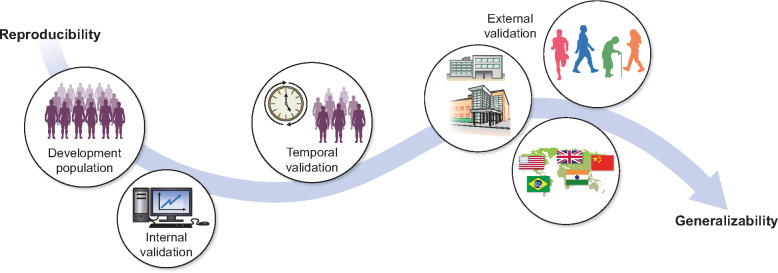
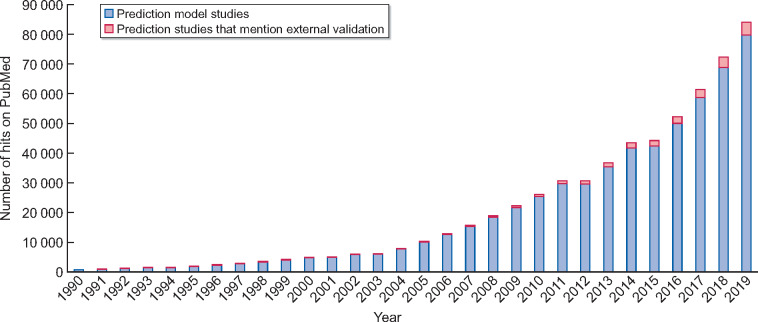
Prognostic models that aim to improve the prediction of clinical events, individualized treatment and decision-making are increasingly being developed and published. However, relatively few models are externally validated and validation by independent researchers is rare. External validation is necessary to determine a prediction model's reproducibility and generalizability to new and different patients. Various methodological considerations are important when assessing or designing an external validation study. In this article, an overview is provided of these considerations, starting with what external validation is, what types of external validation can be distinguished and why such studies are a crucial step towards the clinical implementation of accurate prediction models. Statistical analyses and interpretation of external validation results are reviewed in an intuitive manner and considerations for selecting an appropriate existing prediction model and external validation population are discussed. This study enables clinicians and researchers to gain a deeper understanding of how to interpret model validation results and how to translate these results to their own patient population.
Overview
The claims and statistics of this paper haven’t been checked yet.
Free: it reads the open-access text and checks the first 5 claims that cite a source we can check. Create a free account to check every claim.
Integrity signals
Registry
Cites
Statistics
Figures
Verification
Claims the paper makes
The claims and statistics of this paper haven’t been checked yet.
Free: it reads the open-access text and checks the first 5 claims that cite a source we can check. Create a free account to check every claim.
Self-check
Percentages, sums and reported differences re-computed from the paper’s own numbers.
The self-check needs the paper’s full text.
Citations
Cites
An Introduction to the Bootstrap
Efron, B., & Tibshirani, R. J. (1994) · doi:10.1201/9780429246593 · Cited by 40,500
Decision curve analysis: a novel method for evaluating prediction models
Vickers, A. J., & Elkin, E. B. (2006) · Medical Decision Making · doi:10.1177/0272989x06295361 · Cited by 6,341
Assessing the Performance of Prediction Models: A Framework for Traditional and Novel Measures
Steyerberg, E. W., Vickers, A. J., Cook, N. R., Gerds, T., Gonen, M., Obuchowski, N., Pencina, M. J., & Kattan, M. W. (2010) · Epidemiology · doi:10.1097/ede.0b013e3181c30fb2 · Cited by 5,170 · cited 1×
“net benefit, decision analysis) may also be assessed but are generally complementary to the discrimination and calibration results [22].”
BackgroundMoons, K. G. M., Altman, D. G., Reitsma, J. B., Ioannidis, J. P. A., Macaskill, P., Steyerberg, E. W., Vickers, A. J., Ransohoff, D. F., & Collins, G. S. (2015) · Annals of Internal Medicine · doi:10.7326/m14-0698 · Cited by 5,147 · cited 3×
“For researchers planning an external validation study we highly recommend consulting the Transparent Reporting of a multivariable prediction model for Individual Prognosis Or Diagnosis checklist and explanation and elaboration document [4].”
BackgroundMethodClinical Prediction Models: A Practical Approach to Development, Validation, and Updating
Steyerberg, E. W. (2019) · Statistics for Biology and Health · doi:10.1007/978-3-030-16399-0 · Cited by 3,281
An Introduction to the Bootstrap.
Buckland, S. T., Efron, B., & Tibshirani, R. J. (1994) · Biometrics · doi:10.2307/2532810 · Cited by 3,103
PROBAST: A Tool to Assess the Risk of Bias and Applicability of Prediction Model Studies
Wolff, R. F., Moons, K. G. M., Riley, R. D., Whiting, P. F., Westwood, M., Collins, G. S., Reitsma, J. B., Kleijnen, J., Mallett, S., & for the PROBAST Group† (2019) · Annals of Internal Medicine · doi:10.7326/m18-1376 · Cited by 2,984 · cited 1×
“Bias in prognostic models can be assessed using the Prediction model Risk Of Bias ASsessment Tool tool [31].”
MethodInternal validation of predictive models
Steyerberg, E. W., Harrell, F. E., Borsboom, G. J. J. M., Eijkemans, M. J. C., Vergouwe, Y., & Habbema, J. D. F. (2001) · Journal of Clinical Epidemiology · doi:10.1016/s0895-4356(01)00341-9 · Cited by 2,746
Use and Misuse of the Receiver Operating Characteristic Curve in Risk Prediction
Cook, N. R. (2007) · Circulation · doi:10.1161/circulationaha.106.672402 · Cited by 2,112 · cited 1×
“When assessing the overall performance of a prognostic model, it is important to take both discrimination and calibration into account, as well as the intended use of the model [4, 26, 27].”
MethodUno, H., Cai, T., Pencina, M. J., D'Agostino, R. B., & Wei, L. J. (2011) · Statistics in Medicine · doi:10.1002/sim.4154 · Cited by 1,535 · cited 1×
“For Cox proportional hazards prediction models a time-toevent C-index such as Harrel’s C-index or Uno’s C-index can be computed [21, 25].”
Method
Cited by
Items 501–600 of 976
Zijlstra, H., Kuijten, R. H., Bhimavarapu, A., Lans, A., Cross, R. E., Alnasser, A. A., Karhade, A. V., Verlaan, J., Groot, O. Q., & Schwab, J. H. (2024) · European Spine Journal · doi:10.1007/s00586-024-08588-w · Cited by 3
Pang, Y., Liang, J., Deng, Y., Chen, W., Shen, Y., Li, J., Wang, X., & Ren, Z. (2025) · Frontiers in Immunology · doi:10.3389/fimmu.2025.1449355 · Cited by 3
Tommolini, M. L., Cufaro, M. C., Valentinuzzi, S., Cicalini, I., Zucchelli, M., Frisco, A., Simonetti, S., Donnorso, M. P., Moccia, S., Bucci, I., et al. (2025) · Metabolites · doi:10.3390/metabo15050308 · Cited by 3
“Yet, to further support the clinical applicability and confirm the potential of our model, we retrospectively evaluated nine additional positive cases from an extra-regional neonatal population using the new layered cut-offs [18].”
Zhu, Y., Chen, J., & Chen, J. (2025) · Updates in Surgery · doi:10.1007/s13304-025-02438-0 · Cited by 3
Reliability, Construct Validity, Acceptability and Feasibility of the BruxScreen
Kessler, L. J., Verhoeff, M. C., Chin, T., Su, N., Osman, A., Mungia, R., & Lobbezoo, F. (2025) · Journal of Oral Rehabilitation · doi:10.1111/joor.70093 · Cited by 3
External validation of EEG-based machine learning models for continuous pain prediction
Mari, T., Henderson, J., Ali, S. H., Hewitt, D., Brown, C. A., Stančák, A., & Fallon, N. B. (2026) · Journal of Pain · doi:10.1016/j.jpain.2026.106416 · Cited by 3
Greup, S., Spoon, D., de Vroed, A., van Werkhoven, B., Timmerman, E., Ista, E., & van Dijk, M. (2026) · Journal of Clinical Nursing · doi:10.1111/jocn.70574 · Cited by 3
External validation of a deep learning prediction model for in-hospital mortality among ICU patients
Zhao, S., Liu, P., Tang, G., Guo, Y., & Li, G. (2022) · IEEE International Conference on Power, Electronics and Computer Applications (ICPECA) · doi:10.1109/icpeca53709.2022.9718918 · Cited by 3
“The quality of an external data set can also affect a model ’ s performance, and it has been supposed that reliable and clean data may yield accurate models[18].”
BackgroundStrum, R. P., Mondoux, S. E., Mowbray, F., Worster, A., Griffith, L. E., Tavares, W., Miller, P. D., Hanel, E., Aryal, K., Sivakumaran, R., et al. (2022) · BMJ Open · doi:10.1136/bmjopen-2022-068488 · Cited by 3
Beaudry, G. M., Yu, R., Miller, O., Prescott-Mayling, L., Fanshawe, T. R., & Fazel, S. (2023) · Journal of Criminal Justice · doi:10.1016/j.jcrimjus.2023.102061 · Cited by 5
de Almeida, A. B., Rita, M. A., Miguel, F., Gaio, R., & Guedes‐Martins, L. (2023) · Current Cardiology Reviews · doi:10.2174/011573403x255256230919061018 · Cited by 3
Handling Overlapping Asymmetric Data Sets—A Twice Penalized P-Spline Approach
McTeer, M., Henderson, R., Anstee, Q. M., & Missier, P. (2024) · Mathematics · doi:10.3390/math12050777 · Cited by 3
Artificial intelligence in cancer research and precision medicine
Corti, C., Cobanaj, M., Criscitiello, C., & Curigliano, G. (2024) · Elsevier eBooks · doi:10.1016/b978-0-443-13671-9.00005-3 · Cited by 3
Haley, F., Andrews, J. A., & Moghaddam, N. G. (2024) · Journal of Technology in Behavioral Science · doi:10.1007/s41347-024-00457-z · Cited by 3
“The significance of external validation is underscored in the work of Ramspek et al. (2020), who affirm its necessity in gauging a prediction model's reproducibility and its potential applicability to novel and diverse patient cohorts.”
Janke, S., & Karst, K. (2024) · Zeitschrift für Pädagogische Psychologie · doi:10.1024/1010-0652/a000383 · Cited by 3
Systematic review of prognostic models in Parkinson’s disease
Li, Y., McDonald-Webb, M., McLernon, D. J., Counsell, C. E., & Macleod, A. D. (2025) · npj Parkinson's Disease · doi:10.1038/s41531-025-01112-x · Cited by 4
“Internal validation involves resampling from the same development dataset to test the model performance in the underlying population, whileexternal validationinvolves assessing model performance in another independent dataset 3 .”
The Challenge Dataset – simple evaluation for safe, transparent healthcare AI deploymentPreprint
Sanayei, J. K., Abdalla, M., Ahluwalia, M., Seyyed-Kalantari, L., Minotti, S. C., & Fine, B. (2022) · medRxiv · doi:10.1101/2022.12.15.22280619 · Cited by 4
“[8] Numerous literature and lay press examples of classical statistical[4,5] and machine learning models[3,13] show a gap in performance, or “generalization gap”, between internal and external validation.”
BackgroundInfluentialSun, B., Yew, P. Y., Chi, C., Song, M., Loth, M., Liang, Y., Zhang, R., & Straka, R. J. (2024) · Clinical Pharmacology & Therapeutics · doi:10.1002/cpt.3208 · Cited by 2
Stel, V. S., Jager, K. J., & Ortíz, A. (2024) · Clinical Kidney Journal · doi:10.1093/ckj/sfae120 · Cited by 2
“Finally, in this special collection of ERA Registry articles one can also find methodological articles on the external validation of prediction models [20 ], on inverse probability weighting [21 ] and on the need for competing risks analysis methods in survival analyses [22 ].”
BackgroundSelf-citationYan, D., Wang, Y., Hu, J., Lu, R., Ye, C., Liu, N., Chen, D., Liang, W., Zheng, L., Liu, W., et al. (2024) · Frontiers in Nutrition · doi:10.3389/fnut.2024.1351503 · Cited by 3
“The models have gained attention for their potential use in personalized medicine, individualized decision-making, and risk stratification (21).”
Huang, W., Wu, C., Chang, K., Chen, H.-S., Chang, C.-K., Hwang, J., Huang, S.-H., Chen, Y., Cheng, B., Weng, M.-H., et al. (2024) · Journal of Psychosomatic Research · doi:10.1016/j.jpsychores.2024.111936 · Cited by 2
Genetic Risk Scores for the Clinical Rheumatologist
Wheeler, A. M., Riley, T. R., & Merriman, T. R. (2024) · JCR Journal of Clinical Rheumatology · doi:10.1097/rhu.0000000000002152 · Cited by 2
Robledo, A. I. U., López-Márquez, F. C., González-Galarza, F. F., Domingo, P., Gutiérrez-Pérez, M. E., y Goytia, A. P. R. B., Ruíz-Flores, P., Segura-López, F. K., & Miranda-Pérez, A. A. (2024) · Revista de investigaci�n Cl�nica · doi:10.24875/ric.24000176 · Cited by 2
“Predictive models are intended to improve the prediction of clinical events, individualized treatment, and correct decision-making 17 .”
Chen, Y.-Y., Yen, H., Hsu, J., Lin, T.-C., Lin, H.-C., Chen, C., Hu, M., Groot, O. Q., & Schwab, J. H. (2025) · The Spine Journal · doi:10.1016/j.spinee.2025.03.022 · Cited by 3
Duan, H., Tao, R., & Qin, J. (2025) · Scientific Reports · doi:10.1038/s41598-025-96593-4 · Cited by 2
“In the future, external validation needs to be carried out in different medical institutions and populations to further evaluate the performance of the model 38,39 .”
Gandhi, S., Chandna, S., Chinnadurai, V., & Vidyarthi, P. (2025) · Cancers · doi:10.3390/cancers17081290 · Cited by 2
“Risk stratification: • Classification into Risk Groups: Based on the SIRI-RT score, patients are stratified into low-, medium, and high-risk groups for adverse outcomes such as secondary malignancies.”
Patil, D., Sahoo, J., Pai, R. V., & G., S. N. K. R. (2025) · Springer eBooks · doi:10.1007/978-981-96-4154-3_4 · Cited by 3
Sukayogula, M., Surapaneni, T., & Keepanasseril, A. (2025) · Maternal-Fetal Medicine · doi:10.1097/fm9.0000000000000291 · Cited by 2
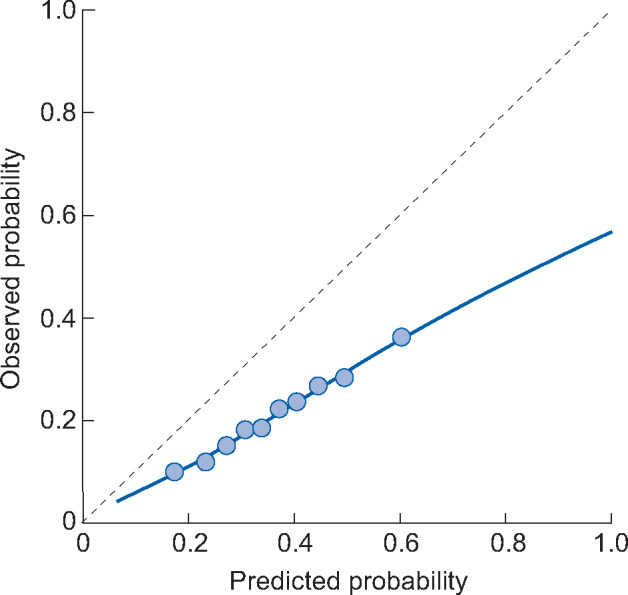
“12,13 The calibration slope evaluates the spread of the estimated risks and has a target value of 1.”
External validation of an AI-based preoperative frailty index using real-world data
Bai, C., Xiao, F., Al‐Ani, M. A., Price, C. C., Manini, T. M., & Mardini, M. (2025) · The Journals of Gerontology Series A · doi:10.1093/gerona/glaf119 · Cited by 2
Lam, C. S., Hua, R., Loong, H. H.-F., Ngan, C.-K., & Cheung, Y. T. (2025) · JMIR Cancer · doi:10.2196/71937 · Cited by 2
“This part is an external validation study to evaluate the generalizability of the comorbidity clusters identified in the NHANES cohort and their associations with mortality within a different group of patients [43].”
van Schaik, E. E. M. W., Crouzen, J. A., Mast, M. E., Broekman, M. L. D., Hakstege, M., Mertens, B. J. A., Kiderlen, M., van Zyp, N. V. D. V., Petoukhova, A., & Zindler, J. D. (2025) · Advances in Radiation Oncology · doi:10.1016/j.adro.2025.101871 · Cited by 2
“23,24 Univariable and multivariable logistic regression analyses were used to explore the association between various risk factors and RN. Logistic regression was selected instead of Cox regression because the NTCP model from Milano et al is not time-dependent.”
InfluentialSannes, A., Feller, D., Pripp, A. H., Chiarotto, A., Kretz, L., Killingmo, R. M., Axén, I., Storheim, K., Grotle, M., & Vigdal, Ø. N. (2025) · BMJ Open · doi:10.1136/bmjopen-2025-102318 · Cited by 2
“13 The international Back Complaints in the Elders (BACE) consortium, consisting of research groups and data collected in the Netherlands, Brazil and Norway, provides a unique opportunity to do a complete development, internal and external validation.”
Umemori, Y., Handa, K., Yoshimura, S., & Kageyama, M. (2025) · Pharmaceutical Research · doi:10.1007/s11095-025-03922-3 · Cited by 2
“Prior studies [52–54] have underscored the necessity of using external datasets to verify prediction accuracy, a perspective reinforced by this study’s findings.”
Fermi, F., Pecorelli, N., Guarneri, G., Vallorani, A., Palumbo, D., Prato, F., COBELLI, F. D., Lena, M. S., Partelli, S., & Falconi, M. (2025) · Surgical Endoscopy · doi:10.1007/s00464-025-12160-y · Cited by 2
Miller, H. A., Goodin, D. A., & Frieboes, H. B. (2025) · Computer Methods and Programs in Biomedicine · doi:10.1016/j.cmpb.2025.109096 · Cited by 2
Zhang, Z., Duan, Y., Wang, Y., & Gao, Z. (2025) · BMJ Open · doi:10.1136/bmjopen-2025-108282 · Cited by 2
A Comprehensive Approach to Responsible AI Development and Deployment
Makhni, S., Rico, J., Cerrato, P. L., Hill, B., Overgaard, S. M., Wu, J., Fairbanks, J., Tripp, R., Redziniak, J., Blundo, R., et al. (2025) · Mayo Clinic Proceedings Digital Health · doi:10.1016/j.mcpdig.2025.100294 · Cited by 3
Amniotic fluid metabolic biomarkers of fetal physiology and pregnancy success
Absalón-Medina, V. A., Sala, R. V., Pereira, D. C., Fricke, V. C., Devkota, I., Bonomo, Z. L., Fuego, D., McDonald, M., Sánchez, J. M., Rabaglino, M. B., et al. (2025) · Biology of Reproduction · doi:10.1093/biolre/ioaf236 · Cited by 2
Fabregat‐Safont, D., Madrid-Gambín, F., Gomez‐Gómez, À., Alechaga, É., Gil‐Gómez, G., & Pozo, Ó. J. (2025) · TrAC Trends in Analytical Chemistry · doi:10.1016/j.trac.2025.118529 · Cited by 2
AI-Driven Quantitative Metabolomics for Early and Precise HIE Diagnosis: Challenges and Solutions
Panigrahi, A., Das, N. R., Yadav, N., Panda, S., Sethy, A. S., Panda, S. K., Mohakud, N. K., & Tiwari, V. (2025) · ACS Omega · doi:10.1021/acsomega.5c03256 · Cited by 4
Bravo-Zúñiga, J., Soto-Becerra, P., Coila-Paricahua, E. J., Chávez-Gómez, R., Pérez-Tejada, E., Pardo-Villafranca, A. V., Arce-Gallo, L. C., & Diaz-Obregón, D. Z. (2025) · BMC Nephrology · doi:10.1186/s12882-025-04357-z · Cited by 3
“This selective validation approach is common, valid, and reasonable, as it ensures that the model’s calibration and performance are most relevant to the population where it is intended to be applied [34, 35, 48].”
Simpler predictive models provide higher accuracy for ovarian cancer detection
Wood, D. E., Roy, J., & Ballew, B. J. (2025) · PeerJ · doi:10.7717/peerj.20525 · Cited by 2
Refining Sleep‐Disordered Breathing Annotations Across Multiple Public Sleep Study Datasets
Ahn, H. K., Na, Y., & Shin, H. (2025) · Journal of Sleep Research · doi:10.1111/jsr.70264 · Cited by 2
Salimi, M., Vadipour, P., Khosravi, A., Salimi, B., Mabani, M., Rostami, P., & Seifi, S. (2025) · Annals of Nuclear Medicine · doi:10.1007/s12149-025-02148-y · Cited by 3
“External validation, ideally using independent datasets from different institutions, is essential to assess the true performance and robustness of radiomics models in diverse clinical environments [48].”
Martineau, M., Kurtz, M., Lavoué, R., Krafft, É., Benchekroun, G., Drut, A., Kim, M. W., Thierry, S., Robin, E., & Boedec, K. L. (2026) · Journal of Veterinary Internal Medicine · doi:10.1093/jvimsj/aalaf067 · Cited by 2
“32,33 Externalvalidationseemstohave been done in a non-peer-reviewed study presented as a white paper, which reports a Se of 83% and a Sp of 98% calculated from an unknown number of cases (IDEXX DecisionIQ™ Addison’s disease risk indication, https://www.idexx.com/files/addisons…”
Partey-Newman, V., Baiden, I., Phil-Othihiwa, S. O., & Dudzilah, G. (2026) · doi:10.69739/jmhp.v1i1.1535 · Cited by 2
Lee, J., Kim, H.-C., Kim, L., Lim, L., Lee, H.-C., & Lee, H. (2026) · Korean Journal of Anesthesiology · doi:10.4097/kja.25646 · Cited by 3
“Furthermore, validating models across different countries is essential for assessing true generalizability and fairness [14].”
Prediction Model of Hypertensive Disorders of Pregnancy Based on Home Blood Pressure Monitoring
Oku, M., Ohno, S., Metoki, H., Arai, E. N., Ito, M., Shiozaki, A., Nakashima, A., Iwama, N., Tsuchida, R., Yoneda, S., et al. (2026) · Journal of the American Heart Association · doi:10.1161/jaha.125.047093 · Cited by 5
Immune Ageing Clocks: A Methods-Oriented Review of Tasks, Modalities, Models, and Recalibration
Yu, G., Shao, Z., Zhuo, J., & Chen, Z. (2026) · Cells · doi:10.3390/cells15050421 · Cited by 3
“Transportability requires external validation across sites, platforms and age distributions, and the recalibration of intercepts/slopes or baseline hazards when population or platform shifts are present [30,95].”
InfluentialAzizi, S., Hoveidamanesh, S., Bagheri, T., Varaki, F. A., Ghadimi, T., & Forghani, S. F. (2026) · Burns · doi:10.1016/j.burns.2026.107965 · Cited by 2
He, Y., Dong, J., Lin, F., Zhang, J., Zheng, X., Chen, Q., Li, J., Ma, S., Li, L., & Huang, H. (2026) · Pediatric Research · doi:10.1038/s41390-026-04878-9 · Cited by 2
Polyp Detection Using YOLOv9 on Real and Synthetic Colonoscopy Images
Chng, S. Y., Li, J. W., Trinh, H. H., Lim, J. L. X., Kan, R. X. M., Vadapalli, D. S., Toh, P. Z. J., & Ang, T. L. (2026) · Journal of Gastroenterology and Hepatology · doi:10.1111/jgh.70391 · Cited by 2
Nabavizadeh, S. S., Safari, F., Mehrian, S. R. A., Ghanaatpisheh, A., Abbaspour, A., Alinazari, M. M. K., Setayesh, M., & Nabavizadeh, S. A. (2026) · Ultrasound in Medicine & Biology · doi:10.1016/j.ultrasmedbio.2026.01.017 · Cited by 2
External validation of a machine learning model for delivery mode prediction after induction
Ferreira, I., Simoes, J., Correia, J., & Areia, A. L. (2026) · npj Digital Medicine · doi:10.1038/s41746-026-02384-0 · Cited by 2
“DCA assesses the bene fi ts (performing a CS on a true positive case) and harms (performing a CS on an FP case) associated with the model 17 .”
InfluentialPaesano, N. E., Camean, J. J., Ringa, M., López-Silva, M., Koren, G., Olmedo, T. E., Gurovich, J., Bravo-Castro, E. I., Catalá, V., Contreras, P. N., et al. (2026) · Cancers · doi:10.3390/cancers18111810 · Cited by 2
“Both models also showed adequate discrimination for csPCa, with an AUC and corresponding 95% confidence intervals consistently above 0.700 [26].”
InfluentialEidbur, A., & Atjimakul, T. (2026) · BMC Cancer · doi:10.1186/s12885-026-16263-0 · Cited by 2
“Before predictive models can be implemented in clinical practice, rigorous external validation in independent populations is essential to assess their generalizability and transportability [14].”
Janowczyk, A. R., Merkler, D., Michielin, O. A., & Madabhushi, A. (2026) · The Lancet Digital Health · doi:10.1016/j.landig.2026.101000 · Cited by 2
Alabi, R. O., Bazina, M., Guntinas‐Lichius, O., Elmusrati, M. S., Almangush, A., Ehrsson, Y. T., Laurell, G. F. E., & Mäkitie, A. A. (2026) · Scientific Reports · doi:10.1038/s41598-026-55741-0 · Cited by 2
“However, this approach still tends to yield overly optimistic performance estimates 43,45 .”
Seifu, B. L., Belsti, Y., Yimer, N. B., Goldstein, R. F., Enticott, J., & Teede, H. J. (2026) · Acta Obstetricia Et Gynecologica Scandinavica · doi:10.1111/aogs.70300 · Cited by 2
“22 Rigorous external validation reduces research waste by preventing proliferation of redundant models and bridges the gap between development and real-world utility.”
Chow, J. C. H., Wong, K. C. W., Cai, J., Lui, J. C. F., Cheung, Y. W., Tam, A. H. P., Wu, J., Cheung, G. T. C., Cheung, K. M., Au, K. H., et al. (2026) · International Journal of Radiation Oncology*Biology*Physics · doi:10.1016/j.ijrobp.2026.06.3077 · Cited by 2
Risk prediction models for oral frailty in older adults: a scoping review
Chen, Y., Tang, H., Li, B., & Yuan, L. (2026) · Frontiers in Medicine · doi:10.3389/fmed.2026.1868632 · Cited by 2
“Before broader implementation, these models should be evaluated in prospective cohorts with clearly defined prediction horizons and externally validated in independent populations (39, 40).”
Agbo, C. E., Nwankwo, C. K., Onyehalu, J. C., Agu, M. C., Opah, C., & Nworu, C. S. (2026) · Journal of Pharmacology and Experimental Therapeutics · doi:10.1016/j.jpet.2026.104986 · Cited by 2
Wei, L., Hou, Q., Liu, J., Yao, N., Liang, Y., Cao, X., Sun, B., Li, H., Xu, S., & Cao, J. (2022) · Frontiers in Oncology · doi:10.3389/fonc.2022.873367 · Cited by 2
“Even if a model is well performed in the developing cohort, its performance deteriorates when applied to a different population, partly because of the potential overfitting and the shift of patient distribution (demographics, clinicopathological characteristics, treatment methods) (16, 17).”
BackgroundHaapio, M., van Diepen, M., Steenkamp, R. D., Helve, J., Dekker, F. W., Caskey, F. J., & Finne, P. (2023) · PLoS ONE · doi:10.1371/journal.pone.0280831 · Cited by 2
“Validation of a model by evaluating calibration is another central process and reflects number of events predicted by a model against number of observed real-life events [15].”
BackgroundSelf-citationMartínez‐Jaimez, P., Fuster, P., Masià, J., Jané, P., & Monforte‐Royo, C. (2023) · Journal of Advanced Nursing · doi:10.1111/jan.15727 · Cited by 2
Kirkham, A. M., Candeliere, J., Fergusson, D. A., Stelfox, H. T., Brandys, T., McIsaac, D. I., Ramsay, T., & Roberts, D. J. (2024) · Annals of Vascular Surgery · doi:10.1016/j.avsg.2023.11.034 · Cited by 2
Development and validation of a score assessing the risk of severe asthma in primary care
Lapi, F., Cricelli, I., Gorini, M., Pellegrino, A., Uberti, M., & Cricelli, C. A. (2024) · Current Medical Research and Opinion · doi:10.1080/03007995.2024.2341869 · Cited by 2
Shimizu, G. Y., Romão, E. A., da Costa, J. A. C., Marques, J. M. D. A., Scarpelini, S., Suzuki, K. M. F., César, H. V., & de Azevedo‐Marques, P. M. (2024) · Proceedings - IEEE Symposium on Computer-Based Medical Systems · doi:10.1109/cbms61543.2024.00031 · Cited by 2
“Despite its importance, it remains understudied - in a survey of 84,032 studies of prediction models, only 5% reported its adoption [12].”
BackgroundAteya, M., Aristeridou, D., Sands, G. H., Zielinski, J., Grout, R. W., Colavecchia, A. C., Wazni, O. M., & Haque, S. N. (2024) · Heart Rhythm O2 · doi:10.1016/j.hroo.2024.09.010 · Cited by 2
Su, H., Nguyen, T. T. D., Lin, W., Ou, H., & Kuo, S. (2024) · Cardiovascular Diabetology · doi:10.1186/s12933-024-02443-4 · Cited by 2
“It should be noted, however, that for a risk equation that aims to accurately predict risks of patients, its performance of discrimination might be less relevant than that of calibration [14].”
BackgroundMethodInfluentialMachine Learning for Treatment Management Prediction in Laryngeal Fractures
Alabi, R. O., & Mäkitie, R. E. (2024) · Journal of Voice · doi:10.1016/j.jvoice.2024.09.029 · Cited by 2
Burggraaf, J. L. I., Wiggins, K. L., van Rein, N., le Cessie, S., Smith, N. L., & Cannegieter, S. C. (2024) · Research and Practice in Thrombosis and Haemostasis · doi:10.1016/j.rpth.2024.102610 · Cited by 2
“However, it is essential that such models are suf fi ciently validated (internally and externally) before they can be implemented safely in clinical practice, preferably in different settings [5 – 7].”
A beginner's guide to supervised analysis for mass cytometry data in cancer biology
Wlosik, J., Granjeaud, S., Gorvel, L., Olive, D., & Chrétien, A.-S. (2024) · Cytometry Part A · doi:10.1002/cyto.a.24901 · Cited by 2
External validation of an algorithm to detect vertebral level mislabeling and autocontouring errors
Netherton, T., Duprez, D., Patel, T., Cifter, G., Court, L. E., Trauernicht, C. J., & Aggarwal, A. K. (2025) · Physics and Imaging in Radiation Oncology · doi:10.1016/j.phro.2025.100738 · Cited by 2
“External validation of these QA approaches is essential before deployment of such tools to clinics with different patient populations and clinical practices [11].”
Validation of the prognostic model “oncologiq palliative” for head and neck cancer patients
van den Besselaar, B. N., Klaveren, D. V., Berzenji, D., Hoesseini, A., Jansen, J. C., Hardillo, J. A., de Jong, R. J. B., Offerman, M. P. J., & Sewnaik, A. (2025) · European Archives of Oto-Rhino-Laryngology · doi:10.1007/s00405-025-09462-1 · Cited by 2
Szczesna, A., Nissen, S. K., Brabrand, M., Bingisser, R. M., & Nickel, C. H. (2025) · International Journal of Clinical Practice · doi:10.1155/ijcp/2048711 · Cited by 2
Hou, Z., Wang, P., Lv, D., Zhou, H., Guo, Z., Li, J., Jia, M., Du, H., & Shuang, W. (2025) · Frontiers in Medicine · doi:10.3389/fmed.2025.1624198 · Cited by 2
“External validation is crucial for accurately assessing the reliability of risk prediction models; failure to conduct appropriate external validation can lead to misinterpretation of model performance (34, 35).”
Type 2 Diabetes Prediction Model in China: A Five-Year Systematic Review
Duan, J., & Nayan, N. (2025) · Healthcare · doi:10.3390/healthcare13162007 · Cited by 2
“This process ensures that key metrics and calibration remain robust [67].”
Łajczak, A., Silva, Y. P., & Łajczak, P. M. (2025) · Child s Nervous System · doi:10.1007/s00381-025-06962-7 · Cited by 3
Φιλιππάτος, Γ., Tsironi, M., Zyga, S., & Andriopoulos, P. (2021) · Injury · doi:10.1016/j.injury.2021.10.003 · Cited by 2
Parsons, R. E., Colopy, G. W., Clifton, D. A., & Clifton, L. (2022) · Journal of Data Science · doi:10.6339/22-jds1037 · Cited by 2
Validation of the online PREDICT tool in a cohort of early breast cancer in Brazil
Magario, M. B., dos Santos, R. R., Teixeira, L. A., Tiezzi, D. G., Pimentel, F. F., Carrara, H. H. A., de Andrade, J. M., & dos Reis, F. J. C. (2022) · Brazilian Journal of Medical and Biological Research · doi:10.1590/1414-431x2022e12109 · Cited by 2
“The validation of a prognostic model is essential to establish its use in a specific population (15).”
MethodRademaker, M. M., Smit, A. L., Stokroos, R. J., van Smeden, M., & Stegeman, I. (2023) · Frontiers in Neurology · doi:10.3389/fneur.2023.1213687 · Cited by 2
“This should be considered for future studies to assess the model’s accuracy, reproducibility, and generalizability in a different dataset (10, 39).”
BackgroundBatterbury, A. (2022) · Queensland University of Technology · doi:10.5204/thesis.eprints.234109 · Cited by 3
Predicting Kidney Failure With the Kidney Failure Risk Equation: Time to Rethink Probabilities
Janse, R. J., van Diepen, M., & Ramspek, C. L. (2023) · American Journal of Kidney Diseases · doi:10.1053/j.ajkd.2023.07.004 · Cited by 2
Self-citationNeoGx: Machine Learning to Predict Genetic Evaluation Need in the Level IV NICUPreprint
Antoniou, A. A., Gordon, D. M., Kubatko, A., White, P., & Chaudhari, B. P. (2024) · medRxiv · doi:10.1101/2024.06.24.24309403 · Cited by 2
Madhukar, A. (2025) · Preprints.org · doi:10.20944/preprints202508.1986.v1 · Cited by 2
García‐Torrecillas, J. M., Lea-Pereira, M. C., Amaya‐Pascasio, L., Rosa‐Garrido, C., Quesada‐López, M., Reche, F., Iglesias-Espinosa, M., Mota, A. A., Galván-Espinosa, J., Martínez‐Sánchez, P., et al. (2023) · Journal of Clinical Medicine · doi:10.3390/jcm12227168 · Cited by 2
“Therefore, the performance of the model must be tested on a new set of patients to confirm its satisfactory performance; this process is termed external validation [17].”
BackgroundMethodPerioperative risk stratification scores in infective endocarditis and its usefulness
Barca, L. V., & Menéndez, J. L. (2023) · Indian Journal of Thoracic and Cardiovascular Surgery · doi:10.1007/s12055-023-01644-y · Cited by 1
Lapi, F., Marconi, E., Domnich, A., Cricelli, I., Rossi, A., Grattagliano, I., Icardi, G., & Cricelli, C. A. (2024) · Infectious Disease Reports · doi:10.3390/idr16020021 · Cited by 1
“That being said, when these algorithms are developed through a representative data source with the aim to apply this score in the same setting, the internal validity is sufficient [24].”
Wangchinda, W., Kaye, K. S., Patel, T. S., Albin, O. R., Saravolatz, L. I. I., Petrie, J. G., & Pogue, J. M. (2024) · Journal of Antimicrobial Chemotherapy · doi:10.1093/jac/dkae104 · Cited by 1
Tokodi, M., Kosztin, A., Kovács, A. D., Gellér, L., Schwertner, W. R., Veres, B., Behon, A., Lober, C., Bogale, N., Linde, C. M., et al. (2024) · European Heart Journal - Digital Health · doi:10.1093/ehjdh/ztae051 · Cited by 1
“13 Accordingly, we aimed to validate the SEMMELWEIS-CRT score for predicting 1-year all-cause mortality in the European CRT Survey I dataset 14 —a large multi-centre cohort of patients undergoing CRT implantation.”
BackgroundMethodDai, Y., Buttenheim, A. M., Pinto‐Martin, J. A., Compton, P. A., Jacoby, S. F., & Liu, J. (2024) · Computer Methods and Programs in Biomedicine · doi:10.1016/j.cmpb.2024.108402 · Cited by 1
Development of interactive e-books to increase learning independence in statistics
Nugroho, A. A., Dwijayanti, I., & Setyawati, R. D. (2024) · JRAMathEdu (Journal of Research and Advances in Mathematics Education) · doi:10.23917/jramathedu.v8i3.5120 · Cited by 1
Detection of Diabetic Retinopathy Using VGG19 and ResNet 50 Models
Odigie, M. O., George, G. O., Igodan, E. C., & Ukaoha, K. C. (2024) · East African Scholars Journal of Engineering and Computer Sciences · doi:10.36349/easjecs.2024.v07i08.002 · Cited by 1
Prioritizing cases from a multi-institutional cohort for a dataset of pathologist annotations
Garcia, V. L., Gardecki, E., Jou, S., Li, X., Shroyer, K. R., Saltz, J. H., Ács, B., Elfer, K. N., Lennerz, J. K., Salgado, R., et al. (2024) · Journal of Pathology Informatics · doi:10.1016/j.jpi.2024.100411 · Cited by 1
Quintero-Montealegre, S., Monroy, A. M. M., Herazo, J. R. G., Perez-Mendez, W., Piraquive, N. M., Fraile, G. C., & Múñoz, Ó. (2024) · Therapeutic Advances in Infectious Disease · doi:10.1177/20499361241304508 · Cited by 1
Manhoobi, I. P., Ellbrant, J., Bendahl, P., Redsted, S., Bodilsen, A., Tramm, T., Christiansen, P., & Rydén, L. (2025) · BMC Research Notes · doi:10.1186/s13104-025-07103-8 · Cited by 1
“External validation of a prediction model is important but rarely performed [29, 30].”
Yi, J., Bang, J., Kim, K. M., Lee, E., & Choi, B. (2025) · Basic & Clinical Pharmacology & Toxicology · doi:10.1111/bcpt.70019 · Cited by 1
Paul, G. J., Princy, S. A., Anju, S., & Keepanasseril, A. (2025) · Journal of Cardiology · doi:10.1016/j.jjcc.2025.03.015 · Cited by 1
Metadata
- Authors
- Ramspek, C. L., Jager, K. J., Dekker, F. W., Zoccali, C., & van Diepen, M.
- Affiliations
- Leiden University Medical Center (NL)
- Amsterdam Public Health (NL)
- CNR-IFC, Clinical Epidemiology of Renal Diseases and Hypertension, Reggio Calabria, Italy
- Department of Clinical Epidemiology, Leiden University Medical Center, Leiden, The Netherlands
- Venue
- Clinical Kidney Journal
- Publisher
- Oxford University Press (OUP)
- Published
- 2020-11-24
- Volume
- 14
- Issue
- 1
- Pages
- 49-58
- ISSN
- 2048-8505 (ISSN-L)
- 2048-8513
- PMC
- PMC7857818
- OpenAlex
- W3109609494
- Cited by
- 887
- References
- 46
- Citations by year
- 2026: 197 · 2025: 209 · 2024: 194 · 2023: 162 · 2022: 96 · 2021: 28
- FWCI
- 11.62
- Type
- journal article
- Language
- en
- Open access
- gold
- doi.org
- Licence
- Locations
- Clinical Kidney Journal (publishedVersion, cc-by-nc)
- Europe PMC (PubMed Central) (publishedVersion, cc-by-nc)
- PubMed Central (publishedVersion, cc-by-nc)
- PubMed (publishedVersion)
- Leiden Repository (Leiden University) (submittedVersion, cc-by-nc)
- Data Archiving and Networked Services (DANS) (submittedVersion, other-oa)
- Data Archiving and Networked Services (DANS) (submittedVersion, cc-by-nc)
- Pure Amsterdam UMC (submittedVersion, cc-by)
- Funders
- Dutch Kidney Foundation (16OKG12)
- Topics
- Physical Sciences › Mathematics › Statistics and Probability › Statistical Methods in Epidemiology
- Social Sciences › Decision Sciences › Statistics, Probability and Uncertainty › Meta-analysis and systematic reviews
- Health Sciences › Health Professions › Health Information Management › Artificial Intelligence in Healthcare
- Keywords
- external validation, prognostic model, prediction model, generalizability, reproducibility, clinical implementation, clinical decision-making
About these checks
Registry, retraction, Cites and statistics results are computed, not judged, with one exception: a printed reference that no index lists is read once by a model before it counts as a citation error. Claims are extracted by a model and kept only when their quote appears verbatim in the text; each cited source is then checked, with a model’s help, for whether it says what the claim relies on. Those verdicts can be wrong — read the claim’s quote and the cited source before relying on one.
Statistics and arithmetic are recomputed, not judged.
Confidence bands are shown only for fields calibrated on our annotated test set. None is calibrated yet, so no band is shown.
What counts as a claim ›How we measure confidence ›How we check this ›
Are you an author, or do you see a problem with this page? Request a review
Data sources
Bibliographic data: Semantic Scholar, OpenAlex, Crossref.
Contains information from the Semantic Scholar Academic Graph Datasets, made available under the ODC Attribution License (ODC-BY 1.0).
Semantic Scholar’s data is described in: Kinney, R., et al. (2023). The Semantic Scholar Open Data Platform. arXiv:2301.10140.
