

External validation of prognostic models: what, why, how, when and where?
Open accessThe DOI matches its Crossref record; 45 of the 46 references it cites were found in a registry or an index.
Abstract
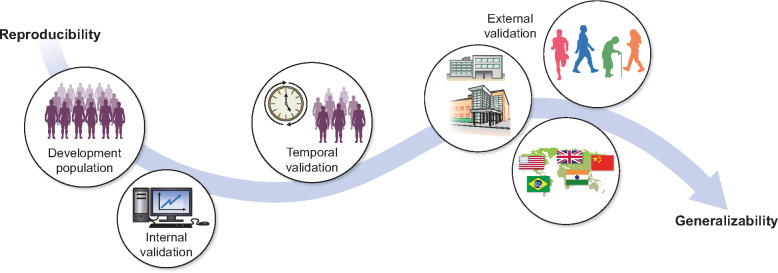
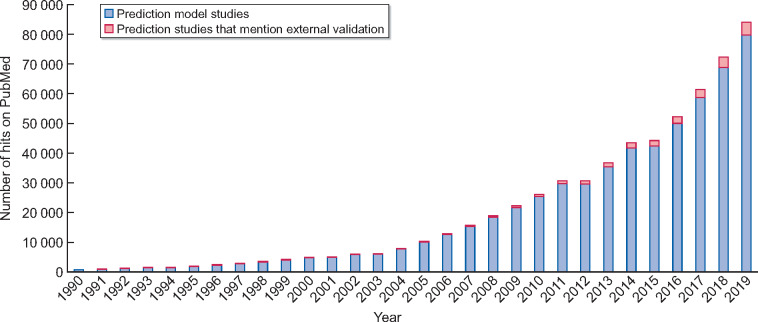
Prognostic models that aim to improve the prediction of clinical events, individualized treatment and decision-making are increasingly being developed and published. However, relatively few models are externally validated and validation by independent researchers is rare. External validation is necessary to determine a prediction model's reproducibility and generalizability to new and different patients. Various methodological considerations are important when assessing or designing an external validation study. In this article, an overview is provided of these considerations, starting with what external validation is, what types of external validation can be distinguished and why such studies are a crucial step towards the clinical implementation of accurate prediction models. Statistical analyses and interpretation of external validation results are reviewed in an intuitive manner and considerations for selecting an appropriate existing prediction model and external validation population are discussed. This study enables clinicians and researchers to gain a deeper understanding of how to interpret model validation results and how to translate these results to their own patient population.
Overview
The claims and statistics of this paper haven’t been checked yet.
Free: it reads the open-access text and checks the first 5 claims that cite a source we can check. Create a free account to check every claim.
Integrity signals
Registry
Cites
Statistics
Figures
Verification
Claims the paper makes
The claims and statistics of this paper haven’t been checked yet.
Free: it reads the open-access text and checks the first 5 claims that cite a source we can check. Create a free account to check every claim.
Self-check
Percentages, sums and reported differences re-computed from the paper’s own numbers.
The self-check needs the paper’s full text.
Citations
Cites
An Introduction to the Bootstrap
Efron, B., & Tibshirani, R. J. (1994) · doi:10.1201/9780429246593 · Cited by 40,500
Decision curve analysis: a novel method for evaluating prediction models
Vickers, A. J., & Elkin, E. B. (2006) · Medical Decision Making · doi:10.1177/0272989x06295361 · Cited by 6,341
Assessing the Performance of Prediction Models: A Framework for Traditional and Novel Measures
Steyerberg, E. W., Vickers, A. J., Cook, N. R., Gerds, T., Gonen, M., Obuchowski, N., Pencina, M. J., & Kattan, M. W. (2010) · Epidemiology · doi:10.1097/ede.0b013e3181c30fb2 · Cited by 5,170 · cited 1×
“net benefit, decision analysis) may also be assessed but are generally complementary to the discrimination and calibration results [22].”
BackgroundMoons, K. G. M., Altman, D. G., Reitsma, J. B., Ioannidis, J. P. A., Macaskill, P., Steyerberg, E. W., Vickers, A. J., Ransohoff, D. F., & Collins, G. S. (2015) · Annals of Internal Medicine · doi:10.7326/m14-0698 · Cited by 5,147 · cited 3×
“For researchers planning an external validation study we highly recommend consulting the Transparent Reporting of a multivariable prediction model for Individual Prognosis Or Diagnosis checklist and explanation and elaboration document [4].”
BackgroundMethodClinical Prediction Models: A Practical Approach to Development, Validation, and Updating
Steyerberg, E. W. (2019) · Statistics for Biology and Health · doi:10.1007/978-3-030-16399-0 · Cited by 3,281
An Introduction to the Bootstrap.
Buckland, S. T., Efron, B., & Tibshirani, R. J. (1994) · Biometrics · doi:10.2307/2532810 · Cited by 3,103
PROBAST: A Tool to Assess the Risk of Bias and Applicability of Prediction Model Studies
Wolff, R. F., Moons, K. G. M., Riley, R. D., Whiting, P. F., Westwood, M., Collins, G. S., Reitsma, J. B., Kleijnen, J., Mallett, S., & for the PROBAST Group† (2019) · Annals of Internal Medicine · doi:10.7326/m18-1376 · Cited by 2,984 · cited 1×
“Bias in prognostic models can be assessed using the Prediction model Risk Of Bias ASsessment Tool tool [31].”
MethodInternal validation of predictive models
Steyerberg, E. W., Harrell, F. E., Borsboom, G. J. J. M., Eijkemans, M. J. C., Vergouwe, Y., & Habbema, J. D. F. (2001) · Journal of Clinical Epidemiology · doi:10.1016/s0895-4356(01)00341-9 · Cited by 2,746
Use and Misuse of the Receiver Operating Characteristic Curve in Risk Prediction
Cook, N. R. (2007) · Circulation · doi:10.1161/circulationaha.106.672402 · Cited by 2,112 · cited 1×
“When assessing the overall performance of a prognostic model, it is important to take both discrimination and calibration into account, as well as the intended use of the model [4, 26, 27].”
MethodUno, H., Cai, T., Pencina, M. J., D'Agostino, R. B., & Wei, L. J. (2011) · Statistics in Medicine · doi:10.1002/sim.4154 · Cited by 1,535 · cited 1×
“For Cox proportional hazards prediction models a time-toevent C-index such as Harrel’s C-index or Uno’s C-index can be computed [21, 25].”
Method
Cited by
Developing clinical prediction models: a step-by-step guide
Efthimiou, O., Seo, M., Chalkou, K., Debray, T., Egger, M., & Salanti, G. (2024) · BMJ · doi:10.1136/bmj-2023-078276 · Cited by 544
Shyam Sunder, S., Sharma, U. C., & Pokharel, S. (2023) · Signal Transduction and Targeted Therapy · doi:10.1038/s41392-023-01469-6 · Cited by 508
Freeman, K., Geppert, J., Stinton, C., Todkill, D., Johnson, S., Clarke, A., & Taylor-Phillips, S. (2021) · BMJ · doi:10.1136/bmj.n1872 · Cited by 338
Transforming Cardiovascular Care With Artificial Intelligence: From Discovery to Practice
Khera, R., Oikonomou, E. K., Nadkarni, G. N., Morley, J. R., Wiens, J., Butte, A. J., & Topol, E. J. (2024) · Journal of the American College of Cardiology · doi:10.1016/j.jacc.2024.05.003 · Cited by 264
Binuya, M. A. E., Engelhardt, E. G., Schats, W., Schmidt, M. K., & Steyerberg, E. W. (2022) · BMC Medical Research Methodology · doi:10.1186/s12874-022-01801-8 · Cited by 246
External validation of AI models in health should be replaced with recurring local validation
Youssef, A., Pencina, M., Thakur, A., Zhu, T., Clifton, D., & Shah, N. H. (2023) · Nature Medicine · doi:10.1038/s41591-023-02540-z · Cited by 170
Machine learning explainability in nasopharyngeal cancer survival using LIME and SHAP
Alabi, R. O., Elmusrati, M., Leivo, I., Almangush, A., & Mäkitie, A. A. (2023) · Scientific Reports · doi:10.1038/s41598-023-35795-0 · Cited by 160
“Temporal validation lies between internal and external validation 24 .”
BackgroundSanmarchi, F., Fanconi, C., Golinelli, D., Gori, D., Hernandez‐Boussard, T., & Capodici, A. (2023) · Journal of Nephrology · doi:10.1007/s40620-023-01573-4 · Cited by 176
Introduction to radiomics for a clinical audience
McCague, C., Ramlee, S., Reinius, M., Selby, I., Hulse, D., Piyatissa, P., Bura, V., Crispin‐Ortuzar, M., Sala, E., & Woitek, R. (2023) · Clinical Radiology · doi:10.1016/j.crad.2022.08.149 · Cited by 156
van de Sande, D., Van Genderen, M. E., Smit, J. M., Huiskens, J., Visser, J. J., Veen, R. E. R., van Unen, E., BA, O. H., Gommers, D., & Bommel, J. V. (2022) · BMJ Health & Care Informatics · doi:10.1136/bmjhci-2021-100495 · Cited by 135
An, C., Park, Y. W., Ahn, S. S., Han, K., Kim, H., & Lee, S. (2021) · PLoS ONE · doi:10.1371/journal.pone.0256152 · Cited by 143
“However, most published prediction models have not been validated externally [5], and the field of radiomics ML is no exception where the problem is magnified by the intrinsic difficulty of acquiring large datasets.”
BackgroundDeisenhofer, A., Barkham, M., Beierl, E. T., Schwartz, B., Doorn, K. A., Beevers, C. G., Berwian, I. M., Blackwell, S. E., Bockting, C., Brakemeier, E., et al. (2023) · Behaviour Research and Therapy · doi:10.1016/j.brat.2023.104443 · Cited by 141
“To address another clinically relevant question (e.g., will a given prediction-algorithm work in a different context), external validation, also called a test of generalizability, is needed (Collins, Reitsma, Altman, & Moons, 2015; Ramspeck, Jager, Dekker, Zoccali, & van Diepen, 2021).”
BackgroundAI in Rehabilitation Medicine: Opportunities and Challenges
Lanotte, F., O’Brien, M. K., & Jayaraman, A. (2023) · Annals of Rehabilitation Medicine · doi:10.5535/arm.23131 · Cited by 147
“External validation determines the reproducibility of the AI’s performance when applied to an entirely new dataset, such as a different cohort, location, or later time point [93].”
MethodTargeted validation: validating clinical prediction models in their intended population and setting
Sperrin, M., Riley, R. D., Collins, G. S., & Martin, G. P. (2022) · Diagnostic and Prognostic Research · doi:10.1186/s41512-022-00136-8 · Cited by 108
Protonotarios, A., Bariani, R., Cappelletto, C., Pavlou, M., García-García, A., Cipriani, A., Protonotarios, I., Rivas, A., Wittenberg, R., Graziosi, M., et al. (2022) · European Heart Journal · doi:10.1093/eurheartj/ehac235 · Cited by 115
“Model validation has been developed according to standard practices, assessing both discrimination and calibration.(22) The discriminatory performance of the model was assessed using the Uno concordance index as obtained by the sksurv.”
Organ‐On‐A‐Chip Models of the Blood–Brain Barrier: Recent Advances and Future Prospects
Kawakita, S., Mandal, K., Mou, L., Mecwan, M. M., Zhu, Y., Li, S., Sharma, S., Hernández, A. L., Nguyen, H. T., Maity, S., et al. (2022) · Small · doi:10.1002/smll.202201401 · Cited by 112
Corti, C., Cobanaj, M., Dee, E. C., Criscitiello, C., Tolaney, S. M., Celi, L. A., & Curigliano, G. (2022) · Cancer Treatment Reviews · doi:10.1016/j.ctrv.2022.102498 · Cited by 121
Ezenarro, J., & Schorn‐García, D. (2025) · Journal of Chemometrics · doi:10.1002/cem.70036 · Cited by 88
Detection of cerebral aneurysms using artificial intelligence: a systematic review and meta-analysis
Din, M., Agarwal, S., Grzeda, M. T., Wood, D. A., Modat, M., & Booth, T. C. (2022) · Journal of NeuroInterventional Surgery · doi:10.1136/jnis-2022-019456 · Cited by 96
“69 70 Furthermore, it was unclear in most studies whether data leakage was prevented at the patient level from follow-up imaging.”
BackgroundAbboud, Y., Samaan, J. S., Oh, J. E., Jiang, Y., Randhawa, N., Lew, D., Ghaith, J., Pala, P., Leyson, C., Watson, R. R., et al. (2023) · Gastroenterology · doi:10.1053/j.gastro.2023.01.022 · Cited by 91
Arina, P., Kaczorek, M. R., Hofmaenner, D. A., Pisciotta, W., Refinetti, P., Singer, M., Mazomenos, E. B., & Whittle, J. (2024) · Anesthesiology · doi:10.1097/aln.0000000000004764 · Cited by 81
“105 In terms of confirming generalizability and clinical implementation of machine learning models, external validation should be mandatory, ideally performed in different hospitals, 136 and using separate cohorts of patients to evaluate model performance.”
de Jong, Y., Ramspek, C. L., Zoccali, C., Jager, K. J., Dekker, F. W., & van Diepen, M. (2021) · Nephrology · doi:10.1111/nep.13913 · Cited by 77
“Unfortunately, most of these models have come with various methodological flaws, have limited clinical uptake and have not been externally validated, meaning that the performance was assessed in new patients.(5) Although many models have found their way into everyday clinical practice, up until recently, no clear guid…”
BackgroundSelf-citationHow to Write Statistical Analysis Section in Medical Research
Dwivedi, A. K. (2022) · Journal of Investigative Medicine · doi:10.1136/jim-2022-002479 · Cited by 83
Santos, C. S., & Amorim-Lopes, M. (2025) · BMC Medical Research Methodology · doi:10.1186/s12874-025-02463-y · Cited by 49
Machine learning in the prediction of postpartum depression: A review
Cellini, P., Pigoni, A., Delvecchio, G., Moltrasio, C., & Brambilla, P. (2022) · Journal of Affective Disorders · doi:10.1016/j.jad.2022.04.093 · Cited by 77
Cleland, C. R., Rwiza, J., Evans, J. R., Gordon, I., Macleod, D., Burton, M. J., & Bascarán, C. (2023) · BMJ Open Diabetes Research & Care · doi:10.1136/bmjdrc-2023-003424 · Cited by 75
Machine learning based natural language processing of radiology reports in orthopaedic trauma
Olthof, A. W., Shouche, P., Fennema, E. M., IJpma, F. F. A., Koolstra, R. H. C., Stirler, V. M. A., van Ooijen, P. M. A., & Cornelissen, L. J. (2021) · Computer Methods and Programs in Biomedicine · doi:10.1016/j.cmpb.2021.106304 · Cited by 70
“A 5-fold cross validation was used to find the optimal model performance on the 2018 data which was then tested on the full 2019 data for temporal validation [ 30 , 31 ].”
MethodCervical cancer survival prediction by machine learning algorithms: a systematic review
Rahimi, M., Akbari, A., Asadi, F., & Emami, H. (2023) · BMC Cancer · doi:10.1186/s12885-023-10808-3 · Cited by 74
“Cross-validation is a resampling method for evaluating a model with limited data [38].”
MethodAn interpretable machine learning prognostic system for risk stratification in oropharyngeal cancer
Alabi, R. O., Almangush, A., Elmusrati, M. S., Leivo, I. V. V., & Mäkitie, A. A. (2022) · International Journal of Medical Informatics · doi:10.1016/j.ijmedinf.2022.104896 · Cited by 72
Credibility assessment of in silico clinical trials for medical devices
Pathmanathan, P., Aycock, K., Badal, A., Bighamian, R., Bodner, J., Craven, B. A., & Niederer, S. (2024) · PLOS Computational Biology · doi:10.1371/journal.pcbi.1012289 · Cited by 62
Brucar, L. R., Feczko, E., Fair, D. A., & Zilverstand, A. (2022) · Biological Psychiatry · doi:10.1016/j.biopsych.2022.12.020 · Cited by 63
Kamran, F., Tang, S., Otles, E., McEvoy, D. S., Saleh, S. N., Gong, J., Li, B. Y., Dutta, S., Liu, X., Medford, R. J., et al. (2022) · BMJ · doi:10.1136/bmj-2021-068576 · Cited by 60
Parsons, R. E., Liu, X., Collister, J. A., Clifton, D. A., Cairns, B. J., & Clifton, L. (2023) · Heart · doi:10.1136/heartjnl-2022-321231 · Cited by 69
Show and tell: A critical review on robustness and uncertainty for a more responsible medical AI
Marconi, L., & Cabitza, F. (2025) · International Journal of Medical Informatics · doi:10.1016/j.ijmedinf.2025.105970 · Cited by 65
External validation of AI-based scoring systems in the ICU: a systematic review and meta-analysis
Rockenschaub, P., Akay, E. M., Carlisle, B. G., Hilbert, A., Wendland, J., Meyer-Eschenbach, F., Näher, A.-F., Frey, D., & Madai, V. I. (2025) · BMC Medical Informatics and Decision Making · doi:10.1186/s12911-024-02830-7 · Cited by 58
Hassan, N., Slight, R., Morgan, G., Bates, D. W., Gallier, S., Sapey, E., & Slight, S. (2023) · BMJ Health & Care Informatics · doi:10.1136/bmjhci-2023-100784 · Cited by 53
Yousef, H., Tortei, B. M., & Castiglione, F. (2024) · Journal of Neurology · doi:10.1007/s00415-024-12651-3 · Cited by 70
“Given that performance is usually inferior outside of the training population, this is essential to avoid adverse effects by making clinical decisions based on incorrect predictions [242].”
Backgroundvan der Endt, V. H. W., Milders, J., de Vries, B. B. L. P., Trines, S. A. I. P., Groenwold, R. H. H., Dekkers, O. M., Trevisan, M., Carrero, J. J., van Diepen, M., Dekker, F. W., et al. (2022) · EP Europace · doi:10.1093/europace/euac096 · Cited by 62
“95,115,119 While the components of the risk score may predict well in heterogeneous general AF cohorts, other risk factors more specific for this homogeneous high-risk population may improve the discriminative abilities.(11,15,20,70) Indeed, supporting this mechanism, probably due to the inclusion of more specific pre…”
BackgroundSelf-citationKasartzian, D.-I., & Tsiampalis, T. (2025) · Life · doi:10.3390/life15010094 · Cited by 74
“External validation is pivotal to ensure that ML models perform consistently across diverse populations, yet it remains notably absent in many studies [40].”
ShafieiBavani, E., Goudey, B., Kiral-Kornek, I., Zhong, P., Yepes, A. J., Swan, A. J., Gambhir, M., Buechner, A., Kludt, E., Eikelboom, R. H., et al. (2021) · Trends in Hearing · doi:10.1177/23312165211066174 · Cited by 58
Xie, H., Shi, M., Liu, Y., Cheng, C., Song, L., Ding, Z., Jin, H., Cui, X., Wang, Y., Yao, D., et al. (2022) · Frontiers in Immunology · doi:10.3389/fimmu.2022.914977 · Cited by 57
“External validation is necessary to determine the reproducibility and generalizability of the prediction model for HCC patients (72).”
Dsouza, V. S., Leyens, L., Kurian, J. R., Brand, A. M., & Brand, H. (2025) · Research in Social and Administrative Pharmacy · doi:10.1016/j.sapharm.2025.02.008 · Cited by 66
Artificial Intelligence and Machine Learning in Cancer Pain: A Systematic Review
Salama, V., Godinich, B. M., Geng, Y., Humbert‐Vidan, L., Maule, L., Wahid, K. A., Naser, M. A., He, R., Mohamed, A., Fuller, C. D., et al. (2024) · Journal of Pain and Symptom Management · doi:10.1016/j.jpainsymman.2024.07.025 · Cited by 61
Wearable technology for early detection of COVID-19: A systematic scoping review
Cheong, S. H. R., Ng, Y. J. X., Lau, Y., & Lau, S. T. (2022) · Preventive Medicine · doi:10.1016/j.ypmed.2022.107170 · Cited by 59
Evaluation of stacked ensemble model performance to predict clinical outcomes: A COVID-19 study
Kablan, R., Miller, H. A., Suliman, S. H., & Frieboes, H. B. (2023) · International Journal of Medical Informatics · doi:10.1016/j.ijmedinf.2023.105090 · Cited by 54
Prediction models for clinical outcome after cochlear implantation: a systematic review
Velde, H. M., Rademaker, M. M., Damen, J. A., Smit, A. L., & Stegeman, I. (2021) · Journal of Clinical Epidemiology · doi:10.1016/j.jclinepi.2021.04.005 · Cited by 52
Pfyffer, D., Smith, A. C., Weber, K. A., II, Grillhösl, A., Mach, O., Draganich, C., Berliner, J. C., Tefertiller, C., Leister, I., Maier, D. D., et al. (2024) · The Lancet Neurology · doi:10.1016/s1474-4422(24)00173-x · Cited by 53
Zhu, C., Xu, Z., Gu, Y., Zheng, S., Sun, X., Cao, J., Song, B., Jin, J., Liu, Y., Wen, X., et al. (2022) · Journal of Hospital Infection · doi:10.1016/j.jhin.2022.01.002 · Cited by 52
The challenges of using machine learning models in psychiatric research and clinical practice
Ostojic, D., Lalousis, P. A., Donohoe, G. J., & Morris, D. W. (2024) · European Neuropsychopharmacology · doi:10.1016/j.euroneuro.2024.08.005 · Cited by 51
“Thus, it is recommended that any developed models should be externally validated to bridge the gap be-tween the development and implementation of prediction models (Ramspek et al., 2021).”
BackgroundInfluentialPrediction Models for Intravenous Immunoglobulin Resistance in Kawasaki Disease: A Meta-analysis
Kuniyoshi, Y., Tsujimoto, Y., Banno, M., Taito, S., Ariie, T., Takahashi, N., Tokutake, H., & Takada, T. (2023) · PEDIATRICS · doi:10.1542/peds.2022-059175 · Cited by 46
Shahzadi, M., Rafique, H., Waheed, A., Naz, H., Waheed, A., Zokirova, F. R., & Khan, H. (2024) · Therapeutic Advances in Vaccines and Immunotherapy · doi:10.1177/25151355241305856 · Cited by 54
Yu, M.-Y., & Son, Y. (2024) · European Journal of Cardiovascular Nursing · doi:10.1093/eurjcn/zvae031 · Cited by 52
AI and machine learning in resuscitation: Ongoing research, new concepts, and key challenges
Okada, Y., Mertens, M., Liu, N., Lam, S. S. W., & Ong, M. E. H. (2023) · Resuscitation Plus · doi:10.1016/j.resplu.2023.100435 · Cited by 47
“82 ML models are often described as a ’black box’ due to the complexity of the models that generate the results.”
BackgroundWulaningsih, W., Villamaria, C., Akram, A., Benemile, J., Croce, F., & Watkins, J. A. (2024) · Lung · doi:10.1007/s00408-024-00706-1 · Cited by 43
Habib, A.-R. R., Xu, Y., Bock, K., Mohanty, S., Sederholm, T., Weeks, W. B., Dodhia, R. M., Ferres, J. L., Perry, C., Sacks, R., et al. (2023) · Scientific Reports · doi:10.1038/s41598-023-31921-0 · Cited by 48
“1) 50 .”
MethodGupta, P., Haeberle, H. S., Zimmer, Z. R., Levine, W. N., Williams, R. J., & Ramkumar, P. N. (2023) · JSES Reviews Reports and Techniques · doi:10.1016/j.xrrt.2022.12.006 · Cited by 45
“54,59 To improve model performance, there are several areas to consider.”
BackgroundGokhale, S., Taylor, D., Gill, J., Hu, Y., Zeps, N., Lequertier, V., Prado, L., Teede, H. J., & Enticott, J. (2023) · Frontiers in Medicine · doi:10.3389/fmed.2023.1192969 · Cited by 48
“Analytical pipeline The median number of predictors used was 12 (5-1001).”
BackgroundShi, M., Yang, A., Lau, E. S. H., Luk, A. O. Y., Ronald, C. W., Kong, A. P. S., Wong, R. S. M., Chan, J. C. M., Chan, J. C. N., & Chow, E. (2024) · PLoS Medicine · doi:10.1371/journal.pmed.1004369 · Cited by 41
Mohammadagha, M., Najafi, M., Kaushal, V., & Jibreen, A. (2026) · Innovative Infrastructure Solutions · doi:10.1007/s41062-025-02459-z · Cited by 41
Mari, T., Henderson, J., Maden, M., Nevitt, S. J., Duarte, R. V., & Fallon, N. B. (2021) · Journal of Pain · doi:10.1016/j.jpain.2021.07.011 · Cited by 42
Russo, D., Mariani, P., Caponio, V. C. A., Russo, L. L., Fiorillo, L., Zhurakivska, K., Muzio, L. L., Laino, L., & Troiano, G. (2021) · Cancers · doi:10.3390/cancers13225755 · Cited by 42
“[22] who carried out the multivariate imputations by chained equations (MICE) [44] before conducting multivariable regression statistical analysis [23].”
MethodMachine learning for the life-time risk prediction of Alzheimer’s disease: a systematic review
Rowe, T. W., Katzourou, I. K., Stevenson‐Hoare, J. O., Bracher‐Smith, M., Ivanov, D. K., & Escott‐Price, V. (2021) · Brain Communications · doi:10.1093/braincomms/fcab246 · Cited by 44
“External validation involves using a completely separate cohort to validate an already trained model, usually this cohort has been independently gathered and assessed to the initial training data.(48) This method was not used by any study in this review (Supplementary Table 3).”
Yen, H., Ogink, P. T., Huang, C., Groot, O. Q., Su, C.-C., Chen, S.-F., Chen, C., Karhade, A. V., Peng, K.-P., Lin, W., et al. (2022) · The Spine Journal · doi:10.1016/j.spinee.2022.02.009 · Cited by 37
Kom, I. Y., Dongelmans, D. A., de Keizer, N. F., Jager, K. J., Schut, M. C., Abu–Hanna, A., & Klopotowska, J. E. (2023) · Journal of the American Medical Informatics Association · doi:10.1093/jamia/ocad014 · Cited by 36
Self-citationAssessing the external validity of machine learning-based detection of glaucoma
Li, C., Chua, J., Schwarzhans, F., Husain, R., Girard, M. J. A., Majithia, S., Tham, Y. C., Cheng, C., Aung, T., Fischer, G., et al. (2023) · Scientific Reports · doi:10.1038/s41598-023-27783-1 · Cited by 36
Clinical data mining: challenges, opportunities, and recommendations for translational applications
Qiao, H., Chen, Y., Qian, C., & Guo, Y. (2024) · Journal of Translational Medicine · doi:10.1186/s12967-024-05005-0 · Cited by 36
“But for now, we have identified that the internal validation of outstanding performance endorses the overall development process of a clinical predictive model [59, 69].”
BackgroundRong, R., Gu, Z., Lai, H., Nelson, T. L., Keller, T., Walker, C., Jin, K. W., Chen, C., Návar, A. M., Velasco, F. T., et al. (2025) · JAMIA Open · doi:10.1093/jamiaopen/ooaf026 · Cited by 39
“While a performance drop from the training setting onto the independent testing setting is frequently observed, 58,59 it is important to note that the 2 external validation cohorts in this study represent 2 distinct conditions that differ from COVID-19 and the models were not trained on these…”
Health Risk Assessment Using Machine Learning: Systematic Review
Abhadiomhen, S. E., Nzeakor, E. O., & Oyibo, K. (2024) · Electronics · doi:10.3390/electronics13224405 · Cited by 37
Routine first‐trimester pre‐eclampsia screening and risk of preterm birth
Giorgione, V., Mendez, O. Q., Pinas, A., Ansley, W., & Thilaganathan, B. (2022) · Ultrasound in Obstetrics and Gynecology · doi:10.1002/uog.24915 · Cited by 32
Collins, T., Bencteux, V., Benedicenti, S., Moretti, V., Mita, M. T., Barbieri, V. P., Rubichi, F., Altamura, A., Giaracuni, G., Marescaux, J., et al. (2022) · Surgical Endoscopy · doi:10.1007/s00464-022-09524-z · Cited by 33
Greijdanus, N. G., Wienholts, K., Ubels, S., Talboom, K., Hannink, G., Wolthuis, A. M., de Lacy, F. B., Lefèvre, J. H., Solomon, M., Frasson, M., et al. (2023) · Annals of Surgery · doi:10.1097/sla.0000000000006043 · Cited by 31
Li, P., Gao, S., Wang, Y., Zhou, R., Chen, G., Li, W., Hao, X., & Zhu, T. (2024) · British Journal of Anaesthesia · doi:10.1016/j.bja.2024.02.025 · Cited by 31
Galant, S. P., & Morphew, T. L. (2023) · Annals of Allergy Asthma & Immunology · doi:10.1016/j.anai.2023.08.011 · Cited by 31
Mohammadi, I., Firouzabadi, S. R., Hosseinpour, M., Akhlaghpasand, M., Hajikarimloo, B., Nejad, S. Z., & Nia, P. S. (2024) · BMC Cardiovascular Disorders · doi:10.1186/s12872-024-04336-6 · Cited by 37
Huang, J., Shlobin, N. A., DeCuypere, M. G., & Lam, S. K. (2021) · Neurosurgery · doi:10.1227/neu.0000000000001736 · Cited by 33
Twelve practical recommendations for developing and applying clinical predictive models
Feng, G., Xu, H., Wan, S., Wang, H., Chen, X., Magari, R. T., Han, Y. K., Wei, Y., & Gu, H. (2024) · The Innovation Medicine · doi:10.59717/j.xinn-med.2024.100105 · Cited by 32
Gregorich, M., Kammer, M., Heinzel, A., Böger, C. A., Eckardt, K., Heerspink, H. J. L., Jung, B., Mayer, G. J., Meiselbach, H., Schmid, M. C., et al. (2023) · JAMA Network Open · doi:10.1001/jamanetworkopen.2023.1870 · Cited by 29
Validation of Risk Stratification for Cardiac Events in Pregnant Women With Valvular Heart Disease
Pande, S. N., Suriya, J. Y., Ganapathy, S., Pillai, A. A., Satheesh, S., Mondal, N., Kumar, K. T. H., Silversides, C. K., Siu, S. C., D'Souza, R. D., et al. (2023) · Journal of the American College of Cardiology · doi:10.1016/j.jacc.2023.07.023 · Cited by 30
Bourgonje, A. R., van Goor, H., Faber, K. N., & Dijkstra, G. D. H. (2023) · Clinical and Translational Gastroenterology · doi:10.14309/ctg.0000000000000579 · Cited by 31
“Furthermore, the assessment of baseline patient and disease characteristics between discovery and external validation cohorts is important to avoid large differences in case mix, referring to the distribution of predictor values that may influence the predictive performance of the signature under investigation (47,48).”
Huber, M., Schober, P. R., Petersen, S., & Luedi, M. M. (2023) · BMC Medical Informatics and Decision Making · doi:10.1186/s12911-023-02156-w · Cited by 31
Stares, M., Brown, L. R., Abhi, D., & Phillips, I. (2024) · Cancers · doi:10.3390/cancers16081508 · Cited by 28
“It estimated that only 5% of prognostic model studies report external validation [79].”
BackgroundGehringer, C. K., Martin, G. P., CALSTER, B. V., Hyrich, K. L., Verstappen, S. M. M., & Sergeant, J. C. (2024) · Journal of Clinical Epidemiology · doi:10.1016/j.jclinepi.2024.111481 · Cited by 30
Esteghamati, M. Z., Bean, B., Burton, H. V., & Naser, M. Z. (2025) · Journal of Structural Engineering · doi:10.1061/jsendh.steng-13301 · Cited by 38
“Recently, some authors (Yu et al. 2022; Youssef et al. 2023; Ramspek et al. 2021) argue that no external evaluation could be adequate for deployment, and a continuous local validation (adopted from Machine Learning Operations (MLOps) literature(Sculley et al. 2015)) is necessary for true…”
Aref‐Eshghi, E., Abadi, A., Farhadieh, M., Hooshmand, A., Ghasemi, F., Youssefian, L., Vahidnezhad, H., Kerrins, T. M., Zhao, X., Akbarzadeh, M., et al. (2025) · Clinical Epigenetics · doi:10.1186/s13148-025-01967-0 · Cited by 31
Chiang, D.-H., Tian, C., Zeyu, J., Yu-Shan, O.-Y., & Yung-Yan, L. (2022) · Critical Care · doi:10.1186/s13054-022-04088-9 · Cited by 29
“1% of published studies were externally validated [12, 13], even less in the cohort from different regions and clinical practices by independent researchers.”
Veiga-Canuto, D., Alberich, L. C., Jiménez-Pastor, A., Sierra, J. M. C., Gomis-Maya, A., Sangüesa-Nebot, C., Fernández-Patón, M., Heras, B. M. D. L., Taschner‐Mandl, S., Düster, V., et al. (2023) · Cancers · doi:10.3390/cancers15051622 · Cited by 29
“This independent validation consists of testing the novel algorithm in a set of new patients to determine whether the tool works to an acceptable degree, as the solution might have been overfitted [8], usually performing worse in the external validation than in the internal evaluation process [9].”
MethodMuda, M. R., Harun, S. N., Sulaiman, S. A. S., & Ghadzi, S. M. S. (2022) · British Journal of Clinical Pharmacology · doi:10.1111/bcp.15298 · Cited by 27
Individualized Risk Prediction for Improved Chronic Wound Management
Veličković, V. M., Spelman, T. D., Clark, M., Probst, S., Armstrong, D. G., & Steyerberg, E. W. (2022) · Advances in Wound Care · doi:10.1089/wound.2022.0017 · Cited by 27
“To paraphrase Arthur Samuel, who coined the term, ML is a method for developing the models by using mathematical methods to make classifications and predictions, and discover patterns without being explicitly programmed.(29) Deep learning is the subcategory of ML that uses mul-”
MethodAsamoto, T., Takegami, Y., Sato, Y., Takahara, S., Yamamoto, N., Inagaki, N., Maki, S., Saito, M., & Imagama, S. (2024) · Archives of Osteoporosis · doi:10.1007/s11657-024-01372-9 · Cited by 27
“EV are also useful in machine-learning models [25, 26].”
Ovarian cancer data analysis using deep learning: A systematic review
Hira, M. T., Razzaque, M. A., & Sarker, M. H. (2024) · Engineering Applications of Artificial Intelligence · doi:10.1016/j.engappai.2024.109250 · Cited by 30
Continuous multimodal data supply chain and expandable clinical decision support for oncology
Chang, J. S., Kim, H., Baek, E. S., Choi, J. E., Lim, J. S., Kim, J. S., & Shin, S. J. (2025) · npj Digital Medicine · doi:10.1038/s41746-025-01508-2 · Cited by 26
Body Water Volume Estimation Using Bio Impedance Analysis: Where Are We?
Dimassi, S. E., Gautier, J., Zalc, V., Boudaoud, S., & Istrate, D. (2024) · IRBM · doi:10.1016/j.irbm.2024.100839 · Cited by 32
Austin, G. I., Kav, A. B., ElNaggar, S., Park, H., Biermann, J., Uhlemann, A., Pe’er, I., & Korem, T. (2025) · Nature Microbiology · doi:10.1038/s41564-025-01954-4 · Cited by 30
Machine learning-based prediction of 1-year mortality for acute coronary syndrome✰
Hadanny, A., Shouval, R., Wu, J., Gale, C. P., Unger, R., Zahger, D., Gottlieb, S., Matetzky, S., Goldenberg, I., Beigel, R., et al. (2021) · Journal of Cardiology · doi:10.1016/j.jjcc.2021.11.006 · Cited by 28
Chowdhury, M. Z. I., Leung, A. A. C., Sikdar, K. C., O’Beirne, M., Quan, H., & Turin, T. C. (2022) · Scientific Reports · doi:10.1038/s41598-022-16904-x · Cited by 26
Clinical Characteristics and Outcomes of Drug-Induced Acute Kidney Injury Cases
Yousif, Z. K., Koola, J., Macedo, E. M., Cerdá, J., Goldstein, S. L., Chakravarthi, R. M., Lewington, A. J. P., Selewski, D. T., Zappitelli, M., Cruz, D. N., et al. (2023) · Kidney International Reports · doi:10.1016/j.ekir.2023.07.037 · Cited by 27
“45 In conclusion, this analysis demonstrates that DI-AKI cases are challenging to distinguish from other AKI subtypes.”
Li, S., Dou, R., Song, X., Lui, K., Xu, J., Guo, Z., Hu, X., Guan, X., & Cai, C. (2023) · Journal of Clinical Medicine · doi:10.3390/jcm12030915 · Cited by 25
“Nevertheless, the clinical impact of these models has been heavily limited, and one of the main reasons is that only a small number of them are validated externally to ensure reproducibility and generalizability [17].”
BackgroundMachado, G. D., Santos, L. L., & Libório, A. B. (2024) · Critical Care · doi:10.1186/s13054-024-05054-3 · Cited by 25
“Although it is anticipated that the performance of any model may diminish in a validation cohort compared to that in a development cohort [22], the KDIGO criteria showed, best, modest discriminatory capacity in our validation cohort.”
Xin, X., Wu, S., Xu, H.-L., Ma, Y., Bao, N., Gao, M., Han, X., Gao, S., Zhang, S., Zhao, X., et al. (2024) · EClinicalMedicine · doi:10.1016/j.eclinm.2024.102897 · Cited by 25
Nayebirad, S., Hassanzadeh, A., Vahdani, A. M., Mohamadi, A., Forghani, S., Shafiee, A., & Masoudkabir, F. (2025) · BMC Cardiovascular Disorders · doi:10.1186/s12872-025-04746-0 · Cited by 26
Metadata
- Authors
- Ramspek, C. L., Jager, K. J., Dekker, F. W., Zoccali, C., & van Diepen, M.
- Affiliations
- Leiden University Medical Center (NL)
- Amsterdam Public Health (NL)
- CNR-IFC, Clinical Epidemiology of Renal Diseases and Hypertension, Reggio Calabria, Italy
- Department of Clinical Epidemiology, Leiden University Medical Center, Leiden, The Netherlands
- Venue
- Clinical Kidney Journal
- Publisher
- Oxford University Press (OUP)
- Published
- 2020-11-24
- Volume
- 14
- Issue
- 1
- Pages
- 49-58
- ISSN
- 2048-8505 (ISSN-L)
- 2048-8513
- PMC
- PMC7857818
- OpenAlex
- W3109609494
- Cited by
- 887
- References
- 46
- Citations by year
- 2026: 197 · 2025: 209 · 2024: 194 · 2023: 162 · 2022: 96 · 2021: 28
- FWCI
- 11.62
- Type
- journal article
- Language
- en
- Open access
- gold
- doi.org
- Licence
- Locations
- Clinical Kidney Journal (publishedVersion, cc-by-nc)
- Europe PMC (PubMed Central) (publishedVersion, cc-by-nc)
- PubMed Central (publishedVersion, cc-by-nc)
- PubMed (publishedVersion)
- Leiden Repository (Leiden University) (submittedVersion, cc-by-nc)
- Data Archiving and Networked Services (DANS) (submittedVersion, other-oa)
- Data Archiving and Networked Services (DANS) (submittedVersion, cc-by-nc)
- Pure Amsterdam UMC (submittedVersion, cc-by)
- Funders
- Dutch Kidney Foundation (16OKG12)
- Topics
- Physical Sciences › Mathematics › Statistics and Probability › Statistical Methods in Epidemiology
- Social Sciences › Decision Sciences › Statistics, Probability and Uncertainty › Meta-analysis and systematic reviews
- Health Sciences › Health Professions › Health Information Management › Artificial Intelligence in Healthcare
- Keywords
- external validation, prognostic model, prediction model, generalizability, reproducibility, clinical implementation, clinical decision-making
About these checks
Registry, retraction, Cites and statistics results are computed, not judged, with one exception: a printed reference that no index lists is read once by a model before it counts as a citation error. Claims are extracted by a model and kept only when their quote appears verbatim in the text; each cited source is then checked, with a model’s help, for whether it says what the claim relies on. Those verdicts can be wrong — read the claim’s quote and the cited source before relying on one.
Statistics and arithmetic are recomputed, not judged.
Confidence bands are shown only for fields calibrated on our annotated test set. None is calibrated yet, so no band is shown.
What counts as a claim ›How we measure confidence ›How we check this ›
Are you an author, or do you see a problem with this page? Request a review
Data sources
Bibliographic data: Semantic Scholar, OpenAlex, Crossref.
Contains information from the Semantic Scholar Academic Graph Datasets, made available under the ODC Attribution License (ODC-BY 1.0).
Semantic Scholar’s data is described in: Kinney, R., et al. (2023). The Semantic Scholar Open Data Platform. arXiv:2301.10140.
