

The DOI matches its Crossref record; 252 of the 255 references it cites were found in a registry or an index.
Alternative strategies in cardiac preclinical research and new clinical trial formats
Open accessAbstract
An efficient and safe drug development process is crucial for the establishment of new drugs on the market aiming to increase quality of life and life-span of our patients. Despite technological advances in the past decade, successful launches of drug candidates per year remain low. We here give an overview about some of these advances and suggest improvements for implementation to boost preclinical and clinical drug development with a focus on the cardiovascular field. We highlight advantages and disadvantages of animal experimentation and thoroughly review alternatives in the field of three-dimensional cell culture as well as preclinical use of spheroids and organoids. Microfluidic devices and their potential as organ-on-a-chip systems, as well as the use of living animal and human cardiac tissues are additionally introduced. In the second part, we examine recent gold standard randomized clinical trials and present possible modifications to increase lead candidate throughput: adaptive designs, master protocols, and drug repurposing. In silico and N-of-1 trials have the potential to redefine clinical drug candidate evaluation. Finally, we briefly discuss clinical trial designs during pandemic times.
Overview
The claims and statistics of this paper haven’t been checked yet.
Run the check — free, no account needed. It reads the open-access text and checks the sources it cites.
Integrity signals
Registry
Cites
Statistics
Figures
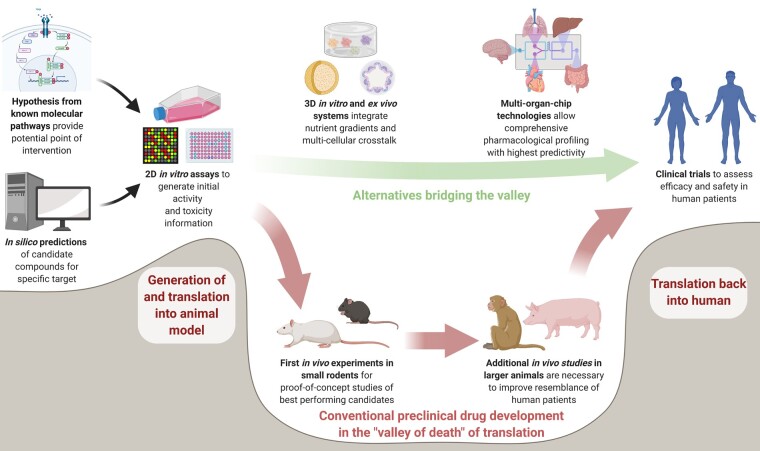
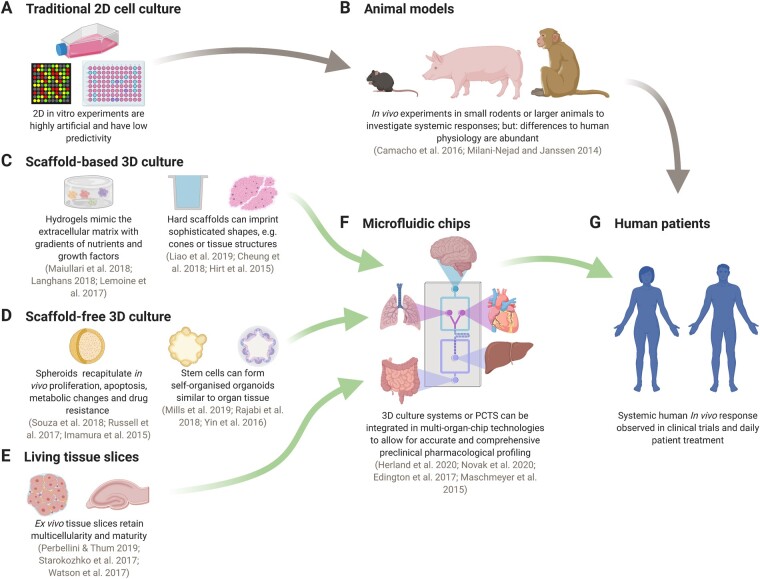
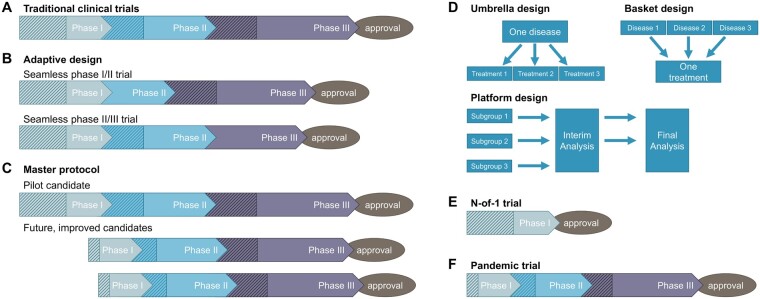
Verification
Claims the paper makes
The claims and statistics of this paper haven’t been checked yet.
Run the check — free, no account needed. It reads the open-access text and checks the sources it cites.
Claims other papers make about this one
Each is checked against this paper’s own text: does it say what the citing paper says it does?
The source backs part of the claim, not all of it — or backs it for a different population, condition or comparison.
In the citing paper
“Despite the urgent need to develop new drugs to treat CVDs, the output of the drug discovery pipeline has significantly declined in recent decades (Fordyce et al., 2015) primarily due to the lack of appropriate cardiac pre-clinical models (Kreutzer et al., 2022).”
From A human engineered mini-heart platform for mimicking ventricular pump function (2025) · cites this paper as Kreutzer et al., 2022
Experimental — accuracy not yet measured
Self-check
Percentages, sums and reported differences re-computed from the paper’s own numbers.
The self-check needs the paper’s full text.
Citations
Cites
Empagliflozin, Cardiovascular Outcomes, and Mortality in Type 2 Diabetes
Zinman, B., Wanner, C., Lachin, J. M., Fitchett, D., Bluhmki, E., Hantel, S., Mattheus, M., Devins, T., Johansen, O. E., Woerle, H. J., et al. (2015) · New England Journal of Medicine · doi:10.1056/nejmoa1504720 · Cited by 12,315
Cook, R. J., Dickens, B. M., & Fathalla, M. F. (2003) · Oxford University Press eBooks · doi:10.1093/acprof:oso/9780199241323.003.0025 · Cited by 10,825
Inhibition of Prostaglandin Synthesis as a Mechanism of Action for Aspirin-like Drugs
VANE, J. R. (1971) · Nature New Biology · doi:10.1038/newbio231232a0 · Cited by 8,605
Canagliflozin and Cardiovascular and Renal Events in Type 2 Diabetes
Neal, B., Perkovic, V., Mahaffey, K. W., de Zeeuw, D., Fulcher, G., Erondu, N., Shaw, W., Law, G., Desai, M., & Matthews, D. R. (2017) · New England Journal of Medicine · doi:10.1056/nejmoa1611925 · Cited by 7,830
An Introduction to the Principles of Morals and Legislation
de Champs, E. (2017) · HAL · Cited by 6,669
Dapagliflozin and Cardiovascular Outcomes in Type 2 Diabetes
Wiviott, S. D., Raz, I., Bonaca, M. P., Mosenzon, O., Kato, E. T., Cahn, A., Silverman, M. G., Zelniker, T. A., Kuder, J. F., Murphy, S. A., et al. (2019) · New England Journal of Medicine · doi:10.1056/nejmoa1812389 · Cited by 6,382
The Principles of Humane Experimental Technique
(1960) · The Medical Journal of Australia · doi:10.5694/j.1326-5377.1960.tb73127.x · Cited by 5,045
Reconstituting organ-level lung functions on a chip
Huh, D., Matthews, B. D., Mammoto, A., Montoya-Zavala, M., Hsin, H. Y., & Ingber, D. E. (2010) · Science · doi:10.1126/science.1188302 · Cited by 4,250
How to improve R&D productivity: the pharmaceutical industry's grand challenge
Paul, S. M., Mytelka, D. S., Dunwiddie, C. T., Persinger, C. C., Munos, B. H., Lindborg, S. R., & Schacht, A. L. (2010) · Nature Reviews Drug Discovery · doi:10.1038/nrd3078 · Cited by 3,566
Innovation in the pharmaceutical industry: New estimates of R&D costs
DiMasi, J. A., Grabowski, H. G., & Hansen, R. W. (2016) · Journal of Health Economics · doi:10.1016/j.jhealeco.2016.01.012 · Cited by 3,359
Bhatia, S. N., & Ingber, D. E. (2014) · Nature Biotechnology · doi:10.1038/nbt.2989 · Cited by 3,305
Universal Definition of Myocardial Infarction: Clinical Insights
Paiva, L., Providencia, R. A., Barra, S., Dinis, P., Faustino, C., & Gonçalves, L. M. M. (2015) · Cardiology · doi:10.1159/000371739 · Cited by 2,513
MicroRNA-21 contributes to myocardial disease by stimulating MAP kinase signalling in fibroblasts
Thum, T., Gross, C., Fiedler, J., Fischer, T., Kissler, S., Bussen, M., Galuppo, P., Just, S., Rottbauer, W., Frantz, S., et al. (2008) · Nature · doi:10.1038/nature07511 · Cited by 2,349
Self-citationNicheNet: Modeling intercellular communication by linking ligands to target genes
Browaeys, R., Saelens, W., & Saeys, Y. (2020) · Nature Methods · doi:10.1038/s41592-019-0667-5 · Cited by 2,192
Oral Sildenafil in the Treatment of Erectile Dysfunction
Goldstein, I., Lue, T. F., Padma-Nathan, H., Rosen, R. C., Steers, W. D., & Wicker, P. A. (1998) · New England Journal of Medicine · doi:10.1056/nejm199805143382001 · Cited by 2,120
Smith, S. C., Allen, J. K., Blair, S. N., Bonow, R. O., Brass, L. M., Fonarow, G. C., Grundy, S. M., Hiratzka, L. F., Jones, D. W., Krumholz, H. M., et al. (2006) · Circulation · doi:10.1161/circulationaha.106.174516 · Cited by 2,102
Diagnosing the decline in pharmaceutical R&D efficiency
Scannell, J. W., Blanckley, A., Boldon, H., & Warrington, B. (2012) · Nature Reviews Drug Discovery · doi:10.1038/nrd3681 · Cited by 1,981
Believe it or not: how much can we rely on published data on potential drug targets?
Prinz, F., Schlange, T., & Asadullah, K. (2011) · Nature Reviews Drug Discovery · doi:10.1038/nrd3439-c1 · Cited by 1,888
Sheep cloned by nuclear transfer from a cultured cell line
Campbell, K., McWhir, J., Ritchie, W. A., & Wilmut, I. (1996) · Nature · doi:10.1038/380064a0 · Cited by 1,868
The spike protein of SARS-CoV — a target for vaccine and therapeutic development
Du, L., He, Y., Zhou, Y., Liu, S., Zheng, B.-J., & Jiang, S. (2009) · Nature Reviews Microbiology · doi:10.1038/nrmicro2090 · Cited by 1,678
Is it time to start transitioning from 2D to 3D cell culture?
Jensen, C., & Teng, Y. (2020) · Frontiers in Molecular Biosciences · doi:10.3389/fmolb.2020.00033 · Cited by 1,640
Hariton, E., & Locascio, J. J. (2018) · BJOG: An International Journal of Obstetrics & Gynaecology · doi:10.1111/1471-0528.15199 · Cited by 1,604
Matrigel: A complex protein mixture required for optimal growth of cell culture
Hughes, C. S., Postovit, L. M., & Lajoie, G. A. (2010) · PROTEOMICS · doi:10.1002/pmic.200900758 · Cited by 1,534
Estimated Research and Development Investment Needed to Bring a New Medicine to Market, 2009-2018
Wouters, O. J., McKee, M., & Luyten, J. (2020) · JAMA · doi:10.1001/jama.2020.1166 · Cited by 1,531
Aspirin Selectively Inhibits Prostaglandin Production in Human Platelets
Smith, J. B., & Willis, A. L. (1971) · Nature New Biology · doi:10.1038/newbio231235a0 · Cited by 1,528
Three-dimensional in vitro cell culture models in drug discovery and drug repositioning
Langhans, S. A. (2018) · Frontiers in Pharmacology · doi:10.3389/fphar.2018.00006 · Cited by 1,522
3D Cell Culture Systems: Advantages and Applications
Ravi, M., Paramesh, V., Kaviya, S. R., Anuradha, E., & Solomon, F. D. P. (2015) · Journal of Cellular Physiology · doi:10.1002/jcp.24683 · Cited by 1,206
Three-Dimensional Cell Culture: A Breakthrough in Vivo
Antoni, D., Burckel, H., Josset, E., & Noël, G. (2015) · International Journal of Molecular Sciences · doi:10.3390/ijms16035517 · Cited by 1,049
The Drug Repurposing Hub: a next-generation drug library and information resource
Corsello, S. M., Bittker, J. A., Liu, Z., Gould, J., McCarren, P. R., Hirschman, J., Johnston, S. E., Vrcic, A., Wong, B., Khan, M., et al. (2017) · Nature Medicine · doi:10.1038/nm.4306 · Cited by 1,028
Lunn, M. R., & Wang, C. H. (2008) · The Lancet · doi:10.1016/s0140-6736(08)60921-6 · Cited by 1,010
SGLT2 inhibitors and mechanisms of cardiovascular benefit: a state-of-the-art review
Verma, S., & McMurray, J. J. V. (2018) · Diabetologia · doi:10.1007/s00125-018-4670-7 · Cited by 999
A Human Disease Model of Drug Toxicity–Induced Pulmonary Edema in a Lung-on-a-Chip Microdevice
Huh, D., Leslie, D. C., Matthews, B. D., Fraser, J. P., Jurek, S., Hamilton, G. A., Thorneloe, K. S., McAlexander, M. A., & Ingber, D. E. (2012) · Science Translational Medicine · doi:10.1126/scitranslmed.3004249 · Cited by 993
Streptomycin Treatment of Pulmonary Tuberculosis: A Medical Research Council Investigation
(1948) · BMJ · doi:10.1136/bmj.2.4582.769 · Cited by 986
Indomethacin and Aspirin abolish Prostaglandin Release from the Spleen
Ferreira, S. H., Moncada, S., & Vane, J. R. (1971) · Nature New Biology · doi:10.1038/newbio231237a0 · Cited by 941
Radisic, M., Park, H., Shing, H., Consi, T. R., Schöen, F. J., Langer, R., Freed, L. E., & Vunjak‐Novakovic, G. (2004) · Proceedings of the National Academy of Sciences · doi:10.1073/pnas.0407817101 · Cited by 913
Rethinking drug design in the artificial intelligence era
Schneider, P., Walters, W. P., Plowright, A. T., Sieroka, N., Listgarten, J., Goodnow, R. A., Fisher, J., Jansen, J. M., Duca, J. S., Rush, T. S., et al. (2020) · Nature Reviews Drug Discovery · doi:10.1038/s41573-019-0050-3 · Cited by 894
Engineering Stem Cell Organoids
Yin, X., Mead, B. E., Safaee, H., Langer, R., Karp, J. M., & Levy, O. (2016) · Cell Stem Cell · doi:10.1016/j.stem.2015.12.005 · Cited by 866
Maschmeyer, I., Lorenz, A. K., Schimek, K., Hasenberg, T., Ramme, A. P., Hübner, J., Lindner, M., Drewell, C., Bauer, S., Thomas, A., et al. (2015) · Lab on a Chip · doi:10.1039/c5lc00392j · Cited by 861
Patient-Customized Oligonucleotide Therapy for a Rare Genetic Disease
Kim, J., Hu, C., Achkar, C. M. E., Black, L. E., Douville, J., Larson, A. A., Pendergast, M. K., Goldkind, S. F., Lee, E. A., Kuniholm, A., et al. (2019) · New England Journal of Medicine · doi:10.1056/nejmoa1813279 · Cited by 852
Comparison of 2D- and 3D-culture models as drug-testing platforms in breast cancer
IMAMURA, Y., MUKOHARA, T., SHIMONO, Y., FUNAKOSHI, Y., CHAYAHARA, N., TOYODA, M., KIYOTA, N., TAKAO, S., KONO, S., NAKATSURA, T., et al. (2015) · Oncology Reports · doi:10.3892/or.2015.3767 · Cited by 845
Effect of Platelet Inhibition with Cangrelor during PCI on Ischemic Events
Bhatt, D. L., Stone, G. W., Mahaffey, K. W., Gibson, C. M., Steg, P. G., Hamm, C. W., Price, M. J., Leonardi, S., Gallup, D. S., Bramucci, E., et al. (2013) · New England Journal of Medicine · doi:10.1056/nejmoa1300815 · Cited by 838
Electronic Health Records: Then, Now, and in the Future
Evans, R. S. (2016) · Yearbook of Medical Informatics · doi:10.15265/iys-2016-s006 · Cited by 816
In Silico Preclinical Trials: A Proof of Concept in Closed-Loop Control of Type 1 Diabetes
Kovatchev, B. P., Breton, M., Dalla Man, C., & Cobelli, C. (2009) · Journal of Diabetes Science and Technology · doi:10.1177/193229680900300106 · Cited by 760
Reducing safety-related drug attrition: the use of in vitro pharmacological profiling
Bowes, J., Brown, A. J., Hamon, J., Jarolimek, W., Sridhar, A., Waldron, G., & Whitebread, S. (2012) · Nature Reviews Drug Discovery · doi:10.1038/nrd3845 · Cited by 748
Limitations of Animal Studies for Predicting Toxicity in Clinical Trials
Van Norman, G. A. (2019) · JACC: Basic to Translational Science · doi:10.1016/j.jacbts.2019.10.008 · Cited by 732 · cited 1×
“or even replace in vivo models for drug development.(13,58) Such cell culture systems provoke intensified cell-cell contacts or the establishment and interaction with extracellular matrix, thereby providing a more in vivo-like environment and cellular behaviour.”
BackgroundThe n-of-1 clinical trial: the ultimate strategy for individualizing medicine?
Lillie, E. O., Patay, B., Diamant, J., Issell, B., Topol, E. J., & Schork, N. J. (2011) · Personalized Medicine · doi:10.2217/pme.11.7 · Cited by 706
Phase II and Phase III attrition rates 2011–2012
Arrowsmith, J., & Miller, P. (2013) · Nature Reviews Drug Discovery · doi:10.1038/nrd4090 · Cited by 697 · cited 1×
“6,7 Especially, the cardiovascular drug development appears to be in a drought.”
BackgroundAn open-source drug discovery platform enables ultra-large virtual screens
Gorgulla, C., Boeszoermenyi, A., Wang, Z., Fischer, P. D., Coote, P. W., Das, K. M., Malets, Y. S., Radchenko, D. S., Moroz, Y. S., Scott, D. A., et al. (2020) · Nature · doi:10.1038/s41586-020-2117-z · Cited by 677
Smith, S. C., Allen, J. K., Blair, S. N., Bonow, R. O., Brass, L. M., Fonarow, G. C., Grundy, S. M., Hiratzka, L. F., Jones, D. W., Krumholz, H. M., et al. (2006) · Journal of the American College of Cardiology · doi:10.1016/j.jacc.2006.04.026 · Cited by 672
Organs-on-a-Chip: A Fast Track for Engineered Human Tissues in Drug Development
Ronaldson-Bouchard, K., & Vunjak-Novakovic, G. (2018) · Cell Stem Cell · doi:10.1016/j.stem.2018.02.011 · Cited by 657
Trends in clinical success rates and therapeutic focus
Dowden, H., & Munro, J. (2019) · Nature Reviews Drug Discovery · doi:10.1038/d41573-019-00074-z · Cited by 649 · cited 3×
“173,174 178 Nevertheless, Darapladib could not show improvement of the primary endpoint in three independent Phase III clinical trials for treatment of acute coronary syndrome (SOLID-TIMI 52, NCT01000727 179,180 ) stabilization of atherosclerotic plaques in coronary heart disease patients (STABILITY, NCT00799903 179,1…”
BackgroundIntravenous Platelet Blockade with Cangrelor during PCI
Bhatt, D. L., Lincoff, A. M., Gibson, C. M., Stone, G. W., McNulty, S. E., Montalescot, G., Kleiman, N. S., Goodman, S. G., White, H. D., Mahaffey, K. W., et al. (2009) · New England Journal of Medicine · doi:10.1056/nejmoa0908629 · Cited by 646
IL-11 is a crucial determinant of cardiovascular fibrosis
Schafer, S., Viswanathan, S., Widjaja, A. A., Lim, W.-W., Moreno-Moral, A., DeLaughter, D. M., Ng, B., Patone, G., Chow, K., Khin, E., et al. (2017) · Nature · doi:10.1038/nature24676 · Cited by 639
Platelet Inhibition with Cangrelor in Patients Undergoing PCI
Harrington, R. A., Stone, G. W., McNulty, S. E., White, H. D., Lincoff, A. M., Gibson, C. M., Pollack, C. V., Montalescot, G., Mahaffey, K. W., Kleiman, N. S., et al. (2009) · New England Journal of Medicine · doi:10.1056/nejmoa0908628 · Cited by 624
Multi-tissue interactions in an integrated three-tissue organ-on-a-chip platform
Skardal, A., Murphy, S. V., Devarasetty, M., Mead, I., Kang, H.-W., Seol, Y.-J., Shrike Zhang, Y., Shin, S.-R., Zhao, L., Aleman, J., et al. (2017) · Scientific Reports · doi:10.1038/s41598-017-08879-x · Cited by 623
Organoids: A historical perspective of thinking in three dimensions
Simian, M., & Bissell, M. J. (2017) · Journal of Cell Biology · doi:10.1083/jcb.201610056 · Cited by 620
Genome-wide inactivation of porcine endogenous retroviruses (PERVs)
Yang, L., Güell, M., Niu, D., George, H., Lesha, E., Grishin, D., Aach, J., Shrock, E. L., Xu, W., Poci, J., et al. (2015) · Science · doi:10.1126/science.aad1191 · Cited by 611
STREPTOMYCIN treatment of pulmonary tuberculosis.
D’Esopo, N. D., & Allison, S. T. (1947) · PubMed · Cited by 606
Nanoparticles: Health Effects—Pros and Cons
Gwinn, M. R., & Vallyathan, V. (2006) · Environmental Health Perspectives · doi:10.1289/ehp.8871 · Cited by 581
Determining Optimal Therapy — Randomized Trials in Individual Patients
Guyatt, G., Sackett, D. L., Taylor, D. W., Ghong, J., Roberts, R. E., & Pugsley, S. O. (1986) · New England Journal of Medicine · doi:10.1056/nejm198604033141406 · Cited by 581
Darapladib for Preventing Ischemic Events in Stable Coronary Heart Disease
The STABILITY Investigators (2014) · New England Journal of Medicine · doi:10.1056/nejmoa1315878 · Cited by 579
HSP72 protects against obesity-induced insulin resistance
Chung, J., Nguyen, A.-K., Henstridge, D. C., Holmes, A. G., Chan, M. H. S., Mesa, J. L., Lancaster, G. I., Southgate, R. J., Bruce, C. R., Duffy, S. J., et al. (2008) · Proceedings of the National Academy of Sciences · doi:10.1073/pnas.0705799105 · Cited by 553
Ensembles of engineered cardiac tissues for physiological and pharmacological study: Heart on a chip
Grosberg, A., Alford, P. W., McCain, M. L., & Parker, K. K. (2011) · Lab on a Chip · doi:10.1039/c1lc20557a · Cited by 549
Parasuraman, S. (2011) · Journal of Pharmacology and Pharmacotherapeutics · doi:10.4103/0976-500x.81895 · Cited by 543
U.S. Preventive Services Task Force* (2009) · Annals of Internal Medicine · doi:10.7326/0003-4819-150-6-200903170-00008 · Cited by 533
Electrical stimulation systems for cardiac tissue engineering
Tandon, N. M., Cannizzaro, C., Chao, P. G., Maidhof, R., Marsano, A., Au, H. T. H., Radisic, M., & Vunjak‐Novakovic, G. (2009) · Nature Protocols · doi:10.1038/nprot.2008.183 · Cited by 531
Adaptive Designs for Clinical Trials
Bhatt, D. L., & Mehta, C. R. (2016) · New England Journal of Medicine · doi:10.1056/nejmra1510061 · Cited by 515
Herland, A., Maoz, B. M., Das, D., Somayaji, M. R., Prantil‐Baun, R., Novak, R., Cronce, M. J., Huffstater, T. M., Jeanty, S. S. F., Ingram, M., et al. (2020) · Nature Biomedical Engineering · doi:10.1038/s41551-019-0498-9 · Cited by 511
Meinert, C. L. (1986) · DigitalGeorgetown (Georgetown University Library) · doi:10.1093/acprof:oso/9780195035681.001.0001 · Cited by 509
CellML: its future, present and past
Lloyd, C. M., Halstead, M. D. B., & Nielsen, P. F. (2004) · Progress in Biophysics and Molecular Biology · doi:10.1016/j.pbiomolbio.2004.01.004 · Cited by 499
Interconnected Microphysiological Systems for Quantitative Biology and Pharmacology Studies
Edington, C. D., Chen, W. L. K., Geishecker, E., Kassis, T., Soenksen, L. R., Bhushan, B. M., Freake, D., Kirschner, J., Maass, C., Tsamandouras, N., et al. (2018) · Scientific Reports · doi:10.1038/s41598-018-22749-0 · Cited by 487
Small and large animal models in cardiac contraction research: advantages and disadvantages
Milani-Nejad, N., & Janssen, P. M. L. (2014) · Pharmacology & Therapeutics · doi:10.1016/j.pharmthera.2013.10.007 · Cited by 484
Mills, R. J., Titmarsh, D. M., Koenig, X., Parker, B. L., Ryall, J. G., Quaife-Ryan, G. A., Voges, H. K., Hodson, M. P., Ferguson, C., Drowley, L., et al. (2017) · Proceedings of the National Academy of Sciences · doi:10.1073/pnas.1707316114 · Cited by 478 · cited 1×
“105 In more recent work, these matured hCOs were used for a multi-step screening of small molecules, thereby identifying two candidates with pro-regenerative potential and without cardiotoxic effects.”
MethodPark, J., Siden, E. G., Zoratti, M. J., Dron, L., Harari, O., Singer, J., Lester, R. T., Thorlund, K., & Mills, E. J. (2019) · Trials · doi:10.1186/s13063-019-3664-1 · Cited by 470
Robotic fluidic coupling and interrogation of multiple vascularized organ chips
Novak, R., Ingram, M., Marquez, S. L., Das, D., Delahanty, A., Herland, A., Maoz, B. M., Jeanty, S. S. F., Somayaji, M. R., Burt, M. A., et al. (2020) · Nature Biomedical Engineering · doi:10.1038/s41551-019-0497-x · Cited by 457
O’Donoghue, M. L., Braunwald, E., White, H. D., Steen, D. P., Lukas, M. A., Tarka, E., Steg, P. G., Hochman, J. S., Bode, C., Maggioni, A. P., et al. (2014) · JAMA · doi:10.1001/jama.2014.11061 · Cited by 456
Marsano, A., Conficconi, C., Lemme, M., Occhetta, P., Gaudiello, E., Votta, E., Cerino, G., Redaelli, A. C. L., & Rasponi, M. (2015) · Lab on a Chip · doi:10.1039/c5lc01356a · Cited by 447
Organ/body-on-a-chip based on microfluidic technology for drug discovery
Kimura, H., Sakai, Y., & Fujii, T. (2018) · Drug Metabolism and Pharmacokinetics · doi:10.1016/j.dmpk.2017.11.003 · Cited by 435
Stevens, K. R., Kreutziger, K. L., Dupras, S. K., Korte, F. S., Regnier, M., Muskheli, V., Nourse, M. B., Bendixen, K., Reinecke, H., & Murry, C. E. (2009) · Proceedings of the National Academy of Sciences · doi:10.1073/pnas.0908381106 · Cited by 423
Adaptive platform trials: definition, design, conduct and reporting considerations
Coalition, T. A. P. T., Angus, D. C., Alexander, B. M., Berry, S., Buxton, M., Lewis, R. J., Paoloni, M., Webb, S. A. R., Arnold, S. E., Barker, A., et al. (2019) · Nature Reviews Drug Discovery · doi:10.1038/s41573-019-0034-3 · Cited by 414
Single Subject Research: Strategies for Evaluating Change
Kratochwill, T. R. (1978) · Cited by 410
de Graaf, I. A. M., Olinga, P., de Jager, M. H., Merema, M. T., de Kanter, R., van de Kerkhof, E. G., & Groothuis, G. M. M. (2010) · Nature Protocols · doi:10.1038/nprot.2010.111 · Cited by 409
Key cost drivers of pharmaceutical clinical trials in the United States
Sertkaya, A., Wong, H.-H., Jessup, A., & Beleche, T. (2016) · Clinical Trials · doi:10.1177/1740774515625964 · Cited by 401
Cohen, S. B., Tanaka, Y., Xavier Mariette, A., Curtis, J. R., Lee, E. B., Nash, P. T., Winthrop, K. L., Charles‐Schoeman, C., Thirunavukkarasu, K., DeMasi, R., et al. (2017) · Annals of the Rheumatic Diseases · doi:10.1136/annrheumdis-2016-210457 · Cited by 396
Wilensky, R. L., Shi, Y., Mohler, E. R., Hamamdzic, D., Burgert, M. E., Li, J., Postle, A. D., Fenning, R. S., Bollinger, J. G., Hoffman, B. E., et al. (2008) · Nature Medicine · doi:10.1038/nm.1870 · Cited by 389
Maiullari, F., Costantini, M., Milan, M., Pace, V., Chirivì, M., Maiullari, S., Rainer, A., Baci, D., Marei, H. E. S., Seliktar, D., et al. (2018) · Scientific Reports · doi:10.1038/s41598-018-31848-x · Cited by 385
Scaffolds that mimic antigen-presenting cells enable ex vivo expansion of primary T cells
Cheung, A. S., Zhang, D. K. Y., Koshy, S. T., & Mooney, D. J. (2018) · Nature Biotechnology · doi:10.1038/nbt.4047 · Cited by 384
Guazzi, M., Vicenzi, M., Arena, R. A., & Guazzi, M. D. (2010) · Circulation Heart Failure · doi:10.1161/circheartfailure.110.944694 · Cited by 382
Against pandemic research exceptionalism
London, A. J., & Kimmelman, J. (2020) · Science · doi:10.1126/science.abc1731 · Cited by 375
Sin, A., Chin, K. C., Jamil, M. F., Kostov, Y. V., Rao, G., & Shuler, M. L. (2004) · Biotechnology Progress · doi:10.1021/bp034077d · Cited by 369
Species- and age-dependent changes in the relative amounts of cardiac myosin isoenzymes in mammals
Lompré, A., Mercadier, J.-J., Wisnewsky, C., Bouveret, P., Pantaloni, C., d’Albis, A., & Schwartz, K. (1981) · Developmental Biology · doi:10.1016/0012-1606(81)90396-1 · Cited by 350
What is Efficient Vaccination?
Woods, H. (1891) · BMJ · doi:10.1136/bmj.2.1605.769 · Cited by 348
The n-of-1 Randomized Controlled Trial: Clinical Usefulness
Guyatt, G., Keller, J. L., Jaeschke, R., Rosenbloom, D., Adachi, J. D., & Newhouse, M. T. (1990) · Annals of Internal Medicine · doi:10.7326/0003-4819-112-4-293 · Cited by 320
Mills, R. J., Parker, B. L., Quaife-Ryan, G. A., Voges, H. K., Needham, E. J., Bornot, A., Ding, M., Andersson, H., Polla, M., Elliott, D. A., et al. (2019) · Cell Stem Cell · doi:10.1016/j.stem.2019.03.009 · Cited by 312
Three-dimensional cell culturing by magnetic levitation
Haisler, W. L., Timm, D. M., Gage, J. A., Tseng, H., Killian, T. C., & Souza, G. R. (2013) · Nature Protocols · doi:10.1038/nprot.2013.125 · Cited by 309
Curtis, J. R., Xie, F., Yun, H., Bernatsky, S., & Winthrop, K. L. (2016) · Annals of the Rheumatic Diseases · doi:10.1136/annrheumdis-2016-209131 · Cited by 285
Human Challenge Studies to Accelerate Coronavirus Vaccine Licensure
Eyal, N., Lipsitch, M., & Smith, P. G. (2020) · The Journal of Infectious Diseases · doi:10.1093/infdis/jiaa152 · Cited by 283
Trends in clinical success rates
Smietana, K., Siatkowski, M., & Møller, M. (2016) · Nature Reviews Drug Discovery · doi:10.1038/nrd.2016.85 · Cited by 277
Cell viability assessment using the Alamar blue assay: A comparison of 2D and 3D cell culture models
Bonnier, F., Keating, M. E., Wróbel, T. P., Majzner, K., Baranska, M., Garcia-Munoz, A., Blanco, A., & Byrne, H. J. (2015) · Toxicology in Vitro · doi:10.1016/j.tiv.2014.09.014 · Cited by 276
A clinician's guide for conducting randomized trials in individual patients.
Guyatt, G. H., Sackett, D. L., Adachi, J. D., Roberts, R. E., Chong, J. P., Rosenbloom, D., & Keller, J. (1988) · Europe PMC (PubMed Central) · Cited by 275
Wang, F., Zuroske, T., & Watts, J. K. (2020) · Nature Reviews Drug Discovery · doi:10.1038/d41573-020-00078-0 · Cited by 275
Differentiation of cardiomyocytes and generation of human engineered heart tissue
Breckwoldt, K., Letuffe-Brenière, D., Mannhardt, I., Schulze, T., Ulmer, B., Werner, T., Benzin, A., Klampe, B., Reinsch, M. C., Laufer, S., et al. (2017) · Nature Protocols · doi:10.1038/nprot.2017.033 · Cited by 272
Animal Experiments in Biomedical Research: A Historical Perspective
Franco, N. (2013) · Animals · doi:10.3390/ani3010238 · Cited by 265 · cited 1×
“Starting with the Ancient Greeks such as Aristotle and Hippocrates (400–300 BCE) and Galen of Pergamon in the 2nd century, the use of animal experiments increased strongly and multiple scientific milestones have been reached.(16) These landmarks ranged from the proof of Charles Darwin’s evolution theory in 1859(17) to…”
BackgroundTakebe, T., Imai, R., & Ono, S. (2018) · Clinical and Translational Science · doi:10.1111/cts.12577 · Cited by 257
Organ‐on‐chip models: Implications in drug discovery and clinical applications
Mittal, R., Woo, F. W., Castro, C. S., Cohen, M. A., Karanxha, J., Mittal, J., Chhibber, T., & Jhaveri, V. M. (2018) · Journal of Cellular Physiology · doi:10.1002/jcp.27729 · Cited by 244
Krleža-Jerić, K., Chan, A., Dickersin, K., Sim, I., Grimshaw, J., & Gluud, C. N. (2005) · BMJ · doi:10.1136/bmj.330.7497.956 · Cited by 238
Preclinical and Clinical Development of Noncoding RNA Therapeutics for Cardiovascular Disease
Huang, C.-K., Kafert-Kasting, S., & Thum, T. (2020) · Circulation Research · doi:10.1161/circresaha.119.315856 · Cited by 217
Self-citationHuman Stem Cells for Modeling Heart Disease and for Drug Discovery
Matsa, E., Burridge, P. W., & Wu, J. C. (2014) · Science Translational Medicine · doi:10.1126/scitranslmed.3008921 · Cited by 217
Jiang, S., He, Y., & Liu, S. (2005) · Emerging infectious diseases · doi:10.3201/1107.050219 · Cited by 214
Mohler, E. R., Ballantyne, C. M., Davidson, M. H., Hanefeld, M., Ruilope, L. M., Johnson, J. L., & Zalewski, A. A. (2008) · Journal of the American College of Cardiology · doi:10.1016/j.jacc.2007.11.079 · Cited by 210
Cell-printed 3D liver-on-a-chip possessing a liver microenvironment and biliary system
Lee, H., Chae, S., Kim, J. Y., Han, W., Kim, J., Choi, Y., & Cho, D. (2018) · Biofabrication · doi:10.1088/1758-5090/aaf9fa · Cited by 199
Development of a human cardiac organoid injury model reveals innate regenerative potential
Voges, H. K., Mills, R. J., Elliott, D. A., Parton, R. G., Porrello, E. R., & Hudson, J. E. (2017) · Development · doi:10.1242/dev.143966 · Cited by 196
Lemoine, M. D., Mannhardt, I., Breckwoldt, K., Prondzynski, M., Flenner, F., Ulmer, B. M., Hirt, M. N., Neuber, C., Horváth, A., Kloth, B., et al. (2017) · Scientific Reports · doi:10.1038/s41598-017-05600-w · Cited by 193
Clinical Trial Simulation: A Review
Holford, N. H. G., Ma, S. C., & Ploeger, B. A. (2010) · Clinical Pharmacology & Therapeutics · doi:10.1038/clpt.2010.114 · Cited by 192
Miyamoto, K., Akiyama, M., Tamura, F., Isomi, M., Yamakawa, H., Sadahiro, T., Muraoka, N., Kojima, H., Haginiwa, S., Kurotsu, S., et al. (2017) · Cell stem cell · doi:10.1016/j.stem.2017.11.010 · Cited by 191
In silico design of clinical trials: A method coming of age
Clermont, G., Bartels, J. D., Kumar, R., Constantine, G. M., Yoram Vodovotz, B., & Chow, C. C. (2004) · Critical Care Medicine · doi:10.1097/01.ccm.0000142394.28791.c3 · Cited by 189
Feaster, T. K., Cadar, A. G., Wang, L., Williams, C. H., Chun, Y. W., Hempel, J. E., Bloodworth, N. C., Merryman, W. D., Lim, C. C., Wu, J. C., et al. (2015) · Circulation Research · doi:10.1161/circresaha.115.307580 · Cited by 180
Bozhüyük, K. A. J., Linck, A., Tietze, A., Kranz, J., Wesche, F., Nowak, S., Fleischhacker, F., Shi, Y., Grün, P., & Bode, H. B. (2019) · Nature Chemistry · doi:10.1038/s41557-019-0276-z · Cited by 177
de Souza, A. G., Silva, I. B. B., Campos‐Fernández, E., Barcelos, L. S., de Souza, J. B., Marangoni, K., Goulart, L. R., & Alonso‐Goulart, V. (2018) · Current Pharmaceutical Design · doi:10.2174/1381612824666180404152304 · Cited by 176
ISS-N1 makes the first FDA-approved drug for spinal muscular atrophy
Ottesen, E. W. (2017) · Translational Neuroscience · doi:10.1515/tnsci-2017-0001 · Cited by 175
Mattapally, S., Pawlik, K. M., Fast, V. G., Zumaquero, E., Lund, F. E., Randall, T. D., Townes, T. M., & Zhang, J. J. (2018) · Journal of the American Heart Association · doi:10.1161/jaha.118.010239 · Cited by 172
Janiaud, P., Serghiou, S., & Ioannidis, J. P. A. (2018) · Cancer Treatment Reviews · doi:10.1016/j.ctrv.2018.12.003 · Cited by 168
Inspiration from heart development: Biomimetic development of functional human cardiac organoids
Richards, D. J., Coyle, R. C., Tan, Y., Jia, J., Wong, K., Toomer, K., Menick, D. R., & Mei, Y. (2017) · Biomaterials · doi:10.1016/j.biomaterials.2017.07.021 · Cited by 166
The basics of preclinical drug development for neurodegenerative disease indications
Steinmetz, K. L., & Spack, E. G. (2009) · BMC Neurology · doi:10.1186/1471-2377-9-s1-s2 · Cited by 165
Alternative Animal and Non-Animal Models for Drug Discovery and Development: Bonus or Burden?
Freires, I. A., Sardi, J. D. C. O., de Castro, R. D., & Rosalen, P. L. (2016) · Pharmaceutical Research · doi:10.1007/s11095-016-2069-z · Cited by 164
Pharmacokinetic/Pharmacodynamic Studies in Drug Product Development
Meibohm, B., & Derendorf, H. (2002) · Journal of Pharmaceutical Sciences · doi:10.1002/jps.1167 · Cited by 157
Human Cardiac Organoids for Disease Modeling
Nugraha, B., Buono, M. F., von Boehmer, L., Hoerstrup, S. P., & Emmert, M. Y. (2018) · Clinical Pharmacology & Therapeutics · doi:10.1002/cpt.1286 · Cited by 149
Kizawa, H., Nagao, E., Shimamura, M., Zhang, G., & Torii, H. (2017) · Biochemistry and Biophysics Reports · doi:10.1016/j.bbrep.2017.04.004 · Cited by 147
Multi-Organs-on-Chips: Towards Long-Term Biomedical Investigations
Zhao, Y., Kankala, R. K., Wang, S., & Chen, A. (2019) · Molecules · doi:10.3390/molecules24040675 · Cited by 141
Small Molecule Disruption of Gβγ Signaling Inhibits the Progression of Heart Failure
Casey, L. M., Pistner, A. R., Belmonte, S. L., Migdalovich, D., Stolpnik, O., Nwakanma, F. E., Vorobiof, G., Dunaevsky, O., Matavel, A., Lopes, C. M. B., et al. (2010) · Circulation Research · doi:10.1161/circresaha.110.217075 · Cited by 140
Scaffold-free generation of uniform adipose spheroids for metabolism research and drug discovery
Klingelhutz, A. J., Gourronc, F. A., Chaly, A. L., Wadkins, D., Burand, A. J., Markan, K. R., Idiga, S. O., Wu, M., Potthoff, M. J., & Ankrum, J. A. (2018) · Scientific Reports · doi:10.1038/s41598-017-19024-z · Cited by 139
Small mammalian animal models of heart disease.
Camacho, P., Fan, H., Liu, Z., & He, J. (2016) · PubMed Central · Cited by 138
Innovations, challenges, and minimal information for standardization of humanized mice
Stripecke, R., Münz, C., Schuringa, J. J., Bissig, K., Soper, B. W., Meeham, T., Yao, L., Santo, J. P. D., Brehm, M. A., Rodríguez, E., et al. (2020) · EMBO Molecular Medicine · doi:10.15252/emmm.201708662 · Cited by 138
Sailors' scurvy before and after James Lind - a reassessment
Baron, J. H. (2009) · Nutrition Reviews · doi:10.1111/j.1753-4887.2009.00205.x · Cited by 131
Exploration of databases and methods supporting drug repurposing: a comprehensive survey
Tanoli, Z., Seemab, U., Scherer, A., Wennerberg, K., Tang, J., & Vähä-Koskela, M. (2021) · Briefings in Bioinformatics · doi:10.1093/bib/bbaa003 · Cited by 131
Zebrafish models of cardiovascular disease
Bournele, D., & Beis, D. (2016) · Heart Failure Reviews · doi:10.1007/s10741-016-9579-y · Cited by 129
Blackie, J. A., Bloomer, J. C., Brown, M. J. B., Cheng, H., Hammond, B., Hickey, D. M. B., Ife, R. J., Leach, C. A., Lewis, V. A., Macphee, C. H., et al. (2003) · Bioorganic & Medicinal Chemistry Letters · doi:10.1016/s0960-894x(03)00058-1 · Cited by 128
Hodgson, J. (2020) · Nature Biotechnology · doi:10.1038/d41587-020-00005-z · Cited by 128
Preparation of viable adult ventricular myocardial slices from large and small mammals
Watson, S. A., Scigliano, M., Bardi, I., Ascione, R., Terracciano, C. M., & Perbellini, F. (2017) · Nature Protocols · doi:10.1038/nprot.2017.139 · Cited by 127
Afshar, M. E., Abraha, H. Y., Bakooshli, M. A., Davoudi, S., Thavandiran, N., Tung, K., Ahn, H., Ginsberg, H. J., Zandstra, P. W., & Gilbert, P. M. (2020) · Scientific Reports · doi:10.1038/s41598-020-62837-8 · Cited by 122
The Virtual Physiological Human: Ten Years After.
Viceconti, M., & Hunter, P. (2016) · Annual Review of Biomedical Engineering · doi:10.1146/annurev-bioeng-110915-114742 · Cited by 122
van der Laan, J. W., Brightwell, J., McAnulty, P. A., Ratky, J., & Stark, C. (2010) · Journal of Pharmacological and Toxicological Methods · doi:10.1016/j.vascn.2010.05.005 · Cited by 120
Broad-Spectrum Antiviral Agents: A Crucial Pandemic Tool
Adalja, A. A., & Inglesby, T. V. (2019) · Expert Review of Anti-infective Therapy · doi:10.1080/14787210.2019.1635009 · Cited by 120
CASE STUDIES, SINGLE-SUBJECT RESEARCH, AND N OF 1 RANDOMIZED TRIALS
Backman, C. L., & Harris, S. R. (1999) · American Journal of Physical Medicine & Rehabilitation · doi:10.1097/00002060-199903000-00022 · Cited by 118
Anıl-İnevi, M., Yaman, S., Yıldız, A. A., Meşe, G., Yalcin-Ozuysal, Ö., Tekin, H. C., & Özçivici, E. (2018) · Scientific Reports · doi:10.1038/s41598-018-25718-9 · Cited by 117
OpenCOR: a modular and interoperable approach to computational biology
Garny, A., & Hunter, P. J. (2015) · Frontiers in Physiology · doi:10.3389/fphys.2015.00026 · Cited by 116
Randomized double blind placebo control studies, the "Gold Standard" in intervention based studies
Misra, S. (2012) · Indian Journal of Sexually Transmitted Diseases and AIDS · doi:10.4103/0253-7184.102130 · Cited by 115
Paramsothy, S., Rosenstein, A. K., Mehandru, S., & Colombel, J. (2018) · Mucosal Immunology · doi:10.1038/s41385-018-0050-3 · Cited by 115
Organotypic slice culture from human adult ventricular myocardium
Brandenburger, M., Wenzel, J., Bogdan, R., Richardt, D., Nguemo, F., Reppel, M., Hescheler, J., Terlau, H., & Dendorfer, A. (2011) · Cardiovascular Research · doi:10.1093/cvr/cvr259 · Cited by 113
Literáti-Nagy, B., Kulcsár, E., Literáti-Nagy, Z., Buday, B., Péterfai, E., Horváth, T., Tory, K., Kolonics, A., Fleming, A., Mandl, J., et al. (2009) · Hormone and Metabolic Research · doi:10.1055/s-0028-1128142 · Cited by 113
Environmental Toxin Screening Using Human-Derived 3D Bioengineered Liver and Cardiac Organoids
Forsythe, S. D., Devarasetty, M., Shupe, T., Bishop, C., Atala, A., Soker, S., & Skardal, A. (2018) · Frontiers in Public Health · doi:10.3389/fpubh.2018.00103 · Cited by 112
Matrix Composition and Mechanics Direct Proangiogenic Signaling from Mesenchymal Stem Cells
Abdeen, A. A., Weiss, J. B., Lee, J., & Kilian, K. A. (2014) · Tissue Engineering Part A · doi:10.1089/ten.tea.2013.0661 · Cited by 111
Mehta, C. R., Gao, P., Bhatt, D. L., Harrington, R. A., Skerjanec, S., & Ware, J. H. (2009) · Circulation · doi:10.1161/circulationaha.108.809707 · Cited by 110
The small-molecule BGP-15 protects against heart failure and atrial fibrillation in mice
Sapra, G., Tham, Y. K., Cemerlang, N., Matsumoto, A., Kiriazis, H., Bernardo, B. C., Henstridge, D. C., Ooi, J. Y. Y., Pretorius, L., Boey, E. J. H., et al. (2014) · Nature Communications · doi:10.1038/ncomms6705 · Cited by 107
What is the future of targeted therapy in rheumatology: biologics or small molecules?
Mócsai, A., Kovács, L., & Gergely, P. A. (2014) · BMC Medicine · doi:10.1186/1741-7015-12-43 · Cited by 106
Humanized Mice as Unique Tools for Human-Specific Studies
Yong, K. S. M., Her, Z., & Chen, Q. (2018) · Archivum Immunologiae et Therapiae Experimentalis · doi:10.1007/s00005-018-0506-x · Cited by 103
The action of caffeine on the capacity for muscular work
Rivers, W. H. R., & Webber, H. (1907) · The Journal of Physiology · doi:10.1113/jphysiol.1907.sp001215 · Cited by 101
Registering a clinical trial in ClinicalTrials.gov.
Zarin, D., & Keselman, A. (2007) · Chest · doi:10.1378/chest.06-2450 · Cited by 100
Towards chamber specific heart-on-a-chip for drug testing applications
Zhao, Y., Rafatian, N., Wang, E. Y., Wu, Q., Lai, B., Lu, R. X. Z., Savoji, H., & Radisic, M. (2020) · Advanced Drug Delivery Reviews · doi:10.1016/j.addr.2019.12.002 · Cited by 100
Metabolic Profiling of healthy and cancerous tissues in 2D and 3D
Russell, S., Wojtkowiak, J. W., Neilson, A., & Gillies, R. J. (2017) · Scientific Reports · doi:10.1038/s41598-017-15325-5 · Cited by 98
Zuppinger, C. (2015) · Biochimica et Biophysica Acta (BBA) - Molecular Cell Research · doi:10.1016/j.bbamcr.2015.11.036 · Cited by 97
Mussel-inspired 3D fiber scaffolds for heart-on-a-chip toxicity studies of engineered nanomaterials
Ahn, S., Ardoña, H. A. M., Lind, J. U., Eweje, F., Kim, S. L., Gonzalez, G. M., Liu, Q., Zimmerman, J. F., Pyrgiotakis, G., Zhang, Z., et al. (2018) · Analytical and Bioanalytical Chemistry · doi:10.1007/s00216-018-1106-7 · Cited by 97
Parfenov, V. A., Koudan, E. V., Bulanova, E. A., Karalkin, P. A., Pereira, F. D. A. S., Norkin, N., Knyazeva, A. D., Gryadunova, A. A., Petrov, O. F., Vasiliev, M. M., et al. (2018) · Biofabrication · doi:10.1088/1758-5090/aac900 · Cited by 96
Thomsen, A. R., Aldrian, C. J., Bronsert, P., Thomann, Y., Nanko, N., Mélin, N., Rücker, G., Follo, M., Grosu, A., Niedermann, G., et al. (2017) · Lab on a Chip · doi:10.1039/c7lc00832e · Cited by 95
Hess, A., Derlin, T., Koenig, T., Diekmann, J., Wittneben, A., Wang, Y., Wester, H., Roß, T. L., Wollert, K. C., Bauersachs, J. K., et al. (2020) · European Heart Journal · doi:10.1093/eurheartj/ehaa598 · Cited by 94
Phase I–II clinical trial design: a state-of-the-art paradigm for dose finding
Yan, F., Thall, P. F., Lu, K. H., Gilbert, M. R., & Yuan, Y. (2017) · Annals of Oncology · doi:10.1093/annonc/mdx795 · Cited by 94
Timm, D. M., Chen, J., Sing, D. C., Gage, J. A., Haisler, W. L., Neeley, S. K., Raphael, R. M., Dehghani, M., Rosenblatt, K. P., Killian, T. C., et al. (2013) · Scientific Reports · doi:10.1038/srep03000 · Cited by 93
Mapping the translational science policy ‘valley of death’
Meslin, E. M., Blasimme, A., & Cambon‐Thomsen, A. (2013) · Clinical and Translational Medicine · doi:10.1186/2001-1326-2-14 · Cited by 89
Using N-of-1 Trials to Improve Patient Management and Save Costs
Scuffham, P., Nikles, J., Mitchell, G. K., Yelland, M. J., Vine, N., Poulos, C. J., Pillans, P. I., Bashford, G. M., Mar, C. D., Schlüter, P. J., et al. (2010) · Journal of General Internal Medicine · doi:10.1007/s11606-010-1352-7 · Cited by 88
The Virtual Physiological Human — A European Initiative for in silico Human Modelling —
Viceconti, M., Clapworthy, G., & Jan, S. V. S. (2008) · The Journal of Physiological Sciences · doi:10.2170/physiolsci.rp009908 · Cited by 86
Cardiomyocytes from human pluripotent stem cells in regenerative medicine and drug discovery
Braam, S. R., Passier, R., & Mummery, C. L. (2009) · Trends in Pharmacological Sciences · doi:10.1016/j.tips.2009.07.001 · Cited by 86
Mattapally, S., Zhu, W., Fast, V. G., Gao, L., Worley, C., Kannappan, R., Borovjagin, A. V., & Zhang, J. J. (2018) · American Journal of Physiology-Heart and Circulatory Physiology · doi:10.1152/ajpheart.00688.2017 · Cited by 86
From Mexico to Mali: four years in the history of clinical trial registration
Ghersi, D., & Pang, T. (2009) · Journal of Evidence-Based Medicine · doi:10.1111/j.1756-5391.2009.01014.x · Cited by 83
Aspirin: The Remarkable Story of a Wonder Drug
Jeffreys, D. (2004) · Cited by 83
Schimmel, K., Jung, M., Foinquinos, A., José, G. S., Beaumont, J., Bock, K., Grote-Levi, L. M., Xiao, K., Bär, C., Pfanne, A., et al. (2020) · Circulation · doi:10.1161/circulationaha.119.042559 · Cited by 83
Self-citationVascularized cardiac spheroids as novel 3D in vitro models to study cardiac fibrosis
Figtree, G. A., Bubb, K. J., Tang, O., Kizana, E., & Gentile, C. (2017) · Cells Tissues Organs · doi:10.1159/000477436 · Cited by 79
Hristodorov, D., Mladenov, R., von Felbert, V., Hühn, M., Fischer, R., Barth, S., & Thepen, T. (2015) · mAbs · doi:10.1080/19420862.2015.1066950 · Cited by 77
Investigation of cardiac fibroblasts using myocardial slices
Perbellini, F., Watson, S. A., Scigliano, M., Alayoubi, S., Tkach, S., Bardi, I., Quaife, N. M., Kane, C., Dufton, N., Simon, A. R., et al. (2017) · Cardiovascular Research · doi:10.1093/cvr/cvx152 · Cited by 75
Pirfenidone is a cardioprotective drug: Mechanisms of action and preclinical evidence
Aimo, A., Cerbai, E., Bartolucci, G., Adamo, L., Barison, A., Surdo, G. L., Biagini, S., Passino, C., & Emdin, M. (2020) · Pharmacological Research · doi:10.1016/j.phrs.2020.104694 · Cited by 74
Saleem, U., van Meer, B. J., Katili, P. A., Yusof, N. A. N. M., Mannhardt, I., García, A. K., Tertoolen, L. G. J., de Korte, T., Vlaming, M. L. H., McGlynn, K. P., et al. (2020) · Toxicological Sciences · doi:10.1093/toxsci/kfaa058 · Cited by 74
Henjakovic, M., Martin, C., Hoymann, H. G., Sewald, K., Ressmeyer, A. R., Dassow, C., Pohlmann, G., Krug, N., Uhlig, S., & Braun, A. C. (2008) · Toxicological Sciences · doi:10.1093/toxsci/kfn178 · Cited by 68
Scaffold Free Bio-orthogonal Assembly of 3-Dimensional Cardiac Tissue via Cell Surface Engineering
Rogozhnikov, D., O’Brien, P. J., Elahipanah, S., & Yousaf, M. N. (2016) · Scientific Reports · doi:10.1038/srep39806 · Cited by 67
Coca and cocaine as medicines: An historical review
Grinspoon, L., & Bakalar, J. B. (1981) · Journal of Ethnopharmacology · doi:10.1016/0378-8741(81)90051-9 · Cited by 66
Cichońska, A., Rousu, J., & Aittokallio, T. A. (2015) · Expert Opinion on Drug Discovery · doi:10.1517/17460441.2015.1096926 · Cited by 65
Good clinical practice: Historical background and key aspects
Otte, A., Maier-Lenz, H., & Dierckx, R. A. J. O. (2005) · Nuclear Medicine Communications · doi:10.1097/01.mnm.0000168408.03133.e3 · Cited by 62
Zhang, X., Wang, T., Wang, P., & Hu, N. (2016) · Micromachines · doi:10.3390/mi7070122 · Cited by 61
A dynamic map for learning, communicating, navigating and improving therapeutic development
Wagner, J. A., Dahlem, A. M., Hudson, L. D., Terry, S. F., Altman, R. B., Gilliland, C. T., DeFeo, C., & Austin, C. P. (2017) · Nature Reviews Drug Discovery · doi:10.1038/nrd.2017.217 · Cited by 58
High-throughput three-dimensional spheroid tumor model using a novel stamp-like tool
Liao, W., Wang, J., Xu, J., You, F., Pan, M., Xu, X., Weng, J., Han, X., Li, S., Li, Y., et al. (2019) · Journal of Tissue Engineering · doi:10.1177/2041731419889184 · Cited by 57
Kramer, J., Himmel, H. M., Lindqvist, A., Stoelzle‐Feix, S., Chaudhary, K. W., Li, D., Böhme, G. A., Bridgland-Taylor, M. H., Hebeisen, S., Fan, J., et al. (2020) · Scientific Reports · doi:10.1038/s41598-020-62344-w · Cited by 57
Targeting transgene to the heart and liver with AAV 9 by different promoters
Chen, B., He, C., Chen, X., Pan, S., Liu, F., Ma, X., Li, X., Gai, M., Tao, J., Ma, Y., et al. (2015) · Clinical and Experimental Pharmacology and Physiology · doi:10.1111/1440-1681.12453 · Cited by 53
SGLT2 Inhibitor: Not a Traditional Diuretic for Heart Failure
Verma, A., Patel, A. B., & Waikar, S. S. (2020) · Cell Metabolism · doi:10.1016/j.cmet.2020.06.014 · Cited by 51
Devarasetty, M., Forsythe, S. D., Shupe, T. D., Söker, S., Bishop, C. E., Atala, A., & Skardal, A. (2017) · Biosensors · doi:10.3390/bios7030024 · Cited by 49
Hirt, M. N., Werner, T., Indenbirken, D., Alawi, M., Demin, P., Kunze, A.-C., Stenzig, J., Starbatty, J., Hansen, A., Fiedler, J., et al. (2015) · Journal of Molecular and Cellular Cardiology · doi:10.1016/j.yjmcc.2015.01.008 · Cited by 47
Self-citationCollignon, O., König, F., Koch, A., Hemmings, R. J., Pétavy, F., Saint-Raymond, A., Papaluca‐Amati, M., & Posch, M. (2018) · Trials · doi:10.1186/s13063-018-3012-x · Cited by 47
Living myocardial slices: a novel multicellular model for cardiac translational research
Perbellini, F., & Thum, T. (2019) · European Heart Journal · doi:10.1093/eurheartj/ehz779 · Cited by 46
Self-citationBrodniewicz, T., & Grynkiewicz, G. (2001) · European Journal of Cancer · doi:10.1016/s0959-8049(01)80184-2 · Cited by 45
An End to the Myth: There Is No Drug Development Pipeline
Baxter, K. K., Horn, E. J., Gal‐Edd, N., Zonno, K. D., O'Leary, J. C., Terry, P. F., & Terry, S. F. (2013) · Science Translational Medicine · doi:10.1126/scitranslmed.3003505 · Cited by 45
Verheijen, M. C. T., Schrooders, Y., Gmuender, H., Nudischer, R., Clayton, O., Hynes, J., Niederer, S., Cordes, H., Kuepfer, L., Kleinjans, J. C. S., et al. (2018) · Toxicology Letters · doi:10.1016/j.toxlet.2018.05.029 · Cited by 44
What Pfizer’s landmark COVID vaccine results mean for the pandemic
Callaway, E. (2020) · Nature · doi:10.1038/d41586-020-03166-8 · Cited by 44
Cited by
Sorted by citations
Ferdinandy, P., Andreadou, I., Baxter, G. F., Bøtker, H. E., Davidson, S. M., Dobrev, D., Gersh, B. J., Heusch, G., Lecour, S., Ruiz‐Meana, M., et al. (2022) · Pharmacological Reviews · doi:10.1124/pharmrev.121.000348 · Cited by 170
Accelerating cardiovascular research: recent advances in translational 2D and 3D heart models
Mohr, E., Thum, T., & Bär, C. (2022) · European Journal of Heart Failure · doi:10.1002/ejhf.2631 · Cited by 62
Self-citationEngineering in vitro vascular microsystems
Liu, Q., Ying, G., Hu, C., Du, L., Zhang, H., Wang, Z., Yue, H., Yetisen, A. K., Wang, G., Shen, Y., et al. (2025) · Microsystems & Nanoengineering · doi:10.1038/s41378-025-00956-w · Cited by 63
In vitro models of the human heart
Hofbauer, P., Jahnel, S. M., & Mendjan, S. (2021) · Development · doi:10.1242/dev.199672 · Cited by 39
Correia, C. D., Ferreira, A., Fernandes, M. T., Silva, B. M., Esteves, F., Leitão, H. S., Bragança, J., & Calado, S. M. (2023) · Cells · doi:10.3390/cells12131727 · Cited by 38
Metadata
- Authors
- Kreutzer, F. P., Meinecke, A., Schmidt, K., Fiedler, J., & Thum, T.
- Affiliations
- Medizinische Hochschule Hannover (DE)
- Corresponding author
- Thum, Thomas
- Venue
- Cardiovascular Research
- Publisher
- Oxford University Press (OUP)
- Published
- 2021-03-08
- Volume
- 118
- Issue
- 3
- Pages
- 746-762
- ISSN
- 0008-6363 (ISSN-L)
- 1755-3245
- PMC
- PMC7989574
- OpenAlex
- W3135746472
- Cited by
- 36
- References
- 255
- Citations by year
- 2026: 7 · 2025: 9 · 2024: 6 · 2023: 8 · 2022: 4 · 2021: 2
- FWCI
- 0.99
- Type
- journal article
- Language
- en
- Open access
- hybrid
- doi.org
- Licence
- Locations
- Cardiovascular Research (publishedVersion, cc-by-nc)
- PubMed Central (publishedVersion, cc-by-nc)
- PubMed (publishedVersion)
- Fraunhofer-Publica (Fraunhofer-Gesellschaft) (submittedVersion)
- Funders
- CARDINAL (Deutsche Forschungsgemeinschaft (316872437)
- CardioREGenix (European Union (EU) Horizon (2020 #825670)
- Cardiovascular ncRNA (Transregio (267, DFG #403584255)
- Topics
- Health Sciences › Veterinary › Small Animals › Animal testing and alternatives
- Physical Sciences › Engineering › Biomedical Engineering › 3D Printing in Biomedical Research
- Physical Sciences › Mathematics › Statistics and Probability › Statistical Methods in Clinical Trials
- Keywords
- cardiovascular drug development, alternatives to animal testing, 3D cell culture, spheroids, organoids, microfluidics, organ-on-a-chip, adaptive trial design, master protocols, drug repurposing, in silico clinical trials, N-of-1 trials
- MeSH terms
- Animals, Clinical Trials as Topic, Drug Evaluation, Preclinical, Heart, Humans, Organoids, Quality of Life, Lab-On-A-Chip Devices
About these checks
Registry, retraction, Cites and statistics results are computed, not judged, with one exception: a printed reference that no index lists is read once by a model before it counts as a citation error. Claims are extracted by a model and kept only when their quote appears verbatim in the text; each cited source is then checked, with a model’s help, for whether it says what the claim relies on. Those verdicts can be wrong — read the claim’s quote and the cited source before relying on one.
Statistics and arithmetic are recomputed, not judged.
Confidence bands are shown only for fields calibrated on our annotated test set. None is calibrated yet, so no band is shown.
What counts as a claim ›How we measure confidence ›How we check this ›
Are you an author, or do you see a problem with this page? Request a review
